Loading EveryPlace content…
Assisted LivingActive license
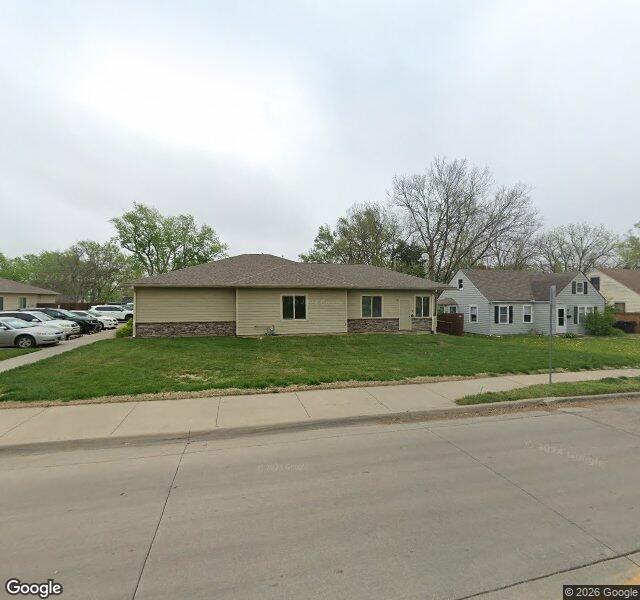
Oakley Place Topeka #1
618 Sw Oakley Ave., Topeka, KS 66606View map (opens in a new tab)
Overview and key essentials
State license
Active
KS KDADS
Google reviews
Not available
Public reviews not linked
Size & payment
Ask directly
Confirm pricing & payment
Public records for this community are limited. Use the checklist below when you call or visit to confirm pricing, services, and openings.
Cost, payment & care details
Updated Nov 28, 2026| Monthly cost | Not published | Ask for the full monthly cost, including care fees and one-time charges. |
|---|---|---|
| Payment options | Ask directly | Payment details are not confirmed in our records. Ask about private pay, long-term care insurance, veterans benefits, and Medicaid waivers. |
| Size & availability | Confirm directly | We don't publish live openings. Ask about current availability, waitlist length, and move-in timing. |
| Care & support | Assisted living | Usually offers housing and help with everyday tasks, such as bathing and dressing. What to confirm about care levelsThis describes the licensed category. Ask how care plans adjust if mobility, nursing, or memory needs change over time. Read the family care guide → |
State licensing
State inspection history
15inspections
27deficiencies listed
Dec 10, 2025Routine6 deficiencies reported6
6 deficiencies reported
View official state report (opens in a new tab)
The following citations represent the findings of a Re-Licensure survey for the above named Home Plus facility conducted on 12/10/2025.
moderateS 5251
Documentation of Incidents (f) (11) documentation of all incidents, symptoms, and other indications of illness or injury including the date, time of occurrence, action taken, and results of the action. This REQUIREMENT is not met as evidenced by: KAR 26-42-105(f)(11) The facility reported a census of eight residents (R). The sample included three residents. Based on interview and record review the operator failed to ensure the record contained documentation of all incidents, symptoms, and other indications of illness or injury including the time and date of occurrence, action taken, and results of the action for one (R5) of three sampled residents who developed a stage two pressure ulcer. Findings included: - Review of R5's medical record revealed she moved into the facility on 07/15/25 with a diagnosis of dementia. R5's "Functional Capacity Screen" (FCS) dated 10/27/25 revealed she was unable to perform any part of the task for transfers or management of medical treatments. She needed physical assistance with all other activities of daily living and had impaired cognition and bladder incontinence. R5's "Negotiated Service Agreement" (NSA) dated 10/27/25 identified she used a hoyer lift for all transfers, staff needed to check and change her every two hours, she wore incontinent briefs, and qualified staff would manage her medications and medical treatments. The NSA also identified she received Hospice services from a local Hospice company. Review of the Hospice notes revealed on 10/29/25 R5 had developed a new stage two pressure ulcer (broken through the top layer of the skin and part of the layer below) to her coccyx. Review of the nursing progress notes from 10/01/25 to 12/10/25 lacked documentation of R5's pressure ulcer, a description of the wound, treatment, and results of the treatment. Observation on 12/10/25 at 02:50 PM Certified Nurse Aide (CNA) F and Certified Nurse Aide G took R5 to her room to check and change her. They used a mechanical lift to transfer her out of the Broda chair (a type of wheelchair) onto her bed. After CNA F provided peri-care observation revealed an open area measuring approximately 0.7 centimeters x 0.2 cm with white at the center. Interview on 12/10/25 at 03:42 PM Licensed Nurse B confirmed she had not documented descriptions of the wound in the facility progress notes. The operator failed to ensure the resident's record included documentation when R5 developed a stage two pressure ulcer.
moderateS 5195
(f) Staff shall store all food under safe and sanitary conditions. Containers of poisonous compounds and cleaning supplies shall not be stored in the areas used for food storage, preparation, or serving. (g) Each home shall maintain at least a three-day supply of food to meet the requirements of the planned menus. This REQUIREMENT is not met as evidenced by: KAR 26-42-206(f) The facility reported a census of six residents. Based on observations and interview the operator failed to ensure staff stored all foods under safe and sanitary conditions. Findings included: - Observation on 12/10/25 at 10:01AM Licensed Nurse B provided a notebook that included water temps and refrigerator temperature logs. The section for refrigerator temperatures had no logs since 2022. Interview on 12/01/25 at 12:35 PM Administrative Staff A reported she did not think they had been keeping refrigerator logs since she had been at the facility. Dietary guidelines for Americans 2005 recommend: Bacteria grow most rapidly in the range of 40 degrees Fahrenheit (F) and 140 degrees F The refrigerator should be set at no higher then 40 degrees F and the freezer at 0 degrees F and these temperatures should be checked with an appliance thermometer. The operator failed to ensure staff stored foods within an appropriate range for safe storage.
moderateS 5230
(b)(5) prohibiting any employee with a communicable disease or any infected skin lesions from coming in direct contact with any resident, any resident ' s food, or resident care equipment until the condition is no longer infectious; (6) providing orientation to new employees and employee in-service education at least annually on the control of infections in a health care setting; (c) Each administrator or operator shall ensure the home ' s compliance with the department ' s tuberculosis guidelines for adult care homes adopted by reference in K.A.R. 26-39-105. This REQUIREMENT is not met as evidenced by: K.A.R 26-42-207(c) The facility reported a census of eight residents(R). The sample included three residents and five newly hired employees. . Based on interview and record review for four of five newly hired employees the operator failed to ensure the facility remained in compliance with the department's tuberculosis (TB) guidelines for adult care homes adopted by reference in K.A.R. 26-39-105. Findings included: - Review of four newly hired employees record revealed the following: Licensed Nurse B hired on 09/17/24 did not have her annual TB symptom screen completed until 11/24/25. Certified Nurse Aide C hired on 08/06/24 had a TB symptom screen completed upon hire and on 10/25/25 but dd not have her annual completed until 11/24/25. Certified Nurse Aide D hired on 09/18/24 did not have her annual TB symptom screen completed until 11/24/25. Administrative Staff E hired on 04/23/25 received her first-step TB skin test on 04/21/25 but did not receive a second TB skin test. Interview on 12/10/25 at 01:45 PM Administrative Staff A confirmed the TB symptoms screens were to be completed annually and they were done late. She also reported she did not think office staff needed the Two-step TB skin, just one. Review of the "Tuberculosis Guidelines for Adult Care Homes" dated June 2013 revealed: Each new employee shall receive a two-step tuberculosis skin test (TST) ... within seven days of employment. It also directed that employees shall have an annual TB symptom screen that includes the components of the Tuberculosis Symptom Screen Review Questionnaire." For four of five newly hired employees the operator failed to ensure the facility remained in compliance with the department's tuberculosis guidelines for adult care homes adopted by reference in K.A.R. 26-39-105.
moderateS 5116
(d) Each administrator or operator shall ensure the review and, if necessary, revision of each negotiated service agreement according to the following requirements: (1) At least once every 365 days;(2) following any significant change in condition, as defined in K.A.R. 26-39-100; (3) at least quarterly if the resident receives assistance with eating from a paid nutrition assistant; and (4) if requested by the resident or the resident ' s legal representative, staff, the case manager, or, if agreed to by the resident or the resident ' s legal representative, the resident ' s family. This REQUIREMENT is not met as evidenced by: KAR 26-42-202(d)(2) The facility reported a census of eight residents(R). The sample included three residents. Based on observation, interview, and record review the operator failed to ensure designated staff reviewed and revised, if necessary, the "Negotiated Service Agreement" for one (R5) of three sampled residents following a significant change in condition as defined in KAR 26-39-100. Findings Included: - Review of R5's medical record revealed she moved into the facility on 07/15/25 with a diagnosis of dementia. R5's "Functional Capacity Screen" (FCS) dated 10/27/25 revealed she was unable to perform any part of the task for transfers or management of medical treatments. She needed physical assistance with all other activities of daily living and had impaired cognition and bladder incontinence. R5's "Negotiated Service Agreement" (NSA) dated 10/27/25 identified she used a hoyer lift for all transfers, staff needed to check and change her every two hours, she wore incontinent briefs, and qualified staff would manage her medications and medical treatments. The NSA also identified she received Hospice services from a local Hospice company. The NSA did not include services to help reduce the risk for pressure ulcers. Review of the Hospice notes revealed on 10/29/25 R5 had developed a new stage two pressure ulcer (broken through the top layer of the skin and part of the layer below) to her coccyx. Observation on 12/10/25 at 02:50 PM Certified Nurse Aide (CNA) F and Certified Nurse Aide G took R5 to her room to check and change her. They used a mechanical lift to transfer her out of the Broda chair (a type of wheelchair) onto her bed. When staff had removed her pants, it revealed she was incontinent of bowel (BM) and bladder. She had a large foam dressing on her right side of her buttocks which covered her coccyx that was covered in Bmand was up under the dressing. After CNA F provided peri-care observation revealed an open area measuring approximately 0.7 centimeters x 0.2 cm with white at the center. Interview on 12/10/25 at 03:42 PM Licensed Nurse B stated she had not revised the NSA to include services related to the development of a new stage two pressure ulcer. The operator failed to ensure designated staff reviewed and revised the NSA for R5's when she developed a stage two pressure ulcer.
moderateS 5192
(e) Food shall be prepared using safe methods that conserve the nutritive value, flavor, and appearance and shall be served at the proper temperature. (1) Food used by facility staff to serve to the residents, including donated food, shall meet all applicable federal, state, and local laws and regulations.(2) Food in cans that have significant defects, including swelling, leakage, punctures, holes, fractures, pitted rust, or denting severe enough to prevent normal stacking or opening with a manual, wheel-type can opener, shall not be used. (3) Food provided by a resident ' s family or friends for individual residents shall not be required to meet federal, state, and local laws and regulations. This REQUIREMENT is not met as evidenced by: KAR 26-42-206 (e) The facility reported a census of eight residents. Based on record review and interview, the operator failed to ensure staff prepared food using safe methods to ensure staff served foods at the proper temperature for all residents in the facility. - During initial tour on 12/10/25 at 10:01 AM Administrative Nurse B provided the food temperature logs that were on the refrigerator. The logs were from 11/29/25 to current day, which revealed the following: 11/29/25 lacked food temperatures dinner. 11/30/25 lacked food temperatures dinner. 12/02/25 lacked food temperatures lunch and dinner. 12/03/25 lacked food temperatures lunch. 12/05/25 lacked food temperatures dinne.r 12/06/25 lacked food temperatures for all three meals. 12/07/25 lacked food temperatures for all three meals. 12/09/25 lacked food temperatures for dinner. Interview on 12/10/25 at 12:35 PM Administrative staff A confirmed staff were supposed to be taking and logging the temperatures of foods they prepare. According to the " Dietary Guidelines for Americans 2005" recommends using a clean thermometer that measures the internal temperature of cooked food to make sure food is cooked to and held at proper temperatures and to keep food out of the "danger zone" (40 degrees Fahrenheit to 140 degrees F) where bacteria can multiply rapidly. The operator failed to ensure staff checked the temperature of foods to ensure staff cooked it to the proper temperature as well as served at a proper temperature.
STATE FORM6899
W0MD11 STATE FORM W0MD11 STATE FORM W0MD11 STATE FORM W0MD11 STATE FORM W0MD11 STATE FORM W0MD11 STATE FORM W0MD11 STATE FORM W0MD11 STATE FORM W0MD11 STATE FORM W0MD11
Mar 17, 2025Complaint3 deficiencies reported3
3 deficiencies reported
View official state report (opens in a new tab)
The following represent the findings of an abbreviated survey with review of complaint #194124, 191837, 191782, 191584, 181588, and 190027 at the above home plus conducted on 03/17/25.
moderateS 5251
Documentation of Incidents (f) (11) documentation of all incidents, symptoms, and other indications of illness or injury including the date, time of occurrence, action taken, and results of the action. This REQUIREMENT is not met as evidenced by: KAR 26-42-105(f)(11) The facility reported a census of 11 residents with three residents included in the sample. Based on interview and record review the operator failed to ensure staff provided adequate documentation of all incidents including date, time, and results of the actions when Resident (R) 3 eloped from the facility. Findings included: - Record review for R3 revealed an admission date of 11/16/22 with diagnosis of Alzheimer's dementia. The 06/24/24 Functional Capacity Screen (FCS) identified R3 required physical assistance with bathing, dressing, toileting, and eating; was unable to perform management of medications and treatments; required supervision with transfers and walking/mobility; was frequently incontinent of bladder; had short-term and long-term memory loss, memory/recall, and decision-making impairments; and had or was at risk for falls, impaired vision, impaired hearing, wandering, socially disruptive behaviors, and impaired decision-making. The 06/24/24 facility's combined "Negotiated Service/Health Care Service Plan" (NSA/HSP) identified facility would visually check R3 often, cue occasionally for transfers, ensure unattended doors were never left open, provide de-escalation location, increase supervision if R3 was agitated and resistant. Staff of one assist was provided for bathing, dressing, toileting as needed, and facility licensed nurse managed medications. Staff directed R3 to his room or took for a walk if wandering. The 08/19/24 Incident Report sent to the department documented R3 completed an elopement on 08/18/24 by setting off front door alarm, staff reset alarm without securing door. R3 subsequently approached same door 13 minutes later and was able to walk through without activating alarm. Review of R3's "Nursing Notes" revealed a note on 08/14/24 regarding R3's finger. The next note dated 09/09/24 at 01:00 PM documented installation of wanderguard system and wrist band applied to R3's left wrist. R3's record lacked documentation of elopement incident including incident details, assessment of resident, and any results or actions taken. On 03/17/25 at 11:31 AM Administrative Staff B confirmed lack of documentation in R3's record of elopement incident including incident details, assessment of resident, and any results or actions taken. The operator failed to ensure staff provided adequate documentation of all incidents including date, time, and results of the actions when R3 eloped from the facility.
moderateS 5028
Reporting (f) (3) Each allegation of abuse, neglect, or exploitation shall be reported to the administrator or operator of the home as soon as staff is aware of the allegation and to the department within 24 hours. The administrator or operator shall ensure that all of the following requirements are met: (A) An investigation shall be started when the administrator or operator, or the designee, receives notification of an alleged violation. (B) Immediate measures shall be taken to prevent further potential abuse, neglect, or exploitation while the investigation is in progress. (C) Each alleged violation shall be thoroughly investigated within five working days of the initial report. Results of the investigation shall be reported to the administrator or operator. (D) Appropriate corrective action shall be taken if the alleged violation is verified. (E) The department ' s complaint investigation report shall be completed and submitted to the department within five working days of the initial report. (F) A written record shall be maintained of each investigation of reported abuse, neglect, or exploitation. This REQUIREMENT is not met as evidenced by: KAR 26-42-101(f)(3) The facility reported a census of 11 residents with three residents included in the sample. Based on interview and record review the operator failed to report an allegation of possible abuse to the department within 24 hours when Resident (R) 1 sustained a broken bone to his left wrist with unknown cause which has caused loss of function of limb. Findings included: - Record review for R1 revealed an admission date of 09/13/23 with diagnoses of cerebral vascular accident affecting left side and Parkinson's disease. The 07/13/24 Functional Capacity Screen (FCS) identified R1 required physical assistance with bathing, dressing, transfers, walking/mobility, and eating; was unable to perform toileting, management of medications and treatments; had short-term and long-term memory, memory/recall, and decision-making difficulties; was sometimes able to understand and was understood during communications; was incontinent of bladder; and was at risk of falls, impaired hearing and impaired decision-making. The 07/13/24 facility's combined "Negotiated Service/Health Care Service Plan" (NSA/HSP) identified facility staff would provide assistance for bathing, dressing, transfers, walking/mobility, incontinence, and eating; facility licensed nurse managed medications; staff spoke slowly and clearly with communication; staff explained processes and allowed time to process; and a Hoyer lift was used for transfers. The 03/10/25 at 03:55 PM AM "Nursing Notes" documented R1 had facial grimacing with movement of left arm. The 03/10/25 "Outside Agency Form" signed by licensed nurse from local hospice company documented R1 had acute pain in left arm. The "Patient Report" dated 03/11/25 at 07:38 PM documented a broken bone within R1's left wrist. Review of R1's record revealed lack of evidence of documentation the incident was reported to the department within 24 hours. On 03/17/25 at approximately 12:44 PM R1 winced, groaned, and withdrew arm when left wrist lifted from lap. Wrist brace was in place. On 03/17/25 at 02:37 PM Certified Nurse Aide D stated R1 used left arm to grab side rail prior to injury but no longer is able. On 03/17/25 at 02:58 PM Administrative Staff B confirmed an initial report was not filed to the department but would have been day of survey due to findings of unknown...
STATE FORM6899
JEP011 STATE FORM JEP011 STATE FORM JEP011 STATE FORM JEP011 STATE FORM JEP011 STATE FORM JEP011
Jul 15, 2024Complaint1 deficiency reported1
1 deficiency reported
View official state report (opens in a new tab)
The following represent the findings of a complaint investigation 188772 at the above named Home Plus conducted on 07/15/24 which resulted in no citations.
STATE FORM6899
WG2Y11
Jun 24, 2024Routine13 deficiencies reported13
13 deficiencies reported
View official state report (opens in a new tab)
The following citations represent the findings of a resurvey with complaints #185831 and 188545 at the above named Home Plus conducted on 06/18/24 and 06/24/24.
sat at the dining room table in hisR 102
wheelchair eating dinner. There was a Hoyer lift located in the hallway outside of his room. On 06/24/24 at 05:14 PM Administrative Nurse B stated R102 required two-person assist with transfers using a Hoyer lift at the time of the incident. Administrative Nurse B stated all staff were re-educated that two staff were required when they operated the Hoyer lift. On 06/25/24 at 10:38 AM Administrative Nurse B stated the facility did not have a set policy concerning transfers but there was an expectation that staff followed professional standards of care and two staff should be present when operating a Hoyer lift. The operator failed to ensure health care services were provided in accordance with acceptable standards of practice.
KAR 26-42-204(i)5171
The facility reported a census of eight residents with three residents included in the sample. Based on observation, interview and record review the operator failed to ensure health care services were provided in accordance with acceptable standards of practice for resident (R)102 when staff failed to follow his "Negotiated Service Agreement/Health Care Service Plan" (NSA/HCSP) when they attempted to transfer him using a Hoyer lift with only one staff which resulted in R102 slipping to the floor. Findings included: - Review of R102's medical records revealed he was admitted to the facility on 09/13/22 with a diagnosis of Parkinson's Disease . The 09/13/23 "Functional Capacity Screen" (FCS) documented R102 required staff assistance with transfers and required the use of a mechanical lift. The 04/09/24 NSA/HCSP documented R102 required two staff to assist with transfers using a Hoyer lift. The 02/07/24 "Nursing Notes" documented R102 fell when "Certified Nurse Aide" (CNA) I attempted to transfer him from his recliner to his
slept between being awake and wanderingR 101
around the facility. An observation on 06/18/24 at 12:30 PM revealed wandered around the facility and entered the nurse's office. R101 appeared to be cognitively impaired and stared out a window with a view to a busy street. An observation on 06/18/24 at 11:30 AM revealed there was a locked and alarmed exit door off the living room/dining area that led to a fenced-in courtyard. The courtyard had a wrought-iron fence with a gate that was not locked which led to a grassy area that sloped downhill to a neighbor's backyard to the east of the facility. There was because she was not able to find him. CNA D stated he had last seen R101 around 03:30 PM when he took him to use the restroom and took R101back to his room. Staff on duty immediately checked all rooms inside the facility and when they were not able to locate R101 they called the nurse who was next door.. Staff proceeded to go outside of the facility to look for R101. CNA D stated that at approximately 04:43 PM he noticed across the street, caddy-corner from the facility looking at a pole. CNA D stated he reviewed the video footage with the facility director which revealed that within two minutes of exiting the facility without staff knowledge and being unaccounted for approximately 54 minutes. On 06/18/24 at 03:26 PM Administrative Staff A was informed of the findings which resulted in immediate jeopardy when staff failed to ensure the rear exit door was kept shut, locked and with the alarm activated allowing a cognitively impaired resident to exit the facility unaccompanied by staff. Administrative Staff A submitted an abatement plan which included the following: On 06/11/24 at 10:00 PM, oncoming staff were notified of elopement and reviewed elopement prevention with Administrative Nurse B. On 06/12/24 the oncoming day shift was notified of elopement and reviewed elopement prevention with Administrative Nurse B. Notifications and review of door procedures and elopement prevention continued at shift change until all staff were notified on 06/15/24. Written door lock training and elopement prevention training created on 06/18/24. Individual staff training and obtaining signatures on training began 06/18/24 and will be completed by 06/21/24. R101's Negotiated Service Agreement/Health Care Service Plan was updated on 06/18/24 to include elopement history and prevention techniques. Plan included, "Staff to redirect when resident attempts to try doors. Resident typically easily redirectable by encouraging him to assist staff or to participate in an activity of his liking. Elopement risk- staff to always remain with the
KAR 26-42-101(f)(1)(B)5026
The facility reported a census of eight residents. The facility identified two residents at risk for elopement. Based on observation, interview and record review the operator failed to ensure resident (R)101 was not subjected to neglect by the failure to ensure the back courtyard door was kept shut with the alarm activated. This resulted in cognitively impaired R101 exiting the facility and being unaccounted for by staff for approximately 54 minutes until facility staff located him across the street at a busy intersection. Findings included:
KAR 26-42-207(c)5320
The facility reported a census of eight residents. Based on interview and record review for three residents and five new employee records, the operator failed to ensure the facility remained in compliance with the department's tuberculosis (TB) guidelines for adult care homes adopted by reference in KAR 26-39-105. Findings included: - Review of five newly hired staff records revealed the following: "Certified Nurse Aide" (CNA) F's employee record revealed a hire date of 04/26/24. The TB Symptom Screening Questionnaire was not dated
immediate_jeopardyS 5026
ANE (f)The administrator or operator shall ensure that all of the following requirements are met: (1) No resident shall be subjected to any of the following: (A) Verbal, mental, sexual, or physical abuse, including corporal punishment and involuntary seclusion; (B) neglect; or (C) exploitation. This REQUIREMENT is not met as evidenced by: - R101's medical record revealed he moved into the facility on 02/22/24 with a diagnosis of Lewy body dementia. R101's "Functional Capacity Screen" (FCS) dated 02/22/24 failed to identify R101 had severe cognitive impairment. R101 was independent with transfers and mobility and triggered for wandering. R101's "Negotiated Service Agreement/Healthcare Service Plan" (NSA/HCSP) dated 02/22/24 lacked interventions for wandering. Review of R101's medical record revealed the following: The 03/04/24 "Nursing Note" documented staff relayed in a report that R101 was more agitated during the night and did not sleep well. R101 was more aggressive with staff regarding leaving the facility. Staff were unsure of exactly how much unimpeded access to the north of the facility that led to a busy four-lane street. An observation on 06/18/24 at 03:45 PM revealed the facility was in a mixed residential/commercial neighborhood at a relatively busy intersection with stop lights and crosswalks. The streets were paved and had a speed limit of 40 miles per hour. Weather conditions at the time of the elopement as verified on https://www.wunderground.com/ revealed it was daylight outside with a temperature of 90 degrees Fahrenheit. On 06/18/24 at 03:00 PM "Certified Nurse Aide" (CNA) D stated R101 was more active with exit-seeking in the afternoon hours and was easily redirected. On 06/11/24 at approximately 03:47 PM, another resident, R104, asked staff to let him out to the courtyard where he could sit in his wheelchair. CNA D stated he used a planter to prop open the door and kept an eye on R104 through the window while working. Staff stated CNA E came on shift around 03:55 PM and wheeled R104 back into the facility and closed the door which was open approximately 8-10 minutes. At approximately 04:00 PM CNA E asked the other two staff on duty if they had seen taking R104 out to the courtyard R101 walked out of the sunroom, went through the open door and headed straight to the gate. CNA D stated he went to answer another resident's call bell and did not notice R101 exiting through the open door into the courtyard. Review of the "Nursing Notes" dated 06/11/24 documented, Administrative Nurse B received a call at approximately 04:30 PM from CNA E who reported that she had been looking for R101 for approximately fifteen minutes. Administrative Nurse B went directly over to the facility and scanned the premises and looked behind closed doors. Two other aides were outside searching for R101. Approximately ten minutes later R101 was located, standing in the alleyway (across the intersection) caddy-corner to the facility. CNA D was able to run over to the resident and wait until Administrative Nurse B picked up the resident with the company vehicle. The resident was returned to the facility at 04:50 PM. R101 was assessed, and vital signs were taken and were within normal limits. No bumps, bruising or obvious trauma or injury was noted. R101's wife and medical provider were notified of the elopement. After arriving back at the facility R101 was relaxed and walking around the facility. R101 had lots of fluid offered and did accept...
moderateS 5171
Practice (i) All health care services shall be provided to residents by qualified staff in accordance with acceptable standards of practice. This REQUIREMENT is not met as evidenced by: wheelchair using Hoyer lift with no other staff assistance. R102 slid out of his wheelchair when CNA I attempted to lower him. Review of the 02/07/24 "Fall Investigation Form" documented, R102 was care planned for staff assist of two people for transfers. CNA I attempted to use a Hoyer lift to transfer R102 to his wheelchair by herself. CNA I was unable to get R102 situated in his wheelchair correctly as the Hoyer lift was being released down. As a result, R102 slid directly out of wheelchair onto the floor. Intervention: Staff to follow care plan as written. An observation on 06/24/24 at 04:35 PM revealed
moderateS 5230
(b)(5) prohibiting any employee with a communicable disease or any infected skin lesions from coming in direct contact with any resident, any resident ' s food, or resident care equipment until the condition is no longer infectious; (6) providing orientation to new employees and employee in-service education at least annually on the control of infections in a health care setting; (c) Each administrator or operator shall ensure the home ' s compliance with the department ' s tuberculosis guidelines for adult care homes adopted by reference in K.A.R. 26-39-105. This REQUIREMENT is not met as evidenced by: to show when it was completed. CNA G's employee record revealed a hire date of 02/20/24. The first step of the two-step TB skin test (TST) was read as not positive on 02/22/24 and the second step of the TST was not administered until 04/09/24 which was 26 days late. "Certified Medication Aide" (CMA) H's employee record revealed a hire date of 02/13/24. The TB Symptom Screening Questionnaire was not dated to show when it was completed. The first step of the two-step TB skin test (TST) was read as not positive on 02/21/24 and the second step of the TST was not administered until 04/07/24 which was 25 days late. On 06/24/24 at 04:57 PM Administrative Nurse A stated it was her expectation that the second step of the two-step TST be administered according to the TB guidelines. The June 2013 "Tuberculosis (TB) Guidelines for Adult Care Homes" documented, "Each new resident and new employee shall have an initial TB symptom screen that includes the components of the TB symptom questionnaire within seven days of residency or employment ...If the first TST is read as not positive, a second TST shall be administered within 1 to 3 weeks." The operator failed to ensure the facility remained in compliance with the department's tuberculosis guidelines for adult care homes adopted by reference in KAR 26-39-105 regarding newly hired employees. - Resident (R)103 moved into the facility on 06/19/23. R103's medical record revealed the first step of the two-step TST was not administered until 08/09/23 which was 44 days late. On 06/24/24 at 04:57 PM Administrative Nurse A stated it was her expectation that the first step of the two-step TST be administered to R101 within seven days of his admission to the facility. The June 2013 "Tuberculosis (TB) Guidelines for Adult Care Homes" documented, "Each new resident ...shall receive a two-step TST ...within 7 days of residency ..." The operator failed to ensure compliance with the department's TB guidelines for adult care homes adopted by reference to K.A.R. 26-29-105.
STATE FORM6899
02RH11 STATE FORM 02RH11 STATE FORM 02RH11 STATE FORM 02RH11 STATE FORM 02RH11 STATE FORM 02RH11 STATE FORM 02RH11 STATE FORM 02RH11 STATE FORM 02RH11 STATE FORM 02RH11 STATE FORM 02RH11 STATE FORM 02RH11 STATE FORM 02RH11 STATE FORM 02RH11
KAR 26-42-202(a)(1)5105
The facility reported a census of eight residents with three residents included in the sample. Based on interview, and record review the operator failed to ensure the "Negotiated Service Agreement" (NSA) was fully developed based on the resident's "Functional Capacity Screen" (FCS), service needs, and preferences for resident (R)101 and R103. Findings included: - R101's medical record revealed he moved into the facility on 02/22/24 with a diagnosis of Lewy body dementia.
moderateS 5095
Accurate (d) Designated staff shall ensure that each resident ' s functional capacity at the time of screening is accurately reflected on that resident ' s screening form. This REQUIREMENT is not met as evidenced by: with three included in the sample. Based on observation, interview, and record review the operator failed to ensure Resident (R) 101's "Functional Capacity Screen" (FCS) accurately reflected the resident's cognitive status. Findings included: - Resident (R)101's medical record revealed he moved into the facility on 02/22/24 with a diagnosis of Lewy body dementia. The 02/22/24 Admission FCS identified R101 had an impairment with decision-making but no other cognitive deficits. The 09/12/23 FCS identified R101 was independent with transfers and ambulation and did not require the use of an assistive device. Observation on 06/18/24 at 12:30 PM R101 wandered around the facility and entered the nurse's office. R101 appeared to be cognitively impaired and stared out a window facing a busy street. On 06/18/24 at 02:28 PM Administrative Staff A acknowledged that the 02/22/24 FCS was not accurately coded and should have been coded at least a three instead of just one for Cognition and memory, recall. The operator failed to ensure R101's FCS accurately reflected his status concerning his cognition.
moderateS 5105
a) The administrator or operator of each home plus shall ensure the development of a written negotiated service agreement for each resident, based on the resident ' s functional capacity screening, service needs, and preferences, in collaboration with the resident or the resident ' s legal representative, the case manager, and, if agreed to by the resident or the resident ' s legal representative, the resident ' s family. The negotiated service agreement shall provide the following information: (1) A description of the services the resident will receive; (2) identification of the provider of each service; and (3) identification of each party responsible for payment if outside resources provide a service. This REQUIREMENT is not met as evidenced by: The 02/22/24 FCS identified R101 had difficulty decision-making and wandered. The 02/22/24 NSA did not address R101's cognition or his wandering. On 06/24/24 at 05:39 PM Administrative Nurse B stated R101's NSA did not address his cognition and did not include interventions to address his wandering. The operator failed to ensure R101's NSA was fully developed to include all items that triggered in the FCS. - R103's medical record revealed he moved into the facility on 06/19/23 with a diagnosis of peripheral neuropathy. The 08/12/23 FCS identified R103 required physical assistance with transfers and triggered for falls. The 08/12/23 NSA did not address the use of a bed assist device and did not address falls. On 06/24/24 at 04:57 PM Administrative Nurse B stated R103's NSA did not address falls specifically and did not address the use of a bed assist device. The operator failed to ensure R103's NSA was fully developed to include all items that triggered in the FCS and failed to identify that he used a bed assist device.
KAR 26-42-201(d)5095
The facility reported a census of eight residents
Nov 16, 2023Routine4 deficiencies reported4
4 deficiencies reported
View official state report (opens in a new tab)
The following represents the findings of a resurvey with attached complaint #177131 at the above named home plus facility conducted on 11/14/23 and 11/16/23.
moderateS 5215
Preparedness Education (d) Each administrator or operator shall ensure disaster and emergency preparedness by ensuring the performance of the following: (1) Orientation of new employees at the time of employment to the home ' s emergency management plan; (2) education of each resident upon admission to the home regarding emergency procedures; (3) quarterly review of the home ' s emergency management plan with employees and residents; and (4) an emergency drill, which shall be conducted at least annually with staff and residents. This drill shall include evacuation of the residents to a secure location. This REQUIREMENT is not met as evidenced by: KAR 26-42-104(d)(3) The facility reported a census of seven residents. Based on interview and record review the operator failed to provide quarterly reviews of the facility's emergency management plan with staff and residents. Findings included: - On 11/14/23 at 02:38 PM the dates of the quarterly reviews of the facility's emergency management plan with residents and staff since the previous survey was requested which the facility failed to provide. On 11/14/23 at 04:26 PM Administrative Staff A confirmed reviews of the facility's emergency management plan with staff and residents was not conducted quarterly. The facility's undated "Emergency Orientation" policy documented the emergency plan procedures would be reviewed monthly with staff and residents. The operator failed to provide quarterly reviews of the facility's emergency management plan with staff and residents.
moderateS 5085
Reassessment (c) Designated staff shall conduct a screening to determine each resident ' s functional capacity according to the following requirements: (1) At least once every 365 days; (2) following any significant change in condition as defined in K.A.R. 26-39-100; and (3) at least quarterly if the resident receives assistance with eating from a paid nutrition assistant. This REQUIREMENT is not met as evidenced by: KAR 26-42-201(c)(2) The facility reported a census of 12 residents with three included in the sample and one closed record review. Based on interview and record review the operator failed to complete a "Functional Capacity Screen" (FCS) for Resident (R) 1 following a significant change in condition. Finding included: - Record review for R1 revealed an admission date of 10/03/23 with a diagnosis of left below knee amputation. The 10/04/23 admission "FCS" identified R1 required physical assistance with transfers and walking/mobility. The 11/07/23 "Negotiated Service Agreement" (NSA) identified facility staff would provide R1 assistance with one staff with all transfers and he propelled himself in a wheelchair for walking/mobility. R1's record lacked evidence of documentation of a significant change "NSA" after he returned from the hospital for below knee amputation to left leg and toes removed from right foot. The 10/20/23 "Nurses Note" documented R1's Durable Power of Attorney (DPOA) reported R1 was admitted to the hospital to have a below knee amputation to right leg and removing the toes on his right foot. The 10/31/23 "Nurses Note" documented R1 arrived back to the facility. He was able to assist with transfers and had no questions or concerns. On 11/16/23 at approximately at 11:35 AM Licensed Nurse C confirmed R1's record lacked evidence of documentation of a significant change "FCS" after he returned from the hospital for below knee amputation to left knee and toes removed from right foot. The facility's undated "Resident Records" policy documented an "FCS" will be completed following any significant change in condition. The operator failed to ensure licensed staff completed an "FCS" for R1 following a significant change.
STATE FORM6899
OPW211 STATE FORM OPW211 STATE FORM OPW211 STATE FORM OPW211 STATE FORM OPW211 STATE FORM OPW211
moderateS 5286
Medications (b) Administration of select medications. Any resident who self-administers medication may select some medications to be administered by a licensed nurse or medication aide. The negotiated service agreement shall reflect this service and identify who is responsible for the administration and management of selected medications. This REQUIREMENT is not met as evidenced by: KAR 26-42-205(b) The facility reported a census of 12 residents with three included in the sample and one closed record review. Based on interview and record review the operator failed to ensure R1's "Negotiated Service Agreement" (NSA) identified who was responsible for the administration and management of insulin. Findings included: - Record review for R1 revealed an admission date of 10/03/23 with a diagnosis of left below knee amputation. The 10/04/23 admission "Functional Capacity Screen" identified R1 was unable to perform management of medications. The 11/07/23 "NSA" Licensed Nurse C provided management of medications. The 11/07/23 "NSA" failed to identify who was responsible for the administration of insulin injections for R1. The 11/16/23 "Resident Roster" revealed R1 was marked for self-administration of medications and took insulin. On 11/16/23 at approximately 11:35 AM Administrative Staff A stated R1 administered his own insulin. On 11/16/23 at approximately 11:35 AM Licensed Nurse C confirmed R1's "NSA" lacked documentation of who was responsible for administration of insulin. The facility's undated "Negotiated Service Agreement" policy documented each resident's "NSA" should include a description of medication managment. The operator failed to ensure R1's NSA identified who was responsible for the administration and management of insulin.
Show all 15 inspections
Jun 22, 2022Follow-upNo deficiencies reportedNone
Jan 20, 2021RoutineNo deficiencies reportedNone
Jan 7, 2021RoutineNo deficiencies reportedNone
Jun 16, 2020RoutineNo deficiencies reportedNone
No deficiencies reported
View official state report (opens in a new tab)
oakley place 1 covid 6.16.2020
Nov 19, 2018RoutineNo deficiencies reportedNone
Jan 11, 2017RoutineNo deficiencies reportedNone
Dec 19, 2016RoutineNo deficiencies reportedNone
Sep 1, 2015RoutineNo deficiencies reportedNone
Jul 10, 2014RoutineNo deficiencies reportedNone
Jan 28, 2014RoutineNo deficiencies reportedNone
Neighborhood & resident support
Emergency access, hazards & advocacy
Nearest hospital
St Francis Health Center Inc
1.0 mi · Topeka, KS · Medicare 3/5 ★
Emergency room
FEMA hazard risk
Relatively ModerateShawnee County, KS
- Winter Weather
- Ice Storm
- Tornado
Free resident advocacy
Kansas Office of the State Long-Term Care Ombudsman
More neighborhood context (specialists, VA, dialysis, air & affordability)
VA & dialysis access
VA Eastern Kansas Healthcare System
2.2 mi · Topeka, KS · VA 4/5 ★
DaVita Topeka Dialysis
0.3 mi · 2/5 ★ · Home dialysis
Specialists within 15 mi
- Geriatricians
- 1
- Neurologists
- 33
- Palliative care
- 8
- PM&R rehab
- 4
Environment & mobility
- EPA Air (2025)
- 64% good days · AQI 44
- EPA Walkability
- 10.2/20 (Below Average)
- USDA Grocery Access
- Limited Grocery Access
- Primary care access
- HRSA Shortage Area
County demographics
- Age 65+ median income
- $54,712/yr
- Rent-burdened households
- 44%
- Cognitive disability (2023)
- 15.7%
- Mobility disability
- 12.7%
Call & tour checklist
Questions to ask Oakley Place Topeka #1
Check off questions as you call or tour. Your progress stays private in this browser.
Show 3 more suggested questions
Verification & public records
Official records & sources
Licensing & contact
- License #
- B089081
- Status
- active
- Phone
- (913) 605-9157
- Federal OIG LEIE
- Clear (2026-11-27)
Operator & ownership
- Operator
- Quality Living LLC
Original public sources
Verify licensing, ratings, and inspection reports directly with each official source.
- KS KDADS official record (opens in a new tab)Kansas Dept. for Aging & Disability Services
- Google Maps (opens in a new tab)Directions, photos & neighborhood
- Google Reviews (opens in a new tab)Read public reviews
EveryPlace is an independent research directory. Information is compiled from public Medicare.gov, state licensing, Google Places, and street-level imagery sources. Some summaries, suggested questions, and pricing notes are AI-generated or AI-assisted and may contain errors or omissions. We do not accept payment for placement. Confirm all details directly with the community and official sources. Research Policy.
Keep exploring
Nearby communities to compare
- Assisted Living< 1 miOakley Place Topeka #2Topeka, KS
- Assisted Living< 1 miCelebration Villa of Hearthstone EastTopeka, KS
- Assisted Living< 1 miCelebration Villa of Hearthstone WestTopeka, KS
- Assisted Living< 1 miThe Bogart House LLC IITopeka, KS
- Medicare 3/53.2(6)50 bedsMedicaidNursing Home< 1 miBrighton Place WestTopeka, KS
- Medicare 2/5Cap. 50Dialysis Center< 1 miDavita Topeka DialysisTopeka, KS