Loading EveryPlace content…
Assisted LivingActive license
Celebration Villa of Hearthstone West
3515 Sw 6th Ave, Topeka, KS 66606View map (opens in a new tab)
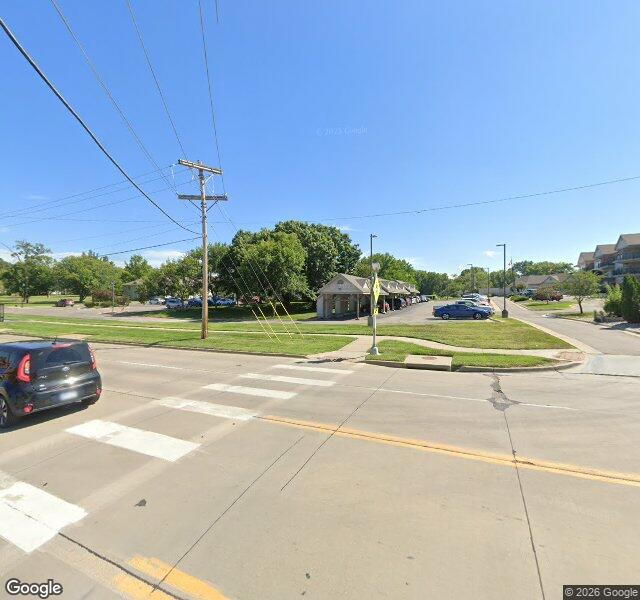
Overview and key essentials
State license
Active
KS KDADS
Google reviews
Not available
Public reviews not linked
Size & payment
Ask directly
Confirm pricing & payment
Public records for this community are limited. Use the checklist below when you call or visit to confirm pricing, services, and openings.
Cost, payment & care details
Updated Nov 28, 2026| Monthly cost | Not published | Ask for the full monthly cost, including care fees and one-time charges. |
|---|---|---|
| Payment options | Ask directly | Payment details are not confirmed in our records. Ask about private pay, long-term care insurance, veterans benefits, and Medicaid waivers. |
| Size & availability | Confirm directly | We don't publish live openings. Ask about current availability, waitlist length, and move-in timing. |
| Care & support | Assisted living | Usually offers housing and help with everyday tasks, such as bathing and dressing. What to confirm about care levelsThis describes the licensed category. Ask how care plans adjust if mobility, nursing, or memory needs change over time. Read the family care guide → |
State licensing
State inspection history
15inspections
23deficiencies listed
Sep 22, 2025ComplaintNo deficiencies reportedNone
No deficiencies reported
View official state report (opens in a new tab)
INITIAL COMMENTS The following represent the findings of a complaint investigation 196941 at the above named assisted living conducted on 09/22/25 which resulted in no citations. If deficiencies are cited, an approved plan of correction is requisite to continued program participation.
Aug 25, 2025Routine15 deficiencies reported15
15 deficiencies reported
View official state report (opens in a new tab)
The following represents the findings of a resurvey with attached complaint 187638, 188778, 188876, 189258, 190169, 192119, 193461, 194007, 196278, 194725, 195684, and 196432 at the above named assisted living facility conducted 08/18, 8/20, 8/21 and 08/25/25.
moderateS 3298
(d) Food preparation. Food shall be prepared using safe methods that conserve the nutritive value, flavor, and appearance and shall be served at the proper temperature. (1) Food used by facility staff to serve to the residents, including donated food, shall meet all applicable federal, state, and local laws and regulations. (2) Food in cans that have significant defects, including swelling, leakage, punctures, holes, fractures, pitted rust, or denting severe enough to prevent normal stacking or opening with a manual, wheel-type can opener, shall not be used. (3) Food provided by a resident ' s family or friends for individual residents shall not be required to meet federal, state, and local laws and regulations. This REQUIREMENT is not met as evidenced by: KAR 26-41-206(d) The facility had a census of 34 residents. All 34 residents ate food prepared in the same kitchen. The operator failed to ensure food items were served at the proper temperature. Findings included: - On 08/18/25 at approximately 01:04 PM review of the most recent 35-day food temperature documentation cycle revealed breakfast food days. On 08/18/25 at 03:06 PM Dietary Staff E confirmed the food temperature logs were not complete and lacked documentation for breakfast food temperature for multiple days. Dietary guidelines for Americans 2005 recommends using a clean thermometer that measures the internal temperature of cooked food to make sure food is cooked to and held at proper temperatures and to keep food out of the "danger zone" (40 degrees Fahrenheit to 140 degrees Fahrenheit) where bacteria can multiply rapidly. The administrator failed to ensure food items were served at the proper temperature.
moderateS 3299
(e) Food storage. Facility staff shall store all food under safe and sanitary conditions. (1) Containers of poisonous compounds and cleaning supplies shall not be stored in the areas used for food storage, preparation, or serving. This REQUIREMENT is not met as evidenced by: KAR 26-41-206(e) The facility had a census of 34 residents. All 34 residents ate food prepared in the same kitchen. The administrator failed to ensure food items were stored under safe and sanitary conditions by ensuring food was dated according to food safety guidelines. Findings included: -Observation of the kitchen on 08/18/25 at 12:39 PM revealed the following: A three-door stainless steel refrigerator contained a 48 fluid ounce (fl. oz.) bottle of prune juice that had a label that read "Consume within 7-10 days" but lacked an open date. One undated squeezable container of whipped topping identifying a shelf life of two weeks. One undated and unsealed five-pound bag of cheddar/Monterey jack cheese. Eight undated bottles of salad dressing. A plastic tub containing individually packaged small containers of "Ranch" dressing with a preparation date of 07/06/25 and a shelf life date of 07/11/25. A plastic tub containing individually packaged small containers of "Honey Mustard" with a preparation date of 05/23/25 and a shelf life date of 06/23/25. A plastic tub containing individually packaged small containers of "1000 Island Dressing" with a preparation date of 05/10/25 and a shelf life date of 05/31/25. A plastic tub containing individually packaged small containers of "French Dip" with a shelf life date of 06/24/25. An observation of the dry storage goods revealed: One unsealed bag of Biscuit mix. Review of the "July 2025 Ref/Freezer Temp. Logs" revealed no temperatures were documented between 07/23 and 07/31. On 08/18/25 at approximately 12:39 PM Dietary Staff E confirmed there were food items that were not dated and no August refrigerator temperature log for the three-door stainless steel refrigerator. Review of the undated "Storage of Refrigerated and Dry Foods" policy documented, "All containers must be labeled with the contents and date food item was placed in storage...Food items that remain sealed from the supplier may be held until the expiration date if unopened." The August 2017 "Focus on Food Safety" published by the Kansas Department of Agriculture documented food should be marked with the date by which food is to be consumed or discarded after the original container is opened. Food can be held for seven days in adequate refrigeration. The administrator failed to ensure food items were stored under safe and sanitary conditions.
moderateS 3200
Medications (d) Facility administration of resident ' s medications. If a facility is responsible for the administration of a resident ' s medications, the administrator or operator shall ensure that all medications and biologicals are administered to that resident in accordance with a medical care provider ' s written order, professional standards of practice, and each manufacturer ' s recommendations. The administrator or operator shall ensure that all of the following are met: (1) Only licensed nurses and medication aides shall administer and manage medications for which the facility has responsibility. (2) Medication aides shall not administer medication through the parenteral route. This REQUIREMENT is not met as evidenced by: KAR 26-41-205(d) The facility reported a census of 34 residents with three included in the sample, three focused record reviews, and six closed record reviews. Based on interview and record review the administrator failed to ensure facility staff administered medications to Resident (R) 3 in accordance with her provider's orders. Findings included: - Record review for R3 revealed an admission date of 12/26/22 with a diagnosis of Parkinson's disease. The 05/19/25 Functional Capacity Screen (FCS) identified R3 required physical assistance with management of medications. The 05/19/25 Negotiated Service Agreement for R3 identified facility medication technicians would administer medications. The 12/03/24 medical provider's order for diclofenac gel 1% had instructions to apply four grams four times a day for right shoulder pain. The August 2025 Medication Administration Record (MAR) documented R3 was administered diclofenac gel four times a day. CMA F documented application of the gel 26 times. On 08/20/25 at approximately 01:10 PM R3 stated CMA F had not applied her pain relief gel to her shoulder yet today. She confirmed he is very inconsistent and does not do it very often. She stated she has pain it in so often and it is worse the days it is not applied as ordered. The facility's undated "Medication Policy" documented medicine is to be taken regularly as prescribed by residents' physicians and residents were to be assisted by the staff if necessary. The administrator failed to ensure facility staff administered all medications to R3 in accordance with her medical care provider's order.
moderateS 3310
(b) (5) prohibiting any employee with a communicable disease or any infected skin lesions from coming in direct contact with any resident, any resident ' s food, or resident care equipment until the condition is no longer infectious; (6) providing orientation to new employees and employee in-service education at least annually on the control of infections in a health care setting; and (c) Each administrator or operator shall ensure the facility ' s compliance with the department ' s tuberculosis guidelines for adult care homes adopted by reference in K.A.R. 26-39-105 This REQUIREMENT is not met as evidenced by: KAR 26-41-207(c) The facility reported a census of 34 residents. The sample included three residents and nine abbreviated record reviews. Based on interview and record review for three residents and five new employee records, the administrator failed to ensure the facility remained in compliance with the department's tuberculosis (TB) guidelines for adult care homes adopted by reference in K.A.R. 26-39-105. This failure effected all residents who lived in the assisted living facility. Findings included: - Resident (R)2 moved into the facility on 08/28/23 with a diagnosis of Alzheimer's Disease. Review of R2's medical record lacked evidence she had an annual TB Symptom Screen Questionnaire completed in 2024. On 08/21/25 at 02:55 PM Administrative Nurse D confirmed R2 did not have an annual TB Symptom Screen Questionnaire since May 2024. The 06/2013 "Tuberculosis (TB) Guidelines for Adult Care Homes" documented, "Each resident ...shall have an annual TB symptom screen ..." The administrator failed to ensure compliance with the department's tuberculosis guidelines for adult care homes adopted by reference in K.A.R. 26-39-105. - Review of three newly hired employee files revealed the following: Review of facility personnel records revealed Certified Medication Aide F was hired on 07/17/24. A Tuberculosis Symptom Screen Questionnaire was not completed, and the two-step TB Skin Test was not started until 08/15/24 which was 12 days late. On 08/20/25 at 02:01 PM Administrative Staff A confirmed that a TB Symptom Screen Questionnaire and two-step TST were not started until 08/15/24. The 06/2013 "Tuberculosis (TB) Guidelines for Adult Care Homes" documented, "Each new ...employee shall have an initial TB symptom screen that includes the components of the Tuberculosis Symptom Screen Questionnaire within 7 days of ...employment ...Each new ...employee shall receive a two-step TST or an IGRA for Mycobacterium tuberculosis within 7 days of ...employment ..." The administrator failed to ensure the facility remained in compliance with the department's tuberculosis guidelines for adult care homes adopted by reference in K.A.R. 26-39-105.
moderateS 3280
Preparedness (d) Each administrator or operator shall ensure disaster and emergency preparedness by ensuring the performance of the following: (1) Orientation of new employees at the time of employment to the facility ' s emergency management plan; (2) education of each resident upon admission to the facility regarding emergency procedures; (3) quarterly review of the facility ' s emergency management plan with employees and residents; and (4) an emergency drill, which shall be conducted at least annually with staff and residents. This drill shall include evacuation of the residents to a secure location. This REQUIREMENT is not met as evidenced by: KAR 26-41-104(d)(3) The facility reported a census of 34 residents. Based on record review and interview for all residents and all facility employees, the operator failed to ensure disaster and emergency preparedness by ensuring performance of quarterly review of the facility's emergency management plan with all employees and residents. Findings included: - Record review of quarterly emergency management plan reviews with residents and staff completed between 04/2024 and 06/2025 lacked evidence that all staff and residents took part in the reviews. On 08/20/25 at 04:35 PM Administrative Staff A confirmed that she did not have proof all staff and residents took part in the quarterly reviews of the emergency management plan. The administrator failed to ensure the completion of quarterly reviews of the emergency management plan with all employees and residents.
STATE FORM6899
9ZNP11 STATE FORM 9ZNP11 STATE FORM 9ZNP11 STATE FORM 9ZNP11 STATE FORM 9ZNP11 STATE FORM 9ZNP11 STATE FORM 9ZNP11 STATE FORM 9ZNP11 STATE FORM 9ZNP11 STATE FORM 9ZNP11 STATE FORM 9ZNP11 STATE FORM 9ZNP11 STATE FORM 9ZNP11 STATE FORM 9ZNP11 STATE FORM 9ZNP11 STATE FORM 9ZNP11 STATE FORM 9ZNP11 STATE FORM 9ZNP11 STATE FORM 9ZNP11 STATE FORM 9ZNP11 STATE FORM 9ZNP11 STATE FORM 9ZNP11 STATE FORM 9ZNP11 STATE FORM 9ZNP11 STATE FORM 9ZNP11 STATE FORM 9ZNP11 STATE FORM 9ZNP11 STATE FORM 9ZNP11 STATE FORM 9ZNP11 STATE FORM 9ZNP11 STATE FORM 9ZNP11 STATE FORM 9ZNP11 STATE FORM 9ZNP11 STATE FORM 9ZNP11 STATE FORM 9ZNP11 STATE FORM 9ZNP11 STATE FORM 9ZNP11 STATE FORM 9ZNP11 STATE FORM 9ZNP11 STATE FORM 9ZNP11 STATE FORM 9ZNP11 STATE FORM 9ZNP11
moderateS 3305
(a) The administrator or operator of each assisted living facility or residential health care facility shall ensure the provision of a safe, sanitary, and comfortable environment for residents. (b) Each administrator or operator shall ensure the development of policies and implementation of procedures to prevent the spread of infections. These policies and procedures shall include the following requirements: (1) Using universal precautions to prevent the spread of blood-borne pathogens; (2) techniques to ensure that hand hygiene meets professional health care standards; (3) techniques to ensure that the laundering and handling of soiled and clean linens meet professional health care standards; (4) providing sanitary conditions for food service; (5) prohibiting any employee with a communicable disease or any infected skin lesions from coming in direct contact with any resident, any resident ' s food, or resident care equipment until the condition is no longer infectious; (6) providing orientation to new employees and employee in-service education at least annually on the control of infections in a health care setting; and (7) transferring a resident with an infectious disease to an appropriate health care facility if the administrator or operator is unable to provide the isolation precautions necessary to protect the health of other residents. This REQUIREMENT is not met as evidenced by: KAR 26-41-207(a) The facility reported a census of 34 residents with three residents included in the sample, three focused record reviews, and six closed record reviews. Based on observation and interview the administrator failed to ensure the facility provided a safe, sanitary, and comfortable environment for all residents. Findings included: - Observations on 08/18/25 at 11:55 AM during initial tour revealed carpet in common areas and hallways with stains of various sizes and ages. One larger dark colored stain and two stains lighter in color were in common area by the south sliding doors. Observation on 08/25/25 at 12:16 PM revealed the toilet in R13's bathroom had dried feces on the front and multiple incontinence briefs in the trash can. Observation on 08/25/25 at 12:24 PM revealed the same stains in the common area by the south sliding doors without any change in size or color. Observation on 08/25/25 at 12:40 PM in the hallway approximately 15 feet from R14's door revealed a strong odorous urinary smell. CMA G confirmed the smell was coming from R14's room and has always smelled this way. On 08/21/25 at 12:12 PM R12 stated she had to complain about her toilet and sink in order to get it cleaned. This past Friday she had to take out her trash herself. R12 stated it made her uncomfortable. On 08/21/25 at 12:45 PM R3 stated she has her own toilet brush and cleans when staff have not completed her regular cleaning. On 08/21/25 at 02:03 PM R5 stated she had to complain to staff about not cleaning her toilet for three weeks. She stated her apartment was not vacuumed from January until August of this year. On 08/21/25 at 04:21 PM R15's son stated the room was cleaned by family. The room was not vacuumed regularly, and the bathroom smelled bad most of the time. On 08/21/25 at 04:49 PM Unlicensed Staff I stated there are only two housekeepers and that is why "you will see this place is such a mess." On 08/25/25 at 10:05 AM R6's daughter stated her family had to complete cleaning including vacuuming, dusting and toilet scrubbing weekly for a sanitary...
moderateS 3085
(a) The administrator or operator of each assisted living facility or residential health care facility shall ensure the development of a written negotiated service agreement for each resident, based on the resident ' s functional capacity screening, service needs, and preferences, in collaboration with the resident or the resident ' s legal representative, the case manager, and, if agreed to by the resident or the resident ' s legal representative, the resident ' s family. The negotiated service agreement shall provide the following information: (1) A description of the services the resident will receive; (2) identification of the provider of each service; and (3) identification of each party responsible for payment if outside resources provide a service. This REQUIREMENT is not met as evidenced by: KAR 26-41-202(a)(1)(3) The facility census equaled 34 residents with three residents sampled and nine abbreviated record reviews. Based on record review and interview for three Residents (R)1, R3 and R6 the administrator failed to ensure the "Negotiated Service Agreement" (NSA) was fully developed based on the resident's "Functional Capacity Screen" (FCS), service needs, preferences and identified each party responsible for payment if outside resources provide a service. Findings included: - Review of R1's medical record revealed she was admitted to the facility on 03/01/23 with a diagnosis of muscle weakness. The 06/16/25 FCS identified R1 was marked as having impaired vision. The 06/16/25 NSA did not address what services staff provided concerning R1's impaired vision. The service plan revised on 04/04/24 indicated R1 had vision loss in her right eye and wore an eye patch. On 08/21/25 at 02:48 PM Administrative Nurse D stated staff made sure R1 wore her eye patch but confirmed the NSA did not address this. The administrator failed to ensure R1's NSA was fully developed to include all items that triggered on the FCS, her service needs, and preferences. - Review of R3's medical record revealed she was admitted to the facility on 12/26/22 with a diagnosis of Parkinson's Disease. The 05/19/25 FCS identified R3 required physical assistance with transfers and triggered for falls. The 05/19/25 NSA documented staff physically assisted R3 with transfers but did not indicate that she used a bed assist device. The NSA documented R3 received services from a local home health agency but did not identify the party responsible for payment of these services. On 08/25/25 at 12:56 PM Administrative Nurse D confirmed R3's NSA did not address the use of a bed assist device. On 08/25/25 at 02:52 PM Administrative Nurse D confirmed an addendum to the NSA identifying who the payer of home health services provided for R3 had been started but not completed. The administrator failed to ensure R3's NSA was fully developed to include all items that triggered on the FCS, her service needs, preferences, and failed to identify the party responsible for payment of services provided by an outside provider. - Review of R6's medical record revealed she was admitted to the facility on 12/01/22 with diagnoses of Alzheimer's Disease and insomnia. The 06/21/24 FCS identified R6 was independent with transfers and mobility and was at risk for falls. The 06/21/24 NSA failed to address what services staff provided R6 to prevent falls. On 08/25/25 at 02:47 PM Administrative Nurse confirmed R6's NSA did not include interventions to prevent falls. The administrator failed to...
moderateS 3211
DRUGS (3) A licensed nurse or medication aide may accept over-the-counter medication only in its original, unbroken manufacturer ' s package. A licensed pharmacist or licensed nurse shall place the full name of the resident on the package. If the original manufacturer ' s package of an over-the-counter medication contains a medication in a container, bottle, or tube that can be removed from the original package, the licensed pharmacist or a licensed nurse shall place the full name of the resident on both the original manufacturer ' s medication package and the medication container. This REQUIREMENT is not met as evidenced by: KAR 26-41-205 (g)(3) The facility reported a census of 34 residents. Based on observation and record review the administrator failed to ensure a licensed pharmacist or licensed nurse placed the full name of the resident on the original package of over the counter (OTC) medications. Findings included: - Observation on 08/18/25 at 12:07 PM of the medication cart revealed the following OTC medications not labeled with the full name of a resident: One 180 count bottle of omega-3 fish oil, 1000 micrograms (mcg) soft gels One 200 count bottle of fish oil, 1200 mcg soft gels One 8.3-ounce (oz.) bottle of polyethylene glycol One 30 count box of 4.0% lidocaine pain relieving patches Two boxes of earwax removal aid On 08/18/25 at approximately 12:07 PM Certified Medication Aide (CMA) F identified the two boxes of earwax removal aid belonged to Resident (R)5 and should have been labeled with her full name. Observation of the overflow medication cart revealed the following OTC medications not labeled with the full name of a resident: One box containing three bottles of Aspirin 81 milligrams (mg) One 90 count bottle of Omega-3 soft gels Three 30 count bottles of Protandim Synergizer caplets One 30 count bottle Probio Immune Health capsules One 60 count bottle of Benfotiamine 300 mg capsules One 24 count bottle of Acetaminophen 500 mg caplets One 72 count box of simethicone 125 mg soft gels Review of the undated "Medication Policy" documented, OTC medications are required to have a Physician's Order with the same information as prescription medications (resident name.) The administrator failed to ensure all OTC medications were labeled by a pharmacist or licensed nurse with the resident's full name.
moderateS 3110
(a) Range of services. The administrator or operator of each assisted living facility or residential health care facility shall ensure the provision or coordination of the range of services specified in each resident ' s negotiated service agreement. The range of services may include the following: (1) Daily meal service based on each resident's needs; (2) health care services based on an assessment by a licensed nurse and in accordance with K.A.R. 26-41-204; (3) housekeeping services essential for the health, comfort, and safety of each resident; (4) medical, dental, and social transportation; (5) planned group and individual activities that meet the needs and interests of each resident; and (6) other services necessary to support the health and safety of each resident. This REQUIREMENT is not met as evidenced by: KAR 26-41-203(a)(3) The facility reported a census of 34 residents with three residents included in the sample and nine abbreviated record reviews. Based on observation, interview, and record review the administrator failed to provide or coordinate services as specified in Resident (R)1, R3, R5, R6, and R12's Negotiated Service Agreements (NSA). Findings included: - Review of R1's medical record revealed she was admitted to the facility on 03/01/23 with a diagnosis of muscle weakness. The 06/16/25 FCS identified R1 required physical assistance with bathing. The 06/16/25 NSA listed housekeeping would be provided on scheduled days. On 08/20/25 at 01:42 PM Administrative Nurse D confirmed R1's biggest complaint was housekeeping, and she was not receiving services consistently per her NSA. The administrator failed to ensure R1 received services as specified in her NSA. - Review of R3's medical record revealed she was admitted to the facility on 12/26/22 with a diagnosis of Parkinson's Disease. The 05/19/25 FCS identified R3 required physical assistance with bathing, dressing, toileting, transfers, and management of medications and treatments. She had no communication or cognition difficulties. The 05/19/25 NSA documented staff physically assisted R3 with bathing, dressing, toileting, incontinence, and transfers. The NSA listed housekeeping would be provided on scheduled days. On 08/20/25 at 12:38 PM R3 stated her scheduled housekeeping day was Tuesday. She confirmed no one came the day prior which was Tuesday. R1 stated her apartment had not been cleaned for two weeks. R3 stated she has her own toilet brush and cleans when staff have not completed her regular cleaning. The administrator failed to ensure R3 received services as specified in her NSA. - Review of R5's medical record revealed she was admitted to the facility on 04/30/24 with a diagnosis of need for assistance with personal care. The 05/15/25 FCS identified R5 required supervision with bathing and physical assistance with management of medications and treatments. R5 was at risk of falls, had impaired vision, and had occasional bladder incontinence. The 05/15/25 NSA identified staff would assist R5 with safe entry and exit from shower as well as a safe water temperature. She liked her showers on Sundays and Wednesdays and would complete a sponge bath independently if she needed. The NSA listed housekeeping would be provided on scheduled days and R5 required assistance with bed making per schedule. The NSA failed to be revised when the showers days were changed. Observation 08/21/25 at 02:15 PM revealed a posted paper in R5's room with shower and laundry day of...
moderateS 3171
Practice (i) All health care services shall be provided to residents by qualified staff in accordance with acceptable standards of practice. This REQUIREMENT is not met as evidenced by: KAR 26-41-204(i) The facility reported a census of 34 residents with three residents included in the sample and nine abbreviated record reviews. Based on observation, interview, and record review the administrator failed to ensure designated staff completed an assessment for Resident (R)1 and R3 to confirm their bed assist devices were not a restraint, to determine the purposes of the bed assist devices, to assess the residents' ability to use the bed assist devices safely, that the bed assist devices were securely attached to the bed or bedframe, and they posed no risk for entrapment. Findings included: - Review of R1's medical record revealed she was admitted to the facility on 03/01/23 with diagnoses of muscle weakness and difficulty walking. The 06/16/25 "Functional Capacity Screen" (FCS) documented R1 was independent with transfers and mobility. The 06/16/25 "Negotiated Service Agreement" NSA documented R1 was independent with transfers and mobility and did not indicate that she used a bed assist device. R1's medical record lacked evidence of a completed bed assist device assessment. Observation on 08/21/25 at 12:45 PM revealed a bed rail attached to left side of R1's bed. On 08/25/25 at 12:56 PM Administrative Nurse D confirmed there was no bed rail assessment or other documentation completed for R1's use of a bed assist devices. The undated "Beside Mobility Devices" policy documented, "The resident's support plan must reflect the specific need for the device, the intended use and any risks associated with the use of the device, the resident's education and ability to use the device safely as intended, identification of the specific device and whether a cover is required to meet FDA guidelines. This information must be reviewed with the resident and their designated person/POA." The administrator failed to ensure designated staff completed an assessment for R1. - Review of R3's medical record revealed she was admitted to the facility on 12/26/22 with a diagnosis of Parkinson's Disease. The 05/19/25 FCS documented R3 required physical assistance with transfers and was independent with mobility. The 05/19/25 NSA documented staff physically assisted R3 with transfers but did not mention the use of a bed assist device. R3's medical record lacked evidence of a completed bed assist device assessment. An observation on 08/19/25 at approximately 01:15 PM revealed a bed cane attached to the right side of R3's bed with zone a of entrapment greater than 4.75 inches. On 08/19/25 at approximately 01:15 PM R3 stated that she used the bed cane to pull herself up from the bed. On 08/25/25 at 12:56 PM Administrative Nurse D confirmed there was no bed rail assessment or other documentation completed for R3's use of a bed assist devices. The undated "Beside Mobility Devices" policy documented, "The resident's support plan must reflect the specific need for the device, the intended use and any risks associated with the use of the device, the resident's education and ability to use the device safely as intended, identification of the specific device and whether a cover is required to meet FDA guidelines. This information must be reviewed with the resident and their designated person/POA." The administrator failed to ensure designated staff completed an assessment...
moderateS 3227
Variance Report (l) (2) The licensed pharmacist or licensed nurse shall notify the medical care provider upon discovery of any variance identified in the medication regimen review that requires immediate action by the medical care provider. The licensed pharmacist shall notify a licensed nurse within 48 hours of any variance identified in the resident ' s regimen review that does not require immediate action by the medical care provider and specify a time within which the licensed nurse must notify the resident ' s medical care provider. The licensed nurse shall seek a response from the medical care provider within five working days of the medical care provider ' s notification of a variance. This REQUIREMENT is not met as evidenced by: KAR 26-41-205(l)(2) The facility reported a census of 34 residents with three included in the sample and nine focused reviews. Based on interview, and record review the operator failed to ensure staff followed up on pharmacist review recommendations for Resident (R)1, R2 and R3. Findings included: - Review of R1's medical record revealed she was admitted to the facility on 03/01/23 with a diagnosis of muscle weakness. The 06/16/25 "Functional Capacity Screen" (FCS) identified R1 was independent with management of her medications. The 06/16/25 "Negotiated Service Agreement" (NSA) documented R1 needed assistance with self-administration of medications. R1's daughter assisted her with set up of her pill box. The 03/29/25 "Pharmacy Consultant" note documented the medication regimen review was completed and to see report for recommendations. The 04/02/25 "Pharmacy Consultant" note documented, "Recommendation: Please evaluate therapy with prednisolone ophthalmic suspension OU BID since December for efficacy and duration. Consider discontinuation if clinically appropriate. Will fax recommendation to PCP." On 08/20/25 at 01:57 PM Administrative Nurse D confirmed she has not followed up on any pharmacist recommendations since the facility switched pharmacies back in December 2024. The administrator failed to ensure pharmacy recommendations were followed up and responded to by R1's provider. - Review of R2's medical record revealed she was admitted to the facility on 08/28/23 with a diagnosis of Alzheimer's Disease. The 05/15/25 FCS identified R2 required physical assistance with the management of her medications. The 05/15/25 NSA documented staff managed all of R2's medications. The 06/27/25 "Pharmacy Consultant" note documented the medication regimen review was completed and to see report for recommendations. On 08/20/25 at 01:57 PM Administrative Nurse D confirmed she has not followed up on any pharmacist recommendations since the facility switched pharmacies back in December 2024. The administrator failed to ensure pharmacy recommendations were followed up and responded to by R2's provider. - Review of R3's medical record revealed she was admitted to the facility on 12/26/22 with a diagnosis of Parkinson's Disease. The 05/19/25 FCS identified R3 required physical assistance with the management of her medications. The 05/19/25 NSA documented staff managed all of R3's medications. The 06/27/25 "Pharmacy Consultant" note documented the medication regimen review was completed and to see report for recommendations. On 08/20/25 at 01:57 PM Administrative Nurse D confirmed she has not followed up on any pharmacist recommendations since the facility switched pharmacies back in December 2024. The administrator...
immediate_jeopardyS 3026
ANE (f)The administrator or operator shall ensure that all of the following requirements are met: (1) No resident shall be subjected to any of the following: (A) Verbal, mental, sexual, or physical abuse, including corporal punishment and involuntary seclusion; (B) neglect; or (C) exploitation. This REQUIREMENT is not met as evidenced by: KAR 26-41-101(f)(1)(B) The facility reported a census of 34 residents with three residents included in the sample, three focused record reviews, and six closed record reviews. Based on observation, interview, and record review the administrator failed to protect one resident from neglect by the failure to ensure residents unknowingly did not leave the facility unsupervised. This failure placed Resident (R)2 in Immediate Jeapordy when she exited the facility by way of a staff member opening the door and letting her out without supervision and R7 in Immediate Jeopardy when he exited the facility on two different dates, 06/28/25 and 07/06/25, through unlocked, unsecured exits and was outside the facility for unknown amounts of time resulting in a fall each time. Findings included: - Record review for R2 revealed an admission date of 08/31/23 with diagnoses of dementia and Parkinsonism. The 02/12/24 Functional Capacity Screen (FCS) identified R2 required supervision with bathing and physical assistance with management of medications and treatments. R2 had long-term memory, memory/recall, and decision-making difficulties and was independent with dressing, toileting, transferring, walking, and eating. She had impaired vision. The FCS failed to identify R2 at risk of wandering. The 02/12/24 NSA identified R2 received set up assistance and cueing for bathing; facility medication technicians administered medication; had door alarm in place; and staff was to monitor each time she left her room. R2 is independent with transferring and walking. The 02/14/24 "Service Plan Report" is the facility's Healthcare Service Plan (HSP) which instructed staff to engage R2 in meaningful and purposeful activities during confusion, distract from wandering, and document wandering behavior. Review of "Alert Note" dated 05/04/24 at 12:27 PM revealed R2 eloped and was found off campus. A sign was posted on the Southeast exit door after the incident for all residents and family to use main entrance at all times. Review of facility investigation completed on 05/10/24 revealed R2 had a door alarm on her apartment for elopement risk intervention. The investigation documented R2 asked CMA Q to let her go outside for a walk on 05/04/24 at approximately 10:55 AM. CMA Q let R2 outside, watched her walk across the parking lot and then told CNA R what she had done which triggered the missing resident procedure. Unlicensed Staff S found R2 and returned her to the facility at approximately 11:30 AM after she walked approximately 0.3 miles down the street. A "Teachable Moment" form was completed for CMA Q to educate her on use of the south doorways. The investigation submitted failed to include elopement drills or trainings provided to staff prior to or following the incident. Review of CMA Q's notarized "Witness Statement" on 05/04/24 revealed she let R2 out of the facility. Review of "Wandering Risk Assessment" dated 02/12/24 revealed a score of four which is "Low Risk." The assessment failed to identify R2's known wandering or history of wandering. Review of "Wandering Risk Assessment" dated 05/06/24 revealed a score of nine which...
moderateS 135
Changes (h) Notification of changes. (1) The administrator or operator shall ensure that designated facility staff inform the resident, consult with the resident's physician, and notify the resident's legal representative or designated family member, if known, upon occurrence of any of the following: (A) An accident involving the resident that results in injury and has the potential for requiring a physician's intervention; (B) a significant change in the resident's physical, mental, or psychosocial status; (C) a need to alter treatment significantly; or (D) a decision to transfer or discharge the resident from the adult care home. (2) The administrator or operator shall ensure that a designated staff member informs the resident, the resident's legal representative, or authorized family members whenever the designated staff member learns that the resident will have a change in room or roommate assignment. This STANDARD is not met as evidenced by: KAR 26-39-103(h)(1)(C) The facility reported a census of 34 residents. Based on interview and record review the administrator failed to ensure designated facility staff notified the legal representative or designated family member of a change in medications for Resident (R)6. Findings included: - Review of R6's medical record revealed she was admitted to the facility on 12/01/22 with a diagnosis of Alzheimer's Disease. The 06/21/24 "Functional Capacity Screen" (FCS) documented R6 was unable to self-manage her medications. The 06/21/24 "Negotiated Service Agreement" (NSA) documented family helped with administering R6's medications. 12/18/24 "Pharmacy Note" by Administrative Nurse D documented with family approval, facility staff would take over administering R6's medications. Review of R6's medical records revealed a physician's order dated 01/21/25 Trazadone 50 milligrams (mg.), give half a tablet (25 mg.) by mouth at bedtime for insomnia. On 08/25/25 at 02:29 PM Administrative Nurse D stated she was unable to locate any documentation in the nursing note that indicated R6's family was notified when she was started on Trazadone. Administrative Nurse D admitted that it was her that wrote the note and stated the family should have been notified but it was not documented. The administrator failed to ensure staff notified R6's legal representative or designated family member was notified when R6 was started on a new medication.
moderateS 3092
Revisions (d) Each administrator or operator shall ensure the review and, if necessary, revision of each negotiated service agreement according to the following requirements:(1) At least once every 365 days; (2) following any significant change in condition, as defined in K.A.R. 26-39-100; (3) at least quarterly, if the resident receives assistance with eating from a paid nutrition assistant; and (4) if requested by the resident or the resident ' s legal representative, facility staff, the case manager, or, if agreed to by the resident or the resident ' s legal representative, the resident ' s family. This REQUIREMENT is not met as evidenced by: KAR 26-41-202(d)(4) The facility reported a census of 34 residents. The sample included three residents and nine abbreviated record reviews. Based on record review the administrator failed to ensure designated staff revised a "Negotiated Service Agreement" (NSA) when facility staff assumed management of R6's medications. Findings included: - Review of R6's medical record revealed she was admitted to the facility on 12/01/22 with a diagnosis of Alzheimer's Disease. The 06/21/24 "Functional Capacity Screen" (FCS) documented R6 was unable to self-manage her medications. The 06/21/24 NSA documented family helped with administering R6's medications. The NSA was not revised when facility staff took over management of R6's medications in December 2024. 12/18/24 "Pharmacy Note" by Administrative Nurse D documented with family approval, facility staff would take over administering R6's medications. The administrator failed to ensure designated staff revised the NSA when facility staff assumed management of R6's medications.
Apr 16, 2024Routine8 deficiencies reported8
8 deficiencies reported
View official state report (opens in a new tab)
The following citations represent the findings of a Re-Licensure Survey with Complaint Investigations 177269, 177842, 185878, and 186025 for the above named Assisted Living Facility conducted on 04/15/24 and 04/16/24.
STATE FORM6899
72XO11 STATE FORM 72XO11 STATE FORM 72XO11 STATE FORM 72XO11 STATE FORM 72XO11 STATE FORM 72XO11 STATE FORM 72XO11 STATE FORM 72XO11 STATE FORM 72XO11 STATE FORM 72XO11 STATE FORM 72XO11 STATE FORM 72XO11 STATE FORM 72XO11 STATE FORM 72XO11 STATE FORM 72XO11 STATE FORM 72XO11 STATE FORM 72XO11 STATE FORM 72XO11 STATE FORM 72XO11
Final ObservationsS 9999
Kansas Statute 39-981. Authorized electronic monitoring; reasonable accommodations; notice; consent; use as evidence; prohibitions. (d) A resident, or such resident's guardian or legal representative, who wishes to conduct authorized electronic monitoring shall notify the adult care home on a form prescribed by the secretary for aging and disability services. (i) Each adult care home shall post a conspicuous notice at the entrance to the adult care home and each resident's room stating that the rooms of some residents may be monitored electronically by or on behalf of the room's resident or residents. This Requirement is not met as evidenced by: Scope and Severity of D. The facility reported a census of thirty-eight residents(R). The sample included three residents and one focused record review. Based on record review, and interview, the executive director failed to ensure R3'slegal representative completed the required paperwork as prescribed by the secretary for aging and disability services for Authorized Electronic Monitoring R3's room. Findings included: - During initial tour on 04/15/24 from 08:45 AM to 09:45 AM observations revealed postings on each resident room and the front entrance door that some residents rooms may be electronically monitored on behalf of the resident. During the initial entrance conference with Administrative Staff A she reported there was one resident who had authorized electronic monitoring in her room, R3. Observation on 05/15/24 at 02:06 PM R3 sat in her recliner. On the dresser across from her recliner is an electronic monitoring device on top of the dresser. On 04/16/24 at 10:19 AM Administrative Staff A reported she did not have any signed documentation for R3 to have the AEM in her room and acknowledged there were two different forms that her legal representative needed to sign. The Executive Director failed to ensure all the required forms related to Authorized Electronic Monitoring were completed and in the resident's record.
moderateS 3175
Medication (a) Self-administration of medication. Any resident may self-administer and manage medications independently or by using a medication container or syringe prefilled by a licensed nurse or pharmacist or by a family member or friend providing this service gratuitously, if a licensed nurse has performed an assessment and determined that the resident can perform this function safely and accurately without staff assistance. (1) An assessment shall be completed before the resident initially begins self-administration of medication, if the resident experiences a significant change of condition, and annually. This REQUIREMENT is not met as evidenced by: KAR 26-41-205(a)(1) The facility reported a census of 38 residents (R). The sample included three residents and one focused record review. Based on interview and record review the executive director failed to ensure a licensed nurse completed an assessment for self-administrations of medications for one (R4) of one sampled residents prior to her administering her own medications. Findings included: -- Review of R4's "Electronic Medical Record" (EMR) revealed she moved into the facility on 03/01/23 with diagnoses of pain in rigt knee and congestive heart failure. R4's "Functional Capacity Screen" dated 03/01/23 and 12/19/23 revealed the resident needed physical assistance with management of her medications. R4's "Negotiated Service Agreement" (NSA) dated 03/01/23 identified she was independent with management of her medications. Her NSA dated 12/19/23 identified the resident was independent with family support to set up a pill box for the residents to take medications from. R4's EMR include "Self-Administration of Medications" assessments completed on 05/15/23, 09/25/23, 12/19/23 and 03/18/24. The EMR and the paper chart lacked evidence that staff completed a "Self-Administration of Medication assessment prior to 03/01/23 when she initially started administering her own medications. On 04/16/24 at 11:13 PM Administrative Licensed Nurse B reported a self-medication assessment needed to be completed on admission, with changes in condition, and annually. She checked R4's record and confirmed staff had not completed an initial self- administration of medication assessment for R4 prior to her administering her own medications. The executive director failed to ensure a licensed nurse completed a self-administration assessment for R4 prior to self-administering her medications.
moderateS 3082
Accurate d) Designated facility staff shall ensure that each resident ' s functional capacity at the time of screening is accurately reflected on that resident ' s screening form. This REQUIREMENT is not met as evidenced by: K.A.R 26-41-201 (d) The facility reported a census of 38 residents(R). The sample included three residents and one focused record review. Based on interview and record review, the executive director failed to ensure designated staff completed two (R3 and R5) of three sampled residents "Functional Capacity Screen" accurately to reflect their functional ability and need for health care services. Findings included: - R3's medical record revealed he moved into the facility on 06/28/21 with diagnosis of Parkinson's disease. R3's "Functional Capacity Screen" (FCS)Dated 12/11/23 identified the resident as unable to participate in walking/mobility and did not identify the resident at risk for falls. R3's "Negotiated Service Plan" (NSA) dated 12/11/23 directed staff to escort the resident to and from activities and the dining room. Staff to provide two-person assistance with most all transfers using the gait belt and two person assist with bed mobility. It also identified the resident as at risk for falls related to needed two-person assistance with all transfers. The NSA noted the resident had further decline in activities and mobility. Review of R3's nursing progress notes revealed the following: 05/19/23 - R3 had an unwitnessed fall and was found by staff on the bathroom floor. 10/16/23 - R3 had an unwitnessed fall and was found by staff on the floor in her bathroom. Observation on 04/15/24 at 04:10 PM Certified Nurse Aide (CNA) C and CNA D went into R3's room , raised her recliner, put her slippers on, put gait belt around R3 and then put her 4-wheeled walker in front of her. Staff held onto the gait belt from each side and assisted R3 to stand up. R3 was very stiff and leaned backwards while she stood. Staff cued R3 to take some steps and not to sit down yet but as she took a couple little steps and staff tried to turn her R3 started to sit and staff then positioned the wheelchair under her. CNA C and CNA D pushed R3 into the bathroom and R3 held onto the grab bar, pulled herself up, and staff then proceeded to help her with toileting. Interview on 04/15/24 at 03:30 PM CNA D reported R3 used a wheelchair for going to and from meals and activities. R3 also has a walker and only uses it when transferring to help with balance. She needs a lot of help to stand up, so two people transfer her using a gait belt because she will lean backwards and could fall. On 04/16/24 at 02:05 PM Administrative Licensed Nurse B reported she misunderstood the coding for mobility and since she no longer walked, she coded it a "3". Administrative Licensed Nurse B also acknowledged R3 was at risk for falls, and it should have been coded accordingly. The executive director failed to ensure designated staff coded R3's FCS correctly to identify her risk for falls and need for physical assistance with mobility. - R5's medical record revealed she moved into the facility on 03/26/21 with diagnoses of osteoporosis, anxiety disorder and insomnia. R5's "Functional Capacity Screen" dated 03/30/24 coded R5 a "3" for walk/mobility which indicates R3 is unable to participate in walking/mobility. R5's "Negotiated Service Agreement" dated 03/30/24 indicated the resident was at risk for falls and used a walker, two staff assistance for all transfers and a...
moderateS 3026
ANE (f)The administrator or operator shall ensure that all of the following requirements are met: (1) No resident shall be subjected to any of the following: (A) Verbal, mental, sexual, or physical abuse, including corporal punishment and involuntary seclusion; (B) neglect; or (C) exploitation. This REQUIREMENT is not met as evidenced by: KAR 26-41-101(f)(1)(A) The facility reported a census of 36 residents (R). The sample include three residents and one focused record review. Based on observation, interview, and record review, the administrator failed to ensure one (R6) of one focused resident review was not subjected to abuse when an active employee, "Certified Nurse Aide" (CNA) G, put R6's call pendent on the dresser, out of reach and told her to get up and get a drink herself. Findings included: - Review of R6's medical record revealed she moved into the facility on 08/13/22 with diagnoses of anxiety, major depressive disorder, and insomnia. R6's "Functional Capacity Screen" dated 01/11/24 revealed she needed physical assistance with bathing and was independent with other activities of daily living except for needing physical assistance with management of medications and medical treatments. It also identified she was at risk for falls. Cognition was coded a 1 for issues with memory recall. R6's "Negotiated Service Agreement" dated 01/11/24directed caregivers to provide set up assistance with bathing, and that she was independent in other activities of daily living including transfers and mobility. R6's Brief Interview for Mental Status dated 01/11/24 had a score of 14 indicating the resident was cognitively intact. Review of Certified Medication Aide (CMA) F's notarized witness statement dated 02/20/24 revealed CNA G told her she had gotten into it with R6 because the resident asked for some juice. CNA G told CMA F that she took R6's call light away from her and put it on her dresser. CMA F's statement included R6 telling her that CNA G took her watch pendent and she did not know where it was. CMA F noted it was on F6's dresser when she gave her medications. Review of CNA H's notarized statement dated 02/20/24 revealed she had seen CMA G be verbally abusive to residents and knew she refused to help them if they could walk or usually get things themselves. CMA G documented she had heard CMA G tell residents "I am not your servant" and to get it yourself or tell them it was not her job to do it. Review of CMA I's notarized statement dated 02/20/24 revealed R6 wanted cranberry juice and CMA G told her she was not her servant and to get out of bed and go get it herself. On 04/16/24 at 03:45 PM surveyor spoke with R6 and she said she felt safe in the facility now and thought she had problems with staff in the past. R6 was unable to provide any specifics about a time when she had a problem with staff being mean to her. Review of the facility report revealed on 02/20/24 Administrative Staff A interviewed R6 and she said "The one with the long hair at night" had treated her disrespectfully. R6 then proceeded to explain that she had asked CMA G to get her a drink and CMA G told her she could get up and get it herself since she does it during the day. R6 said CMA G is just "mean and hateful". Administrative Staff A asked R6 if anyone had ever taken her call pendant away and R6 confirmed that CMA G had. R6 also told Administrative Staff A that she did not feel safe when CMA G was working. The report concluded that CMA G was disrespectful...
moderateS 3280
Preparedness (d) Each administrator or operator shall ensure disaster and emergency preparedness by ensuring the performance of the following: (1) Orientation of new employees at the time of employment to the facility ' s emergency management plan; (2) education of each resident upon admission to the facility regarding emergency procedures; (3) quarterly review of the facility ' s emergency management plan with employees and residents; and (4) an emergency drill, which shall be conducted at least annually with staff and residents. This drill shall include evacuation of the residents to a secure location. This REQUIREMENT is not met as evidenced by: KAR 26-41-104(d)(3) The facility reported a census of thirty-eight residents. Based on record review and interview for all residents and all employees, the executive director failed to ensure disaster and emergency preparedness by ensuring performance of quarterly reviews of the facility's emergency management plan with all residents and employees. Findings included: - On 04/15/24 at 09:50 AM Maintenance Staff C provided information or reviewing the emergency management plan with residents and facility employees. He acknowledged that there were some missing records, and he would continue to look for them and provide when found. Review of the records provided revealed the emergency management plan was reviewed with facility employees on 01/06/23, 04/07/23, 02/02/24, and 04/05/24. The records lacked evidence of reviewing the emergency management plan with employees the third and fourth quarters of 2023. Review of the records for reviewing the emergency management plan only included a review conducted on 09/28/23. On 04/15/24 at 10:00 AM Maintenance Staff C reported they review the eight potential emergency's when they do their fire drills, but he did not have anything in writing to show it had been reviewed. As of 04/17/24 at 12:08 PM the facility had not provided any additional reviews of the emergency management plan for review. The executive director failed to ensure the facility's emergency management plan which included all eight required possible emergencies was reviewed with all residents and employees quarterly.
moderateS 3028
Reporting (f) (3) Each allegation of abuse, neglect, or exploitation shall be reported to the administrator or operator of the facility as soon as staff is aware of the allegation and to the department within 24 hours. The administrator or operator shall ensure that all of the following requirements are met: (A) An investigation shall be started when the administrator or operator, or the designee, receives notification of an alleged violation. (B) Immediate measures shall be taken to prevent further potential abuse, neglect, or exploitation while the investigation is in progress. (C) Each alleged violation shall be thoroughly investigated within five working days of the initial report. Results of the investigation shall be reported to the administrator or operator. (D) Appropriate corrective action shall be taken if the alleged violation is verified. (E) The department ' s complaint investigation report shall be completed and submitted to the department within five working days of the initial report. (F) A written record shall be maintained of each investigation of reported abuse, neglect, or exploitation. This REQUIREMENT is not met as evidenced by: KAR 26-41-101(f)(3) The facility reported a census of 38 residents(R). The sample included three residents, and one focused record review. Based on interview, and record review of notarized employee statement, the facility staff failed to report allegations of abuse and neglect to the administrator of the facility as soon as staff were aware of the allegation. This failure had the potential to affect all residents who were to receive services provided by Certified Medication Aide G. Findings included: - Review of self-reported complaint 186025 revealed on 02/20/24 R6 reported to staff that CMA G was disrespectful to her and would not get her a drink, told her to get it herself, and then took her call pendent and put it on her dresser, out of R6's reach. Review of R6's medical record revealed she moved into the facility on 08/13/22 with diagnoses of anxiety, major depressive disorder, and insomnia. Review of Certified Medication Aide (CMA) F's notarized witness statement dated 02/20/24 revealed CNA G told her she had gotten into it with R6 because the resident asked for some juice. CNA G told CMA F that she took R6's call light away from her and put it on her dresser. CMA F's statement included R6 telling her that CNA G took her watch pendent, and she did not know where it was. CMA F noted it was on R6's dresser when she gave her medications. CMA F then informed Administrative Staff A what R6 had reported. Review of CNA H's notarized statement dated 02/20/24 revealed she had seen CMA G be verbally abusive to residents and knew she refused to help them if they could walk or usually get things themselves. CNA H noted she had also heard CMA G tell residents "I am not your servant" and to get it yourself or tell them it was not her job to do it. Based on CNA H's notarized statement, she had observed and heard CMA G be verbally abusive/rude to other residents in the facility prior to 02/20/24. Review of CMA I's notarized statement dated 02/20/24 revealed R6 wanted cranberry juice and CMA G told her she was not her servant and to get out of bed and go get it herself. CMA I also documented "I have heard her verbally abuse residents", indicating she had heard CMA G verbally abuse residents prior to 02/20/24. Review of CMA J's notarized statement dated 02//20/24 revealed she had heard CMA G...
moderateS 3092
Revisions (d) Each administrator or operator shall ensure the review and, if necessary, revision of each negotiated service agreement according to the following requirements:(1) At least once every 365 days; (2) following any significant change in condition, as defined in K.A.R. 26-39-100; (3) at least quarterly, if the resident receives assistance with eating from a paid nutrition assistant; and (4) if requested by the resident or the resident ' s legal representative, facility staff, the case manager, or, if agreed to by the resident or the resident ' s legal representative, the resident ' s family. This REQUIREMENT is not met as evidenced by: KAR 26-41-202 (d)(2) The facility reported a census of 38 residents (R). The sample included three residents and one focused record review. Based on interview and record review the administrator failed to ensure designated staff reviewed and revised the "Negotiated Service Agreement" if necessary, for two (R3 and R5) of three sampled residents when the resident experienced a significant change in status related to the starting and stopping of services provided by outside resources. Findings included: - R3's medical record revealed she moved into the facility on 06/28/21 with diagnosis of Parkinson's disease. R3's "Functional Capacity Screen" (FCS)Dated 12/11/23 identified the resident needed physical assistance with bathing, dressing, toileting, transfers and did not participate in walking/mobility. R3's "Negotiated Service Plan" (NSA) dated 12/11/23 directed staff and hospice to provide moderate assistance with bathing and dressing, needs full assistance with toileting and two staff to provide assistance with transfers. Staff also needed to escort the resident to and from activities and the dining room. R3's record included one amended NSA dated 09/14/23 for the discontinuations of therapy services. An interview on 04/16/23 at 01:18 PM with local Home Health (HH) agency staff reported R3 received physical therapy from 06.23 to 08/16/23, occupational therapy from 06/23 to 09/12/23, and skilled nursing services from 08/23 to 09/12/23. Review of R3's medical record lacked revisions of her NSA to identify the start and stopping of skilled nursing, and therapy services she received from an outside resource. On 04/16/24 at 01:48 PM Administrative Licensed Nurse B reported an addendum needed to be completed when a resident started and stopped therapy services and acknowledged a revision to the NSA for the changes in therapy services had not been completed. The executive director failed to ensure designated staff reviewed and revised R3's NSA when she had changes in the services provided by outside resources. - R5's medical record revealed she moved into the facility on 03/26/21 with diagnoses of osteoporosis, anxiety disorder and insomnia. R5's "Functional Capacity Screen" dated 03/30/24 revealed R5 needed physical assistance with bathing, dressing, toileting, transfers, and was not able to participate in walking/mobility. It a lso identified she had impaired cognition. R5's "Negotiated Service Agreement" (NSA) dated 03/30/24revealed R5 directed staff to provide moderate assist with dressing, toileting, transfers and bathing with Hospice providing bathing 1x per week. It also directed staff to use two staff with transfers and a wheelchair for mobility. Review of R5's paper and electronic medical record lacked review and revision of R5's NSA when she started and stopped physical, occupation, and...
Aug 23, 2022RoutineNo deficiencies reportedNone
Oct 7, 2020RoutineNo deficiencies reportedNone
Show all 15 inspections
Sep 16, 2020RoutineNo deficiencies reportedNone
No deficiencies reported
View official state report (opens in a new tab)
atria hearthstone west 9.16.2020
Jun 17, 2020RoutineNo deficiencies reportedNone
No deficiencies reported
View official state report (opens in a new tab)
atria hearthstone west covid 6.17.2020
Nov 26, 2019RoutineNo deficiencies reportedNone
Jul 3, 2018RoutineNo deficiencies reportedNone
No deficiencies reported
View official state report (opens in a new tab)
atria hearthstone west 7 3 2018
Jan 26, 2017Follow-upNo deficiencies reportedNone
Dec 22, 2016RoutineNo deficiencies reportedNone
No deficiencies reported
View official state report (opens in a new tab)
atria hearthstone west 12 22 2016
Oct 31, 2016RoutineNo deficiencies reportedNone
No deficiencies reported
View official state report (opens in a new tab)
atria hearthstone west 10 31 2016
Jun 23, 2015RoutineNo deficiencies reportedNone
No deficiencies reported
View official state report (opens in a new tab)
Atria Hearthstone West 062315
Oct 2, 2012RoutineNo deficiencies reportedNone
Sep 6, 2012RoutineNo deficiencies reportedNone
Neighborhood & resident support
Emergency access, hazards & advocacy
Nearest hospital
St Francis Health Center Inc
1.3 mi · Topeka, KS · Medicare 3/5 ★
Emergency room
FEMA hazard risk
Relatively ModerateShawnee County, KS
- Winter Weather
- Ice Storm
- Tornado
Free resident advocacy
Kansas Office of the State Long-Term Care Ombudsman
More neighborhood context (specialists, VA, dialysis, air & affordability)
VA & dialysis access
VA Eastern Kansas Healthcare System
2.2 mi · Topeka, KS · VA 4/5 ★
DaVita Topeka Dialysis
0.2 mi · 2/5 ★ · Home dialysis
Specialists within 15 mi
- Geriatricians
- 1
- Neurologists
- 33
- Palliative care
- 8
- PM&R rehab
- 4
Environment & mobility
- EPA Air (2025)
- 64% good days · AQI 44
- EPA Walkability
- 10.2/20 (Below Average)
- USDA Grocery Access
- Limited Grocery Access
- Primary care access
- HRSA Shortage Area
County demographics
- Age 65+ median income
- $54,712/yr
- Rent-burdened households
- 44%
- Cognitive disability (2023)
- 15.7%
- Mobility disability
- 12.7%
Call & tour checklist
Questions to ask Celebration Villa of Hearthstone West
Check off questions as you call or tour. Your progress stays private in this browser.
Show 3 more suggested questions
Verification & public records
Official records & sources
Licensing & contact
- License #
- N089030
- Status
- active
- Phone
- (785) 234-6225
- Federal OIG LEIE
- Clear (2026-11-27)
Operator & ownership
- Operator
- Wg Hearthstone West Sh LLC
Original public sources
Verify licensing, ratings, and inspection reports directly with each official source.
- KS KDADS official record (opens in a new tab)Kansas Dept. for Aging & Disability Services
- Google Maps (opens in a new tab)Directions, photos & neighborhood
- Google Reviews (opens in a new tab)Read public reviews
EveryPlace is an independent research directory. Information is compiled from public Medicare.gov, state licensing, Google Places, and street-level imagery sources. Some summaries, suggested questions, and pricing notes are AI-generated or AI-assisted and may contain errors or omissions. We do not accept payment for placement. Confirm all details directly with the community and official sources. Research Policy.
Keep exploring
Nearby communities to compare
- Assisted Living< 1 miThe Bogart House LLC IITopeka, KS
- Assisted Living< 1 miCelebration Villa of Hearthstone EastTopeka, KS
- Medicare 2/5Cap. 50Dialysis Center< 1 miDavita Topeka DialysisTopeka, KS
- Inpatient Rehab< 1 miKansas Rehabilitation Hospital, a Joint Venture ofTopeka, KS
- Medicare 2/5Home Health< 1 miAngels Care Home HealthTopeka, KS
- MedicaidHospice Care< 1 miGentivaTopeka, KS