Loading EveryPlace content…
Assisted LivingActive license
New Challenges INC Afton
6880 St. Croix Trail South, Hastings, MN 55033View map (opens in a new tab)
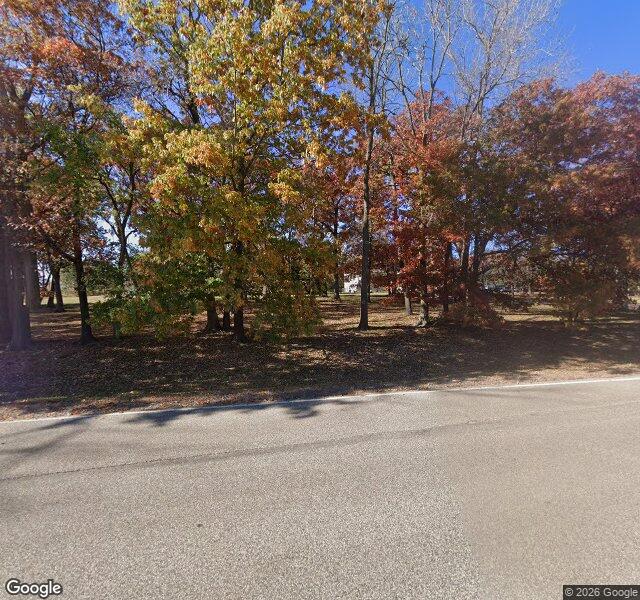
Overview and key essentials
State license
Active
MN MDH
Google reviews
Not available
Public reviews not linked
Size & payment
Ask directly
Confirm pricing & payment
Public records for this community are limited. Use the checklist below when you call or visit to confirm pricing, services, and openings.
Cost, payment & care details
Updated Nov 28, 2026| Monthly cost | Not published | Ask for the full monthly cost, including care fees and one-time charges. |
|---|---|---|
| Payment options | Ask directly | Payment details are not confirmed in our records. Ask about private pay, long-term care insurance, veterans benefits, and Medicaid waivers. |
| Size & availability | Confirm directly | We don't publish live openings. Ask about current availability, waitlist length, and move-in timing. |
| Care & support | Assisted living | Usually offers housing and help with everyday tasks, such as bathing and dressing. What to confirm about care levelsThis describes the licensed category. Ask how care plans adjust if mobility, nursing, or memory needs change over time. Read the family care guide → |
State licensing
State inspection history
3inspections
18deficiencies listed
Feb 12, 2025Routine6 deficiencies reported6
6 deficiencies reported
View official state report (opens in a new tab)
144G.43 Subd. 3 Contents of resident record0730
SS=F Contents of a resident record include the following for each resident: (1) identifying information, including the resident's name, date of birth, address, and telephone number; (2) the name, address, and telephone number of the resident's emergency contact, legal representatives, and designated representative; (3) names, addresses, and telephone numbers of the resident's health and medical service providers, if known; (4) health information, including medical history, allergies, and when the provider is managing medications, treatments or therapies that require documentation, and other relevant health records; (5) the resident's advance directives, if any; (6) copies of any health care directives, guardianships, powers of attorney, or conservatorships; (7) the facility's current and previous assessments and service plans; (8) all records of communications pertinent to the resident's services; (9) documentation of significant changes in the resident's status and actions taken in response to the needs of the resident, including reporting to the appropriate supervisor or health care professional; (10) documentation of incidents involving the resident and actions taken in response to the needs of the resident, including reporting to the appropriate supervisor or health care professional; (11) documentation that services have been STATE FORM
0IHK116899
(a) Except as provided in paragraph (b), food must be prepared and served according to the Minnesota Food Code, Minnesota Rules, chapter 4626. (b) For an assisted living facility with a licensed capacity of ten or fewer residents: (1) notwithstanding Minnesota Rules, part 4626.0033, item A, the facility may share a certified food protection manager (CFPM) with one other facility located within a 60-mile radius and under common management provided the CFPM is present at each facility frequently enough to effectively administer, manage, and supervise each facility's food service operation; (2) notwithstanding Minnesota Rules, part 4626.0545, item A, kick plates that are not removable or cannot be rotated open are allowed unless the facility has been issued repeated correction orders for violations of Minnesota Rules, part 4626.1565 or 4626.1570; (3) notwithstanding Minnesota Rules, part 4626.0685, item A, the facility is not required to provide integral drainboards, utensil racks, or tables large enough to accommodate soiled and clean items that may accumulate during hours of operation provided soiled items do not contaminate clean items, surfaces, or food, and clean equipment and dishes are air dried in a manner that prevents contamination before storage; (4) notwithstanding Minnesota Rules, part 4626.1070, item A, the facility is not required to install a dedicated handwashing sink in its existing kitchen provided it designates one well of a two-compartment sink for use only as a handwashing sink; (5) notwithstanding Minnesota Rules, parts 4626.1325, 4626.1335, and 4626.1360, item A, existing floor, wall, and ceiling finishes are STATE FORM 0IHK11 allowed provided the facility keeps them clean and in good condition; (6) notwithstanding Minnesota Rules, part 4626.1375, shielded or shatter-resistant lightbulbs are not required, but if a light bulb breaks, the facility must discard all exposed food and fully clean all equipment, dishes, and surfaces to remove any glass particles; and (7) notwithstanding Minnesota Rules, part 4626.1390, toilet rooms are not required to be provided with a self-closing door. This MN Requirement is not met as evidenced by: Based on observation, interview, and record review, the licensee failed to ensure food was prepared and served according to the Minnesota Food Code. This practice resulted in a level two violation (a violation that did not harm a resident's health or safety but had the potential to have harmed a resident's health or safety, but was not likely to cause serious injury, impairment, or death), and is issued at a widespread scope (when problems are pervasive or represent a systemic failure that has affected or has the potential to affect a large portion or all of the residents). The findings include: Please refer to the document titled, Food and Beverage Establishment Inspection Report (FBEIR) dated February 10, 2025, for the specific Minnesota Food Code violations. The Inspection Report was provided to the licensee within 24 hours of the inspection. TIME PERIOD FOR CORRECTION: Please refer STATE FORM 0IHK11 to the FBEIR for any compliance dates. 0IHK11 provided as identified in the service plan; (12) documentation that the resident has received and reviewed the assisted living bill of rights; (13) documentation of complaints received and any resolution; (14) a discharge summary, including service termination notice and related documentation, when applicable; and (15) other documentation...
144G.45 Subd. 2. (a) Fire protection and physical0775
SS=D environment Each assisted living facility must comply with the State Fire Code in Minnesota Rules, chapter 7511, and: This MN Requirement is not met as evidenced by: Based on observation and interview, the licensee failed to comply with the current State Fire Code in Minnesota Rules, chapter 7511. This had the potential to directly affect all residents, staff, and visitors. This practice resulted in a level two violation (a violation that did not harm a resident's health or safety but had the potential to have harmed a resident's health or safety) and was issued at an isolated scope (when one or a limited number of residents are affected or one or a limited number of staff are involved, or the situation has occurred only occasionally). Findings include: During facility tour on February 11, 2025, from 10:30 a.m. to 1:30 p.m., with licensed assisted living director (LALD)-D and maintenance (M)-G, it was observed that the drywall was removed from the ceiling in the first-floor mechanical room. STATE FORM
144G.41 Subdivision 1 Subd. 1a (a-b) Minimum0480
SS=F requirements; required food services 0 480 STATE FORM
St. Croix Trail South6880
Hastings, MN55033 Washington County, 82 License Categories: Operator: Expires on: / / Phone #: 6514540161 ID #: The violations listed in this report include any previously issued orders and deficiencies identified during this inspection. Compliance dates are shown for each item. The following orders were issued during this inspection. 4-300 Equipment Numbers and Capacities 4-302.12B ** Priority 2 ** MN Rule 4626.0705B Provide a readily accessible food temperature measuring device with a small diameter probe to measure the temperature in thin foods such as meat patties and fish fillets. NO THIN PROBE THERMOMETER ON SITE. PROVIDE AND MAINTAIN. Comply By: 03/03/25 4-300 Equipment Numbers and Capacities 4-302.13B ** Priority 2 ** MN Rule 4626.0710B Provide a readily accessible, irreversible registering temperature indicator for measuring the utensil surface temperature in mechanical hot water warewashing operations. NO DEVICE ON SITE AS INDICTED ABOVE FOR MEASURING UST OF DISH MACHINE. MDH LEFT A COUPLE THERMOLABEL STICKERS DURING INSPECTION UNTIL MORE CAN BE OBTAINED. Comply By: 03/03/25 4-200 Equipment Design and Construction 4-201.11GMN UTENSIL SURFACE TEMP: = at 160 Degrees Fahrenheit Location: DISH MACHINE Violation Issued: No Food and Equipment Temperatures Process/Item: Ambient Temp Temperature: 36 Degrees Fahrenheit - Location: SUB ZERO FRIDGE Violation Issued: No Process/Item: Ambient Temp Temperature: 0 Degrees Fahrenheit - Location: SUB ZERO FREEZER Violation Issued: No Process/Item: Ambient Temp Temperature: -2 Degrees Fahrenheit - Location: ROPER FREEZER Violation Issued: No Process/Item: Ambient Temp Temperature: -10 Degrees Fahrenheit - Location: MAYTAG FREEZER Violation Issued: No Total Orders In This Report Priority 1 0 THIS INSPECTION WAS CONDUCTED IN CONJUNCTION WITH MDH HEALTH REGULATORY DIVISION (HRD) SURVEY. SURVEYOR FROM HRD WAS BRANDON MUELLER. INSPECTION CONDUCTED IN PRESENCE OF DEB KREY, THE PERSON IN CHARGE. THIS FACILITY DOES NOT HAVE COMMERCIAL GRADE ANSI EQUIPMENT. ALL FOOD MUST BE SERVED THE SAME DAY IT IS PREPARED, AND LEFTOVERS CAN NEVER BE SAVED. FOOD SERVICE AREA FLOORS, WALLS, CEILINGS, COUNTERTOPS, AND FINISH MATERIALS MUST BE NON-ABSORBANT, SMOOTH, DURABLE, AND EASILY CLEANABLE. CEILINGS CANNOT HAVE POPCORN TEXTURE. CABINETS CANNOT HAVE HOLLOW BASES. EXPOSED WOOD IS NOT APPROVED FOR FOOD SERVICE AREAS. WOOD IS NOT AN APPROVED FOOD CONTACT SURFACE. NOTE: Plans and specifications must be submitted for review and approval prior to new construction, remodeling or alterations. I acknowledge receipt of the inspection report number 1036251028 of 02/10/25. Certified Food Protection Manager:REBEKAH G. SCHOENFELD Certification Number: 123304 Expires: 05/14/27 Inspection report reviewed with person in charge and emailed. Signed: DEB KREY PERSON IN CHARGE
144G.45 Subd. 2 (b-f) Fire protection and0810
SS=F physical environment (b) Each assisted living facility shall develop and maintain fire safety and evacuation plans. The plans shall include but are not limited to: (1) location and number of resident sleeping rooms; (2) staff actions to be taken in the event of a fire or similar emergency; (3) fire protection procedures necessary for residents; and (4) procedures for resident movement, evacuation, or relocation during a fire or similar emergency including the identification of unique or unusual resident needs for movement or evacuation. (c) Staff of assisted living facilities shall receive training on the fire safety and evacuation plans upon hiring and at least twice per year thereafter. (d) Fire safety and evacuation plans shall be readily available at all times within the facility. (e) Residents who are capable of assisting in their own evacuation shall be trained on the proper actions to take in the event of a fire to include movement, evacuation, or relocation. The STATE FORM Exit plan diagrams must be correctly labeled and accessible to staff, residents and visitors to reduce confusion and potential obstructions for egress in a fire or similar emergency. A copy of the facility floor plan should also be in the emergency preparedness binder to aid first responders in search and rescue operations. On February 11, 2025, LALD-D provided documents on the fire safety and evacuation plan (FSEP), fire safety training and evacuation drills, for the facility. FIRE SAFETY AND EVACUATION PLAN: The licensee's FSEP, titled "Fire Safety", dated 08/01/2021, failed to include the following: Staff Actions: The FSEP included standard employee procedures but failed to provide specific employee actions to take in the event of a fire or similar emergency relative to the facility's building layout and environmental risks. The plan included the acronym R.A.C.E. (Rescue, Alarm, Confine, and Extinguish or Evacuate) but the plan was designed for a building with life safety systems such as fire doors and smoke compartments. Resident Actions: The FSEP did not identify specific fire protection actions for residents. There was no section in the policy that addressed the responsibilities or basic evacuation procedures that residents should follow in case of a fire or similar emergency. Unique and unusual resident needs: STATE FORM
Feb 6, 2024Complaint1 deficiency reported1
1 deficiency reported
View official state report (opens in a new tab)
Substantiated, individual responsibility. The alleged perpetrator financially exploited multiple residents when the alleged perpetrator did not turn in receipts for cash rent and other receipts per licensee policy
severeHL281264383M
The alleged perpetrator financially exploited multiple residents when the alleged perpetrator did not turn in receipts for cash rent and other receipts per licensee policy. The Minnesota Department of Health determined financial exploitation was substantiated. The alleged perpetrator was responsible for the maltreatment. The alleged perpetrator did not turn in resident #1’s cash for rent. Additionally, the alleged perpetrator did not submit receipts for petty cash transactions and purchases for four other residents (residents #2, #3, #4, and #5). The investigator conducted interviews with facility staff members, including administrative staff and unlicensed staff. The investigator attempted to interview three of five residents. The investigator contacted a family member, a guardian, and law enforcement. The investigation included review of the resident’s medical records and alleged perpetrator’s personnel file. Page 2 of 5 Resident #1 Resident #1 resided in an assisted living facility. Resident #1’s diagnoses included dementia, depression, and anxiety. Resident #1’s assessment, dated prior to the incident, indicated resident #1 was not oriented to person, place, or time. The assessment indicated resident #1 had a brain injury and displayed moments of forgetfulness with dates. The assessment indicated resident #1 was unable to manage finances, needed reminders to pay rent, and indicated a responsible party managed resident #1’s finances. The assessment further indicated resident #1 had a history of being financially exploited. An Authorization to Assist with Finances form indicated resident #1 did not have a guardian or conservator and listed the facility as a financial or representative payee. The form indicated the facility was responsible for resident #1’s checking account and was approved to use resident #1’s ATM/debit card. Resident #1 and a member of management had both signed the form. Resident #2 Resident #2 resided in an assisted living facility. Resident #2’s diagnoses included traumatic brain injury. Resident #2’s assessment indicated resident #2 displayed moments of forgetfulness with dates, was unable to manage his finances, and had a representative payee to manage them. Resident #3 Resident #3 resided in an assisted living facility. The resident’s diagnoses included multiple sclerosis and Asperger’s syndrome. Resident #3’s assessment indicated resident #3 was forgetful, was a poor decision maker, and had a family member as a legal representative. Resident #4 Resident #4 resided in an assisted living facility. The resident’s diagnoses included traumatic brain injury and dementia. Resident...
Aug 2, 2022Routine11 deficiencies reported11
11 deficiencies reported
View official state report (opens in a new tab)
moderate0480
requirements 0 480 (13) offer to provide or make available at least the following services to residents: (i) at least three nutritious meals daily with snacks available seven days per week, according to the recommended dietary allowances in the United States Department of Agriculture (USDA) guidelines, including seasonal fresh fruit and fresh vegetables. The following apply: (B) food must be prepared and served according to the Minnesota Food Code, Minnesota Rules, chapter 4626; and This MN Requirement is not met as evidenced by: Based on observation, interview, and record review, the licensee failed to ensure food was prepared and served according to the Minnesota Food Code. This had the potential to affect all residents in the Assisted Living facility. This practice resulted in a level two violation (a violation that did not harm a resident's health or safety but had the potential to have harmed a resident's health or safety) and was issued at a widespread scope (when problems are pervasive or represent a systemic failure that has affected or has the potential to affect a large portion or all the residents). The findings include: Please refer to the included document titled, Food and Beverage Establishment Inspection Report, dated August 1, 2022, for the specific Minnesota Food Code deficiencies. TIME PERIOD FOR CORRECTION: Twenty-one (21) days
moderate0800
physical environment (4) keep the physical environment, including walls, floors, ceiling, all furnishings, grounds, systems, and equipment in a continuous state of good repair and operation with regard to the health, safety, comfort, and well-being of the residents in accordance with a maintenance and repair program. This MN Requirement is not met as evidenced by: Based on observation and interview, the licensee failed to maintain the physical environment of the facility in a continuous state of good repair and operation. This has the potential to directly affect the health, safety, and well-being of all residents and staff. This practice resulted in a level two violation (a violation that did not harm a resident's health or safety but had the potential to have harmed a resident's health or safety, but was not likely to cause serious injury, impairment, or death), and is issued at a widespread scope (when problems are pervasive or represent a systemic failure that has affected or has the potential to affect a large portion or all of the residents). The findings are: On August 2, 2022, approximately from 12:15 p.m. to 1:20 p.m., survey staff toured the home with the licensed assisted living director (LALD)-D, and from 1:20 p.m. to 1:50 p.m. the LALD-D was replaced with the licensed assisted living director (LALD)-A for the remaining tour. During the tour, survey staff observed the following: 1. The door to resident room #1 was missing a mold casing on the exterior of the resident room door. The LALD-D commented that it was sitting in the corner. 2. Window security locks on the double-hung windows for the resident rooms ( #1 through #6) on the main floor were damaged and in need of repair and/or replacement for the safety and security of residents in the room. 3. The egress windows in resident rooms (#1 through #6) on the main floor were not maintained to be easily operable for immediate egress use during an emergency. This was evident as survey staff observed the LALD-D slowly opened the egress windows with challenges and difficulties lifting the lower pane of the double-hung windows. The LALD-D agreed the windows had not been maintained. 4. Windowsills throughout the resident rooms were dusty and layered with dirt. The LALD-D agreed that the windowsills needed to be cleaned. 5. The locks on the two side exit doors of the home failed to lock from the inside for the security of the residents from unwanted or unauthorized entry from the outside. The LALD-D stated that she was not aware of the doors not being able to lock from the inside. 6. An extension cord was used in room #6 with a car battery charger plugged in the outlet that posed a potential electrical fire hazard from overloading the electrical circuits and the risk of shock to the resident and/or staff. The LALD-D agreed to review the situation for the safety of the resident. 7. The window in the second-floor hallway next to the one-bedroom apartment was missing a screen. 8. The front entrance door hardware had a door handle that required a key on the inside to exit the home. Survey staff explained to the LALD-A that the front door is one of the means of escape in the home and must not be locked against egress. In addition, any key lock in the means of egress inside the home that requires prior and/or special knowledge will cause delay and impediment in proper exiting of the home during a fire or similar emergency. The LALD-D stated that she understood, and they do not use the...
St. Croix Trail South6880
Hastings, MN55033 Washington County, 82 License Categories: Operator: Expires on: / / The violations listed in this report include any previously issued orders and deficiencies identified during this inspection. Compliance dates are shown for each item. The following orders were issued during this inspection. 4-700 Sanitizing Equipment and Utensils 4-703.11B ** Priority 1 ** MN Rule 4626.0905B Sanitize food contact surfaces of equipment and utensils after cleaning by using mechanical hot water operations that achieve a utensil surface temperature of 160 degrees F (71 degrees C) and are set up and maintained in accordance with the specifications of NSF International and the manufacturer's data plate. THERMOLABELS WERE LEFT ON SITE FOR OPERATOR TO RUN THROUGH DISH WASHERS. OPERATOR LATER REPORTED TO INSPECTOR THAT THEY WERE NOT ABLE TO ACHIEVE A UTENSIL SURFACE TEMPERATURE OF 160 DEGREES F OR ABOVE. Comply By: 08/01/22 4-300 Equipment Numbers and Capacities 4-302.12B ** Priority 2 ** MN Rule 4626.0705B Provide a readily accessible food temperature measuring device with a small diameter probe to measure the temperature in thin foods such as meat patties and fish fillets. THE ONLY FOOD THERMOMETER AVAILABLE HAD A LARGE DIAMETER PROBE, WHICH WILL NOT ALLOW FOR ACCURATELY TAKING TEMPERATURES OF THIN FOODS. Comply By: 08/15/22 4-300 Equipment Numbers and Capacities 4-302.13B 3-300C Protection from Contamination: equipment/utensils, consumers 3-304.12A MN Rule 4626.0275A Store food preparation or dispensing utensils in the food with the handles above the top of the food within the container. THE SCOOP FOR THE ICE WAS STORED WITH THE HANDLE IN CONTACT WITH THE ICE. STORE WITH HANDLE ABOVE THE ICE, OR STORE SCOOP ON A CLEAN SURFACE OR SEPARATE CONTAINER. Comply By: 08/01/22 6-300 Physical Facility Numbers and Capacities 6-301.14A MN Rule 4626.1457 Provide a sign or poster at all handwashing sinks used by food employees that notifies them to wash their hands NO SIGN POSTED AT HANDWASHING SINK. SIGN LEFT ON SITE. Comply By: 08/01/22 Food and Equipment Temperatures Process/Item: Cold Hold/POT PIE Temperature: 40 Degrees Fahrenheit - Location: LEFT REFRIGERATOR Violation Issued: No Process/Item: Cold Hold/CHICKEN SALAD Temperature: 38 Degrees Fahrenheit - Location: LEFT REFRIGERATOR Violation Issued: No Process/Item: Cold Hold/RICE Temperature: 39 Degrees Fahrenheit - Location: LEFT REFRIGERATOR Violation Issued: No Process/Item: Cold Hold/REFRIED BEANS Temperature: 35 Degrees Fahrenheit - Location: LEFT REFRIGERATOR Violation Issued: No Process/Item: Cold Hold/MILK Temperature: 37 Degrees Fahrenheit - Location: RIGHT REFRIGERATOR Violation Issued: No Process/Item: Cold Hold/TURKEY Temperature: 37 Degrees Fahrenheit - Location: RIGHT REFRIGERATOR Violation Issued: No INSPECTION COMPLETED WITH JEFF JOHANSON (MDH) AND CENTER DIRECTOR, SUE FRIES. INSPECTION WAS REVIEWED WITH HRD NURSE EVALUATOR, JOLENE BERTELSEN. IN ADDITION TO ORDERS ON REPORT, DISCUSSED: -EMPLOYEE ILLNESS -HANDWASHING AND BARE AND CONTACT / GLOVE USE -DATE MARKING -COOK TEMPERATURES FOR RAW ANIMAL FOODS ESTABLISHMENT'S PREVIOUS MN CERTIFIED FOOD PROTECTION MANAGER (CFPM) JUST LEFT, SO A NEW EMPLOYEE HAS COMPLETED A FOOD SAFETY COURSE. PER FOOD CODE, FACILITY HAS 60 DAYS TO PROVIDE A NEW MN CFPM. DISCUSSED HAVING EMPLOYEE SUBMIT FOOD SAFETY COURSE TO APPLY FOR MN CFPM. THERMOLABELS WERE LEFT ON SITE. OPERATOR LATER REPORTED TO INSPECTOR THAT BOTH DISHWASHERS WERE PROVIDING A...
STATE FORM6899
TC6111 STATE FORM TC6111 STATE FORM TC6111 STATE FORM TC6111 STATE FORM TC6111 STATE FORM TC6111 STATE FORM TC6111 STATE FORM TC6111 STATE FORM TC6111 STATE FORM TC6111 STATE FORM TC6111 STATE FORM TC6111 STATE FORM TC6111 STATE FORM TC6111 STATE FORM TC6111 STATE FORM TC6111 STATE FORM TC6111 STATE FORM TC6111 01370 01370 01370 144G.61 Subd. 2 (a) Training and evaluation of unlicensed personn SS=D (a) Training and competency evaluations for all unlicensed personnel must include the following: (1) documentation requirements for all services provided; (2) reports of changes in the resident's condition to the supervisor designated by the facility; (3) basic infection control, including blood-borne pathogens; (4) maintenance of a clean and safe environment; (5) appropriate and safe techniques in personal hygiene and grooming, including: (i) hair care and bathing; (ii) care of teeth, gums, and oral prosthetic devices; (iii) care and use of hearing aids; and (iv) dressing and assisting with toileting; (6) training on the prevention of falls; (7) standby assistance techniques and how to perform them; (8) medication, exercise, and treatment reminders; (9) basic nutrition, meal preparation, food safety, and assistance with eating; (10) preparation of modified diets as ordered by a licensed health professional; (11) communication skills that include preserving the dignity of the resident and showing respect for the resident and the resident's preferences, cultural background, and family; (12) awareness of confidentiality and privacy; (13) understanding appropriate boundaries between staff and residents and the resident's family; (14) procedures to use in handling various STATE FORM TC6111 01370 01370 emergency situations; and (15) awareness of commonly used health technology equipment and assistive devices. This MN Requirement is not met as evidenced by: Based on interview and record review, the licensee failed to ensure training and competency evaluations for the required topics for one of one unlicensed personnel (ULP-C) with record reviewed. This practice resulted in a level two violation (a violation that did not harm a resident's health or safety but had the potential to have harmed a resident's health or safety, but was not likely to cause serious injury, impairment, or death) and was issued at an isolated scope (when one or a limited number of residents are affected or one or a limited number of staff are involved or the situation has occurred only occasionally). The findings include: ULP-C was hired on April 21, 2022, to provide assisted living services for the licensee's residents. ULP-C's employee record lacked evidence to indicate ULP-C completed training and/or practical skills evaluations as required in the following areas: -documentation requirements for all services provided -reports of changes in the resident's condition to the supervisor designated by the facility -basic infection control, including blood-borne pathogens; -maintenance of a clean and safe environment; -appropriate and safe techniques in personal STATE FORM TC6111 01370 01370 hygiene and grooming, including: -hair care and bathing -care of teeth, gums, and oral prosthetic devices -care and use of hearing aids; and -dressing and assisting with toileting -standby assistance techniques and how to perform them -preparation of modified diets as ordered by a licensed health professional; -communication skills that include preserving the dignity of the resident and...
minor0900
(a) An assisted living facility may not offer or provide housing or assisted living services to any individual unless it has executed a written contract with the resident. (b) The contract must contain all the terms concerning the provision of: (1) housing; (2) assisted living services, whether provided directly by the facility or by management agreement or other agreement; and (3) the resident's service plan, if applicable. (c) A facility must: (1) offer to prospective residents and provide to the Office of Ombudsman for Long-Term Care a complete unsigned copy of its contract; and (2) give a complete copy of any signed contract and any addendums, and all supporting documents and attachments, to the resident promptly after a contract and any addendum has been signed. (d) A contract under this section is a consumer contract under sections 325G.29 to 325G.37. (e) Before or at the time of execution of the contract, the facility must offer the resident the opportunity to identify a designated representative according to subdivision 3. (f) The resident must agree in writing to any additions or amendments to the contract. Upon agreement between the resident and the facility, a new contract or an addendum to the existing contract must be executed and signed. This MN Requirement is not met as evidenced by: Based on interview and record review, the licensee failed to execute a written contract with the required content for one of one resident (R1) with record reviewed. This had the potential to affect all residents. This practice resulted in a level one violation (a violation that has no potential to cause more than a minimal impact on the resident and does not affect health or safety), and was issued at a widespread scope (when problems are pervasive or represent a systemic failure that has affected or has potential to affect a large portion or all of the residents). The findings include: R1 had an admission date of August 1, 2021. R1's record lacked a current written contract to include: -housing -assisted living services, whether provided directly by the facility or by management agreement or other agreement; and -the resident's service plan, if applicable. During an interview on August 2, 2022, at 12:45 p.m., licensed assisted living director (LALD)-A confirmed the licensee has developed a contract to include all the required content, but had not distributed the contract to the licensee clients, and would ensure this was completed. The licensee's Signing an Assisted Living Contract policy dated August 1, 2022, confirmed "a signed Assisted Living contract signed and received by the facility." No further information was provided. TIME PERIOD FOR CORRECTION: Twenty-One (21) days
moderate0660
control (a) The facility must establish and maintain a comprehensive tuberculosis infection control program according to the most current tuberculosis infection control guidelines issued by the United States Centers for Disease Control and Prevention (CDC), Division of Tuberculosis Elimination, as published in the CDC's Morbidity and Mortality Weekly Report. The program must include a tuberculosis infection control plan that covers all paid and unpaid employees, contractors, students, and regularly scheduled volunteers. The commissioner shall provide technical assistance regarding implementation of the guidelines. (b) The facility must maintain written evidence of compliance with this subdivision. This MN Requirement is not met as evidenced by: Based on observation interview and record review, the licensee failed to establish and maintain a tuberculosis (TB) prevention program, based on the most current guidelines issued by the Centers for Disease Control and Prevention (CDC) which included completion of a two-step TST (tuberculin skin test) for one of one employee (unlicensed personnel (ULP)-C) with records reviewed. This practice resulted in a level two violation (a violation that did not harm a resident's health or safety but had the potential to have harmed a resident's health or safety, but was not likely to cause serious injury, impairment, or death), and was issued at an isolated scope (when one or a limited number of residents are affected or one or a limited number of staff are involved or the situation has occurred only occasionally). The findings include: ULP-C was hired on April 21, 2022, to provide assisted living services for the licensee's residents. On August 2, 2022, from 7:45 a.m. to 8:45 a.m., ULP-C administered medications to licensee residents. ULP-C's employee record indicated a history and symptom screening was completed on April 19,
and a first step TST was read on April 21,2022
2022, as negative with 0 millimeters of induration. ULP-C's employee record lacked documentation a second step TST was completed, as required. During an interview on August 2, 2022, at 12:45 p.m., licensed assisted living director (LALD), confirmed ULP-C lacked a second step TST, as required. The licensee's Tuberculosis Screening policy dated August 1, 2021, verified a two-step Mantoux would be completed for new staff and documented on the Baseline TB screening Tool for Staff. No further information was provided. TIME PERIOD FOR CORRECTION: Twenty-one (21) days
moderate0790
physical environment (2) install and maintain portable fire extinguishers in accordance with the State Fire Code; (3) install portable fire extinguishers having a minimum 2-A:10-B:C rating within Group R-3 occupancies, as defined by the State Fire Code, located so that the travel distance to the nearest fire extinguisher does not exceed 75 feet, and maintained in accordance with the State Fire Code; and This MN Requirement is not met as evidenced by: Based on observation, record review, and interview, the licensee failed to maintain portable fire extinguishers in accordance with the State Fire Code as required by MN Statute 144G.45 Subd(a)(2). This had the potential to directly affect all residents and staff. This practice resulted in a level two violation (a violation that did not harm a resident's health or safety but had the potential to have harmed a resident's health or safety, but was not likely to cause serious injury, impairment, or death), and issued at a widespread scope (when problems are pervasive or represent a systemic failure that has affected or has the potential to affect a large portion or all residents). The findings include: On August 2, 2022, approximately from 12:15 p.m. to 1:20 p.m., survey staff toured the home with the licensed assisted living director (LALD)-D, and from 1:20 p.m. to 1:50 p.m. the LALD-D was replaced with the licensed assisted living director (LALD)-A for the remaining tour. During the tour, survey staff observed the following: MAIN FLOOR The travel distance to the nearest fire extinguisher on the first-floor hallways was at approximately 100 feet distance which exceeded the 75 feet maximum distance allowed. The LALD-A verified the finding and commented that they will add an extinguisher at the end of the hallway near resident rooms #1 and #2. SECOND FLOOR The hallways on the second floor were not provided with a portable fire extinguisher. The LALD-D verified the finding and agreed to provide one. On August 2, 2022, at approximately 2:50 p.m., during the exit interview, the LALD-A and the LALD-D acknowledged the above findings. No further information was provided. TIME PERIOD FOR CORRECTION: Fourteen (14) days.
moderate0950
(a) Before or at the time of execution of an assisted living contract, an assisted living facility must offer the resident the opportunity to identify a designated representative in writing in the contract and must provide the following verbatim notice on a document separate from the contract: "RIGHT TO DESIGNATE A REPRESENTATIVE FOR CERTAIN PURPOSES. You have the right to name anyone as your "Designated Representative." A Designated Representative can assist you, receive certain information and notices about you, including some information related to your health care, and advocate on your behalf. A Designated Representative does not take the place of your guardian, conservator, power of attorney ("attorney-in-fact"), or health care power of attorney ("health care agent"), if applicable." (b) The contract must contain a page or space for the name and contact information of the designated representative and a box the resident must initial if the resident declines to name a designated representative. Notwithstanding subdivision 1, paragraph (f), the resident has the right at any time to add, remove, or change the name and contact information of the designated representative. This MN Requirement is not met as evidenced by: Based on interview and record review, the licensee failed to identify a designated representative for one of one residents (R1) with records reviewed. This practice resulted in a level two violation (a violation that did not harm a resident's health or safety but had the potential to have harmed a resident's health or safety, but was not likely to cause serious injury, impairment, or death) and was issued at an isolated scope (when one or a limited number of residents are affected or one or a limited number of staff are involved or the situation has occurred only occasionally). The findings include: The findings include: R1's service plan, dated August 1, 2021, indicated R1 received services including assistance with activities of daily living, housekeeping and medication management. R1's record did not contain a notice for the resident to identify a designated representative or have documentation R1 declined to name a designated representative. During an interview on August 2, 2022, at 12:45 p.m., licensed assisted living director (LALD)-A confirmed R1 lacked documentation of a designated representative or documentation the resident refused to name a designated representative. No further information was provided. TIME PERIOD FOR CORRECTION: Twenty-One (21) days
moderate0780
physical environment (a) Each assisted living facility must comply with the State Fire Code in Minnesota Rules, chapter 7511, and: (1) for dwellings or sleeping units, as defined in the State Fire Code: (i) provide smoke alarms in each room used for sleeping purposes; (ii) provide smoke alarms outside each separate sleeping area in the immediate vicinity of bedrooms; (iii) provide smoke alarms on each story within a dwelling unit, including basements, but not including crawl spaces and unoccupied attics; (iv) where more than one smoke alarm is required within an individual dwelling unit or sleeping unit, interconnect all smoke alarms so that actuation of one alarm causes all alarms in the individual dwelling unit or sleeping unit to operate; and (v) ensure the power supply for existing smoke alarms complies with the State Fire Code, except that newly introduced smoke alarms in existing buildings may be battery operated; This MN Requirement is not met as evidenced by: Based on observation and interview, the licensee failed to provide working smoke alarm outside the hallway of the two-bedroom apartment. This has the potential to directly affect the residents, staff, and visitors. This practice resulted in a level two violation (a violation that did not harm a resident's health or safety but had the potential to have harmed a resident's health or safety) and was issued at a widespread scope (when problems are pervasive or represent a systemic failure that has affected or has the potential to affect a large portion or all of the residents). The findings include: On August 2, 2022, approximately from 12:15 p.m. to 1:20 p.m., survey staff toured the home with the licensed assisted living director (LALD)-D, and from 1:20 p.m. to 1:50 p.m. the LALD-D left to take a phone call and was replaced with the licensed assisted living director (LALD)-A for the remaining tour. At approximately 1:25 p.m., survey staff observed that the smoke alarm outside the two-bedroom apartment failed to sound when the smoke alarm near the one-bedroom apartment was activated. The LALD-A verified the finding. On August 2, 2022, at approximately 2:50 p.m., during the exit interview, the LALD-A and the LALD-D acknowledged the finding. No further information was provided. TIME PERIOD FOR CORRECTION: Fourteen (14) days
moderate0810
physical environment (b) Each assisted living facility shall develop and maintain fire safety and evacuation plans. The plans shall include but are not limited to: (1) location and number of resident sleeping rooms; (2) employee actions to be taken in the event of a fire or similar emergency; (3) fire protection procedures necessary for residents; and (4) procedures for resident movement, evacuation, or relocation during a fire or similar emergency including the identification of unique or unusual resident needs for movement or evacuation. (c) Employees of assisted living facilities shall receive training on the fire safety and evacuation plans upon hiring and at least twice per year thereafter. (d) Fire safety and evacuation plans shall be readily available at all times within the facility. (e) Residents who are capable of assisting in their own evacuation shall be trained on the proper actions to take in the event of a fire to include movement, evacuation, or relocation. The training shall be made available to residents at least once per year. (f) Evacuation drills are required for employees twice per year per shift with at least one evacuation drill every other month. Evacuation of the residents is not required. Fire alarm system activation is not required to initiate the evacuation drill. This MN Requirement is not met as evidenced by: Based on observation, record review, and interview, the licensee failed to provide all required content on the fire safety and evacuation plan, required employee training, and the minimum number of evacuation drills. This has the potential to directly affect the safety of all residents receiving care, staff, and visitors. This practice resulted in a level two violation (a violation that did not harm a resident's health or safety but had the potential to have harmed a resident's health or safety) and was issued at a widespread scope (when problems are pervasive or represent a systemic failure that has affected or has the potential to affect a large portion or all of the residents). The findings include: On August 2, 2022, at approximately 2:00 p.m. survey staff reviewed the facility's fire safety and evacuation documentation, the evacuation drill, and the training records. Document and record review indicated the following: FIRE SAFETY AND EVACUATION PLAN 1) The plan documentation lacked fire protection procedures for residents. 2) The plan documentation lacked a building evacuation floor plan for the second floor to show the location and number of sleeping rooms. In addition, the evacuation floor plan on the main level incorrectly showed the patio door to a fenced-in area as a main exit. 3) The home's fire policy (undated), 9.06, lacked site-specific fire protection procedures for employees. The documentation incorrectly stated that the home was provided with magnetic door holders and smoke compartments. 4) The plan documentation lacked fire protection procedures necessary for addressing resident movement, evacuation, and relocation including unique resident-specific situations during an evacuation. Unique situations during an evacuation may be residents who have mobility limitations, are non-ambulatory, bedridden, have a cognitive impairment, or any residents needing assistance during an evacuation and must be addressed in the fire safety and evacuation plan documentation. During the tour, survey staff observed wheelchair residents that may need additional assistance during a fire or...
Neighborhood & resident support
Emergency access, hazards & advocacy
Nearest hospital
Regina Medical Center
7.9 mi · Hastings, MN
Emergency room
FEMA hazard risk
Relatively ModerateWashington County, MN
- Strong Wind
- Hail
- Tornado
Free resident advocacy
Minnesota Office of Ombudsman for Long-Term Care
More neighborhood context (specialists, VA, dialysis, air & affordability)
VA & dialysis access
Minneapolis VA Medical Center
20.2 mi · Minneapolis, MN · VA 5/5 ★
DaVita Cottage Grove Dialysis
7.0 mi · 5/5 ★
Specialists within 15 mi
- Geriatricians
- 6
- Neurologists
- 60
- Palliative care
- 7
- PM&R rehab
- 24
Environment & mobility
- EPA Air (2025)
- 95% good days · AQI 34
- EPA Walkability
- 8.5/20 (Below Average)
- USDA Grocery Access
- High Grocery Access
- Primary care access
- HRSA Shortage Area
County demographics
- Age 65+ median income
- $75,013/yr
- Rent-burdened households
- 50%
- Cognitive disability (2023)
- 11.3%
- Mobility disability
- 8.1%
Call & tour checklist
Questions to ask New Challenges INC Afton
Check off questions as you call or tour. Your progress stays private in this browser.
Show 3 more suggested questions
Verification & public records
Official records & sources
Licensing & contact
- License #
- 28126
- Status
- active
- Phone
- (651) 454-0161
- Federal OIG LEIE
- Clear (2026-11-27)
Original public sources
Verify licensing, ratings, and inspection reports directly with each official source.
- MN MDH official record (opens in a new tab)MN Dept. of Health
- Google Maps (opens in a new tab)Directions, photos & neighborhood
- Google Reviews (opens in a new tab)Read public reviews
EveryPlace is an independent research directory. Information is compiled from public Medicare.gov, state licensing, Google Places, and street-level imagery sources. Some summaries, suggested questions, and pricing notes are AI-generated or AI-assisted and may contain errors or omissions. We do not accept payment for placement. Confirm all details directly with the community and official sources. Research Policy.
Keep exploring
Nearby communities to compare
- 5.0(1)Assisted Living2.8 miAmerican Spirit LLCAfton, MN
- Assisted Living5.1 miScenic Hills Alternative CareLake St. Croix Beach, MN
- 4.1(14)Assisted Living6.1 miPrelude Homes and ServicesWoodbury, MN
- Assisted Living6.1 miCaring Angels Health Care ServCottage Grove, MN
- Medicare 3/53.5(26)65 bedsMedicaidNursing Home6.1 miPrescott Nursing and Rehab CommunityPrescott, WI
- 5.0(1)Assisted Living6.1 miPrelude Homes & Services LLCWoodbury, MN