Loading EveryPlace content…
Assisted LivingActive licenseMemory care certified
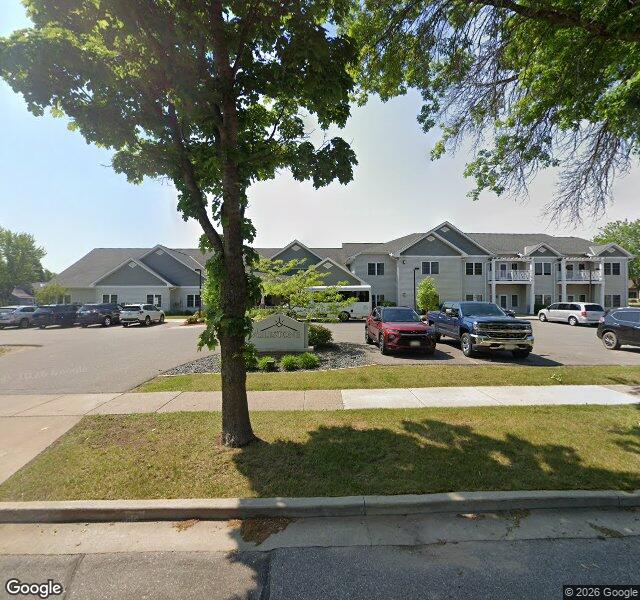
Milestone Senior Living Lincoln Cbrf
314 E Lincoln Ave, Tomahawk, WI 54487View map (opens in a new tab)
Overview and key essentials
State license
Active
WI DHS
Google reviews
5.0/ 5
6 reviews
Monthly cost
$5,880–$6,195/ mo
AI-assisted estimate
Strong public signals
Rated 5.0/5 across 6 public Google reviews. Visit in person to confirm daily care and pricing.
Cost, payment & care details
Updated Nov 28, 2026| Monthly cost | $5,880–$6,195AI-assisted estimate | Research may contain errors. Request a current quote from the provider. Source: AI-assisted online research, Nov 2026. |
|---|---|---|
| Payment options | Medicaid | Participation is reported in our source data. Confirm eligibility, covered services, and any private-pay costs. Verified Medicaid waiver: Wisconsin Family Care / IRIS Medicaid Waiver (WI Dept. of Health Services (DHS DQA)). |
| Size & availability | Confirm directly | We don't publish live openings. Ask about current availability, waitlist length, and move-in timing. |
| Care & support | Assisted livingMemory care certified | Usually offers housing and help with everyday tasks, such as bathing and dressing. What to confirm about care levelsThis describes the licensed category. Ask how care plans adjust if mobility, nursing, or memory needs change over time. Read the family care guide → |
Safety screening & compliance
State licensing depth & federal screening
HHS OIG LEIE: Clear (2026-11-27)OIG database ↗ (opens in a new tab)
WI DHS directory details (CBRF)
Class: CLASS CNA (NONAMBULATORY)HCBS CompliantDementia approvedWI DHS rates: $5,880–$6,195/mo
State licensing
State inspection history
7inspections
22deficiencies listed
Sep 23, 2026Complaint1 deficiency reported1
1 deficiency reported
View official state report (opens in a new tab)
On 09/22/2026, Surveyor conducted a complaint investigation at Milestone Senior Living Lincoln CBRF. Data collection continued through 09/23/2026. The complaint was unsubstantiated. No deficiencies were identified. Census: 20
STATE FORM6899
MP6J11
Nov 6, 2025Follow-up1 deficiency reported1
May 12, 2025Complaint18 deficiencies reported18
18 deficiencies reported
View official state report (opens in a new tab)
On 05/05/2025, Surveyors conducted a standard at Milestone Senior Living Lincoln CBRF. Data collection continued through 05/12/2025. 17 deficiencies were identified. Five of 17 deficiencies were repeat deficiencies, see Statement of Deficiency (SOD) KY5J11, dated 10/11/2023 and SOD KY5J12, dated 02/08/2024. , Census: 15
83.12(5)(a) Notification: incident, injury, changes.N 169
The CBRF shall immediately notify the resident's legal representative and the resident's physician when there is an incident or injury to the resident or a significant change in the resident's physical or mental condition. This Rule is not met as evidenced by: Based on record review and interview, the provider did not immediately notify the resident's legal representative and physician when they had a significant change in physical or mental condition. Resident 2, Resident 3, Resident 4, Resident 5, and Resident 6 had significant changes in their condition without immediate notification to their physician and legal representative. Findings include: On 03/04/2025, the Department received a complaint that alleged the provider was not providing notifications per regulation. On 05/06/2025 and 05/08/2025, Surveyor reviewed resident records for Resident 2, Resident 3, Resident 4, Resident 5, and Resident 6. RESIDENT 2 Resident 2 had multiple diagnoses, including dementia. S/he had a legal representative. On 10/29/2024, staff documented Resident 2 had a pressure injury to the back of his/her right heel that was discovered on 10/26/2024. On 11/04/2024, staff documented: "Wound is not improving, area is dark colored, some moderate drainage is noted, PCP (primary care provider) updated of worsening wound, message left for family to advise." On 11/04/2024, staff faxed Resident 2's physician. The fax read: "Resident has developed a large wound on [his/her] R (right) heel & L (left) heel appears to be 'soft', [sic] it feels mushy to touch. Foam dressings have been utilized with minimal improvement. Please Advise." The notes indicated the wound was first discovered on 10/26/2024, without notification until 11/04/2024. During that time, the wound worsened and developed drainage. Staff documented the following notes related to a wound on Resident 2's tailbone: 11/04/2024 - "Has a sore starting on [his/her] tailbone." 11/06/2024 - "[His/her] backside by the tailbone area is also very red." 12/06/2024 - "resident [sic] has break down on [his/her] tailbone [sic] writer used pillow under [him/her] so [s/he] wasn't laying [sic] on it." 12/06/2024 - " ...RN (regional nurse) was notified [sic] [s/he] also didn't say anything about the sore on [his/her] tail bone [sic]. CAN someone please address this issue [sic] its [sic] been going on a lot [sic] this is the second time this has happen [sic]." 12/25/2024 - "resident has more sores on [his/her] tail bone and a skin tear on [his/her] bottom ..." 12/27/2024 - "Resident has passed." There was no documentation to indicate Resident 2's physician and legal representative were made aware of changes to Resident 2's skin on his/her tailbone. On 05/06/2025, Surveyor emailed Director A and requested documentation of Resident 2's wounds, including who was notified. On 05/08/2025, Regional Nurse (RN) D replied via email with the wound documentation noted above. RESIDENT 3 Resident 3 was admitted to the facility on 11/12/2024. S/he had multiple diagnoses and was his/her own decision maker until 03/17/2025, when s/he was determined to be incapacitated. Staff documented the following changes in Resident 3's mental condition: 01/05/2025 - " ... [S/he] looked like [s/he] was high and slow eye movements from side to side with a glazed looking eyes [sic] ... [S/he] is confused and not very aware of what is going on around [him/her]. Writer was told [s/he] was like this for 2 days ..." 01/24/2025 - "Resident rang, writer went...
83.35(3)(d) Service plans updated annually or onN 389
changes Individual service plan review. Annually or when there is a change in a resident ' s needs, abilities or physical or mental condition, the individual service plan shall be reviewed and revised based on the assessment under sub. (1). All reviews of the individual service plan shall include input from the resident or legal representative, case manager, resident care staff, and other service providers as appropriate. The resident or resident ' s legal representative shall sign the individual service plan, acknowledging their involvement in, understanding of and agreement with the individual service plan. This Rule is not met as evidenced by: Based on record review and interview, the provider did not review and revise residents' individual service plans (ISP) when they had a change in condition, for 5 of 8 residents reviewed. Findings include: On 03/18/2025, the Department received a complaint that alleged resident's ISPs were not being updated per regulation and that bed rails were used without assessments. On 05/06/2025 and 05/08/2025, Surveyor reviewed resident records, including: Resident 3, Resident 4, Resident 5, Resident 6, and Resident 7. RESIDENT 3 On 02/04/2024, staff documented, in part: "Resident has a pressure sore on left leg below bottom. Writer notified director/nurse." On 02/06/2025, staff documented on a skin form that Resident 3 had lesions to his/her buttocks. On 02/14/2025, staff documented: "Resident is bleeding from a sore on [his/her] left leg just under [his/her] buttocks." On 02/16/2025, staff documented: "Notified triage about [his/her] legs and sore said we can put barrier cream on it." Resident 3's ISP, effective date 03/19/2025, did not include any alterations in skin or history in alterations in skin for Resident 3. On 05/06/2025, Surveyor emailed Director A and asked about the lesion to Resident 3's buttock and if there was any follow up to staff documentation. On 05/08/2025, Regional Nurse (RN) D replied, via email: "Nothing documented until 02/16/2025 by triage during a call related to something else, staff were told to do barrier cream but no other orders or documentation completed, no EMAR (electronic medication administration record) orders." RESIDENT 4 On 02/16/2025, staff documented: "Pressure sores on both heels forming." On 02/18/2025, hospice noted Resident 4 had a stage 1 pressure injury to his/her left heel. His/her buttocks were "purple/red blanchable." His/her right heel was "pink/blanchable." And s/he had scattered bruising. Resident 4's ISP, effective date 01/02/2025, did not indicate Resident 4 had a pressure injury to his/her left heel. The ISP did not indicate Resident 4's buttocks and right heel were showing changes or that there was potential for skin breakdown. There were no interventions listed to promote healing and prevent further pressure injuries from developing. On 05/06/2025, Surveyor emailed Director A and asked what interventions were put into place related to hospice's note on 02/18/2025. On 05/08/2025, RN D replied, via email: "No documentation noted, nor [sic] wounds documented, nor [sic] ISP updated for wounds." RESIDENT 5 A "Skin Monitoring: Comprehensive" form, dated 02/01/2025, indicated Resident 5 had bruising to the left wrist area, skin tears to both shins, and swelling to the right leg. On 05/06/2025, Surveyor emailed Director A and asked if any interventions were added following staff's documentation on 02/01/2025. On 05/08/2025, RN D replied, via email,...
83.36(1)(a) Adequate staff to meet residentN 396
needs. The CBRF shall provide employees in sufficient numbers on a 24-hour basis to meet the needs of the residents. This Rule is not met as evidenced by: Based on record review and interview, the provider did not ensure employees in sufficient numbers on a 24-hour basis to meet the needs of the residents. This had the potential to impact 15 residents. Findings include: The provider is licensed to serve up to 22 residents in the client groups advanced aged and irreversible dementia/Alzheimer's disease. The facility is connected to the provider's licensed Residential Care Apartment Complex (RCAC). On 03/03/2025, the Department received a complaint alleging staffing concerns (several residents required the assistance of 2 staff and 1 staff was scheduled to work). On 05/05/2025, Surveyor reviewed the provider's January 2025 - May 2025 schedule. The NOC (overnight) shift, 10 PM - 6 AM, noted that 4 times in January, 13 times in February, and 8 times in March, the NOC shift had one staff scheduled. RESIDENT 1 On 05/05/2025, Surveyor reviewed Resident 1's record. Resident 1 was admitted on 06/01/2021. Per Resident 1's daily log, staff noted, in part: - 01/04/2025 (8:41 PM): "Took 2 to transfer to toilet tonight." - 01/05/2025 (7:18 PM): "Hospice didn't come, resident got shower by 2 of us tonight." - 01/13/2025 (3:41 AM): "Took 3 people to toilet resident [sic] had to use wheelchair." - 01/27/2025 (11:46 PM): "...Attempted to let resident stand with 2 assist out of wheelchair with no success as [s/he] kept saying 'I can't.' Sit to stand was used and this took 10 minutes as [s/he] was not listening or following instructions. [S/He] would repeatedly take [his/her] hands off of the handlebars." - 02/01/2025 (3:13 AM): "Attempted to get resident out of bed and to the bathroom. [S/He] would not get out of bed to do this. Staff tried helping [him/her] to sit up and [s/he] would not help so staff decided to change [him/her] in bed. Boosting [him/her] was extremely difficult with 2 people. Rolling [him/her] was extremely difficult also as [s/he] would not roll and stay on [his/her] side and groan. Lots of resistance." - 02/01/2025 (3:39 AM): "Resident's alarm was going off. [S/He] was sitting on the edge of the bed. 2 staff asked [him/her] to stand up with her bed in highest position so it would be easier for [him/her] and [s/he] refused to stand up all the way with our help." - 02/02/2025 (6:40 PM): "Had shower in spa room [sic] had to use Sara lift and 2 aides for transfers...[sic] uncooperative during cares." - 04/21/2025 (12:58 PM): "Had to use Sara lift for toileting after lunch [sic] not cooperating with cares." On 05/05/2025 at 2:55 PM, Surveyor interviewed Caregiver E. Surveyor asked Caregiver E about resident cares and the amount of staff assistance needed to provide the care. Caregiver E reported that Caregiver E had worked at the facility for the past 7 months and worked the PM shift (2 PM - 10 PM). Caregiver E indicated that Resident 1 was "a 2-person assist" with cares and transfers. Caregiver E stated, "[Resident 1] is a handful and fights staff with cares and transfers." Caregiver E commented that Resident 1 could be a 1-person assist on a good day, but required the assistance from 2 staff most of the time. On 05/06/2025 at 8:20 AM, Surveyor interviewed Caregiver F via telephone. Surveyor asked Caregiver F about resident cares and the amount of staff assistance needed to provide the care. Caregiver F reported that s/he had worked...
83.47(2)(e) Other evacuation drills.N 526
Other evacuation drills. Tornado, flooding, or other emergency or disaster evacuation drills shall be conducted at least semi-annually. This Rule is not met as evidenced by: Based on interview and record review, the provider did not ensure emergency evacuation drills were conducted twice a year. This had the potential to affect all the residents. This is a repeat deficiency. See Statement of Deficiency (SOD) KY5J11, dated 10/11/2023. Findings include: The provider is licensed to serve up to 22 residents in the client groups advanced aged and irreversible dementia/Alzheimer's disease. On 05/05/2025 at approximately 8:30 AM, Surveyor interviewed Director A and requested the provider's records of 2023 & 2024 other evacuation drills. On 05/06/2025 at approximately 12:49 PM, Surveyor e-mailed Director A and requested the provider's records of 2023 & 2024 other evacuation drills. On 05/08/2025 at approximately 11:55 AM, Regional Nurse (RN) D noted via e-mail, "I do not have any fire/evac [sic] drills for 23, 24 or 25 (2023, 2024, 2025)."
83.14(2)(a) Licensee ensures facility compliesN 196
with laws The licensee shall ensure the CBRF and its operation comply with all laws governing the CBRF. This Rule is not met as evidenced by: Based on record review and interview, the licensee did not ensure the community based residential facility (CBRF) and its operations complied with all laws governing the CBRF. Surveyors conducted a standard licensure survey were substantiated and 17 deficiencies were identified in the areas of resident care, services, and staff training. Findings include: The provider is licensed to serve up to 22 residents in the client groups advanced aged and irreversible dementia/Alzheimer's disease. The facility is connected to the provider's licensed Residential Care Apartment Complex (RCAC). Between 01/08/2025 and 03/18/2025, the Department received 4 complaints alleging resident neglect, resident falls, lack of staff training, inadequate staff, medication errors, care plans not updated or followed, and fire/evacuation drills were not being conducted. On 05/05/2025, at approximately 8:30 AM, Surveyor interviewed Director A. Director A reported that Director A was hired in January 2025. Director A verified that the facility had at least 3 Directors/Health Care Coordinators (HCC) over the past year. On 05/05/2025 at 3:45 PM, Surveyor asked Director A for Caregiver B's and Caregiver C's training records (including orientation training). Director A verified that Director A could not locate orientation training records for Caregiver B and Caregiver C. Director A verified that Director A could not locate department-approved training records for Caregiver C. Director A verified the provider did not have evidence Caregiver B and Caregiver C completed or met an exemption for training in resident rights, challenging behavior and client group. On 05/06/2025 at approximately 7:30 AM, Surveyor interviewed Caregiver M via telephone. Caregiver M reported that the facility had gone through several changes and cuts (staff hours had been cut) over the past several months/year. Caregiver M verified that 1 staff was scheduled to work the NOC (overnight) shift and 1 staff was scheduled to work the NOC shift at the RCAC. On 05/08/2025 at approximately 11:55 AM, Regional Nurse (RN) D noted via e-mail, "I do not have any fire/evac [sic] drills for 23, 24 or 25 (2023, 2024, 2025)." On 05/08/2025, from approximately 3:30 p.m. to 4:30 p.m., Surveyor interviewed Director A, RN D, Regional Director K and Compliance Officer L via telephone. Surveyor asked if they reviewed staff documentation, weights, and vital signs. Director A said that was his/her responsibility as the HCC and s/he assumed that position as of 01/08/2025. Director A said s/he reviewed staff documentation on a daily basis. It was verified that the provider had gone through a few HCCs over the past several months/year. On 05/09/2025 at 8:55 AM, Surveyor interviewed Caregiver H via telephone. Surveyor asked Caregiver H about resident cares and the amount of staff assistance needed to provide the care. Caregiver H reported that s/he worked PM shifts and NOC shifts, and had worked at the provider for 4 years. Caregiver H reported that 2 staff worked the PM shifts and 1 staff worked the NOC shifts. Caregiver H stated, "We need 2 people to transfer with the sit to stand per policy." Caregiver H reported that Resident 1 used a sit to stand at times for transfers. Caregiver H commented, "It is safer to have 2 people with [Resident 1]." Caregiver H reported that 1 staff was...
83.19 OrientationN 230
Before an employee performs any job duties, the CBRF shall provide each employee with orientation training which shall include all of the following: (1) Job responsibilities; (2) Prevention and reporting of resident abuse, neglect and misappropriation of resident property; (3) Information regarding assessed needs and individual services for each resident for whom the employee is responsible; (4) Emergency and disaster plan and evacuation procedures under s. HFS 83.47(2); (5) CBRF policies and procedures; (6) Recognizing and responding to resident changes of condition. This Rule is not met as evidenced by: Based on record review and interview, the provider did not ensure staff completed orientation training or the orientation program of sampled caregivers. Findings include: The provider is licensed to serve up to 22 residents in the client groups advanced aged and irreversible dementia/Alzheimer's disease. On 03/03/2025, the Department received a complaint alleging residents were not receiving proper care and health monitoring. On 05/05/2025, Surveyor reviewed Caregiver B's file. Caregiver B was hired on 10/02/2024. Caregiver B's file did not contain orientation training. On 05/05/2025, Surveyor reviewed Caregiver C's file. Caregiver C was hired on 09/16/2024. Caregiver C's file did not contain orientation training. On 05/05/2025 at 3:45 PM, Surveyor interviewed Director A. Surveyor asked Director A for Caregiver B's and Caregiver C's training records (including orientation training). Director A verified that Director A could not locate orientation training records for Caregiver B and Caregiver C. Director A was given the opportunity to submit any additional evidence of training by 05/12/2025. Surveyor did not receive additional information. The provider did not ensure staff completed orientation training prior to working with residents.
83.47(2)(d) Fire drills.N 525
Fire drills. 1. Fire evacuation drills shall be conducted at least quarterly with both employees and residents. Drills shall be limited to the employees scheduled to work at that time. Documentation shall include the date and time of the drill and the CBRF ' s total evacuation time. The CBRF shall record residents having an evacuation time greater than the time allowed under s. HFS 83.35(5) and the type of assistance needed for evacuation. Fire evacuation drills may be announced in advance. 2. At least one fire evacuation drill shall be held annually that simulates the conditions during usual sleeping hours. Fire evacuation drills may be announced in advance. Drills shall be limited to the employees scheduled to work during the residents ' normal sleeping hours. This Rule is not met as evidenced by: Based on interview and record review, the provider did not ensure fire drills were conducted at least quarterly, with one taking place that simulated the conditions during the residents' usual hours of sleep. This had the potential to affect all the residents. This is a repeat deficiency. See Statement of Deficiency (SOD) KY5J11, dated 10/11/2023. Findings include: The provider is licensed to serve up to 22 residents in the client groups advanced aged and irreversible dementia/Alzheimer's disease. On 05/05/2025 at approximately 8:30 AM, Surveyor interviewed Director A and requested the provider's records of 2023 & 2024 quarterly fire drills. On 05/06/2025 at approximately 12:49 PM, Surveyor e-mailed Director A and requested the provider's records of 2023 & 2024 quarterly fire drills. On 05/08/2025 at approximately 11:55 AM, Regional Nurse (RN) D noted via e-mail, "I do not have any fire/evac [sic] drills for 23, 24 or 25 (2023, 2024, 2025)."
83.20(2)(a)-(d) Department-approved trainingN 239
courses. Standard Precautions. All employees who may be occupationally exposed to blood, body fluids or other moist body substances, including mucous membranes, non-intact skin, secretions, and excretions except sweat, whether or not they contain visible blood shall successfully complete training in standard precautions before the employee assumes any responsibilities that may expose the employee to such material. Fire safety. Within 90 days after starting employment, all employees shall successfully complete training in fire safety. First aid and choking. Within 90 days after starting employment, all employees shall successfully complete training in first aid and procedures to alleviate choking. Medication administration and management. Any employee who manages, administers or assists residents with prescribed or over-the-counter medications shall complete training in medication administration and management prior to assuming these job duties. This Rule is not met as evidenced by: Based on record review and interview, the provider did not ensure 1 of 2 caregivers sampled obtained all department approved training as required. Caregiver C, who had responsibilities that would create exposure to blood, body fluids or other moist body substances, did not have training in standard precautions prior to assuming these duties. Caregiver C did not have training in fire safety, first aid and choking within 90 days after starting employment. This is a repeat deficiency cited for the 3rd time. See Statement of Deficiency (SOD) KY5J11, dated 10/11/2023, and SOD KY5J12, dated 02/08/2024. Findings include: The provider is licensed to serve up to 22 residents in the client groups advanced aged and irreversible dementia/Alzheimer's disease. On 05/05/2025, Surveyor reviewed Caregiver C's file. Caregiver C was hired on 09/16/2024. Caregiver C's file did not contain department approved training requirements (including Standard Precautions, Fire Safety, First Aid & Choking). On 05/05/2025 at 3:45 PM, Surveyor interviewed Director A. Surveyor asked Director A for Caregiver C's department approved training records. Director A verified that Director A could not locate department approved training records for Caregiver C. Director A confirmed that Caregiver C performs job tasks that may expose the employee to blood or other bodily fluids. Director A confirmed the provider did not have evidence Caregiver C completed or met an exemption for standard precautions training, fire safety, first aid and choking prior to assuming these job duties. On 05/05/2025, Surveyor verified Caregiver C was not on the Community-Based Residential Facility's training registry. Director A was given the opportunity to submit any additional evidence of training by 05/12/2025. Surveyor did not receive additional information. The provider did not ensure staff completed department approved training requirements prior to working with residents.
83.17(2)(a) Employees screened forN 220
communicable disease. The CBRF shall obtain documentation from a physician, physician assistant, clinical nurse practitioner or a licensed registered nurse indicating all employees have been screened for clinically apparent communicable disease including tuberculosis. Screening for tuberculosis shall be conducted using centers for disease control and prevention standards. The screening and documentation shall be completed within 90 days before the start of employment. The CBRF shall keep screening documentation confidential, except the department shall have access to the screening documentation for verification purposes. This Rule is not met as evidenced by: Based on record review and interview, the provider did not ensure each staff member had documentation of being screened for communicable disease, including tuberculosis (TB), within 90 days of being hired. This was discovered for 1 of 2 sampled caregivers. This is a repeat deficiency. See Statement of Deficiency (SOD) KY5J11, dated 10/11/2023. Findings include: The provider is licensed to serve up to 22 residents in the client groups advanced aged and irreversible dementia/Alzheimer's disease. On 05/05/2025, Surveyor reviewed Caregiver C's file. Caregiver C was hired on 10/02/2024. Caregiver C's file did not contain a screening for TB. On 05/06/2025 at 12:49 PM, Surveyor requested Caregiver C's TB test via e-mail from Director A. On 05/08/2025 at 11:55 AM, Regional Nurse D verified via e-mail that Caregiver C did not have a TB test available.
83.38(1)(g) Health monitoring.N 431
As appropriate, the CBRF shall teach residents the necessary skills to achieve and maintain the resident ' s highest level of functioning. In addition to the assessed needs as determined under s. DHS 83.35(1), the CBRF shall provide or arrange services adequate to meet the needs of the residents in all of the following areas: Health monitoring. 1. The CBRF shall monitor the health of residents and make arrangements for physical health, oral health or mental health services unless otherwise arranged for by the resident. Each resident shall have an annual physical health examination completed by a physician or an advanced practice nurse as defined in s. N 8.02(1), unless seen by a physician or an advanced practice nurse as defined in s. N 8.02(1) more frequently. 2. When indicated, a CBRF shall observe residents ' food and fluid intake and acceptance of diet. The CBRF shall report significant deviations from normal food and fluid intake patterns to the resident ' s physician or dietician. 3. The CBRF shall document communication with the resident ' s physician and other health care providers, and shall record any changes in the resident ' s health or mental health status in the resident ' s record. This Rule is not met as evidenced by: Based on record review and interview, the provider did not monitor the health of residents. The provider did not obtain weights, as ordered, on 2 of 8 residents reviewed. Findings include: On 03/03/2025, the Department received a complaint with allegations that provider was not obtaining residents' weights and vital signs. On 05/05/2025 at approximately 10:00 a.m., Surveyor interviewed Caregiver B and asked how often staff obtained vital signs and weights on the residents. Caregiver B told Surveyor they do monthly weights and vital signs unless physician or director orders more frequent checks. On 05/06/2025 and 05/08/2025, Surveyor reviewed resident records for: Resident 5, and Resident 7. RESIDENT 5 Resident 5 was admitted to the facility on 05/16/2022. Resident 5 was discharged due to death on 03/31/2025. Resident 5's Face Sheet did not indicate a weight. Surveyor reviewed vital signs and weight history back to 12/06/2024. No weights were recorded. On 02/12/2025, Resident 5 was admitted to hospice care. Hospice registered nurse notes, dated 03/06/2025 and 03/07/2025, requested staff to obtain a weight within the next week. On 05/06/2025, Surveyor emailed Director A and asked if there were any weights recorded in the last 3 months Resident 5 resided at the facility. On 05/08/2025, RN D replied, "No weights recorded." RESIDENT 7 Resident 7 was admitted to the facility on 12/27/2018. Resident 7's Face Sheet indicated s/he weighed 103.7 pounds. Resident 7's individual service plan (ISP), effective date 03/28/2025, indicated weekly weights were to be obtained per hospice order. On 01/02/2025, staff recorded a weight of 107.5 pounds. On 01/05/2025, staff documented a note: "10 lbs (pounds) weight loss." On 02/05/2025, staff recorded a weight of 103.7 pounds. On 05/06/2025, Surveyor emailed Director A and requested weights in the last 3 months. On 05/08/2025, RN D replied with an attachment of weights, which are noted above. On 05/08/2025, from approximately 3:30 p.m. to 4:30 p.m., Surveyor interviewed Director A, RN D, Regional Director K and Compliance Officer L on the phone. Surveyor asked if they reviewed staff documentation, weights, and vital signs. Director A said that was his/her responsibility as...
83.28(4)(a) Resident health screening andN 302
documentation Resident health screening. 1. Within 90 days before or 7 days after admission, a physician, physician assistant, clinical nurse practitioner or a licensed registered nurse shall screen each person admitted to the CBRF for clinically apparent communicable disease, including tuberculosis, and document the results of the screening. 2. Screening for tuberculosis and all immunizations shall be conducted using centers for disease control and prevention standards. 3. The CBRF shall maintain the screening documentation in each resident ' s record. This Rule is not met as evidenced by: Based on record review and interview, the provider did not ensure within 90 days before or 7 days after admission, each resident had been screened for communicable disease including, sampled residents. Findings include: The provider is licensed to serve up to 22 residents in the client groups advanced aged and irreversible dementia/Alzheimer's disease. On 05/05/2025, Surveyor reviewed Resident 1's file. Resident 1 was admitted on 06/01/2021. Resident 1's file did not contain a screening for communicable disease (TB). On 05/06/2025 at 12:49 PM, Surveyor requested Resident 1's TB test via e-mail from Director A. On 05/08/2025 at 11:55 AM, Regional Nurse (RN) D noted via e-mail that there were "No TB test results in [his/her] folder."
83.12(4)(c) Reporting incidents with serious injuryN 165
A CBRF shall send a written report to the department within 3 working days after any of the following occurs: Any incident or accident resulting in serious injury requiring hospital admission or emergency room treatment of a resident. This Rule is not met as evidenced by: Based on record review and interview, the provider did not report to the Department when Resident 2 fell and sustained a hip and wrist fracture that required surgical repair. Findings include: On 03/04/2025, the Department received a complaint that alleged the provider was not reporting incidents as required. On 05/06/2025, Surveyor reviewed Resident 2's record. An investigation report dated 09/05/2024, indicated Resident 2 fell on 09/03/2024 and sustained a hip and wrist fracture. Documentation from the hospital, by Occupational Therapist (OT) I, dated 09/05/2024, read, in part: "Patient admitted to hospital after falling and suffering a right hip and right wrist fracture. Patient underwent rodding, intramedullary nailing of right femur and reduction with casting to the right wrist." On 05/06/2025, Surveyor reviewed the Department's electronic file for the provider. Surveyor did not locate a report to the Department related to Resident 2's fall with fractures and hospitalization. On 05/06/2025, Surveyor emailed Director A and asked if Resident 2's fall was reported to the Department. On 05/08/2025, Regional Nurse (RN) D emailed Surveyor with a copy of a self-report form related to Resident 2's fall. This form was completed by Former Director (FD) J. There was no evidence the form was faxed or emailed to the Department. On 05/08/2025, from approximately 3:30 p.m. - 4:30 p.m., Surveyor interviewed Director A, RN D, Regional Director (RD) K, and Compliance Officer L on the phone. Surveyor asked if the self-report form was emailed or faxed to the office and if they could provide documentation of the email or fax confirmation. RD K told Surveyor s/he received the self-report form from FD J and would look for documentation to indicate s/he reported this to the Department. Surveyor requested any documentation to be sent by noon on 05/12/2025. Surveyor did not receive any additional documentation. The provider failed to report to the Department when Resident 2 fell and sustained a hip and wrist fracture that required hospitalization and surgical repair.
83.35(3)(c) Implement, follow the individualN 388
service plan Implementation. The CBRF shall implement and follow the individual service plan as written. This Rule is not met as evidenced by: Based on record review and interview, the provider did not implement Resident 6's and Resident 7's individual service plans (ISP). The provider did not ensure Resident 6's and Resident 7's bed alarms were on and/or working properly. Findings include: On 03/03/2025, 03/04/2025, and 03/18/2025, the Department received complaints alleging there were multiple residents with multiple falls. On 05/06/2025 and 05/08/2025, Surveyor reviewed resident records, including Resident 6 and Resident 7. Resident 6 had multiple diagnoses, including: frontotemporal dementia and anxiety. Resident 6's ISP, effective date 01/20/2025, read, in part: "Fall interventions are: 10/29/24 ensure proper footwear, Fall interventions are: 11-17-24 Fall: Remind resident to call for assistance when wanting to change clothing. 11/18/24 ensure bed alarm is on and functioning 11/18/24 staff to administer prn (as needed) medication when restless ... Visual/Safety Checks: Staff to provide additional visual/safety checks by checking Chair Clip Alarm, bed alarm are [sic] in place and working each shift ..." On 11/18/2024, staff documented: "11/18/24 915pm Staff report they noted resident sitting next to [his/her] bed on the floor. Resident had [his/her] back resting against the bed, [sic] [s/he] was seen 45 mins (minutes) prior in bed. Staff report the bed alarm was not on ... Staff to ensure that bed alarm is on and working properly ..." Resident 7 had multiple diagnoses, including: dementia, essential tremor, and pain. Resident 7's ISP, effective date 03/28/2025, read, in part: "Fall interventions are: 8-7-24- offer toileting at midnight if resident is awake, and ensure bed alar [sic] is turned on when putting [him/her] to bed. 8/20/24 ensure alarms a [sic] functioning correctly at all times. 9/1/24 when staff are walking with resident use gait belt and walker. 10/14/24 remind to call for assist when need to use the bathroom 3/5/25 ensure resident is positioned in the middle of the bed during safety checks. 4/9/25 remind resident to use call pendant when needing to get up. 4/29/25 staff to ensure the bed alarm is on and functioning, change batteries." On 03/09/2025 at 2:31 p.m., staff documented: "Chair alarm was still on bed. Attached to resident in tv room." An incident report, dated 04/29/2025, read, in part: "4/29/25 859 [sic] pm staff report to triage that resident was noted to be on the floor next to [his/her] bed. Floor mat was down but did not alarm ..." On 05/08/2025, from 3:30 p.m. - 4:30 p.m., Surveyor interviewed Director A, Regional Nurse D, Regional Director K, and Compliance Officer L on the phone. Surveyor asked if there was investigation into why Resident 7's alarm did not sound when s/he fell on 04/29/2025. Director A said s/he was not aware the alarm did not sound when Resident 7 fell on 04/29/2025. Director A said s/he would look into it. Surveyor requested any additional information to be sent by noon on 05/12/2025. As of 05/12/2025, Surveyor did not receive any documentation to indicate why the alarm did not sound when Resident 7 fell.
83.17(1) Licensee conduct caregiver backgroundN 219
check Caregiver background check. At the time of hire, employment or contract and every 4 years after, the licensee shall conduct and document a caregiver background check following the procedures in s. 50.065, Stats., and ch. DHS 12. A licensee shall not employ, contract with or permit a person to reside at the CBRF if the person has been convicted of the crimes or offenses, or has a governmental finding of misconduct, found in s. 50.065, Stats., and ch. DHS 12, Appendix A, unless the person has been approved under the department ' s rehabilitation process as defined in ch. DHS 12. This Rule is not met as evidenced by: Based on record review and interview, the provider did not conduct and document a sampled caregivers. This is a repeat deficiency. See Statement of Deficiency (SOD) KY5J11, dated 10/11/2023. Findings include: On 01/08/2025, the Department received a complaint alleging caregiver background checks were not being conducted on staff. The provider is licensed to serve up to 22 residents in the client groups advanced aged and irreversible dementia/Alzheimer's disease. On 05/05/2025, Surveyor reviewed Caregiver B's file. Caregiver B was hired on 10/02/2024. Caregiver B's file did not contain a CBC. On 05/05/2025, Surveyor reviewed Caregiver C's file. Caregiver C was hired on 09/16/2024. Caregiver C's file did not contain a CBC A complete CBC consists of 3 components: 1. A Background Information Disclosure (BID) filled out by the employee, 2. A criminal history record search from the Department of Justice (DOJ), 3. A Government Findings Report (GFR). On 05/05/2025, Surveyor reviewed the provider's schedule and noted that Caregiver B and Caregiver C were scheduled to work consistently since being hired. On 05/05/2025 at 3:45 PM, Surveyor interviewed Director A. Surveyor requested CBCs for Caregiver B and Caregiver C. Director A verified that Director A was unable to locate a CBC for Caregiver B and Caregiver C. Director A stated that Director A would look for the CBCs. On 05/06/2025 at 1:55 PM, Director A confirmed via e-mail that Caregiver B and Caregiver C did not have a CBC on file.
83.32(3)(h) Rights of Residents: ReceiveN 352
medication In addition to the rights under s. 50.09, Stats., each resident shall have all of the following rights: Receive medication. Receive all prescribed medications in the dosage and at intervals prescribed by a practitioner. The resident has the right to refuse medication unless the medication is court ordered. This Rule is not met as evidenced by: Based on record review and interview, the provider did not ensure Resident 3 and Resident 4 received all prescribed medications in the dosage and intervals prescribed by their practitioner. Resident 3 did not receive his/her prescribed antibiotic for a urinary tract infection as prescribed. Resident 4 did not receive his/her scheduled morphine as prescribed. Findings include: On 03/04/2025 and 03/05/2025, the Department received complaints that alleged residents did not receive medications timely after they were ordered. RESIDENT 3 On 05/06/2025, Surveyor reviewed Resident 3's record. On 02/13/2025, Resident 3 was ordered Levaquin 250 milligrams (mg), by mouth, daily for 7 days. Resident 3's medication administration record (MAR) for February 2025 indicated the following related to his/her order for Levaquin: On 02/14/2025, staff documented "OTH" (Other) per legend. On 02/15/2025, staff documented "DNA" (Drug Not Available) per legend. On 02/16/2025, staff did initial the MAR as medication given. On 02/17/2025 and 02/18/2025, there was no documentation on the MAR for the Levaquin. On 02/19/2025, the MAR indicated "DNA." A note on the MAR read: "*FAXED TO TRIGS 2/19*" On 02/20/2025 and 02/21/2025, there was no documentation on the MAR for the Levaquin. On 02/22/2025 and 02/23/2025, the MAR indicated "DNA." On 02/24/2025 and 02/25/2025, there was no documentation on the MAR for the Levaquin. On 02/26/2025, the MAR indicated "DNA." On 02/27/2025 and 02/28/2025, there was no documentation on the MAR for the Levaquin. On 05/08/2025, from approximately 3:30 p.m. - 4:30 p.m., Surveyor interviewed Director A, Registered Nurse (RN) D, Regional Director K and Compliance Officer L on the phone. Surveyor asked why Resident 3 did not receive his/her Levaquin when it was ordered on 02/13/2025. Director A said they sent the order to their pharmacy but did not receive it. S/he said s/he then sent the order to their local pharmacy in town and still did not receive it. Surveyor asked when Resident 3 received the Levaquin. Director A said s/he would "dig" for when it was started. Surveyor requested any additional documentation to be sent by noon on 05/12/2025. As of 05/12/2025, Surveyor did not receive any additional information from the provider. RESIDENT 4 On 05/06/2025, Surveyor reviewed Resident 4's record. On 02/12/2025, Resident 4 was ordered morphine 20 mg/(milliliter) ml, take 0.25 ml, by mouth, every 4 hours for pain control. Resident 4's MAR for February 2025 indicated this order was not implemented until 02/18/2025, almost 1 week later. Resident 4 died on 02/20/2025. On 05/06/2025, Surveyor emailed Director A and asked why Resident 4's order for morphine, scheduled every 4 hours, was not implemented until 02/18/2025. On 05/08/2025, RN D replied via email, in part: "No reasons noted was not implemented until hospice noted on 02/18/2025 [sic] This delay was caused by [pharmacy name]; [Local pharmacy] did an emergency fill for us at 7-8pm due to their delay." The provider failed to ensure Resident 3 and Resident 4 received all prescribed medications when they were ordered.
83.12(3)(a) Investigate injuries of unknownN 161
source. Investigating injuries of unknown source. A CBRF shall investigate any of the following: 1. An injury that was not observed by any person. 2. The source of an injury to a resident that cannot be adequately explained by the resident. 3. An injury to a resident that appears suspicious because of the extent of the injury or the location of the injury on the resident. This Rule is not met as evidenced by: Based on record review and interview, the provider did not investigate all injuries of unknown source. Resident 4, and Resident 5 had injuries without documentation of what caused the injuries. Findings include: On 03/03/2025, 03/04/2025, and 03/18/2025, the Department received complaints related to skin concerns, bruises and wounds. On 05/06/2025 and 05/08/2025, Surveyor reviewed resident records for Resident 4, and Resident 5. RESIDENT 4 Resident 4 had a diagnosis of mild cognitive impairment. His/her individual service plan (ISP), effective date 01/02/2025, indicated s/he had mild impairment of long term memory and moderate impairment of short term memory. Staff documented the following injuries without an identifying source of injury for Resident 4: 01/20/2025 - "Skin tear on top of right hand. Bandaid [sic] applied. [S/he] does not know how it happened." 01/22/2025 - "skin tear on top of left hand, cleaned and applied bandage [sic] director and hospice notified." 01/27/2025 - "RESIDENT HAS MANY open sores on [his/her] arms." RESIDENT 5 Resident 5 had a diagnosis of unspecified dementia. His/her ISP, effective date 02/27/2025, indicated s/he had moderate impairment of long term memory and severe impairment to short term memory. Staff documented the following injuries without an identifying source of injury for Resident 5: 01/11/2025 - "Putting [him/her] to bed [sic] noticed left ankle is bruised and swollen. Told another coworker [sic]who said they know about it." 01/22/2025 - "Found large bruise on resident [sic] left forearm. Also bruise on left hand. Both were not there previous night." On 01/22/2025, a "Skin Monitoring: Comprehensive" form indicated Resident 5 had bruising to his/her left arm and hand. On 02/01/2025, a "Skin Monitoring: Comprehensive" form indicated Resident 5 had skin tears to his/her right and left shins and a swollen right leg. On 05/06/2025, Surveyor emailed Director A and asked what caused the injuries identified on 02/01/2025. On 05/08/2025, RN D emailed Surveyor, which read, in part: "No documentation noted or wound report ..." On 05/08/2025 from approximately 3:30 p.m. - 4:30 p.m., Surveyor interviewed Director A, RN D, Regional Director K, and Compliance Officer L on the phone. Surveyor asked who was responsible for reviewing staff documentation for changes in condition. Director A said s/he reviewed notes on a daily basis. Director A told Surveyor s/he was responsible for the investigations into injuries of unknown origin. Surveyor reviewed staff notes on Resident 4, and Resident 5 and requested any additional documentation of investigations related to the injuries noted. As of 05/12/2025, Surveyor did not receive any additional documentation to indicate the provider investigated the injuries to determine cause.
STATE FORM6899
43UD11 STATE FORM 43UD11 STATE FORM 43UD11 STATE FORM 43UD11 STATE FORM 43UD11 STATE FORM 43UD11 STATE FORM 43UD11 STATE FORM 43UD11 STATE FORM 43UD11 STATE FORM 43UD11 STATE FORM 43UD11 STATE FORM 43UD11 STATE FORM 43UD11 STATE FORM 43UD11 STATE FORM 43UD11 STATE FORM 43UD11 STATE FORM 43UD11 STATE FORM 43UD11 STATE FORM 43UD11 STATE FORM 43UD11 STATE FORM 43UD11 STATE FORM 43UD11 STATE FORM 43UD11 STATE FORM 43UD11 STATE FORM 43UD11 STATE FORM 43UD11 STATE FORM 43UD11 STATE FORM 43UD11 STATE FORM 43UD11 STATE FORM 43UD11 STATE FORM 43UD11 STATE FORM 43UD11 STATE FORM 43UD11 STATE FORM 43UD11 STATE FORM 43UD11 STATE FORM 43UD11 STATE FORM 43UD11 STATE FORM 43UD11 STATE FORM 43UD11 STATE FORM 43UD11 STATE FORM 43UD11 STATE FORM 43UD11 STATE FORM 43UD11 STATE FORM 43UD11 STATE FORM 43UD11 STATE FORM 43UD11 STATE FORM 43UD11
83.21(1)-(3) All employee training.N 243
The CBRF shall provide, obtain or otherwise ensure adequate training for all employees in all of the following: Resident rights. Training shall include general rights of residents including rights as specified under s. DHS 83.32(3). Training shall be provided as applicable under ss. 50.09 and 51.61 and chs. 54, 55, and 304, Stats., and ch. DHS 94, depending on the legal status of the resident or service the resident is receiving. Specific training topics shall include house rules, coercion, retaliation, confidentiality, restraints, self-determination, and the CBRF ' s complaint and grievance procedures. Residents ' rights training shall be completed within 90 days after starting employment. Client Group. Training shall be specific to the client group served and shall include the physical, social and mental health needs of the client group. Specific training topics shall include, as applicable: characteristics of the client group served, activities, safety risks, environmental considerations, disease processes, communication skills, nutritional needs, and vocational abilities. Client group specific training shall be completed within 90 days after starting employment. Client Group. In a CBRF serving more than one client group, employees shall receive training for each client group. Recognizing, preventing, managing, and responding to challenging behaviors. Specific training topics shall include, as applicable: elopement, aggressive behaviors, destruction of property, suicide prevention, self-injurious behavior, resident supervision, and changes in condition. Challenging behaviors training shall be completed within 90 days after starting employment. This Rule is not met as evidenced by: Based on record review and interview, the provider did not ensure 2 of 2 caregivers sampled obtained all training as required within 90 days after starting employment. Caregiver B and Caregiver C did not have training in resident rights (RR) within 90 days after starting employment. Caregiver B and Caregiver C did not have training in recognizing, preventing, managing and responding to challenging behaviors (CB) within 90 days after starting employment. Caregiver B and Caregiver C did not have training in required client groups (CG) within 90 days after starting employment. Findings include: The provider is licensed to serve up to 22 residents in the client groups advanced aged and irreversible dementia/Alzheimer's disease. On 05/05/2025, Surveyor reviewed Caregiver B's file. Caregiver B was hired on 10/02/2024. Caregiver B's file did not contain evidence of training or evidence of meeting an exemption for RR, CB and CG. On 05/05/2025, Surveyor reviewed Caregiver C's file. Caregiver C was hired on 09/16/2024. Caregiver C's file did not contain evidence of training or evidence of meeting an exemption for RR, CB and CG. On 05/05/2025 at 3:45 PM, Surveyor interviewed Director A. Surveyor asked Director A for Caregiver B's and Caregiver C's RR, CB and CG training records. Director A confirmed the provider did not have evidence Caregiver B and Caregiver C completed or met an exemption for RR, CB and CG training. Director A was given the opportunity to submit any additional evidence of training by 05/12/2025. Surveyor did not receive additional information. The provider did not ensure staff completed all required training within 90 days of starting employment.
May 12, 2025EnforcementEnforcement actionPenalty
Enforcement action
View official state report (opens in a new tab)
No deficiencies are reported in this inspection record.
Sep 16, 2024Follow-up1 deficiency reported1
Show all 7 inspections
Feb 8, 2024EnforcementEnforcement actionPenalty
Enforcement action
View official state report (opens in a new tab)
No deficiencies are reported in this inspection record.
Feb 8, 2024Follow-up1 deficiency reported1
1 deficiency reported
View official state report (opens in a new tab)
STATE FORM6899
KY5J12 {N 239} {N 239} This Rule is not met as evidenced by: Based on record review and interview, the provider did not ensure 4 of 4 employees obtained all department approved training as required. This is a repeat deficiency. See Statement of Deficiency (SOD) KY5J11, dated 10/11/2023. Assistant Healthcare Coordinator (AHC) B, Caregiver H, Caregiver I, and Caregiver J did not have training in fire safety within 90 days after starting employment. AHC B, Caregiver H, Caregiver I, and Caregiver J did not have training in first aid and choking within 90 days after starting employment. Findings include: On 02/06/2024, Surveyor conducted a review of 4 employees to verify compliance with department approved training requirements. Surveyor requested training records from Director A for AHC B, Caregiver H, Caregiver I, and Caregiver J. Fire Safety The record for AHC B, hired 06/04/2023, did not contain evidence of training or evidence of meeting an exemption for fire safety. The record for Caregiver H, hired 06/21/2023, did not contain evidence of training or evidence of meeting an exemption for fire safety. STATE FORM KY5J12 {N 239} {N 239} The record for Caregiver I, hired 06/21/2023, did not contain evidence of training or evidence of meeting an exemption for fire safety. The record for Caregiver J, hired 06/04/2024, did not contain evidence of training or evidence of meeting an exemption for fire safety. On 02/06/2024 at 11:04 AM, Surveyor and Health Service Lead (HSL) G verified AHC B, Caregiver H, Caregiver I, and Caregiver J were not on the Community-Based Care and Treatment training registry for fire safety. Surveyor interviewed HSL G. HSL G stated it was his/her understanding that since Caregiver J was a CNA (certified nursing assistant) and had previously worked in a nursing home, s/he would be exempt for all the training. First Aid and Choking The records for AHC B, Caregiver H, Caregiver I, and Caregiver J, did not contain evidence of training or evidence of meeting an exemption for first aid and choking. On 02/06/2024 at 11:04 AM, Surveyor and HSL G verified Caregiver H, Caregiver I, and Caregiver J were not on the Community-Based Care and Treatment training registry for first aid and choking. Surveyor interviewed HSL G. HSL G stated it was his/her understanding that since Caregiver J was a CNA and had previously worked in a nursing home, s/he would be exempt for all the training. STATE FORM KY5J12
Neighborhood & resident support
Emergency access, hazards & advocacy
Nearest hospital
Ministry Sacred Heart Hospital
1.0 mi · Tomahawk, WI
Emergency room
FEMA hazard risk
Relatively LowLincoln County, WI
- Cold Wave
- Lightning
- Winter Weather
Free resident advocacy
Wisconsin Board on Aging & Long Term Care Ombudsman
More neighborhood context (specialists, VA, dialysis, air & affordability)
VA & dialysis access
Iron Mountain MI VA Medical Center
83.6 mi · Iron Mountain, MI
DaVita Rhinelander Dialysis
22.2 mi · 4/5 ★
Specialists within 15 mi
- Geriatricians
- 0
- Neurologists
- 4
- Palliative care
- 0
- PM&R rehab
- 0
Environment & mobility
- EPA Walkability
- 5.9/20 (Below Average)
County demographics
- Age 65+ median income
- $49,836/yr
- Rent-burdened households
- 52%
- Cognitive disability (2023)
- 15.0%
- Mobility disability
- 12.3%
Call & tour checklist
Questions to ask Milestone Senior Living Lincoln Cbrf
Check off questions as you call or tour. Your progress stays private in this browser.
Show 3 more suggested questions
Verification & public records
Official records & sources
Licensing & contact
- License #
- 17059
- Status
- active
Original public sources
Verify licensing, ratings, and inspection reports directly with each official source.
- WI DHS official record (opens in a new tab)WI Dept. of Health Services
- Google Maps (opens in a new tab)Directions, photos & neighborhood
- Google Reviews (opens in a new tab)6 public reviews
EveryPlace is an independent research directory. Information is compiled from public Medicare.gov, state licensing, Google Places, and street-level imagery sources. Some summaries, suggested questions, and pricing notes are AI-generated or AI-assisted and may contain errors or omissions. We do not accept payment for placement. Confirm all details directly with the community and official sources. Research Policy.
Keep exploring
Nearby communities to compare
- 5.0(6)MedicaidAssisted Living< 1 miMilestone Senior Living LincolnTomahawk, WI
- Medicare 3/53.7(6)50 bedsMedicaidNursing Home< 1 miRiverview Health ServicesTomahawk, WI
- Medicare 2/53.7(17)50 bedsMedicaidNursing Home< 1 miTomahawk Health ServicesTomahawk, WI
- Cap. 48HUD Senior Housing< 1 miLongfellow & Whittier AptsTomahawk, WI
- 5.0(1)Assisted Living< 1 miRescare RailwayTomahawk, WI
- 4.8(5)MedicaidAssisted Living< 1 miCountry Terrace TomahawkTomahawk, WI