Loading EveryPlace content…
Assisted LivingActive license
Ma's Room and Board
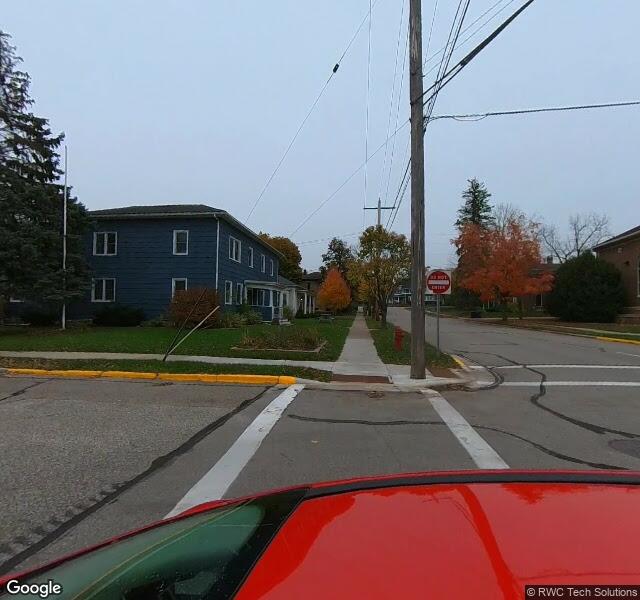
605 East Avenue, Red Wing, MN 55066View map (opens in a new tab)
Overview and key essentials
State license
Active
MN MDH
Google reviews
Not available
Public reviews not linked
Size & payment
Ask directly
Confirm pricing & payment
Public records for this community are limited. Use the checklist below when you call or visit to confirm pricing, services, and openings.
Cost, payment & care details
Updated Nov 28, 2026| Monthly cost | Not published | Ask for the full monthly cost, including care fees and one-time charges. |
|---|---|---|
| Payment options | Ask directly | Payment details are not confirmed in our records. Ask about private pay, long-term care insurance, veterans benefits, and Medicaid waivers. |
| Size & availability | Confirm directly | We don't publish live openings. Ask about current availability, waitlist length, and move-in timing. |
| Care & support | Assisted living | Usually offers housing and help with everyday tasks, such as bathing and dressing. What to confirm about care levelsThis describes the licensed category. Ask how care plans adjust if mobility, nursing, or memory needs change over time. Read the family care guide → |
State licensing
State inspection history
2inspections
18deficiencies listed
Apr 1, 2025Routine9 deficiencies reported9
9 deficiencies reported
View official state report (opens in a new tab)
144G.41 Subd. 7 Resident grievances; reporting0550
SS=F maltreatment All facilities must post in a conspicuous place information about the facilities' grievance procedure, and the name, telephone number, and email contact information for the individuals who are responsible for handling resident grievances. The notice must also have the contact information for the Office of Ombudsman for Long-Term Care and the Office of Ombudsman for Mental Health and Developmental Disabilities and must have information for reporting suspected maltreatment to the Minnesota Adult Abuse Reporting Center. The notice must also state that if an individual has a complaint about the facility or person providing services, the individual may contact the Office of Health Facility Complaints at the Minnesota Department of Health. This MN Requirement is not met as evidenced by: Based on observation, interview, and record review, the licensee failed to post in a conspicuous place, information about the STATE FORM
144G.42 Subd. 6 (b) Compliance with0630
SS=D requirements for reporting ma (b) The facility must develop and implement an individual abuse prevention plan for each vulnerable adult. The plan shall contain an individualized review or assessment of the person's susceptibility to abuse by another individual, including other vulnerable adults; the person's risk of abusing other vulnerable adults; and statements of the specific measures to be taken to minimize the risk of abuse to that person and other vulnerable adults. For purposes of the abuse prevention plan, abuse includes self-abuse. This MN Requirement is not met as evidenced by: Based on observation, interview, and record review, the licensee failed to ensure an individual abuse prevention plan (IAPP) was developed to include the required content for two of two residents (R1 and R2). This practice resulted in a level two violation (a violation that did not harm a resident's health or safety but had the potential to have harmed a resident's health or safety, but was not likely to cause serious injury, impairment, or death) and was issued at an isolated scope (when one or a limited number of residents are affected or one or a limited number of staff are involved, or the situation has occurred only occasionally). The findings include: R1 R1 was admitted on March 4, 2021, with diagnoses that included diabetes and dementia. STATE FORM
144G.42 Subd. 7 Posting information for0640
SS=F reporting suspected c The facility shall support protection and safety through access to the state's systems for reporting suspected criminal activity and suspected vulnerable adult maltreatment by: (1) posting the 911 emergency number in common areas and near telephones provided by the assisted living facility; STATE FORM
144G.42 Subd. 9 Tuberculosis prevention and0660
SS=F control (a) The facility must establish and maintain a comprehensive tuberculosis infection control program according to the most current tuberculosis infection control guidelines issued by the United States Centers for Disease Control and Prevention (CDC), Division of Tuberculosis Elimination, as published in the CDC's Morbidity and Mortality Weekly Report. The program must include a tuberculosis infection control plan that covers all paid and unpaid employees, contractors, students, and regularly scheduled volunteers. The commissioner shall provide technical assistance regarding implementation of the guidelines. (b) The facility must maintain written evidence of compliance with this subdivision. This MN Requirement is not met as evidenced by: Based on interview and record review, the licensee failed to establish and maintain a tuberculosis (TB) prevention program, based on the most current guidelines issued by the Centers for Disease Control and Prevention (CDC) to include a facility tuberculosis (TB) risk assessment. This practice resulted in a level two violation (a STATE FORM
144G.40 Subdivision 1 Responsibility for housing0420
SS=F and services STATE FORM
144G.41 Subdivision 1 Minimum requirements0470
SS=F (11) develop and implement a staffing plan for determining its staffing level that: (i) includes an evaluation, to be conducted at least twice a year, of the appropriateness of STATE FORM staffing levels in the facility; (ii) ensures sufficient staffing at all times to meet the scheduled and reasonably foreseeable unscheduled needs of each resident as required by the residents' assessments and service plans on a 24-hour per day basis; and (iii) ensures that the facility can respond promptly and effectively to individual resident emergencies and to emergency, life safety, and disaster situations affecting staff or residents in the facility; (12) ensure that one or more persons are available 24 hours per day, seven days per week, who are responsible for responding to the requests of residents for assistance with health or safety needs. Such persons must be: (i) awake; (ii) located in the same building, in an attached building, or on a contiguous campus with the facility in order to respond within a reasonable amount of time; (iii) capable of communicating with residents; (iv) capable of providing or summoning the appropriate assistance; and (v) capable of following directions; This MN Requirement is not met as evidenced by: Based on observation, interview, and record review, the licensee failed to ensure the required staffing plan was developed and posted as required, potentially affecting the licensee's current residents, staff, and any visitors of the licensee. This practice resulted in a level two violation (a violation that did not harm a resident's health or safety but had the potential to have harmed a resident's health or safety, but was not likely to cause serious injury, impairment, or death), and was issued at a widespread scope (when STATE FORM
144G.43 Subd. 3 Contents of resident record0730
SS=F Contents of a resident record include the STATE FORM following for each resident: (1) identifying information, including the resident's name, date of birth, address, and telephone number; (2) the name, address, and telephone number of the resident's emergency contact, legal representatives, and designated representative; (3) names, addresses, and telephone numbers of the resident's health and medical service providers, if known; (4) health information, including medical history, allergies, and when the provider is managing medications, treatments or therapies that require documentation, and other relevant health records; (5) the resident's advance directives, if any; (6) copies of any health care directives, guardianships, powers of attorney, or conservatorships; (7) the facility's current and previous assessments and service plans; (8) all records of communications pertinent to the resident's services; (9) documentation of significant changes in the resident's status and actions taken in response to the needs of the resident, including reporting to the appropriate supervisor or health care professional; (10) documentation of incidents involving the resident and actions taken in response to the needs of the resident, including reporting to the appropriate supervisor or health care professional; (11) documentation that services have been provided as identified in the service plan; (12) documentation that the resident has received and reviewed the assisted living bill of rights; (13) documentation of complaints received and any resolution; STATE FORM
144G.42 Subd. 10 Disaster planning and0680
SS=F emergency preparedness (a) The facility must meet the following requirements: (1) have a written emergency disaster plan that contains a plan for evacuation, addresses elements of sheltering in place, identifies temporary relocation sites, and details staff STATE FORM EMERGENCY PLAN POSTED On March 31, 2025, at approximately 9:30 a.m. during the facility tour, the surveyor did not observe any signage or information regarding the licensee's emergency disaster or preparedness plan posted. Licensed assisted living director (LALD)-A stated the plan was not posted prominently. LALD-A stated the plan was kept in a binder in the staff office that was locked and not accessible to residents or visitors when staff were out of the office. EMERGENCY PREPAREDNESS PLAN (EPP) CONTENT The licensee's Emergency Preparedness plan dated January 22, 2024, was reviewed and lacked the following: - establish and maintain a comprehensive EPP, reviewed/updated annually; - identification of at-risk population needs like maintaining independence, communication, transportation, supervision, medical care; and qualified person authorized in writing to act in the absence of the administrator; - a process for cooperation and collaboration with local, tribal, regional, State and Federal EP to maintain integrated response; - policy and procedure addressing whether evacuated or shelter in place for staff/residents for food, water, medical supplies, pharmaceutical supplies; - policy and procedure addressing alternate sources of energy to maintain temperatures to protect resident health/safety, safe and sanitary storage of provisions emergency lighting and sewage and waste disposal; - policy and procedure for a system to track the location of on duty staff and sheltered residents and if on duty staff and sheltered residents are STATE FORM relocated, the facility must document the specific name/location of the receiving facility or other location; - policy and procedure addressing safe evacuation form facility, including care and treatment needs of evacuees; staff responsibilities; primary/alternate communication means with external sources of assistance; - policy and procedure to shelter in place for residents, staff, and volunteers who remain in the facility; - policy and procedure addressing system of medical documentation that preserves resident information, protects confidentiality, and secures/maintains availability of records; - policy and procedure addressing use of volunteers, including the process/role for integration; - policy and procedures addressing development of arrangements with other facilities/providers to receive residents in the event of limitations/cessation of operations to maintain the continuity of services to residents; - policy and procedure addressing the role of facility under waiver declared by the Secretary in accordance with section 1135 of the ACT; - develop a written communication plan; - communication plan which includes names/contact information: staff, entities providing services under agreement, residents' physicians, other facilities, volunteers; - communication plan which includes contact information for Federal, State, tribal, regional, and local EP staff; State Licensing and Certification Agency; and other sources of assistance; - communication plan which includes alternate means of communication with facility staff and Federal, State, tribal, regional, and local emergency management agencies; - communication plan which...
HZJ6116899
The facility is directly responsible to the resident for all housing and service-related matters provided, irrespective of a management contract. Housing and service-related matters include but are not limited to the handling of complaints, the provision of notices, and the initiation of any adverse action against the resident involving housing or services provided by the facility. This MN Requirement is not met as evidenced by: Based on observation, interview, and record review, the licensee failed to provide sufficient management, control, and operation of the housing and services provided by the facility. This had the potential to affect all residents. This practice resulted in a level two violation (a violation that did not harm a resident's health or safety but had the potential to have harmed a resident's health or safety, but was not likely to cause serious injury, impairment, or death), and is issued at a widespread scope (when problems are pervasive or represent a systemic failure that has affected or has the potential to affect a large portion or all of the residents). The findings include: The licensee had an assisted living license, effective August 1, 2024. The licensee's "Application for Assisted Living License", section titled "Official Verification of Owner or Authorized Agent", (page four and five of the application), identified an affirmative checkmark next to the statement, "I declare that, as the owner or authorized agent, I attest that I have read Minn. Stat. chapter 144G, and Minnesota Rules, chapter 4659, governing the STATE FORM HZJ611 provision of assisted living facilities, and understand as the licensee I am legally responsible for the management, control, and operation of the facility, regardless of the existence of a management agreement or subcontract." Another checkmark was noted at the statement, "I have examined this application and all attachments, and checked the above boxes indicating my review and understanding of Minnesota Statutes, Rules, and requirements related to assisted living licensure. To the best of my knowledge and believe, this information is true, correct and complete. I will notify MDH, in writing, of any changes to this information as required." Page six was electronically signed by the owner/authorized agent on April 8, 2024. As a result of this survey, the following orders were issued under 0470, 0550, 0630, 0640, 0660, 0680, 0730, 1370, 1380, 1440, 1530, 1620, 1640, 1730, 1750, 1790, 1820, 1910, 1940, 1970, which indicated the licensee's understanding of the Minnesota statutes were limited, or not evident for compliance with Minnesota Statutes, section 144G.01 to 144G.95. TIME PERIOD FOR CORRECTION: Twenty-one (21) days HZJ611 problems are pervasive or represent a systemic failure that has affected or has potential to affect a large portion or all of the residents). The findings include: During the entrance conference on March 31, 2025, at approximately 9:00 a.m., the licensee's staffing plan was requested. On March 31, 2025, at approximately 9:30 a.m., licensed assisted living director (LALD)-A provided the surveyor a facility tour. The main entry and common areas were observed to include various required postings; however, there was no daily staffing schedule posted as required. On April 1, 2025, at 1:12 p.m., LALD-A stated the daily staffing schedule was not posted as required. General manager (GM)-C stated the staffing plan could not be located. The licensee lacked a daily...
Oct 28, 2022Routine9 deficiencies reported9
9 deficiencies reported
View official state report (opens in a new tab)
moderate0780
physical environment (a) Each assisted living facility must comply with the State Fire Code in Minnesota Rules, chapter 7511, and: (1) for dwellings or sleeping units, as defined in the State Fire Code: (i) provide smoke alarms in each room used for sleeping purposes; (ii) provide smoke alarms outside each separate sleeping area in the immediate vicinity of bedrooms; (iii) provide smoke alarms on each story within a dwelling unit, including basements, but not including crawl spaces and unoccupied attics; (iv) where more than one smoke alarm is required within an individual dwelling unit or sleeping unit, interconnect all smoke alarms so that actuation of one alarm causes all alarms in the individual dwelling unit or sleeping unit to operate; and (v) ensure the power supply for existing smoke alarms complies with the State Fire Code, except that newly introduced smoke alarms in existing buildings may be battery operated; This MN Requirement is not met as evidenced by: Based on observation, and staff interview, the facility failed to maintain the facility fire protection and physical environment, such that the facility early detection devices and fire alarm system were in a state of confirmable readiness and repair. This deficient condition has the ability to affect all staff and residents. Findings include: 1. On 10/25/2022 between 1:00 PM to 2:00 PM, survey staff observed during the walkthrough of the facility and during documentation review that the age of the smoke alarms located in resident rooms could not be determined or identified. 2. On 10/25/2022 between 1:00 PM to 2:00 PM, survey staff observed during the walkthrough of the facility that the manual fire alarm pull-stations were missing the glass safety rods. LALD verbally confirmed survey staff observations. TIME PERIOD FOR CORRECTION: Twenty-one (21) days
moderate0580
The facility shall engage in quality management appropriate to the size of the facility and relevant to the type of services provided. "Quality management activity" means evaluating the quality of care by periodically reviewing resident services, complaints made, and other issues that have occurred and determining whether changes in services, staffing, or other procedures need to be made in order to ensure safe and competent services to residents. Documentation about quality management activity must be available for two years. Information about quality management must be available to the commissioner at the time of the survey, investigation, or renewal. This MN Requirement is not met as evidenced by: Based on interview and record review, the licensee failed to engage in and maintain documentation of ongoing quality management activities relevant to the size and services provided by the assisted living provider. This practice resulted in a level two violation (a violation that did not harm a resident's health or safety but had the potential to have harmed a resident's health or safety, but was not likely to cause serious injury, impairment, or death), and is issued at a widespread scope (when problems are pervasive or represent a systemic failure that has affected or has the potential to affect a large portion or all of the residents). The findings include: During an interview on October 25, 2022, at 10:55 a.m., licensed assisted living director (LALD)-C stated he conducted monthly staff meeting but did not specifically include topics of goal setting or quality management in his meetings. LALD-C stated that there was no documentation regarding the monthly meetings conducted by LALD-C. The licensee's 2.31 Quality Management Project policy dated August 1, 2021, indicated the licensee would have at least one documented quality management project in place at all times, and retain records of such projects for at least two years No further information was provided. TIME PERIOD FOR CORRECTION: Twenty-One (21) days
STATE FORM6899
UVD211 STATE FORM UVD211 STATE FORM UVD211 STATE FORM UVD211 STATE FORM UVD211 STATE FORM UVD211 STATE FORM UVD211 STATE FORM UVD211 STATE FORM UVD211 STATE FORM UVD211 STATE FORM UVD211 STATE FORM UVD211 STATE FORM UVD211 STATE FORM UVD211 01730 01730 (1) a statement describing the medication management services that will be provided; (2) a description of storage of medications based on the resident's needs and preferences, risk of diversion, and consistent with the manufacturer's directions; (3) documentation of specific resident instructions relating to the administration of medications; (4) identification of persons responsible for monitoring medication supplies and ensuring that medication refills are ordered on a timely basis; (5) identification of medication management tasks that may be delegated to unlicensed personnel; (6) procedures for staff notifying a registered nurse or appropriate licensed health professional when a problem arises with medication management services; and (7) any resident-specific requirements relating to documenting medication administration, verifications that all medications are administered as prescribed, and monitoring of medication use to prevent possible complications or adverse reactions. (b) The medication management record must be current and updated when there are any changes. (c) Medication reconciliation must be completed when a licensed nurse, licensed health professional, or authorized prescriber is providing medication management. This MN Requirement is not met as evidenced by: Based on interview and record review, the licensee failed to develop an individualized medication management record with the required content for two of two residents (R1, R2). This practice resulted in a level two violation (a STATE FORM UVD211 01730 01730 violation that did not harm a resident's health or safety but had the potential to have harmed a resident's health or safety, but was not likely to cause serious injury, impairment, or death), and was issued at a widespread scope (when problems are pervasive or represent a systemic failure that has affected or has potential to affect a large portion or all of the residents). The findings include: R1 R1 was admitted to the licensee on May 2, 2017. R1's diagnoses included mild mental retardation. R1's signed service plan dated August 1, 2022, indicated R1 received medication management services. R1's record lacked an individualized medication management plan. R2 R2 was admitted to licensee on March 4, 2021. R2's diagnoses included diabetes and anxiety. R2's signed service plan dated August 1, 2022, indicated R2 received medication management assistance. R2's record lacked an individualized medication management plan. During an interview on October 25, 2022, at 2:30 p.m., registered nurse (RN)-A stated she completed a medication assessment at the time of admission and as needed and thought this was considered the medication management plan. The licensee's 7.03 Medication Management STATE FORM UVD211 01730 01730 Individualized Plan policy, dated August 1, 2021, indicated licensee would develop and maintain a current individualized medication management record for each resident based on the resident assessment. No further information was provided. TIME PERIOD TO CORRECT: Seven (7) days 03090 144.6502, Subd. 8 Notice to Visitors SS=C Subd. 8.Notice to visitors. (a) A facility must post a sign at each facility entrance accessible to visitors that states: "Electronic...
144G.41 Subdivision 1 Minimum requirements0470
0 470 SS=I (11) develop and implement a staffing plan for determining its staffing level that: (i) includes an evaluation, to be conducted at least twice a year, of the appropriateness of staffing levels in the facility; (ii) ensures sufficient staffing at all times to meet the scheduled and reasonably foreseeable unscheduled needs of each resident as required by the residents' assessments and service plans on a 24-hour per day basis; and (iii) ensures that the facility can respond promptly and effectively to individual resident emergencies and to emergency, life safety, and disaster situations affecting staff or residents in the facility; (12) ensure that one or more persons are available 24 hours per day, seven days per week, who are responsible for responding to the requests of residents for assistance with health or safety needs. Such persons must be: (i) awake; (ii) located in the same building, in an attached building, or on a contiguous campus with the facility in order to respond within a reasonable amount of time; (iii) capable of communicating with residents; (iv) capable of providing or summoning the appropriate assistance; and (v) capable of following directions; This MN Requirement is not met as evidenced by: Based on interview and record review, the licensee failed to ensure night staff were awake to monitor residents needs and to minimize the risk of self-abuse. This had the potential to affect all 10 residents residing in the facility. This practice resulted in a level three violation (a violation that harmed a residents health or safety, not including serious injury, impairment, or death, or a violation that has the potential to lead to serious injury, impairment, or death), and was issued at a widespread scope (when problems are pervasive or represent a systemic failure that has affected or has potential to affect a large portion or all of the residents). The findings include: During an interview with resident (R)2 on October 25, 2022, at 10:15 a.m., R2 stated that unlicensed personnel (ULP)-E would sleep when she worked the 6:00 p.m. to 6:00 a.m. overnight shift. R2 stated ULP-E would clean the house until 10:00 p.m., and then would go to sleep. R2 stated ULP-E had small children and worked another job during the day so she would need to sleep when she would work. R2's Individual Abuse Prevention Plan dated May 2, 2022, indicated R2 did not have feeling in the bottom of his feet and needed staff monitoring to ensure R2 used a walker or cane when ambulating to prevent falls. During an interview on October 25, 2022, at 10:15 a.m., R3 stated that if they needed anything they would just pull their call cord and it would wake ULP-E up. R3's Uniform Assessment Tool dated August 1, 2022, indicated R3's elopement risk was high. During an interview on October 25, 2022, at 10:45 a.m., licensed assisted living director (LALD)-C stated ULP-E had been a long-term employee but had to resign because she would no longer be able to sleep when she worked for licensee. LALD-C stated they only utilized ULP-E when there was no other option to have another staff member work the overnight shift. LALD-C stated he was aware that ULP-E slept when she was working. LALD-C stated he felt there was no other option as there needed to be a staff member present on the overnight shift. The licensee's 4.06 Staffing and Scheduling policy dated August 1, 2021, indicated the clinical nurse supervisor must ensure staffing levels are adequate to address...
moderate0790
physical environment (2) install and maintain portable fire extinguishers in accordance with the State Fire Code; (3) install portable fire extinguishers having a minimum 2-A:10-B:C rating within Group R-3 occupancies, as defined by the State Fire Code, located so that the travel distance to the nearest fire extinguisher does not exceed 75 feet, and maintained in accordance with the State Fire Code; and This MN Requirement is not met as evidenced by: Based on observation, and staff interview, the facility failed to maintain the facility fire extinguisher in accordance to standards. This deficient condition has the ability to affect all staff and residents. Findings include: On 10/25/2022 between 1:00 PM to 2:00 PM, survey staff observed during the walkthrough of the facility that a fire extinguisher was found to be freestanding on the floor outside of resident room ( D.S. ) on the second floor of the structure LALD verbally confirmed survey staff observations. TIME PERIOD FOR CORRECTION: Twenty-one (21) days
moderate0800
physical environment (4) keep the physical environment, including walls, floors, ceiling, all furnishings, grounds, systems, and equipment in a continuous state of good repair and operation with regard to the health, safety, comfort, and well-being of the residents in accordance with a maintenance and repair program. This MN Requirement is not met as evidenced by: Based on observation, and staff interview, the facility failed to maintain the facility in good repair in regards to resident health and safety in accordance with maintenance and repair program. This deficient condition has the ability to affect all staff and residents. This practice resulted in a level two violation (a violation that did not harm a resident's health or safety but had the potential to have harmed a resident's health or safety, but was not likely to cause serious injury, impairment, or death), and was issued at a widespread scope (when problems are pervasive or represent a systemic failure that has affected or has potential to affect a large portion or all of the residents). Findings include: 1. On 10/25/2022 between 1:00 PM to 2:00 PM, survey staff observed during the walk-through of the structure that resident room ( R.H. ) had excessive storage of combustibles 2. On 10/25/2022 between 1:00 PM to 2:00 PM, survey staff observed during the walk-through of the structure that resident room ( R.H. ) had extension cords in use, and that resident room ( K.R. ) had an electric multi-tap adapter connected to a power strip 3. On 10/25/2022 between 1:00 PM to 2:00 PM, survey staff observed during the walk-through of the structure that C.O. detectors were not located within 10 feet of resident rooms 4. On 10/25/2022 between 1:00 PM to 2:00 PM, survey staff observed during the walk-through of the structure that in resident room ( C.T. ) the egress window was access obstructed by furniture placement 5. On 10/25/2022 between 1:00 PM to 2:00 PM, survey staff observed during the walk-through of the structure that the facility has a fire sprinkler system, but during documentation review no documents were presented to confirm that the system is operational, being inspected and maintained. 6. On 10/25/2022 between 1:00 PM to 2:00 PM, survey staff observed during the walk-through of the structure that fire sprinkler heads on the 2d FL, Main FL and basement exhibited signs of paint on heads, dust and debris. 7. On 10/25/2022 between 1:00 PM to 2:00 PM, survey staff observed during the walk-through of the structure that exit sign devices having illumination capability were not illuminated. LALD verbally confirmed survey staff observations. TIME PERIOD FOR CORRECTION: Twenty-one (21) days 01730 144G.71 Subd. 5 Individualized medication management plan SS=F (a) For each resident receiving medication management services, the assisted living facility must prepare and include in the service plan a written statement of the medication management services that will be provided to the resident. The facility must develop and maintain a current individualized medication management record for each resident based on the resident's assessment that must contain the following:
moderate0660
control (a) The facility must establish and maintain a comprehensive tuberculosis infection control program according to the most current tuberculosis infection control guidelines issued by the United States Centers for Disease Control and Prevention (CDC), Division of Tuberculosis Elimination, as published in the CDC's Morbidity and Mortality Weekly Report. The program must include a tuberculosis infection control plan that covers all paid and unpaid employees, contractors, students, and regularly scheduled volunteers. The commissioner shall provide technical assistance regarding implementation of the guidelines. (b) The facility must maintain written evidence of compliance with this subdivision. This MN Requirement is not met as evidenced by: Based on interview and record review, the licensee failed to establish and maintain a tuberculosis (TB) prevention program, based on the most current guidelines issued by the Centers for Disease Control and Prevention (CDC), which included a facility TB risk assessment. This practice resulted in a level two violation (a violation that did not harm a resident's health or safety but had the potential to have harmed a resident's health or safety, but was not likely to cause serious injury, impairment, or death), and is issued at a widespread scope (when problems are pervasive or represent a systemic failure that has affected or has the potential to affect a large portion or all of the residents). The findings include: During the entrance conference on October 20, 2022, at approximately 10:40 a.m., with licensed assisted living director (LALD)-C, the surveyor requested to review the facility TB risk assessment. LALD-C stated a facility TB risk assessment was completed but would need to look for a copy of the form. On October 20, 2022, at approximately 1:25 p.m., LALD-C stated to the surveyor that he could not find a current TB risk assessment for licensee. LALD-C stated he was positive there had been a completed TB risk assessment but after looking, he could not find one. The licensee's 8.16 Tuberculosis Screening policy dated August 1, 2021, indicated the licensee would maintain a current community TB risk assessment and the assessment would be updated annually. guidelines, Regulations for TB Control in Minnesota Health Care Settings dated June 10, 2019, and based on CDC guidelines, indicated a TB infection control program should include a facility TB risk assessment performed annually. No further information was provided. TIME PERIOD FOR CORRECTION: Twenty-one (21) days
minor0570
The original current license must be displayed at the main entrance of each assisted living facility. The facility must provide a copy of the license to any person who requests it. This MN Requirement is not met as evidenced by: Based on observation and interview, the licensee failed to display the current assisted living license at the main entrance of the assisted living building. This practice resulted in a level one violation (a violation that has no potential to cause more than a minimal impact on the resident and does not affect health or safety), and was issued at a widespread scope (when problems are pervasive or represent a systemic failure that has affected or has potential to affect a large portion or all of the residents). The findings include: During an observation on October 25, 2022, at approximately 10:45 a.m., the original current assisted living license was not posted at facility entrances, hallways, dining area, or in living areas. The licensee had posted the current assisted living license in the staff office which remained locked when staff were not present. On October 25, 2022, at approximately 10:55 a.m., licensed assisted living director (LALD)-C stated there was a current assisted living license dated August 1, 2022, displayed in the licensee's office. LALD-C stated he was not aware the license needed to be posted at the front entrance. No further information was provided. TIME PERIOD FOR CORRECTION: Twenty-one (21) days
moderate0770
Requirements The following are required for all assisted living facilities: (1) public utilities must be available, and working or inspected and approved water and septic systems must be in place; (2) the location must be publicly accessible to fire department services and emergency medical services; (3) the location's topography must provide sufficient natural drainage and is not subject to flooding; (4) all-weather roads and walks must be provided within the lot lines to the primary entrance and the service entrance, including employees' and visitors' parking at the site; and (5) the location must include space for outdoor activities for residents. This MN Requirement is not met as evidenced by: Based on observation, and staff interview, the facility failed to maintain the facility in baseline requirements, such that the facility location was readily accessible to fire and other emergency services. This deficient condition has the ability to affect all staff and residents. This practice resulted in a level two violation (a violation that did not harm a resident's health or safety but had the potential to have harmed a resident's health or safety, but was not likely to cause serious injury, impairment, or death), and was issued at a widespread scope (when problems are pervasive or represent a systemic failure that has affected or has potential to affect a large portion or all of the residents). Findings include: On 10/25/2022 between 1:00 PM to 2:00 PM, survey staff observed in the process of trying to locate the physical location of the facility, that there were not address numbers affixed to the structure at the time of survey LALD verbally confirmed survey staff observations. TIME PERIOD FOR CORRECTION: Twenty-one (21) days
Neighborhood & resident support
Emergency access, hazards & advocacy
Nearest hospital
Mayo Clinic Health System IN Red Wing
1.9 mi · Red Wing, MN · Medicare 4/5 ★
Emergency room
FEMA hazard risk
Relatively LowGoodhue County, MN
- Strong Wind
- Hail
- Landslide
Free resident advocacy
Minnesota Office of Ombudsman for Long-Term Care
More neighborhood context (specialists, VA, dialysis, air & affordability)
VA & dialysis access
Minneapolis VA Medical Center
40.5 mi · Minneapolis, MN · VA 5/5 ★
Mayo Clinic Dialysis - Lake City
15.2 mi · 3/5 ★ · Home dialysis
Specialists within 15 mi
- Geriatricians
- 0
- Neurologists
- 1
- Palliative care
- 0
- PM&R rehab
- 0
Environment & mobility
- EPA Air (2025)
- 90% good days · AQI 38
- EPA Walkability
- 7.1/20 (Below Average)
- USDA Grocery Access
- High Grocery Access
- Primary care access
- HRSA Shortage Area
County demographics
- Age 65+ median income
- $59,708/yr
- Rent-burdened households
- 48%
- Cognitive disability (2023)
- 13.8%
- Mobility disability
- 10.4%
Call & tour checklist
Questions to ask Ma's Room and Board
Check off questions as you call or tour. Your progress stays private in this browser.
Show 3 more suggested questions
Verification & public records
Official records & sources
Licensing & contact
- License #
- 32641
- Status
- active
- Phone
- (651) 398-9709
- Federal OIG LEIE
- Clear (2026-11-27)
Original public sources
Verify licensing, ratings, and inspection reports directly with each official source.
- MN MDH official record (opens in a new tab)MN Dept. of Health
- Google Maps (opens in a new tab)Directions, photos & neighborhood
- Google Reviews (opens in a new tab)Read public reviews
EveryPlace is an independent research directory. Information is compiled from public Medicare.gov, state licensing, Google Places, and street-level imagery sources. Some summaries, suggested questions, and pricing notes are AI-generated or AI-assisted and may contain errors or omissions. We do not accept payment for placement. Confirm all details directly with the community and official sources. Research Policy.
Keep exploring
Nearby communities to compare
- Cap. 104HUD Senior Housing< 1 miJordan Tower IIRed Wing, MN
- 4.4(10)Assisted Living1.6 miPotter Ridge Assisted LivingRed Wing, MN
- 5.0(1)Assisted Living1.6 miLoving ResidenceRed Wing, MN
- Medicare 4/564 bedsMedicaidNursing Home1.9 miSt Crispin Living CommunityRed Wing, MN
- 4.0(90)Assisted Living2.0 miBenedictine Living Community |Red Wing, MN
- 5.0(3)Assisted Living2.1 miValentinesRed Wing, MN