Loading EveryPlace content…
Assisted LivingActive license
Loving Residence
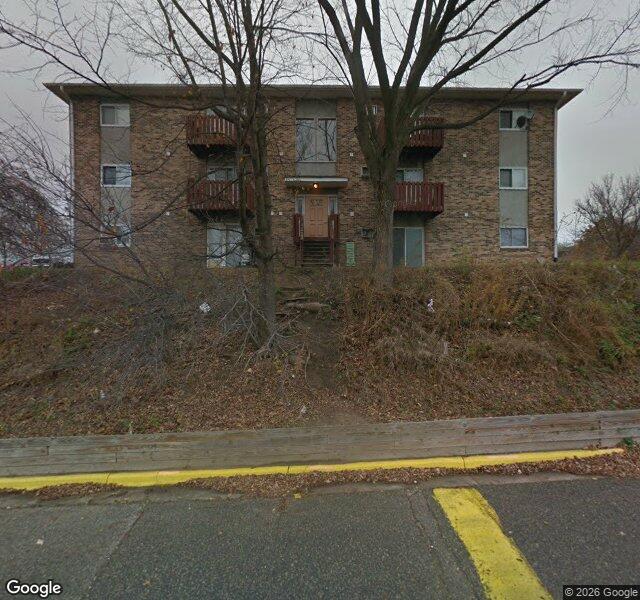
1760 Perlich Avenue, Red Wing, MN 55066View map (opens in a new tab)
Overview and key essentials
State license
Active
MN MDH
Google reviews
5.0/ 5
1 reviews
Size & payment
Ask directly
Confirm pricing & payment
Cost, payment & care details
Updated Nov 28, 2026| Monthly cost | Not published | Ask for the full monthly cost, including care fees and one-time charges. |
|---|---|---|
| Payment options | Ask directly | Payment details are not confirmed in our records. Ask about private pay, long-term care insurance, veterans benefits, and Medicaid waivers. |
| Size & availability | Confirm directly | We don't publish live openings. Ask about current availability, waitlist length, and move-in timing. |
| Care & support | Assisted living | Usually offers housing and help with everyday tasks, such as bathing and dressing. What to confirm about care levelsThis describes the licensed category. Ask how care plans adjust if mobility, nursing, or memory needs change over time. Read the family care guide → |
State licensing
State inspection history
2inspections
10deficiencies listed
Jan 7, 2025Routine5 deficiencies reported5
5 deficiencies reported
View official state report (opens in a new tab)
144G.45 Subd. 2 (b-f) Fire protection and0810
SS=F physical environment (b) Each assisted living facility shall develop and maintain fire safety and evacuation plans. The plans shall include but are not limited to: (1) location and number of resident sleeping rooms; (2) staff actions to be taken in the event of a fire or similar emergency; (3) fire protection procedures necessary for residents; and (4) procedures for resident movement, evacuation, or relocation during a fire or similar emergency including the identification of unique or unusual resident needs for movement or evacuation. (c) Staff of assisted living facilities shall receive training on the fire safety and evacuation plans upon hiring and at least twice per year thereafter. (d) Fire safety and evacuation plans shall be readily available at all times within the facility. (e) Residents who are capable of assisting in their own evacuation shall be trained on the proper actions to take in the event of a fire to include movement, evacuation, or relocation. The training shall be made available to residents at least once per year. (f) Evacuation drills are required for staff twice per year per shift with at least one evacuation drill every other month. Evacuation of the residents is not required. Fire alarm system activation is not required to initiate the evacuation drill. This MN Requirement is not met as evidenced by: Based on observation, interview, and record review, the licensee failed to develop the fire STATE FORM safety and evacuation plan with required content, make the plan readily available, and provide required training and documentation. This had the potential to directly affect all residents, staff, and visitors. This practice resulted in a level two violation (a violation that did not harm a resident's health or safety but had the potential to have harmed a resident 's health or safety) and was issued at a widespread scope (when problems are pervasive or represent a systemic failure that has affected or has potential to affect a large portion or all of the residents). The findings include: On January 6, 2025, at 11:30 p.m., maintenance director (MD)-C provided documents on the fire safety and evacuation plan (FSEP), fire safety and evacuation training, and evacuation drills for the facility. The licensee FSEP failed to include the following: The FSEP did not include a map of lower level of facility and failed to include room numbers for resident sleeping rooms throughout the facility. The FSEP did not include appropriate employee actions to during a fire or similar emergency. The minimal include verbiage referenced "loudspeaker" announcements and that staff should "pull fire alarm" station, which are not applicable to this facility. MD-C indicated that there were not employee actions for evacuation specific to the facility, and that much of the language had been borrowed from another facility with specific information relevant to that other facility. STATE FORM FSEP did not include fire procedures for residents that were appropriate for facility. Resident plans were not sufficient, and the limited actions included information not applicable to the facility such as activation of a "pull station" located in a specific location, which was not accurate for this facility. FSEP did not include sufficient records of employee training and MD-C indicated that staff training occurs once per year. Training on the FSEP is required upon hire and twice per year thereafter for all employees. During the record review...
0R8J116899
0R8J11 indicated R2 received assistance with blood glucose checks, compression socks, dressing, grooming, bathing/shower, and continence care. On January 6, 2025, at 11:56 a.m., the surveyor observed unlicensed personnel (ULP)-D administer medications to R2. R2's IAPP dated November 12, 2024, did not include the following required items: - the resident's susceptibility to abuse by another individual, including other vulnerable adults - statements of the specific measures to be taken to minimize the risk of abuse to that person and other vulnerable adults. On January 7, 2025, at 8:15 a.m., licensed assisted living director/clinical nurse supervisor (LALD/CNS)-A reviewed R2's IAPP and stated it did not include the required content as listed above. The licensee's Individual Abuse Prevention Plan policy dated May 23, 2023, indicated the licensee would implement and IAPP for each vulnerable adult. The plan would contain an individualized review or assessment of the person's susceptibility to abuse by another individual, including: a. Other vulnerable adults b. The person's risk of abusing other vulnerable adults, and c. Statements of the specific measures to be taken to minimize the risk of abuse to that person and other vulnerable adults. No further information was provided. TIME PERIOD FOR CORRECTION: Seven (7) days STATE FORM 0R8J11 0R8J11 0R8J11 0R8J11 licensee's liability for health, safety, or personal property of a resident. This had the potential to affect all residents. This practice resulted in a level one violation (a violation that has no potential to cause more than a minimal impact on the resident and does not affect health or safety) and was issued at a widespread scope (when problems are pervasive or represent a systemic failure that has affected or has potential to affect a large portion or all of the residents). The findings include: The licensee's Assisted Living Contract included a clause that indicated the resident would waive the licensee's liability for health, safety, or personal property of a resident. -Page 14 of the agreement indicated: "Indemnification: as an occupant of the community, resident assumes the risk for resident's own safety and for the safety of resident's guest and agents. Resident will indemnify and hold harmless provider, its employees, officers, managers, owners, and agents from and against an and all claims, actions, damages, and liability and expense in connection with loss of life, personal injury, or damage to property, arising from or out of, or caused wholly or in part by, an act or omission of resident or resident's guest or agents. On January 7, 2025, at 8:26 a.m., licensed assisted living director/clinical nurse supervisor (LALD/CNS)-A stated the licensee's contract included the above content, and further stated the same contract was utilized for all residents at the facility. STATE FORM 0R8J11 No further information was provided. TIME PERIOD FOR CORRECTION: Twenty-one (21) days 01640 144G.70 Subd. 4 (a-e) Service plan, SS=D implementation and revisions to (a) No later than 14 calendar days after the date that services are first provided, an assisted living facility shall finalize a current written service plan. (b) The service plan and any revisions must include a signature or other authentication by the facility and by the resident documenting agreement on the services to be provided. The service plan must be revised, if needed, based on resident reassessment under subdivision 2....
144G.50 Subd. 5 Waivers of liability prohibited0970
SS=C The contract must not include a waiver of facility liability for the health and safety or personal property of a resident. The contract must not include any provision that the facility knows or should know to be deceptive, unlawful, or unenforceable under state or federal law, nor include any provision that requires or implies a lesser standard of care or responsibility than is required by law. This MN Requirement is not met as evidenced by: Based on interview and record review, the licensee failed to ensure the assisted living contract did not include language waiving the STATE FORM
Perlich Avenue1760
Red Wing, MN55066 Goodhue County, 25 License Categories: Expires on: / / Phone #: 6513881650 ID #: The violations listed in this report include any previously issued orders and deficiencies identified during this inspection. Compliance dates are shown for each item. The following orders were issued during this inspection. 4-600 Cleaning Equipment and Utensils 4-601.11C MN Rule 4626.0840C Clean non-food contact surfaces of equipment and maintain free of accumulations of dust, dirt, food residue, and other debris. Bottom of freezer has food debris, silverware drawer has food debris. Comply By: 01/13/25 6-100 Physical Facility Construction Materials 6-101.11A1 MN Rule 4626.1325A1 Provide smooth, durable, and easily cleanable floor, wall and ceiling surfaces. Carpet beneath freezers in basement, unfinished sheetrock. Comply By: 01/06/26 Food and Equipment Temperatures Process/Item: Upright Cooler Temperature: 49 Degrees Fahrenheit - Location: tune salad cooling 1 hr from ambient Violation Issued: No 0 Dish machine sticker 160df. Establishment Info: andrea@valentinesllc.com NOTE: Plans and specifications must be submitted for review and approval prior to new construction, remodeling or alterations. number 8074251001 of 01/06/25. Certified Food Protection Manager:Jessica E. Johnson Certification Number: FM89801 Expires: 07/07/26 Inspection report reviewed with person in charge and emailed. Signed: Establishment Representative
144G.42 Subd. 6 (b) Compliance with0630
SS=D requirements for reporting ma (b) The facility must develop and implement an individual abuse prevention plan for each vulnerable adult. The plan shall contain an individualized review or assessment of the person's susceptibility to abuse by another individual, including other vulnerable adults; the person's risk of abusing other vulnerable adults; and statements of the specific measures to be taken to minimize the risk of abuse to that person and other vulnerable adults. For purposes of the abuse prevention plan, abuse includes self-abuse. This MN Requirement is not met as evidenced by: Based on observation, interview, and record review, the licensee failed to ensure an individual abuse prevention plan (IAPP) was developed to include the required content for one of two residents (R2). This practice resulted in a level two violation (a violation that did not harm a resident's health or safety but had the potential to have harmed a resident's health or safety, but was not likely to cause serious injury, impairment, or death) and was issued at an isolated scope (when one or a limited number of residents are affected or one or a limited number of staff are involved, or the situation has occurred only occasionally). The findings include: R2 was admitted on October 29, 2019, with diagnoses that included stroke. R2's service plan dated February 27, 2023, STATE FORM
Jun 22, 2022Routine5 deficiencies reported5
5 deficiencies reported
View official state report (opens in a new tab)
STATE FORM6899
9HFH11 STATE FORM 9HFH11 STATE FORM 9HFH11 STATE FORM 9HFH11 STATE FORM 9HFH11 STATE FORM 9HFH11 STATE FORM 9HFH11 STATE FORM 9HFH11 01880 01880 medications were to be double-locked. During observation on June 22, 2022, at 8:40 a.m., unlicensed person (ULP)-B unlocked the medication cabinet with a keyset she took from an adjacent unlocked cabinet. ULP-B took a medication planner and placed the medications in a med cup, returned the medication planner to the cabinet, closed the cabinet door, and left the keys in the cabinet door keyhole while she administered the medications. At 8:57 a.m., ULP-B passed medications to another resident and again stepped away from the cabinet and left the keys in keyhole while administering the medications. During observation on June 22, 2022, at 11:10 a.m., ULP-C was asked to open the narcotic medication supply cabinet for viewing. ULP-C took a keyset from an adjacent unlocked cabinet and unlocked and opened the medication drawer and opened the lid to an unlocked container where the scheduled II medication was stored. The key to the container was in the keyhole. ULP-C stated the second container was never locked. On June 22, 2022, at 11:20 a.m., ULP-B was asked to open the narcotic cabinet for viewing. ULP-B unlocked and opened the medication drawer and opened the lid to an unlocked container where the medication was stored. The key to the lock was in the keyhole. ULP-B verified the second container should always be locked. ULP-B locked the container and placed the key under the container. On June 22, 2022, at 1:45 p.m., during the exit conference, RN-A confirmed that the second box that contained the scheduled II medications STATE FORM 9HFH11 01880 01880 should always be locked and the keys to the medication cabinets should remain on the staff person. The licensee's policy titled 7.11 Medication Storage, dated August 1, 2021, indicated medications managed by the company will be stored to prevent diversion of medications by residents or others who may have access to the medications. Medications managed outside of a resident's private "living space" must be in securely locked and constructed compartments and permit only authorized personnel to have access. Schedule II drugs will be stored under a double lock system and stored separately from other medications. TIME PERIOD FOR CORRECTION: Seven (7) days. STATE FORM 9HFH11
moderate0790
physical environment (2) install and maintain portable fire extinguishers in accordance with the State Fire Code; (3) install portable fire extinguishers having a minimum 2-A:10-B:C rating within Group R-3 occupancies, as defined by the State Fire Code, located so that the travel distance to the nearest fire extinguisher does not exceed 75 feet, and maintained in accordance with the State Fire Code; and This MN Requirement is not met as evidenced by: Based on observation and interview, the licensee failed to have properly sized (2-A:10-B:C ) fire extinguishers in the facility as required. This had the potential to directly affect all residents, staff, and visitors. This practice resulted in a level two violation (a violation that did not harm a resident's health or safety but had the potential to have harmed a resident's health or safety, but was not likely to cause serious injury, impairment, or death), and issued at a widespread scope (when problems are pervasive or represent a systemic failure that has affected or has the potential to affect a large portion or all residents). The findings include: On June 21, 2022, between 10:00 a.m. to 12:00 p.m., survey staff observed that the facility had incorrectly sized fire extinguishers (1-A:10-B:C) on the main floor and basement level of the facility. Registered nurse (RN)-A verbally confirmed survey staff observations during the facility tour. No further information was provided. TIME PERIOD FOR CORRECTION: Twenty-one (21) days
moderate0780
physical environment 0 780 (a) Each assisted living facility must comply with the State Fire Code in Minnesota Rules, chapter 7511, and: (1) for dwellings or sleeping units, as defined in the State Fire Code: (i) provide smoke alarms in each room used for sleeping purposes; (ii) provide smoke alarms outside each separate sleeping area in the immediate vicinity of bedrooms; (iii) provide smoke alarms on each story within a dwelling unit, including basements, but not including crawl spaces and unoccupied attics; (iv) where more than one smoke alarm is required within an individual dwelling unit or sleeping unit, interconnect all smoke alarms so that actuation of one alarm causes all alarms in the individual dwelling unit or sleeping unit to operate; and (v) ensure the power supply for existing smoke alarms complies with the State Fire Code, except that newly introduced smoke alarms in existing buildings may be battery operated; This MN Requirement is not met as evidenced by: Based on observation and interview, the licensee failed to maintain smoke alarms in the facility and ensure smoke alarms are interconnected so that actuation of one alarm causes all alarms in the dwelling to actuate as required. This had the potential to directly affect all residents, staff, and visitors. This practice resulted in a level two violation (a violation that did not harm a resident's health or safety but had the potential to have harmed a resident's health or safety, but was not likely to cause serious injury, impairment, or death), and issued at a widespread scope (when problems are pervasive or represent a systemic failure that has affected or has the potential to affect a large portion or all residents). The findings include: 1. On June 21, 2022, between 10:00 a.m. to 12:00 p.m., survey staff observed that smoke alarms located in bedrooms and throughout the facility could not be assessed for month/year of install or manufacture date. 2. On June 21, 2022, between 10:00 a.m. to 12:00 p.m., survey staff observed that smoke alarms located in bedrooms and the common areas were not interconnected. 3. On June 21, 2022, between 10:00 a.m. to 12:00 p.m., survey staff observed in the basement of the structure that the area identified as the "back storage room" had a smoke alarm mounting plate, wiring, but no connected device. (RN)-A verbally confirmed survey staff observations during the facility tour. No further information was provided. TIME PERIOD FOR CORRECTION: Twenty-one (21) days
moderate0800
physical environment (4) keep the physical environment, including walls, floors, ceiling, all furnishings, grounds, systems, and equipment in a continuous state of good repair and operation with regard to the health, safety, comfort, and well-being of the residents in accordance with a maintenance and repair program. This MN Requirement is not met as evidenced by: Based on observation and interview, the licensee failed to maintain the facility physical environment in a continuous state of good repair and operation regarding the health, safety, and well-being of the residents. This had the potential to directly affect all residents, staff, and visitors. This practice resulted in a level two violation (a violation that did not harm a resident's health or safety but had the potential to have harmed a resident's health or safety) and was issued at a widespread scope (when problems are pervasive or represent a systemic failure that has affected or has the potential to affect a large portion or all residents). Findings include: On June 21, 2022, between 10:00 a.m. to 12:00 p.m., survey staff observed that that bedroom of resident (R)-1 did not meet the minimum width requirement of 20 inches for an egress window. The window measured 18 inches in width. Registered nurse (RN)-A verbally confirmed survey staff observations during the facility tour. TIME PERIOD FOR CORRECTION: Twenty-one (21) days
moderate0810
physical environment (b) Each assisted living facility shall develop and maintain fire safety and evacuation plans. The plans shall include but are not limited to: (1) location and number of resident sleeping rooms; (2) employee actions to be taken in the event of a fire or similar emergency; (3) fire protection procedures necessary for residents; and (4) procedures for resident movement, evacuation, or relocation during a fire or similar emergency including the identification of unique or unusual resident needs for movement or evacuation. (c) Employees of assisted living facilities shall receive training on the fire safety and evacuation plans upon hiring and at least twice per year thereafter. (d) Fire safety and evacuation plans shall be readily available at all times within the facility. (e) Residents who are capable of assisting in their own evacuation shall be trained on the proper actions to take in the event of a fire to include movement, evacuation, or relocation. The training shall be made available to residents at least once per year. (f) Evacuation drills are required for employees twice per year per shift with at least one evacuation drill every other month. Evacuation of the residents is not required. Fire alarm system activation is not required to initiate the evacuation drill. This MN Requirement is not met as evidenced by: Based on observation, interview and record review, the licensee failed to provide the required fire safety training and evacuation plans for residents and staff. This has the potential to directly affect all residents, staff, and visitors. This practice resulted in a level two violation (a violation that did not harm a resident's health or safety but had the potential to have harmed a resident's health or safety, but was not likely to cause serious injury, impairment, or death), and was issued at a widespread scope (when problems are pervasive or represent a systemic failure that has affected or has the potential to affect a large portion or all residents). Findings include: On June 21, 2022, between 10:00 a.m. to 12:00 p.m., survey review of documentation showed the following: 1. No records were provided to confirm that the staff of the facility had received initial evacuation training at the time of hire, as well as ongoing required twice per year thereafter. 2. No records were provided to confirm that evacuation drills are being conducted twice per year per shift with at least one drill every other month Registered nurse (RN)-A verbally confirmed survey staff observations during the facility tour. TIME PERIOD FOR CORRECTION: Twenty-one (21) days 01880 144G.71 Subd. 19 Storage of medications SS=F An assisted living facility must store all prescription medications in securely locked and substantially constructed compartments according to the manufacturer's directions and permit only authorized personnel to have access. This MN Requirement is not met as evidenced by: Based on observation, interview and record review, the licensee failed to ensure medications were properly stored and secured. This had the potential to affect all residents in the facility. This practice resulted in a level two violation (a violation that did not harm a resident's health or safety but had the potential to have harmed a resident's health or safety, but was not likely to cause serious injury, impairment, or death), and is issued at a widespread scope (when problems are pervasive or represent a systemic failure that has...
Neighborhood & resident support
Emergency access, hazards & advocacy
Nearest hospital
Mayo Clinic Health System IN Red Wing
1.2 mi · Red Wing, MN · Medicare 4/5 ★
Emergency room
FEMA hazard risk
Relatively LowGoodhue County, MN
- Strong Wind
- Hail
- Landslide
Free resident advocacy
Minnesota Office of Ombudsman for Long-Term Care
More neighborhood context (specialists, VA, dialysis, air & affordability)
VA & dialysis access
Minneapolis VA Medical Center
40.1 mi · Minneapolis, MN · VA 5/5 ★
Mayo Clinic Dialysis - Lake City
15.3 mi · 3/5 ★ · Home dialysis
Specialists within 15 mi
- Geriatricians
- 0
- Neurologists
- 1
- Palliative care
- 0
- PM&R rehab
- 0
Environment & mobility
- EPA Air (2025)
- 90% good days · AQI 38
- EPA Walkability
- 7.1/20 (Below Average)
- USDA Grocery Access
- High Grocery Access
- Primary care access
- HRSA Shortage Area
County demographics
- Age 65+ median income
- $59,708/yr
- Rent-burdened households
- 48%
- Cognitive disability (2023)
- 13.8%
- Mobility disability
- 10.4%
Call & tour checklist
Questions to ask Loving Residence
Check off questions as you call or tour. Your progress stays private in this browser.
Show 3 more suggested questions
Verification & public records
Official records & sources
Licensing & contact
- License #
- 30421
- Status
- active
- Phone
- (651) 388-1650
- Federal OIG LEIE
- Clear (2026-11-27)
Original public sources
Verify licensing, ratings, and inspection reports directly with each official source.
- MN MDH official record (opens in a new tab)MN Dept. of Health
- Google Maps (opens in a new tab)Directions, photos & neighborhood
- Google Reviews (opens in a new tab)1 public reviews
EveryPlace is an independent research directory. Information is compiled from public Medicare.gov, state licensing, Google Places, and street-level imagery sources. Some summaries, suggested questions, and pricing notes are AI-generated or AI-assisted and may contain errors or omissions. We do not accept payment for placement. Confirm all details directly with the community and official sources. Research Policy.
Keep exploring
Nearby communities to compare
- 4.4(10)Assisted Living< 1 miPotter Ridge Assisted LivingRed Wing, MN
- 4.1(24)Assisted Living1.5 miDeer Crest Senior LivingRed Wing, MN
- Assisted Living1.6 miMa's Room and BoardRed Wing, MN
- Cap. 104HUD Senior Housing1.8 miJordan Tower IIRed Wing, MN
- 4.0(90)Assisted Living1.8 miBenedictine Living Community |Red Wing, MN
- Medicare 4/564 bedsMedicaidNursing Home1.9 miSt Crispin Living CommunityRed Wing, MN