Loading EveryPlace content…
Assisted LivingActive license
Marquis Piedmont Assisted Living
319 Ne Russet Street, Northeast Portland, Portland, OR 97211View map (opens in a new tab)
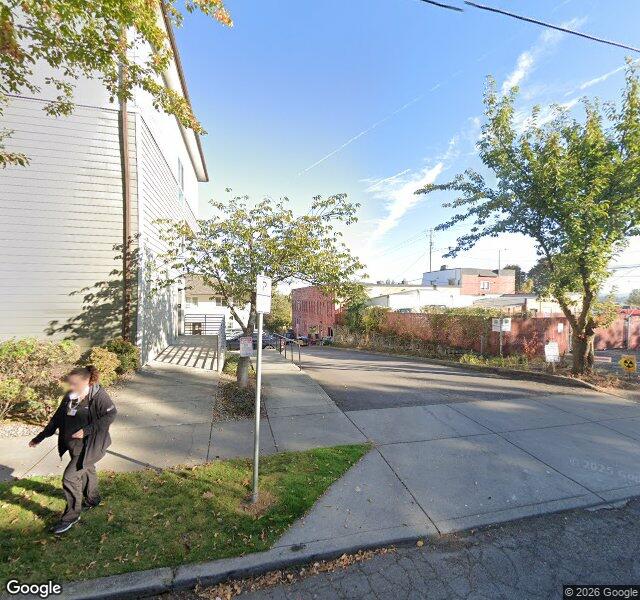
Overview and key essentials
State license
Active
OR ODHS
Google reviews
3.3/ 5
37 reviews
Size & payment
80 residents
Medicaid listed
Mixed signals — tour closely
Public Google reviews reflect mixed experiences (3.3/5). Compare recent reviews and tour in person.
Cost, payment & care details
Updated Nov 28, 2026| Monthly cost | Not published | Ask for the full monthly cost, including care fees and one-time charges. |
|---|---|---|
| Payment options | Medicaid | Participation is reported in our source data. Confirm eligibility, covered services, and any private-pay costs. Verified Medicaid waiver: Oregon Medicaid APD Long-Term Services (Oregon Dept. of Human Services (ODHS)). |
| Size & availability | 80 residents | We don't publish live openings. Ask about current availability, waitlist length, and move-in timing. |
| Care & support | Assisted living | Usually offers housing and help with everyday tasks, such as bathing and dressing. What to confirm about care levelsThis describes the licensed category. Ask how care plans adjust if mobility, nursing, or memory needs change over time. Read the family care guide → |
State licensing
State inspection history
4inspections
31deficiencies listed
Jul 10, 2025Routine8 deficiencies reported8
8 deficiencies reported
View official state report (opens in a new tab)
Re-Licensure
moderateC0370
OAR 411-054-0070 (3-4) Staffing Requirements and Training – Pre-service (3) PRE-SERVICE ORIENTATION FOR ALL EMPLOYEES. Prior to beginning their job responsibilities, all employees must complete orientation training regarding: (a) A review of their written position description with their job responsibilities. (b) RESIDENTS’ RIGHTS. Residents' rights and the values of community-based care, including the Department-approved LGBTQIA2S+ trainings. (A) Effective December 31, 2024, all staff must have completed the required training. All new staff, hired on and after January 1, 2025, must complete the required training prior to beginning job responsibilities. (B) The Department-approved LGBTQIA2S+ trainings shall address the elements described in paragraph (6)(b) of this rule. (c) Abuse and reporting requirements. (d) Fire safety and emergency procedures. (e) INFECTIOUS DISEASE PREVENTION. Prior to beginning their job responsibilities, unless the employee received the training described below within the 24-month period prior to the time of hiring, all employees must complete training addressing the prevention, recognition, control and reporting of the spread of infectious disease. (A) The Department, in consultation with the Oregon Health Authority, has determined this training must address the following curricula: (i) Transmission of communicable disease and infections, including development of a policy with criteria directing staff to stay home when ill with a communicable disease, so as not to transmit disease. (ii) Policy addressing respiratory hygiene and coughing etiquette. (iii) Standard precautions. (iv) Hand hygiene. (v) Use of personal protective equipment. (vi) Cleaning of physical environment, including, but not limited to disinfecting high-touch surfaces and equipment, and handling, storing, processing and transporting linens to prevent the spread of infection. (vii) Isolating and cohorting of residents during a disease outbreak. (viii) Employees must also receive training on the rights and responsibilities of employees to report disease outbreaks under ORS 433.004 and safeguards for employees who report disease outbreaks. (B) INFECTIOUS DISEASE TRAINING CURRICULUM. Pre-service infectious disease training curriculum must be approved by the Department before facilities may offer training to staff. (i) The pre-service training may be provided in person, in writing, by webinar or by other electronic means. (ii) Facilities or other entities that want to provide training curriculum to facilities must first present that curriculum to the Department for review and approval. (f) HOME AND COMMUNITY-BASED SERVICES (HCBS) TRAINING. All staff are required to complete the Department-approved HCBS training, as provided below: (A) Effective March 31, 2024, all staff must have completed the required training. (B) All new staff, hired on or after April 1, 2024, must complete the required training prior to beginning job responsibilities. (g) FOOD HANDLING. If the staff member's duties include preparing food, they must have a food handler's certificate. (4) PRE-SERVICE TRAINING FOR ALL DIRECT CARE STAFF. (a) DEMENTIA. Prior to providing care to residents, all direct care staff must complete an approved pre-service dementia training. (A) Documentation of dementia training: (i) A certificate of completion shall be issued to direct care staff who satisfactorily complete approved dementia training. Facilities shall also maintain records of all...
moderateC0231
OAR 411-054-0028 (1-3) Reporting & Investigating Abuse-Other Action (Amended 12/15/21)(1) The facility must have policies and procedures in place to assure the prevention and appropriate response to any incident. In the case of incidents of abuse, suspected abuse, or injury of unknown cause, policies and procedures must follow the requirements outlined below. In the case of incidents that are not abuse or injuries of unknown cause where abuse has been ruled out, the facility must have policies and procedures in place to respond appropriately, which may include such things as re-assessment, monitoring, or medication review. (2) ABUSE REPORTING. Abuse is prohibited. The facility employees, agents and licensee must not permit, aid, or engage in abuse of residents who are under their care. (a) STAFF REPORTING. All facility employees are required to immediately report abuse and suspected abuse to the local SPD office, or the local AAA, the facility administrator, or to the facility administrator's designee. (b) FACILITY REPORTING. The facility administrator, or designee, must immediately notify the local SPD office, or the local AAA, of any incident of abuse or suspected abuse, including events overheard or witnessed by observation. (c) LAW ENFORCEMENT AGENCY. The local law enforcement agency must be called first when the suspected abuse is believed to be a crime (e.g., rape, murder, assault, burglary, kidnapping, theft of controlled substances, etc.). (d) INJURY OF UNKNOWN CAUSE. Physical injury of unknown cause must be reported to the local SPD office, or the local AAA, as suspected abuse, unless an immediate facility investigation reasonably concludes and documents that the physical injury is not the result of abuse. (3) FACILITY INVESTIGATION. In addition to immediately reporting abuse or suspected abuse to SPD, AAA, or the law enforcement agency, the facility must promptly investigate all reports of abuse and suspected abuse and take measures necessary to protect residents and prevent the reoccurrence of abuse. Investigation of suspected abuse must document: (a) Time, date, place and individuals present; (b) Description of the event as reported; (c) Response of staff at the time of the event; (d) Follow-up action; and (e) Administrator's review. This Rule is not met as evidenced by:
moderateC0302
OAR 411-054-0055 (1)(e) Systems: Tracking Control Substances (e) The facility must have a system approved by a pharmacist consultant or registered nurse for tracking controlled substances and for disposal of all unused, outdated or discontinued medications administered by the facility. This Rule is not met as evidenced by:
moderateC0305
OAR 411-054-0055 (1)(j-k) Systems: Resident Right to Refuse (j) The resident or the person legally authorized to make health care decisions for the resident has the right to consent to, or refuse, medications and treatments.(k) The physician or other practitioner must be notified if a resident refuses consent to an order. Subsequent refusals to consent to an order will be reported as requested by the prescriber. This Rule is not met as evidenced by:
moderateC0374
OAR 411-054-0070 (6-8) Annual and Biennial Inservice for All Staff (6) ANNUAL AND BIENNIAL INSERVICE FOR ALL STAFF. (a) Annual infectious disease training requires the following: (A) Administrators and employees will be required to complete annual training on infectious disease outbreak and infection control. Such training will be included within the current number of required annual training hours and will not necessitate additional hours of training. (B) Annual in-service training must be documented in the employee record. (b) Biennial LGBTQIA2S+ training requires the following: (A) Administrators and employees shall be required to complete biennial training addressing LGBTQIA2S+ protections, as described in this section. The facility is responsible for the cost of providing this training to all facility staff. (i) Each facility shall designate two employees, one who represents management and one who represents direct care staff by July 1, 2024. It is acceptable for the designated employee representing management to generally be housed offsite, but the direct care representative must be onsite. (ii) The designated employees shall serve as points of contact for the facility regarding compliance with the preservice and biennial training requirements. These individuals shall develop a general training plan for the facility. (B) Facilities must select the LGBTQIA2S+ training to be used by the facility by either: (i) Choosing to use the standard Department-approved biennial LGBTQIA2S+ training, or (ii) Applying to the Department to request approval of a biennial LGBTQIA2S+ training to be provided by the facility. (C) ORS 441.116 requires all LGBTQIA2S+ trainings address: (i) Caring for LGBTQIA2S+ residents and residents living with human immunodeficiency virus. (ii) Preventing discrimination based on a resident’s sexual orientation, gender identity, gender expression or human immunodeficiency virus status. (iii) The defined terms commonly associated with LGBTQIA2S+ individuals and human immunodeficiency virus status. (iv) Best practices for communicating with or about LGBTQIA2S+ residents and residents living with human immunodeficiency virus, including the use of an individual’s chosen name and pronouns. (v) A description of the health and social challenges historically experienced by LGBTQIA2S+ residents and residents living with human immunodeficiency virus, including discrimination when seeking or receiving care at care facilities and the demonstrated physical and mental health effects within the LGBTQIA2S+ community associated with such discrimination. (vi) Strategies to create a safe and affirming environment for LGBTQIA2S+ residents and residents living with human immunodeficiency virus, including suggested changes to care facility policies and procedures, forms, signage, communication between residents and their families, activities, in-house services and staff training. (vii) The facility, individual or entity providing the training must demonstrate a commitment to advancing quality care for LGBTQIA2S+ residents and residents living with human immunodeficiency virus in this state. (D) The proposal for training submitted by a facility, entity, or individual shall include: (i) The regulatory criteria described in paragraph (C) of this section as part of the proposal. (ii) The following elements must be included in the proposal: (I) A statement of the qualifications and training experience of the facility, individual or entity...
moderateC0422
OAR 411-054-0090 (5) Fire and Life Safety: Training for Residents (5) TRAINING FOR RESIDENTS. Residents must be instructed about the facility's fire and life safety procedures per OFC. (a) Each resident must be instructed within 24 hours of admission and re-instructed, at least annually, in general safety procedures, evacuation methods, responsibilities during fire drills, and designated meeting places outside the building or within the fire safe area in the event of an actual fire. This requirement does not apply to residents whose mental capability does not allow for following such instruction. (b) A written record of fire safety training, including content of the training sessions and the residents attending, must be kept. This Rule is not met as evidenced by:
moderateC0340
OAR 411-054-0060 Restraints and Supportive Devices Residential care and assisted living facilities are intended to be restraint free environments. (1) Restraints are not permitted except when a resident's actions present an imminent danger to self or others and only until immediate action is taken by medical, emergency, or police personnel. (2) Supportive devices with restraining qualities are permitted under the following documented circumstances: (a) The resident specifically requests or approves of the device and the facility has informed the individual of the risks and benefits associated with the device; and (b) The facility registered nurse, a physical therapist or occupational therapist has conducted a thorough assessment; and (c) The facility has documented other less restrictive alternatives evaluated prior to the use of the device; and (d) The facility has instructed caregivers on the correct use and precautions related to use of the device. (3) Supportive devices with restraining qualities may be utilized for residents who are unable to evaluate the risks and benefits of the device when sections (2)(b), (2)(c) and (2)(d) have been met. (4) Documentation of the use of supportive devices with restraining qualities must be included in the resident service plan and evaluated on a quarterly basis. Stat. Auth.: ORS 410.070 & 443.450 Stats. Implemented: ORS 443.400 - 443.455, 443.991 Hist.: SPD 14-2007, f. 8-31-07, cert. ef. 11-1-07 This Rule is not met as evidenced by:
moderateC0420
OAR 411-054-0090 (1-2) Fire and Life Safety: Safety (1) FIRE DRILLS. All fire drills shall be conducted according to the Oregon Fire Code (OFC). (a) Unannounced fire drills must be conducted and recorded every other month at different times of the day, evening, and night shifts. (b) Fire and life safety instruction to staff must be provided on alternate months. (c) The Fire Authority may develop an alternative fire drill plan for the facility. Any such plan must be submitted to the Department. (d) A written fire drill record must be kept to document fire drills that include: (A) Date and time of day; (B) Location of simulated fire origin; (C) The escape route used; (D) Problems encountered and comments relating to residents who resisted or failed to participate in the drills; (E) Evacuation time period needed; (F) Staff members on duty and participating; and (G) Number of occupants evacuated. (e) Alternate exit routes must be used during fire drills to react to varying potential fire origin points. (f) The evacuation capability of the residents and staff is a function of both the ability of the residents to evacuate and the assistance provided by the staff. (g) Staff must provide fire evacuation assistance to residents from the building to a designated point of safety as determined by the Fire Authority having jurisdiction. Points of safety may include, outside the building, through a horizontal exit, or other areas as determined by the Fire Authority having jurisdiction. (h) The fire alarm system shall be activated during each fire drill, unless otherwise directed by the Fire Authority having jurisdiction. (2) If the facility is unable to meet the applicable evacuation level, the facility must make an immediate effort to make changes to ensure the evacuation standard is met. Changes must include, but not be limited to: (a) Increasing staff levels, (b) Changing staff assignments, (c) Requesting change in resident rooms, and (d) Arranging for special equipment. After making necessary changes, if the facility fails to meet the applicable evacuation level, the facility must issue an involuntary move-out notice to the residents in accordance with OAR 411-054-0080. This Rule is not met as evidenced by:
Jun 23, 2023Inspection2 deficiencies reported2
2 deficiencies reported
View official state report (opens in a new tab)
State Licensure
CommentC0000
The findings of the first re-visit to the kitchen re-licensure survey of 06/23/23, conducted 08/28/23, are documented in this report. It was determined the facility was in substantial compliance with the OARs 411-054-0030 for Residential Care and Assisted Living Facilities for Resident Services- Meals, and Oregon Health Service Food Sanitation Rules OARs 333-150-0000.
moderateC0240Corrected Aug 22, 2023
Based on observation and interview, it was determined the facility failed to ensure the kitchen was clean and in good repair in accordance with the Food Sanitation Rules OAR 333-150-000. Findings include, but are not limited to: The facility's kitchen was toured on 06/23/23 at 10:15 am. a. An accumulation of food spills, splatters, loose food debris, grease, dirt, dust and garbage was observed on, in or underneath the following: * Flooring near walls and under appliances throughout the kitchen; * Walls throughout the kitchen; * Ceiling panels throughout the kitchen; * Venting units throughout the kitchen; * Floor drains; * Heated holding/proofing cabinet; * Microwave; * Fire extinguisher; * Drawers throughout kitchen; * Fans; * Ventilation hood above cooking surfaces; * Fryer; * Stove; * Shelving under convection oven; and * Warewasher, including plumbing and mechanics. b. The following kitchen items required repair or replacement: * Metal pipe in janitorial closet; and * Wall corner guards between the entrance to the kitchen and dining room. c. Multiple garbage cans that contained food residue remained uncovered when not in use. d. Caregivers serving food were not wearing aprons. The items that required cleaning or repair were observed, and the importance of covering garbage cans and using aprons was discussed with Staff 1 (Campus Director / PAR Administrator) and Staff 3 (Kitchen Manager) on 06/23/23 at 1:10 pm. They acknowledged the findings.
Nov 9, 2022Complaint3 deficiencies reported3
3 deficiencies reported
View official state report (opens in a new tab)
Complaint Investig.
moderateC0613
Based on interview and observation it was confirmed that the facility failed to keep all interior and exterior materials clean and in good repair. Findings include the following: During an unannounced site visit on 11/09/2022 Compliance Specialist (CS) observed a piece of the railing missing in the stairwell between the first and second floor. The public phone in the family room could not make calls out. CS observed cabinet doors missing in Resident #1's (R1) kitchenette, and wood where the doors had been removed was rough and unfinished. These observations were shared with Staff #1 (S1) who was in agreement. Facility Plan of Correction: Facility will look into why cabinet doors are missing in R1's room and replace them if necessary. The facility will put in a maintenance request for the phones to be fixed and stairwell railing piece to be replaced.
moderateC0010
Assisted Living and Residential Care Facilities must operate and provide services in compliance with all applicable State and local laws, regulations and codes. This report reflects the findings of the complaint investigation conducted 11/09/2022. The facility was evaluated for compliance with Oregon Administrative Rule 411, Division 54 and if applicable, Oregon Administrative Rule 411, Division 57. The following deficiencies were identified: Abbreviations possibly used in this document: ADL: activities of daily living bid: twice a day CBG: capillary blood glucose or blood sugar cc: cubic centimeter CG: caregiver cm: centimeter F: Fahrenheit HH: Home Health HS or hs: hour of sleep LPN: Licensed Practical Nurse MA: Medication Aide MAR: Medication Administration Record MCC Memory Care Community mg: milligram ml: milliliter O2 sats: oxygen saturation in the blood OT: Occupational Therapist PT: Physical Therapist PRN: as needed qd: every day or daily qid: four times a day RN: Registered Nurse SP: service plan TAR: Treatment Administration Record tid: three times a day
moderateC0200
Based on interview and observation it was confirmed that the facility failed to provide reasonable access for the private use of a telephone. Findings include the following: During an unannounced site visit on 11/09/2022 Compliance Specialist (CS) attempted to use the phone in the family room that is available for resident use. CS was able to call the number listed on the phone with CS's phone and was able to successfully complete the call, but CS was unable to make any phone calls out from the phone. CS requested assistance in using the phone from two separate staff members. Neither staff were able to get the phone to make calls out. In an interview with Staff #1 (S1) it was stated that there was also a private room behind reception that has a phone for resident use. S1 took CS to the room and was unable to get phone to work. Facility Plan of Correction: Facility put in a maintenance report to get their phones working properly for resident use.
May 2, 2022Inspection18 deficiencies reported18
18 deficiencies reported
View official state report (opens in a new tab)
Validation
moderateC0240Corrected Jul 3, 2022
There are no detail notes for this visit.
moderateC0630Corrected Jul 3, 2022
There are no detail notes for this visit.
moderateC0330Corrected Jul 3, 2022
There are no detail notes for this visit.
moderateC0270Corrected Jul 3, 2022
There are no detail notes for this visit.
moderateC0260Corrected Sep 8, 2022
There are no detail notes for this visit.
moderateC0420Corrected Sep 8, 2022
There are no detail notes for this visit.
moderateC0422Corrected Jul 3, 2022
There are no detail notes for this visit.
moderateC0372Corrected Sep 8, 2022
Based on interview and record review, it was determined the facility failed to ensure 1 of 1 newly-hired caregiving staff (# 23) had documented evidence of demonstrating satisfactory performance in all job duties within 30 days of hire, including abdominal thrust and First Aid training. This is a repeat citation. Findings include, but are not limited to: Staff training records were reviewed on 08/03/22. The following deficiencies were identified: Staff 23 (CG), hired on 06/06/22, lacked documented evidence of demonstrated competency in all required areas within 30 days of hire, including: * Role of service plans in providing individualized care; * Providing assistance with ADLs; * Changes associated with normal aging; * Identification, documentation and reporting of changes of condition; * Conditions that require assessment, treatment, observation and reporting; * General food safety, serving and sanitation; and * First Aid and Abdominal thrust training. The need to ensure newly-hired direct care staff had documentation of demonstrated competency and completed abdominal thrust and First Aid training within 30 days of hire was discussed with Staff 19 (Administrator) on 08/03/22. She acknowledged the lack of training documentation.
moderateC0613Corrected Jul 3, 2022
There are no detail notes for this visit.
moderateC0310Corrected Sep 8, 2022
There are no detail notes for this visit.
CommentC0000
The findings of the second re-visit to the re-licensure survey on 05/04/22, conducted 12/14/22, are documented in this report. It was determined the facility was in substantial compliance with the OARs 411 Division 54 for Residential Care and Assisted Living Facilities and OARs 411 Division 004 for Home and Community Based Services Regulations.
moderateC0370Corrected Sep 8, 2022
Based on interview and record review, it was determined the facility failed to ensure 2 of 2 sampled newly-hired staff (#s 20 and 22) had documentation of completed pre-service orientation and 1 of 2 sampled newly-hired direct care staff (# 20) had completed pre-service dementia training prior to performing any job duties. This is a repeat citation. Findings include, but are not limited to:. Staff training records were reviewed on 08/03/22. 1. Staff 20 (MT), hired 08/01/22, and Staff 22 (CG), hired 07/15/22, lacked documented evidence pre-service orientation training in all required areas was completed prior to performing any job duties, including: * Infectious Disease Prevention; and * Written job description. 2. Staff 20 lacked documented evidence pre-service dementia training was completed prior to performing job duties. The need for all newly-hired staff to complete the required pre-service orientation and pre-service dementia training prior to providing care to residents was reviewed with Staff 9 (MT/Resident Care Coordinator) and Staff 19 (Administrator) on 08/03/22. They acknowledged the findings.
moderateC0252Corrected Sep 8, 2022
There are no detail notes for this visit.
moderateC0610Corrected Jul 3, 2022
There are no detail notes for this visit.
moderateC0303Corrected Jul 3, 2022
There are no detail notes for this visit.
moderateC0455Corrected Sep 8, 2022
Based on interview and record review, it was determined the facility failed to ensure their re-licensure survey plan of correction was implemented and satisfied the Department. Findings include, but are not limited to: Refer to C 252, C 260, C 310, C 370, C 372 and C 420.
moderateC0305Corrected Jul 3, 2022
There are no detail notes for this visit.
moderateC0374Corrected Jul 3, 2022
There are no detail notes for this visit.
Neighborhood & resident support
Emergency access, hazards & advocacy
Nearest hospital
Legacy Emanuel Medical Center
2.4 mi · Portland, OR · Medicare 3/5 ★
Emergency roomTrauma Level I
FEMA hazard risk
Relatively HighMultnomah County, OR
- Earthquake
- Landslide
- Heat Wave
Free resident advocacy
Oregon Office of the Long-Term Care Ombudsman
More neighborhood context (specialists, VA, dialysis, air & affordability)
VA & dialysis access
Portland VA Medical Center
5.7 mi · Portland, OR · VA 5/5 ★
Fresenius Kidney Care Rose Quarter
1.3 mi · 1/5 ★
Specialists within 15 mi
- Geriatricians
- 40
- Neurologists
- 447
- Palliative care
- 58
- PM&R rehab
- 80
Environment & mobility
- EPA Air (2025)
- 78% good days · AQI 37
- EPA Walkability
- 15.2/20 (Above Average)
- USDA Grocery Access
- High Grocery Access
- Primary care access
- HRSA Shortage Area
County demographics
- Age 65+ median income
- $63,812/yr
- Rent-burdened households
- 52%
- Cognitive disability (2023)
- 14.6%
- Mobility disability
- 10.3%
Call & tour checklist
Questions to ask Marquis Piedmont Assisted Living
Check off questions as you call or tour. Your progress stays private in this browser.
Show 3 more suggested questions
Verification & public records
Official records & sources
Licensing & contact
- License #
- 70A288
- Status
- active
- Phone
- (971) 206-5200
- Federal OIG LEIE
- Clear (2026-11-27)
Original public sources
Verify licensing, ratings, and inspection reports directly with each official source.
- OR ODHS official record (opens in a new tab)OR Dept. of Human Services
- Google Maps (opens in a new tab)Directions, photos & neighborhood
- Google Reviews (opens in a new tab)37 public reviews
EveryPlace is an independent research directory. Information is compiled from public Medicare.gov, state licensing, Google Places, and street-level imagery sources. Some summaries, suggested questions, and pricing notes are AI-generated or AI-assisted and may contain errors or omissions. We do not accept payment for placement. Confirm all details directly with the community and official sources. Research Policy.
Keep exploring
Nearby communities to compare
- Medicare 4/53.3(37)70 bedsMedicaidNursing Home< 1 miMarquis Piedmont Post Acute RehabPortland, OR
- Cap. 74HUD Senior Housing< 1 miAlberta Simmons PlazaPortland, OR
- Cap. 100HUD Senior Housing< 1 miRosemont CourtPortland, OR
- Cap. 38HUD Senior Housing1.1 miWalnut Park ApartmentsPortland, OR
- Medicare 1/5Cap. 25Dialysis Center1.3 miFresenius Kidney Care Rose QuarterPortland, OR
- Medicare 2/5Cap. 17Dialysis Center1.3 miFresenius Kidney Care PiedmontPortland, OR