Loading EveryPlace content…
Nursing HomeActive license
Life Care Center of Sierra Vista
2305 East Wilcox Drive, Sierra Vista, AZ 85635View map (opens in a new tab)
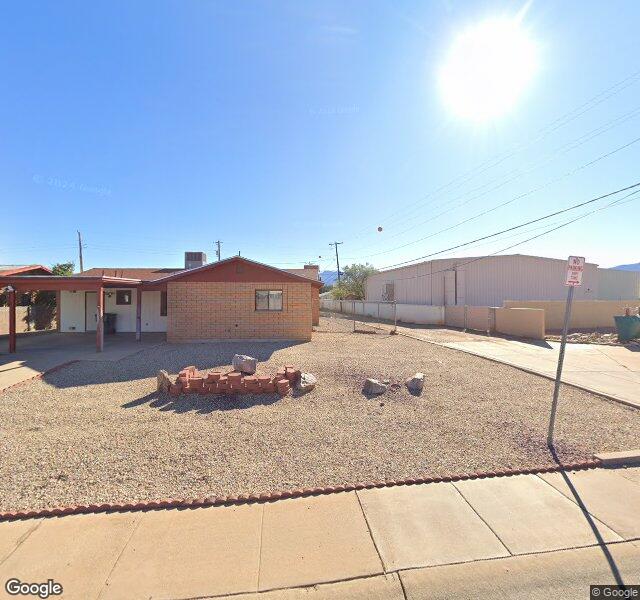
Overview and key essentials
Medicare overall
2/ 5 stars
Inspections 1/5Staffing 3/5
Size & payment
152 beds
Medicaid & Medicare listed
Medicare findings to follow up on
Inspection records →Abuse citation on record
4 reported items to discuss
- Low overall rating (2/5 stars)
- Low health inspection rating (1/5 stars)
- 2 Medicare penalties on record
- Above-median findings in the latest inspection (12 vs median 6)
Important items to verify
Carries a Medicare abuse citation on record. Check the inspection history below and confirm what corrective steps are complete.
Families praise: Compassionate and skilled nursing and CNA staff
Worth asking: Administrative and billing communication issues (mentioned by 3 reviewers)
Cost, payment & care details
Updated Nov 28, 2026| Health inspections | 1 / 5 | Low health inspection rating. |
|---|---|---|
| Quality measures | 5 / 5 | Medicare component rating |
| Staffing rating | 3 / 5 | Medicare component rating |
| Monthly cost | Not published | Ask for the full monthly cost, including care fees and one-time charges. |
| Payment options | MedicaidMedicare | Participation is reported in our source data. Confirm eligibility, covered services, and any private-pay costs. Medicare participation generally covers short-term rehabilitation, not long-term custodial stays. |
| Size & availability | 152 beds | We don't publish live openings. Ask about current availability, waitlist length, and move-in timing. Automatic sprinklers |
| Care & support | Nursing home | Provides nursing care and help with daily activities. Some offer short-term rehabilitation. What to confirm about care levelsThis describes the licensed category. Ask how care plans adjust if mobility, nursing, or memory needs change over time. Read the family care guide → |
Safety screening & compliance
Fire safety, federal screening & immunization
HHS OIG LEIE: Clear (2026-11-27)OIG database ↗ (opens in a new tab)
Fire safety inspections (K-tags)
Last survey 2025-09-093-year citations
7
21 total
Severe harm (G–L)
0
None cited
Sprinkler & alarm
2
Suppression tags
Exits & drills
3
Egress tags
Top areas:Emergency Preparedness Deficiencies (8)Gas, Vacuum, and Electrical Systems Deficiencies (6)Egress Deficiencies (3)
AZ nursing home vaccination benchmarks (CDC NHSN)
Statewide benchmark (week ending 2026-03-29). Confirm this home's own rate on your tour.
Flu
38%
US 59%
COVID-19
22%
US 36%
RSV
13%
US 24%
Public Google reviews
What families say
Families considering Life Care Center of Sierra Vista can expect highly praised rehabilitation and nursing staff who are frequently described as compassionate, professional, and attentive. While many reviewers highlight recent facility improvements and a clean environment, some families have reported significant difficulties with administrative communication, billing disputes, and occasional lapses in responsiveness during shifts.
What families praise
- Compassionate and skilled nursing and CNA staff
- Effective and motivating physical therapy team
- Clean and recently remodeled facility
- Welcoming and professional administrative/reception staff
Concerns to ask about
- Administrative and billing communication issues (mentioned by 3 reviewers)
- Inconsistent responsiveness to call lights or patient needs (mentioned by 2 reviewers)
- Staffing shortages affecting care consistency (mentioned by 2 reviewers)
Topics families mention
0–10 review sentiment · tap to readStaff warmth & care9.0
The vast majority of reviews express high satisfaction with the kindness and professionalism of nurses and therapists.
Communication4.0
While front desk staff are praised, several reviewers noted significant issues with billing and administrative responsiveness.
Cleanliness8.0
Multiple reviews mention the facility is clean, well-maintained, and lacks offensive odors.
Food & dining8.0
Many reviewers praise the food quality and freshness, though one person noted poor quality of certain items.
Daily activities8.0
Reviewers frequently mention enjoying activities like bingo, donut day, and social events.
Star breakdown
246 analyzed5 stars194 (79%)
4 stars9 (4%)
3 stars9 (4%)
2 stars5 (2%)
1 star29 (12%)
Federal rating trajectory
Recent rating, staffing & turnover trends
Month-by-month Medicare Care Compare trajectory across 7 federal releases (Mar '26 – Oct '26), showing whether star ratings, staffing hours, and turnover are improving or declining.
Overall star rating
2★Steady
Was 2★ in Mar '26
Staffing star rating
3★Steady
Was 3★ in Mar '26
Total nurse hrs / day
3.53h-0.20h
Was 3.74h in Mar '26
Total staff turnover
33.3%-14.4%
Was 47.7% in Mar '26
View 7-month federal snapshot history (Mar '26 – Oct '26)
| Release | Overall | Health | Staffing | Nurse hrs/day | RN hrs/day | Turnover | Penalties |
|---|---|---|---|---|---|---|---|
| Oct '26 | 2★ | 1★ | 3★ | 3.53h | 0.67h | 33.3% | 2 |
| Aug '26 | 1★ | 1★ | 3★ | 3.65h | 0.67h | 34.8% | 2 |
| Jul '26 | 1★ | 1★ | 3★ | 3.65h | 0.67h | 34.8% | 2 |
| Jun '26 | 2★ | 1★ | 3★ | 3.69h | 0.76h | 43.3% | 2 |
| May '26 | 2★ | 1★ | 3★ | 3.69h | 0.76h | 43.3% | 2 |
| Apr '26 | 3★ | 2★ | 3★ | 3.69h | 0.76h | 43.3% | 2 |
| Mar '26 | 2★ | 2★ | 3★ | 3.74h | 0.72h | 47.7% | 2 |
Nursing coverage
Staffing & nurse time
Medicare reports daily staffing as average hours per resident across all shifts. Ask how coverage changes overnight and on weekends.
Registered nurses (RN)
~40 min / resident / day
0.67 hrs / day
Reference target: 0.75 hrs (~45 min)
All nursing staff (RNs, LPNs & aides)
~3 hrs 32 min / resident / day
3.53 hrs / day
Reference target: 4.10 hrs (~4 hrs 6 min)
Annual staff turnover
Share of nursing staff who left during the reporting year.
33%Moderate
Registered nurse (RN) turnover
Share of registered nurses who left during the reporting year.
36%Moderate
Daily payroll stability (CMS PBJ)
2026Q2 · 91 reported daysWeekend staffing change
−22.3%
3.77 wkday → 2.93 wkend hrs
Agency / contract nurses
0.0%
Share of total nursing hours
Days with zero RN hours
3 / 91 days
Confirm 24/7 RN supervision
About staffing reference targets
EveryPlace uses comparison reference points of 0.75 registered-nurse hours and 4.1 total nursing hours per resident per day. These are research comparison guides, not current federal minimum requirements.
Medicare claims & readmissions
Hospital readmissions & resident profile
Medicare readmissions (FY 2026)
Penalty (-1.64%)30-day readmission
19.7%
Infection rate
9.2%
VBP score
24.9/100
National rank
#9,051
Resident clinical mix (2024)
203 patientsDementia share
35%
Medicaid dual
12%
Avg Medicare pay
$12,390
Avg age / acuity
Age 80
Chronic conditions treated (6)
- Alzheimer's / dementia: 35%
- Stroke / TIA: 32%
- Heart failure: 44%
- Diabetes: 51%
- Chronic kidney disease: 41%
- Parkinson's: 5%
Financial & ownership transparency
Ownership, chain record & Medicare cost report
Ownership & corporate structure
Life Care Centers of America scorecard →for profitNo PE / REIT disclosed194 facilities in chain
Medicare cost report (FY2024)
Revenue: $9.4MCost / day
$53
Net margin
+100.0%
Resident day payer mixShare of total inpatient days
Medicaid 44%Medicare 24%Private & other 32%
Chain track record: Life Care Centers of America (194 facilities)
Chain avg CMS
3.4 / 5 ★
Chain turnover
42%
Chain flags
7.2% abuse
0 SFF
Chain fines
$3.0M
Clinical outcomes
Care quality measures
17 Medicare outcomes compared with national, state, and local averages · Medicare quality rating 5/5
| Measure | Here | US | AZ | Compared with averages |
|---|---|---|---|---|
| Residents with depression symptomsLower is betterVaries widely based on how each facility screens and codes depressive symptoms. | Here 3.3% | US 13.5% | AZ 3.7% | Better than avg |
| Residents whose bladder or bowel control got worseLower is better | Here 28.5% | US 18.3% | AZ 20.3% | Worse than avg |
| Residents on antipsychotic medicationLower is better | Here 5.8% | US 15.4% | AZ 10.6% | Better than avg |
| Measure | Here | US | AZ | Compared with averages |
|---|---|---|---|---|
| Short-stay residents vaccinated for the fluHigher is better | Here 43.0% | US 80.1% | AZ 87.9% | Worse than avg |
| Short-stay residents vaccinated for pneumoniaHigher is better | Here 96.4% | US 82.3% | AZ 92.6% | Better than avg |
| Short-stay residents newly given antipsychoticsLower is better | Here 0.0% | US 1.5% | AZ 1.1% | Better than avg |
Show all 17 measures
| Measure | Here | US | AZ | Compared with averages |
|---|---|---|---|---|
| Residents on anti-anxiety or sleep medicationLower is better | Here 13.5% | US 19.5% | AZ 21.4% | Better than avg |
| Residents vaccinated for the fluHigher is better | Here 89.1% | US 95.3% | AZ 94.7% | Worse than avg |
| Residents needing more daily help over timeLower is better | Here 7.7% | US 13.5% | AZ 10.6% | Better than avg |
| Residents vaccinated for pneumoniaHigher is better | Here 99.4% | US 93.7% | AZ 96.8% | Better than avg |
| Residents whose walking got worseLower is better | Here 8.8% | US 12.7% | AZ 11.7% | Better than avg |
| Residents who fell and were seriously hurtLower is better | Here 1.2% | US 3.2% | AZ 2.3% | Better than avg |
| Residents who got a urinary tract infectionLower is better | Here 0.0% | US 1.5% | AZ 1.2% | Better than avg |
| Residents with pressure sores (bedsores)Lower is better | Here 5.1% | US 4.5% | AZ 4.3% | Worse than avg |
| Residents who lost too much weightLower is better | Here 5.6% | US 5.1% | AZ 5.4% | Worse than avg |
| Residents who were physically restrainedLower is better | Here 0.0% | US 0.1% | AZ 0.3% | Better than avg |
| Residents with a long-term catheterLower is better | Here 0.5% | US 0.7% | AZ 0.7% | Better than avg |
Federal oversight
Medicare inspection history
44findings (3-yr lookback)
17complaint-triggered
2penalties ($55,881)
Families filed 15 complaints triggering federal inspections that revealed serious concerns about protecting residents from abuse and neglect, which recurred multiple times including as recently as October 2024. The facility also had recurring problems with care planning, daily living assistance, and safety protocols. While all deficiencies show correction dates, the repeated nature of abuse protection failures across multiple complaint-driven surveys raises significant red flags about consistent resident safety.
Jun 25, 2026Complaint1 finding
0600Potential for harm, isolatedCorrected Jul 10, 2026
Freedom from Abuse, Neglect, and Exploitation Deficiencies
Protect each resident from all types of abuse such as physical, mental, sexual abuse, physical punishment, and neglect by anybody.
Feb 2, 2026Complaint1 finding
0602Potential for harm, isolatedCorrected Feb 26, 2026
Freedom from Abuse, Neglect, and Exploitation Deficiencies
Protect each resident from the wrongful use of the resident's belongings or money.
Dec 8, 2025Complaint1 finding
0600Potential for harm, isolatedCorrected Jan 15, 2026
Freedom from Abuse, Neglect, and Exploitation Deficiencies
Protect each resident from all types of abuse such as physical, mental, sexual abuse, physical punishment, and neglect by anybody.
Sep 9, 2025Routine9 findings
0583Potential for harm, patternCorrected Oct 3, 2025
Resident Rights Deficiencies
Keep residents' personal and medical records private and confidential.
0761Potential for harm, patternCorrected Oct 10, 2025
Pharmacy Service Deficiencies
Ensure drugs and biologicals used in the facility are labeled in accordance with currently accepted professional principles; and all drugs and biologicals must be stored in locked compartments, separately locked, compartments for controlled drugs.
0812Potential for harm, patternCorrected Oct 10, 2025
Nutrition and Dietary Deficiencies
Procure food from sources approved or considered satisfactory and store, prepare, distribute and serve food in accordance with professional standards.
0004Potential for harm, patternCorrected Dec 1, 2025
Emergency Preparedness Deficiencies
Develop and maintain an Emergency Preparedness Program (EP).
0363Potential for harm, patternCorrected Dec 1, 2025
Smoke Deficiencies
Install corridor and hallway doors that block smoke.
0645Potential for harm, isolatedCorrected Nov 25, 2025
Resident Assessment and Care Planning Deficiencies
PASARR screening for Mental disorders or Intellectual Disabilities
0658Potential for harm, isolatedCorrected Nov 4, 2025
Resident Assessment and Care Planning Deficiencies
Ensure services provided by the nursing facility meet professional standards of quality.
0880Potential for harm, isolatedCorrected Oct 9, 2025
Infection Control Deficiencies
Provide and implement an infection prevention and control program.
0923Potential for harm, isolatedCorrected Dec 1, 2025
Gas, Vacuum, and Electrical Systems Deficiencies
Have proper medical gas storage and administration areas.
Show all 12 inspections
Sep 9, 2025Complaint3 findings
0607Potential for harm, isolatedCorrected Oct 28, 2025
Freedom from Abuse, Neglect, and Exploitation Deficiencies
Develop and implement policies and procedures to prevent abuse, neglect, and theft.
0609Potential for harm, isolatedCorrected Oct 14, 2025
Freedom from Abuse, Neglect, and Exploitation Deficiencies
Timely report suspected abuse, neglect, or theft and report the results of the investigation to proper authorities.
0610Potential for harm, isolatedCorrected Oct 14, 2025
Freedom from Abuse, Neglect, and Exploitation Deficiencies
Respond appropriately to all alleged violations.
Apr 16, 2025Complaint3 findings
0684Potential for harm, isolatedCorrected May 17, 2025
Quality of Life and Care Deficiencies
Provide appropriate treatment and care according to orders, resident’s preferences and goals.
0689Potential for harm, isolatedCorrected May 17, 2025
Quality of Life and Care Deficiencies
Ensure that a nursing home area is free from accident hazards and provides adequate supervision to prevent accidents.
0755Potential for harm, isolatedCorrected May 17, 2025
Pharmacy Service Deficiencies
Provide pharmaceutical services to meet the needs of each resident and employ or obtain the services of a licensed pharmacist.
Mar 3, 2025Complaint2 findings
0580Potential for harm, isolatedCorrected Apr 30, 2025
Resident Rights Deficiencies
Immediately tell the resident, the resident's doctor, and a family member of situations (injury/decline/room, etc.) that affect the resident.
0842Potential for harm, isolatedCorrected Apr 30, 2025
Resident Assessment and Care Planning Deficiencies
Safeguard resident-identifiable information and/or maintain medical records on each resident that are in accordance with accepted professional standards.
Oct 18, 2024Complaint3 findings
0600Actual harm, isolatedCorrected Nov 14, 2024
Freedom from Abuse, Neglect, and Exploitation Deficiencies
Protect each resident from all types of abuse such as physical, mental, sexual abuse, physical punishment, and neglect by anybody.
0607Potential for harm, isolatedCorrected Nov 14, 2024
Freedom from Abuse, Neglect, and Exploitation Deficiencies
Develop and implement policies and procedures to prevent abuse, neglect, and theft.
0658Potential for harm, isolatedCorrected Nov 14, 2024
Resident Assessment and Care Planning Deficiencies
Ensure services provided by the nursing facility meet professional standards of quality.
May 31, 2024Complaint2 findings
0658Actual harm, isolatedCorrected Jul 12, 2024
Resident Assessment and Care Planning Deficiencies
Ensure services provided by the nursing facility meet professional standards of quality.
0602Potential for harm, patternCorrected Jul 12, 2024
Freedom from Abuse, Neglect, and Exploitation Deficiencies
Protect each resident from the wrongful use of the resident's belongings or money.
Dec 22, 2023Complaint1 finding
0677Potential for harm, patternCorrected Jan 19, 2024
Quality of Life and Care Deficiencies
Provide care and assistance to perform activities of daily living for any resident who is unable.
Dec 22, 2023Routine4 findings
0039Potential for harm, patternCorrected Jan 15, 2024
Emergency Preparedness Deficiencies
Conduct testing and exercise requirements.
0222Potential for harm, patternCorrected Jan 26, 2024
Egress Deficiencies
Add doors in an exit area that do not require the use of a key from the exit side unless in case of special locking arrangements.
0914Potential for harm, patternCorrected Jan 26, 2024
Gas, Vacuum, and Electrical Systems Deficiencies
Ensure receptacles at patient bed locations and where general anesthesia is administered, are tested after initial installation, replacement or servicing.
0921Potential for harm, patternCorrected Jan 26, 2024
Gas, Vacuum, and Electrical Systems Deficiencies
Ensure that testing and maintenance of electrical equipment is performed.
Sep 22, 2022Routine14 findings
0037Potential for harm, patternCorrected Nov 21, 2022
Emergency Preparedness Deficiencies
Establish staff and initial training requirements.
0558Potential for harm, isolatedCorrected Nov 18, 2022
Resident Rights Deficiencies
Reasonably accommodate the needs and preferences of each resident.
0645Potential for harm, isolatedCorrected Nov 18, 2022
Resident Assessment and Care Planning Deficiencies
PASARR screening for Mental disorders or Intellectual Disabilities
0676Potential for harm, isolatedCorrected Nov 18, 2022
Quality of Life and Care Deficiencies
Ensure residents do not lose the ability to perform activities of daily living unless there is a medical reason.
0677Potential for harm, isolatedCorrected Nov 18, 2022
Quality of Life and Care Deficiencies
Provide care and assistance to perform activities of daily living for any resident who is unable.
0684Potential for harm, isolatedCorrected Nov 18, 2022
Quality of Life and Care Deficiencies
Provide appropriate treatment and care according to orders, resident’s preferences and goals.
0689Potential for harm, isolatedCorrected Nov 18, 2022
Quality of Life and Care Deficiencies
Ensure that a nursing home area is free from accident hazards and provides adequate supervision to prevent accidents.
0015Potential for harm, isolatedCorrected Nov 21, 2022
Emergency Preparedness Deficiencies
Address subsistence needs for staff and patients.
0039Potential for harm, isolatedCorrected Nov 21, 2022
Emergency Preparedness Deficiencies
Conduct testing and exercise requirements.
0211Potential for harm, isolatedCorrected Nov 21, 2022
Egress Deficiencies
Keep aisles, corridors, and exits free of obstruction in case of emergency.
0363Potential for harm, isolatedCorrected Nov 21, 2022
Smoke Deficiencies
Install corridor and hallway doors that block smoke.
0521Potential for harm, isolatedCorrected Nov 21, 2022
Services Deficiencies
Ensure heating and ventilation systems that have been properly installed according to the manufacturer's instructions.
0923Potential for harm, isolatedCorrected Nov 21, 2022
Gas, Vacuum, and Electrical Systems Deficiencies
Have proper medical gas storage and administration areas.
0926Potential for harm, isolatedCorrected Nov 21, 2022
Gas, Vacuum, and Electrical Systems Deficiencies
Ensure that personnel concerned with handling of medical gases and cylinders are trained on the risk.
| Date | Penalty | Amount |
|---|---|---|
| Oct 18, 2024 | Fine | $17,934 |
| May 31, 2024 | Fine | $37,947 |
State licensing
State inspection history
18inspections
22deficiencies listed
Nov 25, 2025ComplaintNo deficiencies reportedNone
No deficiencies reported
View official state report (opens in a new tab)
An onsite complaint survey was conducted on November 25, 2025 through November 28, 2025 for the following intakes: 00150356 and 00151299. There were no deficiencies cited.
Oct 30, 2025ComplaintNo deficiencies reportedNone
No deficiencies reported
View official state report (opens in a new tab)
The complaint investigation was conducted on October 30, 2025, with investigation of intakes: 2642466, 2642923. There were no deficiencies cited.
Sep 25, 2025Other3 deficiencies reported3
3 deficiencies reported
View official state report (opens in a new tab)
748(a), §416.54(a), §418.113(a), §441.184(a), §460.84(a), §482.15(a), §483.73(a), §483.475(a), §484.102(a), §485.68(a), §485.542(a), §485.625(a), §485.727(a), §485.920(a), §486.360(a), §491.12(a), §49403.748(a), 416.54(a), 418.113(a), 441.184(a), 482.15(a), 483.475(a), 483.73(a),Corrected Dec 1, 2025
Based on document review and interviews, the facility failed to maintain, review, and update the Emergency Preparedness (EP) Plan annually. Failure to ensure the EP plan was reviewed annually poses a potential risk that all required revisions to the plan will not be recognized by residents and staff.
NFPA 101 FederalCorrected Dec 1, 2025
Based on observations and staff interviews, the facility failed to maintain resident room doors in the facility. Failure to maintain resident room doors could cause the door to fail during a fire which could harm the resident and/or staff.Â
NFPA 101 FederalCorrected Dec 1, 2025
Based on observation, it was determined that the facility failed to have the light switch 5 ft above the finished floor in one of the oxygen storage rooms. Failing to mount or protect the wall outlet receptacles from physical damage could cause harm to the patients and staff if an oxygen bottle accidentally hits the wall receptacle outlets.Â
Sep 7, 2025ComplaintNo deficiencies reportedNone
No deficiencies reported
View official state report (opens in a new tab)
The Risk-Based complaint survey was conducted on September 7, 2025 for the investigation of intakes: AZ00179886/ 2237666, AZ00176031/ 2237662, AZ00162907/ 2237649, AZ00164619/ 2237600, & AZ00162568/ 2237648. There were no deficiencies cited.
Mar 13, 2025ComplaintNo deficiencies reportedNone
No deficiencies reported
View official state report (opens in a new tab)
An onsite complaint survey was conducted on March 13, 2025 for the investigation of intake # 00121077, AZ00210392, AZ00209133. There were no deficiencies cited.
Show all 18 inspections
Feb 28, 2025Complaint3 deficiencies reported3
3 deficiencies reported
View official state report (opens in a new tab)
An onsite complaint survey was conducted on February 28, 2025 through March 3, 2025 for intake 00109301. The following deficiencies was cited.
20(f)(5) Resident-identifiable information.483.20(f)(5), 483.70(i)(1)-(5)
Violation cited
10(g)(14) Notification of Changes.483.10(g)(14)(i)-(iv)(15)
Violation cited
A director of nursing shall ensure that:R9-10-412.B.6.a.
Violation cited
Feb 12, 2025ComplaintNo deficiencies reportedNone
No deficiencies reported
View official state report (opens in a new tab)
An onsite complaint survey was conducted on February 12, 2025 for the investigation of intake # AZ00222888, AZ00222770, AZ00222710. There were no deficiencies cited.
Dec 13, 2024ComplaintNo deficiencies reportedNone
No deficiencies reported
View official state report (opens in a new tab)
An onsite complaint survey was conducted on December 13, 2024 for the investigation of intake # AZ00220251, AZ00220216, AZ00212720. There were no deficiencies cited.
Nov 20, 2024ComplaintNo deficiencies reportedNone
No deficiencies reported
View official state report (opens in a new tab)
An onsite complaint survey was conducted on November 20, 2024 for the investigation of intake # AZ00218644. There were no deficiencies cited.
Nov 8, 2024ComplaintNo deficiencies reportedNone
No deficiencies reported
View official state report (opens in a new tab)
An onsite complaint survey was conducted on November 8, 2024 for the investigation of intake #AZ00218498. There were no deficiencies cited.
Nov 1, 2024ComplaintNo deficiencies reportedNone
No deficiencies reported
View official state report (opens in a new tab)
An onsite complaint survey was conducted on November 1, 2024 for the investigation of intake #AZ00218078, AZ00213900, and AZ00213061. There were no deficiencies cited.
Oct 17, 2024Complaint6 deficiencies reported6
6 deficiencies reported
View official state report (opens in a new tab)
An onsite complaint survey was conducted on October 17 through October 18, 2024 for the investigation of intake #s: AZ00217485, AZ00217133, and AZ00217209 . The following deficiencies were cited:
An administrator shall ensure that:R9-10-421.B.1.c.Corrected Nov 14, 2024
Based on clinical record review, interviews, facility documentation and policy review, the facility failed to ensure medications were administered as ordered for one resident (#1). The deficient practice could result in resident not receiving treatment for their assessed needs. Findings include: Resident #1 was admitted on October 4, 2024 with diagnoses of encephalopathy, muscle weakness, and a cognitive communication deficit. A review of the admission minimum Data Set (MDS) assessment, dated October 8, 2024, revealed the resident was not able to complete a Brief Interview for Mental Status (BIMS); and that, staff assessment revealed the resident had a severely impaired cognitive skills for daily decision making. The hospital discharge instructions dated October 8, 2024 included an order for Droxidopa (anti-Parkinson agent) 300 mg (milligrams) capsules every 8 hours for 30 days. Problem lists included brain disorder, chronic stroke and coagulopathy. The physician order dated October 4, 2024 included for Droxia (antimetabolite and used to treat certain cancer) oral capsule 300 mg three times a day for hypotension for 30 days. The physician order summary report revealed an order dated October 4, 2024 for Droxia (antimetabolite) oral capsule 300 mg three times a day for hypotension for 30 days. The start date of the order was October 5, 2024 and the end date were November 4, 2024. Continued review of the order summary report revealed that the reason for the discontinuation of the Droxia on October 7, 2024 was documented as "entered in error". The order for Droxia was transcribed onto the October 2024 MAR (medication administration record) and had a discontinue date of October 7, 2024. Review of the October 2024 MAR documentation revealed that Droxia was administered to resident #1 six times between October 5, 2024 and October 7, 2024. There was no evidence found that the physician was notified of the error for Droxia. The clinical record revealed no evidence that Droxipoda was administered to resident #1 as ordered by the hospital. There was also no documentation found of why it was not administered; and that, the physician was notified. An interview with Licensed Practical Nurse (LPN/staff #8) was conducted on October 17, 2024 at 5:16 p.m. The LPN said that the process for entering medication orders involved obtaining the discharge order from the hospital via a computer order system then entering it into the electronic record. The LPN said that a second nurse will double check and reconcile the orders to ensure its accuracy; and, orders can also be entered into the electronic record at any time by any nurse. During the interview, a review of the clinical record was conducted with the LPN who stated that the hospital discharge order did not match orders entered in clinical record. An interview was conducted with the Director of Nursing (DON/staff #18) on October 17, 2024 at 4:25 p.m. The DON said that incoming residents come with discharge orders wh
21(b)(3) Comprehensive Care Plans483.21(b)(3)(i)Corrected Nov 14, 2024
Based on clinical record review, interviews, facility documentation and policy review, the facility failed to ensure medications were administered as ordered for one resident (#1). The deficient practice could result in resident not receiving treatment for their assessed needs. Findings include: Resident #1 was admitted on October 4, 2024 with diagnoses of encephalopathy, muscle weakness, and a cognitive communication deficit. A review of the admission minimum Data Set (MDS) assessment, dated October 8, 2024, revealed the resident was not able to complete a Brief Interview for Mental Status (BIMS); and that, staff assessment revealed the resident had a severely impaired cognitive skills for daily decision making. The hospital discharge instructions dated October 8, 2024 included an order for Droxidopa (anti-Parkinson agent) 300 mg (milligrams) capsules every 8 hours for 30 days. Problem lists included brain disorder, chronic stroke and coagulopathy. The physician order dated October 4, 2024 included for Droxia (antimetabolite and used to treat certain cancer) oral capsule 300 mg three times a day for hypotension for 30 days. The physician order summary report revealed an order dated October 4, 2024 for Droxia (antimetabolite) oral capsule 300 mg three times a day for hypotension for 30 days. The start date of the order was October 5, 2024 and the end date were November 4, 2024. Continued review of the order summary report revealed that the reason for the discontinuation of the Droxia on October 7, 2024 was documented as "entered in error". The order for Droxia was transcribed onto the October 2024 MAR (medication administration record) and had a discontinue date of October 7, 2024. Review of the October 2024 MAR documentation revealed that Droxia was administered to resident #1 six times between October 5, 2024 and October 7, 2024. There was no evidence found that the physician was notified of the error for Droxia. The clinical record revealed no evidence that Droxipoda was administered to resident #1 as ordered by the hospital. There was also no documentation found of why it was not administered; and that, the physician was notified. An interview with Licensed Practical Nurse (LPN/staff #8) was conducted on October 17, 2024 at 5:16 p.m. The LPN said that the process for entering medication orders involved obtaining the discharge order from the hospital via a computer order system then entering it into the electronic record. The LPN said that a second nurse will double check and reconcile the orders to ensure its accuracy; and, orders can also be entered into the electronic record at any time by any nurse. During the interview, a review of the clinical record was conducted with the LPN who stated that the hospital discharge order did not match orders entered in clinical record. An interview was conducted with the Director of Nursing (DON/staff #18) on October 17, 2024 at 4:25 p.m. The DON said that incoming residents come with discharge orders wh
An administrator shall ensure that:R9-10-410.B.3.f.Corrected Nov 14, 2024
Based on clinical record review, staff interviews, facility documentation and policy review, the facility failed to ensure one resident (#2) was not subjected to sexual abuse by a visitor. Findings include: Resident #2 was admitted on March 21, 2024 with diagnoses of cognitive communication deficit, Parkinson's disease, and anxiety disorder. The care plan with revision date of September 9, 2024 revealed the resident had actual and potential psychosocial well-being problem related to cognitive impairment, family discord and past history of physical and sexual abuse. Interventions included supervised visits with a family member and during visits, resident #2 and the family member had to be either in a public area or must be able to be viewed by staff while in her room. A communication note dated September 23, 2024 included that the resident's family member/POA (power of attorney) asked to get a report of a sexual abuse allegations from September 9; and that, the family member wanted to know what was in the report as he felt that he was being accused of something. Per the documentation, the family member reported that the resident's allegations were done to get attention; and that, the resident was molested when she was 7 and when she was married was abused by her husband. The documentation also included that the family member reported that the day the resident made allegations that she had been raped (September 9) was the day that the family member was not feeling well and only made a short visit. It also included that the short visit did not leave time for a rape and "it does for inappropriate touching." The documentation also included that the family member was notified that eyesight visitations will be continued until the facility was told otherwise. The late entry mood note dated September 25, 2024 revealed the resident was more emotional and was crying out more lately. The quarterly Minimum Data Set (MDS) assessment dated September 25, 2024 included a Brief Interview for Mental Status (BIMS) score of 03 which indicated the resident had severe cognitive impairment. The alert note dated October 1, 2024 included that at approximately 3:30 p.m., the resident reported that she was suicidal as she was crying in the hallway. The facility visitor sign in-sign out sheet for October 14, 2024 revealed that the family member/POA visited and was at the facility from 11:00 a.m. through 12:13 p.m. The clinical record revealed no evidence found that the family/POA was supervised during his visit with resident #2 on October 14, 2024 from 11:00 a.m. through 12:13 p.m. The clinical record also revealed no evidence that the care plan for supervised visits were discontinued for the family member/POA. The alert note dated October 14, 2024 revealed that at approximately 2:00 p.m., two certified nursing assistants (CNAs) reported that resident #2 had abnormal vaginal bleeding that was found during showers; and that both CNAs reported that it was a lot of bleeding. Pe
An administrator shall ensure that:R9-10-403.C.2.b.Corrected Nov 14, 2024
Based on clinical record review, staff interviews, facility documentation and policy review, the facility failed to ensure abuse policies and procedures were implemented to protect the health and safety of one resident (#2) from sexual abuse by a visitor. Findings include: Resident #2 was admitted on March 21, 2024 with diagnoses of cognitive communication deficit, Parkinson's disease, and anxiety disorder. The care plan with revision date of September 9, 2024 revealed the resident had actual and potential psychosocial well-being problem related to cognitive impairment, family discord and past history of physical and sexual abuse. Interventions included supervised visits with a family member and during visits, resident #2 and the family member had to be either in a public area or must be able to be viewed by staff while in her room. A communication note dated September 23, 2024 included that the resident's family member/POA (power of attorney) asked to get a report of a sexual abuse allegations from September 9; and that, the family member wanted to know what was in the report as he felt that he was being accused of something. Per the documentation, the family member reported that the resident's allegations were done to get attention; and that, the resident was molested when she was 7 and when she was married was abused by her husband. The documentation also included that the family member reported that the day the resident made allegations that she had been raped (September 9) was the day that the family member was not feeling well and only made a short visit. It also included that the short visit did not leave time for a rape and "it does for inappropriate touching." The documentation also included that the family member was notified that eyesight visitations will be continued until the facility was told otherwise. The facility visitor sign-in/sign-out sheet for October 14, 2024 revealed that the family member/POA visited and was at the facility from 11:00 a.m. through 12:13 p.m. The clinical record revealed no evidence found that the family/POA was supervised during his visit with resident #2 on October 14, 2024 from 11:00 a.m. through 12:13 p.m. The clinical record also revealed no evidence that the care plan for supervised visits were discontinued for the family member/POA. There was no evidence found in the clinical record and facility documentation of a reason why the family member/POA was not supervised on October 14, 2024 from 11:00 a.m. through 12:13 p.m. The clinical record review revealed that on October 14, 2024, two certified nursing assistants (CNAs) reported that resident #2 had abnormal vaginal bleeding that was found during showers; and that both CNAs reported that it was a lot of bleeding. Per the documentation, when the nurse approached the resident in the hall, the resident reported that she did not do anything wrong. It also included that the resident was assessed and external examination showed no bleeding, swelling or brui
12(b) The facility must develop and implement written policies and procedures that:483.12(b)(1)-(3)Corrected Nov 14, 2024
Based on clinical record review, staff interviews, facility documentation and policy review, the facility failed to ensure abuse policies and procedures were implemented to protect the rights of one resident (#2) from sexual abuse by a visitor. The deficient practice could result in appropriate action not taken and further abuse of the resident. Findings include: Resident #2 was admitted on March 21, 2024 with diagnoses of cognitive communication deficit, Parkinson's disease, and anxiety disorder. The care plan with revision date of September 9, 2024 revealed the resident had actual and potential psychosocial well-being problem related to cognitive impairment, family discord and past history of physical and sexual abuse. Interventions included supervised visits with a family member and during visits, resident #2 and the family member had to be either in a public area or must be able to be viewed by staff while in her room. A communication note dated September 23, 2024 included that the resident's family member/POA (power of attorney) asked to get a report of a sexual abuse allegations from September 9; and that, the family member wanted to know what was in the report as he felt that he was being accused of something. Per the documentation, the family member reported that the resident's allegations were done to get attention; and that, the resident was molested when she was 7 and when she was married was abused by her husband. The documentation also included that the family member reported that the day the resident made allegations that she had been raped (September 9) was the day that the family member was not feeling well and only made a short visit. It also included that the short visit did not leave time for a rape and "it does for inappropriate touching." The documentation also included that the family member was notified that eyesight visitations will be continued until the facility was told otherwise. The facility visitor sign-in/sign-out sheet for October 14, 2024 revealed that the family member/POA visited and was at the facility from 11:00 a.m. through 12:13 p.m. The clinical record revealed no evidence found that the family/POA was supervised during his visit with resident #2 on October 14, 2024 from 11:00 a.m. through 12:13 p.m. The clinical record also revealed no evidence that the care plan for supervised visits were discontinued for the family member/POA. There was no evidence found in the clinical record and facility documentation of a reason why the family member/POA was not supervised on October 14, 2024 from 11:00 a.m. through 12:13 p.m. The clinical record review revealed that on October 14, 2024, two certified nursing assistants (CNAs) reported that resident #2 had abnormal vaginal bleeding that was found during showers; and that both CNAs reported that it was a lot of bleeding. Per the documentation, when the nurse approached the resident in the hall, the resident reported that she did not do anything wrong. It also included
12 Freedom from Abuse, Neglect, and Exploitation483.12(a)(1)Corrected Nov 14, 2024
Based on clinical record review, staff interviews, facility documentation and policy review, the facility failed to protect the rights of one resident (#2) from sexual abuse by a visitor. The deficient practice resulted in the resident being sexually abused. Findings include: Resident #2 was admitted on March 21, 2024 with diagnoses of cognitive communication deficit, Parkinson's disease, and anxiety disorder. The care plan with revision date of September 9, 2024 revealed the resident had actual and potential psychosocial well-being problem related to cognitive impairment, family discord and past history of physical and sexual abuse. Interventions included supervised visits with a family member and during visits, resident #2 and the family member had to be either in a public area or must be able to be viewed by staff while in her room. A communication note dated September 23, 2024 included that the resident's family member/POA (power of attorney) asked to get a report of a sexual abuse allegations from September 9; and that, the family member wanted to know what was in the report as he felt that he was being accused of something. Per the documentation, the family member reported that the resident's allegations were done to get attention; and that, the resident was molested when she was 7 and when she was married was abused by her husband. The documentation also included that the family member reported that the day the resident made allegations that she had been raped (September 9) was the day that the family member was not feeling well and only made a short visit. It also included that the short visit did not leave time for a rape and "it does for inappropriate touching." The documentation also included that the family member was notified that eyesight visitations will be continued until the facility was told otherwise. The late entry mood note dated September 25, 2024 revealed the resident was more emotional and was crying out more lately. The quarterly Minimum Data Set (MDS) assessment dated September 25, 2024 included a Brief Interview for Mental Status (BIMS) score of 03 which indicated the resident had severe cognitive impairment. The alert note dated October 1, 2024 included that at approximately 3:30 p.m., the resident reported that she was suicidal as she was crying in the hallway. The facility visitor sign in-sign out sheet for October 14, 2024 revealed that the family member/POA visited and was at the facility from 11:00 a.m. through 12:13 p.m. The clinical record revealed no evidence found that the family/POA was supervised during his visit with resident #2 on October 14, 2024 from 11:00 a.m. through 12:13 p.m. The clinical record also revealed no evidence that the care plan for supervised visits were discontinued for the family member/POA. The alert note dated October 14, 2024 revealed that at approximately 2:00 p.m., two certified nursing assistants (CNAs) reported that resident #2 had abnormal vaginal bleeding that was found during
Sep 20, 2024ComplaintNo deficiencies reportedNone
No deficiencies reported
View official state report (opens in a new tab)
An onsite complaint survey was conducted on September 20, 2024 for the investigation of intake # AZ00216168. There were no deficiencies cited.
Aug 13, 2024ComplaintNo deficiencies reportedNone
No deficiencies reported
View official state report (opens in a new tab)
An onsite complaint survey was conducted on August 13, 2024 for the investigation of intake # AZ00214363. There were no deficiencies cited.
May 31, 2024Complaint4 deficiencies reported4
4 deficiencies reported
View official state report (opens in a new tab)
An onsite complaint survey was conducted on May 31, 2024 for the investigation of intake #s AZ00211140 and AZ00210822. The following deficiencies were cited:
An administrator shall ensure that:R9-10-410.B.3.k.Corrected Jul 12, 2024
Based on record review, staff interviews, facility records and facility policy, the facility failed to ensure 3 residents (#5, #31, #64) were not subjected to misappropriation of medications by staff. Findings include: Regarding Resident #5 Review of the Medication Administration Record (MAR) revealed that Alprazolam (Xanax) oral tablet 0.5 milligrams (mg) was ordered for resident #5 for anxiety on the following dates 2/11/2024, 2/16/2024, and 2/22/2024. The documentation also included that the medication was discontinued on the following dates, 2/16/2024, 2/22/2024 and 2/27/2024. Review of the Controlled Substance Inventory Form dated 3/19/2024 revealed that resident #5 was listed twice with the same prescription number for Alprazolam 0.5 mg tablets. The document revealed a dispense quantity of 60 with a quantity of 10 destroyed. Further review of the document revealed another dispense quantity of 60 and a quantity of 30 destroyed. The document was signed by 2 staff members on 3/19/2024 and the line for method of destruction was left blank. The facility provided a photo of the medication cards for Alprazolam 0.5 mg for resident #5 that were found in a file cabinet in the former DON's office. The photo was of two medication cards of 0.5 milligrams of Alprazolam--one card contained 10 tablets and the other medication card contained 27 tablets; however, these medications were signed off as destroyed on 3/19/2024. Regarding Resident #31 Review of the MAR revealed that Alprazolam (Xanax) oral tablet 0.5 mg was ordered for resident #31 for anxiety on 2/8/2024 and discontinued on 2/23/2024. Review of the Controlled Substance Inventory Form dated 3/19/2024 revealed that resident #31 was listed with a prescription for Alprazolam 0.5 mg tablets. The document revealed a dispense quantity of 30 with a quantity of 6 destroyed. The document was signed by 2 staff members on 3/19/2024 and the line for method of destruction was left blank. The facility provided a photo of the medication card of the Alprazolam 0.5 mg for resident #31 that were found in a file cabinet in the former DON's office. The photo was of the medication card containing 6 tablets; however, these tablets were signed off as destroyed on 3/19/2024. An interview was conducted on 5/31/2024 at 1:00 P.M. with the Regional Director of Clinical Services (RDCS/staff #23). The RDCS stated that the Controlled Substances Inventory Form provided listed medications that had been destroyed. Further, the RDCS stated that the pictures provided showed the medication cards that were found in a file cabinet in the former DON's office during the facility's investigation of an allegation of misappropriation of controlled substance. The RDCS stated that the medication cards found in the former DON's office matched the list of medications that were allegedly destroyed. Regarding Resident #64 A review of an order summary report revealed an order dated 5/9/2022 for morphine sulfate (opioid) solution 20 mg/milliliter (
An administrator shall ensure that a care plan for a resident:R9-10-414.B.3.b.Corrected Jul 12, 2024
Based on clinical record review, staff interviews, review of facility documentation, facility policy, and the State Agency (SA) complaint tracking system, the facility failed to ensure nursing care services were provide that assist in maintaining the highest practicable well-being for one resident (#2). Findings include: Resident #2 was admitted on 3/15/2024 with diagnoses of paroxysmal atrial fibrillation and Alzheimer's disease. A care plan dated 3/15/2024 included that this resident was at risk for falls related to cognitive impairment and hypotension. A physician's order dated 3/15/2024 included acetaminophen (analgesic) Tablet 325 milligrams, give 2 tablet by mouth every 4 hours as needed for temperature above 101 degrees, not to exceed 3 gram/24 hours. An admission Minimum Data Set (MDS) dated 5/18/2024 revealed a Brief Interview of Mental Status (BIMS) score of 9 indicating moderate cognitive impairment. A review of the clinical record revealed no evidence of any physician order for morphine (opioid) for resident #2. Review of the MAR revealed no transcribed order for morphine for resident #2. A progress note dated 4/17/2024 included the nurse writing the note was called into resident #2's room to assess the resident with night shift (NOC) nurse and that when a Certified Nursing Assistants (CNA) were changing resident #2, he took one last breath and then did not seem to be breathing. This note included that upon assessment of the resident, vitals were absent, no apical pulse auscultated, no pulses or respirations noted at time 6:45 P.M. Review of the intake information submitted by the facility to the SA complaint tracking system on 5/22/2024 revealed that an allegation was made that the former Director of Nursing (DON) was informed by a Registered Nurse (RN/staff #59) that resident #2 was not doing well and seemed to be in pain on 4/17/2024. The information also included that staff #59 allegedly asked the former DON if they could get an order for comfort medications and the former DON responded, "No, I have some morphine here and you can give him this." Per the documentation, the former DON "then was said to pull a bottle of Morphine out of her locked cabinet, where she keeps discontinued Narcotics to be destroyed." The information also revealed that staff #59 stated that former DON drew up the morphine and handed it to the RN, and instructed the RN to go give the medication to resident #2. Further, the information revealed that the former DON admitted to giving the morphine orally to resident #2 at around 4:00 P.M. and at 6:45 P.M. the resident #2 was found deceased. The information noted that in review of medical records there were no physician order for morphine. The facility's 5-day investigative report submitted to the SA on 5/24/2024 revealed a written statement by the former DON dated that she gave the RN (staff #59) the 0.25 of morphine from a bottle that had not yet been destroyed and that the former DON did not instruct the RN t
21(b)(3) Comprehensive Care Plans483.21(b)(3)(i)Corrected Jul 12, 2024
Based on clinical record review, staff interviews, review of facility documentation, facility policy, and the State Agency (SA) complaint tracking system, the facility failed to ensure there was a physician order for a narcotic medication that was administered to one resident (#2). The deficient practice could result in residents receiving unnecessary medication. Findings include: Resident #2 was admitted on 3/15/2024 with diagnoses of paroxysmal atrial fibrillation and Alzheimer's disease. A care plan dated 3/15/2024 included that this resident was at risk for falls related to cognitive impairment and hypotension. A physician's order dated 3/15/2024 included acetaminophen (analgesic) Tablet 325 milligrams, give 2 tablet by mouth every 4 hours as needed for temperature above 101 degrees, not to exceed 3 gram/24 hours. An admission Minimum Data Set (MDS) dated 5/18/2024 revealed a Brief Interview of Mental Status (BIMS) score of 9 indicating moderate cognitive impairment. A review of the clinical record revealed no evidence of any physician order for morphine (opioid) for resident #2. Review of the MAR revealed no transcribed order for morphine for resident #2. A progress note dated 4/17/2024 included the nurse writing the note was called into resident #2's room to assess the resident with night shift (NOC) nurse and that when a Certified Nursing Assistants (CNA) were changing resident #2, he took one last breath and then did not seem to be breathing. This note included that upon assessment of the resident, vitals were absent, no apical pulse auscultated, no pulses or respirations noted at time 6:45 P.M. Review of the intake information submitted by the facility to the SA complaint tracking system on 5/22/2024 revealed that an allegation was made that the former Director of Nursing (DON) was informed by a Registered Nurse (RN/staff #59) that resident #2 was not doing well and seemed to be in pain on 4/17/2024. The information also included that staff #59 allegedly asked the former DON if they could get an order for comfort medications and the former DON responded, "No, I have some morphine here and you can give him this." Per the documentation, the former DON "then was said to pull a bottle of Morphine out of her locked cabinet, where she keeps discontinued Narcotics to be destroyed." The information also revealed that staff #59 stated that former DON drew up the morphine and handed it to the RN, and instructed the RN to go give the medication to resident #2. Further, the information revealed that the former DON admitted to giving the morphine orally to resident #2 at around 4:00 P.M. and at 6:45 P.M. the resident #2 was found deceased. The information noted that in review of medical records there were no physician order for morphine. The facility's 5-day investigative report submitted to the SA on 5/24/2024 revealed a written statement by the former DON dated that she gave the RN (staff #59) the 0.25 of morphine from a bottle that had not yet bee
12483.12Corrected Jul 12, 2024
Based on record review, staff interviews, facility records and facility policy, the facility failed to ensure medications were not misappropriated for 3 residents (#5, #31, #64). This deficient practice resulted in the administration of unprescribed medications. Findings include: Regarding Resident #5 Review of the Medication Administration Record (MAR) revealed that Alprazolam (Xanax) oral tablet 0.5 milligrams (mg) was ordered for resident #5 for anxiety on the following dates 2/11/2024, 2/16/2024, and 2/22/2024. The documentation also included that the medication was discontinued on the following dates, 2/16/2024, 2/22/2024 and 2/27/2024. Review of the Controlled Substance Inventory Form dated 3/19/2024 revealed that resident #5 was listed twice with the same prescription number for Alprazolam 0.5 mg tablets. The document revealed a dispense quantity of 60 with a quantity of 10 destroyed. Further review of the document revealed another dispense quantity of 60 and a quantity of 30 destroyed. The document was signed by 2 staff members on 3/19/2024 and the line for method of destruction was left blank. The facility provided a photo of the medication cards for Alprazolam 0.5 mg for resident #5 that were found in a file cabinet in the former DON's office. The photo was of two medication cards of 0.5 milligrams of Alprazolam--one card contained 10 tablets and the other medication card contained 27 tablets; however, these medications were signed off as destroyed on 3/19/2024. Regarding Resident #31 Review of the MAR revealed that Alprazolam (Xanax) oral tablet 0.5 mg was ordered for resident #31 for anxiety on 2/8/2024 and discontinued on 2/23/2024. Review of the Controlled Substance Inventory Form dated 3/19/2024 revealed that resident #31 was listed with a prescription for Alprazolam 0.5 mg tablets. The document revealed a dispense quantity of 30 with a quantity of 6 destroyed. The document was signed by 2 staff members on 3/19/2024 and the line for method of destruction was left blank. The facility provided a photo of the medication card of the Alprazolam 0.5 mg for resident #31 that were found in a file cabinet in the former DON's office. The photo was of the medication card containing 6 tablets; however, these tablets were signed off as destroyed on 3/19/2024. An interview was conducted on 5/31/2024 at 1:00 P.M. with the Regional Director of Clinical Services (RDCS/staff #23). The RDCS stated that the Controlled Substances Inventory Form provided listed medications that had been destroyed. Further, the RDCS stated that the pictures provided showed the medication cards that were found in a file cabinet in the former DON's office during the facility's investigation of an allegation of misappropriation of controlled substance. The RDCS stated that the medication cards found in the former DON's office matched the list of medications that were allegedly destroyed. Regarding Resident #64 A review of an order summary report revealed an order dated 5/9/
Apr 18, 2024ComplaintNo deficiencies reportedNone
No deficiencies reported
View official state report (opens in a new tab)
The investigation of complaint AZ00208639 was conducted on April 18, 2024. No deficiencies were cited.
Dec 18, 2023Complaint2 deficiencies reported2
2 deficiencies reported
View official state report (opens in a new tab)
This state compliance survey was conducted December 18, 2023 through December 22, 2023 in conjunction with the investigation of complaints (AZ00190311, AZ00194710, AZ00197522, AZ00197713, AZ002198157, AZ00198245, AZ00198490, AZ00200439, AZ00201365, AZ00201392, and AZ00201971). The following deficiencies were cited:
24(a)(2) A resident who is unable to carry out activities of daily living receives the necessary services to maintain good nutrition, grooming, and personal and oral hygiene;483.24(a)(2)Corrected Jan 19, 2024
Based on clinical record review, observations, staff interviews, and review of policy, the facility failed to provide necessary services to maintain good grooming and personal hygiene for one resident (#63). Findings include: Resident #63 admitted to the facility on 12/06/2023 with diagnoses that included fracture of superior rim of left pubis, dementia, and urinary tract infection. Physician orders included restorative nursing three times a week as tolerated, Sertraline 50mg twice a day for depression which presents as a decreased interest in activities of daily living, an anticoagulant Rivaroxaban 15mg once a day, and Oxycodone 5mg as needed for pain. Review of December's MAR (Medication Administration Record) and TAR (Treatment Administration Record) revealed no concerns with the administering of these medications. Review of the Brief Interview for Mental Status (BIMS) conducted on 12/12/2023 revealed a score of 14 which indicated the resident had no cognitive impairment. During an interview with the resident on 12/18/23 at 02:43 PM, she stated she had had one shower since admission, and that was this morning (12/28/23). Review of the care plan initiated on 12/06/23 identified the need for Activity of Daily Living (ADL) Assistance and Therapy Services. The goal was that the resident would attain prior level of function. Interventions included assist with mobility and ADLs as needed and to participate in an Restorative Nursing Assistance (RNA) program. In A Nursing assessment for functional abilities on 12/9/23 the resident was assessed as being substantial/maximal assistance. A Review of Plan of Care (POC) tasks completed by Certified Nursing Assistants (CNA) in the electronic health record showed: week of 12/6-12/09: received one shower 12/8; week of 12/10-12/16: received no showers; week of 12/17-12/20 received one shower so far 12/19, with next scheduled for 12/22 During an interview on 12/20/2023 at 2:35 PM with CNA, Staff #77, she stated there is not a shower schedule for the unit, and each resident has their own schedule. Most showers are done in the morning shift, and residents get typically 2-3 showers a week. If a resident wanted more frequent showers, then they could get one when next there is an available slot or free staff. This is documented in POC tasks in the electronic health record. If the record shows the activity does not occur, it could be family came and gave them shower. According to Staff #77, Resident #63 has never refused care or showers, but also has not asked for showers more often. When asked why Resident #63 only has one shower from admission on 12/6/23 to survey start date she stated she was unsure. Resident might not have wanted it, and if so, refusals are documented on refusal forms and given to Staff #29. Per an interview with Staff #29 on 12/21/23 at 09:12 AM, there are not any documented refusals for Resident #63. During a follow up interview with Resident #63 on 12/21/23 at 10:34 AM she stated no caregiver o
An administrator shall ensure that a care plan for a resident:R9-10-414.B.3.b.Corrected Jan 19, 2024
Based on clinical record review, observations, staff interviews, and review of policy, the facility failed to provide necessary services to maintain good grooming and personal hygiene for one resident (#63). Findings include: Resident #63 admitted to the facility on 12/06/2023 with diagnoses that included fracture of superior rim of left pubis, dementia, and urinary tract infection. Physician orders included restorative nursing three times a week as tolerated, Sertraline 50mg twice a day for depression which presents as a decreased interest in activities of daily living, an anticoagulant Rivaroxaban 15mg once a day, and Oxycodone 5mg as needed for pain. Review of December's MAR (Medication Administration Record) and TAR (Treatment Administration Record) revealed no concerns with the administering of these medications. Review of the Brief Interview for Mental Status (BIMS) conducted on 12/12/2023 revealed a score of 14 which indicated the resident had no cognitive impairment. During an interview with the resident on 12/18/23 at 02:43 PM, she stated she had had one shower since admission, and that was this morning (12/28/23). Review of the care plan initiated on 12/06/23 identified the need for Activity of Daily Living (ADL) Assistance and Therapy Services. The goal was that the resident would attain prior level of function. Interventions included assist with mobility and ADLs as needed and to participate in an Restorative Nursing Assistance (RNA) program. In A Nursing assessment for functional abilities on 12/9/23 the resident was assessed as being substantial/maximal assistance. A Review of Plan of Care (POC) tasks completed by Certified Nursing Assistants (CNA) in the electronic health record showed: week of 12/6-12/09: received one shower 12/8; week of 12/10-12/16: received no showers; week of 12/17-12/20 received one shower so far 12/19, with next scheduled for 12/22 During an interview on 12/20/2023 at 2:35 PM with CNA, Staff #77, she stated there is not a shower schedule for the unit, and each resident has their own schedule. Most showers are done in the morning shift, and residents get typically 2-3 showers a week. If a resident wanted more frequent showers, then they could get one when next there is an available slot or free staff. This is documented in POC tasks in the electronic health record. If the record shows the activity does not occur, it could be family came and gave them shower. According to Staff #77, Resident #63 has never refused care or showers, but also has not asked for showers more often. When asked why Resident #63 only has one shower from admission on 12/6/23 to survey start date she stated she was unsure. Resident might not have wanted it, and if so, refusals are documented on refusal forms and given to Staff #29. Per an interview with Staff #29 on 12/21/23 at 09:12 AM, there are not any documented refusals for Resident #63. During a follow up interview with Resident #63 on 12/21/23 at 10:34 AM she stated no caregiver o
Dec 18, 2023Other4 deficiencies reported4
4 deficiencies reported
View official state report (opens in a new tab)
42 CFR 482.41 Nursing Home The facility must meet the applicable provisions of the 2012 Edition of the Life Safety Code of the National Fire Protection Association This is a recertification survey for Medicare under LSC 2012, Chapter 19, Existing Health Care Occupancies The entire facility was surveyed on December 27, 2023. The facility meets the standards, based on acceptance of a plan of correction.
NFPA 101Corrected Jan 26, 2024
Based on observation the facility failed to maintain several special locking exit doors located in the facility. Failing to ensure the correct amount of force needed to release of the exit doors could cause harm to patients and/or staff in an emergency NFPA 101 Life Safety Court, 2012, Chapter 19, Section, 19.2.2.2.4 "Doors within a required means of egress shall not be equipped with a latch or lock that requires the use of a tool or key from the egress side." Exception No. 2 "Delayed-egress locks complying with 7.2.1.6.1 shall be permitted, provided that not more than one such device is located in any egress path. Section 7.2.1.6.1 "Special Locking Arrangements" " (c) An irreversible process shall release the lock within 15 to 30 seconds upon application of a force to the release device required in 7.2.1.5.4 that shall not be required to exceed 15 lbs nor be required to be continuously applied for more than 3 seconds. The initiation of the release process shall activate an audible signal in the vicinity of the door. Once the door lock has been released by the application of force to the releasing device, relocking shall be by manual means only." Findings include: Observations made while on tour on December 27, 2023, revealed the following; 1) the main hall #1 delayed egress door exit door failed to open with a force of less than 15 lbf. The panic bar was pushed and set off the irreversible process at 25 lbf 2) the main hall #2 delayed egress door exit door failed to open with a force of less than 15 lbf. The panic bar was pushed and set off the irreversible process at 20 lbf 3) the therapy gym delayed egress door exit door failed to open with a force of less than 15 lbf. The panic bar was pushed and door failed to release 4) the rehab hall delayed egress door exit door failed to open with a force of less than 15 lbf. The panic bar was pushed and set off the irreversible process at 25 lbf During the exit conference on December 27, 2023, the above findings were again acknowledged by the management team.
403.748(d)(2), 416.54(d)(2), 418.113(d)(2), 441.184(d)(2), 482.15(d)(2), 483.475Corrected Jan 15, 2024
Based on record review and staff interview, the facility failed to provide documentation of participation in a community based exercise during 2022/2023. Failure to participate in a community based full scale drill may lead to untrained staff and/or reduced community collaboration in an emergency situation and may result in harm to the patients during an emergency. Findings include: Based on record review and staff interview on December 27, 2023, revealed the facility failed to participate in a full-scale exercise (FSE) that is community-based. During the exit conference on December 27, 2023, the above finding was again acknowledge by the management team.
NFPA 101Corrected Jan 26, 2024
Based on observation and staff interview the facility failed to provide a record of electrical equipment tests, repairs, and modifications. Failing to conduct maintenance on patient care appliances could cause harm to the patient if the appliance malfunctions. NFPA 101 Life Safety Code, 2012, Chapter 19, Section 19.3.2.4 "Medical gas storage and administration areas shall be protected in accordance with NFPA 99, Standard for Health Care Facilities." NFPA 99 2012 Edition Chapter 10, Section 10.5.6 Record Keeping-Patient Appliances Electrical Equipment - Testing and Maintenance Requirements "The physical integrity, resistance, leakage current, and touch current tests for fixed and portable patient-care related electrical equipment (PCREE) is performed as required in 10.3. Testing intervals are established with policies and protocols. All PCREE used in patient care rooms is tested in accordance with 10.3.5.4 or 10.3.6 before being put into service and after any repair or modification. Any system consisting of several electrical appliances demonstrates compliance with NFPA 99 as a complete system. Service manuals, instructions, and procedures provided by the manufacturer include information as required by 10.5.3.1.1 and are considered in the development of a program for electrical equipment maintenance. Electrical equipment instructions and maintenance manuals are readily available, and safety labels and condensed operating instructions on the appliance are legible. A record of electrical equipment tests, repairs, and modifications is maintained for a period of time to demonstrate compliance in accordance with the facility's policy. Personnel responsible for the testing, maintenance and use of electrical appliances receive continuous training." Findings include: Based on observation and staff interview on December 27, 2023, revealed the facility did produce a policy and protocols for electrical equipment tests, repairs, and modifications. The facility follow their policy and did not have their medical equipment checked by "medical equipment vendor". During the exit conference on December 27, 2023, the above findings were again acknowledged by the management staff.
NFPA 101Corrected Jan 26, 2024
Based on interview and document review the facility failed to conduct, maintain and document electrical receptacle testing in patient care areas specifically to the patient care rooms throughout the facility. Failing to test the receptacles could lead to an ignition hazard in a patient care area resulting in fire and/or injury to the patients. NFPA 101 Life Safety Code, 2012, Chapter 4, Section 4.6.12.4 Any device, equipment, system, condition, arrangement, level of protection, fire-resistive construction, or any other feature requiring periodic testing, inspection, or operation to ensure its maintenance shall be tested, inspected or operated as specified elsewhere in the Code or as directed by the authority having jurisdiction. NFPA 99, Health Care Facilities Code, 2012, Chapter 6, Section 6.3.4.1.3 Receptacles not listed as hospital-grade, at patient bed locations and in locations where deep sedation or general anesthesia is administered, shall be tested at intervals not exceeding 12 months. Findings include: Based on interview and document review on December 27, 2023, revealed the facility failed to provide documentation on the annual receptacle testing. The facility was unable to provide documentation for 2022/2023. Documentation provided showed only room 126 was completed. During the exit conference on December 27, 2023, the above finding was again acknowledged by the management team.
Neighborhood & resident support
Emergency access, hazards & advocacy
Nearest hospital
Canyon Vista Medical Center
2.7 mi · Sierra Vista, AZ · Medicare 2/5 ★
Emergency roomTrauma Level Iii
FEMA hazard risk
Relatively ModerateCochise County, AZ
- Wildfire
- Heat Wave
- Lightning
Free resident advocacy
Arizona Long-Term Care Ombudsman Program
More neighborhood context (specialists, VA, dialysis, air & affordability)
VA & dialysis access
VA S. Arizona Healthcare System
59.5 mi · Tucson, AZ · VA 5/5 ★
032654-Fresenius Kidney Care Canyon Vista
6.1 mi · 3/5 ★
Specialists within 15 mi
- Geriatricians
- 2
- Neurologists
- 39
- Palliative care
- 1
- PM&R rehab
- 2
Environment & mobility
- EPA Air (2025)
- 70% good days · AQI 45
- EPA Walkability
- 6.1/20 (Below Average)
- USDA Grocery Access
- Limited Grocery Access
- Primary care access
- HRSA Shortage Area
County demographics
- Age 65+ median income
- $48,201/yr
- Rent-burdened households
- 46%
- Cognitive disability (2023)
- 16.1%
- Mobility disability
- 13.1%
Call & tour checklist
Questions to ask Life Care Center of Sierra Vista
Check off questions as you call or tour. Your progress stays private in this browser.
Show 3 more suggested questions
Verification & public records
Official records & sources
Licensing & contact
- License #
- Not listed
- Status
- active
- Phone
- (520) 458-1050
Operator & ownership
- Operator
- Life Care Center of Sierra Vista
- Type
- for profit
- Chain
- Life Care Centers of America (194)
- Chain avg
- 3.5 / 5
View ownership & management disclosures (28)
- Sierra Vista Medical Investors INCDirect Ownership Interest
- Preston, ForrestDirect Ownership Interest
- Preston, ForrestIndirect Ownership Interest
- Butner, NancyManaging Control - Governing Body
- Hummel, RachelManaging Control - Governing Body
- King, LacyManaging Control - Governing Body
- Cross, CindyCorporate Officer
- Fletcher, ToddCorporate Officer
- Henry, TerryCorporate Officer
- Lay, LisaCorporate Officer
- Swanker, RichardCorporate Officer
- Thurmond, JoanCorporate Officer
Original public sources
Verify licensing, ratings, and inspection reports directly with each official source.
- Medicare Care Compare (opens in a new tab)Official Medicare ratings, inspections & staffing
- AZ DHS official record (opens in a new tab)AZ Dept. of Health Services
- Google Maps (opens in a new tab)Directions, photos & neighborhood
- Google Reviews (opens in a new tab)229 public reviews
- Official Website (opens in a new tab)lcca.com
- Medicare Provider Data (opens in a new tab)Federal nursing home datasets
EveryPlace is an independent research directory. Information is compiled from public Medicare.gov, state licensing, Google Places, and street-level imagery sources. Some summaries, suggested questions, and pricing notes are AI-generated or AI-assisted and may contain errors or omissions. We do not accept payment for placement. Confirm all details directly with the community and official sources. Research Policy.
Keep exploring
Nearby communities to compare
- Medicare 3/54.5(120)100 bedsMedicaidNursing Home< 1 miHaven of Sierra Vista, LLCSierra Vista, AZ
- Cap. 100HUD Senior Housing< 1 miBonita Vista ApartmentsSierra Vista, AZ
- 5.0(3)Assisted Living1.3 miHealing Hearts Assisted LivingSierra Vista, AZ
- 5.0(3)Assisted Living1.3 miHealing Hearts Assisted LivingSierra Vista, AZ
- Cap. 88HUD Senior Housing1.6 miCasa Del SolSierra Vista, AZ
- 4.8(22)Assisted Living1.7 miVia Elegante, Sierra Vista HighlandsSierra Vista, AZ