Loading EveryPlace content…
Assisted LivingActive license
Larksfield Place Assisted Living
2727 N Rock Rd, Wichita, KS 67226View map (opens in a new tab)
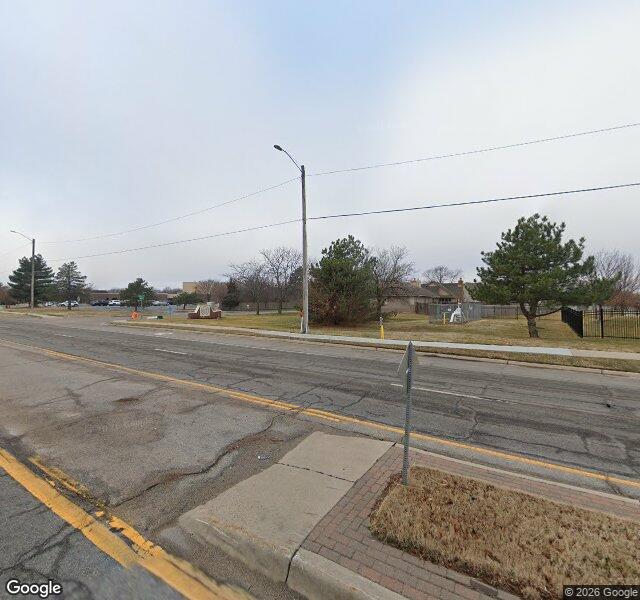
Overview and key essentials
State license
Active
KS KDADS
Google reviews
Not available
Public reviews not linked
Size & payment
Ask directly
Confirm pricing & payment
Public records for this community are limited. Use the checklist below when you call or visit to confirm pricing, services, and openings.
Cost, payment & care details
Updated Nov 28, 2026| Monthly cost | Not published | Ask for the full monthly cost, including care fees and one-time charges. |
|---|---|---|
| Payment options | Ask directly | Payment details are not confirmed in our records. Ask about private pay, long-term care insurance, veterans benefits, and Medicaid waivers. |
| Size & availability | Confirm directly | We don't publish live openings. Ask about current availability, waitlist length, and move-in timing. |
| Care & support | Assisted living | Usually offers housing and help with everyday tasks, such as bathing and dressing. What to confirm about care levelsThis describes the licensed category. Ask how care plans adjust if mobility, nursing, or memory needs change over time. Read the family care guide → |
State licensing
State inspection history
15inspections
17deficiencies listed
Sep 16, 2026Routine2 deficiencies reported2
2 deficiencies reported
View official state report (opens in a new tab)
The following represents the findings of a licensure resurvey with attached complaint #199066 and #196904 at the above named assisted living facility conducted on 09/15/26-09/16/26. The facility reported a census of 70 residents. The sample included seven residents.
moderateS 3280
Preparedness (d) Each administrator or operator shall ensure disaster and emergency preparedness by ensuring the performance of the following: (1) Orientation of new employees at the time of employment to the facility ' s emergency management plan; (2) education of each resident upon admission to the facility regarding emergency procedures; (3) quarterly review of the facility ' s emergency management plan with employees and residents; and (4) an emergency drill, which shall be conducted at least annually with staff and residents. This drill shall include evacuation of the residents to a secure location. This REQUIREMENT is not met as evidenced by: KAR 26-41-104(d)(4) Based on record review and interview, the facility failed to ensure disaster and emergency preparedness by ensuring the performance of an emergency drill annually with staff and residents to include an evacuation of the residents to a secure location. Findings included: - Review of the facility's "Disaster Plan" revealed the records lacked documentation of the last two annual evacuations completed by minimum number of staff on duty at one time, including an evacuation of all residents to a secure location. Interview on 09/16/26 at 01:07 PM Administrative Staff A confirmed the records lacked documentation for the last two annual full evacuations. The facility failed to ensure disaster and emergency preparedness by the failure to ensure the performance of an emergency drill annually with staff and residents to include an evacuation of the residents to a secure location.
STATE FORM6899
LPK311 STATE FORM LPK311
Feb 24, 2025Routine4 deficiencies reported4
4 deficiencies reported
View official state report (opens in a new tab)
The following represent the findings of a resurvey for the above named assisted living conducted on 02/20/25 and 02/24/25.
moderateS 3155
. (a) The administrator or operator in each assisted living facility or residential health care facility shall ensure that a licensed nurse provides or coordinates the provision of necessary health care services that meet the needs of each resident and are in accordance with the functional capacity screening and the negotiated service agreement. This REQUIREMENT is not met as evidenced by: KAR 26-41-204(a) The facility reported a census of 67 residents with six residents included in the sample. Based on observation, interview, and record review the administrator failed to ensure a licensed nurse included descriptions of bed assist devices, their purpose, and instructions for their use and monitoring in the "Negotiated Service Agreements" for Residents (R) 3, R7, and R8. Findings included: - Record review for R3 revealed an admission date of 06/25/24 with diagnoses of mild cognitive impairment and polyosteroarthritis. The 01/29/25 "Functional Capacity Screen" (FCS) identified R3 was independent with transfers. The 01/29/25 "Negotiated Service Agreement" (NSA) identified R3 was independent with transfers. The "NSA" lacked a description of a bed assist device, its purpose, and instructions for its use and monitoring. The 02/20/25 "Resident Roster" provided during the survey documented R3 was one of six residents marked for use of bed assist devices. On 02/24/25 at 11:06 AM Administrative Nurse B confirmed R3 had a bed assist device attached to her bed. She stated the bed assist device was in place because most of R3's falls happened when she transferred in or out of bed. Observation on 02/24/25 at approximately 11:52 AM revealed a bed assist device attached to the side of R3's bed fit tight against the mattress with no gaps greater than 4.75 inches. The administrator failed to ensure a licensed nurse included a description of a bed assist device, its purpose, and instructions for its use and monitoring in R3's "NSA." - Record review for R7 revealed an admission date of 10/15/21 with diagnoses of cognitive communication deficit and type two diabetes mellitus. The 02/11/25 "FCS" identified R7 was independent with transfers. The 02/11/25 "NSA" identified R7 was independent with transfers. The "NSA" lacked a description of a bed assist device, its purpose, and instructions for its use and monitoring. The 02/20/25 "Resident Roster" provided during the survey documented R7 was one of six residents marked for use of bed assist devices. On 02/24/25 at 10:53 AM Administrative Nurse B confirmed R7 had a bed assist device and "NSA" lacked a description of a bed assist device, its purpose, and instructions for its use and monitoring. Observation on 02/24/25 at approximately 12:18 PM revealed a bed assist device attached to the left side of R7's bed covered with a mesh cover and had no gaps greater than 4.75 inches. The administrator failed to ensure a licensed nurse included a description of a bed assist device, its purpose, and instructions for its use and monitoring in R7's "NSA." - Record review for R8 revealed an admission date of 09/05/24 with diagnoses of hypertension and restless leg syndrome. The 09/05/24 "FCS" identified R8 was independent with transfers and required supervision for walking/mobility and used a wheelchair mobility device. The 09/05/24 "NSA" identified R8 was independent with transfers and walking/mobility. The "NSA" lacked a description of a bed assist device, its purpose, and instructions for its use and monitoring. The...
moderateS 3085
(a) The administrator or operator of each assisted living facility or residential health care facility shall ensure the development of a written negotiated service agreement for each resident, based on the resident ' s functional capacity screening, service needs, and preferences, in collaboration with the resident or the resident ' s legal representative, the case manager, and, if agreed to by the resident or the resident ' s legal representative, the resident ' s family. The negotiated service agreement shall provide the following information: (1) A description of the services the resident will receive; (2) identification of the provider of each service; and (3) identification of each party responsible for payment if outside resources provide a service. This REQUIREMENT is not met as evidenced by: KAR 26-41-202(a)(1) The facility reported a census of 67 residents with six residents included in the sample. Based on interview and record review the administrator failed to ensure the "Negotiated Service Agreements" (NSA) for Resident (R) 3, R4, and R6 described the services they received based on their "Functional Capacity Screens" (FCS) for falls. Findings included: - Record review for R3 revealed an admission date of 06/25/24 with diagnoses of mild cognitive impairment and polyosteroarthritis. The 01/29/25 "FCS" identified R3 was marked at risk for falls. The 01/29/25 "NSA" failed to describe services R3 received to prevent injury from falls. The 02/10/25 "Fall Risk Data Collection Tool" documented R3 scored 34.0 which was high risk for falls. On 02/24/25 at 11:06 AM Administrative Nurse B confirmed R3's "NSA" failed to describe the services she received for falls. The administrator failed to ensure the "NSA" for R3 described the services she received for falls. - Record review for R4 revealed an admission date of 07/19/24 with a diagnosis of repeated falls. The 07/19/24 "FCS" identified R4 was marked at risk for falls. The 07/19/24 "NSA" failed to describe services R4 received to prevent injury from falls. The 02/09/25 "Fall Risk Data Collection Tool" documented R4 scored 36.0 which was high risk for falls. On 02/24/25 at 11:15 AM Administrative Nurse B confirmed R4's "NSA" failed to describe the services she received for falls. The administrator failed to ensure the "NSA" for R4 described the services she received for falls. - Record review for R6 revealed an admission date of 02/12/25 with diagnoses of hypertension and chronic pain. The 02/12/25 "FCS" identified R6 was marked at risk for falls. The 02/12/25 "NSA" failed to describe services R6 received to prevent injury from falls. The 02/12/25 "Fall Risk Data Collection Tool" documented R6 scored 9.0 which was low risk for falls. On 02/24/25 at 11:36 AM Administrative Nurse B confirmed R6's "NSA" failed to describe the services she received for falls. The administrator failed to ensure the "NSA" for R6 described the services she received for falls. The 07/06/23 facility's "Negotiated Service Agreement" policy documented the "NSA" was based on the resident's "FCS," service needs, and preferences and would contain a description of the services the resident would receive. The administrator failed to ensure the "NSA's for R3, R4, and R6 described the services they received based on their "FCS's" for falls.
STATE FORM6899
5EI511 STATE FORM 5EI511 STATE FORM 5EI511 STATE FORM 5EI511 STATE FORM 5EI511 STATE FORM 5EI511 STATE FORM 5EI511 STATE FORM 5EI511 STATE FORM 5EI511 STATE FORM 5EI511
moderateS 3171
Practice (i) All health care services shall be provided to residents by qualified staff in accordance with acceptable standards of practice. This REQUIREMENT is not met as evidenced by: KAR 26-41-204(i) The facility reported a census of 67 residents with six residents included in the sample. Based on observation, interview, and record review the administrator failed to ensure designated staff completed assessments for Residents (R) 3, R7, and R8 to confirm their bed assist devices were not a restraint, to determine the purposes of the bed assist devices, to assess the residents' ability to use the bed assist devices safely, that the bed assist devices were securely attached to the bed or bedframe, and they posed no risk for entrapment. Findings included: - Record review for R3 revealed an admission date of 06/25/24 with diagnoses of mild cognitive impairment and polyosteroarthritis. The 01/29/25 "Functional Capacity Screen" (FCS) identified R3 was independent with transfers. The 01/29/25 "Negotiated Service Agreement" (NSA) identified R3 was independent with transfers. The 02/20/25 "Resident Roster" provided during the survey documented R3 was one of six residents marked for use of bed assist devices. On 02/24/25 at 11:06 AM Administrative Nurse B confirmed R3 used a bed assist device attached to her bed. She stated the bed assist device was in place because most of R3's falls happened when she transferred in or out of bed. Observation on 02/24/25 at approximately 11:52 AM revealed a bed assist device attached to the side of R3's bed fit tight against the mattress with no gaps greater than 4.75 inches. The administrator failed to ensure designated staff completed a bed device assessment for R3. - Record review for R7 revealed an admission date of 10/15/21 with diagnoses of cognitive communication deficit and type two diabetes mellitus. The 02/11/25 "FCS" identified R7 was independent with transfers. The 02/11/25 "NSA" identified R7 was independent with transfers. The 02/20/25 "Resident Roster" provided during the survey documented R7 was one of six residents marked for use of bed assist devices. On 02/24/25 at 10:53 AM Administrative Nurse B confirmed R7 used a bed assist device and cofirmed an assessment was not completed. Observation on 02/24/25 at approximately 12:18 PM revealed a bed assist device attached to the left side of R7's bed covered with a mesh cover and had no gaps greater than 4.75 inches. The administrator failed to ensure designated staff completed a bed device assessment for R7. - Record review for R8 revealed an admission date of 09/05/24 with diagnoses of hypertension and restless leg syndrome. The 09/05/24 "FCS" identified R8 was independent with transfers and required supervision for walking/mobility and used a wheelchair mobility device. The 09/05/24 "NSA" identified R8 was independent with transfers and walking mobility. The 02/20/25 "Resident Roster" provided during the survey documented R8 was one of six residents marked for use of bed assist devices. On 02/24/25 at 10:53 AM Administrative Nurse B confirmed R8 used a bed assist device and cofirmed an assessment was not completed. The administrator failed to ensure designated staff completed a bed device assessment for R8. On 02/24/25 at 01:40 PM Administrative Staff A stated the facility did not have a bed assist device policy. The administrator failed to ensure designated staff completed assessments for R3, R7, and R8 to confirm their bed assist devices...
Nov 7, 2023Complaint2 deficiencies reported2
2 deficiencies reported
View official state report (opens in a new tab)
The following citations represent the findings of an abbreviated survey for complaints #183727 of the above named facility conducted on 11/07/2023.
immediate_jeopardyS 3155
. (a) The administrator or operator in each assisted living facility or residential health care facility shall ensure that a licensed nurse provides or coordinates the provision of necessary health care services that meet the needs of each resident and are in accordance with the functional capacity screening and the negotiated service agreement. This REQUIREMENT is not met as evidenced by: K.A.R. 26-41-204 (a) The facility reported a census of 66 residents. The sample included 1 "Resident" (R) closed record review. Based on record review and interview the administrator failed to ensure "Licensed Nurse" (LN) B provided/coordinated the provisions of necessary health care services at the time of her admission to the facility, in accordance with the cognitive impairment noted on R1 "Functional Capacity Screen" (FCS) and not identified on R1 "Negotiated Service Agreement" (NSA). This failure allowed R1 to exit the facility at 06:02 PM without facility staff knowledge. Facility staff were unaware R1 was not in the facility until 09:20 PM, when the local police department called the facility to inquire if they had a resident with R1's name. R1 was out of the facility for a total of 3 hours and 18 minutes without staff knowledge placing her in jeopardy. Findings included: - Review of R1 records revealed an admission date of 10/25/23 with diagnoses of arthritis, cardiac murmur, chest pain, chest tightness, cognitive impairment, dementia, hypertension, and vasospastic angina. The FCS dated 10/25/23 revealed R1 required supervision with bathing and managing her medications. She was independent with dressing, toileting, transferring, walking, and eating. She was continent of bladder and had impaired short-term memory and impaired memory recall. She did not use a walking mobility device. The signed NSA dated 10/25/23 identified the facility would provide the following health services: bathing, activity of daily living (ADL) assistance, and medication management. The NSA lacked identification of health services to assist R1 with her cognitive impairment. The "Health Service Plan" (HSP) dated 10/25/23, under the Cognition heading revealed R1 "Requires reminders: has mild to moderate disorientation or difficulty recalling/retaining information. Staff to cue/remind as needed". Review of R1's electronic medical record under the "Progress Notes" tab revealed the following entries: 10/25/23 at 01:23 PM, R1 arrived at the assisted living community at 10:05 AM. R1 was alert and orientated to person, place, and time. R1 had forgetfulness, short-term and long-term memory loss. 10/25/23 at 01:47 PM, Per R1 son, R1 is noted with increasing forgetfulness at home. He was becoming concerned with R1 being alone in the home. R1 noted with poor short-term memory. R1 ambulated with a steady gait without an assistive device. R1 family reported she was not taking showers at home and request staff to remind and set up the shower for R1 and monitor R1 for routine changing of her clothes. 10/27/23 at 10:11 AM and noted as a "Late Entry" for 10/26/23: The facility nurse was notified by the facility "Certified Medication Aide" (CMA), that R1 was out of the facility. R1 had been observed throughout the "evening" and had been "happy and content". The local police department reported resident was picked up approximately 1.9 miles from the facility, and R1 was complaining of having stroke symptoms. R1 was taken to a local emergency room, where the hospital nurse reported R1...
STATE FORM6899
2UNL11 STATE FORM 2UNL11 STATE FORM 2UNL11 STATE FORM 2UNL11 STATE FORM 2UNL11 STATE FORM 2UNL11 STATE FORM 2UNL11 STATE FORM 2UNL11 STATE FORM 2UNL11
Sep 14, 2023Routine9 deficiencies reported9
9 deficiencies reported
View official state report (opens in a new tab)
The following citations represent the findings of a Re-Licensure survey with complaint investigation 176257 for the above named Assisted Living Facility conducted on 09/13/23 and 09/14/23.
moderateS 3248
Records (d) The employee records and agency staff records shall contain the following documentation: (1) Evidence of licensure, registration, certification, or a certificate of successful completion of a training course for each employee performing a function that requires specialized education or training; (2) supporting documentation for criminal background checks of facility staff and contract staff, excluding any staff licensed or registered by a state agency, pursuant to K.S.A. 39-970 and amendments thereto; (3) supporting documentation from the Kansas nurse aide registry that the individual does not have a finding of having abused, neglected, or exploited a resident in an adult care home; and (4) supporting documentation that the individual does not have a finding of having abused, neglected, or exploited any resident in an adult care home, from the nurse aide registry in each state in which the individual has been known to have worked as a certified nurse aide. This REQUIREMENT is not met as evidenced by: KAR 26-41-102(d)(1) The facility reported a census of 64 residents. Based on interview and record review for five newly hired employees, the administrator failed to have evidence of active licensure, for one newly hired staff who had the potential to provided services to all residents that required specialized education and training to complete. Findings included: - On 09/13/23 at 01:34 PM prior to review of newly hired employee records, Administrative Staff A and Administrative Licensed Nurse B reported to surveyor that Licensed Nurse (LN) K's nursing license had expired on 08/31/23. Administrative staff A and B both acknowledged Licensed Nurse K had worked shifts as a licensed Nurse between 09/01/23 and 09/13/23 while her license was expired. Administrative staff A did not realize her license had expired until today when he ran her licensure check again. He also reported LN K was working today and was taken off LN duties and would not work again until she had completed the necessary training to reactivate her nursing license. Review of LN K's employee filed included a licensure check completed on 02/22/23 which included an expiration dated of 08/31/23. It also included a licensure check completed on 09/13/23 which revealed LN K's license had lapsed. On 09/14/23 at 01:29 PM Administrative Staff A provided the following dates as days LN K worked as a LN: September first, second, third, sixth, seventh, eighth, eleventh, twelfth, and thirteenth. On 09/14/23 at 01:35 PM Administrative Licensed Nurse B reported the duties LN K would have carried out as the LN could have included but not limited to assessment and management of wound care, status post fall assessments, and LN K would have processed any physician orders and calls to the physician for any resident concerns. The administrator failed to ensure LN K maintained an active nursing license to perform services that required specialized education and training. This failure effected all resident who required licensed nursing services.
moderateS 3081
Reassessment (c) Designated facility staff shall conduct a screening to determine each resident ' s functional capacity according to the following requirements: (1) At least once every 365 days; (2) following any significant change in condition as defined in K.A.R. 26-39-100; and (3) at least quarterly if the resident receives assistance with eating from a paid nutrition assistant. This REQUIREMENT is not met as evidenced by: KAR 26-41-201 (c)(2) The facility reported a census of 64 residents (R). The sample included three residents and three focused record reviews. Based on observation, interview, and record review the operator failed to ensure staff completed a "Functional Capacity Screen" for one (R4) of three sampled residents when she experienced a significant change in status after having a fall resulting in a femoral fracture. Findings Included: - Review of R4's electronic medical record revealed she moved into the facility on 02/03/23 with diagnosis of Alzheimer's disease R4's "Functional Capacity Screen" dated 02/03/23 revealed R4 was independent with toileting, transfers, walking/mobility and eating. She had no inappropriate behaviors or impaired decision-making abilities. It also identified the resident did not use any assistive devices for mobility. R4's progress notes revealed on 08/22/23 the resident had a fall which resulted in a femoral fracture and returned to the facility on 08/25/23. Observation on 09/14/23 at 08:11 AM Certified Medication Aide (CMA) H went into the residents' room to check on her. A personal "sitter" was in chair beside the bed and resident lay in bed quiet but awake. When CMA H went to check to see if the resident was incontinent R4 began to get agitated. CMA H said she would go and get medications which may help since she gets pain medications and will check her after giving the medications. On 09/14/23 at 08:14 AM CMA H and Certified Nurse Aide (CNA) I came into the room. CNA I sat on the bed beside her and gently held her hands while CMA H administered her topical Seroquel (an antipsychotic) and her liquid Morphine (narcotic pain medication). Approximately two seconds after CMA H gave the resident her Morphine resident spit as if to spit it out. On 09/14/23 at 08:25 AM CMA H and CNA I went back into R4's room to check and change her. R4 was not cooperative with cares and CNA I helped hold R4's hands so that CMA H could change her incontinent brief. While staff were changing her, the resident cursed staff and was hitting at CMA H and CNA I. As soon as staff finished with cares and positioned the resident comfortably n the bed the resident relaxed and was calm. In R4's bathroom was a walker and a wheelchair for use when the resident was out of the bed. On 09/14/23 at 08:48 AM CMA H reported when the resident first moved into the facility she used to wander around the unit. She would move things around, go into other resident rooms, and would go to the doors and want to leave. She did have quite a few falls and during one of them, she broke her hip. When she came back, she needed a lot more care. She now has a sitter full time, and they call us if she is trying to get up so that we can walk with her. She also has Hospice care now. We help Hospice give her baths. She does not sit on the toilet anymore and doesn't hardly walk any more. She can walk, but it really depends on her day if she will or not. CMA H stated the family will use the wheelchair to take her outside or around in the building and...
moderateS 3310
(b) (5) prohibiting any employee with a communicable disease or any infected skin lesions from coming in direct contact with any resident, any resident ' s food, or resident care equipment until the condition is no longer infectious; (6) providing orientation to new employees and employee in-service education at least annually on the control of infections in a health care setting; and (c) Each administrator or operator shall ensure the facility ' s compliance with the department ' s tuberculosis guidelines for adult care homes adopted by reference in K.A.R. 26-39-105 This REQUIREMENT is not met as evidenced by: KAR 26-41-207(c) The facility reported a census of 64 residents (R). The sample included three residents and three focused record reviews and review of five newly hired employees. Based on interview and record review the administrator failed to ensure the facility remained in compliance with the department's tuberculosis (TB) guidelines for adult care homes adopted by reference in KAR 26-39-105 for two (R3 and R4) of three sampled residents and for one of five newly hired employees. Findings included: - Review of R3's electronic record revealed he moved into the facility on 08/30/23 with a diagnosis of spinal stenosis. R3's record included a TB symptoms screen completed on 08/30/23 and had documented a TB skin test planted on 08/30/23 that had not been read as of 09/14/23. On 09/14/23 at 12:16 PM Administrative Licensed Nurse B reviewed the resident's record and acknowledged the first TB skin test had not been read and should have been. Review of the "Tuberculosis - Exposure Control (Resident)" policy dated 02/19/16 revealed each new resident will receive a two-step TB skin test within seven days of admission. It also revealed the first skin test will be read within 48-72 hours of its administration. The administrator failed to ensure R3 received his first TB skin test within seven days of admission to the facility and a licensed nurse read the results within the correct time frame per TB guidelines. - Review of R4's medical record revealed she moved into the facility on 02/03/23 with diagnosis of Alzheimer's disease. R4's record included a TB symptom screen completed on 02/04/23. It also included two TB skin test. The first administered on 07/27/23 and the second on 08/03/23 of which both read negative results. However, the record failed to include the date the TB skin tests were read. On 09/24/23 at 12:20 PM Administrative Licensed Nurse B looked in R4's electronic record and confirmed that both TB skin tests did not include the date they were read by a licensed nurse. Review of the "Tuberculosis - Exposure Control (Resident)" policy dated 02/19/16 revealed "required Documentation in Resident's Clinical Record" included the date each TB skin test was administered, and the date each TB skin test was read. The administrator failed to ensure the licensed nurse who read R4's TB skin test and included the date it was read to stay within the departments TB guidelines. - Review of newly hired Administrative Staff J's employee file revealed she was hired on 12/23/22. Administrative Staff J's record include TB symptom screen and a one step TB skin test but did not include evidence of a negative skin test within six months prior to hire date or getting a second TB skin test. On 09/13/23 at 02:18 PM Administrative staff A stated Administrative Staff J had received a TB skin test at her previous employer but failed to get evidence of...
moderateS 3211
DRUGS (3) A licensed nurse or medication aide may accept over-the-counter medication only in its original, unbroken manufacturer ' s package. A licensed pharmacist or licensed nurse shall place the full name of the resident on the package. If the original manufacturer ' s package of an over-the-counter medication contains a medication in a container, bottle, or tube that can be removed from the original package, the licensed pharmacist or a licensed nurse shall place the full name of the resident on both the original manufacturer ' s medication package and the medication container. This REQUIREMENT is not met as evidenced by: KAR 26-41-205 (g)(3) The facility reported a census of 64 residents. Based on observation and interview, the administrator failed to ensure all over-the-counter medications were labeled with the resident's full name. This includes the need for the resident's full name to be on the original manufacturer's medication package and the medication container/insert. Findings included: - During initial tour on 09/13/23 at 08: 16 AM Certified Medication Aide (CMA) C unlocked the Memory Care medication cart which contained the following over-the-counter medications that lacked the resident's full name on them: Aspercream with Lidocaine cream and bottle of allergy relief tablets. CMA C stated she did not know who the medication belonged to. On 09/13/23 at 08:20 AM CMA D unlocked the First-floor med cart which contained the following bottles of over-the-counter medications that lacked the resident's full name on them: Wal-dram (meclizine) with no name on the box or the foil packets inside, and a box with a tube of hydrocortisone that did not have a residents full name on the box or on the tube. Other medications in the drawer with a residents first initial and last name or first name and last initial included Ibuprofen, AllerClear (an allergy medication), Vitamin D3, Salon-Paas patches, and Mucinex. ON 09/13/23 at 09:10 AM CMA E unlocked the First-floor Deluxe medication cart which included the following over-the-counter medications without the resident's full name: Vitamin B 12, Lutein, and a bottle of Vitamin D3. On 09/13/23 at 09:42 AM CMA F unlocked the upstairs medication cart which revealed the following over-the-counter medications without a resident's full name: Box with a tube of Diclofenac topical gel no name on box or on the tube, and a bottle of Tylenol with a resident's last name only. On 09/13/23 at 2:32 PM Administrative Licensed Nurse B reported she thought the first initial and last name would be sufficient. Review of the 7/7/17 "Medications - Storage and Labeling Evaluation" Policy revealed Medication storage and labeling will be routinely monitored and audited. The administrator failed to ensure all over-the-counter medications included the full name of the resident they belonged to and included the name on the original manufacturer's medication package and the medication container.
moderateS 3092
Revisions (d) Each administrator or operator shall ensure the review and, if necessary, revision of each negotiated service agreement according to the following requirements:(1) At least once every 365 days; (2) following any significant change in condition, as defined in K.A.R. 26-39-100; (3) at least quarterly, if the resident receives assistance with eating from a paid nutrition assistant; and (4) if requested by the resident or the resident ' s legal representative, facility staff, the case manager, or, if agreed to by the resident or the resident ' s legal representative, the resident ' s family. This REQUIREMENT is not met as evidenced by: KAR 26-41-202 (d)(2) The facility reported a census of 64 residents (R). The sample included three residents and three focused record reviews. Based on observation, interview and record review the administrator failed to ensure designated staff reviewed and revised the "Negotiated Service Agreement" for one (R4) of three sampled residents when the resident experienced a significant change in status related to an increased need for assistance activities of daily living. Findings included: - Review of R4's electronic medical record revealed she moved into the facility on 0203/23 with diagnosis of Alzheimer's disease R4's "Functional Capacity Screen" (FCS) dated 02/03/23 revealed R4 was independent with toileting, transfers, walking/mobility and eating. She had no inappropriate behaviors or impaired decision-making abilities. It also identified the resident did not use any assistive devices for mobility. Designated staff failed to complete the FCS after the resident returned from the hospital and had a significant decline in status. R4's most current "Negotiated Service Agreement" (NSA) dated 02/03/23 did not include any services related to toileting, incontinence, transfers, walking/mobility, or eating. It also failed to address services related to impaired cognition, impaired hearing and inappropriate behaviors. Designated staff failed to revise R4's NSA when she had a decline in functional ability and needed increased assistance with activities of daily living. R4's progress notes revealed on 08/22/23 the resident had a fall which resulted in a femoral fracture and returned to the facility on 08/25/23. Observation on 09/14/23 at 08:11 AM Certified Medication Aide (CMA) H went into the resident's room to check on her. A personal "sitter" was in chair beside the bed and resident lay in bed quiet but awake. When CMA H went to check to see if the resident was incontinent R4 began to get agitated. CMA H said she would go and get medications which may help since she gets pain medications and will check her after giving the medications. On 09/14/23 at 08:14 AM CMA H and Certified Nurse Aide (CNA) I came into the room. CNA I sat on the bed beside her and gently held her hands while CMA H administered her topical Seroquel (an antipsychotic) and her liquid Morphine (narcotic pain medication). Approximately two seconds after CMA H gave the resident her Morphine she spit as if to spit it out. On 09/14/23 at 08:25 AM CMA H and CNA I went back into R4's room to check and change her. R4 was not cooperative with cares and CNA I helped hold R4's hands so that CMA H could change her incontinent brief. While staff were changing her the resident cursed staff and was hitting at CMA H and CNA I. As soon as staff finished with cares and positioned the resident comfortably n the bed the resident relaxed and was...
Final ObservationsS 9999
Kansas Statute 39-981. Authorized electronic monitoring; reasonable accommodations; notice; consent; use as evidence; prohibitions. (d) A resident, or such resident's guardian or legal representative, who wishes to conduct authorized electronic monitoring shall notify the adult care home on a form prescribed by the secretary for aging and disability services. (i) Each adult care home shall post a conspicuous notice at the entrance to the adult care home and each resident's room stating that the rooms of some residents may be monitored electronically by or on behalf of the room's resident or residents. This Requirement is not met as evidenced by: Scope and Severity of F. The facility reported a census of 64 residents(R). The sample included three residents and three focused record reviews. Based on observation, record review, and interview, the administrator failed to post a conspicuous notice at the entrance to the adult care home informing all who come into the facility that some resident rooms have video monitoring and failed to post the same notice at the entrance of each resident's room. Findings included: - Upon entering the facility on 09/13/23 at 07:56 AM on the main entrance door was a notice regarding wearing masks and another notice about cold symptoms and when not to enter the facility. No other notices were observed upon entrance. During initial tour on 09/13/23 from 08:05 AM to 10:15 AM there were no observations of resident rooms with a notice regarding video surveillance at resident doors. During entrance review on 09/13/23 at 10:29 AM Administrative Staff A reported there were a couple of residents who had some type of video surveillance in their rooms. He reported residents R7 and R8 had surveillance cameras in their rooms per family choice. - Review of R7's record revealed she moved into the facility on 08/31/22 with diagnoses of osteoporosis and hypertension. Observation on 9/13/23 at 12:27 PM Licensed nurse B and surveyor went into resident's room and the camera is to the left of the TV by the window. - Review of R8's medical record revealed she moved into the facility on 04/19/13 with diagnoses of osteoarthritis, heart failure and depressive disorder. Observation on 9/13/23 at 12:38 PM revealed the video cameras were on the dresser in her bedroom and on the bakers rack in the dining/front room area. Surveyor again went through the whole facility and looked closer at each resident door and there was a notice at the top of the door frame for R7 and R8 but no other resident rooms had a notice regarding possible video surveillance. On 09/13/23 at 02:37 PM Administrative staff reported he did not have a policy for Authorized Electronic Monitoring and just had the family/legal representative sign the appropriate paperwork. The administrator failed to ensure all the required postings related to Authorized Electronic Monitoring were posted at the front entrance to the facility and at each resident's room entrance.
STATE FORM6899
YZ5911 STATE FORM YZ5911 STATE FORM YZ5911 STATE FORM YZ5911 STATE FORM YZ5911 STATE FORM YZ5911 STATE FORM YZ5911 STATE FORM YZ5911 STATE FORM YZ5911 STATE FORM YZ5911 STATE FORM YZ5911 STATE FORM YZ5911 STATE FORM YZ5911 STATE FORM YZ5911 STATE FORM YZ5911 STATE FORM YZ5911 STATE FORM YZ5911 STATE FORM YZ5911 STATE FORM YZ5911 STATE FORM YZ5911 STATE FORM YZ5911 STATE FORM YZ5911 STATE FORM YZ5911
moderateS 3085
(a) The administrator or operator of each assisted living facility or residential health care facility shall ensure the development of a written negotiated service agreement for each resident, based on the resident ' s functional capacity screening, service needs, and preferences, in collaboration with the resident or the resident ' s legal representative, the case manager, and, if agreed to by the resident or the resident ' s legal representative, the resident ' s family. The negotiated service agreement shall provide the following information: (1) A description of the services the resident will receive; (2) identification of the provider of each service; and (3) identification of each party responsible for payment if outside resources provide a service. This REQUIREMENT is not met as evidenced by: KAR 26-41-202 (a)(2) The facility reported a census of 64 residents (R). The sample included three residents and three focused record reviews. Based on record review and interview for three (R3, R4, R5) of three sampled residents and for all residents in the facility, the administrator failed to ensure a licensed nurse completed the "Negotiated Service Agreement" based on the resident's "Functional Capacity Screen" and included the provider of each service, including those that required specialized education or training. Findings included: - Review of R3's "Electronic Medical Record" revealed he moved into the facility on 08/30/23 with diagnoses of hypertension and spinal stenosis. R3's "Functional Capacity Screen" (FCS) dated 08/30/23 revealed he needed physical assistance with bathing, dressing, and management of medications and medical treatments. R3's "Negotiated Service Agreement" (NSA) dated 08/30/23 revealed two possible check marks for "services" either Independent or (facility name) could be checked. For R3 it had the facility name checked for bathing, dressing, medication management and treatment management. It did not identify "who" within the facility provided the services. On 09/14/23 at 12:18 PM Administrative Licensed Nurse B reported the electronic form used for the NSA is that same form for all residents. Nurse B acknowledged it did not specify that certified staff would provide assistance with activities of daily living or that certified medication aides or licensed nurses provided management of R3s medications or medical treatments. For R3, the administrator failed to ensure a licensed nurse developed the NSA to include who provide services for R 3 that required specialized education or training. - Review of R4's electronic medical record revealed she moved into the facility on 0203/23 with diagnosis of Alzheimer's disease R4's "Functional Capacity Screen" (FCS) dated 02/03/23 revealed R4 required physical assistance with bathing, dressing, and management of medications and medical treatments. R4's most current "Negotiated Service Agreement" (NSA) revealed two possible check marks for "services" either Independent or (facility name) could be checked. For R4 it had the facility name checked for bathing, dressing, medication management and treatment management. It did not identify "who" within the facility provided the services. On 09/14/23 at 12:18 PM Administrative Licensed Nurse B reported the electronic form used for the NSA is that same form for all residents. Nurse B acknowledged it did not specify that certified staff would provide assistance with activities of daily living or that certified medication aides or...
moderateS 3299
(e) Food storage. Facility staff shall store all food under safe and sanitary conditions. (1) Containers of poisonous compounds and cleaning supplies shall not be stored in the areas used for food storage, preparation, or serving. This REQUIREMENT is not met as evidenced by: KAR 26-41-206(e) The facility reported a census of 64 residents. Based on observation and interview the administrator failed to ensure designated staff stored all food under safe and sanitary conditions. Findings included: - Observations during initial on 09/13/23 revealed the following: At 08/33 AM in the Tea Room unlocked refrigerator/freezer there were four Styrofoam bowls with ice cream in them with another bowl on top as a cover. There was no date as to when the bowls were put in the freezer. At 10:02 in the main kitchen the freezer contained a baggie that did not have a label or date on it that contained frozen biscuits, another undated/unlabeled baggie with what appeared to be chicken wings, and another undated/unlabeled baggie with what appeared to be chicken strips. On 09/13/23 at 10:13 AM Dietary staff G went into the main freezer and acknowledged the baggies should have been dated when opened and labeled with what food was in the baggie. She also stated the ice-cream in the Tea room should not have been saved in bowls without being dated and securely covered. Review of the "Storage of Food and Supplies" policy dated 12/2020 directed staff to cover, label and date unused portions and open packages. The administrator failed to ensure designated staff stored foods in manner to ensure they were discarded when appropriate by failing to date and labeled foods items in baggies that had been opened.
May 10, 2022RoutineNo deficiencies reportedNone
No deficiencies reported
View official state report (opens in a new tab)
larksfield place wd5d11 05-10-22 rs st2567.pdf
Show all 15 inspections
Jul 8, 2020RoutineNo deficiencies reportedNone
No deficiencies reported
View official state report (opens in a new tab)
larksfield place assisted living covid 7.8.2020
Jun 12, 2019RoutineNo deficiencies reportedNone
Nov 20, 2017RoutineNo deficiencies reportedNone
Oct 18, 2017RoutineNo deficiencies reportedNone
Mar 24, 2016ComplaintNo deficiencies reportedNone
No deficiencies reported
View official state report (opens in a new tab)
larksfield place assisted living abbrev 3 24 2016
Dec 23, 2015RoutineNo deficiencies reportedNone
Dec 23, 2015RoutineNo deficiencies reportedNone
Nov 17, 2015RoutineNo deficiencies reportedNone
No deficiencies reported
View official state report (opens in a new tab)
larksfield place assisted living 11 17 2015
Mar 26, 2014RoutineNo deficiencies reportedNone
Oct 24, 2012RoutineNo deficiencies reportedNone
Neighborhood & resident support
Emergency access, hazards & advocacy
Nearest hospital
Wesley Medical Center
3.9 mi · Wichita, KS · Medicare 4/5 ★
Emergency roomTrauma Level I
FEMA hazard risk
Relatively HighSedgwick County, KS
- Ice Storm
- Cold Wave
- Tornado
Free resident advocacy
Kansas Office of the State Long-Term Care Ombudsman
More neighborhood context (specialists, VA, dialysis, air & affordability)
VA & dialysis access
Wichita VA Medical Center
4.0 mi · Wichita, KS · VA 5/5 ★
Fresenius Medical Care- Wichita East
2.3 mi · 4/5 ★
Specialists within 15 mi
- Geriatricians
- 2
- Neurologists
- 24
- Palliative care
- 7
- PM&R rehab
- 13
Environment & mobility
- EPA Air (2025)
- 58% good days · AQI 48
- EPA Walkability
- 10.2/20 (Below Average)
- USDA Grocery Access
- Moderate Grocery Access
- Primary care access
- HRSA Shortage Area
County demographics
- Age 65+ median income
- $54,659/yr
- Rent-burdened households
- 44%
- Cognitive disability (2023)
- 15.3%
- Mobility disability
- 13.0%
Call & tour checklist
Questions to ask Larksfield Place Assisted Living
Check off questions as you call or tour. Your progress stays private in this browser.
Show 3 more suggested questions
Verification & public records
Official records & sources
Licensing & contact
- License #
- N087077
- Status
- active
- Phone
- (316) 361-2800
- Federal OIG LEIE
- Clear (2026-11-27)
Original public sources
Verify licensing, ratings, and inspection reports directly with each official source.
- KS KDADS official record (opens in a new tab)Kansas Dept. for Aging & Disability Services
- Google Maps (opens in a new tab)Directions, photos & neighborhood
- Google Reviews (opens in a new tab)Read public reviews
EveryPlace is an independent research directory. Information is compiled from public Medicare.gov, state licensing, Google Places, and street-level imagery sources. Some summaries, suggested questions, and pricing notes are AI-generated or AI-assisted and may contain errors or omissions. We do not accept payment for placement. Confirm all details directly with the community and official sources. Research Policy.
Keep exploring
Nearby communities to compare
- Medicare 5/53.7(26)80 bedsMedicaidNursing Home< 1 miLarksfield PlaceWichita, KS
- Assisted Living< 1 miGolden Boomers Home Plus LLCWichita, KS
- Assisted Living< 1 miBrookdale TallgrassWichita, KS
- Medicare 1/54.2(38)118 bedsMedicaidNursing Home< 1 miGreat Plains Post AcuteWichita, KS
- Assisted Living1.0 miBrookdale East WichitaWichita, KS
- Assisted Living1.0 miSedgwick PlazaWichita, KS