Loading EveryPlace content…
Assisted LivingActive license
Lakepoint El Dorado LLC
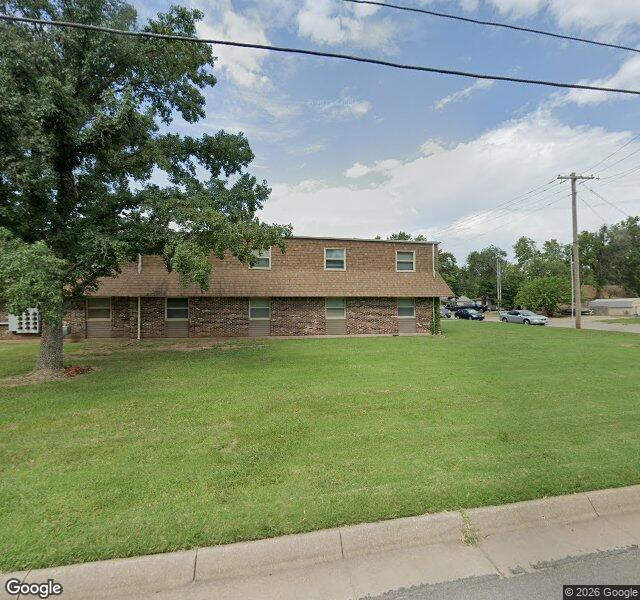
1313 S High Street, El Dorado, KS 67042View map (opens in a new tab)
Overview and key essentials
State license
Active
KS KDADS
Google reviews
Not available
Public reviews not linked
Size & payment
Ask directly
Confirm pricing & payment
Public records for this community are limited. Use the checklist below when you call or visit to confirm pricing, services, and openings.
Cost, payment & care details
Updated Nov 28, 2026| Monthly cost | Not published | Ask for the full monthly cost, including care fees and one-time charges. |
|---|---|---|
| Payment options | Ask directly | Payment details are not confirmed in our records. Ask about private pay, long-term care insurance, veterans benefits, and Medicaid waivers. |
| Size & availability | Confirm directly | We don't publish live openings. Ask about current availability, waitlist length, and move-in timing. |
| Care & support | Assisted living | Usually offers housing and help with everyday tasks, such as bathing and dressing. What to confirm about care levelsThis describes the licensed category. Ask how care plans adjust if mobility, nursing, or memory needs change over time. Read the family care guide → |
State licensing
State inspection history
15inspections
48deficiencies listed
Aug 26, 2026Routine9 deficiencies reported9
9 deficiencies reported
View official state report (opens in a new tab)
INITIAL COMMENTS The following citations represent the findings of a Health Recertification Survey and complaint survey regarding allegations in 3094088 and 3069688. The census was 53. The sample included 15 residents.
moderateF 0689
SS = D SS = D when they were transferred with the Hoyer lift. The facility policy “Mechanical Lift Transfer,” dated 01/03/2019, documented that residents of this community who are unable to transfer themselves independently or with maximal assistance or who are unable to bear any weight will be transferred safely with the mechanical lift device, which has been assessed to be the right lift for the needs of each resident. At least two nursing personnel are required to transfer a resident when using a mechanical Hoyer (total) lift.
moderateF 0700
mellitus (DM), major depressive disorder, anxiety, and obesity. The “LPE Enabler Bar Assessment-V3,” dated 08/07/2026, documented that enabler bars were not in use for this resident. R48’s EMR lacked informed consent for bed rails. R48’s Care Plan dated 06/05/2025 lacked documentation that R48 had bed rails attached to his bed. Observed on 08/25/2026 at 10:11 AM, R48 had upper side rails on each side of his bed. On 08/25/2026 at 03:35 PM, Licensed Nurse G reported the enabler bar assessment dated 08/07/2026 did not contain the information that enabler bars were used. On 08/25/2026 at 03:59 PM, Administrative Nurse D reported that she expected the charge nurse to have performed the enabler bar assessment on the 08/07/2026 resident review assessment. The facility did not provide a policy for the use of bed rails.
moderateF 0812
SS = F On 08/25/2026 at 04:07 PM, Administrative Staff A stated that it was the responsibility of the dietary aides to clean the nourishment room and dining area, but there was no check-off sheet to verify it had been completed. They were also to check and date food items in the stand-up refrigerator and nourishment area. During an interview on 08/25/2026 at 04:11 PM, Dietary Staff DD stated that the dietary aides were responsible for the cleaning of the dining area and the nourishment area. On 08/26/2026 at 08:11 AM, Dietary BB stated that the dietary aides were the ones who were responsible for cleaning the nourishment room and dining area. They were to check expiration dates along with open dates on all food and drink products. Dietary BB said they had no verification that it had been completed, as there was no documentation in place to verify it had been completed. The “Food Prep and Handling” policy documented all food items and products served to elders that would be prepared or served from or in a central kitchen, neighborhood kitchen, or serving area would be according to the standardized recipes. The kitchen and equipment would be kept clean, neat, orderly and maintained.
moderateF 0725
CFR(s): §483.35(a)(1)(2) §483.35 Nursing Services. The facility must have sufficient nursing staff with the appropriate competencies and skills sets to provide nursing and related services to assure resident safety and attain or maintain the highest practicable physical, mental, and psychosocial well-being of each resident, as determined by resident assessments and individual plans of care and considering the number, acuity, and diagnoses of the facility's resident population in accordance with the facility assessment required at §483.71. §483.35(a) Sufficient Staff. §483.35(a)(1) The facility must provide services by sufficient numbers of each of the following types of personnel on a 24-hour basis to provide nursing care to all residents in accordance with resident care plans: (i) Except when waived under paragraph (e) of this section, licensed nurses; and (ii) Other nursing personnel, including but not limited to nurse aides. §483.35(a)(2) Except when waived under paragraph (e) of this section, the facility must designate a licensed nurse to serve as a charge nurse on each tour of duty. SS = F This REQUIREMENT is NOT MET as evidenced by: Based on the record review and interview, the facility failed to have sufficient nursing staff on the weekends to ensure adequate care as determined by the facility’s resident census and acuity. Findings Included: Medicaid Services (CMS) Payroll-Based Journal (PBJ) staffing documentation confirmed low weekend staffing for the weekends of Fiscal Year (FY)2026 Quarter (Q) 1 (10/01/2025 to 12/31/2025) and FY
Q2 (01/01/2026 to 03/31/2026).2026
During an interview on 08/26/2026 at 10:00 AM, Administrative Staff A reported that she had a ratio for determining staffing levels. She stated she had never looked to see if the facility triggered for any staffing concerns, as their staffing had a four-star rating. After reviewing the staffing indicators, she acknowledged that the facility did trigger for low weekend staffing. During an interview on 08/26/2026 at 10:50 AM, Consultant KK stated that the census had increased at the facility and they would need to review the required staffing ratios. She reviewed the actual hours worked on some of the weekend staff sheets that the facility provided and compared that to the census and confirmed that the facility had low weekend actual hours recorded with the census that was reported. During an interview on 08/26/2026 at 10:52 AM, Consultant JJ stated that the facility could have had low weekend staffing, as he had just had a PBJ audit completed by CMS that was accurate. He stated that if they had a salaried staff member work a weekend, he could only count 40 hours for them even if they filled out a form. Consultant JJ did not specify what type of audit was performed. The facility did not provide a staffing policy.
moderateF 0684
SS = D SS = D SS = D SS = D hospice provider as they had not sent the prescriptions to the pharmacy to fill for the new orders, and that is the cause of the liquid medications not being available. Administrative Nurse D reported that the CMA must have crushed R2’s acetaminophen that morning and placed it in pudding for administration. Administrative Nurse D did not know why the staff had not provided R2’s oxycodone since the previous day at 02:30 PM. On 08/25/2026 at 01:17 PM, Consultant Staff II (Hospice Registered Nurse) reported that typically the pharmacy would provide the medications that were ordered the same day, but with R2’s liquid oxycodone, she had other medications that could not be crushed, and hospice had to take care of that. Consultant Staff II reported that the hospice nurse was in the facility to evaluate R2 the previous day and stated that the hospice nurse had educated LN H that R2’s Ativan and oxycodone could be crushed until the liquid form came to the facility. She expected the facility to give pain medications. Consultant II stated if there was a concern with R2’s pain management or orders, the facility could have called the hospice provider at any time day or night. The facility's "Hospice Policy," dated 07/2017, documented in general, it is the responsibility of the facility to meet the resident’s personal care and nursing needs in coordination with the hospice representative and ensure that the level of care provided is appropriately based on the individual resident’s needs. These responsibilities include the following, but not limited to: Communicating with the hospice provider (and documenting such communication) to ensure that the needs of the resident are addressed and met 24 hours per day. Providing medical supplies, durable medical equipment, and medications necessary for the palliation of pain and symptoms. The facility’s policy “Pain Management,” undated, documented that effective pain management can remove the adverse psychological and physiological effects of unrelieved pain. Optimal management of the elders experiencing pain enhances healing and promotes both physical and psychological wellness. Management of the elder's pain is an interdisciplinary process.
moderateF 0880
SS = F SS = F SS = F On 08/26/2026 at 09:50 AM, CMA S stated that oxygen tubing and CPAP masks should have been placed in a bag when it was not in use. On 08/26/2026 at 09:32 AM, Licensed Nurse (LN) F stated that she expected staff to wear the correct PPE for EBP and that it was not appropriate for staff to have performed cares with soiled gloves; it was expected that staff remove soiled gloves, perform hand hygiene, then apply clean gloves before they continued cares. LN F expected oxygen tubing or respiratory supplies to have been kept in a bag when not in use and expected staff to have cleaned the Hoyer lift after each use. The facility’s undated “Infection Control Policy” documented the infection prevention and control program will follow accepted national standards and is based on facility assessment and includes prevention, identification, reporting, investigation, and controlling infections and communicable disease for all residents, staff, volunteers, visitors, and other individuals providing services under a contractual arrangement. The infection control program includes surveillance, investigation, controlling and preventing infections in the facility including appropriate immunizations; appropriate reporting of infectious incidents; standard and transmission-based precautions to prevent spread of infections; development of procedures such as isolation to be applied to an individual resident; circumstances to prohibit employees with communicable disease or other infectious state from direct contact with residents or food; hand hygiene for staff involved in direct resident contact; and maintaining a record of incidents and corrective actions related to infections.
moderateF 0552
SS = E SS = E appropriately, working with the interdisciplinary team to ensure the appropriate use, evaluation, and monitoring. Document the discussion with the resident and/or responsible party regarding the risk versus benefit of the use of these medications.
moderateF 0838
SS = F SS = F availability of direct care nurse staffing or other resources needed for resident care. This REQUIREMENT is NOT MET as evidenced by: Based on the record review and interview, the facility failed to conduct a thorough facility-wide assessment to determine the nursing staff resources necessary to care for residents competently during both day-to-day operations and emergencies. Findings Included: An inspection of the “Facility Long-Term Care Self-Assessment,” dated 08/03/2026, provided by the facility documented the following: The assessment failed to identify the specific staffing levels needed for each unit and identify the number of Registered Nurses (RN), Licensed Nurses (LPN/LVN), Certified Medication Aides (CMA), and Certified Nurse Aides (CNA) needed for each unit, patient acuity, and census. The assessment lacked the staffing levels required for each daily shift and weekends. On 08/26/2025 at 10:00 AM, Administrative Staff A stated that she was not aware that the facility assessment required the staffing ratios to be included. She reported that she had a ratio for that in her budget and would get that documentation. On 08/26/2025 at 10:50 AM, Consultant KK stated that the census had increased at that facility and they needed to review the required staffing ratios. The “Facility Long-Term Care Self-Assessment,” policy dated 08/03/2026, documented that they strive to meet the needs of all their residents and will provide the necessary competencies, resources, and training to do so.
Aug 17, 2026RoutineNo deficiencies reportedNone
No deficiencies reported
View official state report (opens in a new tab)
Lakepoint El Dorado LLC rs 8-17-26 St2567
Feb 18, 2025Routine6 deficiencies reported6
6 deficiencies reported
View official state report (opens in a new tab)
The following citations represent the findings of the licensure resurvey with attached complaint numbers 189321 and 186628 for the above named facility conducted on 02/17/25 and 02/18/25.
moderateS 3166
(e) A licensed nurse may delegate nursing procedures not included in the nurse aide or medication aide curriculums to nurse aides or medication aides, respectively, under the Kansas nurse practice act, K.S.A. 65-1124 and amendments thereto. This REQUIREMENT is not met as evidenced by: K.A.R. 26-41-204 (e) The facility reported a census of 35 residents. The sample included 3 "Residents'" (R)'s, one closed record review, and 5 newly hired employees. Based on record review and interview the Administrator failed to ensure the "Licensed Nurse" (LN) delegated nursing procedures not included in the "Certified Medication Aide" (CMA) curriculums to the medication aides respectively under the Kansas Nurse Practice Act, K.S.A. 65-1124 and amendments thereto for the dialing of the insulin pens. Findings included: - Record review of the facility provided Resident Roster dated 02/17/25 identified the facility had three residents that had insulin. Personnel record review for newly hired CMA C revealed she began her employment on 11/03/23. CMA C's personnel record lacked documentation of the nursing delegation for the dialing of insulin pens. Personnel record review for newly hired CMA D revealed she began her employment on 12/08/23. CMA D's personnel record lacked documentation of the nursing delegation for the dialing of insulin pens. Personnel record review for newly hired CMA E revealed she began her employment on 11/25/24. CMA E's personnel record lacked documentation of the nursing delegation for the dialing of insulin pens. Record review of the facility provided transcript for the online learning for "Glucose Monitoring" with the completion due date of 02/16/25, revealed CMA C, D, and E had completed the online learning for glucose monitoring. Interview on 02/17/25 at approximately 05:00 PM with Administrator A and LN B confirmed the facility CMA's dial the insulin pen for one resident, and Administrator A and LN B further confirmed the personnel records for CMA's C, D, and E lacked documentation of the nursing delegation for the dialing of insulin pens. the Administrator failed to ensure the "Licensed Nurse" (LN) delegated nursing procedures not included in the "Certified Medication Aide" (CMA) curriculums to the medication aides respectively under the Kansas Nurse Practice Act, K.S.A. 65-1124 and amendments thereto for the dialing of the insulin pens.
moderateS 3085
(a) The administrator or operator of each assisted living facility or residential health care facility shall ensure the development of a written negotiated service agreement for each resident, based on the resident ' s functional capacity screening, service needs, and preferences, in collaboration with the resident or the resident ' s legal representative, the case manager, and, if agreed to by the resident or the resident ' s legal representative, the resident ' s family. The negotiated service agreement shall provide the following information: (1) A description of the services the resident will receive; (2) identification of the provider of each service; and (3) identification of each party responsible for payment if outside resources provide a service. This REQUIREMENT is not met as evidenced by: K.A.R. 26-41-202 (a) (1) (2) (3) The facility reported a census of 35 residents. The sample included 3 "Residents'" (R)'s and one closed record review. Based on record review and interview the Administrator failed ensure the combined "Negotiated Service Agreement" (NSA)/ "Health Service Plan" (HSP) for R2 and R3 contained the name of the outside provider, a description of services from the outside providers, and the payor sources for the outside providers. Findings included: - Record review for R2 revealed an admission date of 09/08/23 with diagnoses of unspecified dementia, unspecified osteoarthritis, adjustment disorder with mixed anxiety and depressed mood, insomnia, and macular degeneration. Review of R2's FCS dated 07/17/24 revealed R2 required supervision with bathing, dressing, and eating. R2 lacked the ability to manage her own medications. R2 was continent, and had impaired short-term memory, long-term memory, memory recall, and decision making. She was rarely able to make herself understood and she sometimes understood others. She was marked being at risk for wandering. R2 used no mobility device. Review of R2's combined NSA/HSP dated 07/17/24 instructed facility staff to provide staff assistance with bathing, dressing, monitor for weight loss, and mange and administer her medication. Review of R2's electronic "Medical Record" under the "Progress Notes" Tab revealed the following entry; On 02/03/25 at 02:09 PM R2 returned from the podiatrist appointment with the following orders for the wound to the right foot. Irrigate with normal saline, apply collagen wound dressing to wound, cover with 4 by 4 gauze, wrap with cling and "Ace" wrap. Change dressing every other day. R2's home health was notified of the new wound orders. Interview on 02/18/25 at approximately 03:10 PM with Administrator A and Licensed Nurse (LN) B confirmed R2's combined NSA/HSP lacked the description of services, the provider of the services and the payor source of the services for the outside provider. Administrator A and LN B further confirmed that the outside home health provider managed the wound care for R2. Record review for R3 revealed an admission date of 10/12/23 with diagnoses of cerebral infarction due to unspecified occlusion or stenosis of right vertebral artery, paroxysmal atrial fibrillation, metabolic encephalopathy, hemiplegia unspecified affecting left nondominant side, dysphagia oropharyngeal phase, chronic obstructive pulmonary disease, muscle weakness, difficulty in walking, and need for assistance with personal care. Review of R3's FCS dated 10/07/24 revealed R3 required physical assistance with bathing, dressing, toileting, transferring,...
moderateS 3171
Practice (i) All health care services shall be provided to residents by qualified staff in accordance with acceptable standards of practice. This REQUIREMENT is not met as evidenced by: K.A.R. 26-41-204 (i) The facility reported a census of 35 residents. The sample included 3 "Residents'" (R)'s and one closed record review. Based on record review and interview the Administrator failed ensure health care services were provided within professional standards of practice when the Administrator failed to ensure an assessment was performed for R3 showing R3'bed assist device posed no risk for entrapment, confirmed the device was not a restraint, and R3's ability to safely use the bed assist device. Findings included: - Record review for R3 revealed an admission date of 10/12/23 with diagnoses of cerebral infarction due to unspecified occlusion or stenosis of right vertebral artery, paroxysmal atrial fibrillation, metabolic encephalopathy, hemiplegia unspecified affecting left nondominant side, dysphagia oropharyngeal phase, chronic obstructive pulmonary disease, muscle weakness, difficulty in walking, and need for assistance with personal care. Review of R3's "Functional Capacity Screen" (FCS) dated 10/07/24 revealed R3 required physical assistance with bathing, dressing, toileting, transferring, walking/mobility, eating, and managing her medications. R3 was incontinent, and cognitively intact. R3 was able to make herself understood and she understood others. R3 used a wheelchair mobility device. R3's FCS lacked documentation in the comments section of the bed mobility device. Review of R3's Combined "Negotiated Service Agreement" (NSA)/"Health Service Plan" (HSP) dated 10/08/24 instructed facility staff to provide an escort to meals. Facility staff to provide physical assistance with bathing, dressing, toileting, and transferring in and out of bed. Facility staff to manage and administer R3's medical care provider ordered medications, and R3 would self-administer select "Over-the-Counter" (OTC) medications. Under the section titled "Safety" it identified R3 had "bedrails/halo" placed bilaterally for positioning. R3's NSA lacked a description of the device, its purpose and special instructions on use and monitoring in the resident's NSA. Observation on 02/17/24 at approximately 05:15 PM of R3's bed revealed on each side of the top one third of the bed inverted "U" shaped devices were attached to the frame of the bed that measured approximately 6 inches in width and 17.5 inches in length. The FDA (food and drug administration) "Bedrails in Assisted Living, Residential Health Care and Home Plus Facilities" recommended the following: Complete an assessment of the resident to confirm that the device is not a restraint. Complete an assessment of the resident to determine the purpose of the device and the resident's ability to safely use the device and document the findings in the resident's record. Complete an assessment of the device using the recommendations in the FDA guidance to ensure the device is securely attached to the bed or bedframe and poses no risk for entrapment and document the findings in the resident record. If the purpose of the device is to assist the resident with transfers, the FCS should document the resident's functional capacity based on the use of the device and should be listed in the comments section. Include a description of the device, its purpose and special instructions on use and monitoring in the resident's...
STATE FORM6899
KBW511 STATE FORM KBW511 STATE FORM KBW511 STATE FORM KBW511 STATE FORM KBW511 STATE FORM KBW511 STATE FORM KBW511 STATE FORM KBW511 STATE FORM KBW511 STATE FORM KBW511 STATE FORM KBW511 STATE FORM KBW511 STATE FORM KBW511 STATE FORM KBW511 STATE FORM KBW511 STATE FORM KBW511 STATE FORM KBW511 STATE FORM KBW511
moderateS 3227
Variance Report (l) (2) The licensed pharmacist or licensed nurse shall notify the medical care provider upon discovery of any variance identified in the medication regimen review that requires immediate action by the medical care provider. The licensed pharmacist shall notify a licensed nurse within 48 hours of any variance identified in the resident ' s regimen review that does not require immediate action by the medical care provider and specify a time within which the licensed nurse must notify the resident ' s medical care provider. The licensed nurse shall seek a response from the medical care provider within five working days of the medical care provider ' s notification of a variance. This REQUIREMENT is not met as evidenced by: K.A.R. 26-41-205 (l) (2) The facility reported a census of 35 residents. The sample included 3 "Residents'" (R)'s and one closed record review. Based on record review and interview the Administrator failed ensure the "Licensed Nurse" (LN) notified the medical care provider of any variance identified by the licensed pharmacist when the pharmacy reviews were completed, and the Administrator further failed to ensure the LN followed up with the medical care provider within 5 working days of the notification of the variances identified by the Licensed Pharmacist. Findings included: - Record review for R1 revealed an admission date of 06/20/23 with diagnoses of anxiety disorder due to know physiological condition, Parkinson's disease, Multi-system degeneration of the autonomic nervous system, other asthma, unspecified dementia, unspecified mood disorder, difficulty in walking, disorder of muscle, and atherosclerotic heart disease of native coronary artery. Review of R1's "Functional Capacity Screen" (FCS) dated 10/07/24 revealed R1 was independent with bathing, dressing, toileting, transferring, walking, and eating. He managed his own medications, was continent, had intact cognition, and was able to make himself understood and he understood others. He used a walker mobility device. Review of R1's combined "Negotiated Service Agreement" (NSA) / "Health Service Plan" (HSP) dated 10/08/24 instructed facility staff to monitor R1's vital signs. Review of R1's electronic "Medical Record" under the "Progress Notes" tab revealed the following entry; On 12/03/24 at 04:17 PM a Health Status Note from "Pharmacy" "MRR" (Medication Regimen Review) "See report". Record review for R2 revealed an admission date of 09/08/23 with diagnoses of unspecified dementia, unspecified osteoarthritis, adjustment disorder with mixed anxiety and depressed mood, insomnia, and macular degeneration. Review of R2's FCA dated 07/17/24 revealed R2 required supervision with bathing, dressing, and eating. R2 lacked the ability to manage her own medications. R2 was continent, and had impaired short-term memory, long-term memory, memory recall, and decision making. She was rarely able to make herself understood and she sometimes understood others. She was marked being at risk for wandering. R2 used no mobility device. Review of R2's combined NSA/HSP dated 07/17/24 instructed facility staff to provide staff assistance with bathing, dressing, monitor for weight loss, and mange and administer her medication. Review of R2's electronic "Medical Record" under the "Progress Notes" Tab revealed the following entry; On 12/03/24 at 04:42 PM a Health Status Note from "Pharmacy" "MRR" (Medication Regimen Review) "See report". Record review for R3 revealed...
moderateS 3280
Preparedness (d) Each administrator or operator shall ensure disaster and emergency preparedness by ensuring the performance of the following: (1) Orientation of new employees at the time of employment to the facility ' s emergency management plan; (2) education of each resident upon admission to the facility regarding emergency procedures; (3) quarterly review of the facility ' s emergency management plan with employees and residents; and (4) an emergency drill, which shall be conducted at least annually with staff and residents. This drill shall include evacuation of the residents to a secure location. This REQUIREMENT is not met as evidenced by: K.A.R. 26-41-104 (d) (3) The facility reported a census of 35 "Residents'" (R)'s. Based on record review and interview the Administrator failed to ensure the facility's emergency management plan covering fire, flood, severe weather, tornados, explosions, natural gas leak, lack of electrical or water services, missing residents, and any other potential emergency situation was reviewed by staff and residents at least quarterly. Findings included: - Record review of the facility provided document titled "Inservice's" 2025 revealed on 01/03/25 the topics included Sever Weather, Snow, Tornado and Earthquake. Review of the facility provided documents titled "Employee Inservice Education Log" revealed the following; On 09/06/24 the second topic was Evacuation of the building. On 07/12/24 the first topic was Weather On 04/05/24 the second topic was Weather Review of the facility provided documents titled "Elopement Drill" revealed the facility provided elopement training on the following dates; 01/03/24 02/27/24 03/20/24 04/09/24 06/13/24 07/02/24 08/12/24 09/11/24 10/23/24 12/20/24 01/27/25 Review of the facility provided documents titled "Fire Drill Check List/Record" revealed the drills were conducted on the following dates; 12/31/24 11/06/24 10/17/24 01/16/25 Review of the facility provided documents titled Disaster Drill; "Tornado Drill" revealed Tornado drill dates of; 03/20/24 04/10/24 05/09/24 06/06/24 07/22/24 08/13/24 Review of the facility provided document titled "Employee Inservice Education Log" dated on 03/23/23 revealed one of the topics was Active Shooter. Interview on 02/17/25 at 05:00 PM with Administrator A and Licensed Nurse B confirmed the facility's entire emergency management plan was not provided to staff and residents at least quarterly. The Administrator failed to ensure the facility's emergency management plan covering fire, flood, severe weather, tornados, explosions, natural gas leak, lack of electrical or water services, missing residents, and any other potential emergency situation was reviewed by staff and residents at least quarterly.
Dec 18, 2024Routine13 deficiencies reported13
13 deficiencies reported
View official state report (opens in a new tab)
INITIAL COMMENTS The following citations are the result of health resurvey and complaint investigation KS00190926. The 2567 was sent electronically on 12/30/24.
Trauma Informed CareF 699
CFR(s): 483.25(m) SS=D §483.25(m) Trauma-informed care 5MCY11 The facility must ensure that residents who are trauma survivors receive culturally competent, trauma-informed care in accordance with professional standards of practice and accounting for residents' experiences and preferences in order to eliminate or mitigate triggers that may cause re-traumatization of the resident. This REQUIREMENT is not met as evidenced by: The facility identified a census of 55 residents. The sample included 15 residents with one resident reviewed for trauma-informed care (treatment or care directed to prevent re-experiencing or reducing the effects of traumatic events). Based on observation, record review, and interviews, the facility failed to identify trauma-based triggers related to Resident (R) 2's post-traumatic stress disorder (PTSD - mental disorder characterized by an acute emotional response to a traumatic event or situation involving severe environmental stress) and failed to implement individualized interventions to prevent re-traumatization. These deficient practices placed R2 at risk for decreased psychosocial well-being and ineffective treatment. Findings included: - R2's Electronic Medical Record (EMR) documented diagnosis of cerebrovascular accident (CVA - stroke - sudden death of brain cells due to lack of oxygen caused by impaired blood flow to the brain by blockage or rupture of an artery to the brain), hemiplegia and hemiparesis (weakness and paralysis on one side of the body), and PTSD. R2's "Diagnosis" tab of the EMR documented a diagnosis of PTSD dated 09/29/22. 5MCY11 R2's "Annual Minimum Data Set" (MDS) dated 09/13/24 documented a Brief Interview for Mental Status (BIMS) score of 15 which indicated intact cognition. R2 had impairment on one side of both upper and lower extremities. R2 had a diagnosis of PTSD. R2's "Communication Care Area Assessment" (CAA) dated 09/25/24 documented R2's impaired hearing and cognitive loss. R2 also had risk factors for decreased socialization, mood decline, and behavioral issues. R2's "Trauma Care Plan" initiated on 02/22/24 directed staff to identify and mitigate triggers. A trauma-informed care assessment had been completed. Staff were directed that no current triggers were identified. The plan of care lacked individualized trigger-specific interventions that identified ways to decrease exposure to triggers that could re-traumatize her. R2's undated "Life Stressor Checklist-Revised" had multiple questions marked "Yes" but had not been affected by any of the triggered areas in the past year. On 12/18/24 at 10:45 AM, R2 sat in her wheelchair in the activity room with other residents listening to school kids singing Christmas songs. On 12/18/24 at 10:47 AM, Certified Nurse Aide (CNA) N stated she was not aware of R2 having a diagnosis of PTSD or what had been the cause of it so she did not know what might be triggers for it. 5MCY11 On 12/18/24 at 12:13 PM, Licensed Nurse (LN) H stated R2 did have a current diagnosis of PTSD but could not say what any of the causes of it were. LN H stated that R2's care plan documented she did not have any current triggers. LN H stated the only thing she was aware of was that R2 only wanted to be recognized by her first name on her door sign. LN H stated she did believe that staff should be aware of the trauma she had experienced to provide care appropriately. On 12/18/24 at 01:31 PM, Administrative Nurse D stated that a trauma-informed assessment had been...
Quality of CareF 684
CFR(s): 483.25 SS=D § 483.25 Quality of care Quality of care is a fundamental principle that applies to all treatment and care provided to facility residents. Based on the comprehensive assessment of a resident, the facility must ensure that residents receive treatment and care in accordance with professional standards of practice, the comprehensive person-centered care plan, and the residents' choices. This REQUIREMENT is not met as evidenced by: The facility had a census of 55 residents. The sample included 15 residents. Based on observation, record review, and interview, the 5MCY11 facility failed to follow up with the physician for direction when one resident, Resident (R) 10 became ill with a productive cough and coarse lung sounds. This placed R10 at risk for physical decline and complications due to delayed physician involvement. Findings included: - The Electronic Medical Record (EMR) for R10 documented diagnoses of chronic obstructive pulmonary disease (COPD - a progressive and irreversible condition characterized by diminished lung capacity and difficulty or discomfort in breathing), diabetes mellitus (DM - when the body cannot use glucose, not enough insulin is made, or the body cannot respond to the insulin), Sjogren's syndrome (an immune system illness that mainly causes dry eyes and dry mouth), and epilepsy (epilepsy (brain disorder characterized by repeated seizures). The "Admission Minimum Data Set" (MDS) dated 06/09/24 documented R10 had intact cognition and was independent with activities of daily living (ADLs). R10 had shortness of breath with exertion and received oxygen therapy. The "Significant Change MDS" dated 10/13/24 documented R10 had intact cognition and was independent with ADLs. R10 had shortness of breath, received oxygen therapy, and was on hospice (specialized care that mainly aims to provide comfort and dignity to the patients, by providing physical comfort and emotional, social, and spiritual support for people nearing the end of life). R10's "Care Plan" dated 09/27/24 and initiated 5MCY11 06/03/24 documented R10 required minimal staff assistance with ADLs and received oxygen therapy. The care plan directed staff to cue and assist R10 with oxygen management and assistance with reapplying oxygen when she removed it to ambulate or during locomotion in her wheelchair. The care plan directed staff to notify the physician and resident representative of any changes in condition or cognition. The "Nurse's Note" dated 06/17/24 at 10:35 AM, documented R10 had a productive cough with thick green sputum (a mixture of saliva and mucus coughed up) that cleared with a cough. The note documented the physician was notified and they were awaiting a callback. Review of the EMR lacked documentation the staff followed up with the physician when they did not receive direction from the physician for R10's cough. The "Nurse's Note" dated 06/24/24 at 02:38 AM, documented R10 had a harsh cough with coarse lung sounds throughout, and the physician was notified on 06/17/24 but staff could not find where the physician had responded. The note further documented staff had sent a fax to the physician again on 06/24/24 at 02:30 AM and requested a chest X-ray (a type of electromagnetic radiation that can pass through many solid substances, allowing hidden objects to be photographed) and other interventions the physician may deem appropriate. The return fax from the physician dated 06/24/24 documented R10 needed an appointment...
Free from Unnec Psychotropic Meds/PRN UseF 758
CFR(s): 483.45(c)(3)(e)(1)-(5) SS=D §483.45(e) Psychotropic Drugs. §483.45(c)(3) A psychotropic drug is any drug that affects brain activities associated with mental processes and behavior. These drugs include, but are not limited to, drugs in the following categories: (i) Anti-psychotic; 5MCY11 (ii) Anti-depressant; (iii) Anti-anxiety; and (iv) Hypnotic Based on a comprehensive assessment of a resident, the facility must ensure that--- §483.45(e)(1) Residents who have not used psychotropic drugs are not given these drugs unless the medication is necessary to treat a specific condition as diagnosed and documented in the clinical record; §483.45(e)(2) Residents who use psychotropic drugs receive gradual dose reductions, and behavioral interventions, unless clinically contraindicated, in an effort to discontinue these drugs; §483.45(e)(3) Residents do not receive psychotropic drugs pursuant to a PRN order unless that medication is necessary to treat a diagnosed specific condition that is documented in the clinical record; and §483.45(e)(4) PRN orders for psychotropic drugs are limited to 14 days. Except as provided in §483.45(e)(5), if the attending physician or prescribing practitioner believes that it is appropriate for the PRN order to be extended beyond 14 days, he or she should document their rationale in the resident's medical record and indicate the duration for the PRN order. §483.45(e)(5) PRN orders for anti-psychotic drugs are limited to 14 days and cannot be renewed unless the attending physician or prescribing practitioner evaluates the resident for 5MCY11 the appropriateness of that medication. This REQUIREMENT is not met as evidenced by: The facility had a census of 55 residents. The sample included 15 residents of which five were reviewed for unnecessary medications. Based on observation, record review, and interview, the facility failed to ensure Resident (R) 20 and R31 had an approved diagnosis or a physician-documented rationale which included risk versus benefit for the use of quetiapine (antipsychotic - class of medications used to treat major mental conditions which cause a break from reality). This placed the residents at risk of receiving unnecessary psychotropic medication. Findings included: - R20's Electronic Medical Record (EMR) included diagnoses of insomnia (inability to sleep), muscle weakness, mood disorder, unspecified dementia (a progressive mental disorder characterized by failing memory and confusion), cognitive-communication deficit (an impairment in organization, sequencing, attention, memory, planning, problem-solving, and safety awareness), anxiety (mental or emotional reaction characterized by apprehension, uncertainty, and irrational fear) disorder, recurrent depressive disorder (a mood disorder that causes a persistent feeling of sadness and loss of interest), and cerebrovascular disease (a condition that impact the brain's blood vessels and blood flow). The "Quarterly Minimum Data Set" (MDS) dated 09/22/24 documented R20 had severe cognitive impairment, hallucinations (sensing things while awake that appear to be real, but the mind 5MCY11 created), delusions (untrue persistent belief or perception held by a person although evidence shows it was untrue), inattention, disorganized thinking, and rejection of care which occurred one to three days of the seven-day look-back period. R20 was dependent on functional abilities and mobility. R20 was always incontinent of bladder and bowel and had pain...
Drug Regimen is Free from Unnecessary DrugsF 757
CFR(s): 483.45(d)(1)-(6) SS=D §483.45(d) Unnecessary Drugs-General. Each resident's drug regimen must be free from unnecessary drugs. An unnecessary drug is any drug when used- §483.45(d)(1) In excessive dose (including duplicate drug therapy); or §483.45(d)(2) For excessive duration; or §483.45(d)(3) Without adequate monitoring; or §483.45(d)(4) Without adequate indications for its use; or §483.45(d)(5) In the presence of adverse consequences which indicate the dose should be reduced or discontinued; or §483.45(d)(6) Any combinations of the reasons stated in paragraphs (d)(1) through (5) of this 5MCY11 section. This REQUIREMENT is not met as evidenced by: The facility had a census of 55 residents. The sample included 15 residents, with five reviewed for unnecessary medications. Based on observation, record review, and interview, the facility failed to hold blood pressure medications per the physician-ordered parameters for two residents, Resident (R) 18 and R1. This placed the resident at risk for physical decline and other related complications. Findings included: - The Electronic Medical Record (EMR) for R18 documented diagnoses of cerebral infarction (stroke - sudden death of brain cells due to lack of oxygen caused by impaired blood flow to the brain by blockage or rupture of an artery to the brain), hemiparesis/hemiplegia (weakness and paralysis on one side of the body), chronic obstructive pulmonary disease (COPD - a progressive and irreversible condition characterized by diminished lung capacity and difficulty or discomfort in breathing), diabetes mellitus (DM - when the body cannot use glucose, not enough insulin is made, or the body cannot respond to the insulin), dementia (a progressive mental disorder characterized by failing memory and confusion), and hypertension (high blood pressure). The "Annual Minimum Data Set" (MDS) dated 08/22/24 documented R18 had intact cognition and was dependent upon staff for toileting, transfers, and lower body dressing. R18 required substantial assistance for bathing, upper body dressing, transfers, and mobility. R18 did not 5MCY11 ambulate. The MDS documented R18 received an anticoagulant (a class of medications used to prevent the blood from clotting), an antidepressant (a class of medications used to treat mood disorders), and a diuretic (a medication to promote the formation and excretion of urine). The "Quarterly MDS" dated 10/22/24 documented R18 had intact cognition and was dependent upon staff for toileting, mobility, transfers, and lower body dressing. R18 required substantial assistance with showers and partial assistance with personal hygiene. R18 did not ambulate and had upper and lower functional impairment on one side. The MDS documented R18 received anticoagulant (a class of medications used to prevent the blood from clotting), antidepressant (a class of medications used to treat mood disorders), and diuretic (a medication to promote the formation and excretion of urine). The MDS documented R18 received an anticoagulant (a class of medications used to prevent the blood from clotting), an antidepressant (a class of medications used to treat mood disorders), and a diuretic (a medication to promote the formation and excretion of urine). R18's "Care Plan" dated 10/30/24 and initiated on 03/03/24 documented R18 received medications with a Black Box Warning (BBW - highest safety-related warning that medications can have assigned by the Food and Drug Administration) and directed...
Nutrition/Hydration Status MaintenanceF 692
CFR(s): 483.25(g)(1)-(3) SS=D §483.25(g) Assisted nutrition and hydration. (Includes naso-gastric and gastrostomy tubes, both percutaneous endoscopic gastrostomy and percutaneous endoscopic jejunostomy, and enteral fluids). Based on a resident's comprehensive assessment, the facility must ensure that a resident- §483.25(g)(1) Maintains acceptable parameters of nutritional status, such as usual body weight or desirable body weight range and electrolyte balance, unless the resident's clinical condition demonstrates that this is not possible or resident preferences indicate otherwise; §483.25(g)(2) Is offered sufficient fluid intake to maintain proper hydration and health; §483.25(g)(3) Is offered a therapeutic diet when there is a nutritional problem and the health care provider orders a therapeutic diet. This REQUIREMENT is not met as evidenced by: 5MCY11 The facility identified a census of 55 residents. The sample included 15 residents with Resident (R) 29 reviewed for dialysis (a procedure where impurities or wastes are removed from the blood), nutrition, and hydration. Based on observation, record review, and interview, the facility failed to ensure R29's physician-ordered fluid restriction was followed, monitored, and documented. This placed R29 at risk of fluid overload and related complications. Findings included: - R29's Electronic Medical Record (EMR) documented diagnoses of end-stage renal disease (ESRD - a terminal disease of the kidneys), dependence on renal dialysis, diabetes mellitus (DM - when the body cannot use glucose, not enough insulin is made, or the body cannot respond to the insulin), and hypertension (HTN - elevated blood pressure). R29's "Admission Minimum Data Set" (MDS) dated 10/08/24 documented a Brief Interview for Mental Status (BIMS) score of 15 which indicated intact cognition. R29 had impairment to both lower extremities and required set up to partial assistance from staff for her activities of daily living (ADLs). R29 used a walker or wheelchair for mobility assistance. R29 received dialysis services. R29's "Nutritional Status Care Area Assessment" (CAA) dated 10/14/24 documented R29 had a high body mass index (BMI). R29's risk factors included weight instability, impaired fluid balance, abnormal lab values, and impaired skin integrity. R29's care plan would be initiated and maintained to maximize dietary and hydration status and 5MCY11 monitor dietary and fluid intake. R29's "Care Plan" initiated on 10/15/24 directed staff that she was on a carbohydrate control, regular texture diet, thin liquids, and a 1200 cubic centimeters (cc) fluid restriction. R29's "Care Plan" lacked a care focus and staff direction for her dialysis care. R29's "Orders" tab of the EMR documented a physician's order dated 10/02/24 for a fluid restriction of 1200 milliliters (ml) daily for her end-stage renal disease. R29's "Orders" tab of the EMR documented a physician's order for dialysis on Monday, Wednesday, and Friday at 12:00 PM. Obtain her weight and vital signs before and after. R29's 2024 Treatment Administration Record (TAR) for October, November, and December, lacked evidence of monitoring and documentation that reflected R29's daily fluid intake value. Review of R29's "Progress Notes" in the EMR lacked staff documentation of R29 compliance with her fluid restriction. On 12/17/24 at 11:45 AM, R29 sat in her wheelchair in her room near her bedside table. R29 had a large mug beside her on the table and a supply of soda...
Notice of Bed Hold Policy Before/Upon TrnsfrF 625
CFR(s): 483.15(d)(1)(2) SS=E 5MCY11 §483.15(d) Notice of bed-hold policy and return- §483.15(d)(1) Notice before transfer. Before a nursing facility transfers a resident to a hospital or the resident goes on therapeutic leave, the nursing facility must provide written information to the resident or resident representative that specifies- (i) The duration of the state bed-hold policy, if any, during which the resident is permitted to return and resume residence in the nursing facility; (ii) The reserve bed payment policy in the state plan, under § 447.40 of this chapter, if any; (iii) The nursing facility's policies regarding bed-hold periods, which must be consistent with paragraph (e)(1) of this section, permitting a resident to return; and (iv) The information specified in paragraph (e)(1) of this section. §483.15(d)(2) Bed-hold notice upon transfer. At the time of transfer of a resident for hospitalization or therapeutic leave, a nursing facility must provide to the resident and the resident representative written notice which specifies the duration of the bed-hold policy described in paragraph (d)(1) of this section. This REQUIREMENT is not met as evidenced by: The facility had a census of 55 residents. The sample included 15 residents with seven residents reviewed for discharge. Based on observation, record review, and interview, the facility failed to provide six residents with written information regarding the facility bed hold policy when the residents were transferred to the hospital. This placed Resident (R) 28, R33, R11, 5MCY11 R18, R22, and R41 at risk for not being permitted to return and resume residence in the nursing facility. Findings included: - R28's Electronic Medical Record (EMR) documented diagnoses of retention of urine, chronic respiratory failure with hypoxia (inadequate supply of oxygen), anxiety disorder (mental or emotional reaction characterized by apprehension, uncertainty, and irrational fear), congestive heart failure (CHF - a condition with low heart output and the body becomes congested with fluid), neuromuscular dysfunction of the bladder (the muscles that control the flow of urine out of the body do not relax and prevent the bladder from fully emptying), need for assistance with personal care, encounter for other specified prophylactic (preventative in nature) measures, urinary tract infections (UTI - an infection in any part of the urinary system), and resistance to multiple antibiotics, sepsis (a life-threatening systemic reaction that develops due to infections that cause inflammation throughout the entire body), acute kidney failure, and infection and inflammatory reaction due to indwelling urethral catheter (tube placed in the bladder to drain urine into a collection bag). The "Minimum Data Set" (MDS), portion of the EMR documented a "Discharge Return Anticipated" on 09/12/24, 09/23/24, and 10/31/24. R28's "Significant Change MDS" dated 11/10/24 documented R28 had intact cognition, an acute onset of mental status change, no hallucinations (sensing things while awake that appear to be real, but the mind created) or delusions (untrue 5MCY11 persistent belief or perception held by a person although evidence shows it was untrue) but had inattention and disorganized thinking behavior which fluctuated. R28 had a functional range of motion impairment on both sides of lower extremities and required substantial to maximal assistance with oral hygiene and upper body dressing. R28 was dependent on staff...
Develop/Implement Comprehensive Care PlanF 656
CFR(s): 483.21(b)(1)(3) SS=D §483.21(b) Comprehensive Care Plans §483.21(b)(1) The facility must develop and implement a comprehensive person-centered care plan for each resident, consistent with the resident rights set forth at §483.10(c)(2) and §483.10(c)(3), that includes measurable objectives and timeframes to meet a resident's medical, nursing, and mental and psychosocial needs that are identified in the comprehensive assessment. The comprehensive care plan must describe the following - (i) The services that are to be furnished to attain 5MCY11 or maintain the resident's highest practicable physical, mental, and psychosocial well-being as required under §483.24, §483.25 or §483.40; and (ii) Any services that would otherwise be required under §483.24, §483.25 or §483.40 but are not provided due to the resident's exercise of rights under §483.10, including the right to refuse treatment under §483.10(c)(6). (iii) Any specialized services or specialized rehabilitative services the nursing facility will provide as a result of PASARR recommendations. If a facility disagrees with the findings of the PASARR, it must indicate its rationale in the resident's medical record. (iv)In consultation with the resident and the resident's representative(s)- (A) The resident's goals for admission and desired outcomes. (B) The resident's preference and potential for future discharge. Facilities must document whether the resident's desire to return to the community was assessed and any referrals to local contact agencies and/or other appropriate entities, for this purpose. (C) Discharge plans in the comprehensive care plan, as appropriate, in accordance with the requirements set forth in paragraph (c) of this section. §483.21(b)(3) The services provided or arranged by the facility, as outlined by the comprehensive care plan, must- (iii) Be culturally-competent and trauma-informed. This REQUIREMENT is not met as evidenced by: The facility identified a census of 55 residents. The sample included 15 residents reviewed for care plans. Based on observation, record review, and interview, the facility failed to ensure staff developed and implemented a comprehensive 5MCY11 care plan for Resident (R) 29 that included care and interventions for dialysis (a procedure where impurities or wastes are removed from the blood). The facility failed to develop and implement a comprehensive care plan for R36 to address diabetes mellitus (DM - when the body cannot use glucose, not enough insulin is made, or the body cannot respond to the insulin) and insulin use. This placed R29 and R36 at risk of impaired care due to uncommunicated care needs. Findings included: - R29's Electronic Medical Record (EMR) documented diagnoses of end-stage renal disease (ESRD - a terminal disease of the kidneys), dependence on renal dialysis, diabetes mellitus, and hypertension (HTN - elevated blood pressure). R29's "Admission Minimum Data Set" (MDS) dated 10/08/24 documented a Brief Interview for Mental Status (BIMS) score of 15 which indicated intact cognition. R29 had impairment to both lower extremities and required set up to partial assistance from staff for her activities of daily living (ADLs). R29 used a walker or wheelchair for mobility assistance. R29 received dialysis services. R29's "Nutritional Status Care Area Assessment" (CAA) dated 10/14/24 documented R29 had a high body mass index (BMI). R29's risk factors included weight instability, impaired fluid balance, abnormal lab...
Notice Requirements Before Transfer/DischargeF 623
CFR(s): 483.15(c)(3)-(6)(8) SS=E §483.15(c)(3) Notice before transfer. Before a facility transfers or discharges a resident, the facility must- (i) Notify the resident and the resident's representative(s) of the transfer or discharge and the reasons for the move in writing and in a language and manner they understand. The facility must send a copy of the notice to a representative of the Office of the State Long-Term Care Ombudsman. (ii) Record the reasons for the transfer or discharge in the resident's medical record in accordance with paragraph (c)(2) of this section; and (iii) Include in the notice the items described in paragraph (c)(5) of this section. §483.15(c)(4) Timing of the notice. (i) Except as specified in paragraphs (c)(4)(ii) and (c)(8) of this section, the notice of transfer or discharge required under this section must be made by the facility at least 30 days before the resident is transferred or discharged. (ii) Notice must be made as soon as practicable before transfer or discharge when- (A) The safety of individuals in the facility would be endangered under paragraph (c)(1)(i)(C) of this section; (B) The health of individuals in the facility would be endangered, under paragraph (c)(1)(i)(D) of this section; (C) The resident's health improves sufficiently to allow a more immediate transfer or discharge, under paragraph (c)(1)(i)(B) of this section; (D) An immediate transfer or discharge is required by the resident's urgent medical needs, under paragraph (c)(1)(i)(A) of this section; or (E) A resident has not resided in the facility for 30 days. §483.15(c)(5) Contents of the notice. The written notice specified in paragraph (c)(3) of this section must include the following: (i) The reason for transfer or discharge; (ii) The effective date of transfer or discharge; (iii) The location to which the resident is transferred or discharged; (iv) A statement of the resident's appeal rights, including the name, address (mailing and email), and telephone number of the entity which receives such requests; and information on how to obtain an appeal form and assistance in completing the form and submitting the appeal hearing request; (v) The name, address (mailing and email) and telephone number of the Office of the State Long-Term Care Ombudsman; (vi) For nursing facility residents with intellectual and developmental disabilities or related disabilities, the mailing and email address and telephone number of the agency responsible for the protection and advocacy of individuals with developmental disabilities established under Part C of the Developmental Disabilities Assistance and Bill of Rights Act of 2000 (Pub. L. 106-402, codified at 42 U.S.C. 15001 et seq.); and (vii) For nursing facility residents with a mental 5MCY11 disorder or related disabilities, the mailing and email address and telephone number of the agency responsible for the protection and advocacy of individuals with a mental disorder established under the Protection and Advocacy for Mentally Ill Individuals Act. §483.15(c)(6) Changes to the notice. If the information in the notice changes prior to effecting the transfer or discharge, the facility must update the recipients of the notice as soon as practicable once the updated information becomes available. §483.15(c)(8) Notice in advance of facility closure In the case of facility closure, the individual who is the administrator of the facility must provide written notification prior to the impending closure to...
Hospice ServicesF 849
CFR(s): 483.70(n)(1)-(4) SS=D §483.70(n) Hospice services. §483.70(n)(1) A long-term care (LTC) facility may do either of the following: (i) Arrange for the provision of hospice services through an agreement with one or more Medicare-certified hospices. (ii) Not arrange for the provision of hospice services at the facility through an agreement with a Medicare-certified hospice and assist the resident in transferring to a facility that will arrange for the provision of hospice services when a resident requests a transfer. §483.70(n)(2) If hospice care is furnished in an LTC facility through an agreement as specified in paragraph (o)(1)(i) of this section with a hospice, the LTC facility must meet the following requirements: (i) Ensure that the hospice services meet professional standards and principles that apply to individuals providing services in the facility, and to the timeliness of the services. (ii) Have a written agreement with the hospice that is signed by an authorized representative of the hospice and an authorized representative of the LTC facility before hospice care is furnished to 5MCY11 any resident. The written agreement must set out at least the following: (A) The services the hospice will provide. (B) The hospice's responsibilities for determining the appropriate hospice plan of care as specified in §418.112 (d) of this chapter. (C) The services the LTC facility will continue to provide based on each resident's plan of care. (D) A communication process, including how the communication will be documented between the LTC facility and the hospice provider, to ensure that the needs of the resident are addressed and met 24 hours per day. (E) A provision that the LTC facility immediately notifies the hospice about the following: (1) A significant change in the resident's physical, mental, social, or emotional status. (2) Clinical complications that suggest a need to alter the plan of care. (3) A need to transfer the resident from the facility for any condition. (4) The resident's death. (F) A provision stating that the hospice assumes responsibility for determining the appropriate course of hospice care, including the determination to change the level of services provided. (G) An agreement that it is the LTC facility's responsibility to furnish 24-hour room and board care, meet the resident's personal care and nursing needs in coordination with the hospice representative, and ensure that the level of care provided is appropriately based on the individual resident's needs. (H) A delineation of the hospice's responsibilities, including but not limited to, providing medical direction and management of the patient; nursing; counseling (including spiritual, dietary, and 5MCY11 bereavement); social work; providing medical supplies, durable medical equipment, and drugs necessary for the palliation of pain and symptoms associated with the terminal illness and related conditions; and all other hospice services that are necessary for the care of the resident's terminal illness and related conditions. (I) A provision that when the LTC facility personnel are responsible for the administration of prescribed therapies, including those therapies determined appropriate by the hospice and delineated in the hospice plan of care, the LTC facility personnel may administer the therapies where permitted by State law and as specified by the LTC facility. (J) A provision stating that the LTC facility must report all alleged violations...
Label/Store Drugs and BiologicalsF 761
CFR(s): 483.45(g)(h)(1)(2) SS=E §483.45(g) Labeling of Drugs and Biologicals Drugs and biologicals used in the facility must be labeled in accordance with currently accepted professional principles, and include the appropriate accessory and cautionary instructions, and the expiration date when applicable. §483.45(h) Storage of Drugs and Biologicals §483.45(h)(1) In accordance with State and Federal laws, the facility must store all drugs and biologicals in locked compartments under proper temperature controls, and permit only authorized personnel to have access to the keys. §483.45(h)(2) The facility must provide separately locked, permanently affixed compartments for storage of controlled drugs listed in Schedule II of the Comprehensive Drug Abuse Prevention and Control Act of 1976 and other drugs subject to 5MCY11 abuse, except when the facility uses single unit package drug distribution systems in which the quantity stored is minimal and a missing dose can be readily detected. This REQUIREMENT is not met as evidenced by: The facility had a census of 55 residents. The sample included 15 residents. Based on observation, record review, and interview, the facility failed to ensure the medications and biologicals were stored and monitored appropriately in one of two medication rooms. This placed the affected residents at risk of ineffective medication. Findings included: - On 12/18/24 at 08:29 AM, the East medication room had two refrigerators that lacked evidence the temperatures were assessed and recorded for nine out of 17 days in December 2024. Further observation revealed one of the refrigerators had 24 Activa yogurts with expiration dates of September 2024 through November 2024. On 12/18/24 at 08:29 AM, Licensed Nurse (LN) J verified the lack of temperature documentation. LN J stated the refrigerator temperatures were taken by the medication aides, but any nursing staff could take the temperatures. LN J also verified the expiration date on the yogurts and disposed of them. On 12/18/24 at 11:37 AM, Administrative Nurse D verified that the medication room refrigerator temperature should be recorded daily. Administrative Nurse D said the night shift nursing staff was responsible for taking and 5MCY11 recording the temperatures daily. The facility did not provide a policy related to the storage of medication and biologicals. The facility failed to ensure medications and biologicals were stored and monitored appropriately which placed the affected residents at risk of ineffective medication.
Free of Medication Error Rts 5 Prcnt or MoreF 759
CFR(s): 483.45(f)(1) SS=E §483.45(f) Medication Errors. The facility must ensure that its- §483.45(f)(1) Medication error rates are not 5 percent or greater; This REQUIREMENT is not met as evidenced by: The facility had a census of 55 residents. The sample included 15 residents and 25 medication administrations observed. Based on observation, record review, and interview, the facility failed to ensure a medication error rate less than 5 percent (%). This placed the residents in the facility who received medications at risk for physical decline and other related complications. Findings included: - The Electronic Medical Record (EMR) for R18 documented diagnoses of cerebral infarction (stroke - sudden death of brain cells due to lack of oxygen caused by impaired blood flow to the brain by blockage or rupture of an artery to the brain), hemiparesis/hemiplegia (weakness and paralysis on one side of the body), chronic obstructive pulmonary disease (COPD - a progressive and irreversible condition characterized by diminished lung capacity and difficulty or discomfort in breathing), diabetes mellitus (DM - when the body cannot use glucose, not enough insulin is made, or the body cannot respond to the insulin), dementia (a progressive mental disorder characterized by failing memory and confusion), and hypertension (high blood pressure). The "Quarterly Minimum Data Set" (MDS) dated 5MCY11 10/22/24 documented R18 had intact cognition and was dependent upon staff for toileting, mobility, transfers, and lower body dressing. R18 required substantial assistance with showers and partial assistance with personal hygiene. R18 did not ambulate and had upper and lower functional impairment on one side. The MDS documented R18 received an anticoagulant (a class of medications used to prevent the blood from clotting), an antidepressant (a class of medications used to treat mood disorders), and a diuretic (a medication to promote the formation and excretion of urine). R18's "Care Plan" dated 10/30/24 and initiated on 03/03/24 documented R18 received medications with Black Box Warning (BBW - highest safety-related warning that medications can have assigned by the Food and Drug Administration) and directed staff to administer medications as ordered, monitor for signs and symptoms of side effects, notify the physician of any changes in mood, behavior, or cognition, and monitor lab work as ordered. The "Physician's Order" dated 11/01/23 directed staff to administer amlodipine (high blood pressure medication), 5 milligrams (mg), one tablet, by mouth, daily for hypertension. Hold the medication if R18's systolic blood pressure (SBP - the top number that measures the force the heart exerts on the walls of the arteries each time it beats) was 120 millimeters of mercury (mmHg) or less and hold the medication if the diastolic blood pressure (DBP - minimum level of blood pressure measured between contractions of the heart; the bottom number of a blood pressure reading) was 70 mmHg or less. 5MCY11 The "Physician's Order" dated 11/01/23 directed staff to administer hydralazine hci (a blood pressure medication), 25 mg, by mouth, twice per day for hypertension. Hold the medication if R18's systolic blood pressure was 120 mmHg or less and hold the medication if the diastolic blood pressure was 70 mmHg or less. The 'Physician's Order" dated 11/01/23 directed staff to administer hydrochlorothiazide (HCTZ-a blood pressure medication), 12.5 mg, by mouth in the morning. Hold...
Drug Regimen Review, Report Irregular, Act OnF 756
CFR(s): 483.45(c)(1)(2)(4)(5) SS=E §483.45(c) Drug Regimen Review. §483.45(c)(1) The drug regimen of each resident must be reviewed at least once a month by a licensed pharmacist. §483.45(c)(2) This review must include a review of the resident's medical chart. §483.45(c)(4) The pharmacist must report any irregularities to the attending physician and the facility's medical director and director of nursing, and these reports must be acted upon. (i) Irregularities include, but are not limited to, any drug that meets the criteria set forth in paragraph (d) of this section for an unnecessary drug. (ii) Any irregularities noted by the pharmacist during this review must be documented on a separate, written report that is sent to the attending physician and the facility's medical director and director of nursing and lists, at a minimum, the resident's name, the relevant drug, and the irregularity the pharmacist identified. (iii) The attending physician must document in the resident's medical record that the identified irregularity has been reviewed and what, if any, action has been taken to address it. If there is to be no change in the medication, the attending 5MCY11 physician should document his or her rationale in the resident's medical record. §483.45(c)(5) The facility must develop and maintain policies and procedures for the monthly drug regimen review that include, but are not limited to, time frames for the different steps in the process and steps the pharmacist must take when he or she identifies an irregularity that requires urgent action to protect the resident. This REQUIREMENT is not met as evidenced by: The facility had a census of 55 residents. The sample included 15 residents with five reviewed for drug regimen. Based on observation, record review, and interview, the facility failed to ensure the Consultant Pharmacist (CP) identified and reported Resident (R)1 and R18's blood pressure medication was administered outside the physician-ordered parameters and R20 and R31s' use of antipsychotic (a class of medications used to treat major mental conditions that cause a break from reality) with an unapproved diagnosis. This placed the residents at risk for inappropriate use of medication and related complications. Findings included: - R1's Electronic Medical Record (EMR) included diagnoses of Alzheimer's disease (progressive mental deterioration characterized by confusion and memory failure), muscle weakness, major depressive disorder (major mood disorder that causes persistent feelings of sadness), history of falling, dysphagia (swallowing difficulty), chronic obstructive pulmonary disease (COPD - a progressive and irreversible condition characterized by diminished lung capacity and 5MCY11 difficulty or discomfort in breathing), unspecified dementia (a progressive mental disorder characterized by failing memory and confusion), persistent mood disorder, and a need for assistance with personal care. R1's "Quarterly Minimum Data Set" (MDS) dated 12/10/24 documented R1 had moderately impaired cognition. R1 required substantial/maximal assistance with toileting hygiene, upper body dressing, and personal hygiene; R1 was dependent on staff bathing, chair-to-bed transfers, sit-to-lying, and standing. R1 was frequently incontinent of urine and always continent of bowel. R31 received a scheduled pain medication regimen, antipsychotic, antidepressant (a class of medications used to treat mood disorders), opioid (a class of controlled drugs...
Free of Accident Hazards/Supervision/DevicesF 689
CFR(s): 483.25(d)(1)(2) SS=D §483.25(d) Accidents. The facility must ensure that - §483.25(d)(1) The resident environment remains as free of accident hazards as is possible; and §483.25(d)(2)Each resident receives adequate supervision and assistance devices to prevent accidents. This REQUIREMENT is not met as evidenced by: The facility identified a census of 55 residents. The sample included 15 residents with two residents reviewed for accidents. Based on observation, record review, and interview, the facility failed to ensure Resident (R) 42's low air loss mattress (a mattress designed to prevent and treat pressure wounds) was functioning which resulted in an avoidable fall. The facility failed to ensure R50 was assessed for the safe use of a recliner or the need for updated toileting interventions after sustaining falls to prevent further falls. This placed R42 and R50 at risk for preventable falls and possible injuries. Findings included: - R42's Electronic Medical Record (EMR) documented diagnoses of Parkinson's disease (a slowly progressive neurologic disorder 5MCY11 characterized by resting tremors, rolling of the fingers, masklike faces, shuffling gait, muscle rigidity, and weakness), dementia (a progressive mental disorder characterized by failing memory and confusion), depression (a mood disorder that causes a persistent feeling of sadness and loss of interest), spinal stenosis (degenerative condition of the spine that could cause weakness and loss of use of extremities), and repeated falls. R42's "Significant Change Minimum Data Set" (MDS) dated 11/06/24 documented he had both long and short-term memory problems. R42 had severely impaired decision-making skills and showed signs and symptoms of delirium (sudden severe confusion, disorientation, and restlessness). R42 was dependent on staff for all daily functional abilities and activities of daily living (ADLs). R42 had a history of falls and had one fall without injury since the prior assessment. R42 was on hospice services. R42's "Falls Care Area Assessment" (CAA) dated 11/08/24 documented R42 has had an actual fall, had impaired gait and mobility, and the level of assistance required with transfers. The care plan would be initiated and reviewed to coordinate care with hospice. R42's "Care Plan" revised on 10/30/24 directed staff R42 had been found on the floor next to his bed and staff would provide him with a fall mat. The care plan had an intervention initiated on 11/06/24 directing staff that R42 was on a low air-loss mattress. R42's "Assessment" tab in the EMR contained a "Fall Risk Assessment" dated 09/30/24 that 5MCY11 documented R42 as a high risk for falls. R42's "Assessment" tab in the EMR contained a "Fall Risk Assessment" dated 10/30/24 that documented R42 as a high risk for falls. R42's "Orders" tab documented a physician's order to admit him to hospice. R42's EMR documented a "Nurse Note" dated 10/29/24 at 03:45 PM, documented R42's hospice supplies included: a low air-loss mattress, oxygen concentrator (a machine that provides supplemental oxygen), and high-back wheelchair, which had all been delivered to the facility. R42's EMR documented a "Nurse Note" dated 10/30/24 at 09:38 AM, documented he was found face down on the carpet next to his bed. R42's air mattress was not plugged in at the time. R42 had been lethargic and bedridden lately. R42 was assessed, changed due to incontinence of urine, and assisted back to bed. R42 had a noted bruise on his right...
Jul 24, 2024Routine2 deficiencies reported2
2 deficiencies reported
View official state report (opens in a new tab)
INITIAL COMMENTS The following citations represent findings for complaint investigations #KS00188540 and #KS00189112. On 07/22/24 at 06:15 PM Administrative Staff A was informed of the immediate jeopardy and provided the "Immediate Jeopardy" template for failure to prevent the sexual abuse of R3 on 07/09/24 at approximately 03:30 PM to 04:00 PM when R2 had his hand up R3's pant leg up to her groin. The immediate jeopardy was determined to first exist on 07/09/24, for failure to prevent the sexual abuse of R3 on 07/09/24 when R2 had his hand up R3's pant leg up to her groin. The facility provided a plan for removal of the immediacy on 07/23/24 at 05:32 PM, accepted on 07/23/24 at 08:07 PM, which included R2 no longer resided in the facility and all staff would be re-educated on and provided a copy of the "Abuse, Neglect, and Exploitation" policy by 07/26/24. On 07/22/24 at 06:15 PM Administrative Staff A was informed of the immediate jeopardy and provided the "Immediate Jeopardy" template for failure to protect cognitively impaired R3 from sexual abuse on 07/09/24 at approximately 03:30 PM to 04:00 PM when R2 had his hand up R3's pant leg up to her groin, and R3 lacked the...
Investigate/Prevent/Correct Alleged ViolationF 610
CFR(s): 483.12(c)(2)-(4) SS=J §483.12(c) In response to allegations of abuse, neglect, exploitation, or mistreatment, the facility must: §483.12(c)(2) Have evidence that all alleged violations are thoroughly investigated. §483.12(c)(3) Prevent further potential abuse, ZGHZ11 neglect, exploitation, or mistreatment while the investigation is in progress. §483.12(c)(4) Report the results of all investigations to the administrator or his or her designated representative and to other officials in accordance with State law, including to the State Survey Agency, within 5 working days of the incident, and if the alleged violation is verified appropriate corrective action must be taken. This REQUIREMENT is not met as evidenced by: The facility reported a census of 52 residents, with three residents sampled for abuse. Based on observation, record review, and interview, the facility failed to protect cognitively impaired Resident (R) 3, who lacked the ability to consent, from sexual abuse. On 07/09/24 at approximately 03:30 PM to 04:00 PM, Certified Nurse Aide (CNA) N observed cognitively intact R2, who had a history of touching R3, with his hand inside R3's pant leg to her groin area. R3 had severe cognitive impairment and inability to consent, placing her in immediate jeopardy, based on a reasonable person concept, and at risk for trauma and a negative psychosocial impact. Finding included: - The "Admission Minimum Data Set" (MDS) dated 05/02/24, assessed R2 with a "Brief Interview of Mental Status" (BIMS) score of 15 indicating intact cognition. R2 had no behaviors or limits in his range of motion and used a wheelchair for mobility which he could move independently. The "Care Plan" initiated on 04/30/24 for R2 revealed he required a wheelchair for locomotion ZGHZ11 propelled by staff and may propel self at times short distances. The "Care Plan" lacked any behavior issues or interventions related to touching other residents without their consent. The "Quarterly MDS" dated 05/09/24, assessed R3 with a "BIMS" score of three, indicating severe cognitive impairment, used a wheelchair and a walker for mobility, and required staff supervision for wheelchair mobility. The "Care Plan" included an intervention dated 02/28/24 for R3, which revealed she could propel herself in her wheelchair but frequently got lost and required redirection. A revision on 07/14/24, regarding R3's impaired cognitive function/dementia/impaired thought processes, noted the resident had difficulty recalling recent events and a "BIMS" score of three. The staff were to provide verbal cues/reminders when R3 had trouble remembering where she was, where she was going, mealtimes, etc. The care plan lacked any interventions related to her ability to consent to touching by R2. The "Grievance/Complaint Report" dated 07/01/24, revealed an unidentified nursing staff member reported a concern to Administrative Nurse D and Social Services Staff X regarding R2. The unidentified staff member saw R2 holding an unidentified resident's hand and touched her thigh. When Administrative Nurse D and Social Service Staff X visited with R2 about this he acted like he did not know what they were talking about. They explained to R2 there cannot be physical contact with other residents and R2 stated "Ok." The form revealed the staff did not update the resident's care plan. ZGHZ11 The "Incident/Statement Report" dated 07/09/24 by CNA N revealed she witnessed R2 in his doorway and R3 directly at his...
Free from Abuse and NeglectF 600
CFR(s): 483.12(a)(1) SS=J §483.12 Freedom from Abuse, Neglect, and Exploitation The resident has the right to be free from abuse, neglect, misappropriation of resident property, and exploitation as defined in this subpart. This includes but is not limited to freedom from corporal punishment, involuntary seclusion and any physical or chemical restraint not required to treat the resident's medical symptoms. §483.12(a) The facility must- §483.12(a)(1) Not use verbal, mental, sexual, or physical abuse, corporal punishment, or involuntary seclusion; This REQUIREMENT is not met as evidenced by: The facility reported a census of 52 residents, with three residents sampled for abuse. Based on ZGHZ11 observation, record review, and interview, the facility failed to prevent the sexual abuse of cognitively impaired Resident (R) 3, who lacked the ability to consent. On 07/09/24 at approximately 03:30 PM to 04:00 PM, Certified Nurse Aide (CNA) N observed cognitively intact R2, who had a history of touching R3, with his hand inside R3's pant leg to her groin area. R3 had severe cognitive impairment and inability to consent, placing her in immediate jeopardy, based on a reasonable person concept, and at risk for trauma and a negative psychosocial impact. Finding included: - The "Admission Minimum Data Set" (MDS) dated 05/02/24, assessed R2 with a "Brief Interview of Mental Status" (BIMS) score of 15 indicating intact cognition. R2 had no behaviors or limits in his range of motion and used a wheelchair for mobility which he could move independently. The "Care Plan" initiated on 04/30/24 for R2 revealed he required a wheelchair for locomotion propelled by staff and may propel self at times short distances. The "Care Plan" lacked any behavior issues or interventions related to touching other residents without their consent. The "Quarterly MDS" dated 05/09/24, assessed R3 with a "BIMS" score of three, indicating severe cognitive impairment, used a wheelchair and a walker for mobility, and required staff supervision for wheelchair mobility. The "Care Plan" included an intervention dated 02/28/24 for R3, which revealed she could propel ZGHZ11 herself in her wheelchair but frequently got lost and required redirection. A revision on 07/14/24, regarding R3's impaired cognitive function/dementia/impaired thought processes, noted the resident had difficulty recalling recent events and a "BIMS" score of three. The staff were to provide verbal cues/reminders when R3 had trouble remembering where she was, where she was going, mealtimes, etc. The care plan lacked any interventions related to her ability to consent to touching by R2. The "Grievance/Complaint Report" dated 07/01/24, revealed an unidentified nursing staff member reported a concern to Administrative Nurse D and Social Services Staff X regarding R2. The unidentified staff member saw R2 holding an unidentified resident's hand and touched her thigh. When Administrative Nurse D and Social Service Staff X visited with R2 about this he acted like he did not know what they were talking about. They explained to R2 there cannot be physical contact with other residents and R2 stated "Ok." The form revealed the staff did not update the resident's care plan. The "Incident/Statement Report" dated 07/09/24 by CNA N revealed she witnessed R2 in his doorway and R3 directly at his doorway. R2 had his right hand inside R3's left pant leg all the way to her groin. CNA N documented they stated "Hey [R3]" and then R2...
Show all 15 inspections
Mar 13, 2024Complaint9 deficiencies reported9
9 deficiencies reported
View official state report (opens in a new tab)
The following citations represent the findings of an abbreviated survey for complaint #186415 of the above named facility conducted on 03/12/24 and 03/13/24.
moderateS 3200
Medications (d) Facility administration of resident ' s medications. If a facility is responsible for the administration of a resident ' s medications, the administrator or operator shall ensure that all medications and biologicals are administered to that resident in accordance with a medical care provider ' s written order, professional standards of practice, and each manufacturer ' s recommendations. The administrator or operator shall ensure that all of the following are met: (1) Only licensed nurses and medication aides shall administer and manage medications for which the facility has responsibility. (2) Medication aides shall not administer medication through the parenteral route. This REQUIREMENT is not met as evidenced by: K.A.R 26-41-205 (d) The facility reported a census of 31 residents. The sample included 2 "Residents'" (R)1 and R2. Based on record review and interview the Administrator failed ensure that all medications and biologicals were administered to R1 in accordance with professional standards of practice when "Certified Medication Aide" (CMA) D administered Ativan 0.5 milligrams to R1 when he exhibited "agitation" and CMA D did not document that she notified the nurse prior to administration on 03/06/24 at 07:03 AM. Findings included: - Record review for R1 revealed an admission date of 03/02/24 with diagnoses of chronic pain, degenerative lumbar disc, Spondylosis of lumbar region, bilateral hearing loss, obesity, dementia unspecified dementia type, major depressive disorder, anxiety, frequent falls, and dementia with behavioral disturbance. Review of R1's FCS dated 03/06/24 revealed the date of assessment was entered in as 03/02/24, and R1 was independent with bathing, dressing, toileting, transferring, walking/mobility, and eating. He lacked the ability to manage his own medications and was continent of his bladder. He had impaired short-term memory, impaired long-term memory, impaired memory recall and impaired decision making. He was able to make himself understood and he understood others. Under the section titled "Current or Recent Problems and Risks" R1 was marked with impaired decision making and he used no mobility device. The FCS did not acknowledge in the "Current or Recent Problems and Risks" that R1 had the diagnoses of bilateral hearing loss, frequent falls, and dementia with behaviors. R1's electronic medical record and the paper medical record lacked a "Negotiated Service Agreement" (NSA) and further lacked a "Health Service Plan" (HSP). Record review of R1's paper medical record revealed a fax cover sheet sent to the facility on 03/04/24 from R1's medical provider. The record was dated 11/09/23 and was a follow up visit note from the primary care provider. Within the document were the diagnoses for R1 which included dementia with behavioral disturbance and anxiety, on the second page in the "Medications" section were the following medications: Donepezil Hydrochloride 23 milligram tablet. Take 1 tablet orally once a day at bedtime. Donepezil is used to treat dementia (memory loss and mental changes) associated with mild, moderate, or severe Alzheimer's disease. https://www.mayoclinic.org/drugs-supplements Lorazepam 0.5 milligram tablet. 1 tablet orally twice a day as needed for anxiety. Desvenlafaxine 50 milligram tablet extended release. 1 tablet orally once a day. Desvenlafaxine is used to treat is used to treat depression. https://www.mayoclinic.org/drugs-supplements Meloxicam 7.5 milligram...
moderateS 3175
Medication (a) Self-administration of medication. Any resident may self-administer and manage medications independently or by using a medication container or syringe prefilled by a licensed nurse or pharmacist or by a family member or friend providing this service gratuitously, if a licensed nurse has performed an assessment and determined that the resident can perform this function safely and accurately without staff assistance. (1) An assessment shall be completed before the resident initially begins self-administration of medication, if the resident experiences a significant change of condition, and annually. This REQUIREMENT is not met as evidenced by: K.A.R. 26-41-205 (a)(1) The facility reported a census of 31 residents. The sample included 2 "Residents'" (R)1 and R2. Based on interview, and record review, the Administrator failed to ensure the licensed nurse performed an assessment and determined that R2 could safely and accurately without staff assistance self-administer and manage her own medications and administer and manage her husband/R2's medications. Findings included: - Record review for R2 revealed an admission date of 03/02/24 with a diagnosis of Alzheimer's disease. Review of R2's FCS dated 03/06/24 revealed the date of assessment was entered in as 03/02/24, and R2 was independent with bathing, dressing, toileting, transferring, walking/mobility, and eating. She required supervision with the management of her medications and was continent of her bladder. She had impaired short-term memory, impaired memory recall and impaired decision making. She was able to make herself understood and she understood others. Under the section titled "Current or Recent Problems and Risks" R2 was marked with impaired decision making. The section titled Mobility Appliances and Devices" lacked any documentation. R2's electronic medical record and the paper medical record lacked a "Negotiated Service Agreement" (NSA) and further lacked a "Health Service Plan" (HSP). Interview on 03/12/23 at approximately 04:55 PM with R2 revealed she could not recall the morning meal or the names of her medications. She stated she took several medications, and she manages her medications herself. She stated she had 3 sons and was able to recall their names. Interview on 03/13/24 at approximately 12:00 PM with Administrator A she confirmed after watching the facility video on the incident on 03/07/24, and after obtaining permission from R2's DPOA she went to R2's room and asked if she had any medications in her room. Administrator A stated that R2 got in her purse and pulled out a prescription medication bottle and handed it to her. Administrator A then asked R2 if she could look in the bathroom for any more medication bottles and R2 gave permission. Administrator A found another bottle of prescription medication in the bathroom in a holder. Administrator A stated she asked R2 if she had given any medications to R1, she stated R2 confirmed she gave R1 a pill from the bottle in her purse "the day we got here, and then he went home." Administrator A brought both bottles to the interview for observation. Observation on 03/13/24 at approximately 12:00PM during the Interview with Administrator A confirmed 1 bottle of Hydrocodone-Acetaminophen 5 milligrams/325 milligrams filled on 03/27/20 and expired on 03/27/21. The bottle was empty and labeled with R1's name. Interview with Administrator A on 03/13/24 at approximately 11:20 AM, she confirmed per her phone...
moderateS 3090
Agreement (c) Each administrator or operator shall ensure the development of an initial negotiated service agreement at admission. This REQUIREMENT is not met as evidenced by: K.A.R 26-41-202 (c) The facility reported a census of 31 residents. The sample included 2 "Residents'" (R)1 and R2. Based on record review and interview the Administrator failed to ensure the development of a "Negotiated Service Agreement" at the time of admission for R1 and R2, that was based on the screenings conducted to determine R1 and R2's functional capacity (FCS), at the time of admission that identified the need for healthcare services to be provided by qualified facility staff. R1 and R2 were a married couple who lived in the same apartment. Findings included: - Record review for R1 revealed an admission date of 03/02/24 with diagnoses of chronic pain, degenerative lumbar disc, Spondylosis of lumbar region, bilateral hearing loss, obesity, dementia unspecified dementia type, major depressive disorder, anxiety, frequent falls, and dementia with behavioral disturbance. Review of R1's FCS dated 03/06/24 revealed the date of assessment was entered in as 03/02/24, and R1 was independent with bathing, dressing, toileting, transferring, walking/mobility, and eating. He lacked the ability to manage his own medications and was continent of his bladder. He had impaired short-term memory, impaired long-term memory, impaired memory recall and impaired decision making. He was able to make himself understood and he understood others. Under the section titled "Current or Recent Problems and Risks" R1 was marked with impaired decision making and he used no mobility device. The FCS did not acknowledge in the "Current or Recent Problems and Risks" that R1 had the diagnoses of bilateral hearing loss, frequent falls, and dementia with behaviors. R1's electronic medical record and the paper medical record lacked a "Negotiated Service Agreement" (NSA) and further lacked a "Health Service Plan" (HSP). Record review of R1's paper medical record revealed a fax cover sheet sent to the facility on 03/04/24 from R1's medical provider. The record was dated 11/09/23 and was a follow up visit note from the primary care provider. Within the document were the diagnoses for R1 which included dementia with behavioral disturbance and anxiety, on the second page in the "Medications" section were the following medications: Donepezil Hydrochloride 23 milligram tablet. Take 1 tablet orally once a day at bedtime. Donepezil is used to treat dementia (memory loss and mental changes) associated with mild, moderate, or severe Alzheimer's disease. https://www.mayoclinic.org/drugs-supplements Lorazepam 0.5 milligram tablet. 1 tablet orally twice a day as needed for anxiety. Desvenlafaxine 50 milligram tablet extended release. 1 tablet orally once a day. Desvenlafaxine is used to treat is used to treat depression. https://www.mayoclinic.org/drugs-supplements Meloxicam 7.5 milligram tablets. Take 1 tablet orally one time a day. Meloxicam is a non-steroidal anti-inflammatory medication used to treat the symptoms of arthritis. https://www.mayoclinic.org/drugs-supplements Aspirin 81 milligrams delayed release tablet. Take 1 tablet by mouth one time a day. Levothyroxine 25 micrograms (0.025 milligrams) tablet. Take orally once a day. Acetaminophen-Hydrocodone Bitartrate 325 milligrams - 7.5 milligrams tablet orally every 6 hours. LN C initialed on 03/04/24 with "Noted" written under the date. In the...
moderateS 3082
Accurate d) Designated facility staff shall ensure that each resident ' s functional capacity at the time of screening is accurately reflected on that resident ' s screening form. This REQUIREMENT is not met as evidenced by: K.A.R. 26-41-201 (d) The facility reported a census of 31 residents. The sample included 2 "Residents'" (R)1 and R2. Based on observation, interview, and record review, the Administrator failed to ensure the screening for the "Functional Capacity" (FCS) of R1 and R2 was accurately reflected on R1 and R2's FCS screening forms. Findings included: - Record review for R1 revealed an admission date of 03/02/24 with diagnoses of chronic pain, degenerative lumbar disc, Spondylosis of lumbar region, bilateral hearing loss, obesity, dementia unspecified dementia type, major depressive disorder, anxiety, frequent falls, and dementia with behavioral disturbance. Review of R1's FCS dated 03/06/24 revealed the date of assessment was entered in as 03/02/24, and R1 was independent with bathing, dressing, toileting, transferring, walking/mobility, and eating. He lacked the ability to manage his own medications and was continent of his bladder. He had impaired short-term memory, impaired long-term memory, impaired memory recall and impaired decision making. He was able to make himself understood and he understood others. Under the section titled "Current or Recent Problems and Risks" R1 was marked with impaired decision making. He used no mobility device, and in the section titled "Comments" it was typed "DNR" (Do Not Resuscitate). The FCS did not acknowledge in the "Current or Recent Problems and Risks" that R1 had bilateral hearing loss, and frequent falls. R1's electronic medical record and the paper medical record lacked a "Negotiated Service Agreement" (NSA) and further lacked a "Health Service Plan" (HSP). Record review of R1's paper medical record revealed a fax cover sheet sent to the facility on 03/04/24 from R1's medical provider. The record was dated 11/09/23 and was a follow up visit note from the primary care provider. Within the document were the diagnoses for R1 and on the second page in the "Medications" section LN C initialed on 03/04/24 with "Noted" written under the date. In the "History of Present Illness" section of the document the following was recorded: Patient's living situation was: "at home with wife requiring assistance with some ADL's" (Activities of Daily Living). He remained living at home with his wife. He continued to "exhibit a slow but significant decline in memory and functionality in the last year" He ambulates without assistance "for the most part but holds onto wife for long distances." R1 was noted with a "considerable decline" in his memory. He was very easily upset when he forgot things and names. He had difficulty remembering names and dates. He was very paranoid at times and was frequently incontinent of urine and wore briefs. Observation on 03/12/24 at approximately 04:00 PM posted on the outside of R1's chart it was typed in large print on a piece of red paper was the following "FULL CODE". Interview on 03/13/24 at 01:13PM by phone with "Licensed Nurse" C, and Administrator A and Resource Nurse B present in the room, LN C confirmed she did not complete an NSA or a HSP for R1, she stated that he was not a DNR, and he was a "Full Code". She further confirmed she was unaware of the diagnosis of dementia with behavioral disturbances. She stated R1's cognition impairment was that he could...
moderateS 3080
Admission a) On or before each individual ' s admission to an assisted living facility or residential health care facility, a licensed nurse, a licensed social worker, or the administrator or operator shall conduct a screening to determine the individual ' s functional capacity and shall record all findings on a screening form specified by the department. The administrator or operator may integrate the department ' s screening form into a form developed by the facility, which shall include each element and definition specified by the department. (b) A licensed nurse shall assess any resident whose functional capacity screening indicates the need for health care services. This REQUIREMENT is not met as evidenced by: K.A.R 26-41-201 (a) The facility reported a census of 31 residents. The sample included 2 "Residents'" (R)1 and R2. Based on record review and interview the Administrator failed to ensure the facility's screening form used to record the findings from the screening conducted to determine functional capacity included the definitions specified from the department. Findings included: - Record review for R1 revealed an admission date of 03/02/24 with diagnoses of chronic pain, degenerative lumbar disc, Spondylosis of lumbar region, bilateral hearing loss, obesity, dementia unspecified dementia type, major depressive disorder, anxiety, frequent falls, and dementia with behavioral disturbance. Review of R1's FCS dated 03/06/24 located in R1's electronic medical record under the "Forms Tab" revealed a document titled "Kansas Resident Functional Capacity Screen" and identified R1 was independent with bathing, dressing, toileting, transferring, walking/mobility, and eating. He lacked the ability to manage his own medications and was continent of his bladder. Under the section titled "Cognition- Memory, Recall" instructed the assessor to "Record results from exam in manual." "Short Term Memory" was scored with a number "2", "Long Term Memory" was scored with a number "2", "Memory/Recall" was scored with a number "2", and "Decision-Making" was scored with a number"2". In the "Total Score" section was the number "6". - Record review for R2 revealed an admission date of 03/02/24 with a diagnosis of Alzheimer's disease. Review of R2's FCS dated 03/06/24 located in R2's electronic medical record under the "Forms Tab" revealed a document titled "Kansas Resident Functional Capacity Screen" and identified R2 was independent with bathing, dressing, toileting, transferring, walking/mobility, and eating. She required supervision with the management of her medications and was continent of her bladder. Under the section titled "Cognition - Memory, Recall" instructed the assessor to "Record results from exam in manual." "Short Term Memory" was scored with a number "2", "Long Term Memory" was scored with a number "0", "Memory/Recall" was scored with a number "1", and "Decision-Making" was scored with a number"2". In the "Total Score" section was the number "5". Interview on 03/12/23 at approximately 04:55 PM with R2 revealed she could not recall the morning meal or the names of her medications. She stated she took several medications, and she manages her medications herself. She stated she had 3 sons and was able to recall their names. Interview on 03/13/24 at 01:13PM by phone with "Licensed Nurse" C, and Administrator A and Resource Nurse B present in the room, LN C confirmed the cognition scoring for R1and R2 did not match the departments...
moderateS 3171
Practice (i) All health care services shall be provided to residents by qualified staff in accordance with acceptable standards of practice. This REQUIREMENT is not met as evidenced by: K.A.R 26-41-204(i) The facility reported a census of 31 residents. The sample included 2 "Residents'" (R)1 and R2. Based on record review and interview the Administrator failed to provided health care services to R1 and R2, a married couple who live in the same apartment, in accordance with acceptable standards of practice when the night shift "Certified Medication Aide" (CMA) failed to notify the nurse on duty when she noticed a change in behavior in R1 that had a direct effect on R2 at approximately 04:30AM. The day shift staff further failed to notify the day shift nurses of R1's change of condition until R1 exhibited no control over his angry and aggressive behaviors and called the nurse at approximately 08:31 AM, this resulted in R1being lowered to the floor and physically restrained until local law enforcement and "Emergency Medical Services" (EMS) arrived to provide assistance and then transport R1 to the local hospital. Findings included: - Record review for R1 revealed an admission date of 03/02/24 with diagnoses of chronic pain, degenerative lumbar disc, Spondylosis of lumbar region, bilateral hearing loss, obesity, dementia unspecified dementia type, major depressive disorder, anxiety, frequent falls, and dementia with behavioral disturbance. Review of R1's FCS dated 03/06/24 revealed the date of assessment was entered in as 03/02/24, and R1 was independent with bathing, dressing, toileting, transferring, walking/mobility, and eating. He lacked the ability to manage his own medications and was continent of his bladder. He had impaired short-term memory, impaired long-term memory, impaired memory recall and impaired decision making. He was able to make himself understood and he understood others. Under the section titled "Current or Recent Problems and Risks" R1 was marked with impaired decision making and he used no mobility device. The FCS did not acknowledge in the "Current or Recent Problems and Risks" that R1 had the diagnoses of bilateral hearing loss, frequent falls, and dementia with behaviors. R1's electronic medical record and the paper medical record lacked a "Negotiated Service Agreement" (NSA) and further lacked a "Health Service Plan" (HSP). Record review of R1's paper medical record revealed a fax cover sheet sent to the facility on 03/04/24 from R1's medical provider. The record was dated 11/09/23 and was a follow up visit note from the primary care provider. Within the document were the diagnoses for R1 which included dementia with behavioral disturbance and anxiety, on the second page in the "Medications" section were the following medications: Donepezil Hydrochloride 23 milligram tablet. Take 1 tablet orally once a day at bedtime. Donepezil is used to treat dementia (memory loss and mental changes) associated with mild, moderate, or severe Alzheimer's disease. https://www.mayoclinic.org/drugs-supplements Lorazepam 0.5 milligram tablet. 1 tablet orally twice a day as needed for anxiety. Desvenlafaxine 50 milligram tablet extended release. 1 tablet orally once a day. Desvenlafaxine is used to treat is used to treat depression. https://www.mayoclinic.org/drugs-supplements Meloxicam 7.5 milligram tablets. Take 1 tablet orally one time a day. Meloxicam is a non-steroidal anti-inflammatory medication used to treat the symptoms...
moderateS 3261
Documentation of Incidents (f) (11) documentation of all incidents, symptoms, and other indications of illness or injury including the date, time of occurrence, action taken, and results of the action This REQUIREMENT is not met as evidenced by: K.A.R 26-41-105 (f) (11) The facility reported a census of 31 residents. The sample included 2 "Residents'" (R)1 and R2. Based on record review and interview the Administrator failed to ensure the documentation of all incidents, symptoms and other indications of illness or injury including the date, time, actions taken and results of actions taken for R1 when he was administered Ativan 0.5 milligrams for Agitation on 03/06/24 and an incident on 03/07/24 that involved R1 being lowered to the floor with facility staff providing physical restraint with the involvement of the local police department and the local "Emergency Medical Service" (EMS)'s, and resulting in the transfer of R1 by ambulance the local hospital. The Administrator further failed to ensure the documentation for R1 and R2 when on the morning of 03/07/24 the "Certified Medication Aide" on duty overheard R1 and R2 having an argument and asked the oncoming staff to check on R1 and R2 because R1 had made R2 cry that morning, and the failure to document for R2 witnessing the incident on 03/07/24 for R1. Findings included: - Record review for R1 revealed an admission date of 03/02/24 with diagnoses of chronic pain, degenerative lumbar disc, Spondylosis of lumbar region, bilateral hearing loss, obesity, dementia unspecified dementia type, major depressive disorder, anxiety, frequent falls, and dementia with behavioral disturbance. Review of R1's FCS dated 03/06/24 revealed the date of assessment was entered in as 03/02/24, and R1 was independent with bathing, dressing, toileting, transferring, walking/mobility, and eating. He lacked the ability to manage his own medications and was continent of his bladder. He had impaired short-term memory, impaired long-term memory, impaired memory recall and impaired decision making. He was able to make himself understood and he understood others. Under the section titled "Current or Recent Problems and Risks" R1 was marked with impaired decision making and he used no mobility device. The FCS did not acknowledge in the "Current or Recent Problems and Risks" that R1 had the diagnoses of bilateral hearing loss, frequent falls, and dementia with behaviors. R1's electronic medical record and the paper medical record lacked a "Negotiated Service Agreement" (NSA) and further lacked a "Health Service Plan" (HSP). Record review of R1's paper medical record revealed a fax cover sheet sent to the facility on 03/04/24 from R1's medical provider. The record was dated 11/09/23 and was a follow up visit note from the primary care provider. Within the document were the diagnoses for R1 which included dementia with behavioral disturbance and anxiety, on the second page in the "Medications" section were the following medications: Donepezil Hydrochloride 23 milligram tablet. Take 1 tablet orally once a day at bedtime. Donepezil is used to treat dementia (memory loss and mental changes) associated with mild, moderate, or severe Alzheimer's disease. https://www.mayoclinic.org/drugs-supplements Lorazepam 0.5 milligram tablet. 1 tablet orally twice a day as needed for anxiety. Desvenlafaxine 50 milligram tablet extended release. 1 tablet orally once a day. Desvenlafaxine is used to treat is used to...
STATE FORM6899
3F4D11 STATE FORM 3F4D11 STATE FORM 3F4D11 STATE FORM 3F4D11 STATE FORM 3F4D11 STATE FORM 3F4D11 STATE FORM 3F4D11 STATE FORM 3F4D11 STATE FORM 3F4D11 STATE FORM 3F4D11 STATE FORM 3F4D11 STATE FORM 3F4D11 STATE FORM 3F4D11 STATE FORM 3F4D11 STATE FORM 3F4D11 STATE FORM 3F4D11 STATE FORM 3F4D11 STATE FORM 3F4D11 STATE FORM 3F4D11 STATE FORM 3F4D11 STATE FORM 3F4D11 STATE FORM 3F4D11 STATE FORM 3F4D11 STATE FORM 3F4D11 STATE FORM 3F4D11 STATE FORM 3F4D11 STATE FORM 3F4D11 STATE FORM 3F4D11 STATE FORM 3F4D11 STATE FORM 3F4D11 STATE FORM 3F4D11 STATE FORM 3F4D11 STATE FORM 3F4D11 STATE FORM 3F4D11 STATE FORM 3F4D11 STATE FORM 3F4D11 STATE FORM 3F4D11 STATE FORM 3F4D11 STATE FORM 3F4D11 STATE FORM 3F4D11 STATE FORM 3F4D11 STATE FORM 3F4D11 STATE FORM 3F4D11 STATE FORM 3F4D11 STATE FORM 3F4D11 STATE FORM 3F4D11 STATE FORM 3F4D11 STATE FORM 3F4D11 STATE FORM 3F4D11 STATE FORM 3F4D11 STATE FORM 3F4D11 STATE FORM 3F4D11 STATE FORM 3F4D11 STATE FORM 3F4D11 STATE FORM 3F4D11
moderateS 3155
. (a) The administrator or operator in each assisted living facility or residential health care facility shall ensure that a licensed nurse provides or coordinates the provision of necessary health care services that meet the needs of each resident and are in accordance with the functional capacity screening and the negotiated service agreement. This REQUIREMENT is not met as evidenced by: K.A.R. 26-41-204 (a) The facility reported a census of 31 residents. The sample included 2 "Residents'" (R)1 and R2. Based on interview, and record review, the Administrator failed to ensure the licensed nurse coordinated the provision of necessary health care services that met the needs of each resident and were in accordance with the accurately reflected "Functional Capacity Screening" (FCS) and the "Negotiated Service Agreement" (NSA) for R1 and R2. Findings included: - Record review for R1 revealed an admission date of 03/02/24 with diagnoses of chronic pain, degenerative lumbar disc, Spondylosis of lumbar region, bilateral hearing loss, obesity, dementia unspecified dementia type, major depressive disorder, anxiety, frequent falls, and dementia with behavioral disturbance. Review of R1's FCS dated 03/06/24 revealed the date of assessment was entered in as 03/02/24, and R1 was independent with bathing, dressing, toileting, transferring, walking/mobility, and eating. He lacked the ability to manage his own medications and was continent of his bladder. He had impaired short-term memory, impaired long-term memory, impaired memory recall and impaired decision making. He was able to make himself understood and he understood others. Under the section titled "Current or Recent Problems and Risks" R1 was marked with impaired decision making and he used no mobility device. The FCS did not acknowledge in the "Current or Recent Problems and Risks" that R1 had bilateral hearing loss, and frequent falls. R1's electronic medical record and the paper medical record lacked a "Health Service Plan" (HSP). Record review of R1's paper medical record revealed a fax cover sheet sent to the facility on 03/04/24 from R1's medical provider. The record was dated 11/09/23 and was a follow up visit note from the primary care provider. Within the document were the diagnoses for R1 and on the second page in the "Medications" section LN C initialed on 03/04/24 with "Noted" written under the date. In the "History of Present Illness" section of the document the following was recorded: Patient's living situation was: "at home with wife requiring assistance with some ADL's" (Activities of Daily Living). He remained living at home with his wife. He continued to "exhibit a slow but significant decline in memory and functionality in the last year" He ambulates without assistance "for the most part but holds onto wife for long distances." R1 was noted with a "considerable decline" in his memory. He was very easily upset when he forgot things and names. He had difficulty remembering names and dates. He was very paranoid at times and was frequently incontinent of urine and wore briefs. In the "Treatment" Section of the document the following was recorded: R1's memory and functionality had "Significantly declined in the last year." The provider recorded that earlier in the year there were concerns of self - care deficit and worsening memory. The options of home health and hospice were discussed on this visit with R1's DPOA. Review of R1 electronic medical record under the "Progress"...
Sep 7, 2023Routine3 deficiencies reported3
3 deficiencies reported
View official state report (opens in a new tab)
The following represents the findings of a resurvey with attached complaint #173255 at the above named assisted living facility conducted on 09/06/23 and 09/07/23.
moderateS 3085
(a) The administrator or operator of each assisted living facility or residential health care facility shall ensure the development of a written negotiated service agreement for each resident, based on the resident ' s functional capacity screening, service needs, and preferences, in collaboration with the resident or the resident ' s legal representative, the case manager, and, if agreed to by the resident or the resident ' s legal representative, the resident ' s family. The negotiated service agreement shall provide the following information: (1) A description of the services the resident will receive; (2) identification of the provider of each service; and (3) identification of each party responsible for payment if outside resources provide a service. This REQUIREMENT is not met as evidenced by: KAR 26-41-202(a)(1) The facility reported a census of 26 residents with three residents included in the sample and one closed record review. Based on interview and record review the administrator failed to ensure the "Negotiated Service Agreement" (NSA) for Resident (R) 3 described the services she would receive based on her "Functional Capacity Screen" (FCS) to prevent injury from falls. Findings included: - Record review for R3 revealed an admission date of 07/13/23 with diagnoses of Alzheimer's disease and dementia. The 07/13/23 "FCS" identified R3 was marked for falls. The 07/13/23 "NSA" failed to describe the services provided to prevent her from injury from falls. On 09/07/23 at 09:53 AM Administrative Nurse B confirmed R3's "NSA" failed to describe the services provided to prevent her from injury from falls. The administrator failed to ensure the "NSA" for R3 described the services she would receive based on her "FCS" to prevent injury from falls.
moderateS 3211
DRUGS (3) A licensed nurse or medication aide may accept over-the-counter medication only in its original, unbroken manufacturer ' s package. A licensed pharmacist or licensed nurse shall place the full name of the resident on the package. If the original manufacturer ' s package of an over-the-counter medication contains a medication in a container, bottle, or tube that can be removed from the original package, the licensed pharmacist or a licensed nurse shall place the full name of the resident on both the original manufacturer ' s medication package and the medication container. This REQUIREMENT is not met as evidenced by: KAR 26-41-205 (g)(3) The facility reported a census of 26 residents. Based on observation and interview the administrator failed to ensure a licensed pharmacist or licensed nurse placed the full names of residents on the original packages of five over-the-counter (OTC) medications. Findings included: - Observation on 09/06/23 at 11:53 AM revealed Certified Medication Aide (CMA) C unlocked and opened the medication cart. The following OTC medications were not labeled with residents' full names: One bottle of acetaminophen 500 milligrams (mg), 500 caplets with a handwritten label which read "stock." One bottle of Alkums antacid tablets 500 mg, 150 chewable tablets with a handwritten label which read "stock." One bottle of Vitamin B-12 500 micrograms (mcg), 100 micro lozenges One box of Dulcolax 5 mg, 6 tablets with a handwritten label which read "stock." One bag of cough drops, 200 drops with a handwritten label which read "stock." On 09/06/23 at approximately 11:55 AM Administrative Nurse B confirmed the OTC medications were not labeled with resident's full names. The facility's 06/2016 "Medication and Treatment - Storage Policy" documented "State regulations are to be followed." The administrator failed to ensure a licensed pharmacist or licensed nurse placed the full names of residents on the original packages of OTC medications.
STATE FORM6899
I4JT11 STATE FORM I4JT11 STATE FORM I4JT11 STATE FORM I4JT11
Feb 16, 2023Routine6 deficiencies reported6
6 deficiencies reported
View official state report (opens in a new tab)
INITIAL COMMENTS The following citations represent the findings of a Health Resurvey and Complaint Investigation #177728. The 2567 was sent electronically on 02/24/23.
Care Plan Timing and RevisionF 657
CFR(s): 483.21(b)(2)(i)-(iii) SS=D §483.21(b) Comprehensive Care Plans §483.21(b)(2) A comprehensive care plan must be- (i) Developed within 7 days after completion of the comprehensive assessment. (ii) Prepared by an interdisciplinary team, that includes but is not limited to-- (A) The attending physician. (B) A registered nurse with responsibility for the resident. (C) A nurse aide with responsibility for the resident. (D) A member of food and nutrition services staff. (E) To the extent practicable, the participation of the resident and the resident's representative(s). An explanation must be included in a resident's medical record if the participation of the resident and their resident representative is determined not practicable for the development of the resident's care plan. (F) Other appropriate staff or professionals in disciplines as determined by the resident's needs or as requested by the resident. (iii)Reviewed and revised by the interdisciplinary team after each assessment, including both the comprehensive and quarterly review assessments. This REQUIREMENT is not met as evidenced by: The facility had a census of 32 residents. The sample included 14 residents. Based on observation, record review and interview, the failed to review and revise Resident (R) 10's plan of care with resident-centered interventions to prevent falls, which placed the R10 at risk of further falls and injury. Findings included: - R10's Electronic Medical Record (EMR) recorded diagnoses of acute respiratory distress, agoraphobia (extreme fear of entering crowded places, leaving one's home, or being in places from which escape is difficult) with panic disorder, anemia (condition without enough healthy red blood cells to carry adequate oxygen to body tissues) , anxiety (mental or emotional reaction characterized by apprehension, uncertainty and irrational fear) disorder, cachexia (weakness and wasting of body due to severe chronic illness), chronic kidney disease, chronic obstructive pulmonary disease (COPD - progressive and irreversible condition characterized by diminished lung capacity and difficulty or discomfort in breathing) with exacerbation, dependence on supplemental oxygen, major depressive (abnormal emotional state characterized by exaggerated feelings of sadness, worthlessness, emptiness and hopelessness ) disorder, memory deficit following other cerebrovascular (any abnormal condition characterized by dysfunction of the heart and blood vessels) disease, dementia (progressive mental disorder characterized by failing memory, confusion), pain, psychotic (any major mental disorder characterized by a gross impairment in reality testing ) disturbance, embolism (an obstruction in a blood vessel due to a blood clot or other foreign matter that gets stuck JU8311 while traveling through the blood stream) and thrombosis (clot that developed within a blood vessel ) of unspecified deep veins of right lower extremity. The "Significant Change Minimum Data Set" (MDS), dated 01/13/23, documented R10 had severe cognitive impairment, inattention and disorganized thinking behaviors which fluctuated, and required limited assistance of one staff for activities of daily living (ADL). R10 was not steady and only able to stabilize with staff assistance and used a wheelchair for mobility. R10 was occasionally incontinent of urine. The MDS further documented R10 had dementia, anxiety, depression, and shortness of breath with exertion. R10 had a condition or...
Free from Unnec Psychotropic Meds/PRN UseF 758
CFR(s): 483.45(c)(3)(e)(1)-(5) SS=D §483.45(e) Psychotropic Drugs. §483.45(c)(3) A psychotropic drug is any drug that affects brain activities associated with mental processes and behavior. These drugs include, but are not limited to, drugs in the following categories: (i) Anti-psychotic; (ii) Anti-depressant; (iii) Anti-anxiety; and (iv) Hypnotic Based on a comprehensive assessment of a resident, the facility must ensure that--- §483.45(e)(1) Residents who have not used psychotropic drugs are not given these drugs unless the medication is necessary to treat a specific condition as diagnosed and documented in the clinical record; §483.45(e)(2) Residents who use psychotropic drugs receive gradual dose reductions, and behavioral interventions, unless clinically contraindicated, in an effort to discontinue these drugs; §483.45(e)(3) Residents do not receive psychotropic drugs pursuant to a PRN order unless that medication is necessary to treat a diagnosed specific condition that is documented in the clinical record; and §483.45(e)(4) PRN orders for psychotropic drugs JU8311 are limited to 14 days. Except as provided in §483.45(e)(5), if the attending physician or prescribing practitioner believes that it is appropriate for the PRN order to be extended beyond 14 days, he or she should document their rationale in the resident's medical record and indicate the duration for the PRN order. §483.45(e)(5) PRN orders for anti-psychotic drugs are limited to 14 days and cannot be renewed unless the attending physician or prescribing practitioner evaluates the resident for the appropriateness of that medication. This REQUIREMENT is not met as evidenced by: The facility had a census of 32 residents. The sample included 17 residents, with six reviewed for unnecessary medications. Based on observations, interview and record review, the facility failed to ensure a 14- day stop date for Resident (R) 26 and R10 who received as needed (PRN) psychotropic (medication that affects mood and/or thoughts) medication that lacked a rationale for continued use. This placed the affected residents at risk for unintended affects related to psychotropic drug medications. Findings included: - R26's Electronic Medical Record (EMR) recorded diagnoses of anxiety (mental, uncertainty and irrational fear), and depression (mood disorder characterized by persistent sadness). R26's "Quarterly Minimum Data Set" (MDS), dated 01/29/23, documented a Brief Interview for Mental Status (BIMS) score of five, indicating severely impaired cognition. R26 required JU8311 extensive assistance with bed mobility, transfer, dressing, toilet use, and locomotion on and off the unit and hygiene. The MDS documented R26 received an antianxiety and antidepressant medication for all seven of the look back days. The "Psychosocial Care Area Assessment" (CAA), dated 02/03/23, documented R26 had a lack of interest with contributing factors which included depression and anxiety, and living in a facility for an extended time. The "Behavior/Mood Care Plan," dated 11/22/22 recorded the staff would routinely observe the resident for changes in her mood and behavior related to psychotropic medication used including depression and anxiety. The care plan instructed the staff to provide the resident with emotional support, reassurance and redirection as needed. The "Physician's Order," dated 11/23/22, directed the staff to administer Ativan (antianxiety) 2milligrams (mg) per milliliter (ml) administer 0.25 ml,...
Influenza and Pneumococcal ImmunizationsF 883
CFR(s): 483.80(d)(1)(2) SS=E §483.80(d) Influenza and pneumococcal immunizations JU8311 §483.80(d)(1) Influenza. The facility must develop policies and procedures to ensure that- (i) Before offering the influenza immunization, each resident or the resident's representative receives education regarding the benefits and potential side effects of the immunization; (ii) Each resident is offered an influenza immunization October 1 through March 31 annually, unless the immunization is medically contraindicated or the resident has already been immunized during this time period; (iii) The resident or the resident's representative has the opportunity to refuse immunization; and (iv)The resident's medical record includes documentation that indicates, at a minimum, the following: (A) That the resident or resident's representative was provided education regarding the benefits and potential side effects of influenza immunization; and (B) That the resident either received the influenza immunization or did not receive the influenza immunization due to medical contraindications or refusal. §483.80(d)(2) Pneumococcal disease. The facility must develop policies and procedures to ensure that- (i) Before offering the pneumococcal immunization, each resident or the resident's representative receives education regarding the benefits and potential side effects of the immunization; (ii) Each resident is offered a pneumococcal immunization, unless the immunization is medically contraindicated or the resident has already been immunized; (iii) The resident or the resident's representative JU8311 has the opportunity to refuse immunization; and (iv)The resident's medical record includes documentation that indicates, at a minimum, the following: (A) That the resident or resident's representative was provided education regarding the benefits and potential side effects of pneumococcal immunization; and (B) That the resident either received the pneumococcal immunization or did not receive the pneumococcal immunization due to medical contraindication or refusal. This REQUIREMENT is not met as evidenced by: The facility had a census of 32 residents. The sample included 14 residents of which five were reviewed for immunization status. Based on record review and interview, the facility failed to offer and provide the residents and/or their representative the current years Influenza "Vaccine Information Statement" (VIS-informed sheets produced by the CDC [Centers for Disease Control and Prevention] that explained both the benefits and risk of vaccine to vaccine recipients for Resident (R)4, R12, R17, R20 and R25. This placed the affected residents at increased risk for illness and infection. Findings included: - R4's clinical record lacked evidence the current year Influenza "Vaccine Information Statement" form was provided to the resident and/or resident's representative, or an informed refusal was obtained. R12's clinical record lacked evidence the current year Influenza "Vaccine Information Statement" form was provided to the resident and/or JU8311 resident's representative or an informed refusal was obtained. R17's clinical record lacked evidence the current year Influenza "Vaccine Information Statement" form was provided to the resident and/or resident's representative or an informed refusal was obtained. R20's clinical record lacked evidence the current year Influenza "Vaccine Information Statement" form was provided to the resident and/or resident's...
Free of Accident Hazards/Supervision/DevicesF 689
CFR(s): 483.25(d)(1)(2) SS=D §483.25(d) Accidents. The facility must ensure that - §483.25(d)(1) The resident environment remains as free of accident hazards as is possible; and §483.25(d)(2)Each resident receives adequate supervision and assistance devices to prevent accidents. This REQUIREMENT is not met as evidenced by: The facility had a census of 32 and the sample included 14 residents, with seven reviewed for accidents. Based on observation, record review and interview the facility failed to identify and implement interventions to prevent falls for Resident (R)10 and failed to apply antiroll back devices to R20's wheelchair to prevent further falls, which placed the residents at risk for ongoing falls and injuries. Findings included: - R10's Electronic Medical Record (EMR) recorded diagnoses of acute respiratory distress, JU8311 agoraphobia (extreme fear of entering crowded places, leaving one's home, or being in places from which escape is difficult) with panic disorder, anemia (condition without enough healthy red blood cells to carry adequate oxygen to body tissues) , anxiety (mental or emotional reaction characterized by apprehension, uncertainty and irrational fear) disorder, cachexia (weakness and wasting of body due to severe chronic illness), chronic kidney disease, chronic obstructive pulmonary disease (COPD - progressive and irreversible condition characterized by diminished lung capacity and difficulty or discomfort in breathing) with exacerbation, dependence on supplemental oxygen, major depressive (abnormal emotional state characterized by exaggerated feelings of sadness, worthlessness, emptiness and hopelessness ) disorder, memory deficit following other cerebrovascular (any abnormal condition characterized by dysfunction of the heart and blood vessels) disease, dementia (progressive mental disorder characterized by failing memory, confusion), pain, psychotic (any major mental disorder characterized by a gross impairment in reality testing ) disturbance, embolism (an obstruction in a blood vessel due to a blood clot or other foreign matter that gets stuck while traveling through the blood stream) and thrombosis (clot that developed within a blood vessel ) of unspecified deep veins of right lower extremity. The "Significant Change Minimum Data Set" (MDS), dated 01/13/23, documented R10 had severe cognitive impairment, inattention and disorganized thinking behaviors which fluctuated, and required limited assistance of one staff for activities of daily living (ADL). R10 was not steady and only able to stabilize with staff assistance and JU8311 used a wheelchair for mobility. R10 was occasionally incontinent of urine. The MDS further documented R10 had dementia, anxiety, depression, and shortness of breath with exertion. R10 had a condition or chronic disease that may result in a life expectancy of less than six months, and had not fallen since prior assessment. R10 received an antidepressant (class of medications used to treat mood disorders and relieve symptoms of depression), anticoagulant (preventing blood from clotting) and diuretic (increased formation and secretion of urine ) daily, used oxygen and received hospice care (care provided for terminal illness/condition). The "Fall Care Area Assessment" (CAA), dated 01/20/23, documented R10 had contributing factors which included history of falls, had weakness and physical performance limitations which affected balance, gait, strength, and muscle endurance. The CAA...
Drug Regimen Review, Report Irregular, Act OnF 756
CFR(s): 483.45(c)(1)(2)(4)(5) SS=D §483.45(c) Drug Regimen Review. §483.45(c)(1) The drug regimen of each resident must be reviewed at least once a month by a licensed pharmacist. §483.45(c)(2) This review must include a review of the resident's medical chart. §483.45(c)(4) The pharmacist must report any irregularities to the attending physician and the facility's medical director and director of nursing, and these reports must be acted upon. (i) Irregularities include, but are not limited to, any drug that meets the criteria set forth in paragraph JU8311 (d) of this section for an unnecessary drug. (ii) Any irregularities noted by the pharmacist during this review must be documented on a separate, written report that is sent to the attending physician and the facility's medical director and director of nursing and lists, at a minimum, the resident's name, the relevant drug, and the irregularity the pharmacist identified. (iii) The attending physician must document in the resident's medical record that the identified irregularity has been reviewed and what, if any, action has been taken to address it. If there is to be no change in the medication, the attending physician should document his or her rationale in the resident's medical record. §483.45(c)(5) The facility must develop and maintain policies and procedures for the monthly drug regimen review that include, but are not limited to, time frames for the different steps in the process and steps the pharmacist must take when he or she identifies an irregularity that requires urgent action to protect the resident. This REQUIREMENT is not met as evidenced by: The facility had a census of 32 residents. The sample included 14 residents, with six reviewed for unnecessary medications. Based on observation, interview and record review, the facility failed to ensure the Consultant Pharmacist identified and reported to the Director of Nursing, facility medical director, and physician, the lack of a 14 day stop date for Resident (R)26's as needed (PRN) psychotropic (a medication that affects mood and/or thought) or rationale for use. This placed the resident at risk for inappropriate use of a psychotropic medication with side effects. JU8311 Findings included: - R26's Electronic Medical Record (EMR) recorded diagnoses of anxiety (mental, uncertainty and irrational fear), and depression (mood disorder characterized by persistent sadness). R26's "Quarterly Minimum Data Set" (MDS), dated 01/29/23, documented a Brief Interview for Mental Status (BIMS) score of five, indicating severely impaired cognition. R26 required extensive assistance with bed mobility, transfer, dressing, toilet use, and locomotion on and off the unit and hygiene. The MDS documented R26 received an antianxiety and antidepressant medication for all seven of the look back days. The "Psychosocial Care Area Assessment" (CAA), dated 02/03/23, documented R26 had a lack of interest with contributing factors which included depression and anxiety, and living in a facility for an extended time. The "Behavior/Mood Care Plan," dated 11/22/22 recorded the staff would routinely observe the resident for changes in her mood and behavior related to psychotropic medication used including depression and anxiety. The care plan instructed the staff to provide the resident with emotional support, reassurance and redirection as needed. The "Physician's Order," dated 11/23/22, directed the staff to administer Ativan (antianxiety) 2milligrams...
BedrailsF 700
CFR(s): 483.25(n)(1)-(4) SS=E §483.25(n) Bed Rails. The facility must attempt to use appropriate alternatives prior to installing a side or bed rail. If a bed or side rail is used, the facility must ensure correct installation, use, and maintenance of bed rails, including but not limited to the following elements. §483.25(n)(1) Assess the resident for risk of entrapment from bed rails prior to installation. §483.25(n)(2) Review the risks and benefits of bed rails with the resident or resident representative and obtain informed consent prior to installation. §483.25(n)(3) Ensure that the bed's dimensions are appropriate for the resident's size and weight. §483.25(n)(4) Follow the manufacturers' recommendations and specifications for installing and maintaining bed rails. This REQUIREMENT is not met as evidenced by: The facility had a census of 32 residents. The sample included 14 residents, with six reviewed for side rails. Based on observation, record review, and interview, the facility failed to assess Resident (R)14, R 17, R1, R12, R21 and R20s' side rails for safe use. This deficient practice placed the six residents at risk for entrapment or injury. Findings included: - R14's diagnoses included dementia JU8311 (progressive mental disorder characterized by failing memory, confusion), hypertension (elevated blood pressure), cerebral vascular disease (sudden death of brain cells due to lack of oxygen caused by impaired blood flow to the brain by blockage or rupture of an artery to the brain), and hemiplegia (paralysis of one side of the body). R14's "Quarterly Minimum Data Set" (MDS), dated 12/26/22, recorded R14 had a Brief Interview for Mental Status (BIMS) score of 15, indicating intact cognition. The assessment revealed R14 required extensive staff assistance for bed mobility, transfer, dressing, and toilet use. The MDS lacked documentation the resident had bed side rails. The "Activities of Daily Living (ADL) Care Plan," dated 2/15/23, recorded R14 required limited one staff assistance with bed mobility, transfers, locomotion, dressing, toileting, hygiene and eating. The "Care Plan" documented the resident preferred to have quarter rails on her bed to assist with repositioning. R14's Electronic Medical Record (EMR) documented a side rail assessment, dated 1/13/23 indicated the resident had requested the quarter side rails while in bed. On 2/14/22 at 09:00 PM, observation revealed an upper one-fourth side rail on the outer left side of the bed. The upper opening measured approximately 10 inches long by 3.5 inches wide on the bottom of the rail to the top of the mattress with the up and down opening 10 inches long by 3.5 inches wide. The side rails were positioned on both sides of the bed. JU8311 On 02/14/23 at 9:00 AM Administrative Nurse D verified R14 had a "Side Rail Assessment," dated 01/13/23, that indicated the resident had requested quarter side rails for positioning. On 02/14/23 at 10:30 AM, Administrative Staff A verified the rails on R14's bed had too large of openings for safety. The "Bed Inspection" policy, dated 01/03/19, documented it is the policy of the facility to conduct regular inspections of bed frames, mattresses, and bed rails, as part of the regular maintenance program to identify areas of potential entrapment or other safety hazards. The community will ensure that bed rails, mattress, and bed frame are compatible. As an approach to provide a "safe, clean, comfortable, and homelike environment",...
Jul 7, 2022RoutineNo deficiencies reportedNone
No deficiencies reported
View official state report (opens in a new tab)
7GQR11.Lake Point Eldorado. cp. 7.7.22
Jul 7, 2022RoutineNo deficiencies reportedNone
No deficiencies reported
View official state report (opens in a new tab)
7GQR11. Lake Point Eldorado. cp. 7.7.22
Apr 26, 2022RoutineNo deficiencies reportedNone
No deficiencies reported
View official state report (opens in a new tab)
6JR111.LAKEPOINT ELDORADO. CP. 4.26.22
Apr 21, 2022RoutineNo deficiencies reportedNone
No deficiencies reported
View official state report (opens in a new tab)
Lakepoint Eldorado 7E7E11 4-21-22 St2567.pdf
Jan 26, 2022RoutineNo deficiencies reportedNone
No deficiencies reported
View official state report (opens in a new tab)
FZQQ11. LP EL DORADO. CP. 1.26.22
Aug 27, 2020RoutineNo deficiencies reportedNone
No deficiencies reported
View official state report (opens in a new tab)
CMM411. LAKEPOINT ELDORADO. CP. 8.27.20
Aug 13, 2020RoutineNo deficiencies reportedNone
No deficiencies reported
View official state report (opens in a new tab)
lakepoint el dorado alf covid 8.13.2020
Neighborhood & resident support
Emergency access, hazards & advocacy
Nearest hospital
Susan B Allen Memorial Hospital
1.0 mi · El Dorado, KS
Emergency roomTrauma Level Iv
FEMA hazard risk
Relatively LowButler County, KS
- Wildfire
- Winter Weather
- Tornado
Free resident advocacy
Kansas Office of the State Long-Term Care Ombudsman
More neighborhood context (specialists, VA, dialysis, air & affordability)
VA & dialysis access
Wichita VA Medical Center
24.2 mi · Wichita, KS · VA 5/5 ★
DaVita Walnut River Dialysis
5.8 mi · 4/5 ★
Environment & mobility
- EPA Walkability
- 6.4/20 (Below Average)
- USDA Grocery Access
- High Grocery Access
- Primary care access
- HRSA Shortage Area
County demographics
- Age 65+ median income
- $54,041/yr
- Rent-burdened households
- 46%
- Cognitive disability (2023)
- 14.9%
- Mobility disability
- 11.6%
Call & tour checklist
Questions to ask Lakepoint El Dorado LLC
Check off questions as you call or tour. Your progress stays private in this browser.
Show 3 more suggested questions
Verification & public records
Official records & sources
Licensing & contact
- License #
- N008002
- Status
- active
- Phone
- (316) 321-4140
- Federal OIG LEIE
- Clear (2026-11-27)
Original public sources
Verify licensing, ratings, and inspection reports directly with each official source.
- KS KDADS official record (opens in a new tab)Kansas Dept. for Aging & Disability Services
- Google Maps (opens in a new tab)Directions, photos & neighborhood
- Google Reviews (opens in a new tab)Read public reviews
EveryPlace is an independent research directory. Information is compiled from public Medicare.gov, state licensing, Google Places, and street-level imagery sources. Some summaries, suggested questions, and pricing notes are AI-generated or AI-assisted and may contain errors or omissions. We do not accept payment for placement. Confirm all details directly with the community and official sources. Research Policy.
Keep exploring
Nearby communities to compare
- Medicare 2/54.1(17)75 bedsMedicaidNursing Home< 1 miLakepoint El Dorado, LLCEl Dorado, KS
- Cap. 124HUD Senior Housing1.2 miGordy Square/heritage HouseEl Dorado, KS
- Assisted Living1.3 miSunflower Care Homes of El Dorado LLCEl Dorado, KS
- Cap. 30HUD Senior Housing2.3 miLawndale Senior ResidencesEl Dorado, KS
- Assisted Living2.6 miHomestead of El DoradoEl Dorado, KS
- Medicare 1/54.4(56)50 bedsMedicaidNursing Home2.7 miEl Dorado Care and RehabEl Dorado, KS