Loading EveryPlace content…
Assisted LivingActive license
Hope Senior Living LLC
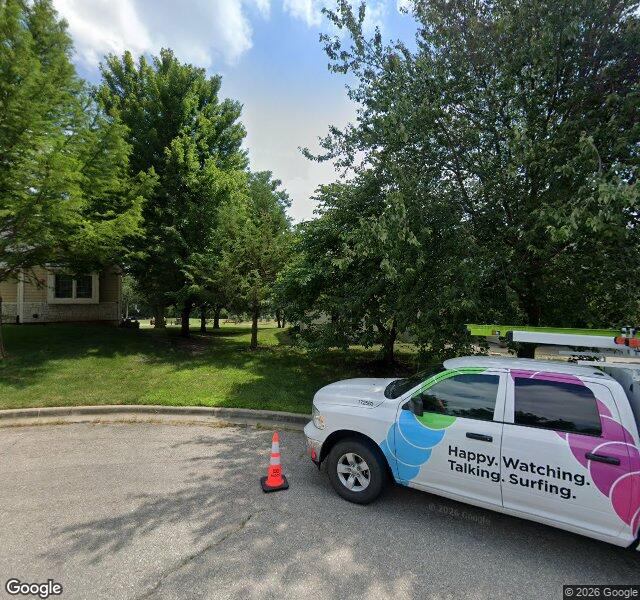
2303 Oxford Rd, Lawrence, KS 66049View map (opens in a new tab)
Overview and key essentials
State license
Active
KS KDADS
Google reviews
Not available
Public reviews not linked
Size & payment
Ask directly
Confirm pricing & payment
Public records for this community are limited. Use the checklist below when you call or visit to confirm pricing, services, and openings.
Cost, payment & care details
Updated Nov 28, 2026| Monthly cost | Not published | Ask for the full monthly cost, including care fees and one-time charges. |
|---|---|---|
| Payment options | Ask directly | Payment details are not confirmed in our records. Ask about private pay, long-term care insurance, veterans benefits, and Medicaid waivers. |
| Size & availability | Confirm directly | We don't publish live openings. Ask about current availability, waitlist length, and move-in timing. |
| Care & support | Assisted living | Usually offers housing and help with everyday tasks, such as bathing and dressing. What to confirm about care levelsThis describes the licensed category. Ask how care plans adjust if mobility, nursing, or memory needs change over time. Read the family care guide → |
State licensing
State inspection history
2inspections
25deficiencies listed
Apr 14, 2026Routine9 deficiencies reported9
9 deficiencies reported
View official state report (opens in a new tab)
The following citations represent the findings of the licensure resurvey for the above named facility conducted on 04/14/26.
moderateS 5258
Records (d) The employee records and agency staff records shall contain the following information: (1) Evidence of licensure, registration, certification, or a certificate of successful completion of a training course for each employee performing a function that requires specialized education or training; (2) supporting documentation for criminal background checks of facility staff and contract staff, excluding any staff licensed or registered by a state agency, pursuant to K.S.A. 39-970 and amendments thereto; (3) supporting documentation from the Kansas nurse aide registry that the individual does not have a finding of having abused, neglected, or exploited a resident in an adult carehome; and (4) supporting documentation that the individual does not have a finding of having abused, neglected, or exploited any resident in an adult care home, from the nurse aide registry in each state in which the individual has been known to work as a certified nurse aide. This REQUIREMENT is not met as evidenced by: K.A.R. 26-42-102 (d) (2) (3) The facility reported a census of 1 "Resident" (R) and 1 newly hired employee. The sample included 1 resident and 1 newly hired employee. Based on interview and record review, the operator failed to ensure the employee records contained supporting documentation for criminal background of facility staff pursuant to K.S.A. 39-970 and amendments thereto. The operator further failed to provide supporting documentation from the nurse aide registry that the individual did not have a finding of having abused, neglected, or exploited a resident in an adult care home "Certified Nurse Aide"(CNA) B. Findings Included: - Record Review for newly hired CNA B revealed she began her employment on 10/30/25. CNA B's employee record lacked documentation of the required criminal background checks pursuant to K.S.A. 39-970, the record further lacked supporting documentation from the nurse aide registry that showed the individual did not have a finding of having abused, neglected, or exploited a resident in an adult care home. Interview on 04/14/26 at approximately with Operator A confirmed CNA B's personnel record lacked documentation of the required documentation for the criminal background check pursuant to K.S.A. 39-970, Operator A continued to confirm that CNA B's record lacked supporting documentation from the nurse aide registry that the individual did not have a finding of having abused, neglected, or exploited a resident in an adult care home. The operator failed to ensure the employee records contained supporting documentation for criminal background checks of facility staff pursuant to K.S.A. 39-970 and amendments thereto. The operator further failed to provide supporting documentation from the nurse aide registry that the individual did not have a finding of having abused, neglected, or exploited a resident in an adult care home CNA B.
moderateS 5300
Medications (d) Home administration of resident ' s medications. If a home is responsible for the administration of a resident ' s medications, the administrator or operator shall ensure that all medications and biologicals are administered to that resident in accordance with a medical care provider ' s written order, professional standards of practice, and each manufacturer ' s recommendations. The administrator or operator shall ensure that all of the following are met: (1) Only licensed nurses and medication aides shall administer and manage medications for which the home has responsibility. (2) Medication aides shall not administer medication through the parenteral route. This REQUIREMENT is not met as evidenced by: K.A.R. 26-42-205 (d) The facility reported a census of 1 "Resident" (R). The sample included 1 resident. Based on interview, and record review, the operator failed to ensure that all medications were administered to R1 in accordance with a medical care provider's written order and professional standards of practice when R1 medical record lacked documentation of orders to discontinue hospice medications. Findings Included: - Record review for R1 revealed an admission date of 10/26/2024, with diagnosis of bilateral primary osteoarthritis of knees, limited mobility, back pain, dementia and macular degeneration. Review of R1's medical record revealed it lacked a "Functional Capacity Screen" (FCS). Record Review of R1's combined "Negotiated Service Agreement"(NSA)/"Health Care Service Plan"(HSP) dated 10/26/24 instructed facility staff to provide physical assistance with bathing and dressing. R1 required supervision with transferring and walking mobility. R1 lacked the ability to manage his own medications, was able to make himself understood, and he usually understood others. Under the section titled "Cognition- Memory, Recall" check marks were handwritten next to short term memory, long term memory, memory/recall, and decision-making. Record review of the facility provided document titled "Medication Administration Record" (MAR) dated 04/26 included the following orders: Escitalopram 10"milligram" (mg) tablet with a start date of 11/26/24 Gabapentin 100mg 2 capsule by mouth twice daily with a start date of 01/16/26 Gabapentin 100mg 1 capsule by mouth daily with a start date of 01/16/26 Nystatin Cream with a start date of 01/19/26 Interview on 04/14/26 at approximately 02:15pm with Operator A confirmed R1's medical record lacked signed physician orders for the Escitalopram, Gabapentin 100mg 2 capsule by mouth twice daily, Gabapentin 100mg 1 capsule by mouth daily, and Nystatin Cream. Record review of the facility provided document titled "Medication Administration Record" (MAR) dated 04/26 included the following orders: Morphine 100 mg/5.0 "milliter"(ml) solution Haloperidol 2.0 mg/ml concentrate Lorazepam 0.5 mg tablet Lorazepam Intensol 2.0 mg/ml Interview on 04/14/26 at approximately 02:15PM with Operator A confirmed R1's medical record lacked documentation of physician orders for the Morphine solution, Haloperidol, Lorazepam tablet, and Lorazepam Intensol, medications being discontinued at the time R1 was discharged from hospice services approximately 03/25. The operator failed to ensure that all medications were administered to R1 in accordance with a medical care provider's written order and professional standards of practice when R1 medical record lacked documentation of orders to discontinue hospice medications.
moderateS 5215
Preparedness Education (d) Each administrator or operator shall ensure disaster and emergency preparedness by ensuring the performance of the following: (1) Orientation of new employees at the time of employment to the home ' s emergency management plan; (2) education of each resident upon admission to the home regarding emergency procedures; (3) quarterly review of the home ' s emergency management plan with employees and residents; and (4) an emergency drill, which shall be conducted at least annually with staff and residents. This drill shall include evacuation of the residents to a secure location. This REQUIREMENT is not met as evidenced by: K.A.R. 26-42-104 (d) (3) The facility reported a census of 1 "Resident" (R). The sample included 1 resident. Based on interview, and record review, the operator failed to ensure a review of the homes emergency management plan with all staff and R1 at least quarterly. Findings Included: - Record review of the facility provided binder titled "Emergency Preparedness Disaster Management Training Logs Fire". The binder contained the following documents titled "Quarterly Fire Drill Report" that revealed the homes emergency preparedness training was provided on the following dates: 04/15/25, 08/12/25 and 12/15/25 The record lacked documentation of the home's emergency preparedness training being provided in 2026. Interview on 04/14/26 at approximately 12:55PM with Operator A confirmed training included active shooter, fire, tornado, and medical emergencies. Operator A stated he provided training of the 9 required topics verbally and lacked documentation of training for staff and R 1 at least quarterly. The operator failed to ensure the home's emergency management plan with all staff and R1was conducted at least quarterly.
moderateS 5335
(a) Each home-plus facility shall be designed, constructed, equipped, and maintained to protect the health and safety of residents, personnel, and the public. (b) All new construction, renovation, remodeling, and changes in building use in existing buildings shall comply with building and fire codes, ordinances, and regulations enforced by city, county, and state jurisdictions, including the state fire marshal. This REQUIREMENT is not met as evidenced by: K.A.R. 28-39-437 (a) The facility reported a census of 1 "Resident" (R). The sample included 1 resident. Based on observation, interview, and record review, the operator failed to ensure the home plus was maintained to protect the safety of R1 and the facility staff. Findings included: - Record review for R1 revealed an admission date of 10/26/24, with diagnosis of bilateral primary osteoarthritis of knees, limited mobility, back pain, dementia and macular degeneration. Review of R1's medical record revealed it lacked a "Functional Capacity Screen" (FCS). Record Review of R1's combined "Negotiated Service Agreement"(NSA)/"Health Care Service Plan"(HSP) dated 10/26/24 instructed facility staff to provide physical assistance with bathing and dressing. R1 required supervision with transferring and walking mobility. R1 lacked the ability to manage his own medications, was able to make himself understood, and he usually understood others. Under the section titled "Cognition- Memory, Recall" check marks were handwritten next to short term memory, long term memory, memory/recall, and decision-making. R1's combined NSA/HSP lacked instructions for healthcare services to be provided for impaired cognition. Under the section titled behavior management staff were instructed to redirect resident. Interview on 04/14/26 at approximately 02:15PM with Operator A confirmed R1's medical record lacked a FCS. Observation on 04/14/26 at approximately 10:50AM during the facility tour, the front door located on the west side of the home lacked an alarm or keypad entry. The door located in the southeast corner of the common dining area freely opened onto a deck and the door lacked an alarm or keypad system. Interview on 04/14/26 at approximately 02:15PM with operator A confirmed the home's doors that lead to the exterior lacked alarms or keypads for safety and security. The operator failed to ensure the home plus was maintained to protect the safety of R1 and the facility staff.
STATE FORM6899
623G11 STATE FORM 623G11 STATE FORM 623G11 STATE FORM 623G11 STATE FORM 623G11 STATE FORM 623G11 STATE FORM 623G11 STATE FORM 623G11 STATE FORM 623G11 STATE FORM 623G11 STATE FORM 623G11 STATE FORM 623G11 STATE FORM 623G11 STATE FORM 623G11 STATE FORM 623G11 STATE FORM 623G11
moderateS 5210
b) Each administrator or operator shall ensure the development of a detailed written emergency management plan to manage potential emergencies and disasters, including the following: (1) Fire; (2) flood; (3) severe weather; (4) tornado; (5) explosion; (6) natural gas leak; (7) lack of electrical or water service; (8) missing residents; and (9) any other potential emergency situations. This REQUIREMENT is not met as evidenced by: K.A.R. 26-42-104 (b)(1-9) The facility reported a census of 1 "Resident" (R). The sample included 1 resident. Based on interview, and record review, the operator failed to ensure the home's emergency management plan included all of the following topics: fire, flood, severe weather, tornado, explosion, natural gas leak, lack of electrical or water service, missing residents and any other potential emergency situations. Findings Included: - Record review of the facility provided binder titled "Emergency Preparedness Disaster Management Training Logs Fire". The binder contained the following documents titled "Quarterly Fire Drill Report" that revealed on the following dates a fire drill was conducted: On 04/15/25, 08/12/25 and 12/15/25 Interview on 04/14/26 at approximately 12:55PM with Operator A confirmed training included active shooter, fire, tornado, and medical emergencies. Operator A stated he provided training of the 9 required topics verbally and confirmed he lacked documentation of training for facility staff and R1. The operator failed to ensure the homes emergency management plan included all of the following topics: fire, flood, severe weather, tornado, explosion, natural gas leak, lack of electrical or water service, missing residents and any other potential emergency situations.
moderateS 5230
(b)(5) prohibiting any employee with a communicable disease or any infected skin lesions from coming in direct contact with any resident, any resident ' s food, or resident care equipment until the condition is no longer infectious; (6) providing orientation to new employees and employee in-service education at least annually on the control of infections in a health care setting; (c) Each administrator or operator shall ensure the home ' s compliance with the department ' s tuberculosis guidelines for adult care homes adopted by reference in K.A.R. 26-39-105. This REQUIREMENT is not met as evidenced by: K.A.R. 26-42-207 (c) The facility reported a census of 1 "Resident" (R). The sample included 1 resident and 1 newly hired employee. Based on interview and record review, the operator failed to ensure the home's compliance with the departments "Tuberculosis"(TB) guidelines for adult care homes adopted by reference in K.A.R. 26-39-105 for R1 and newly hired "Certified Nurse Aide"(CNA)B. Findings Included: - Review of R1's medical record revealed it lacked a "Functional Capacity Screen" (FCS). Record Review of R1's combined "Negotiated Service Agreement"(NSA)/"Health Care Service Plan"(HSP) dated 10/26/24 instructed facility staff to provide physical assistance with bathing and dressing. R1 required supervision with transferring and walking mobility. R1 lacked the ability to manage his own medications, was able to make himself understood, and he usually understood others. Under the section titled "Cognition- Memory, Recall" check marks were handwritten next to short term memory, long term memory, memory/recall, and decision-making. Record Review of R1's medical record revealed a document titled "T-SPOT.TB" (a Food and Drug Administration approved Interferon Gamma Release Assay or IGRA blood test that detects Mycobacterium TB infection) dated 03/21/25 as negative. R1's medical record lacked the required annual TB symptom screen. Interview on 04/14/26 at approximately 02:15PM with Operator A confirmed R1's medical record lacked documentation of the required annual TB symptom screen. The operator failed to ensure the home's compliance with the departments TB guidelines for adult care homes adopted by reference in K.A.R. 26-39-105 for R1. Record Review for newly hired CNA B revealed she began her employment on 10/30/25. CNA B's employee record lacked documentation of the required TB symptom screen and two step TB skin test being preformed within 7 days of employment. Interview on 04/14/26 at approximately 02:15PM with Operator A confirmed CNA B's personnel record lacked documentation of the required TB symptom screen and two step TB skin test being preformed within 7 days of employment. The operator failed to ensure the home's compliance with the department's TB guidelines for adult care homes adopted by reference in K.A.R. 26-39-105 for newly hired (CNA)B.
moderateS 5085
Reassessment (c) Designated staff shall conduct a screening to determine each resident ' s functional capacity according to the following requirements: (1) At least once every 365 days; (2) following any significant change in condition as defined in K.A.R. 26-39-100; and (3) at least quarterly if the resident receives assistance with eating from a paid nutrition assistant. This REQUIREMENT is not met as evidenced by: K.A.R. 26-42-201 (c) (1) The facility reported a census of 1 "Resident" (R). The sample included 1 resident. Based on observation, interview, and record review, the operator failed to ensure designated staff conducted a screening that determined R1's functional capacity at least once every 365 days. Findings Included: - Record review for R1 revealed an admission date of 10/26/24, with diagnosis of bilateral primary osteoarthritis of knees, limited mobility, back pain, dementia and macular degeneration. Review of R1's medical record revealed it lacked a "Functional Capacity Screen" (FCS). Record Review of R1's combined "Negotiated Service Agreement"(NSA)/"Health Care Service Plan"(HSP) dated 10/26/24 instructed facility staff to provide physical assistance with bathing and dressing. R1 required supervision with transferring and walking mobility. R1 lacked the ability to manage his own medications, was able to make himself understood, and he usually understood others. Under the section titled "Cognition- Memory, Recall" check marks were handwritten next to short term memory, long term memory, memory/recall, and decision-making. R1's combined NSA/HSP lacked instructions for healthcare services to be provided for impaired cognition. Under the section titled behavior management staff were instructed to redirect resident. Interview on 04/14/26 at approximately 02:15pm with Operator A confirmed R1's medical record lacked a FCS. The operator failed to ensure designated staff conducted a screening that determined R1's functional capacity at least once every 365 days.
moderateS 5116
(d) Each administrator or operator shall ensure the review and, if necessary, revision of each negotiated service agreement according to the following requirements: (1) At least once every 365 days;(2) following any significant change in condition, as defined in K.A.R. 26-39-100; (3) at least quarterly if the resident receives assistance with eating from a paid nutrition assistant; and (4) if requested by the resident or the resident ' s legal representative, staff, the case manager, or, if agreed to by the resident or the resident ' s legal representative, the resident ' s family. This REQUIREMENT is not met as evidenced by: K.A.R. 26-42-202 (d) (1) The facility reported a census of 1 "Resident" (R). The sample included 1 resident. Based on observation, interview, and record review, the operator failed to ensure the review and if necessary the revision of R1's " Negotiated Service Agreement" (NSA) at least once every 365 days. Findings Included: - Record review for R1 revealed an admission date of 10/26/2024, with diagnosis of bilateral primary osteoarthritis of knees, limited mobility, back pain, dementia and macular degeneration. Review of R1's medical record revealed it lacked a "Functional Capacity Screen" (FCS). Record Review of R1's combined "Negotiated Service Agreement"(NSA)/"Health Care Service Plan"(HSP) dated 10/26/24 instructed facility staff to provide physical assistance with bathing and dressing. R1 required supervision with transferring and walking mobility. R1 lacked the ability to manage his own medications, was able to make himself understood, and he usually understood others. Under the section titled "Cognition- Memory, Recall" check marks were handwritten next to short term memory, long term memory, memory/recall, and decision-making. R1's combined NSA/HSP lacked instructions for healthcare services to be provided for impaired cognition. Under the section titled behavior management staff were instructed to redirect resident. Interview on 04/14/26 at approximately 02:15PM with Operator A confirmed R1's medical record lacked a NSA being reviewed and revised every 365 days. The operator failed to ensure the review and if necessary the revision of R1's " Negotiated Service Agreement" (NSA) at least once every 365 days.
Feb 27, 2025Routine16 deficiencies reported16
16 deficiencies reported
View official state report (opens in a new tab)
The following represent the findings of an initial survey for the above named home plus facility conducted on 02/27/25.
moderateS 5105
a) The administrator or operator of each home plus shall ensure the development of a written negotiated service agreement for each resident, based on the resident ' s functional capacity screening, service needs, and preferences, in collaboration with the resident or the resident ' s legal representative, the case manager, and, if agreed to by the resident or the resident ' s legal representative, the resident ' s family. The negotiated service agreement shall provide the following information: (1) A description of the services the resident will receive; (2) identification of the provider of each service; and (3) identification of each party responsible for payment if outside resources provide a service. This REQUIREMENT is not met as evidenced by: KAR 26-42-202(a)(1) The facility reported a census of one resident with one included in the sample. Based on interview, observation, and record review the operator failed to ensure the Negotiated Service Agreement (NSA) for Residents (R)1 described the services he received based on his Functional Capacity Screen (FCS). Findings included: - Review of R1's record revealed an admission date of 10/26/24 with the following diagnoses: macular degeneration, dementia, hypertension, chronic kidney disease, and chronic obstructive pulmonary disease. The 10/22/24 FCS identified R1 required supervision with dressing and mobility; required physical assistance with transfers and bathing; was unable to perform management of medications and treatments; was usually continent of bladder; was usually able to understand and be understood when communicating; was at risk for falls and wandering; and had impaired vision, socially inappropriate behavior, and impaired decision making. The 10/26/24 "Negotiated Services Agreement and Care Plan" is the facility's combined NSA and Healthcare Service Plan (HSP) for R1 which identified staff assisted with bathing, administered medications, supervised walking, reminded R1 to wear appropriate clothes, and assisted with glasses for vision. The NSA failed to identify services or the provider of service for transfers, cognition difficulties, prevention of falls, impaired decision making, wandering, and socially inappropriate behavior. Observation on 02/27/25 at 09:51 AM Administrative Staff A gave choices, redirected, and reoriented R1 when he showed signs of confusion, wandering, and to difficulty making decisions. On 02/27/25 at 01:45 PM Administrative Staff A stated R1's room was kept tidy without trip hazards to prevent falls. He confirmed that R1's NSA/HSP lacked services and provider of service for transfers, cognition difficulties, prevention of falls, impaired decision making, wandering, and socially inappropriate behavior. On 02/27/25 at 03:03 PM an NSA policy was requested which the facility failed to provide. The operator failed to ensure the NSA for R1 described the services provided based on his FCS.
moderateS 5230
(b)(5) prohibiting any employee with a communicable disease or any infected skin lesions from coming in direct contact with any resident, any resident ' s food, or resident care equipment until the condition is no longer infectious; (6) providing orientation to new employees and employee in-service education at least annually on the control of infections in a health care setting; (c) Each administrator or operator shall ensure the home ' s compliance with the department ' s tuberculosis guidelines for adult care homes adopted by reference in K.A.R. 26-39-105. This REQUIREMENT is not met as evidenced by: KAR 26-42-207(c) The facility reported a census of one resident with one resident included in the sample and five hired staff. Based on interview and record review the operator failed to ensure the facility remained in compliance with the department's tuberculosis (TB) guidelines for adult care homes adopted by reference in KAR 26-39-105 for Resident (R) 1 and five of five hired staff. Findings included: - Record review for R1 revealed an admission date of 10/26/24. His record lacked evidence of documentation of TB testing. Record review for Administrative Staff A, Administrative Staff B, Certified Medication Aide (CMA) C, CMA D, and Certified Nurse Aide E revealed all staff were hired prior to R1's admission in October of 2024. All records lacked evidence of documentation of TB testing and symptom screening completed upon employment. On 02/27/25 at approximately 01:46 PM Administrative Staff A confirmed R1's record and all staff records lacked documentation of TB skin testing completed upon admission or hire and all staff records lacked TB symptom screening. The department's June 2013 "Tuberculosis (TB) Guideline for Adult Care Homes" documented each new resident and employee shall have an initial TB symptom screen that includes the components of the Tuberculosis Symptom Screen Questionnaire and shall receive a two-step TB skin test within seven days of employment or admission. On 02/27/25 at 03:03 PM a policy regarding TB screening and testing was requested which the facility failed to provide. The operator failed to ensure the facility remained in compliance with the State Agency's tuberculosis guidelines for adult care homes adopted by reference in KAR 26-39-105.
moderateS 5040
(j) Emergency telephone. Each administrator or operator shall ensure that the residents and employees have access to a telephone for emergency use at no cost. Each administrator or operator shall ensure that the names and telephone numbers of persons or places commonly required in emergencies are posted adjacent to this telephone. This REQUIREMENT is not met as evidenced by: KAR 26-42-101(j) The facility reported a census of one resident. Based on observation and interview the operator failed to ensure the names and telephone numbers of commonly required persons for emergencies were posted adjacent to the emergency telephone. Findings included: - Observation on 02/27/25 at approximately 09:34 AM during the initial tour revealed the no list of commonly required telephone numbers for emergencies. On 02/27/25 at 09:44 AM Administrative Staff A stated he did not have emergency numbers near emergency telephone. The operator failed to ensure the names and telephone numbers of commonly required persons for emergencies were posted adjacent to the emergency telephone.
moderateS 5080
Admission (a) On or before each individual ' s admission to a home plus, a licensed nurse, a licensed social worker, or the administrator or operator shall conduct a screening to determine the individual ' s functional capacity and shall record all findings on a screening form specified by the department. The administrator or operator may integrate the department ' s screening form into a form developed by the home, which shall include each element and definition specified by the department. (b) A licensed nurse shall assess any resident whose functional capacity screening indicates the need for health care services. This REQUIREMENT is not met as evidenced by: KAR 26-42-201(a) The facility reported a census of one resident. Based on interview and record review the operator failed to ensure all elements were addressed including cognition on the Functional Capacity Screen (FCS) for Resident (R) 1. Findings included: - Record review for R1 revealed an admission date of 10/26/24 with a diagnosis of dementia. The 10/22/24 FCS failed to identify R1's capacity for cognition. The cognition section was left blank. On 02/27/25 at 01:37 PM Administrative Staff A confirmed R1's cognition section on his FCS was blank. On 02/27/25 at 03:03 PM an FCS policy was requested which the facility failed to provide. The operator failed to ensure facility staff addressed all elements, specifically cognition on the FCS for R1.
moderateS 5215
Preparedness Education (d) Each administrator or operator shall ensure disaster and emergency preparedness by ensuring the performance of the following: (1) Orientation of new employees at the time of employment to the home ' s emergency management plan; (2) education of each resident upon admission to the home regarding emergency procedures; (3) quarterly review of the home ' s emergency management plan with employees and residents; and (4) an emergency drill, which shall be conducted at least annually with staff and residents. This drill shall include evacuation of the residents to a secure location. This REQUIREMENT is not met as evidenced by: KAR 26-42-104(d)(3) The facility reported a census of one resident. Based on interview and record review the operator failed to provide quarterly reviews of the facility's emergency management plan with all staff and residents. Findings included: - On 02/27/25 at 10:00 AM the dates of the quarterly reviews of the facility's emergency management plan with residents and staff since the previous survey was requested which the facility failed to provide. On 02/27/25 at 10:00 AM Administrative Staff A stated he just talked with the resident about emergencies but had nothing signed or documented. On 02/27/25 at 10:00 AM Administrative Staff A confirmed reviews of the facility's emergency management plan with staff and residents was not conducted quarterly. On 02/27/25 at 03:03 PM a policy regarding emergency management plan reviews was requested which the facility failed to provide. The operator failed to provide quarterly reviews of the facility's emergency management plan with all staff and residents.
moderateS 5312
(g) (2) Each prescription medication container shall have a label that was provided by a dispensing pharmacist or affixed to the container by a dispensing pharmacist in accordance with K.A.R. 68-7-14. This REQUIREMENT is not met as evidenced by: KAR 26-42-205 (g)(2) The facility reported a census of one resident. Based on observation and interview the operator failed to ensure each prescription medication container had a label provided by a dispensing pharmacist affixed to the container. Findings included: - Observation on 02/27/24 at 10:57 AM revealed the facility's medication cart contained one bottle tamsulosin 0.4mg, 30 capsules prescription medication which had a labeled with a blacked out name. On 02/27/24 at approximately 10:58 AM Administrative Staff A confirmed the medication bottle was not labeled with a resident's full name. On 02/27/25 at 03:03 PM a policy regarding medication labeling was requested which the facility failed to provide. The operator failed to ensure each prescription medication container had a label provided by a dispensing pharmacist affixed to the container.
moderateS 5335
(a) Each home-plus facility shall be designed, constructed, equipped, and maintained to protect the health and safety of residents, personnel, and the public. (b) All new construction, renovation, remodeling, and changes in building use in existing buildings shall comply with building and fire codes, ordinances, and regulations enforced by city, county, and state jurisdictions, including the state fire marshal. This REQUIREMENT is not met as evidenced by: KAR 28-39-437(a) The facility reported a census of one resident. Based on observation and interview the operator failed to ensure the building was maintained to protect the health and safety of the residents by ensuring all chemicals were stored within locked areas. Findings included: - Observation on 02/27/25 at approximately 10:15 AM revealed a cabinet below the kitchen sink was unlockable. The following chemicals were inside with labels that read "Keep out of reach of children:" One container 75 wipes disinfecting wipes One 32 fluid ounce spray bottle of all-purpose cleaner One 24 fluid ounce bottle Gonzo disinfectant/cleaner One container of 62 "dishwasher pacs" - Observation on 02/27/25 at approximately 10:18 AM revealed a pantry cabinet was unlockable and contained one 8.8 fluid ounce spray bottle of febreeze inside with label that read, "Keep out of reach of children:" - Observation on 02/27/25 at approximately 10:18 AM revealed one 28 fluid ounce spray bottle of ever spring disinfecting spray hanging above the kitchen sink. - Observation on 02/27/25 at 10:40 AM revealed a cabinet below east private bathroom sink was unlockable and contained one container 75 wipes disinfecting wipes and one 8.8 fluid ounce spray bottle of febreeze with labels that read, "Keep out of reach of children:" - Observation on 02/27/25 at 10:41 AM revealed a cabinet below southwest public bathroom sink was unlockable and contained two 24 fluid ounce bottles Clorox toilet bowl cleaner with labels that read, "Keep out of reach of children:" On top of the sink counter was one aerosol 19 fluid ounce can of Lysol disinfecting spray. - Observation on 02/27/25 at 10:45 AM revealed a cabinet below southeast public bathroom sink was unlockable and contained one container 75 wipes disinfecting wipes and one 8.8 fluid ounce spray bottle of febreeze with labels that read, "Keep out of reach of children:" On 02/27/25 at approximately 10:47 AM Administrative Staff A confirmed chemicals were not in locked areas. On 02/27/25 at 03:03 PM a policy regarding chemical storage was requested which the facility failed to provide. The operator failed to ensure the building was maintained to protect the health and safety of the residents by ensuring all chemicals were stored within locked areas.
moderateS 5029
procedures (g) Availability of policies and procedures. Each administrator or operator shall ensure that policies and procedures related to resident services are available to staff at all times and are available to each resident, legal representatives of residents, case managers, and families during normal business hours. A notice of availability shall be posted in a place readily accessible to residents. This REQUIREMENT is not met as evidenced by: KAR 26-42-101(g) The facility reported a census of one resident. Based on observation and interview the operator failed to ensure a notice of the availability of the facility's policies and procedures was posted in a place accessible to all residents. Findings included: - Observation on 02/27/25 at approximately 09:58 AM during the initial tour revealed the facility lacked a notice that the facility's policies and procedures were available. On 02/27/25 at 09:58 AM Administrative Staff A confirmed a notice of the facility's policies and procedures available was not posted. On 02/27/25 at 03:03 PM policies were requested which the facility failed to provide. The operator failed to ensure a notice of the availability of the facility's policies and procedures was posted in a place accessible to all residents.
moderateS 5325
Frequency (l) Medication regimen review. A licensed pharmacist or licensed nurse shall conduct a medication regimen review at least quarterly for each resident whose medication is managed by the home and each time the resident experiences any significant change in condition. This REQUIREMENT is not met as evidenced by: KAR 26-42-205(l) The facility reported a census of one resident with one resident included in the sample. Based on interview and record review the operator failed to ensure quarterly medication regimen reviews were conducted for Resident (R) 1. Findings included: - Review of R1's record revealed an admission date of 10/26/24 with the following diagnoses: macular degeneration, dementia, hypertension, chronic kidney disease, and chronic obstructive pulmonary disease. The 10/22/24 Functional Capacity Screen (FCS) identified R1 was unable to perform management of medications. The 10/26/24 Negotiated Service Agreement (NSA) for R1 identified facility staff would administer medications. R1's record lacked evidence of documentation of a medication regimen review. On 02/27/25 at 12:10 PM Administrative Staff A confirmed a medication regimen review had not been completed for R1. On 02/27/25 at 03:03 PM a policy regarding medication regiment reviews was requested which the facility failed to provide. The operator failed to ensure a quarterly medication regimen review was conducted for R1 since his admission.
moderateS 5301
Medications (d) (3) A licensed nurse or medication aide shall perform the following: (A) Administer only the medication that the licensed nurse or medication aide has personally prepared; (B) identify the resident before medication is administered; (C) remain with the resident until the medication is ingested or applied; and (D) document the administration of each resident ' s medication in the resident ' s medication administration record immediately before or following completion of the task. If the medication administration record identifies only time intervals or events for the administration of medication, the licensed nurse or medication aide shall document the actual clock time the medication is administered. This REQUIREMENT is not met as evidenced by: KAR 26-42-205(d)(3)(A)(D) The facility reported a census of one resident with one resident included in the sample. Based on observation and interview the operator failed to ensure licensed nurses or certified medication aides administer only medications personally prepared and documented administration immediately before or following completion of the task. Findings included: - Record review of R1's Medication Administration Record (MAR) revealed Administrative Staff A as only staff to administer medications. The MAR lacked documentation administration of four different medications on four different days. Observation on 02/27/25 at 10:55 AM revealed a weekly medication container containing multiple medications in all days of the week, without labels identifying what medications were in the slot, in two different rows. Pharmacy prepared medication cassettes for each medication were located beside the weekly container. On 02/27/25 at 10:55 AM Administrative Staff A stated he removed the medications from the pharmacy prepared and labeled cassettes and placed them in the weekly container. If he was not around, the family or a Certified Medication Aide (CMA) could administer the medications without confusion. He confirmed that someone else may administer the medications he prepared. On 02/27/25 at 02:22 PM Administrative Staff A stated the CMAs did not have access to the medication administration documentation system. He confirmed they have no way to document upon completion of the task. On 02/27/25 at 03:03 PM a policy regarding medication administration was requested which the facility failed to provide. The operator failed to ensure licensed nurses or certified medication aides administer only medications personally prepared and documented administration immediately before or following completion of the task.
moderateS 5316
(i) Accountability and disposition of medications. Licensed nurses and medication aides shall maintain records of the receipt and disposition of all medications managed by the home in sufficient detail for an accurate reconciliation. (1) Records shall be maintained documenting the destruction of any deteriorated, outdated, or discontinued controlled medications and biologicals according to acceptable standards of practice by one of the following combinations: (A) Two licensed nurses; or (B) a licensed nurse and a licensed pharmacist. (2) Records shall be maintained documenting the destruction of any deteriorated, outdated, or discontinued non-controlled medications and biologicals according to acceptable standards of practice by any of the following combinations: (A) Two licensed nurses; (B) a licensed nurse and a medication aide; (C) a licensed nurse and a licensed pharmacist; or (D) a medication aide and a licensed pharmacist. This REQUIREMENT is not met as evidenced by: KAR 26-42-205(i) The facility reported a census of one resident. Based on interview, record review and observation the operator failed to ensure licensed nurses and medication aides maintained records of medications managed by the home for an accurate reconciliation when one controlled medication had more than the amount in the box than was documented on the medication count log. Findings included: - Observation and record review of facility's controlled medication count sheets on 02/27/25 at approximately 10:58 AM revealed three Fentanyl patches in box and a corresponding "Controlled Substance Log" which documented two patches remaining. Observation of R1 on 02/27/24 at 11:01 AM revealed a Fentanyl patch on his mid-back without date it was applied. On 02/27/25 at 10:58 AM Administrative Staff A confirmed the Fentanyl box contained more than what was documented in the reconciliation book. On 02/27/25 at 03:03 PM a medications policy was requested which the facility failed to provide. The operator failed to ensure licensed nurses and medication aides maintained records of medications managed by the home for an accurate reconciliation when one controlled medication had more than the amount in the box than was documented on the medication count log.
moderateS 5171
Practice (i) All health care services shall be provided to residents by qualified staff in accordance with acceptable standards of practice. This REQUIREMENT is not met as evidenced by: KAR 26-42-204(i) The facility reported a census of one resident with one included in the sample. Based on observation, interview, and record review the operator failed to ensure a licensed nurse completed an assessment for the ability to use bed rails safely without risk of entrapment and to confirm the bed rails were not a restraint for Residents (R) 1. Findings included: - Review of R1's record revealed an admission date of 10/26/24 with the following diagnoses: macular degeneration, dementia, hypertension, chronic kidney disease, and chronic obstructive pulmonary disease. The 10/22/24 Functional Capacity Screen (FCS) identified R1 required physical assistance with transfers. The 10/26/24 Negotiated Service Agreement (NSA) for R1 failed to identify services or the provider of service for transfers. Review of R1's record lacked documentation of a bed assistive device assessment. Observation on 02/27/25 at 11:01 AM revealed bilateral bed rails were attached to R1's bed. On 02/27/25 at approximately 01:44 PM Administrative Staff A confirmed there was no bed rail assessment in R1's record. On 02/27/25 at 03:03 PM a policy regarding bed assistive devices was requested which the facility failed to provide. The operator failed to ensure a licensed nurse completed an assessment for the purpose to use bed rails, ability to use bed rails safely without risk of entrapment, and to confirm the bed rails were not a restraint for R1.
moderateS 5195
(f) Staff shall store all food under safe and sanitary conditions. Containers of poisonous compounds and cleaning supplies shall not be stored in the areas used for food storage, preparation, or serving. (g) Each home shall maintain at least a three-day supply of food to meet the requirements of the planned menus. This REQUIREMENT is not met as evidenced by: KAR 26-42-206(f) The facility reported a census of one resident. The facility had a main kitchen where food was stored, prepared, and served. Based on observation and interview the operator failed to ensure foods were stored under safe conditions. Findings included: - Observation on 02/27/25 at 10:02 AM revealed a refrigerator and freezer was in the facility's main kitchen which contained food items for the residents. Thermometer inside read 50 degrees Fahrenheit (F). A temperature log was requested which the facility failed to provide. The following items were located inside and undated for when opened or prepared: One container of commercially prepared cherry pie Two cans of opened progresso soup One bag of sliced yellow cheese One ½ gallon container vitamin D milk One container 64 fluid ounce coconut milk Five containers of unidentified foods prepared in facility One container labeled "dressing" The following foods were located in the freezer unsealed: One bag sausage links One bag sausage patties One bag beef patties One bag pillsbury biscuits On 02/27/25 at approximately 10:25 AM Administrative Staff A confirmed foods in refrigerator and freezer were not dated when opened or prepared. He confirmed the temperature log was not available and temperature of refrigerator was greater than 41 degrees F. The 2024 Kansas Department of Agriculture's "Focus on Food Safety" booklet pages 16, 19 and 20 and documented maximum cold holding temperature for foods was 41 degrees Fahrenheit (F) or below. The temperature DANGER ZONE is from 41F to 135F, the range in which rapid growth occurs. Potentially hazardous foods, foods requiring time and temperature control for safety, should not be exposed to the danger zone for more than four hours total, including time spent in preparation, cooling and reheating. Page 21 explains that commercially prepared foods must be date marked after the original container was opened and held under refrigeration. Foods prepared on site must be labeled and date marked for consumption or discarded within 24 hours. On 02/27/25 at 03:03 PM a policy regarding food storage was requested which the facility failed to provide. The operator failed to ensure foods were stored under safe conditions.
moderateS 5192
(e) Food shall be prepared using safe methods that conserve the nutritive value, flavor, and appearance and shall be served at the proper temperature. (1) Food used by facility staff to serve to the residents, including donated food, shall meet all applicable federal, state, and local laws and regulations.(2) Food in cans that have significant defects, including swelling, leakage, punctures, holes, fractures, pitted rust, or denting severe enough to prevent normal stacking or opening with a manual, wheel-type can opener, shall not be used. (3) Food provided by a resident ' s family or friends for individual residents shall not be required to meet federal, state, and local laws and regulations. This REQUIREMENT is not met as evidenced by: KAR 26-42-206(e) The facility reported a census of one resident. Based on record review, observation, and interview the operator failed to ensure food was served at the proper temperature. Findings included: -On 02/27/25 at 12:10 PM food temperature logs were requested which the facility failed to provide. Observation on 02/27/25 at 11:17 PM Administrative Staff A prepared food for R1. Temperature of food was not taken prior to serving. On 02/27/25 at approximately 11:09 AM Administrative Staff A confirmed there was no food temperature log. The Kansas Department of Agriculture's 2024 "Focus on Food Safety" booklet page 16 documented "minimum hot holding temperature is 135 degrees Fahrenheit (F)" and "maximum cold holding temperature is 41 degrees F." On 02/27/25 at 03:03 PM a policy regarding taking food temperatures was requested which the facility failed to provide. The operator failed to ensure food was served at the proper temperature.
STATE FORM6899
QW1Z11 STATE FORM QW1Z11 STATE FORM QW1Z11 STATE FORM QW1Z11 STATE FORM QW1Z11 STATE FORM QW1Z11 STATE FORM QW1Z11 STATE FORM QW1Z11 STATE FORM QW1Z11 STATE FORM QW1Z11 STATE FORM QW1Z11 STATE FORM QW1Z11 STATE FORM QW1Z11 STATE FORM QW1Z11 STATE FORM QW1Z11 STATE FORM QW1Z11 STATE FORM QW1Z11 STATE FORM QW1Z11 STATE FORM QW1Z11 STATE FORM QW1Z11 STATE FORM QW1Z11 STATE FORM QW1Z11 STATE FORM QW1Z11 STATE FORM QW1Z11 STATE FORM QW1Z11 STATE FORM QW1Z11
moderateS 5380
(i) Plumbing and piping systems. (1) Backflow prevention devices or vacuum breakers shall be installed on fixtures to which hoses or tubing can be attached. (2) Water distribution systems shall be arranged to provide hot water at hot water outlets at all times. The temperature of hot water shall range between 98° F and 120° F at showers, tubs, and lavatories accessible to residents. This REQUIREMENT is not met as evidenced by: KAR 28-39-437(i)(2) The facility reported a census of one resident. Based on observation and interview the operator failed to ensure water temperatures were maintained within a safe range between 98 degrees Fahrenheit (F) and 120 degrees F. The facility had three public bathrooms and access to the kitchen sink which all residents could use. Findings included: - Observation on 02/27/25 at 10:02 AM revealed the water temperature in kitchen sink was 131.4 degrees F. Observation on 02/27/25 at 10:36 AM revealed the water temperature in east public shower was 132.3 degrees F. Observation on 02/27/25 at 10:01 AM revealed the water temperature in east public bathroom sink was 134.4 degrees F. Observation on 02/27/25 at 10:01 AM revealed the water temperature in northwest bathroom sink was 139.4 degrees F. On 02/27/25 at 02:51 PM the kitchen sink water temperature was 132.3 with department thermometer and 188 according to facility thermometer. On 02/27/25 at 02:54 PM the east public bathroom sink water temperature was 134.8 with department thermometer and 113 according to facility thermometer. On 02/27/25 at 12:10 PM water temperature logs were requested which the facility failed to provide. On 02/27/25 at 02:55 PM Administrative Staff A confirmed he did not think the facility thermometer was accurate. He stated he took temperatures but could not find the water temperature log to verify water temperatures. On 02/27/25 at 03:03 PM a policy regarding water temperatures was requested which the facility failed to provide. The operator failed to ensure water temperatures were maintained within a safe range between 98 degrees Fahrenheit (F) and 120 degrees F.
Neighborhood & resident support
Emergency access, hazards & advocacy
Nearest hospital
Lawrence Memorial Hospital
1.4 mi · Lawrence, KS · Medicare 4/5 ★
Emergency roomTrauma Level Iv
FEMA hazard risk
Relatively LowDouglas County, KS
- Winter Weather
- Tornado
- Hail
Free resident advocacy
Kansas Office of the State Long-Term Care Ombudsman
More neighborhood context (specialists, VA, dialysis, air & affordability)
VA & dialysis access
VA Eastern Kansas Healthcare System
25.3 mi · Topeka, KS · VA 4/5 ★
DaVita Free State Dialysis
4.9 mi · 3/5 ★
Specialists within 15 mi
- Geriatricians
- 0
- Neurologists
- 6
- Palliative care
- 0
- PM&R rehab
- 4
Environment & mobility
- EPA Air (2025)
- 93% good days · AQI 37
- EPA Walkability
- 8.7/20 (Below Average)
- USDA Grocery Access
- Moderate Grocery Access
- Primary care access
- HRSA Shortage Area
County demographics
- Age 65+ median income
- $69,467/yr
- Rent-burdened households
- 51%
- Cognitive disability (2023)
- 14.1%
- Mobility disability
- 11.4%
Call & tour checklist
Questions to ask Hope Senior Living LLC
Check off questions as you call or tour. Your progress stays private in this browser.
Show 3 more suggested questions
Verification & public records
Official records & sources
Licensing & contact
- License #
- B023024
- Status
- active
- Phone
- (785) 331-5495
- Federal OIG LEIE
- Clear (2026-11-27)
Original public sources
Verify licensing, ratings, and inspection reports directly with each official source.
- KS KDADS official record (opens in a new tab)Kansas Dept. for Aging & Disability Services
- Google Maps (opens in a new tab)Directions, photos & neighborhood
- Google Reviews (opens in a new tab)Read public reviews
EveryPlace is an independent research directory. Information is compiled from public Medicare.gov, state licensing, Google Places, and street-level imagery sources. Some summaries, suggested questions, and pricing notes are AI-generated or AI-assisted and may contain errors or omissions. We do not accept payment for placement. Confirm all details directly with the community and official sources. Research Policy.
Keep exploring
Nearby communities to compare
- Assisted Living< 1 miLawrence Presbyterian ManorLawrence, KS
- Medicare 4/54.5(40)40 bedsMedicaidNursing Home< 1 miLawrence Presbyterian ManorLawrence, KS
- Cap. 60HUD Senior Housing1.3 miVermont TowersLawrence, KS
- Cap. 58HUD Senior Housing1.3 miClinton ParkwayLawrence, KS
- Assisted Living1.4 miStar Living at Owens LnLawrence, KS
- Assisted Living1.4 miStar Living LLCLawrence, KS