Loading EveryPlace content…
Assisted LivingActive license
Hill Top House
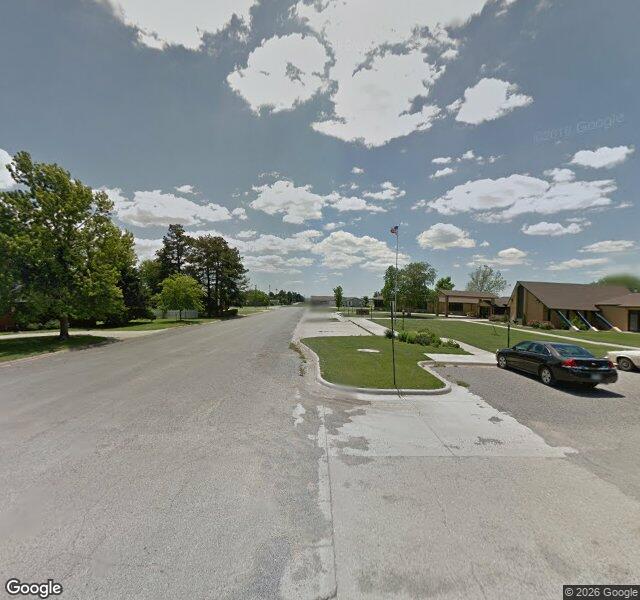
505 W. Elm, Po Box 248, Bucklin, KS 67834View map (opens in a new tab)
Overview and key essentials
State license
Active
KS KDADS
Google reviews
Not available
Public reviews not linked
Size & payment
Ask directly
Confirm pricing & payment
Public records for this community are limited. Use the checklist below when you call or visit to confirm pricing, services, and openings.
Cost, payment & care details
Updated Nov 28, 2026| Monthly cost | Not published | Ask for the full monthly cost, including care fees and one-time charges. |
|---|---|---|
| Payment options | Ask directly | Payment details are not confirmed in our records. Ask about private pay, long-term care insurance, veterans benefits, and Medicaid waivers. |
| Size & availability | Confirm directly | We don't publish live openings. Ask about current availability, waitlist length, and move-in timing. |
| Care & support | Assisted living | Usually offers housing and help with everyday tasks, such as bathing and dressing. What to confirm about care levelsThis describes the licensed category. Ask how care plans adjust if mobility, nursing, or memory needs change over time. Read the family care guide → |
State licensing
State inspection history
15inspections
40deficiencies listed
Oct 14, 2026Routine6 deficiencies reported6
6 deficiencies reported
View official state report (opens in a new tab)
INITIAL COMMENTS The following citations represent the findings of a Health Recertification Survey and complaint survey regarding allegations in 3168900, 2801715, 1555916, and 1555913. The census was 22. The sample included 12 residents.
moderateF 0628
SS = D SS = D SS = D This REQUIREMENT is NOT MET as evidenced by: Based on observation, interview and record review the facility failed to notify the Long-Term Care Ombudsman (LTCO) in writing of Resident (R) 27’s discharge. Findings included: - R27’s “Discharge Return not Anticipated Minimum Data Set” (MDS), dated 08/04/2026, documented that the resident was discharged to the community on 09/19/2026. R27’s electronic medical record (EMR) lacked documentation that the LTCO had been notified of R27’s discharge. On 10/14/2026 at 11:45 AM, Administrative Staff A stated she was the person responsible for notifying the LTCO’s office of residents who were discharged to home. She said that she did not notify the LTCO office of R27's discharge home on 09/19/2026. The facility did not provide a policy regarding notification of the LTCO of resident discharges from the facility.
minorF 0732
SS = C facility must maintain the posted daily nurse staffing data for a minimum of 18 months, or as required by State law, whichever is greater. This REQUIREMENT is NOT MET as evidenced by: Based on observation, record review and interview, the facility failed to display accurate, publicly accessible, and identifiable staffing information daily. Findings included: - The facility's "Daily Nurse Staffing Form," from 09/09/2026 through 10/11/2026, documented that the total number and actual hours worked had not been completed on the daily nurse staffing form. On 10/14/2026 at 09:36 AM, Administrative Nurse D confirmed the forms lacked the total number and actual hours worked. The facility policy for "Posting Daily Nurse Staffing Form", undated, included: The "Daily Nurse Staffing Form" will include the facility name, current date, and the total number and actual hours worked by the nursing staff.
moderateF 0552
SS = E Alprazolam, 0.25 mg PRN, for anxiety, at bedtime; avoid taking within two hours of doxepin, ordered 09/15/2026. R15’s EMR lacked evidence that R15, or a representative, received education and/or informed consent for the physician-ordered doxepin and alprazolam. On 10/14/2026 at 12:15 PM, Administrative Staff A confirmed that Administrative Nurse D reported the facility lacked evidence of advance, informed consent for the use of psychotropic medications. The facility lacked policies to address the required provision of advance information regarding the risks and benefits of proposed care, of treatment, and treatment alternatives or options related to psychotropic medications.
moderateF 0812
CFR(s): 483.60(i)(1)(2) §483.60(i) Food safety requirements. The facility must - §483.60(i)(1) - Procure food from sources approved or considered satisfactory by federal, state or local authorities. (i) This may include food items obtained directly from local producers, subject to applicable State and local laws or regulations. (ii) This provision does not prohibit or prevent facilities from using produce grown in facility gardens, subject to compliance with applicable safe growing and food-handling practices. (iii) This provision does not preclude residents from consuming foods not procured by the facility. §483.60(i)(2) - Store, prepare, distribute and serve food in accordance with professional standards for food service safety. This REQUIREMENT is NOT MET as evidenced by: Based on observation, record review, and interview, the facility failed to prepare and serve food under sanitary conditions to the residents of the facility to prevent the potential for food borne bacteria. Findings included: - During an initial tour of the kitchen on 10/13/2026 SS = F at 07:50 AM, the following areas of concern were noted: 1. A large stainless steel shelving unit utilized to hold bread and clean cups, had multiple areas of rust. 2. A prep table had peeling and missing laminate with exposed wood. 3. An uncovered plastic tub of clean tea towels and potholders had dried-on food and fluids on the sides. 4. The inside of the microwave had dried-on food debris. 5. The inside of one upright freezer had food debris throughout. 6. The two-door, reach-in refrigerator had dried-on food debris on the sliding shelves. 7. Two plastic cutting boards were heavily grooved and discolored. 8. A shelf holding clean, steam table pans had food debris. On 10/13/2026 at 02:15 PM, Dietary Staff BB confirmed the areas of concern needed to be corrected. The facility policy for "Sanitation," reviewed 11/16/2009, included: Each person will perform and be responsible for the cleaning duties pertaining to the job the person is assigned to that day. All equipment will be cleaned and sanitized using an approved sanitizing agent and allowed to air dry.
moderateF 0677
R10's "Activities of Daily Living (ADL)/Rehabilitation Ability Care Area Assessment” (CAA), dated 05/02/2026, did not trigger. R10's "Quarterly MDS," dated 09/22/2026, documented he had a BIMS score of two, which indicated severe cognitive impairment. He required substantial to maximal staff assistance with completion of personal hygiene. R10's "Care Plan", revised 09/21/2026, lacked staff instruction regarding R10's need for staff assistance with facial shaving. R10's EMR under the "Tasks" tab from 09/14/2026 through 10/12/2026 documented R10 required partial to moderate staff assistance with personal hygiene. On 10/12/2026 at 10:18 AM, R10 sat in his wheelchair at the dining room table. He was unshaven. On 10/12/2026 at 03:35 PM, R10 sat in the commons area in a recliner with his feet elevated. He remained unshaven. On 10/13/2026 at 02:00 PM, R10 attended a group activity with his peers. He remained unshaven. On 10/13/2026 at 01:46 PM, Certified Nurse Aide (CNA) M stated that staff helped R10 with his morning routine. Staff handed R10 his electric razor for him to shave his face. She said that he would run it over his face but did not get all his facial hair. On 10/13/2026 at 01:53 PM, Licensed Nurse (LN) G stated that R10 could not complete facial shaving without the assistance of staff. LN G stated R10 had an electric razor in his room. On 10/14/2026 at 09:36 AM, Administrative Nurse D confirmed R10 required staff assistance with facial shaving. It was the expectation for staff to ensure residents were shaven on their shower days and as needed (PRN). The facility policy for “Activities of Daily Living,” undated, included: Staff shall assist residents with the completion of their ADLs.
moderateF 0814
- During an initial tour of the kitchen on 10/13/2026 at 07:50, three of five dumpsters were not kept covered. On 10/14/2026 at 09:55 AM, Housekeeping Staff V stated that trash from dietary and nursing was put into the dumpsters. Housekeeping Staff V stated that three of the dumpsters did not have a cover. On 10/14/2026 at 10:00 AM, Housekeeping Staff U confirmed that not all of the dumpsters had covers. Housekeeping Staff U stated he was unsure how long the covers had been missing or broken. On 10/14/2026 at 10:05 AM, Administrative Staff A confirmed some of the dumpsters lacked a cover. The facility policy for "Waste Management," undated, included: Outdoor waste containers must remain covered with secure, functional lids or covers at all times except when waste is actively being deposited or when the container is being emptied by the contracted waste hauler.
Nov 5, 2025RoutineNo deficiencies reportedNone
Nov 20, 2024Routine6 deficiencies reported6
6 deficiencies reported
View official state report (opens in a new tab)
INITIAL COMMENTS The following citations represent the findings of a health resurvey and complaint investigation KS00188116. The 2567 was sent electronically on 12/02/24.
Payroll Based JournalF 851
CFR(s): 483.70(p)(1)-(5) SS=F §483.70(p) Mandatory submission of staffing information based on payroll data in a uniform format. Long-term care facilities must electronically submit to CMS complete and accurate direct care staffing information, including information for agency and contract staff, based on payroll and other verifiable and auditable data in a uniform format according to specifications established by CMS. §483.70(p)(1) Direct Care Staff. Direct Care Staff are those individuals who, through interpersonal contact with residents or resident care management, provide care and services to allow residents to attain or maintain the highest practicable physical, mental, and psychosocial well-being. Direct care staff does not include individuals whose primary duty is maintaining the physical environment of the long term care facility (for example, housekeeping). §483.70(p)(2) Submission requirements. The facility must electronically submit to CMS complete and accurate direct care staffing information, including the following: (i) The category of work for each person on direct I14211 care staff (including, but not limited to, whether the individual is a registered nurse, licensed practical nurse, licensed vocational nurse, certified nursing assistant, therapist, or other type of medical personnel as specified by CMS); (ii) Resident census data; and (iii) Information on direct care staff turnover and tenure, and on the hours of care provided by each category of staff per resident per day (including, but not limited to, start date, end date (as applicable), and hours worked for each individual). §483.70(p)(3) Distinguishing employee from agency and contract staff. When reporting information about direct care staff, the facility must specify whether the individual is an employee of the facility, or is engaged by the facility under contract or through an agency. §483.70(p)(4) Data format. The facility must submit direct care staffing information in the uniform format specified by CMS. §483.70(p)(5) Submission schedule. The facility must submit direct care staffing information on the schedule specified by CMS, but no less frequently than quarterly. This REQUIREMENT is not met as evidenced by: The facility had a census of 21 residents. Based on record review and interview the facility failed to submit complete and accurate staffing information through Payroll Based Journal (PBJ) as required. This deficient practice placed the residents at risk for unidentified and ongoing inadequate nurse staffing. I14211 Findings included: - The PBJ report provided by the Centers for Medicare and Medicaid Service (CMS) for Fiscal Year (YR) 2023 Quarter (Q) 4 indicated the facility did not have licensed nurse coverage 24 hours a day, seven days a week on multiple days (five). A review of the facility's licensed nurse timesheet data for the dates listed on the PBJ revealed a licensed nurse was on duty 24 hours a day seven days a week. On 11/18/24 at 12:26 PM, Administrative Staff A reported the discrepancy may be related to the submission of licensed nurse break hours and this had been adjusted to capture all the hours licensed nurses worked. Administrative Staff D stated the facility had nurse coverage 24 hours a day. The facility's undated "Mandatory Submission of Uniform Format Staffing Information (PBJ)" policy documented the facility would electronically submit to CMS complete and accurate direct care staffing information, including information...
Infection Prevention & ControlF 880
CFR(s): 483.80(a)(1)(2)(4)(e)(f) SS=F I14211 §483.80 Infection Control The facility must establish and maintain an infection prevention and control program designed to provide a safe, sanitary and comfortable environment and to help prevent the development and transmission of communicable diseases and infections. §483.80(a) Infection prevention and control program. The facility must establish an infection prevention and control program (IPCP) that must include, at a minimum, the following elements: §483.80(a)(1) A system for preventing, identifying, reporting, investigating, and controlling infections and communicable diseases for all residents, staff, volunteers, visitors, and other individuals providing services under a contractual arrangement based upon the facility assessment conducted according to §483.71 and following accepted national standards; §483.80(a)(2) Written standards, policies, and procedures for the program, which must include, but are not limited to: (i) A system of surveillance designed to identify possible communicable diseases or infections before they can spread to other persons in the facility; (ii) When and to whom possible incidents of communicable disease or infections should be reported; (iii) Standard and transmission-based precautions to be followed to prevent spread of infections; (iv)When and how isolation should be used for a resident; including but not limited to: (A) The type and duration of the isolation, I14211 depending upon the infectious agent or organism involved, and (B) A requirement that the isolation should be the least restrictive possible for the resident under the circumstances. (v) The circumstances under which the facility must prohibit employees with a communicable disease or infected skin lesions from direct contact with residents or their food, if direct contact will transmit the disease; and (vi)The hand hygiene procedures to be followed by staff involved in direct resident contact. §483.80(a)(4) A system for recording incidents identified under the facility's IPCP and the corrective actions taken by the facility. §483.80(e) Linens. Personnel must handle, store, process, and transport linens so as to prevent the spread of infection. §483.80(f) Annual review. The facility will conduct an annual review of its IPCP and update their program, as necessary. This REQUIREMENT is not met as evidenced by: The facility had a census of 21 residents. Based on interviews and record review, the facility failed to implement a water management plan to mitigate risks for Legionella (a bacterium spread through the mist, such as from air-conditioning units for large buildings. Adults over the age of 50 and people with weak immune systems, chronic lung disease, or heavy tobacco use are most at risk of developing pneumonia caused by Legionella). The facility failed to maintain an antibiotic tracking system and did not review its infection control policies annually. This deficient I14211 practice placed the 21 residents of the facility at risk for infection. Findings included: - The facility printed out a log that included resident names, locations, and prescriptions. The prescriptions were dated from 9/30/22 to 10/02/24. The log revealed eight prescriptions for antibiotics in 2024 but indicated the infection being treated was unknown. The log lacked documentation of onset, symptoms, or cultures. The facility's "Infection Control" policy was last reviewed on 07/01/21 and the facility's "Vaccine" policy...
Competent Nursing StaffF 726
CFR(s): 483.35(a)(3)(4)(c) SS=F §483.35 Nursing Services The facility must have sufficient nursing staff with the appropriate competencies and skills sets to provide nursing and related services to assure resident safety and attain or maintain the highest practicable physical, mental, and psychosocial well-being of each resident, as determined by resident assessments and individual plans of care and considering the number, acuity and diagnoses of the facility's resident population in accordance with the facility assessment required at §483.71. §483.35(a)(3) The facility must ensure that licensed nurses have the specific competencies I14211 and skill sets necessary to care for residents' needs, as identified through resident assessments, and described in the plan of care. §483.35(a)(4) Providing care includes but is not limited to assessing, evaluating, planning and implementing resident care plans and responding to resident's needs. §483.35(c) Proficiency of nurse aides. The facility must ensure that nurse aides are able to demonstrate competency in skills and techniques necessary to care for residents' needs, as identified through resident assessments, and described in the plan of care. This REQUIREMENT is not met as evidenced by: The facility had a census of 21 residents. The sample included 12 residents and five nurse aides. Based on observation, record review, and interview, the facility failed to ensure three of the five staff members reviewed possessed the knowledge, skills, and competencies required for resident care needs. This placed the residents at risk of impaired care. Findings included: - Review of the training records and skills check for Certified Nurse Aide (CNA) O, P, and Q lacked evidence of the facility's procedure checklist related to the direct care of the residents. On 11/20/24 at 10:33 AM, Administrative Nurse D stated the facility had conducted a skills check-off the previous summer for the nursing staff, and not all employees attended. Administrative Nurse D stated the facility had not rescheduled or I14211 completed any further competencies for staff who did not attend. The facility's undated "Required Training of Nurse Aides" documented the facility would ensure that nurse aides demonstrate competency in skills and techniques necessary to care for residents as identified through resident assessments and described in the plan of care. The facility failed to ensure three of the five staff members reviewed possessed the knowledge, skills, and competencies required for resident care needs. This placed the residents at risk of impaired care.
Baseline Care PlanF 655
CFR(s): 483.21(a)(1)-(3) SS=D §483.21 Comprehensive Person-Centered Care Planning §483.21(a) Baseline Care Plans §483.21(a)(1) The facility must develop and implement a baseline care plan for each resident that includes the instructions needed to provide effective and person-centered care of the resident that meet professional standards of quality care. The baseline care plan must- (i) Be developed within 48 hours of a resident's admission. (ii) Include the minimum healthcare information necessary to properly care for a resident including, but not limited to- (A) Initial goals based on admission orders. (B) Physician orders. (C) Dietary orders. (D) Therapy services. (E) Social services. (F) PASARR recommendation, if applicable. §483.21(a)(2) The facility may develop a comprehensive care plan in place of the baseline care plan if the comprehensive care plan- (i) Is developed within 48 hours of the resident's admission. (ii) Meets the requirements set forth in paragraph (b) of this section (excepting paragraph (b)(2)(i) of this section). §483.21(a)(3) The facility must provide the resident and their representative with a summary of the baseline care plan that includes but is not limited to: (i) The initial goals of the resident. (ii) A summary of the resident's medications and dietary instructions. (iii) Any services and treatments to be administered by the facility and personnel acting on behalf of the facility. (iv) Any updated information based on the details of the comprehensive care plan, as necessary. This REQUIREMENT is not met as evidenced by: The facility had a census of 21 residents. The sample included 12 residents. Based on observation, record review, and interview, the facility failed to develop a baseline care plan within 48 hours of admission for Resident (R) 123. This placed the resident at risk for impaired care due to unidentified or uncommunicated care needs. Findings included: - R123's Electronic Medical Record (EMR) recorded diagnoses of diabetes mellitus (DM-when the body cannot use glucose, not enough insulin is made, or the body cannot respond to the insulin), urinary incontinence, hypertension (high blood pressure), gastroesophageal reflux disease (GERD-backflow of stomach contents to the esophagus), nutritional deficiencies, anxiety (mental or emotional reaction characterized by apprehension, uncertainty, and irrational fear), depression (a mood disorder that causes a persistent feeling of sadness and loss of interest), I14211 irritable bowel syndrome (IBS- abnormally increased motility of the small and large intestines), a history of transient ischemic attack (TIA- temporary episode of inadequate blood supply to the brain) and cerebral infarction (stroke - sudden death of brain cells due to lack of oxygen caused by impaired blood flow to the brain by blockage or rupture of an artery to the brain) without residual deficits. The "Entry Tracking Record Minimal Data Set" (MDS) dated 11/08/24 recorded R123 admitted on 11/08/24 from home or the community. R123's clinical record lacked a baseline care plan from the admission date of 11/08/24. The "Physician Order" dated 11/08/24, directed staff to admit to the nursing home long-term care with diagnoses of diabetes, urinary incontinence, and a history of stroke. The "Progress Note," dated 11/08/24 at 01:38 PM, documented R123's arrival at the facility via personal vehicle. Vital signs were obtained, and a family member assisted the resident with unpacking and...
Free from Unnec Psychotropic Meds/PRN UseF 758
CFR(s): 483.45(c)(3)(e)(1)-(5) SS=D §483.45(e) Psychotropic Drugs. §483.45(c)(3) A psychotropic drug is any drug that affects brain activities associated with mental processes and behavior. These drugs include, but are not limited to, drugs in the following categories: (i) Anti-psychotic; (ii) Anti-depressant; (iii) Anti-anxiety; and (iv) Hypnotic Based on a comprehensive assessment of a resident, the facility must ensure that--- §483.45(e)(1) Residents who have not used psychotropic drugs are not given these drugs unless the medication is necessary to treat a specific condition as diagnosed and documented in the clinical record; I14211 §483.45(e)(2) Residents who use psychotropic drugs receive gradual dose reductions, and behavioral interventions, unless clinically contraindicated, in an effort to discontinue these drugs; §483.45(e)(3) Residents do not receive psychotropic drugs pursuant to a PRN order unless that medication is necessary to treat a diagnosed specific condition that is documented in the clinical record; and §483.45(e)(4) PRN orders for psychotropic drugs are limited to 14 days. Except as provided in §483.45(e)(5), if the attending physician or prescribing practitioner believes that it is appropriate for the PRN order to be extended beyond 14 days, he or she should document their rationale in the resident's medical record and indicate the duration for the PRN order. §483.45(e)(5) PRN orders for anti-psychotic drugs are limited to 14 days and cannot be renewed unless the attending physician or prescribing practitioner evaluates the resident for the appropriateness of that medication. This REQUIREMENT is not met as evidenced by: The facility had a census of 21 residents. The sample included 12 residents with five reviewed for unnecessary drugs. Based on observation, interview, and record review the facility failed to obtain a stop date from the physician for the use of as-needed (PRN) lorazepam (antianxiety medication) for Resident (R) 9. This placed the resident at risk for complications related to psychotropic (alters mood or thought) medications and unnecessary medication. I14211 Findings included: - R9's Electronic Medical Record (EMR) documented diagnoses of Alzheimer's disease (progressive mental deterioration characterized by confusion and memory failure), anxiety (mental or emotional reaction characterized by apprehension, uncertainty, and irrational fear), insomnia (inability to sleep), and dementia (a progressive mental disorder characterized by failing memory and confusion) with agitation (feeling of aggravation or restlessness brought on by a provocation or a medical condition). The "Significant Change Minimum Data Set" (MDS), dated 11/12/24, documented that R9 had short- and long-term memory problems with severely impaired cognition. The MDS documented R9 received hospice (end-of-life) services and did not receive antianxiety drugs. R9's "Care Plan," dated 11/14/24, documented R9 had Alzheimer's dementia and anxiety. R9 could become agitated with care at times, including hitting and slapping. The care plan directed staff to provide opportunities for positive interaction and attention and directed staff to stop and talk with her when passing by, initiated 06/13/23. The plan directed staff to monitor behavior episodes, attempt to determine underlying causes, and document behavior and potential causes, initiated on 06/13/23 and revised on 10/25/23. The plan directed to administer psychotropic medications as...
Hospice ServicesF 849
CFR(s): 483.70(n)(1)-(4) SS=D §483.70(n) Hospice services. §483.70(n)(1) A long-term care (LTC) facility may do either of the following: (i) Arrange for the provision of hospice services through an agreement with one or more Medicare-certified hospices. (ii) Not arrange for the provision of hospice services at the facility through an agreement with a Medicare-certified hospice and assist the resident in transferring to a facility that will arrange for the provision of hospice services when a resident requests a transfer. §483.70(n)(2) If hospice care is furnished in an LTC facility through an agreement as specified in paragraph (o)(1)(i) of this section with a hospice, the LTC facility must meet the following requirements: (i) Ensure that the hospice services meet I14211 professional standards and principles that apply to individuals providing services in the facility, and to the timeliness of the services. (ii) Have a written agreement with the hospice that is signed by an authorized representative of the hospice and an authorized representative of the LTC facility before hospice care is furnished to any resident. The written agreement must set out at least the following: (A) The services the hospice will provide. (B) The hospice's responsibilities for determining the appropriate hospice plan of care as specified in §418.112 (d) of this chapter. (C) The services the LTC facility will continue to provide based on each resident's plan of care. (D) A communication process, including how the communication will be documented between the LTC facility and the hospice provider, to ensure that the needs of the resident are addressed and met 24 hours per day. (E) A provision that the LTC facility immediately notifies the hospice about the following: (1) A significant change in the resident's physical, mental, social, or emotional status. (2) Clinical complications that suggest a need to alter the plan of care. (3) A need to transfer the resident from the facility for any condition. (4) The resident's death. (F) A provision stating that the hospice assumes responsibility for determining the appropriate course of hospice care, including the determination to change the level of services provided. (G) An agreement that it is the LTC facility's responsibility to furnish 24-hour room and board care, meet the resident's personal care and nursing needs in coordination with the hospice I14211 representative, and ensure that the level of care provided is appropriately based on the individual resident's needs. (H) A delineation of the hospice's responsibilities, including but not limited to, providing medical direction and management of the patient; nursing; counseling (including spiritual, dietary, and bereavement); social work; providing medical supplies, durable medical equipment, and drugs necessary for the palliation of pain and symptoms associated with the terminal illness and related conditions; and all other hospice services that are necessary for the care of the resident's terminal illness and related conditions. (I) A provision that when the LTC facility personnel are responsible for the administration of prescribed therapies, including those therapies determined appropriate by the hospice and delineated in the hospice plan of care, the LTC facility personnel may administer the therapies where permitted by State law and as specified by the LTC facility. (J) A provision stating that the LTC facility must report all alleged violations...
May 1, 2024Routine26 deficiencies reported26
26 deficiencies reported
View official state report (opens in a new tab)
The following represent the findings of a resurvey for the above named Assisted Living facility conducted on 04/30/24 and 05/01/24.
was informed, both orally and in writing ofR 103
was informed, both orally and in writing of
moderateS 3211
DRUGS (3) A licensed nurse or medication aide may accept over-the-counter medication only in its original, unbroken manufacturer ' s package. A licensed pharmacist or licensed nurse shall place the full name of the resident on the package. If the original manufacturer ' s package of an over-the-counter medication contains a medication in a container, bottle, or tube that can be removed from the original package, the licensed pharmacist or a licensed nurse shall place the full name of the resident on both the original manufacturer ' s medication package and the medication container. This REQUIREMENT is not met as evidenced by:
moderateS 110
SERVICES (c) Notice of rights and services. (1) Before admission, the administrator or operator shall ensure that each resident or the resident's legal representative is informed, both orally and in writing, of the following in a language the resident or the resident ' s legal representative understands: (A) The rights of the resident; (B) the rules governing resident conduct and responsibility; (C) the current rate for the level of care and services to be provided; and (D) if applicable, any additional fees that will be charged for optional services. (2) The administrator or operator shall ensure that each resident or the resident ' s legal representative is notified in writing of any changes in charges or services that occur after admission and at least 30 days before the effective date of the change. The changes shall not take place until notice is given, unless the change is due to a change in level of care. This STANDARD is not met as evidenced by: the current rate for the level of care and services to be provided. Findings included: - R102 was admitted to the facility on 04/01/22. Review of R102's medical records failed to locate documentation that she was informed of the rate she would be charged for the level of care and services to be provided by the facility. On 05/01/24 at 04:07 PM Administrative Staff A stated that R102's admission agreement was not completely scanned into the medical records to include the rates. The administrator failed to ensure R102 was informed both orally and in writing of the current rate for the level of care and services to be provided to her by the facility. - R103 was admitted the facility on 10/19/23. Review of R103's medical records failed to locate documentation that he was informed of the rate he would be charged for the level of care and services to be provided by the facility. On 05/01/24 at 04:07 PM Administrative Staff A stated that R103's admission agreement was not completely scanned into the medical records to include the rates. The administrator failed to ensure R103 was informed both orally and in writing of the current rate for the level of care and services to be provided to him by the facility.
moderateS 3280
Preparedness (d) Each administrator or operator shall ensure disaster and emergency preparedness by ensuring the performance of the following: (1) Orientation of new employees at the time of employment to the facility ' s emergency management plan; (2) education of each resident upon admission to the facility regarding emergency procedures; (3) quarterly review of the facility ' s emergency management plan with employees and residents; and (4) an emergency drill, which shall be conducted at least annually with staff and residents. This drill shall include evacuation of the residents to a secure location. This REQUIREMENT is not met as evidenced by: employees and residents.
moderateS 3201
Medication (3) A licensed nurse or medication aide shall perform the following: (A) Administer only the medication that the licensed nurse or medication aide has personally prepared; (B) identify the resident before medication is administered; (C) remain with the resident until the medication is ingested or applied; and (D) document the administration of each resident ' s medication in the resident ' s medication administration record immediately before or following completion of the task. If the medication administration record identifies only time intervals or events for the administration of medication, the licensed nurse or medication aide shall document the actual clock time the medication is administered. This REQUIREMENT is not met as evidenced by: 09/06/23 revealed she needed physical assistance with management of medications and had no cognitive impairment. R102's "Negotiated Service Agreement (NSA) dated 09/06/23 revealed staff administered her medications. On 05/01/24 at 01:02 PM an observation was made of numerous empty pill cups left on R102's table and one pill cup had several tablets of Tylenol in it. On 05/01/24 at 03:05 PM Administrative Nurse C stated facility staff brought R102 her medications and there was an order from the medical provider that stated staff could leave R102's medications on her table if she refused to take them at the time staff brought them to her. The administrator failed to ensure facility LN's and CMA's administered R102's medications according to standards of practice when they failed to remain with R102 until her medication was ingested.
KAR 26-41-202(a)(1)3085
The facility reported a census of six residents with three residents included in the sample. Based on observation, interview, and record review the operator failed to ensure the "Negotiated Service Agreement" (NSA) was fully developed based on the resident's "Functional Capacity Screen" (FCS), service needs, and preferences for resident (R)101 and R103. Findings included: - R101's medical record revealed she moved into the facility on 03/26/24.
moderateS 3213
(g) (2) Each prescription medication container shall have a label that was provided by a dispensing pharmacist or affixed to the container by a dispensing pharmacist in accordance with K.A.R. 68-7-14. This REQUIREMENT is not met as evidenced by: AREDS2 R105: One bottle of Good Neighbor Pharmacy Earwax Removal Eight tubes of Triamcinolone Acetonide Cream 0.025 percent R102: Two bottle of Systane Lubricant Eye Drops Two spray bottles of Astepro Allergy One bottle of Fluticasone Propionate Nasal Spray The administrator failed to ensure each prescription medication container had a label provided by a dispensing pharmacist affixed to the container.
self-administered Colace, but staffR 101
administered as needed (PRN) medications. 03/26/24 Physician Order for Colace 100 milligrams (mg), give one capsule by mouth one time a day for constipation unsupervised self-administration. On 05/01/24 at 02:46 PM Administrative Nurse C stated facility staff administered PRN medications and the resident self-administered a stool softener. Administrative Nurse C stated she did not complete a medication self-administration assessment for the use of Colace. The administrator failed to ensure a medication self-administration assessment was completed for R101's use of a stool softener.
moderateS 3085
(a) The administrator or operator of each assisted living facility or residential health care facility shall ensure the development of a written negotiated service agreement for each resident, based on the resident ' s functional capacity screening, service needs, and preferences, in collaboration with the resident or the resident ' s legal representative, the case manager, and, if agreed to by the resident or the resident ' s legal representative, the resident ' s family. The negotiated service agreement shall provide the following information: (1) A description of the services the resident will receive; (2) identification of the provider of each service; and (3) identification of each party responsible for payment if outside resources provide a service. This REQUIREMENT is not met as evidenced by: The 03/26/24 FCS identified R101 was independent with transfers and mobility and was at risk for falls. The 03/26/24 NSA did not address what service needs staff provided for concerning R101's risk for falls. On 05/01/24 at 01:00 PM R101 was alert and oriented and had a wheelchair next to her while she sat at her dining room table. On 05/01/24 at 01:49 PM "Certified Medication Aide" (CMA B stated R101 had a fall since admitting to the facility but did not think R101 used a wheelchair unless she unless she started using one after her fall. On 05/01/24 at 02:46 PM Administrative Nurse C stated R101's NSA did not address falls which triggered on her FCS. The administrator failed to ensure R101's NSA was fully developed to include all items that triggered on the FCS, her service needs, and preferences. - R103's medical record revealed he moved into the facility on 10/19/23. The 10/19/23 FCS identified R103 triggered for impaired vision and hearing. The 10/19/23 NSA did not address what services staff provided R103 concerning his impaired vision and hearing. On 04/30/24 at 04:00 PM R103 walked independently in the hallway without the use of a walker. R103 did not wear eyeglasses and seemed to have adequate hearing. On 05/01/24 at 01:46 PM CMA B stated the R103 used hearing aids and thought the night shift took them out at night and placed them on a charger. On 05/01/24 at 03:31 PM Administrative Nurse C stated R103's NSA did not address either impaired hearing or impaired vision. The administrator failed to ensure R103's NSA was fully developed to include all items that triggered on the FCS, his service needs, and preferences.
moderateS 3092
Revisions (d) Each administrator or operator shall ensure the review and, if necessary, revision of each negotiated service agreement according to the following requirements:(1) At least once every 365 days; (2) following any significant change in condition, as defined in K.A.R. 26-39-100; (3) at least quarterly, if the resident receives assistance with eating from a paid nutrition assistant; and (4) if requested by the resident or the resident ' s legal representative, facility staff, the case manager, or, if agreed to by the resident or the resident ' s legal representative, the resident ' s family. This REQUIREMENT is not met as evidenced by: KAR 26-41-202(d)(2) The facility reported a census of six residents. The sample included three residents. Based on observation, interview, and record review the operator failed to ensure the "Negotiated Service Agreement" (NSA) for resident (R)101 and R103 were revised when services provided were either initiated or discontinued. Findings included: - R101's medical record revealed she moved into the facility on 03/26/24 with a diagnosis of weakness. The 03/26/24 "Functional Capacity Screen" (FCS) identified R101 was independent with transfers and walking/mobility and used a walker. The 03/26/24 NSA identified R101 did not need assistance with transfers and walking/mobility. 04/21/24 "Health Status Note" documented R101 could use a walker in her room and a wheelchair outside of room. On 05/01/24 at 01:00 PM R101 sat at a table in her apartment with a wheelchair next to her. On 05/01/24 at 02:46 PM Administrative Nurse C stated R101 started physical therapy services on 03/27/24 but an addendum to her NSA was not completed. Administrative Nurse C stated R101 started using a wheelchair after she had a fall, but this was not added to her NSA. The administrator failed to ensure R101's NSA was revised when she started physical therapy services and started using a wheelchair after a fall. - R103's medical record revealed he moved into the facility on 10/19/23 with a diagnosis of benign prostatic hyperplasia with lower urinary tract symptoms. The 10/19/23 FCS identified R103 was independent with toileting and was continent of urine. The 10/19/23 NSA documented care staff provided catheter care until it was discontinued. Review of R103's medical record revealed an order dated 03/27/24 for physical therapy evaluation and treatment. Review of R103's medical record revealed a discharge communication from physical therapy services dated 04/26/24. On 04/30/24 at 04:00 PM R103 walked independently in the hallway and did not use a urinary catheter. On 05/01/24 at 03:31 PM Administrative Nurse C stated R103 had a urinary catheter upon admission and services for catheter care were included on his admission NSA but the NSA was not revised when the catheter was discontinued. Administrative Nurse C stated R103's NSA was not amended when he started and when he finished physical therapy services. The administrator failed to ensure R103's NSA was revised when he started physical therapy services, when he stopped physical therapy services and when his urinary catheter was discontinued.
KAR 26-41-201(d)3082
The facility reported a census of six residents. The sample included three residents. Based on interview, and record review the administrator failed to ensure the cognition and mobility appliance device sections were completed on the "Functional Capacity Screen" (FCS) for resident (R)103. Findings included: - R103's medical record revealed he moved into the facility on 10/19/23 with a diagnosis of dementia. Review of the 10/19/23 FCS revealed the cognition and mobility appliance device sections were not completed. On 05/01/24 at 03:31 PM Administrative Nurse C acknowledged the cognition section and mobility sections of R103's FCS were not completed. The administrator failed to ensure R103's FCS was fully completed.
KAR 26-39-103(c)(1)(B)0110
The facility reported a census of six residents. Based on interview and record review the administrator failed to ensure resident (R)102 and
KAR 26-41-205 (g)(3)3211
The facility reported a census of six residents. Based on observation and interview the administrator failed to ensure a licensed pharmacist or licensed nurse placed the full name of the resident on the original package of over the counter (OTC) medications for seven residents. Findings included: - Observation on 04/30/24 at 03:28 PM revealed the facility's medication cart contained the following OTC medications which were not labeled with a resident's full name: Resident (R)103: One bottle of Spring Valley Vitamin D3 One bottle of GeriCare Stool Softener R104: One bottle of Equate Allergy Relief R105: Two bottles of GeriCare Calcium 600 +D The administrator failed to ensure all OTC medications were labeled by a pharmacist or licensed nurse with the resident's full name.
moderateS 3175
Medication (a) Self-administration of medication. Any resident may self-administer and manage medications independently or by using a medication container or syringe prefilled by a licensed nurse or pharmacist or by a family member or friend providing this service gratuitously, if a licensed nurse has performed an assessment and determined that the resident can perform this function safely and accurately without staff assistance. (1) An assessment shall be completed before the resident initially begins self-administration of medication, if the resident experiences a significant change of condition, and annually. This REQUIREMENT is not met as evidenced by: -R101's medical record revealed she moved into the facility on 03/26/24. The 03/26/24 "Functional Capacity Screen" (FCS) identified R101was independent with medications. The 03/26/24 "Negotiated Service Agreement" (NSA) documented R101 self-administered her medications. The NSA lacked documentation
KAR 26-41-207(c)3310
The facility reported a census of six residents. Based on record review and interview the administrator failed to ensure the facility was in compliance with the department's tuberculosis (TB) guidelines for adult care homes adopted by reference in K.A.R. 26-39-105. Findings include: - Resident (R)101 admitted to the facility on 03/26/24.
KAR 26-41-104(d)(3)3280
The facility reported a census of six residents. Based on record review and interview for all residents and all facility employees, the administrator failed to ensure disaster and emergency preparedness by ensuring performance of quarterly review of the facility's "emergency management plan" (EMP) with staff and residents. Findings included: - On 05/01/24 review of the documentation of quarterly reviews of the EMP with staff and residents revealed that the information reviewed with staff did not include explosions and there was no documentation provided to show quarterly reviews of the EMP were completed for the fourth quarter of 2022 and the first and second quarter of 2023. On 05/01/24 at 02:13 PM Administrative Staff A stated she was not able to find the missing resident quarterly reviews. The administrator failed to ensure the completion of quarterly reviews covering all of the required items of the emergency management plan with
STATE FORM6899
MW1I11 STATE FORM MW1I11 STATE FORM MW1I11 STATE FORM MW1I11 STATE FORM MW1I11 STATE FORM MW1I11 STATE FORM MW1I11 STATE FORM MW1I11 STATE FORM MW1I11 STATE FORM MW1I11 STATE FORM MW1I11 STATE FORM MW1I11 STATE FORM MW1I11 STATE FORM MW1I11 STATE FORM MW1I11 STATE FORM MW1I11 STATE FORM MW1I11 STATE FORM MW1I11 STATE FORM MW1I11 STATE FORM MW1I11 STATE FORM MW1I11 STATE FORM MW1I11 STATE FORM MW1I11
KAR 26-41-205 (g)(2)3213
The facility reported a census of six residents. Based on observation the administrator failed to ensure each prescription medication container had a label provided by a dispensing pharmacist affixed to the container. Findings included: - Observation on 04/30/24 at 03:00 PM revealed the facility's medication cart contained the following prescription medications which were not labeled with a resident's full name: Resident (R)104: Four bottles of Fluticasone Propionate Nasal Spray R103: Three bottles of Nystatin Oral Suspension One bottle of Polyethylene Glycol One tube of Diclofenac Sodium Topical Gel Two bottles of Bausch and Lomb PreserVision
KAR 26-41-205(h)(1)3215
The facility reported a census of six residents. Based on observation and interview, the administrator failed to ensure medications were stored in accordance with state laws and regulations. Findings included: - Observation on 04/30/24 at 03:28 PM the medication cart contained the following medications that were not labeled with a resident's name or kept in a pill cup without identification as to what the medication was and who it belonged to: A medication cup with a dark blue and white capsule.
KAR 26-41-205 (d)(3)(C)3201
The facility reported a census of six residents. The sample included three residents. Based on observation, record review and interview the administrator failed to ensure that "Licensed Nurses" (LN) and "Certified Medication Aides" (CMA) administered resident's medication the facility was responsible for according to professional standards of practice for one of three residents. This included the failure to remain with the resident (R)102 until she ingested her medication. Findings included: - R102's medical record revealed she was admitted to the facility on 04/01/22. R102's "Functional Capacity Screen" (FCS) dated
KAR 26-41-205(a)(1)3175
The facility reported a census of six residents. The sample included three residents. Based on interview and record review the administrator failed to ensure resident (R)101's medical record contained documentation of a completed medication self-administration assessment for Colace (stool softener). Findings included:
moderateS 3215
(h) Storage. Licensed nurses and medication aides shall ensure that all medications and biologicals are securely and properly stored in accordance with each manufacturer ' s recommendations or those of the pharmacy provider and with federal and state laws and regulations. (1) Licensed nurses or medication aides shall store non-controlled medications and biologicals managed by the facility in a locked medication room, cabinet, or medication cart. Licensed nurses and medication aides shall store controlled medications managed by the facility in separately locked compartments within a locked medication room, cabinet, or medication cart. Only licensed nurses and medication aides shall have access to the stored medications and biologicals. (2) Each resident managing and self-administering medication shall store medications in a place that is accessible only to the resident, licensed nurses, and medication aides. (3) Any resident who self-administers medication and is unable to provide proper storage as recommended by the manufacturer or pharmacy provider may request that the medication be stored by the facility. (4) A licensed nurse or medication aide shall not administer medication beyond the manufacturer ' s or pharmacy provider ' s recommended date of expiration. This REQUIREMENT is not met as evidenced by: One bottle of GeriCare Regular Strength Aspirin 325 milligrams (mg.) with no name. One pill cup with an unidentified red tablet possibly Ferrous Sulfate Enteric-Coated tablets 324 mg. On 04/30/24 at 03:45 PM "Certified Medication Aide" (CMA) B stated she did not know who the unmarked medication bottles belonged to. On 05/01/24 at 03:58 PM Administrative Nurse C stated it was her expectation that all over the counter medications and prescription medications be labeled with the full name of the resident and medications should not be popped into medication cups for later administration. The administrator failed to ensure medications were securely stored to ensure only licensed nurses and medication aides had access to stored medications.
moderateS 3310
(b) (5) prohibiting any employee with a communicable disease or any infected skin lesions from coming in direct contact with any resident, any resident ' s food, or resident care equipment until the condition is no longer infectious; (6) providing orientation to new employees and employee in-service education at least annually on the control of infections in a health care setting; and (c) Each administrator or operator shall ensure the facility ' s compliance with the department ' s tuberculosis guidelines for adult care homes adopted by reference in K.A.R. 26-39-105 This REQUIREMENT is not met as evidenced by: Review of medical records revealed R101 did not have a TB Symptom Screen Questionnaire or a two-step TB skin test (TST) completed upon admission to the facility. On 05/01/24 at 02:46 PM Administrative Nurse B stated she could not locate an admission TB symptom screening questionnaire or a two-step TST completed for R101. The June 2013 "Tuberculosis (TB) Guidelines for Adult Care Homes" documented, "Each new resident ...shall have an initial TB symptom screen that includes the components of the Tuberculosis Symptom Screen Questionnaire within 7 days of residency ...Each new resident ...shall receive a two-step TST or an IGRA for Mycobacterium tuberculosis within 7 days of residency ..." The administrator failed to ensure the compliance with the department's tuberculosis guidelines for adult care homes adopted by reference in K.A.R. 26-39-105. - R102 admitted to the facility on 04/01/22. Review of medical records revealed R102 did not have a TB Symptom Screening Questionnaire completed annually since admitting to the facility. On 05/01/24 at 03:05 PM Administrative Nurse C stated annual TB symptom screening questionnaires were not completed for R102. The June 2013 "Tuberculosis (TB) Guidelines for Adult Care Homes" documented, "Each resident ...shall have an annual TB symptom screen ..." The administrator failed to ensure the compliance with the department's tuberculosis guidelines for adult care homes adopted by reference in K.A.R. 26-39-105. - R103 admitted to the facility on 10/19/23. Review of medical records revealed R103 did not have a TB Symptom Screening Questionnaire or a two-step TST completed upon admission to the facility. On 05/01/24 at 03:31 PM Administrative Nurse C stated she believed a TB symptom screening questionnaire or a two-step TST was not completed for R103 upon admission to the facility. The June 2013 "Tuberculosis (TB) Guidelines for Adult Care Homes" documented, "Each resident ...shall have an annual TB symptom screen ..." The administrator failed to ensure the compliance with the department's tuberculosis guidelines for adult care homes adopted by reference in K.A.R. 26-39-105.
moderateS 230
Resident Rights b) At the time of admission, adult care home staff shall inform the resident or the resident ' s legal representative, in writing, of the state statutes related to advance medical directives. (1) If a resident has an advance medical directive currently in effect, the facility shall keep a copy on file in the resident ' s clinical record. (2) The administrator or operator, or the designee, shall ensure the development and implementation of policies and procedures related to advance medical directives. (c) The administrator or operator, or the designee, shall provide a copy of resident rights, the adult care home's policies and procedures for advance medical directives, and the adult care home's grievance policy to each resident or the resident's legal representative before the prospective resident signs any admission agreement. This REQUIREMENT is not met as evidenced by: - R101 admitted to the facility on 03/26/23. Review of R101's medical records revealed lacked documentation that information on advance medical directives was provided upon admission to the facility. On 05/01/24 at 02:46 PM Administrative Nurse C stated R101 was considered a "Full Code" according to physician orders but staff did not provide R101 with information for a "do not resuscitate" (DNR) upon admission. The administrator failed to ensure information concerning advance medical directives was provided upon admission to the facility. -R102 admitted to the facility on 04/01/22. Review of R102's medical records revealed lacked documentation that information on advance medical directives was provided upon admission to the facility. On 05/01/24 at 03:05 PM Administrative Nurse C stated R102 was considered a "Full Code" according to physician orders but staff did not provide R102 with information for a "do not resuscitate" (DNR) upon admission. The administrator failed to ensure information concerning advance medical directives was provided upon admission to the facility.
KAR 26-39-102(b)0230
The facility reported a census of six residents. The sample included three residents. Based on interview, and record review the administrator failed to ensure the resident or the resident's legal representative was informed, in writing, of the state statutes related to advance medical directives for resident (R)101 and R102. Findings included:
moderateS 3082
Accurate d) Designated facility staff shall ensure that each resident ' s functional capacity at the time of screening is accurately reflected on that resident ' s screening form. This REQUIREMENT is not met as evidenced by:
Feb 16, 2023Routine2 deficiencies reported2
2 deficiencies reported
View official state report (opens in a new tab)
INITIAL COMMENTS The following citations represent the findings of a Health Resurvey and Complaint Investigations KS00177744, KS00177749, and KS 00177314. This 2567 was electronically sent to the facility on 02/21/23.
Care Plan Timing and RevisionF 657
CFR(s): 483.21(b)(2)(i)-(iii) SS=D §483.21(b) Comprehensive Care Plans §483.21(b)(2) A comprehensive care plan must be- (i) Developed within 7 days after completion of the comprehensive assessment. (ii) Prepared by an interdisciplinary team, that includes but is not limited to-- (A) The attending physician. (B) A registered nurse with responsibility for the resident. (C) A nurse aide with responsibility for the resident. (D) A member of food and nutrition services staff. (E) To the extent practicable, the participation of the resident and the resident's representative(s). An explanation must be included in a resident's medical record if the participation of the resident and their resident representative is determined not practicable for the development of the resident's care plan. (F) Other appropriate staff or professionals in disciplines as determined by the resident's needs or as requested by the resident. (iii)Reviewed and revised by the interdisciplinary team after each assessment, including both the comprehensive and quarterly review assessments. This REQUIREMENT is not met as evidenced by: The facility reported a census of 24 residents with 12 sampled. Based on interview and record review, the facility failed to review and revise the care plans for one Resident (R)17, regarding new interventions to prevent falls. Findings included: - Review of R17's diagnoses from the "Electronic Health Record" (EHR) documented repeated falls, weakness, amnesia (a dramatic form of memory loss) and Alzheimer's disease (a progressive dementia - loss of cognitive function such as thinking, remembering and reasoning). Review of R17's annual "Minimum Data Set" (MDS), dated 01/02/23, documented a brief interview for mental status (BIMS) of 12, indicating moderately impaired cognition. R17 required extensive assistance of two or more staff with transfers. Review of the Falls Care Area Assessment (CAA) dated 01/02/23, revealed that the resident was at increased risk for falls and injury due to impaired cognition, pain and numbness/weakness to all extremities. The care plan, dated, 02/11/22 revealed: A non-injury fall on 02/11/22, with the interventions for staff to remind the resident to use her call light and for staff to pick up dropped items from the floor. A non-injury fall on 04/02/22, with the intervention for staff to reeducate the resident to use a pendant to call for assistance. 7GYI11 A non-injury fall on 04/29/22, with the intervention to place a floor mat next to the bed when the resident is in bed, to prevent rolling out of bed. A non-injury fall on 06/03/22, with the intervention for staff to assess for a concave mattress. A fall with minor injury on 07/06/22, with the intervention for staff to place a pressure monitor under the mat next to bed, and staff should apply non-skid socks. A non-injury, unwitnessed fall on 11/20/22, in the chapel bathroom, with intervention for staff to assist the resident to the bathroom every two hours and as needed. However, the facility lacked interventions for the non-injury fall on 12/08/22. Furthermore, the facility lacked interventions for a repeated fall with injury on 12/18/22. The Physician's orders lacked documentation of orders specific for fall prevention. Review of the resident's "assessments" revealed fall risk screenings, dated: On 10/20/22, with result of 65, indicating high risk for falling. On 12/18/22, with result of 75, indicating high risk for falling. On 12/27/22, with result of 75,...
Free of Accident Hazards/Supervision/DevicesF 689
CFR(s): 483.25(d)(1)(2) SS=G §483.25(d) Accidents. The facility must ensure that - §483.25(d)(1) The resident environment remains as free of accident hazards as is possible; and §483.25(d)(2)Each resident receives adequate supervision and assistance devices to prevent accidents. This REQUIREMENT is not met as evidenced by: The facility census totaled 24 residents with 12 in the sample that included four residents for accident hazards. Based on observation, interview, and record review, the facility failed to ensure the fall prevention interventions were implemented to prevent further falls for Resident (R) 28, R12, and R17. The staff left R28 in the dining room without a chair alarm in place, which resulted in a fall with a fracture of her right wrist and her right hip. The facility also failed to replace faulty equipment to prevent a possible fall for R12. Findings included: - R28's diagnoses from the "Electronic Health Record" (EHR) documented anxiety disorder (mental or emotional reaction characterized by apprehension, uncertainty, and irrational fear), dementia (progressive mental disorder characterized by failing memory, confusion), and major depressive disorder (major mood disorder). 7GYI11 The 09/26/22 "Admission Minimum Data Set" (MDS) documented a "Brief Interview for Mental Status" (BIMS) score of zero, indicating severe cognitive impairment. R28 had no falls since the prior assessment. The 12/27/22 "Quarterly MDS" documented a staff interview indicating R28 had severe cognitive impairment. The MDS further noted R28 had two or more non-injury falls since the prior assessment. The 12/27/22 "Care Plan" documented R28 was at risk for injuries related to multiple falls. R28 had an intervention from previous falls for staff to ensure her pressure alarm was in place and working. The staff were to check on R28, frequently. Review of the "Fall Investigations and Nurse Notes" dated 01/05/23, documented R28 fell, with fractures to her right hip and her right wrist. On 01/05/23, R28 was in the dining room following a meal and staff left her unattended and without her pressure alarm in place, for the meal, from 01:10 PM until her fall at 01:15 PM. R28 noted to have been up and ambulated around her table for three minutes before she fell. The interventions of the pressure alarm and frequent supervision were not observed. Staff notified Emergency Medical Services (EMS, a system that responds to emergencies in need of medical care) and R28 transported to the emergency room for further evaluation and treatment. Review of the "Witness Statement" dated 01/05/23, revealed Certified Medication Aide (CMA) R documented R28 was in the dining room 7GYI11 following lunch, when she stood and rearranged the dirty dishes on the table. R28 stood at the table for about a minute before she stumbled and fell onto her right hip, as seen on the video camera. R28 fell when she was left unsupervised in the dining room, after eating, and without her chair alarm. Review of the "Witness Statement" dated 01/05/23, revealed Administrative Nurse E documented she entered the dining room from the kitchen, advised a Certified Nurse Aide (CNA) to get the charge nurse, the lift, and the vital sign machine. R28 was on the floor in a sitting position, next to her dining room chair. R28's right leg had external rotation and seemed shorter than her left leg. The staff notified 911(emergency call number). R28 fell because she was left alone in the dining room without her...
Show all 15 inspections
Aug 30, 2022RoutineNo deficiencies reportedNone
No deficiencies reported
View official state report (opens in a new tab)
Hill Top House 08-30-2022 2567
Apr 21, 2022RoutineNo deficiencies reportedNone
No deficiencies reported
View official state report (opens in a new tab)
jdre11 hill top house cp 2567 04.21.22
Aug 2, 2021RoutineNo deficiencies reportedNone
No deficiencies reported
View official state report (opens in a new tab)
2k2g11 hill top house rs 2567 08-02-21.pdf
Dec 15, 2020RoutineNo deficiencies reportedNone
Nov 12, 2020RoutineNo deficiencies reportedNone
No deficiencies reported
View official state report (opens in a new tab)
hill top house alf 11.12.2020
Nov 9, 2020RoutineNo deficiencies reportedNone
Jun 24, 2020RoutineNo deficiencies reportedNone
No deficiencies reported
View official state report (opens in a new tab)
hill top house alf covid 6.24.2020
Jun 24, 2020RoutineNo deficiencies reportedNone
No deficiencies reported
View official state report (opens in a new tab)
I2QW11 HillTopHouse FICS 2567 06-24-2020
Feb 11, 2020RoutineNo deficiencies reportedNone
No deficiencies reported
View official state report (opens in a new tab)
KPCW11 Hill Top House Bucklin CP 2567 02-11-20
Nov 7, 2019RoutineNo deficiencies reportedNone
No deficiencies reported
View official state report (opens in a new tab)
XTEK11 Hill Top House RS 2567 11-07-19
Neighborhood & resident support
Emergency access, hazards & advocacy
Nearest hospital
Kiowa County Memorial Hospital
18.9 mi · Greensburg, KS
Emergency room
FEMA hazard risk
Relatively LowFord County, KS
- Hail
- Drought
- Ice Storm
Free resident advocacy
Kansas Office of the State Long-Term Care Ombudsman
More neighborhood context (specialists, VA, dialysis, air & affordability)
VA & dialysis access
Wichita VA Medical Center
129.6 mi · Wichita, KS · VA 5/5 ★
Renal Care Group - Dodge City
26.3 mi · 5/5 ★
Environment & mobility
- EPA Air (2025)
- 90% good days · AQI 28
- EPA Walkability
- 7.4/20 (Below Average)
- USDA Grocery Access
- Limited Grocery Access
- Primary care access
- HRSA Shortage Area
County demographics
- Age 65+ median income
- $43,962/yr
- Rent-burdened households
- 27%
- Cognitive disability (2023)
- 17.4%
- Mobility disability
- 15.7%
Call & tour checklist
Questions to ask Hill Top House
Check off questions as you call or tour. Your progress stays private in this browser.
Show 3 more suggested questions
Verification & public records
Official records & sources
Licensing & contact
- License #
- N029004
- Status
- active
- Phone
- (620) 826-3202
- Federal OIG LEIE
- Clear (2026-11-27)
Original public sources
Verify licensing, ratings, and inspection reports directly with each official source.
- KS KDADS official record (opens in a new tab)Kansas Dept. for Aging & Disability Services
- Google Maps (opens in a new tab)Directions, photos & neighborhood
- Google Reviews (opens in a new tab)Read public reviews
EveryPlace is an independent research directory. Information is compiled from public Medicare.gov, state licensing, Google Places, and street-level imagery sources. Some summaries, suggested questions, and pricing notes are AI-generated or AI-assisted and may contain errors or omissions. We do not accept payment for placement. Confirm all details directly with the community and official sources. Research Policy.
Keep exploring