Loading EveryPlace content…
Nursing HomeActive license
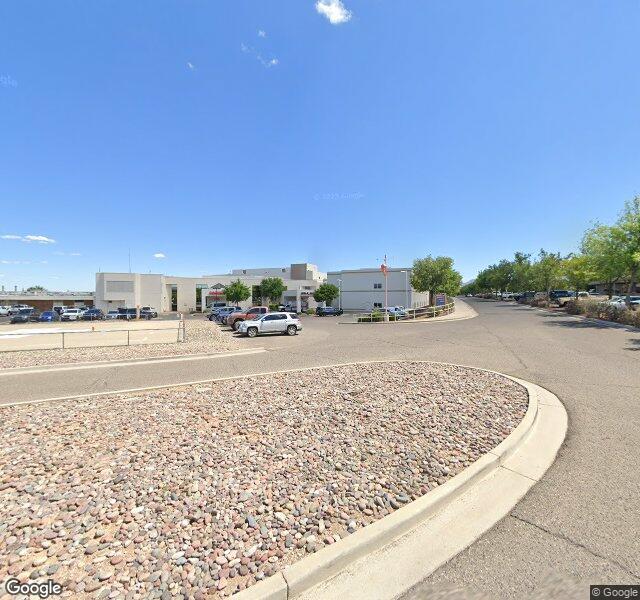
Haven of Cottonwood
197 South Willard Street, Cottonwood, AZ 86326View map (opens in a new tab)
Overview and key essentials
Medicare overall
2/ 5 stars
Inspections 1/5Staffing 1/5
Size & payment
80 beds
Medicaid & Medicare listed
Medicare findings to follow up on
Inspection records →6 reported items to discuss
- Low overall rating (2/5 stars)
- Low health inspection rating (1/5 stars)
- Low staffing rating (1/5 stars)
- Above-median findings in the latest inspection (21 vs median 6)
- Staff turnover reported at 53%
- RN turnover reported at 67%
Important items to verify
Rated 2/5 overall by Medicare. Reports ~31 RN min/resident daily. Latest inspection cited 21 findings (vs. AZ avg 7.6). Ask leadership what changes are underway.
Families praise: Highly compassionate and dedicated individual staff members
Worth asking: Severe understaffing and neglect, particularly on weekends (mentioned by 6 reviewers)
Cost, payment & care details
Updated Nov 28, 2026| Health inspections | 1 / 5 | Low health inspection rating. |
|---|---|---|
| Quality measures | 5 / 5 | Medicare component rating |
| Staffing rating | 1 / 5 | Low staffing rating. |
| Monthly cost | Not published | Ask for the full monthly cost, including care fees and one-time charges. |
| Payment options | MedicaidMedicare | Participation is reported in our source data. Confirm eligibility, covered services, and any private-pay costs. Medicare participation generally covers short-term rehabilitation, not long-term custodial stays. |
| Size & availability | 80 beds | We don't publish live openings. Ask about current availability, waitlist length, and move-in timing. Automatic sprinklers |
| Care & support | Nursing home | Provides nursing care and help with daily activities. Some offer short-term rehabilitation. What to confirm about care levelsThis describes the licensed category. Ask how care plans adjust if mobility, nursing, or memory needs change over time. Read the family care guide → |
Safety screening & compliance
Fire safety, federal screening & immunization
HHS OIG LEIE: Clear (2026-11-27)OIG database ↗ (opens in a new tab)
Fire safety inspections (K-tags)
Last survey 2025-05-213-year citations
7
14 total
Severe harm (G–L)
0
None cited
Sprinkler & alarm
5
Suppression tags
Exits & drills
2
Egress tags
Top areas:Smoke Deficiencies (5)Emergency Preparedness Deficiencies (3)Miscellaneous Deficiencies (3)
AZ nursing home vaccination benchmarks (CDC NHSN)
Statewide benchmark (week ending 2026-03-29). Confirm this home's own rate on your tour.
Flu
38%
US 59%
COVID-19
22%
US 36%
RSV
13%
US 24%
Public Google reviews
What families say
Haven of Cottonwood receives polarized feedback, with many reviewers praising specific staff members like Melody Pankey and activities director Andrea Sontag for their compassionate care. However, a significant number of families and patients report serious concerns regarding neglect, understaffing, medication management errors, and poor communication during weekends and transitions.
What families praise
- Highly compassionate and dedicated individual staff members
- Engaging and active activities department
- Effective physical therapy and rehabilitation services
- Clean and well-maintained facility environment
Concerns to ask about
- Severe understaffing and neglect, particularly on weekends (mentioned by 6 reviewers)
- Medication management errors and delays (mentioned by 4 reviewers)
- Poor communication between staff and family members (mentioned by 3 reviewers)
- Inconsistent hygiene and bathing frequency (mentioned by 3 reviewers)
Topics families mention
0–10 review sentiment · tap to readStaff warmth & care6.0
While many individual staff members are lauded as 'angels' and 'professional,' there are frequent reports of neglect and rudeness.
Communication3.0
Families frequently report being left in the dark regarding care decisions and difficulty getting staff to answer phones.
Cleanliness6.0
Reviews are split between those calling the facility 'clean and fresh' and others describing it as a 'filthy dump' with wet beds.
Food & dining8.0
Multiple reviewers specifically praise the dietary manager and the quality of meals provided.
Daily activities9.0
The activities director is consistently highlighted as a major strength for her dedication and creative engagement.
Medication support2.0
Multiple reports of patients being denied vital medications or experiencing delays that required ER intervention.
Star breakdown
102 analyzed5 stars80 (78%)
4 stars5 (5%)
3 stars0 (0%)
2 stars3 (3%)
1 star14 (14%)
Federal rating trajectory
Recent rating, staffing & turnover trends
Month-by-month Medicare Care Compare trajectory across 7 federal releases (Mar '26 – Oct '26), showing whether star ratings, staffing hours, and turnover are improving or declining.
Overall star rating
2★Steady
Was 2★ in Mar '26
Staffing star rating
1★Steady
Was 1★ in Mar '26
Total nurse hrs / day
2.97h+0.31h
Was 2.66h in Mar '26
Total staff turnover
52.5%-4.6%
Was 57.1% in Mar '26
View 7-month federal snapshot history (Mar '26 – Oct '26)
| Release | Overall | Health | Staffing | Nurse hrs/day | RN hrs/day | Turnover | Penalties |
|---|---|---|---|---|---|---|---|
| Oct '26 | 2★ | 1★ | 1★ | 2.97h | 0.52h | 52.5% | 0 |
| Aug '26 | 2★ | 1★ | 1★ | 2.80h | 0.45h | 59.7% | 0 |
| Jul '26 | 2★ | 1★ | 1★ | 2.80h | 0.45h | 59.7% | 0 |
| Jun '26 | 2★ | 1★ | 1★ | 2.57h | 0.33h | 50.0% | 0 |
| May '26 | 2★ | 1★ | 1★ | 2.57h | 0.33h | 50.0% | 0 |
| Apr '26 | 2★ | 1★ | 1★ | 2.57h | 0.33h | 50.0% | 0 |
| Mar '26 | 2★ | 1★ | 1★ | 2.66h | 0.43h | 57.1% | 0 |
Nursing coverage
Staffing & nurse time
Medicare reports daily staffing as average hours per resident across all shifts. Ask how coverage changes overnight and on weekends.
Registered nurses (RN)
~31 min / resident / day
0.52 hrs / day
Reference target: 0.75 hrs (~45 min)
All nursing staff (RNs, LPNs & aides)
~2 hrs 58 min / resident / day
2.97 hrs / day
Reference target: 4.10 hrs (~4 hrs 6 min)
Annual staff turnover
Share of nursing staff who left during the reporting year.
53%Higher turnover
Registered nurse (RN) turnover
Share of registered nurses who left during the reporting year.
67%Higher turnover
Daily payroll stability (CMS PBJ)
2026Q2 · 91 reported daysWeekend staffing change
−12.3%
3.08 wkday → 2.70 wkend hrs
Agency / contract nurses
0.0%
Share of total nursing hours
Days with zero RN hours
0 / 91 days
RN logged every reported day
About staffing reference targets
EveryPlace uses comparison reference points of 0.75 registered-nurse hours and 4.1 total nursing hours per resident per day. These are research comparison guides, not current federal minimum requirements.
Medicare claims & readmissions
Hospital readmissions & resident profile
Medicare readmissions (FY 2026)
Penalty (-1.72%)30-day readmission
23.1%
Infection rate
6.1%
VBP score
22.3/100
National rank
#9,858
Resident clinical mix (2024)
149 patientsDementia share
32%
Medicaid dual
19%
Avg Medicare pay
$12,259
Avg age / acuity
Age 81
Chronic conditions treated (5)
- Alzheimer's / dementia: 32%
- Stroke / TIA: 28%
- Heart failure: 42%
- Diabetes: 43%
- Chronic kidney disease: 52%
Financial & ownership transparency
Ownership, chain record & Medicare cost report
Ownership & corporate structure
Haven Health scorecard →for profitNo PE / REIT disclosed20 facilities in chain
Medicare cost report (FY2024)
Revenue: $8.5MCost / day
$57
Net margin
-3.1%
Resident day payer mixShare of total inpatient days
Medicaid 46%Medicare 16%Private & other 37%
Chain track record: Haven Health (20 facilities)
Chain avg CMS
2.9 / 5 ★
Chain turnover
44%
Chain flags
45.0% abuse
0 SFF
Chain fines
$112k
Clinical outcomes
Care quality measures
17 Medicare outcomes compared with national, state, and local averages · Medicare quality rating 5/5
| Measure | Here | US | AZ | Yavapai | Compared with averages |
|---|---|---|---|---|---|
| Residents on antipsychotic medicationLower is better | Here 1.3% | US 15.4% | AZ 10.6% | Yavapai 9.8% | Better than avg |
| Residents with depression symptomsLower is betterVaries widely based on how each facility screens and codes depressive symptoms. | Here 0.8% | US 13.5% | AZ 3.7% | Yavapai 4.9% | Better than avg |
| Residents whose walking got worseLower is better | Here 6.2% | US 12.7% | AZ 11.7% | Yavapai 14.4% | Better than avg |
| Measure | Here | US | AZ | Yavapai | Compared with averages |
|---|---|---|---|---|---|
| Short-stay residents vaccinated for pneumoniaHigher is better | Here 97.7% | US 82.3% | AZ 92.6% | Yavapai 68.7% | Better than avg |
| Short-stay residents vaccinated for the fluHigher is better | Here 90.7% | US 80.1% | AZ 87.9% | Yavapai 65.2% | Better than avg |
| Short-stay residents newly given antipsychoticsLower is better | Here 0.8% | US 1.5% | AZ 1.1% | Yavapai 0.9% | Better than avg |
Show all 17 measures
| Measure | Here | US | AZ | Yavapai | Compared with averages |
|---|---|---|---|---|---|
| Residents vaccinated for pneumoniaHigher is better | Here 97.8% | US 93.7% | AZ 96.8% | Yavapai 90.1% | Better than avg |
| Residents vaccinated for the fluHigher is better | Here 97.4% | US 95.3% | AZ 94.7% | Yavapai 90.1% | Better than avg |
| Residents whose bladder or bowel control got worseLower is better | Here 15.3% | US 18.3% | AZ 20.3% | Yavapai 22.1% | Better than avg |
| Residents needing more daily help over timeLower is better | Here 8.3% | US 13.5% | AZ 10.6% | Yavapai 13.6% | Better than avg |
| Residents who lost too much weightLower is better | Here 10.2% | US 5.1% | AZ 5.4% | Yavapai 9.2% | Worse than avg |
| Residents on anti-anxiety or sleep medicationLower is better | Here 17.4% | US 19.5% | AZ 21.4% | Yavapai 16.2% | Mixed vs avg |
| Residents who fell and were seriously hurtLower is better | Here 0.7% | US 3.2% | AZ 2.3% | Yavapai 2.2% | Better than avg |
| Residents with pressure sores (bedsores)Lower is better | Here 3.1% | US 4.5% | AZ 4.3% | Yavapai 3.2% | Better than avg |
| Residents who got a urinary tract infectionLower is better | Here 0.7% | US 1.5% | AZ 1.2% | Yavapai 0.3% | Mixed vs avg |
| Residents with a long-term catheterLower is better | Here 0.0% | US 0.7% | AZ 0.7% | Yavapai 0.3% | Better than avg |
| Residents who were physically restrainedLower is better | Here 0.0% | US 0.1% | AZ 0.3% | Yavapai 0.0% | Better than avg |
Federal oversight
Medicare inspection history
61findings (3-yr lookback)
20complaint-triggered
This facility shows concerning patterns with frequent family complaints triggering 20 of 61 deficiencies across multiple areas. Recurring issues include quality of care and treatment, infection control problems appearing in every survey since 2022, medication management errors, and safety violations. Recent complaints in 2025 involved abuse reporting failures and resident rights violations. While all deficiencies show correction dates, the persistent nature of core problems across nursing care, safety protocols, and medication handling suggests ongoing operational challenges families should carefully evaluate.
Jul 31, 2026Complaint1 finding
0684Potential for harm, isolatedCorrected
Quality of Life and Care Deficiencies
Provide appropriate treatment and care according to orders, resident’s preferences and goals.
Aug 27, 2025Complaint1 finding
0684Potential for harm, isolatedCorrected Nov 21, 2025
Quality of Life and Care Deficiencies
Provide appropriate treatment and care according to orders, resident’s preferences and goals.
Jul 1, 2025Complaint1 finding
0689Potential for harm, isolatedCorrected Aug 11, 2025
Quality of Life and Care Deficiencies
Ensure that a nursing home area is free from accident hazards and provides adequate supervision to prevent accidents.
May 21, 2025Routine10 findings
0584Potential for harm, patternCorrected Jul 11, 2025
Resident Rights Deficiencies
Honor the resident's right to a safe, clean, comfortable and homelike environment, including but not limited to receiving treatment and supports for daily living safely.
0727Potential for harm, patternCorrected Jul 11, 2025
Nursing and Physician Services Deficiencies
Have a registered nurse on duty 8 hours a day; and select a registered nurse to be the director of nurses on a full time basis.
0755Potential for harm, patternCorrected Jul 11, 2025
Pharmacy Service Deficiencies
Provide pharmaceutical services to meet the needs of each resident and employ or obtain the services of a licensed pharmacist.
0812Potential for harm, patternCorrected Jul 11, 2025
Nutrition and Dietary Deficiencies
Procure food from sources approved or considered satisfactory and store, prepare, distribute and serve food in accordance with professional standards.
0880Potential for harm, patternCorrected Jul 11, 2025
Infection Control Deficiencies
Provide and implement an infection prevention and control program.
0363Potential for harm, patternCorrected
Smoke Deficiencies
Install corridor and hallway doors that block smoke.
0552Potential for harm, isolatedCorrected Jul 11, 2025
Resident Rights Deficiencies
Ensure that residents are fully informed and understand their health status, care and treatments.
0697Potential for harm, isolatedCorrected Jul 11, 2025
Quality of Life and Care Deficiencies
Provide safe, appropriate pain management for a resident who requires such services.
0757Potential for harm, isolatedCorrected Jul 11, 2025
Pharmacy Service Deficiencies
Ensure each resident’s drug regimen must be free from unnecessary drugs.
0761Potential for harm, isolatedCorrected Jul 11, 2025
Pharmacy Service Deficiencies
Ensure drugs and biologicals used in the facility are labeled in accordance with currently accepted professional principles; and all drugs and biologicals must be stored in locked compartments, separately locked, compartments for controlled drugs.
Show all 12 inspections
May 21, 2025Complaint11 findings
0609Potential for harm, patternCorrected Jul 11, 2025
Freedom from Abuse, Neglect, and Exploitation Deficiencies
Timely report suspected abuse, neglect, or theft and report the results of the investigation to proper authorities.
0610Potential for harm, patternCorrected Jul 11, 2025
Freedom from Abuse, Neglect, and Exploitation Deficiencies
Respond appropriately to all alleged violations.
0679Potential for harm, patternCorrected Jul 11, 2025
Quality of Life and Care Deficiencies
Provide activities to meet all resident's needs.
0689Potential for harm, patternCorrected Jul 11, 2025
Quality of Life and Care Deficiencies
Ensure that a nursing home area is free from accident hazards and provides adequate supervision to prevent accidents.
0550Potential for harm, isolatedCorrected Jul 11, 2025
Resident Rights Deficiencies
Honor the resident's right to a dignified existence, self-determination, communication, and to exercise his or her rights.
0607Potential for harm, isolatedCorrected Jul 11, 2025
Freedom from Abuse, Neglect, and Exploitation Deficiencies
Develop and implement policies and procedures to prevent abuse, neglect, and theft.
0628Potential for harm, isolatedCorrected Jul 11, 2025
Resident Rights Deficiencies
Provide the required documentation or notification related to the resident's needs, appeal rights, or bed-hold policies.
0636Potential for harm, isolatedCorrected Jul 11, 2025
Resident Assessment and Care Planning Deficiencies
Assess the resident completely in a timely manner when first admitted, and then periodically, at least every 12 months.
0656Potential for harm, isolatedCorrected Jul 11, 2025
Resident Assessment and Care Planning Deficiencies
Develop and implement a complete care plan that meets all the resident's needs, with timetables and actions that can be measured.
0657Potential for harm, isolatedCorrected Jul 11, 2025
Resident Assessment and Care Planning Deficiencies
Develop the complete care plan within 7 days of the comprehensive assessment; and prepared, reviewed, and revised by a team of health professionals.
0842Potential for harm, isolatedCorrected Jul 11, 2025
Resident Assessment and Care Planning Deficiencies
Safeguard resident-identifiable information and/or maintain medical records on each resident that are in accordance with accepted professional standards.
Apr 3, 2025Complaint1 finding
0684Potential for harm, isolatedCorrected May 16, 2025
Quality of Life and Care Deficiencies
Provide appropriate treatment and care according to orders, resident’s preferences and goals.
Mar 26, 2025Complaint1 finding
0842Potential for harm, isolatedCorrected Apr 18, 2025
Resident Assessment and Care Planning Deficiencies
Safeguard resident-identifiable information and/or maintain medical records on each resident that are in accordance with accepted professional standards.
Feb 27, 2025Complaint1 finding
0684Potential for harm, isolatedCorrected Mar 31, 2025
Quality of Life and Care Deficiencies
Provide appropriate treatment and care according to orders, resident’s preferences and goals.
Dec 4, 2024Complaint1 finding
0684Potential for harm, isolatedCorrected Jan 20, 2025
Quality of Life and Care Deficiencies
Provide appropriate treatment and care according to orders, resident’s preferences and goals.
May 16, 2024Complaint2 findings
0610Potential for harm, isolatedCorrected Jun 21, 2024
Freedom from Abuse, Neglect, and Exploitation Deficiencies
Respond appropriately to all alleged violations.
0842Potential for harm, isolatedCorrected Jun 21, 2024
Resident Assessment and Care Planning Deficiencies
Safeguard resident-identifiable information and/or maintain medical records on each resident that are in accordance with accepted professional standards.
Apr 11, 2024Routine9 findings
0677Potential for harm, patternCorrected Jun 3, 2024
Quality of Life and Care Deficiencies
Provide care and assistance to perform activities of daily living for any resident who is unable.
0880Potential for harm, patternCorrected Jun 3, 2024
Infection Control Deficiencies
Provide and implement an infection prevention and control program.
0363Potential for harm, patternCorrected May 19, 2024
Smoke Deficiencies
Install corridor and hallway doors that block smoke.
0372Potential for harm, patternCorrected Apr 16, 2024
Smoke Deficiencies
Ensure smoke barriers are constructed to a 1 hour fire resistance rating.
0712Potential for harm, patternCorrected May 19, 2024
Miscellaneous Deficiencies
Have simulated fire drills held at unexpected times.
0690Potential for harm, isolatedCorrected Jun 3, 2024
Quality of Life and Care Deficiencies
Provide appropriate care for residents who are continent or incontinent of bowel/bladder, appropriate catheter care, and appropriate care to prevent urinary tract infections.
0026Potential for harm, isolatedCorrected May 19, 2024
Emergency Preparedness Deficiencies
Establish roles under a Waiver declared by secretary.
0355Potential for harm, isolatedCorrected May 19, 2024
Smoke Deficiencies
Properly select, install, inspect, or maintain portable fire extinguishes.
0511Potential for harm, isolatedCorrected Apr 16, 2024
Services Deficiencies
Have properly installed electrical wiring and gas equipment.
Nov 17, 2022Routine22 findings
0882Potential for harm, widespreadCorrected Jan 23, 2023
Infection Control Deficiencies
Designate a qualified infection preventionist to be responsible for the infection prevent and control program in the nursing home.
0655Potential for harm, patternCorrected Jan 23, 2023
Resident Assessment and Care Planning Deficiencies
Create and put into place a plan for meeting the resident's most immediate needs within 48 hours of being admitted
0880Potential for harm, patternCorrected Jan 23, 2023
Infection Control Deficiencies
Provide and implement an infection prevention and control program.
0521Potential for harm, patternCorrected Jan 23, 2023
Services Deficiencies
Ensure heating and ventilation systems that have been properly installed according to the manufacturer's instructions.
0918Potential for harm, patternCorrected Jan 23, 2023
Gas, Vacuum, and Electrical Systems Deficiencies
Have generator or other power source capable of supplying service within 10 seconds.
0558Potential for harm, isolatedCorrected Jan 23, 2023
Resident Rights Deficiencies
Reasonably accommodate the needs and preferences of each resident.
0623Potential for harm, isolatedCorrected Jan 23, 2023
Resident Rights Deficiencies
Provide timely notification to the resident, and if applicable to the resident representative and ombudsman, before transfer or discharge, including appeal rights.
0625Potential for harm, isolatedCorrected Jan 23, 2023
Resident Rights Deficiencies
Notify the resident or the resident’s representative in writing how long the nursing home will hold the resident’s bed in cases of transfer to a hospital or therapeutic leave.
0645Potential for harm, isolatedCorrected Jan 23, 2023
Resident Assessment and Care Planning Deficiencies
PASARR screening for Mental disorders or Intellectual Disabilities
0656Potential for harm, isolatedCorrected Jan 23, 2023
Resident Assessment and Care Planning Deficiencies
Develop and implement a complete care plan that meets all the resident's needs, with timetables and actions that can be measured.
0692Potential for harm, isolatedCorrected Jan 23, 2023
Quality of Life and Care Deficiencies
Provide enough food/fluids to maintain a resident's health.
0695Potential for harm, isolatedCorrected Jan 23, 2023
Quality of Life and Care Deficiencies
Provide safe and appropriate respiratory care for a resident when needed.
0742Potential for harm, isolatedCorrected Jan 23, 2023
Quality of Life and Care Deficiencies
Provide the appropriate treatment and services to a resident who displays or is diagnosed with mental disorder or psychosocial adjustment difficulty, or who has a history of trauma and/or post-traumatic stress disorder.
0812Potential for harm, isolatedCorrected Jan 23, 2023
Nutrition and Dietary Deficiencies
Procure food from sources approved or considered satisfactory and store, prepare, distribute and serve food in accordance with professional standards.
0883Potential for harm, isolatedCorrected Jan 23, 2023
Infection Control Deficiencies
Develop and implement policies and procedures for flu and pneumonia vaccinations.
0887Potential for harm, isolatedCorrected Jan 23, 2023
Infection Control Deficiencies
Educate residents and staff on COVID-19 vaccination, offer the COVID-19 vaccine to eligible residents and staff after education, and properly document each resident and staff member's vaccination status.
0004Potential for harm, isolatedCorrected Jan 23, 2023
Emergency Preparedness Deficiencies
Develop and maintain an Emergency Preparedness Program (EP).
0039Potential for harm, isolatedCorrected Jan 23, 2023
Emergency Preparedness Deficiencies
Conduct testing and exercise requirements.
0363Potential for harm, isolatedCorrected Jan 23, 2023
Smoke Deficiencies
Install corridor and hallway doors that block smoke.
0712Potential for harm, isolatedCorrected Jan 23, 2023
Miscellaneous Deficiencies
Have simulated fire drills held at unexpected times.
0761Potential for harm, isolatedCorrected Jan 23, 2023
Miscellaneous Deficiencies
To conduct inspection, testing and maintenance of fire doors by qualified individuals.
0582Minimal, patternCorrected Jan 23, 2023
Resident Rights Deficiencies
Give residents notice of Medicaid/Medicare coverage and potential liability for services not covered.
State licensing
State inspection history
23inspections
62deficiencies listed
Mar 18, 2026ComplaintNo deficiencies reportedNone
No deficiencies reported
View official state report (opens in a new tab)
An onsite complaint survey was conducted on February 10, 2026 for the investigation of intake # 00160697, 00142588 . There were no deficiencies cited:
Feb 2, 2026ComplaintNo deficiencies reportedNone
No deficiencies reported
View official state report (opens in a new tab)
The complaint survey was conducted on February 2, 2026, with the investigation of intakes # 00157617 and 00157645 . There were no deficiencies cited:
Jan 16, 2026ComplaintNo deficiencies reportedNone
No deficiencies reported
View official state report (opens in a new tab)
The onsite complaint survey was conducted on January 16, 2026, and investigated complaints #00156072There were no deficiencies noted.
Dec 23, 2025ComplaintNo deficiencies reportedNone
No deficiencies reported
View official state report (opens in a new tab)
The investigation of complaint 0015216, and 00152379 was conducted on December 23, 2025. There were no deficiencies cited:
Dec 2, 2025ComplaintNo deficiencies reportedNone
No deficiencies reported
View official state report (opens in a new tab)
The investigation of complaints 00150389,00150532,00150528 was conducted on December 02, 2025. There were no deficiencies cited:
Show all 23 inspections
Nov 4, 2025ComplaintNo deficiencies reportedNone
No deficiencies reported
View official state report (opens in a new tab)
An onsite complaint survey was conducted on November 4, 2025 for the investigation of intake #00149381. There are no deficiencies cited.
Aug 25, 2025Complaint1 deficiency reported1
1 deficiency reported
View official state report (opens in a new tab)
The complaint investigation was conducted 8/26/2025 - 8/27/2025, with investigation of complaints: 00137959, 00137372, 00135451, and 00142400. The following deficiencies were cited:
25 Quality of care Quality of care is a fundamental principle that applies to all treatment and care provided to facility residents. Based on the comprehensive assessment of a resident, the facility Quality of Care - 0684 FederalCorrected Nov 21, 2025
Based on interviews, review of clinical record, and review of facility policy and procedures, the facility failed to ensure wounds were adequately assessed and monitored for one resident. The deficient practice could result in the clinical team not being fully aware of a resident’s wound status and could lead to a delay of care for a worsening or non-healing wound.
Jul 1, 2025Complaint2 deficiencies reported2
2 deficiencies reported
View official state report (opens in a new tab)
An onsite complaint survey was conducted on July 01, 2025 for the investigation of intake #00131936, 00131724, 00134085. Following deficiencies were cited:
An administrator shall ensure that: R9-10-425.A.1. A nursing care institution's premises and equipment are: R9-10-425.A.1.b. Free from a condition or situation that may cause a resident or aR9-10-425.A.1.b.Corrected Aug 11, 2025
Violation cited
25(d) Accidents. The facility must ensure that - §483.25(d)(1) The resident environment remains as free of accident hazards as is possible; and §483.25(d)(2)Each resident receives adequate supervisioFree of Accident Hazards/Supervision/Devices - 0689 FederalCorrected Aug 11, 2025
Violation cited
May 18, 2025Complaint38 deficiencies reported38
38 deficiencies reported
View official state report (opens in a new tab)
The State Compliance survey was conducted on May 18, 2025 through May 21, 2025 in conjunction with the investigation of Complaints: AZ00223151, AZ00223153, AZ00222276, AZ00222281, AZ00221478, AZ00221479, AZ00217963, AZ00217966, AZ00217877, AZ00217878, AZ00210778, AZ00210782, AZ00210122, AZ00210123 AZ00210055, AZ00210056, AZ00193190, AZ00192617, AZ00192618, AZ00191564, AZ00191565, AZ00191141, AZ00191142, AZ00190322, AZ00190158, AZ00190159,AZ00188095, AZ00187162, AZ00187163, AZ00187115, AZ00187116, AZ00184736, AZ00184737, AZ00184601, AZ00184602, AZ00184303, AZ00184304,AZ00184201, AZ00182022, AZ00182023, AZ00178206, AZ00176473, AZ00176476, AZ00176368, AZ00176369. The following deficiencies were cited:
A registered dietitian or director of food services shall ensure that: R9-10-423.B.8. Tableware, utensils, equipment, and food-contact surfaces are clean and in good repair;R9-10-423.B.8.Corrected Jul 11, 2025
Violation cited
45 Pharmacy Services The facility must provide routine and emergency drugs and biologicals to its residents, or obtain them under an agreement described in §483.70(f). The facility may permit unlicenPharmacy Srvcs/Procedures/Pharmacist/Records - 0755 FederalCorrected Jul 11, 2025
Violation cited
21(b) Comprehensive Care Plans §483.21(b)(2) A comprehensive care plan must be- (i) Developed within 7 days after completion of the comprehensive assessment. (ii) Prepared by an interdisciplinary teamCare Plan Timing and Revision - 0657 FederalCorrected Jul 11, 2025
Violation cited
An administrator shall ensure that: R9-10-425.A.1. A nursing care institution's premises and equipment are: R9-10-425.A.1.a. Cleaned and disinfected according to policies and procedures or mR9-10-425.A.1.a.Corrected Jul 11, 2025
Violation cited
A director of nursing shall ensure that: R9-10-414.A.1. A comprehensive assessment of a resident: R9-10-414.A.1.d. Includes the following information for the resident: R9-10-414.A.1.d.iii. AnR9-10-414.A.1.d.iii.Corrected Jul 11, 2025
Violation cited
When medication is stored at a nursing care institution, an administrator shall ensure that: R9-10-421.D.3. Policies and procedures are established, documented, and implemented to protect the healtR9-10-421.D.3.a.Corrected Jul 11, 2025
Violation cited
A director of nursing shall ensure that: R9-10-412.B.2. Sufficient nursing personnel, as determined by the method in subsection (B)(1), are on the nursing care institution premises to meet the needsR9-10-412.B.2.Corrected Jul 11, 2025
Violation cited
20 Resident Assessment The facility must conduct initially and periodically a comprehensive, accurate, standardized reproducible assessment of each resident's functional capacity. §483.20(b) CoComprehensive Assessments & Timing - 0636 FederalCorrected Jul 11, 2025
Violation cited
An administrator shall ensure that: R9-10-422.6. A personnel member, an employee, or a volunteer washes hands or uses a hand disinfection product after a resident contact and after handling soiled R9-10-422.6.Corrected Jul 11, 2025
Violation cited
An administrator shall ensure that: R9-10-403.C.2. Policies and procedures for physical health services and behavioral health services are established, documented, and implemented to protect the heaR9-10-403.C.2.b.Corrected Jul 11, 2025
Violation cited
10(c) Planning and Implementing Care. The resident has the right to be informed of, and participate in, his or her treatment, including: §483.10(c)(1) The right to be fully informed in language thaRight to be Informed/Make Treatment Decisions - 0552 FederalCorrected Jul 11, 2025
Violation cited
12(c) In response to allegations of abuse, neglect, exploitation, or mistreatment, the facility must: §483.12(c)(1) Ensure that all alleged violations involving abuse, neglect, exploitation or mistreReporting of Alleged Violations - 0609 FederalCorrected Jul 11, 2025
Violation cited
15(c)(2) Documentation. When the facility transfers or discharges a resident under any of the circumstances specified in paragraphs (c)(1)(i)(A) through (F) of this section, the facility must ensure tDischarge Process - 0628 FederalCorrected Jul 11, 2025
Violation cited
RN 8 Hrs/7 days/Wk, Full Time DON - 0727 FederalCorrected Jul 11, 2025
Violation cited
45(g) Labeling of Drugs and Biologicals Drugs and biologicals used in the facility must be labeled in accordance with currently accepted professional principles, and include the appropriate accessory Label/Store Drugs and Biologicals - 0761 FederalCorrected Jul 11, 2025
Violation cited
An administrator shall ensure that: R9-10-425.A.1. A nursing care institution's premises and equipment are: R9-10-425.A.1.b. Free from a condition or situation that may cause a resident or aR9-10-425.A.1.b.Corrected Jul 11, 2025
Violation cited
24(c) Activities. §483.24(c)(1) The facility must provide, based on the comprehensive assessment and care plan and the preferences of each resident, an ongoing program to support residents in their cActivities Meet Interest/Needs Each Resident - 0679 FederalCorrected Jul 11, 2025
Violation cited
60(i) Food safety requirements. The facility must - §483.60(i)(1) - Procure food from sources approved or considered satisfactory by federal, state or local authorities. (i) This may include food iteFood Procurement,Store/Prepare/Serve-Sanitary - 0812 FederalCorrected Jul 11, 2025
Violation cited
A resident has the following rights: R9-10-410.C.8. To participate or have the resident's representative participate in the development of, or decisions concerning, treatment;R9-10-410.C.8.Corrected Jul 11, 2025
Violation cited
An administrator shall ensure that a care plan for a resident: R9-10-414.B.2. Is reviewed and revised based on any change to the resident's comprehensive assessment; andR9-10-414.B.2.Corrected Jul 11, 2025
Violation cited
A director of nursing shall ensure that: R9-10-414.A.1. A comprehensive assessment of a resident: R9-10-414.A.1.d. Includes the following information for the resident: R9-10-414.A.1.d.v. WhetR9-10-414.A.1.d.v.(1).Corrected Jul 11, 2025
Violation cited
25(k) Pain Management. The facility must ensure that pain management is provided to residents who require such services, consistent with professional standards of practice, the comprehensive person-Pain Management - 0697 FederalCorrected Jul 11, 2025
Violation cited
12(c) In response to allegations of abuse, neglect, exploitation, or mistreatment, the facility must: §483.12(c)(2) Have evidence that all alleged violations are thoroughly investigated. §483.12(c)(Investigate/Prevent/Correct Alleged Violation - 0610 FederalCorrected Jul 11, 2025
Violation cited
If an administrator has a reasonable basis, according to A.R.S. § 13-3620 or 46-454, to believe that abuse, neglect or exploitation has occurred on the premises or while a resident is receiving servicR9-10-403.F.2.a.Corrected Jul 11, 2025
Violation cited
80 Infection Control The facility must establish and maintain an infection prevention and control program designed to provide a safe, sanitary and comfortable environment and to help prevent the develInfection Prevention & Control - 0880 FederalCorrected Jul 11, 2025
Violation cited
If an administrator has a reasonable basis, according to A.R.S. § 13-3620 or 46-454, to believe that abuse, neglect or exploitation has occurred on the premises or while a resident is receiving servicR9-10-403.F.5.c.Corrected Jul 11, 2025
Violation cited
Except for behavioral care, if a nursing care institution is authorized to provide behavioral health services, an administrator shall ensure that: R9-10-415.2. Except for a psychotropic drug used aR9-10-415.2.Corrected Jul 11, 2025
Violation cited
An administrator shall ensure that: R9-10-410.B.2. A resident is treated with dignity, respect, and consideration;R9-10-410.B.2.Corrected Jul 11, 2025
Violation cited
Except for a transfer of a resident due to an emergency, an administrator shall ensure that: R9-10-408.C.2. According to policies and procedures: R9-10-408.C.2.c. A personnel member explains risks aR9-10-408.C.3.a.Corrected Jul 11, 2025
Violation cited
When medication is stored at a nursing care institution, an administrator shall ensure that: R9-10-421.D.3. Policies and procedures are established, documented, and implemented to protect the healtR9-10-421.D.3.d.Corrected Jul 11, 2025
Violation cited
21(b) Comprehensive Care Plans §483.21(b)(1) The facility must develop and implement a comprehensive person-centered care plan for each resident, consistent with the resident rights set forth at §483.Develop/Implement Comprehensive Care Plan - 0656 FederalCorrected Jul 11, 2025
Violation cited
An administrator shall ensure that a resident's medical record contains: R9-10-411.C.22. Documentation of a medication administered to the resident that includes: R9-10-411.C.22.d. For a medicR9-10-411.C.22.d.i.Corrected Jul 11, 2025
Violation cited
20(f)(5) Resident-identifiable information. (i) A facility may not release information that is resident-identifiable to the public. (ii) The facility may release information that is resident-identifiaResident Records - Identifiable Information - 0842 FederalCorrected Jul 11, 2025
Violation cited
10(a) Resident Rights. The resident has a right to a dignified existence, self-determination, and communication with and access to persons and services inside and outside the facility, including thoseResident Rights/Exercise of Rights - 0550 FederalCorrected Jul 11, 2025
Violation cited
12(b) The facility must develop and implement written policies and procedures that: §483.12(b)(1) Prohibit and prevent abuse, neglect, and exploitation of residents and misappropriation of resident Develop/Implement Abuse/Neglect Policies - 0607 FederalCorrected Jul 11, 2025
Violation cited
45(d) Unnecessary Drugs-General. Each resident's drug regimen must be free from unnecessary drugs. An unnecessary drug is any drug when used- §483.45(d)(1) In excessive dose (including duplicaDrug Regimen is Free from Unnecessary Drugs - 0757 FederalCorrected Jul 11, 2025
Violation cited
25(d) Accidents. The facility must ensure that - §483.25(d)(1) The resident environment remains as free of accident hazards as is possible; and §483.25(d)(2)Each resident receives adequate supervisioFree of Accident Hazards/Supervision/Devices - 0689 FederalCorrected Jul 11, 2025
Violation cited
10(i) Safe Environment. The resident has a right to a safe, clean, comfortable and homelike environment, including but not limited to receiving treatment and supports for daily living safely. The Safe/Clean/Comfortable/Homelike Environment - 0584 FederalCorrected Jul 11, 2025
Violation cited
May 6, 2025ComplaintNo deficiencies reportedNone
No deficiencies reported
View official state report (opens in a new tab)
The complaint survey was conducted on May 2, 2025 for the following complaint # AZ00224405. There were no deficiencies cited.
Apr 2, 2025ComplaintNo deficiencies reportedNone
No deficiencies reported
View official state report (opens in a new tab)
The complaint investigation was conducted from 4/2/2025 through 4/3/2025, with investigation of complaints: AZ00223947, SF00124085, AZ00223971, and SF00124499. The following deficiencies were cited:
Mar 26, 2025Complaint1 deficiency reported1
1 deficiency reported
View official state report (opens in a new tab)
The complaint investigation was conducted on 3/26/25 with investigation of complaints #00123100, and 00123124. The following deficiencies were cited.
An administrator shall ensure that:R9-10-411.A.1.
Violation cited
Feb 27, 2025Complaint1 deficiency reported1
1 deficiency reported
View official state report (opens in a new tab)
The complaint invesitgation was conducted 2/27/25 with investigation of complaint #00116453. The following deficiencies were cited:
An administrator shall ensure that a care plan for a resident:R9-10-414.B.3.b.
Violation cited
Feb 13, 2025ComplaintNo deficiencies reportedNone
No deficiencies reported
View official state report (opens in a new tab)
An onsite complaint survey was conducted on February 13, 2025 for the investigation of intake # AZ00223349. There were no deficiencies cited.
Jan 16, 2025ComplaintNo deficiencies reportedNone
No deficiencies reported
View official state report (opens in a new tab)
An onsite complaint survey was conducted on January 16, 2025 for the investigation of intake # AZ00222041, AZ00222037. There were no deficiencies cited
Dec 4, 2024Complaint2 deficiencies reported2
2 deficiencies reported
View official state report (opens in a new tab)
An onsite complaint survey was conducted on December 4, 2024 for intake #AZ00219339 and AZ00218119. The following deficiencies were cited:
25 Quality of care483.25Corrected Jan 20, 2025
Based on clinical record review, interviews, observations, policy review and the State Agency (SA) complaint tracking system, the facility failed to ensure that two residents (#1 and #2) received treatment and care in accordance with professional standards of practice by failing to provide wound care as ordered by a physician. The sample size was 5. The deficient practice could lead to residents acquiring wound infections. Findings include: Resident #1 was admitted to the facility on November 9, 2024 with diagnoses that include osteoporosis, acute post-hemorrhagic anemia, and chronic obstructive pulmonary disease (COPD). A review of a Minimum Data Set (MDS) assessment dated November 22, 2024, indicated resident #1 had a Brief Interview for Mental Status (BIMS) score of 15 which indicated the resident was cognitively intact. Review of the physician's orders revealed resident #1 was to have wound care by cleaning the Right surgical area with normal saline, pat dry, and apply dressing at the surgical site once a day every three days. Review of a weekly skin assessment dated November 19, 2924 at 12:31 PM noted that resident #1 had a surgical dressing on the right lower leg with instructions in place until November 22. After that time, the dressing would need to be changed every three days. A review of the November 2024 Medication Administration Record (MAR) revealed, that between November 19, 2024 and November 30, 2024, wound care was provided three times (November 20, 23, and 30). A review of the December 2024 MAR revealed, that between December 1, 2024 and December 4, 2024, wound care was provided once (December 3, 2024) by staff #18. An interview was conducted with resident #1 on December 4, 2024 at 12:40 PM in her room. The resident indicated the wound bandage had not been changed in five day and she was not sure if the wound was getting better. She also indicated that the nurse was supposed to change it every few days. An interview was conducted on December 4, 2024 at 12:57 PM with Registered Nurse (RN/Staff #63). Staff #63 confirmed that she was the wound care nurse for the facility. She explained that her responsibility was to see residents, who receive wound care, once a week and to document in the skin assessments. Staff #63 continued to explain that she sees resident #1 once a week and when she last saw the resident, there were no concerns with her wounds. Staff #63 indicated that she last changed resident #1's wound bandage on November 29, 2024 and had not yet seen her since that date. Staff #63 also added that resident #1 often tells her that her bandage has not been changed in a week so she would go and change her bandage "to make her happy". On December 4, 2024 at 1:54 PM, the Vice President of Clinical Operations (VP/Staff #9) was observed exiting resident #1's room. At that time, Staff #9 was asked to return to the resident's room with the State Surveyor (SS). Resident #1 was observed to be sitting on her wheelchair with a bandage exp
An administrator shall ensure that a care plan for a resident:R9-10-414.B.3.b.Corrected Jan 20, 2025
Based on clinical record review, interviews, observations, policy review and the State Agency (SA) complaint tracking system, the facility failed to ensure that two residents (#1 and #2) received treatment and care in accordance with professional standards of practice by failing to provide wound care as ordered by a physician. Findings include: Resident #1 was admitted to the facility on November 9, 2024 with diagnoses that include osteoporosis, acute post-hemorrhagic anemia, and chronic obstructive pulmonary disease (COPD). A review of a Minimum Data Set (MDS) assessment dated November 22, 2024, indicated resident #1 had a Brief Interview for Mental Status (BIMS) score of 15 which indicated the resident was cognitively intact. Review of the physician's orders revealed resident #1 was to have wound care by cleaning the Right surgical area with normal saline, pat dry, and apply dressing at the surgical site once a day every three days. Review of a weekly skin assessment dated November 19, 2924 at 12:31 PM noted that resident #1 had a surgical dressing on the right lower leg with instructions in place until November 22. After that time, the dressing would need to be changed every three days. A review of the November 2024 Medication Administration Record (MAR) revealed, that between November 19, 2024 and November 30, 2024, wound care was provided three times (November 20, 23, and 30). A review of the December 2024 MAR revealed, that between December 1, 2024 and December 4, 2024, wound care was provided once (December 3, 2024) by staff #18. An interview was conducted with resident #1 on December 4, 2024 at 12:40 PM in her room. The resident indicated the wound bandage had not been changed in five day and she was not sure if the wound was getting better. She also indicated that the nurse was supposed to change it every few days. An interview was conducted on December 4, 2024 at 12:57 PM with Registered Nurse (RN/Staff #63). Staff #63 confirmed that she was the wound care nurse for the facility. She explained that her responsibility was to see residents, who receive wound care, once a week and to document in the skin assessments. Staff #63 continued to explain that she sees resident #1 once a week and when she last saw the resident, there were no concerns with her wounds. Staff #63 indicated that she last changed resident #1's wound bandage on November 29, 2024 and had not yet seen her since that date. Staff #63 also added that resident #1 often tells her that her bandage has not been changed in a week so she would go and change her bandage "to make her happy". On December 4, 2024 at 1:54 PM, the Vice President of Clinical Operations (VP/Staff #9) was observed exiting resident #1's room. At that time, Staff #9 was asked to return to the resident's room with the State Surveyor (SS). Resident #1 was observed to be sitting on her wheelchair with a bandage exposed on her lower right leg. When asked what the date was on the bandage, Staff #9 responded "Nove
Sep 23, 2024Complaint2 deficiencies reported2
2 deficiencies reported
View official state report (opens in a new tab)
A complaint survey was conducted on September 23, 2024 through September 25, 2024 for the investigation of intake #'s: AZ00147547, AZ00161375, AZ00171661, AZ00176187, AZ00177073, AZ00180481, and AZ00181886. The following deficiencies were cited:
An administrator shall ensure that:R9-10-403.C.2.b.Corrected Oct 29, 2024
Based on a review of facility policy's, the facility failed to implement their policies on medication administration to protect the health and safety for 3 residents (#1, #8, #9). Findings include: Review of the clinical records for residents #1, #8, and #9 revealed that these residents had physician ordered medications that were marked as removed in each of these Resident's Controlled-Substance Record. However, further review of the clinical records for residents #1, #8, and #9 revealed no evidence that the medications documented as removed were actually administered to the residents. During a interview conducted with licensed practical nurse (LPN/staff #27) on September 25, 2024 at 10:05 a.m., the LPN stated that if a resident had a physician ordered pain medication, the nurse would verify the order, assess the resident for pain and administer the appropriate medication and dosage. The LPN stated that the nurse would document on the resident's controlled substance record that the medication was removed, then upon administration of the medication to the resident, the nurse would document the administration on the resident's medication administration record (MAR). The LPN stated that if the medication wasted and not administered, that another nurse had to witness that the medication was wasted and sign the resident's controlled substance record. The LPN also stated that the resident's controlled substance record was for maintaining count and not as an administration record. An interview was conducted on September 25, 2024 at 10:25 a.m. with Registered Nurse (RN)/staff #20 who stated that the nurse would document on the resident's controlled substance record that a medication was removed and then upon administration to the resident, the nurse would document on the resident's MAR. An interview was conducted with the acting Director of Nursing (DON/staff #68) on September 25, 2024 at 10:35 a.m. The DON stated that narcotic medications were required to be signed out on the resident's controlled substance record when removed and documented on the MAR when administered. The DON stated that if a narcotic is wasted and not administered, it must be witnessed by a 2nd nurse and documented on the resident's controlled substance record. The DON stated that the resident's controlled substance record is not an administration record. The DON stated that it was expected to see documentation on the MAR as administered if removed from the resident's controlled substance record. Review of the facility's policy titled "Medications: Administering Medication" dated January 1, 2024, version 051123 revealed that the individual administering the medication would document in the electronic medical record on the resident's medication administration record after giving each medication with the date and time the medication was administered.
An administrator shall ensure that:R9-10-403.C.1.q.Corrected Oct 29, 2024
Based on clinical record reviews, staff interviews, and review of facility policies and practices, the facility failed to ensure that physician ordered medications were not misappropriated for three residents (#1, #8, #9). Findings include: -Resident #1 was admitted on March 20, 2018 with diagnoses that included of infection of intervertebral disc - multiple sites in spine, bacteremia, and congenital pneumonia due to streptococcus- group b. A physician order dated March 20, 2018, included for a narcotic- Oxycodone hydrochloride 5 mg (milligram) 2 tablets by mouth every 4 hours for pain levels of 1-10. A review of the Individual Resident's Control Substance Record dated March 20, 2018 through March 23, 2018 revealed documentation that 2 pills were removed four times on March 21, 2018 at 1:00 a.m., 8:54 a.m., 3:40 p.m., 9:30 p.m. However, review of the Medication Administration Record (MAR) for March 2018 revealed Oxycodone was not documented as administered once on March 21, 2018. -Resident #8 was admitted on September 5, 2024 with diagnoses that included fracture of unspecified part of left clavicle, multiple fractures of ribs, traumatic pneumothorax, osteopenia, cognitive communication deficit, low back pain, malignant neoplasm of head/ face / neck, cervical ca, malignant neoplasm of esophagus, depression, anxiety disorder, history of transient ischemic attack (TIA) and cerebral infarction. A physician order dated September 5, 2024, revealed an order Oxycodone hydrochloride 5 mg by mouth every 4 hours for pain levels of 1-10. The Individual Resident's Control Substance Record sheets dated September 6, 2024 through September 15, 2024 and September 17, 2018 through September 24, 2024 revealed documentation that Oxycodone was removed twice on September 7, four times on September 14, three times on September 17, and twice on September 22, 2024. However, the MAR for September 2024 revealed that the medication was not documented as administered once on September 7, September 14, twice on September 17, and once on September 22. -Resident #9 was admitted on July 14, 2022 with diagnoses that included vascular dementia, acute and chronic respiratory failure with hypoxia, polyneuropathy, contracture multiple sites, personal history of transient ischemic attack (TIA), cerebral infarction, tracheostomy status, panniculitis, bipolar disorder, major depressive disorder, anxiety disorder, lesion of ulnar nerve- ulnar nerve palsy, and lesions of median nerve- median nerve palsy. A physician order dated July 5, 2024, included for Oxycodone hydrochloride 10 mg by mouth every 4 hours for pain levels of 6-10. A review of the Individual Resident's Control Substance Record dated September 3, 2024 through September 23, 2024 revealed that medication was removed three times on September 5, twice on September 6, three times on September 8 and 9, four times on September 15, and three times on September 16. However, the MAR documentation for these corresponding dates reveal
Jul 24, 2024ComplaintNo deficiencies reportedNone
No deficiencies reported
View official state report (opens in a new tab)
An onsite complaint survey was conducted on July 24, 2024 for the investigation of intake # AZ00213202. There were no deficiencies cited.
Jul 2, 2024ComplaintNo deficiencies reportedNone
No deficiencies reported
View official state report (opens in a new tab)
An onsite complaint survey was conducted on July 2, 2024 for the investigation of intake #s AZ00211950 and AZ00211791. There were no deficiencies cited.
May 15, 2024Complaint4 deficiencies reported4
4 deficiencies reported
View official state report (opens in a new tab)
A complaint survey was conducted on May 15 through May 16, 2024 for the investigation of intake #s AZ00210506, AZ00210077, AZ00209797, AZ00199576, AZ00199464, AZ00199276, AZ00190116 and AZ00188433. The following deficiencies were cited:
If an administrator has a reasonable basis, according to A.R.S. § 13-3620 or 46-454, to believe that abuse, neglect or exploitation has occurred on the premises or while a resident is receiving servicR9-10-403.F.5.c.Corrected Jun 21, 2024
Based on clinical record review, staff interviews, and the facility policy and procedures, the facility failed to ensure a thorough investigation for a resident to resident complaint. Findings include: Resident #1 was admitted on August 1, 2022 with diagnosis including anemia, dysphagia, protein-calorie malnutrition, pulmonary fibrosis, macular degeneration, insomnia, intervertebral disk degeneration-lumbar region, anxiety disorder, spinal stenosis-lumbar region, radiculopathy-lumbar region, mild cognitive impairment, age related osteoporosis, chronic kidney disease, palmar fascial fibromatosis and depression. A review of the quarterly MDS (minimum data set) dated November 4, 2022 revealed a BIMS (brief interview of mental status) score of 15, suggesting the resident was cognitively intact. The facility final incident report dated January 10, 2023 revealed that an alleged incident of resident to resident abuse had occurred involving resident #1. It was alleged that the roommate of resident #1 had hit the leg of resident #1 while she was sleeping. It was further documented that staff separated the residents and moved the alleged perpetrator out of the room to another room on a different hall. It was further noted that the incident was immediately reported and an investigation started. The report revealed that there were no witnesses and all staff that were on shift reported no issues between the two residents prior to the incident. The report, however, did not include any staff interviews. Skin assessments observed within the electronic health record for resident #1, revealed no evidence of injury or bruising from the alleged encounter. On May 16, 2024 at 8:33 A.M staff #45 (DON-director of nursing) stated that the facility was unable to locate the interviews for the final report regarding the resident to resident abuse allegation. An interview was conducted with resident #1 at 8:55 A.M. on May 16, 2024. Resident #1 stated that she did recall her roommate hitting her last year in January. She stated that her roommate would just stare at her at the end of the bed, which prompted her to reach out to the previous administrator, staff #91 to report the issue. She stated that the previous administrator responded by saying he would move her roommate, but before the move could take place, the resident stated that her roommate hit her on the right leg with her fist. She stated that she reported the incident to the administrator and that she had suffered no injuries or bruises from the encounter. She further stated that her previous roommate had been moved and that she currently felt safe in the facility. A telephone call was placed on May 16, 2024 at 9:30 A.M. to staff #25 LPN (licensed practical nurse) noted to have been on duty on the date of the alleged resident to resident abuse allegation. Staff #25 stated that she did not recall any incidents of resident to resident abuse with regard to resident #1. An interview was conducted on May 16, 2024 at 9:38
An administrator shall ensure that:R9-10-403.C.1.k.Corrected Jun 21, 2024
Based on clinical record review, staff interviews, review of facility documentation, and policy, the facility failed to ensure that the electronic health record for resident #2 was complete and accurately documented. Findings include: Resident #2 was admitted on August 9, 2023 and discharged on September 21, 2023 with diagnosis including pleural effusion, alcoholic cirrhosis of the liver with ascites, congestive heart failure, thrombocytopenia, hypothyroidism, dorsalgia, anxiety disorder, gastrointestinal hemorrhage, hepatorenal syndrome, urinary tract infection, chronic kidney disease, and paroxysmal atrial fibrillation. A review of the MDS (minimum data set) dated September 6, 2023 revealed a BIMS (brief interview of mental status) score of 13 suggesting that the resident was cognitively intact. A review of the electronic health record for resident #1 revealed no evidence of a personal inventory form at admission or subsequent prior to discharge. The facility's final incident report, regarding the missing funds complaint, revealed that the facility was replacing the $55.00 in cash that had allegedly gone missing from her wallet; however, there was no documented evidence that the resident had received the funds from the facility. A telephone call was placed on May 15, 2024 at 2:51 P.M. to resident #2. A fax machine answered the call and no alternate phone numbers were available to leave a message. An interview was conducted on May 16, 2024 at 7:25 A.M. with staff #46 (LPN-licensed practical nurse). Staff #46 stated that the personal inventory form is generally filled out by CNA's (certified nursing assistants) at admission and updates to the inventory form can be completed throughout the resident's stay by any staff member. Staff #46 stated that regardless of who completes the form, each resident has to have a personal inventory form. Staff #46 stated that the risk of not having an inventory form in place, could include not knowing what property the resident had to begin with, which would impact the ability to efficiently track any missing items. An interview was conducted on May16, 2024 at 8:15 A.M with staff #52 (CNA). Staff #52 stated that at admission a resident inventory form is completed by CNA's or nurses in conjunction with the resident and or resident's family. He stated that valuables to include money are locked away for safe-keeping for each resident. Staff #52 stated that at discharge, the inventory form is verified with the items that the resident is taking home to ensure that residents have all their property. He stated that if items were brought in after the initial inventory form had been completed, any new items are added to the form. An interview was conducted on May 16, 2024 at 9:38 A.M with staff #45 (DON-director of nursing). Staff #45 stated that the facility was unable to locate a personal property inventory form for resident #2. She stated that the expectation is that inventory forms and receipts for petty cash utilized f
20(f)(5) Resident-identifiable information.483.20(f)(5), 483.70(i)(1)-(5)Corrected Jun 21, 2024
Based on clinical record review, staff interviews, review of facility documentation, and policy, the facility failed to ensure that the electronic health record for resident #2 was complete and accurately documented. The deficient practice could result in incomplete and/or inaccurate clinical records. Findings include: Resident #2 was admitted on August 9, 2023 and discharged on September 21, 2023 with diagnosis including pleural effusion, alcoholic cirrhosis of the liver with ascites, congestive heart failure, thrombocytopenia, hypothyroidism, dorsalgia, anxiety disorder, gastrointestinal hemorrhage, hepatorenal syndrome, urinary tract infection, chronic kidney disease, and paroxysmal atrial fibrillation. A review of the MDS (minimum data set) dated September 6, 2023 revealed a BIMS (brief interview of mental status) score of 13 suggesting that the resident was cognitively intact. A review of the electronic health record for resident #1 revealed no evidence of a personal inventory form at admission or subsequent prior to discharge. The facility's final incident report, regarding the missing funds complaint, revealed that the facility was replacing the $55.00 in cash that had allegedly gone missing from her wallet; however, there was no documented evidence that the resident had received the funds from the facility. A telephone call was placed on May 15, 2024 at 2:51 P.M. to resident #2. A fax machine answered the call and no alternate phone numbers were available to leave a message. An interview was conducted on May 16, 2024 at 7:25 A.M. with staff #46 (LPN-licensed practical nurse). Staff #46 stated that the personal inventory form is generally filled out by CNA's (certified nursing assistants) at admission and updates to the inventory form can be completed throughout the resident's stay by any staff member. Staff #46 stated that regardless of who completes the form, each resident has to have a personal inventory form. Staff #46 stated that the risk of not having an inventory form in place, could include not knowing what property the resident had to begin with, which would impact the ability to efficiently track any missing items. An interview was conducted on May16, 2024 at 8:15 A.M with staff #52 (CNA). Staff #52 stated that at admission a resident inventory form is completed by CNA's or nurses in conjunction with the resident and or resident's family. He stated that valuables to include money are locked away for safe-keeping for each resident. Staff #52 stated that at discharge, the inventory form is verified with the items that the resident is taking home to ensure that residents have all their property. He stated that if items were brought in after the initial inventory form had been completed, any new items are added to the form. An interview was conducted on May 16, 2024 at 9:38 A.M with staff #45 (DON-director of nursing). Staff #45 stated that the facility was unable to locate a personal property inventory form for resident #2. She stat
12(c) In response to allegations of abuse, neglect, exploitation, or mistreatment, the facility must:483.12(c)(2)-(4)Corrected Jun 21, 2024
Based on clinical record review, staff interviews, and the facility policy and procedures, the facility failed to ensure a thorough investigation for a resident to resident complaint. The deficient practice could result in residents not being protected from further abuse and appropriate corrective action not taken. Findings include: Resident #1 was admitted on August 1, 2022 with diagnosis including anemia, dysphagia, protein-calorie malnutrition, pulmonary fibrosis, macular degeneration, insomnia, intervertebral disk degeneration-lumbar region, anxiety disorder, spinal stenosis-lumbar region, radiculopathy-lumbar region, mild cognitive impairment, age related osteoporosis, chronic kidney disease, palmar fascial fibromatosis and depression. A review of the quarterly MDS (minimum data set) dated November 4, 2022 revealed a BIMS (brief interview of mental status) score of 15, suggesting the resident was cognitively intact. The facility final incident report dated January 10, 2023 revealed that an alleged incident of resident to resident abuse had occurred involving resident #1. It was alleged that the roommate of resident #1 had hit the leg of resident #1 while she was sleeping. It was further documented that staff separated the residents and moved the alleged perpetrator out of the room to another room on a different hall. It was further noted that the incident was immediately reported and an investigation started. The report revealed that there were no witnesses and all staff that were on shift reported no issues between the two residents prior to the incident. The report, however, did not include any staff interviews. Skin assessments observed within the electronic health record for resident #1, revealed no evidence of injury or bruising from the alleged encounter. On May 16, 2024 at 8:33 A.M staff #45 (DON-director of nursing) stated that the facility was unable to locate the interviews for the final report regarding the resident to resident abuse allegation. An interview was conducted with resident #1 at 8:55 A.M. on May 16, 2024. Resident #1 stated that she did recall her roommate hitting her last year in January. She stated that her roommate would just stare at her at the end of the bed, which prompted her to reach out to the previous administrator, staff #91 to report the issue. She stated that the previous administrator responded by saying he would move her roommate, but before the move could take place, the resident stated that her roommate hit her on the right leg with her fist. She stated that she reported the incident to the administrator and that she had suffered no injuries or bruises from the encounter. She further stated that her previous roommate had been moved and that she currently felt safe in the facility. A telephone call was placed on May 16, 2024 at 9:30 A.M. to staff #25 LPN (licensed practical nurse) noted to have been on duty on the date of the alleged resident to resident abuse allegation. Staff #25 stated that she did
Apr 15, 2024Other6 deficiencies reported6
6 deficiencies reported
View official state report (opens in a new tab)
42 CFR 482.41 Nursing Home The facility must meet the applicable provisions of the 2012 Edition of the Life Safety Code of the National Fire Protection Association This is a recertification survey for Medicare under LSC 2012, Chapter 19, Existing Health Care Occupancies The entire facility was surveyed on April 15, 2024. The facility meets the standards, based on acceptance of a plan of correction.
NFPA 101Corrected Apr 16, 2024
Based on observation the facility failed to fill penetrations in the smoke barriers in the facility. Failing to seal the penetrations, holes, and openings in the smoke barriers will allow smoke and heat to penetrate other wings or possibly the whole facility which could cause harm to the patients in the time of a fire. NFPA 101 Life Safety Code, 2012, Chapter 19, Section 19.3.7.3 "Any required smoke barrier shall be constructed in accordance with Section 8.5 and shall have a fire resistance rating of at least \'bd hour." Chapter 8, Section 8.5.6.2 Penetrations for cables cable trays, conduits, pipes, tubes, vents wires and similar items to accommodate electrical, plumbing and communications systems that pass through a wall , floor or /ceiling assembly constructed as a smoke barrier , or through the ceiling membrane of the roof /ceiling of a smoke barrier assembly shall be protected by a system or material capable of restricting the transfer of smoke. Findings include: During a facility tour conducted on April 15, 2024, revealed the facility failed to maintain the smoke/ fire barriers. The following locations were identified: 1. 3-inch hole in the firewall above door # 2 2. the frame around the access hatch near door #1 had gaps around the hatch. 3. one hole and one open unknown pipe in the water heater room Facility management confirmed and repaired the above-listed finding during the tour on April 15, 2024.
NFPA 101Corrected May 19, 2024
Based on record review and interview there were missing fire drills for some quarters this last year. Failing to conduct fire drills in accordance with the life safety code one per shift per quarter to familiarize staff with conditions under an actual fire can result in harm to patients and staff during an actual fire or emergency situation. NFPA 101, Life Safety Code, 2012, Chapter 19, Section 19.7.1.4* "Fire exit drills in health care occupancies shall include the transmission of a fire alarm signal and simulation of emergency fire conditions." Section 19.7.1.6 "Drills shall be conducted quarterly on each shift to familiarize facility personnel (nurses, interns, maintenance engineers, and administrative staff) with the signals and emergency action required under varied conditions." Section 19.7.1.7 "When drills are conducted between 9:00 PM and 6:00 am a coded announcement shall be permitted to be used instead of audible alarms." Findings include: Based on record review and interview on April 15, 2024, revealed that the facility drills were missing for the 1st quarter of 2024 shift 1, 3rd quarter of 2023 shift 2, 3rd quarter of 2023 shift 3, 4th quarter of 2023 2nd shift, and 1st quarter of 2024 3rd shift. During the exit conference on April 15, 2024, the above findings were again confirmed by facility management.
NFPA 101Corrected Apr 16, 2024
Based on observation the facility failed to provide a protective guard on light bulbs located inside the maintenance office as well as the laundry room's soiled linen side. Failure to keep light guards on the light bulbs could cause accidental damage or possibly a fire, which could cause harm to the patients. NFPA 101 Life Safety Code, 2012, Chapter 19, Section 19.5.1, "Utilities shall comply with the provisions of Section 9.1. Section 9.1.2, "Electrical wiring and equipment installed shall be in accordance with NFPA 70, 2011 Edition, "National Electrical Code." NEC, 2011, Article 110, Section 110-27 (b) Prevent Physical Damage."In locations where electric equipment is likely to be exposed to physical damage, enclosures or guards shall be so arranged and of such strength as to prevent such damage. Findings include: Observations made while on tour on April 15, 2024, revealed several light bulbs in the facility located inside the maintenance office as well as the laundry rooms soiled linen side were not covered by protective guards. During the exit conference on April 15, 2024, the above findings were again confirmed by the management staff.
403.748(b)(8), 416.54(b)(6), 418.113(b)(6)(C)(iv), 441.184(b)(8), 482.15(b)(8),Corrected May 19, 2024
Based on interview and record review the facility failed to develop and implement emergency preparedness policies and procedures to describe its role in providing care at alternate care sites during an emergency. Failure to develop emergency policy and procedure at alternative care sites may cause harm to the patients during an emergency. Findings include: Based on interview and record review on April 15, 2024, revealed the facility's Emergency Plan did not include policies and procedures describing the facility's role in providing care and treatment at alternate care sites under an 1135 waiver. During the exit conference on April 15, 2024, the above finding was again acknowledge by the management team.
NFPA 101Corrected May 19, 2024
Based on observation the the facility failed to prevent two fire extinguishers and system pull station from being blocked and readily accessible in the kitchen area of the facility. Failing to have clear access to a fire extinguisher and hood pull stations during an emergency could result in harm to the patients and/or staff. NFPA 101 Life Safety Code, 2012, Chapter 19, Section 19.3.5.12 "Portable fire extinguishers shall be provided in all health care occupancies in accordance with 9.7.4.1" Section 9.7.4.1 "Where required by the provisions of another section of this Code, portable fire extinguishers shall be installed, inspected, and maintained in accordance with NFPA 10, Standard for portable Fire Extinguishers." NFPA 10, Chapter 7, Section 7.2.2 Periodic inspections or electronic monitoring of fire extinguishers shall include a check of at least the following items: No obstruction to access or visibility. Findings include: During a facility tour conducted on April 15, 2024 revealed two fire extinguishers located in the kitchen area of the facility was being blocked by carts or other equipent in addition the hood extinguishing system pull handle was blocked by a large food mixing machine. Facility management confirmed during the facility tour the blocked extinguishers, and blocked pull station and moved the equipment, and carts.
NFPA 101Corrected May 19, 2024
Based on observations the facility failed to repair patient sleeping room corridor doors. Failing to protect patient sleeping rooms from heat or smoke will cause harm to patients and/or staff. NFPA 101, Life Safety Code, 2012 edition, Chapter 19, Section 19.3.6.3.5. "Doors shall be provided with a means for keeping the door closed that is acceptable to the authority having jurisdiction." Findings include: Observations made while on tour on April 15, 2024, revealed the following; 1) room 222 door had an excessive gap on the upper handle side of the door 2) room 220 door failed to latch securely 3) room 218 door failed to latch securely 4) room 216 door had an excessive gap on the upper handle side of the door 5) room 214 door had an excessive gap on the upper handle side of the door 6) room 201 was missing a strike plate 7) room 203 was missing a strike plate 8) room 111 and 112 doors had excessive gaps on the upper handle side of the door 9) room 109 door failed to latch 10) room 107 door had an excessive gap on the upper handle side of the door 11) room 103 door had an excessive gap on the upper handle side of the door 12) room 118 door had a large chunk of wood missing from the hinge side of the door 13) room 215 door not sealing 14) room 206 and 203 204 had excessive gaps on the upper handle side of the door 15) central room door had an excessive gap at the bottom of the door 16) room 105 has an excessive gap on the bottom 17) room 116, 117, 118, and 120 frame damage 18) corridor door did not latch During the facility tour conducted on April 15, 2024, the above findings were confirmed by the management team.
Apr 8, 2024Complaint5 deficiencies reported5
5 deficiencies reported
View official state report (opens in a new tab)
The State compliance survey was conducted on April 09, 2024 through April 11, 2024 in conjunction with the investigation of the following intake #s: AZ00207056, AZ00206890, AZ00206480, AZ00206371, AZ00203477, AZ00199611. The following deficiencies were cited:
24(a)(2) A resident who is unable to carry out activities of daily living receives the necessary services to maintain good nutrition, grooming, and personal and oral hygiene;483.24(a)(2)Corrected Jun 3, 2024
Based on observations, resident and staff interviews, and policy and procedures, the facility failed to ensure that one resident (#41) received nail care as needed and showers, and one resident (#12) received assistance with showers as needed. The deficient practice could result in poor hygiene and infection. Findings include: Resident #41 was admitted on February 1, 2024 with diagnoses that included chronic kidney disease, Type II diabetes, and acquired absence of the left leg below the knee. The minimum data set (MDS) dated February 7, 2024 included a brief interview for mental status (BIMS) score of 8 indicating the resident had a moderate impairment. The assessment also included that the resident needed substantial/maximal assistance with bathing. Review of the care plan dated March 12, 2024 revealed that the resident was at risk for functional self-care deficits. Interventions included the resident required substantial/max-total assist to bathe. Review of the shower task sheet for the month of March 2024 revealed that the resident received a shower on March 1, 8, 12, 19, 22, 26, and 29, 2024. The resident only received one shower the week of March 8 and March 12, 2024. The shower task sheet for the month of April 2024 revealed that the resident received a shower on April 2 and 9, 2024. The resident only received one shower per week. The shower sheets for March and April 2024 also revealed that fingernail care was a part of the bathing process. Further review of the shower sheet forms revealed no documentation that the resident received or refused showers/bathing or was offered nail care for the month of March and April 2024. During an observation conducted on April 9, 2024 at 2:34 p.m., the resident's fingernails were observed to be too long, stained, and had dirt under the nails. An interview was conducted on April 11, 2024 9:22 a.m. with a Direct Care Coordinator/certified nursing assistant (CNA/staff #43) who stated that showers were scheduled twice a week; and, showers included washing hair, shaving, and clipping/cleaning fingernails. She stated that staff were supposed to complete a shower sheet form and document services provided including resident refusals. The CNA also stated that the staff were to document that the resident received assistance with showers on the shower task sheet. Further, The CNA said that the DON (Director of Nursing) was responsible for monitoring the shower sheet forms and the task sheets. During the interview, an observation of resident #41 was conducted with the CNA (staff #43) who stated that the resident's the fingernails on the left hand were too long, past the fingers, and had black debris was under the nails. The right hand was under the blanket, so it could not be observed. In an interview with the Medical Records Manager (staff #37) conducted on April 11, 2024 at 9:37 a.m., staff #37 said that she did not have any shower sheet forms for resident #41 for the last two weeks. During the interview, staff #
An administrator shall ensure that:R9-10-403.C.2.e.Corrected Jun 3, 2024
-Resident #23 was admitted on July 26, 2023 with diagnoses of generalized muscle weakness, unspecified urinary incontinence, and obesity. The Foley catheter care plan dated July 27, 2023 included interventions to check tubing for kinks each shift and to provide catheter care each shift. The minimum data set (MDS) dated February 1, 2024 included a brief interview for mental status score of 15 indicating the resident was cognitively intact. An observation was conducted on April 9, 2024 at 12:17 p.m. There were no signs posted outside or in the resident's (#23) room to indicate what personal protective equipment (PPE) was needed during catheter care. An interview with resident #23 was conducted during the observation. The resident stated that staff wear gloves during catheter care and wash hands at sink, but they do not wear gowns. During an interview conducted with a certified nursing assistant (CNA/staff #62) on April 10, 2024 at 10:00 a.m., the CNA stated that she checks the resident's catheters every two hours and empties the bags as needed. She also said that when she empties the bags, she wears gloves, doff them when she was done, and wash her hands. A catheter care observation for resident #23 was conducted with (CNA/staff #62) on April 10, 2024 at 1:15 p.m. The CNA washed her hands, doffed gloves, placed a paper towel on the floor, and placed a urinal on the paper towel. The CNA then disconnected the tip/tubing from the urinal bag and wiped the tip with an alcohol wipe before emptying the catheter bag into the urinal. Once the bag was empty, she cleaned the tip/tubing with a clean alcohol wipe and reconnected it to the bag, and placed the bag in a privacy bag. The CNA then threw the paper towel away, emptied the urinal, doffed her gloves and washed her hands with soap and water. For the duration of the observation, the CNA did not wear a gown. In an interview conducted with the CNA immediately following the observation, the CNA stated that she never wears a gown unless the resident was on isolation. An interview was conducted on April 10, 2024 at 2:30 p.m. with the Director of Nursing (DON) and the Vice President of Clinical Operations (staff #105). The DON stated that she was also the Infection Control Preventionist and she has not provided staff with PPE training requirements on high-contact care activities for residents with chronic wounds or indwelling medical devices, regardless of their multidrug-resistant organism (MDRO) status, such as central/IV lines, trach's, catheters and wounds. Staff #105 stated that they were not aware of the new enhanced barrier precautions and will begin training immediately and ensuring that PPE is available. The facility policy, "Infection Control Program" dated 2013 states that all facility staff will be educated on hand hygiene, infection control, and isolation precautions on hire and annually. This education may also be required on an ad hoc basis as deemed appropriate by the ICC. The CMS guidance on En
80 Infection Control483.80(a)(1)(2)(4)(e)(f)Corrected Jun 3, 2024
-Resident #23 was admitted on July 26, 2023 with diagnoses of generalized muscle weakness, unspecified urinary incontinence, and obesity. The Foley catheter care plan dated July 27, 2023 included interventions to check tubing for kinks each shift and to provide catheter care each shift. The minimum data set (MDS) dated February 1, 2024 included a brief interview for mental status score of 15 indicating the resident was cognitively intact. An observation was conducted on April 9, 2024 at 12:17 p.m. There were no signs posted outside or in the resident's (#23) room to indicate what personal protective equipment (PPE) was needed during catheter care. An interview with resident #23 was conducted during the observation. The resident stated that staff wear gloves during catheter care and wash hands at sink, but they do not wear gowns. During an interview conducted with a certified nursing assistant (CNA/staff #62) on April 10, 2024 at 10:00 a.m., the CNA stated that she checks the resident's catheters every two hours and empties the bags as needed. She also said that when she empties the bags, she wears gloves, doff them when she was done, and wash her hands. A catheter care observation for resident #23 was conducted with (CNA/staff #62) on April 10, 2024 at 1:15 p.m. The CNA washed her hands, doffed gloves, placed a paper towel on the floor, and placed a urinal on the paper towel. The CNA then disconnected the tip/tubing from the urinal bag and wiped the tip with an alcohol wipe before emptying the catheter bag into the urinal. Once the bag was empty, she cleaned the tip/tubing with a clean alcohol wipe and reconnected it to the bag, and placed the bag in a privacy bag. The CNA then threw the paper towel away, emptied the urinal, doffed her gloves and washed her hands with soap and water. For the duration of the observation, the CNA was not wearing a gown. In an interview conducted with the CNA immediately following the observation, the CNA stated that she never wears a gown unless the resident was on isolation. An interview was conducted on April 10, 2024 at 2:30 p.m. with the Director of Nursing (DON) and the Vice President of Clinical Operations (staff #105). The DON stated that she was also the Infection Control Preventionist and she has not provided staff with PPE training requirements on high-contact care activities for residents with chronic wounds or indwelling medical devices, regardless of their multidrug-resistant organism (MDRO) status, such as central/IV lines, trach's, catheters and wounds. Staff #105 stated that they were not aware of the new enhanced barrier precautions and will begin training immediately and ensuring that PPE is available. The facility policy, "Infection Control Program" dated 2013 states that all facility staff will be educated on hand hygiene, infection control, and isolation precautions on hire and annually. This education may also be required on an ad hoc basis as deemed appropriate by the ICC. The CMS guidance on
An administrator shall ensure that a care plan for a resident:R9-10-414.B.3.b.Corrected Jun 3, 2024
-Resident #41 was admitted on February 1, 2024 with diagnoses that included chronic kidney disease, Type II diabetes, and acquired absence of the left leg below the knee. The minimum data set (MDS) dated February 7, 2024 included a brief interview for mental status (BIMS) score of 8 indicating the resident had a moderate impairment. The assessment also included that the resident needed substantial/maximal assistance with bathing. Review of the care plan dated March 12, 2024 revealed that the resident was at risk for functional self-care deficits. Interventions included the resident required substantial/max-total assist to bathe. Review of the shower task sheet for the month of March 2024 revealed that the resident received a shower on March 1, 8, 12, 19, 22, 26, and 29, 2024. The resident only received one shower the week of March 8 and March 12, 2024. The shower task sheet for the month of April 2024 revealed that the resident received a shower on April 2 and 9, 2024. The resident only received one shower per week. The shower sheets for March and April 2024 also revealed that fingernail care was a part of the bathing process. Further review of the shower sheet forms revealed no documentation that the resident received or refused showers/bathing or was offered nail care for the month of March and April 2024. During an observation conducted on April 9, 2024 at 2:34 p.m., the resident's fingernails were observed to be too long, stained, and had dirt under the nails. An interview was conducted on April 11, 2024 9:22 a.m. with a Direct Care Coordinator/certified nursing assistant (CNA/staff #43) who stated that showers were scheduled twice a week; and, showers included washing hair, shaving, and clipping/cleaning fingernails. She stated that staff were supposed to complete a shower sheet form and document services provided including resident refusals. The CNA also stated that the staff were to document that the resident received assistance with showers on the shower task sheet. Further, The CNA said that the DON (Director of Nursing) was responsible for monitoring the shower sheet forms and the task sheets. During the interview, an observation of resident #41 was conducted with the CNA (staff #43) who stated that the resident's the fingernails on the left hand were too long, past the fingers, and had black debris was under the nails. The right hand was under the blanket, so it could not be observed. In an interview with the Medical Records Manager (staff #37) conducted on April 11, 2024 at 9:37 a.m., staff #37 said that she did not have any shower sheet forms for resident #41 for the last two weeks. During the interview, staff #37 checked in the DON's office and the nurse stations to see if there were any shower sheet forms; and, staff #37 stated that she could not find any shower sheets for the last two weeks resident #41. An interview was conducted on April 11, 2024 at 9:53 a.m. with the DON who stated the residents were scheduled for two showers a
25(e) Incontinence.483.25(e)(1)-(3)Corrected Jun 3, 2024
Based on clinical record review, staff interviews and facility policy review, the facility failed to ensure there was a physician order for the use of an indwelling catheter for one resident (#172). The deficient practice could result in inappropriate use of an indwelling catheter for residents who do not need them. Findings included: Resident #172 was admitted on April 2, 2024, with diagnoses of acute cystitis without hematuria and acute kidney failure. The Minimum Data Set (MDS) assessment included that indwelling catheter was not coded for resident #172. The nursing admission evaluation on April 2, 2024 revealed the resident was oriented to person, place, and situation and had bowel and bladder incontinence. The care plan dated April 3, 2024 included that the resident had an indwelling catheter for bladder outlet obstruction. Interventions included to change catheter as ordered and catheter care every shift. Review of the catheter evaluation dated April 3, 2024 revealed the justification for use of indwelling catheter was bladder outlet obstruction; and that, the catheter order included to change Foley catheter as needed and catheter care every shift and as needed. The history and physical progress note dated April 3, 2024 included that the resident had complicated cystitis. The documentation did not include the resident had indwelling catheter on. The physiatry progress note on April 5, 2024 included that Foley catheter was in place. Despite documentation that the resident had indwelling catheter, the clinical record revealed no physician order for the indwelling catheter from April 2 through April 10, 2024. The physician order dated April 11, 2024 included for Foley catheter size 16Fr (French)/30 cc (cubic centimeter) balloon and to change Foley catheter as needed for leaking, soiling, blockage or as ordered. An observation was conducted on April 10, 2024 at 1:44 p.m. with a certified nursing assistant (CNA)/staff #67) who completed indwelling Foley catheter care for resident #172. The resident had an indwelling catheter with a privacy bag that covered the Foley catheter bag. An interview was conducted with a licensed practical nurse (LPN)/staff #9) on April 11, 2024 at 1:22 p.m. The LPN stated obstruction would be one of the reasons for a Foley indwelling catheter placement. The LPN said that when a resident had indwelling catheter, she would ensure to get an order from the provider and there was a reason for the indwelling catheter use. During the interview, a review of the electronic record was conducted with the LPN who stated there was no order for the catheter use and she needed to get an order for the resident's Foley catheter. In an interview conducted with the Director of Nursing (DON) on April 11, 2024 at 2:54 p.m., the DON said that a physician order was needed if the resident was using and indwelling catheter. The DON said that there should be specific diagnosis for the use of indwelling catheter such as neurogenic bladder, or ur
Jul 6, 2023ComplaintNo deficiencies reportedNone
No deficiencies reported
View official state report (opens in a new tab)
An onsite survey was conducted on July 7, 2023 for the investigation of intake #AZ00193977. There were no deficiencies cited.
Neighborhood & resident support
Emergency access, hazards & advocacy
Nearest hospital
Verde Valley Medical Center
0.2 mi · Cottonwood, AZ · Medicare 4/5 ★
Emergency roomTrauma Level Iv
FEMA hazard risk
Relatively ModerateYavapai County, AZ
- Wildfire
- Lightning
- Inland Flooding
Free resident advocacy
Arizona Long-Term Care Ombudsman Program
More neighborhood context (specialists, VA, dialysis, air & affordability)
VA & dialysis access
VA Northern Arizona Healthcare System
27.3 mi · Prescott, AZ · VA 5/5 ★
DaVita Cottonwood Dialysis
2.8 mi · 3/5 ★
Specialists within 15 mi
- Geriatricians
- 2
- Neurologists
- 8
- Palliative care
- 5
- PM&R rehab
- 2
Environment & mobility
- EPA Air (2025)
- 66% good days · AQI 47
- EPA Walkability
- 7.2/20 (Below Average)
- USDA Grocery Access
- Limited Grocery Access
- Primary care access
- HRSA Shortage Area
County demographics
- Age 65+ median income
- $57,771/yr
- Rent-burdened households
- 45%
- Cognitive disability (2023)
- 14.7%
- Mobility disability
- 11.7%
Call & tour checklist
Questions to ask Haven of Cottonwood
Check off questions as you call or tour. Your progress stays private in this browser.
Show 3 more suggested questions
Verification & public records
Official records & sources
Licensing & contact
- License #
- Not listed
- Status
- active
- Phone
- (928) 634-5548
Operator & ownership
- Operator
- Haven of Cottonwood
- Type
- for profit
- Chain
- Haven Health (20)
- Chain avg
- 2.7 / 5
View ownership & management disclosures (35)
- Samuelian, RobertDirect Ownership Interest
- Samuelian, SpencerDirect Ownership Interest
- Samuelian, StephenDirect Ownership Interest
- Seastrand, JasonDirect Ownership Interest
- West, ChristianDirect Ownership Interest
- Haven Arizona Real Estate, LLC5% or Greater Mortgage Interest
- Haven Cottonwood Real Estate LLC5% or Greater Mortgage Interest
- Haven Real Estate Partners, LLC5% or Greater Mortgage Interest
- Robertson, BrettCorporate Officer
- Health Group Management LLCOperational/managerial Control
- Fragoso, LindsayOperational/managerial Control
- Gasser, AngelaOperational/managerial Control
Original public sources
Verify licensing, ratings, and inspection reports directly with each official source.
- Medicare Care Compare (opens in a new tab)Official Medicare ratings, inspections & staffing
- AZ DHS official record (opens in a new tab)AZ Dept. of Health Services
- Google Maps (opens in a new tab)Directions, photos & neighborhood
- Google Reviews (opens in a new tab)99 public reviews
- Official Website (opens in a new tab)havenhealthaz.com
- Medicare Provider Data (opens in a new tab)Federal nursing home datasets
EveryPlace is an independent research directory. Information is compiled from public Medicare.gov, state licensing, Google Places, and street-level imagery sources. Some summaries, suggested questions, and pricing notes are AI-generated or AI-assisted and may contain errors or omissions. We do not accept payment for placement. Confirm all details directly with the community and official sources. Research Policy.
Keep exploring
Nearby communities to compare
- 3.6(31)Assisted Living< 1 miVerde Valley Assisted LivingCottonwood, AZ
- 4.8(101)Assisted Living< 1 miCottonwood VillageCottonwood, AZ
- Cap. 60HUD Senior Housing< 1 miHighland Square Senior ApartmentsCottonwood, AZ
- 4.3(7)Assisted Living< 1 miCarefree Assisted Living CenterCottonwood, AZ
- 4.5(8)Assisted Living1.1 miBest of Europe Adult Home Care LLCCottonwood, AZ
- 4.0(4)Assisted Living1.2 miChristian Care Assisted Living-CottonwoodCottonwood, AZ