Loading EveryPlace content…
Assisted LivingActive license
Hallowstone at Mankato
100 Teton Lane, Mankato, MN 56001View map (opens in a new tab)
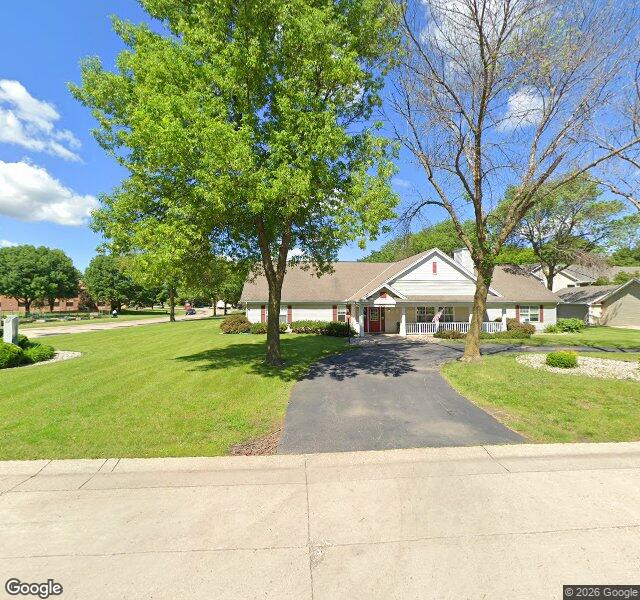
Overview and key essentials
State license
Active
MN MDH
Google reviews
3.7/ 5
6 reviews
Size & payment
Ask directly
Confirm pricing & payment
Mixed signals — tour closely
Public Google reviews reflect mixed experiences (3.7/5). Compare recent reviews and tour in person.
Cost, payment & care details
Updated Nov 28, 2026| Monthly cost | Not published | Ask for the full monthly cost, including care fees and one-time charges. |
|---|---|---|
| Payment options | Ask directly | Payment details are not confirmed in our records. Ask about private pay, long-term care insurance, veterans benefits, and Medicaid waivers. |
| Size & availability | Confirm directly | We don't publish live openings. Ask about current availability, waitlist length, and move-in timing. |
| Care & support | Assisted living | Usually offers housing and help with everyday tasks, such as bathing and dressing. What to confirm about care levelsThis describes the licensed category. Ask how care plans adjust if mobility, nursing, or memory needs change over time. Read the family care guide → |
State licensing
State inspection history
3inspections
13deficiencies listed
Sep 16, 2025ComplaintNo deficiencies reportedNone
No deficiencies reported
View official state report (opens in a new tab)
Not Substantiated. The alleged perpetrator (AP) emotionally abused the resident when he called the resident “a liar and a druggie."
Nov 7, 2024Routine5 deficiencies reported5
5 deficiencies reported
View official state report (opens in a new tab)
144G.50 Subd. 5 Waivers of liability prohibited0970
SS=C The contract must not include a waiver of facility liability for the health and safety or personal property of a resident. The contract must not include any provision that the facility knows or should know to be deceptive, unlawful, or unenforceable under state or federal law, nor include any provision that requires or implies a lesser standard of care or responsibility than is required by law. This MN Requirement is not met as evidenced by: Based on interview and record review, the licensee failed to ensure the assisted living contract did not include language waiving the licensee's liability for health, safety, or personal property of a resident. This had the potential to affect all residents. STATE FORM
LBZQ116899
LBZQ11 LBZQ11 in half or touching them for other reasons. No further information provided. TIME PERIOD FOR CORRECTION: Seven (7) days LBZQ11 failed to maintain smoke alarms, fire separation, and provide approved ashtrays. This deficient condition had the ability to affect all staff and residents. This practice resulted in a level two violation (a violation that did not harm a resident's health or safety but had the potential to have harmed a resident's health or safety) and was issued at a pattern scope (when more than a limited number of residents are affected, more than a limited number of staff are involved, or the situation has occurred repeatedly; but is not found to be pervasive). The findings include: During facility tour on November 6, 2024, from 9:35 a.m., through 10:50 a.m. with maintenance manager (MM)-F, the surveyor observed the following: The water heater PVC vents in the mechanical room went through the ceiling drywall into the attic area. There was red fire caulking present on the PVC vents and the drywall, but the caulking did not make a complete seal from the drywall to the PVC vents. MM-F stated that they just had the air ducts cleaned by a contractor and thought that the contractor had moved the PVC vents and caused the fire caulk to become separated from the ceiling. Fire caulking must be maintained to create a complete seal to prevent fire from spreading into adjoining building areas. Resident room 19 had a smoke alarm mounted on the ceiling with the battery compartment open and the battery was removed. MM-F asked the resident if the alarm was beeping, and they removed the battery. The resident did not respond, and MM-F stated they would install a STATE FORM LBZQ11 new battery. There was a metal ashtray in the rear of the building and MM-F stated that was the residents designated smoking area. A resident was observed smoking on the front sidewalk and there was a plastic container on the sidewalk with cigarette butts in it. The surveyor explained that the plastic container was not an approved, non-combustible ashtray. MM-F stated they would install another ashtray in the front of the building. During the tour MM-F verified the above findings and stated they understood the requirements. TIME PERIOD FOR CORRECTION: Seven (7) days. LBZQ11 This practice resulted in a level one violation (a violation that has no potential to cause more than a minimal impact on the resident and does not affect health or safety) and was issued at a widespread scope (when problems are pervasive or represent a systemic failure that has affected or has potential to affect a large portion or all of the residents). The findings include: The licensee's assisted living Residency Agreement contract revised December 2023, included a clause that indicated the resident would waive the licensee's liability for health, safety, or personal property of a resident. -Page 13, section VI. C. of the contract indicated: "INDEMNIFICATION. you, and /or your Legal Representative agree to indemnify and hold us and our affiliated entities harmless from any losses, liabilities, damages, and other expenses brought against us and/or an affiliated entity or individual arising, directly or indirectly, from your alleged negligent acts and/or omissions and/or the alleged negligent acts and/or omissions of a third-party acting on your behalf. Such acts or omissions may include, but not be limited to, your failure to safely utilize personal property (e.g. electric...
144G.45 Subd. 2 (a) (1) Fire protection and0780
SS=E physical environment (a) Each assisted living facility must comply with the State Fire Code in Minnesota Rules, chapter 7511, and: (1) for dwellings or sleeping units, as defined in the State Fire Code: (i) provide smoke alarms in each room used for sleeping purposes; (ii) provide smoke alarms outside each separate sleeping area in the immediate vicinity of bedrooms; (iii) provide smoke alarms on each story within a dwelling unit, including basements, but not including crawl spaces and unoccupied attics; (iv) where more than one smoke alarm is required within an individual dwelling unit or sleeping unit, interconnect all smoke alarms so that actuation of one alarm causes all alarms in the individual dwelling unit or sleeping unit to operate; and (v) ensure the power supply for existing smoke alarms complies with the State Fire Code, except that newly introduced smoke alarms in existing buildings may be battery operated; This MN Requirement is not met as evidenced by: Based on observation and interview, the licensee STATE FORM
144G.41 Subd 1 (13) (i) (B) Minimum0480
SS=F requirements (13) offer to provide or make available at least the following services to residents: (B) food must be prepared and served according to the Minnesota Food Code, Minnesota Rules, chapter 4626; and This MN Requirement is not met as evidenced by: Based on observation, interview, and record review, the licensee failed to ensure food was prepared and served according to the Minnesota Food Code. This practice resulted in a level two violation (a violation that did not harm a resident's health or safety but had the potential to have harmed a resident's health or safety) and was issued at a widespread scope (when problems are pervasive or represent a systemic failure that has affected or has the potential to affect a large portion or all the residents). The findings include: Please refer to the document titled, Food and Beverage Establishment Inspection Report (FBEIR) dated November 5, 2024, for the specific Minnesota Food Code violations. The Inspection Report was provided to the licensee within 24 hours of the inspection. TIME PERIOD FOR CORRECTION: Please refer to the FBEIR for any compliance dates.
144G.41 Subd. 3 Infection control program0510
SS=D STATE FORM (a) All assisted living facilities must establish and maintain an infection control program that complies with accepted health care, medical, and nursing standards for infection control. (b)The facility's infection control program must be consistent with current guidelines from the national Centers for Disease Control and Prevention (CDC) for infection prevention and control in long-term care facilities and, as applicable, for infection prevention and control in assisted living facilities. (c) The facility must maintain written evidence of compliance with this subdivision. This MN Requirement is not met as evidenced by: Based on observation, interview, and record review, the licensee failed to establish and maintain an effective infection control program that complies with accepted health care, medical and nursing standards for infection control related to glove use by one of one unlicensed personnel (ULP-C) observed during medication administration. This practice resulted in a level two violation (a violation that did not harm a resident's health or safety but had the potential to have harmed a resident's health or safety, but was not likely to cause serious injury, impairment, or death), and was issued at an isolated scope (when one or a limited number of residents are affected or one or a limited number of staff are involved or the situation has occurred only occasionally). The findings include: R1's Personal Service Plan dated September 25, 2024, indicated the resident received services including medication administration. STATE FORM On November 5, 2024, at 11:47 a.m., ULP-C was observed setting up R1's medications for administration. R1's scheduled medications included CholestOff Complete (a dietary supplement used to lower cholesterol) 450 milligrams (mg) by mouth in the morning and glucosamine-chondroitin (supplements that may help with arthritis pain) 500-400 mg one tablet by mouth twice a day; each medication was supplied over-the-counter in a medication bottle. While dishing up the medications, ULP-C was observed to open each medication bottle, and with bare hands, retrieve one tablet from each bottle with her fingers. When asked if that was how she was trained to administer medication from a bottle, ULP-C stated, "not really." ULP-C further stated they didn't have too many medications that were in bottles. On November 5, 2024, at 12:24 p.m., executive director/clinical nurse supervisor (ED/CNS)-A stated when administering medications from a bottle, staff were expected to pour the medication into the cap of the bottle then pour into the medication cup. If staff needed to touch the medication, they were to apply gloves and never touch the medication with bare hands. The licensee's Medication & Treatment - General Guidelines for Medication Administration/Assistance policy revised July 2024, indicated: 1. Trained or licensed associates administering or assisting with medications should: 13. Gloves should be worn when administering eye/ear drops, injectable medications (IM/SC/Insulin, etc.), or any other medication in contact with bodily fluids, etc. Gloves should also be worn when cutting tablets STATE FORM
Oct 14, 2021Routine8 deficiencies reported8
8 deficiencies reported
View official state report (opens in a new tab)
minor0430
services 0 430 (a) All assisted living facilities must provide to prospective residents: (1) a disclosure of the categories of assisted living licenses available and the category of license held by the facility; (2) a written checklist listing all services permitted under the facility's license, identifying all services the facility offers to provide under the assisted living facility contract, and identifying all services allowed under the license that the facility does not provide; and (3) an oral explanation of the services offered under the contract. (b) The requirements of paragraph (a) must be completed prior to the execution of the assisted living contract. (c) The commissioner must, in consultation with all interested stakeholders, design the uniform checklist disclosure form for use as provided under paragraph (a). This MN Requirement is not met as evidenced by: Based on observation, interview and record review, the licensee failed to provide a copy of the uniform checklist disclosure of services with the required content for two of two residents (R2, R1) with records reviewed. This practice resulted in a level one violation (a violation that has no potential to cause more than a minimal impact on the resident and does not affect health or safety), and was issued at a pattern scope (when more than a limited number of residents are affected, more than a limited number of staff are involved, or the situation has occurred repeatedly, but is not found to be pervasive). The findings include: R2 On October 13, 2021, at approximately 7:53 a.m. unlicensed personnel (ULP)-A was observed to administer oral medications to R2. R2's Service Plan dated October 11, 2021, indicated services included medication administration, chronic conditions management, bathing or showering and service coordination. R2's record lacked a written checklist listing all services permitted under the facility's license, identifying all services the facility offers to provide under the assisted living facility contract, and identifying all services allowed under the license that the facility does not provide. R1 On October 13, 2021, at approximately 8:24 a.m. ULP-A was observed to administer oral medications to R1. R1's Service Plan dated July 12, 2021, indicated services included medication administration, dressing/grooming, chronic condition management, respiratory equipment, nutrition, showers, bathroom assistance, escort/mobility, two-person transfer, cognitive/psychosocial, behavior management, skin care, and service coordination. R1's record lacked a written checklist listing all services permitted under the facility's license, identifying all services the facility offers to provide under the assisted living facility contract, and identifying all services allowed under the license that the facility does not provide. On October 13, 2021, at approximately 1:47 p.m. licensed assisted living director (LALD)-A and registered nurse (RN)-A confirmed R2 and R1 had not received a written checklist listing all services permitted under the facility's license, and the services not provided under the facility's license. The licensee lacked a policy regarding the uniform checklist disclosure of services. No further information was provided. TIME PERIOD FOR CORRECTION: Twenty-One (21) days
moderate0550
maltreatment All facilities must post in a conspicuous place information about the facilities' grievance procedure, and the name, telephone number, and e-mail contact information for the individuals who are responsible for handling resident grievances. The notice must also have the contact information for the state and applicable regional Office of Ombudsman for Long-Term Care and the Office of Ombudsman for Mental Health and Developmental Disabilities, and must have information for reporting suspected maltreatment to the Minnesota Adult Abuse Reporting Center. This MN Requirement is not met as evidenced by: Based on observation, interview, and record review, the licensee failed to post in a conspicuous place information about the facility's grievance procedure with the required content. This had the potential to affect the licensee's current residents, staff, and visitors. This practice resulted in a level two violation (a violation that did not harm a resident's health or safety but had the potential to have harmed a resident's health or safety) and was issued at a widespread scope (when problems are pervasive or represent a systemic failure that has affected or has the potential to affect a large portion or all the residents). The findings include: The licensee lacked a posting of the grievance procedure to include any information for reporting suspected maltreatment to Minnesota Adult Abuse Reporting Center (MAARC). On October 12, 2021, during the facility tour at approximately 11:20 a.m. the surveyor observed a bulletin board in the hallway near the licensee's salon with the grievance procedure hanging on it. The attached procedure did not include information for reporting suspected maltreatment to the MAARC. On October 12, 2021, at approximately 12:56 p.m. licensed assisted living director (LALD)-A confirmed the required content noted above was not currently posted as required. The licensee's Grievance Procedure-Resident policy revised dated August 2021, did not address information on how to report maltreatment to MAARC. No further information was provided. TIME PERIOD FOR CORRECTION: Twenty-One (21) days
moderate0660
control (a) The facility must establish and maintain a comprehensive tuberculosis infection control program according to the most current tuberculosis infection control guidelines issued by the United States Centers for Disease Control and Prevention (CDC), Division of Tuberculosis Elimination, as published in the CDC's Morbidity and Mortality Weekly Report. The program must include a tuberculosis infection control plan that covers all paid and unpaid employees, contractors, students, and regularly scheduled volunteers. The commissioner shall provide technical assistance regarding implementation of the guidelines. (b) The facility must maintain written evidence of compliance with this subdivision. This MN Requirement is not met as evidenced by: Based on interview and record review, the licensee failed to establish and maintain a tuberculosis (TB) prevention program, based on the most current guidelines issued by the Centers for Disease Control and Prevention (CDC) which included a facility TB risk assessment, documentation of a completed health history and symptom screening, including completion of a two-step TST (tuberculin skin test) or other evidence of TB screening such as a blood test and TB training for one of two employees (registered nurse (RN)-A) with records reviewed. This practice resulted in a level two violation (a violation that did not harm a resident's health or safety but had the potential to have harmed a resident's health or safety, but was not likely to cause serious injury, impairment, or death), and is issued at a widespread scope (when problems are pervasive or represent a systemic failure that has affected or has the potential to affect a large portion or all of the residents). The findings include: During the entrance conference on October 12, 2021, at approximately 10:10 a.m. with licensed assisted living director (LALD)-A and RN-A, a request was made to review the facility TB risk assessment. TB risk assessment was completed October 12, 2021, after the surveyor's request. RN-A confirmed the TB risk assessment was filled out after the request was made. RN-A had a start date of July 22, 2019. RN-A's employee record did not contain the following: - documentation of a completed health history and symptom screening; - completion of a two-step TST or other evidence of TB screening such as a blood test; and - TB training On October 14, 2021, at approximately 10:52 a.m. RN-A confirmed the required TB history and symptom screening, two-step TST or blood test and TB training was not completed as required. The licensee's Tuberculosis Exposure Control Plan policy revised August 2021, indicated the Facility TB Risk Assessment will be completed every two years for low-risk facilities. Baseline TB screening is required at the time of hire for current symptoms of TB, assessing TB history and testing for active or latent mycobacterium tuberculosis by administering either a two-step skin test (TST) or a single TB blood test (IGRA.) guidelines, Regulations for Tuberculosis Control in Minnesota Health Care Settings, dated July 2013, and based on CDC guidelines, indicated a TB infection control program should include a facility TB risk assessment. The guidelines also indicated an employee may begin working with patients after a negative TB history and symptom screen (no symptoms of active TB disease) and a negative IGRA (serum blood test) or TST (first step) dated within 90 days before hire. The second TST may be performed...
moderate0680
emergency preparedness (a) The facility must meet the following requirements: (1) have a written emergency disaster plan that contains a plan for evacuation, addresses elements of sheltering in place, identifies temporary relocation sites, and details staff assignments in the event of a disaster or an emergency; (2) post an emergency disaster plan prominently; (3) provide building emergency exit diagrams to all residents; (4) post emergency exit diagrams on each floor; and (5) have a written policy and procedure regarding missing tenant residents. (b) The facility must provide emergency and disaster training to all staff during the initial staff orientation and annually thereafter and must make emergency and disaster training annually available to all residents. Staff who have not received emergency and disaster training are allowed to work only when trained staff are also working on site. (c) The facility must meet any additional requirements adopted in rule. This MN Requirement is not met as evidenced by: Based on observation, interview and record review, the licensee failed to complete a written emergency disaster plan with all the required content outlined in Appendix Z. This had the potential to affect all current residents, staff, and visitors. This practice resulted in a level two violation (a violation that did not harm a resident's health or safety but had the potential to have harmed a resident's health or safety), and was issued at a widespread scope (when problems are pervasive or represent a systemic failure that has affected or has the potential to affect a large portion or all of the residents). The findings include: On October 12, 2021, at approximately 10:30 a.m. during the entrance conference, the facility emergency planning information was requested. The facility's plan consisted of corporate documents contained in a red three-ringed binder titled "Emergency Preparedness Manual." T he plan lacked the customized Appendix Z required content to include: - A facility-based and community-based risk assessment utilizing an all-hazards approach; - A customized documented plan for evacuation and identified relocation sites; - Detailed staff assignments in the event of a disaster or an emergency; - The medical record documentation system to preserve resident information; - Procedure for tracking staff and residents; - Address the elements of sheltering in place; - Emergency training and testing program; - Emergency training program for staff (including the documentation of training provided); - Emergency testing/annual testing requirements; - A communication plan that included arrangement with other facilities; - An updated name and contact information for staff; and - A method of sharing information from the emergency plan with residents and their families. On October 12, 2021, at approximately 2:00 p.m. licensed assisted living director (LALD)-A acknowledged the facility's current emergency preparedness plan was not complete. A policy was requested, but was not provided. No further information was provided. TIME PERIOD FOR CORRECTION: Twenty-one (21) days.
moderate0480
requirements (13) offer to provide or make available at least the following services to residents: (i) at least three nutritious meals daily with snacks available seven days per week, according to the recommended dietary allowances in the United States Department of Agriculture (USDA) guidelines, including seasonal fresh fruit and fresh vegetables. The following apply: (B) food must be prepared and served according to the Minnesota Food Code, Minnesota Rules, chapter 4626; and This MN Requirement is not met as evidenced by: Based on observation, interview and record review, the licensee failed to ensure food was prepared according to the Minnesota Food Code. This had the potential to affect all 17 current residents of the facility. This practice resulted in a level two violation (a violation that did not harm a resident's health or safety but had the potential to have harmed a resident's health or safety, but was not likely to cause serious injury, impairment, or death), and was issued at a widespread scope (when problems are pervasive or represent a systemic failure that has affected or has potential to affect a large portion or all of the residents). The findings include: Please refer to the additional documentation included in the Food and Beverage Establishment Inspection Reports dated October 12, 2021. TIME PERIOD FOR CORRECTION: Twenty-one (21) days
moderate0810
physical environment (b) Each assisted living facility shall develop and maintain fire safety and evacuation plans. The plans shall include but are not limited to: (1) location and number of resident sleeping rooms; (2) employee actions to be taken in the event of a fire or similar emergency; (3) fire protection procedures necessary for residents; and (4) procedures for resident movement, evacuation, or relocation during a fire or similar emergency including the identification of unique or unusual resident needs for movement or evacuation. (c) Employees of assisted living facilities shall receive training on the fire safety and evacuation plans upon hiring and at least twice per year thereafter. (d) Fire safety and evacuation plans shall be readily available at all times within the facility. (e) Residents who are capable of assisting in their own evacuation shall be trained on the proper actions to take in the event of a fire to include movement, evacuation, or relocation. The training shall be made available to residents at least once per year. (f) Evacuation drills are required for employees twice per year per shift with at least one evacuation drill every other month. Evacuation of the residents is not required. Fire alarm system activation is not required to initiate the evacuation drill. This MN Requirement is not met as evidenced by: Based on interview and record review, the licensee failed to provide fire safety and evacuation training at least once per year to residents who are capable of assisting in their own evacuation, and failed to require evacuation drills twice per year per shift with at least one evacuation drill every other month, as required by MN Statute 144G.45, Subd.2 (e) and (f). This had the potential to affect all residents, staff and visitors. This practice resulted in a level two violation (a violation that did not harm a resident's health or safety but had the potential to have harmed a resident's health or safety, but was not likely to cause serious injury, impairment, or death), and was issued at a widespread scope (when problems are pervasive or represent a systemic failure that has affected or has potential to affect a large portion or all of the residents). The findings include: On October 13, 2021, between 12:50 p.m. and 1:15 p.m. an interview and record review was conducted with the Maintenance Technician (MT)-A on fire safety and evacuation training for residents who are capable of assisting in their own evacuation. The facility lacked evidence of providing residents training on the proper actions to take in the event of a fire to include movement, evacuation, or relocation at least one time per year. MT-A verified they did not provide specific training to the residents as required. The training of residents who are capable of assisting in their own evacuation can greatly increase evacuation times for all members of the facility in an emergency situation. In addition, the licensee lacked evidence of conducting any evacuation drills for employees. MT-A verified the licensee has not performed evacuation drills as required. MT-A further indicated not being aware of any policies regarding evacuation. No further information was provided. TIME PERIOD FOR CORRECTION: Twenty-one (21) days 01460 144G.63 Subdivision 1 Orientation of staff and supervisors SS=D All staff providing and supervising direct services must complete an orientation to assisted living facility licensing requirements and...
STATE FORM6899
UO1311 STATE FORM UO1311 STATE FORM UO1311 STATE FORM UO1311 STATE FORM UO1311 STATE FORM UO1311 STATE FORM UO1311 STATE FORM UO1311 STATE FORM UO1311 STATE FORM UO1311 STATE FORM UO1311 STATE FORM UO1311 STATE FORM UO1311 STATE FORM UO1311 STATE FORM UO1311 STATE FORM UO1311 STATE FORM UO1311 01460 01460 cause serious injury, impairment, or death), and was issued at an isolated scope (when one or a limited number of residents are affected or one or a limited number of staff are involved or the situation has occurred only occasionally). The findings include: RN-A began providing clinical nursing services on August 1, 2021, at various assisted living facilities within the district. On October 14, 2021, at approximately 12:45 p.m. RN-A provided direct care services for an unidentified resident, which included behavior management/redirection. RN-A's employee records did not contain documentation RN-A completed orientation to the assisted living facility licensing requirements and regulations before providing assisted living services to residents. On October 14, 2021, at approximately 1:03 p.m. RN-A confirmed RN-A did not complete orientation to the assisted living facility licensing requirements and regulations as required. The licensee's Orientation and Annual Training Requirements policy revised August 2021, indicated staff/associates providing and supervising direct Assisted Living services should complete an orientation prior to providing Assisted Living services to residents. No further information was provided. TIME PERIOD FOR CORRECTION: Twenty-One (21) days STATE FORM UO1311 01620 01620 01620 144G.70 Subd. 2 Initial reviews, assessments, and monitoring SS=D (c) Resident reassessment and monitoring must be conducted no more than 14 calendar days after initiation of services. Ongoing resident reassessment and monitoring must be conducted as needed based on changes in the needs of the resident and cannot exceed 90 calendar days from the last date of the assessment. (d) For residents only receiving assisted living services specified in section 144G.08, subdivision 9, clauses (1) to (5), the facility shall complete an individualized initial review of the resident's needs and preferences. The initial review must be completed within 30 calendar days of the start of services. Resident monitoring and review must be conducted as needed based on changes in the needs of the resident and cannot exceed 90 calendar days from the date of the last review. (e) A facility must inform the prospective resident of the availability of and contact information for long-term care consultation services under section 256B.0911, prior to the date on which a prospective resident executes a contract with a facility or the date on which a prospective resident moves in, whichever is earlier. This MN Requirement is not met as evidenced by: Based on observation, interview and record review, the licensee failed to ensure the registered nurse (RN) conducted ongoing resident monitoring and reassessment, not to exceed 90 calendar days from the last date of the assessment for one of two residents (R1), in addition the facility failed to conduct a timely 14-day assessment for one of two residents (R2) with records reviewed. STATE FORM UO1311 01620 01620 This practice resulted in a level two violation (a violation that did not harm a resident's health or safety but had the potential to have harmed a resident's health or safety, but was not likely to cause serious...
moderate0510
(a) All assisted living facilities must establish and maintain an infection control program that complies with accepted health care, medical, and nursing standards for infection control. (b)The facility's infection control program must be consistent with current guidelines from the national Centers for Disease Control and Prevention (CDC) for infection prevention and control in long-term care facilities and, as applicable, for infection prevention and control in assisted living facilities. (c) The facility must maintain written evidence of compliance with this subdivision. This MN Requirement is not met as evidenced by: Based on observation, interview and record review the licensee failed to establish and maintain an effective infection control program to comply with accepted health care, medical, and nursing standards for infection control and current recommendations for COVID-19. This deficient practice had the potential to affect all the licensee's current residents, staff, and visitors. This practice resulted in a level two violation (a violation that did not harm a resident's health or safety but had the potential to have harmed a resident's health or safety, but was not likely to cause serious injury, impairment, or death), and is issued at a widespread scope (when problems are pervasive or represent a systemic failure that has affected or has the potential to affect a large portion or all of the residents). The findings include: The licensee failed to ensure employees in direct contact with residents were wearing appropriate personal protective equipment (PPE) as per the Centers for Disease Controls (CDC) and guidelines. Upon entrance to the licensee's establishment on October 12, 2021, at approximately 9:30 a.m. unlicensed personnel (ULP)-A and ULP-B were observed wearing a surgical face mask, and no eye protection. On October 12, 2021, at approximately 10:13 a.m. ULP-A was observed to interact with R1. ULP-A wore a medical-grade facemask; however, no eye protection was worn. On October 12, 2021, at approximately 3:06 p.m. ULP-A, ULP-B and one unidentified staff were observed to be sitting at a table in the common area, wearing a surgical face mask, but no eye protection. On October 12, 2021, at approximately 3:24 p.m. a box of goggles was observed at the employee entrance for employee use. A sign on the wall by the box read, "Sanitize hands, Face mask, Eye protection, Screen." Also observed on the same wall was the "COVID-19 Personnel Protective Equipment [PPE] Grid for Congregate Care Settings." On October 12, 2021, at approximately 4:19 p.m. registered nurse (RN)-A stated employees should be wearing eye protection performing direct contact with residents. RN-A was not aware a medical grade facemask and a face shield or goggles were required to be worn when around and/or providing cares to residents. Personal Protective Equipment (PPE) Grid for Congregate Care Settings dated June 30, 2021, instructed health care workers (HCW) with face-to-face contact with COVID-19 negative residents to wear a medical grade well-fitting facemask and eye protection. Toolkit, Information for Long-Term Care Facilities dated March 8, 2021, indicated to prevent unseen spread of COVID-19 in your facility staff actions include the "use of eye protection (e.g., face shield, goggles) during all resident care encounters to reduce COVID-19 exposure risk to staff. Eye protection is recommended when staff are in a resident care area. Use of...
Neighborhood & resident support
Emergency access, hazards & advocacy
Nearest hospital
Mayo Clinic Health Sys Mankato
1.2 mi · Mankato, MN · Medicare 5/5 ★
Emergency roomTrauma Iii
FEMA hazard risk
Relatively LowBlue Earth County, MN
- Strong Wind
- Winter Weather
- Cold Wave
Free resident advocacy
Minnesota Office of Ombudsman for Long-Term Care
More neighborhood context (specialists, VA, dialysis, air & affordability)
VA & dialysis access
Minneapolis VA Medical Center
62.7 mi · Minneapolis, MN · VA 5/5 ★
DaVita Dialysis at Mankato Clinic
3.1 mi · 4/5 ★ · Home dialysis
Specialists within 15 mi
- Geriatricians
- 1
- Neurologists
- 13
- Palliative care
- 3
- PM&R rehab
- 5
Environment & mobility
- EPA Air (2025)
- 65% good days · AQI 42
- EPA Walkability
- 7.2/20 (Below Average)
- USDA Grocery Access
- Moderate Grocery Access
- Primary care access
- HRSA Shortage Area
County demographics
- Age 65+ median income
- $63,573/yr
- Rent-burdened households
- 47%
- Cognitive disability (2023)
- 14.7%
- Mobility disability
- 11.0%
Call & tour checklist
Questions to ask Hallowstone at Mankato
Check off questions as you call or tour. Your progress stays private in this browser.
Show 3 more suggested questions
Verification & public records
Official records & sources
Licensing & contact
- License #
- 30560
- Status
- active
- Phone
- (507) 386-1779
- Federal OIG LEIE
- Clear (2026-11-27)
Original public sources
Verify licensing, ratings, and inspection reports directly with each official source.
- MN MDH official record (opens in a new tab)MN Dept. of Health
- Google Maps (opens in a new tab)Directions, photos & neighborhood
- Google Reviews (opens in a new tab)6 public reviews
EveryPlace is an independent research directory. Information is compiled from public Medicare.gov, state licensing, Google Places, and street-level imagery sources. Some summaries, suggested questions, and pricing notes are AI-generated or AI-assisted and may contain errors or omissions. We do not accept payment for placement. Confirm all details directly with the community and official sources. Research Policy.
Keep exploring
Nearby communities to compare
- 4.7(37)Assisted Living< 1 miStorypoint MankatoMankato, MN
- 4.5(29)Assisted Living< 1 miMankato Lodge Senior LivingMankato, MN
- 5.0(4)Assisted Living< 1 miBridgewater at MankatoMankato, MN
- Medicare 2/54.1(36)60 bedsMedicaidNursing Home1.4 miOaklawn Care & Rehabilitation CenterMankato, MN
- 4.0(30)Assisted Living1.4 miWater's EdgeMankato, MN
- 5.0(17)Assisted Living1.5 miGenerations Child & Memory CarMankato, MN