Loading EveryPlace content…
Assisted LivingActive license
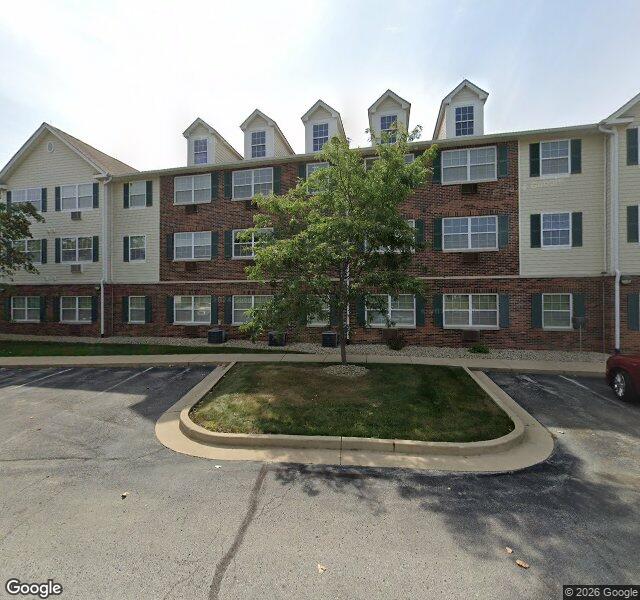
Grand Victorian of Zionsville
11755 N Michigan Rd, Zionsville, IN 46077View map (opens in a new tab)
Overview and key essentials
State license
Active
IN IDOH
Google reviews
Not available
Public reviews not linked
Size & payment
143 residents
Confirm pricing & payment
Public records for this community are limited. Use the checklist below when you call or visit to confirm pricing, services, and openings.
Cost, payment & care details
Updated Nov 28, 2026| Monthly cost | Not published | Ask for the full monthly cost, including care fees and one-time charges. |
|---|---|---|
| Payment options | Ask directly | Payment details are not confirmed in our records. Ask about private pay, long-term care insurance, veterans benefits, and Medicaid waivers. |
| Size & availability | 143 residents | We don't publish live openings. Ask about current availability, waitlist length, and move-in timing. |
| Care & support | Assisted living | Usually offers housing and help with everyday tasks, such as bathing and dressing. What to confirm about care levelsThis describes the licensed category. Ask how care plans adjust if mobility, nursing, or memory needs change over time. Read the family care guide → |
State licensing
State inspection history
19inspections
54deficiencies listed
Sep 21, 2026Complaint2 deficiencies reported2
2 deficiencies reported
View official state report (opens in a new tab)
INITIAL COMMENTS This visit was for a State Residential Licensure Survey. This visit included the Investigation of Intake IN00471909. Intake IN00471909 - No deficiencies related to the allegations are cited. Survey dates: September 18 and 21, 2026 Facility number: 012263 Residential Census: 60 These State Residential Findings are cited in accordance with 410 IAC 16.2-5. Quality review was completed on September 24, 2026.
Food and Nutritional Services -R 0273
Deficiency R 0273 R273 410 IAC 16.2-5-5.1(f) (f) All food preparation and serving areas (excluding areas in residents ' units) are maintained in accordance with state and local sanitation and safe food handling standards, including 410 IAC 7-24. Based on observations and interviews, the facility failed to ensure all refrigerators were at the appropriate temperature and dried goods were labeled and dated during 1 of 1 kitchen observations. On 9/18/26 at 9:45 a.m., the kitchen was observed with the Dietary Manager. During that observation the following was observed. The refrigerator on the food line had a temperature log taped to the door which indicated the refrigerator was "Standing cooler #2." It did not have an internal thermometer, and the dietary manager indicated they used the external thermometer to check the temperature. The Dietary Manager indicated they typically open the line refrigerator more during meal services, so that makes the temperature in the evening go up. At the time of the observation, the external thermometer indicated it was 52 degrees Fahrenheit (F), and there was approximately a half inch of standing water at the bottom of the refrigerator. The Dietary Manager indicated they had a leak in the refrigerator that maintenance had just fixed, but she was planning to have them look at it again since it appeared to still be leaking. The dry storage area included an open box of cornbread mix, an open bag of an unlabeled white powder, and an open bag of cheese sauce mix with no opened date. The Dietary On 9/21/26 at 2:00 p.m., a copy of the "Standing cooler #2" temperature log for the month of September was provided. That log indicated, "...Dietary staff is to take the temperature of the cooler(s)/freezer(s) twice per day and record temperature in appropriate column ... Minimum Cooler Temp = 41 degrees ... Any temperature problems, temperatures above the minimum, are to be reported to the Dietary Services Manager ...." The temperature log indicated 2 of 21 a.m. temperatures and 17 of 21 p.m. temperatures were above 41 degrees F. On 9/21/26 at 2:11 p.m., a copy of a current facility policy titled "Dry Food Storage," dated July 2025, was provided. That policy indicated " ...7. Unless its identity is unmistakable, bulk food such as cooking oil, syrup, salt, sugar, or flour not stored in the product container or package in which it was obtained, shall be stored in a container identifying the food by its name ...." R 0295 R295 11/02/2026 410 IAC 16.2-5-6(a) (a) Residents who self-medicate may keep and use prescription and nonprescription medications in their unit as long as they keep them secured from other residents. Based on observations and interviews the facility failed to ensure residents who managed their own medications properly secured those medications from residents (Resident 3) reviewed for medication storage in their room. Findings include: On 9/21/26 at 10:40 a.m., Resident 3 was observed as she was sitting in her motorized wheelchair in the living area of her apartment. Resident 3 indicated she managed her own medications, and typically just kept them out on her dining table so she could easily access them. After that observation, the resident left their apartment to go down to the dining room. Resident 3 did not lock her apartment door when she left, she indicated she did not usually lock her door when she was only going to be out for a short time. Article 16.2 of the Health Facilities; Licensing...
Personnel - NoncomplianceR 0120
410 IAC 16.2-5-1.4(e)(1-3) (1) The frequency and content of inservice education and training programs shall be in accordance with the skills and knowledge of the facility personnel. For nursing personnel, this shall include at least eight (8) hours of inservice per calendar year and four (4) hours of inservice per calendar year for nonnursing personnel. (2) In addition to the above required inservice hours, staff who have contact with residents shall have a minimum of six (6) hours of dementia-specific training within six (6) months and three (3) hours annually thereafter to meet the needs or preferences, or both, of cognitively impaired residents effectively and to gain understanding of the current standards of care for residents with dementia. (3) Inservice records shall be maintained and shall indicate the following: (A) The time, date, and location. (B) The name of the instructor. (D) The names of the participants. (E) The program content of inservice. The employee will acknowledge attendance by written signature. Based on record review and interview, the facility failed to implement an effective annual in-service program to ensure all employees received the minimum required dementia-specific training for 3 of 5 employees reviewed. Findings include: On 9/21/26 at 1:00 p.m., five randomly selected employee in-service records were reviewed and included the following: Housekeeper 6 was hired on 6/10/26. Their employee in-service record lacked documentation of any dementia-specific training since her hire. Qualified Medication Aide 7 was hired on 10/1/24. Their employee in-service record lacked documentation of the minimally required three hours of dementia-specific annual training. During an interview, on 9/21/26 at 1:45 p.m., the Executive Director indicated she did not have additional records to provide for the employee files noted above. During an interview, on 9/21/26 at 2:41 p.m., the Executive Director indicated the facility did not have a policy which specifically addressed dementia-specific training, but the facility followed the Indiana Residential Regulations.
Aug 27, 2026Complaint1 deficiency reported1
1 deficiency reported
View official state report (opens in a new tab)
INITIAL COMMENTS This visit was for the Investigation of Intake 471353. Intake 471353 - No deficiencies related to the allegations are cited. Survey date: August 26, and 27,
Facility number: 0122632026
Residential Census: 61 Grand Victorian Of Zionsville was found to be in compliance with 410 IAC 16.2-5 in regard to the Investigation of Intakes 471353. Quality review completed on September 14, 2026.
Jul 29, 2026ComplaintNo deficiencies reportedNone
No deficiencies reported
View official state report (opens in a new tab)
INITIAL COMMENTS This visit was for the Investigation of Intake 471077. Intake 471077 - No deficiencies related to the allegations are cited. Survey date: July 29, 2026 Facility number: 012263 Residential Census: 64 Grand Victorian Of Zionsville was found to be in compliance with 410 IAC 16.2-5 in regard to the Investigation of Intakes 471077. Quality review completed on August 10, 2026. correcting provided it is determined that other safeguards provide sufficient protection to the patients. (See instructions.) SIGNATURE
Jul 22, 2026ComplaintNo deficiencies reportedNone
No deficiencies reported
View official state report (opens in a new tab)
INITIAL COMMENTS This visit was for the Investigation of Intakes 470900 and 470952. Intake 470900 - No deficiencies related to the allegations are cited. Intake 470952 - No deficiencies related to the allegations are cited. Survey date: July 22, 2026 Facility number: 012263 Residential Census: 64 Grand Victorian Of Zionsville was found to be in compliance with 410 IAC 16.2-5 in regard to the Investigation of Intakes 470900 and 470952. Quality review completed on July 27, 2026.
Jun 10, 2026ComplaintNo deficiencies reportedNone
No deficiencies reported
View official state report (opens in a new tab)
INITIAL COMMENTS This visit was for the Investigation of Intake 470061. Intake 470061 - No deficiencies related to the allegations are cited. Survey date: June 10, 2026 Facility number: 012263 Residential Census: 67 Grand Victorian Of Zionsville was found to be in compliance with 410 IAC 16.2-5 in regard to the Investigation of Intake 470061. Quality review completed on June 18, 2026. correcting provided it is determined that other safeguards provide sufficient protection to the patients. (See instructions.) SIGNATURE
Show all 19 inspections
Feb 17, 2026ComplaintNo deficiencies reportedNone
No deficiencies reported
View official state report (opens in a new tab)
INITIAL COMMENTS This visit was for the Investigation of Intake 467508. Intake 467508 - No deficiencies related to the allegations are cited. Survey date: February 17, 2026 Facility number: 012263 Residential Census: 62 Grand Victorian of Zionsville as found to be in compliance with 410 IAC 16.2-5 in regard to the Investigation of Intake 467508. Quality review completed on February 23, 2026. correcting provided it is determined that other safeguards provide sufficient protection to the patients. (See instructions.) SIGNATURE
Dec 22, 2025Complaint1 deficiency reported1
1 deficiency reported
View official state report (opens in a new tab)
INITIAL COMMENTS This visit was for the Investigation of Intake 466787. Intake 466787 - No deficiencies related to the allegations are cited. Survey date: December 22,
Facility number: 0122632025
Residential Census: 60 Grand Victorian Of Zionsville was found to be in compliance with 410 IAC 16.2-5 in regard to the Investigation of Intake 466787. Quality review completed on January 2, 2026.
Oct 28, 2025ComplaintNo deficiencies reportedNone
No deficiencies reported
View official state report (opens in a new tab)
INITIAL COMMENTS This visit was for the Investigation of Intakes IN00465671 and IN00465675. Intake IN00465671 - No deficiencies related to the allegations are cited. Intake IN00465675 - No deficiencies related to the allegations are cited. Survey date: October 27, and 28, 2025 Facility number: 012263 Residential Census: 61 Grand Victorian Of Zionsville was found to be in compliance with 410 IAC 16.2-5 in regard to the Investigation of Intakes IN00465671 and IN00465675. Quality review completed on October 30, 2025.
Oct 14, 2025ComplaintNo deficiencies reportedNone
No deficiencies reported
View official state report (opens in a new tab)
INITIAL COMMENTS This visit was for the Investigation of Intake IN00465219. Complaint IN00465219- No deficiencies related to the allegations are cited. Survey dates: October 14, 2025 Facility number: 012263 Residential Census: 60 Grand Victorian of Zionsville was found to be in compliance with 410 IAC 16.2-5 in regard to the Investigation of Intake IN00465219. Quality review completed on October 22, 2025.
Jul 16, 2025Complaint17 deficiencies reported17
17 deficiencies reported
View official state report (opens in a new tab)
INITIAL COMMENTS This visit was for a State Residential Licensure Survey. This visit included the Investigation of Complaints IN00459009, IN00459210, IN00461309, IN00461395, and IN00461703. Complaint IN00459009 - State deficiencies related to the allegations are cited at R148, R154, R247. Complaint IN00459210 - State deficiencies related to the allegations are cited at R217, R407, R410. Complaint IN00461309 - State deficiencies related to the allegations are cited at R117. Complaint IN00461395 - State deficiencies related to the allegations are cited at R217. Complaint IN00461703 - State deficiencies related to the allegations are cited at R117. Facility number: 012263 Residential Census: 61 These State Residential Findings are cited in accordance with 410 IAC 16.2-5. Quality review completed on July 28, 2025.
Mental Health Screening-R 0378
Deficiency R 0378 R378 410 IAC 16.2-5-11.1(b)(1)(A-H)(2-3) (1) Screening of the individual for major mental illness, such as a diagnosed major mental illness, is limited to the following disorders: (A) Schizophrenia. (B) Schizoaffective disorder. (C) Mood (bipolar and major depressive type) disorder. (D) Paranoid or delusional disorder. (E) Panic or other severe anxiety disorder. (F) Somatoform or paranoid disorder. (G) Personality disorder. (H) Atypical psychosis or other psychotic disorder (not otherwise specified). (2) Obtaining a history of treatment received by the individual for a major mental illness within the last two (2) years. (3) Obtaining a history of individual behavior within the last two (2) years that would be considered dangerous to facility residents, the staff, or the individual. Findings include: On 7/14/25 at 1:00 p.m. Resident J's medical record was reviewed. She was an assisted living resident whose diagnoses included but were not limited to major depressive disorder and anemia (a condition where the blood has a reduced ability to carry oxygen, typically due to a lower-than-normal number of red blood cells or a reduced amount of hemoglobin). Resident J was a Medicaid recipient with a major mental health diagnosis. Upon review of Resident J's medical record, it was found that the resident had no mental health screen in the medical record. On 7/14/25 at 2:45 p.m. a mental health screen for Resident J was requested from the Executive Director (ED). On 7/15/25 at 9:00 a.m. the ED provided various requested documents, none of which included a mental health screen for Resident J. On 7/16/25 at 10:30 a.m. the ED indicated they did not have any more documents to provide for Resident J. On 7/16/25 at 12:00 p.m. the ED indicated they did not have a policy that spoke to annual health statements, they only follow the state regulations. At the time of exit on 7/16/25 at 12:30 p.m. an appropriate annual health statement was not provided for Resident J. Based on interviews and record reviews, the facility failed to ensure a Resident (Resident J) who was a Medicaid recipient with a major mental health diagnosis had a mental health screen in her medical record. This deficient practice had the residents reviewed for mental health screenings. Findings include: Upon review of Resident J's medical record, it was found that the resident had no mental health screen in the medical record. On 7/14/25 at 2:45 p.m. a mental health screen for Resident J was requested from the Executive Director (ED). On 7/15/25 at 9:00 a.m. the ED provided various requested documents, none of which included a mental health screen for Resident J. On 7/15/25 at 10:45 a.m. a mental health screen for Resident J was requested from the ED for a second time. On 7/16/25 at 10:30 a.m. the ED indicated they did not have any more documents to provide for Resident J. On 7/16/25 at 12:00 p.m. the ED indicated they did not have a policy that spoke to annual health statements, they only follow the state regulations. At the time of exit on 7/16/25 at 12:30 p.m. an appropriate annual health statement was not provided for Resident J.
Infection Control - NoncomplianceR 0410
R 0410 R410 410 IAC 16.2-5-12(e)(f)(g) (e) In addition, a tuberculin skin test shall be completed within three (3) months prior to admission or upon admission and read at forty-eight (48) to seventy-two (72) hours. The result shall be recorded in millimeters of induration with the date given, date read, and by whom administered and read. (g) All residents who have a positive reaction to the tuberculin skin test shall be required to have a chest x-ray and other physical and laboratory examinations in order to complete a diagnosis. 2. On 7/15/25 at 8:40 a.m., a record review was completed for Resident F. She had the following diagnoses which included but were not limited to type 2 diabetes mellitus, anemia, hyperlipidemia (high cholesterol), hypertension (high blood pressure), and chronic kidney disease. Her record lacked documentation of an annual TB screen or testing. On 7/15/25 at 11:32 a.m., the Interim Director of Nursing (IDON) provided TB testing for Resident F. The last date TB testing was administered was on 2/12/23. Her record lacked documentation of an annual TB screen or testing. On 7/15/25 at 11:32 a.m., the IDON provided TB testing for Resident E. The last date TB testing was administered on 3/23/21. A policy titled, "Tuberculosis Skin Testing and Follow Up (Residents and Employees) was provided by the Executive Director (ED) on 7/16/25 at 10:30 a.m. It indicated, " ...A signs and symptoms checklist will be completed upon admission and annually for residents ...." This citation relates to Complaint IN00459210. Based on interviews and record reviews, the facility failed to ensure a resident (Resident K, E and F) who was admitted to the facility in December of 2024 had a 1st and 2nd step Purified Protein Derivative (PPD) Test (a method used to detect latent or active tuberculosis (TB) infection) in their medical record. This deficient practice residents reviewed for PPD tests. Findings include: Upon review of Resident K's medical record, it was found that the Resident had no 1st or 2nd step PPD tests in the medical record. On 7/14/25 at 2:45 p.m. 1st and 2nd step PPD tests for Resident K were requested from the Executive Director (ED). On 7/15/25 at 9:00 a.m. the ED provided various requested documents, none of which included 1st or 2nd step PPD tests for Resident K. On 7/15/25 at 10:45 a.m. 1st and 2nd step PPD tests for Resident K were requested from the ED for a second time. On 7/16/25 at 10:30 a.m. the ED indicated they did not have any more documents to provide for Resident K. Her record lacked documentation of an annual TB screen or testing. On 7/15/25 at 11:32 a.m., the Interim Director of Nursing (IDON) provided TB testing for Resident F. The last date TB testing was administered was on 2/12/23. 3. On 7/15/25 at 9:05 a.m., a record review was completed for Resident E. She had the following diagnoses which included but were not limited to hyperlipidemia, chronic kidney disease, and hypertension. Her record lacked documentation of an annual TB screen or testing. On 7/15/25 at 11:32 a.m., the IDON provided TB testing for Resident E. The last date TB testing was administered on 3/23/21. This citation relates to Complaint IN00459210. Based on interviews and record reviews, the facility failed to ensure a resident (Resident K, E and F) who was admitted to the facility in December of 2024 had a 1st and 2nd step Purified Protein Derivative (PPD) Test (a method used to detect latent or active tuberculosis (TB) infection) in...
Infection Control - NoncomplianceR 0407
R 0407 R407 410 IAC 16.2-5-12(b)(1-4) (b) The facility must establish an infection control program that includes the following: (1) A system that enables the facility to analyze patterns of known infectious symptoms. (2) Provides orientation and in-service education on infection prevention and control, including universal precautions. (3) Offering health information to residents, including, but not limited to, infection transmission and immunizations. (4) Reporting communicable disease to public health authorities. Based on interview and record review, the facility failed to ensure there was an appropriate infection control program in place. This deficient practice had the potential to affect 61 of 61 residents who resided in the facility. Findings include: During an interview on 7/16/25 at 12:15 p.m. the interim DON provided a list of Residents who had been prescribed antibiotics in the previous four months and the infection prevention and control policy. She indicated that was all they had for their infection control program. On 7/16/25 at 12:15 p.m. the DON provided a copy of a current facility policy titled, "Infection Prevention &Control", dated 1/2025. This policy spoke to various types of precautions and isolation but did not speak to the facility's infection control program itself. This citation relates to Complaint IN00459210. Based on interview and record review, the facility failed to ensure there was an appropriate infection control program in place. This deficient practice had the potential to affect 61 of 61 residents who resided in the facility. Findings include: During an interview on 7/16/25 at 12:15 p.m. the interim DON provided a list of Residents who had been prescribed antibiotics in the previous four months and the infection prevention and control policy. She indicated that was all they had for their infection control program. On 7/16/25 at 12:15 p.m. the DON provided a copy of a current facility policy titled, "Infection Prevention &Control", dated 1/2025. This policy spoke to various types of precautions and isolation but did not speak to the facility's infection control program itself. This citation relates to Complaint IN00459210.
Personnel - NoncomplianceR 0121
R 0121 R121 410 IAC 16.2-5-1.4(f)(1-4) (f) A health screen shall be required for each employee of a facility prior to resident contact. The screen shall include a tuberculin skin test, using the Mantoux method (5 TU, PPD), unless a previously positive reaction can be documented. The result shall be recorded in millimeters of induration with the date given, date read, and by whom administered. The facility must assure the following: (2) All employees who have a positive reaction to the skin test shall be required to have a chest x-ray and other physical and laboratory examinations in order to complete a diagnosis. (3) The facility shall maintain a health record of each employee that includes reports of all employment-related health screenings. (4) An employee with symptoms or signs of active disease, (symptoms suggestive of active tuberculosis, including, but not limited to, cough, fever, night sweats, and weight loss) shall not be permitted to work until tuberculosis is ruled out. Based on record review and interview, the facility failed to ensure a Tuberculosis (TB) skin new hired employees reviewed. Findings include: The record lacked documentation of the second step. During an interview on 7/15/25 at 9:00 a.m. the ED indicated all the employee records available had been provided. A second step TB test was not provided before the survey exit. On 7/16/25 at 12:00 p.m., the ED provided a copy of current facility policy titled, "Tuberculosis Skin Testing and Follo Up (Resident s& Employees)," revised 5/2025. The policy indicated, " ...A two-step mantotux PPD tuberculosis skin test will be administered to: 1. New employees within 90 days prior to the date of hire or commenced no more that seven days after the date of hire ... if the first stepis negative, a second test should be performed one (1) to three (3) weeks after the first step ...." Based on record review and interview, the facility failed to ensure a Tuberculosis (TB) skin new hired employees reviewed. Findings include: The record lacked documentation of the second step. During an interview on 7/15/25 at 9:00 a.m. the ED indicated all the employee records available had been provided. A second step TB test was not provided before the survey exit. On 7/16/25 at 12:00 p.m., the ED provided a copy of current facility policy titled, "Tuberculosis Skin Testing and Follo Up (Resident s& Employees)," revised 5/2025. The policy indicated, " ...A two-step mantotux PPD tuberculosis skin test will be administered to: 1. New employees within 90 days prior to the date of hire or commenced no more that seven days after the date of hire ... if the first stepis negative, a second test should be performed one (1) to three (3) weeks after the first step ...."
Infection Control - NoncomplianceR 0409
R 0409 R409 410 IAC 16.2-5-12(d) Based on interviews and record reviews, the facility failed to ensure all residents had an appropriate annual health screen in their medical record. This deficient practice had the Residents (Resident J and Resident K) reviewed for appropriate annual health statements. Findings include: 1. On 7/14/25 at 1:00 p.m. Resident J's medical record was reviewed. She was an assisted living Resident whose diagnoses included but were not limited to major depressive disorder and anemia (a condition where the blood has a reduced ability to carry oxygen, typically due to a lower-than-normal number of red blood cells or a reduced amount of hemoglobin). Upon review of Resident J's medical record, it was found that the Resident had no annual health statement in the medical record. On 7/15/25 at 9:00 a.m. a document that had Resident J's name and "Annual Health Statement" at the top, was provided by the ED. This document indicated, " ... I certify the above resident is appropriate to reside in an assisted living community in their own private apartment ..." and was signed and dated 4/16/24 by the resident's physician. This document did not meet the requirements for an annual health statement as it did not indicated the Resident is free from communicable diseases and Tuberculosis in the infectious state. 2. On 7/14/25 at 1:00 p.m. Resident K's medical record was reviewed. She was an assisted living Resident whose diagnoses included but were not limited to Insomnia and Cognitive Communication Deficit (difficulties in communication arising from impairments in cognitive functions like attention, memory, and executive function). On 7/15/25 at 9:00 a.m. a document that had Resident K's name and "Annual Health Statement" at the top, was provided by the ED. This document indicated, " ... I certify the above resident is appropriate to reside in an assisted living community in their own private apartment ..." and was signed and dated 4/16/24 by the Residents physician. This document did not meet the requirements for an annual health statement as it did not indicate the Resident is free from communicable diseases and Tuberculosis in the infectious state. On 7/16/25 at 12:00 p.m. the ED indicated they did not have a policy that spoke to annual health statements, they only follow the state regulations. At the time of exit on 7/16/25 at 12:30 p.m. an appropriate annual health statement was not provided for Resident J or Resident K. Findings include: 1. On 7/14/25 at 1:00 p.m. Resident J's medical record was reviewed. She was an assisted living Resident whose diagnoses included but were not limited to major depressive disorder and anemia (a condition where the blood has a reduced ability to carry oxygen, typically due to a lower-than-normal number of red blood cells or a reduced amount of hemoglobin). Upon review of Resident J's medical record, it was found that the Resident had no annual health statement in the medical record. On 7/14/25 at 2:45 p.m. an annual health statement for Resident J was requested from the Executive Director (ED). This document did not meet the requirements for an annual health statement as it did not indicated the Resident is free from communicable diseases and Tuberculosis in the infectious state. 2. On 7/14/25 at 1:00 p.m. Resident K's medical record was reviewed. She was an assisted living Resident whose diagnoses included but were not limited to Insomnia and Cognitive Communication Deficit...
Personnel - NoncomplianceR 0120
R 0120 R120 410 IAC 16.2-5-1.4(e)(1-3) (e) There shall be an organized inservice education and training program planned in advance for all personnel in all departments at least annually. Training shall include, but is not limited to, residents' rights, prevention and control of infection, fire prevention, safety, accident prevention, the needs of specialized populations served, medication administration, and nursing care, when appropriate, as follows: (1) The frequency and content of inservice education and training programs shall be in accordance with the skills and knowledge of the facility personnel. For nursing personnel, this shall include at least eight (8) hours of inservice per calendar year and four (4) hours of inservice per calendar year for nonnursing personnel. (3) Inservice records shall be maintained and shall indicate the following: (A) The time, date, and location. (B) The name of the instructor. (C) The title of the instructor. (D) The names of the participants. (E) The program content of inservice. The employee will acknowledge attendance by written signature. Based on record review and interview, the facility failed to ensure staff received at least the minimum required amount of dementia-specific training for 4 of 5 employee records reviewed. Findings include: Activity Aid 10 was hired on 7/10/17 and his record lacked documentation of 3 hours of annual dementia-specific training. Qualified Medication Aide was hired on 4/20/23 and her record lacked documentation of 3 hours of annual dementia-specific training. Certified Nursing Assistant 9 was hired on 7/5/22 and her record lacked documentation of 3 hours of annual dementia-specific training. On 7/16/25 at 12:00 p.m., the ED indicated, the facility did not have a policy to address dementia-specific upon hire and on-going training requirements, but they followed the Residential Regulations. Based on record review and interview, the facility failed to ensure staff received at least the minimum required amount of dementia-specific training for 4 of 5 employee records reviewed. Findings include: Activity Aid 10 was hired on 7/10/17 and his record lacked documentation of 3 hours of annual dementia-specific training. Certified Nursing Assistant 9 was hired on 7/5/22 and her record lacked documentation of 3 hours of annual dementia-specific training. On 7/16/25 at 12:00 p.m., the ED indicated, the facility did not have a policy to address dementia-specific upon hire and on-going training requirements, but they followed the Residential Regulations.
Pharmaceutical Services -R 0298
Deficiency R 0298 R298 410 IAC 16.2-5-6(c)(2) (2) A consultant pharmacist shall be employed, or under contract, and shall: (A) be responsible for the duties as specified in 856 IAC 1-7; (B) review the drug handling and storage practices in the facility; (C) provide consultation on methods and procedures of ordering, storing, administering, and disposing of drugs as well as medication record keeping; Based on observation and interview, the facility failed to date medications and remove expired medications from the medication cart reviewed (Memory Care). Findings include: On 7/15/25 at 7:20 a.m., the Memory Care medication cart was observed. The following items were identified in the cart: a.) Resident N had a bottle polyvinyl 1.4% eye drops and ciprofloxacin eye drops 0.3% in the medication cart with no date to indicate when they were opened. b.) Resident C had a bottle of latanoprost 0.005% eye drops in the medication cart. They had a date opened of 5/18/25. c.) Resident O had a bottle of latanoprost 0.005% eye drops in the medication cart. They had a date opened of 5/18/25. e.) Resident P had two bottles of dorzalamide-tim eye drops in the medication cart. The bottles lacked a date to indicate when they were opened. f.) Resident Q had a humalog insulin pen and a novolog insulin pen with no date on them to indicate when they were opened. On 7/15/25 at 7:30 a.m., Qualified Medication Assistant (QMA) 7 indicated she was unsure of how long the latanoprost eye drops were good for once opened and she would check with the Interim Director of Nursing. On 7/16/25 at 12:03 p.m., the Executive Director (ED) provided a policy titled, "Medication Management, Administration, and Storage (Indiana and Ohio only)." It indicated, " ...The purpose of this policy is to ensure that resident safety is maintained when managing, preparing, administering, and storing all medications while complying with state and federal guidelines. The community will have available, on the premises or on call, the services of a licensed nurse at all times ...." Findings include: On 7/15/25 at 7:20 a.m., the Memory Care medication cart was observed. The following items were identified in the cart: a.) Resident N had a bottle polyvinyl 1.4% eye drops and ciprofloxacin eye drops 0.3% in the medication cart with no date to indicate when they were opened. b.) Resident C had a bottle of latanoprost 0.005% eye drops in the medication cart. They had a date opened of 5/18/25. c.) Resident O had a bottle of latanoprost 0.005% eye drops in the medication cart. They had a date opened of 5/18/25. d.) Resident D had two bottle of latanoprost 0.005% eye drops in the medication cart. The bottles lacked a date to indicate when they were opened. She had a bottle of melatonin (a sleep aid) in the medication cart with no label on it. On 7/15/25 at 7:30 a.m., Qualified Medication Assistant (QMA) 7 indicated she was unsure of how long the latanoprost eye drops were good for once opened and she would check with the Interim Director of Nursing. On 7/16/25 at 12:03 p.m., the Executive Director (ED) provided a policy titled, "Medication Management, Administration, and Storage (Indiana and Ohio only)." It indicated, " ...The purpose of this policy is to ensure that resident safety is maintained when managing, preparing, administering, and storing all medications while complying with state and federal guidelines. The community will have available, on the premises or on call, the services of...
Pharmaceutical Services -R 0295
Noncompliance R 0295 R295 410 IAC 16.2-5-6(a) (a) Residents who self-medicate may keep and use prescription and nonprescription medications in their unit as long as they keep them secured from other residents. Findings include: 1. On 7/14/25 at 11:00 a.m. Resident K was observed as she sat in her recliner. There was an unknown number of pill organizers observed on top of the Residents refrigerator. On 7/14/25 at 11:05 a.m. Resident K indicated she manages her own medications, and she stores them in pill organizers on top of her refrigerator. She indicated she knew she was supposed to store her medications in the locked cabinet, but it was easier for her to store them on top of her refrigerator. 2. On 7/14/25 at 11:30 a.m. Resident J was observed as she sat on her couch. The apartment was cluttered but clean and no foul odors were present. On 7/14/25 at 11:35 a.m. Resident J indicated she stored her medications in her walk-in closet in her room. She indicated she was unaware she had a locked cabinet in her apartment, and she was unaware she was supposed to store them there. Based on observations and interviews, the facility failed to ensure all residents who self-administer their own medications had those medications in a locked and secure place in their apartment. This deficient practice had the residents (Resident J and Resident K) reviewed for proper medication storage. Findings include: 1. On 7/14/25 at 11:00 a.m. Resident K was observed as she sat in her recliner. There was an unknown number of pill organizers observed on top of the Residents refrigerator. On 7/14/25 at 11:05 a.m. Resident K indicated she manages her own medications, and she stores them in pill organizers on top of her refrigerator. She indicated she knew she was supposed to store her medications in the locked cabinet, but it was easier for her to store them on top of her refrigerator. On 7/14/25 at 11:35 a.m. Resident J indicated she stored her medications in her walk-in closet in her room. She indicated she was unaware she had a locked cabinet in her apartment, and she was unaware she was supposed to store them there. On 7/16/25 at 12:00 p.m. the Executive Director (ED) indicated they did not have a policy that spoke to how and where residents who self-administer their own medications should be storing their medications, they only follow the state regulations.
Evaluation - DeficiencyR 0214
R 0214 R214 09/01/2025 410 IAC 16.2-5-2(a) 3. On 7/14/25 at 1:30 p.m., Resident L's record was reviewed. He has a diagnosis of Alzheimer's dementia and resided on the secured memory care unit. He was at risk for falls and had a history of falls. A nursing progress note, dated 2/18/25 at 8:33 p.m., indicated the resident was sitting in the tv room and took off his pants. He tried to get up by himself and fell on the right side. The resident hit his right forehead and had a little skin tear. The record lacked documentation of physician/Licensed Nurse notification. The record lacked documentation of first aide provided. The record lacked documentation of fall follow up to ensure no residual issues or injuries arose. The record lacked documentation of any post-fall interventions. The record lacked documentation of an evaluation or assessment post fall to ensure no residual issues or injuries arose. The record lacked documentation of any post-fall interventions. On 7/15/25 at 9:00 a.m. the ED provided a copy of current facility policy titled, "Fall Prevention and Management Policy," revised 2/2022. The policy indicated, " ...Upon a resident fall event, an immediate evaluation ... of the resident will be completed to determine any possible injury. The licensed nurse at the community shall be promptly notified and consulted as appropriate. Any injuries noted shall be communicated to the community licensed nurse for consideration of further direction. Any post fall interventions determined shall be implemented and documented in the medical record, if applicable ... The resident's primary care provider shell be notified of any fall event. Any communication with the primary care provider along with any orders received shall be documented in the resident's medical record ...." Findings include: 1. On 7/14/25 at 1:00 p.m. Resident K's medical record was reviewed. She was an assisted living resident whose diagnoses included, but were not limited to, insomnia and cognitive communication deficit (difficulties in communication arising from impairments in cognitive functions like attention, memory, and executive function). Upon review of Resident K's medical record, it was found that the Resident had no admission or semiannual assessment in the medical record. On 7/15/25 at 9:00 a.m. the ED provided various requested documents, none of which included an admission or semiannual assessment for Resident K. On 7/15/25 at 10:45 a.m. an admission or semiannual assessment for Resident K was requested from the ED for a second time. On 7/16/25 at 10:30 a.m. the ED indicated they did not have any more documents to provide for Resident K. On 7/16/25 at 12:00 p.m. the ED indicated they did not have a policy that spoke to admission or semiannual assessments. They only followed the state regulations. At the time of exit on 7/16/25 at 12:30 p.m. an admission or semiannual assessment was not provided for Resident K. On 7/14/25 at 1:00 p.m. Resident J's medical record was reviewed. She was an assisted living Resident whose diagnoses included but were not limited to major depressive disorder and anemia (a condition where the blood has a reduced ability to carry oxygen, typically due to a lower-than-normal number of red blood cells or a reduced amount of hemoglobin). Resident J was a Medicaid recipient with a major mental health diagnosis. A current Level of Care (LOC) assessment, dated 4/22/25, under the section titled, "Mobility," indicated, " ...2. Can get around...
Evaluation - NoncomplianceR 0216
R 0216 R216 410 IAC 16.2-5-2(c)(1-4)(d) (c) The scope and content of the evaluation shall be delineated in the facility policy manual, but at a minimum the needs assessment shall include an evaluation of the following: (1) The resident ' s physical, cognitive, and mental status. (2) The resident ' s independence in the activities of daily living. (3) The resident ' s weight taken on admission and semiannually thereafter. (4) If applicable, the resident ' s ability to self-administer medications. (d) The evaluation shall be documented in writing and kept in the facility. Findings include: On 7/14/25 at 1:00 p.m. Resident K's medical record was reviewed. She was an assisted living resident whose diagnoses included but were not limited to insomnia and cognitive communication deficit (difficulties in communication arising from impairments in cognitive functions like attention, memory, and executive function). Upon review of Resident K's medical record, it was found that the resident had no medication self-administration assessment in the medical record. On 7/14/25 at 2:45 p.m. a medication self-administration assessment for Resident K was requested from the Executive Director (ED). On 7/15/25 at 10:45 a.m. a medication self-administration assessment for Resident K was requested from the ED for a second time. On 7/16/25 at 10:30 a.m. the ED indicated they did not have any more documents to provide for Resident K. On 7/16/25 at 12:00 p.m. the ED indicated they did not have a policy that spoke to medication self-administration assessments. They only followed the state regulations. At the time of exit on 7/16/25 at 12:30 p.m. a medication self-administration assessment was not provided for Resident K. Based on interviews and record reviews, the facility failed to ensure a resident (Resident K) who managed her own medications had a medication self-administration assessment residents reviewed for medication self-administration assessments. Upon review of Resident K's medical record, it was found that the resident had no medication self-administration assessment in the medical record. On 7/14/25 at 2:45 p.m. a medication self-administration assessment for Resident K was requested from the Executive Director (ED). On 7/15/25 at 9:00 a.m. the ED provided various requested documents, none of which included a medication self-administration assessment for Resident K. On 7/15/25 at 10:45 a.m. a medication self-administration assessment for Resident K was requested from the ED for a second time. On 7/16/25 at 10:30 a.m. the ED indicated they did not have any more documents to provide for Resident K. At the time of exit on 7/16/25 at 12:30 p.m. a medication self-administration assessment was not provided for Resident K.
Food and Nutritional Services -R 0274
Noncompliance R 0274 R274 410 IAC 16.2-5-5.1(g)(1-3) (g) There shall be an organized food service department directed by a supervisor competent in food service management and knowledgeable in sanitation standards, food handling, food preparation, and meal service. (1) The supervisor must be one (1) of the following: (A) A dietitian. (C) A graduate of a dietetic technician program approved by the American Dietetic Association. (D) A graduate of an accredited college or university or within one (1) year of graduating from an accredited college or university with a degree in foods and nutrition or food administration with a minimum of one (1) year of experience in some aspect of food service management. (E) An individual with training and experience in food service supervision and management. (2) If the supervisor is not a dietitian, a dietitian shall provide consultant services on the premises at peak periods of operation on a regularly scheduled basis. (3) Food service staff shall be on duty to ensure proper food preparation, serving, and sanitation. Findings include: On 7/14/25 at 9:50 a.m., a general kitchen tour was conducted with the DM. When the dish washing machine was observed, the instruction label was badly faded and illegible. It was unable to be determined if the machine utilized a high temperature sanitization and/or chemical sanitization. The DM indicated, at first, the machine utilized chemical sanitization and pointed to the attached chemical bottles. When asked if the DM would check the parts per million (PPM) for chemical verification, they indicated they had never done that for the dish machine. The DM provided a copy of the dish washer log and indicated they only recorded temperatures (temp), so the dish washer must be a high temp sanitization machine. The DM indicated she would contact the retail provider for more information and guidance. The dish machine log for July was reviewed and revealed the dish machine failed to reach 180 degrees F for the final rinse on the following days: 7/1/25 was 174 F 7/2/25 was 170 F. 7/8/25 was 160 F. 7/9/25 was 170 F. 7/10/25 was 160 F. 7/11/25 was 176 F. 7/12/25 was 178 F. 7/13/25 was 170 F. During an interview on 7/16/25 at 12:20 p.m., the DM indicated the dish machine retail provider came out to check the dish machine and confirmed for her that the machine had dual modes and could sanitize either with high temperature or chemicals. The machine was currently set in high temperature mode and required was cycles to reach 150 F and final rinse cycle to reach 180 F. This citation relates to Complaint IN00459009. Based on observation, interview and record review, the facility failed to ensure the Dietary Manager (DM) had knowledge and understanding of the sanitization requirements for the dish washing machine. This deficiency had the potential to affect 61 of 61 residents residing at the facility. Findings include: On 7/14/25 at 9:50 a.m., a general kitchen tour was conducted with the DM. When the dish washing machine was observed, the instruction label was badly faded and illegible. It was unable to be determined if the machine utilized a high temperature sanitization and/or chemical sanitization. A was cycle was observed. There was a sticker label on the was cycle temperature gauge that indicated 180 degrees Fahrenheit (F). The was cycle only reached 145 degrees F and the final rinse only reached 168 degrees F. The dish machine log for July was reviewed and revealed the dish...
Sanitation and Safety Standards -R 0154
Deficiency R 0154 R154 410 IAC 16.2-5-1.5(k) (k) The facility shall keep all kitchens, kitchen areas, common dining areas, equipment, and utensils clean, free from litter and rubbish, and maintained in good repair in accordance with 410 IAC 7-24. Based on observation, interview, and record review, the facility failed to the ensure the refrigerator was in good repair to prevent the potential for contamination as there was a leak that left standing water in the unit for 1 of 1 kitchen observation. Findings include: Water was observed trickling down the refrigerator wall on the left panel and dripped from the plastic drainpipe at the top of the unit. A metal, circular vent on the ceiling of the refrigerator was observed to be rusted and covered with debris that blew in the moving air. Items in the refrigerator at this time include but were not limited to, various pitches of beverages, containers of milk, and condiment bottles, some with the tops left open. This citation relates to Complaint IN00459009. Based on observation, interview, and record review, the facility failed to the ensure the refrigerator was in good repair to prevent the potential for contamination as there was a leak that left standing water in the unit for 1 of 1 kitchen observation. Findings include: On 7/14/25 at 11:50 a.m., the DM provided a copy of current, but undated, facility policy titled, "Equipment Use, Storage, Warranty and Repairs Policy and Procedures." The policy indicated, " ...ensure that would read the directions on all of the equipment within the kitchen. Know how to use the equipment, how to clean the equipment, and lastly how to maintain the equipment ..." This citation relates to Complaint IN00459009.
Sanitation and Safety Standards -R 0148
Deficiency R 0148 R148 410 IAC 16.2-5-1.5(e)(1-4) (1) Each facility shall establish and implement a written program for maintenance to ensure the continued upkeep of the facility. (2) The electrical system, including appliances, cords, switches, alternate power sources, fire alarm and detection systems, shall be maintained to guarantee safe functioning and compliance with state electrical codes. (3) All plumbing shall function properly and comply with state plumbing codes. (4) At least yearly, heating and ventilating systems shall be inspected. Based on observations, interviews, and record reviews, the facility failed to ensure the environment was free from the potential for accidents when a bio-hazard closet and a cabinet of heavy chemicals were left unlocked on the secured memory care unit for 2 of 3 days of observation. Findings include: On 7/16/25 at 10:50 a.m., during a follow up tour through the secured MC unit, the bio-hazard closet remained unlocked. On 7/16/25 at 10:55 a.m., a cabinet underneath a generally accessible sink in the secured MC unit was observed unlocked. In the cabinet, the following hard chemicals were observed: Germicidal bleach Neutral PH Floor Cleaner Open and uncovered can of Comet dust Spray bleach bottle Coil Doctor Coil Cleaner & Disinfectant Open and uncovered bottle of Crew Heavy Duty Toilet Bowl Cleanser. On 7/16/25 at 12:00 p.m., the ED indicated the facility did not have a policy to address environmental safety hazards, but they followed the Residential Regulations. Based on observations, interviews, and record reviews, the facility failed to ensure the environment was free from the potential for accidents when a bio-hazard closet and a cabinet of heavy chemicals were left unlocked on the secured memory care unit for 2 of 3 days of observation. Findings include: On 7/14/25 at 11:00 a.m., during a general tour through the secured memory care (MC) unit, a bio-hazard closet was observed to be unlocked. On 7/16/25 at 10:50 a.m., during a follow up tour through the secured MC unit, the bio-hazard closet remained unlocked. On 7/16/25 at 10:55 a.m., a cabinet underneath a generally accessible sink in the secured MC unit was observed unlocked. In the cabinet, the following hard chemicals were observed: Germicidal bleach Neutral PH Floor Cleaner Open and uncovered can of Comet dust Open and uncovered bottle of Crew Heavy Duty Toilet Bowl Cleanser. On 7/16/25 at 12:00 p.m., the ED indicated the facility did not have a policy to address environmental safety hazards, but they followed the Residential Regulations. This citation relates to Complaint IN00459009.
Personnel - DeficiencyR 0117
R 0117 R117 410 IAC 16.2-5-1.4(b) Based on record review, the facility failed to ensure the minimum staffing requirements to meet the regulation to have at least one awake person who was First Aide and CPR certified available at all times. This deficient practice had the residents who resided in the facility. Findings include: During the survey entrance conference on 7/14/25 at 9:50 a.m., the actual worked nursing schedule for 7/8/25 - 7/14/25 was requested and provided by the Executive Director (ED). The schedule was reviewed to ensure appropriate and adequate coverage for staff available who were First Aid certified, and Cardiopulmonary Resuscitation (CPR) certified. The schedule lacked coverage as follows: No First Aid or CPR coverage on 7/8/25 from 2:30 p.m. until 6:00 p.m. No First Aid coverage on 7/10/25 from 2:30 p.m. until 6:00 a.m. No First Aid or CPR coverage on 7/11/25 from 4:00 p.m. until 6:00 p.m. No First Aid or CPR coverage on 7/12/25 from 6:30 a.m. until 2:00 p.m. No First Aid or CPR coverage on 7/13/25 from 2:30 p.m. until 6:00 p.m. No First Aide coverage on 7/14/25 from 2:30 p.m. until 6:00 p.m. On 7/15/25 at 2:00 p.m., the First Aide and CPR certification binder was returned to the ED. Several certifications were expired. An updated binder with any additional certified staff certificates was requested. On7/16/25 at 10:00 a.m., the ED indicated what had been provided was all there was. No additional staff certifications were provided before the time of exit. This citation relates to Complaints IN00461309 and IN00461703. Based on record review, the facility failed to ensure the minimum staffing requirements to meet the regulation to have at least one awake person who was First Aide and CPR certified available at all times. This deficient practice had the residents who resided in the facility. Findings include: During the survey entrance conference on 7/14/25 at 9:50 a.m., the actual worked nursing schedule for 7/8/25 - 7/14/25 was requested and provided by the Executive Director (ED). The schedule was reviewed to ensure appropriate and adequate coverage for staff available who were First Aid certified, and Cardiopulmonary Resuscitation (CPR) certified. The schedule lacked coverage as follows: No First Aid or CPR coverage on 7/8/25 from 2:30 p.m. until 6:00 p.m. No First Aid coverage on 7/10/25 from 2:30 p.m. until 6:00 a.m. No First Aid or CPR coverage on 7/11/25 from 4:00 p.m. until 6:00 p.m. No First Aid or CPR coverage on 7/12/25 from 6:30 a.m. until 2:00 p.m. No First Aid or CPR coverage on 7/13/25 from 2:30 p.m. until 6:00 p.m. No First Aide coverage on 7/14/25 from 2:30 p.m. until 6:00 p.m. On 7/15/25 at 2:00 p.m., the First Aide and CPR certification binder was returned to the ED. Several certifications were expired. An updated binder with any additional certified staff certificates was requested. On7/16/25 at 10:00 a.m., the ED indicated what had been provided was all there was. No additional staff certifications were provided before the time of exit. This citation relates to Complaints IN00461309 and IN00461703.
Pharmaceutical Services -R 0296
Noncompliance R 0296 R296 410 IAC 16.2-5-6(b) (b) The facility shall maintain clear written policies and procedures on medication assistance. The facility shall provide for ongoing training to ensure competence of medication staff. Findings include: On 7/14/25 a random QMA employee record was reviewed and their annual QMA In-Service record was requested. QMA 12's employee file was reviewed. She was hired on 4/20/25. Her record lacked documentation of an annual QMA-specific In-Service record. During an interview on 7/16/25 at 10:45 a.m. the ED indicated she spoke to her corporate supervisors who indicated it was the QMAs responsibility to obtain and maintain their own annual in-services forms. The ED indicated she would double check if there was a policy to address the facility's responsibilities regarding medication aides. No policy or procedure for ongoing training to ensure competence of medication staff was provided before the time of exit. On 7/16/25 at 12:00 p.m., the ED indicated the facility did not have a policy to address QMA Annual In-Service requirements. Findings include: On 7/14/25 a random QMA employee record was reviewed and their annual QMA In-Service record was requested. QMA 12's employee file was reviewed. She was hired on 4/20/25. Her record lacked documentation of an annual QMA-specific In-Service record. During an interview on 7/16/25 at 10:45 a.m. the ED indicated she spoke to her corporate supervisors who indicated it was the QMAs responsibility to obtain and maintain their own annual in-services forms. The ED indicated she would double check if there was a policy to address the facility's responsibilities regarding medication aides. No policy or procedure for ongoing training to ensure competence of medication staff was provided before the time of exit.
Food and Nutritional Services -R 0275
Deficiency R 0275 R275 410 IAC 16.2-5-5.1(h) (h) Diet orders shall be reviewed and revised by the physician as the resident ' s condition requires. Based on interviews and record reviews, the facility failed to ensure all residents had a diet order in their medical record. This deficient practice had the Residents (Resident J and Resident K) reviewed for appropriate diet orders. 1. On 7/14/25 at 1:00 p.m. Resident J's medical record was reviewed. She was an assisted living Resident whose diagnoses included but were not limited to major depressive disorder and anemia (a condition where the blood has a reduced ability to carry oxygen, typically due to a lower-than-normal number of red blood cells or a reduced amount of hemoglobin). Upon review of Resident J's physician orders, it was found that the Resident had no orders in the medical record. On 7/14/25 at 2:45 p.m. a list of Resident J's current physician orders was requested from the Executive Director (ED). On 7/15/25 at 9:00 a.m. the ED provided various requested documents, none of which included a list of current physician orders for Resident J. On 7/15/25 at 10:45 a.m. a list of current physician orders for Resident J was requested from the ED for a second time. On 7/16/25 at 10:30 a.m. the ED indicated they did not have any more documents to provide for Resident J. 2. On 7/14/25 at 1:00 p.m. Resident K's medical record was reviewed. She was an assisted living Resident whose diagnoses included but were not limited to insomnia and cognitive communication deficit (difficulties in communication arising from impairments in cognitive functions like attention, memory, and executive function). Upon review of Resident K's physician orders, it was found that the Resident had no orders in the medical record. On 7/14/25 at 2:45 p.m. a list of Resident K's current physician orders was requested from the Executive Director (ED). On 7/15/25 at 9:00 a.m. the ED provided various requested documents, none of which included a list of current physician orders for Resident K. On 7/15/25 at 11:00 a.m. a list of current physician orders for Resident K was requested from the ED and the interim DON for a second time. On 7/16/25 at 10:30 a.m. the ED indicated they did not have any more documents to provide for Resident K. On 7/16/25 at 10:30 a.m. the ED indicated they did not have any more documents to provide. On 7/16/25 at 12:00 p.m. the ED indicated they did not have a policy that spoke to appropriate diet orders in Residents medical records, they only follow the state regulations. At the time of exit on 7/16/25 at 12:30 p.m. a diet order was not provided for Resident J or Resident K. Based on interviews and record reviews, the facility failed to ensure all residents had a diet order in their medical record. This deficient practice had the Residents (Resident J and Resident K) reviewed for appropriate diet orders. Findings include: Upon review of Resident J's physician orders, it was found that the Resident had no orders in the medical record. On 7/14/25 at 2:45 p.m. a list of Resident J's current physician orders was requested from the Executive Director (ED). On 7/15/25 at 9:00 a.m. the ED provided various requested documents, none of which included a list of current physician orders for Resident J. On 7/15/25 at 10:45 a.m. a list of current physician orders for Resident J was requested from the ED for a second time. On 7/15/25 at 11:15 a.m. the interim Director of Nursing (DON) provided a list of...
Evaluation - DeficiencyR 0217
R 0217 R217 410 IAC 16.2-5-2(e)(1-5) (e) Following completion of an evaluation, the facility, using appropriately trained staff members, shall identify and document the services to be provided by the facility, as follows: (1) The services offered to the individual resident shall be appropriate to the: (A) scope; (B) frequency; (C) need; and (D) preference; of the resident. (4) No identification and documentation of services provided is needed if evaluations subsequent to the initial evaluation indicate no need for a change in services. (5) If administration of medications or the provision of residential nursing services, or both, is needed, a licensed nurse shall be involved in identification and documentation of the services to be provided. Based on record reviews and interview, the facility failed to have service plans signed by the resident and/or resident residents reviewed (Residents B, D, E, F). Findings include: 1.On 7/15/25 at 8:20 a.m., a record review was completed for Resident B. She had the following diagnoses which included but were not limited to hypothyroidism (abnormally low activity of the thyroid gland, resulting in slowing of growth and mental development in children and metabolic changes in adults), hyperlipidemia (high cholesterol), and diarrhea. 2. On 7/15/25 at 9:00 a.m., a record review was completed for Resident D. She had the following diagnoses which included but were not limited to dementia, hypothyoidism, hyperlipidemia, and major depression. Her service plan was reviewed. It was dated 5/14/25 and signed only by a RN. 3. On 7/15/25 at 8:40 a.m., a record review was completed for Resident F. She had the following diagnoses which included but were not limited to type 2 diabetes mellitus, anemia, hyperlipidemia (high cholesterol), hypertension (high blood pressure), and chronic kidney disease. Her service was reviewed. It was dated 5/7/25 and signed only by a RN. 4. On 7/15/25 at 9:05 a.m., a record review was completed for Resident E. She had the following diagnoses which included but were not limited to hyperlipidemia, chronic kidney disease, and hypertension. This citation relates to Complaints IN00459210 and IN00461395. Based on record reviews and interview, the facility failed to have service plans signed by the resident and/or resident residents reviewed (Residents B, D, E, F). Findings include: Her service plan was reviewed. It was dated 2/19/25 and signed only by a Registered Nurse (RN). 2. On 7/15/25 at 9:00 a.m., a record review was completed for Resident D. She had the following diagnoses which included but were not limited to dementia, hypothyoidism, hyperlipidemia, and major depression. Her service plan was reviewed. It was dated 5/14/25 and signed only by a RN. 3. On 7/15/25 at 8:40 a.m., a record review was completed for Resident F. She had the following diagnoses which included but were not limited to type 2 diabetes mellitus, anemia, hyperlipidemia (high cholesterol), hypertension (high blood pressure), and chronic kidney disease. Her service was reviewed. It was dated 5/7/25 and signed only by a RN. 4. On 7/15/25 at 9:05 a.m., a record review was completed for Resident E. She had the following diagnoses which included but were not limited to hyperlipidemia, chronic kidney disease, and hypertension. During an interview on 7/16/25 at 10:30 a.m., the Executive Director provided the current policy and indicated it was the current policy. A policy titlted, "Service Plans," was provided by the...
Mar 25, 2025Complaint2 deficiencies reported2
2 deficiencies reported
View official state report (opens in a new tab)
INITIAL COMMENTS This visit was for the Investigation of Complaints IN00454469, and IN00455309. Complaint IN00454469 - State deficiencies related to the allegations are cited at R351, and R358. Complaint IN00455309 - State deficiencies related to the allegations are cited at R273. Survey date: March 24, and 25,
Clinical Records -R 0358
Nonconformance R 0358 R351/R358 410 IAC 16.2-5-8.1(k) Based on observation and interview, the facility failed to maintain a system of securing all discharged residents' medical records and personal observations. Findings include: A confidential concern during the survey process indicated the facility had a room on the 3rd floor that had patient information, and anyone could access the room. On 3/24/25 at 10:24 a.m., observation of a 3rd floor room labeled "common room". The door was shut but not locked. A desk was in the room piled with resident records that were not secured. On 3/25/25 at 11:27 a.m., the 3rd floor common room was observed to remain unlocked with unsecured resident medical records, unlocked filing cabinets containing resident medical records, and a maintenance cart sitting among the filing cabinets. During an interview on 3/25/25 at 1:57 p.m., the Executive Director (ED) indicated that the Wellness Director or nurse thinning charts were responsible for filing and managing medical records. The facility was currently without a Wellness Director. During an interview on 3/25/25 at 3:15 p.m., the ED indicated she was newer to the facility in the past month and had not been in the 3rd floor common area room since she was toured before being hired. To her knowledge, the room used to be a nursing office, but had since been converted into a storage area for resident medical records. The ED indicated, she knew resident records were required to be locked up, and had not been aware the 3rd floor common area room was unlocked, and resident records to include documents thinned from current resident files, and discharged resident files were accessible to anyone opening the door. The Wellness Director or nurse thinning charts were responsible for filing and managing medical records. All management and nursing employees were responsible for making sure medical records were secure. This citation relates to Complaint IN00454469. Based on observation and interview, the facility failed to maintain a system of securing all discharged residents' medical records and personal observations. Findings include: A confidential concern during the survey process indicated the facility had a room on the 3rd floor that had patient information, and anyone could access the room. On 3/24/25 at 10:24 a.m., observation of a 3rd floor room labeled "common room". The door was shut but not locked. A desk was in the room piled with resident records that were not secured. On 3/25/25 at 11:27 a.m., the 3rd floor common room was observed to remain unlocked with unsecured resident medical records, unlocked filing cabinets containing resident medical records, and a maintenance cart sitting among the filing cabinets. During an interview on 3/25/25 at 1:57 p.m., the Executive Director (ED) indicated that the Wellness Director or nurse thinning charts were responsible for filing and managing medical records. The facility was currently without a Wellness Director. On 3/25/25 at 2:45 p.m., the ED provided a Community Record Retention Policy, dated 2/2025, and indicated the policy was the one currently being used by the facility. The policy indicated, "...Archived records must be maintained in a locked area and should be stored in banker boxes, storage tubs, and/or filing cabinets ...." This citation relates to Complaint IN00454469. correcting provided it is determined that other safeguards provide sufficient protection to the patients. (See instructions.) SIGNATURE
Facility number: 0122632025
Residential Census: 63 These State Residential Findings are cited in accordance with 410 IAC 16.2-5. Quality review completed on March 31, 2025. (f) All food preparation and serving areas (excluding areas in residents ' units) are maintained in accordance with state and local sanitation and safe food handling standards, including 410 IAC 7-24. Based on observation and interview, the facility failed to ensure dietary staff covered hair and utilized proper hand precautions during food preparation. This deficient practice had the potential to affect 61out of 63 residents who had food prepared for them from the kitchen. Findings include: A confidential concern during the survey process indicated dietary workers were not wearing gloves or hair nets in the kitchen. During an interview on 3/24/25 at 11:12 a.m., the Culinary Manager indicated the dietary employees had been educated on multiple occasions, and staff knew they were required to wear hair nets and gloves during meal preparation. On 3/25/25 at 3:55 p.m., the Receptionist indicated there had been 2 residents that signed out of the facility around lunch time on 3/24/25. Licensed Practical Nurse (LPN) 3 indicated she was not aware of any residents that had signed out for lunch on 3/24/25. On 3/25/25 at 2:45 p.m., the Executive Director (ED) provided a Culinary Dress Code & Requirements policy, dated 7/2024, and indicated the policy was the one currently being used by the facility. The policy indicated, "Long hair must be restrained or tied back. Caps/hats or hairnets must be worn in the kitchen while preparing food ..." On 3/25/25 at 3:28 p.m., the ED indicated, the facility had no policy regarding the need for gloves to be worn in the kitchen while preparing food. This citation relates to Complaint IN00455309. Based on observation and interview, the facility failed to ensure dietary staff covered hair and utilized proper hand precautions during food preparation. This deficient practice had the potential to affect 61out of 63 residents who had food prepared for them from the kitchen. Findings include: A confidential concern during the survey process indicated dietary workers were not wearing gloves or hair nets in the kitchen. During an interview on 3/24/25 at 11:12 a.m., the Culinary Manager indicated the dietary employees had been educated on multiple occasions, and staff knew they were required to wear hair nets and gloves during meal preparation. On 3/25/25 at 3:55 p.m., the Receptionist indicated there had been 2 residents that signed out of the facility around lunch time on 3/24/25. Licensed Practical Nurse (LPN) 3 indicated she was not aware of any residents that had signed out for lunch on 3/24/25. On 3/25/25 at 3:28 p.m., the ED indicated, the facility had no policy regarding the need for gloves to be worn in the kitchen while preparing food. "Retail Food Establishment Sanitation Requirements," effective November 13, 2004, Sec. 138. indicated, "...(a) Except as provided in subsection (b), food employees shall wear hair restraints, such as hats, hair coverings or nets, beard restraints, and clothing that covers body hair, that are designed and worn to effectively keep their hair from contacting: (1) exposed food; (2) clean equipment, utensils, and linens; and (3) unwrapped single-service and single-use articles ...410 IAC 7-24-246 Gloves; use limitation Sec. 246. (a) If used, single-use gloves shall be: (1) used for only one (1) task, such as working with ready-to-eat food...
Nov 4, 2024Complaint2 deficiencies reported2
2 deficiencies reported
View official state report (opens in a new tab)
INITIAL COMMENTS This visit was for the Investigation of Complaint IN00446213 Complaint IN00446213 - State deficiencies related to the allegations are cited at R0052, R0090, R0116 and R0119. Survey date: November 4, 2024. Facility number: 012263 Residential Census: 69 These State Residential Findings are cited in accordance with 410 IAC 16.2-5. Quality review completed on November 14, 2024.
Residents' Rights - OffenseR 0052Corrected Dec 25, 2024
410 IAC 16.2-5-1.2(v)(1-6) (v) Residents have the right to be free from: (2) physical abuse; (3) mental abuse; (4) corporal punishment; (5) neglect; and (6) involuntary seclusion. Based on observation, interview, and record review, the facility failed to ensure a resident had the right to be free from physical and verbal abuse for 1 of 3 residents reviewed for abuse, and had the potential to effect 23 of 69 residents who resided in the specialized memory care unit (Resident B). Findings include: During an entrance conference on 11/4/24 at 9:40 a.m., with the ED and DON present, a copy of the abuse allegation investigation was requested and provided. The Investigation included the following witness statements: CNA 29 Witness Statement, "we were changing [Resident B], and I was getting ready to clean him and put the brief under him. He was being a little combative, so we took a second before attempting to change him. When we got ready to proceed to change him, she [CNA 58] was holding his hands so he wouldn't hit us, one of his hands slipped out of hers so he then reached up and punched her in the chin. She then paused, I had told her I would get someone else to help me change him. She looked back at the door and said "no, cause this Mother F***** just hit me." Then she took his hand and punched himself in the face, then she grabbed the pillow from under his head and hit him in the face twice ...." The investigation lacked documentation of interviews and/or assessments of additional residents who were on Resident B's assignments for potential signs/symptoms of abuse. The investigation lacked documentation of interviews of other staff members who worked with CNA 58 that day, or previous days. The investigation lacked documentation of follow-up in service related to abuse preventions and/or reporting. During a confidential interview, it was indicated, Resident B could become combative at times, but they had never experienced behaviors from him which escalated to him hitting. Resident B was usually fine if he was reapproached at a later time, but the most important thing was how he was approached. If staff were calm and patient, he was really sweet most of the time. The Hospice Coordinated Care Nurse notes lacked documentation of aggression and/or combativeness. The Hospice CNA care log lacked documentation of aggression and/or combativeness. The facility's nursing progress notes were requested, but not provided by the time of exit, nor were they provided by the agreed date of 11/5/24 by 3:00 p.m. On 11/4/24 at 12:52 p.m., the DON provided 4 additional resident interviews and indicated they had been completed by the ED. The Resident Interviews were from 4 residents who did not reside on the specialized memory care unit. The interviews were not initialed or signed by the residents, ED or BOM and had not been included in the original investigation file reviewed above. During an interview on 11/4/24 at 1:00 p.m., the ED indicated the DON notified him that morning about the abuse allegations. By the time he arrived, CNA 58 had already left, but she was immediately contacted and suspended pending the investigation. The ED indicated he and the BOM "interviewed different residents throughout the day as we could catch them," but had not interviewed memory care residents and/or their family/representatives. The ED indicated, the investigation would officially conclude on 11/5/24 after a final interview with CNA 29, and he would most likely not...
Personnel - NoncomplianceR 0119
R 0119 410 IAC 16.2-5-1.4(d)(1)(A-E)(2)(A-D)(3- (d) Prior to working independently, each employee shall be given an orientation to the facility by the supervisor (or his or her designee) of the department in which the employee will work. Orientation of all employees shall include the following: (1) Instructions on the needs of the specialized populations: (A) aged; (C) mentally ill; (D) dementia; or (E) children; served in the facility. (2) A review of the facility's policy manual and applicable procedures, including: (A) organization chart; (B) personnel policies; (C) appearance and grooming policies for employees; and (D) residents' rights. (3) Instruction in first aid, emergency procedures, and fire and disaster preparedness, including evacuation procedures. (4) Review of ethical considerations and confidentiality in resident care and records. (5) For direct care staff, personal introduction to, and instruction in, the particular needs of each resident to whom the employee will be providing care. (6) Documentation of the orientation in the employee's personnel record by the person supervising the orientation. Findings include: 1. Employee 20 was hired on 10/10/23. Her file lacked documentation of the required annual 3 hours of dementia training. 2. Employee 53 was hired on 2/23/24. The employee record lacked documentation of any dementia training. 3. Employee 29was hired on 10/1/24. Her employee record lacked documentation of any dementia training. 4. Employee 56 was hired on 11/20/23. Her employee file lacked documentation of the required annual 3 hours of dementia training. 5. Employee 58 was hired on 9/16/24. Her employee record lacked documentation of any dementia training. During an interview with the Executive Director (ED) on 11/4/24 at 2:10 p.m., he indicated a past employee threw all the documentation for dementia training away. If it had the old management's name on it, it was destroyed. This residential tag relates to Complaint IN00446213. Based on record reviews and interviews, the facility failed to ensure the state required dementia training was provided upon hire and annually for staff staff members (Employees 20, 53, 29, 56, and 58). Findings include: 1. Employee 20 was hired on 10/10/23. Her file lacked documentation of the required annual 3 hours of dementia training. 2. Employee 53 was hired on 2/23/24. The employee record lacked documentation of any dementia training. 3. Employee 29was hired on 10/1/24. Her employee record lacked documentation of any dementia training. 4. Employee 56 was hired on 11/20/23. Her employee file lacked documentation of the required annual 3 hours of dementia training. A policy was requested for dementia training on 11/4/24 and not received at the time of exit. This residential tag relates to Complaint IN00446213. correcting provided it is determined that other safeguards provide sufficient protection to the patients. (See instructions.) SIGNATURE
Jun 19, 2024Complaint11 deficiencies reported11
11 deficiencies reported
View official state report (opens in a new tab)
INITIAL COMMENTS This visit was for a State Residential Licensure Survey. This visit included the Investigation of Complaint IN00432248. Complaint IN00432248 - No deficiencies related to the allegations are cited. Survey dates: June 18 and 19, 2024. Facility number: 012263 Residential Census: 73 These State Residential Findings are cited in accordance with 410 IAC 16.2-5. Quality review completed on June 28, 2024.
Pharmaceutical Services -R 0295
Noncompliance R 0295 Administrator has purchased cabinet locks and will install on all residents that self-administer medications. Wellness Director to educate all self-administering residents on new process for having to lock up medications when not in use and locking apartment doors as well. Bi-weekly checks from wellness team/ nurses to see if doors are locked and cabinets closed will help ensure compliance.Check sheets for door/lock/cabinet checks will be help in resident care supervisor's office. Wellness Director to bring up at weekly wellness meeting and test random resident's doors. Those residents who fail to comply may lose the ability to self-administer. 410 IAC 16.2-5-6(a) (a) Residents who self-medicate may keep and use prescription and nonprescription medications in their unit as long as they keep them secured from other residents. Based on observation, interview, and record review, the facility failed to ensure medications were secured for self-administration residents residents reviewed for self-medication administration (Resident 14 and 36). Findings include: 1. On 6/18/24 at 11:56 a.m., Resident 14's medications were reviewed in her apartment. On her night stand, she had: b. Amiodarone (for irregular heartbeat) 200 mg In an unlocked plastic container, next to her living room recliner, she had: a Furosemide (for edema) b. Venlafaxine ( for depression) 75 mg c. Gabapentin (for neuropathy) 300 mg d. Metformin (for hyperglycemia) 500 mg e. Metoprolol (for high blood pressure) 25 mg f. Atorvastatin (for hyperlipidemia) 20 mg During an interview, on 6/18/24 at 12:05 p.m., Resident 14 indicated when she and her husband go to a doctor's appointment, outside the facility, they do not lock their door. She indicated she kept all her medications in a bedroom drawer. a Hydrochlorothiazide (for edema, hypertension) 25 mg b. Carvedilol (for high blood pressure) 2.5 mg c. Lisinopril (for high blood pressure) 40 mg d. Nifedipine (for high blood pressure) 60 mg e. Risperidone (to treat behavioral problems) 0.5 mg f. Aspirin (anticoagulant) 81 mg g. Blink eye drops (for dry eye syndrome) On 6/18/24 at 1:25 p.m., Resident 36 was observed leaving her apartment unlocked when she left to go downstairs. On 6/19/24 at 1:55 p.m., her clinical record was reviewed. Her diagnoses included, but were not limited to, diabetes mellitus, high blood pressure, and heart failure. Based on observation, interview, and record review, the facility failed to ensure medications were secured for self-administration residents residents reviewed for self-medication administration (Resident 14 and 36). Findings include: 1. On 6/18/24 at 11:56 a.m., Resident 14's medications were reviewed in her apartment. On her night stand, she had: a Eliquis (anticoagulant) 2.5 milligrams (mg) b. Amiodarone (for irregular heartbeat) 200 mg In an unlocked plastic container, next to her living room recliner, she had: a Furosemide (for edema) c. Gabapentin (for neuropathy) 300 mg d. Metformin (for hyperglycemia) 500 mg e. Metoprolol (for high blood pressure) 25 mg f. Atorvastatin (for hyperlipidemia) 20 mg During an interview, on 6/18/24 at 12:05 p.m., Resident 14 indicated when she and her husband go to a doctor's appointment, outside the facility, they do not lock their door. On 6/19/24 at 1:50 p.m., her clinical record was reviewed. Her diagnoses included, but were not limited to, diabetes mellitus (blood sugar disorder), depression, hypertension (high blood sugar), and...
Sanitation & Safety StandardsR 0150
-Noncompliance R 0150 The Administrator and Life Enrichment Director will keep identical files of all current and incoming pet vaccination records and set Outlook calendar reminders and alerts to keep track electronically, along with quarterly review, again set with electronic calendar reminders. 410 IAC 16.2-5-1.5(g) (g) Each facility shall have a policy concerning pets. Based on record review and interview, the facility failed to ensure Resident's pets maintained current vaccinations and obtained a vaccination record before permitting the pet Resident pet records reviewed (Resident 6 and 32). Findings include: During the survey entrance conference on 6/18/24 at 10:00 a.m., the facility's current Pet Policy and vaccination records for all animals were requested of the Executive Director (ED). On 6/18/24 at 2:05 p.m., Resident 6's pet record was reviewed. The pet's Rabies vaccination expired on 11/5/23. The record lacked documentation of a current Rabies vaccination. The facility policy was titled, "Pet Policy- Unsecured Areas," reviewed 8/1/17. The policy indicated, "the purpose of the Pet- Unsecured Areas policy is to protect and enhance our resident and visitor experiences while maintaining the health, well-being and safety of all residents, guests and employees ... Before a pet moved into a licensed assisted living area it requires review and approval of the Regional Director of Wellness ... all residents with pets residing within the community must submit an annual health record ... The resident/responsible party agrees to register and immunize the pet in accordance with local laws and requirements ...." Evidence of a an updated pet vaccinations were not provided by the time of the survey exit conference. Findings include: During the survey entrance conference on 6/18/24 at 10:00 a.m., the facility's current Pet Policy and vaccination records for all animals were requested of the Executive Director (ED). On 6/18/24 at 2:00 p.m., the ED provided a copy of Residents 6's pet vaccination record and the current facility policy. At that time, the ED indicated, Resident 32's pet did not have vaccination records on file. The pet had lived in the community for approximately 8 months. On 6/18/24 at 2:05 p.m., Resident 6's pet record was reviewed. The pet's Rabies vaccination expired on 11/5/23. The record lacked documentation of a current Rabies vaccination. Evidence of a an updated pet vaccinations were not provided by the time of the survey exit conference.
Pharmaceutical Services -R 0298
Deficiency R 0298 New fridges have been purchased to replace the old frozen fridges. Medication policy is attached. More nurses are being hired for improved consistency and med management and administration. The QMAs and Nurses will do a cart and nurses station purge and cleaning to make all med carts current and accurate and more organized. New Administrative Nurse is to be hired to help purge files, audit fridges and carts. 410 IAC 16.2-5-6(c)(2) (2) A consultant pharmacist shall be employed, or under contract, and shall: (A) be responsible for the duties as specified in 856 IAC 1-7; (B) review the drug handling and storage practices in the facility; (C) provide consultation on methods and procedures of ordering, storing, administering, and disposing of drugs as well as medication record keeping; (D) report, in writing, to the administrator or his or her designee any irregularities in dispensing or administration of drugs; and (E) review the drug regimen of each resident receiving these services at least once every sixty (60) days. Based on record review and interview, the facility failed to label over the counter medications, date medications, and remove expired medication refrigerator and 1 medication cart. Findings include: 2. Resident 50 had a bottle of lorazepam 2 mg/ml (milligrams/milliliters) in the refrigerator. The bottle lacked a date to indicate when it was opened. 3. Resident 68 had a bottle of lorazepam 2 mg/ml in the refrigerator. The bottle lacked a date to indicate when it was opened. 4.) Resident 52 had a bottle of Xalatan in the medication cart. The bottle lacked a date to indicate when it was opened. 5.) Resident 48 had a container of Metamucil. It lacked a label. 6.) Resident 53 had a bottle of melatonin 3 mg. It lacked a label. 7.) Resident 64 had a bottle of vitamin D3 50 mcg/2000IU with no label. 8.) There was a bottle of fish oil in the medication cart. It lacked a name and label. On 6/18/24 at 2:10 p.m. and again on 6/19/24 at 10:45 a.m., a policy for medication storage was requested of the Wellness Director. The policy was not received at the time of exit. Based on record review and interview, the facility failed to label over the counter medications, date medications, and remove expired medication refrigerator and 1 medication cart. Findings include: 1. On 6/18/24 at 10:32 a.m. the medication room refrigerator was observed in the presence of QMA 6. The refrigerator was stuck and difficult to open. The freezer portion of the refrigerator was covered with approximately 6 inches of ice and water was dripping from the refrigerator. The temperature was 40 degrees. 2. Resident 50 had a bottle of lorazepam 2 mg/ml (milligrams/milliliters) in the refrigerator. The bottle lacked a date to indicate when it was opened. 4.) Resident 52 had a bottle of Xalatan in the medication cart. The bottle lacked a date to indicate when it was opened. 5.) Resident 48 had a container of Metamucil. It lacked a label. 6.) Resident 53 had a bottle of melatonin 3 mg. It lacked a label. 7.) Resident 64 had a bottle of vitamin D3 50 mcg/2000IU with no label. 8.) There was a bottle of fish oil in the medication cart. It lacked a name and label. On 6/18/24 at 10:45 a.m. QMA witnessed identification of medications lacking labels, expiration dates and dates to indicate when opended. On 6/18/24 at 2:10 p.m. and again on 6/19/24 at 10:45 a.m., a policy for medication storage was requested of the Wellness Director. The policy was not received...
Personnel - DeficiencyR 0117
410 IAC 16.2-5-1.4(b) Based on interview and record review, the facility failed to ensure at least one staff member was present on each shift who was first aide, and Cardiopulmonary Resuscitation (CPR) certified to meet the potential needs of the residents for 26 of 46 shifts reviewed for staffing. This deficient practice had the potential to affect 73 of 73 residents who resided in the facility. On 1/19/24 at 2:15 p.m., the actual worked nursing schedule for June 12th through the 18th was reviewed. More than half (26 of 46) of the shifts were not covered with either or both a 1st aide and CPR certified staff member On Wednesday the 12th, there was no evidence that a CPR certified staff member worked the second shift, and no 1st Aide certified staff member worked the second or third shifts. On Thursday the 13th, there was no evidence that a CPR certified staff member worked second or third shifts, and no 1st Aide certified staff member worked the second shift. On Friday the 14th, there was no evidence that a CPR certified, or 1st Aide certified staff member worked the third shift. On Saturday the 15th, there was no evidence that a CPR certified, or 1st Aide certified staff member worked the first, second or third shifts. On Tuesday the 18th, there was no evidence that a CPR certificated staff member worked on the second shift and no 1st Aide certified staff member worked on the second or third shift. On 6/19/24 at 11:20 a.m., the Executive Director (ED) provided a copy of current facility policy titled, "Staffing Requirements- Indiana RCF," reviewed 2/21/23. The policy indicated, " ...the administrator is responsible for the overall management of the facility .... A minimum of one (1) awake staff person, with current CPR and first aid certificates, on site at all times ...." Evidence of coverage for the missing shifts was not able to be provided by the time of the survey exit conference. Findings include: On 1/19/24 at 2:15 p.m., the actual worked nursing schedule for June 12th through the 18th was reviewed. More than half (26 of 46) of the shifts were not covered with either or both a 1st aide and CPR certified staff member On Wednesday the 12th, there was no evidence that a CPR certified staff member worked the second shift, and no 1st Aide certified staff member worked the second or third shifts. On Thursday the 13th, there was no evidence that a CPR certified staff member worked second or third shifts, and no 1st Aide certified staff member worked the second shift. On Friday the 14th, there was no evidence that a CPR certified, or 1st Aide certified staff member worked the third shift. On Saturday the 15th, there was no evidence that a CPR certified, or 1st Aide certified staff member worked the first, second or third shifts. On Monday the 17th, there was no evidence that a CPR certified staff member worked on the second shift and no 1st Aide certified staff member worked on the second or third shift. On Tuesday the 18th, there was no evidence that a CPR certificated staff member worked on the second shift and no 1st Aide certified staff member worked on the second or third shift. On 6/19/24 at 11:20 a.m., the Executive Director (ED) provided a copy of current facility policy titled, "Staffing Requirements- Indiana RCF," reviewed 2/21/23. The policy indicated, " ...the administrator is responsible for the overall management of the facility .... A minimum of one (1) awake staff person, with current CPR and first aid certificates,...
Personnel - NonconformanceR 0123
R 0123 The Administrator is responsible for proper employee file management and the Administrator or Designee if unavailable, will run all orientations moving forward to ensure Employee File Checklists are complete and accurate prior to starting their job. An Employee File Audit sheet file will be held in Administrator Office. The Employee File Checklist will be in each Employee’s File and updated as needed and during bi-monthly audits. 410 IAC 16.2-5-1.4(h)(1-10) (h) The facility shall maintain current and accurate personnel records for all employees. The personnel records for all employees shall include the following: (1) The name and address of the employee. (2) Social Security number. (3) Date of beginning employment. (4) Past employment, experience, and education, if applicable. (5) Professional licensure or registration number or dining assistant certificate or letter of completion, if applicable. (6) Position in the facility and job description. (7) Documentation of orientation to the facility, including residents' rights, and to the specific job skills. (8) Signed acknowledgement of orientation to residents' rights. Based on record review and interview, the facility failed to ensure employee personnel files were maintained with current, accurate and required documentation for 3 of 3 newly hired employee records reviewed. Findings include: On 6/19/24 at 1:00 p.m., 3 newly hired employees were randomly selected for employment record review. Certified Nursing Aide, (CNA) 10 was hired on 2/27/24. Her employee file lacked documentation and/or evidence of the following: pre-employment reference checks, a health screen, General Orientation, Job-Specific Orientation, a signed acknowledgement of her job description did not have evidence of Residents Rights and Dementia training. The Lead Receptionist was hired on 1/16/24. Her employee file lacked documentation and/or evidence of the following: a pre-employment health screen, General Orientation and Job-Specific Orientation. During an interview 6/19/24 at 11:02 a.m., the Wellness Director (WD) indicated the facility had been without a Business Office Manager (BOM) for several months. In the position's vacancy, each department was responsible for their own records and employee files had not been maintained. On 6/19/24 at 11:20 a.m., the Executive Director (ED) provided a copy of current facility policy titled, "Staffing Requirements- Indiana RCF," reviewed 2/21/23. The policy indicated, " ...the administrator is responsible for the overall management of the facility ...." Evidence of the above required documents were not provided by the time of the survey exit conference. Findings include: On 6/19/24 at 1:00 p.m., 3 newly hired employees were randomly selected for employment record review. Certified Nursing Aide, (CNA) 10 was hired on 2/27/24. Her employee file lacked documentation and/or evidence of the following: pre-employment reference checks, a health screen, General Orientation, Job-Specific Orientation, a signed acknowledgement of her job description did not have evidence of Residents Rights and Dementia training. CNA 11 was hired on 2/12/24. Her employee file lacked documentation and/or evidence of the following: a pre-employment health screen, General Orientation, Job-Specific Orientation, a signed acknowledgement of her job description did not have evidence of Residents Rights and Dementia training. During an interview 6/19/24 at 11:02 a.m., the Wellness Director (WD)...
Health Services - DeficiencyR 0247
R 0247 Wellness director to reeducate all Medication Aides on proper medication administration policies and procedures and are hiring LPNs to replace the QMAs on most shifts to reduce med errors. Residents on parameters will all be reviewed by NP weekly at wellness meeting for perpetuity. All possible residents were at risk for these oversights and any parameters will be monitored daily by wellness director. 410 IAC 16.2-5-4(e)(7) (7) Any error in medication administration shall be noted in the resident ' s record. The physician shall be notified of any error in medication administration when there are any actual or potential detrimental effects to the resident. Based on record review and interview, the facility failed to hold a medication when a resident's vital signs were outside the ordered parameters for 1 of 1 resident (Resident 66). Findings include: Resident 66 had orders for metoprolol (a medication used to treat hypertension) 50 milligrams (mg) by mouth one time daily related to essential hypertension. Hold medication for pulse less than 60. Resident 66 had a pulse less than 60 and metoprolol was given on the following days. a.) On 4/20/24: pulse was 54 b.) On 4/28/24: pulse was 48 c.) On 5/1/24: pulse was 55 d.) On 5/20/24: pulse was 54 e.) On 6/1/24: pulse was 59 f.) On 6/2/24: pulse was 52 g.) On 6/16/24: pulse was 59 Resident 66's record lacked documenation of the medication error and notification of the physician. On 6/19/24 at 2:15 p.m., during an interview with the Wellness Director, she acknowledged the medication errors. Based on record review and interview, the facility failed to hold a medication when a resident's vital signs were outside the ordered parameters for 1 of 1 resident (Resident 66). Findings include: On 6/18/24 at 11:16 a.m., a record review was conducted for Resident 66. She had the following diagnoses which included but were not limited to dementia, hypertension, hyperlipidemia and chronic pain. Resident 66 had orders for metoprolol (a medication used to treat hypertension) 50 milligrams (mg) by mouth one time daily related to essential hypertension. Hold medication for pulse less than 60. Resident 66 had a pulse less than 60 and metoprolol was given on the following days. a.) On 4/20/24: pulse was 54 b.) On 4/28/24: pulse was 48 c.) On 5/1/24: pulse was 55 f.) On 6/2/24: pulse was 52 g.) On 6/16/24: pulse was 59 Resident 66's record lacked documenation of the medication error and notification of the physician. On 6/19/24 at 2:15 p.m., during an interview with the Wellness Director, she acknowledged the medication errors. A policy titled "Medication Administration" was provided by the Wellness Director on 6/19/24 at 1:19 p.m. It indicated, " ... Medication will be administered to residents as prescribed ...".
Personnel - NoncomplianceR 0121
R 0121 The Administrator is responsible for proper employee file management and the Administrator or Designee if unavailable, will run all orientations moving forward to ensure Employee File Checklists are complete and accurate prior to starting their job. An Employee File Audit sheet file will be held in Administrator Office. The Employee File Checklist will be in each Employee’s File and updated as needed and during bi-monthly audits. All TB Tests will be done prior to or on orientation day and read on first day of work. 410 IAC 16.2-5-1.4(f)(1-4) (f) A health screen shall be required for each employee of a facility prior to resident contact. The screen shall include a tuberculin skin test, using the Mantoux method (5 TU, PPD), unless a previously positive reaction can be documented. The result shall be recorded in millimeters of induration with the date given, date read, and by whom administered. The facility must assure the following: (2) All employees who have a positive reaction to the skin test shall be required to have a chest x-ray and other physical and laboratory examinations in order to complete a diagnosis. (3) The facility shall maintain a health record of each employee that includes reports of all employment-related health screenings. (4) An employee with symptoms or signs of active disease, (symptoms suggestive of active tuberculosis, including, but not limited to, cough, fever, night sweats, and weight loss) shall not be permitted to work until tuberculosis is ruled out. Findings include: On 6/19/24 at 1:00 p.m., 6 randomly selected employees were sampled for employment record review. Certified Nursing Aide, (CNA) 10, hired 2/27/24, did not have a health screen on file. CNA 11, hired 2/12/24, did not have a health screen on file. Lead Receptionist, hired 1/16/24, did not have a health screen on file. During an interview 6/19/24 at 11:02 a.m., the Wellness Director (WD) indicated the facility had been without a Business Office Manager (BOM) for several months. In the position's vacancy, each department was responsible for their own records and employee files had not been maintained. The policy lacked specifications/requirements to the Residential Care Facility rule, "R121 (3) ... the facility shall maintain a health record of each employee that includes reports of all employment-related health screenings ...." Evidence of a pre-employment health screens were not provided by the time of the survey exit conference. Based on record review and interview, the facility failed to ensure employees received/provided documentation of a physical health screen before employment and contact with residents for 3 of 3 newly hired employee records reviewed. Findings include: On 6/19/24 at 1:00 p.m., 6 randomly selected employees were sampled for employment record review. CNA 11, hired 2/12/24, did not have a health screen on file. Lead Receptionist, hired 1/16/24, did not have a health screen on file. During an interview 6/19/24 at 11:02 a.m., the Wellness Director (WD) indicated the facility had been without a Business Office Manager (BOM) for several months. In the position's vacancy, each department was responsible for their own records and employee files had not been maintained. On 6/19/24 at 11:20 a.m., the Executive Director (ED) provided a copy of current facility policy titled, "Staffing Requirements- Indiana RCF," reviewed 2/21/23. The policy indicated, " ...the administrator is responsible for the overall management of the...
Food and Nutritional Services -R 0273
Deficiency 410 IAC 16.2-5-5.1(f) (f) All food preparation and serving areas (excluding areas in residents ' units) are maintained in accordance with state and local sanitation and safe food handling standards, including 410 IAC 7-24. Findings include: On 6/18/24 at 9:47 a.m., the kitchen tour was completed with the Dining Room Lead (DRL). A janitor bucket filled with dirty water, a cloudy, wrinkled film was observed on top of the water was observed in the kitchen. The DRL indicated it should have been emptied. The janitor bucket was observed within approximately 8 feet of the nearest food preparation (prep) table. The janitor sink area was an open area without a door. The janitor's sink, on the floor, was dirty with blackened debris around the sink's edges. On 6/18/24 at 9:49 a.m., Cook 5 indicated the Sous Chef 7 was in charge while the facility's Chef 13 was off on medical leave. A large trash can, with trash inside, without a lid, was observed in the kitchen. Breakfast was finished and Cook 5 indicating she was starting on lunch. In the walk-in refrigerator, several items did not have dates: c. Parmesan cheese. d. Cream cheese. e. A browned head of lettuce. f. Three plastic bags of cole slaw. g. Two plastic bags of broccoli slaw. On 6/18/24 at 9:59 a.m., The DRL asked Cook 5 to throw out the browned lettuce. On 6/18/24 at 10:00 a.m., Cook 5 was observed dating the plastic bags of cole slaw and broccoli slaw. In the walk-in freezer, 3 uncovered ice cream sundaes were observed with no date. Another open trash can with no lid was observed beside the deep fryer. A cooler called the Make Table was observed to be 50 degrees Fahrenheit (F). Some of the food stored in the top part of the cooler were: a. American cheese slices b. Tomatoes c. Pickles e. Lettuce On 6/18/24 at 11: 22 a.m., a second observation of the kitchen was completed was Sous Chef 7. She indicated she was in charge while the Chef 13 was out on medical leave. On 6/18/24 at 11:23 a.m., the large trash can was observed with no lid. Sous Chef 7 indicated the large trash can should have had a lid on it. Sous Chef 7 checked the temperatures of the Make Table cooler foods. After finding the American cheese and pickles were at 42 degrees F., she indicated to Cook 5, all the foods in the Make Table would be discarded. On 6/18/24 at 11:18 a.m., Sous Chef 7 indicated the Make Table cooler should have been serviced. She was unaware whether Chef 13 requested a service on the cooler before he left for medical leave. A current policy, titled, "Trash Removal," dated 1/26/23, was provided by the Executive Director (ED), on 6/19/24 at 10:04 a.m. A review of the policy indicated, " ...All trash cans for the kitchen will have a lid on at all times whether cans are used or unused. Culinary will have used and unused trash cans with a lid on at all times ...." Other policies to address the concerns, as stated above, were requested on 9/19/24 at 9:38 a.m., of the ED, but were not provided by the end of the survey exit conference. Based on observation, interview, and record review, the facility failed to ensure all foods were dated, a cooler maintained the correct temperature, trash cans had lids, and a janitor's bucket in the kitchen did not observations of the kitchen. Findings include: On 6/18/24 at 9:47 a.m., the kitchen tour was completed with the Dining Room Lead (DRL). On 6/18/24 at 9:49 a.m., Cook 5 indicated the Sous Chef 7 was in charge while the facility's Chef 13 was off on...
Personnel - NoncomplianceR 0119
(d) Prior to working independently, each employee shall be given an orientation to the facility by the supervisor (or his or her designee) of the department in which the employee will work. Orientation of all employees shall include the following: (1) Instructions on the needs of the specialized populations: (A) aged; (B) developmentally disabled; (C) mentally ill; (D) dementia; or (E) children; served in the facility. (2) A review of the facility's policy manual and applicable procedures, including: (A) organization chart; (B) personnel policies; (C) appearance and grooming policies for employees; and (D) residents' rights. (3) Instruction in first aid, emergency procedures, and fire and disaster preparedness, including evacuation procedures. (4) Review of ethical considerations and confidentiality in resident care and records. (6) Documentation of the orientation in the employee's personnel record by the person supervising the orientation. Based on record review and interview, the facility failed to ensure employees received general and job-specific newly hired employee records reviewed. Findings include: On 6/19/24 at 1:00 p.m., 3 newly hired employees were randomly selected for employment record review. Certified Nursing Aide (CNA) 10 was hired on 2/27/24. Her employee record lacked documentation she had received both General and Job-Specific Orientation. Certified Nursing Aide (CNA) 11 was hired on 2/12/24. Her employee record lacked documentation she had received both General and Job-Specific Orientation. During an interview 6/19/24 at 11:02 a.m., the Wellness Director (WD) indicated the facility had been without a Business Office Manager (BOM) for several months. In the position's vacancy, each department was responsible for their own records and employee files had not been maintained. On 6/19/24 at 11:20 a.m., the Executive Director (ED) provided a copy of current facility policy titled, "Staffing Requirements- Indiana RCF," reviewed 2/21/23. The policy indicated, " ...the administrator is responsible for the overall management of the facility ... Staff must complete a community orientation as outlined in the Training Requirements Indiana ...." The policy lacked specifications/requirements to the Residential Care Facility rule, R11(d) " ...prior to working independently, each employee shall be given an orientation to the facility by the supervisor (or his or her designee) of the department in which the employee will work...." Evidence of General and Job-Specific Orientations were not provided by the time of the survey exit conference. Based on record review and interview, the facility failed to ensure employees received general and job-specific newly hired employee records reviewed. Findings include: On 6/19/24 at 1:00 p.m., 3 newly hired employees were randomly selected for employment record review. Certified Nursing Aide (CNA) 10 was hired on 2/27/24. Her employee record lacked documentation she had received both General and Job-Specific Orientation. The Lead Receptionist was hired on 1/16/24. Her employee record lacked documentation she had received both General and Job-Specific Orientation. During an interview 6/19/24 at 11:02 a.m., the Wellness Director (WD) indicated the facility had been without a Business Office Manager (BOM) for several months. In the position's vacancy, each department was responsible for their own records and employee files had not been maintained. On 6/19/24 at 11:20 a.m., the Executive Director...
Personnel - NoncomplianceR 0116
410 IAC 16.2-5-1.4(a) Based on record review and interview, the facility failed to ensure newly hired employees had documented reference checks before hire and contact with residents for 2 of 3 new hire employee records reviewed. Findings include: On 6/19/24 at 1:00 p.m., 3 newly hired employees were randomly selected for employment record review. Certified Nursing Aide (CNA) 10 was hired on 2/27/24. Her employee record lacked documentation of references checks for consideration before or upon hire. Certified Nursing Aide (CNA) 11 was hired on 2/12/24. Her employee record lacked documentation of references checks for consideration before or upon hire. On 6/19/24 at 11:20 a.m., the Executive Director (ED) provided a copy of current facility policy titled, "Staffing Requirements- Indiana RCF," reviewed 2/21/23. The policy indicated, " ...the administrator is responsible for the overall management of the facility ... 11. Staff must provide at least two (2) references ...." Evidence of a pre-employment reference checks were not provided by the time of the survey exit conference. Based on record review and interview, the facility failed to ensure newly hired employees had documented reference checks before hire and contact with residents for 2 of 3 new hire employee records reviewed. Findings include: On 6/19/24 at 1:00 p.m., 3 newly hired employees were randomly selected for employment record review. During an interview 6/19/24 at 11:02 a.m., the Wellness Director (WD) indicated the facility had been without a Business Office Manager (BOM) for several months. In the position's vacancy, each department was responsible for their own records and employee files had not been maintained. On 6/19/24 at 11:20 a.m., the Executive Director (ED) provided a copy of current facility policy titled, "Staffing Requirements- Indiana RCF," reviewed 2/21/23. The policy indicated, " ...the administrator is responsible for the overall management of the facility ... 11. Staff must provide at least two (2) references ...." Evidence of a pre-employment reference checks were not provided by the time of the survey exit conference.
Sanitation and Safety Standards -R 0148
Deficiency 410 IAC 16.2-5-1.5(e)(1-4) (1) Each facility shall establish and implement a written program for maintenance to ensure the continued upkeep of the facility. (2) The electrical system, including appliances, cords, switches, alternate power sources, fire alarm and detection systems, shall be maintained to guarantee safe functioning and compliance with state electrical codes. (3) All plumbing shall function properly and comply with state plumbing codes. (4) At least yearly, heating and ventilating systems shall be inspected. Based on observations, interviews and record reviews, the facility failed to ensure resident's environments remained free from the potential for accidents when bedrails were applied but not monitored or maintained in a safe residents reviewed for bedrails (Residents 49, 51, 62, 64 and 66). Findings include: On 6/19/24 from 9:37 a.m. until 9:56 a.m., a general tour of the secured memory care unit apartments was conducted. Resident 51's bed was observed. A small mobility bar was installed to the open side of her bed near the head of the bed. It was installed via a bar under the mattress. Resident 62's bed was observed. Bilateral side rails were installed on his bed. They wobbled up and down. Resident 64's bed was observed. An oval, half-moon shaped mobility bar was installed to the right side of his bed. It was "secured" in place by a bar under the mattress and was very easily manipulated and slid away from the mattress with a gentle pull. On 6/19/24 at 10:05 a.m., Residents 49, 51, 62, 64 and 66's medical record were reviewed for the indication and use of bed rails and/or mobility aides. The records lacked documentation of physician's orders for side rails/mobility aides. The records lacked initial and/or ongoing assessments of the side rails/mobility aides. The Resident's Service Plans lacked documentation of the use and/or instructions The records lacked indication for the use of the side rails/mobility aides either for mobility/safety and or restraint. During an interview on 6/19/24 at 11:02 a.m., the Wellness Director (WD) indicated, any assistive device and/or mobility aides should be used only when ordered by the physician and assessed to be safe and appropriate with ongoing monitoring to ensure safe and effective use. Findings include: On 6/19/24 from 9:37 a.m. until 9:56 a.m., a general tour of the secured memory care unit apartments was conducted. Resident 49 was observed as he appeared to be asleep on his bed. It appeared as if he had sat down on the side of the bed, and laid down to the side. His feet remained on the floor and his torso was in the middle of the bed. When his name was called, he opened his eyes and repositioned himself with the use of a half side rail which was installed to both sides of his bed. The rail clanked and wobbled as he applied his grip to pull himself up. Resident 49 sat up and indicated, "I almost slid off there didn't I?" When asked about his rail he indicated, it was "loose" but it worked. Resident 51's bed was observed. A small mobility bar was installed to the open side of her bed near the head of the bed. It was installed via a bar under the mattress. Resident 64's bed was observed. An oval, half-moon shaped mobility bar was installed to the right side of his bed. It was "secured" in place by a bar under the mattress and was very easily manipulated and slid away from the mattress with a gentle pull. Resident 66's bed was observed. Bilateral side rails were...
Nov 21, 2023Complaint4 deficiencies reported4
4 deficiencies reported
View official state report (opens in a new tab)
INITIAL COMMENTS This visit was for a Post Survey Revisit (PSR) to Investigation of Complaint IN00418114 completed on October 5, 2023. Complaint IN00418114 - Not corrected. State deficiencies related to the allegations are cited at R0052, R0090, and R0214. Survey dates: November 21,
Facility number: 0122632023
Census: 70 These State Residential Findings are cited in accordance with 410 IAC 16.2-5. Quality review completed on December 7, 2023.
Residents' Rights - OffenseR 0052
410 IAC 16.2-5-1.2(v)(1-6) (1) sexual abuse; (2) physical abuse; (3) mental abuse; (4) corporal punishment; (5) neglect; and (6) involuntary seclusion. Based on interview and record review, the facility failed to assess, document, and conduct thorough investigations of resident to resident abuse allegations for 4 of 5 residents reviewed for abuse (Residents F, L, M, and G). Findings include: 1a. Resident F's record was reviewed on 11/21/23 at 2:15 p.m. A late entry progress notes created by the Memory Care Director (MCD) on 11/10/23 at 8:35 a.m., effective date 11/9/23 at 4:00 a.m., indicated it was reported to the MCD Resident F had hit Resident L in the stomach as she was walking by him in the activity room. A certified nursing assistant (CNA) and qualified medication aide (QMA) had witnessed the incident and separated the residents to prevent further behaviors. Resident F was removed from the room. The resident record lacked documentation for Resident F to include, but not limited to, a. The physician, resident representative, Executive Director (ED), and Wellness Director were notified of the incident. b. The resident was assessed for injuries to include vital signs. c. The resident was monitored after the incident for psychosocial harm. d. Nursing follow up of resident to resident altercation to include root cause of altercation, and measures to prevent future altercations. An All Staff Meeting, dated 10/19/23, presented by the Wellness Director, indicated 25 documented signatures of having received the education to include abuse and resident rights. The Memory Care Director signature was not on the document. 1b. Resident L's record was reviewed on 11/21/23 at 2:36 p.m. Diagnoses on Resident L's profile included, but were not limited to, Alzheimer's disease (progressive disease that destroys memory and other important mental functions), and dementia with behavioral disturbance (impaired brain functions such as memory loss and judgement with disorders such as agitation, aggression, paranoid delusions, hallucinations, etc.). The resident record lacked documentation for Resident L to include, but not limited to, a. Progress notes had been documented describing the resident being abused by Resident F. c. The resident was assessed for injuries to include vital signs. d. The resident was monitored after the incident for psychosocial harm. e. Nursing follow up of resident to resident altercation to include root cause of altercation, and measures to prevent future altercations. A Brief Cognition Rating Scale (BCRS), dated 10/4/23, score of stage 6, indicated severe cognitive decline. A behavioral care plan, dated 8/7/23, indicated focus: behaviors, no goal, and interventions: receive mental health services through the psych NP, monitor/check and report changes from baseline behaviors to nurse. a. Resident F's record was reviewed on 11/21/23 at 2:15 p.m. Diagnoses on Resident F's profile included, but were not limited to, dementia without behavioral disturbance (impaired brain functions such as memory loss and judgement with no disorders such as agitation, aggression, paranoid delusions, hallucinations, etc.). Resident F's service plan lacked documentation the resident had behaviors to include physical aggression towards other residents. During an interview on 11/21/23 at 2:56 p.m., the Wellness Director indicated, the administrative nurse with the help of a corporate nurse had been responsible for assessments, care plans,...
Administration and Management -R 0090
Deficiency R 0090 R090- Administration and Management 410 IAC 16.2-5-1.3(g)(1-6) (g) The administrator is responsible for the overall management of the facility. The responsibilities of the administrator shall include, but are not limited to, the following: (1) Informing the division within twenty-four (24) hours of becoming aware of an unusual occurrence that directly threatens the welfare, safety, or health of a resident. Notice of unusual occurrence may be made by telephone, followed by a written report, or by a written report only that is faxed or sent by electronic mail to the division within the twenty-four (24) hour time period. Unusual occurrences include, but are not limited to: (A) epidemic outbreaks; (B)poisonings; If the division cannot be reached, a call shall be made to the emergency telephone number published by the division. (2) Promptly arranging for or assisting with the provision of medical, dental, podiatry, or nursing care or other health care services as requested by the resident or resident's legal representative. (3) Obtaining director approval prior to the admission of an individual under eighteen (18) years of age to an adult facility. (4) Ensuring the facility maintains, on the premises, an accurate record of actual time worked that indicates the: (A) employee's full name; and (B) dates and hours worked during the past twelve (12) months. (5) Posting the results of the most recent annual survey of the facility conducted by state surveyors, any plan of correction in effect with respect to the facility, and any subsequent surveys. The results must be available for examination in the facility in a place readily accessible to residents and a notice posted of their availability. 410 IAC 16.2-5-1.4(b) (b) Staff shall be sufficient in number, qualifications, and training in accordance with applicable state laws and rules to meet the twenty-four (24) hour scheduled and unscheduled needs of the residents and services provided. The number, qualifications, and training of staff shall depend on skills required to provide for the specific needs of the residents. A minimum of one (1) awake staff person, with current CPR and first aid certificates, shall be on site at all times. If fifty (50) or more residents of the facility regularly receive residential nursing services or administration of medication, or both, at least one (1) nursing staff person shall be on site at all times. Residential facilities with over one hundred (100) residents regularly receiving residential nursing services or administration of medication, or both, shall have at least one (1) additional nursing staff person awake and on duty at all times for every additional fifty (50) residents. Personnel shall be assigned only those duties for which they are trained to perform. Employee duties shall conform with written job descriptions.
Evaluation - DeficiencyR 0214
R 0214 R214 Personnel 410 IAC 16.2-5-2(a) Based on interview and record review, the facility failed to appropriately and timely assess, treat, document, and personalize the service plan for behaviors before and after resident to resident abuse for 4 of 5 residents reviewed for resident abuse (F, L, M, and G). Findings include, 1a. Resident F's record was reviewed on 11/21/23 at 2:15 p.m. Diagnoses on Resident F's profile included, but were not limited to, dementia without behavioral disturbance (impaired brain functions such as memory loss and judgement with no disorders such as agitation, aggression, paranoid delusions, hallucinations, etc.). The resident record lacked documentation for Resident F to include, but not limited to, a. Nursing follow up of resident to resident altercation to include root cause of altercation, and measures to prevent future altercations. b. The service plan was updated. During an interview on 11/21/23 at 4:45 p.m., the Wellness Director indicated, Resident F had hit Resident L on 11/9/23. The Wellness Nurse had not been aware of the incident until this week when she was reviewing Resident F's chart regarding the resident to resident abuse incident that had occurred on 11/17/23. During an interview on 11/21/23 at 4:52 p.m., the Wellness Director indicated, Resident F's service plan had not been updated regarding behaviors after the 11/923 and 11/17/23 abuse incidents. The administrative nurse had been responsible for updating service plans, and this had not been done. The resident record lacked documentation for Resident L to include, but not limited to, a. Nursing follow up of resident to resident altercation to include root cause of altercation, and measures to prevent future altercations. b. The service plan was updated. A behavioral care plan, dated 8/7/23, indicated focus: behaviors, no goal, and interventions: receive mental health services through the psych NP, monitor/check and report changes from baseline behaviors to nurse. A progress notes for Resident F, dated 11/17/23 at 12:08 p.m., indicated Resident F had been sitting at the table in the dining room with several other residents when he picked up one of his eating utensils and threw it Resident G. Resident G then proceeded to get up and walk around the table and put his arm around Resident F's neck and put him in a sort of choke hold telling him not to throw things at people. Staff immediately separated the two residents. The psychiatric (psych) nurse practitioner (NP) was notified, and she recommended an in-house psych hospital stay for medication adjustment. A progress notes for Resident F, dated 11/17/23 at 5:08 p.m., indicated the resident had been picked up by hospital transport and taken for admission to nearby city psych hospital. During an interview on 11/21/23 at 2:56 p.m., the Wellness Director indicated, the administrative nurse with the help of a corporate nurse had been responsible for assessments, care plans, and processing physician's (MD) orders. The Wellness Nurse was in the process of re-doing all resident service plans. 2b. Resident G's record was reviewed on 11/21/23 at 3:30 p.m. Diagnoses on Resident G's profile included, but were not limited to, dementia without behavioral disturbance. The resident record lacked documentation for Resident G to include, but not limited to, a. Nursing follow up of resident to resident altercation to include root cause of altercation, and measures to prevent future altercations. b. The...
Oct 6, 2023Complaint3 deficiencies reported3
3 deficiencies reported
View official state report (opens in a new tab)
INITIAL COMMENTS This visit was for the Investigation of Complaints IN00408170, IN00414011, IN00415294, and IN00418114. Complaint IN00408170 - No deficiencies related to the allegations are cited. Complaint IN00414011 - No deficiencies related to the allegations are cited. Complaint IN00415294 - No deficiencies related to the allegations are cited. Complaint IN00418114 - State deficiencies related to the allegations are cited at R0052, R0090, R0117, and R0214. Survey dates: October 3, 4, and 5, 2023 Facility number: 012263 Residential Census: 76 Quality review completed on October 12, 2023.
Residents' Rights - OffenseR 0052
R 0052 R052 Residents right -offense 410 IAC 16.2-5-1.2(v)(1-6) (v) Residents have the right to be free from: (1) sexual abuse; (2) physical abuse; (3) mental abuse; (4) corporal punishment; (5) neglect; and (6) involuntary seclusion. Based on observation, interview, and record review, the facility failed to assess, document, and conduct thorough investigations of resident to resident abuse allegations for 4 of 5 residents reviewed for abuse (Residents C, D, J, F, and K). Findings include, An Indiana State Department of Health Survey Report System 5 - day follow-up report, dated 10/3/23, indicated no injuries reported or seen. Resident D was not the aggressor (he was not involved in the incident). Resident J had gone into Resident C's room and started hitting him. Resident J was sent to the emergency room (ER) and had been moved out by his wife. Resident D was recovering from the incident, and the care plan continued. On 10/4/23 at 2:30 p.m., Resident C was observed in the main lounge of the secured memory care unit sitting in his wheelchair (wc) among peers watching television (TV). The resident was relaxed, calm, and quiet. Certified Nursing Assistant (CNA) 7 indicated, Resident C could stand and pivot to transfer with assistance, and once in a wc "was on the move" everywhere. Resident could get combative during care if he did not understand what was expected of him and staff kept repeating themselves, but otherwise had no behaviors. 1a. Resident C's record was reviewed on 10/4/23 at 11:34 a.m. Diagnoses on Resident C's profile included, but were not limited to, left sided hemiplegia or hemiplegia (paralysis) following a cerebral infarction (stroke), dementia without behavioral disturbance, and need for assistance with personal care. A progress notes for Resident C, dated 9/25/23 at 12:44 a.m., resident returned from the emergency room with no new orders noted. Hospital discharge instructions, dated 9/24/23 at 11:31 p.m., indicated primary diagnosis skin tear of right forearm without complication. Additional instructions: the steri-strip bandages applied on the wound should be left on until they fall off (typically 1-2 weeks). These may get briefly wet with bathing but should not be soaked for any period of time. You do not need to apply any type of ointment or medication to these wounds. If any dressing is placed over the wound, it should be a non-adherent material that will not stick to the bandages. I recommend leaving the current bandage on for a few days. The resident record lacked documentation for Resident C to include, but not limited to, a. The resident was involved in a resident to resident altercation on 9/24/23. b. The physician, resident representative, Executive Director (ED), and Wellness Director were notified of the incident. c. The resident was assessed for injuries to include vital signs. d. The resident was monitored after the incident for psychosocial harm. g. An ER report with details to include time of arrival, reason for ER visit, treatment provided while in the ER, and discharge orders. h. Timely physician's orders to utilize home health care services for wound management. i. Physician's orders for wound care to the right arm and hand. j. Nursing follow up of resident to resident altercation to include wound healing, root cause of altercation, and measures to prevent future altercations. j. The service plan was not updated. A Brief Cognitive Rating Scale (BCRS) score of 7 indicated very severe cognitive...
Evaluation - DeficiencyR 0214
R 0214 R117 Personnel 410 IAC 16.2-5-2(a) (a) An evaluation of the individual needs of each resident shall be initiated prior to admission and shall be updated at least semiannually and upon a known substantial change in the resident ' s condition, or more often at the resident ' s or facility ' s request. A licensed nurse shall evaluate the nursing needs of the resident. Based on observation, interview and record review, the facility failed to appropriately and timely assess, treat, document, and personalize the service plan for wounds obtained during resident to resident abuse for 1 of 5 residents reviewed for resident abuse (Residents C). Findings include, An Indiana State Department of Health Survey Report System 5 - day follow-up report, dated 10/3/23, indicated no injuries reported or seen. Resident D was not the aggressor (he was not involved in the incident). Resident J had gone into Resident C's room and started hitting him. Resident J was sent to the emergency room (ER) and had been moved out by his wife. Resident D was recovering from the incident, and the care plan continued. On 10/4/23 at 3:35 p.m., Resident C was observed in the main lounge of the secured memory care unit sitting in his wc among peers watching TV. His right arm and hand were observed to have a 3 inch (in) by (x) 3 in padded dressing on top of his right wrist, back of hand, down onto forefinger, with dark discoloration observed on hand and thumb around the dressing. Another 3 in x 3 in padded dressing was observed on top of the upper right forearm near the bend of his arm, scabbed skin observed around the dressing. Neither dressing was dated or initialed with information of when or who had placed the dressing. A progress notes for Resident C, dated 9/25/23 at 12:44 a.m., resident returned from the emergency room with no new orders noted. A progress notes for Resident C, dated 9/28/23 at 4:22 p.m., indicated resident seen by a home health agency for skin tears to right arm, with dressing to right arm skin tears changed. The nurse practitioner (NP) was to send orders for home health services. A Medication Administration Record (MAR) for Resident C, dated September 2023, indicated no documentation the resident had been treated for wounds to his right arm and hand. Qualified Medication Aide (QMA) 8 indicated there were no physician's orders to treat the skin tears on Resident C's right arm and hand, and she was not sure who was monitoring or treating his wounds or changing his dressings, but he did go out at times. The resident record lacked documentation for Resident C to include, but not limited to, a. The resident was involved in a resident to resident altercation on 9/24/23. b. The resident was assessed for injuries to include vital signs. c. The resident had large skin tears and bruising to his left arm and hand sustained from another resident, or a description of the wounds. f. Orders were obtained to the send the resident to the ER for evaluation, and reason for order. h. Timely physician's orders to utilize home health care services for wound management. i. Physician's orders for wound care to the right arm and hand. j. Nursing follow up of resident to resident altercation to include wound healing. j. The service plan was not updated. During an interview on 10/5/23 at 11:42 a.m., with Licensed Practical Nurse (LPN) 9 indicated Resident C's chart lacked documentation from the ER physician regarding arrival to ER, assessment upon arrival to ER, or...
Administration and Management -R 0090
Deficiency R 0090 R090- Administration and Management 410 IAC 16.2-5-1.3(g)(1-6) (g) The administrator is responsible for the overall management of the facility. The responsibilities of the administrator shall include, but are not limited to, the following: (1) Informing the division within twenty-four (24) hours of becoming aware of an unusual occurrence that directly threatens the welfare, safety, or health of a resident. Notice of unusual occurrence may be made by telephone, followed by a written report, or by a written report only that is faxed or sent by electronic mail to the division within the twenty-four (24) hour time period. Unusual occurrences include, but are not limited to: (A) epidemic outbreaks; (B)poisonings; (C) fires; or (D) major accidents. (2) Promptly arranging for or assisting with the provision of medical, dental, podiatry, or nursing care or other health care services as requested by the resident or resident's legal representative. (3) Obtaining director approval prior to the admission of an individual under eighteen (18) years of age to an adult facility. (4) Ensuring the facility maintains, on the premises, an accurate record of actual time worked that indicates the: (A) employee's full name; and (B) dates and hours worked during the past twelve (12) months. (5) Posting the results of the most recent annual survey of the facility conducted by state surveyors, any plan of correction in effect with respect to the facility, and any subsequent surveys. The results must be available for examination in the facility in a place readily accessible to residents and a notice posted of their availability. (6) Maintaining reports of surveys conducted by the division in each facility for a period of two (2) years and making the reports available for inspection to any member of the public upon request Findings include, 1. An Indiana State Department of Health Survey Report System report, dated 9/25/23 at 6:21 a.m., indicated on 9/24/23 at 9:01 p.m., Resident C was in his room and Resident D went into Resident C's room and started yelling and striking Resident C. Staff could not get Resident D to leave the room and police were called. Residents were separated, no injuries noted. Staff will be retrained on deescalating situations. An Indiana State Department of Health Survey Report System 5 - day follow-up report, dated 10/3/23, indicated no injuries reported or seen. Resident D was not the aggressor (he was not involved in the incident). Resident J had gone into Resident C's room and started hitting him. Resident J was sent to the emergency room (ER) and had been moved out by his wife. Resident D was recovering from the incident, and the care plan continued. 2. An Indiana State Department of Health Survey Report System report, dated 7/24/23, indicated, the ED was informed on 6/16/23 at 10:01 a.m., Resident K yelled at and physically shook Resident F at the dining room table during breakfast. Resident K stated she was irritated by the whistling sound Resident F as making. Resident K was offered to sit at another table, and she refused. Immediate action taken: Resident K went out to smoke. Preventative action taken: Resident K reminded she could not yell or touch other residents. The state reportable incident report and 5-day follow up report were submitted in excess of 5 weeks late. A Wellness Meeting sign-in log, dated 9/20/23, indicated documentation staff had received education related to abuse, neglect, exploitation,...
May 8, 2023RoutineNo deficiencies reportedNone
No deficiencies reported
View official state report (opens in a new tab)
INITIAL COMMENTS This visit was for a Post Survey Revisit (PSR) to the PSR to the State Residential Licensure Survey completed on March 23, 2023. Survey dates: May 8, 2023 Facility number: 012263 Residential Census: 74 Independence Village of Zionsville East as found to be in compliance with 410 IAC 16.2-5 in regard to the PSR to the PSR to the State Residential Licensure Survey. Quality review completed on May 12, 2023. correcting provided it is determined that other safeguards provide sufficient protection to the patients. (See instructions.) SIGNATURE
Mar 29, 2023ComplaintNo deficiencies reportedNone
No deficiencies reported
View official state report (opens in a new tab)
INITIAL COMMENTS This visit was for the Investigation of Complaint IN00404741. Complaint IN00404741 - No deficiencies related to the allegations are cited. Survey date: March 29, 2023 Facility number: 012263 Residential Census: 76 Independence Village of Zionsville East was found to be in compliance with 410 IAC 16.2-5 in regard to the Investigation of Complaint IN00404741. Quality review completed on April 3, 2023.
Mar 23, 2023Routine2 deficiencies reported2
2 deficiencies reported
View official state report (opens in a new tab)
INITIAL COMMENTS This visit was for a Post Survey Revisit (PSR) to the State Residential Licensure Survey completed on January 24, 2023. Survey dates: March 23, 2023. Facility number: 012263 Residential Census: 76 These State Residential Findings are cited in accordance with 410 IAC 16.2-5. Quality review completed on April 3, 2023. This visit was for a Post Survey Revisit (PSR) to the State Residential Licensure Survey completed on January 24, 2023. Survey dates: March 23, 2023. Facility number: 012263 Residential Census: 76 Quality review completed on April 3, 2023. 410 IAC 16.2-5-1.4(e)(1-3) (e) There shall be an organized inservice education and training program planned in advance for all personnel in all departments at least annually. Training shall include, but is not limited to, residents' rights, prevention and control of infection, fire prevention, safety, accident prevention, the needs of specialized populations served, medication administration, and nursing care, when appropriate, as follows: (1) The frequency and content of inservice education and training programs shall be in accordance with the skills and knowledge of the facility personnel. For nursing personnel,...
Personnel - NoncomplianceR 0121
R 0121 R-121 410 IAC 16.2-5-1.4(f)(1-4) (1) At the time of employment, or within one (1) month prior to employment, and at least annually thereafter, employees and nonpaid personnel of facilities shall be screened for tuberculosis. The first tuberculin skin test must be read prior to the employee starting work. For health care workers who have not had a documented negative tuberculin skin test result during the preceding twelve (12) months, the baseline tuberculin skin testing should employ the two-step method. If the first step is negative, a second test should be performed one (1) to three (3) weeks after the first step. The frequency of repeat testing will depend on the risk of infection with tuberculosis. (2) All employees who have a positive reaction to the skin test shall be required to have a chest x-ray and other physical and laboratory examinations in order to complete a diagnosis. Based on record review and interview, the facility failed to ensure employee tuberculosis (TB) testing or screening was completed and documented in randomly selected employees reviewed for TB. Findings include: On 3/23/23 at 9:30 a.m., the Post Survey Revisit (PSR) was opened during a brief entrance conference with the Executive Director (ED) and Wellness Director (WD). At that time, all Plan of Correction (POC) documentation was requested. During an interview on 3/23/23 at 11:03 a.m., the Executive Director indicated, he had not made a "traditional" POC binder for the corrections, but all the concerns areas had been addressed by the appropriate department heads and fixed. The WD had been in charge of ensure employee TB testing was corrected. On 3/23/23 at 11:35 a.m., five employees were randomly selected for TB screening review. Qualified Medication Aid (QMA) 8 was hired on 3/30/22. Her 1st step PPD was not placed until 5/2/22, 2 months after starting work. There was no evidence of a second step. QMA 9 was hired on 9/23/22. Her 1st step TB test was given on 9/21/22. There was no evidence that the first step had been read, or the second step had been placed. The Activity Director (AD) was hired on 1/10/23. His 1st step TB test was given on 1/2/23 and read on 1/4/23. There was no evidence that a second step had been placed. The WD indicated, similarly, QMA 9 had only been given a 1-step upon her hire due to documentation of a negative skin test within the last 12 months. The documentation was not on file, but the WD had obtained the documentation and provided a copy at that time. The document indicated QMA 9 had received a second step TB test as a new hire on 2/2/22 and was read on 2/5/22. There was no evidence of the 1-step TB test. The WD indicated, she had not been in charge of ensuring the AD received his TB testing, since he did not fall under her responsibility of nursing staff, instead it was the Life Enrichment Department's responsibility to ensure his testing was completed. The WD indicated he received a TB test from a previous employer on 8/12/22 and she provided a copy at that time. There was no evidence of a second step. This deficiency was cited on 1/24/23. The facility failed to implement a systemic plan of correction to prevent recurrence. Based on record review and interview, the facility failed to ensure employee tuberculosis (TB) testing or screening was completed and documented in randomly selected employees reviewed for TB. On 3/23/23 at 9:30 a.m., the Post Survey Revisit (PSR) was opened during a brief entrance conference with...
Food and Nutritional Services -R 0273
Deficiency R 0273 R-273 410 IAC 16.2-5-5.1(f) (f) All food preparation and serving areas (excluding areas in residents ' units) are maintained in accordance with state and local sanitation and safe food handling standards, including 410 IAC 7-24. Findings include: On 3/23/23 at 9:30 a.m., the Post Survey Revisit (PSR) was opened during a brief entrance conference with the Executive Director (ED) and Wellness Director (WD). At that time, all Plan of Correction (POC) documentation was requested. The POC for the kitchen stated, " ...fridges repaired, walls and shelves, floors and piping have been scrubbed clean and degreased ... Cleaning checklists are being utilized along with preventative maintenance plan for equipment ... Current staff's daily responsibilities have been reviewed and adjusted to comply with code ... Daily cleaning checklists will be monitored by executive chef ... Executive Director will inspect cleaning checklists bi-weekly along with surprise audits monthly for perpetuity ...." The Pipe behind the deep fryer and 4-burner stove was observed. A thick layer of grease build up was observed, and there were several lines of grease that dripped onto the floor. A flattened carboard box was observed on the floor to the left of and behind the fryer. Grease splatter was observed on the cardboard box. There were several standing puddles of water noted throughout the kitchen floor. One puddle was located next to the reach-in service refrigerator, next to a metal storage rack of clean, dry pots and pans. The DRM indicated the water was probably from the leaking refrigerator. There were two additional puddles of standing water over drains which appeared to not drain. There was a blue plastic milk crate under the employee handwashing sink with soiled, wet and discolored towels and rags. Several Gants were noted to fly around the sink. During an interview on 3/23/23 at 10:24 a.m. Cook 6 indicated he had recently been hired. He had been working in the kitchen for a couple weeks but had never been shown a cleaning log or schedule. He had only been instructed to clean up what he could, as he could. During an interview on 3/23/23 at 10:26 a.m., Cook 7 indicated, there were no cleaning schedule, or daily logs which were being filled out, but all the kitchen staff had been directed to clean up at the end of their shift. During an interview on 3/23/23 at 10:50 a.m., the DRM indicated, she did not know where the cleaning logs were, but checked the KM office. There was a clipboard hanging on the wall outside of the office with blank daily logs but dated for the calendar year 2022. The DRM indicated they were old and not used any more. She could not locate any cleaning logs. Without documentation of the efforts made to correct the kitchen concerns, the kitchen was observed a second time with the ED on 3/23/23 at 11:05 a.m. The above areas were observed. The ED indicated he did not know the refrigerator had not been repaired, or that the reach-in service refrigerators were not wiped out. He removed the carboard off the floor from beside the fryer. When he observed the dripping grease from the pipe, the ED indicated they had ensured the pipes were deep cleaned and degreased, but it appeared to have built back up without regular cleaning. The metal storage rack was observed, and the ED indicated it still needed to be wiped down and organized. This deficiency was cited on 1/24/23. The facility failed to implement a systemic plan of correction to...
Jan 24, 2023Routine9 deficiencies reported9
9 deficiencies reported
View official state report (opens in a new tab)
INITIAL COMMENTS This visit was for a State Residential Licensure Survey. Survey dates: January 24, 2023. Facility number: 012263 Residential Census: 80 These State Residential Findings are cited in accordance with 410 IAC 16.2-5. Quality review completed on February 7, 2023.
Personnel - NoncomplianceR 0120
R 0120 1. Immediate actions taken for those residents identified. 410 IAC 16.2-5-1.4(e)(1-3) (e) There shall be an organized inservice education and training program planned in advance for all personnel in all departments at least annually. Training shall include, but is not limited to, residents' rights, prevention and control of infection, fire prevention, safety, accident prevention, the needs of specialized populations served, medication administration, and nursing care, when appropriate, as follows: (1) The frequency and content of inservice education and training programs shall be in accordance with the skills and knowledge of the facility personnel. For nursing personnel, this shall include at least eight (8) hours of inservice per calendar year and four (4) hours of inservice per calendar year for nonnursing personnel. (3) Inservice records shall be maintained and shall indicate the following: (A) The time, date, and location. (B) The name of the instructor. (C) The title of the instructor. (D) The names of the participants. (E) The program content of inservice. The employee will acknowledge attendance by written signature. Based on record review, and interview, the facility failed to ensure in-service education and training, related to Residents' employees reviewed, and employees reviewed. Findings include: A review of personnel records was conducted on 1/23/23 at 3:30 p.m. During the review, 4 of 5 employees lacked documentation of education for abuse prevention, resident rights and dementia training. CNA 35's employee file was reviewed. Her employee record indicated she was hired on 3/7/22. Her employee file indicated she lacked annual training for abuse prevention, resident rights, and dementia training. The Memory Care Director's employee file was reviewed. Her employee file indicated she was hired on 11/28/22. Her employee file indicated she lacked training for abuse prevention, resident rights, and dementia training. QMA (Qualified Medication Assistant) 30's employee file was reviewed. Her employee file indicated she was hired on 7/1/22. Her employee file lack training for abuse prevention, resident rights, and dementia training. Based on record review, and interview, the facility failed to ensure in-service education and training, related to Residents' employees reviewed, and employees reviewed. Findings include: A review of personnel records was conducted on 1/23/23 at 3:30 p.m. During the review, 4 of 5 employees lacked documentation of education for abuse prevention, resident rights and dementia training. Certified Nurse Aid (CNA) 29's employee file was reviewed. His employee file indicated he was hired 2/17/19. His employee file indicated he lacked annual training for abuse prevention and resident rights. CNA 35's employee file was reviewed. Her employee record indicated she was hired on 3/7/22. Her employee file indicated she lacked annual training for abuse prevention, resident rights, and dementia training. QMA (Qualified Medication Assistant) 30's employee file was reviewed. Her employee file indicated she was hired on 7/1/22. Her employee file lack training for abuse prevention, resident rights, and dementia training. During an interview on 1/24/23 at 4:40 p.m., the Executive Director (ED) indicated, the facility follows the state rule for new employees and annual training. He indicated employees used Relias for training and they did not always complete the required training. He indicated there was no...
Food and Nutritional Services -R 0274
Noncompliance R 0274 1. Immediate actions taken for those residents identified. 410 IAC 16.2-5-5.1(g)(1-3) (1) The supervisor must be one (1) of the following: (A) A dietitian. (B) A graduate or student enrolled in and within one (1) year from completing a division approved, minimum ninety (90) hour classroom instruction course that provides classroom instruction in food service supervision who has a minimum of one (1) year of experience in some aspect of institutional food service management. (C) A graduate of a dietetic technician program approved by the American Dietetic Association. (D) A graduate of an accredited college or university or within one (1) year of graduating from an accredited college or university with a degree in foods and nutrition or food administration with a minimum of one (1) year of experience in some aspect of food service management. (E) An individual with training and experience in food service supervision and management. Based on observation, interview, and record review, the facility failed to ensure the kitchen/dining departments were sufficiently staffed to maintain the kitchen and dining room under generally clean and sanitary conditions. This deficient practice had the residents who were served from the kitchen. Findings include: On 1/24/23 at 1:15 p.m., the KM provided a blank copy of a Weekly Cleaning Schedule. She indicated the items on the sheet were for the cook to complete on a weekly basis, but since she was short staffed and they had lost servers, she did not have time to compete all the tasks between meal services. The KM indicated the servers also used to help with those tasks and ensure the logs and cleaning schedules were filled out. During an interview on 1/24/23 at 3:26 p.m., the DRM indicated, since all the dietary aide/server positions had been cut it was very difficult to keep up with daily tasks, let alone deep cleaning schedules. For example, she pointed to the main dining room floors, where food crumbs were scattered throughout the dining room. She indicated she needed to vacuum the dining room before dinner, but she was still busy catching up from lunch and needed to put away clean dishes. On the food preparation line there was a small reach in refrigerator, although there was no food stored in it at that time, it was noted to be littered with spilled shredded cheese strips and other food crumbs. Behind the deep fryer was a long metal pipe. The pipe was caked over with layers of grease and unidentified debris. Behind the fryer and stove appliances, the floors were built up with grease, grime and other debris. The KM indicated the kitchen was deep cleaned at least every month, but since they were short staffed, it probably wasn't done as often as it should be. In general, the walls and surfaces of the equipment and counters were all observed to have stains, food crumbs or other debris and in need of being wiped down. The KM indicated, since all the servers had been let go, the kitchen staff no longer had the time in-between meal preparation to keep up with some of the smaller daily tasks that the servers had helped complete. On 1/24/23 at 11:15 a.m., a second kitchen visit was conducted to observe the preparation of a pureed meal. At the back of the kitchen, near the walk-in refrigerator, the KM set up her puree station. Although she prepared the meal with no concerns related to puree, there were several flying insects which surrounded her station. 4 were counted on the wall...
Scope of Residential Care -R 0002Corrected Feb 16, 2023
Offense 410 IAC 16.2-5-0.5(b) Based on observations, interviews and record reviews, the facility failed to ensure they did not admit a resident (Resident 76) who required skills and services beyond the scope of practice for the residents reviewed. Findings include: On 1/24/23 at 9:56 a.m., Resident 76 was observed. He was reclined, with the head of his hospital bed elevated. He rested on a low air loss mattress. A catheter drainage bag was noted to the open side of his bed and the corner of the bag rested on the floor. There was a small amount of dark yellow urine noted in the bag. There was a Hoyer lift (a mechanical cradle lift used for residents who are often totally dependent of staff for transfers) in his room. Resident 76 was unable to answer questions. During an interview on 1/24/23 at 10:00 a.m., Qualified Medication Aid (QMA) 10 indicated he could not locate a hospice binder for Resident 76 and upon review of his current physician orders, did not see an order for the resident's catheter, therefore there were not instructions for care or monitoring. He indicated that would be up to hospice to manage. On 1/24/23 at 10:42 a.m., Resident 76's medical record was reviewed. A Service Plan, dated 1/19/23, indicated he required the use of a Hoyer lift for transfers, required total assistance for bathing to be completed by hospice twice a week, and required physical assistance from staff to consume meals. The record lacked documentation of his Hospice plan of care. During an interview on 1/24/23 at 2:15 p.m., the Director of Health Services (DHS) indicated Resident 76 was a new admission who had been accepted because of an end-of-life program they implemented called Beacon of Hope. While she wanted to be able to provide for him in his last days, he had required more skilled care than the Residential setting typically allowed. For example, there were no orders for his catheter since that was a skilled service provided by Hospice. So should something happen, they would need to contact Hospice to come replace it, monitor and assesses it. During an interview on 1/24/23 at 2:48 p.m., the Administrator (ADM) indicated he and the DNS had not been 100% confident in the decision to admit Resident 75. The Beacon of Hope program would have been a better fit for Resident 76 if he were in the actively dying process. Since he had not transitioned to that point, the care he required was more skilled than the Residential setting could provide. Based on observations, interviews and record reviews, the facility failed to ensure they did not admit a resident (Resident 76) who required skills and services beyond the scope of practice for the residents reviewed. Findings include: During an interview on 1/24/23 at 9:58 a.m., Certified Nursing Assistant (CNA) 9 indicated Resident 76 was a new admission and since he came to the facility, he had been totally dependent on staff for everything. He could not get out of bed by himself, could not use the bathroom by himself, and could barely help dress himself with assistance. Sometimes he could feed himself, but often forgot his food was in front of him or was too weak to feed himself. CNA 9 indicated even though he was on hospice, the hospice aids only helped a couple days a week. So in the meantime, he was totally dependent and often needed both aides to help with his daily care which took time away from assisting other residents. On 1/24/23 at 10:42 a.m., Resident 76's medical record was reviewed. A Service...
Personnel - NoncomplianceR 0121
R 0121 1. Immediate actions taken for those residents identified. 410 IAC 16.2-5-1.4(f)(1-4) (2) All employees who have a positive reaction to the skin test shall be required to have a chest x-ray and other physical and laboratory examinations in order to complete a diagnosis. (3) The facility shall maintain a health record of each employee that includes reports of all employment-related health screenings. (4) An employee with symptoms or signs of active disease, (symptoms suggestive of active tuberculosis, including, but not limited to, cough, fever, night sweats, and weight loss) shall not be permitted to work until tuberculosis is ruled out. Findings include: On 1/24/23 at 4:40 p.m., the employee file was reviewed for QMA 29. His employee file indicated he was hired on 2/27/19. His file lacked documentation of a 2-step tuberculin test, documentation, chest x-ray (CXR), or a tuberculin screening. CNA 35's employee file was reviewed. Her file indicated she was hired on 3/7/22. Her file lacked documentation indicating a 2-step tuberculin test, CXR or tuberculin screening was completed. The Memory Care Director's employee file was reviewed. Her file indicated she was hired on 11/28/22. Her file lacked documentation to indicate that she received a 2-step tuberculin test, CXR or tuberculin screening. Based on record review and interview, the facility failed to ensure employee tuberculin testing, by the 2-step method, chest x-ray or tuberculin screening was completed and documented in the employee record for 3 of 5 randomly selected, new hire employees, reviewed for tuberculin testing Qualified Medication Aide (QMA) 29, Certified Nursing Assistant (CNA) 35 and Memory Care Director). Findings include: On 1/24/23 at 4:40 p.m., the employee file was reviewed for QMA 29. His employee file indicated he was hired on 2/27/19. His file lacked documentation of a 2-step tuberculin test, documentation, chest x-ray (CXR), or a tuberculin screening. CNA 35's employee file was reviewed. Her file indicated she was hired on 3/7/22. Her file lacked documentation indicating a 2-step tuberculin test, CXR or tuberculin screening was completed. During an interview on 1/24/23 at 4:40 p.m., the Executive Director (ED) indicated, the facility follows the state rule for tuberculin screening. He indicated there was no policy for tuberculin screening.
Food and Nutritional Services -R 0273
Deficiency R 0273 1. Immediate actions taken for those residents identified. 410 IAC 16.2-5-5.1(f) (f) All food preparation and serving areas (excluding areas in residents ' units) are maintained in accordance with state and local sanitation and safe food handling standards, including 410 IAC 7-24. A. Based on observation, interview and record review, the facility failed to ensure the kitchen was maintained under generally clean and sanitary conditions, the ice machine was in good repair, a reach in refrigerator was free from leaks, and a pest infestation of gnats for 2 of 2 observations. These deficient practices had the residents served from the kitchen. Findings include: A. On 1/24/23 at 9:10 a.m., an initial kitchen tour was conducted with the Kitchen Manager (KM). Upon entrance into the kitchen, several small flying insects were noted near the dish washing area. The KM indicated they were gnats and the staff had been trying to get rid of them for a while, but nothing seemed to help. The dry storage room was to be neat and orderly, however the floors were discolored and sticky. The KM indicated the floors needed to be stripped and rewaxed. On the food preparation line there was a small reach in refrigerator, although there was no food stored in it at that time, it was noted to be littered with spilled shredded cheese strips and other food crumbs. The standing ice machine was observed to have a copious amount of hard water build up in all its edges and seals. There were streaks and stains down both front sides, some streaks were white, others were rust colored. Inside the machine, at the bottom of the plastic lid, which came into contact with ice cubes when the door was lifted, there was a copious amount of buildup of a grey/black and greenish color. The KM indicated the Maintenance Department was responsible for cleaning the ice machine, and the KM had requested that it be cleaned weeks ago but was never completed. In the dish washing area, there were several gnats flying around. The KM indicated they did have a company that came out on a regular basis to spray, they had even put tape strips down and sometimes poured bleach down the drains, but nothing seemed to help. On 1/24/23 at 11:15 a.m., a second kitchen visit was conducted to observe the preparation of a pureed meal. At the back of the kitchen, near the walk in refrigerator, the KM set up her puree station. Although she prepared the meal with no concerns related to purree, there were several flying insects which surrounded her station. Four were counted on the wall less than 2 feet away from her food preparation. When items were moved on the metal storage shelf several more gnats flew into the air. During an interview on 1/24/23 at 3:00 p.m., the Administrator (ADM) indicated there was a problem with gnats and general cleaning in the kitchen. Unfortunately, a decision that was out of his hand resulted in the termination of all dietary servers, and staff had been struggling to fill that void. The ADM indicated, he had even needed to go help wash dishes one night and wondered why there were still so many gnats in the middle of January. He indicated part of the problem was that the kitchen needed to be deep cleaned on a more regular schedule, but they just didn't have the staff. On 1/24/23 at 2:45 p.m., the ADM provided a copy of current facility policy titled, "Sanitation Practices: Culinary," revised 1/18/23. The policy indicated, "The license holder or designated person...
Personnel - DeficiencyR 0117
Finding include: On 1/24/23 at 3:30 p.m., the licensed nursing staff schedule for the week of 1/15/23 through 1/21/23 was reviewed and revealed the following: a. On 1/15/23 and 1/21/23, no personnel were on duty that were trained in first aide for 3 of 3 shifts. b. On 1/16/23, 1/17/23, 1/19/23, and 1/20/23, there were no personnel trained in first aid on the second and third shift. c. On 1/18/23, no personnel were on duty during the second shift trained in first aide. d. There were no personnel present that were trained in CPR on duty during the third shift on 1/16/23, 1/20/23, and 1/21/23. Based on interview, and record review, the facility failed to ensure a minimum of one awake person, with a first aid certificate and CPR (Cardio-Pulmonary Resuscitation) was always on site for each shift. This deficient practice had the potential to affect 80 out of 80 Residents who resided in the facility. Finding include: On 1/24/23 at 3:30 p.m., the licensed nursing staff schedule for the week of 1/15/23 through 1/21/23 was reviewed and revealed the following: a. On 1/15/23 and 1/21/23, no personnel were on duty that were trained in first aide for 3 of 3 shifts. b. On 1/16/23, 1/17/23, 1/19/23, and 1/20/23, there were no personnel trained in first aid on the second and third shift. c. On 1/18/23, no personnel were on duty during the second shift trained in first aide.
Personnel - NonconformanceR 0123
R 0123 1. Immediate actions taken for those residents identified. 410 IAC 16.2-5-1.4(h)(1-10) (h) The facility shall maintain current and accurate personnel records for all employees. The personnel records for all employees shall include the following: (1) The name and address of the employee. (2) Social Security number. (3) Date of beginning employment. (4) Past employment, experience, and education, if applicable. (5) Professional licensure or registration number or dining assistant certificate or letter of completion, if applicable. (6) Position in the facility and job description. (9) Performance evaluations in accordance with facility policy. (10) Date and reason for separation. Based on record review, and interview, the facility failed to provide documentation of employees (Qualified Nursing Assistant (QMA) 29, new hire employees, Certified Nursing Assistant (CNA) 35 and the Memory Care Director. The Memory Care Directors' file was lacking documentation of job specific orientation. Findings include: On 1/24/23 at 4:40 p.m., the facilities employee files were reviewed. QMA 29 was hired on 2/27/19. His personnel file lacked documentation of general orientation to the facility. CNA 35 was hired on 3/7/22. Her employee file lacked documentation of general orientation to the facility. The Memory Care Director was hired on 11/28/22. Her employee file lacked documentation of general orientation to the facility and lacked documentation of job specific orientation. Based on record review, and interview, the facility failed to provide documentation of employees (Qualified Nursing Assistant (QMA) 29, new hire employees, Certified Nursing Assistant (CNA) 35 and the Memory Care Director. The Memory Care Directors' file was lacking documentation of job specific orientation. Findings include: On 1/24/23 at 4:40 p.m., the facilities employee files were reviewed. QMA 29 was hired on 2/27/19. His personnel file lacked documentation of general orientation to the facility. CNA 35 was hired on 3/7/22. Her employee file lacked documentation of general orientation to the facility. The Memory Care Director was hired on 11/28/22. Her employee file lacked documentation of general orientation to the facility and lacked documentation of job specific orientation.
Residents' Rights - NoncomplianceR 0030
R 0030 1. Immediate actions taken for those residents identified. 410 IAC 16.2-5-1.2(e)(1-6) (e) Residents have the right to be provided, at the time of admission to the facility, the following: (1) A copy of his or her admission agreement. (2) A written notice of the facility ' s basic daily or monthly rates. (3) A written statement of all facility services (including those offered on an as needed basis). (5) The facility ' s policy on voluntary termination of the admission agreement by the resident, including the disposition of any entrance fees or deposits paid on admission. The admission agreement shall include at least those items provided for in IC 12-10-15-9. (6) If the facility is required to submit an Alzheimer ' s and dementia special care unit disclosure form under IC 12-10-5.5, a copy of the completed Alzheimer ' s and dementia special care unit disclosure form. Based on interview and record review, the facility failed to ensure the Alzheimer's/Dementia Special Disclosure, State form 48896, was completed by December 31st annually. Findings include: On 1/24/23 at 9:30 a.m., the Dementia Care Disclosure form was requested for review. On 1/24/23 at 11:00 a.m., the Executive Director (ED) provided a copy of the Dementia Care Disclosure form, dated 1/7/21, which listed the facility's former facility name, from a prior ownership. Based on interview and record review, the facility failed to ensure the Alzheimer's/Dementia Special Disclosure, State form 48896, was completed by December 31st annually. Findings include: On 1/24/23 at 9:30 a.m., the Dementia Care Disclosure form was requested for review. On 1/24/23 at 11:00 a.m., the Executive Director (ED) provided a copy of the Dementia Care Disclosure form, dated 1/7/21, which listed the facility's former facility name, from a prior ownership. During an interview, on 1/24/23 at 2:58 p.m., the ED indicated he did not believe a Dementia Care Disclosure had been completed for 2022. He was not aware it had to be filed every year. The facility did not have a policy, they followed the State Regulations.
Sanitation and Safety Standards -R 0148
Deficiency R 0148 1. Immediate actions taken for those residents identified. 410 IAC 16.2-5-1.5(e)(1-4) (e) The facility shall maintain buildings, grounds, and equipment in a clean condition, in good repair, and free of hazards that may adversely affect the health and welfare of the residents or the public as follows: (1) Each facility shall establish and implement a written program for maintenance to ensure the continued upkeep of the facility. (2) The electrical system, including appliances, cords, switches, alternate power sources, fire alarm and detection systems, shall be maintained to guarantee safe functioning and compliance with state electrical codes. (3) All plumbing shall function properly and comply with state plumbing codes. (4) At least yearly, heating and ventilating systems shall be inspected. Findings include: On 1/24/23 at 9:52 a.m., Resident 70's empty bed was observed. It was an older style brown metal hospital bed and had two half bed rails installed on the right frame which extended the full length of the bed. There was a half rail installed on the left side of the bed. When assessed, the bedrail wobbled significantly and was observed to be very lose. It moved loosely up and down and back and forth, which in turn created a large gap between the mattress and the rail. Similarly, on 1/24/23 at 9:54 a.m., Resident 72's empty bed was observed with two half rails on either side. The rails were loose, and wobbled up and down, back and forth, and created a large gap between the mattress and the rail. On 1/24/23 at 11:07 a.m., Residents 70 and 72 were observed in the main activity lounge. Resident 70 was reclined, almost in a laying down position, in a broad wheelchair. Her eyes were closed, and she did not open her eyes to her name. She was very small and appeared frail. Resident 72 was observed seated in an upright broad chair in front of a table. Her eyes were closed, and she did not open her eyes to her name. Although she appeared to be tall, she was thin and frail. On 1/24/23 at 11:15 a.m., Resident 76, 70, and 72 medical records were reviewed for the indication and use of bedrails. The records lacked documentation of physician's orders for side rails. The records lacked initial and/or ongoing assessments of the side rails. The records lacked indication for the use of the side rails either for mobility/safety and or restraint. During an interview on 1/24/23 at 2:08 p.m., a representative from Compassus Hospice, Resident 72's contracted Hospice provider, indicated, bed rails were only installed on hospice bed if requested and ordered. Most families requested them to be placed to help keep residents from falling out of bed. Since Hospice staff was not with the resident's 24 hours a day 7 days a week it would be the facility staff's responsibility to monitor them and assess them regularly for safety and to make sure they were in good repair. On 1/24/23 at 2:54 p.m., the Administrator (ADM) indicated it was the facility's policy to appropriately assess and use mobility bars in the Residential setting, bed bedrails were not permitted. Based on observation, interview, and record review, the facility failed to ensure resident's environments remained free from the potential for accidents when bedrails were applied but not monitored or maintained in a safe residents reviewed for bedrails, (Residents 76, 70 and 72). Findings include: On 1/24/23 at 9:52 a.m., Resident 70's empty bed was observed. It was an older style brown...
Neighborhood & resident support
Emergency access, hazards & advocacy
Nearest hospital
St Vincent Hospital
4.4 mi · Indianapolis, IN · Medicare 2/5 ★
Emergency roomTrauma Level Ii
FEMA hazard risk
Relatively LowBoone County, IN
- Hail
- Winter Weather
- Earthquake
Free resident advocacy
Indiana Long-Term Care Ombudsman Program
More neighborhood context (specialists, VA, dialysis, air & affordability)
VA & dialysis access
Indianapolis VA Medical Center
12.8 mi · Indianapolis, IN · VA 3/5 ★
DaVita Carmel Dialysis
3.7 mi · 3/5 ★ · Home dialysis
Specialists within 15 mi
- Geriatricians
- 26
- Neurologists
- 198
- Palliative care
- 43
- PM&R rehab
- 70
Environment & mobility
- EPA Air (2025)
- 90% good days · AQI 35
- EPA Walkability
- 6.3/20 (Below Average)
- USDA Grocery Access
- High Grocery Access
County demographics
- Age 65+ median income
- $62,454/yr
- Rent-burdened households
- 37%
- Cognitive disability (2023)
- 12.1%
- Mobility disability
- 9.5%
Call & tour checklist
Questions to ask Grand Victorian of Zionsville
Check off questions as you call or tour. Your progress stays private in this browser.
Show 3 more suggested questions
Verification & public records
Official records & sources
Licensing & contact
- License #
- 012263
- Status
- active
- Expiration
- Mar 31, 2027
- Phone
- (317) 873-6300
- Federal OIG LEIE
- Clear (2026-11-27)
Original public sources
Verify licensing, ratings, and inspection reports directly with each official source.
- IN IDOH official record (opens in a new tab)Indiana Dept. of Health
- Google Maps (opens in a new tab)Directions, photos & neighborhood
- Google Reviews (opens in a new tab)Read public reviews
EveryPlace is an independent research directory. Information is compiled from public Medicare.gov, state licensing, Google Places, and street-level imagery sources. Some summaries, suggested questions, and pricing notes are AI-generated or AI-assisted and may contain errors or omissions. We do not accept payment for placement. Confirm all details directly with the community and official sources. Research Policy.
Keep exploring
Nearby communities to compare
- Cap. 36Memory Care< 1 miGrand Brook Memory Care of ZionsvilleZionsville, IN
- Cap. 110Assisted Living1.8 miHolliday Farms Senior LivingZionsville, IN
- Medicare 4/53.3(3)24 bedsNursing Home2.0 miHoosier VillageIndianapolis, IN
- Medicare 3/54.2(109)167 bedsMedicaidNursing Home2.0 miZionsville MeadowsZionsville, IN
- Cap. 100HUD Senior Housing2.1 miCrawford ManorIndianapolis, IN
- Home Health2.3 miAbility Home Health LLCZionsville, IN