Loading EveryPlace content…
Assisted LivingActive license
Generations Housing and Svcs
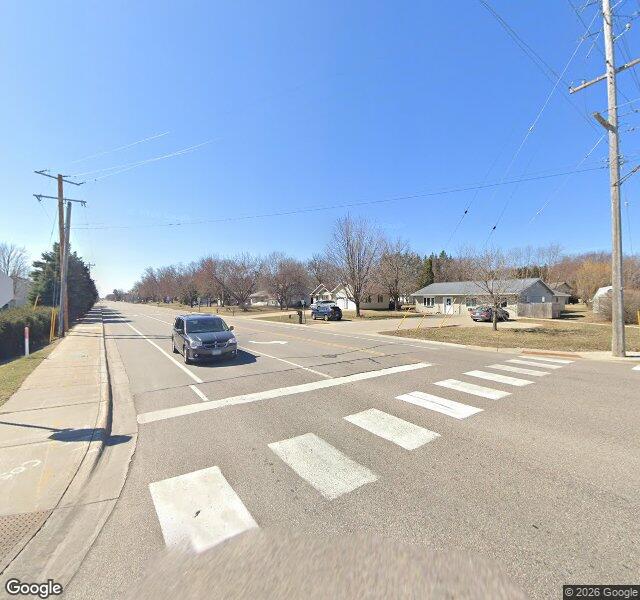
705 2nd Avenue South, Waite Park, MN 56387View map (opens in a new tab)
Overview and key essentials
State license
Active
MN MDH
Google reviews
Not available
Public reviews not linked
Size & payment
Ask directly
Confirm pricing & payment
Public records for this community are limited. Use the checklist below when you call or visit to confirm pricing, services, and openings.
Cost, payment & care details
Updated Nov 28, 2026| Monthly cost | Not published | Ask for the full monthly cost, including care fees and one-time charges. |
|---|---|---|
| Payment options | Ask directly | Payment details are not confirmed in our records. Ask about private pay, long-term care insurance, veterans benefits, and Medicaid waivers. |
| Size & availability | Confirm directly | We don't publish live openings. Ask about current availability, waitlist length, and move-in timing. |
| Care & support | Assisted living | Usually offers housing and help with everyday tasks, such as bathing and dressing. What to confirm about care levelsThis describes the licensed category. Ask how care plans adjust if mobility, nursing, or memory needs change over time. Read the family care guide → |
State licensing
State inspection history
2inspections
18deficiencies listed
Aug 7, 2024Routine17 deficiencies reported17
17 deficiencies reported
View official state report (opens in a new tab)
144G.20 Subdivision 1 Conditions0250
SS=F 0 250 STATE FORM legally required to supply the requested information; however, failure to provide information or the submission of false or misleading information may delay the processing of my application or may be grounds for denying a license. I understand that information submitted to the commissioner in the application may, in some circumstances, be disclosed to the appropriate state, federal or local agency, and law enforcement office to enhance investigative or enforcement efforts or further a public health protective process. Types of offices include Adult Protective Services, offices of the ombudsmen, health-licensing boards, Department of Human Services, county or city attorneys' offices, police, local or county public health offices. - I understand in accordance with Minn. Stat. sect. 144.051 Data Relating to Licensed and Registered Persons (opens in a new window), all data submitted on this application shall be classified as public information upon issuance of a provisional license. All data submitted are considered private until MDH issues a license. - I declare that, as the owner or authorized agent, I attest that I have read Minn. Stat. chapter 144G (opens in a new window), and Minnesota Rules, chapter 4659 (opens in a new window), governing the provision of assisted living facilities, and understand as the licensee I am legally responsible for the management, control, and operation of the facility, regardless of the existence of a management agreement or subcontract. - I have examined this application and all attachments and checked the above boxes indicating my review and understanding of Minnesota Statutes, Rules, and requirements related to assisted living licensure. To the best of my knowledge and believe, this information is true, correct and complete. I will notify MDH, in STATE FORM
Expires: 06/04/277387
Inspection report reviewed with person in charge and emailed. Signed: Establishment Representative 0038029 FOODBORNE ILLNESS RISK FACTORS AND PUBLIC HEALTH INTERVENTIONS Circle designated compliance status (IN, OUT, N/O, N/A) for each numbered item Mark "X" in appropriate box for COS and/or R IN= in compliance OUT= not in compliance N/O= not observed N/A= not applicable COS=corrected on-site during inspection R= repeat violation Compliance Status COS R Surpervision PIC knowledgeable; duties & oversight Certified food protection manager, duties 1 IN OUT 2 IN OUT N/A Employee Health 3 IN OUT 4 IN OUT Mgmt/Staff;knowledge,responsibilities&reporting Proper use of reporting, restriction & exclusion Procedures for responding to vomiting & diarrheal events 5 IN OUT Good Hygenic Practices N/O Proper eating, tasting, drinking, or tobacco use 6 IN OUT 7 IN OUT N/O No discharge from eyes, nose, & mouth Preventing Contamination by Hands 8 IN OUT N/O Hands clean & properly washed 9 IN No bare hand contact with RTE foods or pre-approved OUT N/A N/O alternate pprocedure properly followed 10 IN OUT Adequate handwashing sinks supplied/accessible Approved Source Food obtained from approved source 11 IN OUT 12 IN OUT N/A N/O Food received at proper temperature 13 IN OUT Food in good condition, safe, & unadulterated 14 Required records available; shellstock tags, IN OUT N/A N/O parasite destruction Protection from Contamination 15 IN OUT N/A N/O Food separated and protected 16 IN OUT N/A Food contact surfaces: cleaned & sanitized Proper disposition of returned, previously served, reconditioned, & unsafe food 17 IN OUT GOOD RETAIL PRACTICES Good Retail Practices are preventative measures to control the addition of pathogens, chemicals, and physical objects into foods. Mark "X" in box if numbered item is in compliance not Mark "X" in appropriate box for COS and/or R COS= corrected on-site during inspection R= repeat violation COS R Safe Food and Water 30 IN OUT N/A Pasteurized eggs used where required 31 Water & ice obtained from an approved source 32 IN OUT N/A Variance obtained for specialized processing methods Food Temperature Control 33 Proper cooling methods used; adequate equipment for temperature control 34 IN OUT N/A N/O Plant food properly cooked for hot holding 48 X Warewashing facilities: installed, maintained, & used; test strips 35 IN OUT N/A N/O Approved thawing methods used 49 Non-food contact surfaces clean 36 X Thermometers provided & accurate Physical Facilities Food Identification 50 Hot & cold water available; adequate pressure 37 X Food properly labled; original container 51 Plumbing installed; proper backflow devices Prevention of Food Contamination 38 Insects, rodents, & animals not present 39 Contamination prevented during food prep, storage & display 40 Personal cleanliness 41 Wiping cloths: properly used & stored 42 Washing fruits & vegetables
144G.41 Subdivision 1. (13)(i)(A)and(C) Minimum0485
SS=C Requirements (13) offer to provide or make available at least the following services to residents: (i) at least three nutritious meals daily with snacks available seven days per week, according to the recommended dietary allowances in the United States Department of Agriculture (USDA) guidelines, including seasonal fresh fruit and fresh vegetables. The following apply: (A) menus must be prepared at least one week in advance and made available to all residents. The facility must encourage residents' involvement in menu planning. Meal substitutions must be of similar nutritional value if a resident refuses a food that is served. Residents must be informed in advance of menu changes; and (C) the facility cannot require a resident to include and pay for meals in their contract; (ii) weekly housekeeping; (iii) weekly laundry service; This MN Requirement is not met as evidenced by: Based on interview and record review, the licensee failed to ensure the Assisted Living contract did not require any resident to include and pay for meals as a part of their assisted living package fee, without the option to opt out of meal(s). This had the potential to affect all residents of the facility. STATE FORM This practice resulted in a level one violation (a violation that has no potential to cause more than a minimal impact on the resident and does not affect health or safety) and was issued at a widespread scope (when problems are pervasive or represent a systemic failure that has affected or has potential to affect a large portion or all of the residents). The findings include: The licensee's Assisted Living Contract page 8, under E. Home Management Services, number 3, noted "Meal preparation includes three nutritious meals and 2 snacks each day. Modified diets may be prepared by staff with no extra cost for preparation; however, the resident shall be responsible for any specialty food items to accommodate the diet." On August 7, 2024, at 9:30 a.m., licensed assisted living director (LALD)-B stated all meals were included in the price of the contract. No further information was provided. TIME PERIOD FOR CORRECTION: Twenty-one (21) days
144G.41 Subd 1 (13) (i) (B) Minimum0480
SS=F requirements (13) offer to provide or make available at least the following services to residents: (B) food must be prepared and served according to the Minnesota Food Code, Minnesota Rules, chapter 4626; and This MN Requirement is not met as evidenced by: Based on observation, interview, and record review, the licensee failed to ensure food was prepared and served according to the Minnesota Food Code. This practice resulted in a level two violation (a violation that did not harm a resident's health or safety but had the potential to have harmed a resident's health or safety, but was not likely to cause serious injury, impairment, or death), and is issued at a widespread scope (when problems are pervasive or represent a systemic failure that has affected or has the potential to affect a large portion or all of the residents). The findings include: Please refer to the document titled, Food and Beverage Establishment Inspection Report (FBEIR) dated August 5, 2024, for the specific STATE FORM
144G.50 Subd. 2 (d-e; 1-4) Contract information0930
SS=C (d) The contract must include a description of the STATE FORM noted services including complete assistance with dressing, eating, hygiene, grooming, toileting, bathing, medication administration, and transfers. R1's Assisted Living Contract dated May 8, 2024, lacked the following required content: -the right under section 144G.54 to appeal the termination of an assisted living contract; and -the facility's policy regarding transfer of residents within the facility, under what circumstances a transfer may occur, and the circumstances under which a resident consent is required for a transfer. On August 7, 2024, at 9:30 a.m., licensed assisted living director (LALD)-B stated this information was not included in the old contract, and the new contracts revised after a recent survey had not been signed in this house. No further information was provided. TIME PERIOD FOR CORRECTION: Twenty-One (21) days 01060 144G.52 Subd. 9 Emergency relocation SS=F (a) A facility may remove a resident from the facility in an emergency if necessary due to a resident's urgent medical needs or an imminent risk the resident poses to the health or safety of another facility resident or facility staff member. An emergency relocation is not a termination. (b) In the event of an emergency relocation, the facility must provide a written notice that contains, at a minimum: (1) the reason for the relocation; (2) the name and contact information for the location to which the resident has been relocated STATE FORM
144G.50 Subd. 2 (a-b) Contract information0910
SS=C (a) The contract must include in a conspicuous place and manner on the contract the legal name and the health facility identification of the facility. (b) The contract must include the name, telephone number, and physical mailing address, which may not be a public or private post office box, of: (1) the facility and contracted service provider when applicable; (2) the licensee of the facility; (3) the managing agent of the facility, if applicable; and (4) the authorized agent for the facility. STATE FORM This MN Requirement is not met as evidenced by: Based on interview and record review, the licensee failed to execute a written contract with the required content for all residents who resided in the licensee's facility. This practice resulted in a level one violation (a violation that has no potential to cause more than a minimal impact on the resident and does not affect health or safety), and was issued at a widespread scope (when problems are pervasive or represent a systemic failure that has affected or has potential to affect a large portion or all of the residents). The findings include: The licensee's Assisted Living Contract lacked the following required content: - physical mailing address (which may not be a post office box) of the licensee and authorized agent. On August 7, 2024, at 9:30 a.m., licensed assisted living director (LALD)-B stated the contract lacked the above required content, and contained a post office box for the mailing address. No further information provided. TIME PERIOD FOR CORRECTION: Twenty-one (21) days
144G.42 Subd. 10 Disaster planning and0680
SS=F emergency preparedness (a) The facility must meet the following requirements: (1) have a written emergency disaster plan that contains a plan for evacuation, addresses elements of sheltering in place, identifies temporary relocation sites, and details staff assignments in the event of a disaster or an emergency; (2) post an emergency disaster plan prominently; (3) provide building emergency exit diagrams to all residents; (4) post emergency exit diagrams on each floor; and (5) have a written policy and procedure regarding missing residents. (b) The facility must provide emergency and disaster training to all staff during the initial staff orientation and annually thereafter and must make emergency and disaster training annually available to all residents. Staff who have not received emergency and disaster training are allowed to work only when trained staff are also working on site. (c) The facility must meet any additional requirements adopted in rule. This MN Requirement is not met as evidenced by: Based on observation, interview, and record review, the licensee failed to have a written emergency preparedness plan (EPP) with all of the required content defined in Appendix Z. This had the potential to affect residents receiving services under the assisted living license, staff, and visitors. This practice resulted in a level two violation (a STATE FORM
144G.41 Subd. 7 Resident grievances; reporting0550
SS=F maltreatment All facilities must post in a conspicuous place information about the facilities' grievance procedure, and the name, telephone number, and email contact information for the individuals who are responsible for handling resident grievances. The notice must also have the contact information for the Office of Ombudsman for Long-Term Care and the Office of Ombudsman for Mental Health and Developmental Disabilities and must have information for reporting STATE FORM suspected maltreatment to the Minnesota Adult Abuse Reporting Center. The notice must also state that if an individual has a complaint about the facility or person providing services, the individual may contact the Office of Health Facility Complaints at the Minnesota Department of Health. This MN Requirement is not met as evidenced by: Based on observation, interview, and record review, the licensee failed to post in a conspicuous place, the email contact information for the individuals responsible for handling resident grievances. This had the potential to affect the licensee's current residents, staff, and visitors. This practice resulted in a level two violation (a violation that did not harm a resident's health or safety but had the potential to have harmed a resident's health or safety, but was not likely to cause serious injury, impairment, or death), and was issued at a widespread scope (when problems are pervasive or represent a systemic failure that has affected or has potential to affect a large portion or all of the residents). The findings include: On August 5, 2024, at 10:05 a.m., the surveyor toured the facility with licensed assisted living director (LALD)-B, and observed a bulletin board inside and to the right of the front door where the grievance procedure was posted. The procedure included the name and telephone number for the individual responsible for handling grievances, but lacked the email contact information. On August 6, 2024, at 2:50 p.m., LALD-B said the STATE FORM
144G.43 Subd. 3 Contents of resident record0730
SS=D Contents of a resident record include the following for each resident: (1) identifying information, including the resident's name, date of birth, address, and telephone number; (2) the name, address, and telephone number of the resident's emergency contact, legal representatives, and designated representative; (3) names, addresses, and telephone numbers of the resident's health and medical service providers, if known; (4) health information, including medical history, allergies, and when the provider is managing medications, treatments or therapies that require documentation, and other relevant health records; (5) the resident's advance directives, if any; (6) copies of any health care directives, STATE FORM
GGE4116899
(a) The commissioner may refuse to grant a provisional license, refuse to grant a license as a result of a change in ownership, refuse to renew a license, suspend or revoke a license, or impose a conditional license if the owner, controlling individual, or employee of an assisted living facility: (1) is in violation of, or during the term of the license has violated, any of the requirements in this chapter or adopted rules; (2) permits, aids, or abets the commission of any illegal act in the provision of assisted living services; (3) performs any act detrimental to the health, safety, and welfare of a resident; (4) obtains the license by fraud or misrepresentation; (5) knowingly makes a false statement of a material fact in the application for a license or in any other record or report required by this chapter; (6) denies representatives of the department access to any part of the facility's books, records, files, or employees; (7) interferes with or impedes a representative of the department in contacting the facility's residents; (8) interferes with or impedes ombudsman access according to section 256.9742, subdivision 4, or interferes with or impedes access by the Office of Ombudsman for Mental Health and Developmental Disabilities according to section 245.94, subdivision 1; (9) interferes with or impedes a representative of the department in the enforcement of this chapter or fails to fully cooperate with an inspection, survey, or investigation by the department; (10) destroys or makes unavailable any records or other evidence relating to the assisted living STATE FORM GGE411 facility's compliance with this chapter; (11) refuses to initiate a background study under section 144.057 or 245A.04; (12) fails to timely pay any fines assessed by the commissioner; (13) violates any local, city, or township ordinance relating to housing or assisted living services; (14) has repeated incidents of personnel performing services beyond their competency level; or (15) has operated beyond the scope of the assisted living facility's license category. (b) A violation by a contractor providing the assisted living services of the facility is a violation by the facility. This MN Requirement is not met as evidenced by: Based on interview and record review, the licensee failed to show they met the requirements of licensure, by attesting the managerial officials who oversaw the day-to-day operations understood applicable statutes and rules; nor developed and/or implemented current policies and procedures as required. This had the potential to affect all residents, staff, and visitors. This practice resulted in a level two violation (a violation that did not harm a resident's health or safety but had the potential to have harmed a resident's health or safety, but was not likely to cause serious injury, impairment, or death), and is issued at a widespread scope (when problems are pervasive or represent a systemic failure that has affected or has the potential to affect a large portion or all of the residents). The findings include: During the entrance conference on August 5, STATE FORM GGE411 2024, at 9:30 a.m., licensed assisted living director (LALD)-B stated she was familiar with the assisted living regulations and the licensee provided medication and treatment management services. The licensee's "Application for Assisted Living License", section titled "Official Verification of Owner or Authorized Agent", (page three of the application), identified...
144G.45 Subd. 2 (a) (4) Fire protection and0800
SS=F physical environment (4) keep the physical environment, including walls, floors, ceiling, all furnishings, grounds, systems, and equipment in a continuous state of good repair and operation with regard to the health, safety, comfort, and well-being of the residents in accordance with a maintenance and repair program. This MN Requirement is not met as evidenced by: Based on observation and interview, the licensee failed to maintain the physical environment, including walls, floors, ceiling, all furnishings, grounds, systems, and equipment in a continuous state of good repair and operation with regard to the health, safety, comfort, and well-being of the residents. This deficient condition had the potential to affect all staff, residents, and visitors. This practice resulted in a level two violation (a violation that did not harm a resident's health or safety but had the potential to have harmed a resident's health or safety, but was not likely to cause serious injury, impairment, or death), and was issued at a widespread scope (when STATE FORM
144G.45 Subd. 2 (a) (1) Fire protection and0780
SS=F physical environment (a) Each assisted living facility must comply with the State Fire Code in Minnesota Rules, chapter 7511, and: (1) for dwellings or sleeping units, as defined in the State Fire Code: (i) provide smoke alarms in each room used for sleeping purposes; (ii) provide smoke alarms outside each separate sleeping area in the immediate vicinity of bedrooms; (iii) provide smoke alarms on each story STATE FORM
144G.42 Subd. 8 Employee records0650
SS=D (a) The facility must maintain current records of each paid employee, each regularly scheduled volunteer providing services, and each individual contractor providing services. The records must include the following information: (1) evidence of current professional licensure, registration, or certification if licensure, registration, or certification is required by this chapter or rules; (2) records of orientation, required annual training and infection control training, and competency evaluations; (3) current job description, including qualifications, responsibilities, and identification of staff persons providing supervision; (4) documentation of annual performance reviews that identify areas of improvement needed and training needs; (5) for individuals providing assisted living services, verification that required health screenings under subdivision 9 have taken place and the dates of those screenings; and (6) documentation of the background study as required under section 144.057. This MN Requirement is not met as evidenced by: Based on interview and record review, the licensee failed to ensure the employee record contained the required content for one of three employees (unlicensed personnel/ULP)-G. STATE FORM
included staff initials through August 5,2024
2024, to indicate R1 had received his prescribed medications. R1's record lacked a medication assessment to include: - identification and review of all medications the resident is known to be taking; - indications for medications: - side effects; - contraindications; - allergic or adverse reactions; and - actions to address these issues. On August 5, 2021, at 1:00 p.m., clinical nurse supervisor (CNS)-A stated he had not completed a medication assessment with the required content, and added the prescriber had completed a list of medication with indications for all residents. The licensee's Medication Management - Assessment, Monitoring & Reassessment policy dated August 1, 2021, indicated prior to providing medication management services the RN would conduct an assessment to determine what services would be provided to include an identification and review of all medications the resident was taking, the indications for medications, side effects, contraindications, allergic or adverse reactions, and actions to address the issues. No further information was provided. TIME PERIOD FOR CORRECTION: Seven (7) STATE FORM included staff initials through August 5, 2024, to indicate the medications had been given. R1's record lacked a medication management plan to include: - a medication reconciliation. On August 5, 2021, at 1:00 p.m., clinical nurse supervisor (CNS)-A stated he had not completed a medication reconciliation for any resident. The licensee's Medication Management Individualized Plan policy dated August 1, 2021, noted medication reconciliation would be completed when a licensed nurse, licensed health professional or authorized prescriber was providing medication management. No further information was provided. TIME PERIOD FOR CORRECTION: Seven (7) days 01760 144G.71 Subd. 8 Documentation of SS=F administration of medication STATE FORM 01760 Each medication administered by the assisted living facility staff must be documented in the resident's record. The documentation must include the signature and title of the person who administered the medication. The documentation must include the medication name, dosage, date and time administered, and method and route of administration. The staff must document the reason why medication administration was not completed as prescribed and document any follow-up procedures that were provided to meet the resident's needs when medication was not administered as prescribed and in compliance with the resident's medication management plan. This MN Requirement is not met as evidenced by: Based on observation, interview, and record review, the licensee failed to ensure medications were administered per manufacturer instructions for one of one resident (R1); failed to ensure medications were documented after administration for one of one unlicensed personnel (ULP)-G; and failed to ensure medications were administered by the person completing the medication setup for one of one ULP (G). This practice resulted in a level two violation (a violation that did not harm a resident's health or safety but had the potential to have harmed a resident's health or safety, but was not likely to cause serious injury, impairment, or death), and was issued at a widespread scope (when problems are pervasive or represent a systemic failure that has affected or has potential to affect a large portion or all of the residents). The findings include: STATE FORM
144G.42 Subd. 6 (b) Compliance with0630
SS=F requirements for reporting ma (b) The facility must develop and implement an individual abuse prevention plan for each vulnerable adult. The plan shall contain an individualized review or assessment of the person's susceptibility to abuse by another individual, including other vulnerable adults; the person's risk of abusing other vulnerable adults; and statements of the specific measures to be taken to minimize the risk of abuse to that person and other vulnerable adults. For purposes of the abuse prevention plan, abuse includes self-abuse. This MN Requirement is not met as evidenced by: Based on observation, interview, and record review, the licensee failed to ensure an individual abuse prevention plan (IAPP) was developed to include the required content for two of two residents (R1, R2). This practice resulted in a level two violation (a violation that did not harm a resident's health or safety but had the potential to have harmed a resident's health or safety, but was not likely to cause serious injury, impairment, or death), and is issued at a widespread scope (when problems are pervasive or represent a systemic failure that STATE FORM
144G.41 Subd. 3 Infection control program0510
SS=F (a) All assisted living facilities must establish and maintain an infection control program that complies with accepted health care, medical, and nursing standards for infection control. (b)The facility's infection control program must be consistent with current guidelines from the national Centers for Disease Control and STATE FORM
144G.45 Subd. 2 (b)-(f) Fire protection and0810
SS=F physical environment (b) Each assisted living facility shall develop and maintain fire safety and evacuation plans. The plans shall include but are not limited to: (1) location and number of resident sleeping rooms; (2) employee actions to be taken in the event of a fire or similar emergency; (3) fire protection procedures necessary for residents; and (4) procedures for resident movement, STATE FORM TRAINING: The licensee failed to provide evacuation training to residents at least once per year. LALD-B lacked documentation showing any training was offered or training was scheduled for a future date for residents on the fire safety and evacuation plan. The licensee failed to provide training to employees on the FSEP upon hire and at least twice per year. LALD-B lacked documentation showing any training was completed or training was scheduled for a future date for staff on the fire safety and evacuation plan. On August 7, 2024, at 1:30 p.m., LALD-B stated they understood the requirements for training residents and staff and would implement a training program that was compliant with statute requirements. TIME PERIOD FOR CORRECTION: Twenty-one (21) days.
Oct 22, 2023Complaint1 deficiency reported1
1 deficiency reported
View official state report (opens in a new tab)
Substantiated, individual responsibility. The alleged perpetrator (AP) financially exploited when the AP diverted the resident’s controlled substance medications
severeHL329445303M
The alleged perpetrator (AP) financially exploited when the AP diverted the resident’s controlled substance medications. The Minnesota Department of Health determined financial exploitation was substantiated. The AP, an unlicensed caregiver, was responsible for the maltreatment. Although the AP did not have medication pass responsibilities at the time, the AP accessed the resident’s controlled substance medications. The investigator conducted interviews with facility staff members, including administrative staff, and unlicensed staff members. The investigator contacted the resident and the resident's family member. The investigation included review of resident's records, the AP’s personnel record, facility's policies and procedures, and incident reports. The investigation included an onsite visit, observations, and interactions between residents and facility staff. Page 2 of 4 The resident resided in an assisted living facility. The resident’s diagnoses include bipolar and personality disorder. The resident’s service plan included redirection regarding medication times and administration. The facility’s internal investigation indicated the AP was scheduled to work from 3 pm to 11 pm on Saturday. Unlicensed caregiver #1, who was also working that same day, was scheduled from 3 p.m. to 9 p.m. and was responsible for passing medication. The last medication count of controlled substances was conducted at 3 pm, and it was accurate with no discrepancies. The same documents indicated video surveillance footage, around 9 p.m., showed the AP accessed the medication cabinet, took the medication bin, closed the cabinet, and put her hand in the pocket of her sweatshirt. The facility’s internal investigation further indicated a third employee, unlicensed caregiver #2, arrived at 11 p.m. and initialed the medication count book without conducting the actual count. The next morning at change of shift two other employees, unlicensed caregivers #3 and #4, joined unlicensed caregiver #2 for the medication count, and it they found the medication count was incorrect for the resident’s prescribed benzodiazepine (clonazepam). The video surveillance footage showed that unlicensed caregiver #2 did not access the medication cabinet during her shift. During an interview, unlicensed caregiver #2 confirmed she worked the night shift that weekend. She admitted she was supposed to conduct the medication count with the AP but did not. At the time she was occupied assisting the resident, and the AP performed the count independently. Unlicensed caregiver #2 explained she trusted...
Neighborhood & resident support
Emergency access, hazards & advocacy
Nearest hospital
Centracare Health Paynesville
26.7 mi · Paynesville, MN
Emergency room
FEMA hazard risk
Relatively ModerateStearns County, MN
- Strong Wind
- Hail
- Tornado
Free resident advocacy
Minnesota Office of Ombudsman for Long-Term Care
More neighborhood context (specialists, VA, dialysis, air & affordability)
VA & dialysis access
St Cloud VA Medical Center
2.3 mi · St. Cloud, MN
Fresenius Kidney Care St. Cloud
2.3 mi · 3/5 ★ · Home dialysis
Specialists within 15 mi
- Geriatricians
- 0
- Neurologists
- 16
- Palliative care
- 3
- PM&R rehab
- 6
Environment & mobility
- EPA Air (2025)
- 76% good days · AQI 37
- EPA Walkability
- 7.3/20 (Below Average)
- USDA Grocery Access
- Moderate Grocery Access
- Primary care access
- HRSA Shortage Area
County demographics
- Age 65+ median income
- $53,139/yr
- Rent-burdened households
- 46%
- Cognitive disability (2023)
- 14.4%
- Mobility disability
- 10.6%
Call & tour checklist
Questions to ask Generations Housing and Svcs
Check off questions as you call or tour. Your progress stays private in this browser.
Show 3 more suggested questions
Verification & public records
Official records & sources
Licensing & contact
- License #
- 32944
- Status
- active
- Phone
- (320) 282-8074
- Federal OIG LEIE
- Clear (2026-11-27)
Original public sources
Verify licensing, ratings, and inspection reports directly with each official source.
- MN MDH official record (opens in a new tab)MN Dept. of Health
- Google Maps (opens in a new tab)Directions, photos & neighborhood
- Google Reviews (opens in a new tab)Read public reviews
EveryPlace is an independent research directory. Information is compiled from public Medicare.gov, state licensing, Google Places, and street-level imagery sources. Some summaries, suggested questions, and pricing notes are AI-generated or AI-assisted and may contain errors or omissions. We do not accept payment for placement. Confirm all details directly with the community and official sources. Research Policy.
Keep exploring
Nearby communities to compare
- Medicare 3/53.8(14)40 bedsMedicaidNursing Home< 1 miSterling Park Health Care CenterWaite Park, MN
- 3.8(14)Assisted Living< 1 miSterling Park Senior LivingWaite Park, MN
- 4.6(24)Assisted Living1.4 miTalamore Senior LivingSt. Cloud, MN
- Assisted Living1.5 miAccess Minnesota LLCSt. Cloud, MN
- Cap. 45HUD Senior Housing1.7 miWimbledon GreenSaint Cloud, MN
- 5.0(2)Assisted Living1.7 miLiving Hope Homes HummingbirdSt Cloud, MN