Loading EveryPlace content…
Assisted LivingActive license
Evygabs Healthcare Systems LLC
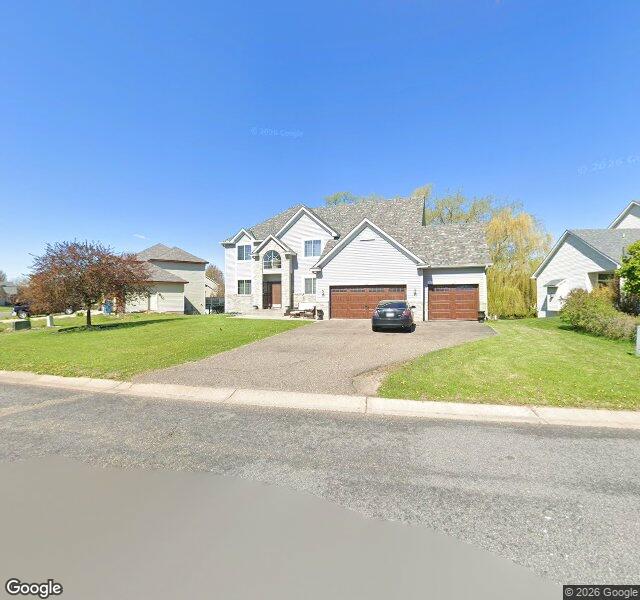
20604 Enfield Avenue North, Forest Lake, MN 55025View map (opens in a new tab)
Overview and key essentials
State license
Active
MN MDH
Google reviews
Not available
Public reviews not linked
Size & payment
Ask directly
Confirm pricing & payment
Public records for this community are limited. Use the checklist below when you call or visit to confirm pricing, services, and openings.
Cost, payment & care details
Updated Nov 28, 2026| Monthly cost | Not published | Ask for the full monthly cost, including care fees and one-time charges. |
|---|---|---|
| Payment options | Ask directly | Payment details are not confirmed in our records. Ask about private pay, long-term care insurance, veterans benefits, and Medicaid waivers. |
| Size & availability | Confirm directly | We don't publish live openings. Ask about current availability, waitlist length, and move-in timing. |
| Care & support | Assisted living | Usually offers housing and help with everyday tasks, such as bathing and dressing. What to confirm about care levelsThis describes the licensed category. Ask how care plans adjust if mobility, nursing, or memory needs change over time. Read the family care guide → |
State licensing
State inspection history
2inspections
21deficiencies listed
Nov 20, 2024Routine7 deficiencies reported7
7 deficiencies reported
View official state report (opens in a new tab)
144G.41 Subdivision 1 Subd. 1a (a-b) Minimum0480
SS=F requirements; required food services 0 480 (a) Except as provided in paragraph (b), food must be prepared and served according to the Minnesota Food Code, Minnesota Rules, chapter STATE FORM
144G.43 Subd. 3 Contents of resident record0730
SS=D Contents of a resident record include the following for each resident: (1) identifying information, including the resident's name, date of birth, address, and telephone number; (2) the name, address, and telephone number of the resident's emergency contact, legal representatives, and designated representative; (3) names, addresses, and telephone numbers of the resident's health and medical service providers, if known; (4) health information, including medical history, allergies, and when the provider is managing medications, treatments or therapies that require documentation, and other relevant health records; (5) the resident's advance directives, if any; (6) copies of any health care directives, guardianships, powers of attorney, or conservatorships; (7) the facility's current and previous assessments and service plans; (8) all records of communications pertinent to the resident's services; (9) documentation of significant changes in the resident's status and actions taken in response to the needs of the resident, including reporting to the appropriate supervisor or health care professional; (10) documentation of incidents involving the resident and actions taken in response to the needs of the resident, including reporting to the appropriate supervisor or health care professional; (11) documentation that services have been provided as identified in the service plan; (12) documentation that the resident has received STATE FORM
144G.45 Subd. 2 (a) (2-3) Fire protection and0790
SS=F physical environment (2) install and maintain portable fire extinguishers in accordance with the State Fire Code; (3) install portable fire extinguishers having a minimum 2-A:10-B:C rating within Group R-3 occupancies, as defined by the State Fire Code, STATE FORM
144G.42 Subd. 10 Disaster planning and0680
SS=F emergency preparedness (a) The facility must meet the following requirements: (1) have a written emergency disaster plan that contains a plan for evacuation, addresses elements of sheltering in place, identifies temporary relocation sites, and details staff assignments in the event of a disaster or an emergency; (2) post an emergency disaster plan prominently; (3) provide building emergency exit diagrams to all residents; (4) post emergency exit diagrams on each floor; and (5) have a written policy and procedure regarding missing residents. (b) The facility must provide emergency and disaster training to all staff during the initial staff orientation and annually thereafter and must make emergency and disaster training annually available to all residents. Staff who have not received emergency and disaster training are allowed to work only when trained staff are also working on site. (c) The facility must meet any additional requirements adopted in rule. This MN Requirement is not met as evidenced by: Based on interview and record review, the licensee failed to maintain a written emergency preparedness (EP) plan with allrequired content Services (CMS) Appendix Z. This had the potential to affect all residents, staff, and visitors. This practice resulted in a level two violation (a violation that did not harm a resident's health or STATE FORM
144G.45 Subd. 2 (a) (4) Fire protection and0800
SS=F physical environment (4) keep the physical environment, including walls, floors, ceiling, all furnishings, grounds, systems, and equipment in a continuous state of good repair and operation with regard to the health, safety, comfort, and well-being of the residents in accordance with a maintenance and repair program. This MN Requirement is not met as evidenced by: Based on observation and interview, the licensee failed to maintain the physical environment, including walls, floors, ceiling, all furnishings, grounds, systems, and equipment in a continuous state of good repair and operation with regard to the health, safety, comfort, and well-being of the residents. This deficient condition had the potential to affect all staff, residents, and visitors. This practice resulted in a level two violation (a violation that did not harm a resident's health or safety but had the potential to have harmed a resident's health or safety, but was not likely to cause serious injury, impairment, or death), and was issued at a widespread scope (when problems are pervasive or represent a systemic failure that has affected or has potential to affect a large portion or all of the residents). The findings include: On November 19, 2024, at approximately 12:30 p.m., survey staff toured the facility with administrator and owner (A/O)-A. The following was observed: STATE FORM GENERAL MAINTENANCE: The ceiling in the main living room, and the lower-level office, was heavily stained. A/O-A stated they had a leak above the ceiling in the past that was repaired, but the ceiling had not been repaired. The laundry room sink faucet was leaking. A/O-A had a bucket in the utility sink to catch the slow drip and was aware that the faucet needed repair. The light fixture in the upper-level hallway and the walk-in closet for bedroom 2 did not work. The window screen in bedroom 4 was partially ripped. Damaged or missing screens in windows can serve as access points to pests and rodents. The handle on the window in bedroom 4 was broken. A/O-A stated they were unaware of the broken handle and would get it looked at. The sidewalk leading from the driveway to the main entrance was damaged and sinking. Walking surfaces used by residents and visitors must be maintained and properly installed, secure, and not create possible tripping hazards. The hardwired smoke alarm in bedroom 4 gave a faint alarm. Smoke detectors are required to maintain a minimum audible decibel level in accordance with current Minnesota Fire Code. On November 19, 2024, at approximately 1:30 p.m., A/O-A stated they understood the above-listed deficiencies. TIME PERIOD FOR CORRECTION: Seven (7) days. STATE FORM
144G.45 Subd. 2 (b-f) Fire protection and0810
SS=F physical environment (b) Each assisted living facility shall develop and maintain fire safety and evacuation plans. The plans shall include but are not limited to: (1) location and number of resident sleeping rooms; (2) staff actions to be taken in the event of a fire or similar emergency; (3) fire protection procedures necessary for residents; and (4) procedures for resident movement, evacuation, or relocation during a fire or similar emergency including the identification of unique or unusual resident needs for movement or evacuation. (c) Staff of assisted living facilities shall receive training on the fire safety and evacuation plans upon hiring and at least twice per year thereafter. (d) Fire safety and evacuation plans shall be readily available at all times within the facility. (e) Residents who are capable of assisting in their own evacuation shall be trained on the proper actions to take in the event of a fire to include movement, evacuation, or relocation. The training shall be made available to residents at least once per year. (f) Evacuation drills are required for staff twice per year per shift with at least one evacuation drill every other month. Evacuation of the residents is not required. Fire alarm system activation is not required to initiate the evacuation drill. This MN Requirement is not met as evidenced by: Based on observation, interview, and record review, the licensee failed to develop the fire STATE FORM
C6CH116899
4626. (b) For an assisted living facility with a licensed capacity of ten or fewer residents: (1) notwithstanding Minnesota Rules, part 4626.0033, item A, the facility may share a certified food protection manager (CFPM) with one other facility located within a 60-mile radius and under common management provided the CFPM is present at each facility frequently enough to effectively administer, manage, and supervise each facility's food service operation; (2) notwithstanding Minnesota Rules, part 4626.0545, item A, kick plates that are not removable or cannot be rotated open are allowed unless the facility has been issued repeated correction orders for violations of Minnesota Rules, part 4626.1565 or 4626.1570; (3) notwithstanding Minnesota Rules, part 4626.0685, item A, the facility is not required to provide integral drainboards, utensil racks, or tables large enough to accommodate soiled and clean items that may accumulate during hours of operation provided soiled items do not contaminate clean items, surfaces, or food, and clean equipment and dishes are air dried in a manner that prevents contamination before storage; (4) notwithstanding Minnesota Rules, part 4626.1070, item A, the facility is not required to install a dedicated handwashing sink in its existing kitchen provided it designates one well of a two-compartment sink for use only as a handwashing sink; (5) notwithstanding Minnesota Rules, parts 4626.1325, 4626.1335, and 4626.1360, item A, existing floor, wall, and ceiling finishes are allowed provided the facility keeps them clean and in good condition; (6) notwithstanding Minnesota Rules, part STATE FORM C6CH11 4626.1375, shielded or shatter-resistant lightbulbs are not required, but if a light bulb breaks, the facility must discard all exposed food and fully clean all equipment, dishes, and surfaces to remove any glass particles; and (7) notwithstanding Minnesota Rules, part 4626.1390, toilet rooms are not required to be provided with a self-closing door. This MN Requirement is not met as evidenced by: Based on observation, interview, and record review, the licensee failed to ensure food was prepared and served according to the Minnesota Food Code. This practice resulted in a level two violation (a violation that did not harm a resident's health or safety but had the potential to have harmed a resident's health or safety) and was issued at a widespread scope (when problems are pervasive or represent a systemic failure that has affected or has the potential to affect a large portion or all the residents). The findings include: Please refer to the document titled, Food and Beverage Establishment Inspection Report (FBEIR) dated November 20, 2024, for the specific Minnesota Food Code violations. The Inspection Report was provided to the licensee within 24 hours of the inspection. TIME PERIOD FOR CORRECTION: Please refer to the FBEIR for any compliance dates. STATE FORM C6CH11 C6CH11 safety but had the potential to have harmed a resident's health or safety, but was not likely to cause serious injury, impairment, or death), and was issued at a widespread scope (when problems are pervasive or represent a systemic failure that has affected or has potential to affect a large portion or all of the residents). The findings include: The licensee's EP, last reviewed August 1, 2024, lacked evidence of the following required content: -documentation of two emergency preparedness exercises (an annual full-scale exercise or individual...
Oct 7, 2021Routine14 deficiencies reported14
14 deficiencies reported
View official state report (opens in a new tab)
moderate0810
physical environment (b) Each assisted living facility shall develop and maintain fire safety and evacuation plans. The plans shall include but are not limited to: (1) location and number of resident sleeping rooms; (2) employee actions to be taken in the event of a fire or similar emergency; (3) fire protection procedures necessary for residents; and (4) procedures for resident movement, evacuation, or relocation during a fire or similar emergency including the identification of unique or unusual resident needs for movement or evacuation. (c) Employees of assisted living facilities shall receive training on the fire safety and evacuation plans upon hiring and at least twice per year thereafter. (d) Fire safety and evacuation plans shall be readily available at all times within the facility. (e) Residents who are capable of assisting in their own evacuation shall be trained on the proper actions to take in the event of a fire to include movement, evacuation, or relocation. The training shall be made available to residents at least once per year. (f) Evacuation drills are required for employees twice per year per shift with at least one evacuation drill every other month. Evacuation of the residents is not required. Fire alarm system activation is not required to initiate the evacuation drill. This MN Requirement is not met as evidenced by: Based on interview and record review, the licensee failed to develop and maintain a fire safety and evacuation plan with all required content, to train residents on fire and evacuation, and to implement required fire drills. This has the potential to directly affect the safety of all current 4 residents and staff. This practice resulted in a level two violation (a violation that did not harm a resident's health or safety but had the potential to have harmed a resident's health or safety, but was not likely to cause serious injury, impairment, or death), and is issued at a widespread scope (when problems are pervasive or represent a systemic failure that has affected or has the potential to affect a large portion or all of the residents). The findings include: On October 7, 2021, between 11:17 a.m. to 12:00 p.m., survey staff received the facility fire safety and evacuation plan documentation for review. The facility fire safety emergency documentation failed to provide: -Documentation on facility-specific procedures for employee fire drill actions, fire protection procedures necessary for the residents including procedures for their movements, and relocation during a fire or similar, and no written instructions for addressing any unique situation during evacuation especially for residents who are needing assistance during evacuation. The provided documentation was a generic fire policy procedure dated October 1, 2019, and was verified with the Administrator during the interview. -The required employee evacuation drills of twice per year per shift with at least one evacuation drill every other month (total of six required annually). During interview at 11:30 a.m., the Administrator verified this finding by providing documentation of the last fire drill performed was on July 14, 2021, and asked for more information on fire evacuation drills that may be available that survey staff can send. -The required records on training of employees on fire safety and evacuation. During interview at 11:40 a.m., the administrator verified this finding by providing documentation of employee RTasks training/record...
moderate0510
(a) All assisted living facilities must establish and maintain an infection control program that complies with accepted health care, medical, and nursing standards for infection control. (b)The facility's infection control program must be consistent with current guidelines from the national Centers for Disease Control and Prevention (CDC) for infection prevention and control in long-term care facilities and, as applicable, for infection prevention and control in assisted living facilities. (c) The facility must maintain written evidence of compliance with this subdivision. This MN Requirement is not met as evidenced by: Based on observations, interview and record review, the facility failed to establish and maintain an effective infection control program that complied with accepted health care, medical and nursing standards for infection control related to COVID-19 per the Centers for Disease Control (MDH) guidelines. This had the potential to affect all 4 residents, staff, and visitors at the facility. This practice resulted in a level two violation (a violation that did not harm a resident's health or safety but had the potential to have harmed a resident's health or safety, but was not likely to cause serious injury, impairment, or death), and is issued at a widespread scope (when problems are pervasive or represent a systemic failure that has affected or has the potential to affect a large portion or all of the residents). The findings include: The licensee failed to properly screen visitors for COVID-19 by not assessing for symptoms of illness. On October 6, 2021, at 9:00 a.m., the state surveyors entered the facility. There were no COVID-19 screening signs at the facility's main entrance. The administrator (A)-A admitted the state surveyors into the facility. A-A did not take the state surveyor's temperature and did not ask the surveyors any symptom assessment questions. The state surveyors entered the licensee's premises, and licensee staff did not screen for COVID-19 symptoms. On October 6, 2021, at 10:15 a.m., the state sanitarian entered the facility, and A-A did not screen for COVID-19 symptoms and did not take her temperature. MDH guideline titled, COVID-19 Toolkit, Information for Long-Term Care Facilities, dated March 8, 2021, indicated as of March 8, 2021, visitors must be screened for fever and symptoms of illness related to COVID-19. Screening included assessing for a fever, (measured temperature higher than 100 degrees Fahrenheit), or subjective fever (chills, feeling feverish), and asking about new symptoms of illness (measured or subjective fever, cough, shortness of breath, chills, headache, muscle pain, sore throat, or new loss of taste and smell). On October 7, 2021, at 9:10 a.m., A-A confirmed he had not taken visitors temperatures or screened visitors for symptoms of COVID-19. The licensee's Policy and Procedure on COVID-19 Preparation for Our Facility policy dated June, 2020, indicated all visitors would be restricted except for certain circumstances. The policy lacked information related to visitor screening for COVID-19 symptoms. No further information was provided. TIME PERIOD FOR CORRECTION: Seven (7) days
moderate0900
(a) An assisted living facility may not offer or provide housing or assisted living services to any individual unless it has executed a written contract with the resident. (b) The contract must contain all the terms concerning the provision of: (1) housing; (2) assisted living services, whether provided directly by the facility or by management agreement or other agreement; and (3) the resident's service plan, if applicable. (c) A facility must: (1) offer to prospective residents and provide to the Office of Ombudsman for Long-Term Care a complete unsigned copy of its contract; and (2) give a complete copy of any signed contract and any addendums, and all supporting documents and attachments, to the resident promptly after a contract and any addendum has been signed. (d) A contract under this section is a consumer contract under sections 325G.29 to 325G.37. (e) Before or at the time of execution of the contract, the facility must offer the resident the opportunity to identify a designated representative according to subdivision 3. (f) The resident must agree in writing to any additions or amendments to the contract. Upon agreement between the resident and the facility, a new contract or an addendum to the existing contract must be executed and signed. This MN Requirement is not met as evidenced by: Based on observation, interview and record review, the licensee failed to develop and execute an assisted living written contract with the residents to include all required content for one of one resident (R1) with records reviewed. This practice resulted in a level two violation (a violation that did not harm a resident's health or safety but had the potential to have harmed a resident's health or safety, but was not likely to cause serious injury, impairment, or death), and is issued at a widespread scope (when problems are pervasive or represent a systemic failure that has affected or has the potential to affect a large portion or all of the residents). The findings include: R1's record lacked a written assisted living contract to include all terms concerning the provision of services as required: (1) housing, (2) assisted living services, whether provided directly by the facility or by management agreement or other agreement; and, (3) the resident's service plan, if applicable R1's record lacked evidence the contract had been fully executed as the facility must have: - offered to prospective residents and provided to the Office of Ombudsman for Long-Term Care a complete unsigned copy of its contract; - given a complete copy of any signed contract and any addendums, and all supporting documents and attachments, to the resident promptly after a contract and any addendum had been signed; and, - the facility must have offered the resident the opportunity to identify a designated representative. On October 6, 2021, at 11:45 a.m., R1 was observed to receive services including medication administration, meal prep, laundry and housekeeping. On October 7, 2021, at 9:15 a.m., the administrator confirmed all four residents lacked an assisted living contract as required. The licensee's Signing an Assisted Living Contract policy dated August 10, 2021, indicated a signed assisted living contract would be executed by the facility for all residents. The policy lacked information on the required content of an assisted living contract. No further information was provided. TIME PERIOD FOR CORRECTION: Twenty-one (21) days 01470 SS=F 144G.63 Subd. 2...
moderate0480
requirements (13) offer to provide or make available at least the following services to residents: (i) at least three nutritious meals daily with snacks available seven days per week, according to the recommended dietary allowances in the United States Department of Agriculture (USDA) guidelines, including seasonal fresh fruit and fresh vegetables. The following apply: (B) food must be prepared and served according to the Minnesota Food Code, Minnesota Rules, chapter 4626; and This MN Requirement is not met as evidenced by: Based on observation, interview and record review, the licensee failed to ensure food was prepared and served according to the Minnesota Food Code. This had the potential to affect all four residents receiving assisted living services. This practice resulted in a level two violation (a violation that did not harm a resident's health or safety but had the potential to have harmed a resident's health or safety, but was not likely to cause serious injury, impairment, or death), and is issued at a widespread scope (when problems are pervasive or represent a systemic failure that has affected or has the potential to affect a large portion or all of the residents). The findings include: Please refer to the included document titled, Food and Beverage Establishment Inspection Report dated, October 6, 2021, for the specific Minnesota Food Code deficiencies. TIME PERIOD FOR CORRECTION: Twenty-one (21) days
STATE FORM6899
F2DY11 STATE FORM F2DY11 STATE FORM F2DY11 STATE FORM F2DY11 STATE FORM F2DY11 STATE FORM F2DY11 STATE FORM F2DY11 STATE FORM F2DY11 STATE FORM F2DY11 STATE FORM F2DY11 STATE FORM F2DY11 STATE FORM F2DY11 STATE FORM F2DY11 STATE FORM F2DY11 STATE FORM F2DY11 STATE FORM F2DY11 STATE FORM F2DY11 STATE FORM F2DY11 STATE FORM F2DY11 STATE FORM F2DY11 STATE FORM F2DY11 STATE FORM F2DY11 STATE FORM F2DY11 STATE FORM F2DY11 STATE FORM F2DY11 STATE FORM F2DY11 STATE FORM F2DY11 STATE FORM F2DY11 01470 01470 Ombudsman at the Department of Human Services, county-managed care advocates, or other relevant advocacy services; and (9) a review of the types of assisted living services the employee will be providing and the facility's category of licensure. (b) In addition to the topics in paragraph (a), orientation may also contain training on providing services to residents with hearing loss. Any training on hearing loss provided under this subdivision must be high quality and research based, may include online training, and must include training on one or more of the following topics: (1) an explanation of age-related hearing loss and how it manifests itself, its prevalence, and the challenges it poses to communication; (2) health impacts related to untreated age-related hearing loss, such as increased incidence of dementia, falls, hospitalizations, isolation, and depression; or (3) information about strategies and technology that may enhance communication and involvement, including communication strategies, assistive listening devices, hearing aids, visual and tactile alerting devices, communication access in real time, and closed captions. This MN Requirement is not met as evidenced by: Based on interview and record review, the licensee failed to ensure employees received orientation to include all required content for two of two employees, unlicensed personnel (ULP)-C, and ULP-D with employee records reviewed. This practice resulted in a level two violation (a violation that did not harm a resident's health or safety but had the potential to have harmed a resident's health or safety, but was not likely to STATE FORM F2DY11 01470 01470 cause serious injury, impairment, or death), and is issued at a widespread scope (when problems are pervasive or represent a systemic failure that has affected or has the potential to affect a large portion or all of the residents). The findings include: ULP-C had a hire date of December 30, 2020. ULP-D had a hire date of August 21, 2020. Both employee records lacked documentation the following orientation topics were completed: -An overview of assisted living laws 144.G. -Review of the principles of person-centered planning and service delivery and how they apply to direct support services provided by the staff person. On October 7, 2021, at 9:15 a.m. the administrator confirmed all employees had not yet completed the above listed required orientation topics. The licensee's Orientation of Staff and Supervisors & Content policy dated August 10, 2021, indicated all employees must complete the orientation to assisted living requirements before providing assisted living services to residents. The policy also indicated the orientation topics would include: -An overview of the appropriate Assisted Living statutes and rules. -Principles of person-centered planning and service delivery and how they apply to direct support services provided by the staff person. No further information was provided. TIME PERIOD FOR...
moderate0640
reporting suspected c The facility shall support protection and safety through access to the state's systems for reporting suspected criminal activity and suspected vulnerable adult maltreatment by: (1) posting the 911 emergency number in common areas and near telephones provided by the assisted living facility; (2) posting information and the reporting number for the Minnesota Adult Abuse Reporting Center to report suspected maltreatment of a vulnerable adult under section 626.557; and (3) providing reasonable accommodations with information and notices in plain language. This MN Requirement is not met as evidenced by: Based on observation, interview and record review, the licensee failed to post the required content in common areas to include: Posting the 911 emergency number in common areas and near telephones provided by the assisted living facility and posting information and the reporting number for the Minnesota Adult Abuse Reporting Center (MAARC) to report suspected maltreatment of a vulnerable adult under section 626.557. This had the potential to affect all four residents receiving assisted living services, staff, and visitors. This practice resulted in a level two violation (a violation that did not harm a resident's health or safety but had the potential to have harmed a resident's health or safety), and was issued at a widespread scope (when problems are pervasive or represent a systemic failure that has affected or has the potential to affect a large portion or all of the residents). The findings include: The licensee lacked the following: - posting of 911 emergency number in common areas and near telephones provided by the assisted living facility - posting of information and the reporting number for the MAARC to report suspected maltreatment of a vulnerable adult under section 626.557 On October 6, 2021, at 10:00 a.m., an observation made of the facility main entry area and common areas noted a lack of the required posted information. On October 7, 2021, at 9:10 a.m., the administrator confirmed the required content noted above had not been posted as required. The licensee's Complaint /Grievance Posting policy dated, August 10, 2021, indicated the licensee would post information for reporting suspected maltreatment to the Minnesota Adult Abuse Reporting Center. The licensee lacked a policy regarding posting of 911 emergency numbers in common area and near telephones. No further information was provided. TIME PERIOD FOR CORRECTION: Twenty-one (21) days
moderate0620
for reporting ma 144G.42 Subd. 6. Compliance with requirements for reporting maltreatment of vulnerable adults; abuse prevention plan. (a) The assisted living facility must comply with the requirements for the reporting of maltreatment of vulnerable adults in section 626.557. The facility must establish and implement a written procedure to ensure that all cases of suspected maltreatment are reported. This MN Requirement is not met as evidenced by: Based on interview and record review, the licensee failed to report to the Minnesota Adult Abuse Reporting Agency (MAARC) an incident of self neglect for one of one resident (R2) with discharged record reviewed. This practice resulted in a level two violation (a violation that did not harm a resident's health or safety but had the potential to have harmed a resident's health or safety, but was not likely to cause serious injury, impairment, or death), and was issued at an isolated scope (when one or a limited number of residents are affected or one or a limited number of staff are involved or the situation has occurred only occasionally). The findings include: R2 was discharged to homelessness, leaving per R2's preference, without needed medications, and the licensee failed to report this incident of self-neglect. R2's Resident Notes dated September 19 and 20, 2021, completed by the administrator (A)-A and registered nurse (RN)-E indicated R2 was admitted to licensee facility on September 19, 2021, with diagnoses of schizophrenia and diabetes. A-A was requested by R2's girlfriend and case manager to pick up R2. R2 was found by A-A sleeping outside with no shirt or shoes. R2 agreed to come to licensee's facility. R2 was offered housing on September 19, 2021. An assisted living contract was never executed and a nursing assessment was not conducted due to R2's refusal and non-compliance. R2 was non-compliant with medication administration with the exception of one injection of Risperdal (anti-psychotic) administered by the licensee's registered nurse (RN)-E. R2's Discharge Summary dated October 4, 2021, completed by RN-E, indicated R2 was discharged on September 20, 2021, to return to live on the street. The Discharge Summary listed R2's behavior as physically and verbally aggressive. The discharge summary included: Concerned about decision to care for self and make good decisions. On October 7, 2021, at 9:10 a.m., the A-A confirmed he did not call or report this incident of self neglect into MAARC, but did indicate he had notified R2's case manager that R2 left to go back to homelessness. The licensee's Vulnerable Adult Maltreatment-Prevention & Reporting policy dated August 10, 2021, indicated of the licensee's staff were mandated reporters, and the facility would support protection and safety through the states system for reporting suspected vulnerable adult maltreatment. No further information was provided. TIME PERIOD FOR CORRECTION: Seven (7) days
moderate0550
maltreatment All facilities must post in a conspicuous place information about the facilities' grievance procedure, and the name, telephone number, and e-mail contact information for the individuals who are responsible for handling resident grievances. The notice must also have the contact information for the state and applicable regional Office of Ombudsman for Long-Term Care and the Office of Ombudsman for Mental Health and Developmental Disabilities, and must have information for reporting suspected maltreatment to the Minnesota Adult Abuse Reporting Center. This MN Requirement is not met as evidenced by: Based on observation, interview and record review, the licensee failed to post the required information related to the grievance procedure and contact information for the Office of Ombudsman for Long-Term Care and Mental Health and Developmental Disabilities. This had the potential to affect all four residents receiving assisted living services. This practice resulted in a level two violation (a violation that did not harm a resident's health or safety but had the potential to have harmed a resident's health or safety) and was issued at a widespread scope (when problems are pervasive or represent a systemic failure that has affected or has the potential to affect a large portion or all the residents). The findings include: The licensee lacked a posting in a common area of the grievance procedure, and the name, telephone number, and e-mail contact information for the individuals who are responsible for handling resident grievances. In addition, there was no evidence of posting in the common area of contact information for the state and applicable regional Office of Ombudsman for Long-Term Care and the Office of Ombudsman for Mental Health and Developmental Disabilities. On October 6, 2021, during a facility tour at approximately 10:45 a.m., an observation of the facility's common areas noted the lack of the required posting of the grievance procedure and Ombudsman contact information. On October 7, 2021, at 9:00 a.m., the administrator verified the required information was not posted in the common areas of the facility. The licensee's Complaint/Grievance Posting policy dated August 10, 2021, indicated the licensee would post in a conspicuous place, information about their complaint/grievance procedure, including the name, telephone number and email contact information for the individuals who are responsible for handling resident complaint/grievances. The policy also indicated the posting would have the contact information for the office of ombudsman for long term care and the ombudsman for mental health and developmental disabilities. No further information was provided. TIME PERIOD FOR CORRECTION: Twenty-one (21) days
moderate0470
(11) develop and implement a staffing plan for determining its staffing level that: (i) includes an evaluation, to be conducted at least twice a year, of the appropriateness of staffing levels in the facility; (ii) ensures sufficient staffing at all times to meet the scheduled and reasonably foreseeable unscheduled needs of each resident as required by the residents' assessments and service plans on a 24-hour per day basis; and (iii) ensures that the facility can respond promptly and effectively to individual resident emergencies and to emergency, life safety, and disaster situations affecting staff or residents in the facility; (12) ensure that one or more persons are available 24 hours per day, seven days per week, who are responsible for responding to the requests of residents for assistance with health or safety needs. Such persons must be: (i) awake; (ii) located in the same building, in an attached building, or on a contiguous campus with the facility in order to respond within a reasonable amount of time; (iii) capable of communicating with residents; (iv) capable of providing or summoning the appropriate assistance; and (v) capable of following directions; This MN Requirement is not met as evidenced by: Based on observation, interview, and record review, the licensee failed to ensure the required staffing plan was developed and posted in a central location, potentially affecting the licensee's four current residents, staff and any visitors of the licensee. This practice resulted in a level two violation (a violation that did not harm a resident's health or safety but had the potential to have harmed a resident's health or safety, but was not likely to cause serious injury, impairment, or death), and is issued at a widespread scope (when problems are pervasive or represent a systemic failure that has affected or has the potential to affect a large portion or all of the residents). The findings include: The licensee lacked a posted daily staffing schedule developed by the clinical nurse supervisor to include: - Direct-care staff work schedules for each direct-care staff member showing all work shifts, including days and hours worked. - The direct-care staff members resident assignments or work location. - Be posted after redacting direct-care staff members resident assignments, at the beginning of each work shift in a central location in each building. On October 6, 2021, at 10:00 a.m., the surveyor conducted a tour of the licensee's building. A staffing schedule was not posted in a central location. On October 7, 2021, at 9:10 a.m., the administrator confirmed a staffing schedule was not posted in a central location. The licensee's Staffing & Scheduling policy dated August 10, 2021, indicated a 24-hour daily staffing schedule would be posted at the beginning of each work shift in a central location, accessible to staff, residents, volunteers and the public. No further information was provided. TIME PERIOD FOR CORRECTION: Twenty-one (21) days
moderate0490
requirements (ii) weekly housekeeping; (iii) weekly laundry service; (iv) upon the request of the resident, provide direct or reasonable assistance with arranging for transportation to medical and social services appointments, shopping, and other recreation, and provide the name of or other identifying information about the persons responsible for providing this assistance; (v) upon the request of the resident, provide reasonable assistance with accessing community resources and social services available in the community, and provide the name of or other identifying information about persons responsible for providing this assistance; (vi) provide culturally sensitive programs; and (vii) have a daily program of social and recreational activities that are based upon individual and group interests, physical, mental, and psychosocial needs, and that creates opportunities for active participation in the community at large; and This MN Requirement is not met as evidenced by: Based on observation, interview and record review, the licensee failed to have a daily program of social and recreational activities. This had the potential to affect all four residents receiving assisted living services. This practice resulted in a level two violation (a violation that did not harm a resident's health or safety but had the potential to have harmed a resident's health or safety, but was not likely to cause serious injury, impairment, or death), and is issued at a widespread scope (when problems are pervasive or represent a systemic failure that has affected or has the potential to affect a large portion or all of the residents). The findings include: The licensee lacked a program of daily social and recreational activities. Resident (R)-1's record was reviewed. R1 moved into the facility on March 8, 2021, due to diagnoses that included major depression, anxiety, and post-traumatic stress disorder. R1's service plan dated August 19, 2021, indicated R1 received services from the assisted living provider that included housekeeping, laundry, medication administration, wound care, and supervision of wound care by a registered nurse. R1's assessment dated September 19, 2021, indicated that when given the opportunity, R1 enjoyed cross stitch, coloring, board games, and crafts. During a tour of the facility on October 6, 2021, at 9:45 a.m. the investigators observed an activity calendar dated September 2021 hanging on the staff office wall. There was no activity calendar for October 2021. On October 6, 2021, at 10:45 a.m., R1 stated that there were few activities at the facility and she never really got out, did not have much to do, and was often bored. R1 stated she had too much down time. On October 6 and 7, 2021, observations throughout the morning and afternoon revealed the licensee did not offer any recreational or social activities. The Activity Programming policy dated August 10, 2021, indicated the facility provided a wide range of activities and social recreation for residents. The policy indicated a monthly calendar would be created and available to all residents which may include the following: social events, religions events, exercise and wellness events, creative opportunities, intellectual opportunities, cultural events, and volunteer opportunities. No further information was provided. TIME PERIOD FOR CORRECTION: Twenty-one (21) days
moderate0780
physical environment (a) Each assisted living facility must comply with the State Fire Code in Minnesota Rules, chapter 7511, and: (1) for dwellings or sleeping units, as defined in the State Fire Code: (i) provide smoke alarms in each room used for sleeping purposes; (ii) provide smoke alarms outside each separate sleeping area in the immediate vicinity of bedrooms; (iii) provide smoke alarms on each story within a dwelling unit, including basements, but not including crawl spaces and unoccupied attics; (iv) where more than one smoke alarm is required within an individual dwelling unit or sleeping unit, interconnect all smoke alarms so that actuation of one alarm causes all alarms in the individual dwelling unit or sleeping unit to operate; and (v) ensure the power supply for existing smoke alarms complies with the State Fire Code, except that newly introduced smoke alarms in existing buildings may be battery operated; This MN Requirement is not met as evidenced by: Based on observation and interview, the licensee failed to ensure a smoke alarm was installed in one of five bedrooms. This had the potential to affect early detection for residents and staff. This practice resulted in a level two violation (a violation that did not harm a resident's health or safety but had the potential to have harmed a resident's health or safety, but was not likely to cause serious injury, impairment, or death), and was issued at an isolated scope (when one or a limited number of residents are affected or one or a limited number of staff are involved or the situation has occurred only occasionally). The findings include: On October 7, 2021, at approximately 10:40 a.m., it was observed bedroom #5 on the main floor did not have a smoke alarm installed as required. As this bedroom is licensed as bedroom #5, the licensee must provide and maintain a smoke alarm in this bedroom including interconnection of this alarm to the alarm system so the actuation of this alarm causes all alarms to actuate in the dwelling unit. On October 7, 2021, at approximately 10:40 a.m., the Administrator confirmed the missing alarm as he explained that this bedroom is currently used as an office. He also asked if they can install the new smoke alarm and connect to the system that is currently located outside the bedroom. No further information was provided. TIME PERIOD FOR CORRECTION: Twenty-one (21) days
moderate0790
physical environment (2) install and maintain portable fire extinguishers in accordance with the State Fire Code; (3) install portable fire extinguishers having a minimum 2-A:10-B:C rating within Group R-3 occupancies, as defined by the State Fire Code, located so that the travel distance to the nearest fire extinguisher does not exceed 75 feet, and maintained in accordance with the State Fire Code; and This MN Requirement is not met as evidenced by: Based on observation and interview, the licensee failed to provide and maintain fire extinguishers in accordance with the State Fire Code. This had the potential to directly affect all four residents and staff. This practice resulted in a level two violation (a violation that did not harm a resident's health or safety but had the potential to have harmed a resident's health or safety, but was not likely to cause serious injury, impairment, or death), and is issued at a widespread scope (when problems are pervasive or represent a systemic failure that has affected or has the potential to affect a large portion or all of the residents). The findings include: On October 7, 2021, between 10:10 a.m. and 11:00 a.m., survey staff toured the facility with the administrator about the fire extinguishers. KITCHEN AND 2ND FLOOR PORTABLE FIRE EXTINGUISHERS On October 7, 2021, between 10:10 a.m. and 11:00 a.m., portable fire extinguishers were located secured in the hallway of the 2nd floor and near the kitchen area behind closet doors. Both were observed with no tags attached to indicate required annual service and monthly inspections from this year or any previous years. The Administrator verified the information noted above. BASEMENT PORTABLE FIRE EXTINGUISHERS On October 7, 2021, between 10:10 a.m. and 11:00 a.m., portable fire extinguishers were not installed in the basement so that the travel distance to the nearest fire extinguisher does not exceed 75 feet as required. The administrator verified the information noted above as he explained that he bought a white colored portable fire extinguisher for the basement but has not installed it yet. Upon locating it, the Administrator presented the white portable fire extinguisher for review. It was not the correct type, but rather listed for special kitchen use. GARAGE PORTABLE FIRE EXTINGUISHERS On October 7, 2021, between 10:10 a.m. and 11:00 a.m., a portable fire extinguisher was located in the garage. The fire extinguisher gauge was noted to be in the "empty" position. In addition, the fire extinguisher did not bear the tag to indicate required annual service and monthly inspections from this year or any previous years. The Administrator verified the information noted above. No further information was provided. TIME PERIOD FOR CORRECTION: Seven (7) days
moderate0580
The facility shall engage in quality management appropriate to the size of the facility and relevant to the type of services provided. "Quality management activity" means evaluating the quality of care by periodically reviewing resident services, complaints made, and other issues that have occurred and determining whether changes in services, staffing, or other procedures need to be made in order to ensure safe and competent services to residents. Documentation about quality management activity must be available for two years. Information about quality management must be available to the commissioner at the time of the survey, investigation, or renewal. This MN Requirement is not met as evidenced by: Based on interview and record review, the licensee failed to engage in and maintain documentation of quality management activity. This had the potential to affect all four residents receiving assisted living services. This practice resulted in a level two violation (a violation that did not harm a resident's health or safety but had the potential to have harmed a resident's health or safety) and was issued at a widespread scope (when problems are pervasive or represent a systemic failure that has affected or has the potential to affect a large portion or all of the residents). The findings include: On October 7, 2021, at 9:15 a.m., the administrator confirmed there was no quality management documentation. The licensee's Quality Management Project policy dated August 10, 2021, indicated the licensee would have at least one documented quality management project in place at all times, and retain records of such projects for at least two years. No further information was provided. TIME PERIOD FOR CORRECTION: Twenty-one (21) days
moderate0680
emergency preparedness (a) The facility must meet the following requirements: (1) have a written emergency disaster plan that contains a plan for evacuation, addresses elements of sheltering in place, identifies temporary relocation sites, and details staff assignments in the event of a disaster or an emergency; (2) post an emergency disaster plan prominently; (3) provide building emergency exit diagrams to all residents; (4) post emergency exit diagrams on each floor; and (5) have a written policy and procedure regarding missing tenant residents. (b) The facility must provide emergency and disaster training to all staff during the initial staff orientation and annually thereafter and must make emergency and disaster training annually available to all residents. Staff who have not received emergency and disaster training are allowed to work only when trained staff are also working on site. (c) The facility must meet any additional requirements adopted in rule. This MN Requirement is not met as evidenced by: Based on observation, interview, and record review, the licensee failed to have a written emergency preparedness plan with all the required content and failed to post an emergency preparedness plan prominently. This had the potential to affect all 4 residents receiving services under the assisted living license, staff, and visitors. This practice resulted in a level two violation (a violation that did not harm a resident's health or safety but had the potential to have harmed a resident's health or safety, but was not likely to cause serious injury, impairment, or death), and is issued at a widespread scope (when problems are pervasive or represent a systemic failure that has affected or has the potential to affect a large portion or all of the residents). The findings include: On October 6, 2021, at 10:00 a.m., the surveyors conducted a tour of licensee's building. An emergency preparedness plan was not posted in a central location. During the entrance conference on October 6, 2021, at approximately 10:45 a.m., a request was made to view the licensee's emergency preparedness plan. The licensee's plan lacked the following required content: -current, all-hazards approach facility assessment. -description of the population served by licensee. -process for emergency preparedness (EP) cooperation with state and local EP officials/organizations. -subsistence needs for staff and residents during emergency situation. -procedure for tracking staff and residents. -development of a communication plan, including primary and alternate means for communication; -methods for sharing information; -EP training and testing program; -EP training program for staff (including documentation of training provided); -annual EP testing requirements. On October 7, 2021, at 9:10 a.m., the administrator confirmed the current emergency preparedness plan lacked all required content and verified the plan was not posted prominently. The licensee's Emergency Preparedness policy dated August 20, 2021, indicated the facility must develop an emergency and disaster plan that is in alignment with facility requirements to also comply with CMS Appendix Z. No further information was provided. TIME PERIOD FOR CORRECTION: Twenty-one (21) days
Neighborhood & resident support
Emergency access, hazards & advocacy
Nearest hospital
Fairview Lakes Medical Center
5.1 mi · Wyoming, MN · Medicare 3/5 ★
Emergency room
FEMA hazard risk
Relatively ModerateWashington County, MN
- Strong Wind
- Hail
- Tornado
Free resident advocacy
Minnesota Office of Ombudsman for Long-Term Care
More neighborhood context (specialists, VA, dialysis, air & affordability)
VA & dialysis access
Minneapolis VA Medical Center
25.8 mi · Minneapolis, MN · VA 5/5 ★
DaVita Wyoming Dialysis
7.4 mi · 4/5 ★
Specialists within 15 mi
- Geriatricians
- 3
- Neurologists
- 18
- Palliative care
- 1
- PM&R rehab
- 18
Environment & mobility
- EPA Air (2025)
- 95% good days · AQI 34
- EPA Walkability
- 8.5/20 (Below Average)
- USDA Grocery Access
- High Grocery Access
- Primary care access
- HRSA Shortage Area
County demographics
- Age 65+ median income
- $75,013/yr
- Rent-burdened households
- 50%
- Cognitive disability (2023)
- 11.3%
- Mobility disability
- 8.1%
Call & tour checklist
Questions to ask Evygabs Healthcare Systems LLC
Check off questions as you call or tour. Your progress stays private in this browser.
Show 3 more suggested questions
Verification & public records
Official records & sources
Licensing & contact
- License #
- 36395
- Status
- active
- Phone
- (651) 492-8643
- Federal OIG LEIE
- Clear (2026-11-27)
Original public sources
Verify licensing, ratings, and inspection reports directly with each official source.
- MN MDH official record (opens in a new tab)MN Dept. of Health
- Google Maps (opens in a new tab)Directions, photos & neighborhood
- Google Reviews (opens in a new tab)Read public reviews
EveryPlace is an independent research directory. Information is compiled from public Medicare.gov, state licensing, Google Places, and street-level imagery sources. Some summaries, suggested questions, and pricing notes are AI-generated or AI-assisted and may contain errors or omissions. We do not accept payment for placement. Confirm all details directly with the community and official sources. Research Policy.
Keep exploring
Nearby communities to compare
- Cap. 32HUD Senior Housing1.7 miWest View ApartmentsForest Lake, MN
- Cap. 92HUD Senior Housing1.9 miKilkenny CourtForest Lake, MN
- Cap. 92HUD Senior Housing1.9 miKilkenny Court ApartmentsForest Lake, MN
- 4.7(16)Assisted Living2.5 miAmira Choice Forest LakeForest Lake, MN
- 2.9(29)Assisted Living2.9 miBirchwood ArborsForest Lake, MN
- Medicare 1/52.8(26)100 bedsMedicaidNursing Home2.9 miBirchwood Health Care CenterForest Lake, MN