Loading EveryPlace content…
Assisted LivingActive license
Birchwood Arbors
750 Ne 1st Street, Forest Lake, MN 55025View map (opens in a new tab)
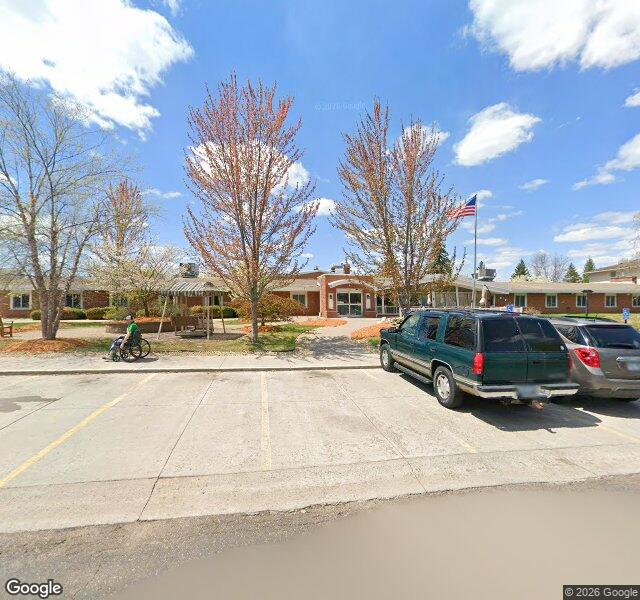
Overview and key essentials
State license
Active
MN MDH
Google reviews
2.9/ 5
29 reviews
Size & payment
Ask directly
Confirm pricing & payment
Important items to verify
Public Google reviews average 2.9/5 — read critical comments closely and tour unannounced if possible.
Cost, payment & care details
Updated Nov 28, 2026| Monthly cost | Not published | Ask for the full monthly cost, including care fees and one-time charges. |
|---|---|---|
| Payment options | Ask directly | Payment details are not confirmed in our records. Ask about private pay, long-term care insurance, veterans benefits, and Medicaid waivers. |
| Size & availability | Confirm directly | We don't publish live openings. Ask about current availability, waitlist length, and move-in timing. |
| Care & support | Assisted living | Usually offers housing and help with everyday tasks, such as bathing and dressing. What to confirm about care levelsThis describes the licensed category. Ask how care plans adjust if mobility, nursing, or memory needs change over time. Read the family care guide → |
State licensing
State inspection history
3inspections
9deficiencies listed
Feb 6, 2025Routine4 deficiencies reported4
4 deficiencies reported
View official state report (opens in a new tab)
144G.45 Subd. 2 (a) (1) Fire protection and0780
SS=F physical environment for dwellings or sleeping units, as defined in the State Fire Code: (i) provide smoke alarms in each room used for sleeping purposes; (ii) provide smoke alarms outside each separate sleeping area in the immediate vicinity of bedrooms; (iii) provide smoke alarms on each story within a dwelling unit, including basements, but not including crawl spaces and unoccupied attics; (iv) where more than one smoke alarm is required within an individual dwelling unit or sleeping unit, interconnect all smoke alarms so that actuation of one alarm causes all alarms in the individual dwelling unit or sleeping unit to operate; and (v) ensure the power supply for existing smoke alarms complies with the State Fire Code, except that newly introduced smoke alarms in existing buildings may be battery operated; STATE FORM This MN Requirement is not met as evidenced by: Based on observation and interview, the licensee failed provide interconnected smoke alarms in required locations. This deficient condition had the ability to affect all staff and residents. This practice resulted in a level two violation (a violation that did not harm a resident's health or safety but had the potential to have harmed a resident's health or safety, but was not likely to cause serious injury, impairment, or death), and was issued at a widespread scope (when problems are pervasive or represent a systemic failure that has affected or has potential to affect a large portion or all of the residents). The findings include: On February 5, 2025, at approximately 9:00 a.m., the surveyor toured the facility with licensed assisted living director (LALD)-B. During the tour, the surveyor observed the smoke alarms were tested for interconnection by the licensee, in dwelling unit 105 smoke alarms were not interconnected as required by state statute. During the facility tour interview on February 5, 2025, LALD-B acknowledged the observation while accompanying on the tour. TIME PERIOD FOR CORRECTION: Seven (7) days
144G.42 Subd. 9 Tuberculosis prevention and0660
SS=F control 0 660 (a) The facility must establish and maintain a comprehensive tuberculosis infection control program according to the most current STATE FORM
OD2J116899
tuberculosis infection control guidelines issued by the United States Centers for Disease Control and Prevention (CDC), Division of Tuberculosis Elimination, as published in the CDC's Morbidity and Mortality Weekly Report. The program must include a tuberculosis infection control plan that covers all paid and unpaid employees, contractors, students, and regularly scheduled volunteers. The commissioner shall provide technical assistance regarding implementation of the guidelines. (b) The facility must maintain written evidence of compliance with this subdivision. This MN Requirement is not met as evidenced by: Based on observation, interview, and record review, the licensee failed to maintain a tuberculosis (TB) prevention and control program based on the most current guidelines issued by the Centers for Disease Control and Prevention (CDC). The licensee failed to ensure screening for active TB (either by a two-step tuberculin skin test (TST) or a single interferon gamma release assay (IGRA) blood test was completed and documented for one of two employees (unlicensed personnel (ULP)-D). This practice resulted in a level two violation (a violation that did not harm a resident's health or safety but had the potential to have harmed a resident's health or safety) and was issued at a widespread scope (when problems are pervasive or represent a systemic failure that has affected or has the potential to affect a large portion or all the residents). The findings include: The licensee's facility TB risk assessment, dated STATE FORM OD2J11 May 28, 2024, indicated the facility was a low risk for TB transmission. ULP-D was hired June 12, 2024, to provide direct cares and services to residents. ULP-D's employee record contained an IGRA blood test, dated July 20, 2023, but lacked documentation of testing being completed no greater than 90 days before hire. On January 4, 2025, during continuous observations from 8:00 a.m. to 9:00 a.m., ULP-D was observed assisting the licensee's residents with morning cares and medication administration. On February 5, 2025, at 10:30 a.m., assistant executive director (AED)-C stated they were not aware ULP-D's testing was outside of the CDC guidelines, and they would have ULP-D complete the testing. guidelines, "Regulations for Tuberculosis Control in Minnesota Health Care Settings", dated July 2013, and based on CDC guidelines, indicated a TB infection control program should include the following: a team responsible for TB infection control; a facility TB risk assessment; written TB infection control procedures; and HCW education. The guidelines also indicate an employee may begin working with patients after a negative TB history and symptom screen (no symptoms of active TB disease) and a negative IGRA (serum blood test) or TST-tuberculin skin test (first step) dated within 90 days before hire. The second TST may be performed after the HCW starts working with patients. Baseline TB screening should be documented in the STATE FORM OD2J11 employee's record. The licensee's Infection Prevention and Control Program, revised April 2020, indicated the licensee would comply with the CDC's most up to date guidelines regarding the prevention and control of Tuberculosis. No further information was provided. TIME PERIOD FOR CORRECTION: Twenty-one (21) days OD2J11 OD2J11 (4) keep the physical environment, including walls, floors, ceiling, all furnishings, grounds, systems, and equipment in a continuous state of good repair and...
144G.45 Subd. 2 (a) (4) Fire protection and0800
SS=F physical environment STATE FORM
Nov 23, 2022Complaint1 deficiency reported1
1 deficiency reported
View official state report (opens in a new tab)
Substantiated, facility responsibility. The facility neglected a resident when they failed to assess the residents’ recurring complaints of left foot and toe pain for several weeks. The resident developed a wound between the toes on his left foot that became infected, and the resident was transferred to the hospital
severeHL302321944M
The facility neglected a resident when they failed to assess the residents’ recurring complaints of left foot and toe pain for several weeks. The resident developed a wound between the toes on his left foot that became infected, and the resident was transferred to the hospital. The Minnesota Department of Health determined neglect was substantiated. The facility was responsible for the maltreatment. The resident complained of left foot pain for several weeks, however, the facility failed to ensure the residents skin was assessed. The resident’s left toe became purple and swollen, and the following day the resident complained of severe foot pain. The resident had signs of infection and a deep, dime size wound between his toes. The resident was transferred to the hospital. Page 2 of 4 The investigator conducted interviews with facility staff members, including administrative staff, nursing staff, and unlicensed staff. The investigator contacted the resident’s family. The investigation included review of facility policies and procedures, the resident’s progress notes, medication and treatment administration records, service plan, services received record, hospital, clinic, and emergency room after visit summaries. Also, the investigator observed other residents in the facility. The resident’s record indicated the resident was diabetic, legally blind and required assistance with dressing, and bathing twice per week. The resident resided in an assisted living facility with diagnoses including diabetes, legal blindness, and chronic kidney disease. The resident’s service plan included assistance with dressing and bathing twice weekly. The resident assessment indicated the resident was cognitively intact, able to make his needs know, and did not identify and pressure ulcers or diabetic vascular wounds. The resident was seen by podiatry for routine nail care about one month prior to the incident. At that time no issues were identified with the resident’s skin. The resident’s services received report indicated the month of the resident’s foot pain the resident received assistance with bathing three times. The resident record lacked any documentation of routine skin monitoring completed prior to the wound being identified. The resident’s progress notes indicated the first documented complaint of foot pain occurred on the 7th of the month, however, there was no corresponding documentation regarding an assessment of the resident’s foot pain. 14 days later the residents progress notes indicated the resident again had complained of foot pain. The note indicated the resident had neuropathy, and indicated the resident’s left foot was more swollen, with purple or darker skin on the 4th toe of the left foot. The note...
Aug 3, 2022Routine4 deficiencies reported4
4 deficiencies reported
View official state report (opens in a new tab)
moderate0810
physical environment (b) Each assisted living facility shall develop and maintain fire safety and evacuation plans. The plans shall include but are not limited to: (1) location and number of resident sleeping rooms; (2) employee actions to be taken in the event of a fire or similar emergency; (3) fire protection procedures necessary for residents; and (4) procedures for resident movement, evacuation, or relocation during a fire or similar emergency including the identification of unique or unusual resident needs for movement or evacuation. (c) Employees of assisted living facilities shall receive training on the fire safety and evacuation plans upon hiring and at least twice per year thereafter. (d) Fire safety and evacuation plans shall be readily available at all times within the facility. (e) Residents who are capable of assisting in their own evacuation shall be trained on the proper actions to take in the event of a fire to include movement, evacuation, or relocation. The training shall be made available to residents at least once per year. (f) Evacuation drills are required for employees twice per year per shift with at least one evacuation drill every other month. Evacuation of the residents is not required. Fire alarm system activation is not required to initiate the evacuation drill. This MN Requirement is not met as evidenced by: Based on record and interview, the licensee failed to provide the required employee training on the facility fire safety and evacuation plan. This had the potential to affect all staff, residents, and visitors. This practice resulted in a level two violation (a violation that did not harm a resident's health or safety but had the potential to have harmed a resident's health or safety, but was not likely to cause serious injury, impairment, or death), and was issued at a widespread scope (when problems are pervasive or represent a systemic failure that has affected or has potential to affect a large portion or all of the residents). Findings include: On August 3, 2022, at approximately 1:00 p.m., survey staff reviewed the employee training documentation with the facility with the licensed assisted living director (LALD)-A, the regional director of operations (RDOO)-F, and the maintenance director (MOD)-E. Record review indicated that the licensee did not provide the twice-a-year required employee training on the fire safety and evacuation plan after the initial employee orientation training. The LALD-A commented that they did have employee training on emergency preparedness training earlier this year. Survey staff clarified that training must be specific to the facility's fire safety and evacuation plan and must be performed at a minimum upon hire and twice per year for all employees, and this training is in addition to the required emergency preparedness training. On August 3, 2022, at approximately 1:25 p.m., the LALD-A. the RDOO-F and the MOD-E acknowledged the finding during the exit interview. No further information was provided. TIME PERIOD FOR CORRECTION: Fourteen (14) days 01620 SS=D 144G.70 Subd. 2 (c-e) Initial reviews, assessments, and monitoring (c) Resident reassessment and monitoring must be conducted no more than 14 calendar days after initiation of services. Ongoing resident reassessment and monitoring must be conducted as needed based on changes in the needs of the resident and cannot exceed 90 calendar days from the last date of the assessment. (d) For residents only receiving...
STATE FORM6899
FNDB11 STATE FORM FNDB11 STATE FORM FNDB11 STATE FORM FNDB11 STATE FORM FNDB11 STATE FORM FNDB11 STATE FORM FNDB11 01620 01620 facility or the date on which a prospective resident moves in, whichever is earlier. This MN Requirement is not met as evidenced by: Based on observation, interview and record review, the licensee failed to ensure the registered nurse (RN) completed a reassessment not to exceed 90 days for one of three residents (R3) as required with records reviewed. This practice resulted in a level two violation (a violation that did not harm a resident's health or safety but had the potential to have harmed a resident's health or safety, but was not likely to cause serious injury, impairment, or death), and was issued at an isolated scope (when one or a limited number of residents are affected or one or a limited number of staff are involved or the situation has occurred only occasionally). The findings include: R3's diagnoses included major depressive disorder and chronic pain. On August 2, 2022, at 12:45 p.m. unlicensed personnel (ULP)-D was observed to administer medication to R3. R3's record indicated the assessments by the follows: March 1, 2022; and June 4, 2022 (95 calendar days from the previous assessment) On August 3, 2022, at 1:00 p.m. RN-B confirmed R3's assessment was over the required 90 days. STATE FORM FNDB11 01620 01620 The licensee's Comprehensive assessment schedule policy last revised March 2021, indicated ongoing reassessments are to be completed at least every 90 days. No further information was provided. TIME PERIOD FOR CORRECTION: Twenty-one (21) days 01910 SS=D 144G.71 Subd. 22 Disposition of medications (a) Any current medications being managed by the assisted living facility must be provided to the resident when the resident's service plan ends or medication management services are no longer part of the service plan. Medications for a resident who is deceased or that have been discontinued or have expired may be provided for disposal. (b) The facility shall dispose of any medications remaining with the facility that are discontinued or expired or upon the termination of the service contract or the resident's death according to state and federal regulations for disposition of medications and controlled substances. (c) Upon disposition, the facility must document in the resident's record the disposition of the medication including the medication's name, strength, prescription number as applicable, quantity, to whom the medications were given, date of disposition, and names of staff and other individuals involved in the disposition. This MN Requirement is not met as evidenced by: Based on interview and record review, the licensee failed upon discharge, to document in the resident's record the disposition of the STATE FORM FNDB11 01910 01910 medication including the medication's prescription number, as applicable, and to whom the medications were given for one of one discharged resident (R1). This practice resulted in a level two violation (a violation that did not harm a resident's health or safety but had the potential to have harmed a resident's health or safety) and was issued at an isolated scope (when one or a limited number of residents are affected or one or a limited number of staff are involved, or the situation has occurred only occasionally). The findings include: R1's record lacked documentation of medication disposition upon the resident's discharge from the facility. R1 was...
moderate0480
requirements (13) offer to provide or make available at least the following services to residents: (i) at least three nutritious meals daily with snacks available seven days per week, according to the recommended dietary allowances in the United States Department of Agriculture (USDA) guidelines, including seasonal fresh fruit and fresh vegetables. The following apply: (B) food must be prepared and served according to the Minnesota Food Code, Minnesota Rules, chapter 4626; and This MN Requirement is not met as evidenced by: Based on observation, interview, and record review, the licensee failed to comply with Minnesota Food Code, chapter 4626. This had the potential to affect all 35 residents residing at the facility. The findings include: This practice resulted in a level two violation (a violation that did not harm a resident's health or safety but had the potential to have harmed a resident's health or safety) and was issued at a widespread scope (when problems are pervasive or represent a systemic failure that has affected or has the potential to affect a large portion or all the residents). Please refer to the included document titled, Food and Beverage Establishment Inspection Report dated August 3, 2022, for the specific Minnesota Food Code deficiencies. No further information was provided. TIME PERIOD FOR CORRECTION: Twenty-one (21) days
minor0430
services (a) All assisted living facilities must provide to prospective residents: (1) a disclosure of the categories of assisted living licenses available and the category of license held by the facility; (2) a written checklist listing all services permitted under the facility's license, identifying all services the facility offers to provide under the assisted living facility contract, and identifying all services allowed under the license that the facility does not provide; and (3) an oral explanation of the services offered under the contract. (b) The requirements of paragraph (a) must be completed prior to the execution of the assisted living contract. (c) The commissioner must, in consultation with all interested stakeholders, design the uniform checklist disclosure form for use as provided under paragraph (a). This MN Requirement is not met as evidenced by: Based on observation, interview and record review, the licensee failed to provide a copy of the Uniform Disclosure of Assisted Living Services and Amenities (UDALSA) with the required content for two of three residents (R2 and R3) with records reviewed. This practice resulted in a level one violation (a violation that has no potential to cause more than a minimal impact on the resident and does not affect health or safety) and was issued at a pattern scope (when more than a limited number of residents are affected, more than a limited number of staff are involved, or the situation has occurred repeatedly, but is not found to be pervasive). The findings include: R2 and R3's records lacked evidence of a signed UDALSA. R2 R2 started receiving services from the licensee on December 31, 2019, with diagnoses of lumbar disc disease and diabetes. On August 2, 2022, at 12:18 p.m. the surveyor observed registered nurse (RN)-C providing wound care to R2. R2's service plan dated August 1, 2021, included medication set-up, treatment assistance and safety checks. R3 R3 started receiving services from the licensee on December 12, 2017, with diagnoses of major depressive disorder and chronic pain. On August 2, 2022, at 12:45 p.m. the surveyor observed unlicensed personnel (ULP)-D administering medications to R3. R3's service plan dated March 1, 2022, included medication administration, treatment assistance and assistance with activities of daily living. On August 3, 2022, at approximately 2:00 p.m. RN-B reviewed the records and confirmed they were unable to find a copy of the UDALSA for R2 or R3. No further information was provided. TIME PERIOD FOR CORRECTION: Twenty-One (21) days
Neighborhood & resident support
Emergency access, hazards & advocacy
Nearest hospital
Fairview Lakes Medical Center
2.6 mi · Wyoming, MN · Medicare 3/5 ★
Emergency room
FEMA hazard risk
Relatively ModerateWashington County, MN
- Strong Wind
- Hail
- Tornado
Free resident advocacy
Minnesota Office of Ombudsman for Long-Term Care
More neighborhood context (specialists, VA, dialysis, air & affordability)
VA & dialysis access
Minneapolis VA Medical Center
28.7 mi · Minneapolis, MN · VA 5/5 ★
DaVita Wyoming Dialysis
6.6 mi · 4/5 ★
Specialists within 15 mi
- Geriatricians
- 1
- Neurologists
- 7
- Palliative care
- 0
- PM&R rehab
- 14
Environment & mobility
- EPA Air (2025)
- 95% good days · AQI 34
- EPA Walkability
- 8.5/20 (Below Average)
- USDA Grocery Access
- High Grocery Access
- Primary care access
- HRSA Shortage Area
County demographics
- Age 65+ median income
- $75,013/yr
- Rent-burdened households
- 50%
- Cognitive disability (2023)
- 11.3%
- Mobility disability
- 8.1%
Call & tour checklist
Questions to ask Birchwood Arbors
Check off questions as you call or tour. Your progress stays private in this browser.
Show 3 more suggested questions
Verification & public records
Official records & sources
Licensing & contact
- License #
- 30232
- Status
- active
- Phone
- (651) 464-5600
- Federal OIG LEIE
- Clear (2026-11-27)
Original public sources
Verify licensing, ratings, and inspection reports directly with each official source.
- MN MDH official record (opens in a new tab)MN Dept. of Health
- Google Maps (opens in a new tab)Directions, photos & neighborhood
- Google Reviews (opens in a new tab)29 public reviews
EveryPlace is an independent research directory. Information is compiled from public Medicare.gov, state licensing, Google Places, and street-level imagery sources. Some summaries, suggested questions, and pricing notes are AI-generated or AI-assisted and may contain errors or omissions. We do not accept payment for placement. Confirm all details directly with the community and official sources. Research Policy.
Keep exploring
Nearby communities to compare
- Medicare 1/52.8(26)100 bedsMedicaidNursing Home< 1 miBirchwood Health Care CenterForest Lake, MN
- 4.7(16)Assisted Living< 1 miAmira Choice Forest LakeForest Lake, MN
- Cap. 32HUD Senior Housing1.2 miWest View ApartmentsForest Lake, MN
- Cap. 92HUD Senior Housing1.5 miKilkenny Court ApartmentsForest Lake, MN
- Cap. 92HUD Senior Housing1.5 miKilkenny CourtForest Lake, MN
- 2.7(7)Assisted Living1.6 miWindy Acres Long Term Care INCForest Lake, MN