Loading EveryPlace content…
Assisted LivingActive licenseMemory care certified
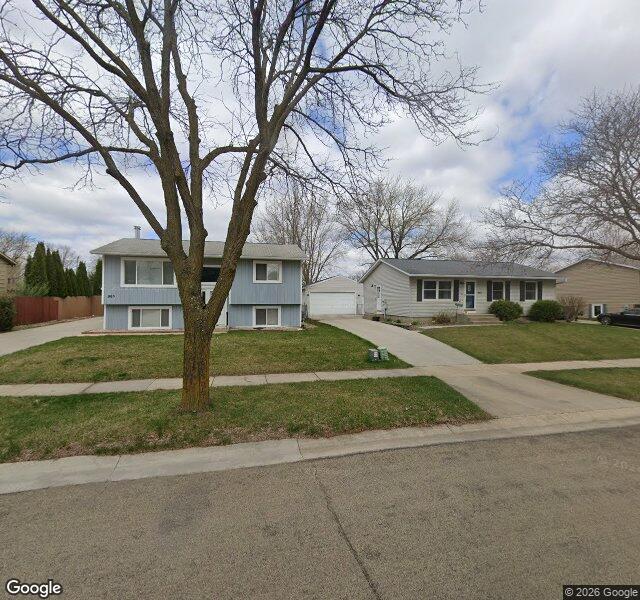
Essence Care Center
963 21st Street Se, Rochester, MN 55904View map (opens in a new tab)
Overview and key essentials
State license
Active
MN MDH
Google reviews
Not available
Public reviews not linked
Size & payment
Ask directly
Confirm pricing & payment
Public records for this community are limited. Use the checklist below when you call or visit to confirm pricing, services, and openings.
Cost, payment & care details
Updated Nov 28, 2026| Monthly cost | Not published | Ask for the full monthly cost, including care fees and one-time charges. |
|---|---|---|
| Payment options | Ask directly | Payment details are not confirmed in our records. Ask about private pay, long-term care insurance, veterans benefits, and Medicaid waivers. |
| Size & availability | Confirm directly | We don't publish live openings. Ask about current availability, waitlist length, and move-in timing. |
| Care & support | Assisted livingMemory care certified | Usually offers housing and help with everyday tasks, such as bathing and dressing. What to confirm about care levelsThis describes the licensed category. Ask how care plans adjust if mobility, nursing, or memory needs change over time. Read the family care guide → |
State licensing
State inspection history
3inspections
34deficiencies listed
Nov 8, 2024Routine10 deficiencies reported10
10 deficiencies reported
View official state report (opens in a new tab)
144G.30 Subd. 5 Correction orders0340
SS=F (a) A correction order may be issued whenever the commissioner finds upon survey or during a complaint investigation that a facility, a managerial official, an agent of the facility, or staff of the facility is not in compliance with this chapter. The correction order shall cite the specific statute and document areas of noncompliance and the time allowed for STATE FORM
144G. 20 Subdivision 1 Conditions0250
SS= F (a) The commissioner may refuse to grant a provisional license, refuse to grant a license as a result of a change in ownership, refuse to renew a license, suspend or revoke a license, or impose a conditional license if the owner, controlling individual, or staff of an assisted living facility: (1) is in violation of, or during the term of the license has violated, any of the requirements in this chapter or adopted rules; (2) permits, aids, or abets the commission of any illegal act in the provision of assisted living STATE FORM
144G.45 Subd. 2 (a) (2)-(3) Fire protection and0790
SS=F physical environment (2) install and maintain portable fire extinguishers in accordance with the State Fire Code; (3) install portable fire extinguishers having a minimum 2-A:10-B:C rating within Group R-3 occupancies, as defined by the State Fire Code, located so that the travel distance to the nearest fire extinguisher does not exceed 75 feet, and maintained in accordance with the State Fire Code; and This MN Requirement is not met as evidenced by: Based on observation and interview, the licensee failed to install and maintain the portable fire extinguishers as required by statute. This deficient condition had the potential to affect all residents, staff, and visitors. STATE FORM
144G.42 Subd. 10 Disaster planning and0680
SS=F emergency preparedness (a) The facility must meet the following requirements: (1) have a written emergency disaster plan that contains a plan for evacuation, addresses elements of sheltering in place, identifies temporary relocation sites, and details staff assignments in the event of a disaster or an emergency; (2) post an emergency disaster plan prominently; STATE FORM diseases (EIDs) and document risk assessment for an all hazards approach, including EIDs as applicable, categorize the various probable risks by likelihood of occurrence, develop strategies for addressing facility and community based risks (evacuation plans, staffing surges/shortages, back-up plans); the risk assessment was signed and dated but was not completed; - a process for cooperation and collaboration with local, tribal, regional, State and Federal EP to maintain integrated response; - policy and procedure based on the EP risk assessment and communication plan; - policy and procedure for a system to track the location of on duty staff and sheltered residents and if on duty staff and sheltered residents are relocated, the facility must document the specific name/location of the receiving facility or other location; - policy and procedure addressing system of medical documentation that preserves resident information, protects confidentiality, and secures/maintains availability of records; - policy and procedures addressing development of arrangements with other facilities/providers to receive residents in the event of limitations/cessation of operations to maintain the continuity of services to residents; - policy and procedure addressing the role of facility under waiver declared by the Secretary in accordance with section 1135 of the ACT; - communication plan which includes names/contact information: staff, entities providing services under agreement, residents' physicians, other facilities, volunteers; - communication plan which includes contact information for Federal, State, tribal, regional, and local EP staff; State Licensing and Certification Agency; and other sources of assistance; - communication plan which includes alternate STATE FORM means of communication with facility staff and Federal, State, tribal, regional, and local emergency management agencies; - communication plan which includes method for sharing information and medical documentation for residents under the facility's care, as necessary, with other health care personnel to maintain continuity of care; means, in event of evacuation, to release resident information as permitted under 45 CFR 164.510(b)(1)(ii); means of providing information about general condition/location of residents under facility's care as permitted under 45 CFR 164.510(b)(4); - communication plan which includes means to providing information about the facility occupancy, needs, and its ability to aid, to the authority having jurisdiction, the incident command center, or designee; and - conduct exercises to test EP at least twice per year, including unannounced staff drills using EP, including participating in an annual full-scale exercise community based or annual individual facility based functional exercise or if facility experiences an actual emergency requiring evacuation of plan, facility is exempt from engaging in its next required full scale exercise; conduct an additional annual exercise that may include a second full scale exercise community based or an individual; facility based functional exercise or...
144G.41 Subdivision 1 Minimum requirements0470
SS=F 0 470 (11) develop and implement a staffing plan for STATE FORM
144G.41 Subd. 7 Resident grievances; reporting0550
SS=F maltreatment All facilities must post in a conspicuous place information about the facilities' grievance procedure, and the name, telephone number, and email contact information for the individuals who are responsible for handling resident grievances. The notice must also have the contact information for the Office of Ombudsman for Long-Term Care and the Office of Ombudsman for Mental Health and Developmental Disabilities and must have information for reporting suspected maltreatment to the Minnesota Adult Abuse Reporting Center. The notice must also state that if an individual has a complaint about the facility or person providing services, the individual may contact the Office of Health Facility Complaints at the Minnesota Department of Health. This MN Requirement is not met as evidenced by: Based on observation, interview, and record review, the licensee failed to post the required complaint and grievance information to include the contact information for the facility representative who managed the facility's grievances. This had the potential to affect all residents, staff, and visitors. This practice resulted in a level two violation (a violation that did not harm a resident's health or safety but had the potential to have harmed a resident's health or safety, but was not likely to cause serious injury, impairment, or death), and is issued at a widespread scope (when problems are pervasive or represent a systemic failure that has affected or has the potential to affect a large portion or all of the residents). STATE FORM The findings include: On November 4, 2024, at 11:30 a.m. during a facility review of postings, the surveyor noted various postings on two bulletin boards on the upper level of the facility. One bulletin board included the facility's Grievance Policy and Procedure; however, the policy and procedure lacked the required information about the facility's grievance procedure to include the name, telephone number, and email contact information for the individuals who are responsible for handling resident grievances. On November 4, 2024, at 1:20 p.m. licensed assisted living director (LALD)-A stated he didn't realize the posting was missing the contact information for him as the facility representative who managed grievances and complaints; but would update with the required information. No further information was provided. TIME PERIOD FOR CORRECTION: Twenty-one (21) days
144G.45 Subd. 2 (a) (1) Fire protection and0780
SS=F physical environment (a) Each assisted living facility must comply with the State Fire Code in Minnesota Rules, chapter 7511, and: (1) for dwellings or sleeping units, as defined in the State Fire Code: (i) provide smoke alarms in each room used for sleeping purposes; (ii) provide smoke alarms outside each separate sleeping area in the immediate vicinity of bedrooms; (iii) provide smoke alarms on each story within a dwelling unit, including basements, but not including crawl spaces and unoccupied attics; (iv) where more than one smoke alarm is required within an individual dwelling unit or sleeping unit, interconnect all smoke alarms so that actuation of one alarm causes all alarms in the individual dwelling unit or sleeping unit to operate; and (v) ensure the power supply for existing smoke alarms complies with the State Fire Code, except that newly introduced smoke alarms in existing buildings may be battery operated; STATE FORM This MN Requirement is not met as evidenced by: Based on observation and interview, the licensee failed to comply with Minnesota State Fire Code, Chapter 7511 and provide interconnected smoke alarms. This had the potential to directly affect all residents, staff, and visitors. This practice resulted in a level two violation (a violation that did not harm a resident's health or safety but had the potential to have harmed a resident's health or safety) and was issued at a widespread scope (when problems are pervasive or represent a systemic failure that has affected or has the potential to affect a large portion or all of the residents). The findings include: On November 8, 2024, at 10:25 a.m., the surveyor toured the facility with licensed assisted living director (LALD)-A. During the tour, the surveyor observed the following: 1. An exit sign was posted above the dining room sliding patio door. At the base of the patio door, a lock was installed in the track which prevented the door from opening. LALD-A demonstrated this lock required a hex wrench to unlock before this door could be opened. This patio door was also labeled as an exit on the posted fire evacuation floor plan. LALD-A stated the city did not require this patio door to be designated as an emergency exit. The use of this type of door-locking hardware would limit the ability of occupants to safely exit the building in the event of an emergency. 2. When LALD-A tested the smoke alarms installed outside the bedrooms in the basement STATE FORM
MFU6166899
{0 340} the commissioner finds upon survey or during a complaint investigation that a facility, a managerial official, an agent of the facility, or staff of the facility is not in compliance with this chapter. The correction order shall cite the specific statute and document areas of noncompliance and the time allowed for correction. (b) The commissioner shall mail or email copies of any correction order to the facility within 30 calendar days after the survey exit date. A copy of each correction order and copies of any documentation supplied to the commissioner shall be kept on file by the facility and public documents shall be made available for viewing by any person upon request. Copies may be kept electronically. (c) By the correction order date, the facility must: (1) document in the facility's records any action taken to comply with the correction order. The commissioner may request a copy of this documentation and the facility's action to respond to the correction order in future surveys, upon a complaint investigation, and as otherwise needed; and This MN Requirement is not met as evidenced by: Based on observation, record review, and interview, the licensee failed to take actions to comply with correction orders from a survey completed on November 8, 2024, and reissued January 23, 2025, May 14, 2025, August 5, 2025, and November 7, 2025. The lack of action to ensure compliance with regulations had the potential to affect all residents receiving services from the licensee. This practice resulted in a level three violation (a violation that harmed a resident' s health or safety, STATE FORM MFU616 {0 340} or a violation that had the potential to cause more than minimal harm to the resident) and was issued at a widespread scope (when problems are pervasive or represent a systemic failure that has affected or has potential to affect a large portion or all of the residents) . The findings include: During surveys conducted on November 8, 2024, January 23, 2025, May 14, 2025, August 5, 2025, and November 7, 2025, the licensee was cited using the 0780 tag identification number for a non- compliant locking mechanism on a designated emergency exit door from the egress side. On January 21, 2026, during the fifth follow up survey, the surveyor confirmed the deficient condition remained as the licensee failed to correct obstructed egress to the exterior of the building. On January 21, 2026, at 1:15 p.m., during the fifth follow up survey, the surveyor entered the facility and spoke with the caretaker (C)-N. During the survey the C-N showed the surveyor around the facility. Previous survey 0780 tag identification number findings: On January 21, 2026, the surveyor r confirmed the deficient condition remained as the licensee failed to correct obstructed egress to the exterior of the building. Photos were taken. On August 5, 2025, during the third follow up survey, the surveyor confirmed the deficient condition remained as the licensee failed to correct obstructed egress to the exterior of the building. During a phone interview on August 5, STATE FORM MFU616 2025, at 10:40 a.m., licensed assisted living director (LALD)-A stated the patio door locking had not changed since the previous site visit on May 14, 2025. On May 14, 2025, at 1:05 p.m., the surveyor toured the facility with caretaker (C)-G. During the facility tour, the surveyor observed an exit sign was posted above the dining room sliding patio door. The patio door was labeled as an...
144G.45 Subd. 2 (b)-(f) Fire protection and0810
SS=F physical environment (b) Each assisted living facility shall develop and maintain fire safety and evacuation plans. The plans shall include but are not limited to: (1) location and number of resident sleeping rooms; (2) employee actions to be taken in the event of a fire or similar emergency; (3) fire protection procedures necessary for residents; and (4) procedures for resident movement, evacuation, or relocation during a fire or similar emergency including the identification of unique STATE FORM The FSEP Fire Safety Policy dated August 1, 2021, was a template from a third-party provider and had not been developed for use at this facility. The FSEP included standard employee procedures, but failed to provide specific employee actions to take in the event of a fire or similar emergency relative to the facility's building layout and environmental risks. The employee actions were limited to the RACE (Remove, Alarm, Confine, Extinguish/Evacuate) acronym.The FSEP inaccurately referenced pull fire alarms, which were not observed on the facility tour. The FSEP failed to identify specific fire protection procedures necessary for residents evident by limited instructions directing residents to stoop or crawl to avoid smoke. No additional fire protection procedures for residents were included. The FSEP included standard resident evacuation procedures, but failed to provide specific procedures for resident movement and evacuation or relocation during a fire or similar emergency including individualized unique needs of residents. During an interview on November 8, 2024, at 11:50 a.m., LALD-A verified the FSEP required revision. TRAINING Record review of the available documentation indicated the licensee failed to provide training to employees on the FSEP upon hire and/or at least twice per year evident by the lack of training documentation. One employee training record for STATE FORM
144G.45 Subd. 2 (a) (4) Fire protection and0800
SS=F physical environment (4) keep the physical environment, including walls, floors, ceiling, all furnishings, grounds, systems, and equipment in a continuous state of good repair and operation with regard to the health, safety, comfort, and well-being of the residents in accordance with a maintenance and repair program. This MN Requirement is not met as evidenced by: Based on observation and interview, the licensee failed to provide the physical environment in a continuous state of good repair and operation with regard to the health, safety, and well-being of the residents. This had the potential to directly affect all residents, staff, and visitors. This practice resulted in a level two violation (a violation that did not harm a resident's health or safety but had the potential to have harmed a resident's health or safety) and was issued at a widespread scope (when problems are pervasive or represent a systemic failure that has affected or has the potential to affect a large portion or all of the residents). The findings include: On November 8, 2024, at 10:25 a.m., the surveyor toured the facility with licensed assisted living director (LALD)-A. During the tour, the surveyor observed the following: 1. Tape was installed between the basement back door and the door frame. LALD-A stated during the tour that the door seal had been replaced but it was still leaking cold air into the home. STATE FORM
Sep 18, 2023ComplaintNo deficiencies reportedNone
No deficiencies reported
View official state report (opens in a new tab)
No deficiencies are reported in this inspection record.
Feb 2, 2022Routine24 deficiencies reported24
24 deficiencies reported
View official state report (opens in a new tab)
minor0910
(a) The contract must include in a conspicuous place and manner on the contract the legal name and the license number of the facility. (b) The contract must include the name, telephone number, and physical mailing address, which may not be a public or private post office box, of: (1) the facility and contracted service provider when applicable; (2) the licensee of the facility; (3) the managing agent of the facility, if applicable; and (4) the authorized agent for the facility. This MN Requirement is not met as evidenced by: Based on observation, interview and record review, the licensee failed to execute a written contract with the required content for one of one resident (R1) with record reviewed. This practice resulted in a level one violation (a violation that has no potential to cause more than a minimal impact on the resident and does not affect health or safety), and was issued at a widespread scope (when problems are pervasive or represent a systemic failure that has affected or has potential to affect a large portion or all of the residents). The findings include: R1's Service Plan dated August 1, 2021, unsigned, indicated "Services Provided" were bathing assistance, bathing reminder, behavior management (anxiety, repetitive, self injury, self isolation, sexual inappropriateness, verbal aggression), manage symptoms (depression, wandering, other mental health need), dressing a.m., drinking assistance, housekeeping, laundry, linen change, meal assistance, meal reminder, medication administration, nail care, record blood glucose, record blood pressure, record pulse, remove garbage, skin care, socialization, therapeutic exercises, shopping assistance as needed and symptom screen. On February 1, 2022, at 7:31 a.m. unlicensed personnel (ULP)-C was observed to provide direct care services to R1. R1's Assisted Living Contract for Housing and Services dated August 1, 2021, lacked the following required content: -the authorized agent for the facility On February 2, 2022, at approximately 12:13 p.m. licensed assisted living director (LALD)-A confirmed R1's contract lacked the above content. LALD-A verified the licensee contract would lack the same for all residents. The licensee's policy, Signing an Assisted Living Contract dated August 1, 2021, indicated when a prospective resident decides to move into the licensee home an Assisted Living contract would be signed and received by the facility and the licensee would fill in all the blanks of the contract and provide the prospective resident and/or responsible person a copy of the appropriate assisted living contract and the license would give one copy to the prospective resident and/or responsible person and retain one copy for the resident record. The policy did not address the content required for an assisted living contract. No further information was provided. TIME PERIOD FOR CORRECTION: Twenty-one (21) days
minor0430
services (a) All assisted living facilities must provide to prospective residents: (1) a disclosure of the categories of assisted living licenses available and the category of license held by the facility; (2) a written checklist listing all services permitted under the facility's license, identifying all services the facility offers to provide under the assisted living facility contract, and identifying all services allowed under the license that the facility does not provide; and (3) an oral explanation of the services offered under the contract. (b) The requirements of paragraph (a) must be completed prior to the execution of the assisted living contract. (c) The commissioner must, in consultation with all interested stakeholders, design the uniform checklist disclosure form for use as provided under paragraph (a). This MN Requirement is not met as evidenced by: Based on observation, interview, and record review, the licensee failed to provide a copy of the uniform disclosure of assisted living services and amenities (UDALSA) prior to providing assisted living (AL) services, for one of one resident (R1) with records reviewed. This practice resulted in a level one violation (a violation that has no potential to cause more than a minimal impact on the resident and does not affect health or safety), and was issued at a widespread scope (when problems are pervasive or represent a systemic failure that has affected or has potential to affect a large portion or all of the residents). The findings include: R1 began receiving assisted living services on August 1, 2021. R1's Service Plan dated August 1, 2021, unsigned, indicated "Services Provided" were bathing assistance, bathing reminder, behavior management (anxiety, repetitive, self injury, self isolation, sexual inappropriateness, verbal aggression), manage symptoms (depression, wandering, other mental health need), dressing a.m., drinking assistance, housekeeping, laundry, linen change, meal assistance, meal reminder, medication administration, nail care, record blood glucose, record blood pressure, record pulse, remove garbage, skin care, socialization, therapeutic exercises, shopping assistance as needed and symptom screen. On February 1, 2022, at 7:31 a.m. unlicensed personnel (ULP)-C was observed to check R1's blood pressure, pulse, blood sugar and administer medications to R1. R1's record lacked evidence the resident had received a copy of the UDALSA prior to receiving services on August 1, 2021. On January 31, 2022, at 9:56 a.m. licensed assisted living director (LALD)-A stated he was unaware of what the UDALSA was. LALD-A confirmed the current residents had not received the UDALSA. The licensee policy Uniform Disclosure of Assisted Living Services and Amenities (UDALSA) dated August 1, 2021, indicated "[Name of AL] will provide a "Uniform Disclosure of Assisted Living Services and Amenities" (UDALSA) to prospective residents prior to signing an Assisted Living contract". No further information was provided. TIME PERIOD FOR CORRECTION: Twenty-One (21) days
moderate0630
for reporting ma (b) The facility must develop and implement an individual abuse prevention plan for each vulnerable adult. The plan shall contain an individualized review or assessment of the person's susceptibility to abuse by another individual, including other vulnerable adults; the person's risk of abusing other vulnerable adults; and statements of the specific measures to be taken to minimize the risk of abuse to that person and other vulnerable adults. For purposes of the abuse prevention plan, abuse includes self-abuse. This MN Requirement is not met as evidenced by: Based on observation, interview and record review, the licensee failed to ensure an individual abuse prevention plan included statements of the specific measures to be taken to minimize the risk of abuse to that person and other vulnerable adults for identified vulnerabilities for one of one resident (R1) with record reviewed. This practice resulted in a level two violation (a violation that did not harm a resident's health or safety but had the potential to have harmed a resident's health or safety, but was not likely to cause serious injury, impairment, or death), and was issued at an isolated scope (when one or a limited number of residents are affected or one or a limited number of staff are involved or the situation has occurred only occasionally). The findings include: R1's diagnoses included, but were not limited to, dementia and diabetes. On February 1, 2022, at 7:31 a.m. unlicensed personnel (ULP)-C was observed to check R1's blood pressure, pulse, blood sugar and administer medications to R1. R1 was wearing eye glasses. R1's Individual Abuse Prevention Plan dated December 20, 2021, indicated vulnerabilities included, but were not limited to, medication management, physical for musculoskeletal/neurological/speech/vision, alcohol and/or history of use, difficulty using phone, difficulty communicating-may not report abuse, dementia, disorientated to person/place/time/disorientation varies by the time of day/disorientation throughout the day and night, resident is at risk of falling and behaviors of agitation/hoarding/self injury/sexually inappropriate/socially inappropriate/verbal aggression/depression/delusions/post traumatic stress disorder. The plan included comments about the vulnerabilities, but lacked evidence of specific measures for "plan of action" to minimize the risk of abuse for the identified vulnerabilities and for medication management lacked to indicate staff administered medications to R1. On February 2, 2022, at 8:57 a.m. registered nurse (RN)-B verified R1's Individual Abuse Prevention Plan lacked evidence of specific measures for "plan of action" to minimize the risk of abuse for the identified vulnerabilities above. The licensee's policy, 44 Vulnerable Adult Maltreatment Prevention and Reporting dated August 1, 2021, indicated consistent with Assisted Living licensure regulations, the licensee would develop individualized vulnerable adult abuse prevention plans to identify vulnerability risks and develop measures to minimize maltreatment based on identified information. TIME PERIOD FOR CORRECTION: Seven (7) days
moderate0470
(11) develop and implement a staffing plan for determining its staffing level that: (i) includes an evaluation, to be conducted at least twice a year, of the appropriateness of staffing levels in the facility; (ii) ensures sufficient staffing at all times to meet the scheduled and reasonably foreseeable unscheduled needs of each resident as required by the residents' assessments and service plans on a 24-hour per day basis; and (iii) ensures that the facility can respond promptly and effectively to individual resident emergencies and to emergency, life safety, and disaster situations affecting staff or residents in the facility; (12) ensure that one or more persons are available 24 hours per day, seven days per week, who are responsible for responding to the requests of residents for assistance with health or safety needs. Such persons must be: (i) awake; (ii) located in the same building, in an attached building, or on a contiguous campus with the facility in order to respond within a reasonable amount of time; (iii) capable of communicating with residents; (iv) capable of providing or summoning the appropriate assistance; and (v) capable of following directions; This MN Requirement is not met as evidenced by: Based on observation, interview and record review, the licensee failed to ensure the staffing plan was developed to determine staffing levels to meet the needs of all residents, and the 24-hour staffing schedule was posted as required. This had the potential to affect all residents, staff and visitors. This practice resulted in a level two violation (a violation that did not harm a resident's health or safety but had the potential to have harmed a resident's health or safety, but was not likely to cause serious injury, impairment, or death), and was issued at a widespread scope (when problems are pervasive or represent a systemic failure that has affected or has potential to affect a large portion or all of the residents). The findings include: STAFFING PLAN The licensee failed to develop and implement a staffing plan for determining it's staffing level that: - included an evaluation, to be conducted at least twice a year, of the appropriateness of staffing levels in the facility; - ensured sufficient staffing at all times to meet the scheduled and reasonably foreseeable unscheduled needs of each resident as required by the residents' assessments and service plans on a 24-hour per day basis; and - ensured that the facility can respond promptly and effectively to individual resident emergencies and to emergency, life safety, and disaster situations affecting staff or residents in the facility STAFFING SCHEDULE The licensee lacked a posted daily staffing schedule developed by the clinical nurse supervisor to include: -direct-care staff work schedules for each direct-care staff member showing all work shifts, including days and hours worked; -direct-care staff member's resident assignments or work location; and -be posted after redacting direct-care staff member's resident assignments, at the beginning of each work shift in a central location in each building On January 31, 2022, at approximately 9:33 a.m. no posted staff schedule was observed in any area of the facility. On January 31, 2022, at approximately 9:56 a.m. licensed assisted living director (LALD)-A stated "what do you mean by staffing plan". LALD-A and registered nurse (RN)-B confirmed a daily staffing schedule was not posted. The licensee policy Staffing &...
moderate0650
(a) The facility must maintain current records of each paid employee, each regularly scheduled volunteer providing services, and each individual contractor providing services. The records must include the following information: (1) evidence of current professional licensure, registration, or certification if licensure, registration, or certification is required by this chapter or rules; (2) records of orientation, required annual training and infection control training, and competency evaluations; (3) current job description, including qualifications, responsibilities, and identification of staff persons providing supervision; (4) documentation of annual performance reviews that identify areas of improvement needed and training needs; (5) for individuals providing assisted living services, verification that required health screenings under subdivision 9 have taken place and the dates of those screenings; and (6) documentation of the background study as required under section 144.057. (b) Each employee record must be retained for at least three years after a paid employee, volunteer, or contractor ceases to be employed by, provide services at, or be under contract with the facility. If a facility ceases operation, employee records must be maintained for three years after facility operations cease. This MN Requirement is not met as evidenced by: Based on observation, interview and record review, the licensee failed to ensure employee records included all required content for one of two unlicensed personnel (ULP-C) with records reviewed. This practice resulted in a level two violation (a violation that did not harm a resident's health or safety but had the potential to have harmed a resident's health or safety, but was not likely to cause serious injury, impairment, or death), and was issued at an isolated scope (when one or a limited number of residents are affected or one or a limited number of staff are involved or the situation has occurred only occasionally). The findings include: The licensee lacked evidence of verification that required health screenings had taken place and the date of those screenings for ULP-C who was providing assisted living services. ULP-C's date of hire was December 27, 2021, and was observed to provide direct care services to R1 during the survey. ULP-C's record identified chest x-ray results dated December 21, 2021. The report indicated a chest x-ray was completed due to a positive Quantiferon (blood test that aids in the detection of Mycobacterium tuberculosis, an interferon-gamma release assay commonly know as an IGRA); however, ULP-C's record lacked documented evidence of the Quantiferon blood test, including the date of the test and qualitative results. On January 31, 2021, at 1:51 p.m. registered nurse (RN)-B confirmed ULP-C's record lacked documented evidence for the Quantiferon blood test. The licensee's policy, Tuberculosis Screening dated August 1, 2021, indicated the licensee would "establish and maintain a comprehensive tuberculosis infection control program according to the most current tuberculosis infection control guidelines issued by the United States Centers for Disease Control and Prevention (CDC), Division of Tuberculosis Elimination, as published in the CDC's Morbidity and Mortality Weekly Report (MMWR). Screening would be conducted as follows: New staff will have an IGRA blood test or a two-step Mantoux conducted with results documented on the Baseline TB Screening Tool for HCWs. No...
moderate0660
control (a) The facility must establish and maintain a comprehensive tuberculosis infection control program according to the most current tuberculosis infection control guidelines issued by the United States Centers for Disease Control and Prevention (CDC), Division of Tuberculosis Elimination, as published in the CDC's Morbidity and Mortality Weekly Report. The program must include a tuberculosis infection control plan that covers all paid and unpaid employees, contractors, students, and regularly scheduled volunteers. The commissioner shall provide technical assistance regarding implementation of the guidelines. (b) The facility must maintain written evidence of compliance with this subdivision. This MN Requirement is not met as evidenced by: Based on observation, interview and record review the licensee failed to establish and maintain a TB (tuberculosis) prevention and control program based on the most current guidelines issued by the centers for Disease Control and Prevention (CDC) guidelines. This had the potential to affect all residents, staff and visitors. This practice resulted in a level two violation (a violation that did not harm a resident's health or safety but had the potential to have harmed a resident's health or safety, but was not likely to cause serious injury, impairment, or death), and was issued at a widespread scope (when problems are pervasive or represent a systemic failure that has affected or has potential to affect a large portion or all of the residents). The findings include: The licensee lacked screening of employees for TB symptoms upon hire and failed to train employees on the licensee's TB infection control plan. Unlicensed personnel (ULP)-C's date of hire was December 27, 2021, and was observed to provide direct care services to R1 during the survey. ULP-D's date of hire was August 5, 2021, and provided direct care services to the licensee's residents. ULP-C and ULP-D's employee records lacked evidence of screening for TB symptoms upon hire and training for the licensee infection control plan for TB on how to implement early recognition, isolation, and referral procedure, especially any sections that employees are responsible for implementing. On January 31, 2022, at approximately 12:48 p.m. registered nurse (RN)-B stated all of the licensee's employees would lack screening for TB symptoms. On February 1, 2022, at approximately 11:09 a.m. RN-B further stated she had not provided training on the licensee's TB infection control plan to any employees. The licensee's policy, Tuberculosis Screening dated August 1, 2021, indicated the licensee would establish and maintain a comprehensive tuberculosis infection control program according to the most current tuberculosis infection control guidelines issued by the United States CDC, Division of Tuberculosis Elimination, as published in the CDC's Morbidity and Mortality Weekly Report (MMWR). Staff would be educated regarding TB at time of hire. Content of the training would include the licensee's infection control plan (i.e., how to implement your early recognition, isolation, and referral procedure), especially any sections that employees are responsible for implementing. New staff would be screened for active signs of TB using the Baseline TB Screening Tool for HCWs and the screening results would be kept in each employee medical file. guidelines, Regulations for Tuberculosis Control in Minnesota Health Care Settings, dated July 2013, and based on CDC...
moderate0680
emergency preparedness (a) The facility must meet the following requirements: (1) have a written emergency disaster plan that contains a plan for evacuation, addresses elements of sheltering in place, identifies temporary relocation sites, and details staff assignments in the event of a disaster or an emergency; (2) post an emergency disaster plan prominently; (3) provide building emergency exit diagrams to all residents; (4) post emergency exit diagrams on each floor; and (5) have a written policy and procedure regarding missing tenant residents. (b) The facility must provide emergency and disaster training to all staff during the initial staff orientation and annually thereafter and must make emergency and disaster training annually available to all residents. Staff who have not received emergency and disaster training are allowed to work only when trained staff are also working on site. (c) The facility must meet any additional requirements adopted in rule. This MN Requirement is not met as evidenced by: Based on observation, interview and record review, the licensee failed to ensure emergency exit diagrams were posted, failed to develop an all-hazards emergency preparedness (EP) program and plan to include Appendix Z required elements. This had the potential to affect all two (2) residents in the facility, staff and any visitors. This practice resulted in a level two violation (a violation that did not harm a resident's health or safety but had the potential to have harmed a resident's health or safety, but was not likely to cause serious injury, impairment, or death), and was issued at a widespread scope (when problems are pervasive or represent a systemic failure that has affected or has potential to affect a large portion or all of the residents). The findings include: EMERGENCY EXIT DIAGRAM The licensee lacked posted emergency exit diagrams in the facility and had not provided emergency exit diagrams to the residents. On January 31, 2022, at approximately 9:33 a.m. observation revealed there was no posted emergency disaster plan inside the facility. On February 1, 2022, at 12:35 p.m. observation with licensed assisted living director (LALD)-A revealed there were no posted emergency exit diagrams posted on the upper or lower levels of the facility. At that time, LALD-A stated he had not provided emergency exit diagrams to the residents. EMERGENCY PREPAREDNESS PLAN The licensee lacked a posted emergency disaster plan prominently and the licensee's Emergency Preparedness Plan dated August 1, 2021 lacked required information according to Emergency Preparedness: Appendix Z. On January 31, 2022, at approximately 9:56 a.m. LALD-A stated he was not familiar with Appendix Z. On February 2, 2022, at 12:13 p.m. LALD-A was interviewed regarding the licensee's Emergency Preparedness Plan. LALD-A confirmed the licensee's Emergency Preparedness Plan lacked the following: - addressing how the licensee would coordinate with other health care facilities. as well as community on a whole during emergency or disaster; - risk assessment which considered hazards like care related emergencies, cyber-attacks, normal supply of essential resources and medical supplies, should consider duration of interruptions, consider emerging infectious diseases (EIDs), arrangements/contracts to re-establish utility services; -an all hazards approach, including EIDs as applicable, develop strategies for addressing facility and community based risks...
moderate0790
physical environment (2) install and maintain portable fire extinguishers in accordance with the State Fire Code; (3) install portable fire extinguishers having a minimum 2-A:10-B:C rating within Group R-3 occupancies, as defined by the State Fire Code, located so that the travel distance to the nearest fire extinguisher does not exceed 75 feet, and maintained in accordance with the State Fire Code; and This MN Requirement is not met as evidenced by: Based on observation and interview, the licensee failed to ensure installation and maintenance of portable fire extinguishers at the facility. This had the potential to directly affect all residents, staff, and visitors. This practice resulted in a level two violation (a violation that did not harm a resident's health or safety but had the potential to have harmed a resident's health or safety) and was issued at a widespread scope (when problems are pervasive or represent a systemic failure that has affected or has the potential to affect a large portion or all residents). The findings include: On January 31, 2022, from approximately 10:45 a.m. to 11:15 a.m., survey staff toured the facility with the licensed assisted living director (LALD)-A. During the facility tour, survey staff observed there were no portable fire extinguishers in the facility. LALD-A verbally confirmed survey staff observations during the facility tour. No further information was provided. TIME PERIOD FOR CORRECTION: Twenty-one (21) days
moderate0980
(a) An assisted living facility must clearly and conspicuously disclose, in writing in an assisted living contract, any arbitration provision in the contract that precludes, limits, or delays the ability of a resident from taking a civil action. (b) An arbitration requirement must not include a choice of law or choice of venue provision. Assisted living contracts must adhere to Minnesota law and any other applicable federal or local law. This MN Requirement is not met as evidenced by: Based on observation, interview and record review, the licensee failed to execute a written contract with the required content for one of one resident (R1) with record reviewed. This practice resulted in a level two violation (a violation that did not harm a resident's health or safety but had the potential to have harmed a resident's health or safety), and was issued at a widespread scope (when problems are pervasive or represent a systemic failure that has affected or has the potential to affect a large portion or all of the residents). The findings include: R1's Service Plan dated August 1, 2021, unsigned, indicated "Services Provided" were bathing assistance, bathing reminder, behavior management (anxiety, repetitive, self injury, self isolation, sexual inappropriateness, verbal aggression), manage symptoms (depression, wandering, other mental health need), dressing a.m., drinking assistance, housekeeping, laundry, linen change, meal assistance, meal reminder, medication administration, nail care, record blood glucose, record blood pressure, record pulse, remove garbage, skin care, socialization, therapeutic exercises, shopping assistance as needed and symptom screen. On February 1, 2022, at 7:31 a.m. unlicensed personnel (ULP)-C was observed to provide direct care services to R1. R1's Assisted Living Contract for Housing and Services dated August 1, 2021, lacked the following required content: - an assisted living facility must clearly and conspicuously disclose, in writing in an assisted living contract, any arbitration provision in the contract that precludes, limits, or delays the ability of a resident from taking a civil action; and - an arbitration requirement must not include a choice of law or choice of venue provision. Assisted living contracts must adhere to Minnesota law and any other applicable federal or local law. On February 2, 2022, at approximately 12:13 p.m. licensed assisted living director (LALD)-A confirmed R1's contract failed to address the above content. LALD-A verified the licensee contract would lack the same for all residents. The licensee's policy, Signing an Assisted Living Contract dated August 1, 2021, indicated when a prospective resident decides to move into the licensee home an Assisted Living contract would be signed and received by the facility and the licensee would fill in all the blanks of the contract and provide the prospective resident and/or responsible person a copy of the appropriate assisted living contract and the license would give one copy to the prospective resident and/or responsible person and retain one copy for the resident record. The policy did not address the content required for an assisted living contract. No further information was provided. TIME PERIOD FOR CORRECTION: Twenty-one (21) days 01370 144G.61 Subd. 2 Training and evaluation of unlicensed personn SS=F (a) Training and competency evaluations for all unlicensed personnel must include the following: (1) documentation requirements...
moderate0110
license required 0 110 Each assisted living facility must employ an assisted living director licensed or permitted by the Board of Executives for Long Term Services and Supports. This MN Requirement is not met as evidenced by: Based on interview and record review, the licensee failed to ensure licensed assisted living director (LALD-A) was listed as the Director of Record for the licensee. This had the potential to affect all the licensee's residents, staff, and visitors. This practice resulted in a level two violation (a violation that did not harm a resident's health or safety but had the potential to have harmed a resident's health or safety), and was issued at a widespread scope (when problems are pervasive or represent a systemic failure that has affected or has the potential to affect a large portion or all of the residents). The findings include: LALD-A started employment on January 1, 2020, under the licensee's comprehensive home care license and began providing assisted living services on August 1, 2021. During the entrance conference on January 31, 2022, at approximately 9:56 a.m. LALD-A provided his license for assisted living director, which had an expiration date of October 31, 2022. On January 31, 2022, at approximately 12:37 p.m. the Minnesota Board of Executives for Long-Term Services and Support (BELTSS) website indicated LALD-A currently held a LALD license, but LALD-A was not listed as the Director of Record for the licensee. The licensee policy Assisted Living Director dated August 1, 2021, indicated the licensee was required to have an Assisted Living Director licensed or permitted by the Board of Executives for Long Term Services and Supports (BELTSS) and the Assisted Living Director on record was responsible for the licensed Assisted Living and all operations within the setting. No further information was provided. TIME PERIOD FOR CORRECTION: Two (2) days
minor0940
(5) a description of the facility's policies related to medical assistance waivers under chapter 256S and section 256B.49 and the housing support program under chapter 256I, including: (i) whether the facility is enrolled with the commissioner of human services to provide customized living services under medical assistance waivers; (ii) whether the facility has an agreement to provide housing support under section 256I.04, subdivision 2, paragraph (b); (iii) whether there is a limit on the number of people residing at the facility who can receive customized living services or participate in the housing support program at any point in time. If so, the limit must be provided; (iv) whether the facility requires a resident to pay privately for a period of time prior to accepting payment under medical assistance waivers or the housing support program, and if so, the length of time that private payment is required; (v) a statement that medical assistance waivers provide payment for services, but do not cover the cost of rent; (vi) a statement that residents may be eligible for assistance with rent through the housing support program; and (vii) a description of the rent requirements for people who are eligible for medical assistance waivers but who are not eligible for assistance through the housing support program; (6) the contact information to obtain long-term care consulting services under section 256B.0911; and (7) the toll-free phone number for the Minnesota Adult Abuse Reporting Center. This MN Requirement is not met as evidenced by: Based on observation, interview and record review, the licensee failed to execute a written contract with the required content for one of one resident (R1) with record reviewed. This practice resulted in a level one violation (a violation that has no potential to cause more than a minimal impact on the resident and does not affect health or safety), and was issued at a widespread scope (when problems are pervasive or represent a systemic failure that has affected or has potential to affect a large portion or all of the residents). The findings include: R1's Service Plan dated August 1, 2021, unsigned, indicated "Services Provided" were bathing assistance, bathing reminder, behavior management (anxiety, repetitive, self injury, self isolation, sexual inappropriateness, verbal aggression), manage symptoms (depression, wandering, other mental health need), dressing a.m., drinking assistance, housekeeping, laundry, linen change, meal assistance, meal reminder, medication administration, nail care, record blood glucose, record blood pressure, record pulse, remove garbage, skin care, socialization, therapeutic exercises, shopping assistance as needed and symptom screen. On February 1, 2022, at 7:31 a.m. unlicensed personnel (ULP)-C was observed to check R1's blood pressure, pulse, blood sugar and administer medications to R1. R1's Assisted Living Contract for Housing and Services dated August 1, 2021, indicated "All fees associated with resident care shall be paid by MA [medical assistance] Waiver/ Resident; Or if neither party is responsible , please denote the responsible payee here:________". The contract lacked the following required content: -whether the facility is enrolled with the commissioner of human services to provide customized living services under medical assistance waivers; -a statement that medical assistance waivers provide payment for services, but do not cover the cost of rent; -a...
moderate0250
(a) The commissioner may refuse to grant a provisional license, refuse to grant a license as a result of a change in ownership, refuse to renew a license, suspend or revoke a license, or impose a conditional license if the owner, controlling individual, or employee of an assisted living facility: (1) is in violation of, or during the term of the license has violated, any of the requirements in this chapter or adopted rules; (2) permits, aids, or abets the commission of any illegal act in the provision of assisted living services; (3) performs any act detrimental to the health, safety, and welfare of a resident; (4) obtains the license by fraud or misrepresentation; (5) knowingly makes a false statement of a material fact in the application for a license or in any other record or report required by this chapter; (6) denies representatives of the department access to any part of the facility's books, records, files, or employees; (7) interferes with or impedes a representative of the department in contacting the facility's residents; (8) interferes with or impedes ombudsman access according to section 256.9742, subdivision 4; (9) interferes with or impedes a representative of the department in the enforcement of this chapter or fails to fully cooperate with an inspection, survey, or investigation by the department; (10) destroys or makes unavailable any records or other evidence relating to the assisted living facility's compliance with this chapter; (11) refuses to initiate a background study under section 144.057 or 245A.04; (12) fails to timely pay any fines assessed by the commissioner; (13) violates any local, city, or township ordinance relating to housing or assisted living services; (14) has repeated incidents of personnel performing services beyond their competency level; or (15) has operated beyond the scope of the assisted living facility's license category. (b) A violation by a contractor providing the assisted living services of the facility is a violation by the facility. This MN Requirement is not met as evidenced by: Based on observation, interview and record review, the licensee failed to show they had met the requirements of licensure, by attesting the managerial officials who were in charge of the day-to-day operations, had developed and implemented current policies and procedures, as required, with records reviewed. This practice resulted in a level two violation (a violation that did not harm a resident's health or safety but had the potential to have harmed a resident's health or safety, but was not likely to cause serious injury, impairment, or death), and is issued at a widespread scope (when problems are pervasive or represent a systemic failure that has affected or has the potential to affect a large portion or all of the residents). The findings include: During the entrance conference on January 31, 2022, at approximately 9:56 a.m. licensed assisted living director (LALD-A) stated he was familiar with the Assisted Living licensing laws and rules. The licensee's "Application for Assisted Living License", section titled "Official Verification of Owner or Authorized Agent", (page four and five of the application), identified, "I certify I have read and understand the following:" [a check mark was placed before each of the following]: - I have read and fully understand Minn. [Minnesota] Stat. [statute] sect. [section] 144G.45 (opens in a new window), my building(s) must comply with subdivisions 1-3 of the...
moderate0900
(a) An assisted living facility may not offer or provide housing or assisted living services to any individual unless it has executed a written contract with the resident. (b) The contract must contain all the terms concerning the provision of: (1) housing; (2) assisted living services, whether provided directly by the facility or by management agreement or other agreement; and (3) the resident's service plan, if applicable. (c) A facility must: (1) offer to prospective residents and provide to the Office of Ombudsman for Long-Term Care a complete unsigned copy of its contract; and (2) give a complete copy of any signed contract and any addendums, and all supporting documents and attachments, to the resident promptly after a contract and any addendum has been signed. (d) A contract under this section is a consumer contract under sections 325G.29 to 325G.37. (e) Before or at the time of execution of the contract, the facility must offer the resident the opportunity to identify a designated representative according to subdivision 3. (f) The resident must agree in writing to any additions or amendments to the contract. Upon agreement between the resident and the facility, a new contract or an addendum to the existing contract must be executed and signed. This MN Requirement is not met as evidenced by: Based on observation, interview and record review, the licensee failed to ensure the licensee contract contained terms as required and had provided the Office of Ombudsman for Long-Term Care a complete unsigned copy of its contract. This had the potential to affect all current residents. This practice resulted in a level two violation (a violation that did not harm a resident's health or safety but had the potential to have harmed a resident's health or safety), and was issued at a widespread scope (when problems are pervasive or represent a systemic failure that has affected or has the potential to affect a large portion or all of the residents). The findings include: The licensee contract lacked terms concerning the provision of housing, assisted living services, resident's service plan and failed to provide a complete, unsigned copy of its contract to the Office of Ombudsman for Long-Term Care as required. R1's Assisted Living Contract for Housing and Services dated August 1, 2021, indicated the following: -"Resident agrees to pay $_____per month. Rent is to be paid on the 1st of each month. Rent paid after the 5th of the month is subject to a late fee of 3% [percent]. Resident is responsible for their rent, as we currently do not accept housing support payments". The contract lacked any other documented information for provision of housing. -the licensee "provides the following services at this facility: Medication management, Activities of Daily Living, Treatments and Therapies, Mobility Services, Safety Checks" and indicated "For a full list of services an assisted living facility may perform, see attached document of services;" however, there was no attached document of services as indicated. In addition, the contract lacked documented evidence of terms concerning the provision of the resident's service plan. On February 1, 2022, at 7:31 a.m. unlicensed personnel (ULP)-C was observed to provide direct care services to R1. On February 2, 2022, at approximately 12:13 p.m. licensed assisted living director (LALD)-A verified R1's contract lacked the content listed above, and confirmed an unsigned copy of the licensee's contract had not...
moderate0810
physical environment (b) Each assisted living facility shall develop and maintain fire safety and evacuation plans. The plans shall include but are not limited to: (1) location and number of resident sleeping rooms; (2) employee actions to be taken in the event of a fire or similar emergency; (3) fire protection procedures necessary for residents; and (4) procedures for resident movement, evacuation, or relocation during a fire or similar emergency including the identification of unique or unusual resident needs for movement or evacuation. (c) Employees of assisted living facilities shall receive training on the fire safety and evacuation plans upon hiring and at least twice per year thereafter. (d) Fire safety and evacuation plans shall be readily available at all times within the facility. (e) Residents who are capable of assisting in their own evacuation shall be trained on the proper actions to take in the event of a fire to include movement, evacuation, or relocation. The training shall be made available to residents at least once per year. (f) Evacuation drills are required for employees twice per year per shift with at least one evacuation drill every other month. Evacuation of the residents is not required. Fire alarm system activation is not required to initiate the evacuation drill. This MN Requirement is not met as evidenced by: Based on observation, interview, and record review, the licensee failed to provide the required fire safety training and evacuation plans for residents and staff. This has the potential to directly affect all residents, staff, and visitors. This practice resulted in a level two violation (a violation that did not harm a resident's health or safety but had the potential to have harmed a resident's health or safety, but was not likely to cause serious injury, impairment, or death), and was issued at a widespread scope (when problems are pervasive or represent a systemic failure that has affected or has the potential to affect a large portion or all residents). The findings include: On January 31, 2022, from approximately 10:45 a.m. to 11:15 a.m., survey staff toured the facility with the licensed assisted living director (LALD)-A. During the facility tour, survey staff observed the exit plan for the basement did not include the number and location of bedrooms. LALD-A verbally confirmed survey staff observations during the facility tour. During the interview on January 31, 2022, at 11:30 a.m., LALD-A stated he would get the plans updated, start the training of his staff and residents, and start the evacuation drills. Survey staff would have expected to see at least one staff training documented and three evacuation drills completed at the time of the survey. A review of the Fire Safety Plan showed the following: 1. No evacuation plan or documentation on specific procedures for the residents including procedures for their movements, and relocation during a fire or similar, and no written instructions for addressing any unique situation during evacuation especially for residents who are wheelchair-bound and need assistance during an evacuation. 2. No record of required employee evacuation drills. 3. No schedule or records on the training of employees on fire safety and evacuation; on proper actions to take in the event of a fire or emergency for the safety of residents including movement, evacuation, or relocation. 4. No schedule or records on the training of residents who are capable of assisting in...
moderate0550
maltreatment All facilities must post in a conspicuous place information about the facilities' grievance procedure, and the name, telephone number, and e-mail contact information for the individuals who are responsible for handling resident grievances. The notice must also have the contact information for the state and applicable regional Office of Ombudsman for Long-Term Care and the Office of Ombudsman for Mental Health and Developmental Disabilities, and must have information for reporting suspected maltreatment to the Minnesota Adult Abuse Reporting Center. This MN Requirement is not met as evidenced by: Based on observation, interview, and record review, the licensee failed to post information related to the grievance procedure, resident advocacy information, and information for reporting suspected maltreatment. This had the potential to affect all residents, staff and visitors. This practice resulted in a level two violation (a violation that did not harm a resident's health or safety but had the potential to have harmed a resident's health or safety, but was not likely to cause serious injury, impairment, or death), and was issued at a widespread scope (when problems are pervasive or represent a systemic failure that has affected or has potential to affect a large portion or all of the residents). The findings include: The licensee lacked postings in a conspicuous location and a disclosure of resident advocacy to include: -a posting with all required content of the licensee's grievance procedure and the name and email contact information for the individuals who are responsible for handling grievances; -contact information for the Office of Ombudsman for Long-Term Care and the Office of Ombudsman for Mental Health and Developmental Disabilities; and -number and contact information and information for reporting suspected maltreatment to the Minnesota Adult Abuse Reporting Center (MAARC). On January 31, 2022, at approximately 9:33 a.m. no posted facility grievance procedure was observed in any area of the facility. On February 1, 2022, at 12:35 p.m. during observation of information posted in the establishment with licensed assisted living director (LALD)-A, LALD-A confirmed there was no posted facility grievance procedure. The licensee's policy, Complaint/Grievance Posting dated August 1, 2021, indicated the licensee would "post, in a conspicuous place, information about our complaint/grievance procedure, and the name, telephone number, and email contact information for the individual(s) who are responsible for handling resident complaint/grievances. The posting will also have the contact information for the Office of Ombudsman for Long Term Care and the Ombudsman for Mental Health and Developmental Disabilities. In addition, the posting will include information for reporting suspected maltreatment to the Minnesota Adult Abuse Center." No further information was provided. TIME PERIOD FOR CORRECTION: Twenty-one (21) days
STATE FORM6899
VREC12 {02040} {02040} An assisted living facility with dementia care that has a secured dementia care unit must meet the requirements of section 144G.45 and the following additional requirements: (1) a hazard vulnerability assessment or safety risk must be performed on and around the property. The hazards indicated on the assessment must be assessed and mitigated to protect the residents from harm; and (2) the facility shall be protected throughout by an approved supervised automatic sprinkler system by August 1, 2029. This MN Requirement is not met as evidenced by: Based on interview and record review, the licensee failed to conduct a hazard vulnerability or safety risk assessment on or around the facility property. This had the potential to directly affect all residents, staff, and visitors. This practice resulted in a level two violation (a violation that did not harm a resident's health or safety but had the potential to have harmed a resident's health or safety) and was issued at a widespread scope (when problems are pervasive or represent a systemic failure that has affected or has the potential to affect a large portion or all residents). The findings include: A review of the Hazard Vulnerability Assessment showed global issues such as fire, gas leaks, and epidemics had been identified. Local hazards that are site, building, and population-specific had not been developed. During an interview on April 22, 2022, at 10:00 a.m., the licensed assisted living director STATE FORM VREC12 {02040} {02040} (LALD)-A stated he had not completed the hazard vulnerability assessment on and around the facility property. No further information was provided. STATE FORM VREC12 IMPOSITION OF FINES In accordance with Minn. Stat. § 144G.31, Subd. 4, fines and enforcement actions may be imposed based on the level and scope of the violations and imposed immediately with no opportunity to correct the violation first as follows: Therefore, in accordance with Minn. Stat. §§ 144G.01 to 144G.9999, the following fines are assessed pursuant to this evaluation: St - 0 - 0510 - 144g.41 Subd. 3 - Infection Control Program = $500.00 The total amount you are assessed is $500.00. You will be invoiced after 15 days of the receipt of this notice, subject to appeal. DOCUMENTATION OF ACTION TO COMPLY Per Minn. Stat. § 144G.30, Subd. 5(c), the licensee must document any action taken to comply with the correction order by the correction order date. A copy of the provider’s records documenting those actions may be requested for follow-up surveys. The licensee is not required to submit a plan of correction for approval. The correction order documentation should include the following: · Identify how the area(s) of noncompliance was corrected related to the resident(s)/employee(s) identified in the correction order. · Identify how the area(s) of noncompliance was corrected for all of the provider’s resident(s)/employees that may be affected by the noncompliance. · Identify what changes to your systems and practices were made to ensure compliance with the specific statute(s). CORRECTION ORDER RECONSIDERATION PROCESS In accordance with Minn. Stat. § 144G.32, Subd. 2, you may challenge the correction order issued, including the level and scope, and any fine assessed through the correction order reconsideration process. The request for reconsideration must be in writing and received by the Department of Health within 15 calendar days of the correction order receipt date. A...
moderate0490
requirements (ii) weekly housekeeping; (iii) weekly laundry service; (iv) upon the request of the resident, provide direct or reasonable assistance with arranging for transportation to medical and social services appointments, shopping, and other recreation, and provide the name of or other identifying information about the persons responsible for providing this assistance; (v) upon the request of the resident, provide reasonable assistance with accessing community resources and social services available in the community, and provide the name of or other identifying information about persons responsible for providing this assistance; (vi) provide culturally sensitive programs; and (vii) have a daily program of social and recreational activities that are based upon individual and group interests, physical, mental, and psychosocial needs, and that creates opportunities for active participation in the community at large; and This MN Requirement is not met as evidenced by: Based on observation, interview and record review, the licensee failed to have a daily program of social and recreational activities. This had the potential to affect all residents receiving assisted living services. This practice resulted in a level two violation (a violation that did not harm a resident's health or safety but had the potential to have harmed a resident's health or safety), and was issued at a widespread scope (when problems are pervasive or represent a systemic failure that has affected or has the potential to affect a large portion or all of the residents). The findings include: R1's diagnoses included, but were not limited to, dementia and diabetes. R1's Master Care Plan dated December 20, 2021, indicated "activity capabilities needs cueing to participate in activities. Note: need to encourage to socialize and get involved activities". Spiritual/cultural traditions were religion "Muslim" and significant spiritual traditions was "prayer" five times a day. There was no other documented information for activities on R1's care plan. On January 31, 2022, and February 1, 2022, during survey hours at the establishment, R1 was observed to come out of his room for meals and independently walked for exercise. On January 31, 2022, at approximately 9:56 a.m. licensed assisted living director (LALD)-A and registered nurse (RN)-B stated activities were provided, but there was no calendar schedule for activities. LALD-A stated activities were not being offered outside of the establishment right now. LALD-A and RN-B stated R1 listened to the radio, walked, but had vision problems and did not like to do anything. RN-B stated activities were noted in the residents' care plans. On February 2, 2022, at 9:38 a.m. RN-B confirmed the licensee was not providing culturally sensitive programs and was not providing a daily program of social and recreational activities. The licensee's policy, Activity Programming dated August 1, 2021, indicated the licensee would provide a wide range of activities and social recreation for its residents. "A monthly activity calendar will be created and available to all residents" and the activities may include: "social events, religious events, exercise and wellness events, creative opportunities, intellectual opportunities, cultural events, and volunteer opportunities. Robland home health care encourages outings and engagements outside the facility and in the community". No further information provided. TIME PERIOD FOR CORRECTION:...
moderate0510
(a) All assisted living facilities must establish and maintain an infection control program that complies with accepted health care, medical, and nursing standards for infection control. (b)The facility's infection control program must be consistent with current guidelines from the national Centers for Disease Control and Prevention (CDC) for infection prevention and control in long-term care facilities and, as applicable, for infection prevention and control in assisted living facilities. (c) The facility must maintain written evidence of compliance with this subdivision. This MN Requirement is not met as evidenced by: Based on observation, interview and record review, the licensee failed to establish and maintain an infection control program to comply with accepted health care, medical, and nursing standards for infection control and current recommendations for COVID-19. This had the potential to affect all residents, staff and visitors. This practice resulted in a level two violation (a violation that did not harm a resident's health or safety but had the potential to have harmed a resident's health or safety), and was issued at a widespread scope (when problems are pervasive or represent a systemic failure that has affected or has the potential to affect a large portion or all of the residents). The findings include: BLOOD SUGAR CHECK On February 1, 2022, at 7:31 a.m. unlicensed personnel (ULP)-C was observed to put on gloves and check R1's blood sugar. Without removing the gloves, ULP-C picked up a pulse oximeter (equipment used to check oxygen saturation). ULP-C failed to wash hands before and after checking R1's blood sugar. Registered nurse (RN)-B was present and prompted ULP-C to wash hands after checking R1's blood sugar. RN-B verified at that time. The licensee's policy, Blood Sugar Testing - Single Equipment Use dated August 1, 2021, indicated "explain the procedure to the resident. Wash your hands and have resident wash hands if possible. Put on gloves. Store the glucometer in a clean and dry location. Un-glove, discard gloves, and wash hands." COVID-19 The licensee failed to post signage of restrictions for COVID-19 at facility entrances, screen residents for COVID-19, and ensure employees wore eye protection and a facial mask. On January 31, 2022, at 9:33 a.m. upon entrance to the facility, no signage was observed posted at the facility entrances for screening or restrictions for infection prevention and control for COVID-19. Unlicensed personnel (ULP)-C was not wearing eye protection, and was wearing a cloth facial mask. RN-B was also observed not wearing eye protection. At 9:49 a.m., licensed assisted living director (LALD)-A was observed not wearing eye protection. At 11:02 a.m., RN-B verified there was no signage posted at the facility entrance. R1's record lacked evidence of documented daily screening of temperature and COVID-19 symptoms. On February 2, 2022, at 12:52 p.m. RN-B stated, "No" to residents being screened daily for temperature and COVID-19 symptoms. The Centers for Disease Control and Prevention (CDC) webpage titled "Symptoms of COVID-19" updated February 22, 2021, indicated "People with COVID-19 have had a wide range of symptoms reported ranging from mild symptoms to severe illness. Symptoms may appear 2-14 days after exposure to the virus. Anyone can have mild to severe symptoms. People with these symptoms may have COVID-19: Fever or chills, Cough, Shortness of breath or difficulty...
moderate0800
physical environment (4) keep the physical environment, including walls, floors, ceiling, all furnishings, grounds, systems, and equipment in a continuous state of good repair and operation with regard to the health, safety, comfort, and well-being of the residents in accordance with a maintenance and repair program. This MN Requirement is not met as evidenced by: Based on observation and interview, the licensee failed to maintain the facility's physical environment in a continuous state of good repair and operation regarding the health, safety, and well-being of the residents. This had the potential to directly affect all residents, staff, and visitors. This practice resulted in a level two violation (a violation that did not harm a resident's health or safety but had the potential to have harmed a resident's health or safety) and was issued at a widespread scope (when problems are pervasive or represent a systemic failure that has affected or has the potential to affect a large portion or all residents). The findings include: On January 31, 2022, from approximately 10:45 a.m to 11:15 a.m., survey staff toured the facility with the licensed assisted living director (LALD)-A. During the facility tour, survey staff observed the basement exit door had been sealed shut with duct tape on the exterior and interior of the frame. Foam had also been attached to the face of the door obstructing visibility through the window. Exit doors must be operational and well maintained. LALD-A removed foam and duct tape from the interior and exterior of the exit door and frame at the time of the survey. LALD-A verbally confirmed survey staff observations during the facility tour. LALD-A stated the door had been sealed and covered in foam to reduce the amount of cold air penetration during the winter months. No further information was provided. TIME PERIOD FOR CORRECTION: Twenty-one (21) days
minor0920
(c) The contract must include: (1) a disclosure of the category of assisted living facility license held by the facility and, if the facility is not an assisted living facility with dementia care, a disclosure that it does not hold an assisted living facility with dementia care license; (2) a description of all the terms and conditions of the contract, including a description of and any limitations to the housing or assisted living services to be provided for the contracted amount; (3) a delineation of the cost and nature of any other services to be provided for an additional fee; (4) a delineation and description of any additional fees the resident may be required to pay if the resident's condition changes during the term of the contract; (5) a delineation of the grounds under which the resident may be discharged, evicted, or transferred or have services terminated; (6) billing and payment procedures and requirements; and (7) disclosure of the facility's ability to provide specialized diets. This MN Requirement is not met as evidenced by: Based on observation, interview and record review, the licensee failed to execute a written contract with the required content for one of one resident (R1) with record reviewed. This practice resulted in a level one violation (a violation that has no potential to cause more than a minimal impact on the resident and does not affect health or safety), and was issued at a widespread scope (when problems are pervasive or represent a systemic failure that has affected or has potential to affect a large portion or all of the residents). The findings include: R1's Service Plan dated August 1, 2021, unsigned, indicated "Services Provided" were bathing assistance, bathing reminder, behavior management (anxiety, repetitive, self injury, self isolation, sexual inappropriateness, verbal aggression), manage symptoms (depression, wandering, other mental health need), dressing a.m., drinking assistance, housekeeping, laundry, linen change, meal assistance, meal reminder, medication administration, nail care, record blood glucose, record blood pressure, record pulse, remove garbage, skin care, socialization, therapeutic exercises, shopping assistance as needed and symptom screen. On February 1, 2022, at 7:31 a.m. unlicensed personnel (ULP)-C was observed to provide direct care services to R1. R1's Assisted Living Contract for Housing and Services dated August 1, 2021, lacked the following required content: -a description of all the terms and conditions of the contract, including a description of and any limitations to the housing or assisted living services to be provided for the contracted amount; and -a delineation of the cost and nature of any other services to be provided for an additional fee On February 2, 2022, at approximately 12:13 p.m. licensed assisted living director (LALD)-A confirmed R1's contract lacked the above content. LALD-A verified the licensee contract would lack the same for all residents. The licensee's policy, Signing an Assisted Living Contract dated August 1, 2021, indicated when a prospective resident decides to move into the licensee home an Assisted Living contract would be signed and received by the facility and the licensee would fill in all the blanks of the contract and provide the prospective resident and/or responsible person a copy of the appropriate assisted living contract and the license would give one copy to the prospective resident and/or responsible person and retain...
moderate0485
Requirements (13) offer to provide or make available at least the following services to residents: (i) at least three nutritious meals daily with snacks available seven days per week, according to the recommended dietary allowances in the United States Department of Agriculture (USDA) guidelines, including seasonal fresh fruit and fresh vegetables. The following apply: (A) menus must be prepared at least one week in advance, and made available to all residents. The facility must encourage residents' involvement in menu planning. Meal substitutions must be of similar nutritional value if a resident refuses a food that is served. Residents must be informed in advance of menu changes; (C) the facility cannot require a resident to include and pay for meals in their contract; This MN Requirement is not met as evidenced by: Based on observation, interview, and record review, the licensee failed to ensure a menu prepared in advance included all meals and snacks. This had the potential to affect all residents. This practice resulted in a level two violation (a violation that did not harm a resident's health or safety but had the potential to have harmed a resident's health or safety, but was not likely to cause serious injury, impairment, or death), and was issued at a widespread scope (when problems are pervasive or represent a systemic failure that has affected or has potential to affect a large portion or all of the residents). The findings include: The licensee lacked a menu prepared at least one week in advance which was made available to all residents, including encouragement of residents' involvement in the menu planning. In addition, the licensee lacked to serve meals according to the recommended dietary allowance in the United States Department of Agriculture guidelines. On January 31, 2022, at 9:56 a.m. during the entrance conference, registered nurse (RN)-B stated, "we don't have a menu written down yet". RN-B stated food was "prepared fresh" and licensed assisted living director (LALD)-A "buys the groceries". RN-B stated between herself and LALD-A "we decide" what the residents "will eat". On January 31, 2022, at 11:32 a.m. RN-B verified residents were not involved in menu planning. On January 31, 2022, at 12:13 p.m. unlicensed personnel (ULP)-C was observed to prepare and serve R1 pasta with chicken and cream sauce and ketchup squirted on top, extra chicken on the side, potatoes and a glass of water for lunch. No other food or fluids were offered to R1. On February 1, 2022, at approximately 7:31 a.m. ULP-C was observed to serve R1 pancakes, scrambled eggs, a scoop of strawberry jam, coffee and water for the breakfast meal. No other food or fluids were offered to R1. On February 1, 2022, at approximately 11:16 a.m. ULP-C was observed to prepare lentil vegetable soup, chicken and pasta with red colored sauce and cooked scrambled eggs for the lunch meal. The licensee's policy, Food Service and Menu Planning dated August 1, 2021, indicated the licensee would "offer to provide or make available at least three meals daily with snacks available seven days per week according to the recommended dietary allowances in the USDA guidelines, including seasonal fresh fruit and fresh vegetables." Menus would be prepared at least one week in advance and made available to all residents and the licensee would encourage residents' involvement in menu planning. No further information provided. TIME PERIOD FOR CORRECTION: Twenty-one (21) days
minor0930
(d) The contract must include a description of the facility's complaint resolution process available to residents, including the name and contact information of the person representing the facility who is designated to handle and resolve complaints. (e) The contract must include a clear and conspicuous notice of: (1) the right under section 144G.54 to appeal the termination of an assisted living contract; (2) the facility's policy regarding transfer of residents within the facility, under what circumstances a transfer may occur, and the circumstances under which resident consent is required for a transfer; (3) contact information for the Office of Ombudsman for Long-Term Care, the Ombudsman for Mental Health and Developmental Disabilities, and the Office of Health Facility Complaints; (4) the resident's right to obtain services from an unaffiliated service provider; This MN Requirement is not met as evidenced by: Based on observation, interview and record review, the licensee failed to execute a written contract with the required content for one of one resident (R1) with record reviewed. This practice resulted in a level one violation (a violation that has no potential to cause more than a minimal impact on the resident and does not affect health or safety), and was issued at a widespread scope (when problems are pervasive or represent a systemic failure that has affected or has potential to affect a large portion or all of the residents). The findings include: R1's Service Plan dated August 1, 2021, unsigned, indicated "Services Provided" were bathing assistance, bathing reminder, behavior management (anxiety, repetitive, self injury, self isolation, sexual inappropriateness, verbal aggression), manage symptoms (depression, wandering, other mental health need), dressing a.m., drinking assistance, housekeeping, laundry, linen change, meal assistance, meal reminder, medication administration, nail care, record blood glucose, record blood pressure, record pulse, remove garbage, skin care, socialization, therapeutic exercises, shopping assistance as needed and symptom screen. On February 1, 2022, at 7:31 a.m. unlicensed personnel (ULP)-C was observed to provide direct care services to R1. R1's Assisted Living Contract for Housing and Services dated August 1, 2021, lacked the following required content: -contact information for the Ombudsman for Mental Health and Developmental Disabilities On February 2, 2022, at approximately 12:13 p.m. licensed assisted living director (LALD)-A confirmed R1's contract lacked the above content. LALD-A verified the licensee contract would lack the same for all residents. The licensee's policy, Signing an Assisted Living Contract dated August 1, 2021, indicated when a prospective resident decides to move into the licensee home an Assisted Living contract would be signed and received by the facility and the licensee would fill in all the blanks of the contract and provide the prospective resident and/or responsible person a copy of the appropriate assisted living contract and the license would give one copy to the prospective resident and/or responsible person and retain one copy for the resident record. The policy did not address the content required for an assisted living contract. No further information was provided. TIME PERIOD FOR CORRECTION: Twenty-one (21) days
moderate0780
physical environment (a) Each assisted living facility must comply with the State Fire Code in Minnesota Rules, chapter 7511, and: (1) for dwellings or sleeping units, as defined in the State Fire Code: (i) provide smoke alarms in each room used for sleeping purposes; (ii) provide smoke alarms outside each separate sleeping area in the immediate vicinity of bedrooms; (iii) provide smoke alarms on each story within a dwelling unit, including basements, but not including crawl spaces and unoccupied attics; (iv) where more than one smoke alarm is required within an individual dwelling unit or sleeping unit, interconnect all smoke alarms so that actuation of one alarm causes all alarms in the individual dwelling unit or sleeping unit to operate; and (v) ensure the power supply for existing smoke alarms complies with the State Fire Code, except that newly introduced smoke alarms in existing buildings may be battery operated; This MN Requirement is not met as evidenced by: Based on observation and interview, the licensee failed to provide smoke alarms in rooms used for sleeping and ensure smoke alarms are interconnected so that the actuation of one alarm causes all alarms in the dwelling to actuate as required. This had the potential to directly affect all residents, staff, and visitors. This practice resulted in a level two violation (a violation that did not harm a resident's health or safety but had the potential to have harmed a resident's health or safety, but was not likely to cause serious injury, impairment, or death), and issued at a widespread scope (when problems are pervasive or represent a systemic failure that has affected or has the potential to affect a large portion or all residents). The findings include: On January 31, 2022, between 10:45 a.m. and 11:15 a.m., survey staff toured the facility with the licensed assisted living director (LALD)-A. During the facility tour, survey staff observed basement bedroom #2 did not have a smoke alarm installed. LALD-A verbally confirmed survey staff observations during the facility tour. LALD-A stated he would get it installed. No further information was provided. TIME PERIOD FOR CORRECTION: Twenty-one (21) days
moderate0460
(5) provide a means for residents to request assistance for health and safety needs 24 hours per day, seven days per week; (6) allow residents the ability to furnish and decorate the resident's unit within the terms of the assisted living contract; (7) permit residents access to food at any time; (8) allow residents to choose the resident's visitors and times of visits; (9) allow the resident the right to choose a roommate if sharing a unit; (10) notify the resident of the resident's right to have and use a lockable door to the resident's unit. The licensee shall provide the locks on the unit. Only a staff member with a specific need to enter the unit shall have keys, and advance notice must be given to the resident before entrance, when possible. An assisted living facility must not lock a resident in the resident's unit; This MN Requirement is not met as evidenced by: Based on interview and record review, the licensee failed to provide a means for any residents to request assistance for health and safety needs 24 hours a day, seven days a week. This had the potential to affect all two (2) residents at the facility. This practice resulted in a level two violation (a violation that did not harm a resident's health or safety but had the potential to have harmed a resident's health or safety), and was issued at a widespread scope (when problems are pervasive or represent a systemic failure that has affected or has the potential to affect a large portion or all of the residents). The findings include: The licensee held an assisted living with dementia care license and was licensed for a bed capacity of four residents. During the entrance conference on January 31, 2022, at approximately 9:56 a.m. licensed assisted living director (LALD)-A stated, "No" the facility did not have a system in place for residents to summon staff 24 hours per day. LALD-A stated, "Staff are here 24 hours per day and can't leave one minute" and staff "check on them often". Residents would have to "call out" for help. Registered nurse (RN)-B stated the residents had no call light or call pendent to utilize. The licensee's policy, 24 Hour Emergency Response dated August 1, 2021, indicated "Residents living at Robland home health care have access to 24-hour emergency response by staff. 1. All residents are given instructions on the use of emergency response system upon move in and ongoing, as need. 2. Pressing the button on the emergency response button or pulling an emergency response cord will activate the response system which will notify a designated staff person". No further information was provided. TIME PERIOD FOR CORRECTION: Seven (7) days
Neighborhood & resident support
Emergency access, hazards & advocacy
Nearest hospital
Olmsted Medical Center
2.0 mi · Rochester, MN · Medicare 4/5 ★
Emergency roomTrauma Iv
FEMA hazard risk
Relatively ModerateOlmsted County, MN
- Cold Wave
- Tornado
- Inland Flooding
Free resident advocacy
Minnesota Office of Ombudsman for Long-Term Care
More neighborhood context (specialists, VA, dialysis, air & affordability)
VA & dialysis access
Minneapolis VA Medical Center
73.1 mi · Minneapolis, MN · VA 5/5 ★
Specialists within 15 mi
- Geriatricians
- 30
- Neurologists
- 227
- Palliative care
- 29
- PM&R rehab
- 93
Environment & mobility
- EPA Air (2025)
- 70% good days · AQI 39
- EPA Walkability
- 7.6/20 (Below Average)
- USDA Grocery Access
- High Grocery Access
- Primary care access
- HRSA Shortage Area
County demographics
- Age 65+ median income
- $64,164/yr
- Rent-burdened households
- 49%
- Cognitive disability (2023)
- 11.7%
- Mobility disability
- 9.5%
Call & tour checklist
Questions to ask Essence Care Center
Check off questions as you call or tour. Your progress stays private in this browser.
Show 3 more suggested questions
Verification & public records
Official records & sources
Licensing & contact
- License #
- 34623
- Status
- active
- Phone
- (507) 990-5187
- Federal OIG LEIE
- Clear (2026-11-27)
Original public sources
Verify licensing, ratings, and inspection reports directly with each official source.
- MN MDH official record (opens in a new tab)MN Dept. of Health
- Google Maps (opens in a new tab)Directions, photos & neighborhood
- Google Reviews (opens in a new tab)Read public reviews
EveryPlace is an independent research directory. Information is compiled from public Medicare.gov, state licensing, Google Places, and street-level imagery sources. Some summaries, suggested questions, and pricing notes are AI-generated or AI-assisted and may contain errors or omissions. We do not accept payment for placement. Confirm all details directly with the community and official sources. Research Policy.
Keep exploring
Nearby communities to compare
- 4.8(15)Assisted Living1.0 miMarcella Manor LLCRochester, MN
- Assisted Living1.1 miAdaptaRochester, MN
- 4.7(56)Assisted Living1.6 miThe Waters on MayowoodRochester, MN
- Cap. 40HUD Senior Housing1.8 miCommonbond RochesterRochester, MN
- Medicare 1/53.6(41)111 bedsMedicaidNursing Home1.8 miRochester Restorative Care CenterRochester, MN
- Assisted Living1.9 miQuality Living Care LLCRochester, MN