Loading EveryPlace content…
Assisted LivingActive license
Colonial Oaks at Spring Hill
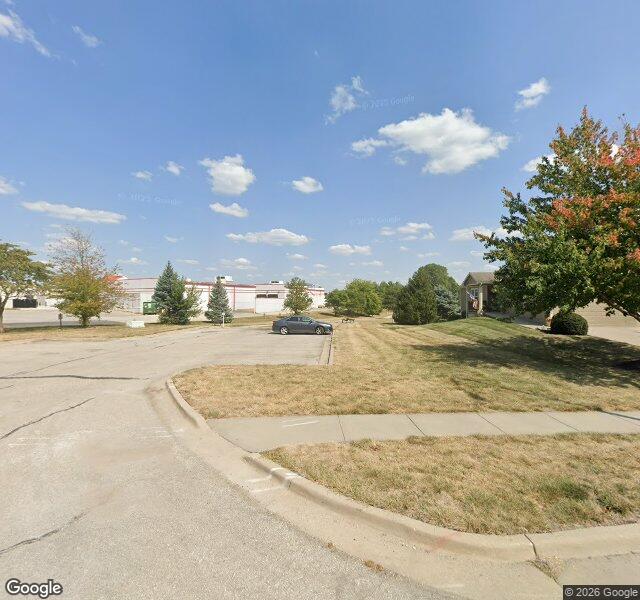
22550 S Franklin Street, Spring Hill, KS 66083View map (opens in a new tab)
Overview and key essentials
State license
Active
KS KDADS
Google reviews
Not available
Public reviews not linked
Size & payment
Ask directly
Confirm pricing & payment
Public records for this community are limited. Use the checklist below when you call or visit to confirm pricing, services, and openings.
Cost, payment & care details
Updated Nov 28, 2026| Monthly cost | Not published | Ask for the full monthly cost, including care fees and one-time charges. |
|---|---|---|
| Payment options | Ask directly | Payment details are not confirmed in our records. Ask about private pay, long-term care insurance, veterans benefits, and Medicaid waivers. |
| Size & availability | Confirm directly | We don't publish live openings. Ask about current availability, waitlist length, and move-in timing. |
| Care & support | Assisted living | Usually offers housing and help with everyday tasks, such as bathing and dressing. What to confirm about care levelsThis describes the licensed category. Ask how care plans adjust if mobility, nursing, or memory needs change over time. Read the family care guide → |
State licensing
State inspection history
15inspections
47deficiencies listed
Dec 2, 2025Complaint1 deficiency reported1
1 deficiency reported
View official state report (opens in a new tab)
The following represent the findings of an abbreviation investigation 197456 at the above named assisted living conducted on 12/02/25 which resulted in no citations.
STATE FORM6899
HUPF11
Nov 3, 2025Routine18 deficiencies reported18
18 deficiencies reported
View official state report (opens in a new tab)
The following represents the findings of a resurvey with attached complaints 196559, 196517, 195769, 195064, 194579, 194106, 193458, 192072, 190071, 188115, and 187079 at the above named assisted living conducted on 10/28/25, 10/29/25, 10/30/24, 11/03/25.
moderateS 3216
(i) Accountability and disposition of medications. Licensed nurses and medication aides shall maintain records of the receipt and disposition of all medications managed by the facility in sufficient detail for an accurate reconciliation. (1) Records shall be maintained documenting the destruction of any deteriorated, outdated, or discontinued controlled medications and biologicals according to acceptable standards of practice by one of the following combinations: (A) Two licensed nurses; or (B) a licensed nurse and a licensed pharmacist. (2) Records shall be maintained documenting the destruction of any deteriorated, outdated, or discontinued non-controlled medications and biologicals according to acceptable standards of practice by any of the following combinations: (A) Two licensed nurses; (B) a licensed nurse and a medication aide; (C) a licensed nurse and a licensed pharmacist; or (D) a medication aide and a licensed pharmacist. This REQUIREMENT is not met as evidenced by: KAR 26-41- 205(i)(1) The facility reported a census of 45 residents. Based on observation and interview the operator failed to ensure designated staff maintained records of controlled medications for accurate reconciliation. Findings included: - Observation on 10/28/25 at 03:57 PM revealed Certified Medication Aide (CMA) G unlocked and opened medication cart #2 which contained medications for the residents. Inside the medication cart was a separate locked compartment which contained controlled medications. One liquid bottle of lorazepam had 14.0 milliliters (mL) of medication. Review of the medication reconciliation count sheet revealed facility staff documented the liquid lorazepam had 16.0 mL of medication. On 10/28/25 at approximately 03:57 PM CMA G confirmed there were 2.0 mL missing and the morning shift count was incorrect. The off-going CMA reported to her the bottle had leaked and the nurse was aware. On 10/28/25 at approximately 03:59 PM Administrative Nurse B confirmed the lorazepam bottle was missing 2.0 mL of medication that was unaccounted for. She was not aware the bottle had leaked out medication. Observation on 10/28/25 at approximately 10:54 AM revealed CMA L unlocked and opened the memory care medication cart which contained medications for the residents. Inside the medication cart was a separate locked compartment which contained controlled medications. On 10/28/25 at approximately 10:54 AM CMA L stated one box of lorazepam was not in the medication cart because it was in the medication storage refrigerator. She did not count the mL of lorazepam during shift change with the off-going CMA because the refrigerator was outside of the memory care unit on the assisted living side. The operator failed to ensure designated staff maintained records of controlled medications for accurate reconciliation.
moderateS 3085
(a) The administrator or operator of each assisted living facility or residential health care facility shall ensure the development of a written negotiated service agreement for each resident, based on the resident ' s functional capacity screening, service needs, and preferences, in collaboration with the resident or the resident ' s legal representative, the case manager, and, if agreed to by the resident or the resident ' s legal representative, the resident ' s family. The negotiated service agreement shall provide the following information: (1) A description of the services the resident will receive; (2) identification of the provider of each service; and (3) identification of each party responsible for payment if outside resources provide a service. This REQUIREMENT is not met as evidenced by: KAR 26-41-202(a)(1)(2) The facility reported a census of 45 residents with three residents included in the sample and three focused reviews. Based on interview and record review the operator failed to ensure the "Negotiated Service Agreements" (NSAs) for Residents (R) 1, R3, R4, R5, and R6 described the services they received based on their "Functional Capacity Screens" (FCSs) and R6's "NSA" named the provider for wound care. Findings included: - Record review for R1 revealed an admission date of 08/20/24 with diagnoses of dementia, legal blindness, and Parkinson's Disease. The 08/16/24 "FCS" identified R1 was unable to perform management of treatments. He had short-term memory, memory/recall, and impaired decision-making cognitive difficulties and was marked at risk for impaired vision and impaired decision-making. The 08/26/24 "NSA" failed to describe services R1 received for management of treatments, cognitive difficulties, impaired vision, and impaired decision making. On 10/29/25 at 03:38 PM Administrative Staff A confirmed R1's "NSA" failed to describe the services she received for management of treatments, cognitive difficulties, impaired vision, and impaired decision making. - Record review for R3 revealed an admission date of 12/03/23 with a diagnosis of low back pain. The 12/06/23 "FCS" identified R3 was unable to perform management of treatments. She had short-term and long-term memory, memory/recall, and impaired decision-making cognitive difficulties. R3 was marked at risk for impaired vision, impaired hearing, and impaired decision-making. The 01/14/24 "NSA" failed to describe services R3 received for management of treatments, cognitive difficulties, and impaired vision, impaired hearing, and impaired decision-making. On 10/29/25 at 03:51 PM Administrative Staff A confirmed R3's "NSA" failed to describe services she received for management of treatments, cognitive difficulties, impaired vision, impaired hearing, and impaired decision making. - Record review for R4 revealed an admission date of 03/10/25 with diagnoses of hypertension and atrial fibrillation. The 08/12/25 "FCS" identified R4 required physical assistance with management of treatments. The 08/12/25 "NSA" failed to describe services R4 received for management of treatments. On 11/03/25 at 02:18 PM Administrative Staff A confirmed R4's "NSA" failed to describe services she received for management of treatments. - Record review for R5 revealed an admission date of 08/15/24 with diagnoses of dementia and history of falling. The 08/11/25 "FCS" identified R5 required physical assistance with toileting, was occasionally incontinent of bladder, and was at risk for...
moderateS 3171
Practice (i) All health care services shall be provided to residents by qualified staff in accordance with acceptable standards of practice. This REQUIREMENT is not met as evidenced by: KAR 26-41-204(i) The facility reported a census of 45 residents with three included in the sample and three focused reviews. Based on observation and interview the operator failed to ensure designated staff provided timely response when residents activated their call button for assistance. Findings included: - On 10/29/25 at 11:27 AM state surveyor activated a call light in Resident (R) 7's room. At 11:39 AM (12 minutes later) Certified Nurse Aide (CNA) E arrived to R7's room and reminded her it was almost time for lunch. On 10/29/25 at approximately 11:39 AM CNA E stated she was unaware R7's call light was activated and stated she did not have a pager to alert her when residents activated their call buttons for assistance. She stated a pager broke and there were only two working pagers. At 11:40 AM Certified Medication Aide (CMA) G stated she did not have a pager. At 11:40 AM CNA F stated she had a pager but was not aware R7's call light was activated until she pulled the pager out of her pocket and checked it. The pager was set to "buzz" but she did not feel it. At 11:42 AM Administrative Nurse B stated the facility had four or five pagers. An extra one was on her desk to use for back up. Observation on 10/29/25 at 11:42 PM revealed Administrative Staff B instructed three staff members present On 10/29/25 at 11:57 AM Administrative Nurse B stated she found two pagers on the dining table in the memory care unit and another pager in a cabinet. They were functioning, set to ring, and assigned to staff present in the facility. On 10/29/25 at 10:10 AM during a phone interview, an unidentified family member of a resident stated the failure to answer call lights timely was an on-going issue. Staff always had an excuse why the call lights had not been answered. The operator failed to ensure designated staff provided timely response when residents activated their call button for assistance.
STATE FORM6899
B7YR11 STATE FORM B7YR11 STATE FORM B7YR11 STATE FORM B7YR11 STATE FORM B7YR11 STATE FORM B7YR11 STATE FORM B7YR11 STATE FORM B7YR11 STATE FORM B7YR11 STATE FORM B7YR11 STATE FORM B7YR11 STATE FORM B7YR11 STATE FORM B7YR11 STATE FORM B7YR11 STATE FORM B7YR11 STATE FORM B7YR11 STATE FORM B7YR11 STATE FORM B7YR11 STATE FORM B7YR11 STATE FORM B7YR11 STATE FORM B7YR11 STATE FORM B7YR11 STATE FORM B7YR11 STATE FORM B7YR11 STATE FORM B7YR11 STATE FORM B7YR11 STATE FORM B7YR11 STATE FORM B7YR11 STATE FORM B7YR11 STATE FORM B7YR11 STATE FORM B7YR11 STATE FORM B7YR11 STATE FORM B7YR11 STATE FORM B7YR11 STATE FORM B7YR11 STATE FORM B7YR11 STATE FORM B7YR11 STATE FORM B7YR11 STATE FORM B7YR11 STATE FORM B7YR11 STATE FORM B7YR11 STATE FORM B7YR11 STATE FORM B7YR11 STATE FORM B7YR11 STATE FORM B7YR11 STATE FORM B7YR11 STATE FORM B7YR11 STATE FORM B7YR11
moderateS 3320
(a) The assisted living facility or residential health care facility shall be designed, constructed, equipped and maintained to protect the health and safety of residents, personnel and the public. (b) All new construction, renovation, remodeling and changes in building use in existing buildings shall comply with building and fire codes, ordinances and regulations enforced by city, county, and state jurisdictions, including the state fire marshal. (c) New construction, modifications and equipment shall conform to the following codes and standards: (1) Title III of the Americans with disabilities act, 42 U.S.C. 12181, effective as of January 26, 1992; and (2) "Food Service Sanitation Manual," health, education, and welfare (HEW) publication no. FDA 78-2081, as in effect on July 1, 1981. This REQUIREMENT is not met as evidenced by: KAR 28-39-254(a) The facility reported a census of 45 residents. Based on observation and interview the operator failed to ensure the facility was maintained to protect the health and safety of the residents and visitors by ensuring all chemicals were stored within locked areas. Findings included: - Observation on 10/28/25 at approximately 10:11 AM revealed an unlocked door to enter the laundry area. A cabinet under the sink's lock mechanism was unsecured. A sign on the cabinet read "Leave cabinet door locked at all times." The unlocked cabinet contained the following chemicals with labels that read "Keep out of reach of children:" Two quart-sized spray bottles of glass cleaner One quart-sized spray bottle of bathroom cleaner One quart-sized spray bottle of multi-purpose cleaner One spray can of stainless steel cleaner. On 10/28/25 at approximately 10:11 AM Administrative Staff H confirmed the chemicals in the laundry area were stored in an unlocked location. Observation on 10/28/25 at approximately 10:19 AM revealed an unlocked cabinet in the activities area with the following chemicals with labels that read "Keep out of reach of children:" One quart-sized bottle of neem oil fungicide, insecticide, miticide One bottle of Miracle Grow garden fertilizer On 10/28/25 at approximately 10:11 AM Administrative Staff H confirmed the chemicals in the activities area were stored in an unlocked location. Observation on 10/28/25 at approximately 11:20 AM revealed an unlocked cabinet under the sink in the kitchen of the memory care unit. The unlocked cabinet contained the following chemicals: Two spray bottles of odor counteractant with a label that read "Keep out of reach of children" One unlabeled spray bottle that contained a peach-colored clear liquid One unlabeled spray bottle that contained a red-colored clear liquid One spray bottle of disinfectant with a loose lid that was empty and dripped out clear liquid One gallon of Shurguard Plus disinfectant with a label that read "Keep out of reach of children" One gallon of blue-colored clear dishwashing liquid On 10/28/25 at approximately 11:20 AM Administrative Nurse B confirmed the memory care unit had unlocked chemicals under the kitchen sink. The operator failed to ensure the building was maintained to protect the health and safety of the residents and visitors by ensuring all chemicals were stored within locked areas.
moderateS 3101
(h) Each individual involved in the development of the negotiated service agreement shall sign the agreement. The administrator or operator shall ensure that a copy of the initial agreement and any subsequent revisions are provided to the resident or the resident's legal representative. This REQUIREMENT is not met as evidenced by: KAR 26-41-202(h) The facility reported a census of 45 residents with three residents included in the sample and three focused reviews. Based on interview and record review the operator failed to ensure designated staff ensured each individual involved in the development of the "Negotiated Service Agreement" (NSA) signed the agreement for Residents (R) 4 and R6. Findings included: - Record review for R4 revealed an admission date of 03/10/25 with diagnoses of hypertension and atrial fibrillation. The 08/12/25 "FCS" identified R4 required physical assistance with bathing and management of medications and treatments. The 08/12/25 "NSA" identified R4 received physical assistance with dressing, toileting, transfers, walking/mobility, and management of medications. The "NSA" failed to describe the services R4 received for treatments. The 08/12/25 "NSA" lacked signatures of the resident and/or their legal representative - Record review for R6 revealed an admission date of 03/07/24 with diagnoses of type two diabetes mellitus and disorder of skin and subcutaneous tissue. The 08/12/25 "FCS" for identified R6 required physical assistance with bathing, dressing, toileting, and was unable to manage medications and treatments and was occasionally incontinent of bladder. The 08/12/25 "NSA" identified R5 received physical assistance by facility staff with bathing, dressing, and toileting. Staff assisted with management of medications. The "NSA" failed to describe the services R6 received for management of treatments. The 08/12/24 "NSA" lacked signatures of the resident and/or their legal representative. On 11/03/25 at approximately 02:30 PM Administrative Staff A and Administrative Nurse B confirmed the "NSAs" for R4 and R6 were not signed were by all individuals involved in their development. The 07/15/18 facility's "Resident Agreement and Negotiated Service Agreement" policy documented the "NSA" would be printed and signed and dated by the community representative and the resident and/or their legal representative. The operator failed to ensure designated staff ensured each individual involved in the development of the "NSA" signed the agreement for R4 and R6.
moderateS 3280
Preparedness (d) Each administrator or operator shall ensure disaster and emergency preparedness by ensuring the performance of the following: (1) Orientation of new employees at the time of employment to the facility ' s emergency management plan; (2) education of each resident upon admission to the facility regarding emergency procedures; (3) quarterly review of the facility ' s emergency management plan with employees and residents; and (4) an emergency drill, which shall be conducted at least annually with staff and residents. This drill shall include evacuation of the residents to a secure location. This REQUIREMENT is not met as evidenced by: KAR 26-41-104(d)(3) The facility reported a census of 45 residents. Based on interview and record review the operator failed to provide evidence of documentation reviews of the facility's emergency management plan covered all eight required topics with residents every quarter. Findings included: - Review of the facility's emergency management plan from 3/25/24 to 10/28/ lacked evidence of documentation reviews of the facility's emergency management plan covered all eight required topics with residents every quarter. On 04/14/25 at approximately 01:18 PM Administrative Staff A confirmed facility records lacked evidence of documentation reviews of the facility's emergency management plan covered all eight required topics with residents every quarter. The undated facility's "Disaster and Emergency Preparedness" policy documented each administrator or operator would ensure quarterly reviews of the facility's emergency management plan with residents. The operator failed to provide evidence of documentation reviews of the facility's emergency management plan covered all eight required topics with residents every quarter.
immediate_jeopardyS 3026
ANE (f)The administrator or operator shall ensure that all of the following requirements are met: (1) No resident shall be subjected to any of the following: (A) Verbal, mental, sexual, or physical abuse, including corporal punishment and involuntary seclusion; (B) neglect; or (C) exploitation. This REQUIREMENT is not met as evidenced by: KAR 26-41-101(f)(1)(B) The facility reported a census of 45 residents with three residents included in the sample and three focused reviews. Based on observation, interview, and record review the operator failed to protect Resident (R) 5 from neglect by the failure to ensure direct-care staff provided R5 timely checks of her wander management system bracelet to ensure it remained in place at all times. R5 removed her wander bracelet and exited the facility without staff knowledge. On 10/19/25 at approximately 07:00 PM another resident reported to staff she saw R5 walking outside. This placed R5 in Immediate Jeopardy. Findings included: - Record review for R5 revealed an admission date of 08/15/24 with diagnoses of dementia and history of falling. The 08/11/25 "Functional Capacity Screen" (FCS) documented R5 required supervision with transfers and walking/mobility and was at risk for falls and wandering. The 08/11/25 "Negotiated Service Agreement" (NSA) identified facility staff provided R5 supervision with transfers and walking/mobility. R5 received a wander management system bracelet for wandering. The "NSA" failed to describe the services R5 received for falls and staff monitoring of wander management bracelet to ensure it remained on. The 09/15/25 at 09:08 PM "Progress Note" by Certified Medication Aide (CMA) C documented R5 exhibited exit-seeking behavior during the day and night with agitation. Staff attempted to redirect R5. The nurse administered a PRN (as needed) medication. Facility staff notified R5's unidentified family member who arrived at the facility to sit with R5. The 10/16/25 at 08:44 AM "Progress Note" by Administrative Nurse B documented R5 was up and ambulating with no change in gait. The 10/16/25 at 09:04 AM "Progress Note" by Administrative Nurse B documented R5 ambulated with a four-wheeled-walker with no change in gait. The 10/20/25 at 05:24 AM "Progress Note" by CMA D documented on 10/19/25 at approximately 07:00 PM during routine evening rounds staff could not find R5 in her room or common areas. Staff initiated a search of the building and grounds at 07:00 PM. Staff found R5 outside near the road-side exit walking toward the street and escorted R5 back into the building at 07:15 PM with no injuries observed. Staff notified the nurse at 07:15 PM. The 10/22/25 at 12:39 PM "Progress Note" by Administrative Nurse B documented R5 ambulated with a four-wheel-walker with no change in her gait. The 10/24/25 at 01:41 PM Late Entry for 10/23/25 at 05:00 PM "Progress Note" by Administrative Nurse B documented due to increased agitation, confusion, and exit seeking behavior, the nurse practitioner ordered R5 be administered new medication Seroquel 12.5 milligrams (mg) by mouth twice daily for dementia with psychosis. The 08/27/25 "Elopement Procedure" training was signed by eight staff. Review of facility records revealed 29 staff currently worked at the facility at the time of the survey. The 10/30/25 notarized witness statement by CMA D reported on 10/19/25 at about 07:00 PM R9 reported a resident was outside of the facility. CMA D checked outside and noticed it was R5 and she did...
moderateS 3310
(b) (5) prohibiting any employee with a communicable disease or any infected skin lesions from coming in direct contact with any resident, any resident ' s food, or resident care equipment until the condition is no longer infectious; (6) providing orientation to new employees and employee in-service education at least annually on the control of infections in a health care setting; and (c) Each administrator or operator shall ensure the facility ' s compliance with the department ' s tuberculosis guidelines for adult care homes adopted by reference in K.A.R. 26-39-105 This REQUIREMENT is not met as evidenced by: KAR 26-41-207(c) The facility reported a census of 45 residents with three residents included in the sample and three closed record reviews. Based on interview and record review the operator failed to ensure the facility remained in compliance with the department's tuberculosis (TB) guidelines for adult care homes adopted by reference in KAR 26-39-105 for three residents and one of five sampled staff. Findings included: - Record review for Resident (R) 4 revealed an admission date of 03/10/25 with diagnoses of hypertension and atrial fibrillation. R4's record lacked evidence of documentation of a TB symptom screen questionnaire within seven days of admission. - Record review for R5 revealed an admission date of 08/15/24 with diagnoses of dementia and history of falling. R5's record lacked evidence of documentation of a TB symptom screen questionnaire within seven days of admission. - Record review for R6 revealed an admission date of 03/27/24 with diagnoses of type two diabetes mellitus and disorder of skin and subcutaneous tissue. R6's record lacked evidence of documentation of a TB symptom screen questionnaire within seven days of admission. On 11/03/25 at 01:48 PM Administrative Staff A confirmed the facility did not complete TB symptom screen questionnaire for any residents within seven days of admission. - Review of Certified Medication Aide (CMA) D's employee record revealed a hire date of 06/23/25. His record lacked evidence of documentation of a TB symptom screen questionnaire within seven days of hire. On 10/29/25 at approximately 03:08 PM Administrative Staff A confirmed CMA D's employee record lacked evidence of documentation he completed two-step TB skin test within seven days of hire. The undated facility's "Infection Control-Tuberculosis" policy documented that each resident would have an annual TB symptom screen questionnaire, and each new employee would have initial TB testing unless satisfactory documentation was provided within six months prior to employment. The policy failed to address TB symptom screen questionnaires for new residents. The June 2013 department's "Tuberculosis (TB) Guidelines for Adult Care Homes" documented each new employee and each new resident shall receive a two-step TB skin test and symptom screen questionnaire within seven days of employment or admission. The operator failed to ensure the facility remained in compliance with the department's tuberculosis guidelines for adult care homes adopted by reference in KAR 26-39-105.
moderateS 3270
(b) Each administrator or operator shall ensure the development of a detailed written emergency management plan to manage potential emergencies and disasters, including the following: (1) Fire; (2) flood; (3) severe weather; (4) tornado; (5) explosion; (6) natural gas leak; (7) lack of electrical or water service; (8) missing residents; and (9) any other potential emergency situations. This REQUIREMENT is not met as evidenced by: KAR 26-41-104(b)(8) The facility reported a census of 45 residents. Based on interview and record review the operator failed to ensure the written emergency management plan included how to manage a potential emergency if a resident went missing from the facility. Findings included: - Review of the facility's emergency management plan lacked evidence of a detailed written plan to manage a missing resident emergency. On 10/28/25 at 01:15 PM Administrative Staff A confirmed the emergency management plan failed to include missing residents. The undated facility's "Disaster and Emergency Preparedness" policy documented the operator ensured the development of a detailed written emergency management plan to manage potential emergencies including missing residents. The operator failed to ensure the written emergency management plan included how to manage a potential emergency if a resident went missing from the facility.
moderateS 3299
(e) Food storage. Facility staff shall store all food under safe and sanitary conditions. (1) Containers of poisonous compounds and cleaning supplies shall not be stored in the areas used for food storage, preparation, or serving. This REQUIREMENT is not met as evidenced by: KAR 26-41-206(e) The facility reported a census of 45 residents. Based on observation and interview the operator failed to ensure designated staff stored food items under safe conditions. Findings included: - Observation on 10/28/25 at approximately 09:35 AM of the facility's main kitchen revealed the following: A cardboard box on the floor had packages of Hawaiian rolls inside with half of the packages missing. One of the packages' plastic covering was twisted shut but lacked a tie to ensure it remained closed. On the floor next to the box of rolls and touching it on one corner, was a large multi-mouse mouse trap. Also next to the box of rolls was a blower with three soiled and dried towels. A shelving rack with large cans had dark-colored debris scattered on the floor in the corners behind the rack that appeared had not been recently cleaned. Reach-in refrigerator #1 had a water puddle on the bottom shelf. A cardboard box sat in the water with 27 individually paper-wrapped 1-pound size packages of butter. The box appeared soaked over the entire bottom. Three packages of butter appeared to have mold growth. Reach-in refrigerator #2 contained the following items: One fresh whole watermelon on the bottom shelf with a thawing/thawed log of raw ground meat which was not in a pan. One bag of garlic bread that was open and unsealed. One package with 14 muffins inside that was open and unsealed. One package of five other muffins inside that was open and unsealed. On 10/28/25 at approximately 09:25 AM Administrative Staff H stated the mouse trap was last checked on 08/07/25 (82 days prior) by an outside pest control company. He confirmed the butter in refrigerator #1 appeared to be moldy and garlic bread and muffins in refrigerator #2 were opened and unsealed and a fresh watermelon intended to be eaten uncooked was on the same shelf as thawed/thawing meat. Observation on 10/28/25 at 11:20 AM of the memory care kitchen revealed a refrigerator that contained food items for the residents. A temperature log posted on the outside of the refrigerator lacked temperatures for 24 out of 27 days so far in October. On 10/28/25 at approximately 11:20 AM Administrative Nurse B confirmed the refrigerator temperature log in the memory care lacked temperatures for 24 out of 27 days so far in October. The undated facility's "Food Storage" policy documented dry or staple food items would be stored at least six inches above the floor on clean surfaces to protect the food from contamination. Food not subject to entry of water would not be stored in contact with water or undrained ice. Raw meats were stored on the bottom shelf in a pan deep enough to prevent contamination of other foods. If food went out of appropriate temperature, it must be discarded. The operator failed to ensure designated staff stored food items under safe conditions.
moderateS 3215
(h) Storage. Licensed nurses and medication aides shall ensure that all medications and biologicals are securely and properly stored in accordance with each manufacturer ' s recommendations or those of the pharmacy provider and with federal and state laws and regulations. (1) Licensed nurses or medication aides shall store non-controlled medications and biologicals managed by the facility in a locked medication room, cabinet, or medication cart. Licensed nurses and medication aides shall store controlled medications managed by the facility in separately locked compartments within a locked medication room, cabinet, or medication cart. Only licensed nurses and medication aides shall have access to the stored medications and biologicals. (2) Each resident managing and self-administering medication shall store medications in a place that is accessible only to the resident, licensed nurses, and medication aides. (3) Any resident who self-administers medication and is unable to provide proper storage as recommended by the manufacturer or pharmacy provider may request that the medication be stored by the facility. (4) A licensed nurse or medication aide shall not administer medication beyond the manufacturer ' s or pharmacy provider ' s recommended date of expiration. This REQUIREMENT is not met as evidenced by: KAR 26-41-205(h)(1) The facility reported a census of 45 residents. Based on observation and interview, the operator failed to ensure designated staff stored controlled medications in separately locked compartments within a locked medication room, cabinet, or medication cart. Findings included: - Observation on 10/28/25 at 11:07 AM revealed a small, unlocked refrigerator in a room with the door left open and unlocked. There were controlled medications inside the refrigerator that were not stored in a locked compartment. The medications were accessible to anyone without keys including all staff, residents, and visitors. On 10/28/25 at approximately 11:07 AM Certified Medication Aide (CMA) G confirmed the controlled medications were locked and accessible to anyone without keys including all staff, residents, and visitors. On 10/28/25 at approximately 11:07 AM Administrative Nurse B confirmed the controlled medications were locked and accessible to anyone without keys including all staff, residents, and visitors. The 07/15/18 facility's "Medication Storage of Centrally Stored Medications" policy documented all medications were always kept in locked storage. Controlled medications were stored in separately locked compartments within a locked medication room, cabinet, or cart. Only licensed nurses and medication aides would have access to stored medications. The operator failed to ensure designated staff stored controlled medications in separately locked compartments within a locked medication room, cabinet, or medication cart.
moderateS 3298
(d) Food preparation. Food shall be prepared using safe methods that conserve the nutritive value, flavor, and appearance and shall be served at the proper temperature. (1) Food used by facility staff to serve to the residents, including donated food, shall meet all applicable federal, state, and local laws and regulations. (2) Food in cans that have significant defects, including swelling, leakage, punctures, holes, fractures, pitted rust, or denting severe enough to prevent normal stacking or opening with a manual, wheel-type can opener, shall not be used. (3) Food provided by a resident ' s family or friends for individual residents shall not be required to meet federal, state, and local laws and regulations. This REQUIREMENT is not met as evidenced by: KAR 26-41-206(d) The facility reported a census of 45 residents. The facility had a main kitchen where dietary staff stored, prepared, and served food and a satellite kitchen where food was served. Based on observation and interview the operator failed to ensure dietary staff documented food temperatures. Findings included: - Observation on 10/28/25 at approximately 09:35 AM revealed the facility's kitchen where dietary staff stored, prepared, and served food for the residents. Review of the "Food Temperature Log" on 10/28/25 revealed it was in table form with columns for each meal for each day of the week and rows for each meal item. Ror example: eggs, hot cereal, protein #1, #2, and #3, starch #1 and #2, vegetable #1 and #2, soup, dessert, hot beverage and cold beverage. Across the top of the log were handwritten numbers 20 - 29 that appeared to correspond to days of the month. The log lacked month and year labels. The "Food Temperature Log" from 10/20/25 - 10/29/25 revealed the following: 10/22/25 - breakfast: eggs were 171 degrees Fahrenheit (F), protein #1 was 180 degrees F, starch #1 was 187 degrees F, hot beverage was 200 degrees F, and cold beverage was 200 degrees F. The cold beverage for breakfast was not in normal range for cold food items. 10/22/25 - lunch: protein #1 was 175 degrees F. All other items were blank. 10/22/25 - dinner: all rows for meal items were blank. 10/23/25 - breakfast: eggs were 171 degrees F. All other rows for breakfast food items were blank. Lunch and dinner lacked food temperatures. 10/24/25 - 10/28/25 lacked food temperatures for all meals. 10/29/25 (one day in the future at time of review) - breakfast lacked food temperatures. Lunch: protein #1 was 202 degrees F, starch #1 was 145 degrees F, vegetable #1 was 210 degrees, hot beverage was 200 degrees F, and cold beverage was 35 degrees F. Rows for mechanical soft and pureed specialized diets were all blank. On 10/30/25 the "Food Temperature Log" was requested a second time. Review of the log revealed the same food temperatures with following changes: Handwritten at the top was the month and year. 10/22/25 - lunch: temperatures added for vegetable #1, hot beverage and cold beverage. 10/23/24 - breakfast: temperatures added for protein #1, hot beverage, and cold beverage. 10/24/25 - 10/26/25: temperatures added for protein #1, hot beverage, and cold beverage for all three meals, eggs for breakfast, and vegetable #1 for lunch and dinner. The rows for mechanical soft diet had handwritten numbers at the top: 27, 28, 29, 30, 31 that appeared to correspond to days of the month. Temperatures were added for protein, starch and vegetable for three meals each day with dessert temperatures added for lunch...
Final ObservationsS 9999
KSA 39-928 Upon receipt of an application for license, the licensing agency with the approval of the state fire marshal shall issue a license if the applicant is fit and qualified and if the adult care home facilities meet the requirements established under this law. A license, unless sooner suspended or revoked, shall remain in effect upon filing by the licensee, and approval by the licensing agency and the state fire marshal or their duly authorized agents, of an annual report upon such uniform dates and containing such information in such form as the licensing agency prescribes and payment of an annual fee. S/S level F Findings included: Department records revealed the facility failed to file and pay the 2024 annual renewal licensing fees. Interview on 10/28/25 at 12:18 PM with Administrative Staff A confirmed the facility had been working with the department on the facility's failure to provide the required requested information to the department, and the further failure to pay the renewal fee to the department for 2024. The facility failed to file and pay the 2024 annual renewal licensing fee to the department as required by KSA 39- 928.
moderateS 3082
Accurate d) Designated facility staff shall ensure that each resident ' s functional capacity at the time of screening is accurately reflected on that resident ' s screening form. This REQUIREMENT is not met as evidenced by: KAR 26-41-201(d) The facility reported a census of 45 residents with three residents included in the sample and three focused reviews. Based on interview and record review the operator failed to ensure designated staff ensured the "Functional Capacity Screen" (FCS) for Residents (R) 4, R5, and R6 accurately reflected their functional capacity. Findings included: - Record review for R4 revealed an admission date of 03/10/25 with diagnoses of hypertension and atrial fibrillation. The 08/12/25 "FCS" identified R4 was independent with dressing, toileting, transfers, and walking/mobility. The 08/12/25 "NSA" identified R4 received physical assistance with dressing, toileting, transfers. On 11/03/25 at 02:18 PM Administrative Staff A stated R4 required physical assistance with dressing, toileting, transfers and confirmed her "FCS" was not accurate. - Record review for R5 revealed an admission date of 08/15/24 with diagnoses of dementia and history of falling. The 08/11/25 "FCS" for R5 cognition score section was blank. On 11/03/25 at 02:32 PM Administrative Nurse B confirmed the cognition section was blank on R5's "FCS." - Record review for R6 revealed an admission date of 03/07/24 with diagnoses of type two diabetes mellitus and disorder of skin and subcutaneous tissue. The 08/12/25 "FCS" for R6 cognition score section was blank. On 11/03/25 at 02:42 PM Administrative Nurse B confirmed the cognition section was blank on R5's "FCS." The 07/15/18 "Resident Assessment and Negotiated Service Agreement" policy documented designated facility staff would ensure that each resident's capacity was accurately reflected on the screening form. The operator failed to ensure designated staff ensured the ensured the "FCS" for R4, R5, and R6 accurately reflected their functional capacity.
moderateS 3145
(e) Maintenance. Designated staff shall provide routine maintenance, including the control of pests and rodents, and repairs in each resident's bedroom and common areas inside and outside the facility as specified in the admission agreement. This REQUIREMENT is not met as evidenced by: KAR 26-41-203(e) The facility reported a census of 45 residents. Based on observation and interview the operator failed to ensure designated staff changed bulbs in a kitchen light and repaired broken window blinds in a resident's room which left her without privacy within sight of the outside including a public walking trail. Findings included: - Observation on 10/28/25 at approximately 09:35 AM revealed a light fixture recessed into the ceiling of the main kitchen area bulbs were out. On 10/28/25 at approximately 09:35 AM dietary staff K confirmed the light fixture was not working. He stated he did not know if it had been reported to the maintenance director. It was dietary staff M's responsibility to report maintenance issues. Observation on 10/28/25 at 11:28 AM revealed room #107 window blinds were broken and hanging loosely with large gaps in the view to the outside of the facility. On 10/28/25 at approximately 11:28 AM Administrative Nurse B stated there was a walking trail outside near the facility. She confirmed the blinds were broken. The undated facility's "Maintenance" policy documented the facility would perform all necessary routine maintenance and repairs of residents' apartments at their own expense including repairs in common areas inside and outside of the facility. They may charge residents for repairs related to damage. The operator failed to ensure designated staff repaired broken window blinds in a resident's room which left her without privacy within sight of the outside including a public walking trail.
moderateS 135
Changes (h) Notification of changes. (1) The administrator or operator shall ensure that designated facility staff inform the resident, consult with the resident's physician, and notify the resident's legal representative or designated family member, if known, upon occurrence of any of the following: (A) An accident involving the resident that results in injury and has the potential for requiring a physician's intervention; (B) a significant change in the resident's physical, mental, or psychosocial status; (C) a need to alter treatment significantly; or (D) a decision to transfer or discharge the resident from the adult care home. (2) The administrator or operator shall ensure that a designated staff member informs the resident, the resident's legal representative, or authorized family members whenever the designated staff member learns that the resident will have a change in room or roommate assignment. This STANDARD is not met as evidenced by: KAR 26-39-103(h)(1)(B) The facility reported a census of 45 residents with three residents included in the sample and three focused reviews. Based on interview and record review the operator failed to ensure licensed staff notified Resident (R) 1's designated family member when he developed a cough and congestion and was seen by the nurse practitioner. Findings included: - Record review for R1 revealed an admission date of 08/20/24 with diagnoses of dementia, legal blindness, and Parkinson's Disease. The 08/16/24 "FCS" identified R1 required physical assistance with bathing, dressing, toileting, transfer, walking/mobility, and eating. He was unable to perform management of medications and treatments. R1 was occasionally incontinent of urine and had short-term memory, memory/recall, and decision-making cognitive difficulties. He was at risk for falls, impaired vision, and impaired decision-making. The 08/26/24 "NSA" identified R1 received assistance with bathing by hospice. R1 received assistance by two facility staff with dressing, toileting, bladder incontinence, and transfers. He received assistance by one staff to propel his wheelchair for walking/mobility and one staff assistance with eating. R1 received assistance from staff for management of medications and face-to-face safety checks for falls. The "NSA" failed to describe services R1 received for management of treatments, cognitive difficulties, impaired vision, and impaired decision making. The 04/12/25 at 12:46 PM late entry for 04/10/25 at 05:50 PM "Progress Notes" documented the nurse practitioner saw R1 on 04/10/25 and ordered a chest x-ray and Mucinex 600 milligrams (mg) by mouth twice daily for cough and congestion. Review of nursing progress notes from 02/01/25 to 04/28/25 lacked evidence of documentation a nurse notified R1's designated family member on or near 04/10/25. On 11/03/25 at 02:18 PM Administrative Nurse B confirmed R1's record lacked evidence of documentation his designated family member was notified when he developed a cough and congestion and was seen by the nurse practitioner. The operator failed to ensure licensed staff notified R1's designated family member when he developed a cough and congestion and was seen by the nurse practitioner.
moderateS 3028
Reporting (f) (3) Each allegation of abuse, neglect, or exploitation shall be reported to the administrator or operator of the facility as soon as staff is aware of the allegation and to the department within 24 hours. The administrator or operator shall ensure that all of the following requirements are met: (A) An investigation shall be started when the administrator or operator, or the designee, receives notification of an alleged violation. (B) Immediate measures shall be taken to prevent further potential abuse, neglect, or exploitation while the investigation is in progress. (C) Each alleged violation shall be thoroughly investigated within five working days of the initial report. Results of the investigation shall be reported to the administrator or operator. (D) Appropriate corrective action shall be taken if the alleged violation is verified. (E) The department ' s complaint investigation report shall be completed and submitted to the department within five working days of the initial report. (F) A written record shall be maintained of each investigation of reported abuse, neglect, or exploitation. This REQUIREMENT is not met as evidenced by: KAR 26-41-101(f)(3)(A)(C) The facility reported a census of 45 residents with three residents included in the sample and three focused reviews. Based on interview and record review the operator failed to ensure an allegation of neglect was reported to the department within 24 hours and failed to start an investigation when staff notified the operator of the allegation. The operator further failed to complete an investigation and submit it within five working days of the alleged neglect. Findings included: Record review for R5 revealed an admission date of 08/15/24 with diagnoses of dementia and history of falling. The 08/11/25 "Functional Capacity Screen" (FCS) documented R5 required supervision with transfers and walking/mobility and was at risk for falls and wandering. The cognition score section was blank. The 08/11/25 "Negotiated Service Agreement" (NSA) identified facility staff provided R5 supervision with transfers and walking/mobility. R5 received a wander management system bracelet for wandering. The "NSA" failed to describe the services R5 received for cognitive difficulties, falls and staff monitoring of wander management bracelet to ensure it remained on. The 10/20/25 at 05:24 AM "Progress Note" by CMA D documented on 10/19/25 at approximately 07:00 PM during routine evening rounds staff could not find R5 in her room or common areas. Staff initiated a search of the building and grounds at 07:00 PM. Staff found R5 outside near the road-side exit walking toward the street and escorted R5 back into the building at 07:15 PM with no injuries observed. Staff notified the nurse at 07:15 PM. The 10/30/25 notarized witness statement by CMA D reported on 10/19/25 at about 07:00 PM R9 reported a resident was outside of the facility. CMA D checked outside and noticed it was R5 and she did not have her wander management bracelet on. He notified the supervisor of the incident and put a new wander bracelet on R5. The 10/30/25 notarized witness statement by Administrative Staff A reported she received a text message from CMA D on 10/19/25 at 07:02 PM that R5 was exit-seeking and had gone out the door. The 10/30/25 notarized witness statement by Administrative Nurse B reported Administrative Staff A notified her at 07:03 PM R5 was exit-seeking. Administrative Nurse B had not heard from CMA D...
Mar 25, 2024Routine10 deficiencies reported10
10 deficiencies reported
View official state report (opens in a new tab)
The following represents the findings of a resurvey with attached complaints #186640, #179731, and #178857 at the above named assisted living conducted on 03/21/24 and 03/25/24.
moderateS 3280
Preparedness (d) Each administrator or operator shall ensure disaster and emergency preparedness by ensuring the performance of the following: (1) Orientation of new employees at the time of employment to the facility ' s emergency management plan; (2) education of each resident upon admission to the facility regarding emergency procedures; (3) quarterly review of the facility ' s emergency management plan with employees and residents; and (4) an emergency drill, which shall be conducted at least annually with staff and residents. This drill shall include evacuation of the residents to a secure location. This REQUIREMENT is not met as evidenced by: KAR 26-41-104(d)(3) The facility reported a census of 40 residents. Based on interview and record review the operator failed to provide evidence of documentation quarterly reviews of the facility's emergency management plan were conducted with staff during the first and third quarters of 2023. Findings included: - Review of the facility's emergency plan records revealed lack of evidence of documentation quarterly reviews of the emergency management plan were conducted with staff during the first and third quarters of 2023. On 03/25/24 at approximately 03:23 PM Administrative Staff A confirmed the facility's record lacked documentation reviews of the emergency management plan were completed the first and third quarters of 2023 with staff. The August 2021 facility's "Emergency Procedures" policy documented the state and local regulatory guidelines should be incorporated into the policy and Executive Directors will need to add emergency preparedness policies based on the state and local needs. The operator failed to provide evidence of documentation quarterly reviews of the facility's emergency management plan were conducted with staff during the first and third quarters of 2023.
moderateS 3090
Agreement (c) Each administrator or operator shall ensure the development of an initial negotiated service agreement at admission. This REQUIREMENT is not met as evidenced by: KAR 26-41-202(c) The facility reported a census of 40 residents with three residents included in the sample and one closed record review. Based on interview and record review the operator failed to ensure the development of an initial "Negotiated Service Agreement" (NSA) at admission for Residents (R) 3 and R4. Findings included: - Record review for R3 revealed an admission date of 03/19/24 with a diagnosis of cerebral infarction. The 03/07/24 "Functional Capacity Screen" (FCS) identified R3 was unable to perform management of medications and treatments and was occasionally incontinent of bladder. The 03/25/24 "NSA" identified facility staff would provide assistance with management of medications and monitoring of vital signs for management of treatments. Bladder incontinence was not addressed. R3's record lacked evidence of documentation an "NSA" was completed at admission on 03/19/24. On 03/25/24 at approximately 02:16 PM Administrative Nurse B confirmed R3 admitted on 03/19/24 and lived in the facility six days before his "NSA" was developed on 03/25/24. - Record review for R4 revealed an admission date of 03/16/23 with diagnoses of dementia and type two diabetes mellitus. The 03/24/24 "FCS" identified R4 was unable to perform management of treatments and he had short-term memory, memory/recall, and decision-making cognitive difficulties. The 01/04/24 "NSA" failed to describe services provided R4 for management of treatments and cognitive difficulties. On 03/25/24 at approximately 02:16 PM an admission "NSA" for R4 was requested which the facility failed to provide. On 03/25/24 at 03:15 PM Administrative Staff A confirmed R4's lacked evidence of documentation an "NSA" was developed at admission. On 03/25/24 at 05:37 PM an "NSA" policy was requested by email which the facility failed to provide. The operator failed to ensure the development of an initial "NSA" at admission for R3 and R4.
moderateS 3210
Standing Orders (e) Medication orders. Only a licensed nurse or a licensed pharmacist may receive verbal orders for medication from a medical care provider. The licensed nurse shall ensure that all verbal orders are signed by the medical care provider within seven working days of receipt of the verbal order. (f) Standing orders. Only a licensed nurse shall make the decision for implementation of standing orders for specified medications and treatments formulated and signed by the resident ' s medical care provider. Standing orders of medications shall not include orders for the administration of schedule II medications or psychopharmacological medications. This REQUIREMENT is not met as evidenced by: KAR 26-41-205(e) The facility reported a census of 40 residents with three included in the sample and one closed record review. Based on interview and record review the operator failed to ensure a licensed nurse ensured all verbal orders were signed by the medical care provider within seven working days of receipt of the verbal order. Findings included: - Record review for R1 revealed an admission date of 10/18/22 with a diagnosis of dementia. The 10/06/22 (most recent) "FCS" identified R1 was unable to perform management of medications. The 01/04/24 "NSA" identified facility staff would provide R1 assistance with management of medications. Review of verbal orders for R1 revealed three orders lacked provider's signatures from 01/11/24 to 03/21/24. - Record review for R2 revealed an admission date of 01/22/21 with a diagnosis of dementia. The 01/04/24 "FCS" identified R2 was unable to perform management of medications. The 01/04/24 "NSA" identified facility staff would provide R1 assistance with management of medications. Review of verbal orders for R2 revealed four orders lacked provider's signatures from 01/11/24 to 03/21/24. - Record review for R4 revealed an admission date of 03/16/23 with diagnoses of dementia and type two diabetes mellitus. The 03/24/24 "FCS" identified R4 was unable to perform management of medications and he had short-term memory, memory/recall, and decision-making cognitive difficulties. The 01/04/24 "NSA" identified facility staff would provide assistance with management of medications. Review of verbal orders for R3 revealed six orders lacked provider's signatures from 01/18/24 to 03/21/24. On 03/25/24 at approximately 02:16 PM Administrative Nurse B confirmed the provider's verbal orders lacked evidence of documentation they were signed within seven working days for all residents at the facility. The operator failed to ensure a licensed nurse ensured all verbal orders were signed by the medical care provider within seven working days of receipt of the verbal order.
STATE FORM6899
622O11 STATE FORM 622O11 STATE FORM 622O11 STATE FORM 622O11 STATE FORM 622O11 STATE FORM 622O11 STATE FORM 622O11 STATE FORM 622O11 STATE FORM 622O11 STATE FORM 622O11 STATE FORM 622O11 STATE FORM 622O11 STATE FORM 622O11 STATE FORM 622O11 STATE FORM 622O11 STATE FORM 622O11 STATE FORM 622O11 STATE FORM 622O11 STATE FORM 622O11 STATE FORM 622O11 STATE FORM 622O11 STATE FORM 622O11
moderateS 3026
ANE (f)The administrator or operator shall ensure that all of the following requirements are met: (1) No resident shall be subjected to any of the following: (A) Verbal, mental, sexual, or physical abuse, including corporal punishment and involuntary seclusion; (B) neglect; or (C) exploitation. This REQUIREMENT is not met as evidenced by: KAR 26-41-101(f)(1)(A) The facility reported a census of 40 residents with three residents included in the sample and one closed record review. Based on observation, interview, and record review the operator failed to protect one resident from abuse when a staff member held her hand over Resident (R) 1's mouth and nose to force her to swallow her medications when R1 tried to spit them out. Findings included: - Record review for R1 revealed an admission date of 10/18/22 with a diagnosis of dementia. The 10/06/22 (most recent) "Functional Capacity Screen" (FCS) identified R1 required physical assistance with bathing and dressing; was unable to perform management of medications and treatments; had short-term and long-term memory, memory/recall, and decision-making cognitive difficulties; and was marked for impaired vision, impaired decision-making, and wandering. The 01/04/24 "Negotiated Service Agreement" (NSA) identified facility staff would provide R1 physical assistance with bathing, dressing, and toileting; assistance with management of medications; monitoring of vital signs for management of treatments; reminders to attend activities for cognitive difficulties, she was independent with vision aids for impaired vision; had a Durable Power of Attorney (DPOA) for impaired decision-making and facility staff provided redirection when wandering to prevent elopement. The 10/05/23 "Progress Note" by Certified Medication Aide (CMA) H documented R1 got mad during medication administration and tried to spit out her medications. The 03/20/24 "Progress Note" by Administrative Nurse B documented a Certified Nurse Aide (CNA) had reported a CMA used "inappropriate means" to get R1 to take her evening medications which violated her resident rights. The resident was provided frequent checks with no adverse outcomes noted after the incident. The 03/16/24 "Witness Statement" by CNA I documented CMA C crushed R1's medications and mixed them with chocolate syrup. R1 did not want to swallow the medications so CMA C plugged R1's nose shut. R1 could not breathe and tried to hit CMA C. After the incident, R1 vomited on the floor. The facility's 03/19/24 report to the department documented on 03/16/24 between 05:30 and 06:00 PM CNA I observed CMA C put her hand over R1's mouth to make her swallow her medications. R1 was assessed at 06:30 PM by Administrative Nurse B with no injury noted. R1 was reassessed on 03/17/24 by the hospice nurse with no injury noted. CMA C was suspended pending investigation. Observation on 03/25/24 at 01:42 PM revealed R1 laid in bed sleeping with the hospice nurse present. No facial bruising was observed. On 03/21/24 at 09:52 AM CMA J stated if a resident refused to take medications she would notify the nurse, back off, and try again later. She never forced a resident to take medications and had never witnessed other staff forcing residents to take medications. On 03/21/24 at 10:28 AM Licensed Hospice Nurse K stated she assessed R1 after the incident. R1 seemed to not remember the incident, did not seem traumatized or fearful of staff. R1 was calm and at her baseline. There were also no...
moderateS 3310
(b) (5) prohibiting any employee with a communicable disease or any infected skin lesions from coming in direct contact with any resident, any resident ' s food, or resident care equipment until the condition is no longer infectious; (6) providing orientation to new employees and employee in-service education at least annually on the control of infections in a health care setting; and (c) Each administrator or operator shall ensure the facility ' s compliance with the department ' s tuberculosis guidelines for adult care homes adopted by reference in K.A.R. 26-39-105 This REQUIREMENT is not met as evidenced by: KAR 26-41-207(c) The facility reported a census of 40 residents with three residents included in the sample and one closed record review. Based on interview and record review the operator failed to ensure the facility remained in compliance with the department's tuberculosis (TB) guidelines for adult care homes adopted by reference in KAR 26-39-105 for two residents and one staff. Findings included: - Record review for Resident (R) 1 revealed an admission date of 10/18/22 with a diagnosis of dementia. The 10/31/22 (13 days after admission) first step of the two-step TB skin test for R1 was negative. R1's record lacked evidence of documentation an initial TB symptom screen and a TB skin test was administered within seven days of residency, and a second step of the two-step TB skin test was administered. - Record review for R4 revealed an admission date of 03/16/23 with a move in date of 04/05/23. The 11/17/23 (226 days after moving in) first step of the two-step TB skin test for R4 was negative. The 12/01/23 second step TB skin test was also negative. R'4's record lacked evidence of documentation an initial TB symptom screen and a TB skin test was administered within seven days of residency. On 03/25/24 at approximately 02:16 PM Administrative Nurse B confirmed R1's second TB skin test was not administered and R4's TB symptom screen and TB skin test was not administered within seven days of admission. - Review of Certified Nurse Aide (CNA) L's employee record revealed a hire date of 04/05/23 and lacked evidence of documentation of TB testing. On 03/25/24 at approximately 03:23 PM Administrative Staff A confirmed CNA L's record lacked evidence of documentation of TB testing. The June 2013 department's "Tuberculosis (TB) Guidelines for Adult Care Homes" documented each new employee and each new resident shall receive a two-step TB skin test and symptom screen questionnaire within seven days of employment or admission. On 03/25/24 at 05:37 PM an "TB" policy was requested by email which the facility failed to provide. The operator failed to ensure the facility remained in compliance with the department's tuberculosis guidelines for adult care homes adopted by reference in KAR 26-39-105.
moderateS 3081
Reassessment (c) Designated facility staff shall conduct a screening to determine each resident ' s functional capacity according to the following requirements: (1) At least once every 365 days; (2) following any significant change in condition as defined in K.A.R. 26-39-100; and (3) at least quarterly if the resident receives assistance with eating from a paid nutrition assistant. This REQUIREMENT is not met as evidenced by: KAR 26-41-201(c)(1) The facility reported a census of 40 residents with three residents included in the sample and one closed record review. Based on interview and record review the operator failed to ensure designated staff completed a "Functional Capacity Screen" (FCS) for Resident (R) 1 every 365 days. Findings included: - Record review for R1 revealed an admission date of 10/18/22 with a diagnosis of dementia. The 10/06/22 (most recent) "FCS" identified R1 required physical assistance with bathing and dressing; was unable to perform management of medications and treatments; had short-term and long-term memory, memory/recall, and decision-making cognitive difficulties; and was marked for impaired vision, impaired decision-making, and wandering. The 01/04/24 "Negotiated Service Agreement" (NSA) identified facility staff would provide R1 physical assistance with bathing, dressing, and toileting; assistance with management of medications; monitoring of vital signs for management of treatments; reminders to attend activities for cognitive difficulties, she was independent with vision aids for impaired vision; had a Durable Power of Attorney (DPOA) for impaired decision-making and facility staff provided redirection when wandering to prevent elopement. R1's record lacked evidence of an "FCS" since the 10/06/22 "FCS" which was 522 days from date of the resurvey and 157 days overdue. On 03/21/24 at 01:47 PM Administrative Nurse B confirmed R's1 most recent "FCS" was on 10/06/22. On 03/25/24 at 05:37 PM an "FCS" policy was requested by email which the facility failed to provide. The operator failed to ensure designated staff completed an "FCS" for R1 every 365 days.
moderateS 3080
Admission a) On or before each individual ' s admission to an assisted living facility or residential health care facility, a licensed nurse, a licensed social worker, or the administrator or operator shall conduct a screening to determine the individual ' s functional capacity and shall record all findings on a screening form specified by the department. The administrator or operator may integrate the department ' s screening form into a form developed by the facility, which shall include each element and definition specified by the department. (b) A licensed nurse shall assess any resident whose functional capacity screening indicates the need for health care services. This REQUIREMENT is not met as evidenced by: KAR 26-41-201(a) The facility reported a census of 40 residents with three residents included in the sample and one closed record review. Based on interview and record review the operator failed to ensure evidence of documentation a "Functional Capacity Screen" (FCS) was conducted for Resident (R) 4 on or before admission to the facility. Findings included: - Record review for R4 revealed an admission date of 03/16/23 with diagnoses of dementia and type two diabetes mellitus. The 03/24/24 "FCS" identified R4 required physical assistance with bathing, dressing, toileting, transfers, walking/mobility; was unable to perform management of medications and treatments, was occasionally incontinent of bladder; he had short-term memory, memory/recall, and decision-making cognitive difficulties; and he was marked for falls and impaired decision-making. The 01/04/24 "Negotiated Service Agreement" (NSA) for R4 identified facility staff would provide physical assistance with bathing, dressing, toileting, transfers, walking/mobility, and bladder incontinence, assistance for management of medications, report to the nurse changes in gait, ability to balance, and change in level of consciousness to prevent injury from falls. The "NSA" failed to describe services provided for management of treatments and cognitive difficulties. R4's record lacked evidence of documentation an "FCS" was conducted on or before admission. On 03/25/24 at 03:15 PM Administrative Staff A confirmed R4's record lacked evidence of documentation an "FCS" was conducted on or before admission. On 03/25/24 at 05:37 PM an "FCS" policy was requested by email which the facility failed to provide. The operator failed to ensure evidence of documentation an "FCS" was conducted for R4 on or before admission to the facility.
moderateS 3299
(e) Food storage. Facility staff shall store all food under safe and sanitary conditions. (1) Containers of poisonous compounds and cleaning supplies shall not be stored in the areas used for food storage, preparation, or serving. This REQUIREMENT is not met as evidenced by: KAR 26-41-206(e) The facility reported a census of 40 residents. The facility had a main kitchen where food was stored, prepared, and served and a satellite kitchen in the memory care where food was stored. Based on observation and interview the operator failed to ensure food items were stored under safe conditions. Findings included: - Observation on 03/21/24 at 09:45 AM revealed a satellite kitchen in the memory care unit had a refrigerator that contained food items for the residents. The following food items were inside the refrigerator: One serving size container of chocolate pudding that was half full, had no cover, and was not marked with the open date. One serving size container of Ensure with a straw sticking out, had no lid, and was not marked with the open date. One serving size clear plastic bowl with an orange substance had no cover or date mark. One 60-ounce (oz) container of cranberry juice cocktail that was one third full and was not marked with the open date. One gallon size container of orange juice that was one-fourth full and was not marked with the open date. On 03/21/24 at approximately 09:45 AM Certified Nurse Aide (CNA) E confirmed several food items for residents in the memory care unit refrigerator were not covered and/or marked with an open date. The Kansas Department of Agriculture's "Focus on Food Safety" booklet documented cold foods should be covered during storage. Foods must be date marked after the original container was opened and held under refrigeration. - Observation on 03/21/24 at 09:58 AM of the main kitchen revealed a plastic zipper storage bag with what appeared to be a white powder substance inside sat on a shelf. Next to the bag was an open container of clear liquid with a cleaning rag floating in it. Dietary staff F and G stated the bag contained flour that was to be used for baking later in the day and the clear liquid was sanitizer and confirmed they sat next to each other on the shelf. The Kansas Department of Agriculture's "Focus on Food Safety" booklet documented sanitizers can be poisonous or toxic and must be stored separately from foods. On 03/25/24 at 05:37 PM a food storage policy was requested by email which the facility failed to provide. The operator failed to ensure foods were stored under safe conditions.
moderateS 3085
(a) The administrator or operator of each assisted living facility or residential health care facility shall ensure the development of a written negotiated service agreement for each resident, based on the resident ' s functional capacity screening, service needs, and preferences, in collaboration with the resident or the resident ' s legal representative, the case manager, and, if agreed to by the resident or the resident ' s legal representative, the resident ' s family. The negotiated service agreement shall provide the following information: (1) A description of the services the resident will receive; (2) identification of the provider of each service; and (3) identification of each party responsible for payment if outside resources provide a service. This REQUIREMENT is not met as evidenced by: KAR 26-41-202(a)(1) The facility reported a census of 40 residents with three residents included in the sample and one closed record review. Based on interview and record review the operator failed to ensure the "Negotiated Service Agreements" (NSA) for Residents (R) 1, R2, R3, and R4 described the services they received based on their "Functional Capacity Screens" (FCS) and service needs. Findings included: - Record review for R1 revealed an admission date of 10/18/22 with a diagnosis of dementia. The 10/06/22 (most recent) "FCS" identified R1 was unable to perform management of medications. The 01/04/24 "NSA" identified facility staff would provide R1 assistance with management of medications. The "NSA" failed to describe services R1 received for exhibited behaviors of resisting medication administration. The 10/05/23 "Progress Note" by Certified Medication Aide (CMA) H documented R1 got mad during medication administration and tried to spit out her medications. On 03/21/24 at 11:32 AM R1's unidentified family member stated R1 frequently refused to take her medications. - Record review for R2 revealed an admission date of 01/22/21 with a diagnosis of dementia. The 01/04/24 "FCS" identified R2 had short-term and long-term memory, memory/recall, and decision-making cognitive difficulties and was marked for impaired vision and impaired hearing. The 01/04/24 "NSA" failed to describe services R2 received for cognitive difficulties, impaired vision, and impaired hearing. - Record review for R3 revealed an admission date of 03/19/24 with a diagnosis of cerebral infarction. The 03/07/24 "FCS" identified R3 required supervision with bathing and dressing and was occasionally incontinent of bladder. The "FCS" had a handwritten note which read "resistive to hands on care, inappropriate language verbalized to staff at times." The 01/04/24 "NSA" identified facility staff would provide R3 reminders and assistance to ensure good hygiene with bathing and reminders and assistance to ensure he was dressed appropriately. The "NSA" failed to describe services R3 received for resisting care and inappropriate behavior. The 03/24/24 "Progress Note" documented R3 refused to take medications or let staff assist him to get out of bed when his blanket was wet with urine. On 03/25/24 at approximately 02:16 PM Administrative Nurse B stated R3 resisted care and exhibited inappropriate behavior by asking staff to sit on his lap. - Record review for R4 revealed an admission date of 03/16/23 with diagnoses of dementia and type two diabetes mellitus. The 03/24/24 "FCS" identified R4 was unable to perform management of treatments and he had short-term memory,...
Jan 12, 2023Complaint2 deficiencies reported2
2 deficiencies reported
View official state report (opens in a new tab)
The following citations represent the findings of an abbreviated survey for complaints # 177429 of the above named facility conducted on 01/12/2023.
immediate_jeopardyS 3026
ANE (f)The administrator or operator shall ensure that all of the following requirements are met: (1) No resident shall be subjected to any of the following: (A) Verbal, mental, sexual, or physical abuse, including corporal punishment and involuntary seclusion; (B) neglect; or (C) exploitation. This REQUIREMENT is not met as evidenced by: K.A.R. 26-41-101 (f)(1)(B) The facility reported a census of 35 residents. The sample included one "Resident" (R) 1. Based on observation, interview and record review the operator failed to ensure the safety of R1 when staff failed to secure the door in the back hallway off the kitchen, that opened directly to the outside of the back of the building. This allowed R1 to leave the building between 04:00 AM and 06:00 AM using the back door, walk approximately 0.4 miles to the west to an apartment complex where he left his personal belongings, and then he walked approximately 1 mile to the east on a residential street behind a strip mall down a small embankment into the back yard of a residential home, where he was found approximately 9.25 hours after he was last seen in the facility. R1 was found by facility staff member A laying in a patch of mud behind a residential home that was under construction. This placed R1 in immediate jeopardy. Findings included: - Record review on 01/12/23 of the facility provided resident roster identified twelve residents who were cognitively impaired. Five of the twelve cognitively impaired residents resided in a secured memory care unit. Seven of the twelve cognitively impaired residents reside in the assisted living area of the facility. R1 is identified on the resident roster as living in the assisted living area of the facility and marked as having had impaired cognition. Record Review on 01/12/23 for R1 revealed an admission date of 03/07/22 with diagnoses of Alzheimer's, dementia, hypertension, and anxiety. Record Review on 01/12/23 R1's "Functional Capacity Screen" (FCS) dated 04/19/22 identified R1 was independent with bathing, dressing, toileting, transferring, walking, and eating. He lacked the ability to manage his own medications and had impaired long-term memory. He was able to make himself understood and he understood others. Record Review on 01/12/23 R1's combined "Negotiated Service Agreement" (NSA)/ Health Care Service Plan" (HSP) dated 06/29/22, instructed staff to provide "redirection as needed to manage wandering and preventing elopement. Community to provide supportive assistance when wandering/elopement tendencies are indicated." Record Review on 01/12/23 of the facility "Progress Notes" revealed the following entry: "Resident was in the hallway knocking on other residents' doors and was trying to go in. Resident was wearing a tank top and boxer briefs. Resident redirected to his room". Record Review on 01/12/23 of "Physicians Report" dated 03/30/22 revealed the following: The physician check marked "the resident should be escorted by staff due to cognitive impairment", and "Dementia: the loss of intellectual functioning "such as thinking, remembering, reasoning, exercising judgement, and making decisions". Record review on 01/12/23 of R1 provider's "Progress Note" dated 04/14/22 revealed R1 had mild dementia, and he was alert and oriented "x2-3" with some forgetfulness. Record review on 01/12/23 of R1 provider "Progress Note" dated 09/23/22 revealed R1 the following: "patient is being seen for anger outburst. Yesterday he called a "Certified...
STATE FORM6899
X6BG11 STATE FORM X6BG11 STATE FORM X6BG11 STATE FORM X6BG11 STATE FORM X6BG11 STATE FORM X6BG11 STATE FORM X6BG11 STATE FORM X6BG11
Dec 14, 2022Routine16 deficiencies reported16
16 deficiencies reported
View official state report (opens in a new tab)
The following citations represent the findings of the licensure resurvey with attached complaint numbers; 172998, 172016, 169318, and 165597, for the above named facility conducted on 12/12/22, 12/13/22, and 12/14/22.
NSA/HSP lacked a description of theR 114
services the resident would receive, identification of the provider of each service, and the identification of each party responsible for payment for physical therapy services. Interview on 12/14/22 at 02:00 PM with LN A and Operator B, they confirmed the R114 NSA/HSP lacked a description of the services the resident would receive, identification of the provider of each service, and the identification of each party responsible for payment for the outsider resource providing physical therapy services. The operator failed to ensure the "Negotiated Service Agreement" (NSA) contained a description of the services the resident would receive, identification of the provider of each service, and the identification of each party responsible for payment when the outside resource provided a service for R 112 hospice provider and R 114 physical therapy provider. and R116. Findings included: - Record review on 12/12/22 for R114 revealed an admission date of 08/24/22 with diagnoses of chronic ischemic heart disease, hypertension, chronic kidney stage three, abnormalities of gait and mobility. Record review of R114 "Functional Capacity Screen" (FCS) identified the resident was independent with bathing, toileting, dressing, transferring, walking/mobility, eating and managing her own medications. She was and R116. administered her own medications. - Record review for R116 revealed an admission date of 04/03/21 with diagnoses of secondary pulmonary atrial hypertension, chronic respiratory failure with hypoxia, requires supplemental oxygen twenty-four hours a day seven days a week, chronic Cor Pulmonale. Record review of R116 identified the resident was independent with bathing, dressing, toileting, transferring, walking/mobility, eating, and she was continent. She lacked the ability to manager her own medication, she was able to make herself understood and she understood others. She was marked with falls, impaired hearing and impaired decision making. Record review of R116 combined NSA/HSP identified the following health care services to be provide/coordinated by the facility staff: staff were instructed to take resident vitals one time a month, prepare and serve meals, obtain monthly weights, provide housekeeping weekly, make bed daily, laundry weekly, and administer resident mediations. The NSA lacked identification of which medication the resident would administer and which medications the facility would administer. Interview on 12/13/22 at 02:53 PM with R116, she revealed she does administer one of her medications, has recently received an order to administer two of her own medications.
moderateS 3280
Preparedness (d) Each administrator or operator shall ensure disaster and emergency preparedness by ensuring the performance of the following: (1) Orientation of new employees at the time of employment to the facility ' s emergency management plan; (2) education of each resident upon admission to the facility regarding emergency procedures; (3) quarterly review of the facility ' s emergency management plan with employees and residents; and (4) an emergency drill, which shall be conducted at least annually with staff and residents. This drill shall include evacuation of the residents to a secure location. This REQUIREMENT is not met as evidenced by: KAR 26-41-104 (d) (2)(3) The facility reported a census of forty-one residents. The sample included three residents. Based on record review and interview the operator failed to ensure all residents received education upon admission and quarterly of the facility's emergency management plan. Findings included: - Record review on 12/14/22 of the facility provided quarterly emergency preparedness training revealed the signature pages lacked resident signatures. Interview on 12/13/22 at 02:37 PM with Operator B revealed the resident emergency preparedness training was not performed with new residents at the time of admission, and she further confirmed the required emergency preparedness training/education had not been provided quarterly to the residents. The operator failed to ensure all residents received education upon admission and quarterly of the facility's emergency management plan.
moderateS 3186
Medications (b) Administration of select medications. Any resident who self-administers medication may select some medications to be administered by a licensed nurse or medication aide. The negotiated service agreement shall reflect this service and identify who is responsible for the administration and management of selected medications. This REQUIREMENT is not met as evidenced by: K.A.R. 26-41-205(b) The facility reported a census of forty-one residents. The sample included three "Resident's" (R's) 112,114, and 116. Based on interview and record review the Operator failed to ensure the "Negotiated Service Agreement" (NSA) for R114 reflected the resident would self-administer all of her own medications. The Operator further failed to ensure the NSA for admission date of 08/24/22 with diagnoses of chronic ischemic heart disease, hypertension, chronic kidney stage three, abnormalities of gait and mobility. Record review of R114 "Functional Capacity Screen" (FCS) identified the resident was independent with bathing, toileting, dressing, transferring, walking/mobility, eating and managing her own medications. She was continent, she was able to make herself understood, and she understood others. She had impaired long-term memory, decision making and impaired memory recall. She was marked as a fall risk, impaired vision and impaired hearing. She used a walker mobility device. Record review of R114 combined "Negotiated Service Agreement/Health Care Service Plan" (NSA/HSP) identified the following healthcare services to be provided/coordinated by the facility staff: facility staff instructed to remind resident of mealtimes, obtain blood pressure and weight one time a month, and assist resident to take medications as ordered, and to assist resident to take mediations as ordered. The NSA failed to identify the resident would self-administer all her medications. Interview on 12/13/22 at 01:30 PM with "Certified Medication Aide C" she confirmed R114 administered her own medications and R114 overflow medication is kept in the locked facility medication room. Interview on 12/14/22 at 02:00 PM with "Licensed Nurse" (LN) A and Operator B, they confirmed R114 administered her own medications, and R114 NSA did not reflect that Interview on 12/14/22 at 02:00 PM with LN A and Operator B confirmed the resident does administer one of her own medications and the facility had recently received the order for resident to administer a second medication, LN A and operator B further confirmed the resident NSA lacked identification of which medication the resident would administer and which medications the facility would administer. The Operator failed to ensure the "Negotiated Service Agreement" (NSA) for R114 reflected the resident would self-administer all of her own medications. The Operator further failed to ensure the NSA for R116 identified the medications that R116 would self-administer and failed to identify which medications the facility would administer.
started requiring assistance with activitiesR 112
of daily living, and the notes further lacked an entry when R112 appetite started to diminish. Interview 12/12/22 with LN A revealed the wounds listed in R112 progress notes were healed, R112 admitted to the facility on hospice services, and that the resident was in the active dying process. LN stated R112 had only comfort food of apple sauce and pudding on 12/09/22. She confirmed the resident progress notes lacked entries identifying the resident change of condition. Observation on 12/13/22 at 02:00 PM of R112, family was at the bedside, resident was laying on her left side. Resident did not open her eyes; she was minimally responsive when staff repositioned the resident. Resident was not able to assist with repositioning, she was unable to make herself understood and it was unclear if she understood staff. The operator failed to ensure the "Licensed Nurse" (LN) conducted a "Functional Capacity Screen" (FCS) for "Resident" (R) 112 when she experienced a change of condition.
STATE FORM6899
7F8I11 STATE FORM 7F8I11 STATE FORM 7F8I11 STATE FORM 7F8I11 STATE FORM 7F8I11 STATE FORM 7F8I11 STATE FORM 7F8I11 STATE FORM 7F8I11 STATE FORM 7F8I11 STATE FORM 7F8I11 STATE FORM 7F8I11 STATE FORM 7F8I11 STATE FORM 7F8I11 STATE FORM 7F8I11 STATE FORM 7F8I11 STATE FORM 7F8I11 STATE FORM 7F8I11 STATE FORM 7F8I11 STATE FORM 7F8I11 STATE FORM 7F8I11 STATE FORM 7F8I11 STATE FORM 7F8I11 STATE FORM 7F8I11 STATE FORM 7F8I11 STATE FORM 7F8I11 STATE FORM 7F8I11 STATE FORM 7F8I11 STATE FORM 7F8I11 STATE FORM 7F8I11 STATE FORM 7F8I11 STATE FORM 7F8I11 STATE FORM 7F8I11 STATE FORM 7F8I11 STATE FORM 7F8I11 STATE FORM 7F8I11 STATE FORM 7F8I11 STATE FORM 7F8I11 STATE FORM 7F8I11 STATE FORM 7F8I11 STATE FORM 7F8I11 STATE FORM 7F8I11
as "Gives Own Medications".R 116
Record review on 12/12/22 for R114 revealed an admission date of 08/24/22 with diagnoses of chronic ischemic heart disease, hypertension, chronic kidney stage three, abnormalities of gait and mobility. Record review of R114 "Functional Capacity Screen" (FCS) identified the resident was independent with bathing, toileting, dressing, transferring, walking/mobility, eating and managing her own medications. She was continent, she was able to make herself understood, and she understood others. She had impaired long-term memory, decision making and impaired memory recall. She was marked as a fall risk, impaired vision and impaired hearing. She used a walker mobility device. Record review of R114 combined "Negotiated Service Agreement/Health Care Service Plan" (NSA/HSP) identified the following healthcare identified the medications that R116 would self-administer and failed to identify which medications the facility would administer. Findings included: - Record review on 12/12/22 of the facility provided resident roster identified R114 and as "Gives Own Medications". Record review on 12/12/22 for R114 revealed an
moderateS 3155
. (a) The administrator or operator in each assisted living facility or residential health care facility shall ensure that a licensed nurse provides or coordinates the provision of necessary health care services that meet the needs of each resident and are in accordance with the functional capacity screening and the negotiated service agreement. This REQUIREMENT is not met as evidenced by: K.A.R. 26-41-204 (a) The facility reported a census of forty-one residents. The sample included three "Resident's" (R's) 112, 114, and 116. Based on observation, interview and record review the operator failed to ensure the "Licensed Nurse" (LN) provided or coordinated the provision of necessary "Health Care Services" (HCS) in accordance with the "Functional Capacity Screen" (FCS) and the "Negotiated Service Agreement" (NSA) regarding the use of bed assist devices for R112, and further failed to perform an assessment for R112 ensuring the bed assist devices were not a restraint or pose a risk for entrapment. Findings included: - Record review on 12/12/22 for R112 revealed an admission date of 06/19/22 with diagnoses of pressure ulcer of sacral region stage three, hypertension, and unspecified dementia. Record review on 12/12/22 of R112 "Functional Capacity Screen" (FCS) identified the resident required physical assistance with toileting, transferring, and walking/mobility. She required supervision with bathing, and she was independent with dressing and eating. She had impaired; short-term memory, long-term memory, memory recall and impaired decision making. She lacked the ability to manage her own medications, she was able to make herself understood to others and she understood others, she was incontinent and used a walker and wheelchair mobility devices. The FCS lacked the documentation of a bed assist device. Record review on 12/12/22 of R112 combined "Negotiated Service Agreement/Health Care Service Plan" (NSA/HSP), instructed /identified the following services coordinated/ provided by the facility staff; bathing would be provided an outside provider; resident would be assisted by one staff with mobility, and would assist with dressing and undressing to assure the resident was dressed appropriately. Caregivers to assist resident in and out of bed, and caregivers to physically assist resident with transferring. The NSA/HSP lacked documentation of a bed assist device. Observation on 12/13/22 at 02:00 PM revealed the resident laying in bed on her left side with quarter rails on either side of the head of the bed. Record review revealed no assessment of the resident to confirm the device was not a restraint, an assessment of the resident to determine the purpose of the bedrail/assistive device and the resident's ability to safely use the device, an assessment of the bedrail/assistive device to ensure the device was securely attached to the bed or bedframe and posed no risk for entrapment. The FDA (food and drug administration) Hospital Bed System Dimensional and Assessment Guidance to Reduce Entrapment dated 3/10/06 listed 4 zones of greatest concern with specific measurements to reduce the risk of entrapment as follows: Zone 1 within the rail should measure less than 4 and 3/4 inches Zone 2 under the rail, between the rail supports or next to a single rail support should measure less than 4 and ¾ inches Zone 3 between the rail and the mattress should measure less than 4 and 3/4 inches Zone 4 under the rail at the ends of the rail should measure...
moderateS 3298
(d) Food preparation. Food shall be prepared using safe methods that conserve the nutritive value, flavor, and appearance and shall be served at the proper temperature. (1) Food used by facility staff to serve to the residents, including donated food, shall meet all applicable federal, state, and local laws and regulations. (2) Food in cans that have significant defects, including swelling, leakage, punctures, holes, fractures, pitted rust, or denting severe enough to prevent normal stacking or opening with a manual, wheel-type can opener, shall not be used. (3) Food provided by a resident ' s family or friends for individual residents shall not be required to meet federal, state, and local laws and regulations. This REQUIREMENT is not met as evidenced by: K.A.R. 26-41-206 (d) The facility reported a census of forty-one residents. The sample included the seven residents who reside in the secured memory care unit. Based on observation, interview and record review the operator failed to ensure the residents in the secured memory care unit were served food at the proper temperature. Findings included: - Observation on 12/12/22 at approximately 12:30PM in the secured memory care unit revealed two residents with Styrofoam containers which contained a hotdog in a bun and French fries. Interview with "Certified Nursing Aide" (CNA) D at the time of the observation revealed that the meals come to the memory care in Styrofoam containers, and she does not take the temperature of the food or reheat the food prior to serving the residents. Interview on 12/12/22 at approximately 01:00 PM with cook E, she stated the memory care food usually goes back on a hot plate. The facility had been recently using Styrofoam containers due to remodeling in the facility. She stated the food temperatures are obtained in the main kitchen. The operator failed to ensure the residents in the secured memory care unit were served food at the proper temperature.
moderateS 3081
Reassessment (c) Designated facility staff shall conduct a screening to determine each resident ' s functional capacity according to the following requirements: (1) At least once every 365 days; (2) following any significant change in condition as defined in K.A.R. 26-39-100; and (3) at least quarterly if the resident receives assistance with eating from a paid nutrition assistant. This REQUIREMENT is not met as evidenced by: K.A.R 26-41-201 (c)(2) The facility reported a census of forty-one residents. The sample included three "Residents" (R)'s 112, 114 and 116. Based in observation, interview and record review the operator failed to ensure the "Licensed Nurse" (LN) conducted a "Functional Capacity Screen" (FCS) for "Resident" (R) 112 when she experienced a change of condition. Findings included: - Record review on 12/12/22 for R112 revealed an admission date of 06/19/22 with diagnoses of pressure ulcer of sacral region stage three, hypertension, and unspecified dementia. Record review on 12/12/22 of R112 "Functional Capacity Screen" (FCS) identified the resident required physical assistance with toileting, transferring, and walking/mobility. She required supervision with bathing, and she was independent with dressing and eating. She had impaired; short-term memory, long-term memory, memory recall and impaired decision making. She lacked the ability to manage her own medications, she was able to make herself understood to others and she understood others, she was incontinent and used a walker and wheelchair mobility devices. Record review on 12/12/22 of R112 combined "Negotiated Service Agreement/Health Care Service Plan" (NSA/HSP), instructed /identified the following services coordinated/ provided by the facility staff; bathing would be provided an outside provider; resident would be assisted by one staff with mobility. Record review on 12/12/22 of R112 "Progress Notes" dated 06/20/22 thru 12/12/22 as the only entries: 06/20/22 at 11:28 AM - "Resident arrived on 06/19/22 with her husband via outside transport. Resident is alert and orientated times two with confusion. Resident is able to make needs known. She knows when she needs to use the commode but if unable to make it in time, she wears briefs. Resident does have a wound on her coccyx and a burn to her lower back from a heating pad. Wounds managed by Hospice". 06/22/22 at 04:16 PM - "Hospice nurse out today to treat and measure resident wounds. Left upper buttock measures at 1.5 x 1 x 0, right upper buttock is 1 x 1 x 0 and right butt cheek is excoriated. Hospice nurse aide will be here on Tuesday and Friday to bathe resident". 06/30/22 at 12:02 PM - "New orders received from hospice to discontinue Centrum, Atorvastatin and aspirin. Schedule Senna -S 50-8.6 milligrams by mouth twice daily for constipation, acetaminophen-codeine 300milligram/15milligram by mouth twice daily for pain, and as needed milk of magnesia 5 milliliters daily as needed for constipation, lidocaine 5% ointment to apply to painful open areas as needed may kept at bedside. Faxed to pharmacy to profile". 08/26/22 at 01:20 PM - "Hospice nurse here today. New orders received to discontinue Dulcolax order and to start Dulcolax 5 milligram by mouth one tablet Monday, Wednesday, Friday evening. May hold for loose stools". 10/04/22 at 02:32 PM - "Hospice nurse out today. New order received to discontinue Coreg 3.125 milligram. Will continue to check resident blood pressure and pulse daily". 11/10/22 at 06:26 AM...
moderateS 3175
Medication (a) Self-administration of medication. Any resident may self-administer and manage medications independently or by using a medication container or syringe prefilled by a licensed nurse or pharmacist or by a family member or friend providing this service gratuitously, if a licensed nurse has performed an assessment and determined that the resident can perform this function safely and accurately without staff assistance. (1) An assessment shall be completed before the resident initially begins self-administration of medication, if the resident experiences a significant change of condition, and annually. This REQUIREMENT is not met as evidenced by: K.A.R. 26-41-205 (a) The facility reported a census of forty-one residents. The sample included three "Resident's" (R's) 112,114, and 116. Based on interview and record review the Operator failed to ensure the licensed nurse performed an assessment at the time of admission which determined R114 and R116 could perform self-administration of medications safely and accurately without staff assistance. Findings included: - Record review on 12/12/22 of the facility provided resident roster identified R114 and services to be provided/coordinated by the facility staff: facility staff instructed to remind resident of mealtimes, obtain blood pressure and weight one time a month, and assist resident to take medications as ordered. The record lacked an assessment for R114 that showed she could perform self-administration of medications safely and accurately without staff assistance. Interview on 12/13/22 at 01:30 PM with "Certified Medication Aide C" she confirmed R114 administered her own medications and R114 overflow medication is kept in the locked facility medication room. Interview on 12/14/22 at 02:00 PM with "Licensed Nurse" (LN) A and Operator B, they confirmed R114 administered her own medications, and the resident record lacked an assessment showing R114 could perform self-administration of medications safely and accurately without staff assistance. - Record review for R116 revealed an admission date of 04/03/21 with diagnoses of secondary pulmonary atrial hypertension, chronic respiratory failure with hypoxia, requires supplemental oxygen twenty-four hours a day seven days a week, chronic Cor Pulmonale. Record review of R116 identified the resident was independent with bathing, dressing, toileting, transferring, walking/mobility, eating, and she was continent. She lacked the ability to manager her own medication, she was able to make herself understood and she understood others. She was marked with falls, impaired hearing and impaired decision making. Record review of R116 combined NSA/HSP identified the following health care services to be provide/coordinated by the facility staff: staff were instructed to take resident vitals one time a month, prepare and serve meals, obtain monthly weights, provide housekeeping weekly, make bed daily, laundry weekly, and administer resident mediations. The record lacked an assessment for R116 that showed she could perform self-administration of medications safely and accurately without staff assistance. Interview on 12/13/22 at 02:53 PM with R116, she revealed she does administer one of her medications, has recently received an order to administer two of her own medications. Interview on 12/14/22 at 02:00 PM with LN A and Operator B confirmed the resident does administer one of her own medications and the facility had recently received the...
moderateS 3101
(h) Each individual involved in the development of the negotiated service agreement shall sign the agreement. The administrator or operator shall ensure that a copy of the initial agreement and any subsequent revisions are provided to the resident or the resident's legal representative. This REQUIREMENT is not met as evidenced by: K.A.R. 26-41-202 (h) The facility reported a census of forty-one residents. The sample included three "Resident's" (R's) 112,114, and 116. Based on interview and record review the Operator failed to ensure each individual involved in the development of the "Negotiated Service Agreement" (NSA) signed the completed NSA for continent, she was able to make herself understood, and she understood others. She had impaired long-term memory, decision making and impaired memory recall. She was marked as a fall risk, impaired vision and impaired hearing. She used a walker mobility device. Record review of R114 combined "Negotiated Service Agreement/Health Care Service Plan" (NSA/HSP) identified the following healthcare services to be provided/coordinated by the facility staff: facility staff instructed to remind resident of mealtimes, obtain blood pressure and weight one time a month, and assist resident to take medications as ordered. The signature page lacked the signatures of each individual involved in the development of the NSA/HSP. Interview on 11/14/22 at 02:00 PM with LN A and Operator B, they confirmed the document lacked the signature page with each individual involved in the development of the NSA/HSP. - Record review for R116 revealed an admission date of 04/03/21 with diagnoses of secondary pulmonary atrial hypertension, chronic respiratory failure with hypoxia, requires supplemental oxygen twenty-four hours a day seven days a week, chronic Cor Pulmonale. Record review of R116 identified the resident was independent with bathing, dressing, toileting, transferring, walking/mobility, eating, and she was continent. She lacked the ability to manager her own medication, she was able to make herself understood and she understood others. She was marked with falls, impaired hearing and impaired decision making. Record review of R116 combined NSA/HSP identified the following health care services to be provide/coordinated by the facility staff: staff were instructed to take resident vitals one time a month, prepare and serve meals, obtain monthly weights, provide housekeeping weekly, make bed daily, laundry weekly, and administer resident mediations. The signature page lacked the signatures of each individual involved in the development of the NSA/HSP. Interview on 12/14/22 at 02:00 PM with LN A and Operator B, they confirmed the document lacked the signature page with each individual involved in the development of the NSA/HSP. The Operator failed to ensure each individual involved in the development of the "Negotiated Service Agreement" (NSA) signed the completed NSA for R114 and R116.
moderateS 3211
DRUGS (3) A licensed nurse or medication aide may accept over-the-counter medication only in its original, unbroken manufacturer ' s package. A licensed pharmacist or licensed nurse shall place the full name of the resident on the package. If the original manufacturer ' s package of an over-the-counter medication contains a medication in a container, bottle, or tube that can be removed from the original package, the licensed pharmacist or a licensed nurse shall place the full name of the resident on both the original manufacturer ' s medication package and the medication container. This REQUIREMENT is not met as evidenced by: K.A.R. 26-41-205 (g) (3) The facility reported a census of forty-one residents. Based on observation and interview the operator failed to ensure the licensed nurse labeled the "Over the Counter" (OTC) medication bottles with the resident full name. Findings included: - Observation on 12/13/22 at 04:45 PM of the large floor to ceiling cabinet in the medication room located next to the dining room in the assisted living section of the facility revealed the following OTC bottles which lacked the resident full name: 1 opened bottle of Antacid 500 milligram tablets 1 bottle of Melatonin 3 milligram tablets Bayer Aspirin 325 milligram tablets marked as "HOUSE" Docusate 100 milligram tablets Low Dose Aspirin 81 milligram tablets 1 bottle of Ibuprofen 200 milligram marked as "HOUSE" 1 opened bottle of Tylenol 500 milligram which had the resident name marked out with a black marker. Interview on 12/13/22 with "Licensed Nurse" (LN) A and "Certified Medication Aide" (CMA) C revealed these were "stock "medications used for all residents if needed. The operator failed to ensure the licensed nurse labeled the "Over the Counter" (OTC) medication bottles with the resident full name.
moderateS 3165
(d) The negotiated service agreement shall contain a description of the health care services to be provided and the name of the licensed nurse responsible for the implementation and supervision of the plan. This REQUIREMENT is not met as evidenced by: K.A.R. 26-41-204 (d) The facility reported a census of forty-one residents. The sample included three "Resident's" (R's) 112,114, and 116. Based on interview and record review the Operator failed to ensure the name of the licensed nurse responsible for the implementation and supervision of the "Health Care Service Plan" (HSP) was listed on the "Negotiated Service Agreement" (NSA) for 112, R114 and R116. Findings included: - Record review on 12/12/22 for R112 revealed an admission date of 06/19/22 with diagnoses of pressure ulcer of sacral region stage three, hypertension, and unspecified dementia. Record review on 12/12/22 of R112 "Functional Capacity Screen" (FCS) identified the resident required physical assistance with toileting, transferring, and walking/mobility. She required supervision with bathing, and she was independent with dressing and eating. She had impaired; short-term memory, long-term memory, memory recall and impaired decision making. She lacked the ability to manage her own medications, she was able to make herself understood to others and she understood others, she was incontinent and used a walker and wheelchair mobility devices. Record review on 12/12/22 of R112 combined "Negotiated Service Agreement/Health Care Service Plan" (NSA/HSP), instructed /identified the following services coordinated/ provided by the facility staff; bathing would be provided an outside provider; resident would be assisted by one staff with mobility. The NSA lacked the name of the nurse responsible for the implementation and supervision of the HSA. Interview on 12/14/22 at 02:00 PM with LN A and Operator B, they confirmed the NSA lacked the name of the nurse responsible for the implementation and supervision of the HSA. Record review on 12/12/22 for R114 revealed an admission date of 08/24/22 with diagnoses of chronic ischemic heart disease, hypertension, chronic kidney stage three, abnormalities of gait and mobility. Record review of R114 "Functional Capacity Screen" (FCS) identified the resident was independent with bathing, toileting, dressing, transferring, walking/mobility, eating and managing her own medications. She was continent, she was able to make herself understood, and she understood others. She had impaired long-term memory, decision making and impaired memory recall. She was marked as a fall risk, impaired vision and impaired hearing. She used a walker mobility device. Record review of R114 combined "Negotiated Service Agreement/Health Care Service Plan" (NSA/HSP) identified the following healthcare services to be provided/coordinated by the facility staff: facility staff instructed to remind resident of mealtimes, obtain blood pressure and weight one time a month, and assist resident to take medications as ordered. The NSA lacked the name of the nurse responsible for the implementation and supervision of the HSA. Interview on 12/14/22 at 02:00 PM with LN A and Operator B, they confirmed the NSA lacked the name of the nurse responsible for the implementation and supervision of the HSA. - Record review for R116 revealed an admission date of 04/03/21 with diagnoses of secondary pulmonary atrial hypertension, chronic respiratory failure with hypoxia, requires supplemental...
moderateS 3261
Documentation of Incidents (f) (11) documentation of all incidents, symptoms, and other indications of illness or injury including the date, time of occurrence, action taken, and results of the action This REQUIREMENT is not met as evidenced by: K.A.R. 26-41-105 (f) (11) The facility reported a census of forty-one residents. The sample included three "Residents'" (R). Based on record review and interview the operator failed to ensure the resident record included documentation of all incidents, symptoms, and other indications of illness or injury including the date, time of the occurrence, action taken and results of the action for R's 112, 114 and 116. Findings included: - Record review on 12/12/22 for R112 revealed an admission date of 06/19/22 with diagnoses of pressure ulcer of sacral region stage three, hypertension, and unspecified dementia. Record review on 12/12/22 of R112 "Functional Capacity Screen" (FCS) identified the resident required physical assistance with toileting, transferring, and walking/mobility. She required supervision with bathing, and she was independent with dressing and eating. She had impaired; short-term memory, long-term memory, memory recall and impaired decision making. She lacked the ability to manage her own medications, she was able to make herself understood to others and she understood others, she was incontinent and used a walker and wheelchair mobility devices. Record review on 12/12/22 of R112 combined "Negotiated Service Agreement/Health Care Service Plan" (NSA/HSP), instructed /identified the following services coordinated/ provided by the facility staff; bathing would be provided an outside provider; resident would be assisted by one staff with mobility. Record review on 12/13/22 of R112 Progress Notes dated 06/20/22 through 12/12/22 revealed the following entries: 06/20/22 at 11:28 AM - "Resident arrived on 06/19/22 with her husband via outside transport. Resident is alert and orientated times two with confusion. Resident is able to make needs known. She knows when she needs to use the commode but if unable to make it in time, she wears briefs. Resident does have a wound on her coccyx and a burn to her lower back from a heating pad. Wounds managed by Hospice". The note lacked documentation of results of the admission and how the resident was adjusting to her new environment. 06/22/22 at 04:16 PM - "Hospice nurse out today to treat and measure resident wounds. Left upper buttock measures at 1.5 x 1 x 0, right upper buttock is 1 x 1 x 0 and right butt cheek is excoriated. Hospice nurse aide will be here on Tuesday and Friday to bathe resident". The note lacked documentation of the actions taken and results of the action taken for the treatment to the wounds and treatment of the excoriation located on R112 buttocks. 6/30/22 at 12:02 PM - "New orders received from hospice to discontinue Centrum, Atorvastatin and aspirin. Schedule Senna -S 50-8.6 milligrams by mouth twice daily for constipation, acetaminophen-codeine 300milligram/15milligram by mouth twice daily for pain, and as needed milk of magnesia 5 milliliters daily as needed for constipation, lidocaine 5% ointment to apply to painful open areas as needed may kept at bedside. Faxed to pharmacy to profile". The record lacked documentation for the symptom of increased pain and the results of the acetaminophen -codeine, and the lidocaine ointment. 08/26/22 at 01:20 PM - "Hospice nurse here today. New orders received to discontinue Dulcolax...
moderateS 3085
(a) The administrator or operator of each assisted living facility or residential health care facility shall ensure the development of a written negotiated service agreement for each resident, based on the resident ' s functional capacity screening, service needs, and preferences, in collaboration with the resident or the resident ' s legal representative, the case manager, and, if agreed to by the resident or the resident ' s legal representative, the resident ' s family. The negotiated service agreement shall provide the following information: (1) A description of the services the resident will receive; (2) identification of the provider of each service; and (3) identification of each party responsible for payment if outside resources provide a service. This REQUIREMENT is not met as evidenced by: K.A.R. 26-41-202 (a) (1) (2) (3) The facility reported a census of forty-one residents. The sample included three "Residents'" (R). Based on record review and interview the operator failed to ensure the "Negotiated Service Agreement" (NSA) contained a description of the services the resident would receive, identification of the provider of each service, and the identification of each party responsible for payment when the outside resource provided a service for R 112 hospice provider and R 114 physical therapy provider. Findings included: - Record review on 12/12/22 for R112 revealed an admission date of 06/19/22 with diagnoses of pressure ulcer of sacral region stage three, hypertension, and unspecified dementia. Record review on 12/12/22 of R112 "Functional Capacity Screen" (FCS) identified the resident required physical assistance with toileting, transferring, and walking/mobility. She required supervision with bathing, and she was independent with dressing and eating. She had impaired; short-term memory, long-term memory, memory recall and impaired decision making. She lacked the ability to manage her own medications, she was able to make herself understood to others and she understood others, she was incontinent and used a walker and wheelchair mobility devices. Record review on 12/12/22 of R112 combined "Negotiated Service Agreement/Health Care Service Plan" (NSA/HSP), instructed /identified the following services coordinated/ provided by the facility staff; bathing would be provided an outside provider/hospice; resident would be assisted by one staff with mobility. 06/20/22 at 11:28 AM - "Resident arrived on 06/19/22 with her husband via outside transport. Resident is alert and orientated times two with confusion. Resident is able to make needs known. She knows when she needs to use the commode but if unable to make it in time, she wears briefs. Resident does have a wound on her coccyx and a burn to her lower back from a heating pad. Wounds managed by Hospice". 06/22/22 at 04:16 PM - "Hospice nurse out today to treat and measure resident wounds. Left upper buttock measures at 1.5 x 1 x 0, right upper buttock is 1 x 1 x 0 and right butt cheek is excoriated. Hospice nurse aide will be here on Tuesday and Friday to bathe resident". 06/30/22 at 12:02 PM - "New orders received from hospice to discontinue Centrum, Atorvastatin and aspirin. Schedule Senna -S 50-8.6 milligrams by mouth twice daily for constipation, acetaminophen-codeine 300milligram/15milligram by mouth twice daily for pain, and as needed milk of magnesia 5 milliliters daily as needed for constipation, lidocaine 5% ointment to apply to painful open areas as needed may...
moderateS 3305
(a) The administrator or operator of each assisted living facility or residential health care facility shall ensure the provision of a safe, sanitary, and comfortable environment for residents. (b) Each administrator or operator shall ensure the development of policies and implementation of procedures to prevent the spread of infections. These policies and procedures shall include the following requirements: (1) Using universal precautions to prevent the spread of blood-borne pathogens; (2) techniques to ensure that hand hygiene meets professional health care standards; (3) techniques to ensure that the laundering and handling of soiled and clean linens meet professional health care standards; (4) providing sanitary conditions for food service; (5) prohibiting any employee with a communicable disease or any infected skin lesions from coming in direct contact with any resident, any resident ' s food, or resident care equipment until the condition is no longer infectious; (6) providing orientation to new employees and employee in-service education at least annually on the control of infections in a health care setting; and (7) transferring a resident with an infectious disease to an appropriate health care facility if the administrator or operator is unable to provide the isolation precautions necessary to protect the health of other residents. This REQUIREMENT is not met as evidenced by: K.A.R. 26-41-207 (c) The facility reported a census of forty-one residents. The sample included three "Residents'" (R). Based on record review and interview the operator failed to ensure the facility's compliance with the department's "Tuberculosis" (TB) guidelines for adult care homes adopted by reference in K.A.R. 26-39-105 for R 116. Findings included: - Record review for R116 revealed an admission date of 04/03/21 with diagnoses of secondary pulmonary atrial hypertension, chronic respiratory failure with hypoxia, requires supplemental oxygen twenty-four hours a day seven days a week, chronic Cor Pulmonale. The record lacked the documentation of the required two step TB test being performed within seven days of residency. Interview on 12/14/22 with Operator B, she confirmed R116 record lacked the required documentation of the two step TB test being performed within seven days of residency. The operator failed to ensure the facility's compliance with the department's "Tuberculosis" (TB) guidelines for adult care homes adopted by reference in K.A.R. 26-39-105 for R 116.
Show all 15 inspections
Apr 5, 2021RoutineNo deficiencies reportedNone
No deficiencies reported
View official state report (opens in a new tab)
blackhawk assisted living 04.05.2021
Nov 3, 2020RoutineNo deficiencies reportedNone
Sep 29, 2020RoutineNo deficiencies reportedNone
No deficiencies reported
View official state report (opens in a new tab)
blackhawk assisted living 9.29.2020
Jul 15, 2020RoutineNo deficiencies reportedNone
No deficiencies reported
View official state report (opens in a new tab)
blackhawk assisted living covid 7.15.2020
Mar 10, 2020RoutineNo deficiencies reportedNone
Feb 4, 2020RoutineNo deficiencies reportedNone
Dec 16, 2019RoutineNo deficiencies reportedNone
No deficiencies reported
View official state report (opens in a new tab)
blackhawk assisted living 12.16.9
Feb 26, 2018RoutineNo deficiencies reportedNone
Jan 22, 2018RoutineNo deficiencies reportedNone
No deficiencies reported
View official state report (opens in a new tab)
blackhawk assisted living 1 22 2018
Jul 8, 2015RoutineNo deficiencies reportedNone
Neighborhood & resident support
Emergency access, hazards & advocacy
Nearest hospital
Olathe Medical Center
9.1 mi · Olathe, KS · Medicare 4/5 ★
Emergency room
FEMA hazard risk
Relatively HighJohnson County, KS
- Winter Weather
- Tornado
- Hail
Free resident advocacy
Kansas Office of the State Long-Term Care Ombudsman
More neighborhood context (specialists, VA, dialysis, air & affordability)
VA & dialysis access
Kansas City VA Medical Center
29.0 mi · Kansas City, MO · VA 4/5 ★
DaVita Nottingham Dialysis
8.5 mi · 4/5 ★
Specialists within 15 mi
- Geriatricians
- 4
- Neurologists
- 28
- Palliative care
- 9
- PM&R rehab
- 14
Environment & mobility
- EPA Air (2025)
- 69% good days · AQI 44
- EPA Walkability
- 10.3/20 (Below Average)
- USDA Grocery Access
- High Grocery Access
- Primary care access
- HRSA Shortage Area
County demographics
- Age 65+ median income
- $76,388/yr
- Rent-burdened households
- 41%
- Cognitive disability (2023)
- 11.5%
- Mobility disability
- 8.7%
Call & tour checklist
Questions to ask Colonial Oaks at Spring Hill
Check off questions as you call or tour. Your progress stays private in this browser.
Show 3 more suggested questions
Verification & public records
Official records & sources
Licensing & contact
- License #
- N046066
- Status
- active
- Phone
- (913) 686-3170
- Federal OIG LEIE
- Clear (2026-11-27)
Operator & ownership
- Operator
- Colonial Oaks Blackhawk LLC
Original public sources
Verify licensing, ratings, and inspection reports directly with each official source.
- KS KDADS official record (opens in a new tab)Kansas Dept. for Aging & Disability Services
- Google Maps (opens in a new tab)Directions, photos & neighborhood
- Google Reviews (opens in a new tab)Read public reviews
EveryPlace is an independent research directory. Information is compiled from public Medicare.gov, state licensing, Google Places, and street-level imagery sources. Some summaries, suggested questions, and pricing notes are AI-generated or AI-assisted and may contain errors or omissions. We do not accept payment for placement. Confirm all details directly with the community and official sources. Research Policy.
Keep exploring
Nearby communities to compare
- Assisted Living< 1 miIntegrity Care Home Services LLCSpring Hill, KS
- Assisted Living1.3 miComfort Living LLCSpringhill, KS
- Cap. 46HUD Senior Housing1.4 miSpring Hill Elderly AptsSpring Hill, KS
- Medicare 2/54.2(24)45 bedsMedicaidNursing Home1.7 miSpring Hill Care and RehabSpring Hill, KS
- Cap. 24HUD Senior Housing1.7 miSpring Hill Senior HousingSpring Hill, KS
- Assisted Living7.1 miVilla Heights Living LLCGardner, KS