Loading EveryPlace content…
Assisted LivingActive license
Villa Heights Living LLC
816 S Mulberry Street, Gardner, KS 66030View map (opens in a new tab)
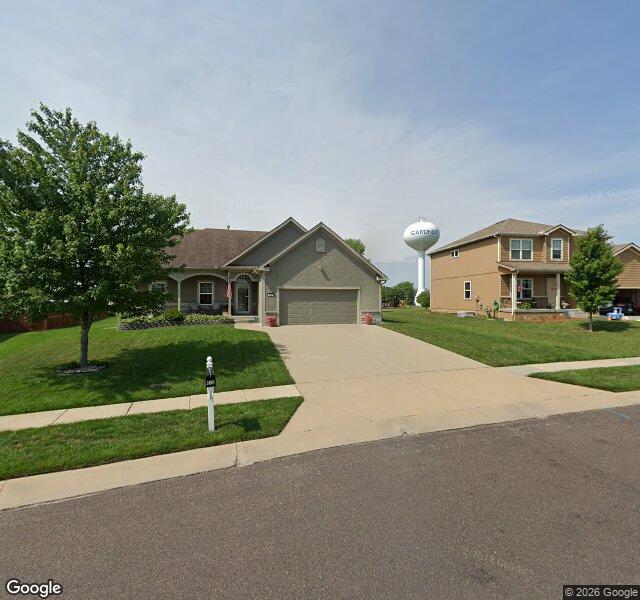
Overview and key essentials
State license
Active
KS KDADS
Google reviews
Not available
Public reviews not linked
Size & payment
Ask directly
Confirm pricing & payment
Public records for this community are limited. Use the checklist below when you call or visit to confirm pricing, services, and openings.
Cost, payment & care details
Updated Nov 28, 2026| Monthly cost | Not published | Ask for the full monthly cost, including care fees and one-time charges. |
|---|---|---|
| Payment options | Ask directly | Payment details are not confirmed in our records. Ask about private pay, long-term care insurance, veterans benefits, and Medicaid waivers. |
| Size & availability | Confirm directly | We don't publish live openings. Ask about current availability, waitlist length, and move-in timing. |
| Care & support | Assisted living | Usually offers housing and help with everyday tasks, such as bathing and dressing. What to confirm about care levelsThis describes the licensed category. Ask how care plans adjust if mobility, nursing, or memory needs change over time. Read the family care guide → |
State licensing
State inspection history
2inspections
27deficiencies listed
Mar 26, 2026Routine19 deficiencies reported19
19 deficiencies reported
View official state report (opens in a new tab)
The following represents the findings of a resurvey with attached complaints complaints 198251, 198256, and 198258 at the above named home plus conducted on 03/23/26, 03/24/26, 03/25/26, and 03/26/26.
moderateS 5258
Records (d) The employee records and agency staff records shall contain the following information: (1) Evidence of licensure, registration, certification, or a certificate of successful completion of a training course for each employee performing a function that requires specialized education or training; (2) supporting documentation for criminal background checks of facility staff and contract staff, excluding any staff licensed or registered by a state agency, pursuant to K.S.A. 39-970 and amendments thereto; (3) supporting documentation from the Kansas nurse aide registry that the individual does not have a finding of having abused, neglected, or exploited a resident in an adult carehome; and (4) supporting documentation that the individual does not have a finding of having abused, neglected, or exploited any resident in an adult care home, from the nurse aide registry in each state in which the individual has been known to work as a certified nurse aide. This REQUIREMENT is not met as evidenced by: KAR 26-42-102(d)(1)(2) The facility reported a census of two residents. Based on interview and record review the operator failed to ensure evidence of certification for one of five sampled staff and supporting documentation for criminal background checks for five of five sampled staff were contained in the staff records. Findings included: - Record review for Certified Medication Aide (CMA) G revealed a hire date of 09/03/25. The record lacked evidence of documentation of certification and completion of a criminal background check. Record review for CMA C revealed a hire date of 03/09/26. The record lacked evidence of documentation of completion of a criminal background check. Record review for Certified Nurse Aide (CNA) F revealed a hire date of 08/25/25. The record lacked evidence of documentation of completion of a criminal background check. Record review for CNA J revealed a hire date of 03/09/26. The record lacked evidence of documentation of completion of a criminal background check. Record review for Housekeeping Staff E revealed a hire date of 01/01/25. The record lacked evidence of documentation of completion of a criminal background check. The facility's "Staff Background Check and Registry Check Policy" documented background checks and registry screenings must be completed and verified before an employee's first day of independent work. The operator failed to ensure evidence of certification for one of five sampled staff and supporting documentation for criminal background checks for five of five sampled staff were contained in the staff records.
moderateS 5315
(h) Storage. Licensed nurses and medication aides shall ensure that all medications and biologicals are securely and properly stored in accordance with each manufacturer ' s recommendations or those of the pharmacy provider and with federal and state laws and regulations. (1) Licensed nurses or medication aides shall store non-controlled medications and biologicals managed by the home in a locked medication room, cabinet, or medication cart. Licensed nurses and medication aides shall store controlled medications managed by the home in separately locked compartments within a locked medication room, cabinet, or medication cart. Only licensed nurses and medication aides shall have access to the stored medications and biologicals. (2) Each resident managing and self-administering medication shall store medications in a place that is accessible only to the resident, licensed nurses, and medication aides. (3) Any resident who self-administers medication and is unable to provide proper storage as recommended by the manufacturer or pharmacy provider may request that the medication be stored by the home. (4) A licensed nurse or medication aide shall not administer medication beyond the manufacturer ' s or pharmacy provider ' s recommended date of expiration. This REQUIREMENT is not met as evidenced by: KAR 26-42-205(h) The facility reported a census of two residents. Based on observation and interview, the operator failed to store a vial of injectable medication in accordance with the pharmacist's and manufacturer's recommendations. Findings included: - Observation on 03/25/26 at 11:34 AM revealed an unsealed vial of tuberculin by itself with no box. The vial lacked a label with an open date. The vial of tuberculin contained instructions that a vial of which had been opened and in use for 30 days should be discarded. On 02/25/26 at approximately 11:34 AM Administrative Staff A confirmed the vial of tuberculin lacked a label with an open date and stated it was opened on 08/25/25. On 02/25/26 at 11:43 AM Administrative Staff A confirmed the vial of tuberculin had to be discarded 30 days after opening. The undated facility's "Medication Storage Policy" documented expired medications must be removed immediately, labeled, and stored in a designated area for proper disposal. The operator failed to store a vial of tuberculin in accordance with the pharmacist's and manufacturer's recommendations.
moderateS 5300
Medications (d) Home administration of resident ' s medications. If a home is responsible for the administration of a resident ' s medications, the administrator or operator shall ensure that all medications and biologicals are administered to that resident in accordance with a medical care provider ' s written order, professional standards of practice, and each manufacturer ' s recommendations. The administrator or operator shall ensure that all of the following are met: (1) Only licensed nurses and medication aides shall administer and manage medications for which the home has responsibility. (2) Medication aides shall not administer medication through the parenteral route. This REQUIREMENT is not met as evidenced by: KAR 26-42-205(d)(1) The facility reported a census of two residents which were included in the sample and two focused reviews for discharged residents. Based on observation, interview, and record review the operator failed to ensure medications for Resident (R) 2 were administered on time per physician's order and percutaneous endoscopic gastrostomy (PEG) tube feedings for R2 were administered in accordance with professional standards of practice. The operator failed to ensure a medication for R3 was administered daily per physician's orders. The operator failed to ensure a PRN (as needed) medication for constipation was administered to R4 per physician's order which resulted in R4 being subjected to manual digital removal of hardened stool. The operator further failed to ensure only licensed nurses or Certified Medication Aides (CMA) administered medications to the residents by allowing Certified Nurse Aides (CNA) and housekeeping staff to administer medications. Findings included: - Record review for R2 revealed an admission date of 09/24/24 with a diagnosis of dementia. The 01/10/26 "Functional Capacity Screen" (FCS) identified R2 was unable to perform management of medications and treatments. The 01/10/26 "Negotiated Service Agreement" (NSA) identified R2 received management of medications and treatments by facility staff. The 11/05/25 physician's order for 250 milliliters (ml) isosource per PEG tube with 150 ml of water four times daily. Review of R2's electronic "Medication Administration Record" (eMAR) from 01/01/26 to 03/23/26 revealed the following orders: Quetiapine 25 milligrams (mg) tablet one tablet three times daily with midday administration at 11:00 AM to 01:00 PM. Risperidone 1.0 mg/1.0 ml 1.0 ml via feeding tube three times daily with midday administration at 11:00 AM to 01:00 PM. Review of a sign taped to the wall above the medication cart read "[R2's] Tube Feeding Schedule" with scheduled times at 08:00 AM, 12:00 PM, 04:00 PM, and 08:00 PM. On 03/23/26 at 11:54 AM CMA C stated Administrative Staff A would be at the facility soon for a tube feeding. Observation on 03/23/26 at 01:33 PM revealed Administrative Staff A administered R2 a midday (12:00 PM) tube feeding and medications which were one and one-half hours late. The operator failed to ensure medications for R2 were administered on time per physician's order and PEG tube feedings were administered timely in accordance with professional standards of practice. - Record review for R3 revealed an admission date of 10/11/24 with diagnoses of dementia and anxiety. The 06/05/25 "FCS" identified R3 was unable to perform management of medications and treatments. The 06/05/25 "NSA" identified R3 received management of medications and treatments...
moderateS 5127
(i) Each administrator or operator shall ensure that each resident receives services according to the provisions of that resident ' s negotiated service agreement. This REQUIREMENT is not met as evidenced by: KAR 26-42-202(i) The facility reported a census of two residents which were included in the sample and two focused reviews for discharged residents. Based on interview and record review the operator failed to ensure Residents (R) 2 received the services described in her "Negotiated Service Agreement" (NSA) for toileting and bladder incontinence and R4 received the services described in her "NSA" for toileting, bladder incontinence, and falls. The operator failed to ensure all residents received the services described in their "NSA" for bathing. Findings included: - Record review for R2 revealed an admission date of 09/24/24 with a diagnosis of dementia. The 01/10/26 "Functional Capacity Screen" identified R2 required physical assistance with bathing and toileting and was incontinent of bladder. The 01/10/26 "NSA" identified R2 received physical assistance from designated staff for bathing and toileting and received checks and assistance to change soiled briefs every two hours for bladder incontinence. Review of bath sheets for R2 revealed they were blank. The 03/26/26 notarized "Witness Statement" by Certified Medication Aide (CMA) G reported on multiple mornings when she arrived to work her shift, R2 was still in bed with bedding, clothing, and hair soaked in urine from head to toe. She reported her concerns to Administrative Staff A but issue continued. On 03/23/26 at approximately 01:12 PM Administrative Staff A confirmed R2's record lacked evidence of documentation she received assistance from designated staff for bathing and toileting and received checks and assistance to change soiled briefs every two hours for bladder incontinence. On 03/25/26 at 12:44 PM Administrative Staff A stated the bathing sheets for R2 "were not utilized." She confirmed R2's record lacked evidence of documentation R2 received assistance from designated staff for bathing. On 03/25/26 at approximately 01:23 PM Certified Nurse Aide (CNA) K stated when he worked night shift, R2 slept all night and did not get up to go to the toilet. She never soiled herself that he knew of. He checked her twice during the night and she was always dry. CNA K confirmed R2 did not receive every two hour, checks and assistance to change briefs if soiled. - Record review for R4 revealed an admission date of 11/08/25 with a diagnosis of dementia. The 11/08/25 "FCS" identified R4 required physical assistance with bathing and toileting, was incontinent of bladder, and was at risk for falls. The 11/08/25 "NSA" identified R4 received physical assistance from facility staff with bathing as needed and assistance with bathing from hospice staff on Tuesday and Friday. She received assistance from facility staff with toileting and checks and assistance to change soiled undergarments every two hours for bladder incontinence. R4 received close monitoring and was offered toileting every two to three hours and as needed to prevent injury from falls. Review of bath sheets for R2 revealed they were blank. On 03/23/26 at approximately 01:12 PM Administrative Staff A confirmed R4's record lacked evidence of documentation she received assistance for toileting and received checks and assistance to change soiled briefs every two hours for bladder incontinence. Administrative Staff A confirmed...
moderateS 5245
(b) Each administrator or operator shall ensure that all information in each resident's record, regardless of the form or storage method for the record, is kept confidential, unless release is required by any of the following: (1) Transfer of the resident to another health care facility; (2) law; (3) third-party payment contract; or (4) the resident or legal representative of the resident. This REQUIREMENT is not met as evidenced by: KAR 26-42-105(b) The facility reported a census of two residents which were included in the sample and two focused reviews for discharged residents. Based on observation, interview, and record review the operator failed to ensure residents' information for Resident (R) 1, R2, R3, and R4 were kept confidential. Findings included: - Observation on 03/23/26 at 11:53 AM revealed the following: Tall shelves near the kitchen in a public accessible location had three-ring binders with R1, R2, R3, and R4's first and last names printed in large letters. Two signs were taped to the wall above the med cart in the kitchen area in view of residents and visitors. The first sign read "Shower Days Scheduled and PRN" and listed the first names of R1, R2, and R4 with bathing dates and times. The second sign read "[R2's] Tube Feeding Schedule" and listed times of 08:00 AM, 12:00 PM, 04:00 PM, and 08:00 PM. On 03/24/26 at 10:15 AM Administrative Staff A confirmed resident information was kept in public view and not in secured location. She stated she would "do better" and move them to a locked area. Observation 03/26/26 at 12:06 PM revealed signs on the wall in the kitchen were removed with no resident information visible. R1, R2, R3, and R4's three-ring binder charts remained on the shelves near the kitchen in a public accessible area. On 03/26/26 at 04:50 PM Administrative Staff A confirmed resident's information was still in a public accessible area. The undated facility's "Resident Records Storage and Confidentiality Policy" documented paper files must be kept in locked filing cabinets or secure record rooms accessible only to authorized staff. Resident information must not be discussed in public areas or with unauthorized individuals. The operator failed to ensure residents' information for R1, R2, R3, and R4 were kept confidential.
moderateS 5250
(f) Each resident record shall contain at least the following: (1) The resident's name; (2) the dates of admission and discharge; (3) the admission agreement and any amendments; (4) the functional capacity screenings; (5) the health care service plan, if applicable; (6) the negotiated service agreement and any revisions; (7) the name, address, and telephone number of the physician and the dentist to be notified in an emergency; (8) the name, address, and telephone number of the legal representative or the individual of the resident's choice to be notified in the event of a significant change in condition; (9) the name, address, and telephone number of the case manager, if applicable; (10) records of medications, biologicals, and treatments administered and each medical care provider ' s order if the facility is managing the resident's medications and medical treatments; and This REQUIREMENT is not met as evidenced by: KAR 26-42-105(f)(3) The facility reported a census of two residents which were included in the sample and two focused reviews for discharged residents. Based on interview and record review the operator failed to ensure Resident (R) 4's record contained an admission agreement and any amendments upon admission and prior to her discharge from the facility. Findings included: - Record review for R4 revealed an admission date of 11/08/25 with a diagnosis of dementia. The 11/08/25 "Functional Capacity Screen" (FCS) identified R4 required physical assistance with bathing, dressing, toileting, transfers, and eating. She was unable to perform management of medications and treatments and was incontinent of bladder. She had short-term and long-term memory, memory/recall and decision-making cognitive difficulties and was sometimes understandable and sometimes understood others during communication. R4 was at risk for falls. The 11/08/25 "Negotiated Service Agreement" (NSA) identified R4 received physical assistance from facility staff twice weekly with bathing. She received physical assistance from facility staff with dressing and toileting and assistance with a mechanical lift for transfers or was independent of transfers (depending on the day). R4 received assistance from facility staff to cut food up in small pieces for eating and checks and assistance to change soiled undergarments every two hours for bladder incontinence. She received management of medications and treatments by facility staff and encouragement to take her time when expressing herself for communication. Staff used simple sentences and were concise for cognitive difficulties. R4 received close monitoring and was offered toileting every two to three hours and as needed for falls. Review of R4's "Admission Agreement" revealed R4's durable power of attorney (DPOA) signed the agreement and dated it 11/08/25. Review of the undated video statement by R4's DPOA revealed he stated Administrative Staff A called him several times on 03/09/26 and 03/10/26 requesting he come to the facility to sign paperwork. When he got to the facility, Administrative Staff A requested he sign the "Admission Agreement" and back date it R4's admission date which was 11/08/25. On 03/24/26 at 01:50 PM Administrative Staff A stated R4's DPOA signed her "NSA" at admission but did not sign the "Admission Agreement" because she did not have a copy of the "Admission Agreement" for R4 when she admitted. Administrative Staff A stated she went over the "Admission Agreement" with R4's DPOA when he...
Final ObservationsS 9999
KAR 26-42-103(a)(b)(c) scope and severity level F (a) The administrator or operator of each home plus shall ensure the provision of orientation to new employees and regular in-service education for all employees to ensure that the services provided assist residents to attain and maintain their individuality, autonomy, dignity, independence, and ability to make choices in a home environment. (b) The topics for orientation and in-service education shall include the following: (1) Fire prevention and safety; (2) disaster procedures; (3) accident prevention; (4) resident rights; (5) infection control; and (6) prevention of abuse, neglect, and exploitation of residents. (c) If the home plus admits residents with dementia, the administrator or operator shall ensure the provision of staff education, at orientation and at least annually thereafter, on the treatment and appropriate response to persons who exhibit behaviors associated with dementia. This requirement is not met as evidenced by: The facility reported a census of two residents with both having a diagnosis of dementia or cognitive impairment. Based on interview and record review the operator failed to provide orientation to new staff for all six required topics and dementia training upon hire for five out of five sampled staff. Findings included: - Record review for Certified Medication Aide (CMA) C revealed a hire date of 03/09/26. The record lacked evidence of documentation the six required orientation topics and dementia training was completed upon hire. Record review for CMA G revealed a hire date of 09/03/25. The record lacked evidence of documentation the six required orientation topics and dementia training was completed upon hire. Record review for Certified Nurse Aide (CNA) F revealed a hire date of 08/25/25. The record lacked evidence of documentation the six required orientation topics and dementia training was completed upon hire. Record review for CNA J revealed a hire date of 03/09/26. The record lacked evidence of documentation the six required orientation topics and dementia training was completed upon hire. Record review for Housekeeping Staff E revealed a hire date of 01/01/25. The record lacked evidence of documentation the six required orientation topics and dementia training was completed upon hire. On 03/25/26 at 11:32 AM Administrative Staff A confirmed the six required orientation topics and dementia training for staff had not been completed upon hire. The operator failed to provide the six required orientation topics and dementia training to new staff upon hire for five out of five sampled staff.
STATE FORM6899
2R8N11 STATE FORM 2R8N11 STATE FORM 2R8N11 STATE FORM 2R8N11 STATE FORM 2R8N11 STATE FORM 2R8N11 STATE FORM 2R8N11 STATE FORM 2R8N11 STATE FORM 2R8N11 STATE FORM 2R8N11 STATE FORM 2R8N11 STATE FORM 2R8N11 STATE FORM 2R8N11 STATE FORM 2R8N11 STATE FORM 2R8N11 STATE FORM 2R8N11 STATE FORM 2R8N11 STATE FORM 2R8N11 STATE FORM 2R8N11 STATE FORM 2R8N11 STATE FORM 2R8N11 STATE FORM 2R8N11 STATE FORM 2R8N11 STATE FORM 2R8N11 STATE FORM 2R8N11 STATE FORM 2R8N11 STATE FORM 2R8N11 STATE FORM 2R8N11 STATE FORM 2R8N11 STATE FORM 2R8N11 STATE FORM 2R8N11 STATE FORM 2R8N11 STATE FORM 2R8N11 STATE FORM 2R8N11 STATE FORM 2R8N11 STATE FORM 2R8N11 STATE FORM 2R8N11 STATE FORM 2R8N11 STATE FORM 2R8N11 STATE FORM 2R8N11 STATE FORM 2R8N11 STATE FORM 2R8N11 STATE FORM 2R8N11 STATE FORM 2R8N11 STATE FORM 2R8N11 STATE FORM 2R8N11 STATE FORM 2R8N11 STATE FORM 2R8N11 STATE FORM 2R8N11 STATE FORM 2R8N11 STATE FORM 2R8N11 STATE FORM 2R8N11 STATE FORM 2R8N11 STATE FORM 2R8N11 STATE FORM 2R8N11 STATE FORM 2R8N11 STATE FORM 2R8N11 STATE FORM 2R8N11 STATE FORM 2R8N11 STATE FORM 2R8N11 STATE FORM 2R8N11 STATE FORM 2R8N11 STATE FORM 2R8N11 STATE FORM 2R8N11 STATE FORM 2R8N11 STATE FORM 2R8N11 STATE FORM 2R8N11 STATE FORM 2R8N11 STATE FORM 2R8N11 STATE FORM 2R8N11 STATE FORM 2R8N11 STATE FORM 2R8N11 STATE FORM 2R8N11 STATE FORM 2R8N11 STATE FORM 2R8N11 STATE FORM 2R8N11 STATE FORM 2R8N11 STATE FORM 2R8N11 STATE FORM 2R8N11 STATE FORM 2R8N11 STATE FORM 2R8N11 STATE FORM 2R8N11 STATE FORM 2R8N11 STATE FORM 2R8N11 STATE FORM 2R8N11 STATE FORM 2R8N11 STATE FORM 2R8N11 STATE FORM 2R8N11 STATE FORM 2R8N11 STATE FORM 2R8N11 STATE FORM 2R8N11 STATE FORM 2R8N11 STATE FORM 2R8N11 STATE FORM 2R8N11 STATE FORM 2R8N11
immediate_jeopardyS 5026
ANE (f)The administrator or operator shall ensure that all of the following requirements are met: (1) No resident shall be subjected to any of the following: (A) Verbal, mental, sexual, or physical abuse, including corporal punishment and involuntary seclusion; (B) neglect; or (C) exploitation. This REQUIREMENT is not met as evidenced by: KAR 26-42-101(f)(1)(A)(B) The facility reported a census of two residents with two residents included in the sample and two focused reviews for discharged residents. Based on interview and record review the operator failed to protect three cognitively impaired residents from potential abuse and neglect that resulted in Immediate Jeopardy when Resident (R) 3 suffered multiple bruises and rib fractures of unknown origin; R4 alleged sexual abuse and suffered bruises on her upper arms and lower legs (reported by the facility to be caused by a mechanical lift) and an additional bruise on her foot from unknown origin; and R2 who suffered bruises on her right hand and abdomen and a bruise on her upper outer thigh of unknown origin. Findings included: - Record review for R3 revealed an admission date of 10/11/24 with diagnoses of dementia and anxiety. The 06/05/25 "Functional Capacity Screen" (FCS) identified R3 required physical assistance with bathing, dressing, toileting and she was unable to perform management of medications and treatments. R3 was frequently incontinent of bladder, had short-term memory and decision-making cognitive difficulties, and was at risk for falls, impaired vision, and wandering. The 06/05/25 "Negotiated Service Agreement" (NSA) identified R3 received physical assistance from a hospice aide twice weekly with bathing. She received physical assistance from facility staff with dressing and toileting. R3 received checks and assistance to change soiled undergarments as needed for bladder incontinence. She received management of medications and treatments by facility staff. Staff used simple words, were concise, and articulated clearly for cognitive difficulties and encouraged R3 to remain in the common area for close monitoring for wandering and falls. The "NSA" failed to describe services R3 received for impaired vision. Review of "Orders" by R3's primary care provider (PCP) revealed she did not take any blood thinning medication or any other medication that might cause increased bruising side effects. The 03/10/26 facility's "Intake Information" report to the department documented R3's family reported allegations of bruising on the resident. An investigation report was requested, which the facility failed to provide. The 03/02/26 at 04:02 PM Hospice "Aide Regular Visit" note by Hospice Aide M documented R3 had yellow bruising on her chest and abdomen. The hospice aide notified the hospice nurse. The 03/03/26 hospice "RN Comprehensive Visit" by hospice Licensed Nurse N revealed pain assessment and skin integrity sections that were blank. The note lacked evidence of any documentation of bruising. The 03/03/26 hospice "Patient Visit Summary" note by hospice Licensed Nurse N documented facility staff reported R3 had not experienced any recent falls. The 03/05/26 nurse "Charting Note" by Administrative Staff A documented the hospice nurse called and reported a linear bruise on the resident's chest and small area of bruising noted on the abdomen. R3's unidentified family member took her to the hospital for examination. The 03/05/26 hospice "Communication" between hospice and an...
moderateS 135
Changes (h) Notification of changes. (1) The administrator or operator shall ensure that designated facility staff inform the resident, consult with the resident's physician, and notify the resident's legal representative or designated family member, if known, upon occurrence of any of the following: (A) An accident involving the resident that results in injury and has the potential for requiring a physician's intervention; (B) a significant change in the resident's physical, mental, or psychosocial status; (C) a need to alter treatment significantly; or (D) a decision to transfer or discharge the resident from the adult care home. (2) The administrator or operator shall ensure that a designated staff member informs the resident, the resident's legal representative, or authorized family members whenever the designated staff member learns that the resident will have a change in room or roommate assignment. This STANDARD is not met as evidenced by: KAR 26-39-103(h)(1)(A)(B) The facility reported a census of two residents which were included in the sample and two focused reviews for discharged residents. Based on interview and record review the operator failed to ensure designated staff notified Resident (R) 3's designated family member and physician upon two separate occurrences when she fell and suffered a bleeding head injury and when she suffered multiple bruises. Findings included: - Record review for R3 revealed an admission date of 10/11/24 with diagnoses of dementia and anxiety. The 06/05/25 "Functional Capacity Screen" (FCS) identified R3 required physical assistance with bathing, dressing, toileting and she was unable to perform management of medications and treatments. R3 was frequently incontinent of bladder, had short-term memory and decision-making cognitive difficulties, and was at risk for falls, impaired vision, and wandering. The 06/05/25 "Negotiated Service Agreement" (NSA) identified R3 received physical assistance from a hospice aide twice weekly with bathing. She received physical assistance from facility staff with dressing and toileting. R3 received checks and assistance to change soiled undergarments as needed for bladder incontinence. She received management of medications and treatments by facility staff. Staff used simple words, were concise, and articulated clearly for cognitive difficulties and encouraged R3 to remain in the common area for close monitoring for wandering and falls. The "NSA" failed to describe services R3 received for impaired vision. The 02/19/26 at 03:00 AM "Employee Incident Report" by Certified Nurse Aide (CNA) J signed by Administrative Staff A reported CNA J arrived to work in the facility on 03/01/26 [sic]. During the night CNA J witnessed R3 fall onto her back and suffer an injury to the back of her head and he notified the nurse of the incident. The 02/19/26 at 09:12 late entry "Nurse Note" by Administrative Staff A documented R3 fell and bumped her head. There was no bleeding or swelling. The note lacked the date and time of the incident, actions taken and results of the actions. The 02/24/26 hospice "Skilled Nursing Visit Note" documented R3 complained of a headache and caregiver present reported R3 had a witnessed fall over the weekend. She walked back from the bathroom at 03:00 AM, lost her balance, fell backward and hit her head. R3 had a small laceration to the back of her head that was healed together and intact. Caregiver administered Tylenol with headache starting...
moderateS 5215
Preparedness Education (d) Each administrator or operator shall ensure disaster and emergency preparedness by ensuring the performance of the following: (1) Orientation of new employees at the time of employment to the home ' s emergency management plan; (2) education of each resident upon admission to the home regarding emergency procedures; (3) quarterly review of the home ' s emergency management plan with employees and residents; and (4) an emergency drill, which shall be conducted at least annually with staff and residents. This drill shall include evacuation of the residents to a secure location. This REQUIREMENT is not met as evidenced by: KAR 26-42-104(d)(1)(2)(3) The facility reported a census of two residents. Based on interview and record review the operator failed to orient new staff at hire and educate residents upon admission to the facility's emergency plan. The operator failed to provide quarterly reviews of the facility's emergency management plan with the residents and staff. Findings included: - Review of the facility's emergency management plan revealed a quarterly review with staff and residents was provided on 07/30/25. The plan lacked evidence of documentation reviews were provided to residents and staff every quarter. Facility records lacked evidence of documentation the emergency management plan was provided to staff at hire and to residents upon admission. On 12/03/25 at 09:50 AM Administrative Staff A confirmed the emergency management plan lacked evidence of documentation the staff and residents received quarterly reviews of the plan and that staff were oriented at hire and residents were educated at admission to the emergency management plan. The facility's undated "Emergency Management Plan - Quarterly Review Policy" documented the facility conducted formal quarterly reviews of the emergency management plan. The operator failed to orient new staff at hire and educate residents upon admission to the facility's emergency plan. The operator failed to provide quarterly reviews of the facility's emergency management plan with the residents and staff.
moderateS 5255
(a) The administrator or operator of each home plus shall ensure the provision of a sufficient number of qualified personnel to provide each resident with services and care in accordance with that resident ' s functional capacity screening, health care service plan, and negotiated service agreement. This REQUIREMENT is not met as evidenced by: KAR 26-42-102(a) The facility reported a census of two residents with two included in the sample and two focused reviews for discharged residents. Based on observation, interview, and record review the operator failed to provide enough qualified staff to provide each resident with the services and care in accordance with their "Functional Capacity Screens" (FCS) and "Negotiated Service Agreements (NSA)" Findings included: - Record review for Resident (R) 3 revealed an admission date of 10/11/24 with diagnoses of dementia and anxiety. The 06/05/25 "Functional Capacity Screen" (FCS) identified R3 required physical assistance with bathing, dressing, toileting and she was unable to perform management of medications and treatments. R3 was frequently incontinent of bladder, had short-term memory and decision-making cognitive difficulties, and was at risk for falls, impaired vision, and wandering. The 06/05/25 "Negotiated Service Agreement" (NSA) identified R3 received physical assistance from a hospice aide twice weekly with bathing. She received physical assistance from facility staff with dressing and toileting. R3 received checks and assistance to change soiled undergarments as needed for bladder incontinence. She received management of medications and treatments by facility staff. Staff used simple words, were concise, and articulated clearly for cognitive difficulties and encouraged R3 to remain in the common area for close monitoring for wandering and falls. The "NSA" failed to describe services R3 received for impaired vision. Review of R3's Medication Administration Record (MAR) from 01/01/26 to 03/05/26 revealed levothyroxine 75 micrograms (mcg) one tablet by mouth daily before meals on an empty stomach for hypothyroid between 05:00 to 06:00 AM. The medication was documented as administered daily by Administrative Staff A except for the following dates: 01/11/26 - blank, none administered 01/14/26 - Certified Medication Aide (CMA) H administered 01/25/26 - blank, none administered 02/08/26 - blank, none administered 02/19/26 - blank, none administered 02/22/26 - blank, none administered The 03/24/26 notarized "Witness Statement" by Housekeeping Staff E reported he worked in the facility on 03/05/26 performing his "normal duties like cleaning and laundry, etc." At around 02:00 PM hospice staff arrived to assist R3 with a shower. R3 refused and housekeeping staff E "convinced" R3 to accept a shower. The 03/26/26 notarized "Witness Statement" by CMA G reported she arrived to work at the facility on 02/08/26 at approximately 07:00 AM. R3 was confined in her room by a medication cart placed across the doorway with the wheels locked with one night shift staff present in the facility. On 03/24/26 at approximately 08:01 AM R3's unidentified family member (legal representative) stated the following during a phone interview: She visited the facility almost every day. She rarely saw Administrative Staff A at the facility but saw Housekeeping Staff E there "all the time." Sometimes he was there "all weekend long" and was often "alone with no other staff." She witnessed Housekeeping Staff E assist...
moderateS 5230
(b)(5) prohibiting any employee with a communicable disease or any infected skin lesions from coming in direct contact with any resident, any resident ' s food, or resident care equipment until the condition is no longer infectious; (6) providing orientation to new employees and employee in-service education at least annually on the control of infections in a health care setting; (c) Each administrator or operator shall ensure the home ' s compliance with the department ' s tuberculosis guidelines for adult care homes adopted by reference in K.A.R. 26-39-105. This REQUIREMENT is not met as evidenced by: KAR 26-42-207(c) The facility reported a census of two residents. Based on interview and record review the operator failed to ensure the facility remained in compliance with the department's tuberculosis (TB) guidelines for adult care homes adopted by reference in KAR 26-39-105 for four of five sampled staff. Findings included: - Record review for Certified Medication Aide (CMA) G revealed a hire date of 09/03/25. Her record lacked evidence documentation of a two-step TB skin test and a symptom screen questionnaire. Record review for Housekeeping Staff E revealed a hire date of 01/01/25. His record lacked evidence documentation of a two-step TB skin test and a symptom screen questionnaire. Record review for CMA C revealed a hire date of 03/09/26. The 03/08/26 first step and 03/15/26 second step TB skin tests were administered with expired tuberculin. Record review for Certified Nurse Aide (CNA) J revealed a hire date of 03/09/26. The 03/08/26 first step and 03/15/26 second step TB skin tests were administered with expired tuberculin. Observation on 03/25/26 at 11:34 AM revealed an unsealed vial of tuberculin by itself with no box. The vial lacked a label with an open date. On 02/25/26 at approximately 11:34 AM Administrative Staff A confirmed the vial of tuberculin lacked a label with an open date. She stated it was opened on 08/25/25 and was not discarded 30 days after opening. Four staff and one resident had TB tests administered after the vial should have been discarded 30 days after opening. Administrative Staff A stated confirmed CMA G and Housekeeping Staff E's records lacked TB skin test results and symptom screen questionnaires. The undated facility's "TB Skin Test Upon Hire Policy" documented all staff completed a TB skin test or approved TB screening before beginning work. No staff may have resident contact until TB clearance was documented. The operator failed to ensure the facility remained in compliance with the department's tuberculosis guidelines for adult care homes adopted by reference in KAR 26-39-105.
immediate_jeopardyS 5171
Practice (i) All health care services shall be provided to residents by qualified staff in accordance with acceptable standards of practice. This REQUIREMENT is not met as evidenced by: KAR 26-42-204(i) The facility reported a census of two residents with two residents included in the sample and two focused reviews for discharged residents. Based on interview and record review the operator failed to ensure facility staff notified the licensed nurse when Resident (R) 3 fell and suffered a head injury. This failure place the resident in Immediate Jeopardy when facility staff failed to notify the licensed nurse and did not complete a post fall assessment on R3 for six hours following a fall with head injury. Findings included: - Record review for R3 revealed an admission date of 10/11/24 with diagnoses of dementia and anxiety. The 06/05/25 "Functional Capacity Screen" (FCS) identified R3 required physical assistance with bathing, dressing, toileting and she was unable to perform management of medications and treatments. R3 was frequently incontinent of bladder, had short-term memory and decision-making cognitive difficulties, and was at risk for falls, impaired vision, and wandering. The 06/05/25 "Negotiated Service Agreement" (NSA) identified R3 received physical assistance from a hospice aide twice weekly with bathing. She received physical assistance from facility staff with dressing and toileting. R3 received checks and assistance to change soiled undergarments as needed for bladder incontinence. She received management of medications and treatments by facility staff. Staff used simple words, were concise, and articulated clearly for cognitive difficulties and encouraged R3 to remain in the common area for close monitoring for wandering and falls. The "NSA" failed to describe services R3 received for impaired vision. The 02/19/26 at 03:00 AM "Employee Incident Report" by Certified Nurse Aide (CNA) J signed by Administrative Staff A reported CNA J arrived to work in the facility on 03/01/26 [sic]. During the night CNA J witnessed R3 fall onto her back and suffer an injury to the back of her head and he notified the nurse of the incident. The 02/19/26 at 09:12 AM late entry "Nurse Note" by Administrative Staff A documented R3 fell and bumped her head. There was no bleeding or swelling. The note lacked the date and time of the incident, actions taken, and results of the actions. The 02/24/26 hospice "Skilled Nursing Visit Note" documented R3 complained of a headache and the caregiver present at the facility reported R3 had a witnessed fall over the weekend. She walked back from the bathroom at 03:00 AM, lost her balance, fell backward and hit her head. R3 had a small laceration to the back of her head that was healed together and intact. The caregiver administered Tylenol and noted the resident's headache started to resolve by the end of the visit. Caregivers were encouraged to call hospice with any falls or changes in condition. The 02/25/26 at 12:00 PM PCP (Primary Care Provider) "Progress Note" documented R3 "had a fall on Sunday and hit the back of her head." A small area was bleeding upon exam. The 03/24/26 notarized "Witness Statement" by CNA J reported he arrived to work in the facility on 02/19/26 in the evening around 08:00 PM. Around 03:00 AM in the night, R3 tried to ambulate to the bathroom by herself. He approached her and she lost her balance and fell on her left [sic] side. R3 hit her head on the bed and said she was...
moderateS 5105
a) The administrator or operator of each home plus shall ensure the development of a written negotiated service agreement for each resident, based on the resident ' s functional capacity screening, service needs, and preferences, in collaboration with the resident or the resident ' s legal representative, the case manager, and, if agreed to by the resident or the resident ' s legal representative, the resident ' s family. The negotiated service agreement shall provide the following information: (1) A description of the services the resident will receive; (2) identification of the provider of each service; and (3) identification of each party responsible for payment if outside resources provide a service. This REQUIREMENT is not met as evidenced by: KAR 26-42-202(a)(1) The facility reported a census of two residents. Based on interview and record review the operator failed to ensure the "Negotiated Service Agreement" (NSA) for Residents (R) 2 described the services she received based on her "Functional Capacity Screens" (FCS), needs, and preferences. Findings included: - Record review for R2 revealed an admission date of 09/24/24 with a diagnosis of dementia. The 01/10/26 "FCS" identified R2 required physical assistance with eating. The 01/10/26 "NSA" identified R2 received assistance from facility staff to cut her food into smaller pieces and she fed herself for eating. The "NSA" failed to describe services R4 received for Percutaneous Endoscopic Gastrostomy (PEG) tube feeding. The 10/10/25 at 04:20 PM late entry nursing "Charting Note" by Administrative Staff A documented R2 returned to the facility with patent PEG tube. The 11/05/25 physician's order documented to administer 250 milliliters (ml) isosource per PEG tube with 150 ml of water four times daily. Observation on 03/23/26 at approximately 01:33 PM revealed Administrative Staff A administered midday meal and medications to R2 through a PEG tube. On 03/26/26 at approximately 04:58 PM Administrative Staff A confirmed the "NSA" for R2 failed to describe the services she received for PEG tube feeding for eating. The operator failed to ensure the "NSA" for R2 described the services she received based on her "FCS," needs, and preferences.
moderateS 5302
Administration (4) Any licensed nurse may delegate nursing procedures not included in the medication aide curriculum to medication aides under the Kansas nurse practice act, K.S.A. 65-1124 and amendments thereto. This REQUIREMENT is not met as evidenced by: KAR 26-42-205(d)(4) The facility reported a census of two residents with Resident (R) 2 marked for percutaneous endoscopic gastrostomy (PEG) tube feedings on the "Resident Roster." Based on interview and record review the operator failed to ensure Certified Medication Aides (CMAs) received training and completed competencies for delegated PEG tube feedings and medication administration. Findings included: - Record review for R2 revealed an admission date of 09/24/24 with a diagnosis of dementia. The 01/10/26 "Functional Capacity Screen" (FCS) identified R2 required physical assistance with eating and was unable to perform management of medications. The 01/10/26 "Negotiated Service Agreement" (NSA) identified R2 received assistance from facility staff to cut her food into smaller pieces and she fed herself for eating. She received management of medications by facility staff. The "NSA" failed to describe services R4 received for PEG tube feeding and medication administration. The 10/10/25 at 04:20 PM late entry nursing "Charting Note" by Administrative Staff A documented R2 returned to the facility with patent Percutaneous Endoscopic Gastrostomy (PEG) tube. The 11/05/25 physician's order documented to administer 250 milliliters (ml) isosource per PEG tube with 150 ml of water four times daily. The 03/26/26 notarized "Witness Statement" by CMA G reported R2 was routinely fed through a PEG tube by staff who were not trained to perform the task. - Record review for CMA C revealed a hire date of 03/09/26. Her record lacked evidence of documentation a licensed nurse completed competencies with her to administer tube feedings medication administration. Record review for CMA G revealed a hire date of 09/03/25. Her record lacked evidence of documentation a licensed nurse completed competencies with her to administer tube feedings and medication administration. On 03/24/26 at approximately 08:01 AM R3's unidentified family member (legal representative) stated she visited the facility almost every day. She witnessed Housekeeping Staff E feed R2 through her feeding tube. All the staff fed her. On 03/24/26 at 09:50 AM Administrative Staff A stated R2 received placement of a PEG tube due to difficulty swallowing. On 03/24/26 at approximately 12:25 PM CNA F stated she worked with Housekeeping Staff E for brief periods of time. When he arrived at 07:00 AM he administered medications and fed R2 through a PEG tube. Housekeeping Staff E showed her how to do the PEG tube feeding but she never administered a feeding by herself. On 03/24/26 at 04:14 PM Administrative Staff A confirmed records for all staff lacked evidence of documentation a licensed nurse completed competencies with each one to administer tube feedings. The undated facility's "Nursing Delegated Task Policy" documented facility staff must demonstrate competency before performing any delegated task. Tasks would be documented by nurses in the resident's care plan and provide on-going supervision appropriate to the task and the resident's condition. Competency reviews would be conducted at hire and annually. The operator failed to ensure CMAs received training and completed competencies for delegated PEG tube feedings and...
moderateS 5028
Reporting (f) (3) Each allegation of abuse, neglect, or exploitation shall be reported to the administrator or operator of the home as soon as staff is aware of the allegation and to the department within 24 hours. The administrator or operator shall ensure that all of the following requirements are met: (A) An investigation shall be started when the administrator or operator, or the designee, receives notification of an alleged violation. (B) Immediate measures shall be taken to prevent further potential abuse, neglect, or exploitation while the investigation is in progress. (C) Each alleged violation shall be thoroughly investigated within five working days of the initial report. Results of the investigation shall be reported to the administrator or operator. (D) Appropriate corrective action shall be taken if the alleged violation is verified. (E) The department ' s complaint investigation report shall be completed and submitted to the department within five working days of the initial report. (F) A written record shall be maintained of each investigation of reported abuse, neglect, or exploitation. This REQUIREMENT is not met as evidenced by: KAR 26-42-101(f)(3)(A)(B)(C)(E) The facility reported a census of two residents included in the sample and two focused reviews for discharged resident. Based on interview and record review the operator failed to ensure allegations of neglect and an allegation of sexual abuse was reported to the department within 24 hours and failed to start, complete, and submit investigations to the department within five working days. The operator failed to take immediate measures to prevent further potential abuse and/or neglect. Findings included: - Record review for Resident (R)3 revealed an admission date of 10/11/24 with diagnoses of dementia and anxiety. The 06/05/25 "Functional Capacity Screen" (FCS) identified R3 required physical assistance with bathing, dressing, toileting and she was unable to perform management of medications and treatments. R3 was frequently incontinent of bladder, had short-term memory and decision-making cognitive difficulties, and was at risk for falls, impaired vision, and wandering. The 06/05/25 "Negotiated Service Agreement" (NSA) identified R3 received physical assistance from a hospice aide twice weekly with bathing. She received physical assistance from facility staff with dressing and toileting. R3 received checks and assistance to change soiled undergarments as needed for bladder incontinence. She received management of medications and treatments by facility staff. Staff used simple words, were concise, and articulated clearly for cognitive difficulties and encouraged R3 to remain in the common area for close monitoring for wandering and falls. The "NSA" failed to describe services R3 received for impaired vision. The 03/10/26 facility's "Intake Information" report to the department documented R3's family reported allegations of bruising on the resident. An investigation report was requested, which the facility failed to provide. The 03/05/26 nurse "Charting Note" by Administrative Staff A documented the hospice nurse called and reported a linear bruise on the resident's chest and small area of bruising noted on the abdomen. On 03/03/26 at approximately 07:53 PM while assisting R3 with evening cares, CMA G observed "extensive bruising" on R3's breast, chest, arms, back and bottom that she had not previously seen. On 03/24/26 at approximately 03:34 PM CMA H stated...
because of a contracture. She never had a2025
bruise. She did not need to report an injury of
moderateS 5251
Documentation of Incidents (f) (11) documentation of all incidents, symptoms, and other indications of illness or injury including the date, time of occurrence, action taken, and results of the action. This REQUIREMENT is not met as evidenced by: KAR 26-42-105(f)(11) The facility reported a census of two residents which were included in the sample and two focused reviews for discharged residents. Based interview and record review the operator failed to ensure a licensed nurse documented all incidents, symptoms, and other indications of illness or injury including the time of occurrences, actions taken, and results of the actions for all four sampled residents. Findings included: - Record review for R1 revealed an admission date of 02/24/26 with diagnoses of dementia, cerebral infarction, and repeated falls. The 02/24/25 "Functional Capacity Screen" (FCS) identified R1 required physical assistance with bathing, dressing, toileting, transfers, and eating. She was unable to perform management of medications and treatments and was incontinent of bladder. R1 had short-term and long-term memory, memory/recall, and decision-making cognitive difficulties. She was sometimes understandable and sometimes understood others during communication and was at risk for falls. The 02/24/25 "Negotiated Service Agreement" (NSA) identified R1 received assistance by facility staff with bathing twice a week. She received staff assistance with dressing and checks and changes every two hours and as needed for toileting and bladder incontinence. R1 received assistance from facility staff with transfers and cueing and staff cut food in small pieces for eating. R1 received management of medications and treatments by facility staff and close monitoring and offering to toilet every two to three hours to prevent injury from falls. Staff used simple sentences and were concise for cognitive difficulties and staff spoke slowly for communication. The 02/24/26 at 03:41 PM nurse "Charting Note" by Administrative Staff A documented R1 admitted to the facility with fungal infection in coccyx, sacral area, and left great toe. She had a skin tear on her right forearm and a shingle skin rash over her right ribs and under her right breast. R1 had multiple falls from her previous home with some resulting injuries. Will continue to monitor. The 03/18/26 at 04:48 PM nurse "Charting Note" by Administrative Staff A documented R1 was well adjusted to the facility. Will continue to monitor. R1's nursing notes lacked evidence of documentation of actions taken, besides monitoring, and results of the actions for fungal infections, shingles rash, and skin tear including results of continued monitoring. - Record review for R2 revealed an admission date of 09/24/24 with a diagnosis of dementia. The 01/10/26 "FCS" identified R2 required physical assistance with bathing, dressing, toileting, transfers, and eating. She was unable to perform management of medications and treatments and was incontinent of bladder. R2 had short-term and long-term memory, memory/recall, and decision-making cognitive difficulties. She was sometimes understandable and sometimes understood others during communications. R2 was at risk for falls and wandering. The 01/10/26 "NSA" identified R2 received physical assistance from facility staff for bathing and dressing. She received checks and assistance to change soiled briefs every two hours for toileting and bladder incontinence. R2 received assistance from staff with...
Jul 29, 2025Routine8 deficiencies reported8
8 deficiencies reported
View official state report (opens in a new tab)
The following represents the findings of the initial survey with attached complaint #195833 at the above named home plus conducted on 07/28/25 and 07/29/25.
moderateS 5195
(f) Staff shall store all food under safe and sanitary conditions. Containers of poisonous compounds and cleaning supplies shall not be stored in the areas used for food storage, preparation, or serving. (g) Each home shall maintain at least a three-day supply of food to meet the requirements of the planned menus. This REQUIREMENT is not met as evidenced by: KAR 26-42-206(f) The facility reported a census of four residents. The facility had a kitchen where food was stored, prepared, and served. Based on observation and interview the operator failed to ensure designated staff stored food items under safe conditions. Findings included: - Observation on 07/28/25 at approximately 11:38 AM revealed a refrigerator in the kitchen that contained the following food items for the residents: One 16-ounce (oz) plastic container of fresh salsa, dated 07/11/25 One three-liter (L) bottle of opened cranberry-apple juice, undated One 24-oz container of cottage cheese, undated One container of prepared chicken salad, dated 07/18/25 One container of prepared coleslaw, dated 07/18/25 One small personal-sized container of what appeared to be whole cooked corn, unlabeled and undated One small personal-sized container of what appeared to be fresh chopped tomatoes, unlabeled and undated On 07/26/25 at 12:01 PM Administrative Staff A confirmed some food items in the refrigerator lacked labels indicating dates and/or contents inside. Some dated foods were past seven days since preparation or opening the containers. Dietary Guidelines for Americans 2005 states "refrigerated leftovers may become unsafe within 3 to 4 days. Despite the appearance of a food, it may not be safe to eat." The operator failed to ensure designated staff stored food items under safe conditions.
immediate_jeopardyS 5025
(f) Staff treatment of residents. Each administrator or operator shall ensure the development and implementation of written policies and procedures that prohibit the abuse, neglect, and exploitation of residents by staff. The administrator or operator shall ensure that all of the following requirements are met: This REQUIREMENT is not met as evidenced by: KAR 26-42-101(f)(1)(B) The facility reported a census of four residents with three residents included in the sample. Based on observation, interview, and record review the operator failed to protect Resident (R) 3 from neglect by the failure to ensure staff responded timely to an alarm activation on 06/05/25 between 06:00 and 06:30 AM when cognitively impaired R3 exited the facility without staff knowledge through the front door to the outside. This placed R3 in immediate jeopardy. Findings included: - Record review for R3 revealed an admission date of 10/11/24 with diagnoses of dementia with behaviors, agitation/aggression, and diabetes mellitus type 2. The 03/18/25 (before the incident) "Functional Capacity Screen" (FCS) documented R3 required supervision with transfers and walking/mobility; she had short-term memory and decision-making cognitive difficulties; was at risk for falls and had impaired vision. The 03/18/25 "FCS" failed to document R3 was at risk for wandering and behaviors. The 06/05/25 (after the incident) "FCS" documented R3 required supervision with transfers and walking/mobility; she had short-term memory and decision-making cognitive difficulties; and was at risk for falls, impaired vision, and wandering. The 06/05/25 "FCS" failed to document R3 was at risk for behaviors. The 06/05/25 "Negotiated Service Agreement" (NSA) identified facility staff provided R3 assistance with transfers using a gait belt; stand-by assistance for walking/mobility; redirection, distraction, reapproached, offered treats or snacks, and administered medication as needed for cognitive difficulties; and staff monitored closely after toileting to prevent injury from falls. R3 was blind in her left eye with diminished vision in her right eye and staff ensured her glasses were in good repair, clean, and within her reach for impaired vision. Staff provided supervision in the common area for wandering. Review of the "Charting Notes" from 10/11/24 to 06/20/25 revealed each note included two dates. The first column of dates was labeled "created" and the second column was labeled "observed." The "observed" on 11/21/24 at 05:02 PM nurse "Charting Note" created on 12/02/24 at 05:10 PM (11 days after observed) documented R3 took all her clothes out of the closet and placed them on her walker. She stated she wanted to return to the previous state she lived and be with her husband. The "observed" on 11/30/24 at 05:11 PM nurse "Charting Note" created on 12/01/24 at 05:18 PM (one day after observed) documented R3 took her clothes, placed them on her walker, and requested her suitcase. R3 refused to go to bed and stated she would miss her flight. The "observed" on 12/02/24 at 06:43 PM nurse "Charting Note" created on 12/02/24 at 06:48 PM documented R3 stated she was getting ready to go to the previous state she used to live. She was going to travel by bus. The "observed" on 12/03/24 at 07:36 PM nurse "Charting Note" created on 12/03/24 at 07:41 PM documented R3 went into other residents' rooms, took out their clothes, and stated she was looking for a suitcase. The "observed" on 12/04/24 at 04:54 PM...
STATE FORM6899
FM8011 STATE FORM FM8011 STATE FORM FM8011 STATE FORM FM8011 STATE FORM FM8011 STATE FORM FM8011 STATE FORM FM8011 STATE FORM FM8011 STATE FORM FM8011 STATE FORM FM8011 STATE FORM FM8011 STATE FORM FM8011 STATE FORM FM8011 STATE FORM FM8011 STATE FORM FM8011 STATE FORM FM8011 STATE FORM FM8011 STATE FORM FM8011 STATE FORM FM8011 STATE FORM FM8011 STATE FORM FM8011 STATE FORM FM8011 STATE FORM FM8011 STATE FORM FM8011 STATE FORM FM8011 STATE FORM FM8011
moderateS 5192
(e) Food shall be prepared using safe methods that conserve the nutritive value, flavor, and appearance and shall be served at the proper temperature. (1) Food used by facility staff to serve to the residents, including donated food, shall meet all applicable federal, state, and local laws and regulations.(2) Food in cans that have significant defects, including swelling, leakage, punctures, holes, fractures, pitted rust, or denting severe enough to prevent normal stacking or opening with a manual, wheel-type can opener, shall not be used. (3) Food provided by a resident ' s family or friends for individual residents shall not be required to meet federal, state, and local laws and regulations. This REQUIREMENT is not met as evidenced by: KAR 26-42-206(e) The facility reported a census of four residents. Based on record review and interview the operator failed to ensure designated staff served all cold food items within safe temperatures. Findings included: Review of the food temperature log provided by the facility for the months of May 2025 and June 140 degrees Fahrenheit) where bacteria can multiply rapidly. The operator failed to ensure designated staff served all cold food items within safe temperatures.
and from 07/01/25 to 07/27/25 revealed the2025
row for documenting a temperature for cold items was blank. Observation on 07/28/25 at approximately 11:38 AM revealed a refrigerator in the kitchen that contained a container of prepared chicken salad and a container of prepared coleslaw with a handwritten open date which read 07/18/25. On 07/28/25 at 12:09 PM Administrative Staff A confirmed the food temperature log lacked evidence of documentation staff served all cold food items to the residents at a safe temperature. Dietary guidelines for Americans 2005 recommends using a clean thermometer that measures the internal temperature of foods and to hold at proper temperatures to keep food out of the "danger zone" (40 degrees Fahrenheit to
moderateS 5095
Accurate (d) Designated staff shall ensure that each resident ' s functional capacity at the time of screening is accurately reflected on that resident ' s screening form. This REQUIREMENT is not met as evidenced by: KAR 26-42-201(d) The facility reported a census of four residents with three included in the sample. Based on interview and record review the operator failed to ensure the "Functional Capacity Screen" (FCS) for Resident (R) 3 accurately reflected her functional capacity at the time of screening for cognition and wandering. Findings included: - Record review for R3 revealed an admission date of 10/11/24 with diagnoses of dementia with behaviors, agitation/aggression, and diabetes mellitus type 2. The 03/18/25 (before she eloped) "FCS" identified R3 had short-term memory and decision-making cognitive difficulties. The "NSA" failed to identify R3 was at risk for wandering. The 06/05/25 (after the incident) "FCS" identified R3 had short-term memory and decision-making cognitive difficulties, and she was at risk for wandering. The 06/05/25 (after the incident) "Negotiated Service Agreement" identified facility staff provided R3 supervision in the common area for wandering. The "Cognition - Memory, Recall" section of R3's "NSA" documented cognitive impairment for short-term and long-term memory, memory/recall, and decision-making cognitive difficulties. Review of the "Charting Notes" from 10/11/24 to 06/20/25 revealed each note included two dates. The first column of dates was labeled "created" and the second column was labeled "observed." The "observed" on 11/21/24 at 05:02 PM nurse "Charting Note" created on 12/02/24 at 05:10 PM (11 days after observed) documented R3 took all her clothes out of the closet and placed them on her walker. She stated she wanted to return to the previous state she lived and be with her husband. The "observed" on 11/30/24 at 05:11 PM nurse "Charting Note" created on 12/01/24 at 05:18 PM (one day after observed) documented R3 took her clothes, placed them on her walker, and requested her suitcase. R3 refused to go to bed and stated she would miss her flight. The "observed" on 12/02/24 at 06:43 PM nurse "Charting Note" created on 12/02/24 at 06:48 PM documented R3 stated she was getting ready to go to the previous state she used to live. She was going to travel by bus. The "observed" on 12/03/24 at 07:36 PM nurse "Charting Note" created on 12/03/24 at 07:41 PM documented R3 went into other residents' rooms, took out their clothes, and stated she was looking for a suitcase. The "observed" on 12/04/24 at 04:54 PM nurse "Charting Note" created on 12/04/24 at 04:58 PM documented R3 went into other residents' rooms, took out their belongings, and hit staff. The "observed" on 12/05/24 at 01:47 PM nurse "Charting Note" created on 12/05/24 at 03:52 PM documented R3 became agitated when staff attempted to redirect her from entering other residents' rooms and taking their belongings. The "observed" on 12/05/24 at 01:52 PM nurse "Charting Note" created on 12/05/24 at 03:54 PM documented the nurse informed R3's Primary Care Provider (PCP) of R3's behavior and received an order to transfer R3 to a geriatric psychological unit for further evaluation. The "observed" on 12/17/24 at 04:02 PM nurse "Charting Note" created on 12/21/24 at 08:46 AM (four days after observed) documented R3 returned to the facility. She continued to ask to go home to the previous state where she lived. R3 stated a family member "just...
moderateS 5105
a) The administrator or operator of each home plus shall ensure the development of a written negotiated service agreement for each resident, based on the resident ' s functional capacity screening, service needs, and preferences, in collaboration with the resident or the resident ' s legal representative, the case manager, and, if agreed to by the resident or the resident ' s legal representative, the resident ' s family. The negotiated service agreement shall provide the following information: (1) A description of the services the resident will receive; (2) identification of the provider of each service; and (3) identification of each party responsible for payment if outside resources provide a service. This REQUIREMENT is not met as evidenced by: KAR 26-42-202(a)(1)(2) The facility reported a census of four residents with three included in the sample. Based on interview and record review the operator failed to ensure the "Negotiated Service Agreements" (NSA) for Residents (R) 1 and R2 described the services they received based on their "Functional Capacity Screens" (FCS). Findings included: - Record review for R1 revealed an admission date of 12/22/24 with a diagnosis of dementia with behaviors. The 03/03/25 "FCS" identified R1 was unable to perform bathing. The 03/03/25 "NSA" identified facility staff provided R3 a bed bath twice a week for bathing. A hospice provider monitored "progression." The 03/03/25 "NSA" failed to describe the services R1 received for assistance of two staff for bathing and the services he received from hospice. On 07/29/25 at 12:33 PM Administrative Staff A confirmed R1's "NSA" failed to identify the provider of bed baths and R1 received the services of two staff for bathing. - Record review for R2 revealed an admission date of 09/24/24 with a diagnosis of dementia. The 01/15/25 "FCS" identified R2 was at risk for wandering. The 01/15/25 "NSA" failed to describe the services R2 received for wandering. On 07/29/25 at approximately 01:18 PM Administrative Staff a confirmed R2's "NSA" failed to describe services she received for wandering. On 07/29/25 at approximately 02:15 PM Administrative Staff A stated the facility did not have an "NSA" policy. The operator failed to ensure the "NSAs" for R1 and R2 described the services they received based on their "FCS."
moderateS 5171
Practice (i) All health care services shall be provided to residents by qualified staff in accordance with acceptable standards of practice. This REQUIREMENT is not met as evidenced by: KAR 26-42-204(i) The facility reported a census of 4 residents with three residents included in the sample. Based on interview and record review the operator failed to ensure designated staff documented in a timely manner for Residents (R) 1, R2, and R3. Findings included: - Record review for R1 revealed an admission date of 12/22/24 with a diagnosis of dementia with behaviors. The 03/03/25 "Functional Capacity Screen" (FCS) identified R1 was unable to perform bathing, dressing, toileting, transfers, walking/mobility, eating, management of medications and treatments and was incontinent of bladder. He had short-term and long-term memory, memory/recall, and impaired decision-making cognitive difficulties. R1 was rarely or never understandable and rarely or never understood others during communication and was at risk for impaired vision. The 03/03/25 "Negotiated Service Agreement" (NSA) identified facility staff provided R3 physical assistance twice a week for bathing, assistance with dressing, check and change every two hours for toileting and bladder incontinence, and assistance of two staff and mechanical lift for transfers. Facility staff propelled R1 in a reclining wheelchair for walking/mobility and provided feeding assistance and held drinks with a straw close to his mouth for eating. Facility staff managed medications and treatments. Facility staff reoriented frequently, offered photos, and reminisced past events for cognitive difficulties. Staff cleaned his glasses and placed them for R1 for impaired vision. Review of nursing "Charting Notes" from admission on 10/22/24 to 07/23/25 revealed the following: 1) Each note included two dates. The first column of dates read "created" and the second column read "observed." 2) The "observed" on 03/21/25 "Charting Note" documented Administrative Staff A created the note on 04/25/25 which was 35 days later. 3) Administrative Staff A created 10 nursing notes on 06/09/25 for observations that occurred on 10/24/24, 10/26/24, 11/25/24, 12/08/24, 12/09/24, 12/10/24, 01/10/25, 03/22/25, 03/23/25, and 02/24/25 which was 228 days later from the earliest observation. 4) The "observed" on 07/10/25 "Charting Note" documented Administrative Staff A created the note on 07/20/25 which was 10 days later. - Record review for R2 revealed an admission date of 09/24/24 with a diagnosis of dementia. The 01/15/25 "FCS" identified R2 required physical assistance with bathing, dressing, toileting, transfers, and eating. She was unable to perform management of medications and treatments and was incontinent of bladder. She had short-term and long-term memory, memory/recall, and impaired decision-making cognitive difficulties. R2 was sometimes understandable and sometimes understood others during communication and was at risk for falls and wandering. The 01/15/25 "NSA" identified facility staff provided physical assistance twice a week for bathing, physical assistance with dressing and toileting and check and change every two hours for toileting and bladder incontinence. Facility staff provided assistance to get in and out of bed, ensured appropriate footwear was on and used a belt during transfers. Staff cut up foods and provided cuing for eating. Facility staff provided management of medications and treatments and monitoring,...
Neighborhood & resident support
Emergency access, hazards & advocacy
Nearest hospital
Olathe Medical Center
6.5 mi · Olathe, KS · Medicare 4/5 ★
Emergency room
FEMA hazard risk
Relatively HighJohnson County, KS
- Winter Weather
- Tornado
- Hail
Free resident advocacy
Kansas Office of the State Long-Term Care Ombudsman
More neighborhood context (specialists, VA, dialysis, air & affordability)
VA & dialysis access
Kansas City VA Medical Center
28.2 mi · Kansas City, MO · VA 4/5 ★
DaVita Gardner Dialysis
1.6 mi · 3/5 ★
Specialists within 15 mi
- Geriatricians
- 8
- Neurologists
- 49
- Palliative care
- 17
- PM&R rehab
- 23
Environment & mobility
- EPA Air (2025)
- 69% good days · AQI 44
- EPA Walkability
- 10.3/20 (Below Average)
- USDA Grocery Access
- High Grocery Access
- Primary care access
- HRSA Shortage Area
County demographics
- Age 65+ median income
- $76,388/yr
- Rent-burdened households
- 41%
- Cognitive disability (2023)
- 11.5%
- Mobility disability
- 8.7%
Call & tour checklist
Questions to ask Villa Heights Living LLC
Check off questions as you call or tour. Your progress stays private in this browser.
Show 3 more suggested questions
Verification & public records
Official records & sources
Licensing & contact
- License #
- B046091
- Status
- active
- Phone
- (913) 645-9151
- Federal OIG LEIE
- Clear (2026-11-27)
Original public sources
Verify licensing, ratings, and inspection reports directly with each official source.
- KS KDADS official record (opens in a new tab)Kansas Dept. for Aging & Disability Services
- Google Maps (opens in a new tab)Directions, photos & neighborhood
- Google Reviews (opens in a new tab)Read public reviews
EveryPlace is an independent research directory. Information is compiled from public Medicare.gov, state licensing, Google Places, and street-level imagery sources. Some summaries, suggested questions, and pricing notes are AI-generated or AI-assisted and may contain errors or omissions. We do not accept payment for placement. Confirm all details directly with the community and official sources. Research Policy.
Keep exploring
Nearby communities to compare
- Assisted Living< 1 miHomestead of GardnerGardner, KS
- Cap. 45HUD Senior Housing1.2 miBrittany CourtGardner, KS
- Medicare 1/54.4(161)42 bedsMedicaidNursing Home1.3 miMeadowbrook Rehabilitation HospitalGardner, KS
- Medicare 3/5Cap. 16Dialysis Center1.6 miDavita Gardner DialysisGardner, KS
- Inpatient Rehab1.6 miMeadowbrook Rehabilitation HospitalGardner, KS
- Assisted Living5.4 miDestiny Home PlusOlathe, KS