Loading EveryPlace content…
Assisted LivingActive license
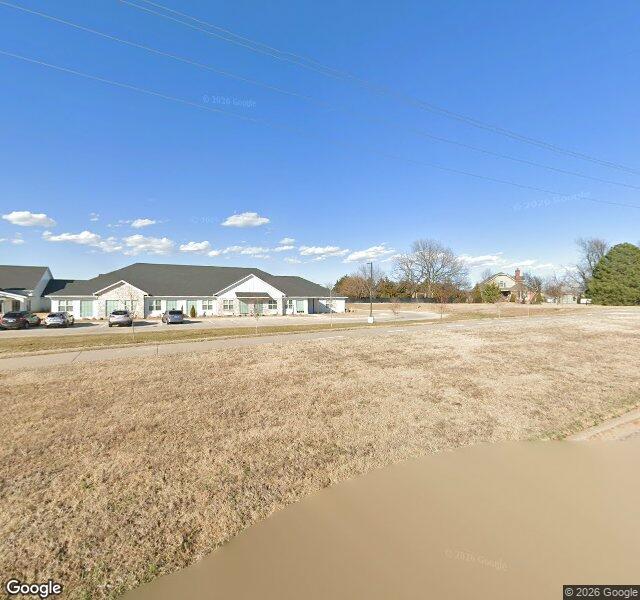
Cedarhurst of Wichita
11820 W 29th N, Wichita, KS 67205View map (opens in a new tab)
Overview and key essentials
State license
Active
KS KDADS
Google reviews
Not available
Public reviews not linked
Size & payment
Ask directly
Confirm pricing & payment
Public records for this community are limited. Use the checklist below when you call or visit to confirm pricing, services, and openings.
Cost, payment & care details
Updated Nov 28, 2026| Monthly cost | Not published | Ask for the full monthly cost, including care fees and one-time charges. |
|---|---|---|
| Payment options | Ask directly | Payment details are not confirmed in our records. Ask about private pay, long-term care insurance, veterans benefits, and Medicaid waivers. |
| Size & availability | Confirm directly | We don't publish live openings. Ask about current availability, waitlist length, and move-in timing. |
| Care & support | Assisted living | Usually offers housing and help with everyday tasks, such as bathing and dressing. What to confirm about care levelsThis describes the licensed category. Ask how care plans adjust if mobility, nursing, or memory needs change over time. Read the family care guide → |
State licensing
State inspection history
5inspections
26deficiencies listed
Apr 9, 2026Complaint1 deficiency reported1
1 deficiency reported
View official state report (opens in a new tab)
The abbreviated survey for complaints 198511, 198504, 198419, and 198385 conducted on 04/09/26 at the above named assisted living resulted in a finding of no deficiency citations.
STATE FORM6899
I4Z711
Mar 26, 2026RoutineNo deficiencies reportedNone
No deficiencies reported
View official state report (opens in a new tab)
INITIAL COMMENTS The abbreviated survey for complaints #198377 conducted on 03/26/26 at the above named assisted living facility resulted in a finding of no deficiency citations. If deficiencies are cited, an approved plan of correction is requisite to continued program participation.
Mar 5, 2026Routine9 deficiencies reported9
9 deficiencies reported
View official state report (opens in a new tab)
The following citations represent the findings of the licensure resurvey with attached complaint numbers 198023, 198208, 198135, 198047, 197996, 197746, 197793, 197662, 197607, 197270, 197059, 197001, 196990, 196742, and 195646, for the above named facility conducted on 03/03/26, 03/04/26, and, 03/05/26.
moderateS 3200
Medications (d) Facility administration of resident ' s medications. If a facility is responsible for the administration of a resident ' s medications, the administrator or operator shall ensure that all medications and biologicals are administered to that resident in accordance with a medical care provider ' s written order, professional standards of practice, and each manufacturer ' s recommendations. The administrator or operator shall ensure that all of the following are met: (1) Only licensed nurses and medication aides shall administer and manage medications for which the facility has responsibility. (2) Medication aides shall not administer medication through the parenteral route. This REQUIREMENT is not met as evidenced by: K.A.R. 26-41-205 (d) The facility reported a census of 87 residents. The sample included 6 "Residents'" (R)'s and 9 focused reviews. Based on record review and interview the Administrator failed to ensure that all medications the facility was responsible for were administered to each resident in accordance with the medical care provider's written order and professional standards of practice as defined in the 2013 Certified Medication Aid Curriculum; "Routine medications are to be administered withing an hour before or an hour after the scheduled time unless there are specific instructions ordered by the physician" for R1, R3, R4, and R5. Findings included: - Record review for R1 revealed an admission date of 08/15/25 with diagnoses of Alzheimer's disease, atherosclerotic heart disease, hypertension and type two diabetes mellitus. Review of R1's "Functional Capacity Screen" (FCS) dated 02/26/26 revealed R1 required physical assistance with bathing and dressing. R1 was independent with toileting, transferring, walking, mobility, and eating. R1 lacked the ability to manage his own medications and medical treatments. R1 was continent and had impaired short- term memory, long-term memory, memory/recall and decision making. R1 was able to make himself understood and he usually understood others. R1 was marked at risk for falls and impaired decision making. R1 used no walking mobility device. Review of R1's "Negotiated Service Agreement" (NSA) dated 02/26/26 instructed facility staff to provide standby assistance with bathing and dressing. Under the section titled "Fall Risk" facility staff were instructed to monitor R1 to ensure that he had his "Cane" when ambulating in the hallways and provide redirection if R1 seemed confused. Under the section titled "Safety Check" facility staff were instructed to check on R1 at the following times: 3:00 PM, 7:00 PM, 10:00 PM, 10:00 AM, 12:00 PM, 2:00 PM, 6:00 PM, 9:00 PM, and as needed. Nursing staff will administer all medications. Nursing will dial the insulin pen and hand to R1 to self-inject. Record review of R1's "electronic Medication Administration Record" (eMAR) dated 02/19/26 to 03/04/26 revealed he had eleven scheduled medications to be administered every day. The scheduled medication times were 08:00AM, 12:30PM, 04:00PM, and 05:00PM. The eMar revealed that there were 133 out of 222 administration times were documented as administered outside the defined professional standards of practice. - Record review for R3 revealed an admission date of 09/30/24 with diagnoses of atherosclerosis of the coronary artery bypass grafts, basal cell carcinoma of the skin, hypertension, impaired fasting glucose, malignant neoplasm of the prostate, and type two diabetes...
moderateS 3320
(a) The assisted living facility or residential health care facility shall be designed, constructed, equipped and maintained to protect the health and safety of residents, personnel and the public. (b) All new construction, renovation, remodeling and changes in building use in existing buildings shall comply with building and fire codes, ordinances and regulations enforced by city, county, and state jurisdictions, including the state fire marshal. (c) New construction, modifications and equipment shall conform to the following codes and standards: (1) Title III of the Americans with disabilities act, 42 U.S.C. 12181, effective as of January 26, 1992; and (2) "Food Service Sanitation Manual," health, education, and welfare (HEW) publication no. FDA 78-2081, as in effect on July 1, 1981. This REQUIREMENT is not met as evidenced by: K.A.R. 28-39-254 (a) The facility reported a census of 87 residents. The sample included 6 "Residents'" (R)'s and 9 focused reviews. 28 residents resided in the secured specialty unit. Based on observation and interview, the Administrator failed to ensure the secured specialty unit was maintained to protect the health and safety of the residents. Findings included: - Record Review for R4 revealed an admission date of 09/30/24 with diagnoses of dementia, anemia, atherosclerotic heart disease, central retinal artery occlusion of the right eye, chronic kidney disease stage 3, heart failure, major depressive disorder, Parkinson's disease, peripheral vascular disease, atrial fibrillation, and unsteadiness on feet. Review of R4's "Functional Capacity Screen" (FCS) dated 09/09/25 revealed R4 required physical assistance with bathing, dressing, toileting, transferring, walking, mobility, and supervision with eating. R4 lacked the ability to manage his own medications and medical treatments. R4 was frequently incontinent and had impaired short-term memory, long-term memory, memory/recall, and decision making. R4 was able to make himself understood and he understood others. R4 was marked at risk for falls, impaired vision, and impaired decision making. R4 used a walker and wheelchair mobility device. Observation on 03/05/26 at approximately 04:00 PM of R4's room revealed a small table sat in the middle of his room with a bottle of Medline Antifungal Powder next to his chair. In R4's bathroom in the cabinets in the southwest corner of the room were a bottle of Lysol Spray cleaner and a spray bottle of Bona floor cleaner. - Record review for R6 revealed an admission date of 12/01/25 with diagnoses of Alzheimer's disease and age-related osteoporosis. Review of R6's FCS dated 02/02/26 revealed R6 required supervision with bathing and walking and mobility. R6 was independent with dressing, toileting, transferring, and eating. R6 lacked the ability to manage her own medications, she was continent, and R6 had impaired short-term memory, long-term memory, memory/recall, and decision making. R6 was able to make herself understood and she understood others. R6 was at risk for wandering and impaired decision making. R6 required no mobility device. Observation on 03/03/26 at approximately 04:15 PM of R6s' bathroom revealed a set of cabinets on the northwest wall. In the cabinets were the following "Over-the-Counter" (OTC) medications: 1 bottle of Ibuprofen 200 milligrams and 1 bottle of Vitamin D3 Gummies 50 Micrograms. The cabinet contained 1 container of Clorox Wipes and 1 spray bottle of Dawn Power wash. Observation on...
immediate_jeopardyS 3026
ANE (f)The administrator or operator shall ensure that all of the following requirements are met: (1) No resident shall be subjected to any of the following: (A) Verbal, mental, sexual, or physical abuse, including corporal punishment and involuntary seclusion; (B) neglect; or (C) exploitation. This REQUIREMENT is not met as evidenced by: K.A.R. 26-41-101 (f) (1) (B) The facility reported a census of 87 residents. The sample included 6 Resident's (R) and 9 focused reviews. There were 28 residents that resided in the secured specialty unit. Based on observation, interview and record review, the Administrator failed to ensure staff responded to a door alarm that led to the exterior of the facility on 03/03/26 at approximately 06:48 PM when cognitively impaired R14 exited the secure unit. A local homeowner observed R14 sitting on the porch of their home and called local law enforcement. R14 returned to the facility at approximately 08:00 PM with Licensed Nurse C. The neglect of staff to respond to the door alarm placed R14 in immediate jeopardy for 72 minutes when she left the secured specialty unit without staff knowledge. Findings included: - Record review for R14 revealed an admission date of 05/17/25 with diagnoses of Alzheimer's disease, effusion of unspecified joint, essential hypertension, iron deficiency anemia, and unspecified dementia, severe, with mood disturbance. Review of R14's "Functional Capacity Screen" (FCS) dated 12/30/25 revealed R14 required physical assistance with bathing, dressing, and toileting. R14 was independent with walking, mobility, transferring, and eating. R14 lacked the ability to manage her own medications and medical treatments. R14 was occasionally incontinent and had impaired short-term memory, long-term memory, memory/recall and decision making. R14 was usually able to make herself understood and she usually understood others. R14 was identified to be at risk for falls, wandering, socially inappropriate disruptive behavior, and impaired decision making. R14 used no mobility device. Review of R14's "Negotiated Service Agreement" (NSA) dated 12/31/25 revealed, in the section titled 'Redirection/Safety Checks" facility staff were instructed to provide redirection for R14 when they observed her "at an exit door or wandering". Staff were instructed to provide safety checks at "01:00 AM, 03:00 AM, 05:00 AM, 07:00 AM 09:00 AM, 11:00 AM, 01:00 PM, 03:00 PM, 05:00 PM, 07:00 PM, 09:00 PM, 11:00 PM" and as needed. Review of a screen shot from the facility video camera revealed the month and day could not be read. The words "Spa Exit" were covering the month and date. The year displayed was 2026. The image showed there were no staff in the area, and the resident walked out of the exit at 06:48 PM. A second screen shot at 07:01 PM showed two facility staff members at the exit. Twelve minutes after the door alarmed. According to wunderground.com the temperature on 03/30/26 at 6:48 PM it was 47 degrees Fahrenheit. Observation on 03/05/26 revealed the door R14 exited was by the facility parking lot. R14's path would have been across an uneven surface to the sidewalk located on the northwest side of the block that ran parallel to a two-lane street, with a 40 miles per hour speed limit. R14 was found in a residential area on a private citizen's porch. The home was on the same side of the street as the facility. Interview on 03/05/26 at approximately 05:00 PM with Administrator A and Maintence Director D confirmed...
moderateS 3310
(b) (5) prohibiting any employee with a communicable disease or any infected skin lesions from coming in direct contact with any resident, any resident ' s food, or resident care equipment until the condition is no longer infectious; (6) providing orientation to new employees and employee in-service education at least annually on the control of infections in a health care setting; and (c) Each administrator or operator shall ensure the facility ' s compliance with the department ' s tuberculosis guidelines for adult care homes adopted by reference in K.A.R. 26-39-105 This REQUIREMENT is not met as evidenced by: K.A.R. 26-41-207 (c) The facility reported a census of 87 residents. The sample included 6 "Residents'" (R)'s and 9 focused reviews, and 5 newly hired employees. Based on record review and interview, the Administrator failed to ensure the facility's compliance with the department's "Tuberculosis" (TB) guidelines for adult care homes adopted by reference in K.A.R. 26-39-105 for R's 1 and 2. Findings included: - Record review for R1 revealed an admission date of 08/15/25 with diagnoses of Alzheimer's disease, atherosclerotic heart disease, hypertension and type two diabetes mellitus. Review of R1's electronic "Medical Record" under the "Assessments" tab revealed and a TB screening questionnaire that was completed on 02/26/26. R1's electronic "Medical Record" lacked documentation of the required two step TB skin test being administered within seven days of admission to the facility. - Record review for R2 revealed an admission date of 08/15/25 with diagnoses of anxiety, erosive arthritis, and Parkinson's disease. Review of R2's electronic "Medical Record" under the "Assessments" tab revealed and a TB screening questionnaire that was completed on 02/26/26. R2's electronic "Medical Record" lacked documentation of the required two step TB skin test being administered within seven days of admission to the facility. Interview on 03/05/26 at approximately 05:00 PM with Administrator A and Licensed Nurse B confirmed the electronic Medical Records for R1 and R2 lacked documentation of the required two step TB skin test being administered within seven days of hire. The Administrator failed to ensure the facility's compliance with the department's TB guidelines for adult care homes adopted by reference in K.A.R. 26-39-105 for R's 1 and 2.
moderateS 3028
Reporting (f) (3) Each allegation of abuse, neglect, or exploitation shall be reported to the administrator or operator of the facility as soon as staff is aware of the allegation and to the department within 24 hours. The administrator or operator shall ensure that all of the following requirements are met: (A) An investigation shall be started when the administrator or operator, or the designee, receives notification of an alleged violation. (B) Immediate measures shall be taken to prevent further potential abuse, neglect, or exploitation while the investigation is in progress. (C) Each alleged violation shall be thoroughly investigated within five working days of the initial report. Results of the investigation shall be reported to the administrator or operator. (D) Appropriate corrective action shall be taken if the alleged violation is verified. (E) The department ' s complaint investigation report shall be completed and submitted to the department within five working days of the initial report. (F) A written record shall be maintained of each investigation of reported abuse, neglect, or exploitation. This REQUIREMENT is not met as evidenced by: K.A.R. 26-41- 101 (f)(3)(E) The facility reported a census of 87 residents. The sample included 6 "Residents'" (R)'s and 9 focused reviews. Based on record review and interview the Administrator failed to ensure that all allegations of neglect were reported to the department within 24 hours, when the facility investigation of a medication error involving insulin revealed the "Licensed Nurse" (LN) neglected to put an end date on a one-time insulin order. The Administrator continued to fail to report to the department an insulin medication error when the "Certified Medication Aide" neglected to follow the rights of medication administration when she handed the resident the wrong insulin pen to self-administer. The Administrator failed to notify the department of the allegation of neglect for the "Licensed Nurse" who failed to provide services which were reasonably necessary to ensure the safety and wellbeing of the residents and was terminated after the facility substantiated the allegation. The Administrator failed to ensure the department's complaint investigation report was completed and submitted within 5 working days of the initial report. Findings included: - Personnel record review for "Licensed Nurse" (LN) C revealed a document titled "Counseling Documentation Form" dated 01/09/26. In the "Detail and Documentation of the Violation" it was documented that LN C put a medication order in for a resident for "Insulin Lispro 15 units one time now". The order was set to begin on 01/07/26 and to end on 01/14/26. The medication order was wrong in the "lectronic Medication Administration Record" eMar and on the next day the "Certified Medication Aide" (CMA) instructed resident to self-administer the wrong insulin. Review of the facility provided document titled "General Information" dated 01/08/26 revealed that a family member had called the nurse and asked if the residents insulin order had changed. The family member reported that the CMA had instructed the resident to administer 15 units of Lantus insulin "along with receiving Lispro as ordered". The nurse documented that she checked the residents eMAR and the order for the Insulin Lispro was on the eMAR to give 15 units one time. The nurse documented that the one-time order lacked an end date. The nurse continued to document that the CMA...
moderateS 3085
(a) The administrator or operator of each assisted living facility or residential health care facility shall ensure the development of a written negotiated service agreement for each resident, based on the resident ' s functional capacity screening, service needs, and preferences, in collaboration with the resident or the resident ' s legal representative, the case manager, and, if agreed to by the resident or the resident ' s legal representative, the resident ' s family. The negotiated service agreement shall provide the following information: (1) A description of the services the resident will receive; (2) identification of the provider of each service; and (3) identification of each party responsible for payment if outside resources provide a service. This REQUIREMENT is not met as evidenced by: K.A.R. 26-41-202 (a) (1) (2) The facility reported a census of 87 residents. The sample included 6 "Residents'" (R)'s and 9 focused reviews. Based on observation, record review and interview the Administrator failed to ensure the "Negotiated Service Agreement" (NSA) contained a description of services the resident would receive and identification of the provider of services the resident would receive for R5 when a local home health agency was contacted to manage R5's wound. Findings included: - Record Review for R5 revealed an admission date of 12/17/25 with diagnoses of dementia, coronary artery disease, hearing loss, skin cancer of scalp and left ear. Review of R5's Functional Capacity Screen (FCS) revealed R5 required physical assistance with bathing. R5 required supervision with dressing and toileting. R5 was independent with transferring, walking, mobility, and eating. R5 lacked the ability to manage his own medications and medical treatments. R5 was occasionally incontinent, and had impaired short-term memory, long-term memory, memory recall, and decision making. R5 was able to make himself understood and he understood others. R5 was marked at risk for impaired hearing, wandering, and impaired decision making. R5 used a walker mobility device. Review of R5's NSA dated 12/17/25 instructed facility staff to provide assistance with all aspects of bathing and dressing. Facility staff were instructed to remind R5 to go to the bathroom at 10:00 AM, 02:00 PM, 07:00 PM, and as needed. Facility staff were instructed to manage and administer R5's medications. Review of R5's electronic "Medical Record" under the "Observation" tab was the following entry: On 01/06/26 at 03:15 PM Licensed Nurse B entered, R5 had a scab on the top of his head due to skin cancer. The scab had been dislodged, and the area was open. Provider was notified and a local home health agency was contacted to manage the wound. Interview on 03/05/26 at approximately 05:00 PM with Administrator A and Licensed Nurse B confirmed R5 received wound care services from an outside provider. The Administrator failed to ensure the NSA contained a description of services the resident would receive and identification of the provider of services the resident would receive for R5 when a local home health agency was contacted to manage R5's wound.
moderateS 3171
Practice (i) All health care services shall be provided to residents by qualified staff in accordance with acceptable standards of practice. This REQUIREMENT is not met as evidenced by: K.A.R. 26-41-204 (i) The facility reported a census of 87 residents. The sample included 6 "Residents'" (R)'s and 9 focused reviews. Based on observation, record review and interview the Administrator failed to ensure health care services were provided within professional standards of practice when Administrator A failed to ensure an assessment was performed for R1, R2, and R7 showing their bed assist devices posed no risk for entrapment, confirmed the device were not a restraint, and R's 1, 2, and 7's ability to safely use the bed assist devices. Findings included: - Record review for R1 revealed an admission date of 08/15/25 with diagnoses of Alzheimer's disease, atherosclerotic heart disease, hypertension and type two diabetes mellitus. Review of R1's "Functional Capacity Screen" (FCS) dated 02/26/26 revealed R1 required physical assistance with bathing and dressing. R1 was independent with toileting, transferring, walking, mobility, and eating. R1 lacked the ability to manage his own medications and medical treatments. R1 was continent and had impaired short- term memory, long-term memory, memory/recall and decision making. R1 was able to make himself understood and he usually understood others. R1 was marked at risk for falls and impaired decision making. R1 used no walking mobility device. The comments section of the FCS lacked documentation of R1 having a bed assist device. Review of R1's "Negotiated Service Agreement" (NSA) dated 02/26/26 instructed facility staff to provide standby assistance with bathing and dressing. Under the section titled "Fall Risk" facility staff were instructed to monitor R1 to ensure that he had his "Cane" when ambulating in the hallways. R1's NSA lacked documentation of a description of the bed assist device, its purpose and special instructions on use of the bed assist device, and monitoring of R1's ability to use the device. Review of R1's electronic "Medical Record" lacked documentation of an assessment for R1 showing that the bed assist device posed no risk for entrapment, confirmed the device was not a restraint, and R1's ability to safely use the bed assist device. Observation on 03/05/26 at approximately 01:15 PM of R1's bed revealed the head of the bed sat against the middle of the west wall of the room. On the south side of the bed was an inverted square bed assist device that measured 17 inches in width and 14 inches in height. There were no large openings in the inverted square space. The device slid under the mattress and was securely attached to the north side of the bed with a black nylon strap. - Record review for R2 revealed an admission date of 08/15/25 with diagnoses of anxiety, erosive arthritis, and Parkinson's disease. Review of R2's FCS dated 08/25/25 revealed R2 was independent with bathing, dressing, toileting, transferring, walking, mobility, and eating. R2 managed her own medications, was frequently incontinent, and her cognition was intact. R2 was able to make herself understood and she understood others. R2 used a walker mobility device. The comments section of the FCS lacked documentation of R2 having a bed assist device. Review of R2's NSA dated 02/26/26 instructed facility staff to provide weekly housekeeping, wash and change her linens, and monitor her for falls. R2's NSA lacked...
STATE FORM6899
MJPY11 STATE FORM MJPY11 STATE FORM MJPY11 STATE FORM MJPY11 STATE FORM MJPY11 STATE FORM MJPY11 STATE FORM MJPY11 STATE FORM MJPY11 STATE FORM MJPY11 STATE FORM MJPY11 STATE FORM MJPY11 STATE FORM MJPY11 STATE FORM MJPY11 STATE FORM MJPY11 STATE FORM MJPY11 STATE FORM MJPY11 STATE FORM MJPY11 STATE FORM MJPY11 STATE FORM MJPY11 STATE FORM MJPY11 STATE FORM MJPY11 STATE FORM MJPY11 STATE FORM MJPY11 STATE FORM MJPY11 STATE FORM MJPY11 STATE FORM MJPY11 STATE FORM MJPY11 STATE FORM MJPY11 STATE FORM MJPY11 STATE FORM MJPY11 STATE FORM MJPY11 STATE FORM MJPY11 STATE FORM MJPY11 STATE FORM MJPY11 STATE FORM MJPY11 STATE FORM MJPY11 STATE FORM MJPY11
moderateS 3165
(d) The negotiated service agreement shall contain a description of the health care services to be provided and the name of the licensed nurse responsible for the implementation and supervision of the plan. This REQUIREMENT is not met as evidenced by: K.A.R. 26-41-204 (d) The facility reported a census of 87 residents. The sample included 6 "Residents'" (R)'s and 9 focused reviews. Based on observation, record review and interview the Administrator failed to ensure the "Negotiated Service Agreement" (NSA) contained the name of the nurse responsible for the supervision and implementation of the "Health Service Plan" (HSP) for R1, R2, R3, R4, R5, R6, and R14. Findings included: - Record review for R1 revealed an admission date of 08/15/25 with diagnoses of Alzheimer's disease, atherosclerotic heart disease, hypertension and type two diabetes mellitus. Review of R1's "Functional Capacity Screen" (FCS) dated 02/26/26 revealed R1 required physical assistance with bathing and dressing. R1 was independent with toileting, transferring, walking, mobility, and eating. R1 lacked the ability to manage his own medications and medical treatments. R1 was continent and had impaired short- term memory, long-term memory, memory/recall and decision making. R1 was able to make himself understood and he usually understood others. R1 was marked at risk for falls and impaired decision making. R1 used no walking mobility device. Review of R1's "Negotiated Service Agreement" (NSA) dated 02/26/26 instructed facility staff to provide standby assistance with bathing and dressing. Under the section titled "Fall Risk" facility staff were instructed to monitor R1 to ensure that he had his "Cane" when ambulating in the hallways and provide redirection if R1 seemed confused. Under the section titled "Safety Check" facility staff were instructed to check on R1 at the following times: 3:00 PM, 7:00 PM, 10:00 PM, 10:00 AM, 12:00 PM, 2:00 PM, 6:00 PM, 9:00 PM, and as needed. Nursing staff will administer all medications. Nursing will dial the insulin pen and hand to R1 to self-inject. R1's NSA lacked documentation of the nurse responsible for the supervision and implementation of the HSP. - Record review for R2 revealed an admission date of 08/15/25 with diagnoses of anxiety, erosive arthritis, and Parkinson's disease. Review of R2's FCS dated 08/25/25 revealed R2 was independent with bathing, dressing, toileting, transferring, walking, mobility, and eating. R2 managed her own medications, was frequently incontinent, and her cognition was intact. R2 was able to make herself understood and she understood others. R2 used a walker mobility device. Review of R2's NSA dated 02/26/26 instructed facility staff to provide weekly housekeeping, wash and change her linens, and monitor her for falls. R2's NSA lacked documentation of the nurse responsible for the supervision and implementation of the HSP. - Record review for R3 revealed an admission date of 09/30/24 with diagnoses of atherosclerosis of the coronary artery bypass grafts, basal cell carcinoma of the skin, hypertension, impaired fasting glucose, malignant neoplasm of the prostate, and type two diabetes mellites. Review of R3's FCS dated 10/01/25 revealed R3 required supervision with bathing and dressing. He was independent with toileting, transferring, walking, mobility, and eating. R3 lacked the ability to manage his own medications and medical treatments, was occasionally incontinent, and had impaired...
Dec 17, 2025Routine11 deficiencies reported11
11 deficiencies reported
View official state report (opens in a new tab)
The following citations represent the findings of the licensure survey for the above named facility conducted on 12/16/24 aand 12/17/24.
moderateS 3320
(a) The assisted living facility or residential health care facility shall be designed, constructed, equipped and maintained to protect the health and safety of residents, personnel and the public. (b) All new construction, renovation, remodeling and changes in building use in existing buildings shall comply with building and fire codes, ordinances and regulations enforced by city, county, and state jurisdictions, including the state fire marshal. (c) New construction, modifications and equipment shall conform to the following codes and standards: (1) Title III of the Americans with disabilities act, 42 U.S.C. 12181, effective as of January 26, 1992; and (2) "Food Service Sanitation Manual," health, education, and welfare (HEW) publication no. FDA 78-2081, as in effect on July 1, 1981. This REQUIREMENT is not met as evidenced by: K.A.R 28-39-254 (a) The facility reported a census of 35 residents. 24 residents resided in the assisted living portion of the facility, and 11 residents resided in a secured specialty unit. Based on observation, interview and record review, the Operator failed to ensure the secured specialty unit was maintained to protect the health and safety of residents, personnel, and the public, when the exit door located in the southeast corner of the specialty unit that led to the outside of the building was unlocked and unalarmed. Findings included: - Review of the facility provided resident roster revealed on the second page 11 residents that were separate from the list of residents. Operator A confirmed that those 11 residents resided in the facility's "Memory Care" unit. 3 of the 11 residents in the unit were identified to "wander". Observation on 12/16/24 at approximately 09:50 AM revealed a door on the east side of the front foyer of the facility that had a keypad on the south wall to the right of the door. Operator A manually entered a code to enter the secured specialty unit. The unit tour at approximately 10:00 AM revealed an exit door located at the end of the hall located in the southeast corner which had a blinking green light on the egress bar located in the center of the door. When the egress bar was pushed the door freely opened. The door lacked a delay when the egress bar was pushed, and the door further lacked an audible alarm when the door was opened. Interview with Operator A at approximately 10:00 AM revealed the door should have a delay when the egress bar was pushed, and she further confirmed that an audible alarm should have sounded. The Operator failed to ensure the secured specialty unit was maintained to protect the health and safety of residents, personnel, and the public, when the exit door located in the southeast corner of the specialty unit that led to the outside of the building was unlocked and unalarmed.
moderateS 3165
(d) The negotiated service agreement shall contain a description of the health care services to be provided and the name of the licensed nurse responsible for the implementation and supervision of the plan. This REQUIREMENT is not met as evidenced by: K.A.R. 26-41-204 (d) The facility reported a census of 35 residents. The sample included 3 "Residents'" (R)'s 1, 2, and 3. Based on interview and record review the Operator failed to ensure the "Negotiated Service Agreements'" (NSA)'s for R's 1, 2, contained the name of the nurse responsible for the supervision and implementation of the health service plan. Findings included: - Record review for R1 revealed an admission date of 09/30/24 with diagnoses of anemia, anxiety disorder, atherosclerotic heart disease of native coronary artery, cognitive communication deficit, dementia in other disease classified elsewhere unspecified with other behavioral disturbances, dysphagia oropharyngeal phase, hemiplegia and hemiparesis following cerebral infarction affecting left non-dominant side, metabolic encephalopathy, muscle weakness, need for assistance with personal care, other malaise, personal history of transient ischemic attack, restlessness and agitation, and atrial fibrillation. Review of R1's "Functional Capacity Screen" (FCS) dated 12/17/24 revealed R1 required physical assistance with bathing, dressing, toileting, transferring, mobility, and supervision with eating. R1 lacked the ability to manage his own medications, was incontinent, and had impaired short-term memory, impaired long-term memory, impaired memory recall and impaired decision making. He was sometimes able to make himself understood and he sometimes understood others. He was identified at risk for falls, impaired decision making and inappropriate behavior. Review of the facility provided document titled "Cares Provided" dated 12/17/24 instructed facility staff to provide the following health services; physical assistance with bathing, dressing, toileting, transferring and mobility, and to cut R1's food into bite size pieces. The document titled "Cares Provided" lacked health care services for communicating with R1, the name of the nurse responsible for the supervision and implementation of the health service plan, a description of the bed assist device attached to the right side of R1's bed, and special instructions on the use and monitoring of the bed assist device attached to the right side of R1's bed. - Record review for R2 revealed an admission date of 10/04/24 with diagnoses of atherosclerosis of coronary artery bypass graft(s) without angina pectoris, basal cell carcinoma of skin of other parts of face, contact with and (suspected) exposure to other hazardous substances, hypertension, malignant neoplasm of prostate, and type 2 diabetes mellitus. Review of R2's FCS dated 11/06/24 revealed R2 required supervision with bathing, transferring, and management of his medications. He was occasionally incontinent and had impaired short-term memory and impaired memory recall. He was able to make himself understood and he understood others. Review of R2's electronic "Medical Record" under the "Care Plan" tab "Complete Assessment" revealed a document titled NSA (Negotiated Service Agreement) / LOC (Level of Care)/ Assessments dated 11/06/24, revealed in the section titled NSA/LOC the following health services to be provided to R2; physical assistance with bathing, reminders for the following; room location, mealtimes,...
STATE FORM6899
ZTU611 STATE FORM ZTU611 STATE FORM ZTU611 STATE FORM ZTU611 STATE FORM ZTU611 STATE FORM ZTU611 STATE FORM ZTU611 STATE FORM ZTU611 STATE FORM ZTU611 STATE FORM ZTU611 STATE FORM ZTU611 STATE FORM ZTU611 STATE FORM ZTU611 STATE FORM ZTU611 STATE FORM ZTU611 STATE FORM ZTU611 STATE FORM ZTU611 STATE FORM ZTU611 STATE FORM ZTU611 STATE FORM ZTU611 STATE FORM ZTU611 STATE FORM ZTU611 STATE FORM ZTU611 STATE FORM ZTU611 STATE FORM ZTU611 STATE FORM ZTU611 STATE FORM ZTU611 STATE FORM ZTU611 STATE FORM ZTU611 STATE FORM ZTU611 STATE FORM ZTU611 STATE FORM ZTU611 STATE FORM ZTU611 STATE FORM ZTU611
moderateS 3299
(e) Food storage. Facility staff shall store all food under safe and sanitary conditions. (1) Containers of poisonous compounds and cleaning supplies shall not be stored in the areas used for food storage, preparation, or serving. This REQUIREMENT is not met as evidenced by: K.A.R.26-41-206 (e) (1) The facility reported a census of 35 residents. Based on observation, interview, and record review the Operator failed to ensure containers of poisonous compounds, and cleaning supplies were not stored in the areas used for food storage. Findings included: - Observation on 12/16/24 at approximately 10:30 AM during the facility tour in the dietary department, in the dry food storage room located in the northeast corner of the dietary department, a set of wire racks on the east wall contained 3 containers of "Solid Power X3 Eco Lab" dishwashing detergent, and 3 one-gallon jugs of "Kool Klene" freezer cleaner Interview with Operator A at approximately 10:30 AM confirmed all resident meals were prepared in the same dietary department, and chemicals were not to be stored in the dry food storage area. Review of the facility provided policy titled "Secured Chemical Storage" dated 04/12/23, revealed the following; "Procedures: 1. All cleaning compounds, insecticides, and other potentially hazardous compounds or agents shall be stored in locked cabinets or rooms separate from food preparations and storage, dining areas and medications. The Operator failed to ensure containers of poisonous compounds, and cleaning supplies were not stored in the areas used for food storage.
moderateS 3175
Medication (a) Self-administration of medication. Any resident may self-administer and manage medications independently or by using a medication container or syringe prefilled by a licensed nurse or pharmacist or by a family member or friend providing this service gratuitously, if a licensed nurse has performed an assessment and determined that the resident can perform this function safely and accurately without staff assistance. (1) An assessment shall be completed before the resident initially begins self-administration of medication, if the resident experiences a significant change of condition, and annually. This REQUIREMENT is not met as evidenced by: K.A.R. 26-41-205 (a) (1) The facility reported a census of 35 residents. The sample included 3 "Residents'" (R)'s 1, 2, and 3. Based on interview and record review the Operator failed to ensure an assessment was completed for R2 determining R2 could safely and accurately self-administer his own insulin. Findings included: - Record review for R2 revealed an admission date of 10/04/24 with diagnoses of atherosclerosis of coronary artery bypass graft(s) without angina pectoris, basal cell carcinoma of skin of other parts of face, contact with and (suspected) exposure to other hazardous substances, hypertension, malignant neoplasm of prostate, and type 2 diabetes mellitus. Review of R2's FCS dated 11/06/24 revealed R2 required supervision with bathing, transferring, and management of his medications. He was occasionally incontinent and had impaired short-term memory and impaired memory recall. He was able to make himself understood and he understood others. Review of R2's electronic "Medical Record" under the "Care Plan" tab "Complete Assessment" revealed a document titled NSA (Negotiated Service Agreement) / LOC (Level of Care)/ Assessments dated 11/06/24, revealed in the section titled NSA/LOC the following health services to be provided to R2; physical assistance with bathing, reminders for the following; room location, mealtimes, and activities. Facility staff to provide as needed safety checks. The section titled "Medication Management" lacked identification of who was managing R2's medications, and further lacked identification of who was administering R2's insulin. Review of R2's electronic "Medical Record" Under the "Resident Files" tab was a document titled "Physician's Assessment, History & Physical, & Certification" dated 10/02/24 revealed the following; "Personal Service Needs; Can resident administer his/her own medications?" Handwritten was "If needed can administer dialed insulin". The section titled "Active Outpatient Medications" were the following orders; Insulin, Glargine 200 units/ milliliter pen 3 milliliter. Inject 32 units subcutaneously two times a day for Diabetes. Semaglutide 1milligram/0.75 milliliter inject pen 3 milliliters. Inject 1 milligram subcutaneously every week for Diabetes. In the section titled "Progress Notes" R2 was identified to have a diagnosis of dementia. R2's electronic "Medical Record lacked an assessment for self-administration of insulin using a prefilled syringe. Interview on 12/17/24 at approximately 05:00 PM with Operator A and LN B confirmed R2 did self administer his own insulin, they continued to confirm R2's electronic medical record lacked documentation of an assessment of R2's ability to safely and accurately self-administer his own insulin. They further confirmed R2's record lacked a "Cares Provided" document signed by the...
moderateS 3155
. (a) The administrator or operator in each assisted living facility or residential health care facility shall ensure that a licensed nurse provides or coordinates the provision of necessary health care services that meet the needs of each resident and are in accordance with the functional capacity screening and the negotiated service agreement. This REQUIREMENT is not met as evidenced by: K.A.R. 26-41-204 (a) The facility reported a census of 35 residents. The sample included 3 "Residents'" (R)'s 1, 2, and 3. Based on interview and record review the Operator failed to ensure the provision of health services for R1 that met his communication needs in accordance with R1's "Functional Capacity Screening" (FCS) Findings included: - Record review for R1 revealed an admission date of 09/30/24 with diagnoses of anemia, anxiety disorder, atherosclerotic heart disease of native coronary artery, cognitive communication deficit, dementia in other disease classified elsewhere unspecified with other behavioral disturbances, dysphagia oropharyngeal phase, hemiplegia and hemiparesis following cerebral infarction affecting left non-dominant side, metabolic encephalopathy, muscle weakness, need for assistance with personal care, other malaise, personal history of transient ischemic attack, restlessness and agitation, and atrial fibrillation. Review of R1's "Functional Capacity Screen" (FCS) dated 12/17/24 revealed R1 required physical assistance with bathing, dressing, toileting, transferring, mobility, and supervision with eating. R1 lacked the ability to manage his own medications, was incontinent, and had impaired short-term memory, impaired long-term memory, impaired memory recall and impaired decision making. He was sometimes able to make himself understood and he sometimes understood others. He was identified at risk for falls, impaired decision making and inappropriate behavior. Review of the facility provided document titled "Cares Provided" dated 12/17/24 instructed facility staff to provide the following health services; physical assistance with bathing, dressing, toileting, transferring and mobility, and to cut R1's food into bite size pieces. The document titled "Cares Provided" lacked health care services for communicating with R1. Interview with "Licensed Nurse" (LN) B on 12/17/24 at approximately 05:00 PM confirmed the facility provided document titled "Cares Provided" was the facility's combined "Negotiated Service Agreement/Health Service Plan" the families are provided to sign in acknowledgement of the health services the facility will provide, she further confirmed the document lacked the provision of health care services on communication with R1. The Operator failed to ensure the provision of health services for R1 that met his communication needs in accordance with R1's FCS.
moderateS 3261
Documentation of Incidents (f) (11) documentation of all incidents, symptoms, and other indications of illness or injury including the date, time of occurrence, action taken, and results of the action This REQUIREMENT is not met as evidenced by: K.A.R. 26-41-105 (f) (11) The facility reported a census of 35 residents. The sample included 3 "Residents'" (R)'s 1, 2, and 3. Based on interview and record review the Operator failed to ensure the documentation of all incidents, symptoms, and other indications of illness or injury including the date, time of occurrence, action taken and results of the action for R1, R2, and R3. - Record review for R1 revealed an admission date of 09/30/24 with diagnoses of anemia, anxiety disorder, atherosclerotic heart disease of native coronary artery, cognitive communication deficit, dementia in other disease classified elsewhere unspecified with other behavioral disturbances, dysphagia oropharyngeal phase, hemiplegia and hemiparesis following cerebral infarction affecting left non-dominant side, metabolic encephalopathy, muscle weakness, need for assistance with personal care, other malaise, personal history of transient ischemic attack, restlessness and agitation, and atrial fibrillation. Review of R1's "Functional Capacity Screen" (FCS) dated 12/17/24 revealed R1 required physical assistance with bathing, dressing, toileting, transferring, mobility, and supervision with eating. R2 lacked the ability to manage his own medications, was incontinent, and had impaired short-term memory, impaired long-term memory, impaired memory recall and impaired decision making. He was sometimes able to make himself understood and he sometimes understood others. He was identified at risk for falls, impaired decision making and inappropriate behavior. Review of the facility provided document titled "Cares Provided" dated 12/17/24 instructed facility staff to provide the following health services; physical assistance with bathing, dressing, toileting, transferring and mobility, and to cut R1's food into bite size pieces. Interview with "Licensed Nurse" (LN) B on 12/17/24 at approximately 05:00 PM confirmed the facility provided document titled "Cares Provided" was the facility's combined "Negotiated Service Agreement/Health Service Plan" the families are provided to sign in acknowledgement of the health services the facility will provide. Review of R1's electronic "Medical Record" under the Observations tab revealed the following entries; On 12/13/24 at 11:30 PM entered by "Certified Nurse Aide" C; at the time CNA C entered the note R1 was standing up by himself and was attempting to "Punch" CNA C with his fist. "This resident has shown aggression to staff with verbal violence and physical violence in the meantime he is not safe; for he has stood up on his own and took a few steps in an attacking motion to the nursing staff". The record lacked documentation of the nurse being notified, and further lacked actions taken and results of actions taken to keep the resident safe. On 12/11/24 at 12:45 AM entered by CNA C; at around 11:30 PM R1 was attempting to leave and attempting to "jump out of the wheelchair. Nursing staff was unable to toilet due to behaviors. It took the CMA and the CNA to wheel him safely to his residence to lay him down. He made several attempts to swing and built up his fist. He did attempt to hit and kick in the process." CNA C continued to enter "CNA got scratched on the left inner arm. In the process...
moderateS 135
Changes (h) Notification of changes. (1) The administrator or operator shall ensure that designated facility staff inform the resident, consult with the resident's physician, and notify the resident's legal representative or designated family member, if known, upon occurrence of any of the following: (A) An accident involving the resident that results in injury and has the potential for requiring a physician's intervention; (B) a significant change in the resident's physical, mental, or psychosocial status; (C) a need to alter treatment significantly; or (D) a decision to transfer or discharge the resident from the adult care home. (2) The administrator or operator shall ensure that a designated staff member informs the resident, the resident's legal representative, or authorized family members whenever the designated staff member learns that the resident will have a change in room or roommate assignment. This STANDARD is not met as evidenced by: K.A.R. 26-39-103 (h)(1)(B) The facility reported a census of 35 residents. The sample included 3 "Residents'" (R)'s 1, 2, and 3. Based on interview and record review the Operator failed to ensure facility staff consulted with R1's physician and notified R1's legal representative upon the occurrence of a significant change in R1's condition. Findings included: - Record review for R1 revealed an admission date of 09/30/24 with diagnoses of anemia, anxiety disorder, atherosclerotic heart disease of native coronary artery, cognitive communication deficit, dementia in other disease classified elsewhere unspecified with other behavioral disturbances, dysphagia oropharyngeal phase, hemiplegia and hemiparesis following cerebral infarction affecting left non-dominant side, metabolic encephalopathy, muscle weakness, need for assistance with personal care, other malaise, personal history of transient ischemic attack, restlessness and agitation, and atrial fibrillation. Review of R1's "Functional Capacity Screen" (FCS) dated 12/17/24 revealed R1 required physical assistance with bathing, dressing, toileting, transferring, mobility, and supervision with eating. R1 lacked the ability to manage his own medications, was incontinent, and had impaired short-term memory, impaired long-term memory, impaired memory recall and impaired decision making. He was sometimes able to make himself understood and he sometimes understood others. He was identified at risk for falls, impaired decision making and inappropriate behavior. Review of the facility provided document titled "Cares Provided" dated 12/17/24 instructed facility staff to provide the following health services; physical assistance with bathing, dressing, toileting, transferring and mobility, and to cut R1's food into bite size pieces. The document titled "Cares Provided" lacked health care services for communicating with R1, the name of the nurse responsible for the supervision and implementation of the health service plan, a description of the bed assist device attached to the right side of R1's bed, and special instructions on the use and monitoring of the bed assist device attached to the right side of R1's bed. Interview with "Licensed Nurse" (LN) B on 12/17/24 at approximately 05:00 PM confirmed the facility provided document titled "Cares Provided" was the facility's combined "Negotiated Service Agreement/Health Service Plan" the families are provided to sign acknowledgement of the health services the facility will provide. Review of R1's...
moderateS 3171
Practice (i) All health care services shall be provided to residents by qualified staff in accordance with acceptable standards of practice. This REQUIREMENT is not met as evidenced by: K.A.R. 26-41-204 (i) The facility reported a census of 35 residents. The sample included 3 "Residents'" (R)'s 1, 2, and 3. Based on interview and record review the Operator failed to provide healthcare services for R1 in accordance with professional standards of practice when the Operator failed to ensure the following assessments were performed for the bed assist device attached to the right side of R1's bed; an assessment confirming the device was not a restraint, an assessment that determined the purpose of the device and R1's ability to safely use the device, an assessment ensuring the device was securely attached to the bed or bedframe and posed no risk for entrapment, list the device on R1's "Functional Capacity Screen" (FCS) if the device was used for transferring, and include a description of the device, its purpose, and any special instructions for use and monitoring in the R1's "Negotiated Service Agreement" (NSA). Findings included: - Record review for R1 revealed an admission date of 09/30/24 with diagnoses of anemia, anxiety disorder, atherosclerotic heart disease of native coronary artery, cognitive communication deficit, dementia in other disease classified elsewhere unspecified with other behavioral disturbances, dysphagia oropharyngeal phase, hemiplegia and hemiparesis following cerebral infarction affecting left non-dominant side, metabolic encephalopathy, muscle weakness, need for assistance with personal care, other malaise, personal history of transient ischemic attack, restlessness and agitation, and atrial fibrillation. Review of R1's "Functional Capacity Screen" (FCS) dated 12/17/24 revealed R1 required physical assistance with bathing, dressing, toileting, transferring, mobility, and supervision with eating. R2 lacked the ability to manage his own medications, was incontinent, and had impaired short-term memory, impaired long-term memory, impaired memory recall and impaired decision making. He was sometimes able to make himself understood and he sometimes understood others. He was identified at risk for falls, impaired decision making and inappropriate behavior. Review of the facility provided document titled "Cares Provided" dated 12/17/24 instructed facility staff to provide the following health services; physical assistance with bathing, dressing, toileting, transferring and mobility, and to cut R1's food into bite size pieces. The document titled "Cares Provided" lacked health care services for communicating with R1, a description of the bed assist device attached to the right side of R1's bed, and special instructions on the use and monitoring of the bed assist device attached to the right side of R1's bed. Observation on 12/17/24 at approximately 04:00 PM of R1's bed revealed a hospital bed. On the right side of the bed attached at the frame was a bedrail in the shape of a rectangle that measured approximately 32 inches in width and 18 inches in height. Interview with "Licensed Nurse" (LN) B on 12/17/24 at approximately 05:00 PM confirmed the facility provided document titled "Cares Provided" was the facility's combined "Negotiated Service Agreement/Health Service Plan" the families are provided to sign in acknowledgement of the health services the facility will provide, she further confirmed the electronic "Medical...
moderateS 3085
(a) The administrator or operator of each assisted living facility or residential health care facility shall ensure the development of a written negotiated service agreement for each resident, based on the resident ' s functional capacity screening, service needs, and preferences, in collaboration with the resident or the resident ' s legal representative, the case manager, and, if agreed to by the resident or the resident ' s legal representative, the resident ' s family. The negotiated service agreement shall provide the following information: (1) A description of the services the resident will receive; (2) identification of the provider of each service; and (3) identification of each party responsible for payment if outside resources provide a service. This REQUIREMENT is not met as evidenced by: K.A.R. 26-41-202 (a) (1) (2) (3) The facility reported a census of 35 residents. The sample included 3 "Residents'" (R)'s 1, 2, and 3. Based on interview and record review the Operator failed to ensure the "Negotiated Service Agreement" (NSA) for R2 contained a description of services, identification of the provider of each service, and identification of the payor source for his oxygen equipment, and the Operator further failed to ensure the NSA for R3 contained a description of services, identification of the provider of each service and the payor source for R3's wound care management. Findings included: - Record review for R2 revealed an admission date of 10/04/24 with diagnoses of atherosclerosis of coronary artery bypass graft(s) without angina pectoris, basal cell carcinoma of skin of other parts of face, contact with and (suspected) exposure to other hazardous substances, hypertension, malignant neoplasm of prostate, and type 2 diabetes mellitus. Review of R2's FCS dated 11/06/24 revealed R2 required supervision with bathing, transferring, and management of his medications. He was occasionally incontinent and had impaired short-term memory and impaired memory recall. He was able to make himself understood and he understood others. Review of R2's electronic "Medical Record" under the "Care Plan" tab "Complete Assessment" revealed a document titled NSA (Negotiated Service Agreement) / LOC (Level of Care)/ Assessments dated 11/06/24, revealed in the section titled NSA/LOC the following health services to be provided to R2; physical assistance with bathing, reminders for the following; room location, mealtimes, and activities. Facility staff to provide as needed safety checks. Review of R2's electronic "Medical Record" under the "Daily Task" tab was the following instruction to facility staff; " Oxygen Machine" Oxygen machine was to be checked if plugged in and on while R2 was in his room. Interview on 12/17/24 at approximately 05:00 PM with Operator A and LN B confirmed R2's health services to be provided did not identify the provider for R2's oxygen equipment, they further confirmed R2's record lacked a "Cares Provided" document signed by the family for health services R2 was to receive. - Record review for R3 revealed an admission date of 10/18/24with diagnoses of hypothyroidism, hyperlipidemia, carotid artery syndrome, atherosclerotic heart disease of native coronary artery without angina pectoris, unspecified osteoarthritis, benign prostatic hyperplasia, diarrhea, personal history of other malignant neoplasm of large intestine, and personal history of transient ischemic attack and cerebral infarction without residual...
moderateS 3186
Medications (b) Administration of select medications. Any resident who self-administers medication may select some medications to be administered by a licensed nurse or medication aide. The negotiated service agreement shall reflect this service and identify who is responsible for the administration and management of selected medications. This REQUIREMENT is not met as evidenced by: K.A.R. 26-41-205 (b) The facility reported a census of 35 residents. The sample included 3 "Residents'" (R)'s 1, 2, and 3. Based on interview and record review the Operator failed to ensure R2's "Negotiated Service Agreement" (NSA) reflected who was responsible for the administration of R2's insulin. Findings included: - Record review for R2 revealed an admission date of 10/04/24 with diagnoses of atherosclerosis of coronary artery bypass graft(s) without angina pectoris, basal cell carcinoma of skin of other parts of face, contact with and (suspected) exposure to other hazardous substances, hypertension, malignant neoplasm of prostate, and type 2 diabetes mellitus. Review of R2's FCS dated 11/06/24 revealed R2 required supervision with bathing, transferring, and management of his medications. He was occasionally incontinent and had impaired short-term memory and impaired memory recall. He was able to make himself understood and he understood others. Review of R2's electronic "Medical Record" under the "Care Plan" tab "Complete Assessment" revealed a document titled NSA (Negotiated Service Agreement) / LOC (Level of Care)/ Assessments dated 11/06/24, revealed in the section titled NSA/LOC the following health services to be provided to R2; physical assistance with bathing, reminders for the following; room location, mealtimes, and activities. Facility staff to provide as needed safety checks. The section titled "Medication Management" lacked identification of who was managing R2's medications, and further lacked identification of who was administering R2's insulin. Review of R2's electronic "Medical Record" Under the "Resident Files" tab was a document titled "Physician's Assessment, History & Physical, & Certification" dated 10/02/24 revealed the following; "Personal Service Needs; Can resident administer his/her own medications?" Handwritten was "If needed can administer dialed insulin". The section titled "Active Outpatient Medications" were the following orders; Insulin, Glargine 200 units/ milliliter pen 3 milliliter. Inject 32 units subcutaneously two times a day for Diabetes. Semaglutide 1milligram/0.75 milliliter inject pen 3 milliliters. Inject 1 milligram subcutaneously every week for Diabetes. In the section titled "Progress Notes" R2 was identified to have a diagnosis of dementia. Interview on 12/17/24 at approximately 05:00 PM with Operator A and LN B confirmed R2 did self administer his own insulin, they continued to confirm R2's electronic medical record lacked documentation of who was responsible for the administration of R2's insulin. They further confirmed R2's record lacked a "Cares Provided" document signed by the family for health services R2 was to receive. The Operator failed to ensure R2's NSA reflected who was responsible for the administration of R2's insulin.
Apr 30, 2025Complaint5 deficiencies reported5
5 deficiencies reported
View official state report (opens in a new tab)
The following represent the findings of complaint investigations 192526, 192963, 193587 and 193762 at the above named Assisted Living conducted on 04/28/25, 04/29/25 and 04/30/25.
exited the facility through an unalarmedR 105
exit door without staff knowledge and was unaccounted for by staff for approximately 10 minutes with temperatures at or below freezing. Findings included: - R105's medical record revealed R105 moved was assessed for injury, and none was noted at this time. Family declined to send him to
was to be discharged due to the fact sheR 101
exhibited behavior that endangered the safety of other individuals in the adult care home. Review of R101's records failed to find any documentation of the physician's rationale for discharge necessary because the health or safety of other individuals in the adult care home were endangered. Review of the undated discharge guidelines concerning "Termination of Agreement by Community" documented, "Residents shall only be moved or transferred for the following reasons: (b) The Resident exhibits behavior or actions that repeatedly and substantially interfere with the rights or well-being of other residents and the Community has tried prudent and reasonable interventions. There will be documentation of the interventions attempted..." On 04/30/25 at 04:31 PM Administrative Staff A stated there should have been a physician's rationale included in R101's medical record concerning her involuntary discharge, but Administrative Staff A stated she was unable to find one. The operator failed to ensure prior to R101 being discharged, the resident's physician documented the rationale for transfer or discharge in the resident's medical record specifically related to the facility not being able to meet the residents needs and for the safety of other individuals in the facility.
STATE FORM6899
WDET11 STATE FORM WDET11 STATE FORM WDET11 STATE FORM WDET11 STATE FORM WDET11 STATE FORM WDET11 STATE FORM WDET11 STATE FORM WDET11 STATE FORM WDET11 STATE FORM WDET11
moderateS 190
(e) Before a resident is transferred or discharged involuntarily, the administrator or operator, or the designee, shall perform the following: (1) Notify the resident, the resident ' s legal representative, and if known, a designated family member of the transfer or discharge and the reasons; and (2) record the reason for the transfer or discharge under any of the circumstances specified in paragraphs (d) (1) through (4) in the resident ' s clinical record, which shall be substantiated as follows: (A) The resident's physician shall document the rationale for transfer or discharge in the resident ' s clinical record if the transfer or discharge is necessary for the resident's welfare and the resident's needs cannot be met by the adult care home; (B) the resident's physician shall document the rationale for transfer or discharge in the resident ' s clinical record if the transfer or discharge is appropriate because the resident's health has improved sufficiently so that the resident no longer needs the services provided by the adult care home; and (C) a physician shall document the rationale for transfer or discharge in the resident ' s clinical record if the transfer or discharge is necessary because the health or safety of other individuals in the adult care home is endangered. This REQUIREMENT is not met as evidenced by: KAR 26-39-102 (e)(2)(C) The facility reported a census of 59 residents. The sample included five focused record reviews. Based on interview and record review the administrator failed to have the resident's physician document the rationale for transfer or discharge in the resident's medical record prior to discharge from the facility for resident (R)101. Findings included: - Review of R101's medical record revealed she moved into the facility on 12/09/24 Alzheimer's disease. Review of R101's "Functional Capacity Screen" (FSC) dated 11/26/24 identified a cognition score of four indicating severely impaired cognition with impairments to short-term memory, long-term memory, memory/recall and decision making. The FCS also identified R101 wandered and exhibited inappropriate behaviors. Review of R101's "Negotiated Service Agreement" (NSA) did not identify any services provided by staff related R101 wandering into other resident's rooms or to inappropriate behaviors and how staff were to help R101 if she became angry or aggressive with staff. Review of the letter provided by corporate staff on 01/10/25, addressed to the resident's "Durable Power of Attorney" (DPOA) identified
immediate_jeopardyS 3026
ANE (f)The administrator or operator shall ensure that all of the following requirements are met: (1) No resident shall be subjected to any of the following: (A) Verbal, mental, sexual, or physical abuse, including corporal punishment and involuntary seclusion; (B) neglect; or (C) exploitation. This REQUIREMENT is not met as evidenced by: KAR 26-41-101(f)(1)(B) The facility reported a census of 59 residents with 35 residents in Assisted Living and 24 residents in the Memory Care Unit. The facility identified no current residents at risk for elopement in the Assisted Living. Based on observation, interview, and record review the operator failed to ensure Resident (R)105 was not subjected to neglect by the failure to ensure implementation of interventions for resident safety when facility staff did not complete safety checks as care planned. This resulted in immediate jeopardy when cognitively impaired into assisted living on 11/05/24 with a diagnosis of Alzheimer's Disease. R105's "Functional Capacity Screen" (FCS) dated 02/12/25 revealed he required physical assistance with transfers and mobility with the use of a walker. R105 had a cognitive score of three indicating he was cognitively impaired with short-term memory, memory/recall and decision-making impairments. The FCS did not identify R105 as at risk for wandering. R105's "Negotiated Service Agreement" (NSA) identified R105 was not an elopement risk. Staff were to check on R105 every two hours throughout the shift to ensure he was safe. Review of R105's medical record revealed the following: An elopement risk assessment was completed on 02/12/24 was at moderate risk for elopement. He had no prior history or elopements and did not wander. The 02/09/25 at 02:45 AM "Observation Note" documented the resident roamed the hallways and ate food from the bistro area. R105 was very confused and did not remember why he was out of his room. The 02/15/25 at 03:45 AM "Observation Note" documented staff found R105 in the main lobby of the facility sitting in a chair. R105 had his wallet and a remote tucked into his socks. He was fully clothed but did not have his shoes on. He was confused about where he was and stated he had been waiting for someone to come by to ask about where he was. The 02/18/25 at 12:45 AM "Observation Note" documented R105 came out to the lobby and insisted that the front doors are opened. Staff showed and told him the doors were not open, had to redirect him back to his apartment. R105 was observed to be very confused. The 02/23/25 at 01:45 AM "Observation Note" documented R105 was outside of the building by the kitchen with bare feet and no coat on. Dining Services Director E had come to work early to complete some work and saw R105 at the back door and let him back into the building. It was noted there were several notes documented in R105's medical record indicating he wandered the halls, was very confused and could not remember how he got where he was. The note also documented there was no indication on staff pagers that R105 had gotten outside through the doors. The 02/22/25 - 02/23/25 "Care History" report concerning safety checks revealed documentation of safety checks were not completed every two hours as care planned for R105. The last safety check completed on 02/22/25 was at 09:57 PM and the first safety check for 02/23/25 was completed at 12:11 PM. An incident report submitted to the state agency documented the following events according to video...
Neighborhood & resident support
Emergency access, hazards & advocacy
Nearest hospital
Via Christi Hospital Wichita St Teresa Inc
2.0 mi · Wichita, KS · Medicare 4/5 ★
Emergency room
FEMA hazard risk
Relatively HighSedgwick County, KS
- Ice Storm
- Cold Wave
- Tornado
Free resident advocacy
Kansas Office of the State Long-Term Care Ombudsman
More neighborhood context (specialists, VA, dialysis, air & affordability)
VA & dialysis access
Wichita VA Medical Center
11.7 mi · Wichita, KS · VA 5/5 ★
Renal Care Group - Wichita West
3.2 mi · 4/5 ★
Specialists within 15 mi
- Geriatricians
- 2
- Neurologists
- 24
- Palliative care
- 7
- PM&R rehab
- 13
Environment & mobility
- EPA Air (2025)
- 58% good days · AQI 48
- EPA Walkability
- 10.2/20 (Below Average)
- USDA Grocery Access
- Moderate Grocery Access
- Primary care access
- HRSA Shortage Area
County demographics
- Age 65+ median income
- $54,659/yr
- Rent-burdened households
- 44%
- Cognitive disability (2023)
- 15.3%
- Mobility disability
- 13.0%
Call & tour checklist
Questions to ask Cedarhurst of Wichita
Check off questions as you call or tour. Your progress stays private in this browser.
Show 3 more suggested questions
Verification & public records
Official records & sources
Licensing & contact
- License #
- N087090
- Status
- active
- Phone
- (314) 941-4628
- Federal OIG LEIE
- Clear (2026-11-27)
Operator & ownership
- Operator
- Cedarhurst of Wichita Operator, LLC
Original public sources
Verify licensing, ratings, and inspection reports directly with each official source.
- KS KDADS official record (opens in a new tab)Kansas Dept. for Aging & Disability Services
- Google Maps (opens in a new tab)Directions, photos & neighborhood
- Google Reviews (opens in a new tab)Read public reviews
EveryPlace is an independent research directory. Information is compiled from public Medicare.gov, state licensing, Google Places, and street-level imagery sources. Some summaries, suggested questions, and pricing notes are AI-generated or AI-assisted and may contain errors or omissions. We do not accept payment for placement. Confirm all details directly with the community and official sources. Research Policy.
Keep exploring
Nearby communities to compare
- Assisted Living< 1 miThe Oxford GrandWichita, KS
- Assisted Living1.8 miSerenity Home Plus LLCWichita, KS
- Assisted Living2.0 miComfortcare Homes West 3Wichita, KS
- Assisted Living2.0 miComfortcare Homes 29th #1Wichita, KS
- Assisted Living2.0 miComfortcare Homes 29th #2Wichita, KS
- Assisted Living2.5 miMeadowlark ChipperWichita, KS