Loading EveryPlace content…
Assisted LivingActive license
Serenity Home Plus LLC
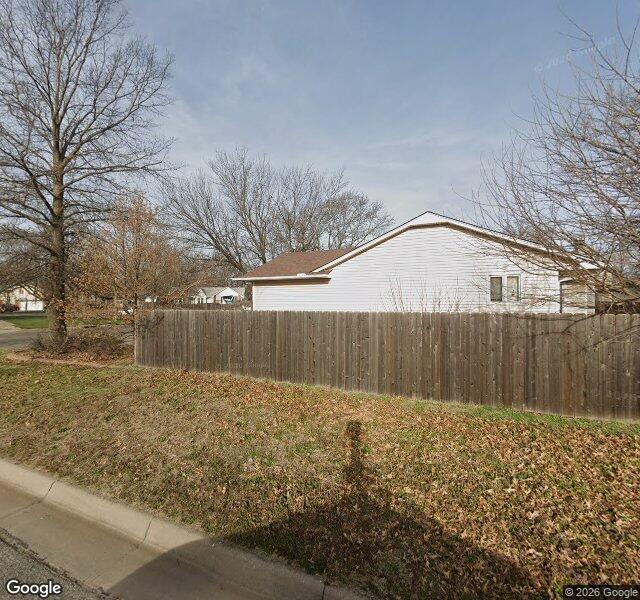
1609 N Rutgers Street, Wichita, KS 67212View map (opens in a new tab)
Overview and key essentials
State license
Active
KS KDADS
Google reviews
Not available
Public reviews not linked
Size & payment
Ask directly
Confirm pricing & payment
Public records for this community are limited. Use the checklist below when you call or visit to confirm pricing, services, and openings.
Cost, payment & care details
Updated Nov 28, 2026| Monthly cost | Not published | Ask for the full monthly cost, including care fees and one-time charges. |
|---|---|---|
| Payment options | Ask directly | Payment details are not confirmed in our records. Ask about private pay, long-term care insurance, veterans benefits, and Medicaid waivers. |
| Size & availability | Confirm directly | We don't publish live openings. Ask about current availability, waitlist length, and move-in timing. |
| Care & support | Assisted living | Usually offers housing and help with everyday tasks, such as bathing and dressing. What to confirm about care levelsThis describes the licensed category. Ask how care plans adjust if mobility, nursing, or memory needs change over time. Read the family care guide → |
State licensing
State inspection history
1inspection
13deficiencies listed
Feb 19, 2026Routine13 deficiencies reported13
13 deficiencies reported
View official state report (opens in a new tab)
The following citations represent the findings of an Initial Licensure Survey for the above named Home Plus Facility conducted on 02/17/26, 02/18/26 and 02/19/26.
STATE FORM6899
RG0311 STATE FORM RG0311 STATE FORM RG0311 STATE FORM RG0311 STATE FORM RG0311 STATE FORM RG0311 STATE FORM RG0311 STATE FORM RG0311 STATE FORM RG0311 STATE FORM RG0311 STATE FORM RG0311 STATE FORM RG0311 STATE FORM RG0311 STATE FORM RG0311 STATE FORM RG0311 STATE FORM RG0311 STATE FORM RG0311 STATE FORM RG0311 STATE FORM RG0311 STATE FORM RG0311 STATE FORM RG0311 STATE FORM RG0311 STATE FORM RG0311 STATE FORM RG0311 STATE FORM RG0311 STATE FORM RG0311 STATE FORM RG0311 STATE FORM RG0311 STATE FORM RG0311 STATE FORM RG0311 STATE FORM RG0311 STATE FORM RG0311
moderateS 5313
(g) (3) A licensed nurse or medication aide may accept over-the-counter medication only in its original, unbroken manufacturer ' s package. A licensed pharmacist or licensed nurse shall place the full name of the resident on the package. If the original manufacturer ' s package of an over-the-counter medication contains a medication in a container, bottle, or tube that can be removed from the original package, the licensed pharmacist or a licensed nurse shall place the full name of the resident on both the original manufacturer ' s medication package and the medication container. This REQUIREMENT is not met as evidenced by: KAR 26-42-205(g)(3) The facility reported a census of five residents (R). Based on observation and interview the operator failed to ensure a licensed pharmacist or licensed nurse placed the full name of the resident on each package and/or bottle/tube of over-the-counter medication the facility was responsible for administering. . Findings included: - Observation on 02/17/26 at 03:13 PM revealed the medication cart was unlocked and Surveyor proceeded with inspection of medications. The following medications were identified to either have no name on the container or first name only: Senna Tab 8.6 milligrams, Nasal Four spray, and a bottle of Clear Lax. Interview on 02/17/26 at 03:56 PM Certified Medication Aide D stated medication bottles needed to be labeled with the resident's full name. Interview on 02/17/26 at 05:05 PM Operator/Nurse confirmed all over the counter medications were to be labeled with the resident's full name. Review of the "Medication Storage Policy" dated
moderateS 5230
(b)(5) prohibiting any employee with a communicable disease or any infected skin lesions from coming in direct contact with any resident, any resident ' s food, or resident care equipment until the condition is no longer infectious; (6) providing orientation to new employees and employee in-service education at least annually on the control of infections in a health care setting; (c) Each administrator or operator shall ensure the home ' s compliance with the department ' s tuberculosis guidelines for adult care homes adopted by reference in K.A.R. 26-39-105. This REQUIREMENT is not met as evidenced by: K.A.R 26-42-207(c) The facility reported a census of five residents(R). The sample included three residents and review of five newly hired staff records. Based on interview and record the operator failed to ensure the facility remained in compliance with the department's tuberculosis (TB) guidelines for adult care homes adopted by reference in K.A.R. 26-39-105 for two (R3 and R5) of three sampled residents. Findings included: - Review of R3's medical record revealed he moved into the facility on 12/03/25 with a diagnosis of coronary artery disease. R3's medical record included an initial TB skin test administered on 12/04/25 and read on 12/06/25 as "negative" but did not include the induration measurement in millimeters (mm). R3's record lacked evidence he had a second TB skin test. Interview on 02/18/26 at 10:01 AM Operator/Nurse A looked in R3's record and confirmed it did not include documentation of a second TB skin test. She also confirmed she just put negative and did not include measurement of induration in mm. - Review of R5's record revealed he moved into the facility on 11/28/25 with diagnosis of myelodysplastic syndromes (MDS -broad range of chronic bone marrow cancers). R5's medical record included an initial TB skin test administered on 11/28/25 and read on 11/20/25 as "negative" but did not include the induration measurement in mm. R5's record lacked evidence he had a second TB skin test. Interview on 02/19/26 at 08:56 AM Operator/Nurse A reviewed R5's record and confirmed it did not include a second TB skin test and did not include measurement of induration in mm. Review of the "Tuberculosis (TB) Screening and Control Policy" dated 2025 revealed all new residents will be screened for TB upon admission which shall include TB skin testing. Review of the "Tuberculosis (TB) Guidelines for Adult Care Homes" dated June 2013 revealed each new resident shall receive a two-step TB skin test (TST) within seven days of residency unless other conditions are met according to guidelines. Each skin test shall contain documentation including date TST administered and read and results of each TST in mm of induration. The operator failed to ensure designated staff completed TST according to the department's guidelines.
includeed that all medications shall be2025
clearly labeled with the resident's name. The operator failed to ensure each over-the-counter medication included the resident's full name on the package and the medication container. included that all medications shall be stored in a locked medication cabinet , cart or designated medication room. The operator failed to ensure designated staff kept the medication cart locked when not by the cart or in view of it.
moderateS 5301
Medications (d) (3) A licensed nurse or medication aide shall perform the following: (A) Administer only the medication that the licensed nurse or medication aide has personally prepared; (B) identify the resident before medication is administered; (C) remain with the resident until the medication is ingested or applied; and (D) document the administration of each resident ' s medication in the resident ' s medication administration record immediately before or following completion of the task. If the medication administration record identifies only time intervals or events for the administration of medication, the licensed nurse or medication aide shall document the actual clock time the medication is administered. This REQUIREMENT is not met as evidenced by: KAR 26-42-205 (d)((3)(D) The facility reported a census of five residents (R). The sample included three residents. Based on record review and interview the operator failed to ensure certified staff documented the administration of each resident's medication in the medication administration record immediately before or following completion of the task for two (R3 and R5) of three sampled residents. Findings included: - Review of R3's record revealed he moved into the facility on 12/03/25 with diagnoses of dementia and coronary artery disease. R3's "Functional Capacity Screen" (FCS) dated 12/01/25 revealed R3 was also unable to manage his medications and medical treatments. R3's "Negotiated Service Agreement" (NSA) dated 12/03/25 identified medications were administered and managed by qualified staff as well as administering medical treatments. Review or R3's Medication Administration Records lacked documentation of administration of the following medication: January 2026 - Flomax three times; Glycolax powder two times, Metoprolol Tartrate (antihypertensive) three times; and Risperidone (antipsychotic) 12 times. February 2026 - Flomax five out of 18 times, Glycolax powder 9 out of 18 times, Metoprolol Tartrate five out of 18 times, Interview on 02/19/26 at 09:38 M Operator/Nurse A reported she expected staff to initial on the Mar when they administer medications. Upon review of R3's January and February MAR Operator/Nurse A confirmed staff had not documented administration of all medications when administered. The operator failed to ensure certified staff initialed the administration of medications immediately before or following giving R3 his medications according to standards of practice. - Review of R5's record revealed he moved into the facility on 11/28/25 with diagnoses of chronic back pain and Parkinsons. R5's "Functional Capacity Screen" (FCS) dated 11/28/25 identified he needed physical assistance with activities of daily living, and he was unable to participate in management of his medications or treatments. R5's "Negotiated Service Agreement" NSA dated 11/28/25 identified medications were administered and managed by qualified staff as well as administering medical treatments. Review of R5's Medication Administration Records lacked documentation of administration of the following medications: December 2025 - Lidocaine topical patch 20 times, Polyethylene Glycol two times, January 2026 - Vitamin B12 two times, Gabapentin three times, Lidocaine patch 28 times, Metoprolol three times, Multivitamin, three times, Polyethylene Glycol 22 times, Ergocalciferol (Vitamin D3) two out of four times, and Fentanyl patch 7 times. February 2026 - Atorvastatin one out of 18...
moderateS 5155
(a) The administrator or operator in each home plus shall ensure that a licensed nurse provides or coordinates the provision of necessary health care services that meet the needs of each resident and are in accordance with the functional capacity screening and the negotiated service agreement. This REQUIREMENT is not met as evidenced by: KAR 26-42-204(a) The facility reported a census of five residents (R). The sample included three residents. Based on interview, and record review the operator failed to ensure a licensed nurse provided or coordinated the provision of necessary health care services to meet the needs of two (R3 and R5) of three sampled residents related to falls and risk for development for pressure ulcers. Findings included: - Review of R3's record revealed he moved into the facility on 12/03/25 with diagnoses of dementia and coronary artery disease. R3's "Functional Capacity Screen" (FCS) dated 12/01/25 revealed the resident needed physical assistance with bathing, dressing, toileting, and eating. He needed supervision with transfers and mobility. He had bladder incontinence, cognitive impairment with communication deficit as well as at risk for falls. R3's "Negotiated Service Agreement" (NSA) dated 12/03/26 identified he was at risk for falls and he transfered independently with supervision and minimal assistance of facility staff. R3's "Health Care Service Plan" (HCSP) dated 12/03/25 under "Mobility" identified R3 would remain safe while in the community, transfers with assist of 1 and doors are locked at all times and coded for entry and exit. The HCSP did not include any specific interventions related to falls. R3's record included documentation the resident had three falls - two at approximately 11:00 PM and one at 07:00 AM, with all three falls occurring while he tried to get out of bed. R3's reservice plan lacked a description of services to help reduce risk for falls related to him getting out of bed. Interview on 02/18/26 at 11:15 AM Operator/RN reviewed R3's NSA & HCSP and confirmed it did not include interventions specific to his falls he has had when attempting to get out of bed. The operator failed to ensure a licensed nurse provided or coordinated the provision of necessary health care services for R3 related to falls. - Review of R5's record revealed he moved into the facility on 11/28/25 with diagnoses of chronic back pain and Parkinsons. R5's "Functional Capacity Screen" (FCS) dated 11/28/25 identified he needed physical assistance with bathing, dressing, toileting, transfers, walking/mobility and was independent with eating. R5's "Negotiated Service Agreement" dated 11/28/25 did not identify if he was mostly bed fast and failed to include interventions to reduce his risk for the development of pressure ulcers. R5's "Health Care Service Plan" (HCSP) dated 11/28/25 failed to include services related to reducing his risk of development of pressure ulcers. Observation on 02/18/26 at 01:15 PM R5 turned on his light for assistance. Certified Medication Aide (CMA) B, Operator/Nurse A and surveyor went into resident's room. Observation revealed the resident had an air overlay on his mattress and a cushion in the recliner in his room. Resident initially said it was OK for Surveyor to observe cares but once he rolled onto his right side, and his brief was removed, R3 asked Surveyor and Operator/Nurse to step out of the room. Surveyor respected his wishes and left the room when asked, however when CMA...
moderateS 5110
Individualized (b) The negotiated service agreement shall promote the dignity, privacy, choice, individuality, and autonomy of the resident. This REQUIREMENT is not met as evidenced by: KAR 26-42-202(b) The facility reported a census of five residents (R). The sample included three residents. Based on interview and record review for three (R3, R4, R5) of three sampled residents, the operator failed to ensure designated staff completed the "Negotiated Service Agreement" for each resident to promote choice, individuality, and autonomy for that resident. - Review of R3's record revealed he moved into the facility on 12/03/25 with diagnoses of dementia and coronary artery disease. R3's "Functional Capacity Screen" (FCS) dated 12/01/25 revealed the resident needed physical assistance with bathing, dressing, toileting, and eating. He needed supervision with transfers and mobility. He was also unable to manage his medications and medical treatments, had bladder incontinence, cognitive impairment with communication deficit as well as at risk for falls. R3's "Negotiated Service Agreement" (NSA) dated 12/03/25 Included the following description of services: For memory and communication noted care needs: "All services to the resident accommodate the noted memory and communication deficiencies. Resident is cued and reminded daily. Staff help with redirection. Staff help with daily decision making while DPOA makes big decisions. Staff Communicates by standing in front of Resident and speaking clearly and slowly" Bathing: "Assistance with at most one shower daily is included. Showers X 1 assist." Toileting: Checked frequently incontinent and noted "Staff will monitor for assistance needs without toileting and Peri-care. Incontinence supplies provided by the resident/DPOA. Facility can order supplies at the resident's cost." Transfer: (which included identification at risk for falls)- "Resident transfers independently, with supervision and minimal assistance of [facility] HP staff." Walking/mobility: "Resident walks independently with staff supervision". Eating: "Three meals daily are provided for residents in the dining room. Meals are prepared for regular diets. Resident will be provided the needed assistance with feeding" Staff failed to individualize R3's NSA to include Hospice assisted with bathing and provision of incontinent supplies. R3 did not transfer independently off the coach and needed physical assistance of staff to get his first few steps going once they assisted him up. - Review of R4's medical record revealed he moved into the facility on 01/16/26 with a diagnosis of diabetes type II. R4's "Functional Capacity Screen" dated 01/16/26 identified the resident needed physical assistance with bathing, dressing, toileting, transfers, walking/mobility, and supervision with eating. He was unable to participate in management of his medications and medical treatments, had bladder incontinence, at risk for falls, impaired vision and had no cognitive impairment. R4's "Negotiated Service Agreement" (NSA) dated 01/16/26 included the following: For memory and communication: " Resident is cued and reminded daily. Staff help with redirection. Staff help with daily decision making while DPOA makes big decisions. Staff Communicates by standing in front of Resident and speaking clearly and slowly" Bathing: "Assistance with at most one shower daily is included. Showers X 1 assist." Toileting: checked incontinent and noted "Staff will monitor for...
moderateS 5251
Documentation of Incidents (f) (11) documentation of all incidents, symptoms, and other indications of illness or injury including the date, time of occurrence, action taken, and results of the action. This REQUIREMENT is not met as evidenced by: KAR 26-42-105(f)(11) The facility reported a census of five residents (R). The sample included three residents. Based on interview and record review the operator failed to ensure the record contained documentation of all incidents, symptoms, and other indications of illness or injury including the time and date of occurrence, action taken, and results of the action for three (R3, R4, R5) of three sampled residents. Findings included: - Review of R3's record revealed he moved into the facility on 12/03/25 with diagnoses of dementia and coronary artery disease. R3's "Functional Capacity Screen" (FCS) dated 12/01/25 revealed the resident needed physical assistance with bathing, dressing, toileting, and eating. He needed supervision with transfers and mobility. He was also unable to manage his medications and medical treatments, had bladder incontinence, cognitive impairment with communication deficit as well as at risk for falls. R3's "Negotiated Service Agreement" (NSA) dated 12/03/25 identified staff would assist with activities of daily living as needed, qualified staff would administer medications, and staff would cue and redirect resident daily. Review of R3's medical record and nursing documentation identified R3 had fallen when trying to get up out of bed, two of which required emergency room visits. R3's record also identified he received Home health services when he moved into the facility and later changed to a different company and started Hospice services. R3's Nursing notes lacked follow up documentation post fall for all three falls and failed to document the residents change in condition to require discharging from Home Health to a Hospice service. Interview on 01/18/26 at 02:36 PM Operator/Nurse A reported when someone moves in she documents for 72 hours how they are doing but did not know she should document after a fall. Operator/Nurse A reported she had called the physician and talked about how the resident declined and did not think he was going to improve and then switched to Hospice services. Operator/Nurse A confirmed she had not documented information about how the resident declined and changes in services. The operator failed to ensure designated staff documented in R3's record falls, symptoms of his decline in condition, what was done, and results of action taken. - Review of R4's medical record revealed he moved into the facility on 01/16/26 with a diagnosis of diabetes type II. R4's "Functional Capacity Screen" dated 01/16/26 identified the resident needed physical assistance with bathing, dressing, toileting, transfers, walking/mobility, and supervision with eating. He was unable to participate in management of his medications and medical treatments, had bladder incontinence, at risk for falls and had no cognitive impairment. R4's "Negotiated Service Agreement" (NSA) identified staff would assist R4 with activities of daily living, qualified staff to administer medication and would provide cueing and reminders throughout the day. Review of R4's nursing progress notes included an entry on the day he moved into the facility and one entry the next two days that he was adapting to the facility. R4 had folder from a local Home Health agency. Surveyor contacted the...
moderateS 5315
(h) Storage. Licensed nurses and medication aides shall ensure that all medications and biologicals are securely and properly stored in accordance with each manufacturer ' s recommendations or those of the pharmacy provider and with federal and state laws and regulations. (1) Licensed nurses or medication aides shall store non-controlled medications and biologicals managed by the home in a locked medication room, cabinet, or medication cart. Licensed nurses and medication aides shall store controlled medications managed by the home in separately locked compartments within a locked medication room, cabinet, or medication cart. Only licensed nurses and medication aides shall have access to the stored medications and biologicals. (2) Each resident managing and self-administering medication shall store medications in a place that is accessible only to the resident, licensed nurses, and medication aides. (3) Any resident who self-administers medication and is unable to provide proper storage as recommended by the manufacturer or pharmacy provider may request that the medication be stored by the home. (4) A licensed nurse or medication aide shall not administer medication beyond the manufacturer ' s or pharmacy provider ' s recommended date of expiration. This REQUIREMENT is not met as evidenced by: KAR 26-42-205(h)(1) The facility reported a census of five residents. Based on observation and interview the Operator failed to ensure staff stored non-controlled medications managed by the home in a locked cabinet/mediation cart/or medication room. Findings included: - Observation during initial tour on 02/17/26 at 03:13 PM surveyor walked into the living room and noticed the CMA had failed to lock the medication cart. There were no staff in the room and three residents sat on the couch near the cart. Surveyor was able to open the drawers of the cart, viewed all the medications and then shut the drawer without locking it. Surveyor then went into the kitchen area where the medication cart was still in view and Certified Medication Aide (CMA) D had been down the hall and came and locked the medication cart. Interview on 02/17/26 at 03:56 PM CMA D reported the medication cart was to be always kept lock when staff are not by it. Review of the "Mediction Storage Policy" dated
moderateS 5192
(e) Food shall be prepared using safe methods that conserve the nutritive value, flavor, and appearance and shall be served at the proper temperature. (1) Food used by facility staff to serve to the residents, including donated food, shall meet all applicable federal, state, and local laws and regulations.(2) Food in cans that have significant defects, including swelling, leakage, punctures, holes, fractures, pitted rust, or denting severe enough to prevent normal stacking or opening with a manual, wheel-type can opener, shall not be used. (3) Food provided by a resident ' s family or friends for individual residents shall not be required to meet federal, state, and local laws and regulations. This REQUIREMENT is not met as evidenced by: KAR 26-42-206 (e) The facility reported a census of five residents. Based on record review and interview, the operator failed to ensure staff prepared food using safe methods to ensure staff prepared and served food at the proper temperature for all residents in the facility. - During the initial tour on 02/17/26 at 04:10 PM review of the food temperature logs in the notebook provided by Certified Medication Aide D revealed the only food the staff took the temperature of were meat, eggs, casserole, soup and hot sandwich. There were no temperatures of vegetables, mashed potatoes, or cold foods such as milk or cottage cheese. Interview on 02/17/26 at 05:10 PM Operator/Nurse reported she thought staff only needed to temp foods like meat that needed to be cooked to a specific temperature. Review of the facility's "Food Temperature Control Policy" dated 2025 revealed the facility shall maintain safe food temperatures at all stages of food storage, preparation, holding, and service. It included hot and cold holding tempera According to the " Dietary Guidelines for Americans 2005" recommends using a clean thermometer that measures the internal temperature of cooked food to make sure food is cooked to and held at proper temperatures and to keep food out of the "danger zone" (40 degrees Fahrenheit to 140 degrees F) where bacteria can multiply rapidly. The operator failed to ensure staff checked the temperature of food to ensure staff cooked it to the proper temperature as well as served it at a proper temperature.
moderateS 5215
Preparedness Education (d) Each administrator or operator shall ensure disaster and emergency preparedness by ensuring the performance of the following: (1) Orientation of new employees at the time of employment to the home ' s emergency management plan; (2) education of each resident upon admission to the home regarding emergency procedures; (3) quarterly review of the home ' s emergency management plan with employees and residents; and (4) an emergency drill, which shall be conducted at least annually with staff and residents. This drill shall include evacuation of the residents to a secure location. This REQUIREMENT is not met as evidenced by: KAR 26-42-104(d)(2) The facility reported a census of five residents. Based on record review and interview, for all residents, the operator failed to ensure disaster and emergency preparedness by ensuring all residents are educated regarding emergency procedures upon admission. Findings included: - Review of the admission information the operator provides to residents and their families upon admission to the facility, lacked information regarding the facilities emergency management plan. Interview on 02/18/26 at 08:51 AM Operator/Nurse A reviewed the paperwork and reported when someone moves in they talk about the exits, the fire alarm so they know where they are to go. She confirmed she did not review the whole emergency plan with residents when they move into the facility. The operator failed to ensure each resident was educated regarding emergency procedures upon admission.
moderateS 5300
Medications (d) Home administration of resident ' s medications. If a home is responsible for the administration of a resident ' s medications, the administrator or operator shall ensure that all medications and biologicals are administered to that resident in accordance with a medical care provider ' s written order, professional standards of practice, and each manufacturer ' s recommendations. The administrator or operator shall ensure that all of the following are met: (1) Only licensed nurses and medication aides shall administer and manage medications for which the home has responsibility. (2) Medication aides shall not administer medication through the parenteral route. This REQUIREMENT is not met as evidenced by: KAR 26-42-205 (d) The facility reported a census of five residents(R). The sample included three residents. Based on record review and interview, the operator failed to ensure staff obtained and followed medical providers written medication orders for two (R3 & R5) of three sampled residents for whom the facility was responsible for administering medications. Findings included: - Review of R3's record revealed he moved into the facility on 12/03/25 with diagnoses of dementia and coronary artery disease. R3's "Functional Capacity Screen" (FCS) dated 12/01/25 revealed he was also unable to manage his medications and medical treatments. R3's "Negotiated Service Agreement" (NSA) dated 12/03/25 identified qualified staff would administer his medications and medical treatments. R3's record included an order for Seroquel 25mg (milligrams), give 0.5 tablet at bedtime and hold if taking an antibiotic. R3's record lacked any additional medical provider's orders in his chart. Review of R3's record revealed he received Augmentin every 12 hours for three days in December and Nitrofurantoin in January. Both medications are antibiotics and facility staff failed to hold his Seroquel while on the antibiotics. The resident also received Risperidone starting in January. The residents' record lacked a physicians order for the antibiotics and for Risperidone. Interview on 02/19/26 at 09:38 AM Operator/Nurse A reported she thought the Augmentin order was from when he had fallen and went to the hospital, was not able to provide the other antibiotic orders. Operator/Nurse A confirmed staff should have held the Seroquel when R3 was taking antibiotics. The operator failed to ensure R3's record contained orders for antibiotics administered and failed to ensure staff administered medications as ordered. - Review of R5's record revealed he moved into the facility on 11/218/25d with diagnoses of chronic back pain and Parkinsons. R5's "Functional Capacity Screen" (FCS) dated 11/28/25 identified R5 was unable to participate in management of his medications or treatments, he had significant cognitive impairment and was at risk for falls. R5's "Negotiated Service Agreement" NSA dated 11/28/25 qualified staff would administer his medications and medical treatment. Review of R5's medical record included admission physician's orders but had no other orders in his record. Review of R5's December 2025 Medication Administration Record included the order to administer Fentanyl patch every 72 hours. Facility staff initialed administration of the Fentanyl patch on the 3rd, 7th, 11th, 13th, 16th, 20th, 24th, 27th, and 30th. January 2026 staff documented administration on the 4th and 26th. The staff failed to administer the Fentanyl patch as ordered and...
moderateS 5105
a) The administrator or operator of each home plus shall ensure the development of a written negotiated service agreement for each resident, based on the resident ' s functional capacity screening, service needs, and preferences, in collaboration with the resident or the resident ' s legal representative, the case manager, and, if agreed to by the resident or the resident ' s legal representative, the resident ' s family. The negotiated service agreement shall provide the following information: (1) A description of the services the resident will receive; (2) identification of the provider of each service; and (3) identification of each party responsible for payment if outside resources provide a service. This REQUIREMENT is not met as evidenced by: KAR 26-42-202(a)(1)(2)(3) The facility reported a census of five residents(R). The sample included three residents. Based on interview, and record review for to three (R3, R4, R5) of three sampled residents, the operator failed to ensure designated staff developed a "Negotiated Service Agreement" based on the resident's Functional Capacity Screen and service needs that included a description of the service provided, and party responsible for payment if the service was provided by an outside service. Findings included: - R3's medical record revealed he moved into the facility on 12/03/25 with a diagnosis of coronary artery disease. R3's "Functional Capacity Screen" (FCS) dated 12/01/25 revealed he needed physical assistance with bathing, dressing, toileting and eating, he had impaired cognition and a risk for falls. It also identified that he used a walker and wheelchair for assistive devices. R3's "Negotiated Service Agreement" (NSA) dated 12/03/26 identified he received Home Health and Hospice services from a local company but failed to identify what services he received and who was responsible for payment of those services. Interview on 02/18/26 at 11:09 AM Operator/Nurse A confirmed R4 received Hospice services from the company and confirmed the NSA did not include a payment source for services. Review of the facility's "Negotiated Service Agreement (NSA) Policy dated 2025 identified the NSA shall include services to be provided by the facility but failed to identify it would include services provided by an outside source and payment source for those services. The operator failed to ensure designated staff identified what service an outside resource provided and payment source for the service R3 received. - R4's medical record revealed he moved into the facility on 01/16/26 with a diagnosis of diabetes mellitus type II. R4's "Functional Capacity Screen" dated 01/16/26 identified he needed physical assistance with all activities of daily living except for eating, had bladder incontinence, at risk for falls and had impaired vision. R4's "Negotiated Service Agreement" (NSA) dated 01/16/26 identified R4 received services from a local outside agency but failed to identify what services he received or the payment source for the service. Interview on 02/19/26 at 10:08 AM Operator/Nurse A confirmed R4's NSA did not include that he received skilled nursing, physical therapy, and occupational therapy from the company and the NSA also failed to include payment source for the services. Review of the facility's "Negotiated Service Agreement (NSA) Policy dated 2025 identified the NSA shall include services to be provided by the facility but failed to identify it would include services provided by an...
Neighborhood & resident support
Emergency access, hazards & advocacy
Nearest hospital
Via Christi Hospital Wichita St Teresa Inc
2.5 mi · Wichita, KS · Medicare 4/5 ★
Emergency room
FEMA hazard risk
Relatively HighSedgwick County, KS
- Ice Storm
- Cold Wave
- Tornado
Free resident advocacy
Kansas Office of the State Long-Term Care Ombudsman
More neighborhood context (specialists, VA, dialysis, air & affordability)
VA & dialysis access
Wichita VA Medical Center
10.9 mi · Wichita, KS · VA 5/5 ★
Renal Care Group - Wichita West
1.9 mi · 4/5 ★
Specialists within 15 mi
- Geriatricians
- 2
- Neurologists
- 24
- Palliative care
- 7
- PM&R rehab
- 13
Environment & mobility
- EPA Air (2025)
- 58% good days · AQI 48
- EPA Walkability
- 10.2/20 (Below Average)
- USDA Grocery Access
- Moderate Grocery Access
- Primary care access
- HRSA Shortage Area
County demographics
- Age 65+ median income
- $54,659/yr
- Rent-burdened households
- 44%
- Cognitive disability (2023)
- 15.3%
- Mobility disability
- 13.0%
Call & tour checklist
Questions to ask Serenity Home Plus LLC
Check off questions as you call or tour. Your progress stays private in this browser.
Show 3 more suggested questions
Verification & public records
Official records & sources
Licensing & contact
- License #
- B087304
- Status
- active
- Phone
- (601) 345-6961
- Federal OIG LEIE
- Clear (2026-11-27)
Original public sources
Verify licensing, ratings, and inspection reports directly with each official source.
- KS KDADS official record (opens in a new tab)Kansas Dept. for Aging & Disability Services
- Google Maps (opens in a new tab)Directions, photos & neighborhood
- Google Reviews (opens in a new tab)Read public reviews
EveryPlace is an independent research directory. Information is compiled from public Medicare.gov, state licensing, Google Places, and street-level imagery sources. Some summaries, suggested questions, and pricing notes are AI-generated or AI-assisted and may contain errors or omissions. We do not accept payment for placement. Confirm all details directly with the community and official sources. Research Policy.
Keep exploring
Nearby communities to compare
- Assisted Living< 1 miMeadowlark ChipperWichita, KS
- Cap. 48HUD Senior Housing1.3 miFinch HollowWichita, KS
- Assisted Living1.5 miReflections at Park West PlazaWichita, KS
- Assisted Living1.5 miPark West PlazaWichita, KS
- Assisted Living1.6 miGrace Cottage LLCWichita, KS
- Assisted Living1.7 miMi Casa Care Homes- TylerWichita, KS