Loading EveryPlace content…
Memory CareActive license
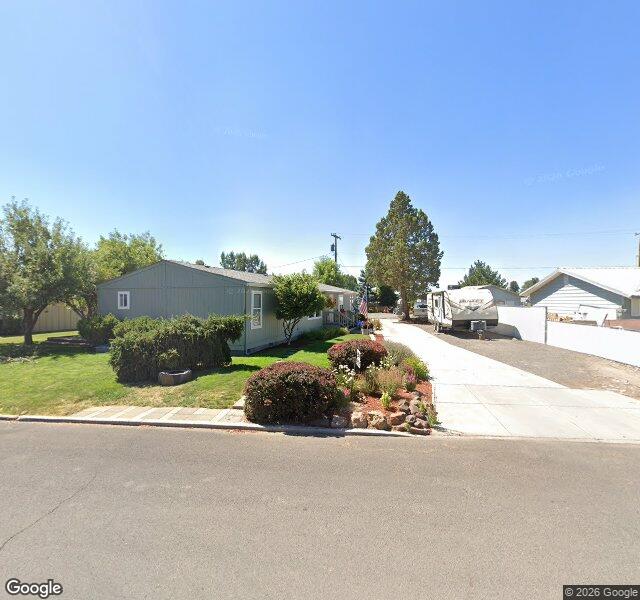
Carriage Place
150 S Williamson Dr, Prineville, OR 97754View map (opens in a new tab)
Overview and key essentials
State license
Active
OR ODHS
Google reviews
4.3/ 5
22 reviews
Size & payment
32 residents
Medicaid listed
Strong public signals
Rated 4.3/5 across 22 public Google reviews. Visit in person to confirm daily care and pricing.
Cost, payment & care details
Updated Nov 28, 2026| Monthly cost | Not published | Ask for the full monthly cost, including care fees and one-time charges. |
|---|---|---|
| Payment options | Medicaid | Participation is reported in our source data. Confirm eligibility, covered services, and any private-pay costs. Verified Medicaid waiver: Oregon Medicaid APD Long-Term Services (Oregon Dept. of Human Services (ODHS)). |
| Size & availability | 32 residents | We don't publish live openings. Ask about current availability, waitlist length, and move-in timing. |
| Care & support | Memory care | Designed for people living with dementia who need a supported daily routine. What to confirm about care levelsThis describes the licensed category. Ask how care plans adjust if mobility, nursing, or memory needs change over time. Read the family care guide → |
State licensing
State inspection history
5inspections
15deficiencies listed
Apr 15, 2026Inspection6 deficiencies reported6
6 deficiencies reported
View official state report (opens in a new tab)
Change of Owner
moderateZ0142
OAR 411-057-0140(2) Administration Compliance (2) The licensee of a memory care community must comply with both the licensing rules for the facility and Chapter 411, Division 57. This Rule is not met as evidenced by:
moderateC0270
OAR 411-054-0040 (1-2) Change of Condition and Monitoring (1) CHANGE OF CONDITION. These rules define a resident's change of condition as either short term or significant with the following meanings: (a) Short term change of condition means a change in the resident's health or functioning that is expected to resolve or be reversed with minimal intervention or is an established, predictable, cyclical pattern associated with a previously diagnosed condition. (b) Significant change of condition means a major deviation from the most recent evaluation that may affect multiple areas of functioning or health that is not expected to be short term and imposes significant risk to the resident.(c) If a resident experiences a significant change of condition that is a major deviation in the resident's health or functional abilities, the facility must evaluate the resident, refer to the facility nurse, document the change, and update the service plan as needed. (d) If a resident experiences a short-term change of condition that is expected to resolve or reverse with minimal intervention, the facility must determine and document what action or intervention is needed for the resident. (A) The determined action or intervention must be communicated to staff on each shift. (B) The documentation of staff instructions or interventions must be resident specific and made part of the resident record with weekly progress noted until the condition resolves. (2) MONITORING. The facility must have written policies to ensure a resident monitoring and reporting system is implemented 24-hours a day. The policies must specify staff responsibilities and identify criteria for notifying the administrator, registered nurse, or healthcare provider. The facility must: (a) Monitor each resident consistent with his or her evaluated needs and service plan; (b) Train staff to identify changes in the resident's physical, emotional and mental functioning and document and report on the resident's changes of condition; (c) Have a reporting protocol with access to a designated staff person, 24-hours a day, seven days a week, who can determine if a change in the resident's condition requires further action; and (d) Provide written communication of a resident's change of condition, and any required interventions, for caregivers on each shift. This Rule is not met as evidenced by:
moderateZ0162
OAR 411-057-0160(2b) Compliance with Rules Health Care (b) Health care services provided in accordance with the licensing rules of the facility. This Rule is not met as evidenced by:
moderateC0513
OAR 411-054-0200 (4)(d-i) Doors, Walls, Elevators, Odors (d) INTERIOR DOORS. Lever-type door handles must be provided on all doors used by residents.(e) EXIT DOORS. Exit doors may not include locks that delay evacuation except as specified by the building codes. Such locks may not be installed except with written approval of the Department.(A) Exit doors may not include locks that prevent evacuation.(B) If an electronic code must be entered to use an exit door that code must be clearly posted for residents, visitors, and staff use.(f) WALLS AND CEILINGS. Walls and ceilings must be cleanable in kitchen, laundry, and bathing areas. Kitchen walls must be finished smooth per OAR 333-150-0000 (Food Sanitation Rules).(g) ELEVATORS. A RCF with residents on more than one floor must provide at least one elevator that meets Oregon Elevator Specialty Code (OESC) requirements.(h) The interior of the facility must be free from unpleasant odors.(i) All interior and exterior materials and surfaces (e.g., floors, walls, roofs, ceilings, windows, and furniture) and all equipment necessary for the health, safety, and comfort of the resident will be kept clean and in good repair. This Rule is not met as evidenced by:
moderateC0242
OAR 411-054-0030 (1)(c-d) Resident Services: Activities (c) A daily program of social and recreational activities that are based upon individual and group interests, physical, mental, and psychosocial needs, and creates opportunities for active participation in the community at large; (d) Equipment, supplies and space to meet individual and group activity needs; This Rule is not met as evidenced by:
moderateZ0155
OAR 411-057-0155(1-6) Staff Training Requirements (1) A memory care community must ensure staff who provide support to residents with dementia have a basic understanding and fundamental knowledge of the residents' emotional and unique health care needs prior to providing services to residents. The training requirements for staff who work in memory care communities are described in the following sections. (2) ALL STAFF TRAINING REQUIREMENTS. All staff who work in memory care communities licensed as residential care facilities or assisted living facilities must complete the following: (a) Orientation as required in OAR 411-054-0070(3) before performing any job duties. (b) Pre-service dementia care training as required before independently providing personal care or other services. The dementia care training must address these topics: (A) Education on the dementia disease process, including the progression of the disease, memory loss and psychiatric and behavioral symptoms. (B) Techniques for understanding, communicating and responding to distressful behavioral symptoms; including but not limited to, reducing the use of antipsychotic medications for non-standard uses when responding to distressful behavioral symptoms. (C) Strategies for addressing social needs of persons with dementia and engaging them with meaningful activities; (D) Information concerning specific aspects of dementia care and ensuring safety of residents with dementia including, but not limited to, how to: (i) Identify and address pain; (ii) Provide food and fluid; (iii) Prevent wandering and elopement; (iv) Use a person-centered approach. (c) Additional pre-service training topics that must be completed before independently providing personal care to residents: (A) Environmental factors that are important to resident ' s well-being (e.g. noise, staff interactions, lighting, room temperature, etc.); (B) Family support and the role the family may have in the care of the resident; (C) How to recognize behaviors that indicate a change in the resident ' s condition and report behaviors that require on-going assessment. (3) DIRECT CARE STAFF TRAINING REQUIREMENTS. Direct care staff must be directly supervised by a qualified staff person until they have successfully demonstrated satisfactory performance in any task assigned in the provision of individualized resident services. In addition to training required for all staff as described in paragraph (2): (a) Before independently providing personal care or other services to residents, direct care staff must complete training on: (A) How to provide personal care to a resident with dementia, including an orientation to the resident and the resident ' s service plan, as required in OAR 411-054-0070(4). (B) The use of supportive devices with restraining qualities in memory care communities. (b) Within 30 days after hire, direct care staff must complete training as outlined in OAR 411-054-0070(5). (c) Direct care staff who work in memory care communities licensed as residential care facilities or assisted living facilities must complete a total of 16 hours of in-service training annually. The six hours of annual dementia care training required pursuant to OAR 411-054-0070(6) may be included in the 16 hours of in-service training. Annual in-service hours required of each staff are due by the anniversary date of that person ' s hire. All completed trainings must be documented by the facility. (4) NURSING FACILITY STAFF. Staff who...
Jun 25, 2025Routine9 deficiencies reported9
9 deficiencies reported
View official state report (opens in a new tab)
Re-Licensure
moderateC0231
OAR 411-054-0028 (1-3) Reporting & Investigating Abuse-Other Action (Amended 12/15/21)(1) The facility must have policies and procedures in place to assure the prevention and appropriate response to any incident. In the case of incidents of abuse, suspected abuse, or injury of unknown cause, policies and procedures must follow the requirements outlined below. In the case of incidents that are not abuse or injuries of unknown cause where abuse has been ruled out, the facility must have policies and procedures in place to respond appropriately, which may include such things as re-assessment, monitoring, or medication review. (2) ABUSE REPORTING. Abuse is prohibited. The facility employees, agents and licensee must not permit, aid, or engage in abuse of residents who are under their care. (a) STAFF REPORTING. All facility employees are required to immediately report abuse and suspected abuse to the local SPD office, or the local AAA, the facility administrator, or to the facility administrator's designee. (b) FACILITY REPORTING. The facility administrator, or designee, must immediately notify the local SPD office, or the local AAA, of any incident of abuse or suspected abuse, including events overheard or witnessed by observation. (c) LAW ENFORCEMENT AGENCY. The local law enforcement agency must be called first when the suspected abuse is believed to be a crime (e.g., rape, murder, assault, burglary, kidnapping, theft of controlled substances, etc.). (d) INJURY OF UNKNOWN CAUSE. Physical injury of unknown cause must be reported to the local SPD office, or the local AAA, as suspected abuse, unless an immediate facility investigation reasonably concludes and documents that the physical injury is not the result of abuse. (3) FACILITY INVESTIGATION. In addition to immediately reporting abuse or suspected abuse to SPD, AAA, or the law enforcement agency, the facility must promptly investigate all reports of abuse and suspected abuse and take measures necessary to protect residents and prevent the reoccurrence of abuse. Investigation of suspected abuse must document: (a) Time, date, place and individuals present; (b) Description of the event as reported; (c) Response of staff at the time of the event; (d) Follow-up action; and (e) Administrator's review. This Rule is not met as evidenced by: Based on interview and record review, it was determined the facility failed to report incidents of abuse to the local Seniors and People with Disabilities (SPD) office and/or failed to promptly investigate injuries of unknown cause and report to the local SPD office if abuse could not be ruled out for 2 of 2 residents (#s 1 and 3) whose incident reports were reviewed. Findings include, but are not limited to: 1. Resident 3 moved into the MCC in 03/2025 with diagnoses including dementia. Resident 3’s progress notes, dated 04/03/25 through 06/23/25, and incident reports, dated 04/06/25 through 04/26/25, were reviewed, and the following was identified: * Staff documented a bruise on the resident’s left chest area, approximately four by five cm in size, with unknown cause; and * There was no documented evidence the incident was reported to SPD and no immediate investigation completed to reasonably rule out abuse. The facility was asked to report the injury to the local SPD office on 06/24/25. Confirmation was received on 06/25/25 at 9:19 am. The need to investigate injuries of unknown cause immediately and report the incident to the local SPD office if abuse...
moderateC0200
OAR 411-054-0027 (1) Resident Rights and Protection - General (1) GENERAL RIGHTS. The facility must implement a residents' Bill of Rights. Each resident and the resident's designated representative, if appropriate, must be given a copy of the resident's rights and responsibilities before moving into the facility. The Bill of Rights must state that residents have the right: (a) To be treated with dignity and respect. (b) To be given informed choice and opportunity to select or refuse service and to accept responsibility for the consequences. (c) To be given informed consent before any nontherapeutic examination, observation or treatment is provided. (d) To participate in the development of their initial service plan and any revisions or updates at the time those changes are made. (e) To receive information about the method for evaluating their service needs and assessing costs for the services provided. (f) To exercise individual rights that do not infringe upon the rights or safety of others. (g) To be free from neglect, financial exploitation, verbal, mental, physical, or sexual abuse. (h) To receive services in a manner that protects privacy and dignity. (i) To have prompt access to review all of their records and to purchase photocopies. Photocopied records must be promptly provided, but in no case require more than two business days (excluding Saturday, Sunday, and holidays). (j) To have medical and other records kept confidential except as otherwise provided by law. (k) To associate and communicate privately with any individual of choice, to send and receive personal mail unopened, and to have reasonable access to the private use of a telephone. (l) To be free from physical restraints and inappropriate use of psychoactive medications. (m) To manage personal financial affairs unless legally restricted. (n) To have access to, and participate in, social activities. (o) To be encouraged and assisted to exercise rights as a citizen. (p) To be free of any written contract or agreement language with the facility that purports to waive their rights or the facility's liability for negligence. (q) To voice grievances and suggest changes in policies and services to either staff or outside representatives without fear of retaliation. (r) To be free of retaliation after they have exercised their rights provided by law or rule. (s) To have a safe and homelike environment. (t) To be free of discrimination in regard to race, color, national origin, gender, sexual orientation, or religion. (u) To receive proper notification if requested to move-out of the facility, and to be required to move-out only for reasons stated in OAR 411-054-0080 (Involuntary Move-out Criteria) and have the opportunity for an administrative hearing, if applicable. This Rule is not met as evidenced by: Based on observation, interview, and record review, it was determined the facility failed to ensure 1 of 1 sampled resident (# 2) received service in a manner that protected dignity and supported a homelike environment. Findings include, but are not limited to: On 06/24/25 at 8:40 am, the resident’s bathroom sink was observed and was found to be non-functional. On 06/24/25 at 8:57 am, Staff 2 (RCC) reported the kitchen sink had been disabled due to a previous flooding incident caused by the resident. However, Staff 2 thought the bathroom sink should be working. On 06/24/25 at 9:05 am, the surveyor and Staff 2 checked the bathroom sink together and confirmed it was not...
moderateH1510
OAR411-004-0020(1)(c) Individual Rights Settings: Privacy, Dignity (1) Residential and non-residential HCB settings must have all of the following qualities: (c) The setting ensures individual rights of privacy, dignity, respect, and freedom from coercion and restraint. This Rule is not met as evidenced by: Based on observation, interview, and record review, it was determined the facility failed to ensure a setting that promoted individuals’ rights of privacy, dignity, and respect. Findings include, but are not limited to: Refer to C200.
moderateC0422
OAR 411-054-0090 (5) Fire and Life Safety: Training for Residents (5) TRAINING FOR RESIDENTS. Residents must be instructed about the facility's fire and life safety procedures per OFC. (a) Each resident must be instructed within 24 hours of admission and re-instructed, at least annually, in general safety procedures, evacuation methods, responsibilities during fire drills, and designated meeting places outside the building or within the fire safe area in the event of an actual fire. This requirement does not apply to residents whose mental capability does not allow for following such instruction. (b) A written record of fire safety training, including content of the training sessions and the residents attending, must be kept. This Rule is not met as evidenced by: Based on interview and record review, it was determined the facility failed to ensure residents were instructed on general safety procedures, evacuation methods, responsibilities during fire drills, and designated meeting places inside or outside the building in the event of an actual fire within 24 hours of admission and re-instructed at least annually. Findings include, but are not limited to: Fire and life safety documentation from 01/2025 through 06/2025 was reviewed on 06/24/25. In an interview on 06/24/25 at 1:10 pm, Staff 1 (Administrator) was unable to provide documentation that residents were instructed on general safety procedures, evacuation methods, responsibilities during fire drills, and designated meeting places inside or outside the facility within 24 hours of admission or re-instructed annually. The need to provide fire and life safety instruction to residents within 24 hours of admission and to provide re-instruction at least annually was discussed with Staff 1 on 06/24/25 at 1:10 pm and with Staff 1, Staff 2 (RCC), Staff 4 (Oversight Nurse/RN), and Staff 5 (Resident Care Nurse/LPN) on 06/25/25 at 11:45 am. They acknowledged the findings.
moderateC0420
OAR 411-054-0090 (1-2) Fire and Life Safety: Safety (1) FIRE DRILLS. All fire drills shall be conducted according to the Oregon Fire Code (OFC). (a) Unannounced fire drills must be conducted and recorded every other month at different times of the day, evening, and night shifts. (b) Fire and life safety instruction to staff must be provided on alternate months. (c) The Fire Authority may develop an alternative fire drill plan for the facility. Any such plan must be submitted to the Department. (d) A written fire drill record must be kept to document fire drills that include: (A) Date and time of day; (B) Location of simulated fire origin; (C) The escape route used; (D) Problems encountered and comments relating to residents who resisted or failed to participate in the drills; (E) Evacuation time period needed; (F) Staff members on duty and participating; and (G) Number of occupants evacuated. (e) Alternate exit routes must be used during fire drills to react to varying potential fire origin points. (f) The evacuation capability of the residents and staff is a function of both the ability of the residents to evacuate and the assistance provided by the staff. (g) Staff must provide fire evacuation assistance to residents from the building to a designated point of safety as determined by the Fire Authority having jurisdiction. Points of safety may include, outside the building, through a horizontal exit, or other areas as determined by the Fire Authority having jurisdiction. (h) The fire alarm system shall be activated during each fire drill, unless otherwise directed by the Fire Authority having jurisdiction. (2) If the facility is unable to meet the applicable evacuation level, the facility must make an immediate effort to make changes to ensure the evacuation standard is met. Changes must include, but not be limited to: (a) Increasing staff levels, (b) Changing staff assignments, (c) Requesting change in resident rooms, and (d) Arranging for special equipment. After making necessary changes, if the facility fails to meet the applicable evacuation level, the facility must issue an involuntary move-out notice to the residents in accordance with OAR 411-054-0080. This Rule is not met as evidenced by: Based on interview and record review, it was determined the facility failed to ensure staff were provided with fire and life safety training every other month and to document all required fire drill elements per the Oregon Fire Code (OFC). Findings include, but are not limited to: Fire and life safety documentation from 01/2025 through 06/2025 was reviewed on 06/24/25. The following was identified: 1. There was no documented evidence all staff were provided with fire and life safety training every other month. 2. Fire drill documentation did not include one or more of the following required elements: * Problems encountered, comments relating to residents who resisted or failed to participate in the drills; and * Evacuation time needed. 3. Staff were not aware of the designed point of safety for residents in the event of an evacuation. 4. During a fire drill on 05/04/25, one resident was identified as refusing to participate in the drill. There was no documented evidence of how the facility addressed the issue. The need to provide fire and life safety training to all staff on opposite months of fire drills, as well as the need to address all required elements in fire drill documentation, was discussed with Staff 1 (Administrator), Staff 2...
moderateC0510
OAR 411-054-0200 (3) General Building Exterior (3) GENERAL BUILDING EXTERIOR.(a) All exterior pathways and accesses to the RCF common-use areas, entrance, and exit ways must be made of hard, smooth material, be accessible, and maintained in good repair.(b) A RCF must take measures to prevent the entry of rodents, flies, mosquitoes, and other insects. There must be locked storage for all poisons, chemicals, rodenticides, and other toxic materials. All materials must be properly labeled.(c) RCF grounds must be kept orderly and free of litter and refuse. Garbage must be stored in covered refuse containers.(d) As described in OAR 411, division 057, memory care communities licensed as a RCF must be located on the ground floor. A CF cannot be endorsed as a memory care community.(e) A RCF must provide storage for all maintenance equipment, including yard maintenance tools, if not provided by a third-party contract.(f) A RCF must provide an accessible outdoor recreation area. The outdoor recreation area must be available to all residents. Lighting must be equal to a minimum of five foot candles. Memory Care Communities must provide residents with direct access to a secure outdoor recreation area as described in OAR chapter 411, division 057.(g) Outdoor perimeter fencing may not be secured to prevent exit unless the RCF has written approval from the Department for an exception or the RCF is in compliance with OAR chapter 411, division 057 (Memory Care Communities) or OAR 309-019-0100 through 309-019-0220.(h) A RCF must have an entry and exit drive to and from the main building entrance that allows for a vehicle to pick up and drop off residents and mail deliveries without the need for vehicles to back up. This Rule is not met as evidenced by: Based on observation and interview, it was determined the facility failed to ensure all exterior pathways were maintained in good repair, grounds were kept orderly, and garbage was stored in covered refuse containers. Findings include, but are not limited to: The outside of the facility was toured on 06/23/25. The following deficiencies were identified: * Courtyard pathways had drop-offs up to 3” from the concrete to the planting beds, which caused a potential tripping hazard for residents; * Dead branches were in the planting bed on the street-side of the facility; and * The lid of a dumpster located in the parking lot was open. The need to maintain pathways in good repair, to keep the grounds orderly, and to keep garbage containers covered was discussed with Staff 1 (Administrator) on 06/24/25 at 1:10 pm and with Staff 1, Staff 2 (RCC), Staff 4 (Oversight Nurse/RN), and Staff 5 (Resident Care Nurse/LPN) on 06/25/25 at 11:45 am. The findings were acknowledged.
moderateZ0142
OAR 411-057-0140(2) Administration Compliance (2) The licensee of a memory care community must comply with both the licensing rules for the facility and Chapter 411, Division 57. This Rule is not met as evidenced by: Based on observation, interview, and record review, it was determined the facility failed to follow licensing rules for Residential Care and Assisted Living Facilities. Findings include, but are not limited to: Refer to C200, C231, C420, C422, C510, and C513.
moderateZ0164
OAR 411-057-0160(2d) Activities (d) Meaningful activities that promote or help sustain the physical and emotional well-being of residents. The activities must be person centered and available during residents ' waking hours. (A) Each resident must be evaluated for activities according to the licensing rules of the facility. In addition, the evaluation must address the following: (i) Past and current interests; (ii) Current abilities and skills; (iii) Emotional and social needs and patterns; (iv) Physical abilities and limitations; (v) Adaptations necessary for the resident to participate; and (vi) Identification of activities for behavioral interventions. (B) An individualized activity plan must be developed for each resident based on their activity evaluation. The plan must reflect the resident ' s activity preferences and needs. (C) A selection of daily structured and non-structured activities must be provided and included on the resident ' s activity service or care plan as appropriate. Daily activity options based on resident evaluation may include but are not limited to: (i) Occupation or chore related tasks; (ii) Scheduled and planned events (e.g. entertainment, outings); (iii) Spontaneous activities for enjoyment or those that may help diffuse a behavior; (iv) One to one activities that encourage positive relationships between residents and staff (e.g. life story, reminiscing, music); (v) Spiritual, creative, and intellectual activities; (vi) Sensory stimulation activities; (vii) Physical activities that enhance or maintain a resident ' s ability to ambulate or move; and (viii) Outdoor activities. This Rule is not met as evidenced by: Based on interview, and record review, it was determined the facility failed to ensure an individualized activity plan was developed for each resident based on their activity evaluation for 2 of 2 sampled residents (#s 1 and 2) whose service plans were reviewed. Findings include, but are not limited to: Resident 1 and 2’s service plans were reviewed and showed some information about residents’ interests. However, the facility had not fully evaluated the residents’: * Current abilities and skills; * Emotional and social needs and patterns; * Physical abilities and limitations; * Adaptations necessary for the resident to participate; and/or * Activities that could be used as behavioral interventions, if necessary. There was no specific/individualized activity plan in place that detailed what activities would be offered, when and how often they would occur, how they would be implemented, or how staff would assist residents with individualized activities. The need to ensure all residents had individualized activity plans developed and implemented to engage them in meaningful activities was discussed with Staff 1 (Administrator), Staff 2 (Resident Care Coordinator) and Staff 3 (Office Manager) on 06/25/25. The staff acknowledged the findings.
moderateC0513
OAR 411-054-0200 (4)(d-i) Doors, Walls, Elevators, Odors (d) INTERIOR DOORS. Lever-type door handles must be provided on all doors used by residents.(e) EXIT DOORS. Exit doors may not include locks that delay evacuation except as specified by the building codes. Such locks may not be installed except with written approval of the Department.(A) Exit doors may not include locks that prevent evacuation.(B) If an electronic code must be entered to use an exit door that code must be clearly posted for residents, visitors, and staff use.(f) WALLS AND CEILINGS. Walls and ceilings must be cleanable in kitchen, laundry, and bathing areas. Kitchen walls must be finished smooth per OAR 333-150-0000 (Food Sanitation Rules).(g) ELEVATORS. A RCF with residents on more than one floor must provide at least one elevator that meets Oregon Elevator Specialty Code (OESC) requirements.(h) The interior of the facility must be free from unpleasant odors.(i) All interior and exterior materials and surfaces (e.g., floors, walls, roofs, ceilings, windows, and furniture) and all equipment necessary for the health, safety, and comfort of the resident will be kept clean and in good repair. This Rule is not met as evidenced by: Based on observation and interview, it was determined the facility failed to ensure all interior materials and surfaces were kept clean and in good repair, and the facility was kept free of unpleasant odors. Findings include, but are not limited to: The interior of the facility was toured on 06/23/25 at 2:15 pm and 06/24/25 at 10:55 am. The following was identified: * The carpet was stained in multiple areas throughout the facility; * Multiple doors, door frames, baseboards, and walls were scratched, scraped, and/or gouged; * Numerous kick plates on resident unit doors had black and/or white scrapes; * Multiple windowsills had an accumulation of dust; and * There was a pervasive odor of urine in Room 120 throughout the survey, from 06/23/25 through 06/25/25. The areas in need of cleaning and/or repair were shown to and discussed with Staff 1 (Administrator) on 06/24/25 at 1:30 pm. The need to ensure all interior materials and surfaces were kept clean and in good repair, and to keep the facility free of unpleasant odors, was discussed with Staff 1, Staff 2 (RCC), Staff 4 (Oversight Nurse/RN), and Staff 5 (Resident Care Nurse/LPN) on 06/25/25 at 11:45 am. They acknowledged the findings.
Jun 14, 2023InspectionNo deficiencies reportedNone
Apr 7, 2022RoutineNo deficiencies reportedNone
Apr 6, 2022RoutineNo deficiencies reportedNone
Neighborhood & resident support
Emergency access, hazards & advocacy
Nearest hospital
St Charles Prineville
0.6 mi · Prineville, OR · Medicare 3/5 ★
Emergency roomTrauma Level Iv
FEMA hazard risk
Very LowCrook County, OR
- Wildfire
- Avalanche
- Landslide
Free resident advocacy
Oregon Office of the Long-Term Care Ombudsman
More neighborhood context (specialists, VA, dialysis, air & affordability)
VA & dialysis access
Portland VA Medical Center
123.3 mi · Portland, OR · VA 5/5 ★
Fmc Redmond
18.7 mi · 3/5 ★
Environment & mobility
- EPA Air (2025)
- 73% good days · AQI 28
- EPA Walkability
- 8.1/20 (Below Average)
- USDA Grocery Access
- Limited Grocery Access
- Primary care access
- HRSA Shortage Area
County demographics
- Age 65+ median income
- $65,852/yr
- Rent-burdened households
- 56%
- Cognitive disability (2023)
- 16.0%
- Mobility disability
- 11.4%
Call & tour checklist
Questions to ask Carriage Place
Check off questions as you call or tour. Your progress stays private in this browser.
Show 3 more suggested questions
Verification & public records
Official records & sources
Licensing & contact
- License #
- 70M013
- Status
- active
- Phone
- (541) 416-0500
- Federal OIG LEIE
- Clear (2026-11-27)
Original public sources
Verify licensing, ratings, and inspection reports directly with each official source.
- OR ODHS official record (opens in a new tab)OR Dept. of Human Services
- Google Maps (opens in a new tab)Directions, photos & neighborhood
- Google Reviews (opens in a new tab)22 public reviews
EveryPlace is an independent research directory. Information is compiled from public Medicare.gov, state licensing, Google Places, and street-level imagery sources. Some summaries, suggested questions, and pricing notes are AI-generated or AI-assisted and may contain errors or omissions. We do not accept payment for placement. Confirm all details directly with the community and official sources. Research Policy.
Keep exploring
Nearby communities to compare
- Cap. 26HUD Senior Housing< 1 miIronhorse LodgePrineville, OR
- Medicare 5/54.3(16)44 bedsMedicaidNursing Home1.4 miRegency Prineville Rehabilitation & Nursing CenterPrineville, OR
- 4.2(6)Cap. 57MedicaidAssisted Living1.5 miRegency Village at PrinevillePrineville, OR
- Cap. 40HUD Senior Housing1.7 miRiverside Apts (prineville)Prineville, OR
- Cap. 28HUD Senior Housing1.9 miOchoco ManorPrineville, OR
- 4.8(4)Cap. 15MedicaidMemory Care1.9 miPacific Living Centers of PrinevillePrineville, OR