Loading EveryPlace content…
Assisted LivingActive licenseMemory care certified
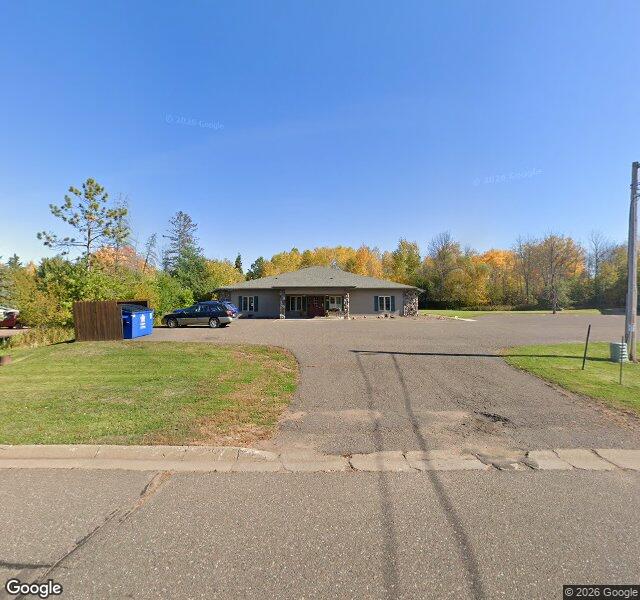
Birch Haven Senior Living Eagles Ridge
224 22nd Ave W, Ashland, WI 54806View map (opens in a new tab)
Overview and key essentials
State license
Active
WI DHS
Google reviews
3.7/ 5
6 reviews
Monthly cost
$3,390–$5,828/ mo
AI-assisted estimate
Mixed signals — tour closely
Public Google reviews reflect mixed experiences (3.7/5). Compare recent reviews and tour in person.
Cost, payment & care details
Updated Nov 28, 2026| Monthly cost | $3,390–$5,828AI-assisted estimate | Research may contain errors. Request a current quote from the provider. Source: AI-assisted online research, Nov 2026. |
|---|---|---|
| Payment options | Medicaid | Participation is reported in our source data. Confirm eligibility, covered services, and any private-pay costs. Verified Medicaid waiver: Wisconsin Family Care / IRIS Medicaid Waiver (WI Dept. of Health Services (DHS DQA)). |
| Size & availability | Confirm directly | We don't publish live openings. Ask about current availability, waitlist length, and move-in timing. |
| Care & support | Assisted livingMemory care certified | Usually offers housing and help with everyday tasks, such as bathing and dressing. What to confirm about care levelsThis describes the licensed category. Ask how care plans adjust if mobility, nursing, or memory needs change over time. Read the family care guide → |
Safety screening & compliance
State licensing depth & federal screening
HHS OIG LEIE: Clear (2026-11-27)OIG database ↗ (opens in a new tab)
WI DHS directory details (CBRF)
Class: CLASS CNA (NONAMBULATORY)Public Funding (Family Care / IRIS)HCBS CompliantDementia approvedWI DHS rates: $3,390–$5,828/mo
State licensing
State inspection history
6inspections
18deficiencies listed
Sep 30, 2026Complaint3 deficiencies reported3
3 deficiencies reported
View official state report (opens in a new tab)
83.31(4)(a) Notice of facility initiated dischargesN 326
Discharge or transfer initiated by CBRF. Notice and discharge requirements. 1. Before a CBRF involuntarily discharges a resident, the licensee shall give the resident or legal representative a 30 day written advance notice. The notice shall explain to the resident or legal representative the need for and possible alternatives to the discharge. Termination of placement initiated by a government correctional agency does not constitute a discharge under this section. 2. The CBRF shall provide assistance in relocating the resident and shall ensure that a living arrangement suitable to meet the needs of the resident is available before discharging the resident. This Rule is not met as evidenced by: Based on interview and record review, the provider did not give a written 30-day involuntary discharge notice to Resident 2 when they discharged him/her from the facility to the hospital. The provider did not provide assistance in ensuring a living arrangement suitable to meet Resident 2's needs was available before discharging him/her. Findings include: On 09/14/2026, the Department received a complaint regarding the involuntary discharge of a resident. On 09/23/2026, Surveyor reviewed hospital and documentation relating to the complaint. The documentation included: - A county DHS note, dated 08/20/2026. The note read, in part, "[Resident 2] arrived in urgent care yesterday from [facility name] for the stated purpose of re-curring [sic] UTI [urinary tract infection] and weakness. [Facility name] staff were unable to complete a UA [urinary analysis] collection. [Resident 2] has been medically cleared "no medical need to be there", [sic] but [facility name] is unwilling to take [him/her] back. Hospital will...begin looking for placement..." - A county DHS note, dated 09/15/2026. The note read, in part, "...the hospital staff are still actively looking for SNF [skilled nursing facility] placement." - A hospitalist admission note, dated 08/19/2026. The note read, in part, "...provider reached back out to the assisted living facility to discuss a discharge plan and they stated they could no longer meet [his/her] needs there, so decision was made for admission for treatment of UTI and placement..." The same document later read, in part, "social services to assess given concerns about placement issues and ability to meet [his/her] needs at current facility..." - A document titled, "Hospital Issued Notice of Noncovered Continued Stay," read, in part, "The purpose of this notice is to inform you that we believe your continued hospital stay will not be paid for by [federal health insurance program] because: Patient brought in due to [facility name] stating that [his/her] needs exceeded what they could do. Patient is medically stable and no acute illness at this time. Patient is awaiting placement to a nursing home at this time...we believe that beginning on 08/25/2026, you will be responsible for payment of your continued stay...We estimate the cost of your continued stay to be: Estimated daily cost - $1450.63..." On 09/28/2026, at approximately 1:00 PM, Surveyor interviewed Caregiver C. Caregiver C stated Resident 2 had been discharged from the facility due to becoming a 2- or 3-person assist. Caregiver C stated Resident 2 had been admitted to the hospital. At approximately 1:46 PM, Surveyor interviewed Administrator B. Administrator B stated Resident 2 had been declining after a UTI. Administrator B stated Resident 2 had gone to the hospital...
83.35(3)(d) Service plans updated annually or onN 389
changes Individual service plan review. Annually or when there is a change in a resident ' s needs, abilities or physical or mental condition, the individual service plan shall be reviewed and revised based on the assessment under sub. (1). All reviews of the individual service plan shall include input from the resident or legal representative, case manager, resident care staff, and other service providers as appropriate. The resident or resident ' s legal representative shall sign the individual service plan, acknowledging their involvement in, understanding of and agreement with the individual service plan. This Rule is not met as evidenced by: Based on interview and record review, the provider did not ensure to update the individual service plan (ISP) for Resident 1 when s/he had a change in his/her needs. Resident 1 had physician orders for 2 ounces of alcohol per night. Staff would routinely supervise Resident 1 while s/he drank, despite him/her expressing a desire to be left alone. Resident 1's ISP did not address staff monitoring and interventions of Resident 1's alcohol consumption. Findings include: On 09/28/2026, at approximately 1:10 PM, Surveyor interviewed Resident 1. Resident 1 stated a caregiver had supervised him/her while s/he had consumed his/her alcoholic beverage a few weeks prior. Resident 1 stated s/he would like to drink his/her alcoholic beverage alone in his/her room. At approximately 2:28 PM, Surveyor interviewed Caregiver A. Caregiver A stated Resident 1 would get his/her allotted amount of alcohol every night at around 8:00 PM or 9:00 PM. Caregiver A stated s/he typically worked the PM shift and would sit with Resident 1 while s/he consumed his/her alcoholic beverage. Caregiver A stated Resident 1 would express that s/he wanted to drink his/her alcohol alone while sitting and watching a movie. Caregiver A indicated s/he would sit with Resident 1 anyway, and s/he thought that every staff member would also watch Resident 1 while s/he drank his/her alcoholic beverage. Caregiver A stated s/he had been trained to sit with Resident 1 while s/he consumed his/her alcoholic beverage. Caregiver A stated Resident 1 used to spill liquid in his/her room and then ask for more alcohol. Caregiver A stated it was just easier to sit with Resident 1 while s/he had his/her alcohol. At approximately 3:00 PM, Surveyor interviewed Administrator B. Administrator B stated staff were to supervise Resident 1 while giving him/her nightly alcohol. Surveyor reviewed Resident 1's records, which included the following: - Resident 1's task administration record (TAR) for July 2026. The TAR indicated Resident 1 had a physician order to receive 2 ounces of alcohol at 8:00 PM daily. The TAR read, in part, "ORDERS FOR 2OZ [ounces] OF ALCOHOL AT BEDTIME [Resident 1] is to have 2oz [ounces] of whiskey at bedtime. The bottle will stay in the med [medication] cart and be documented on the bottle for amount consumed...ALCOHOL CONSUMPTION Resident has a physician order to receive 2oz [ounces] of alcohol prior to bedtime. Resident is not able to manage alcohol consumption on [his/her] own and all alcohol will be kept in [his/her] med [medication] cart. [His/her] guardian will bring in alcohol and give to staff. Guardian and Care team are aware..." - A negotiated risk agreement, dated 02/25/2026. The risk agreement read, in part, "Resident has a history of alcoholism and wishes to purchase and drink alcohol in the facility...Resident wishes...
STATE FORM6899
ISC812 STATE FORM ISC812 STATE FORM ISC812 STATE FORM ISC812 STATE FORM ISC812 STATE FORM ISC812 STATE FORM ISC812 STATE FORM ISC812 STATE FORM ISC812
Oct 7, 2025Complaint13 deficiencies reported13
13 deficiencies reported
View official state report (opens in a new tab)
On 09/30/2025, Surveyor conducted 3 complaint investigations and a self-report review along with a standard licensure survey. Data was collected through 10/07/2025. One of 3 complaints were substantiated. Ten deficiencies were identified. Three of 10 deficiencies were repeat deficiencies. See Statement of Deficiency (SOD) E6XC11, dated 10/25/2024. Census: 7
83.37(1)(e) Medication regimen, administrationN 404
review. Medication Regimen Review. 1. If residents ' medications are administered by a CBRF employee, the CBRF shall arrange for a pharmacist or a physician to review each resident ' s medication regimen. This review shall occur within 30 days before or 30 days after the resident ' s admission, whenever there is a significant change in medication, and at least every 12 months. 2. At least annually, the CBRF shall have a physician, pharmacist, or registered nurse conduct an on-site review of the CBRF ' s medication administration and medication storage systems. 3. The CBRF shall obtain a written report of findings under subds. 1. and 2., and address any irregularities for appropriate action. When the review is done by someone other than the prescribing practitioner, the prescribing practitioner shall receive a copy of the report when there are irregularities identified with the resident's medication regimen, which may need physician involvement to address. This Rule is not met as evidenced by: Based on record review and interview, the provider did not arrange for a pharmacist or a physician to review each resident's medication regimen within 30 days before or 30 days after the resident's admission and at least every 12 months for 2 of 2 resident's reviewed (Resident 1 and Resident 3). This is a repeat deficiency. See Statement of Deficiency (SOD) E6XC11, dated 10/25/2021. Findings include: On 09/30/2025, Surveyor reviewed Resident 1 and Resident 3's record. Resident 1 was admitted to the facility on 09/24/2024 with multiple diagnoses including: Down syndrome, dementia, depression, and anxiety. Resident 1's primary care provider (PCP) was identified as Nurse Practitioner (NP) D. Resident 1's medication administration record (MAR) for August 2025 indicated Resident 1 was prescribed multiple scheduled medications including: acetaminophen, cetirizine, donepezil, famotidine, olanzapine, omeprazole, quetiapine, sertraline, and a multivitamin. S/he also had as needed (PRN) orders for an albuterol inhaler and ipratropium inhaler. Resident 3 was admitted to the facility on 07/23/2024 with a diagnosis of dementia. Resident 3's PCP was identified as NP E. Resident 3's MAR for August 2025 indicated Resident 3 was prescribed the following scheduled medications: acetaminophen, amlodipine, Breo Ellipta inhaler, clonidine, cyanocobalamin injection, Flonase, guaifenesin, ketoconazole cream, lisinopril, loratadine, melatonin, omeprazole, paroxetine, psyllium fiber, Spiriva inhaler and Vitamin D2. S/he also had the following PRN orders: acetaminophen, albuterol inhaler, benzonatate, capsaicin cream, diclofenac gel, magnesium oxide, meclizine, senna, and a sore throat spray. On 10/01/2025, Surveyor emailed Administrator A and requested the most recent medication regimen reviews for Resident 1 and Resident 3. On 10/07/2025, Administrator A emailed Surveyor which read, in part: "I have asked pharmacy to send over medication reviews for [Resident 1] and [Resident 3]. They are working on that." On 10/07/2025, the provider emailed Surveyor medication regimen reviews signed and dated 10/07/2025 by the pharmacist. The reviews for Resident 1 and Resident 3 included recommendations.
STATE FORM6899
ISC811 STATE FORM ISC811 STATE FORM ISC811 STATE FORM ISC811 STATE FORM ISC811 STATE FORM ISC811 STATE FORM ISC811 STATE FORM ISC811 STATE FORM ISC811 STATE FORM ISC811 STATE FORM ISC811 STATE FORM ISC811 STATE FORM ISC811 STATE FORM ISC811 STATE FORM ISC811 STATE FORM ISC811 STATE FORM ISC811 STATE FORM ISC811 STATE FORM ISC811 STATE FORM ISC811 STATE FORM ISC811 STATE FORM ISC811 STATE FORM ISC811 STATE FORM ISC811 STATE FORM ISC811 STATE FORM ISC811 STATE FORM ISC811 STATE FORM ISC811 STATE FORM ISC811 STATE FORM ISC811
83.38(1)(b) Supervision.N 426
As appropriate, the CBRF shall teach residents the necessary skills to achieve and maintain the resident's highest level of functioning. In addition to the assessed needs as determined under s. DHS 83.35(1), the CBRF shall provide or arrange services adequate to meet the needs of the residents in all of the following areas: Supervision. The CBRF shall provide supervision appropriate to the resident's needs. This Rule is not met as evidenced by: Based on record review and interview, the provider did not provide supervision appropriate to meet Resident 1's needs. Resident 1 eloped from the facility 5 times in the last year. Findings include: On 09/30/2025 at approximately 11:00 a.m., Surveyor interviewed Caregiver D. Caregiver D told Surveyor there was 1 staff per shift scheduled for the facility. On 09/30/2025 at approximately 11:15 a.m., Surveyor interviewed Administrator A and Care Staff manager (CSM) M. Surveyor explained the purpose of the survey, which included reviewing self-reports related to Resident 1's elopements. Administrator A told Surveyor Resident 1 had been doing good until recently. S/he said the change of seasons seems to affect Resident 1. Administrator A confirmed there was 1 staff per shift and they also use the activity staff, nurse and care staff managers to assist with Resident 1. From 09/30/2025 - 10/06/2025, Surveyor reviewed Resident 1's record. Resident 1 was admitted to the facility on 09/24/2024 with diagnoses of Down syndrome, dementia, depression, and anxiety. Resident 1's individual service plan (ISP), with a report date of 09/30/2025, indicated s/he required 24-hour supervision. The ISP, read, in part: "Elopement Resident is at a moderate risk for elopement has eloped in the past 3 months. Requiring 30 min (minute) checks. Toilet Resident every 2 hours... General Health Resident is a high elopement risk and wears a GPS (global positioning system) tracker on [his/her] ankle that is linked to the Ashland Police Department. Staff will need to check the battery once a month, The instructions for the tracker are in [his/her] chart. Battery was last changed on 6/20/25 when changed next update care plan with new date of when it was changed..." A care plan, with a print date of 10/02/2025, read, in part: Start date 12/09/24, "Vulnerability, Safety and Risk [Resident 1] has a GPS tracking device on [his/her] ankle that is linked to the Ashland Police department. Battery is to be checked once a month, instructions for the tracker is in [Resident 1's] chart. [Resident 1] is high risk for elopement. [His/her] last elopement was 9/27/24 in which [s/he] left the building and was found walking down the street. [Resident 1] is on every 15 minute safety checks. [Resident 1] has not had any episodes of elopement since. [S/he] does like to go outside and walk close to the building." Start date 6/20/25 "15 minute safety checks [Resident 1] had eloped on 12/10/2024. [S/he] was brought back to the facility by the Ashland police department with no injury noted. 1/4/24 [sic] [Resident 1] eloped and walked to Quik [sic] Trip. [S/he] was returned by APD (Ashland Police Department) - no injury. Care plan and orders updated. When a door alarm goes off staff will go do a visual on [Resident 1's] where abouts [sic]." Start date 6/20/25 "Mental Status: Behaviors: Elopement Risk [Resident 1's] location bracelet will remain in good working order and will be checked monthly by staff to ensure battery is adequately charged. 6/20/25...
(2:00 p.m.), called Searchlight program,1400
resident was found by [Caregiver C] who called dispatch, and was returned by Ashland Police Department... Staff to continue with 15 minute checks on [Resident 1]. Staff to offer interventions: 1:1, toileting, activity programming, walking outdoors with staff..." On 10/06/2025 at approximately 3:45 p.m., Surveyor interviewed Administrator A on the phone. Surveyor asked how often staff were to be completing safety checks on Resident as the ISP and care plan were not clear what interventions were in place. Administrator A said Resident 1 was on 15 minute safety checks. Surveyor requested documentation of Resident 1's safety checks on 09/27/2025. On 10/07/2025, Administrator A emailed Surveyor documentation that staff were completing 30 minute safety checks on Resident 1 on 09/27/2025. The email read, in part: "In reviewing [Resident 1], [s/he] should have been on 15-minute checks according to [his/her] previous orders in our [electronic records] system since September 2024. (I will ask management team to
83.38(1)(h) Medication administration.N 432
As appropriate, the CBRF shall teach residents the necessary skills to achieve and maintain the resident ' s highest level of functioning. In addition to the assessed needs as determined under s. DHS 83.35(1), the CBRF shall provide or arrange services adequate to meet the needs of the residents in all of the following areas: Medication administration. The CBRF shall provide medication administration appropriate to the resident ' s needs. This Rule is not met as evidenced by: Based on observation and interview, the provider did not ensure staff provided medication administration to meet the needs of each resident. Resident 2's Lantus insulin pen that was open and in use was not stored according to the Food and Drug Administration (FDA) label. Findings include: The FDA label indicates proper storage for Lantus, which read, in part: "After first use o Keep your pen at room temperature below 86°F (30°C). o Keep your pen away from heat or light. o Store your pen with the pen cap on. o Do not put your pen back in the refrigerator. o Do not store your pen with the needle attached. o Keep out of the reach of children. o Only use your pen for up to 28 days after its first use. Throw away the LANTUS SoloStar pen you are using after 28 days, even if it still has insulin left in it." (Retrieved 10/07/2025 from: https://www.accessdata.fda.gov/drugsatfda_docs/ label/2023/021081s078s079lbl.pdf ). On 09/30/2025 at approximately 12:45 p.m., Surveyor observed the medication storage system with Caregiver C. Resident 2's Lantus insulin pens were stored in the medication refrigerator. Caregiver C showed Surveyor the Lantus insulin pen that was in use, which was stored in the refrigerator. There was a sticker on the pen to write the open date on the pen. The date was not on the pen. Surveyor asked Caregiver C if they date the pens when they open them. Caregiver C said they did not. On 10/01/2025, Surveyor emailed Administrator A and explained my observation and interview with Caregiver C. On 10/02/2025, Administrator A emailed Surveyor, which read, in part: "All meds (medications), including injectables, need to be dated upon opening. I am revising our Medication administration policy to identify insulin specifically. This also will be a re-education of our Staff [sic] that has started 10/02/2025."
83.47(2)(d) Fire drills.N 525
Fire drills. 1. Fire evacuation drills shall be conducted at least quarterly with both employees and residents. Drills shall be limited to the employees scheduled to work at that time. Documentation shall include the date and time of the drill and the CBRF ' s total evacuation time. The CBRF shall record residents having an evacuation time greater than the time allowed under s. HFS 83.35(5) and the type of assistance needed for evacuation. Fire evacuation drills may be announced in advance. 2. At least one fire evacuation drill shall be held annually that simulates the conditions during usual sleeping hours. Fire evacuation drills may be announced in advance. Drills shall be limited to the employees scheduled to work during the residents ' normal sleeping hours. This Rule is not met as evidenced by: Based on record review and interview, the provider did not ensure fire drills were completed at least quarterly in 2024. This is a repeat deficiency. See Statement of Deficiency (SOD) E6XC11, dated 10/25/2021. Findings include: This provider is licensed to care for up to 8 residents in the client groups of: advanced age, emotionally disturbed/mental illness, irreversible dementia/Alzheimer's disease, traumatic brain injury, developmentally disabled, and physically disabled. On 09/30/2025, Surveyor reviewed the provider's safety reports. The provider conducted 3 fire drills in 2024 on the following dates: 01/25/2024, 04/18/2024, and 12/19/2024. On 10/01/2025, Surveyor emailed Administrator A and asked if there were any other fire drills completed in 2024 and if any of the fire drills were simulated conditions for sleeping hours. On 10/02/2025, Administrator A replied via email, which indicated the 12/19/2024 fire drill that was completed at 7:30 p.m., was the simulated sleep fire drill. S/he did not indicate there were any other fire drills for 2024.
83.47(2)(e) Other evacuation drills.N 526
Other evacuation drills. Tornado, flooding, or other emergency or disaster evacuation drills shall be conducted at least semi-annually. This Rule is not met as evidenced by: Based on record review and interview, the provider did not conduct tornado, flooding, or other emergency or disaster evacuation drills at least semi-annually in 2024. This is a repeat deficiency. See Statement of Deficiency (SOD) E6XC11, dated 10/25/2021. Findings include: This provider is licensed to care for up to 8 residents in the client groups of: advanced age, emotionally disturbed/mental illness, irreversible dementia/Alzheimer's disease, traumatic brain injury, developmentally disabled, and physically disabled. On 09/30/2025, Surveyor reviewed the provider's safety reports. The provider conducted a severe weather drill on 05/21/2024 and 04/22/2025. On 10/01/2025, Surveyor emailed Administrator A and asked if there were any other emergency evacuation drill conducted in 2024. On 10/02/2025, Administrator A replied via email. S/he did not indicate a response to the question related to the other emergency evacuation drills. On 10/06/2025 at approximately 3:45 p.m., Surveyor interviewed Administrator A on the phone. Administrator A told Surveyor they have completed one emergency evacuation drill in
83.32(3)(i) Rights of Residents: AdequateN 353
treatment In addition to the rights under s. 50.09, Stats., each resident shall have all of the following rights: Prompt and adequate treatment. Receive prompt and adequate treatment that is appropriate to the resident ' s needs. This Rule is not met as evidenced by: Based on record review and interview, the provider did not ensure Resident 3 received prompt and adequate treatment when s/he sustained a laceration to his/her arm. Findings include: On 06/30/2025, the Department received a self-report for a fall Resident 3 had that resulted in an injury with emergency room treatment. The report read, in part: "Resident reports that [s/he] got out of bed at approx.(approximately) 0558 (5:58 a.m.) on 6/21/2025 to use the bathroom. [S/he] walked into the bathroom and [his/her] feet slipped out from underneath [him/her]. [S/he] fell on [his/her] buttocks and [his/her] left arm causing a skin tear ... Staff noticed [his/her] arm during shift change rounds. [Caregiver G] cleaned [his/her] arm and bandaged it as directed by Nurse on-call... Resident's [guardian] took [him/her] to the ER (emergency room) on Sunday 6/22/2025 to have [his/her] arm assessed due to the extent of the skin tear. It was reported that resident has a small wound that needed to be sutured, but because of the time that passed they were not able ... paperwork from the hospital states that a referral to wound care was completed and that they will be calling to schedule ... " On 07/14/2025, the Department received a complaint that alleged staff did not provide prompt and adequate treatment to a resident after the resident fell and sustained a laceration to his/her arm. On 09/30/2025 at approximately 11:40 a.m., Surveyor interviewed Resident 3. Resident 3 told Surveyor his/her left arm split open from a fall s/he had. Resident 3 showed Surveyor his/her left forearm, a scar was visible from a previous laceration. On 09/30/2025 at approximately 11:50 a.m., Surveyor interviewed Registered Nurse (RN) B. RN B told Surveyor Caregiver G discovered Resident 3's wound on shift change. RN B said Caregiver G called to report the incident to the on-call, which was Licensee F, who is also a licensed practical nurse. RN B said Caregiver G reported it as a skin tear and Caregiver G cleaned the wound, wrapped the wound and taped it. It was reported Caregiver G used making tape as s/he could not locate medical tape to adhere the bandage. RN B said this occurred on a Saturday and on Sunday, Resident 3's sibling visited, and s/he took Resident 3 to the emergency room. RN B said Resident 3's wound would have required stitches, but since it was longer than 24 hours, the emergency department staff were unable to stitch the wound. Resident 3 went to wound care, and the wound is now closed. On 09/30/2025, Surveyor reviewed Resident 3's record. Resident 3 was admitted to the facility on 07/23/2024 with a diagnosis of dementia. Resident 3 had an order for protective placement and was appointed a legal guardian. Surveyor reviewed an incident report, signed by RN B, dated 06/25/2025. The report read, in part: "Type of incident Alleged Fall Location of Incident OWN APARTMENT: Bathroom What did the resident tell you about what happened? Resident reported to this writer on 6/23, that [s/he] got out of bed to go to the bathroom and didn't know if there was some water on the floor of the bathroom, but [his/her] feet slipped out from under [him/her] and [s/he] fell. [S/he] states [s/he] landed on [his/her]...
83.12(4)(a) Reporting when resident'sN 163
whereabouts unknown A CBRF shall send a written report to the department within 3 working days after any of the following occurs: Any time a resident ' s whereabouts are unknown, except those instances when a resident who is competent chooses not to disclose his or her whereabouts or location to the CBRF, the CBRF shall notify the local law enforcement authority immediately upon discovering that a resident is missing. This reporting requirement does not apply to residents under the jurisdiction of government correctional agencies or persons recovering from substance abuse. This Rule is not met as evidenced by: Based on record review and interview, the provider did not report to the Department within 3 working days after Resident 1's whereabouts were unknown. Findings include: On 09/30/2025, Surveyor reviewed Resident 1's record. Resident 1 was admitted to the facility on 09/24/2024 with diagnoses of Down syndrome, dementia, depression, and anxiety. On 05/16/2025, Registered Nurse (RN) B documented: "Resident eloped from the facility this morning. This writer had the caregiver call the police department and then left to see if [s/he] could be located. [S/he] was found a few blocks away walking down the side walk [sic] and was unharmed. This writer brought [him/her] back to the facility. The police were notified of this. [Managed care organization] was updated and Message [sic] left for resident's [mother/father]." On 10/01/2025, Surveyor reviewed the Department's electronic file containing self-reports from the provider. The provider reported Resident 1 eloped on 01/04/2025 and 04/20/2025. The Department's electronic file did not contain a report of Resident 1's elopement on 05/16/2025. On 10/01/2025, Surveyor emailed Administrator A and asked if Resident 1's elopement from 05/16/2025 was reported to the Department. On 10/02/2025, Administrator A replied, via email, which read, in part: "I did not send this over to the state for review. From what I can see, neither did our nurse. I will remedy this and send this off today." On 10/02/2025, Administrator A emailed Surveyor a self-report on Resident 1's elopement from 05/16/2025.
83.38(1)(g) Health monitoring.N 431
As appropriate, the CBRF shall teach residents the necessary skills to achieve and maintain the resident ' s highest level of functioning. In addition to the assessed needs as determined under s. DHS 83.35(1), the CBRF shall provide or arrange services adequate to meet the needs of the residents in all of the following areas: Health monitoring. 1. The CBRF shall monitor the health of residents and make arrangements for physical health, oral health or mental health services unless otherwise arranged for by the resident. Each resident shall have an annual physical health examination completed by a physician or an advanced practice nurse as defined in s. N 8.02(1), unless seen by a physician or an advanced practice nurse as defined in s. N 8.02(1) more frequently. 2. When indicated, a CBRF shall observe residents ' food and fluid intake and acceptance of diet. The CBRF shall report significant deviations from normal food and fluid intake patterns to the resident ' s physician or dietician. 3. The CBRF shall document communication with the resident ' s physician and other health care providers, and shall record any changes in the resident ' s health or mental health status in the resident ' s record. This Rule is not met as evidenced by: Based on record review and interview, the provider did not provide health monitoring of Resident 3 related to changes in his/her skin. The provider did not record changes in Resident 3's skin in his/her record. Findings include: On 06/30/2025, the provider submitted a self-report to the Department which read, in part: "Resident reports that [s/he] got out of bed at approx. (approximately) 0558 (5:58 a.m.) on 6/21/2025 to use the bathroom. [S/he] walked into the bathroom and [his/her] feet slipped out from underneath [him/her]. [S/he] fell on [his/her] buttocks and [his/her] left arm causing a skin tear ... Staff noticed [his/her] arm during shift change rounds. [Caregiver G] cleaned [his/her] arm and bandaged it as directed by Nurse on-call... Resident's [guardian] took [him/her] to the ER (emergency room) on Sunday 6/22/2025 to have [his/her] arm assessed due to the extent of the skin tear. It was reported that resident has a small wound that needed to be sutured, but because of the time that passed they were not able ... paperwork from the hospital states that a referral to wound care was completed and that they will be calling to schedule ... " On 09/30/2025 at approximately 11:40 a.m., Surveyor interviewed Resident 3. Resident 3 told Surveyor his/her left arm split open from a fall s/he had. Resident 3 showed Surveyor his/her left forearm, a scar was visible from a previous laceration. Resident 3 also showed Surveyor his/her right arm that had bruise proximal to his/her shoulder. S/he also said the right side of his/her head hurt. Resident 3 told Surveyor s/he could not remember what happened. On 09/30/2025 at approximately 11:50 a.m., Surveyor interviewed Registered Nurse (RN) B. RN B told Surveyor s/he was not on-call when Resident 3 fell and sustained a laceration to his/her arm on 06/21/2025. S/he said that wound was healed now. Surveyor asked about the bruise to Resident 3's right arm. RN B told Surveyor s/he was unaware Resident 3 had a bruise on his/her right arm. From 09/30/2025 - 10/06/2025, Surveyor reviewed Resident 3's record. An incident report, completed by RN B, dated 06/25/2025, indicated Resident 3 fell on 06/21/2025 and sustained a "large skin tear" to his/her left arm. The injury...
and will be completing another.2025
and will be completing another.
83.32(3)(l) Rights of Residents: Least restrictiveN 356
env In addition to the rights under s. 50.09, Stats., each resident shall have all of the following rights: Least restrictive environment. Have the least restrictive conditions necessary to achieve the purposes of the resident ' s admission. The CBRF may not impose a curfew, rule or other restriction on a resident ' s freedom of choice. This Rule is not met as evidenced by: Based on record review and interview, the provider did not ensure Resident 3's right to the least restrictive environment was honored. Staff members observed Resident 3 consume his/her allowed 2 ounces of an alcoholic beverage at bedtime. Findings include: On 09/30/2025 at approximately 11:40 a.m., Surveyor interviewed Resident 3 in his/her room. Resident 3 told Surveyor s/he was allowed to have 2 ounces of scotch at bedtime. S/he said some of the staff will stay in his/her room and watch him/her consume his/her 2 ounces of scotch. Resident 3 said s/he would like to put on his/her pajamas, sit and watch television, and sip on his/her scotch, but s/he has to drink it in front of staff. On 09/30/2025 at approximately 11:50 a.m., Surveyor interviewed Registered Nurse (RN) B. Surveyor asked about staff watching Resident 3 consume his/her alcoholic beverage in the evening. RN B told Surveyor this has been an ongoing complaint from Resident 3. RN B said Resident 3 was only allowed 2 ounces and s/he would report it would spill and have staff get him/her more, so staff watch him/her consume the alcohol. On 09/30/2025 and 10/06/2025, Surveyor reviewed Resident 3's record. Resident 3 was admitted to the facility on 07/23/2024 with a diagnosis of dementia. Resident 3 was under protective placement and had a legal guardian. Resident 3's behavioral evaluation, dated 09/15/2025, signed by RN B, read, in part: "Resident does get frustrated when [s/he] wants to go places like 'downtown' by [him/herself] and is not allowed to do so. [S/he] does somewhat understand when told why [s/he] can not [sic] go by [him/herself]. Resident also drinks a shot of whiskey every night and has in the past stated that [s/he] spilled [his/her] shot in an attempt to get more. Staff are to not give more unless witnessing it being spilled." Resident 3's August 2025 medication administration record included the following: "Alcoholic Beverage Resident is to have 2 ounces only of Whiskey [sic] at bedtime. Measure out in the plastic med (medication) cup. 30 ML (milliliters) = 1 ounce. May have no more beer can or bottle on occasion." Resident 3's individual service plan (ISP), with a report date of 09/30/2025, indicated Resident 3 was capable of self supervision, independent in self-care, and could make his/her own decisions. The ISP read, in part: "[Resident 3] is legally blind in [his/her] right eye and only has 20% vision in [his/her] left eye. [S/he] will need help navigating and locating objects [s/he] may desire/need. Staff will stand by to assist while allowing [him/her] to navigate safely through the building ... [Resident 3] displays good self concepts, [s/he] is aware of past, present, and future. [S/he] is able to communicate [his/her] needs wants and desires." The ISP did not include any restrictions related to his/her alcohol consumption or history of intoxication/behaviors while consuming alcohol. Resident 3's limited vision may have contributed to Resident 3 spilling drinks. Resident 3's care plan, with a print date of 10/02/2025, read, in part: "[Resident 3] has not had any behavioral...
83.35(3)(b) Service plan development: partiesN 387
involved Development. The CBRF shall involve the resident and the resident ' s legal representative, as appropriate, in developing the individual service plan and the resident or the resident ' s legal representative shall sign the plan acknowledging their involvement in, understanding of and agreement with the plan. If a resident has a medical prognosis of terminal illness, a hospice program or home health care agency, as identified in s. HFS 83.38(2) shall, in cooperation with the CBRF, coordinate the development of the individual service plan and its approval under s. HFS 83.38 (2) (b). The resident ' s case manager, if any, and any health care providers, shall be invited to participate in the development of the service plan. This Rule is not met as evidenced by: Based on record review and interview, the provider did not ensure each resident, and their legal representatives were involved in developing their individual service plans (ISP), when their ISPs were not signed by the resident or their legal representative, acknowledging their involvement in, understanding of, and agreement with the plan for 2 of 2 residents reviewed (Resident 1 and Resident 3). Findings include: On 09/30/2025, Surveyor reviewed Resident 1 and Resident 3's records. Resident 1 was admitted to the facility on 09/24/2024 with diagnoses of Down syndrome and dementia. Resident 1 had an activated health care power of attorney (HCPOA). Resident 1's ISP, with a report date of 09/30/2025, did not contain any signatures. Resident 3 was admitted to the facility on 07/23/2024 with a diagnosis of dementia. Resident 1 was under protective placement and had a legal guardian. Resident 3's ISP, with a report date of 09/30/2025, did not contain any signatures. On 10/01/2025, Surveyor emailed Administrator A and requested ISPs for Resident 1 and Resident 3 with signatures. On 10/02/2025, Administrator A responded, via email, which read, in part: "We sign [managed care organization's] ISP. With our new program we are getting these signed as we meet with family/guar (guardian)/HCPOAs." Administrator A did attach an ISP for Resident 3 that was signed by Resident 3 and Administrator A on 10/01/2025.
Oct 7, 2025EnforcementEnforcement actionPenalty
Enforcement action
View official state report (opens in a new tab)
No deficiencies are reported in this inspection record.
Oct 23, 2024Complaint1 deficiency reported1
Jun 13, 2024Follow-up1 deficiency reported1
1 deficiency reported
View official state report (opens in a new tab)
STATE FORM6899
4U0L13 {N 427} {N 427} This is a repeat deficiency. See Statement of Deficiency 4U0L12, dated 08/17/2023. Findings include: The provider is licensed to care for up to 8 residents in the client groups of: traumatic brain injury, irreversible dementia/Alzheimer's disease, advanced age, emotionally disturbed/mental illness, and physically disabled. On 06/11/2024, Surveyor reviewed the activity calendar for June 2024. There were no activities planned on Thursdays in June 2024. On Fridays and Saturdays, the calendar indicated there would be independent activities, except for 06/22/2024, when the beauty shop would be open. On 06/11/2024 at approximately 11:30 a.m., Surveyor interviewed Resident 1. Resident 1 told Surveyor there was not an activity every day. S/he said there was an activity about once a week. On 06/11/2024 at approximately 11:35 a.m., Surveyor interviewed Resident 2 and asked about activities. Resident 2 told Surveyor, "We do a few things." Resident 2 told Surveyor there was not an activity planned daily. On 06/13/2024 at approximately 9:45 a.m., Surveyor interviewed Administrator in Training (AT) A. Surveyor asked which days Activity Director (AD) B worked. AT A told Surveyor that AD B worked on Mondays, Wednesdays, and Fridays. AT A said they have independent activities when AD B is not present. Surveyor asked clarification that there was no activity planned when AD B was not working. AT A told STATE FORM 4U0L13 {N 427} {N 427} Surveyor, "Correct." The provider did not ensure an activity was planned daily for the residents. STATE FORM 4U0L13
Show all 6 inspections
Jun 13, 2024EnforcementEnforcement actionPenalty
Enforcement action
View official state report (opens in a new tab)
No deficiencies are reported in this inspection record.
Neighborhood & resident support
Emergency access, hazards & advocacy
Nearest hospital
Memorial Medical Center - Ashland
1.3 mi · Ashland, WI · Medicare 3/5 ★
Emergency room
FEMA hazard risk
Very LowAshland County, WI
- Cold Wave
- Winter Weather
- Lightning
Free resident advocacy
Wisconsin Board on Aging & Long Term Care Ombudsman
More neighborhood context (specialists, VA, dialysis, air & affordability)
VA & dialysis access
Iron Mountain MI VA Medical Center
146.1 mi · Iron Mountain, MI
Fmc Dialysis - Chequamegon Bay
3.6 mi · 3/5 ★ · Home dialysis
Specialists within 15 mi
- Geriatricians
- 0
- Neurologists
- 3
- Palliative care
- 0
- PM&R rehab
- 1
Environment & mobility
- EPA Walkability
- 7.3/20 (Below Average)
- Primary care access
- HRSA Shortage Area
County demographics
- Age 65+ median income
- $40,298/yr
- Rent-burdened households
- 39%
- Cognitive disability (2023)
- 15.4%
- Mobility disability
- 13.3%
Call & tour checklist
Questions to ask Birch Haven Senior Living Eagles Ridge
Check off questions as you call or tour. Your progress stays private in this browser.
Show 3 more suggested questions
Verification & public records
Official records & sources
Licensing & contact
- License #
- 15013
- Status
- active
Original public sources
Verify licensing, ratings, and inspection reports directly with each official source.
- WI DHS official record (opens in a new tab)WI Dept. of Health Services
- Google Maps (opens in a new tab)Directions, photos & neighborhood
- Google Reviews (opens in a new tab)6 public reviews
EveryPlace is an independent research directory. Information is compiled from public Medicare.gov, state licensing, Google Places, and street-level imagery sources. Some summaries, suggested questions, and pricing notes are AI-generated or AI-assisted and may contain errors or omissions. We do not accept payment for placement. Confirm all details directly with the community and official sources. Research Policy.
Keep exploring
Nearby communities to compare
- 3.7(6)MedicaidAssisted Living< 1 miBirch Haven Senior Living Falcons CrestAshland, WI
- Cap. 37HUD Senior Housing< 1 miAshland ArmsAshland, WI
- MedicaidAssisted Living< 1 miBirch Haven Senior Living Timbers EdgeAshland, WI
- MedicaidAssisted Living< 1 miBirch Haven Senior Living Bears HollowAshland, WI
- Medicare 4/51.0(1)50 bedsMedicaidNursing Home< 1 miCourt Manor Health ServicesAshland, WI
- Medicare 4/53.0(13)117 bedsMedicaidNursing Home< 1 miAshland Health ServicesAshland, WI