Loading EveryPlace content…
Assisted LivingActive license
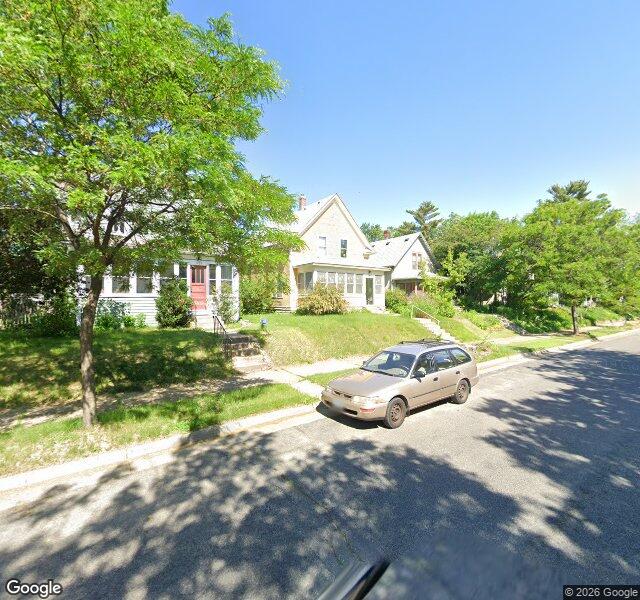
Agape Assisted Living and Hous
3450 20th Avenue South, Minneapolis, MN 55407View map (opens in a new tab)
Overview and key essentials
State license
Active
MN MDH
Google reviews
Not available
Public reviews not linked
Size & payment
Ask directly
Confirm pricing & payment
Public records for this community are limited. Use the checklist below when you call or visit to confirm pricing, services, and openings.
Cost, payment & care details
Updated Nov 28, 2026| Monthly cost | Not published | Ask for the full monthly cost, including care fees and one-time charges. |
|---|---|---|
| Payment options | Ask directly | Payment details are not confirmed in our records. Ask about private pay, long-term care insurance, veterans benefits, and Medicaid waivers. |
| Size & availability | Confirm directly | We don't publish live openings. Ask about current availability, waitlist length, and move-in timing. |
| Care & support | Assisted living | Usually offers housing and help with everyday tasks, such as bathing and dressing. What to confirm about care levelsThis describes the licensed category. Ask how care plans adjust if mobility, nursing, or memory needs change over time. Read the family care guide → |
State licensing
State inspection history
2inspections
22deficiencies listed
Mar 26, 2025Routine6 deficiencies reported6
6 deficiencies reported
View official state report (opens in a new tab)
144G.45 Subd. 2 (b-f) Fire protection and0810
SS=F physical environment (b) Each assisted living facility shall develop and maintain fire safety and evacuation plans. The plans shall include but are not limited to: (1) location and number of resident sleeping rooms; (2) staff actions to be taken in the event of a fire or similar emergency; (3) fire protection procedures necessary for residents; and (4) procedures for resident movement, evacuation, or relocation during a fire or similar emergency including the identification of unique or unusual resident needs for movement or evacuation. (c) Staff of assisted living facilities shall receive training on the fire safety and evacuation plans upon hiring and at least twice per year thereafter. (d) Fire safety and evacuation plans shall be readily available at all times within the facility. (e) Residents who are capable of assisting in their own evacuation shall be trained on the proper actions to take in the event of a fire to include movement, evacuation, or relocation. The training shall be made available to residents at least once per year. (f) Evacuation drills are required for staff twice per year per shift with at least one evacuation drill every other month. Evacuation of the residents is not required. Fire alarm system activation is not required to initiate the evacuation drill. This MN Requirement is not met as evidenced by: Based on observation, interview, and record review, the licensee failed to develop the fire STATE FORM
144G.41 Subdivision 1 Subd. 1a (a-b) Minimum0480
SS=F requirements; required food services (a) Except as provided in paragraph (b), food must be prepared and served according to the Minnesota Food Code, Minnesota Rules, chapter 4626. (b) For an assisted living facility with a licensed capacity of ten or fewer residents: (1) notwithstanding Minnesota Rules, part 4626.0033, item A, the facility may share a certified food protection manager (CFPM) with one other facility located within a 60-mile radius and under common management provided the CFPM is present at each facility frequently enough to effectively administer, manage, and supervise each facility's food service operation; (2) notwithstanding Minnesota Rules, part 4626.0545, item A, kick plates that are not removable or cannot be rotated open are allowed unless the facility has been issued repeated correction orders for violations of Minnesota Rules, part 4626.1565 or 4626.1570; (3) notwithstanding Minnesota Rules, part 4626.0685, item A, the facility is not required to provide integral drainboards, utensil racks, or tables large enough to accommodate soiled and clean items that may accumulate during hours of operation provided soiled items do not contaminate clean items, surfaces, or food, and STATE FORM The findings include: Please refer to the document titled, Food and Beverage Establishment Inspection Report (FBEIR) dated, March 25, 2025, for the specific Minnesota Food Code violations. The Inspection Report was provided to the licensee within 24 hours of the inspection. TIME PERIOD FOR CORRECTION: Please refer to the FBEIR for any compliance dates.
20th Avenue S3450
Minneapolis, MN55407 Hennepin County, 27 License Categories: Operator: Expires on: 12/31/22 Phone #: ID #: The violations listed in this report include any previously issued orders and deficiencies identified during this inspection. Compliance dates are shown for each item. The following orders were issued during this inspection. 3-500D Microbial Control: disposition of food 3-501.18A ** Priority 1 ** MN Rule 4626.0405A Discard all TCS food prepared in the establishment or opened commercially packaged food when the time exceeds 7 days from the preparation or opening date or if the container or package is not marked. DELI TURKEY MEAT HAD AN OPENED DATE OF 3/4/25. TURKEY WAS DISCARDED. DISCUSSED DATE MARKING AND DISPOSAL REQUIREMENTS, FACT SHEET LEFT ON SITE. Comply By: 03/25/25 2-100 Supervision 2-102.12AMN MN Rule 4626.0033A Employ a certified food protection manager (CFPM) for the establishment. (ISSUED 12/5/22) NO CFPM ON SITE. FACT SHEET LEFT ON SITE. Comply By: 01/31/23 Surface and Equipment Sanitizers Utensil Surface Temp.: = at 160+ Degrees Fahrenheit Location: DISHWASHER Violation Issued: No Food and Equipment Temperatures Process/Item: Cold Hold/CUT MELON Temperature: 40 Degrees Fahrenheit - Location: FRIGIDAIRE - MIDDLE SHELF Violation Issued: No Process/Item: Cold Hold/DELI TURKEY Temperature: 41 Degrees Fahrenheit - Location: FRIGIDAIRE - DRAWER Violation Issued: No Total Orders In This Report Priority 1 1 INSPECTION COMPLETED WITH EMPLOYEES AND REVIEWED WITH HRD NURSING EVALUATOR MARY BRUESS. DISCUSSED DATE MARKING, GLOVE USE, COOKING TEMPERATURES, CROSS-CONTAMINATION, AND EMPLOYEE ILLNESS. FACILITY TESTS DISHWASHER MONTHLY AND SAVES DISHWASHER TEST LABELS. THE MOST RECENT LABEL WAS RUN THIS MONTH AND SHOWED THE DISHWASHER PROVIDED A UTENSIL SURFACE TEMPERATURE OF 160+ DEGREES F. KITCHEN IS RESIDENTIAL AND FOOD IS PREPARED FOR SAME DAY SERVICE. FLOORING IS LAMINATE AND CABINETS ARE WOOD WITH HOLLOW BASE. ALL ARE FOUND TO BE IN GOOD CONDITION AND WILL BE MONITORED AT FUTURE INSPECTIONS. IF AT SUCH A TIME THEY ARE FOUND TO BE A CONCERN OR RISK OF CONTAMINATION, THEY WILL BE ORDERED TO BE REPLACED AND BROUGHT UP TO CODE. NOTE: Plans and specifications must be submitted for review and approval prior to new construction, remodeling or alterations. number 1005251071 of 03/25/25. Certified Food Protection Manager: Certification Number: Expires: / / Inspection report reviewed with person in charge and emailed. Signed: LACHANDRA GUMS OWNER
144G.42 Subd. 10 Disaster planning and0680
SS=F emergency preparedness (a) The facility must meet the following requirements: (1) have a written emergency disaster plan that contains a plan for evacuation, addresses elements of sheltering in place, identifies temporary relocation sites, and details staff assignments in the event of a disaster or an emergency; (2) post an emergency disaster plan prominently; (3) provide building emergency exit diagrams to all residents; (4) post emergency exit diagrams on each floor; and (5) have a written policy and procedure regarding missing residents. (b) The facility must provide emergency and disaster training to all staff during the initial staff orientation and annually thereafter and must make emergency and disaster training annually available to all residents. Staff who have not received emergency and disaster training are allowed to work only when trained staff are also working on site. STATE FORM
10ID116899
provide assisted living services until obtaining the required license under paragraphs (c) to (e). (b)The licensee is legally responsible for the management, control, and operation of the facility, regardless of the existence of a management agreement or subcontract. Nothing in this chapter shall in any way affect the rights and remedies available under other law. (c) Upon approving an application for an assisted living facility license, the commissioner shall issue a single license for each building that is operated by the licensee as an assisted living facility and is located at a separate address, except as provided under paragraph (d) or (e). (d) Upon approving an application for an assisted living facility license, the commissioner may issue a single license for two or more buildings on a campus that are operated by the same licensee as an assisted living facility. An assisted living facility license for a campus must identify the address and licensed resident capacity of each building located on the campus in which assisted living services are provided. (e) Upon approving an application for an assisted living facility license, the commissioner may: (1) issue a single license for two or more buildings on a campus that are operated by the same licensee as an assisted living facility with dementia care, provided the assisted living facility for dementia care license for a campus identifies the buildings operating as assisted living facilities with dementia care; or (2) issue a separate assisted living facility with dementia care license for a building that is on a campus and that is operating as an assisted living facility with dementia care. This MN Requirement is not met as evidenced by: STATE FORM 10ID11 10ID11 from the information submitted, that a proper fire separation wall divided the two residences. The engineering surveyor stated the image was not clear enough to read, and requested further information. On March 28, 2025, at 12:28 p.m., when clearer documentation was requested, LALD/CNS-A stated, via email, "that's all he could get." LALD/CNS-A did not provide additional documentation to the department. 144G.08 DEFINITIONS Subd. 7. Assisted living facility. Assisted living facility means a facility that provides sleeping accommodations and assisted living services to one or more adults. Assisted living facility includes assisted living facility with dementia care, and does not include: (1) emergency shelter, transitional housing, or any other residential units serving exclusively or primarily homeless individuals, as defined under section 116L.361; (2) a nursing home licensed under chapter 144A; (3) a hospital, certified boarding care, or supervised living facility licensed under sections 144.50 to 144.56; (4) a lodging establishment licensed under chapter 157 and Minnesota Rules, parts 9520.0500 to 9520.0670, or under chapter 245D, 245G, or 245I; (5) services and residential settings licensed under chapter 245A, including adult foster care and services and settings governed under the standards in chapter 245D; (6) a private home in which the residents are related by kinship, law, or affinity with the provider of services; (7) a duly organized condominium, cooperative, STATE FORM 10ID11 10ID11 primarily serves as a shelter or temporary shelter for victims of domestic or any other form of violence. No further information was provided. TIME PERIOD FOR CORRECTION: Seven (7) days 10ID11 clean equipment and dishes are air...
144G.10 Subdivision 1 License required0100
SS=F 0 100 (a)(1)Beginning August 1, 2021, no assisted living facility may operate in Minnesota unless it is licensed under this chapter. (2) No facility or building on a campus may STATE FORM Based on observation, interview, and record review, the licensee failed to manage, control, and/or operate the entire building as an assisted living facility. Non-assisted living occupants reside on one side of the duplex, and the licensee did not have access to all areas of the facility. This had the potential to affect all residents, staff, and visitors to the facility. This practice resulted in a level two violation (a violation that did not harm a client's health or safety but had the potential to have harmed a resident's health or safety, but was not likely to cause serious injury, impairment, or death), and was issued at a widespread scope (when problems are pervasive or represent a systemic failure that has affected or has potential to affect a large portion or all of the residents). The findings include: On March 24, 2025, at 10:30 a.m., the surveyor arrived at the licensee's address at 3450 20th Ave S, Minneapolis, MN 55407, and observed a duplex building with two separate fire (address) numbers prominently displayed above two separate entrance doors. The duplex was observed to be two-story, side-by-side structure. On March 24, 2025, at 12:15 p.m., during a tour of the facility, licensed assisted living director/clinical nurse supervisor (LALD/CNS)-A, who was also the owner, stated they rented one side of the duplex and the other side was occupied by residents of a department of human services (DHS) group home. On March 28, 2025, the licensee provided building blueprints for the facility, via email. The engineering surveyor was unable to determine STATE FORM and common interest community, or owners' association of the condominium, cooperative, and common interest community where at least 80 percent of the units that comprise the condominium, cooperative, or common interest community are occupied by individuals who are the owners, members, or shareholders of the units; (8) a temporary family health care dwelling as defined in sections 394.307 and 462.3593; (9) a setting offering services conducted by and for the adherents of any recognized church or religious denomination for its members exclusively through spiritual means or by prayer for healing; (10) housing financed pursuant to sections 462A.37 and 462A.375, units financed with low-income housing tax credits pursuant to United States Code, title 26, section 42, and units financed by the Minnesota Housing Finance Agency that are intended to serve individuals with disabilities or individuals who are homeless, except for those developments that market or hold themselves out as assisted living facilities and provide assisted living services; (11) rental housing developed under United States Code, title 42, section 1437, or United States Code, title 12, section 1701q; (12) rental housing designated for occupancy by only elderly or elderly and disabled residents under United States Code, title 42, section 1437e, or rental housing for qualifying families under Code of Federal Regulations, title 24, section 983.56; (13) rental housing funded under United States Code, title 42, chapter 89, or United States Code, title 42, section 8011; (14) a covered setting as defined in section 325F.721, subdivision 1, paragraph (b); or (15) any establishment that exclusively or STATE FORM
Dec 12, 2022Routine16 deficiencies reported16
16 deficiencies reported
View official state report (opens in a new tab)
moderate0640
reporting suspected c The facility shall support protection and safety through access to the state's systems for reporting suspected criminal activity and suspected vulnerable adult maltreatment by: (1) posting the 911 emergency number in common areas and near telephones provided by the assisted living facility; (2) posting information and the reporting number for the Minnesota Adult Abuse Reporting Center to report suspected maltreatment of a vulnerable adult under section 626.557; and (3) providing reasonable accommodations with information and notices in plain language. This MN Requirement is not met as evidenced by: Based on observation and interview, the licensee failed to support protection and safety through access to the state's systems for reporting suspected criminal activity and suspected vulnerable adult maltreatment as required. This had the potential to affect all of the licensee's residents, staff, and visitors. This practice resulted in a level two violation (a violation that did not harm a resident's health or safety but had the potential to have harmed a resident's health or safety, but was not likely to cause serious injury, impairment, or death), and was issued at a widespread scope (when problems are pervasive or represent a systemic failure that has affected or has potential to affect a large portion or all of the residents). The findings include: The licensee failed to: - post the 911 emergency number in common areas and near telephones provided by the assisted living facility. During the initial tour of the facility on December 5, 2022, at 10:00 a.m., the surveyor observed the main floor, upstairs and downstairs within the facility. There was no posting of the 911 emergency number, as required. On December 5, 2022, at 10:09 a.m., licensed assisted living director (LALD)-A confirmed the required content noted above was not posted. TIME PERIOD FOR CORRECTION: Twenty-One (21) days
moderate0730
Contents of a resident record include the following for each resident: (1) identifying information, including the resident's name, date of birth, address, and telephone number; (2) the name, address, and telephone number of the resident's emergency contact, legal representatives, and designated representative; (3) names, addresses, and telephone numbers of the resident's health and medical service providers, if known; (4) health information, including medical history, allergies, and when the provider is managing medications, treatments or therapies that require documentation, and other relevant health records; (5) the resident's advance directives, if any; (6) copies of any health care directives, guardianships, powers of attorney, or conservatorships; (7) the facility's current and previous assessments and service plans; (8) all records of communications pertinent to the resident's services; (9) documentation of significant changes in the resident's status and actions taken in response to the needs of the resident, including reporting to the appropriate supervisor or health care professional; (10) documentation of incidents involving the resident and actions taken in response to the needs of the resident, including reporting to the appropriate supervisor or health care professional; (11) documentation that services have been provided as identified in the service plan; (12) documentation that the resident has received and reviewed the assisted living bill of rights; (13) documentation of complaints received and any resolution; (14) a discharge summary, including service termination notice and related documentation, when applicable; and (15) other documentation required under this chapter and relevant to the resident's services or status. This MN Requirement is not met as evidenced by: Based on observation, interview, and record review, the licensee failed to ensure the resident record included the required content for one of one resident (R1) resident with records reviewed. This practice resulted in a level two violation (a violation that did not harm a resident's health or safety but had the potential to have harmed a resident's health or safety, but was not likely to cause serious injury, impairment, or death), and was issued at an isolated scope (when one or a limited number of residents are affected or one or a limited number of staff are involved or the situation has occurred only occasionally). The findings include: The licensee's Provisional Assisted Living Facility (PALF) license became effective October 28, 2022. On December 5, 2022, at 8:45 a.m., during the PALF entrance conference, licensed assisted living director (LALD)-A and owner (OW)-C, both stated all the licensee's current staff and admitted residents were from a different licensee that was no longer in operation. LALD-A and OW-C stated they continued to provide care to residents from previous licensee with the staff from previous licensee. LALD-A and OW-C both stated they received their PALF license on October 28, 2022. R1's diagnoses included type II diabetes and hypertension. R1's service plan dated for August 15, 2022. R1's Individual Abuse Prevention Assessment and Plan dated for August 15, 2022. R1's care plan dated for August 15, 2022. R1's fall risk assessment dated for September 15, 2022. On December 5, 2022, at 1:00 p.m., LALD-A verified the licensee used R1's assessments, care plan, and service plan from the previous licensee that was no longer in...
moderate0680
emergency preparedness (a) The facility must meet the following requirements: (1) have a written emergency disaster plan that contains a plan for evacuation, addresses elements of sheltering in place, identifies temporary relocation sites, and details staff assignments in the event of a disaster or an emergency; (2) post an emergency disaster plan prominently; (3) provide building emergency exit diagrams to all residents; (4) post emergency exit diagrams on each floor; and (5) have a written policy and procedure regarding missing tenant residents. (b) The facility must provide emergency and disaster training to all staff during the initial staff orientation and annually thereafter and must make emergency and disaster training annually available to all residents. Staff who have not received emergency and disaster training are allowed to work only when trained staff are also working on site. (c) The facility must meet any additional requirements adopted in rule. This MN Requirement is not met as evidenced by: Based on interview and record review, the licensee failed to develop a written emergency preparedness plan (EPP) with all the required content and failed to post an EPP prominently. This had the potential to affect all of the licensee's residents, staff, and visitors. This practice resulted in a level two violation (a violation that did not harm a resident's health or safety but had the potential to have harmed a resident's health or safety) and was issued at a widespread scope (when problems are pervasive or represent a systemic failure that has affected or has the potential to affect a large portion or all of the residents). The findings include: On December 5, 2022, at 10:00 a.m., a facility tour was conducted with the licensed assisted living director (LALD)-A. In the common area on the main floor, there was two cork boards with multiple required postings. However, there was no EPP posted. During an interview on December 5, 2022, at 11:36 a.m., LALD-A verified there was no EPP signage posted on the cork boards. On December 5, 2022, at 2:22 p.m., the licensee's EPP was reviewed with owner (OW)-C. During the review OW-C verified the following policies and procedures were missing from the EPP. The licensee's EPP did not include the following content: - a description of the population served by the licensee to identify at risk populations - process for emergency preparedness (EP) cooperation and collaboration with state and local EP officials/organizations - policies and procedures based the EP, risk assessment and communication plan - the development of policies and procedures to address: - policy and procedure for system to track the location of on-duty staff and sheltered residents - policy and procedure to address, system of documentation that preserves resident information, protects confidentiality, and secures/maintains availability of records - policy and procedure that addresses the use of volunteers, including the process/role for integration - no 1135 waiver, policy and procedure for providing care/treatment at alternate sites -no written communication plan, which must include names/contact information of staff, entities providing services, resident's physicians, other facilities, and volunteers - the communication plan must include contact information for the following: federal, state, tribal, regional, and local EP staff, state licensing and certification agency, MN Office of Ombudsman for long term care, and other...
moderate0470
(11) develop and implement a staffing plan for determining its staffing level that: (i) includes an evaluation, to be conducted at least twice a year, of the appropriateness of staffing levels in the facility; (ii) ensures sufficient staffing at all times to meet the scheduled and reasonably foreseeable unscheduled needs of each resident as required by the residents' assessments and service plans on a 24-hour per day basis; and (iii) ensures that the facility can respond promptly and effectively to individual resident emergencies and to emergency, life safety, and disaster situations affecting staff or residents in the facility; (12) ensure that one or more persons are available 24 hours per day, seven days per week, who are responsible for responding to the requests of residents for assistance with health or safety needs. Such persons must be: (i) awake; (ii) located in the same building, in an attached building, or on a contiguous campus with the facility in order to respond within a reasonable amount of time; (iii) capable of communicating with residents; (iv) capable of providing or summoning the appropriate assistance; and (v) capable of following directions; This MN Requirement is not met as evidenced by: Based on interview and record review, the licensee failed to develop and implement a written staffing plan to determine staffing levels to meet the needs of residents. This had the potential to affect all of the licensee's residents, staff, and visitors. This practice resulted in a level two violation (a violation that did not harm a resident's health or safety but had the potential to have harmed a resident's health or safety, but was not likely to cause serious injury, impairment, or death), and is issued at a widespread scope (when problems are pervasive or represent a systemic failure that has affected or has the potential to affect a large portion or all of the residents). The findings include: On December 5, 2022, at 8:45 a.m., during the provisional assisted living facility (PALF) entrance conference, licensed assisted living director (LALD)-A, who was also the registered nurse, and owner (OW)-C, both stated the usual staffing schedule for the facility was as follows: - LALD-A was at the facility 51 hours every two weeks and was also on-call. - the day shift was staffed with one unlicensed personnel (ULP) from 8:00 a.m. to 4:00 p.m.; - the evening shift was staffed with one ULP from 4:00 p.m. to 12:00 a.m.; and - the night shift was staffed with one ULP from 12:00 a.m. to 8:00 a.m. On December 5, 2022, at 3:53 p.m., LALD-A stated the licensee did not have a developed written staffing plan. The licensee's policy titled "Staffing and Scheduling," dated October 28, 2022, indicated the nurse would develop and implement a written staffing plan that provided an adequate number of qualified direct-care staff to meet the residents' needs 24-hours a day, seven-days a week. TIME PERIOD FOR CORRECTION: Twenty-One (21) days
STATE FORM6899
3VJ611 STATE FORM 3VJ611 STATE FORM 3VJ611 STATE FORM 3VJ611 STATE FORM 3VJ611 STATE FORM 3VJ611 STATE FORM 3VJ611 STATE FORM 3VJ611 STATE FORM 3VJ611 STATE FORM 3VJ611 STATE FORM 3VJ611 STATE FORM 3VJ611 STATE FORM 3VJ611 STATE FORM 3VJ611 STATE FORM 3VJ611 STATE FORM 3VJ611 STATE FORM 3VJ611 STATE FORM 3VJ611 STATE FORM 3VJ611 STATE FORM 3VJ611 STATE FORM 3VJ611 STATE FORM 3VJ611 STATE FORM 3VJ611 STATE FORM 3VJ611 STATE FORM 3VJ611 STATE FORM 3VJ611 01460 01460 before providing assisted living services to residents. The orientation may be incorporated into the training required under subdivision 5. The orientation need only be completed once for each staff person and is not transferable to another facility. This MN Requirement is not met as evidenced by: Based on observation, interview, and record review, the licensee failed to ensure orientation to assisted living licensing requirements and regulations was provided for one of one employee (unlicensed personnel (ULP)-B) and all the other employees with records reviewed. This had the potential to affect all of the licensee's residents. This practice resulted in a level two violation (a violation that did not harm a resident's health or safety but had the potential to have harmed a resident's health or safety, but was not likely to cause serious injury, impairment, or death), and was issued at an isolated scope (when one or a limited number of residents are affected or one or a limited number of staff are involved or the situation has occurred only occasionally). The findings include: The licensee's Provisional Assisted Living Facility license became effective October 28, 2022. On December 5, 2022, at 8:45 a.m., during the PALF entrance conference, licensed assisted living director (LALD)-A and owner (OW)-C, both stated all the licensee's current staff and admitted residents were from a different licensee that was no longer in operation. LALD-A and OW-C stated they continued to provide care to residents from STATE FORM 3VJ611 01460 01460 previous licensee with the staff from previous licensee. LALD-A and OW-C both stated they received their PALF license on October 28, 2022. The licensee's staff roster included the following listed staff with employee start dates: LALD-A with a start date of March 29, 2021. ULP-B started employment on March 29, 2021. OW-C started employment on January 3, 2022. ULP-D started employment on July 19, 2022. ULP-E started employment on January 19, 2022 ULP-F started employment on August 24, 2017. ULP-G started employment on January 19, 2022. ULP-B ULP-B started employment on March 29, 2021. On December 5, 2022, at 11:25 a.m., the surveyor observed ULP-B administer R1's oral medications. ULP-B's employee record indicated ULP-B received orientation to Home Care in accordance with 144A.4796 statutes. ULP-B's employee record lacked evidence the employee completed orientation to assisting living facility requirements in accordance with 144G statutes prior to providing direct care to residents after the PALF license went into effect on October 28, 2022, to include: - overview of Assisted Living statutes; - review of provider's policies and procedures; - handling emergencies and using emergency services; - reporting maltreatment of vulnerable adults or minors; - review of the assisted living bill of rights. - principles of person-centered planning/service delivery; STATE FORM 3VJ611 01460 01460 - handling of resident complaints; - consumer advocacy services; -...
moderate0480
requirements (13) offer to provide or make available at least the following services to residents: (i) at least three nutritious meals daily with snacks available seven days per week, according to the recommended dietary allowances in the United States Department of Agriculture (USDA) guidelines, including seasonal fresh fruit and fresh vegetables. The following apply: (B) food must be prepared and served according to the Minnesota Food Code, Minnesota Rules, chapter 4626; and This MN Requirement is not met as evidenced by: Based on observation, interview, and record review, the licensee failed to ensure food was prepared according to the Minnesota Food Code. This practice resulted in a level two violation (a violation that did not harm a resident's health or safety but had the potential to have harmed a resident's health or safety, but was not likely to cause serious injury, impairment, or death), and was issued at a widespread scope (when problems are pervasive or represent a systemic failure that has affected or has potential to affect a large portion or all of the residents). The findings include: Please refer to the included document titled, Food and Beverage Establishment Inspection Report dated December 12, 2022, for the specific Minnesota Food Code deficiencies. TIME PERIOD FOR CORRECTION: Twenty-one (21) days
minor0540
The facility must provide a family council with space and privacy for meetings, where doing so is reasonably achievable. The facility must designate a staff person who is approved by the family council to be responsible for providing assistance and responding to written requests that result from meetings. The facility must consider the views of the family council and must respond promptly to the grievances and recommendations of the council, but a facility is not required to implement as recommended every request of the council. The facility shall, with the approval of the family council, take reasonably achievable steps to make residents and family members aware of upcoming meetings in a timely manner. This MN Requirement is not met as evidenced by: Based on interview and record review, the licensee failed to develop a process to include designating a staff person to be responsible for providing assistance and responding to family council recommendations and grievances. This had the potential to affect all of the licensee's residents and their families. This practice resulted in a level one violation (a violation that has not potential to cause more than a minimal impact on the resident and does not affect health or safety) and was issued at a widespread scope (when problems are pervasive or represent a systemic failure that has affected or has potential to affect a large portion or all the residents). The findings include: On December 5, 2022, at 8:45 a.m., during the provisional assisted living facility (PALF) entrance conference, licensed assisted living director (LALD)-A and owner (OW)-C, both stated they had not established family council meetings. The licensee's policy titled "Resident and Family Councils," dated February 1, 2022, indicated the licensee would provide residents and families the opportunity, space, and privacy for meetings, as reasonably achievable. TIME PERIOD FOR CORRECTION: Twenty-one (21) days
20th Avenue S3450
Minneapolis, MN55407 Hennepin County, 27 License Categories: Operator: Expires on: 12/31/22 The violations listed in this report include any previously issued orders and deficiencies identified during this inspection. Compliance dates are shown for each item. The following orders were issued during this inspection. 3-300B Protection from Contamination: cross-contamination, eggs 3-302.11A(1) ** Priority 1 ** MN Rule 4626.0235A(1) Separate raw animal foods during storage, preparation, holding, and display from ready-to-eat foods to prevent cross-contamination. RAW CHICKEN STORED WITH READY TO EAT ITEMS - COS Comply By: 12/05/22 2-100 Supervision 2-102.12AMN MN Rule 4626.0033A Employ a certified food protection manager (CFPM) for the establishment. NO CFPM Comply By: 01/31/23 6-500 Physical Facility Maintenance/Operation and Pest Control 6-501.11 MN Rule 4626.1515 Maintain the physical facilities in good repair. CABINET DRAWERS HAVE LOOSENED AND IMPEDED USE - REPAIR OR REPLACE Comply By: 01/31/23 Food and Equipment Temperatures Temperature: 36 Degrees Fahrenheit - Location: COOLER Violation Issued: No Priority 1 Priority 3 1 2 0 Priority 2 Total Orders In This Report HRD INSPECTION 2 RESIDENTS, 3 BEDS AVAILABLE RESIDENTIAL HOME IN RESIDENTIAL NEIGHBORHOOD WITH NON COMMERCIAL KITCHEN FINISHES AND APPLIANCES HRD INSPECTOR: ANGELA VATALARO EST. REP: LACHANDRA GUMS **NOTE** UNABLE TO ENTER REPORT BACKDATED TO A DATE PRIOR TO ENTRY INTO ACES DATABASE. ACTUAL DATE OF INSPECTION IS 12/5/22 NOTE: Plans and specifications must be submitted for review and approval prior to new construction, remodeling or alterations. number 8058221246 of 12/12/22. Certified Food Protection Manager: Certification Number: Expires: / / Signed: Signed: Establishment Representative Inspector Number 8058 Sanitarian 3 MDH Metro Office 651 201 4500
moderate0790
physical environment (2) install and maintain portable fire extinguishers in accordance with the State Fire Code; (3) install portable fire extinguishers having a minimum 2-A:10-B:C rating within Group R-3 occupancies, as defined by the State Fire Code, located so that the travel distance to the nearest fire extinguisher does not exceed 75 feet, and maintained in accordance with the State Fire Code; and This MN Requirement is not met as evidenced by: Based on observation and interview, the licensee failed to maintain facility fire extinguishers. This had the potential to affect all current residents, staff and visitors. This practice resulted in a level two violation (a violation that did not harm a resident's health or safety but had the potential to have harmed a resident's health or safety) and was issued at a widespread scope (when problems are pervasive or represent a systemic failure that has affected or has the potential to affect a large portion or all of the residents). The findings include: During the facility tour on December 07, 2022 between 11:00 AM and 11:45 PM, survey staff toured the facility with the licensed assisted living director (LALD)-A. During the facility tour, staff observed that fire extinguishers were not being inspected monthly. LALD-A verbally confirmed survey staff observations during the facility tour. TIME PERIOD FOR CORRECTION: Twenty-one (21) days
moderate0810
physical environment (b) Each assisted living facility shall develop and maintain fire safety and evacuation plans. The plans shall include but are not limited to: (1) location and number of resident sleeping rooms; (2) employee actions to be taken in the event of a fire or similar emergency; (3) fire protection procedures necessary for residents; and (4) procedures for resident movement, evacuation, or relocation during a fire or similar emergency including the identification of unique or unusual resident needs for movement or evacuation. (c) Employees of assisted living facilities shall receive training on the fire safety and evacuation plans upon hiring and at least twice per year thereafter. (d) Fire safety and evacuation plans shall be readily available at all times within the facility. (e) Residents who are capable of assisting in their own evacuation shall be trained on the proper actions to take in the event of a fire to include movement, evacuation, or relocation. The training shall be made available to residents at least once per year. (f) Evacuation drills are required for employees twice per year per shift with at least one evacuation drill every other month. Evacuation of the residents is not required. Fire alarm system activation is not required to initiate the evacuation drill. This MN Requirement is not met as evidenced by: Based on interview and record review, the licensee failed to provide the required fire safety training for residents and staff, and failed to conduct required evacuation drills. This had the potential to affect all staff, residents, and visitors. This practice resulted in a level two violation (a violation that did not harm a resident's health or safety but had the potential to have harmed a resident's health or safety, but was not likely to cause serious injury, impairment, or death), and was issued at a widespread scope (when problems are pervasive or represent a systemic failure that has affected or has potential to affect a large portion or all of the residents). On December, 07 2022 between 11:00 AM to 11:45 AM, the licensed assisted living director (LALD)-A failed to provide the following documents for review: 1. The licensee failed to provide employee training logs for fire safety and evacuation. 2. The licensee failed to provide resident training logs for fire safety and evacuation. 3. The licensee failed to provide documentation showing that the required fire drills were being conducted. The LALD-A verbally confirmed survey staff observations during the record review. TIME PERIOD FOR CORRECTION: Twenty-one (21) days 01460 144G.63 Subdivision 1 Orientation of staff and supervisors SS=F All staff providing and supervising direct services must complete an orientation to assisted living facility licensing requirements and regulations
mg twice daily1000
-pepcid (treats ulcers) 20 mg twice daily -sertraline (treats depression) 200 mg once daily -singulair (prevents asthma symptoms) 10 mg once daily -spiriva inhaler (treats lung diseases) 18 micrograms (mcg) 1 capsule once daily -wellbutrin SR (treats depression) 100 mg once daily -zyprexa (treats agitation) 7.5 mg once daily R1's prescribers orders dated November 8, 2021, indicated orders for Voltaren (diclofenac) gel 1%. On December 5, 2022, at 2:27 p.m., LALD-A stated R1's medication prescriber orders were from November 8, 2021, and were from the previous licensee. LALD-A stated R1's prescriber orders needed renewal. The licensee's policy titled "Medication and Treatment Orders-Renewal," dated February 1, 2022, indicated orders would be renewed at least every 12 months. TIME PERIOD FOR CORRECTION: Seven (7)
moderate0660
control (a) The facility must establish and maintain a comprehensive tuberculosis infection control program according to the most current tuberculosis infection control guidelines issued by the United States Centers for Disease Control and Prevention (CDC), Division of Tuberculosis Elimination, as published in the CDC's Morbidity and Mortality Weekly Report. The program must include a tuberculosis infection control plan that covers all paid and unpaid employees, contractors, students, and regularly scheduled volunteers. The commissioner shall provide technical assistance regarding implementation of the guidelines. (b) The facility must maintain written evidence of compliance with this subdivision. This MN Requirement is not met as evidenced by: Based on observation, interview, and record review, the licensee failed to maintain a tuberculosis (TB) prevention and control program based on the most current guidelines issued by the Centers for Disease Control and Prevention (CDC). The licensee failed to complete a facility TB risk assessment and ensure history and symptoms screening and screening for active TB (either a two-step tuberculin skin test (TST) or blood test) were completed and documented for one of one of employee (unlicensed personnel (ULP)-B) with employee records reviewed. This had the potential to affect all of the licensee's residents, staff, and visitors. This practice resulted in a level two violation (a violation that did not harm a resident's health or safety but had the potential to have harmed a resident's health or safety, but was not likely to cause serious injury, impairment, or death), and was issued at a widespread scope (when problems are pervasive or represent a systemic failure that has affected or has potential to affect a large portion or all of the residents). The findings include: guidelines, Regulations for Tuberculosis Control in Minnesota Health Care Settings, dated July 2013, and based on CDC guidelines, indicated a TB infection control program should include a facility TB risk assessment. The guidelines also indicated an employee may begin working with patients after a negative TB history and symptom screen (no symptoms of active TB disease) and a negative IGRA (serum blood test) or TST (first step) dated within 90 days before hire. The second TST may be performed after the HCW (health care worker) starts working with patients. Baseline TB screening should be documented in the employee's record." On December 5, 2022, at 8:45 a.m., during the provisional assisted living facility (PALF) entrance conference, licensed assisted living director (LALD)-A stated she had not completed a facility TB risk assessment. ULP-B ULP-B started employment on March 29, 2021. On December 5, 2022, at 11:25 a.m., the surveyor observed ULP-B administer R1's oral medications. ULP-B's employee records lacked evidence of baseline TB history and symptom screening or of being screened for active TB with either a two-step TST or serum blood test. On December 5, 2022, at 4:08 p.m., LALD-A verified she had not completed a TB risk assessment. LALD-A verified documentation of ULP-B's required TB history and symptom screening was not in ULP-B's employee record. LALD-A stated the licensee did not require two-step TST tests on employees, the licensee required an IGRA blood test. LALD-A stated ULP-B did not have record of an IGRA blood test. The licensee's policy titled "Tuberculosis Screening," dated October 28, 2022, indicated the...
moderate0580
The facility shall engage in quality management appropriate to the size of the facility and relevant to the type of services provided. "Quality management activity" means evaluating the quality of care by periodically reviewing resident services, complaints made, and other issues that have occurred and determining whether changes in services, staffing, or other procedures need to be made in order to ensure safe and competent services to residents. Documentation about quality management activity must be available for two years. Information about quality management must be available to the commissioner at the time of the survey, investigation, or renewal. This MN Requirement is not met as evidenced by: Based on interview and record review, the licensee failed to engage in and maintain documentation of quality management activity. This had the potential to affect all of the licensee's residents. This practice resulted in a level two violation (a violation that did not harm a resident's health or safety but had the potential to have harmed a resident's health or safety) and was issued at a widespread scope (when problems are pervasive or represent a systemic failure that has affected or has the potential to affect a large portion or all of the residents). The findings include: On December 5, 2022, at 8:45 a.m., during the provisional assisted living facility (PALF) entrance conference, licensed assisted living director (LALD)-A and owner (OW)-C, both stated they have not implemented a quality management program. On December 5, 2022, at 3:53 p.m., LALD-A stated the licensee did not have a quality management plan or any documented quality management activities. The licensee's policy titled "Quality Management Project," dated February 2, 2022, indicated the licensee would at all times have at least one documented quality management project in place, and retained records of such projects. TIME PERIOD FOR CORRECTION: Twenty-one (21) days
minor0530
The facility must provide a resident council with space and privacy for meetings, where doing so is reasonably achievable. Staff, visitors, and other guests may attend a resident council meeting only at the council's invitation. The facility must designate a staff person who is approved by the resident council to be responsible for providing assistance and responding to written requests that result from meetings. The facility must consider the views of the resident council and must respond promptly to the grievances and recommendations of the council, but a facility is not required to implement as recommended every request of the council. The facility shall, with the approval of the resident council, take reasonably achievable steps to make residents aware of upcoming meetings in a timely manner. This MN Requirement is not met as evidenced by: Based on interview and record review, the licensee failed to develop a process to include designating a staff person to be responsible for providing assistance and responding to resident council recommendations and grievances. This had the potential to affect all of the licensee's residents. This practice resulted in a level one violation (a violation that has no potential to cause more than a minimal impact on the resident and does not affect health or safety) and was issued at a widespread scope (when problems are pervasive or represent a systemic failure that has affected or has potential to affect a large portion or all of the residents). The findings include: On December 5, 2022, at 8:45 a.m., during the provisional assisted living facility (PALF) entrance conference, licensed assisted living director (LALD)-A and owner (OW)-C, both stated they had not established a resident council. The licensee's policy titled "Resident and Family Councils," dated February 1, 2022, indicated the licensee would provide residents and families the opportunity, space, and privacy for meetings, as reasonably achievable. TIME PERIOD FOR CORRECTION: Twenty-one (21) days
minor0650
(a) The facility must maintain current records of each paid employee, each regularly scheduled volunteer providing services, and each individual contractor providing services. The records must include the following information: (1) evidence of current professional licensure, registration, or certification if licensure, registration, or certification is required by this chapter or rules; (2) records of orientation, required annual training and infection control training, and competency evaluations; (3) current job description, including qualifications, responsibilities, and identification of staff persons providing supervision; (4) documentation of annual performance reviews that identify areas of improvement needed and training needs; (5) for individuals providing assisted living services, verification that required health screenings under subdivision 9 have taken place and the dates of those screenings; and (6) documentation of the background study as required under section 144.057. (b) Each employee record must be retained for at least three years after a paid employee, volunteer, or contractor ceases to be employed by, provide services at, or be under contract with the facility. If a facility ceases operation, employee records must be maintained for three years after facility operations cease. This MN Requirement is not met as evidenced by: Based on observation, interview, and record review, the licensee failed to ensure the employee records contained the required content for one of one employee (unlicensed personnel (ULP)-B) reviewed. This deficient practice affected all the other employees. This practice resulted in a level one violation (a violation that has not potential to cause more than a minimal impact on the resident and does not affect health or safety) and was issued at a widespread scope (when problems are pervasive or represent a systemic failure that has affected or has potential to affect a large portion or all the residents). The findings include: The licensee's Provisional Assisted Living Facility (PALF) license became effective October 28, 2022. On December 5, 2022, at 8:45 a.m., during the PALF entrance conference, licensed assisted living director (LALD)-A and owner (OW)-C, both stated all the licensee's current staff and admitted residents were from a different licensee that was no longer in operation. LALD-A and OW-C stated they continued to provide care to residents from previous licensee with the staff from previous licensee. LALD-A and OW-C both stated they received their PALF license on October 28, 2022. The licensee's staff roster included the following listed staff with employee start dates: LALD-A started employment on March 29, 2021. ULP-B started employment on March 29, 2021. OW-C started employment on January 3, 2022. ULP-D started employment on July 19, 2022. ULP-E started employment on January 19, 2022. ULP-F started employment on August 24, 2017. ULP-G started employment on January 19, 2022. ULP-B ULP-B started employment on March 29, 2021. On December 5, 2022, at 11:25 a.m., the surveyor observed ULP-B administer R1's oral medications. ULP-B's record lacked documented evidence of the following required content after the licensee received a PALF license effective October 28, 2022: - records of orientation, required training, infection control training, and competency evaluations On December 5, 2022, at 3:37 p.m., LALD-A stated ULP-B and all other licensee employee records were transferred from...
moderate0110
license required 0 110 Each assisted living facility must employ an assisted living director licensed or permitted by the Board of Executives for Long Term Services and Supports. This MN Requirement is not met as evidenced by: Based on interview and record review, the licensee failed to ensure the licensed assisted living director (LALD) was listed as the Director of Record for the licensee. This had the potential to affect all of the licensee's residents, staff, and visitors. This practice resulted in a level two violation (a violation that did not harm a resident's health or safety but had the potential to have harmed a resident's health or safety) and was issued at a widespread scope (when problems are pervasive or represent a systemic failure that has affected or has the potential to affect a large portion or all of the residents). The findings include: On December 5, 2022, at 8:45 a.m., during the provisional assisted living facility (PALF) entrance conference, licensed assisted living director (LALD)-A identified herself as the LALD for the facility. LALD-A obtained an assisted living director license on September 16, 2021. On December 5, 2022, the Board of Executives for Long-Term Services and Support (BELTSS) website, indicated LALD-A held a current assisted living director license. The BELTSS website did not indicate LALD-A as the Director of Record for the licensee. On December 5, 2022, at 4:30 p.m., LALD-A verified she was not listed as the Director of Record for the licensee. LALD-A stated she was not aware of the requirement for the Director of Record and stated she would contact BELTSS to update. A policy regarding listing the LALD as the director of record was requested but not provided. TIME PERIOD FOR CORRECTION: Two (2) days
Neighborhood & resident support
Emergency access, hazards & advocacy
Nearest hospital
Abbott Northwestern Hospital
1.3 mi · Minneapolis, MN · Medicare 4/5 ★
Emergency room
FEMA hazard risk
Relatively HighHennepin County, MN
- Cold Wave
- Tornado
- Hail
Free resident advocacy
Minnesota Office of Ombudsman for Long-Term Care
More neighborhood context (specialists, VA, dialysis, air & affordability)
VA & dialysis access
Minneapolis VA Medical Center
3.3 mi · Minneapolis, MN · VA 5/5 ★
Fmcna Park Avenue Dialysis Center
0.6 mi · 1/5 ★
Specialists within 15 mi
- Geriatricians
- 82
- Neurologists
- 486
- Palliative care
- 86
- PM&R rehab
- 231
Environment & mobility
- EPA Air (2025)
- 58% good days · AQI 45
- EPA Walkability
- 12.2/20 (Above Average)
- USDA Grocery Access
- High Grocery Access
- Primary care access
- HRSA Shortage Area
County demographics
- Age 65+ median income
- $67,362/yr
- Rent-burdened households
- 46%
- Cognitive disability (2023)
- 12.6%
- Mobility disability
- 8.9%
Call & tour checklist
Questions to ask Agape Assisted Living and Hous
Check off questions as you call or tour. Your progress stays private in this browser.
Show 3 more suggested questions
Verification & public records
Official records & sources
Licensing & contact
- License #
- 39389
- Status
- active
- Phone
- (651) 890-7649
- Federal OIG LEIE
- Clear (2026-11-27)
Original public sources
Verify licensing, ratings, and inspection reports directly with each official source.
- MN MDH official record (opens in a new tab)MN Dept. of Health
- Google Maps (opens in a new tab)Directions, photos & neighborhood
- Google Reviews (opens in a new tab)Read public reviews
EveryPlace is an independent research directory. Information is compiled from public Medicare.gov, state licensing, Google Places, and street-level imagery sources. Some summaries, suggested questions, and pricing notes are AI-generated or AI-assisted and may contain errors or omissions. We do not accept payment for placement. Confirm all details directly with the community and official sources. Research Policy.
Keep exploring
Nearby communities to compare
- Medicare 1/53.6(96)190 bedsMedicaidNursing Home< 1 miProvidence PlaceMinneapolis, MN
- Assisted Living< 1 miUnitedcare Assist LLCMinneapolis, MN
- 4.8(25)Assisted Living< 1 miMinnehaha Senior LivingMinneapolis, MN
- Inpatient Rehab< 1 miAbbott Northwestern HospitalMinneapolis, MN
- Medicare 1/5Cap. 14Dialysis Center< 1 miFmcna Park Avenue Dialysis CenterMinneapolis, MN
- Medicare 4/5Home Health< 1 miAllina Health Home HealthMinneapolis, MN