
Loading EveryPlace content…
Strong Medicare quality ratings; public reviewers often praise effective physical and occupational therapy. Still worth an in-person visit.
based on 69 Google reviews
Email Yuma Nursing Center to yourself
Get a one-time email with a link to this profile so it is easy to find and share later.
This sends one email and does not add you to a mailing list.
These current public-data fields deserve follow-up with the facility and the official Medicare record. They are not a clinical risk score or a substitute for an in-person assessment.
No Medicare penalties on record · 1 finding in latest survey
Yuma Nursing Center has a strong overall Medicare rating. Public reviewers frequently mention: effective physical and occupational therapy and compassionate and dedicated nursing staff. Review the component ratings and current source records before deciding.
Yuma Nursing Center receives highly polarized feedback, with many families praising the dedicated therapy and nursing staff for successful rehabilitation outcomes. However, a significant number of reviewers report serious concerns regarding neglect, slow response times to call lights, and unprofessional conduct by some staff members. Families should be aware of these inconsistencies in care quality and communication when considering this facility.
Quality Themes
Tap a score for detailsStrengths
Concerns
Rating Trends
Tap a year to see what changed
Distribution · 79 analyzed
This facility rarely responds to reviews.
Personalized based on this facility's data
Key Review Excerpts
“The physical therapy and occupational therapy staff are amazing! I have been to other rehab facilities and did not see the vast improvement I have experienced with Yuma Nursing Center. I am walking on my own with no cane or walker!!!”
“The nursing team communicates clearly and makes families feel involved and informed. The CNAs are kind and patient, always treating residents with dignity and respect.”
“Unfortunately recent staff changes and the consequences of those changes which I was able to observe made me remove my mother as quickly as I could. The head of nursing offered no help in getting my mother removed safely.”
Both RN and total nursing hours are below the EveryPlace reference benchmarks. Ask the facility how it staffs each shift for current resident needs.
Reference benchmarks (0.75 RN and 4.1 total nursing hours per resident/day) are comparison targets, not current federal minimum requirements.
Resident outcomes compared with national, state, and local averages · 17 measures
5
measures
9
measures
3
measures
Residents whose walking got worse
Residents needing more daily help over time
Residents with depression symptoms
Highly dependent on how each facility screens and codes depressive symptoms, so it varies widely between facilities.
Residents vaccinated for pneumonia
Residents on anti-anxiety or sleep medication
Residents whose bladder or bowel control got worse
Short-stay residents vaccinated for the flu
Short-stay residents vaccinated for pneumonia
Short-stay residents newly given antipsychotics
US average from Medicare published data
Detailed Medicare record · up to 3-year lookback
Yuma Nursing Center has concerning recurring issues with protecting residents from abuse and neglect, with families filing multiple complaints in 2024 about these serious safety concerns. The facility repeatedly struggles with fire safety systems, emergency preparedness, and accident prevention across all surveys from 2019-2024. While all deficiencies show correction dates, the pattern of repeated problems in critical safety areas suggests ongoing operational challenges that families should carefully consider.
Freedom from Abuse, Neglect, and Exploitation Deficiencies
Protect each resident from all types of abuse such as physical, mental, sexual abuse, physical punishment, and neglect by anybody.
Freedom from Abuse, Neglect, and Exploitation Deficiencies
Protect each resident from all types of abuse such as physical, mental, sexual abuse, physical punishment, and neglect by anybody.
Freedom from Abuse, Neglect, and Exploitation Deficiencies
Protect each resident from all types of abuse such as physical, mental, sexual abuse, physical punishment, and neglect by anybody.
Freedom from Abuse, Neglect, and Exploitation Deficiencies
Develop and implement policies and procedures to prevent abuse, neglect, and theft.
Freedom from Abuse, Neglect, and Exploitation Deficiencies
Timely report suspected abuse, neglect, or theft and report the results of the investigation to proper authorities.
Quality of Life and Care Deficiencies
Ensure that a nursing home area is free from accident hazards and provides adequate supervision to prevent accidents.
Emergency Preparedness Deficiencies
Establish policies and procedures including evacuation.
Emergency Preparedness Deficiencies
Establish policies and procedures for volunteers.
Egress Deficiencies
Add doors in an exit area that do not require the use of a key from the exit side unless in case of special locking arrangements.
Smoke Deficiencies
Have a complete alarm system manually initiated and initiated by fire sprinkler system connection.
Smoke Deficiencies
Install corridor and hallway doors that block smoke.
Infection Control Deficiencies
Provide and implement an infection prevention and control program.
Infection Control Deficiencies
Perform COVID19 testing on residents and staff.
Egress Deficiencies
Add doors in an exit area that do not require the use of a key from the exit side unless in case of special locking arrangements.
Gas, Vacuum, and Electrical Systems Deficiencies
Have proper medical gas storage and administration areas.
Resident Rights Deficiencies
Honor the resident's right to a dignified existence, self-determination, communication, and to exercise his or her rights.
Resident Rights Deficiencies
Reasonably accommodate the needs and preferences of each resident.
Freedom from Abuse, Neglect, and Exploitation Deficiencies
Timely report suspected abuse, neglect, or theft and report the results of the investigation to proper authorities.
Resident Assessment and Care Planning Deficiencies
Develop and implement a complete care plan that meets all the resident's needs, with timetables and actions that can be measured.
Quality of Life and Care Deficiencies
Provide appropriate pressure ulcer care and prevent new ulcers from developing.
Freedom from Abuse, Neglect, and Exploitation Deficiencies
Give their staff education on dementia care, and what abuse, neglect, and exploitation are; and how to report abuse, neglect, and exploitation.
Emergency Preparedness Deficiencies
Establish policies and procedures including evacuation.
Smoke Deficiencies
Have approved installation, maintenance and testing program for fire alarm systems.
Smoke Deficiencies
Install corridor and hallway doors that block smoke.
Services Deficiencies
Ensure heating and ventilation systems that have been properly installed according to the manufacturer's instructions.
Resident Assessment and Care Planning Deficiencies
Develop and implement a complete care plan that meets all the resident's needs, with timetables and actions that can be measured.
Quality of Life and Care Deficiencies
Ensure that a nursing home area is free from accident hazards and provides adequate supervision to prevent accidents.
Gas, Vacuum, and Electrical Systems Deficiencies
Have generator or other power source capable of supplying service within 10 seconds.
Resident Rights Deficiencies
Keep residents' personal and medical records private and confidential.
Freedom from Abuse, Neglect, and Exploitation Deficiencies
Timely report suspected abuse, neglect, or theft and report the results of the investigation to proper authorities.
Freedom from Abuse, Neglect, and Exploitation Deficiencies
Respond appropriately to all alleged violations.
Resident Rights Deficiencies
Notify the resident or the resident’s representative in writing how long the nursing home will hold the resident’s bed in cases of transfer to a hospital or therapeutic leave.
Resident Assessment and Care Planning Deficiencies
Plan the resident's discharge to meet the resident's goals and needs.
Pharmacy Service Deficiencies
Ensure each resident’s drug regimen must be free from unnecessary drugs.
Smoke Deficiencies
Inspect, test, and maintain automatic sprinkler systems.
Smoke Deficiencies
Install corridor and hallway doors that block smoke.
Services Deficiencies
Have properly installed electrical wiring and gas equipment.
Gas, Vacuum, and Electrical Systems Deficiencies
Ensure proper usage of power strips and extension cords.
Source: AZ State Licensing Agency
Violation cited
The complaint survey was conducted on 5/01/2025 of the following complaint #'s AZ00211405, AZ00216404, AZ00216401, AZ00217631, AZ00217631, AZ00217629, AZ00218661, AZ00218746, AZ00218746, AZ00218748, AZ00220750, AZ00220761, AZ00224272, SF00127503. There were no deficiencies cited
The complaint survey was conducted on February 24, 2025 through February 25, 2025 of the following complaint #'s AZ00223359, and 00108778. There were no deficiencies cited.
An onsite complaint survey was conducted on December 10, 2024. The following deficiencies were cited:
Based on clinical record review, interviews, review of facility documentation and policy review, the facility failed to ensure resident #4 was free from abuse from resident #5. Findings include: Related to resident #4- Resident #4 was admitted to the facility on August 12, 2024 with diagnoses of Parkinson's Disease, Dementia, and unsteadiness on feet. Review of the admission Minimum Data Set (MDS), dated October 1, 2024, revealed resident #4 completed a Brief Interview for Mental Status (BIMS) and scored a 12 which indicated the resident was moderately cognitively impaired. Review of resident #4's Electronic Health Record (EHR) revealed a progress note dated December 1, 2024 at 7:45 p.m. The note indicated that a Certified Nursing Assistant (CNA) informed the nurse that resident #4 "was slapped on the right forearm by male peer who stated, "you need to stop crying." The progress note also noted that both residents were separated and there were no injuries. Related to resident #5- Resident #5 was admitted to the facility on October 25, 2024 with diagnoses of acute kidney failure, history of strokes, and type 2 diabetes. Review of the admission MDS, dated November 7, 2024, revealed resident #5 completed a BIMS and scored a 4 which indicated the resident was significantly cognitively impaired. Review of resident #5's care plan, created October 28, 2024, revealed a focus area related to behavior management. Interventions included encouraging the resident to participate in self-calming behaviors, reorient resident to person, place, time and situation, and to monitor for signs and symptoms related to infection. Review of resident #5's EHR revealed a progress note dated December 1, 2024 at 7:45 p.m. The note indicated that it was reported that resident #5 "appeared agitated and propelled wheelchair next to female peer where he slapped her on the right forearm stating "you need to stop crying". The note also indicated that residents were separated and the resident was administered a PRN (as necessary) medication of Sertraline (anti-depressant) 50 milligrams (mg). An interview with resident #5 was attempted on December 10, 2024 at 11:58 a.m. however, resident #5 refused interview and stated he wanted to sleep. An interview was conducted with Licensed Practical Nurse (LPN/Staff #15) on December 10, 2024 at 1:44 p.m. Staff #15 confirmed that she worked on December 1, 2024. She explained that she was walking down the hall when a CNA reported that resident #5 had slapped resident #4 with an open hand. Staff #15 indicated that she had asked both CNAs working the floor if there had been any triggers that led to the altercation and both CNAs had reported there were none and that resident #5 was a bit more irritable lately. Staff #15 also indicated that she contacted the provider notifying them of the incident and that resident #5 had been more irritable and requested to administer Sertraline, which the provider approved. An interview was conducted on December 10
Based on clinical record review, interviews, review of facility documentation and policy review, the facility failed to ensure resident #4 was free from abuse from resident #5. The deficient practice could result in residents experiencing emotional, physical, and mental trauma from the abuse. Findings include: Related to resident #4- Resident #4 was admitted to the facility on August 12, 2024 with diagnoses of Parkinson's Disease, Dementia, and unsteadiness on feet. Review of the admission Minimum Data Set (MDS), dated October 1, 2024, revealed resident #4 completed a Brief Interview for Mental Status (BIMS) and scored a 12 which indicated the resident was moderately cognitively impaired. Review of resident #4's Electronic Health Record (EHR) revealed a progress note dated December 1, 2024 at 7:45 p.m. The note indicated that a Certified Nursing Assistant (CNA) informed the nurse that resident #4 "was slapped on the right forearm by male peer who stated, "you need to stop crying." The progress note also noted that both residents were separated and there were no injuries. Related to resident #5- Resident #5 was admitted to the facility on October 25, 2024 with diagnoses of acute kidney failure, history of strokes, and type 2 diabetes. Review of the admission MDS, dated November 7, 2024, revealed resident #5 completed a BIMS and scored a 4 which indicated the resident was significantly cognitively impaired. Review of resident #5's care plan, created October 28, 2024, revealed a focus area related to behavior management. Interventions included encouraging the resident to participate in self-calming behaviors, reorient resident to person, place, time and situation, and to monitor for signs and symptoms related to infection. Review of resident #5's EHR revealed a progress note dated December 1, 2024 at 7:45 p.m. The note indicated that it was reported that resident #5 "appeared agitated and propelled wheelchair next to female peer where he slapped her on the right forearm stating "you need to stop crying". The note also indicated that residents were separated and the resident was administered a PRN (as necessary) medication of Sertraline (anti-depressant) 50 milligrams (mg). An interview with resident #5 was attempted on December 10, 2024 at 11:58 a.m. however, resident #5 refused interview and stated he wanted to sleep. An interview was conducted with Licensed Practical Nurse (LPN/Staff #15) on December 10, 2024 at 1:44 p.m. Staff #15 confirmed that she worked on December 1, 2024. She explained that she was walking down the hall when a CNA reported that resident #5 had slapped resident #4 with an open hand. Staff #15 indicated that she had asked both CNAs working the floor if there had been any triggers that led to the altercation and both CNAs had reported there were none and that resident #5 was a bit more irritable lately. Staff #15 also indicated that she contacted the provider notifying them of the incident and that resident #5 had been more irr
The onsite investigation of intake AZ00219017 was conducted on November 26, 2024. No deficiencies were cited.
An investigation of complaint AZ00217048 was conducted on October 17, 2024. The following deficiency was cited:
Based on documentation, staff interviews and the facility policy and procedures, the facility failed to ensure that one resident (#12) was free from abuse from other residents (#12). Findings include: Resident #12 was admitted to the facility on January 28, 2024 with diagnoses that included Alheimer's disease, anxiety, generalized muscle weakness. The minimum data set (MDS) dated July 30, 2024 included a brief interview for mental status score of 08 indicating the resident had a moderate cognitive impairment. Review of a nurse practitioner note dated October 4, 2024 revealed that resident #12 is an 84-year old female with a past medical history of Alzheimer's disease and a mixed mood disorder and the resident resides in a memory care unit in a long-term care facility. Review of the progress notes revealed a late entry dated October 4, 2024 at 7:25 p.m. by the Director of Nursing (DON/staff #1), which stated that she was called into the hallway, where a certified nursing assistant (CNA/staff #7) told her that she witnessed how another resident had struck resident #12 with an open hand. The resident was removed from the area as well as other residents. The resident was remove from the area, quickly assessed and offered emergency medical services, which the resident denied. A progress note dated October 5, 2024 revealed that a licensed practical nurse (LPN/staff #10) was called into the hall and was notified that the resident was slapped by another resident with an open hand on the left cheek, which was witnessed by the (CNA/staff #7). The resident did not lose consciousness, was startled, but reported being fine. Upon examination, the resident presented with a slight discoloration on the right cheek. The provider and the DON were notified by phone at around 7:45 p.m. as well as a relative of the resident at around 8:30 p.m. The resident was removed immediately from the proximity of the aggressor. The resident was in good spirits and denied any pain. -Resident #87 was admitted to the facility on April 10, 2024 with diagnoses that included dementia, anxiety disorder, and depression. Review of the care plan did revealed a plan dated April 11, 2024 for anti-anxiety, antidepressants, mood disorder medication use. Interventions included to monitor patterns of target behaviors. The MDS dated July 17, 2024 included a brief interview for mental status score of 99 indicating the resident had significant cognitive impairment. A progress note dated October 4, 2024 at 12:38 p.m. revealed that the resident had a physical altercation with residents and staff, and that resident #87 was sent out to the emergency room. A behavior note dated October 4, 2024 at 5:12 p.m. revealed that resident #87 was refusing all medications, being belligerent and aggressive towards staff and residents. The provider was notified. A progress note dated October 4, 2024 at 8:26 p.m. revealed that around 7:25 p.m. the writer was notified that resident #87 slapped resident #12. The other
An onsite complaint survey was conducted on May 14, 2024 for the investigation of intake #s AZ00210200 and AZ00210202. There were no deficiencies cited.
An onsite complaint survey was conducted on April 23, 2024 for the investigation of intakes AZ00204306, and AZ00208969. The following deficiencies were cited:
Based on clinical record review, staff interviews, facility documentation, and policy, the facility failed to implement their abuse policy, by failing to report an allegation of abuse within the required time for two residents (#100 and #20). This deficient practice could result in further incidents of abuse not being reported. Findings include: -Resident #20 was admitted to the facility on January 28, 2024, with diagnoses that include Calculus of Kidney, Cystocele, Metabolic encephalopathy, anxiety, and dementia. Review of the Admission Minimum Data Set (MDS) assessment dated February 4, 2024 revealed a Brief Interview for Mental Status (BIMS) score of 99 which indicated the resident had significant cognitive impairment. -Resident #100 was admitted to the facility on March 28, 2024, with diagnoses that include Urinary tract infection, metabolic encephalopathy, Alzheimer's disease, dementia, anxiety, and restlessness. Review of the Admission Minimum Data Set (MDS) assessment dated March 30, 2024 revealed a Brief Interview for Mental Status (BIMS) score of 99 which indicated the resident had significant cognitive impairment. A progress note dated March 29, 2024 at 11:32 p.m. revealed that at 7:30 p.m, resident #20 had stated to the nurse that they had been struck in the head by resident #100, and that part of their scalp was sore. Further review of the progress notes revealed that at 8:25 p.m. in a separate incident two staff members witnessed resident #100 striking resident #20 on top of the head, and the residents were put into rooms far apart. An interview with the Director of Nursing (DON/staff #80) was conducted on April 24, 2024 at 2:53 p.m. The DON stated the event on March 29 between resident #100 and #20 was reported to her by the staff, and stated "I had told my executive director". The DON further stated that they are both the abuse coordinators, but the executive director handles the reportable. An interview with the Administrator (staff #35) was conducted on April 24, 2024 at 3:05 p.m. The administrator stated that there were no facility reportable incidents for resident #100. He further stated that he was aware of the incident on March 29 but there were no injuries, so he thought he didn't have to make a report. A review of facility policy titled "Abuse, Neglect, Exploitation or misappropriation - reporting and investigating" revealed that all reports of resident abuse (including injuries of unknown origin) are reported to local, state and federal agencies and thoroughly investigated by facility management.
Based on closed clinical record review, staff interviews, facility documentation and policy review and the State Agency (SA) database, the facility failed to ensure that an allegation of abuse for one resident (#20) was reported to the State Agency as required. Findings include: -Resident #20 was admitted to the facility on January 28, 2024, with diagnoses that include Calculus of Kidney, Cystocele, Metabolic encephalopathy, anxiety, and dementia. Review of the Admission Minimum Data Set (MDS) assessment dated February 4, 2024 revealed a Brief Interview for Mental Status (BIMS) score of 99 which indicated the resident had significant cognitive impairment. -Resident #100 was admitted to the facility on March 28, 2024, with diagnoses that include Urinary tract infection, metabolic encephalopathy, Alzheimer's disease, dementia, anxiety, and restlessness. Review of the Admission Minimum Data Set (MDS) assessment dated March 30, 2024 revealed a Brief Interview for Mental Status (BIMS) score of 99 which indicated the resident had significant cognitive impairment. A progress note dated March 29, 2024 at 11:32 p.m. revealed that at 7:30 p.m, resident #20 had stated to the nurse that they had been struck in the head by another resident, and that part of their scalp was sore. Further review of the progress notes revealed that at 8:25 p.m. in a separate incident two staff members witnessed another resident striking resident #20 on top of the head, and the residents were put into rooms far apart. However, there was no evidence found in the clinical record and facility documentation that this incident was reported to the SA as required. The SA database received an online report dated April 10, 2023 at 8:43 p.m. from an anonymous source that revealed a report of multiple resident to resident interactions on March 29, 2024. The report alleged that a resident was admitted in an unsafe manner, and that documentation and staffing were sub-par. The report further revealed that the same resident had struck resident #20 on top of the head. An interview with a CNA (CNA/staff #120) was conducted on April 24 at 2:30 p.m. The CNA stated that that she was working the day the incident happened, there was a call off and so they were short staffed that day also. The CNA stated a resident hit resident #20 that day. The CNA further stated that the resident that hit resident #20 had two incidents that day, but that two was probably it. An interview with the Director of Nursing (DON/staff #80) was conducted on April 24, 2024 at 2:53 p.m. The DON stated the event on March 29 involving resident #20 was reported to her by the staff, and stated she told the executive director. The DON further stated that they are both the abuse coordinators, but the executive director handles the reportable. The DON stated that her expectation in an incident is that residents are assessed to ensure there are no injuries, do vitals and keep the resident's separated. An interview with the Administrato
Based on clinical record reviews, facility documentation, resident and staff interviews, and policy review, the facility failed to ensure that one resident (#20) was free from physical abuse by other residents (resident #100). The deficient practice could result in further incidents of resident to resident abuse. Findings include: -Resident #20 was admitted to the facility on January 28, 2024, with diagnoses that include Calculus of Kidney, Cystocele, Metabolic encephalopathy, anxiety, and dementia. A behavioral care plan dated January 30, 2024 revealed the resident was at risk of wandering and intruding on another residents' privacy. The goal was noted to be wandering will not contribute to injury, with noted interventions of alerting staff when the resident is wandering, and place resident in area where frequent observation is possible. Review of the Admission Minimum Data Set (MDS) assessment dated February 4, 2024 revealed a Brief Interview for Mental Status (BIMS) score of 99 which indicated the resident had significant cognitive impairment. -Resident #100 was admitted to the facility on March 28, 2024, with diagnoses that include Urinary tract infection, metabolic encephalopathy, Alzheimer's disease, dementia, anxiety, and restlessness. A review of the clinical record progress notes dated March 29, 2024 at 3:21 a.m. revealed the resident was anxious and not easily redirected. A second progress note dated March 29, 2024 at 11:32 p.m. revealed that at 7:30 p.m, resident #20 had stated to the nurse that she had been struck in the head by resident #100, and that part of her scalp was sore. However, no corrective measure was noted for this incident. Further review of the progress notes revealed that at 8:25 p.m. in a separate incident two staff members witnessed resident #100 striking resident #20 on top of the head, and the residents were put into rooms far apart. Review of the Admission Minimum Data Set (MDS) assessment dated March 30, 2024 revealed a Brief Interview for Mental Status (BIMS) score of 99 which indicated the resident had significant cognitive impairment. A behavioral care plan dated April 8, 2024 revealed the resident was at risk of wandering and intruding on another residents' privacy. The goal was noted to be wandering will not contribute to injury, with noted interventions of redirect resident when wandering into other resident's rooms, place resident in area where frequent observation is possible, and provide diversional activities. An interview was conducted with a Registered Nurse (RN/staff #25) on April 24, 2024 at 2:07 p.m who stated that resident #100 had struck her for the first time prior to the interview. The RN further stated that was the first time but there had been many instances of resident #100 striking at staff and other residents because she doesn't understand staffs are trying to help her and that re-orienting resident #100 is tough because she doesn't make sense when she speaks. An interview with a Certifie
Based on closed clinical record review, staff interviews, facility documentation and policy review and the State Agency (SA) database, the facility failed to ensure that an allegation of abuse for one resident (#20) was reported to the State Agency as required. The deficient practice could result in abuse not being identified and investigated. Findings include: -Resident #20 was admitted to the facility on January 28, 2024, with diagnoses that include Calculus of Kidney, Cystocele, Metabolic encephalopathy, anxiety, and dementia. Review of the Admission Minimum Data Set (MDS) assessment dated February 4, 2024 revealed a Brief Interview for Mental Status (BIMS) score of 99 which indicated the resident had significant cognitive impairment. -Resident #100 was admitted to the facility on March 28, 2024, with diagnoses that include Urinary tract infection, metabolic encephalopathy, Alzheimer's disease, dementia, anxiety, and restlessness. Review of the Admission Minimum Data Set (MDS) assessment dated March 30, 2024 revealed a Brief Interview for Mental Status (BIMS) score of 99 which indicated the resident had significant cognitive impairment. A progress note dated March 29, 2024 at 11:32 p.m. revealed that at 7:30 p.m, resident #20 had stated to the nurse that they had been struck in the head by another resident, and that part of their scalp was sore. Further review of the progress notes revealed that at 8:25 p.m. in a separate incident two staff members witnessed another resident striking resident #20 on top of the head, and the residents were put into rooms far apart. However, there was no evidence found in the clinical record and facility documentation that this incident was reported to the SA as required. The SA database received an online report dated April 10, 2023 at 8:43 p.m. from an anonymous source that revealed a report of multiple resident to resident interactions on March 29, 2024. The report alleged that a resident was admitted in an unsafe manner, and that documentation and staffing were sub-par. The report further revealed that the same resident had struck resident #20 on top of the head. An interview with a CNA (CNA/staff #120) was conducted on April 24 at 2:30 p.m. The CNA stated that that she was working the day the incident happened, there was a call off and so they were short staffed that day also. The CNA stated a resident hit resident #20 that day. The CNA further stated that the resident that hit resident #20 had two incidents that day, but that two was probably it. An interview with the Director of Nursing (DON/staff #80) was conducted on April 24, 2024 at 2:53 p.m. The DON stated the event on March 29 involving resident #20 was reported to her by the staff, and stated she told the executive director. The DON further stated that they are both the abuse coordinators, but the executive director handles the reportable. The DON stated that her expectation in an incident is that residents are assessed to ensure there are no injur
Based on clinical record review, staff interviews, facility documentation, and policy, the facility failed to implement their abuse policy, by failing to report an allegation of abuse within the required time for two residents (#100 and #20). Findings include: -Resident #20 was admitted to the facility on January 28, 2024, with diagnoses that include Calculus of Kidney, Cystocele, Metabolic encephalopathy, anxiety, and dementia. Review of the Admission Minimum Data Set (MDS) assessment dated February 4, 2024 revealed a Brief Interview for Mental Status (BIMS) score of 99 which indicated the resident had significant cognitive impairment. -Resident #100 was admitted to the facility on March 28, 2024, with diagnoses that include Urinary tract infection, metabolic encephalopathy, Alzheimer's disease, dementia, anxiety, and restlessness. Review of the Admission Minimum Data Set (MDS) assessment dated March 30, 2024 revealed a Brief Interview for Mental Status (BIMS) score of 99 which indicated the resident had significant cognitive impairment. A progress note dated March 29, 2024 at 11:32 p.m. revealed that at 7:30 p.m, resident #20 had stated to the nurse that they had been struck in the head by resident #100, and that part of their scalp was sore. Further review of the progress notes revealed that at 8:25 p.m. in a separate incident two staff members witnessed resident #100 striking resident #20 on top of the head, and the residents were put into rooms far apart. An interview with the Director of Nursing (DON/staff #80) was conducted on April 24, 2024 at 2:53 p.m. The DON stated the event on March 29 between resident #100 and #20 was reported to her by the staff, and stated "I had told my executive director". The DON further stated that they are both the abuse coordinators, but the executive director handles the reportable. An interview with the Administrator (staff #35) was conducted on April 24, 2024 at 3:05 p.m. The administrator stated that there were no facility reportable incidents for resident #100. He further stated that he was aware of the incident on March 29 but there were no injuries, so he thought he didn't have to make a report. A review of facility policy titled "Abuse, Neglect, Exploitation or misappropriation - reporting and investigating" revealed that all reports of resident abuse (including injuries of unknown origin) are reported to local, state and federal agencies and thoroughly investigated by facility management.
Based on clinical record reviews, facility documentation, resident and staff interviews, and policy review, the facility failed to ensure that one resident (#20) was free from physical abuse by other residents (resident #100). Findings include: -Resident #20 was admitted to the facility on January 28, 2024, with diagnoses that include Calculus of Kidney, Cystocele, Metabolic encephalopathy, anxiety, and dementia. A behavioral care plan dated January 30, 2024 revealed the resident was at risk of wandering and intruding on another residents' privacy. The goal was noted to be wandering will not contribute to injury, with noted interventions of alerting staff when the resident is wandering, and place resident in area where frequent observation is possible. Review of the Admission Minimum Data Set (MDS) assessment dated February 4, 2024 revealed a Brief Interview for Mental Status (BIMS) score of 99 which indicated the resident had significant cognitive impairment. -Resident #100 was admitted to the facility on March 28, 2024, with diagnoses that include Urinary tract infection, metabolic encephalopathy, Alzheimer's disease, dementia, anxiety, and restlessness. A review of the clinical record progress notes dated March 29, 2024 at 3:21 a.m. revealed the resident was anxious and not easily redirected. A second progress note dated March 29, 2024 at 11:32 p.m. revealed that at 7:30 p.m, resident #20 had stated to the nurse that she had been struck in the head by resident #100, and that part of her scalp was sore. However, no corrective measure was noted for this incident. Further review of the progress notes revealed that at 8:25 p.m. in a separate incident two staff members witnessed resident #100 striking resident #20 on top of the head, and the residents were put into rooms far apart. Review of the Admission Minimum Data Set (MDS) assessment dated March 30, 2024 revealed a Brief Interview for Mental Status (BIMS) score of 99 which indicated the resident had significant cognitive impairment. A behavioral care plan dated April 8, 2024 revealed the resident was at risk of wandering and intruding on another residents' privacy. The goal was noted to be wandering will not contribute to injury, with noted interventions of redirect resident when wandering into other resident's rooms, place resident in area where frequent observation is possible, and provide diversional activities. An interview was conducted with a Registered Nurse (RN/staff #25) on April 24, 2024 at 2:07 p.m who stated that resident #100 had struck her for the first time prior to the interview. The RN further stated that was the first time but there had been many instances of resident #100 striking at staff and other residents because she doesn't understand staffs are trying to help her and that re-orienting resident #100 is tough because she doesn't make sense when she speaks. An interview with a Certified Nursing Assistant (CNA/staff #80) was conducted on April 24, 2024 at 2:13 p.m. The CNA
Yuma Nursing Center
for profit
Circle B Enterprises
36 facilities nationwide
Chain avg rating: 2.3/5 · Rank 1 of 29 (Highest rating)
Owners
Circle B Enterprises Holding Company INC
Owner · Organization
Bedell, Bryan
Individual is an Owner, Partner or Trustee of Any Adp of the Snf
Key personnel
Contact this facility directly and verify the details that matter most to your family.
Medicare Care Compare
Official Medicare quality ratings, inspections & staffing data
Google Maps
Photos, directions & neighborhood info
Google Reviews
69 reviews from families & visitors
Official Website
Visit yumanursingcenter.com
Medicare data downloads
Original nursing home datasets
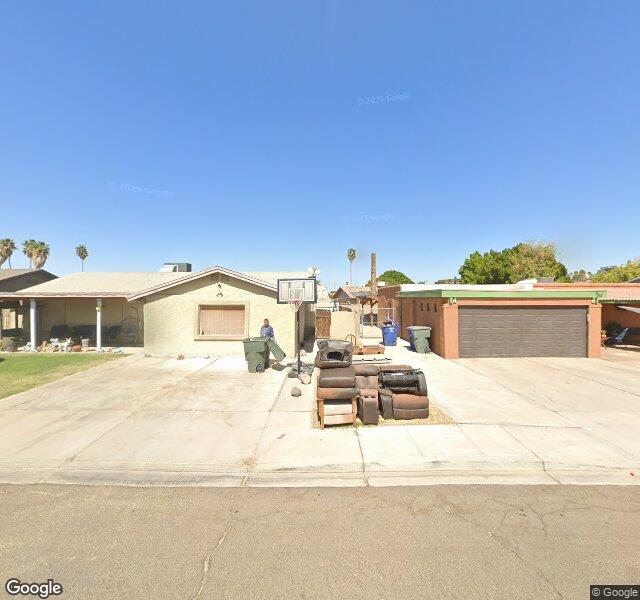
EveryPlace is a research directory. Facility information is compiled from public sources — Medicare.gov, state licensing portals, Google Places, and publicly available street-level imagery. Some summaries, interpretations, suggested questions, and pricing research are AI-generated or AI-assisted and may contain errors or omit important context. Listings do not constitute endorsement, recommendation, or advertisement, and we do not accept payment for placement. Families should verify all details directly with the facility and the original sources linked above before making any care decisions. See our Research Policy for our editorial standards, correction process, and image-removal policy.
Bee Hive Homes
< 1 miAssisted Living · Yuma, AZ
Bee Hive Homes
< 1 miAssisted Living · Yuma, AZ
Life Care Center of Yuma
< 1 miNursing Home · Yuma, AZ
The Hansen House
< 1 miAssisted Living · Yuma, AZ
Welbrook Yuma Opco LLC
< 1 miNursing Home · Yuma, AZ
Ridgeview Transitional Rehabilitation
< 1 miNursing Home · Yuma, AZ