Loading EveryPlace content…
Assisted LivingActive licenseMemory care certified
Wyndemere Cedar House
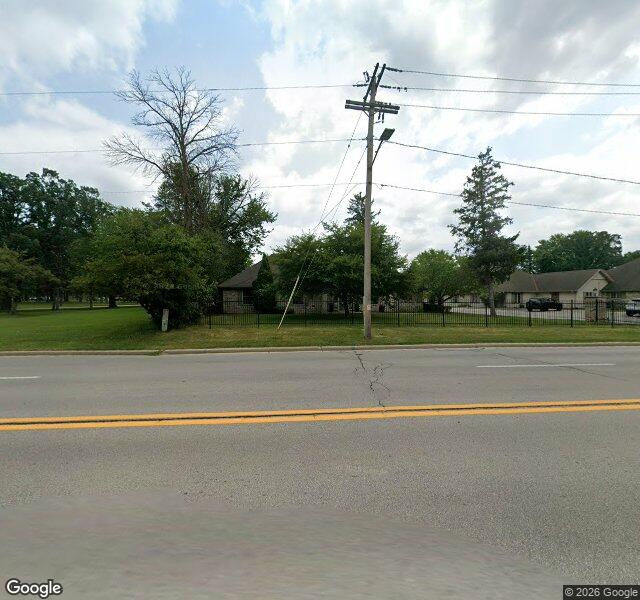
2995 Riverside Dr, Green Bay, WI 54301View map (opens in a new tab)
Overview and key essentials
State license
Active
WI DHS
Google reviews
4.0/ 5
58 reviews
Monthly cost
$6,109/ mo
AI-assisted estimate
Strong public signals
Rated 4.0/5 across 58 public Google reviews. Visit in person to confirm daily care and pricing.
Cost, payment & care details
Updated Nov 28, 2026| Monthly cost | $6,109AI-assisted estimate | Research may contain errors. Request a current quote from the provider. Source: AI-assisted online research, Nov 2026. |
|---|---|---|
| Payment options | Medicaid | Participation is reported in our source data. Confirm eligibility, covered services, and any private-pay costs. Verified Medicaid waiver: Wisconsin Family Care / IRIS Medicaid Waiver (WI Dept. of Health Services (DHS DQA)). |
| Size & availability | Confirm directly | We don't publish live openings. Ask about current availability, waitlist length, and move-in timing. |
| Care & support | Assisted livingMemory care certified | Usually offers housing and help with everyday tasks, such as bathing and dressing. What to confirm about care levelsThis describes the licensed category. Ask how care plans adjust if mobility, nursing, or memory needs change over time. Read the family care guide → |
Safety screening & compliance
State licensing depth & federal screening
HHS OIG LEIE: Clear (2026-11-27)OIG database ↗ (opens in a new tab)
WI DHS directory details (CBRF)
Class: CLASS CNA (NONAMBULATORY)Public Funding (Family Care / IRIS)HCBS CompliantDementia approvedWI DHS rates: $6,109–$6,109/mo
State licensing
State inspection history
6inspections
12deficiencies listed
Jul 23, 2026Complaint5 deficiencies reported5
5 deficiencies reported
View official state report (opens in a new tab)
On 07/15/2026, Surveyors conducted a standard survey and complaint investigation at Wyndemere Cedar House. An additional onsite visit was conducted on 07/16/2026 with information gathered through 07/23/2026. As a result, 1 of 2 complaints was substantiated and 4 deficiencies were identified. Census: 14
83.43(1) Environment safe, clean, andN 481
comfortable Environment. The CBRF shall provide a living environment that is safe, clean, comfortable, and homelike. All common dining and living areas shall contain furnishings appropriate to the intended use of the room. This Rule is not met as evidenced by: Based on observation and interview, the provider did not ensure a living environment that was safe, clean, comfortable and homelike. Findings include: On 07/15/2026 and 07/16/2026, Surveyors conducted onsite visits to the facility and observed the following concerns: Sitting Area (located across the hallway from a mechanical room, storage room and room 15): - There was a thin layer of carpet that had dark spots and stains throughout the room. - A wooden side table had chips along its edges. - The wooden base of the chairs had excessive nicks and chips. Hallways and Doors (throughout the facility): - The baseboards along the floor had chips and scuffs. - The walls had scratches, scuffs and chipped paint. - Hallway banisters show chips and scuffs. - The hallway corners were missing plaster. - Metal door frames had scrapes and dark stains. - Wooden doors throughout the facility had deep scrapes, nicks and discoloration. Fixtures and Entrances: - There was a clear fluorescent light cover on the ceiling that was cracked and previously repaired with a yellow/orange colored glue type substance (near sitting area and mechanical room). - Exit "Door D" had a dime-sized hole above the handle that went through to the outside. - The front entrance exterior was missing brick exposing the interior wall. Shower Room, Dining Room and Resident Rooms: - There was a black-like substance resembling mold throughout the tiled grout of the shower room (next to the laundry room). - A high back blue chair in the dining area had worn out armrests that exposed the inner lining. - Several resident room doors were carpeted on the outside and had unraveling edges. - Resident 1's room had a large piece of unsecured Styrofoam (approximately 3 feet wide, 4 feet tall and 1cm thick) along the wall near his/her headboard. On 07/22/2026 at approximately 1:00 PM, Surveyors interviewed Regional Director B (RD B) regarding the environmental observations. RD B acknowledged Surveyors concerns and stated this is the first time s/he has heard of these issues, but would discuss with Administrator A.
83.12(2)(a) Caregiver: Investigating abuse &N 158
neglect Investigating and reporting abuse, neglect, or misappropriation of property. Caregiver. 1. When a CBRF receives a report of an allegation of abuse or neglect of a resident, or misappropriation of property, the CBRF shall take immediate steps to ensure the safety of all residents. 2. The CBRF shall investigate and document any allegation of abuse or neglect of a resident, or misappropriation of property by a caregiver. If the CBRF ' s investigation concludes that the alleged abuse, or neglect of a resident or misappropriation of property meets the definition of abuse or neglect of a resident, or of misappropriation of property, the CBRF shall report the incident to the department on a form provided by the department, within 7 calendar days from the date the CBRF knew or should have known about the abuse, neglect, or misappropriation of property. The CBRF shall maintain documentation of any investigation. This Rule is not met as evidenced by: Based on record review and interview, the provider did not contact the Office of Caregiver Quality within 7 days when they had reasonable incidents. On 03/01/2026, Caregiver C allegedly screamed at Resident 1. Findings include: On 03/10/2026, the Department received a complaint alleging caregiver misconduct. On 07/15/2026, Surveyors conducted an onsite visit to the facility to conduct a standard survey and complaint investigation. On 07/15/2026 at approximately 7:00 AM, Surveyor reviewed the Department's facility folder and identified a self-report that was submitted to the Department on 03/10/2026. The self-report described an allegation of caregiver misconduct and included the investigation completed by the facility on 03/10/2026. The investigation indicated Administrator A (AA) fully cooperated with local law enforcement and conducted an internal review in coordination with them. AA described interviewing Caregiver C, Resident 1, Agency Caregiver and additional staff who were present the day of the alleged incident. On 07/21/2026, Surveyor confirmed through the Office of Caregiver Quality (OCQ) system no caregiver misconduct report was received regarding the allegation reported on 03/10/2026. On 07/21/2026, Surveyor reviewed an email sent by the Department to AA on 03/11/2026 stating "...We received your self-report related to possible staff verbal abuse, thank you for reporting. If an allegation of staff/caregiver abuse, neglect, or misappropriation is made, those need to be reported through the Misconduct Reporting System [MIR]..." An internet hyperlink to the MIR website was included. On 07/22/2026 at 1:00 PM, Surveyor interviewed AA who stated s/he doesn't recall if s/he submitted a report to OCQ, but would look through his/her files for confirmation. Surveyor requested any additional documentation be provided by 4:30 PM on 07/23/2026. On 07/23/2026 at 1:27 PM, Surveyor received an email from AA which noted, " ...Regarding the MIR, these are the only records we were able to locate in our storage files. At this time, we have not located any additional pages or separate documentation reflecting the submission of the report. If additional records are located, I will provide them to you promptly ..." As of 07/23/2026 at 4:30 PM, Surveyor did not receive any additional documentation confirming the facility filed a caregiver misconduct report to OCQ.
83.55(6)(b) Bath and toilet areas: waterN 617
temperature The CBRF shall set the temperature of all water heaters connected to sinks, showers and tubs used by residents at a temperature of at least 140°F. The temperature of water at fixtures used by residents shall be automatically regulated by valves and may not exceed 115°F, except for CBRFs serving residents recovering from alcohol or drug dependency or clients of a government correctional agency. This Rule is not met as evidenced by: Based on interview and observation, the provider did not ensure the temperature of water at fixtures used by residents was automatically regulated by valves and did not exceed 115 degrees Fahrenheit. Findings include: The provider is licensed to care for up to 14 residents in the client groups developmentally disabled, advanced aged, irreversible dementia/Alzheimer's disease, and physically disabled. On 07/15/2026 and 07/16/2026, Surveyors conducted onsite visits to the facility to complete a standard survey and complaint investigation. On 07/15/2026 at approximately 3:45 PM, Surveyors conducted a tour of the facility. Surveyor tested the temperature of the bathroom/shower room sink faucet and observed a water temperature of 127.4 degrees Fahrenheit. On 07/22/2026 at approximately 1:00 PM, Surveyor interviewed Administrator A (AA). AA confirmed they did not regularly check water temperatures at the facility. AA stated they would get the high-water temperatures adjusted. The provider did not ensure hot water was at or below 115 degrees Fahrenheit at faucets used by residents.
83.59(1)(g) Proper exit locations, sidewalks,N 637
driveways. All habitable floors shall have at least 2 exits providing unobstructed travel to the outside. Small class AA CBRFs licensed on or before the effective date of this section with no more than 2 habitable floors may have one exit from the second floor. Exits, sidewalks and driveways used for exiting shall be kept free of ice, snow, and obstructions. For facilities serving only ambulatory residents, the CBRF shall maintain a cleared pathway from all exterior doors to be used in an emergency to a public way or safe distance away from the building. For facilities serving semi-ambulatory and non-ambulatory residents, a CBRF shall maintain a cleared, hard surface, barrier-free walkway to a public way or safe distance away from the building for at least 2 primary exits from the building. All other required exits shall have at least a cleared pathway maintained to a public way or safe distance from the building. An exit door or walkway to a cleared driveway leading away from the CBRF also meets this requirement. This Rule is not met as evidenced by: Based on observation and interview, the provider did not ensure exits and driveways used for exiting were kept free of obstructions. Three (3) of 4 emergency exits prevented a clear, unobstructed exit path from the facility. Findings include: The provider is licensed as a Class CNA (non-ambulatory) CBRF able to serve up to 14 residents within the client groups of advanced age, physically disabled, developmentally disabled and irreversible dementia/Alzheimer's. On 07/15/2026 and 07/16/2026, Surveyors conducted onsite visits to the facility to complete a standard survey and complaint investigation. On 07/16/2026 at approximately 10:05 AM, Surveyors toured the facility. While walking out the front door exit to check the pathway for any obstructions, Resident 2 was sitting in the dining room and stated, "Be careful there is a 3 inch drop on the sidewalk. It needs to be repaired. It has been like that for awhile." Surveyor observed a lower left leg brace on Resident 2's leg and a cane leaning up against him/her. Surveyors observed the facility's exits and observed the following: Exit Emergency Diagram - Review of the diagram revealed it did not identify a meeting place where staff and residents would meet if there was an emergency. The path leading away from the facility did not have a clear unobstructed exit path which posed a safety hazard for residents who are semi-ambulatory and non-ambulatory. Driveway - The paved driveway had cracks, loose gravel, uneven pavement and two large rock-filled potholes. Each pothole was approximately 2.5 feet by 4 feet and both were in the exit path from the facility. (Surveyor note: There are 2 adjacent sister facilities on the same property and the driveway connects all of the buildings together. Surveyors observed non-ambulatory residents use the driveway to enter into the adjacent facilities.) Exit Walkways - Door A (as identified on the exit emergency diagram and the front entrance) - Surveyor observed a 2 to 3 inch gap separating the cement edge from the ground causing a significant drop off the side of the walkway. There was also a hole in the cement walkway approximately 8 by 8 inches in diameter and .25 inch deep. On 07/22/2026 at approximately 1:00 PM, Surveyors interviewed Administrator A (AA) and Regional Director (RD) B. AA reported the facility requested and received a quote for the driveway repairs and submitted this to the licensee. RD...
STATE FORM6899
MT9C11 STATE FORM MT9C11 STATE FORM MT9C11 STATE FORM MT9C11 STATE FORM MT9C11 STATE FORM MT9C11 STATE FORM MT9C11 STATE FORM MT9C11 STATE FORM MT9C11
Jul 23, 2026EnforcementEnforcement actionPenalty
Enforcement action
View official state report (opens in a new tab)
No deficiencies are reported in this inspection record.
May 7, 2025Complaint1 deficiency reported1
Oct 1, 2024EnforcementEnforcement actionPenalty
Enforcement action
View official state report (opens in a new tab)
No deficiencies are reported in this inspection record.
Oct 1, 2024Complaint5 deficiencies reported5
5 deficiencies reported
View official state report (opens in a new tab)
On 09/17/2024 with additional information gathered through 10/01/2024, Surveyor conducted a complaint investigation at Wyndemere Cedar House in Green Bay. As a result, 1 of 2 complaints was substantiated and 2 deficiencies were identified. One was a recite (see SOD EEK212, dated 03/06/2020). Census: 12
83.35(3)(d) Service plans updated annually or onN 389
changes Individual service plan review. Annually or when there is a change in a resident ' s needs, abilities or physical or mental condition, the individual service plan shall be reviewed and revised based on the assessment under sub. (1). All reviews of the individual service plan shall include input from the resident or legal representative, case manager, resident care staff, and other service providers as appropriate. The resident or resident ' s legal representative shall sign the individual service plan, acknowledging their involvement in, understanding of and agreement with the individual service plan. This Rule is not met as evidenced by: Based on record review and interview, the provider did not ensure individual service plans (ISP) reviewed were updated when there was a change in Resident 1 and Resident 2's needs. Resident 1 was at risk for pressure injuries due to his/her diagnoses, skin integrity, immobility and incontinence. Resident 1 also tended to refuse care. Resident 1's individual service plan (ISP) was not updated to identify the needs or potential interventions to include frequent repositioning, frequent incontinence care, or strategies to manage refusals. Resident 2 was incontinent of bowel and dependent on caregivers for incontinence care. S/he also had a history of refusing medication and exhibiting behaviors. Resident 2's ISP did not include information about his/her incontinence care needs or interventions to prevent and/or manage behaviors. Findings include: On 09/16/2024 and 09/17/2024, the Department received complaints alleging care concerns specific to wounds, medications and incontinence. According to Mayo Clinic, "Bedsores are injuries to the skin and the tissue below the skin that are due to pressure on the skin for a long time. Bedsores most often arise on skin that covers bony areas of the body, such as the heels, ankles, hips and tailbone. Bedsores also are called pressure ulcers, pressure injuries and decubitus ulcers. The people who are most at risk of bedsores have medical conditions that keep them from changing positions or moving. Or they spend most of their time in a bed or a chair. Bedsores can arise over hours or days ... Pressure against the skin that limits blood flow to the skin causes bedsores. Limited movement can make skin prone to damage and cause bedsores ...things that lead to bedsores are: Pressure. Constant pressure on any part of the body can lessen the blood flow to tissues. Blood flow is essential to deliver oxygen and other nutrients to tissues. Without these key nutrients, skin and nearby tissues are damaged and might die over time. Limited movement can make skin prone to the damage that the pressure causes. For people with limited mobility, pressure tends to happen in areas that aren't well padded with muscle or fat and that lie over a bone ...Friction. Friction occurs when the skin rubs against clothing or bedding. It can make fragile skin more vulnerable to injury, especially if the skin also is moist. Your risk of getting bedsores is higher if you have a hard time moving and can't change position easily while seated or in bed. Risk factors include: Immobility. This might be due to poor health, spinal cord injury or another cause. Incontinence. Skin becomes more vulnerable with extended exposure to urine and stool ...Medical conditions affecting blood flow. Health problems that can affect blood flow can raise the risk of tissue damage such as bedsores. Examples of...
CH 50.09(1)(L) CareY 3244
50.09(1)(L) Care (1) RESIDENTS' RIGHTS. Every resident in a nursing home or community based residential facility shall, except as provided in sub. (5), have the right to (l) Receive adequate and appropriate care within the capacity of the facility. This Rule is not met as evidenced by: Based on observations, interviews and record review, the provider did not ensure Resident 1 received adequate care to prevent or manage wounds on his/her left lower extremity (LLE). The provider did ensure adequate care or services to meet Resident 1's needs for pressure injury prevention, management or treatment. Resident 1 was admitted to the facility on 01/24/2024 and was at risk of pressure injuries due to diagnoses and immobility. The provider did not develop a plan to prevent the development of pressure injuries. On 08/12/2024, Resident 1 developed small, reddened areas on top of his/her left foot and the back of the heel. The pressure wounds worsened resulting in an emergency room visit on 08/28/2024 when both wounds were open with tendon and underlying structure visible. Resident 1 was discharged back to the facility the same day with orders to be seen in the wound care clinic and by a vascular surgeon within 2 days. The provider did not arrange for either appointment within 2 days. On 09/12/2024 (2 weeks after ER orders), Resident 1 was seen by home health and his/her sock was embedded in the wound. Home health assessed the wound again on 09/13/2024 and it was unstageable. The ER orders for wound care clinic were not satisfied until 09/20/2024 (3 weeks after the ER orders) and Resident 1's wounds were diagnosed as stage 3. As of the exit date of the survey 10/01/2024, the ER orders for the vascular surgery appointment had not been satisfied. Between 08/12/2024 when the wounds were first identified and 09/12/2024 the provider did not provide timely updates to Resident 1's primary care provider about the wounds, their progression or Resident 1's associated pain. This is a repeat deficiency. See SOD EEK212, dated 03/06/2020. Findings include: On 09/16/2024, the Department received a complaint alleging residents were not receiving adequate care for wounds. The facility is licensed to serve up to 14 residents from the following client groups: irreversible dementia/Alzheimer's, developmentally disabled, physically disabled and/or advanced age. On 09/17/2024, Surveyor made an onsite visit and interviewed Resident 1 at 10:21 AM. Surveyor observed Resident 1 who was laying in his/her bed with a pillow behind his/her back and had a wrapped left foot. Resident 1's left foot was elevated and resting on a pillow. His/her right foot was hanging slightly off the side of the bed. Surveyor observed Resident 1's left side was immobile and his/her left hand was contracted. Resident 1 confirmed s/he had wounds on the top of his/her foot and on the backside of [his/her] heel. Resident 1 was not able to recall when the wounds first started but reported s/he was previously burned in a house fire and had skin grafts to those areas on his/her legs and feet. Resident 1 explained s/he crosses his/her feet when s/he is sleeping and that "didn't allow it to heal." S/he stated his/her wounds are "getting better now." According to Cleveland Clinic, "A pressure injury (also called a bedsore, pressure ulcer, pressure sore, or decubitus ulcer) is an area of injured skin. A pressure injury happens when force is applied on the surface of the skin. This force can be a constant...
STATE FORM6899
IWI211 STATE FORM IWI211 STATE FORM IWI211 STATE FORM IWI211 STATE FORM IWI211 STATE FORM IWI211 STATE FORM IWI211 STATE FORM IWI211 STATE FORM IWI211 STATE FORM IWI211 STATE FORM IWI211 STATE FORM IWI211 STATE FORM IWI211 STATE FORM IWI211 STATE FORM IWI211 STATE FORM IWI211 STATE FORM IWI211 STATE FORM IWI211 STATE FORM IWI211 STATE FORM IWI211 STATE FORM IWI211 STATE FORM IWI211 STATE FORM IWI211 STATE FORM IWI211 STATE FORM IWI211 STATE FORM IWI211 STATE FORM IWI211 STATE FORM IWI211 STATE FORM IWI211 STATE FORM IWI211 STATE FORM IWI211 STATE FORM IWI211 STATE FORM IWI211 STATE FORM IWI211 STATE FORM IWI211
ISP as requested by Surveyor.2024
On 09/28/2024 at 9:00 AM, Surveyor reviewed the records and noted the following: Resident 1 was admitted on 01/24/2024 with diagnoses to include burns of 10-19% of body surface with third degree burn of 10-19%, depression, anxiety, stroke, peripheral vascular disease (reduces blood flow to extremities), spastic hemiparesis (weakness) of left dominant side and atherosclerosis (chronic inflammatory disease) of the extremities. Resident 1 is non-ambulatory and relies on staff assistance with transfers and activities of daily living. "Care History" between 08/13/2024 to 08/30/2024, 9 out of 18 entries were marked, "Refused by Resident." Surveyor was provided 2 versions of ISPs for Resident 1. Surveyor reviewed the ISPs for needs and individualized interventions related to incontinence care, mobility, transferring, repositioning needs and pressure injuries. The first ISP was signed and dated 01/23/2024. Surveyor note: This date was different than what was reported by RCC J on 09/25/2024. The ISP identified the need for "full walking assistance ...full assistance with pivot transfer on the strong side, left side weak due to HX of stroke ...staff to assist with a wheelchair ...monitor and document bowel movements ...Daily (at) 5:45 AM, 1:45 PM, 9:45 PM, As needed ...Urine ...offer and assist with toileting every four hours ..." The second ISP provided was the current ISP in
DHS 83.35(3)(d) Service Plans UpdatedN 0389
Annually Or On Changes
Show all 6 inspections
May 10, 2024Complaint1 deficiency reported1
1 deficiency reported
View official state report (opens in a new tab)
On 05/08/2024, Surveyors conducted 2 complaint investigations and a standard survey at Wyndemere Cedar House. Additional information was gathered through 05/10/2024. The complaints were unsubstantiated and no deficient practices were identified. Census: 11
STATE FORM6899
0IIG11
Neighborhood & resident support
Emergency access, hazards & advocacy
Nearest hospital
St Vincent Hsptl
2.6 mi · Green Bay, WI · Medicare 4/5 ★
Emergency roomTrauma Ii
FEMA hazard risk
Relatively ModerateBrown County, WI
- Cold Wave
- Hail
- Lightning
Free resident advocacy
Wisconsin Board on Aging & Long Term Care Ombudsman
More neighborhood context (specialists, VA, dialysis, air & affordability)
VA & dialysis access
Iron Mountain MI VA Medical Center
92.7 mi · Iron Mountain, MI
DaVita Dialysis Allouez
1.4 mi · 3/5 ★ · Home dialysis
Specialists within 15 mi
- Geriatricians
- 5
- Neurologists
- 33
- Palliative care
- 7
- PM&R rehab
- 25
Environment & mobility
- EPA Walkability
- 7.1/20 (Below Average)
- Primary care access
- HRSA Shortage Area
County demographics
- Age 65+ median income
- $56,633/yr
- Rent-burdened households
- 40%
- Cognitive disability (2023)
- 13.5%
- Mobility disability
- 11.3%
Call & tour checklist
Questions to ask Wyndemere Cedar House
Check off questions as you call or tour. Your progress stays private in this browser.
Show 3 more suggested questions
Verification & public records
Official records & sources
Licensing & contact
- License #
- 16474
- Status
- active
Original public sources
Verify licensing, ratings, and inspection reports directly with each official source.
- WI DHS official record (opens in a new tab)WI Dept. of Health Services
- Google Maps (opens in a new tab)Directions, photos & neighborhood
- Google Reviews (opens in a new tab)58 public reviews
EveryPlace is an independent research directory. Information is compiled from public Medicare.gov, state licensing, Google Places, and street-level imagery sources. Some summaries, suggested questions, and pricing notes are AI-generated or AI-assisted and may contain errors or omissions. We do not accept payment for placement. Confirm all details directly with the community and official sources. Research Policy.
Keep exploring
Nearby communities to compare
- 4.0(55)MedicaidAssisted Living< 1 miWyndemere Birch HouseGreen Bay, WI
- MedicaidAssisted Living< 1 miWyndemere Aspen HouseGreen Bay, WI
- Inpatient Rehab< 1 miSt Vincent HospitalGreen Bay, WI
- 3.0(12)Assisted Living< 1 miMccormick Assisted LivingAllouez, WI
- 3.0(12)MedicaidAssisted Living< 1 miMccormick Assisted LivingAllouez, WI
- Inpatient Rehab1.4 miBellin Memorial HospitalGreen Bay, WI