Loading EveryPlace content…
Nursing HomeActive license
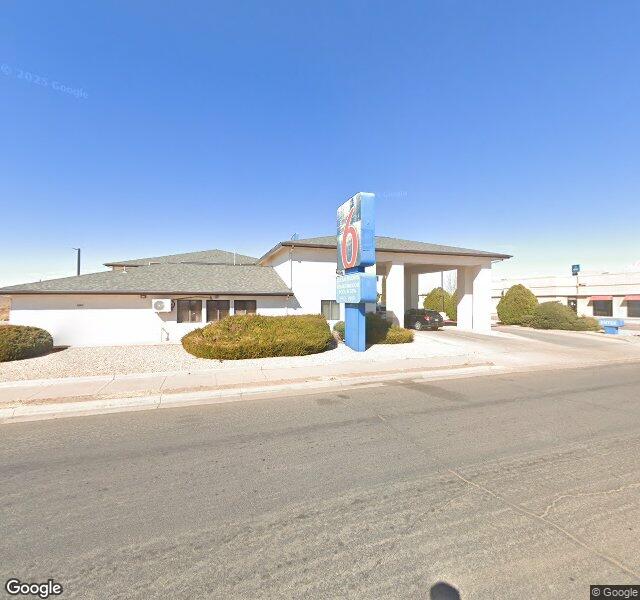
Winslow Campus of Care
826 West Desmond Street, Winslow, AZ 86047View map (opens in a new tab)
Overview and key essentials
Medicare overall
1/ 5 stars
Inspections 1/5Staffing 2/5
Size & payment
119 beds
Medicaid & Medicare listed
Medicare findings to follow up on
Inspection records →Abuse citation on record
5 reported items to discuss
- Low overall rating (1/5 stars)
- Low health inspection rating (1/5 stars)
- Low staffing rating (2/5 stars)
- 4 Medicare penalties on record
- Above-median findings in the latest inspection (14 vs median 6)
Important items to verify
Carries a Medicare abuse citation on record. Check the inspection history below and confirm what corrective steps are complete.
Families praise: Long-standing presence in the community
Worth asking: Loss or theft of personal belongings and jewelry (mentioned by 2 reviewers)
Cost, payment & care details
Updated Nov 28, 2026| Health inspections | 1 / 5 | Low health inspection rating. |
|---|---|---|
| Quality measures | 3 / 5 | Medicare component rating |
| Staffing rating | 2 / 5 | Low staffing rating. |
| Monthly cost | Not published | Ask for the full monthly cost, including care fees and one-time charges. |
| Payment options | MedicaidMedicare | Participation is reported in our source data. Confirm eligibility, covered services, and any private-pay costs. Medicare participation generally covers short-term rehabilitation, not long-term custodial stays. |
| Size & availability | 119 beds | We don't publish live openings. Ask about current availability, waitlist length, and move-in timing. Automatic sprinklers |
| Care & support | Nursing home | Provides nursing care and help with daily activities. Some offer short-term rehabilitation. What to confirm about care levelsThis describes the licensed category. Ask how care plans adjust if mobility, nursing, or memory needs change over time. Read the family care guide → |
Safety screening & compliance
Fire safety, federal screening & immunization
HHS OIG LEIE: Clear (2026-11-27)OIG database ↗ (opens in a new tab)
Fire safety inspections (K-tags)
Last survey 2026-05-153-year citations
13
26 total
Severe harm (G–L)
0
None cited
Sprinkler & alarm
12
Suppression tags
Exits & drills
4
Egress tags
Top areas:Smoke Deficiencies (12)Gas, Vacuum, and Electrical Systems Deficiencies (6)Egress Deficiencies (3)
AZ nursing home vaccination benchmarks (CDC NHSN)
Statewide benchmark (week ending 2026-03-29). Confirm this home's own rate on your tour.
Flu
38%
US 59%
COVID-19
22%
US 36%
RSV
13%
US 24%
Public Google reviews
What families say
Winslow Campus of Care receives highly polarized feedback, with recent reviews highlighting significant concerns regarding patient safety, neglect, and the loss of personal belongings. While some older or brief reviews praise the staff as caring, multiple families have reported distressing experiences involving poor communication during medical crises and unprofessional administrative interactions.
What families praise
- Long-standing presence in the community
- Some staff members described as friendly and hardworking
Concerns to ask about
- Loss or theft of personal belongings and jewelry (mentioned by 2 reviewers)
- Poor communication and lack of empathy from staff during medical emergencies or administrative tasks (mentioned by 2 reviewers)
Topics families mention
0–10 review sentiment · tap to readStaff warmth & care3.0
While some reviewers call staff friendly, others report neglect, rudeness, and lack of respect for residents.
Communication2.0
Multiple reviewers cited poor communication regarding medical status and rude administrative interactions.
Star breakdown
13 analyzed5 stars5 (38%)
4 stars1 (8%)
3 stars0 (0%)
2 stars0 (0%)
1 star7 (54%)
Mixed experiences: Both 5-star praise and 1–2 star warnings appear regularly.
Federal rating trajectory
Recent rating, staffing & turnover trends
Month-by-month Medicare Care Compare trajectory across 7 federal releases (Mar '26 – Oct '26), showing whether star ratings, staffing hours, and turnover are improving or declining.
Overall star rating
1★Steady
Was 1★ in Mar '26
Staffing star rating
2★+1★
Was 1★ in Mar '26
Total nurse hrs / day
3.51h+0.09h
Was 3.42h in Mar '26
Total staff turnover
72.5%-25.4%
Was 97.9% in Mar '26
View 7-month federal snapshot history (Mar '26 – Oct '26)
| Release | Overall | Health | Staffing | Nurse hrs/day | RN hrs/day | Turnover | Penalties |
|---|---|---|---|---|---|---|---|
| Oct '26 | 1★ | 1★ | 2★ | 3.51h | 0.40h | — | 4 |
| Aug '26 | 1★ | 1★ | 1★ | 0.45h | 0.02h | 72.5% | 5 |
| Jul '26 | 1★ | 1★ | 1★ | 0.45h | 0.02h | 72.5% | 5 |
| Jun '26 | 1★ | 1★ | 2★ | 3.43h | 0.38h | 62.5% | 5 |
| May '26 | 1★ | 1★ | 2★ | 3.43h | 0.38h | 62.5% | 5 |
| Apr '26 | 1★ | 1★ | 2★ | 3.43h | 0.38h | 62.5% | 5 |
| Mar '26 | 1★ | 1★ | 1★ | 3.42h | 0.36h | 97.9% | 5 |
Nursing coverage
Staffing & nurse time
Medicare reports daily staffing as average hours per resident across all shifts. Ask how coverage changes overnight and on weekends.
Registered nurses (RN)
~24 min / resident / day
0.40 hrs / day
Reference target: 0.75 hrs (~45 min)
All nursing staff (RNs, LPNs & aides)
~3 hrs 30 min / resident / day
3.51 hrs / day
Reference target: 4.10 hrs (~4 hrs 6 min)
Daily payroll stability (CMS PBJ)
2026Q2 · 91 reported daysWeekend staffing change
−15.8%
3.67 wkday → 3.09 wkend hrs
Agency / contract nurses
10.8%
Higher reliance on temporary staff
Days with zero RN hours
0 / 91 days
RN logged every reported day
About staffing reference targets
EveryPlace uses comparison reference points of 0.75 registered-nurse hours and 4.1 total nursing hours per resident per day. These are research comparison guides, not current federal minimum requirements.
Medicare claims & readmissions
Hospital readmissions & resident profile
Medicare readmissions (FY 2026)
Penalty (-0.59%)30-day readmission
21.0%
Infection rate
6.1%
VBP score
41.2/100
National rank
#4,126
Resident clinical mix (2024)
26 patientsDementia share
42%
Avg Medicare pay
$10,838
Avg age / acuity
Age 78
Chronic conditions treated (2)
- Alzheimer's / dementia: 42%
- Diabetes: 58%
Financial & ownership transparency
Ownership, chain record & Medicare cost report
Ownership & corporate structure
for profitNo PE / REIT disclosed
Medicare cost report (FY2024)
Revenue: $8.5MNet margin
+100.0%
Resident day payer mixShare of total inpatient days
Medicaid 95%Medicare 3%Private & other 2%
Clinical outcomes
Care quality measures
17 Medicare outcomes compared with national, state, and local averages · Medicare quality rating 3/5
| Measure | Here | US | AZ | Compared with averages |
|---|---|---|---|---|
| Residents on antipsychotic medicationLower is better | Here 28.7% | US 15.4% | AZ 10.6% | Worse than avg |
| Residents with depression symptomsLower is betterVaries widely based on how each facility screens and codes depressive symptoms. | Here 0.0% | US 13.5% | AZ 3.7% | Better than avg |
| Residents on anti-anxiety or sleep medicationLower is better | Here 9.6% | US 19.5% | AZ 21.4% | Better than avg |
| Measure | Here | US | AZ | Compared with averages |
|---|---|---|---|---|
| Short-stay residents vaccinated for pneumoniaHigher is better | Here 95.9% | US 82.3% | AZ 92.6% | Better than avg |
| Short-stay residents vaccinated for the fluHigher is better | Here 84.6% | US 80.1% | AZ 87.9% | Mixed vs avg |
| Short-stay residents newly given antipsychoticsLower is better | Here 5.5% | US 1.5% | AZ 1.1% | Worse than avg |
Show all 17 measures
| Measure | Here | US | AZ | Compared with averages |
|---|---|---|---|---|
| Residents vaccinated for pneumoniaHigher is better | Here 98.6% | US 93.7% | AZ 96.8% | Better than avg |
| Residents whose walking got worseLower is better | Here 16.2% | US 12.7% | AZ 11.7% | Worse than avg |
| Residents needing more daily help over timeLower is better | Here 9.8% | US 13.5% | AZ 10.6% | Better than avg |
| Residents who fell and were seriously hurtLower is better | Here 5.1% | US 3.2% | AZ 2.3% | Worse than avg |
| Residents whose bladder or bowel control got worseLower is better | Here 20.8% | US 18.3% | AZ 20.3% | Worse than avg |
| Residents vaccinated for the fluHigher is better | Here 97.0% | US 95.3% | AZ 94.7% | Better than avg |
| Residents with pressure sores (bedsores)Lower is better | Here 2.7% | US 4.5% | AZ 4.3% | Better than avg |
| Residents who got a urinary tract infectionLower is better | Here 1.9% | US 1.5% | AZ 1.2% | Worse than avg |
| Residents with a long-term catheterLower is better | Here 1.0% | US 0.7% | AZ 0.7% | Worse than avg |
| Residents who lost too much weightLower is better | Here 5.4% | US 5.1% | AZ 5.4% | Worse than avg |
| Residents who were physically restrainedLower is better | Here 0.0% | US 0.1% | AZ 0.3% | Better than avg |
Federal oversight
Medicare inspection history
60findings (3-yr lookback)
29complaint-triggered
4penalties ($117,139)
Families filed numerous complaints at Winslow Campus of Care, resulting in 27 complaint-triggered inspections. The facility has recurring problems with resident protection from abuse and neglect (appearing in nearly every recent survey), care planning, and safety issues. While all deficiencies show correction dates, the persistent pattern of abuse protection violations and frequent complaint inspections suggests ongoing care quality concerns that families should carefully investigate before placement. Immediate jeopardy means inspectors found residents' health or safety at immediate risk.
Aug 24, 2026Complaint1 finding
0600Potential for harm, isolatedCorrected Sep 13, 2026
Freedom from Abuse, Neglect, and Exploitation Deficiencies
Protect each resident from all types of abuse such as physical, mental, sexual abuse, physical punishment, and neglect by anybody.
Jul 8, 2026Complaint1 finding
0689Potential for harm, isolatedCorrected Jul 31, 2026
Quality of Life and Care Deficiencies
Ensure that a nursing home area is free from accident hazards and provides adequate supervision to prevent accidents.
May 15, 2026Routine10 findings
0727Potential for harm, widespreadCorrected Jun 30, 2026
Nursing and Physician Services Deficiencies
Have a registered nurse on duty 8 hours a day; and select a registered nurse to be the director of nurses on a full time basis.
0222Potential for harm, widespreadCorrected Jul 16, 2026
Egress Deficiencies
Add doors in an exit area that do not require the use of a key from the exit side unless in case of special locking arrangements.
0223Potential for harm, widespreadCorrected Jul 15, 2026
Egress Deficiencies
Provide exit doors that are held open by devices that will automatically close on the activation of a fire alarm or smoke detector.
0345Potential for harm, widespreadCorrected Jul 15, 2026
Smoke Deficiencies
Have approved installation, maintenance and testing program for fire alarm systems.
0918Potential for harm, widespreadCorrected Jul 15, 2026
Gas, Vacuum, and Electrical Systems Deficiencies
Have generator or other power source capable of supplying service within 10 seconds.
0880Potential for harm, patternCorrected Jun 30, 2026
Infection Control Deficiencies
Provide and implement an infection prevention and control program.
0372Potential for harm, patternCorrected Jul 15, 2026
Smoke Deficiencies
Ensure smoke barriers are constructed to a 1 hour fire resistance rating.
0923Potential for harm, patternCorrected Jul 15, 2026
Gas, Vacuum, and Electrical Systems Deficiencies
Have proper medical gas storage and administration areas.
0684Potential for harm, isolatedCorrected Jun 30, 2026
Quality of Life and Care Deficiencies
Provide appropriate treatment and care according to orders, resident’s preferences and goals.
0919Potential for harm, isolatedCorrected Jun 30, 2026
Environmental Deficiencies
Make sure that a working call system is available in each resident's bathroom and bathing area.
May 15, 2026Complaint4 findings
0600Potential for harm, isolatedCorrected Jun 30, 2026
Freedom from Abuse, Neglect, and Exploitation Deficiencies
Protect each resident from all types of abuse such as physical, mental, sexual abuse, physical punishment, and neglect by anybody.
0607Potential for harm, isolatedCorrected Jun 30, 2026
Freedom from Abuse, Neglect, and Exploitation Deficiencies
Develop and implement policies and procedures to prevent abuse, neglect, and theft.
0609Potential for harm, isolatedCorrected Jun 30, 2026
Freedom from Abuse, Neglect, and Exploitation Deficiencies
Timely report suspected abuse, neglect, or theft and report the results of the investigation to proper authorities.
0610Potential for harm, isolatedCorrected Jun 30, 2026
Freedom from Abuse, Neglect, and Exploitation Deficiencies
Respond appropriately to all alleged violations.
Show all 23 inspections
Feb 18, 2026Complaint1 finding
0755Potential for harm, isolatedCorrected Mar 3, 2026
Pharmacy Service Deficiencies
Provide pharmaceutical services to meet the needs of each resident and employ or obtain the services of a licensed pharmacist.
Jan 5, 2026Complaint1 finding
0760Potential for harm, isolatedCorrected Jan 14, 2026
Pharmacy Service Deficiencies
Ensure that residents are free from significant medication errors.
Dec 17, 2025Complaint1 finding
0600Potential for harm, isolatedCorrected Jan 23, 2026
Freedom from Abuse, Neglect, and Exploitation Deficiencies
Protect each resident from all types of abuse such as physical, mental, sexual abuse, physical punishment, and neglect by anybody.
Nov 19, 2025Complaint1 finding
0600Potential for harm, isolatedCorrected Dec 4, 2025
Freedom from Abuse, Neglect, and Exploitation Deficiencies
Protect each resident from all types of abuse such as physical, mental, sexual abuse, physical punishment, and neglect by anybody.
Apr 28, 2025Complaint1 finding
0600Potential for harm, isolatedCorrected May 29, 2025
Freedom from Abuse, Neglect, and Exploitation Deficiencies
Protect each resident from all types of abuse such as physical, mental, sexual abuse, physical punishment, and neglect by anybody.
Mar 27, 2025Complaint2 findings
0600Potential for harm, isolatedResolved (past non-compliance). Already corrected by Mar 20, 2025
Freedom from Abuse, Neglect, and Exploitation Deficiencies
Protect each resident from all types of abuse such as physical, mental, sexual abuse, physical punishment, and neglect by anybody.
0656Potential for harm, isolatedCorrected Apr 22, 2025
Resident Assessment and Care Planning Deficiencies
Develop and implement a complete care plan that meets all the resident's needs, with timetables and actions that can be measured.
Mar 3, 2025Complaint1 finding
0600Potential for harm, isolatedCorrected Mar 14, 2025
Freedom from Abuse, Neglect, and Exploitation Deficiencies
Protect each resident from all types of abuse such as physical, mental, sexual abuse, physical punishment, and neglect by anybody.
Feb 20, 2025Complaint1 finding
0600Potential for harm, patternCorrected Feb 23, 2025
Freedom from Abuse, Neglect, and Exploitation Deficiencies
Protect each resident from all types of abuse such as physical, mental, sexual abuse, physical punishment, and neglect by anybody.
Jan 31, 2025Complaint2 findings
0600Potential for harm, patternCorrected Feb 20, 2025
Freedom from Abuse, Neglect, and Exploitation Deficiencies
Protect each resident from all types of abuse such as physical, mental, sexual abuse, physical punishment, and neglect by anybody.
0657Potential for harm, isolatedCorrected Feb 20, 2025
Resident Assessment and Care Planning Deficiencies
Develop the complete care plan within 7 days of the comprehensive assessment; and prepared, reviewed, and revised by a team of health professionals.
Jan 31, 2025Routine13 findings
0812Potential for harm, patternCorrected Feb 1, 2025
Nutrition and Dietary Deficiencies
Procure food from sources approved or considered satisfactory and store, prepare, distribute and serve food in accordance with professional standards.
0291Potential for harm, patternCorrected Apr 24, 2025
Egress Deficiencies
Install emergency lighting that can last at least 1 1/2 hours.
0353Potential for harm, patternCorrected Apr 24, 2025
Smoke Deficiencies
Inspect, test, and maintain automatic sprinkler systems.
0363Potential for harm, patternCorrected Apr 17, 2025
Smoke Deficiencies
Install corridor and hallway doors that block smoke.
0372Potential for harm, patternCorrected Feb 14, 2025
Smoke Deficiencies
Ensure smoke barriers are constructed to a 1 hour fire resistance rating.
0521Potential for harm, patternCorrected Apr 24, 2025
Services Deficiencies
Ensure heating and ventilation systems that have been properly installed according to the manufacturer's instructions.
0914Potential for harm, patternCorrected Apr 14, 2025
Gas, Vacuum, and Electrical Systems Deficiencies
Ensure receptacles at patient bed locations and where general anesthesia is administered, are tested after initial installation, replacement or servicing.
0921Potential for harm, patternCorrected Apr 14, 2025
Gas, Vacuum, and Electrical Systems Deficiencies
Ensure that testing and maintenance of electrical equipment is performed.
0604Potential for harm, isolatedCorrected Feb 1, 2025
Freedom from Abuse, Neglect, and Exploitation Deficiencies
Ensure that each resident is free from the use of physical restraints, unless needed for medical treatment.
0623Potential for harm, isolatedCorrected Feb 1, 2025
Resident Rights Deficiencies
Provide timely notification to the resident, and if applicable to the resident representative and ombudsman, before transfer or discharge, including appeal rights.
0689Potential for harm, isolatedCorrected Feb 21, 2025
Quality of Life and Care Deficiencies
Ensure that a nursing home area is free from accident hazards and provides adequate supervision to prevent accidents.
0825Potential for harm, isolatedCorrected Feb 1, 2025
Quality of Life and Care Deficiencies
Provide or get specialized rehabilitative services as required for a resident.
0883Potential for harm, isolatedCorrected Feb 14, 2025
Infection Control Deficiencies
Develop and implement policies and procedures for flu and pneumonia vaccinations.
Jan 6, 2025Complaint1 finding
0600Potential for harm, isolatedCorrected Jan 10, 2025
Freedom from Abuse, Neglect, and Exploitation Deficiencies
Protect each resident from all types of abuse such as physical, mental, sexual abuse, physical punishment, and neglect by anybody.
Dec 3, 2024Complaint1 finding
0600Potential for harm, isolatedCorrected Feb 20, 2025
Freedom from Abuse, Neglect, and Exploitation Deficiencies
Protect each resident from all types of abuse such as physical, mental, sexual abuse, physical punishment, and neglect by anybody.
Oct 25, 2024Complaint2 findings
0678Immediate jeopardy, isolatedCorrected Nov 27, 2024
Quality of Life and Care Deficiencies
Provide basic life support, including CPR, prior to the arrival of emergency medical personnel , subject to physician orders and the resident’s advance directives.
0656Potential for harm, isolatedCorrected Nov 27, 2024
Resident Assessment and Care Planning Deficiencies
Develop and implement a complete care plan that meets all the resident's needs, with timetables and actions that can be measured.
Sep 26, 2024Complaint1 finding
0880Potential for harm, patternCorrected Nov 15, 2024
Infection Control Deficiencies
Provide and implement an infection prevention and control program.
Jul 30, 2024Complaint1 finding
0658Potential for harm, isolatedCorrected Aug 28, 2024
Resident Assessment and Care Planning Deficiencies
Ensure services provided by the nursing facility meet professional standards of quality.
Jun 27, 2024Complaint2 findings
0600Potential for harm, isolatedResolved (past non-compliance). Already corrected by Feb 9, 2024
Freedom from Abuse, Neglect, and Exploitation Deficiencies
Protect each resident from all types of abuse such as physical, mental, sexual abuse, physical punishment, and neglect by anybody.
0607Potential for harm, isolatedResolved (past non-compliance). Already corrected by Feb 9, 2024
Freedom from Abuse, Neglect, and Exploitation Deficiencies
Develop and implement policies and procedures to prevent abuse, neglect, and theft.
May 15, 2024Complaint2 findings
0600Actual harm, isolatedCorrected Jul 3, 2024
Freedom from Abuse, Neglect, and Exploitation Deficiencies
Protect each resident from all types of abuse such as physical, mental, sexual abuse, physical punishment, and neglect by anybody.
0695Potential for harm, isolatedCorrected Jul 3, 2024
Quality of Life and Care Deficiencies
Provide safe and appropriate respiratory care for a resident when needed.
Nov 30, 2023Complaint2 findings
0600Potential for harm, patternCorrected Feb 9, 2024
Freedom from Abuse, Neglect, and Exploitation Deficiencies
Protect each resident from all types of abuse such as physical, mental, sexual abuse, physical punishment, and neglect by anybody.
0609Potential for harm, isolatedCorrected Feb 9, 2024
Freedom from Abuse, Neglect, and Exploitation Deficiencies
Timely report suspected abuse, neglect, or theft and report the results of the investigation to proper authorities.
Mar 16, 2023Routine8 findings
0918Potential for harm, widespreadCorrected May 11, 2023
Gas, Vacuum, and Electrical Systems Deficiencies
Have generator or other power source capable of supplying service within 10 seconds.
0039Potential for harm, patternCorrected May 11, 2023
Emergency Preparedness Deficiencies
Conduct testing and exercise requirements.
0324Potential for harm, patternCorrected May 11, 2023
Smoke Deficiencies
Provide properly protected cooking facilities.
0341Potential for harm, patternCorrected May 11, 2023
Smoke Deficiencies
Install a fire alarm system that can be heard throughout the facility.
0521Potential for harm, patternCorrected May 11, 2023
Services Deficiencies
Ensure heating and ventilation systems that have been properly installed according to the manufacturer's instructions.
0677Potential for harm, isolatedCorrected May 11, 2023
Quality of Life and Care Deficiencies
Provide care and assistance to perform activities of daily living for any resident who is unable.
0353Potential for harm, isolatedCorrected May 11, 2023
Smoke Deficiencies
Inspect, test, and maintain automatic sprinkler systems.
0363Potential for harm, isolatedCorrected May 11, 2023
Smoke Deficiencies
Install corridor and hallway doors that block smoke.
| Date | Penalty | Amount |
|---|---|---|
| Sep 26, 2024 | Fine | $21,850 |
| May 15, 2024 | Fine | $62,205 |
| Dec 11, 2023 | Fine | $7,342 |
| Nov 6, 2023 | Fine | $4,194 |
State licensing
State inspection history
31inspections
60deficiencies listed
Mar 10, 2026ComplaintNo deficiencies reportedNone
No deficiencies reported
View official state report (opens in a new tab)
The complaint survey was conducted March 10-11, 2026, with investigation of intakes: 00160067, 00160072, 00161388, 00161407, and 00156314.
Jan 2, 2026Complaint2 deficiencies reported2
2 deficiencies reported
View official state report (opens in a new tab)
An onsite complaint survey was conducted on January 2 through 5, 2026 for the investigation of intake #2706028. Following deficiencies were cited:
An administrator shall ensure that a personnel member immediately reports a medication error or a resident ' s adverse reaction to a medication to the medical practitioner who ordered the medicatiR9-10-421.E.Corrected Jan 14, 2026
Based on clinical record review, interviews, and review of policies, the facility failed to ensure one resident (#61), did not receive medication prescribed to another resident (#71). The deficient practice could result in complications and adverse medication side effects.
Residents are Free of Significant Med Errors - 0760 FederalCorrected Jan 14, 2026
Based on clinical record review, interviews, and review of policies, the facility failed to ensure one resident (#61), did not receive medication prescribed to another resident (#71). The deficient practice could result in complications and adverse medication side effects.
Nov 17, 2025ComplaintNo deficiencies reportedNone
No deficiencies reported
View official state report (opens in a new tab)
Investigation of intake #00149310 was conducted on November 17, 2025. No deficiencies were cited.
Oct 28, 2025Complaint2 deficiencies reported2
2 deficiencies reported
View official state report (opens in a new tab)
The Risk Based complaint survey was conducted on October 28, 2025 through October 31, 2025 for the investigation of intake AZ00151229, AZ00165055, AZ00166666,AZ00167325,AZ00168246,AZ00168820,AZ00171036,AZ00171635,AZ00171744,AZ00172568,AZ00173604,AZ00174142,AZ00175173,AZ00175856,AZ00175961,AZ00176028,AZ00177026,AZ00177246,AZ00177421,AZ00177991,AZ00178228,AZ00178282,AZ00179158,AZ00180845,AZ00181308,AZ00181558,AZ00181905,AZ00182034,AZ00182349,AZ00182475,AZ00182688,AZ00171036,AZ00171635,AZ00171744,AZ00172568,AZ00173604,AZ00174142,AZ00175173,AZ00175856,AZ00175961,AZ00176028,AZ00177026 ,AZ00177246,AZ00177421,AZ00177991, AZ00178228,AZ00178282,AZ00179158,AZ00180845,AZ00181308,AZ00181558,AZ00181905,AZ00182034,AZ00182349,AZ00182475,AZ00182688,AZ00182794,AZ00182858,AZ00182963,and AZ00183092. The following deficiencies were cited:
An administrator shall ensure that: R9-10-425.A.1. A nursing care institution's premises and equipment are: R9-10-425.A.1.b. Free from a condition or situation that may cause a resident or aR9-10-425.A.1.b.Corrected Jan 23, 2026
Based on a Review of records, resident and staff interviews, observation, clinical record review, and policy review, the facility failed to ensure Resident (#10) was provided adequate supervision to prevent elopement. The deficient practice could result in additional instances of elopement.
An administrator shall ensure that: R9-10-410.B.3. A resident is not subjected to: R9-10-410.B.3.a. Abuse;R9-10-410.B.3.a.Corrected Jan 23, 2026
Based on clinical record review, staff and resident interviews, and facility policy, the facility failed to protect the rights of residents to be free from abuse. The deficient practice could result in other residents being abused.
Sep 29, 2025Complaint2 deficiencies reported2
2 deficiencies reported
View official state report (opens in a new tab)
The onsite complaint survey was conducted on September 29, 2025 through September 30, 2025 and investigated complaints # 2626482, 00146035, 2625835, 00146041, 00146046, 00145553, 00144938, 00144914, and 00144904The following deficiencies were cited:
12 Freedom from Abuse, Neglect, and Exploitation The resident has the right to be free from abuse, neglect, misappropriation of resident property, and exploitation as defined in this subpart. This inFree from Abuse and Neglect - 0600 FederalCorrected Dec 4, 2025
Violation cited
An administrator shall ensure that: R9-10-410.B.3. A resident is not subjected to: R9-10-410.B.3.a. Abuse;R9-10-410.B.3.a.Corrected Dec 4, 2025
Violation cited
Show all 31 inspections
Aug 11, 2025ComplaintNo deficiencies reportedNone
No deficiencies reported
View official state report (opens in a new tab)
An onsite complaint survey was conducted on August 11 through 12, 2025 for the investigation of intake #00138343, 00138260, 00138243. There were no deficiencies cited.
Jul 28, 2025ComplaintNo deficiencies reportedNone
No deficiencies reported
View official state report (opens in a new tab)
An onsite complaint survey was conducted on July 28, 2025 through July 29, 2025 for the investigation of intakes #2563499, #2564052, #2250541, #2571334, #2250212, #2570610, #2568523, #2566941, #2250239, #2250373, #2250220, #2250542, #2250434, #2250513, and #2250543. There are no deficiencies cited.
Jun 9, 2025ComplaintNo deficiencies reportedNone
No deficiencies reported
View official state report (opens in a new tab)
The complaint survey was conducted 6/9/2025 through 6/10/2025 with investigation of intakes: AZ00212530, AZ00212654, AZ00212792, AZ00212764, AZ00212800, AZ00213021, AZ00213087, AZ00213414, AZ00215005, AZ00215168, AZ00215752, AZ00216081, AZ00216202, AZ00217285, AZ00220794, AZ00221617, 00132502, AZ00222370 and 00133025. There were no deficiencies cited.
May 28, 2025ComplaintNo deficiencies reportedNone
No deficiencies reported
View official state report (opens in a new tab)
The complaint investigation was conducted 5/28/2025, with investigation of intakes #00131795, and 00131639. There were no deficiencies cited.
May 20, 2025ComplaintNo deficiencies reportedNone
No deficiencies reported
View official state report (opens in a new tab)
An onsite complaint survey was conducted on May 20, 2025 for the investigation of intakes #AZ00211409, 00130073, 00130124, and 00130266. There were no deficiencies cited.
Apr 28, 2025Complaint1 deficiency reported1
1 deficiency reported
View official state report (opens in a new tab)
The complaint investigation was conducted on 4/28/25, with investigation of intakes: 00127696, and 00127566. The following deficiencies were cited:
An administrator shall ensure that:R9-10-410.B.3.a.
Violation cited
Mar 26, 2025Complaint2 deficiencies reported2
2 deficiencies reported
View official state report (opens in a new tab)
A complaint survey was conducted on March 26, 2025 to March 27, 2025 for the investigation of intakes #00122824, 00123079, AZ00223809, 00123068, AZ00223810, 00122829. The following deficiencies were cited:
An administrator shall ensure that a care plan for a resident:R9-10-414.B.3.b.
Violation cited
An administrator shall ensure that:R9-10-410.B.3.a.
Violation cited
Mar 3, 2025Complaint1 deficiency reported1
1 deficiency reported
View official state report (opens in a new tab)
The complaint investigation was conducted 3/3/25 with investigation of complaints: 00116457, 00120810, 00120819, 00120854, 00120935, 00120931. The following deficiencies were cited:
An administrator shall ensure that:R9-10-410.B.3.a.
Violation cited
Feb 19, 2025Complaint1 deficiency reported1
1 deficiency reported
View official state report (opens in a new tab)
A complaint survey was conducted on February 19, 2025 for the investigation of intake # ______________. There were no deficiencies cited.
An administrator shall ensure that:R9-10-410.B.3.a.
Violation cited
Feb 4, 2025Other7 deficiencies reported7
7 deficiencies reported
View official state report (opens in a new tab)
42 CFR 482.41 Nursing Home The facility must meet the applicable provisions of the 2012 Edition of the Life Safety Code of the National Fire Protection Association This is a recertification survey for Medicare under LSC 2012, Chapter 19, Existing Health Care Occupancies The entire facility was surveyed on February 04, 2025. The facility meets the standards, based on acceptance of a plan of correction.
NFPA 101
Based on observation it was determined the facility failed to fill penetrations in two (2) of the smoke barriers in the facility. Failing to seal the penetrations, holes, and openings in the smoke barriers will allow smoke and heat to penetrate other wings or possibly the whole facility which could cause harm to the patients in the time of a fire. NFPA 101 Life Safety Code, 2012, Chapter 19, Section 19.3.7.3 "Any required smoke barrier shall be constructed in accordance with Section 8.5 and shall have a fire resistance rating of at least \'bd hour." Chapter 8, Section 8.5.6.2 Penetrations for cables cable trays, conduits, pipes, tubes, vents wires and similar items to accommodate electrical, plumbing and communications systems that pass through a wall, floor or /ceiling assembly constructed as a smoke barrier, or through the ceiling membrane of the roof /ceiling of a smoke barrier assembly shall be protected by a system or material capable of restricting the transfer of smoke. Findings include: Observations made during a facility tour conducted on February 04, 2025, revealed that the facility failed to maintain the fire/ smoke barrier in the following areas: 1. Equipment room 1, penetrations in the ceiling where a water pipe goes through, improper wall patch (unsealed scab) between the two water heaters. 2. Equipment room 3, 3 penetrations in the ceiling where pipes go through and the ceiling-mounted light has gaps around the fixture. The management team acknowledged the wall/ceiling penetrations during the facility tour and during the exit conference on February 04, 2025.
NFPA 101
Based on observation the facility failed to maintain several doors in the building. Failing to maintain doors in the facility could allow heat and/or smoke to transfer which will cause harm to the patients and/or staff. NFPA 101, Life Safety Code, 2012 edition, Chapter 19, Section 19.3.6.3.5. "Doors shall be provided with a means for keeping the door closed that is acceptable to the authority having jurisdiction." NFPA 80 2010 edition, Chapter 5 Section 5.2.14 Maintenance of Closing Mechanisms. 5.2.14.1 Self-closing devices shall be kept in working condition at all times. Chapter 19, Section 19.3.6.3 Corridor Doors Section 19.3.6.3.1* Doors protecting corridor openings in other than required enclosures of vertical openings, exits, or hazardous areas shall be substantial doors, such as those constructed of 1-3/4 inch solid-bonded core wood, or capable of resisting fire for at least 20 minutes. Doors in fully sprinklered smoke compartments are only required to resist the passage of smoke. Doors shall be provided with a means suitable for keeping the door closed. Findings include: Observations made while on tour on February 04, 2025, revealed the following: 1. Dining room 400 has a broken door closure. 2. Room 403, the door has a gap on the side above the handle and along the top. 3. Room 405, the door has a gap on the side above the handle and along the top. 4. Room 406, the door has a gap on the side above the handle and along the top. 5. Room 407, the door has a gap on the side above the handle and along the top. 6. Room 409, the door has a gap on the side above the handle and along the top. 7. Room 410, the door has a gap on the side above the handle and along the top. 8. Room 412, the door has a gap on the side above the handle and along the top. 9. Room 413, the door has a gap on the side above the handle and along the top. 10. Room 414, the door has a gap on the side above the handle and along the top. 11. Room 415, the door has a gap on the side above the handle and along the top. 12. Recreation room in the 300 hall has holes in the frame that go all the way through and holes in the back of the door. 13. Hall 300 shower room door has three holes that go all the way through the door. 14. 90-minute doors in the 300 hall do not latch. 15. Room 301, the door has a gap on the side above the handle and along the top. 16. Room 303, the door has a gap on the side above the handle and along the top. 17. Room 306, the door has a gap on the side above the handle and along the top. 18. Room 307, the door has a gap on the side above the handle and along the top. 19. Room 308, the door has a gap on the side above the handle and along the top. 20. Room 309, the door has a gap on the side above the handle and along the top. 21. Room 310, the door has a gap on the side above the handle and along the top. 22. Room 203, the door has a gap on the side above the handle and along the top. 23. Room 205, the door has a gap on the side above the handle and along the
NFPA 101
Based on observation and record review the facility failed to ensure that the fire sprinkler system 5 year internal piping inspection was completed. Failing to inspect, test and maintain the sprinkler system could cause the system to be inoperable due to lack of maintenance during a fire and could cause harm to the patients and/or staff. NFPA 101 Life Safety Code, 2012, Chapter 19, Section 19.3.5.1. "Buildings containing health care facilities shall be protected throughout by an approved, supervised automatic sprinkler system in accordance with Section 9.7." Section 9.7.5 "All automatic sprinkler and standpipe systems required by this Code shall be inspected, tested, and maintained in accordance with NFPA 25, 2011 Edition, "Standard for the Inspection, Testing , and Maintenance of Water-Based Fire Protection Systems." NFPA 25, 2011 Edition, "Water Based Extinguishment Systems," Chapter 6, Section 6.3.4.1 states "Gauges shall be replaced every 5 years or tested every 5 years by comparison with a calibrated gauge." Chapter 14, Section 14.2.1 states "Except as discussed in 14.2.1 and 14.2.1.4 an inspection of piping and branch lines conditions shall be conducted every 5 years by opening a flushing connection at the the end of one main and by removing a sprinkler toward the end of one branch line for the purpose of inspecting for the presence of foreign organic and inorganic material." Findings include: Through observations and records review it was determined: 1.The facility's fire sprinkler system 5-year internal piping inspection was completed. Based on the documentation on the riser and annual fire sprinkler inspection the last internal piping inspection was conducted on November 01, 2019. 2. The facility also failed to provide documentation of monthy inspection for the sprinkler system. The management team confirmed that the 5-year internal piping inspection for the fire sprinkler system was past due and that they did not have documentation of monthy inspections during the facility tour and the exit conference conducted on February 04, 2025.
NFPA 101
Based on interview and document review the facility failed to conduct, maintain and document electrical receptacle testing in patient care areas specifically to the patient care rooms throughout the facility. Failing to test the receptacles could lead to an ignition hazard in a patient care area resulting in fire and/or injury to the patients. NFPA 101 Life Safety Code, 2012, Chapter 4, Section 4.6.12.4 Any device, equipment, system, condition, arrangement, level of protection, fire-resistive construction, or any other feature requiring periodic testing, inspection, or operation to ensure its maintenance shall be tested, inspected or operated as specified elsewhere in the Code or as directed by the authority having jurisdiction. NFPA 99, Health Care Facilities Code, 2012, Chapter 6, Section 6.3.4.1.3 Receptacles not listed as hospital-grade, at patient bed locations and in locations where deep sedation or general anesthesia is administered, shall be tested at intervals not exceeding 12 months. Findings include: Based on interview and document review on February 04, 2025, revealed the facility failed to provide documentation on the annual receptacle testing. The facility was unable to provide documentation for the past year. The management team confirmed during the record review and exit conference conducted on February 04, 2025, that the facility did not have any documentation for receptacle testing in the patient care area for the past year.
NFPA 101
Based on observation, interview and record review the facility failed to inspect and maintain the facilities fire /smoke dampers or fusible links. Failing to inspect and maintain the facility smoke dampers may cause harm to the residents and/or staff during an emergency. NFPA 101 Life Safety Code, 2012 Edition Chapter 21, section 21.5.2.1 "Heating, ventilating and air conditioning shall comply with the provisions of section 9.2 and shall be installed in accordance with the manufacture's specifications" Section 9.2.1 " Air Conditioning, Heating, Ventilating, Ductwork, and Related Equipment." Air conditioning, heating, ventilating ductwork, and related equipment shall be in accordance with NFPA 90 A." "Standard for Installation of Air Conditioning and Ventilating Systems, NFPA 105 Standard for Smoke Door Assemblies and Other Opening Protective's. NFPA 90 A 2012 Edition Section 5.4.8 Maintenance Section 5.4.8.1 Fire dampers and ceiling dampers shall be maintained in accordance with NFPA 80 Standard for Fire Doors and Other opening Protective's. Section 5.4.8.2 Smoke dampers shall be maintained in accordance with NFPA 105 Standard for Smoke Door Assemblies and Other Opening Protective's. NFPA 80 Standard for Fire Doors and Other opening Protective's Chapter 19 Installation, Testing, and Maintenance of Fire Dampers, Section 19.4* Periodic Inspection and Testing The test and inspection frequency shall be every 4 years, except in hospitals, where the frequency shall be every six years. Section 19.4.4 if the damper is equipped with a fusible link, the link shall be removed for testing to ensure full closure and lock-in place if so equipped. Section 19.4.5 The operational test of the fire damper shall verify that there is no damper interference due to rusted, bent, misaligned, or damaged frame or blades, or defective hinges or other moving parts. Section 19.4.6 The damper frame shall not b penetrated by any foreign objects that would effect fire damper operations. Section 19.4.7 The fusible link shall be reinstalled after testing is complete. Section 19.4.8.1 if the link is damaged or painted, it shall be replaced with a link of the same size, temperature and rating. Section 19.4.9 All inspections and testing shall be documented, indicating the location of the fire damper or combination fire/smoke damper, date of inspection, name of inspector, and deficiencies discovered. Section 19.4.9.1 The documentation shall have a space to indicate when and how the deficiencies were corrected. Section 19.4.11 Periodic inspections and testing of a combination fire/smoke damper shall also meet the inspection and testing requirements contained in Chapter 6 of NFPA 105 Standard for Smoke Door Assemblies and Other Opening Protective's. NFPA 105 Standard for Smoke Door Assemblies and Other Opening Protective's Chapter 6 Installation, Testing and Maintenance smoke dampers. Section 6.5.2 Each damper shall be tested and inspected one year after installation. The test and insp
NFPA 101
Based on the findings discovered during the walkdown the facility failed to provide battery-operated emergency lighting to all EPS equipment locations. Failing to install, test, and document the battery backup emergency lighting units in case of an emergency or power outage could cause harm to the patients during a power outage. NFPA 101, Life Safety Code, 2012, Chapter 19, Section 19.2.9.1 "Emergency lighting shall be provided in accordance with Section 7.9". Section 7.9.3 " Periodic Testing of Emergency Lighting Equipment" " Section 7.9.3.1.1 Testing of required emergency lighting systems shall be permitted to be conducted as follows: (1) Functional Testing shall be conducted monthly with a minimum of 3 weeks and a maximum of 5 weeks between tests. , for not less than 30 seconds except as otherwise permitted by 7.9.3.1.1.(2) The Test interval shall be permitted to be extended beyond 30 days with the approval of authority having jurisdiction.(3) Functional testing shall be conducted annually for a minimum of 1/1/2 hours if the emergency lighting system is battery powered. (4) The emergency lighting equipment shall be fully operational for the duration of the tests required by 7.9.3.1.1 (1) and (3). (5) Written records of visual inspections and tests shall be kept by the owner for inspection by the authority having jurisdiction. NFPA 110: Standard for Emergency and Standby Power Systems, 2010 Edition - Chapter 7 Installation and Environmental Considerations 7.3 Lighting. 7.3.1 The Level 1 or Level 2 EPS equipment location(s) shall be provided with battery-powered emergency lighting. This requirement shall not apply to units located outdoors in enclosures that do not include walk-in access. Findings include: Observations while on tour on February 04, 2025, revealed the automatic transfer switch room was not equipped with battery-operated emergency lighting. The management team confirmed that the automatic transfer switch room was not equipped with battery-operated emergency lighting during the facility tour and the exit conference conducted on February 04, 2025.
NFPA 101
Based on observation and staff interview the facility failed to provide a record of electrical equipment tests, repairs, and modifications. Failing to conduct maintenance on patient care appliances could cause harm to the residents if the appliance malfunctions. NFPA 101 Life Safety Code, 2012, Chapter 19, Section 19.3.2.4 "Medical gas storage and administration areas shall be protected in accordance with NFPA 99, Standard for Health Care Facilities." NFPA 99 2012 Edition Chapter 10, Section 10.5.6 Record Keeping-Patient Appliances Electrical Equipment - Testing and Maintenance Requirements. "The physical integrity, resistance, leakage current, and touch current tests for fixed and portable patient-care related electrical equipment (PCREE) is performed as required in 10.3. Testing intervals are established with policies and protocols. All PCREE used in patient care rooms is tested in accordance with 10.3.5.4 or 10.3.6 before being put into service and after any repair or modification. Any system consisting of several electrical appliances demonstrates compliance with NFPA 99 as a complete system. Service manuals, instructions, and procedures provided by the manufacturer include information as required by 10.5.3.1.1 and are considered in the development of a program for electrical equipment maintenance. Electrical equipment instructions and maintenance manuals are readily available, and safety labels and condensed operating instructions on the appliance are legible. A record of electrical equipment tests, repairs, and modifications is maintained for a period of time to demonstrate compliance in accordance with the facility's policy. Personnel responsible for the testing, maintenance and use of electrical appliances receive continuous training." Findings include: Observation, record review, and staff interview on February 04, 2025, revealed the facility was unable to produce policies, protocols, or documentation to identify electrical equipment tests, repairs, and modifications. The management team confirmed during the facility tour and exit conference conducted on February 04, 2025, that the facility did not have any documentation for the electrical equipment testing for patient care equipment.
Jan 28, 2025Complaint9 deficiencies reported9
9 deficiencies reported
View official state report (opens in a new tab)
The Annual survey and onsite investigation of intakes AZ00222762, AZ00222741, AZ00222677, AZ00222676, AZ00222623, AZ00222624, AZ00222534, AZ00222551, AZ00222454, AZ00222467, AZ00222471, AZ00222473, AZ00222272 was conducted on January 28, 2025 through January 31, 2025. The following deficiencies were cited:
An administrator shall ensure that:R9-10-425.A.1.b.
Violation cited
A medical director shall ensure that:R9-10-413.B.5.c.
Violation cited
An administrator shall ensure that:R9-10-403.C.2.a.
Violation cited
A medical director shall ensure that:R9-10-413.B.6.f.
Violation cited
An administrator shall ensure that a care plan for a resident:R9-10-414.B.2.
Violation cited
An administrator shall ensure that:R9-10-410.B.3.i.
Violation cited
An administrator shall ensure that:R9-10-410.B.3.a.
Violation cited
An administrator shall ensure that:R9-10-403.C.1.b.
Violation cited
A registered dietitian or director of food services shall ensure that:R9-10-423.B.8.
Violation cited
Jan 5, 2025Complaint1 deficiency reported1
1 deficiency reported
View official state report (opens in a new tab)
The complaint investigation was conducted on 1/5/25 through 1/6/25 for the investigation of complaints #AZ00221000, AZ00221026, AZ00221265, AZ00221382, AZ00221419, AZ00212797, AZ00212655, and AZ00210916. Following deficiency was cited:
An administrator shall ensure that:R9-10-410.B.3.a.
Based on observations, record review, interviews, and review of facility documentation and policy, the facility failed to ensure two residents (#2, and #3) were not abused by one resident (#1). Findings include: Regarding Resident #2 and Resident #1: -Resident #2 was admitted on December 19, 2020, with diagnoses that included dementia, type 2 diabetes mellitus, and hypertension. The quarterly Minimum Data Set (MDS) assessment dated October 17, 2024, revealed that Resident #2 had a Brief Interview for Mental Status (BIMS) assessment score that was unable to be assessed due to the resident being rarely or never understood. Additionally, Section E revealed that Resident #2 had physical behavioral symptoms directed toward others occurring between 4 and 6 days, and verbal behavioral symptoms toward others occurring between 1 to 3 days. A Progress Note dated December 23, 2024, revealed that at 11:45 AM, the nurse was notified by a Certified Nursing Assistant (CNA) of physical contact between another female resident and Resident #2. Another female resident walked past Resident #2 and shoved her on her right shoulder. As staff were attempting to redirect the other resident, the other resident turned and walked back toward Resident #2 and pushed Resident #2 on the upper back. No bruising or other injuries were observed at that time during the assessment. -Resident #1 was re-admitted to the facility on November 12, 2024 with diagnoses that included dementia, hypotension, and osteoporosis. The MDS assessment dated November 07, 2024, revealed that Resident #1 had a Brief Interview for Mental Status (BIMS) assessment score of 08, indicating moderate cognitive impairment. A progress note dated December 23, 2024, revealed that the Resident #1 ambulated into the dining room, and as Resident #1 walked past another female resident, that Resident #1 shoved the other resident on her right shoulder. Staff then tried to redirect Resident #1 away from other residents. Resident #1 began walking toward a table and then pushed another resident on the upper back area. Resident #1 was then escorted down the hall by staff. A nurse assessed both residents and determined no injury. The resident was placed on 1 to 1 monitoring. The Director of Nursing (DON), administrator, provider, and family were notified of the incident. A witness statement form dated December 23, 2024, signed by a dementia aide (DA / Staff #16) revealed that the staff member witnessed Resident #1 hit Resident #2 on the right shoulder, and 3 minutes later, as the staff was attempting to redirect Resident #1, Resident #1 hit Resident #2 on the right side of her neck. A reportable event record, dated December 27, 2024, revealed that the facility's internal investigation regarding the event concluded that the event "is being substantiated as abuse". An interview was conducted on January 6, 2025, at approximately 10:00 AM with Staff #16. Staff #16 stated that in regard to the incident, that he had witnessed it.
Dec 19, 2024ComplaintNo deficiencies reportedNone
No deficiencies reported
View official state report (opens in a new tab)
The complaint survey was conducted on December 19, 2024 of the following complaint #'s AZ00220152, AZ00220399, and AZ00220598. There were no deficiencies cited.
Dec 2, 2024Complaint2 deficiencies reported2
2 deficiencies reported
View official state report (opens in a new tab)
An onsite investigation was conducted on December 2, 2024 through Decemeber 3, 2024 for the following intakes: AZ00219259, AZ00219465, AZ00219548, AZ00219671, and AZ00218119. The following deficiencies were cited:
An administrator shall ensure that:R9-10-410.B.3.a.
Based on clinical record review, interviews, facility surveillance footage, the State Agency (SA) complaint tracking system, and policy review, the facility failed to ensure resident #3 was free from abuse from resident #4. Findings include: Related to resident #3- Resident #3 was admitted to the facility on November 20, 2019 with diagnoses of dementia, anxiety and hypertension. A review of the quarterly Minimum Data Set (MDS), dated November 14, 2024, revealed resident #3 had a Brief Interview for Mental Status (BIMS) score of 0 which indicated the resident was cognitively impaired. A review of a Progress Note, written by Registered Nurse (RN, staff #78) and dated December 1, 2024 at 10:35 AM, noted that at 9:00 AM a Certified Medical Assistant (CMA, staff # 19) notified the nurse (staff # 78) that resident #3 and another resident (#4) were kicking each other and then were immediately separated. The progress note also indicated that a video recording captured resident #3 approaching (resident #4) and hit him. The note also revealed that both residents were being physical with each other prior to being separated from staff members. A review of resident #3's care plan revealed that it was revised on December 1, 2024 and included a new goal of minimizing behaviors to address the issue of resident #3's agitation and physical aggression towards other residents. Interventions included ensuring the resident's basic needs were being met and to monitor and document verbal or attempted physical aggression towards other residents. Related to resident #4- Resident #4 was admitted to the facility on August 23, 2024 with diagnoses of congestive heart failure, chronic pain, and type two diabetes. A review of the admission MDS, dated October 17, 2024, reveals resident #4 had a BIMS score of 14 which indicated the resident was cognitively intact. A progress note, dated December 1, 2024 at 10:30 AM indicated that staff #19 notified staff #78 that two residents were kicking each other and were immediately separated. The note also noted that video surveillance showed the other resident (resident #3) approaching resident #4 and started hitting him in the left arm. The note indicated that the video revealed resident #4 attempting to push the other resident (resident #3) away and they go back and forth. The note also indicated that resident #4 was assessed for injuries and none was noted. Review of resident #4's care plan revealed that it was revised on December 1, 2024 and included a new goal of minimizing behaviors and to reduce the risk of harming himself and/or others. Interventions included documenting behaviors and ensuring that resident #4's basic needs were being met. An interview was attempted on December 2, 2024 and December 3, 2023 with resident #4 but was unsuccessful. Review of intake information submitted by the facility to the SA complaint tracking system on December 1, 2024 at 10:13 AM revealed that the facility had video available for evidence. An int
12 Freedom from Abuse, Neglect, and Exploitation483.12(a)(1)
Based on clinical record review, interviews, facility surveillance footage, the State Agency (SA) complaint tracking system, and policy review, the facility failed to ensure resident #3 was free from abuse from resident #4. The deficient practice could result in further resident abuse. Findings include: Related to resident #3- Resident #3 was admitted to the facility on November 20, 2019 with diagnoses of dementia, anxiety and hypertension. A review of the quarterly Minimum Data Set (MDS), dated November 14, 2024, revealed resident #3 had a Brief Interview for Mental Status (BIMS) score of 0 which indicated the resident was cognitively impaired. A review of a Progress Note, written by Registered Nurse (RN, staff #78) and dated December 1, 2024 at 10:35 AM, noted that at 9:00 AM a Certified Medical Assistant (CMA, staff # 19) notified the nurse (staff # 78) that resident #3 and another resident (#4) were kicking each other and then were immediately separated. The progress note also indicated that a video recording captured resident #3 approaching (resident #4) and hit him. The note also revealed that both residents were being physical with each other prior to being separated from staff members. A review of resident #3's care plan revealed that it was revised on December 1, 2024 and included a new goal of minimizing behaviors to address the issue of resident #3's agitation and physical aggression towards other residents. Interventions included ensuring the resident's basic needs were being met and to monitor and document verbal or attempted physical aggression towards other residents. Related to resident #4- Resident #4 was admitted to the facility on August 23, 2024 with diagnoses of congestive heart failure, chronic pain, and type two diabetes. A review of the admission MDS, dated October 17, 2024, reveals resident #4 had a BIMS score of 14 which indicated the resident was cognitively intact. A progress note, dated December 1, 2024 at 10:30 AM indicated that staff #19 notified staff #78 that two residents were kicking each other and were immediately separated. The note also noted that video surveillance showed the other resident (resident #3) approaching resident #4 and started hitting him in the left arm. The note indicated that the video revealed resident #4 attempting to push the other resident (resident #3) away and they go back and forth. The note also indicated that resident #4 was assessed for injuries and none was noted. Review of resident #4's care plan revealed that it was revised on December 1, 2024 and included a new goal of minimizing behaviors and to reduce the risk of harming himself and/or others. Interventions included documenting behaviors and ensuring that resident #4's basic needs were being met. An interview was attempted on December 2, 2024 and December 3, 2023 with resident #4 but was unsuccessful. Review of intake information submitted by the facility to the SA complaint tracking system on December 1, 2024 at 10:13 AM reve
Oct 23, 2024Complaint4 deficiencies reported4
4 deficiencies reported
View official state report (opens in a new tab)
An onsite complaint survey was conducted from October 23, 2024 through October 25, 2024 for the investigation of the following intake #s: AZ00217517, AZ00217513, AZ00217323, AZ00217653, AZ00217520, and AZ00217534. The following deficiencies were cited:
An administrator shall ensure that: R9-10-403.C.1. Policies and procedures are established, documented, and implemented to protect the health and safety of a resident that: R9-10-403.C.1.j. Cover R9-10-403.C.1.j.Corrected Nov 27, 2024
Based on record reviews, staff interviews and reviews of facility policies and procedures, the facility failed to ensure that basic life support, including CPR (cardio-pulmonary resuscitation) in accordance to the advance directives for one resident (#1). The deficient practice resulted in actual harm to the resident and has the potential to result in advance directives not being followed for additional residents. As a result, the condition of Immediate Jeopardy (IJ) and Substandard Quality of Care was identified. Findings include: On October 23, 2024 at 4:25 p.m., a condition of IJ was identified. The administrator and the director of nursing (DON) were informed of the facility's failure to ensure that CPR was provided for resident #1. The nurse on duty on October 9, 2024 stated that she resident #1 was a full code and was found the resident with no breath sounds and pulse on October 9, 2024; however, she did not initiate CPR or called EMS (emergency medical services). The clinical record review revealed that the resident #1 was a full code; and that, resident #1 expired on October 9, 2024. On October 23, 2024 at 5:06 p.m., the administrator submitted a removal plan which was not acceptable because it failed to include interviews conducted, in-service training provided to staff, specific procedures and timelines involved in the removal plan. A revised removal plan was received on October 24, 2024 at 4:20 p.m. and was accepted. The accepted removal plan included: -Resident rooms had new orange and black labels posted indicating code status; -The nurse who did not initiate CPR was terminated; and, the nurse who knew about the incident but did not follow protocol was placed on probation; -Residents code status was reviewed to ensure that code status match with the physician order and paper copy; -Personnel file review/audit to ensure all staff have current CPR certification; -Facility DNR book audit to ensure all residents had current DNR forms and directives; -Ongoing in-service training on protocol to follow on implementing code status of residents; and, -Ongoing in-service training on who was responsible for making changes in the resident's code status and protocols in place should the resident move to another room. Multiple observations were conducted on the facility implementing their removal plan which included resident rooms with new orange and black labels posted indicating code status. Multiple staff interviews were conducted to ensure all staff training had been completed according to their removal plan. On October 25, 2024 at 8:53 a.m., the administrator was informed that the condition of IJ had been removed. -Resident #1 was admitted on September 23, 2024 with diagnoses of adult failure to thrive, repeated falls, dysphagia, orthostatic hypotension, hyperglycemia, dementia, protein-calorie malnutrition and chronic pain. The baseline care plan dated September 23, 2024 included that the resident had potential for compromised nutritional st
An administrator shall ensure that a care plan for a resident: R9-10-414.B.1. Is developed, documented, and implemented for the resident within seven calendar days after completing the resident'R9-10-414.B.1.Corrected Nov 27, 2024
Based on review of the clinical record, staff interviews, facility documentation, policy and procedure, the facility failed to ensure the care plan was implemented related to the need for repositioning for one resident's (#2). Findings include: Resident #2 was admitted on January 6, 2024 with diagnoses of chronic pain, constipation, open wound-right lower leg, diabetes mellites and age related physical debility. A review of the MDS (minimum data set) assessment dated October 3, 2024 revealed staff had been unable to complete the cognitive assessment of the MDS. The assessment also included that the resident required substantial to maximal assistance rolling left to right in the bed, was always incontinent of both bowel and bladder, was at risk for developing pressure ulcer and had both a stage 1 and a stage 2 pressure ulcer. The comprehensive care plan dated July 31, 2024 included the resident had a pressure injury and an injury related to a fall prior to admission; and, was at risk for future pressure ulcers due to limited mobility. Intervention included turning the resident every 2 hours when in bed with an effective start date of January 13, 2024. The CNA (Certified Nursing Assistant) plan of care tasks documentation revealed no evidence that repositioning was being tracked every 2 hours when the resident was in bed. Continued review of the clinical record revealed no physician order for turning and repositioning. There was no evidence found in the clinical record that the resident was repositioned every 2 hours as care planned. An interview was conducted on October 24, 2024 at 9:45 a.m. with a CNA (staff #28) who stated that nursing staff advise the CNAs on specific tasks for each resident; and that, these were also noted in the electronic health record. The CNA said that tasks, including repositioning, were implemented and tracked as outlined in the resident's care plan. An interview was conducted on October 24, 2024 at 10:15 a.m. with the DON (Director of Nursing) who stated that there was no POC (plan of care) task for repositioning every 2 hours for resident #2. The DON also said that repositioning every 2 hours for resident #2 was care planned, but it had been missed. Further, the DON said that the expectation was that staff would follow/implement and track interventions for resident's identified specific need on the care plan. The DON said that the risk of not repositioning every 2 hours as care planned could include skin breakdown. In an interview with a licensed practical nurse (LPN/staff #24) conducted on October 24, 2024 at 2:45 p.m., the LPN said that repositioning was a task that would be noted in the resident's care plan and would be tracked by the CNAs in the electronic health record. She stated that if tasks were not documented then staff would not know if it had been completed; and, the risk would be that the resident's needs would not be met. The facility policy on Charting and Documentation with a revision date of July 2017
21(b) Comprehensive Care Plans §483.21(b)(1) The facility must develop and implement a comprehensive person-centered care plan for each resident, consistent with the resident rights set forth at §483.Develop/Implement Comprehensive Care Plan - 0656 FederalCorrected Nov 27, 2024
Violation cited
24(a)(3) Personnel provide basic life support, including CPR, to a resident requiring such emergency care prior to the arrival of emergency medical personnel and subject to related physician orders anCardio-Pulmonary Resuscitation (CPR) - 0678 FederalCorrected Nov 27, 2024
Violation cited
Sep 25, 2024Complaint1 deficiency reported1
1 deficiency reported
View official state report (opens in a new tab)
A survey was conducted for complaints AZ00216345 and AZ00213136 from September 24, 2024 through September 25, 2024. The following deficiency was cited.
An administrator shall ensure that:R9-10-422.1.d.i.Corrected Nov 15, 2024
Based on review of the facility's infection control program documentation, staff interviews, personnel files, and facility policy and procedures, the facility failed to implement a COVID-19 screening and consistent testing program during a COVID-19 breakout. The deficient practice could result in residents becoming ill. Findings include: Resident #3 was admitted to the facility on February 21, 2024 and readmitted on July 10, 2024 with diagnoses that include COVID-19 acute respiratory disease, Pneumonia, end stage renal disease, and chronic pain. The minimum data set (MDS) dated May 23, 2024 included a brief interview for mental status score of 12 indicating the resident was cognitively intact. The care plan dated June 14, 2024 revealed that the resident may require use of oxygen (O2) to keeps saturation up. Interventions included to check O2 saturation every shift. Hospital documentation revealed that the resident was transported to the emergency room (ER) on July 10, 2024 for shortness of breath. Diagnoses included: bilateral pleural effusion, COVID-19 with dependence on oxygen and and renal dialysis. Education included that COVID-19 is an infection that is caused by a new coronavirus. Sometimes there are no symptoms and other times, symptoms range from mild to severe. The virus that causes COVID-19 can spread person to person through droplets or aerosols from breathing, speaking, singing, coughing, or sneezing. The Human Release Form revealed that the date of death was July 14, 2024. It included that the most recent diagnosis in the resident's medical record was COVID-19 and end stage renal disease (ESRD). The death was unexpected or unexplained. Review of the Communicable Disease Report for Healthcare Providers revealed that on July 7, 2024, resident #52 tested positive for COVID-19. -Staff #9 was employed by the facility for maintenance effective February 6, 2024. Job duties included to check bedrails, and resident restrooms for any breaks, or running water and check all the toilets. Review of staff #9's time card revealed that he clocked in for work on July 8, 2024 at 8:02 a.m. and clocked out at 10:00 a.m. Review of the staff testing form dated July 8, 2024 at 11:45 a.m. revealed that staff #9 had no symptoms and tested positive for COVID-19. Review of a statement from the Environmental Director (staff #5) dated September 25, 2024 revealed that staff #9 was taking care of the grounds on July 8, 2024 sometime between 11:45 a.m. and noon, when staff #5 reported not feeling well. Staff #5 tested positive for COVID-19 and was sent home. -Staff #14 was employed by the facility on August 23, 20005 as a housekeeper. Review of staff #14's time card revealed that she clocked in for work on July 10, 2024 at 5:45 a.m. and clocked out at 8:35 a.m. Review of the staff testing form dated July 10, 2024 did not reveal the time the sample was collected. The form did not reveal if staff #14 had had symptoms, but did reveal that she was COVID-19 positive. Rev
Sep 10, 2024ComplaintNo deficiencies reportedNone
No deficiencies reported
View official state report (opens in a new tab)
An onsite complaint survey was conducted on September 10, 2024 for the investigation of intake #AZ00215592. There were no deficiencies cited.
Aug 28, 2024ComplaintNo deficiencies reportedNone
No deficiencies reported
View official state report (opens in a new tab)
An onsite complaint survey was conducted on August 28, 2024 for the investigation of intake # AZ00214463, AZ00212799, AZ00212759. There were no deficiencies cited.
Jul 30, 2024Complaint2 deficiencies reported2
2 deficiencies reported
View official state report (opens in a new tab)
An onsite complaint survey was conducted on July 30, 2024 for the invstigation of intake #AZ00213702. The following deficiency was cited:
21(b)(3) Comprehensive Care Plans483.21(b)(3)(i)Corrected Aug 28, 2024
Based on clinical record review, interviews, and review of facility documentation, the facility failed to ensure the physician was notified of a change in condition for one resident (#1). The deficient practice could result in resident not receiving continuity and coordination of needed care. Findings include: Resident #1 was admitted on May 23, 2024 with diagnoses that included Chronic Kidney Disease, stage 3, chronic pain, and hypertension. The nursing progress note dated May 23, 2024 included that the resident was alert and oriented x3 and was hard of hearing. The baseline care plan dated May 24, 2024 included that the resident required assistance with self-cares related to limited mobility due to aging. A review of the admission Minimum Data Set (MDS) assessment dated May 29, 2024 revealed Brief Interview for Mental Status (BIMS) score of 13 indicating the resident was cognitively intact. The clinical record revealed a lab result that indicated the last covid-19 test that was administered was on July 11, 2024 and the result was negative. A nursing progress note dated July 12, 2024 included that a message was left to the family that there was COVID-19 in the building. The vitals log revealed that on July 18, 2024, the resident had an oxygen saturation (O2 sat) of 90% and respiration rate was at 19 per minute. The vitals check dated July 19, 2024 included that the O2 sat was at 99% and respiration rate was at 16 per minute. A progress note entry dated July 20, 2024 revealed that the resident's family picked up the resident and informed the licensed practical nurse (LPN/staff #4) that they would be taking the resident to Indian Health Services (IHS). The documentation did not include that the resident's primary care physician or the facility provider was notified that the resident will be taken to a community clinic by the family. Review of the clinical record revealed the resident was hospitalized on July 20, 2024. The Hospital History and Physical (H&P) dated July 20, 2024 included that the resident was found to have an acute covid-19 infection with dyspnea and metabolic acidosis; and that, it was unknown how long the resident had COVID. The clinical record revealed that the resident was discharged from the facility on July 22, 2024. A late entry progress note dated July 23, 2024 revealed that on July 18, 2024, the resident reported and complained to her family that she was having chest pains, difficulty breathing and the staff were not assisting her. It also included that the resident reported that she had a hard time sleeping last night because her chest was hurting and it was hard to breathe; and that, during the conversation, the resident was taking deep breaths and appeared to have a little trouble talking. The documentation also included that the resident's family notified the social services who followed up with the resident; and, the nurse checked in with the resident regarding the breathing and oxygen level. There was no evidence foun
An administrator shall ensure that a care plan for a resident:R9-10-414.B.3.b.Corrected Aug 28, 2024
Based on clinical record review, interviews, and review of facility documentation, the facility failed to assist in maintaining the highest practicable well-being by failing to ensure the physician was notified of a change in condition for one resident (#1). Findings include: Resident #1 was admitted on May 23, 2024 with diagnoses that included Chronic Kidney Disease, stage 3, chronic pain, and hypertension. The nursing progress note dated May 23, 2024 included that the resident was alert and oriented x3 and was hard of hearing. The baseline care plan dated May 24, 2024 included that the resident required assistance with self-cares related to limited mobility due to aging. A review of the admission Minimum Data Set (MDS) assessment dated May 29, 2024 revealed Brief Interview for Mental Status (BIMS) score of 13 indicating the resident was cognitively intact. The clinical record revealed a lab result that indicated the last covid-19 test that was administered was on July 11, 2024 and the result was negative. A nursing progress note dated July 12, 2024 included that a message was left to the family that there was COVID-19 in the building. The vitals log revealed that on July 18, 2024, the resident had an oxygen saturation (O2 sat) of 90% and respiration rate was at 19 per minute. The vitals check dated July 19, 2024 included that the O2 sat was at 99% and respiration rate was at 16 per minute. A progress note entry dated July 20, 2024 revealed that the resident's family picked up the resident and informed the licensed practical nurse (LPN/staff #4) that they would be taking the resident to Indian Health Services (IHS). The documentation did not include that the resident's primary care physician or the facility provider was notified that the resident will be taken to a community clinic by the family. Review of the clinical record revealed the resident was hospitalized on July 20, 2024. The Hospital History and Physical (H&P) dated July 20, 2024 included that the resident was found to have an acute covid-19 infection with dyspnea and metabolic acidosis; and that, it was unknown how long the resident had COVID. The clinical record revealed that the resident was discharged from the facility on July 22, 2024. A late entry progress note dated July 23, 2024 revealed that on July 18, 2024, the resident reported and complained to her family that she was having chest pains, difficulty breathing and the staff were not assisting her. It also included that the resident reported that she had a hard time sleeping last night because her chest was hurting and it was hard to breathe; and that, during the conversation, the resident was taking deep breaths and appeared to have a little trouble talking. The documentation also included that the resident's family notified the social services who followed up with the resident; and, the nurse checked in with the resident regarding the breathing and oxygen level. There was no evidence found in the clinical record that the p
Jun 26, 2024Complaint4 deficiencies reported4
4 deficiencies reported
View official state report (opens in a new tab)
An onsite complaint survey was conducted on 6/26/2024 through 6/27/2024 for the investigation of intake #s: AZ00211937 and AZ00211741. The following deficiencies were cited:
12 Freedom from Abuse, Neglect, and Exploitation483.12(a)(1)Corrected Feb 9, 2024
Based on clinical record review, staff and resident interviews, facility documentation, policies and procedures, the facility failed to protect the rights of one resident (#525) to be free from abuse from visitors/family member. The deficient practice could result in further abuse of residents and appropriate action not taken. Findings include: Resident #525 (alleged victim) was admitted to the facility on June 16, 20224 with diagnoses that included Alzheimer's disease, dementia with behavioral disturbance, agitation, and psychotic disturbance, and hypertension. A behavioral care plan dated June 11, 2024 indicated that the resident may exhibit behaviors of rejection of care, physical aggression towards staff and verbal aggression towards staff related to her dementia with agitation. Interventions included document behaviors, and make sure all basic needs are met. Further review of the care plan did not reveal any reference regarding the resident's risk for abuse from visitors/family members. The facility's visitor log for resident #525 revealed that family members #1 and #2 came to visit the resident on June 11 and 13, 2023. The clinical record revealed no documentation that there was an incident between the resident and her family members on June 11, 2023. Review of the admission Minimum Data Set (MDS) assessment dated June 16, 2024 revealed a Brief Interview for Mental Status (BIMS) score of 5, indicating that the resident has severe cognitive impairment. The MDS also included that the resident exhibited physical and verbal behavioral symptoms directed towards others occurred 1-3 days during the assessment period. The final facility investigation report dated June 17, 2024 revealed that the incident took place on June 11, 2024 at approximately 2:30 p.m. According to the facility report, resident #525 was socializing with other residents when her three family members arrived at the facility for a visit. It included that her family proceeded to remove the resident from the activity and pushed the resident's wheelchair back to her room. The report included that the resident's family closed the door to the resident's room; and, a few minutes later, there was yelling and arguing that could be heard coming from the room. Per the documentation, the family was heard asking the resident where the resident's money was; and that, if the resident do not tell, the family would sell the resident's cows for money. The report also included that when a staff attempted to enter the room, the family would stop talking. Further, the documentation included that resident #525 was heard yelling back at her family in Navajo. It also included that the family asked the resident again for the resident's money and bank card; and, the resident replied that she did not know. The facility report further revealed that two of the three family members left unhappy and angry; and that, the one who remained continued to be heard yelling at the resident. The report included that w
An administrator shall ensure that:R9-10-403.C.2.b.Corrected Aug 2, 2024
Based on clinical record review, staff interviews, review of facility documentation, policy and procedures the facility failed to implement their policy on abuse and resident protection for one resident (#525). Findings include: Resident #525 (alleged victim) was admitted to the facility on June 16, 20224 with diagnoses that included Alzheimer's disease, dementia with behavioral disturbance, agitation, and psychotic disturbance, and hypertension. The facility's visitor log for resident #525 revealed that family members #1 and #2 came to visit the resident on June 11 and 13, 2023. The final facility investigation report dated June 17, 2024 revealed that the incident took place on June 11, 2024 at approximately 2:30 p.m. According to the facility report, resident #525 was socializing with other residents when her three family members arrived at the facility for a visit. It included that her family proceeded to remove the resident from the activity and pushed the resident's wheelchair back to her room. The report included that the resident's family closed the door to the resident's room; and, a few minutes later, there was yelling and arguing that could be heard coming from the room. Per the documentation, the family was heard asking the resident where the resident's money was; and that, if the resident do not tell, the family would sell the resident's cows for money. The report also included that when a staff attempted to enter the room, the family would stop talking. Further, the documentation included that resident #525 was heard yelling back at her family in Navajo. It also included that the family asked the resident again for the resident's money and bank card; and, the resident replied that she did not know. The facility report further revealed that two of the three family members left unhappy and angry; and that, the one who remained continued to be heard yelling at the resident. The report included that when the staff checked on the resident #525, she was found sitting on the edge of the bed crying. The report revealed no documentation that staff intervened during the incident on June 11, 2024 or asked the family members to leave. However, the investigative report did not indicate that staff intervened during the incident or asked the family members to leave on June 11, 2024. There was also no documentation found that interventions were put in place to prevent the verbal altercation between the resident and her family members from happening again. An interview was conducted with a Registered Nurse (RN/staff #15) on June 26, 2024 at 2:03 p.m. The RN stated that if a staff member observed or suspected abuse, it was their responsibility to get the situation under control and report it immediately to the DON (Director of Nursing), administrator, charge nurse; and, complete the online report to the State Agencies. The RN said that if a visitor/guest was suspected or found to be abusive towards the resident, staff would ensure that the resident wa
12(b) The facility must develop and implement written policies and procedures that:483.12(b)(1)-(5)(ii)(iii)Corrected Feb 9, 2024
Based on clinical record review, staff interviews, review of facility documentation, policy and procedures the facility failed to implement their policy on abuse and resident protection for one resident (#525). The deficient practice could result in abuse continuing and not being prevented. Findings include: Resident #525 (alleged victim) was admitted to the facility on June 16, 20224 with diagnoses that included Alzheimer's disease, dementia with behavioral disturbance, agitation, and psychotic disturbance, and hypertension. The facility's visitor log for resident #525 revealed that family members #1 and #2 came to visit the resident on June 11 and 13, 2023. The final facility investigation report dated June 17, 2024 revealed that the incident took place on June 11, 2024 at approximately 2:30 p.m. According to the facility report, resident #525 was socializing with other residents when her three family members arrived at the facility for a visit. It included that her family proceeded to remove the resident from the activity and pushed the resident's wheelchair back to her room. The report included that the resident's family closed the door to the resident's room; and, a few minutes later, there was yelling and arguing that could be heard coming from the room. Per the documentation, the family was heard asking the resident where the resident's money was; and that, if the resident do not tell, the family would sell the resident's cows for money. The report also included that when a staff attempted to enter the room, the family would stop talking. Further, the documentation included that resident #525 was heard yelling back at her family in Navajo. It also included that the family asked the resident again for the resident's money and bank card; and, the resident replied that she did not know. The facility report further revealed that two of the three family members left unhappy and angry; and that, the one who remained continued to be heard yelling at the resident. The report included that when the staff checked on the resident #525, she was found sitting on the edge of the bed crying. The report revealed no documentation that staff intervened during the incident on June 11, 2024 or asked the family members to leave. However, the investigative report did not indicate that staff intervened during the incident or asked the family members to leave on June 11, 2024. There was also no documentation found that interventions were put in place to prevent the verbal altercation between the resident and her family members from happening again. An interview was conducted with a Registered Nurse (RN/staff #15) on June 26, 2024 at 2:03 p.m. The RN stated that if a staff member observed or suspected abuse, it was their responsibility to get the situation under control and report it immediately to the DON (Director of Nursing), administrator, charge nurse; and, complete the online report to the State Agencies. The RN said that if a visitor/guest was suspected or
An administrator shall ensure that:R9-10-410.B.3.a.Corrected Aug 2, 2024
Based on clinical record review, staff and resident interviews, facility documentation, policies and procedures, the facility failed to ensure one resident (#525) was not subjected to abuse. Findings include: Resident #525 (alleged victim) was admitted to the facility on June 16, 20224 with diagnoses that included Alzheimer's disease, dementia with behavioral disturbance, agitation, and psychotic disturbance, and hypertension. A behavioral care plan dated June 11, 2024 indicated that the resident may exhibit behaviors of rejection of care, physical aggression towards staff and verbal aggression towards staff related to her dementia with agitation. Interventions included document behaviors, and make sure all basic needs are met. Further review of the care plan did not reveal any reference regarding the resident's risk for abuse from visitors/family members. The facility's visitor log for resident #525 revealed that family members #1 and #2 came to visit the resident on June 11 and 13, 2023. The clinical record revealed no documentation that there was an incident between the resident and her family members on June 11, 2023. Review of the admission Minimum Data Set (MDS) assessment dated June 16, 2024 revealed a Brief Interview for Mental Status (BIMS) score of 5, indicating that the resident has severe cognitive impairment. The MDS also included that the resident exhibited physical and verbal behavioral symptoms directed towards others occurred 1-3 days during the assessment period. The final facility investigation report dated June 17, 2024 revealed that the incident took place on June 11, 2024 at approximately 2:30 p.m. According to the facility report, resident #525 was socializing with other residents when her three family members arrived at the facility for a visit. It included that her family proceeded to remove the resident from the activity and pushed the resident's wheelchair back to her room. The report included that the resident's family closed the door to the resident's room; and, a few minutes later, there was yelling and arguing that could be heard coming from the room. Per the documentation, the family was heard asking the resident where the resident's money was; and that, if the resident do not tell, the family would sell the resident's cows for money. The report also included that when a staff attempted to enter the room, the family would stop talking. Further, the documentation included that resident #525 was heard yelling back at her family in Navajo. It also included that the family asked the resident again for the resident's money and bank card; and, the resident replied that she did not know. The facility report further revealed that two of the three family members left unhappy and angry; and that, the one who remained continued to be heard yelling at the resident. The report included that when the staff checked on the resident #525, she was found sitting on the edge of the bed crying. The report revealed no documentation that
May 22, 2024ComplaintNo deficiencies reportedNone
No deficiencies reported
View official state report (opens in a new tab)
The investigtion of complaints AZ00210633 and AZ00210653 were conducted on 5/22/24 . No deficiencies were cited.
May 6, 2024Complaint5 deficiencies reported5
5 deficiencies reported
View official state report (opens in a new tab)
A complaint survey was conducted on May 6, 2024 through May 15, 2024 for the investigation of intakes AZ00206837, AZ00206257, AZ00208710, AZ00208709, AZ00185388, AZ00185242, AZ00202972, AZ00202968, AZ00202923, AZ00201985, AZ00201976, AZ00201961, AZ00191674, AZ00188854, AZ00209022, AZ00189268, AZ00182216, AZ00186766, AZ00189099, AZ00188909, AZ00185073, AZ00185050, AZ00186928, AZ00186897, AZ00185383, AZ00185306, AZ00202446, AZ00205541, AZ00198290, AZ00198120, AZ00197340, AZ00209694, AZ00191232, AZ00186526, AZ00186460, AZ00187343, AZ00188013, AZ00186870, AZ00186774, AZ00187095, AZ00186965, AZ00187186, AZ00187160, AZ00188849, AZ00192669, AZ00191604, AZ00191725, AZ00195933, AZ00195608, AZ00196146, AZ00199295, AZ00197178, AZ00202490, AZ00186593, AZ00186712, AZ00187333 , AZ00191727, AZ00191671, AZ00198968 , AZ00208552, AZ00208516, AZ00190277, AZ00190393, AZ00190983, AZ00190841, AZ00205478, AZ00187097, AZ00186709, AZ00186590, AZ00188640, AZ00188559, AZ00184840, AZ00184727, AZ00190282, AZ00190399, AZ00199645, AZ00199582,AZ00191229, AZ00210031, AZ00210025, AZ00210062, AZ00209024, AZ00197193, AZ00198705, AZ00195762, AZ00192809, AZ00186327, AZ00186337, AZ00197929, AZ00193666, AZ00195667, AZ00195231, AZ00200281, AZ00198310, AZ00194016, AZ00203786. The following deficiencies were cited:
12 Freedom from Abuse, Neglect, and Exploitation483.12(a)(1)Corrected Jul 3, 2024
Based on clinical record reviews, observations, staff interviews, and review of current facility practices and policies, the facility failed to protect the rights of one of 5 sampled residents (#103) to be free from neglect; and, the facility failed to ensure 28 of 52 sampled residents (#'s 111, 1, 24, 70, 109, 56, 124, 6, 114, 101, 99, 44, 116, 97, 31, 41, 26, 33, 115, 105, 68, 107, 102, 95, 35, 38, 57, 120) were free from abuse. Failure to prevent neglect or abuse could result in residents more residents being neglected or abused. Findings include: Regarding Resident #103 -Resident #103 was admitted to the facility for hospice respite services on January 13, 2024 with diagnoses of malignant neoplasm of the kidney, malignant pleural effusion, and acute respiratory failure with hypoxia. The hospital physician progress note dated January 8, 2024 revealed a left PleurX catheter (a tube inserted in the chest wall and into the pleural space to drain fluid and treat conditions like pleural effusions) was placed on January 5, 2024; and that, the tube was to be drained twice a week. The hospital patient discharge instructions revealed an instruction to drain left PleurX catheter twice a week. The nurse admission record dated January 13, 2024 revealed the resident was awake, responsive, oriented to person; status post left lower lobe aspiration; and that, the resident had a dressing on his left lower chest. The documentation did not include whether or not the resident had a PleurX catheter. The admission observation dated January 13, 2024 included that the resident had expiratory wheezing and decreased breath sounds in the left lower lobe. The documentation did not include whether or not the resident had a PleurX catheter. The hospice physician order recap dated January 13, 2024 revealed an order for oxygen at 2-4 liters per minute via nasal cannula as needed for shortness of breath. The order recap had no orders regarding the care or draining of the PleurX catheter. The facility physician order recap dated January 13, 2024 orders for bronchodilator inhalers as needed for shortness of breath. There were no orders for the care or draining of the PleurX catheter. Review of the baseline care plan revealed that the resident may require the use of oxygen (O2) for comfort related to end of life care. The goal was that the resident would not have any signs or symptoms of respiratory distress. Interventions included to provide O2 as ordered and check O2 saturation every shift. The baseline care plan did not mention the PleurX catheter or its care. A nursing progress note dated January 14, 2024 included that the resident received bronchodilator inhaler with fair effect; and that, the dressing to the left flank drain was clean, dry, and intact (C/D/I). A nursing progress note dated January 16, 2024 at 6:29 p.m. revealed the resident was assessed by hospice services and there were no new orders for the resident's care. Review of the clinical record revealed no furt
If respiratory care services are provided on a nursing care institution's premises, an administrator shall ensure that:R9-10-419.2.e.Corrected Jul 3, 2024
Based on clinical record review, staff interviews, and review of facility policies, the facility failed to ensure oxygen was administered as ordered by the physician for one of 3 sampled residents (#13). Findings include: Resident #13 was admitted on May 20, 2023 with diagnoses of spastic cerebral palsy, vascular dementia with behavioral disturbances, and hypoxemia (low blood oxygen levels). A physician's order dated October 22, 2022 included an order to titrate O2 (oxygen) 1-4 liters to keep O2 saturation level at greater than 90% twice daily and as needed for a diagnosis of hypoxemia. This order was transcribed onto the MAR (medication administration record) for May 2023 and revealed that the resident had O2 sat levels as follows on the following dates: -shift 1 on May 12 was 87%; -shift 1 on May 13 was 89%; -shift 1 on May 17 was 89%; -shift 1 on May 18 was 88%; and, -shift 1 on May 19 85%. The documentation in the MAR also included that oxygen was marked as "0" or a dash (-) on these dates. Review of the clinical record revealed no evidence that oxygen was administered to the resident as ordered by the physician on the dates that low O2 sat were documented in the MAR. Review of the included a transcribed order for O2 sats every 6 hours; and that, the resident's O2 sat on May 20, 2023 was 90% at 12:00 a.m. and was 92% at 6:00 a.m. The nursing progress note dated May 20, 2023 revealed that CNA (Certified Nursing Assistant) notified the nurse that the resident was having pain; and that, the resident was assessed by the LPN (Licensed Practical Nurse) to have chest pains and had O2 sat at 81%. Per the documentation, the LPN notified the NP (nurse practitioner) who ordered for the resident to be sent to the hospital for evaluation. The documentation did not reveal any documentation of the resident having O2 administered. The hospital history and physical note for visit date of May 20, 2023 included that the resident was found in the morning at the facility with O2 sat of 81% RA (room air), had low BP (blood pressure at 82/53 and was supposed to be on oxygen to supposed but was not. The patient discharge instruction dated May 22, 2023 included that resident had a hospital discharge diagnosis of CAP (community acquired pneumonia), hypotension and chronic respiratory failure. An interview was conducted on May 9, 2024 at 11:50 a.m. with the licensed practical nurse (LPN/staff #26) who stated that the LPN assessed and was providing care to resident #13 on May 20, 2023. The LPN stated that resident #13 had a concentrator in his room but was not on continuous O2; and, the resident would let staff know if he felt he needed to apply his O2. The LPN also said that the resident would need to have O2 applied if his O2 SATS went below 90%. A review of the clinical record was conducted with the LPN who said that the progress note dated May 20, 2023 documented that the resident had been assessed with O2 SATS at 81%; and that, there was no documentation that O2 wa
An administrator shall ensure that:R9-10-410.B.3.a.Corrected Jul 3, 2024
Based on clinical record reviews, observations, staff interviews, and review of current facility practices and policies, the facility failed to ensure 28 of 52 sampled residents were free from abuse. Findings include: Regarding resident #70 and resident #111 -Resident #70 was admitted on March 24, 2021 with diagnoses including dementia, emphysema, and dependence on wheelchair. The Minimum Data Set (MDS) assessment dated June 16, 2022 revealed a Brief Interview for Mental Status (BIMS) score of 04 indicating the resident had severe cognitive impairment. The assessment also included that the resident had exhibited verbal and physical behavioral symptoms directed toward others on 1 to 3 days of the 7-day lookback period. Further, the MDS revealed that the resident used a wheelchair for locomotion and required extensive assistance with ADLs (activities of daily living). The behavioral care plan-initiated April 6, 2021 revealed that the resident may exhibit the behaviors of rejection of care, verbal aggression and physical aggression related to dementia, aging and territorial about area in TV room. The goal was that the resident would cause no harm to self or others. Interventions included to monitor the resident and ensure she was redirected away from other residents sitting in area in TV room she prefers. Review of the Behavior and Mood Event Report dated August 5, 2022 at 5:20 p.m. revealed that resident #70 hit another resident (#111) on the right forearm while propelling self from the dining room to the TV room. The nursing progress note dated August 5, 2022 at 5:21 p.m. included that that resident #70 hit another resident (#111) on the forearm; and that, both residents were separated at time of incident. -Resident #111 was admitted on April 7, 2022 with diagnoses of Alzheimer's disease, dementia with behavioral disturbances, and age-related physical disability. The resident was discharged from the facility on September 8, 2022. The MDS assessment dated July 14, 2022 revealed the resident was not able to be interviewed for a BIMS score; and that, the resident had short- and long-term memory impairment and modified independence to make decisions regarding daily tasks. The assessment also included that the resident had fluctuating periods of inattention and disorganized thinking; and that, the resident had exhibited other behavioral symptoms not directed toward others on 1 to 3 days of the 7-day lookback period. Further, the MDS included that the resident used a wheelchair for locomotion and required supervision or limited assistance with ADLs. Review of the Behavior and Mood Event Report dated August 5, 2022 at 5:31 p.m., revealed that resident #111 was hit on the right forearm by another resident (#70); and that, there was no injury. The nursing progress note dated August 5, 2022 at 5:21 p.m. included that resident #111 was hit on the right forearm by another resident (#70); and that, there was no bruising noted. Review of the facility allegation
An administrator shall ensure that:R9-10-410.B.3.b.Corrected Jul 3, 2024
Based on clinical record reviews, observations, staff interviews, and review of current facility practices and policies, the facility failed to protect the rights of one of 5 sampled residents (#103) to be free from neglect. Findings include: Resident #103 was admitted to the facility for hospice respite services on January 13, 2024 with diagnoses of malignant neoplasm of the kidney, malignant pleural effusion, and acute respiratory failure with hypoxia. The hospital physician progress note dated January 8, 2024 revealed a left PleurX catheter (a tube inserted in the chest wall and into the pleural space to drain fluid and treat conditions like pleural effusions) was placed on January 5, 2024; and that, the tube was to be drained twice a week. The hospital patient discharge instructions revealed an instruction to drain left PleurX catheter twice a week. The nurse admission record dated January 13, 2024 revealed the resident was awake, responsive, oriented to person; status post left lower lobe aspiration; and that, the resident had a dressing on his left lower chest. The documentation did not include whether or not the resident had a PleurX catheter. The admission observation dated January 13, 2024 included that the resident had expiratory wheezing and decreased breath sounds in the left lower lobe. The documentation did not include whether or not the resident had a PleurX catheter. The hospice physician order recap dated January 13, 2024 revealed an order for oxygen at 2-4 liters per minute via nasal cannula as needed for shortness of breath. The order recap had no orders regarding the care or draining of the PleurX catheter. The facility physician order recap dated January 13, 2024 orders for bronchodilator inhalers as needed for shortness of breath. There were no orders for the care or draining of the PleurX catheter. Review of the baseline care plan revealed that the resident may require the use of oxygen (O2) for comfort related to end of life care. The goal was that the resident would not have any signs or symptoms of respiratory distress. Interventions included to provide O2 as ordered and check O2 saturation every shift. The baseline care plan did not mention the PleurX catheter or its care. A nursing progress note dated January 14, 2024 included that the resident received bronchodilator inhaler with fair effect; and that, the dressing to the left flank drain was clean, dry, and intact (C/D/I). A nursing progress note dated January 16, 2024 at 6:29 p.m. revealed the resident was assessed by hospice services and there were no new orders for the resident's care. Review of the clinical record revealed no further mention of the PleurX catheter or dressing on the resident's side from January 15 to January 17, 2024. The medication administration record (MAR) for January 2024 revealed the resident received bronchodilator inhalation on January 17, 2024 at 12:53 p.m. for SOB. The medication was noted to have been effective. Review of the treatment
25(i) Respiratory care, including tracheostomy care and tracheal suctioning.483.25(i)Corrected Jul 3, 2024
Based on clinical record review, staff interviews, and review of facility policies, the facility failed to ensure oxygen was administered as ordered by the physician for one of 3 sampled residents (#13). The deficient practice could result in residents not receiving adequate oxygen to prevent hypoxia. Findings include: Resident #13 was admitted on May 20, 2023 with diagnoses of spastic cerebral palsy, vascular dementia with behavioral disturbances, and hypoxemia (low blood oxygen levels). A physician's order dated October 22, 2022 included an order to titrate O2 (oxygen) 1-4 liters to keep O2 saturation level at greater than 90% twice daily and as needed for a diagnosis of hypoxemia. This order was transcribed onto the MAR (medication administration record) for May 2023 and revealed that the resident had O2 sat levels as follows on the following dates: -shift 1 on May 12 was 87%; -shift 1 on May 13 was 89%; -shift 1 on May 17 was 89%; -shift 1 on May 18 was 88%; and, -shift 1 on May 19 85%. The documentation in the MAR also included that oxygen was marked as "0" or a dash (-) on these dates. Review of the clinical record revealed no evidence that oxygen was administered to the resident as ordered by the physician on the dates that low O2 sat were documented in the MAR. Review of the included a transcribed order for O2 sats every 6 hours; and that, the resident's O2 sat on May 20, 2023 was 90% at 12:00 a.m. and was 92% at 6:00 a.m. The nursing progress note dated May 20, 2023 revealed that CNA (Certified Nursing Assistant) notified the nurse that the resident was having pain; and that, the resident was assessed by the LPN (Licensed Practical Nurse) to have chest pains and had O2 sat at 81%. Per the documentation, the LPN notified the NP (nurse practitioner) who ordered for the resident to be sent to the hospital for evaluation. The documentation did not reveal any documentation of the resident having O2 administered. The hospital history and physical note for visit date of May 20, 2023 included that the resident was found in the morning at the facility with O2 sat of 81% RA (room air), had low BP (blood pressure at 82/53 and was supposed to be on oxygen to supposed but was not. The patient discharge instruction dated May 22, 2023 included that resident had a hospital discharge diagnosis of CAP (community acquired pneumonia), hypotension and chronic respiratory failure. An interview was conducted on May 9, 2024 at 11:50 a.m. with the licensed practical nurse (LPN/staff #26) who stated that the LPN assessed and was providing care to resident #13 on May 20, 2023. The LPN stated that resident #13 had a concentrator in his room but was not on continuous O2; and, the resident would let staff know if he felt he needed to apply his O2. The LPN also said that the resident would need to have O2 applied if his O2 SATS went below 90%. A review of the clinical record was conducted with the LPN who said that the progress note dated May 20, 2023 documented that
Nov 29, 2023Complaint4 deficiencies reported4
4 deficiencies reported
View official state report (opens in a new tab)
The onsite complaint survey was conducted from 11/29/2023 through 11/30/2023 and investigated complaints # AZ00202154, AZ00201058, AZ00199418, AZ00199309, AZ00198232, AZ00198135, AZ00190813, AZ00190901, AZ00189389, AZ00188574, AZ00188558, AZ00187922, AZ00187803, The following deficiencies were cited:
12 Freedom from Abuse, Neglect, and Exploitation483.12(a)(1)Corrected Feb 9, 2024
Based on clinical record review, staff interviews, facility documentation, policies and procedures, the facility failed to ensure that nine residents (#5, #15, #35, #40, #50, #65, #20, #80, and #25) were free from abuse of another. The deficient practice could result in other residents being abused. Findings include: -Regarding Resident # 5 Resident #5 (alleged victim) was admitted on November 30, 2022 with diagnoses that included unspecified dementia, and vascular dementia without behavioral disturbance, psychotic disturbance, mood disturbance, and anxiety. Review of the quarterly Minimum Data Set (MDS) assessment dated August 31, 2023 revealed a BIMS score of 4 indicating that the resident has severe cognitive impairment. The MDS also indicated that the resident have not exhibited psychosis or behavioral symptoms during the assessment period. However, the assessment noted that the resident wandered 4-6 days during the assessment period. A care plan initiated on December 11, 2022 revealed the resident had cognitive impairment and is often confused. Interventions included to be sure resident can hear and to speak in resident's usual language. Additionally, a care plan focused on the resident's decreased communication skills due to impaired cognition and confusion dated December 11, 2022 indicated interventions which included to make sure all basic needs are met and adjust voice and repeat as needed. Review of psychiatric follow-up note from September 2023 (actual date not legible) indicated that resident has poor judgement and poor insight. Additionally, the note revealed that the resident has vascular dementia and required constant supervision. Furthermore, a care plan dated October 20, 2023 indicated that the resident may put herself in situations that potentially could cause her harm from other. Interventions included to discourage resident from assisting with translating if other resident is agitated and for staff to make sure that they are between her and the other resident if she comes to try and translate for staff. A progress note dated October 20, 2023 documented that the case manager was called and notified regarding the resident to resident altercation. It also indicated that the family, administrator, DON (Director of Nursing) and provider on call were notified. Review of the Event Report completed on October 24, 2023 indicated that the resident was hit on the left forearm by another resident on October 18, 2023 at 8:15 pm. The report noted that incident occurred as she was attempting to translate to the resident that was agitated by staff redirection. The report also indicated that the resident sustained a red mark on her red forearm. -Resident # 10 (alleged perpetrator) was admitted to the facility on February 15, 2021 with diagnoses that included unspecified dementia without behavioral disturbance, psychotic disturbance, mood disturbance and anxiety, major depressive disorder and Alzheimer's disease. Review of the care plan initiat
If an administrator has a reasonable basis, according to A.R.S. § 13-3620 or 46-454, to believe that abuse, neglect or exploitation has occurred on the premises or while a resident is receiving servicR9-10-403.F.2.a.Corrected Feb 9, 2024
Based on closed record review, staff interviews, review of facility documentation, policy and procedures, the facility failed to report allegations of abuse for two residents in a within the required timeframe (#5 and #15). Findings include: -Regarding Resident #5 Resident #5 (alleged victim) was admitted on November 30, 2022 with diagnoses that included unspecified dementia, and vascular dementia without behavioral disturbance, psychotic disturbance, mood disturbance, and anxiety. Review of the quarterly Minimum Data Set (MDS) assessment dated August 31, 2023 revealed a BIMS score of 4 indicating that the resident has severe cognitive impairment. The MDS also indicated that the resident have not exhibited psychosis or behavioral symptoms during the assessment period. However, the assessment noted that the resident wandered 4-6 days during the assessment period. A care plan initiated on December 11, 2022 revealed the resident had cognitive impairment and is often confused. Interventions included to be sure resident can hear and to speak in resident's usual language. Additionally, a care plan focused on the resident's decreased communication skills due to impaired cognition and confusion dated December 11, 2022 indicated interventions which included to make sure all basic needs are met and adjust voice and repeat as needed. Review of psychiatric follow-up note from September 2023 (actual date not legible) indicated that resident has poor judgement and poor insight. Additionally, the note revealed that the resident has vascular dementia and required constant supervision. Furthermore, a care plan dated October 20, 2023 indicated that the resident may put herself in situations that potentially could cause her harm from other. Interventions included to discourage resident from assisting with translating if other resident is agitated and for staff to make sure that they are between her and the other resident if she comes to try and translate for staff. A progress note dated October 20, 2023 documented that the case manager was called and notified regarding the resident to resident altercation. It also indicated that the family, administrator, DON (Director of Nursing) and provider on call were notified. Review of the Event Report completed on October 24, 2023 indicated that the resident was hit on the left forearm by another resident on October 18, 2023 at 8:15 PM. The report noted that incident occurred as she was attempting to translate to the resident that was agitated by staff redirection. The report also indicated that the resident sustained a red mark on her red forearm. Review of the final facility report submitted October 24, 2023 indicated that resident #10 was trying to go into another resident's bathroom. In the investigation interview, a Certified Nursing Assistant (CNA/staff # 500) stated that the resident was trying to go into another resident's bathroom. She informed her that it was not her bathroom. Resident #5 heard the conversation an
12(c) In response to allegations of abuse, neglect, exploitation, or mistreatment, the facility must:483.12(b)(5)(i)(A)(B)(c)(1)(4)Corrected Feb 9, 2024
Based on closed record review, staff interviews, review of facility documentation, policy and procedures, the facility failed to report allegations of abuse for two residents in a within the required timeframe (#5 and #15). The deficient practice could result in abuse allegations not being reported. Findings include: -Regarding Resident #5 Resident #5 (alleged victim) was admitted on November 30, 2022 with diagnoses that included unspecified dementia, and vascular dementia without behavioral disturbance, psychotic disturbance, mood disturbance, and anxiety. Review of the quarterly Minimum Data Set (MDS) assessment dated August 31, 2023 revealed a BIMS score of 4 indicating that the resident has severe cognitive impairment. The MDS also indicated that the resident have not exhibited psychosis or behavioral symptoms during the assessment period. However, the assessment noted that the resident wandered 4-6 days during the assessment period. A care plan initiated on December 11, 2022 revealed the resident had cognitive impairment and is often confused. Interventions included to be sure resident can hear and to speak in resident's usual language. Additionally, a care plan focused on the resident's decreased communication skills due to impaired cognition and confusion dated December 11, 2022 indicated interventions which included to make sure all basic needs are met and adjust voice and repeat as needed. Review of psychiatric follow-up note from September 2023 (actual date not legible) indicated that resident has poor judgement and poor insight. Additionally, the note revealed that the resident has vascular dementia and required constant supervision. Furthermore, a care plan dated October 20, 2023 indicated that the resident may put herself in situations that potentially could cause her harm from other. Interventions included to discourage resident from assisting with translating if other resident is agitated and for staff to make sure that they are between her and the other resident if she comes to try and translate for staff. A progress note dated October 20, 2023 documented that the case manager was called and notified regarding the resident to resident altercation. It also indicated that the family, administrator, DON (Director of Nursing) and provider on call were notified. Review of the Event Report completed on October 24, 2023 indicated that the resident was hit on the left forearm by another resident on October 18, 2023 at 8:15 PM. The report noted that incident occurred as she was attempting to translate to the resident that was agitated by staff redirection. The report also indicated that the resident sustained a red mark on her red forearm. Review of the final facility report submitted October 24, 2023 indicated that resident #10 was trying to go into another resident's bathroom. In the investigation interview, a Certified Nursing Assistant (CNA/staff # 500) stated that the resident was trying to go into another resident's bathroom. She inf
An administrator shall ensure that:R9-10-410.B.3.a.Corrected Feb 9, 2024
Based on clinical record review, staff interviews, facility documentation, policies and procedures, the facility failed to ensure that nine residents (#5, #15, #35, #40, #50, #65, #20, #80, and #25) were free from abuse of another. The deficient practice could result in other residents being abused. Findings include: -Regarding Resident # 5 Resident #5 (alleged victim) was admitted on November 30, 2022 with diagnoses that included unspecified dementia, and vascular dementia without behavioral disturbance, psychotic disturbance, mood disturbance, and anxiety. Review of the quarterly Minimum Data Set (MDS) assessment dated August 31, 2023 revealed a BIMS score of 4 indicating that the resident has severe cognitive impairment. The MDS also indicated that the resident have not exhibited psychosis or behavioral symptoms during the assessment period. However, the assessment noted that the resident wandered 4-6 days during the assessment period. A care plan initiated on December 11, 2022 revealed the resident had cognitive impairment and is often confused. Interventions included to be sure resident can hear and to speak in resident's usual language. Additionally, a care plan focused on the resident's decreased communication skills due to impaired cognition and confusion dated December 11, 2022 indicated interventions which included to make sure all basic needs are met and adjust voice and repeat as needed. Review of psychiatric follow-up note from September 2023 (actual date not legible) indicated that resident has poor judgement and poor insight. Additionally, the note revealed that the resident has vascular dementia and required constant supervision. Furthermore, a care plan dated October 20, 2023 indicated that the resident may put herself in situations that potentially could cause her harm from other. Interventions included to discourage resident from assisting with translating if other resident is agitated and for staff to make sure that they are between her and the other resident if she comes to try and translate for staff. A progress note dated October 20, 2023 documented that the case manager was called and notified regarding the resident to resident altercation. It also indicated that the family, administrator, DON (Director of Nursing) and provider on call were notified. Review of the Event Report completed on October 24, 2023 indicated that the resident was hit on the left forearm by another resident on October 18, 2023 at 8:15 pm. The report noted that incident occurred as she was attempting to translate to the resident that was agitated by staff redirection. The report also indicated that the resident sustained a red mark on her red forearm. -Resident # 10 (alleged perpetrator) was admitted to the facility on February 15, 2021 with diagnoses that included unspecified dementia without behavioral disturbance, psychotic disturbance, mood disturbance and anxiety, major depressive disorder and Alzheimer's disease. Review of the care plan initiat
Oct 17, 2023ComplaintNo deficiencies reportedNone
No deficiencies reported
View official state report (opens in a new tab)
A complaint survey was conducted on October 17, 2023 for the investigation of intake #AZ00201887. There were no deficiencies cited.
Aug 21, 2023Complaint8 deficiencies reported8
8 deficiencies reported
View official state report (opens in a new tab)
Amended A complaint survey was conducted on 08/21/23 -08/25/23, that included the investigation of complaints #AZ00198977 and AZ00198984. The following deficiencies were cited:
10(h) Privacy and Confidentiality.483.10(h)(1)-(3)(i)(ii)Corrected Sep 30, 2023
Based on clinical record review, and staff interviews, facility documentation and policy, the facility failed to protect the right to personal privacy of one resident (#95) by failing to prevent another resident (#106) to enter resident #95's room without permission. Sample size was 1 of 1. The defeicient practice could result in resident's privacy being violated. Findings include: -Resident #95 was admitted on October 24, 2019 with diagnoses of delusional disorder, major depressive disorder, trisomy 21 (Downs Syndrome), and altered mental status. The care plan dated May 13, 2021 revealed the resident exhibited behaviors of physical aggression towards staff and the inability to tolerate other residents coming into her room. Interventions included encouraging the resident to come and get a staff member or to use the call light if another resident was wandering into their room. The Minimum Data Set assessment (MDS) dated July 6, 2023 included a Brief Interview for Mental Status (BIMS) score of 1 indicating resident had severe cognitive impairment. Further review of the resident's care plan revealed that no new interventions were implemented and that the care plan was not reviewed and updated on 8/6/23. -Resident #106 was admitted on April 28, 2022 with diagnoses of unspecified dementia with agitation, unspecified psychosis and wandering. The baseline care plan dated April 28, 2022 included the resident may exhibit behaviors of rejection of cares, inappropriate bowel habits, physical agression towards other residents and may exhibit wandering behaviors. Goals included that resident will be able to wander within the common areas, be free of incident to self and others and minimize behaviors and reduce risk of harming self and/or others secondary to socially inappropriate and/or disruptive behavior. Interventions included 15 minute checks, discourage resident from pushing other resident's wheelchair, document behaviors, wanderguard on at all times, direct supervision when outside, evaluate when and where resident wanders and how this affects others and remove the resident from other resident's room or unsafe conditions. The MDS assessment dated August 3, 2023 included a BIMS score of 3 indicating the resident had severe cognitive impairment. The facility investigative report dated August 6, 2023 revealed that resident #95 was yelling and an unnamed certified nursing assistant (CNA) found resident #106 inside the room of resident #95 and was attempting to push resident #95 in her wheelchair without permission. Per the documentation, the CNA redirected resident #106 out of the room and resident #95 told the CNA that resident #106 had hit her right shoulder. An interview conducted with an assistant Director of Nursing (ADON/staff #85) was conducted on August 23, 2023 at 3:20 p.m. The ADON stated that the CNA mentioned in the incident on August 6, 2023 was CNA (staff #66). In an interview with the CNA (staff #66) conducted on August 24, 2023 at 11:37 a.m.
12(c) In response to allegations of abuse, neglect, exploitation, or mistreatment, the facility must:483.12(c)(2)-(4)Corrected Sep 30, 2023
Based on clinical record review, staff interview, facility documentation, policy and procedure, the facility failed to ensure allegations of abuse were thoroughly investigated. The deficient practice could result in allegations of abuse not verified and appropriate corrective action to protect resident not taken. Findings include: Regarding resident #81 (alleged aggressor) and #106 -Resident #81 was admitted on September 9, 2022 with diagnoses of dementia with agitation and hemiplegia and hemiparesis following cerebral infarction affecting left non-dominant side. -Resident #106 was admitted on April 28, 2022 with diagnoses of unspecified dementia with agitation, unspecified psychosis and wandering. Incident #1: March 14, 2023 The facility report dated March 14, 2023 included the type of allegation was physical abuse and video surveillance was reviewed. The report revealed that resident #106 started pushing the wheelchair of resident #81 who then hit resident #106. Per the report, resident #106 hit resident #81 back and several hits were exchanged between the two residents. Per the documentation, there were no injuries sustained and the two residents did not require medical treatments. Incident #2: August 6, 2023 The facility reportable event record dated August 9, 2023 included that the nurse had to come back into the hall to see resident #81 was kicking at and grabbing the walker of resident #106 who began kicking back at resident #81 but did not make contact. The report included that the two residents were separated; and, resident #81 would not let go of resident #106's walker. The report also included that the surveillance tape was reviewed and revealed that resident #81 kicked resident #106 in the elbow; and that, resident #81 instigated the situation. Further, the nurse reported that resident #81 first grabbed the walker and began to swing at resident #106 who swatted the hand of resident #81 to get the walker back. Regarding resident #81 (alleged aggressor) and #84 -Resident #81 was admitted on September 9, 2022 with diagnoses of dementia with agitation and hemiplegia and hemiparesis following cerebral infarction affecting left non-dominant side. -Resident #84 was admitted on August 17, 2018 with diagnoses of unspecified dementia with other behavioral disturbance and Alzheimer's disease. The facility report dated May 11, 2023 included that on May 11, 2023 at 6:22 a.m., resident #84 was sitting in her wheelchair when resident #81 hit the right shoulder and arm of resident #84 with a wet washcloth. The facility report included an undated written statement from staff who wrote that at/or around 6:22 a.m. (date of the incident was not indicated), the staff was conducting vitals when she saw resident #81 hitting resident #84 on the right arm and shoulder with a washcloth. The facility reportable event record dated May 12, 2023 included that review of the facility camera showed resident #84 was sitting in the hallway outside of resident #81's roo
25 Quality of care483.25Corrected Sep 30, 2023
Based on clinical record review, staff interviews and the rules of the State Board of Nursing, the facility failed to ensure documentation of behaviors and 15-minute checks were implemented as ordered by the physician. The deficient practice could result in aggressive behaviors not identified, documented and monitored. Findings include: Resident #106 was admitted on April 28, 2022 with diagnoses of dementia, psychosis, and wandering behaviors. A review of the clinical record revealed that resident #106 had been involved in two resident-to-resident altercation on the morning of August 6, 2023. A physician order dated August 7, 2023 included to document the behavior in the progress notes every shift for 72 hours. It also included orders to do every 15-minute checks continuously. However, review of the clinical record from August 7 through 9, 2023 revealed there were no evidence that the resident's behaviors were not documented in the progress notes on the following dates: -Day shift on August 7 and August 9; and, -Night shift on August 7, 8 and 9. Further review of the clinical record revealed that the continuous 15-minute checks were missing or incomplete on August 8, 9, 10, 13, 14 and 16, 2023. An interview with the Assistant Director of Nursing (ADON/staff #85) was conducted on August 24, 2023 at 11:04 a.m. The ADON stated the documentation of behaviors would be found in the progress notes every shift for 72 hours. The ADON stated that she could not give an explanation as to why behavior documentation was not done. Regarding 15-minute checks, the ADON stated that the forms for the 15-minute checks were given to the certified nursing assistants (CNAs) who would complete and submit the completed forms to medical records to be scanned and uploaded into the electronic medical record. Regarding resident #106, the ADON stated they were unable to locate the behavior documentation for the resident; and that, if there was no documentation in the progress notes then it was not done. The ADON further stated that every 15-minute sheets for resident #106 were blank and were not completed as ordered. The ADON also stated that the hall nurse signed off the orders in electronic medication administration record (eMAR) for each shift but did not verify completion of 15- minute check log as indicated by the missing nurse signature at the bottom of the log sheet. In another interview with the ADON conducted on August 24, 2023 at 3:10 p.m., the ADON stated that she was not able to locate the 15-minute check log sheet for resident #106. The ADON said that she was not aware of any policy regarding 15-minute checks; however, any nurse on the hall may implement 15-minute checks at any time as needed. Further, the ADON stated that the risk of not following orders could have been an adverse outcome to the resident. During an interview with the Administrator (staff #36) conducted on August 24, 2023 at 2:16 p.m., the administrator stated the facility does not have a policy
An administrator shall ensure that a care plan for a resident:R9-10-414.B.3.b.Corrected Sep 30, 2023
Based on clinical record review, staff interviews and the rules of the State Board of Nursing, the facility failed to ensure documentation of behaviors and 15-minute checks were implemented as ordered by the physician. Findings include: Resident #106 was admitted on April 28, 2022 with diagnoses of dementia, psychosis, and wandering behaviors. A review of the clinical record revealed that resident #106 had been involved in two resident-to-resident altercation on the morning of August 6, 2023. A physician order dated August 7, 2023 included to document the behavior in the progress notes every shift for 72 hours. It also included orders to do every 15-minute checks continuously. However, review of the clinical record from August 7 through 9, 2023 revealed there were no evidence that the resident's behaviors were not documented in the progress notes on the following dates: -Day shift on August 7 and August 9; and, -Night shift on August 7, 8 and 9. Further review of the clinical record revealed that the continuous 15-minute checks were missing or incomplete on August 8, 9, 10, 13, 14 and 16, 2023. An interview with the Assistant Director of Nursing (ADON/staff #85) was conducted on August 24, 2023 at 11:04 a.m. The ADON stated the documentation of behaviors would be found in the progress notes every shift for 72 hours. The ADON stated that she could not give an explanation as to why behavior documentation was not done. Regarding 15-minute checks, the ADON stated that the forms for the 15-minute checks were given to the certified nursing assistants (CNAs) who would complete and submit the completed forms to medical records to be scanned and uploaded into the electronic medical record. Regarding resident #106, the ADON stated they were unable to locate the behavior documentation for the resident; and that, if there was no documentation in the progress notes then it was not done. The ADON further stated that every 15-minute sheets for resident #106 were blank and were not completed as ordered. The ADON also stated that the hall nurse signed off the orders in electronic medication administration record (eMAR) for each shift but did not verify completion of 15- minute check log as indicated by the missing nurse signature at the bottom of the log sheet. In another interview with the ADON conducted on August 24, 2023 at 3:10 p.m., the ADON stated that she was not able to locate the 15-minute check log sheet for resident #106. The ADON said that she was not aware of any policy regarding 15-minute checks; however, any nurse on the hall may implement 15-minute checks at any time as needed. Further, the ADON stated that the risk of not following orders could have been an adverse outcome to the resident. During an interview with the Administrator (staff #36) conducted on August 24, 2023 at 2:16 p.m., the administrator stated the facility does not have a policy regarding 15-minute checks; and that, any nurse on the hall could implement 15-minute checks as needed
12 Freedom from Abuse, Neglect, and Exploitation483.12(a)(1)Corrected Sep 30, 2023
Amended Based on clinical record reviews, staff interviews, reviews of facility investigative documentation, policy and procedure, the facility failed to ensure residents (#106, #84, #90) were free from abuse by failing to protect the residents from further abuse from alleged perpetrators. The deficient practice put residents at increased risks for further abuse. As a result, the Condition of Immediate Jeopardy (IJ ) and Substandard Quality of Care (SQC) were identified. Findings include: On August 22, 2023 at 3:02 p.m., a condition of IJ was identified. The administrator and the Director of Nursing were informed of the facility's failure to ensure residents were free from abuse by failing to protect the residents from further abuse from the alleged pertpetrator. During the complaint investigation, there were multiple incidents of resident-to-resident abuse/altercations in the secured behavioral unit involving the same alleged perpetrator/s. There was no evidence found that the facility implemented appropriate interventions to protect the residents in the unit from the alleged perpetrator/s. Review of the clinical records of the residents involved with the incident revealed that alleged perpetrator/s had used front-wheel walkers, plastic floor signs, hands, fisits and feet to cause injury to other residents in the unit. The administrator presented a removal plan on August 22, 2023 at 7:03 p.m. The administrator was informed that the removal plan was not acceptable and failed to include the following: the assessment tool to use to identify resident at risk for aggressive/abusive behavior or abuse; identify the resident-specific acivities for the identified residents with aggressive behaviors; education provided to staff; interventions implemented to prevent furthe abuse of residents in the unit; and, include behavior monitoring and documentation. The second removal plan was received from the administrator on August 22, 2023 at 8:45 p.m. The administrator was informed that the removal plan was not acceptable and failed to include: timeline for the completion of risk assessment of all residents in the unit; and, effective date for additional staff, adequate staffing and monitoring. A revised removal plan was received on August 22, 2023 at 10:24 p.m. The administrator was informed that the removal plan was not acceptable and failed to include: staff responsible for behavioral charting; timeline for completion of risk assessments; and, timeline for revision of care plan with interventions implemented for residents identified with risks. On August 23, 2023 at 10:00 a.m., another removal plan was received and was accepted at 10:30 a.m. The removal plan included: -All residents on the Dementia with behavior units (halls 300 and 400) were assessed for potential for aggressive behaviors towards others and risk of harm from others; -New admissions will be assessed for potential for aggressive behaviors towards others and risk of harm from others on admissio
An administrator shall ensure that:R9-10-410.B.3.a.Corrected Sep 30, 2023
Regarding residents #95 (alleged aggressor) and #106 -Resident #95 was admitted on October 24, 2019 with diagnoses of delusional disorder, major depressive disorder, trisomy 21 (Downs Syndrome), and altered mental status. The care plan dated May 13, 2021 revealed the resident exhibited behaviors of physical aggression towards staff and the inability to tolerate other residents coming into her room. Interventions included encouraging the resident to come and get a staff member or to use the call light if another resident was wandering into their room. The Minimum Data Set assessment (MDS) dated July 6, 2023 included a Brief Interview for Mental Status (BIMS) score of 1 indicating resident had severe cognitive impairment. Further review of the resident's care plan revealed that no new interventions were implemented and that the care plan was not reviewed and updated on 8/6/23. -Resident #106 was admitted on April 28, 2022 with diagnoses of unspecified dementia with agitation, unspecified psychosis and wandering. The baseline care plan dated April 28, 2022 included the resident may exhibit behaviors of rejection of cares, inappropriate bowel habits, physical agression towards other residents and may exhibit wandering behaviors. Goals included that resident will be able to wander within the common areas, be free of incident to self and others and minimize behaviors and reduce risk of harming self and/or others secondary to socially inappropriate and/or disruptive behavior. Interventions included 15 minute checks, discourage resident from pushing other resident's wheelchair, document behaviors, wanderguard on at all times, direct supervision when outside, evaluate when and where resident wanders and how this affects others and remove the resident from other resident's room or unsafe conditions. The MDS assessment dated August 3, 2023 included a BIMS score of 3 indicating the resident had severe cognitive impairment. The facility investigative report dated August 6, 2023 revealed that resident #95 was yelling and an unnamed certified nursing assistant (CNA) found resident #106 inside the room of resident #95 and was attempting to push resident #95 in her wheelchair without permission. Per the documentation, the CNA redirected resident #106 out of the room and resident #95 told the CNA that resident #106 had hit her right shoulder. An interview conducted with an assistant Director of Nursing (ADON/staff #85) was conducted on August 23, 2023 at 3:20 p.m. The ADON stated that the CNA mentioned in the incident on August 6, 2023 was CNA (staff #66). During an interview with an activity assistant (staff #7) conducted on August 23, 2023 at 10:30 a.m., staff #7 stated that abuse means not helping or giving care, not giving the resident anything to eat or drink, yelling, hitting and being mean to the resident. Staff #7 stated that if she witnessed abuse, she ould go tell the nurse; and, if the nurse was the alleged staff, then she will do report the incident to
If an administrator has a reasonable basis, according to A.R.S. § 13-3620 or 46-454, to believe that abuse, neglect or exploitation has occurred on the premises or while a resident is receiving servicR9-10-403.F.5.c.Corrected Sep 30, 2023
Based on clinical record review, staff interview, facility documentation, policy and procedure, the facility failed to ensure allegations of abuse were thoroughly investigated. Findings include: Regarding resident #81 (alleged aggressor) and #106 -Resident #81 was admitted on September 9, 2022 with diagnoses of dementia with agitation and hemiplegia and hemiparesis following cerebral infarction affecting left non-dominant side. -Resident #106 was admitted on April 28, 2022 with diagnoses of unspecified dementia with agitation, unspecified psychosis and wandering. Incident #1: March 14, 2023 The facility report dated March 14, 2023 included the type of allegation was physical abuse and video surveillance was reviewed. The report revealed that resident #106 started pushing the wheelchair of resident #81 who then hit resident #106. Per the report, resident #106 hit resident #81 back and several hits were exchanged between the two residents. Per the documentation, there were no injuries sustained and the two residents did not require medical treatments. Incident #2: August 6, 2023 The facility reportable event record dated August 9, 2023 included that the nurse had to come back into the hall to see resident #81 was kicking at and grabbing the walker of resident #106 who began kicking back at resident #81 but did not make contact. The report included that the two residents were separated; and, resident #81 would not let go of resident #106's walker. The report also included that the surveillance tape was reviewed and revealed that resident #81 kicked resident #106 in the elbow; and that, resident #81 instigated the situation. Further, the nurse reported that resident #81 first grabbed the walker and began to swing at resident #106 who swatted the hand of resident #81 to get the walker back. Regarding resident #81 (alleged aggressor) and #84 -Resident #81 was admitted on September 9, 2022 with diagnoses of dementia with agitation and hemiplegia and hemiparesis following cerebral infarction affecting left non-dominant side. -Resident #84 was admitted on August 17, 2018 with diagnoses of unspecified dementia with other behavioral disturbance and Alzheimer's disease. The facility report dated May 11, 2023 included that on May 11, 2023 at 6:22 a.m., resident #84 was sitting in her wheelchair when resident #81 hit the right shoulder and arm of resident #84 with a wet washcloth. The facility report included an undated written statement from staff who wrote that at/or around 6:22 a.m. (date of the incident was not indicated), the staff was conducting vitals when she saw resident #81 hitting resident #84 on the right arm and shoulder with a washcloth. The facility reportable event record dated May 12, 2023 included that review of the facility camera showed resident #84 was sitting in the hallway outside of resident #81's room; and that, resident #81 wheeled herself up to and hit resident #84 on the arm with a white cloth. It also included both residents were i
An administrator shall ensure that:R9-10-410.B.1.c.Corrected Sep 30, 2023
Based on clinical record review, and staff interviews, facility documentation and policy, the facility failed to protect the right to personal privacy of one resident (#95) by failing to prevent another resident (#106) to enter resident #95's room without permission. Findings include: -Resident #95 was admitted on October 24, 2019 with diagnoses of delusional disorder, major depressive disorder, trisomy 21 (Downs Syndrome), and altered mental status. The care plan dated May 13, 2021 revealed the resident exhibited behaviors of physical aggression towards staff and the inability to tolerate other residents coming into her room. Interventions included encouraging the resident to come and get a staff member or to use the call light if another resident was wandering into their room. The Minimum Data Set assessment (MDS) dated July 6, 2023 included a Brief Interview for Mental Status (BIMS) score of 1 indicating resident had severe cognitive impairment. Further review of the resident's care plan revealed that no new interventions were implemented and that the care plan was not reviewed and updated on 8/6/23. -Resident #106 was admitted on April 28, 2022 with diagnoses of unspecified dementia with agitation, unspecified psychosis and wandering. The baseline care plan dated April 28, 2022 included the resident may exhibit behaviors of rejection of cares, inappropriate bowel habits, physical agression towards other residents and may exhibit wandering behaviors. Goals included that resident will be able to wander within the common areas, be free of incident to self and others and minimize behaviors and reduce risk of harming self and/or others secondary to socially inappropriate and/or disruptive behavior. Interventions included 15 minute checks, discourage resident from pushing other resident's wheelchair, document behaviors, wanderguard on at all times, direct supervision when outside, evaluate when and where resident wanders and how this affects others and remove the resident from other resident's room or unsafe conditions. The MDS assessment dated August 3, 2023 included a BIMS score of 3 indicating the resident had severe cognitive impairment. The facility investigative report dated August 6, 2023 revealed that resident #95 was yelling and an unnamed certified nursing assistant (CNA) found resident #106 inside the room of resident #95 and was attempting to push resident #95 in her wheelchair without permission. Per the documentation, the CNA redirected resident #106 out of the room and resident #95 told the CNA that resident #106 had hit her right shoulder. An interview conducted with an assistant Director of Nursing (ADON/staff #85) was conducted on August 23, 2023 at 3:20 p.m. The ADON stated that the CNA mentioned in the incident on August 6, 2023 was CNA (staff #66). In an interview with the CNA (staff #66) conducted on August 24, 2023 at 11:37 a.m. the CNA stated resident #95 was heard yelling at approximately 9:45 a.m. on August 6, 2023 and was
Jun 1, 2023Complaint2 deficiencies reported2
2 deficiencies reported
View official state report (opens in a new tab)
An onsite survey was conducted on June 1, 2023 for the investigation of intake #s: AZ00195241, AZ00195146, AZ00196052, AZ00195351 and AZ00196139. The following deficiency was cited.
25(d) Accidents.483.25(d)(1)(2)Corrected Jul 7, 2023
Based on clinical record review, resident and staff interviews, review of facility video surveillance recording, facility documentation and policy, the facility failed to one resident (#4) was assessed and treated immediately following a fall. The deficient practice could lead to a delay in care and treatment of injuries. Findings include: Resident #4 was admitted on July 19 2022 with diagnoses of dementia, impulsiveness, history of falls, left hip replacement, and right femur fracture. The care plan dated May 9, 2023 revealed the resident was at risk for falls related to impulsiveness and dementia. Interventions included safety helmet on at all times, anti-roll back brakes and tip bars on wheelchair. An event report dated May 8, 2023 revealed the resident had an upper shoulder bruise and bruising to the ribcage area and torso; and, swelling to the right shoulder. Per the documentation, the physician was notified and orders were received to send the resident to the emergency department to rule out an acute process. The documentation included the resident was transferred at 6:00 am. A second event report dated May 10, 2023 revealed the unwitnessed fall incident occurred on May 2, 2023 in hallway and that the resident was not able to describe the incident. The documentation included that the facility camera recording was reviewed and statements were from staff indicated the resident had fallen on May 2 at 4:10 p.m. It also included that the resident was seen in the hallway sitting in her wheelchair and the resident grabbed the hand rail on the wall. The documentation included that the wheelchair started to roll then the resident lost her balance and fell to the ground hitting her right side including her shoulder, torso and face to the ground. Further, the documentation included that had large irregularly formed hemorrhagic areas of bruises that were swollen; and that the resident had moderate pain described as distressing and miserable. It also included that the resident had pain with movement when she was transferred to the gurney; and, had decreased ROM (range of motion) to the right upper extremity due to previous injury and had splint in place. Despite documentation of a fall, the clinical record revealed no documentation of any fall until May 8, 2023. There was no documentation of any assessment completed for the resident after the fall on May 2, 2023. During an interview on June 1, 2023, a review of the facility surveillance recording was reviewed with the administrator that identified and stated that resident #4 had an undocumented fall on May 2, 2023 at 4:10 pm. The recording revealed the resident was sitting in a wheelchair in the hall, used the hand rail to move the wheelchair and fell from the wheelchair. It also included that the resident had her safety helmet on and landed on her right side; and that, the nurse on duty (staff #3) reached for the resident and lifted the resident under both arms. The recording also revealed that the CNA
An administrator shall ensure that a care plan for a resident:R9-10-414.B.3.b.Corrected Jul 7, 2023
Based on clinical record review, resident and staff interviews, review of facility video surveillance recording, facility documentation and policy, the facility failed to one resident (#4) was assessed and treated immediately following a fall. Findings include: Resident #4 was admitted on July 19 2022 with diagnoses of dementia, impulsiveness, history of falls, left hip replacement, and right femur fracture. The care plan dated May 9, 2023 revealed the resident was at risk for falls related to impulsiveness and dementia. Interventions included safety helmet on at all times, anti-roll back brakes and tip bars on wheelchair. An event report dated May 8, 2023 revealed the resident had an upper shoulder bruise and bruising to the ribcage area and torso; and, swelling to the right shoulder. Per the documentation, the physician was notified and orders were received to send the resident to the emergency department to rule out an acute process. The documentation included the resident was transferred at 6:00 am. A second event report dated May 10, 2023 revealed the unwitnessed fall incident occurred on May 2, 2023 in hallway and that the resident was not able to describe the incident. The documentation included that the facility camera recording was reviewed and statements were from staff indicated the resident had fallen on May 2 at 4:10 p.m. It also included that the resident was seen in the hallway sitting in her wheelchair and the resident grabbed the hand rail on the wall. The documentation included that the wheelchair started to roll then the resident lost her balance and fell to the ground hitting her right side including her shoulder, torso and face to the ground. Further, the documentation included that had large irregularly formed hemorrhagic areas of bruises that were swollen; and that the resident had moderate pain described as distressing and miserable. It also included that the resident had pain with movement when she was transferred to the gurney; and, had decreased ROM (range of motion) to the right upper extremity due to previous injury and had splint in place. Despite documentation of a fall, the clinical record revealed no documentation of any fall until May 8, 2023. There was no documentation of any assessment completed for the resident after the fall on May 2, 2023. During an interview on June 1, 2023, a review of the facility surveillance recording was reviewed with the administrator that identified and stated that resident #4 had an undocumented fall on May 2, 2023 at 4:10 pm. The recording revealed the resident was sitting in a wheelchair in the hall, used the hand rail to move the wheelchair and fell from the wheelchair. It also included that the resident had her safety helmet on and landed on her right side; and that, the nurse on duty (staff #3) reached for the resident and lifted the resident under both arms. The recording also revealed that the CNA (staff #21) moved the wheelchair toward the resident and the nurse on duty (sta
Neighborhood & resident support
Emergency access, hazards & advocacy
Nearest hospital
Little Colorado Medical Center
0.7 mi · Winslow, AZ
Emergency roomTrauma Level Iv
FEMA hazard risk
Relatively ModerateNavajo County, AZ
- Lightning
- Wildfire
- Winter Weather
Free resident advocacy
Arizona Long-Term Care Ombudsman Program
More neighborhood context (specialists, VA, dialysis, air & affordability)
VA & dialysis access
VA Northern Arizona Healthcare System
104.7 mi · Prescott, AZ · VA 5/5 ★
032536 Winslow Dialysis Center (Fmc)
10.9 mi · 2/5 ★ · Home dialysis
Specialists within 15 mi
- Geriatricians
- 0
- Neurologists
- 1
- Palliative care
- 0
- PM&R rehab
- 0
Environment & mobility
- EPA Air (2025)
- 100% good days · AQI 13
- EPA Walkability
- 5.4/20 (Least Walkable)
- USDA Grocery Access
- Limited Grocery Access
- Primary care access
- HRSA Shortage Area
County demographics
- Age 65+ median income
- $45,724/yr
- Rent-burdened households
- 35%
- Cognitive disability (2023)
- 20.3%
- Mobility disability
- 16.0%
Call & tour checklist
Questions to ask Winslow Campus of Care
Check off questions as you call or tour. Your progress stays private in this browser.
Show 3 more suggested questions
Verification & public records
Official records & sources
Licensing & contact
- License #
- Not listed
- Status
- active
- Phone
- (928) 289-4678
Operator & ownership
- Operator
- Winslow Campus of Care
- Type
- for profit
View ownership & management disclosures (35)
- Vanderknoop, Trudy5% or Greater Direct Ownership Interest
- Wetherbee, Dawn5% or Greater Direct Ownership Interest
- Williams, Cathleen5% or Greater Direct Ownership Interest
- Acwin Management and Investment CORPDirect Ownership Interest
- The Five Seas, LLCDirect Ownership Interest
- Brown, BarbaraDirect Ownership Interest
- Brown, BarbaraManaging Control - Governing Body
- Vanderknoop, TrudyManaging Control - Governing Body
- Wetherbee, DawnManaging Control - Governing Body
- Williams, CathleenManaging Control - Governing Body
- Brown, BarbaraCorporate Director
- Vanderknoop, TrudyCorporate Director
Original public sources
Verify licensing, ratings, and inspection reports directly with each official source.
- Medicare Care Compare (opens in a new tab)Official Medicare ratings, inspections & staffing
- AZ DHS official record (opens in a new tab)AZ Dept. of Health Services
- Google Maps (opens in a new tab)Directions, photos & neighborhood
- Google Reviews (opens in a new tab)9 public reviews
- Official Website (opens in a new tab)winslowcampusofcare.com
- Medicare Provider Data (opens in a new tab)Federal nursing home datasets
EveryPlace is an independent research directory. Information is compiled from public Medicare.gov, state licensing, Google Places, and street-level imagery sources. Some summaries, suggested questions, and pricing notes are AI-generated or AI-assisted and may contain errors or omissions. We do not accept payment for placement. Confirm all details directly with the community and official sources. Research Policy.
Keep exploring