Loading EveryPlace content…
Assisted LivingActive license
Whitney Lodge II (the)
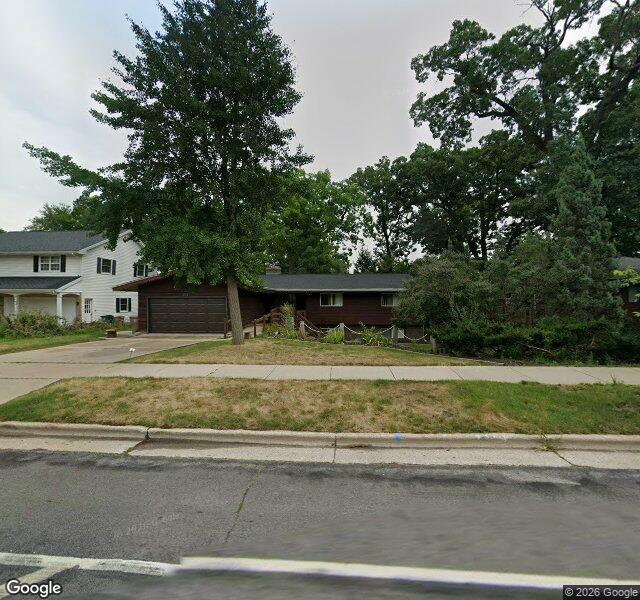
209 N Whitney Way, Madison, WI 53705View map (opens in a new tab)
Overview and key essentials
State license
Active
WI DHS
Google reviews
Not available
Public reviews not linked
Monthly cost
$4,500–$20,000/ mo
AI-assisted estimate
Public records for this community are limited. Use the checklist below when you call or visit to confirm pricing, services, and openings.
Cost, payment & care details
Updated Nov 28, 2026| Monthly cost | $4,500–$20,000AI-assisted estimate | Research may contain errors. Request a current quote from the provider. Source: AI-assisted online research, Nov 2026. |
|---|---|---|
| Payment options | Medicaid | Participation is reported in our source data. Confirm eligibility, covered services, and any private-pay costs. Verified Medicaid waiver: Wisconsin Family Care / IRIS Medicaid Waiver (WI Dept. of Health Services (DHS DQA)). |
| Size & availability | Confirm directly | We don't publish live openings. Ask about current availability, waitlist length, and move-in timing. |
| Care & support | Assisted living | Usually offers housing and help with everyday tasks, such as bathing and dressing. What to confirm about care levelsThis describes the licensed category. Ask how care plans adjust if mobility, nursing, or memory needs change over time. Read the family care guide → |
Safety screening & compliance
State licensing depth & federal screening
HHS OIG LEIE: Clear (2026-11-27)OIG database ↗ (opens in a new tab)
WI DHS directory details (CBRF)
Class: CLASS CS (SEMIAMBULATORY)HCBS CompliantWI DHS rates: $4,500–$20,000/mo
State licensing
State inspection history
7inspections
11deficiencies listed
Jun 3, 2026EnforcementEnforcement actionPenalty
Enforcement action
View official state report (opens in a new tab)
No deficiencies are reported in this inspection record.
Jun 3, 2026Follow-up2 deficiencies reported2
2 deficiencies reported
View official state report (opens in a new tab)
83.35(3)(b) Service plan development: partiesN 387
involved Development. The CBRF shall involve the resident and the resident ' s legal representative, as appropriate, in developing the individual service plan and the resident or the resident ' s legal representative shall sign the plan acknowledging their involvement in, understanding of and agreement with the plan. If a resident has a medical prognosis of terminal illness, a hospice program or home health care agency, as identified in s. HFS 83.38(2) shall, in cooperation with the CBRF, coordinate the development of the individual service plan and its approval under s. HFS 83.38 (2) (b). The resident ' s case manager, if any, and any health care providers, shall be invited to participate in the development of the service plan. This Rule is not met as evidenced by: Based on record review and interview, the provider did not ensure that 8 of 8 resident Individual Service Plans (ISP) were signed by the resident and/or legal representative. Residents 1, 2, 3, 4, 5, 6, 7 and 8 had ISPs that were not signed by the resident or legal representative. Findings include: On 06/02/2026 at 9:00 AM, Surveyor interviewed Caregiver B regarding Resident ISPs. Caregiver B stated that all resident ISPs were updated on 05/18/2026. Surveyor asked Caregiver B if the ISPs were signed by either the resident or guardian/POA. Caregiver B shrugged his/her shoulders and stated that Licensee A took care of that. On 06/02/2026 at 9:00 AM, Surveyor requested Resident 1's ISP from Caregiver B. Caregiver B stated that Licensee A had all ISPs at his/her home for review. Caregiver B sent a message to Licensee A requesting Resident 1's ISP. Licensee A sent Surveyor Resident 1's ISP via email on 06/02/2026 at 4:00 PM. Resident 1 was admitted 05/20/2025. Resident 1 is their own person. Resident 1's ISP was not signed by either Resident 1 or a CBRF representative. On 06/02/2026 at 9:00 AM, Surveyor requested Resident 2's ISP from Caregiver B. Caregiver B stated that Licensee A had all ISPs at his/her home for review. Caregiver B sent a message to Licensee A requesting Resident 2's ISP. Licensee A sent Surveyor Resident 2's ISP via email on 06/02/2026 at 4:00 PM. Resident 2 was admitted 05/31/2021. Resident 2 has a guardian. Resident 2's ISP was not signed by either Resident 2, their Guardian or a CBRF representative. On 06/02/2026 at 9:00 AM, Surveyor requested Resident 3's ISP from Caregiver B. Caregiver B stated that Licensee A had all ISPs at his/her home for review. Caregiver B sent a message to Licensee A requesting Resident 3's ISP. Licensee A sent Surveyor Resident 3's ISP via email on 06/02/2026 at 4:00 PM. Resident 3 was admitted 03/09/2020. Resident 3 has a guardian. Resident 3's ISP was not signed by either Resident 3, their Guardian or a CBRF representative. On 06/02/2026 at 9:00 AM, Surveyor requested Resident 4's ISP from Caregiver B. Caregiver B stated that Licensee A had all ISPs at his/her home for review. Caregiver B sent a message to Licensee A requesting Resident 4's ISP. Licensee A sent Surveyor Resident 4's ISP via email on 06/02/2026 at 4:00 PM. Resident 4 was admitted 10/24/2023. Resident 4 has a guardian. Resident 4's ISP was not signed by either Resident 4, their Guardian or a CBRF representative. On 06/02/2026 at 9:00 AM, Surveyor requested Resident 5's ISP from Caregiver B. Caregiver B stated that Licensee A had all ISPs at his/her home for review. Caregiver B sent a message to Licensee A requesting Resident 5's ISP. Licensee A sent Surveyor...
STATE FORM6899
0CT612 STATE FORM 0CT612 STATE FORM 0CT612 STATE FORM 0CT612 STATE FORM 0CT612 {N 450} {N 450} Caregiver B if Resident 1 had a special diet and Caregiver B stated, "Yes and we try to accommodate that, and s/he tells us what s/he needs and we buy it." Caregiver B stated, "I don't know why the menu isn't posted, I had it out but took it down the other day and didn't put it back up." {N 452} 83.41(3)(b) Food safety. Food safety. Whether food is prepared at the CBRF or off-site, the CBRF shall store, prepare, distribute and serve food under sanitary conditions for the prevention of food borne illnesses, including food prepared off-site, according to all of the following: 1. The CBRF shall refrigerate all foods requiring refrigeration at or below 40°F. Food shall be covered and stored in a sanitary manner. 2. The CBRF shall maintain freezing units at 0°F or below. Frozen foods shall be packaged, labeled and dated. 3. The CBRF shall hold hot foods at 140°F or above and shall hold cold foods at 40°F or below until serving. This Rule is not met as evidenced by: Based on observation and interview, the provider did not ensure that a weekly menu was made available to residents. There was no menu posted in the facility. This is a repeat violation from previous Statement STATE FORM 0CT612 {N 452} {N 452} of Deficiency (SOD) 0CT611 dated 10/15/2025. Findings include: On 06/02/2026 at 9:00 AM, Surveyor observed the physical environment. There was no posted menu to let residents know what was being served. On 06/02/2026 at 10:00 AM, Surveyor asked Caregiver B for a printout of the weekly menus dating back to February of 2026. Caregiver B stated, "We don't have them, we have menus but throw them out when done." Surveyor asked Caregiver B if Resident 1 had a special diet and Caregiver B stated, "Yes and we try to accommodate that, and s/he tells us what s/he needs and we buy it." Caregiver B stated, "I don't know why the menu isn't posted, I had it out but took it down the other day and didn't put it back up." N-452 83.41(3)(b) Food Safety Based on observation and interview, the provider did not ensure that food was stored in a safe, sanitary manner. There was food stored in the same closet as chemicals and medications. This is a repeat violation from previous Statement of Deficiency (SOD) 0CT611 dated 10/15/2025. Findings include: On 06/02/2026 at 9:15 AM, Surveyor observed a jug of orange juice on the counter. The juice was no longer cold to the touch. The label on the jug stated it needed to be refrigerated. On 06/02/2026 at 09:45 AM, Surveyor observed STATE FORM 0CT612 {N 452} {N 452} the physical environment. Surveyor observed the medication closet. Stored in the closet were medications for all residents, food (bananas, sugar, flour and snacks), and laundry detergent and cleaning chemicals. On 06/02/2026 at 10:00 AM, Surveyor observed that the jug of orange juice was still on the counter. On 06/02/2026 at 10:20 AM, Surveyor observed Caregiver B putting the orange juice in the refrigerator. On 06/02/2026 at 11:00 AM, Surveyor interviewed Caregiver B about the closet and storage. Caregiver B stated, " Staff are too lazy to put chemicals and food where they are supposed to go. We are supposed to get a med cart, but it ain't here yet." Caregiver B stated excess food should be stored downstairs in a separate closet and laundry detergent and cleaning chemicals are to be stored in the laundry area or under the sink in the secured cabinet. Caregiver...
Oct 16, 2025EnforcementEnforcement actionPenalty
Enforcement action
View official state report (opens in a new tab)
No deficiencies are reported in this inspection record.
Oct 16, 2025Complaint7 deficiencies reported7
7 deficiencies reported
View official state report (opens in a new tab)
On 10/15/2025, Surveyors conducted a standard licensing survey and complaint investigation at Whitney Lodge II, a CBRF located in Madison, WI. As a result of the survey, 6 violations of Chapter DHS 83 were issued. The complaint was substantiated. Census: 7
83.48(1)(b) Smoke and heat detectors per NFPAN 535
72. Smoke and heat detectors shall be installed and maintained in accordance with NFPA 72 National Fire Alarm Code and the manufacturer ' s recommendation. Smoke detectors powered by the CBRF ' s electrical system shall be tested by CBRF personnel according to manufacturer ' s recommendation, but not less than once every other month. CBRFs shall maintain documentation of tests and maintenance of the detection system. This Rule is not met as evidenced by: Based on observation, record review and interview, the provider did not ensure that smoke detectors were maintained and in working order. There was at least 1 smoke detector beeping indicating it was not working properly. Findings include: On 10/15/2025 at 9:00 AM, Surveyors were sitting at the kitchen table. There was at least one smoke detector beeping, indicating it was not working properly. The facility smoke detector system is interconnected and hard wired (not battery operated). On 10/15/2025 at 9:15 AM, Surveyor asked Caregiver B what the beeping sound was? Caregiver B stated, "Oh that's just one of the smoke alarms, it's been doing that for a while now." Surveyor asked how long the smoke detector had been beeping? Caregiver B stated, "The company was here a few months ago, but that detector has been beeping for about 2 weeks to a month." Surveyor asked if the company had been contacted to repair the detector? Caregiver B stated, "I don't think so, it's still beeping, I'll tell Licensee A about it today."
83.41(3)(b) Food safety.N 452
Food safety. Whether food is prepared at the CBRF or off-site, the CBRF shall store, prepare, distribute and serve food under sanitary conditions for the prevention of food borne illnesses, including food prepared off-site, according to all of the following: 1. The CBRF shall refrigerate all foods requiring refrigeration at or below 40°F. Food shall be covered and stored in a sanitary manner. 2. The CBRF shall maintain freezing units at 0°F or below. Frozen foods shall be packaged, labeled and dated. 3. The CBRF shall hold hot foods at 140°F or above and shall hold cold foods at 40°F or below until serving. This Rule is not met as evidenced by: Based on observation and interview, the provider did not ensure that food was stored in a safe, sanitary manner. There was food stored in the same closet as chemicals and medications. Findings include: On 10/15/2025 at 10:45 AM, Surveyor observed the physical environment. Surveyor observed the medication closet. Along with medications for all residents, there was food (chips, cookies, and other snacks), stored in the same closet. There was also laundry detergent and cleaning chemicals stored in the same closet as food and medications. On 10/15/2025 at 11:00 AM, Surveyor interviewed Caregiver B. Surveyor asked Caregiver B why there was food, chemicals and medications stored in the same closet. Caregiver B stated, "Because the other staff are too lazy to put chemicals and food where they are supposed to go." Surveyor asked Caregiver B where food and chemicals are supposed to be stored. Caregiver B stated that excess food is to be stored downstairs in a separate closet and laundry detergent and cleaning chemicals are to be stored in the laundry area or under the sink in the secured cabinet. Caregiver B acknowledged that food should not be stored in the same closet as chemicals or medications.
STATE FORM6899
0CT611 STATE FORM 0CT611 STATE FORM 0CT611 STATE FORM 0CT611 STATE FORM 0CT611 STATE FORM 0CT611 STATE FORM 0CT611 STATE FORM 0CT611 STATE FORM 0CT611
83.59(1)(f) Exit passageways, stairways: widthN 636
maintained All habitable floors shall have at least 2 exits providing unobstructed travel to the outside. Small class AA CBRFs licensed on or before the effective date of this section with no more than 2 habitable floors may have one exit from the second floor. Exit passageways and stairways to outside exits shall be at least 36 inches in width and maintained clear and unobstructed at all times. Exit passageways and stairways to outside exits shall be at least 32 inches in width in facilities licensed on or before the effective date of this section. In existing large facilities, the minimum corridor width shall be at least 4 feet. This Rule is not met as evidenced by: Based on observation and interview, the provider did not ensure that 3 of 4 exits to/from the facility were unobstructed. Three exits were obstructed by items that would hinder the ability for residents to exit the facility in an emergency situation. Findings include: On 10/15/2025 at 10:00 AM, Surveyors toured the physical environment. OBSERVATIONS: The exit ramp in the garage of the facility had furniture and decoration items on it that would hinder residents' ability to exit the facility in an emergency situation. There was an exit leading to the deck that was obstructed by furniture that would hinder residents' ability to exit the facility in an emergency situation. There was an exit in the lower level of the facility that was obstructed by a mattress and duffle bags that would hinder residents' ability to exit the facility. On 10/15/2025 at 11:30 AM, Surveyor interviewed Caregiver B. Caregiver B stated, "I'm here all the time and am in charge when Licensee A is not here. I know that the ramp in the garage has stuff on it that shouldn't be, the exit downstairs should not have that bed and bags in front of it. The desk and chair up here don't block the exit if the chair is pushed in under the desk, but I have to make sure that it is pushed in when not in use. I understand that exits can't be blocked in case of emergency."
83.35(5)(b) Annual evaluation of evacuation limitsN 394
Evaluation update. The CBRF shall evaluate each resident ' s mental or physical capability to respond to a fire alarm at least annually or when there is a change in the resident ' s mental or physical capability to respond to a fire alarm. This Rule is not met as evidenced by: Based on record review and interview, the provider did not ensure that Resident 2, Resident 3 and Resident 4 were evaluated for mental or physical capability to respond to a fire alarm at least annually. Resident 2, Resident 3 and Resident 4 did not have up to date resident evacuation assessments completed. This is a repeat violation from previous Statement of Deficiency (SOD) 2MVW11 dated 05/18/2021 and SOD 4IJ911 dated 08/21/2023. Findings include: On 10/16/2025 at 10:30 AM, Surveyors requested resident evacuation assessments for Resident 2, Resident 3 and Resident 4. Surveyor asked Caregiver B if the resident evacuation assessments for Resident 2, Resident 3 and Resident 4 were at the facility. Caregiver B stated that Licensee A has them at the office. Surveyor asked Caregiver B if the resident evacuation assessments were up to date. Caregiver B stated, "I don't know, I don't do those." On 10/16/2025 at 11:30 AM, Surveyor emailed Licensee A and requested the most current resident evacuation assessments for Resident 2, Resident 3 and Resident 4. On 10/16/2025 at 4:00 PM, Licensee emailed surveyor with resident evacuation assessments for Resident 2, Resident 3 and Resident 4. On 10/16/2025 at 4:10 PM, Surveyor reviewed Resident 2's resident evacuation assessment. Resident 2 was admitted 08/31/2021. Resident 2's evacuation assessment was dated 12/01/2023. On 10/16/2025 at 4:10 PM, Surveyor reviewed Resident 3's resident evacuation assessment. Resident 3 was admitted 05/14/2020. Resident 3's evacuation assessment was dated 12/01/2023. On 10/16/2025 at 4:10 PM, Surveyor reviewed Resident 4's resident evacuation assessment. Resident 4 was admitted 10/04/2023. Resident 4's evacuation assessment was dated 12/01/2023.
83.35(3)(c) Implement, follow the individualN 388
service plan Implementation. The CBRF shall implement and follow the individual service plan as written. This Rule is not met as evidenced by: Based on interview and record review, the provider did not ensure that Resident 1's Individual Service Plan (ISP) followed when Resident 1 was not provided their therapeutic diet as ordered by Resident 1's physician for weight control and seizure prevention. Findings include: On 09/02/2025, the Department received a complaint regarding ISPs not being adhered to in relation to dietary orders. On 10/15/2025 at 9:45 AM, Surveyor reviewed Resident 1's medical record. Resident 1 was admitted 05/20/2025: Documentation from Resident 1's physician dated 05/2025 indicates that Resident 1 should be on a high protein or keto diet to help minimize seizures. Resident 1's Individual Service Plan (ISP), dated 05/25/2025, directed staff to follow a low glycemic index diet or keto diet. Resident 1's admission assessment dated 05/25/2025, indicated Resident 1 was to be on a keto diet. On 10/15/2025 at 10:00 AM, Surveyors interviewed Resident 1. Resident 1 stated that his/her keto diet is not always followed by staff. Resident 1 stated, "Staff will make something that is not on my diet and tell me to eat it anyway. I have had to resort to buying my own food that includes tuna, yogurt and things that are on my diet. I don't have much money so I can't always afford to buy food." Surveyor asked Resident 1 how many days that s/he was not served food according to his/her diet. Resident 1 stated, "At least 4 to 5 days a week, one or two meals each day." On 10/15/2025 at 10:20 AM, Surveyor interviewed Caregiver B. Surveyor asked Caregiver B if s/he oversaw the facility in Licensee A's absence. Caregiver B stated, "Yeah I run things, I'm here every day so I know what's going on." Surveyor asked if Resident 1's keto diet was followed consistently. Caregiver B stated, "We try to follow Resident 1's diet, but we don't always have the food to do it." Surveyor asked Caregiver B if s/he knew what Resident 1 is supposed to eat. Caregiver B stated, "yes it's in his/her chart, there's a list." Surveyor asked Caregiver B if those items are on the shopping list to ensure that Resident 1 is served meals that are appropriate for him/her. Caregiver B shrugged his/her shoulders and said, "I don't know, I don't do shopping, I just put away what comes on the delivery." Surveyor asked Caregiver B where the menus are kept? Caregiver B stated, "We don't keep a written menu, we just cook what is here on the day." Surveyor asked Caregiver B if there was any documented proof that Resident 1's keto diet was being followed. Caregiver B stated, "No, nothing written down or documented."
83.41(2)(c) Nutrition: menus.N 450
Menus. 1. The CBRF shall make reasonable adjustments to the menu for individual resident ' s food likes, habits, customs, conditions and appetites. 2. The CBRF shall prepare weekly written menus and shall make menus available to residents. Deviations from the planned menu shall be documented on the menu. This Rule is not met as evidenced by: Based on observation and interview, the provider did not ensure that a weekly menu was made available to residents. There was no menu posted in the facility. Findings include: On 10/15/2025 at 9:00 AM, Surveyor observed the physical environment. There was no posted menu to let residents know what was being served. On 10/15/2025 at 10:00 AM, Surveyor asked Caregiver B for print outs of the weekly menu dating back to July of 2025. Caregiver B stated, "We don't use menus, we just make what is available in the refrigerator or freezer." Surveyor asked Caregiver B if Resident 1 had a special diet? Caregiver B stated, "Yes and we try to accommodate that, but we aren't always able." Surveyor asked Caregiver B why there was no menu posted even though it is required by Chapter DHS 83? Caregiver B shrugged his/her shoulders and stated, "I don't know, we just never have."
Jan 21, 2025EnforcementEnforcement actionPenalty
Enforcement action
View official state report (opens in a new tab)
No deficiencies are reported in this inspection record.
Show all 7 inspections
Jan 21, 2025Follow-up1 deficiency reported1
1 deficiency reported
View official state report (opens in a new tab)
STATE FORM6899
4IJ913 {N 239} {N 239} medications shall complete training in medication administration and management prior to assuming these job duties. This Rule is not met as evidenced by: Based on record review and interview, the provider did not ensure that 2 of 3 employees reviewed completed training in standard precautions. Caregiver C and Caregiver F did not have documented standard precautions training. This is a repeat violation from previous Statement of Deficiency (SOD) 4IJ911 dated 08/21/2023 and SOD 4IJ912 dated 01/10/2024. Findings include: On 01/17/2025 at 9:15 AM, Surveyor conducted a review of staff files to verify compliance with department approved training requirements. Surveyor requested training records from Licensee A for Caregiver C and Caregiver F. Standard Precautions The record for Caregiver C, hired 08/04/2021, did not contain evidence of training or evidence of meeting an exemption for standard precautions. On 01/17/2025 at 10:00 AM, Surveyor interviewed Caregiver Lead B. Caregiver Lead B confirmed that Caregiver C is employed at the facility and performs duties that may expose Caregiver C to bodily fluids. STATE FORM 4IJ913 {N 239} {N 239} On 01/17/2025, at approximately 12:00 PM, Surveyor sent an email provided to Administrator A. The email requested evidence that Caregiver C had completed or met an exemption for standard precautions training. On 01/17/2025, Surveyor verified Caregiver C was not on the Community-Based Care and Treatment training registry for standard precautions. The record for Caregiver F, hired 01/07/2025, did not contain evidence of training or evidence of meeting an exemption for standard precautions. On 01/17/2025 at 10:00 AM, Surveyor interviewed Caregiver Lead B. Caregiver Lead B confirmed that Caregiver F is employed at the facility and performs duties that may expose Caregiver F to bodily fluids. Caregiver Lead B stated that Caregiver F can work alone while on duty. On 01/17/2025, at approximately 12:00 PM, Surveyor sent an email provided to Administrator A. The email requested evidence that Caregiver F had completed or met an exemption for standard precautions training. On 01/17/2025, Surveyor verified Caregiver F was not on the Community-Based Care and Treatment training registry for standard precautions. On 01/21/2025 at 12:00 PM, Licensee A emailed Surveyor and confirmed that neither Caregiver C nor Caregiver F had completed training in Standard Precautions. In the email, Licensee A stated that both Caregiver C and Caregiver F would be taking Standard Precautions training in STATE FORM 4IJ913 {N 239} {N 239} February 2025. STATE FORM 4IJ913
Apr 4, 2024Complaint1 deficiency reported1
1 deficiency reported
View official state report (opens in a new tab)
On 04/04/2024, Surveyor conducted a complaint investigation at Whitney Lodge II (The), a CBRF in Madison. No deficiencies were identified. The complaint was unsubstantiated. Census: 8
STATE FORM6899
Y4TD11
Neighborhood & resident support
Emergency access, hazards & advocacy
Nearest hospital
University Of WI Hospitals & Clinics Authority
1.9 mi · Madison, WI · Medicare 5/5 ★
Emergency roomTrauma I
FEMA hazard risk
Relatively ModerateDane County, WI
- Cold Wave
- Hail
- Tornado
Free resident advocacy
Wisconsin Board on Aging & Long Term Care Ombudsman
More neighborhood context (specialists, VA, dialysis, air & affordability)
VA & dialysis access
Madison VA Medical Center
2.0 mi · Madison, WI · VA 5/5 ★
Specialists within 15 mi
- Geriatricians
- 30
- Neurologists
- 126
- Palliative care
- 41
- PM&R rehab
- 32
Environment & mobility
- EPA Walkability
- 11.3/20 (Above Average)
- Primary care access
- HRSA Shortage Area
County demographics
- Age 65+ median income
- $71,957/yr
- Rent-burdened households
- 46%
- Cognitive disability (2023)
- 11.2%
- Mobility disability
- 9.3%
Call & tour checklist
Questions to ask Whitney Lodge II (the)
Check off questions as you call or tour. Your progress stays private in this browser.
Show 3 more suggested questions
Verification & public records
Official records & sources
Licensing & contact
- License #
- 11717
- Status
- active
Original public sources
Verify licensing, ratings, and inspection reports directly with each official source.
- WI DHS official record (opens in a new tab)WI Dept. of Health Services
- Google Maps (opens in a new tab)Directions, photos & neighborhood
- Google Reviews (opens in a new tab)Read public reviews
EveryPlace is an independent research directory. Information is compiled from public Medicare.gov, state licensing, Google Places, and street-level imagery sources. Some summaries, suggested questions, and pricing notes are AI-generated or AI-assisted and may contain errors or omissions. We do not accept payment for placement. Confirm all details directly with the community and official sources. Research Policy.
Keep exploring
Nearby communities to compare
- 4.7(38)Assisted Living< 1 miRenaissance Senior Living of HilldaleMadison, WI
- 4.7(38)MedicaidAssisted Living< 1 miHarbor at Renaissance (the)Madison, WI
- Cap. 152HUD Senior Housing< 1 miSegoe TerraceMadison, WI
- Medicare 4/52.3(4)70 bedsMedicaidNursing Home1.2 miHebron OaksMadison, WI
- 4.2(19)MedicaidAssisted Living1.2 miOakwood Village Tabor OaksMadison, WI
- 1.0(1)MedicaidAssisted Living1.3 miCovenant OaksMadison, WI