Loading EveryPlace content…
Assisted LivingActive licenseMemory care certified
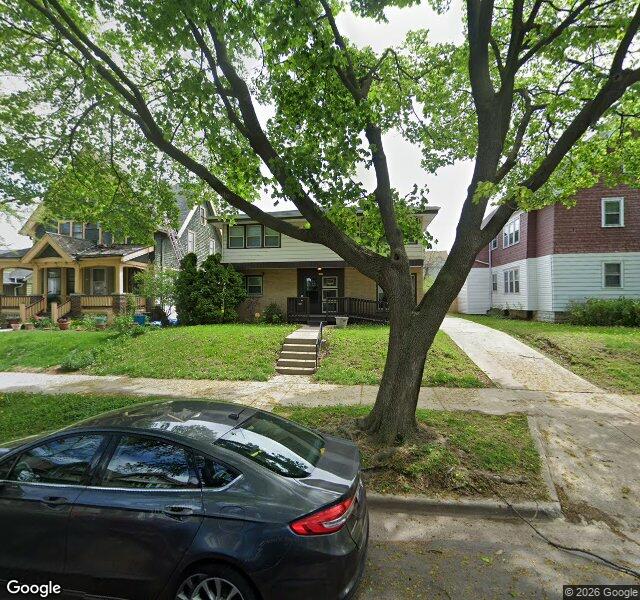
Washington Heights Manor
1506 1510 N 48th St, Milwaukee, WI 53208View map (opens in a new tab)
Overview and key essentials
State license
Active
WI DHS
Google reviews
Not available
Public reviews not linked
Monthly cost
$3,200–$7,500/ mo
AI-assisted estimate
Public records for this community are limited. Use the checklist below when you call or visit to confirm pricing, services, and openings.
Cost, payment & care details
Updated Nov 28, 2026| Monthly cost | $3,200–$7,500AI-assisted estimate | Research may contain errors. Request a current quote from the provider. Source: AI-assisted online research, Nov 2026. |
|---|---|---|
| Payment options | Medicaid | Participation is reported in our source data. Confirm eligibility, covered services, and any private-pay costs. Verified Medicaid waiver: Wisconsin Family Care / IRIS Medicaid Waiver (WI Dept. of Health Services (DHS DQA)). |
| Size & availability | Confirm directly | We don't publish live openings. Ask about current availability, waitlist length, and move-in timing. |
| Care & support | Assisted livingMemory care certified | Usually offers housing and help with everyday tasks, such as bathing and dressing. What to confirm about care levelsThis describes the licensed category. Ask how care plans adjust if mobility, nursing, or memory needs change over time. Read the family care guide → |
Safety screening & compliance
State licensing depth & federal screening
HHS OIG LEIE: Clear (2026-11-27)OIG database ↗ (opens in a new tab)
WI DHS directory details (CBRF)
Class: CLASS AA (AMBULATORY)HCBS CompliantDementia approvedWI DHS rates: $3,200–$7,500/mo
State licensing
State inspection history
2inspections
14deficiencies listed
Aug 6, 2024Complaint14 deficiencies reported14
14 deficiencies reported
View official state report (opens in a new tab)
83.41(2)(c) Nutrition: menus.N 450
Menus. 1. The CBRF shall make reasonable adjustments to the menu for individual resident ' s food likes, habits, customs, conditions and appetites. 2. The CBRF shall prepare weekly written menus and shall make menus available to residents. Deviations from the planned menu shall be documented on the menu. This Rule is not met as evidenced by: Based on record review and interview, the provider did not ensure the menu was completed or make reasonable adjustments to the menu for 7 of 7 residents. The menu contained blank areas and was not filled in with what was prepared for those meals. Resident 7 was routinely served pork products when s/he did not eat pork. Ham, pulled pork, and hot dogs were on the menu without any alternative options for Resident 7 to choose from. Findings include: On 05/30/2024, the department received a complaint regarding residents were not offered alternative meals. On 06/28/2024, at 9:15 AM, Surveyor reviewed the menu. The menu reported the following: - Sunday Breakfast: eggs, bacon or sausage, toast, grits Lunch: was blank Dinner: was blank - Monday Breakfast: choice of cereal, yogurts, cereal bars, oatmeal, toast, muffin Lunch: ham, rice, veggie Dinner: lasagna and veggie Tuesday Breakfast: choice of cereal, yogurts, cereal bars, oatmeal, toast, muffin Lunch: chicken, mashed potatoes, veggie Dinner: pulled pork sandwich and veggie Wednesday: Breakfast: pancakes, eggs, bacon or sausage Lunch: turkey chili with crackers Dinner: fish stick and fries Thursday: Breakfast: choice of cereal, yogurts, cereal bars, oatmeal, toast, muffin Lunch: pizza and salad Dinner: chicken and stuffing, veggie Friday: Breakfast: choice of cereal, yogurts, cereal bars, oatmeal, toast, muffin Lunch: hamburger, fries, veggie Dinner: spaghetti, salad Saturday: Breakfast: eggs, bacon or sausage, toast, grits Lunch: hot dogs, fries, veggie Dinner: chicken, rice, veggie On 06/28/2024, at 10:45 AM, Surveyor interviewed Resident 7. Resident 7 reported s/he did not eat pork. When Surveyor inquired if Resident 7 was offered an alternative meal when pork was on the menu, Resident 7 stated, "It depends on who's cooking." When Surveyor inquired what happens if staff did not provide an alternative meal, Resident 7 reported s/he did not eat, or would go buy her/his own food in the community. On 08/06/2024, at 2:30 PM, Surveyor interviewed Administrator A. Administrator A reported a dietary specialist created the menus. When Surveyor inquired about the menus not being filled out completely, Administrator A reported Surveyor did not look at the correct menu. Surveyor reported to Administrator A, the menu was located on the refrigerator, and there was no other menu observed in the home. Surveyor inquired about dietary preferences; Administrator A reported staff were responsible to create something for the resident. When Surveyor inquired about Resident 7's concerns with not being offered an alternative meal, Administrator A reported Surveyor was incorrect.
83.43(1) Environment safe, clean, andN 481
comfortable Environment. The CBRF shall provide a living environment that is safe, clean, comfortable, and homelike. All common dining and living areas shall contain furnishings appropriate to the intended use of the room. This Rule is not met as evidenced by: Based on record review and interview, the provider did not ensure 7 of 7 residents had furnishings appropriate to the intended use in the living room. The living room did not have furniture for approximately a month and a half. Findings include: On 05/30/2024, the Department received a complaint regarding not having adequate furniture in the home. On 06/28/2024, at 10:15 AM, Surveyor reviewed the staff communication book. On 05/31/2024, a note was written which reported "furniture coming today." On 06/28/2024, at 10:25 AM, Surveyor interviewed Resident 6. Resident 6 reported the living room furniture was new. Resident 6 reported s/he did not know how long the furniture was gone and reported it "was gone for a while." Resident 6 reported the chairs were not comfortable and s/he would often stay in her/his room. On 06/28/2024, at 11:00 AM, Surveyor interviewed House Lead K. House Lead K reported when s/he started her/his employment in April 2024, there was no living room furniture. House Lead K reported s/he was told it was thrown out due to bed bugs. House Lead K reported the residents were required to utilize the metal dining room chairs to sit in the living room. House Lead K confirmed the new furniture came at the end of May. On 08/06/2024, at 2:30 PM, Surveyor interviewed Administrator A. Administrator A reported s/he remodeled the facility. Administrator A reported s/he got rid of the furniture so the house could be cleaned and painted. Administrator A reported s/he provided metal and wood chairs for the month while there was no furniture. When Surveyor inquired about comfort, Administrator A reported the code did not require her/him to purchase leather furniture.
83.35(3)(a) Comprehensive IndividualizedN 386
Service Plan Comprehensive individual service plan. Scope. Within 30 days after admission and based on the assessment under sub. (1), the CBRF shall develop a comprehensive individual service plan for each resident. The individual service plan shall include all of the following: 1. Identify the resident ' s needs and desired outcomes. 2. Identify the program services, frequency and approaches under s. HFS 83.38(1) the CBRF will provide. 3. Establish measurable goals with specific time limits for attainment. 4. Specify methods for delivering needed care and who is responsible for delivering the care. This Rule is not met as evidenced by: Based on record review, observation, and residents (Resident 7) reviewed had a completed individualized service plan (ISP). This is a repeat deficiency. See Statement of Deficiency (SOD) 68BL11, dated 03/04/2019. Findings include: On 06/28/2024, at 9:50 AM, Surveyor reviewed Resident 7's record. Resident 7 was admitted on 04/25/2024 with diagnoses including developmental disorder, depression, and alcohol abuse. Resident 7's record did not contain an ISP. On 06/28/2024, at 10:10 AM, Surveyor interviewed House Lead K. House Lead K reported there was a nurse who completed all resident ISPs. House Lead K reported s/he was unsure why Resident 7's ISP was not completed. On 08/06/2024, at 2:30 PM, Surveyor interviewed Administrator A. Administrator A reported Registered Nurse (RN) B was responsible for completing the resident ISPs. Administrator A confirmed Resident 7's ISP was not completed within the 30-day requirement. Administrator A reported RN B had been busy and Resident 7's ISP was completed a couple days after Surveyor left the facility.
83.15(3)(a) Administrator shall supervise dailyN 214
operation The administrator shall supervise the daily operation of the CBRF, including but not limited to, resident care and services, personnel, finances, and physical plant. The administrator shall provide the supervision necessary to ensure that the residents receive proper care and treatment, that their health and safety are protected and promoted and that their rights are respected. This Rule is not met as evidenced by: Based on observation, record review and interviews, the administrator did not ensure s/he supervised the daily operation of the Community Based Residential Facility (CBRF), including resident services, personnel, and physical plant. Resident 5 was not seen by a medical professional timely. Resident 7 did not have an Individual Service Plan (ISP) developed, and Resident 5's and Resident 6's ISPs were not updated annually. Staff did not have completed screening for communicable diseases. Water temperatures in the residents' bathrooms were too hot. There were missing smoke detectors in 3 areas. The facility did not have working emergency egress lighting in 2 areas. Findings include: This facility is licensed to serve up to 8 residents in the client groups of advanced aged, irreversible dementia/Alzheimer's, emotionally disturbed/mental illness and developmentally disabled. On 06/28/2024, Surveyor conducted a standard survey, verification visit and 2 complaint investigations. As a result of the survey the following 18 deficient practices were identified, 6 of deficiencies are repeat citations, and 1 deficiency is being cited for a 3rd time: 83.15(3)(a) Administrator Shall Supervise Daily Operation 83.17(2)(a) Employees Screened for Communicable Disease (repeat) 83.28(4)(a) Resident Health Screening and Documentation 83.35(1)(a) Pre-Admission and Ongoing Assessments (repeat) 83.35(3)(a) Comprehensive Individualized Service Plan (repeat) 83.35(3)(d) Service Plans Updated Annually or on Changes 83.37(1)(h) Scheduled Psychotropic Medications 83.37(3)(d) Medication Storage: Refrigeration 83.38(1)(g) Health Monitoring 83.41(2)(c) Nutrition: Menus 83.43(1) Environment Safe, Clean, and Comfortable 83.45(3) Toxic Substances 83.47(2)(b) Exit Diagram (repeat) 83.47(3) Fire Inspection (repeat) 83.48(1)(b) Smoke And Heat Detectors per Nfpa 72 (repeat) 83.55(6)(b) Bath and Toilet Areas: Water Temperature 83.59(2)(f) Staff In Charge Can Open All Locks 83.59(7)(a) Emergency Egress Lighting (repeat) On 08/06/2024, at 2:30 PM, Surveyor interviewed Administrator A. Administrator A reported s/he was at the facility 2-3 times a week. Administrator A reported the house lead was responsible for the daily operations when Administrator A was not at the facility. Administrator A reported Surveyor was confused about not finding required paperwork. Surveyor encouraged Administrator A to join Surveyor the next time s/he was in the facility, so they could go through the paperwork together. Administrator A reported s/he did not agree with Surveyor's findings during the survey, and the complaints should not be substantiated. {N 220} 83.17(2)(a) Employees screened for communicable disease. The CBRF shall obtain documentation from a physician, physician assistant, clinical nurse practitioner or a licensed registered nurse indicating all employees have been screened for clinically apparent communicable disease including tuberculosis. Screening for tuberculosis shall be conducted using centers for disease control and prevention standards. The...
83.38(1)(g) Health monitoring.N 431
As appropriate, the CBRF shall teach residents the necessary skills to achieve and maintain the resident ' s highest level of functioning. In addition to the assessed needs as determined under s. DHS 83.35(1), the CBRF shall provide or arrange services adequate to meet the needs of the residents in all of the following areas: Health monitoring. 1. The CBRF shall monitor the health of residents and make arrangements for physical health, oral health or mental health services unless otherwise arranged for by the resident. Each resident shall have an annual physical health examination completed by a physician or an advanced practice nurse as defined in s. N 8.02(1), unless seen by a physician or an advanced practice nurse as defined in s. N 8.02(1) more frequently. 2. When indicated, a CBRF shall observe residents ' food and fluid intake and acceptance of diet. The CBRF shall report significant deviations from normal food and fluid intake patterns to the resident ' s physician or dietician. 3. The CBRF shall document communication with the resident ' s physician and other health care providers, and shall record any changes in the resident ' s health or mental health status in the resident ' s record. This Rule is not met as evidenced by: Based on record review and interview, the provider did not make arrangements to ensure 1 of 1 resident (Resident 5) was seen by referred specialist. Resident 5 was referred to a dermatologist in November 2023 and to date of the on-site survey had not been seen. Findings include: On 06/17/2024, the Department received a complaint regarding concerns about medical appointments for residents. On 06/28/2024, at 9:50 AM, Surveyor reviewed Resident 5's record. Resident 5 was admitted to the facility on 11/22/2013 with diagnoses including mental retardation, type 2 diabetes, hypertension, and obesity. On 11/15/2023, Resident 5 was seen by Internalist N for a scalp mass and was referred to a dermatologist. On 04/23/2024, Resident 5 was seen by Doctor O for concerns about bump on Resident 5's head. Resident 5 was referred to a dermatologist. Surveyor did not locate any documentation indicating Resident 5 was seen by a dermatologist after the 11/15/2023 appointment or the 04/23/2024 appointment. On 06/28/2024, at 10:20 AM, Surveyor interviewed House Lead K. House Lead K reported Resident 5 had a dermatologist appointment in April, however the appointment had to be cancelled due to no staff available to take Resident 5. House Lead K reported Administrator A told House Lead K to find another staff to come in so House Lead K could take Resident 5 to the appointment. House Lead K reported at the time they were short staff and House Lead K had to cancel Resident 5's appointment. House Lead K reported the next appointment is in August. House Lead K reported s/he was unsure why Resident 5 was not seen after the November 2023 appointment with Internalist N as House Lead K was not employed by the provider at the time. On 08/06/2024, at 2:30 PM, Surveyor interviewed Administrator A. Administrator A reported Resident 5 had the bump on her/his head since admission. Administrator A reported s/he was unsure why Resident 5 did not see dermatology. Administrator A reported s/he spoke with Caregiver L, who was the previous manager, and Caregiver L reported s/he could not remember why Resident 5 did not see a dermatologist after the November 2023 appointment. When Surveyor inquired about the second dermatology referral after the...
83.35(3)(d) Service plans updated annually or onN 389
changes Individual service plan review. Annually or when there is a change in a resident ' s needs, abilities or physical or mental condition, the individual service plan shall be reviewed and revised based on the assessment under sub. (1). All reviews of the individual service plan shall include input from the resident or legal representative, case manager, resident care staff, and other service providers as appropriate. The resident or resident ' s legal representative shall sign the individual service plan, acknowledging their involvement in, understanding of and agreement with the individual service plan. This Rule is not met as evidenced by: Based on record review and interview, the provider did not ensure 2 of 2 residents' (Resident 5 and Resident 6) Individual Service Plans (ISPs) were updated annually and were signed by the resident or resident's legal representative acknowledging their involvement in, understanding of, and agreement with the resident's ISP. Findings include: On 06/28/2024, at 9:50 AM, Surveyor reviewed resident files and observed the following: Resident 5 was admitted on 11/13/2013. Resident 5 had a guardian. Resident 5's ISP was updated 04/05/2023. Resident 5's ISP was signed by Registered Nurse (RN) B. Resident 5's ISP did not contain a signature of agreement with the ISP by Resident 5's guardian. Resident 5's ISP was due to be updated on 04/05/2024. Resident 6 was admitted on 02/21/2021. Resident 6 had a guardian. Resident 6's ISP was updated 04/05/2023. Resident 6's ISP was signed by RN B, Resident 6, and 3 staff members. Resident 6's ISP did not contain a signature of agreement with the ISP by Resident 6's guardian. Resident 6's ISP was due to be updated on 04/05/2024. On 06/28/2024, at 10:10 AM, Surveyor interviewed House Lead K. House Lead K reported there was a nurse who completed all resident ISPs. House Lead K reported s/he was unsure why the resident ISPs were not updated. On 08/06/2024, at 2:30 PM, Surveyor interviewed Administrator A. Administrator A reported Registered Nurse (RN) B was responsible for updating resident ISP annually. Administrator A reported RN B had been busy with other jobs and all Resident ISPs were completed a couple days after Surveyor left the facility.
83.28(4)(a) Resident health screening andN 302
documentation Resident health screening. 1. Within 90 days before or 7 days after admission, a physician, physician assistant, clinical nurse practitioner or a licensed registered nurse shall screen each person admitted to the CBRF for clinically apparent communicable disease, including tuberculosis, and document the results of the screening. 2. Screening for tuberculosis and all immunizations shall be conducted using centers for disease control and prevention standards. 3. The CBRF shall maintain the screening documentation in each resident ' s record. This Rule is not met as evidenced by: Based on record review and interview, the provider did not obtain documentation of a screening for clinically apparent communicable disease, including tuberculosis (TB) by a physician, physician assistant, clinical nurse practitioner or a licensed registered nurse within 90 days before or 7 days after admission for 2 of 3 residents (Resident 6 and Resident 7) reviewed. Findings include: On 07/03/2024, at 9:30AM, Surveyor reviewed resident records emailed by Administrator A and identified the following: - Resident 6 was admitted on 02/21/2021. Resident 6's record did not contain any evidence Resident 6 had been screened for communicable diseases including TB. Administrator A sent a screenshot of an email from Veterans Affairs [VA] which indicated the chest x-ray and QuantiFERON results were faxed to Administrator A. Administrator A reported in the email to Surveyor s/he could not find the faxed results. - Resident 7 was admitted on 04/25/2024. Resident 7 record contained communicable disease screening. Resident 7's record did not contain evidence of TB screening. On 08/06/2024, at 2:30 PM, Surveyor interviewed Administrator A. Administrator A reported s/he had a pre-admission form to ensure all tasks were completed. Administrator A reported Resident 6 and Resident 7 were screened for communicable diseases, including TB prior to admission. Administrator A reported s/he was unsure where the documentation was. {N 381} 83.35(1)(a) Pre-admission and ongoing assessments. Scope. The CBRF shall assess each resident ' s needs, abilities, and physical and mental condition before admitting the person to the CBRF, when there is a change in needs, abilities or condition, and at least annually. The assessment shall include all areas listed under par. (c). This requirement includes individuals receiving respite care in the CBRF. For emergency admissions the CBRF shall conduct the assessment within 5 days after admission. This Rule is not met as evidenced by: Based on review of resident records and staff interview, the provider did not ensure each resident's needs, abilities, and physical and mental condition were assessed as required for 3 of 3 residents reviewed. Resident 5 and Resident 6 were not assessed annually in 2022, 2023, and to date in 2024. Resident 7 did not have a pre-admission assessment completed. This requirement is being cited for a third time. See Statement of Deficiency (SOD) 68BL12, dated 03/30/2022, and SOD 68BL11, dated
STATE FORM6899
68BL13 STATE FORM 68BL13 STATE FORM 68BL13 {N 220} {N 220} days before the start of employment. The CBRF shall keep screening documentation confidential, except the department shall have access to the screening documentation for verification purposes. This Rule is not met as evidenced by: Based on record review and interview, the provider did not obtain documentation from a physician, physician assistant, clinical nurse practitioner or a licensed registered nurse indicating all employees have been screened for clinically apparent communicable disease including tuberculosis (TB), within 90 days before the start of employment for 2 of 2 caregivers reviewed (Caregiver L and Caregiver M). Caregiver L did not have a TB test or a signed communicable disease screening in her/his record. Caregiver M did not have a signed communicable disease screening in her/his record. This is a repeat deficiency. See Statement of Deficiency (SOD) 68BL12, dated 03/30/2022. Findings include: On 06/28/2024 at 11:00 AM, Surveyor reviewed staff files and identified the following: Caregiver L was hired on 04/10/2023. Caregiver L's record contained a document titled "Communicable disease/Tuberculosis Screening Questionnaire." The questionnaire contained circled answers to the questions and was signed by Caregiver L on 04/10/2023. The form was not signed by a physician, physician assistant, clinical nurse practitioner or a licensed registered nurse indicating Caregiver L was screened for STATE FORM 68BL13 {N 220} {N 220} communicable diseases. Caregiver L's record did not contain evidence Caregiver L received a TB test. Caregiver M was hired on 06/02/2024. Caregiver M's record contained a document titled "Communicable disease/Tuberculosis Screening Questionnaire." The questionnaire contained circled answers to the questions and was signed by Caregiver M on 06/05/2024. The form was not signed by a physician, physician assistant, clinical nurse practitioner or a licensed registered nurse indicating Caregiver M was screened for communicable diseases. On 08/06/2024, at 2:30 PM, Surveyor interviewed Administrator A. Administrator A reported Registered Nurse (RN) B completed the communicable disease screening. Administrator A confirmed the communicable disease screenings were not signed by RN B. Administrator A reported s/he would ensure the screenings were all signed by RN B. STATE FORM 68BL13 STATE FORM 68BL13 STATE FORM 68BL13 {N 381} {N 381} 03/04/2019. Findings include: On 06/28/2024, at 9:50 AM, Surveyor reviewed resident records and identified the following: Resident 5 was admitted on 11/22/2013. Resident 5's record did not contain any annual assessments identifying Resident 5's needs, abilities, and physical and mental conditions for 2022, 2023, and to date in 2024. Resident 6 was admitted on 02/21/2021. Resident 6's record did not contain any annual assessments identifying Resident 6's needs, abilities, and physical and mental conditions in 2022, 2023, and to date in 2024. Resident 7 was admitted on 04/25/2024 with diagnoses including developmental disorder, depression, and alcohol abuse. Resident 7's record did not contain a pre-admission assessment identifying Resident 7's needs, abilities, and physical and mental conditions. On 08/06/2024, at 2:30 PM, Surveyor interviewed Administrator A. Administrator A reported Registered Nurse (RN) B was responsible for completing the annual assessments. Administrator A reported s/he was unsure why the annual assessments...
83.37(3)(d) Medication storage: refrigerationN 420
Refrigeration. Medications stored in a common refrigerator shall be properly labeled and stored in a locked box. This Rule is not met as evidenced by: Based on observation and interview, the provider did not ensure all medications were securely refrigerator. Resident 5's and Resident 6's insulin pens were stored in an unlocked boxes in the common refrigerator. Findings include: On 06/28/2024, at 9:10 AM, Surveyor observed the common refrigerator. There were 2 black boxes on the shelf. The boxes were equipped with a combination lock. When Surveyor pressed the buttons on each box, the boxes opened. Inside the first box contained 2 Trulicity insulin pens for Resident 5. The second box contained 6 Novolog flexpen, and a Ozempic injection for Resident 6. Surveyor observed residents moving freely around the facility. On 06/28/2024, at 10:00 AM, Surveyor interviewed House Lead K. House Lead K stated, "I'm gonna be honest, I don't know the code to unlock it so I'm scared to lock it." House Lead K reported s/he would put the insulin in the office. When Surveyor inquired if there was a refrigerator in the office, House Lead K reported there was not. On 08/06/2024, at 2:30 PM, Surveyor interviewed Administrator A. Administrator A confirmed the medications should have been securely stored. Administrator A reported House Lead K was to create a code for the lock boxes. Administrator A reported s/he would educate House Lead K.
83.55(6)(b) Bath and toilet areas: waterN 617
temperature The CBRF shall set the temperature of all water heaters connected to sinks, showers and tubs used by residents at a temperature of at least 140°F. The temperature of water at fixtures used by residents shall be automatically regulated by valves and may not exceed 115°F, except for CBRFs serving residents recovering from alcohol or drug dependency or clients of a government correctional agency. This Rule is not met as evidenced by: Based on observation and interview, the provider did not ensure 2 of 2 resident bathrooms had a safe water temperature. The water temperature in the first-floor bathroom was 138.6° Fahrenheit (F), and the water temperature in the second-floor bathroom was 128° F. Findings include: The facility was licensed on 03/30/2009, to serve up to 8 residents in the client groups of advanced aged, irreversible dementia/Alzheimer's, emotionally disturbed/mental illness and developmentally disabled. On 06/28/2024, at 9:00 AM, Surveyor toured the facility. Surveyor tested the water temperature in the first-floor bathroom. The temperature was 138.6° F. Surveyor tested the water temperature in the second-floor bathroom. The temperature was 128° F. On 06/28/2024, at 10:00 AM, Surveyor interviewed House Lead K. House Lead K confirmed the water temperature should be under 115° F. House Lead K reported the water temperature was tested monthly. House Lead K reported s/he would have to talk with Administrator A. On 08/06/2024, at 2:30 PM, Surveyor interviewed Administrator A. Administrator A reported they checked the water temperature every month. Administrator A reported House Lead K informed Administrator A of the water temperature being too hot. Administrator A reported the water was turned down.
83.59(2)(f) Staff in charge can open all locksN 644
The staff member in charge on each work shift shall have a means of opening all locks or security devices on all doors in the CBRF. This Rule is not met as evidenced by: Based on observation and interview, the provider did not ensure staff on all shifts had a means of opening all locks on all doors in the facility. Staff bedroom door (Resident 7). Findings include: On 02/23/2024, the department received a complaint regarding concerns about the facility staff unable to open resident rooms. On 06/28/2024, at 9:00 AM, Surveyor toured the facility with House Lead K. Surveyor toured resident bedrooms on the second floor to confirm compliance with code requirements. Surveyor knocked at Resident 7's door. House Lead K reported Resident 7 was not home and her/his bedroom was locked. Surveyor inquired if House Lead K could unlock Resident 7's room so Surveyor could ensure a smoke detector was located in Resident 7's room. House Lead K reported s/he did not know where the key was. Surveyor observed House Lead K attempt to open Resident 7's locked door with a butter knife. On 06/28/2024, at 9:40 AM, Surveyor interviewed Administrator A on the phone. When Surveyor inquired where Resident 7's room key was for staff to utilize and how staff are to enter a resident room if needed, Administrator A stated, "Oh [s/he] just needs to pop it open with a butter knife." Administrator A reported s/he was unaware of where the spare keys were. {N 666} 83.59(7)(a) Emergency egress lighting provided All exit passageways and stairways shall be provided with emergency egress lighting with a stand-by power source. This Rule is not met as evidenced by: Based on observation, staff interview and record review, the provider did not ensure all exit passageways and stairways were provided with emergency egress lighting with a stand-by power source. The emergency egress lighting in the second-floor hallway, and first floor emergency egress lighting in the hallway did not function when pressed. This is a repeat deficiency. See Statement of Deficiency (SOD) 68BL12, dated 03/30/2022. Findings include: On 02/23/2024, the department received a complaint regarding the facility was not in compliance with fire codes. The provider is licensed as a class AA (ambulatory) CBRF, able to serve up to 8 residents who may be developmentally disabled, advanced age, emotionally disturbed/mentally ill, Alzheimer's disease and/or irreversible dementia. The facility was in a two-story building, which was not protected by a sprinkler system. On 06/28/2024 at 9:00 AM, Surveyor toured the facility. Surveyor tested all emergency egress lighting. The emergency egress lighting in the second-floor hallway, and first floor emergency
83.37(1)(h) Scheduled psychotropic medications.N 407
Scheduled psychotropic medications. When a psychotropic medication is prescribed for a resident, the CBRF shall do all of the following: 1. Ensure the resident is reassessed by a pharmacist, practitioner or registered nurse, as needed, but at least quarterly for the desired responses and possible side effects of the medication. The results of the assessments shall be documented in the resident ' s record as required under s. HFS 83.42(1)(q). 2. Ensure all resident care staff understands the potential benefits and side effects of the medication. This Rule is not met as evidenced by: Based on record review and interview, the provider did not ensure 2 of 2 residents (Resident 5 and Resident 6) were assessed for the desired responses and possible side effects of her/his scheduled psychotropic medication, by a pharmacist, practitioner, or registered nurse (RN) since 03/29/2023. Findings include: On 06/28/2024, at 9:50 AM, Surveyor reviewed resident records and identified the following: Resident 5 was admitted on 11/13/2013. Resident 5's medication administration record (MAR) identified Resident 5 was prescribed and administered olanzapine 15 milligrams (MG), once daily at bedtime. Resident 5's record did not contain documentation indicating a psychotropic medication review by a pharmacist, practitioner or RN was completed in the 2nd, 3rd, and 4th quarters of 2023, and 1st quarter for 2024. Resident 6 was admitted on 02/21/2021. Resident 6 had a guardian. Resident 6's MAR identified Resident 6 was prescribed and administered sertraline 50 MG once per day and divalproex 125 MG, one capsule twice a day, and 2 capsules at bedtime. Resident 5's record did not contain documentation indicating a psychotropic medication review by a pharmacist, practitioner or RN was completed in the 2nd, 3rd, and 4th quarters of 2023, and 1st quarter for 2024. On 08/06/2024, at 2:30 PM, Surveyor interviewed Administrator A. Administrator A reported Registered Nurse (RN) B was responsible for completing the psychotropic medication reviews. Administrator A reported the psychotropic medication reviews were completed every 3 months and was unsure why the reviews were not located in the residents' files. On 08/06/2024, at 4:25 PM, Administrator A sent 3 separate emails with psychotropic medication reviews for 2nd and 3rd quarters of 2023, and 1st quarter of 2024. Surveyor did not receive evidence 4th quarter of 2023 psychotropic medication reviews were completed.
83.45(3) Toxic substances.N 499
Toxic substances. The CBRF shall ensure that cleaning compounds, polishes, insecticides and toxic substances are labeled and stored in a secure area. This Rule is not met as evidenced by: Based on observation and interview, the provider did not ensure cleaning compounds and toxic common areas. Unsecured toxic substances were found in a hallway closet and under the kitchen sink. Findings include: The facility was licensed on 03/30/2009, to serve up to 8 residents in the client groups of advanced aged, irreversible dementia/Alzheimer's, emotionally disturbed/mental illness and developmentally disabled. On 06/28/2024, at 9:00 AM, Surveyor toured the facility. Surveyor observed a closet. The closet contained a locking mechanism. The locking mechanism was not engaged. Surveyor observed the following inside the closet: Resolve carpet cleaner, Member's Mark oven, grill & fryer cleaner, Raid bed bug spray, Hot Shot bed bug killer spray, Bissell carpet cleaner, Windex window cleaner, Radiance toilet bowl cleaner with bleach, Comet with bleach, Member's Mark disinfecting wipes, Clorox cleaner and bleach, and 3 spray bottles with an unknown liquid inside. The cupboard under the sink contained the following: Odoban disinfectant fabric and air freshener, Radiance dishwasher triple chamber pacs, 2 containers of Member's Mark disinfecting wipes, True living multipurpose cleaner and Tandil bleach. Residents were observed moving freely throughout the facility. On 08/06/2024, at 2:30 PM, Surveyor interviewed Administrator A. Administrator A confirmed toxic chemicals and cleaning compounds were to be securely stored. Administrator A reported staff always kept the closet locked, and staff must have just started cleaning when Surveyor arrived at the facility. Surveyor inquired about the chemicals located under the sink, Administrator confirmed those should have been securely stored, too. {N 523} 83.47(2)(b) Exit diagram. Exit diagram. The disaster plan shall have an exit diagram that shall be posted on each floor of the CBRF used by residents in a conspicuous
83.47(3) Fire inspection.N 530
Fire inspection. The CBRF shall arrange for an annual inspection by the local fire authority or certified fire inspector and shall retain fire inspection reports for 2 years. This Rule is not met as evidenced by: Based on record review and interview, the provider did not arrange for an annual fire inspection for 2 of 2 years (calendar years 2022 and 2023). This is a repeat deficiency. See Statement of Deficiency (SOD) 68BL11, dated 03/04/2019. Findings include: On 06/28/2024, at 11:00 AM, Surveyors reviewed facility safety code documentation. There was no documentation the facility had been inspected by the local fire department or certified fire inspector for the years 2022 and 2023. On 07/01/2024, at 7:24 AM, Surveyor emailed Administrator A and requested the fire inspections. As of 07/09/2024 at 12:00 PM, no documentation was received. On 08/06/2024, at 2:30 PM, Surveyor interviewed Administrator A. Administrator A confirmed fire inspections were to be completed yearly. Administrator A reported s/he just took over scheduling the fire inspections to ensure they are being completed. Administrator A acknowledged they were missing fire inspections. {N 535} 83.48(1)(b) Smoke and heat detectors per NFPA 72. Smoke and heat detectors shall be installed and maintained in accordance with NFPA 72 National Fire Alarm Code and the manufacturer ' s recommendation. Smoke detectors powered by the CBRF ' s electrical system shall be tested by CBRF personnel according to manufacturer ' s recommendation, but not less than once every other month. CBRFs shall maintain documentation of tests and maintenance of the detection system. This Rule is not met as evidenced by: Based on observation and interview, the provider did not ensure smoke detectors were maintained in working condition in accordance with NFPA 72 National Fire Alarm Code and the manufacturer's recommendation in 3 of 11 required locations. There were no smoke detectors in the living room, Resident 7's room, or the office. This is a repeat deficiency. See Statement of Deficiency (SOD) 68BL12, dated 03/30/2022. Findings include: The facility was licensed on 03/30/2009, to serve up to 8 residents in the client groups of advanced aged, irreversible dementia/Alzheimer's, emotionally disturbed/mental illness and developmentally disabled. On 06/28/2024, at 9:00 AM, Surveyor toured the facility and observed the following:
Aug 6, 2024EnforcementEnforcement actionPenalty
Enforcement action
View official state report (opens in a new tab)
No deficiencies are reported in this inspection record.
Neighborhood & resident support
Emergency access, hazards & advocacy
Nearest hospital
Wheaton Franciscan Inc- St Joseph
1.6 mi · Milwaukee, WI · Medicare 5/5 ★
Emergency room
FEMA hazard risk
Relatively HighMilwaukee County, WI
- Cold Wave
- Heat Wave
- Tornado
Free resident advocacy
Wisconsin Board on Aging & Long Term Care Ombudsman
More neighborhood context (specialists, VA, dialysis, air & affordability)
VA & dialysis access
Milwaukee VA Medical Center
2.1 mi · Milwaukee, WI · VA 3/5 ★
DaVita Wisconsin Avenue Dialysis
0.5 mi · 3/5 ★
Specialists within 15 mi
- Geriatricians
- 76
- Neurologists
- 224
- Palliative care
- 38
- PM&R rehab
- 101
Environment & mobility
- EPA Walkability
- 13.4/20 (Above Average)
- Primary care access
- HRSA Shortage Area
County demographics
- Age 65+ median income
- $49,195/yr
- Rent-burdened households
- 48%
- Cognitive disability (2023)
- 14.5%
- Mobility disability
- 14.2%
Call & tour checklist
Questions to ask Washington Heights Manor
Check off questions as you call or tour. Your progress stays private in this browser.
Show 3 more suggested questions
Verification & public records
Official records & sources
Licensing & contact
- License #
- 12706
- Status
- active
Original public sources
Verify licensing, ratings, and inspection reports directly with each official source.
- WI DHS official record (opens in a new tab)WI Dept. of Health Services
- Google Maps (opens in a new tab)Directions, photos & neighborhood
- Google Reviews (opens in a new tab)Read public reviews
EveryPlace is an independent research directory. Information is compiled from public Medicare.gov, state licensing, Google Places, and street-level imagery sources. Some summaries, suggested questions, and pricing notes are AI-generated or AI-assisted and may contain errors or omissions. We do not accept payment for placement. Confirm all details directly with the community and official sources. Research Policy.
Keep exploring
Nearby communities to compare
- 5.0(1)MedicaidAssisted Living< 1 miBell Therapy Belwood VIII Martin CbrfMilwaukee, WI
- Medicare 3/5Cap. 24Dialysis Center< 1 miDavita Wisconsin Avenue DialysisMilwaukee, WI
- Home Health< 1 miLaabs Home Health CareMilwaukee, WI
- MedicaidAssisted Living< 1 miEasy Living Senior HomeMilwaukee, WI
- Assisted Living< 1 miJoshua Glover HouseMilwaukee, WI
- MedicaidAssisted Living< 1 miBarnett HouseMilwaukee, WI