Loading EveryPlace content…
Assisted LivingActive licenseMemory care certified
Vitacare Living
973 Maple Avenue East, Mora, MN 55051View map (opens in a new tab)
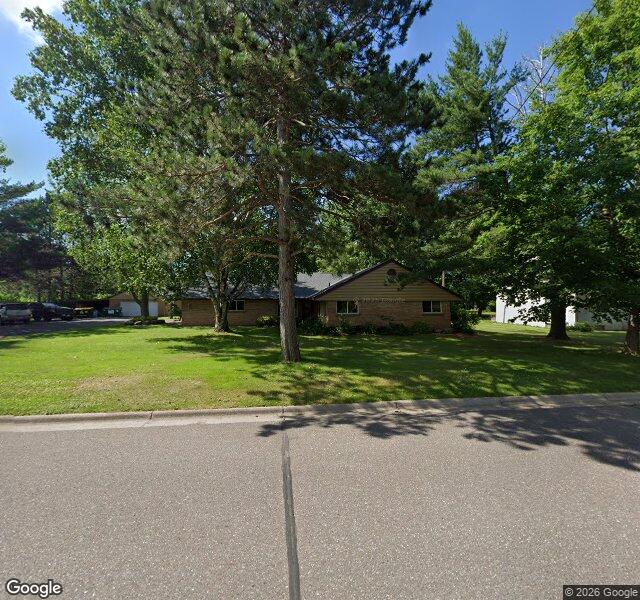
Overview and key essentials
State license
Active
MN MDH
Google reviews
3.5/ 5
12 reviews
Size & payment
Ask directly
Confirm pricing & payment
Mixed signals — tour closely
Public Google reviews reflect mixed experiences (3.5/5). Compare recent reviews and tour in person.
Cost, payment & care details
Updated Nov 28, 2026| Monthly cost | Not published | Ask for the full monthly cost, including care fees and one-time charges. |
|---|---|---|
| Payment options | Ask directly | Payment details are not confirmed in our records. Ask about private pay, long-term care insurance, veterans benefits, and Medicaid waivers. |
| Size & availability | Confirm directly | We don't publish live openings. Ask about current availability, waitlist length, and move-in timing. |
| Care & support | Assisted livingMemory care certified | Usually offers housing and help with everyday tasks, such as bathing and dressing. What to confirm about care levelsThis describes the licensed category. Ask how care plans adjust if mobility, nursing, or memory needs change over time. Read the family care guide → |
State licensing
State inspection history
3inspections
21deficiencies listed
Mar 4, 2025Routine6 deficiencies reported6
6 deficiencies reported
View official state report (opens in a new tab)
144G.41 Subdivision 1 Subd. 1a (a-b) Minimum0480
SS=F requirements; required food services 0 480 STATE FORM
144G.45 Subd. 2. (a) Fire protection and physical0775
SS=F environment Each assisted living facility must comply with the State Fire Code in Minnesota Rules, chapter 7511, and: This MN Requirement is not met as evidenced by: Based on observation and interview, the licensee failed to keep the facility in compliance with the Minnesota Fire Code. The deficient condition has the ability to affect all staff and residents. This practice resulted in a level two violation (a violation that did not harm a resident's health or safety but had the potential to have harmed a resident's health or safety, but was not likely to cause serious injury, impairment, or death), and was issued at a widespread scope (when problems are pervasive or represent a systemic failure that has affected or has potential to affect a large portion or all of the residents). Findings include: On facility tour with the assisted living director in residency (ALDIR)-A on March 3, 2025, between 10:00 a.m. and 12:00 p.m. the following deficient condition was observed: EMERGENCY/EXIT LIGHTS: The surveyor observed that some of the exit lights and emergency lights were not on and/or did not work when push button tested or were missing completely. The emergency and exit lights shall be always lit, STATE FORM
LJIG116899
(a) Except as provided in paragraph (b), food must be prepared and served according to the Minnesota Food Code, Minnesota Rules, chapter 4626. (b) For an assisted living facility with a licensed capacity of ten or fewer residents: (1) notwithstanding Minnesota Rules, part 4626.0033, item A, the facility may share a certified food protection manager (CFPM) with one other facility located within a 60-mile radius and under common management provided the CFPM is present at each facility frequently enough to effectively administer, manage, and supervise each facility's food service operation; (2) notwithstanding Minnesota Rules, part 4626.0545, item A, kick plates that are not removable or cannot be rotated open are allowed unless the facility has been issued repeated correction orders for violations of Minnesota Rules, part 4626.1565 or 4626.1570; (3) notwithstanding Minnesota Rules, part 4626.0685, item A, the facility is not required to provide integral drainboards, utensil racks, or tables large enough to accommodate soiled and clean items that may accumulate during hours of operation provided soiled items do not contaminate clean items, surfaces, or food, and clean equipment and dishes are air dried in a manner that prevents contamination before storage; (4) notwithstanding Minnesota Rules, part 4626.1070, item A, the facility is not required to install a dedicated handwashing sink in its existing kitchen provided it designates one well of a two-compartment sink for use only as a handwashing sink; (5) notwithstanding Minnesota Rules, parts 4626.1325, 4626.1335, and 4626.1360, item A, existing floor, wall, and ceiling finishes are STATE FORM LJIG11 allowed provided the facility keeps them clean and in good condition; (6) notwithstanding Minnesota Rules, part 4626.1375, shielded or shatter-resistant lightbulbs are not required, but if a light bulb breaks, the facility must discard all exposed food and fully clean all equipment, dishes, and surfaces to remove any glass particles; and (7) notwithstanding Minnesota Rules, part 4626.1390, toilet rooms are not required to be provided with a self-closing door. This MN Requirement is not met as evidenced by: Based on observation, interview, and record review, the licensee failed to ensure food was prepared and served according to the Minnesota Food Code. This practice resulted in a level two violation (a violation that did not harm a resident's health or safety but had the potential to have harmed a resident's health or safety, but was not likely to cause serious injury, impairment, or death), and is issued at a widespread scope (when problems are pervasive or represent a systemic failure that has affected or has the potential to affect a large portion or all of the residents). The findings include: Please refer to the document titled, Food and Beverage Establishment Inspection Report (FBEIR) dated March 3, 2025, for the specific Minnesota Food Code violations. The Inspection Report was provided to the licensee within 24 hours of the inspection. TIME PERIOD FOR CORRECTION: Please refer STATE FORM LJIG11 to the FBEIR for any compliance dates. LJIG11 On March 3, 2025, at 12:12 p.m., the surveyor observed two (2) documents hung on a wall, above the medication cart, located in a common area. Document one (1) indicated the first and last name of all residents, if the resident had a diabetic diagnosis and the bathing schedule. Document two (2) indicated the first and last name of all residents,...
144G.43 Subdivision 1 Resident record0700
SS=F (b) Resident records, whether written or electronic, must be protected against loss, tampering, or unauthorized disclosure in compliance with chapter 13 and other applicable relevant federal and state laws. The facility shall establish and implement written procedures to control use, storage, and security of resident records and establish criteria for release of resident information. This MN Requirement is not met as evidenced by: Based on observation, interview, and record review, the licensee failed to ensure nine of nine resident's (R1- R9) personal health and medical information was kept private. This had the potential to affect all nine residents. This practice resulted in a level two violation (a violation that did not harm a resident's health or safety but had the potential to have harmed a resident's health or safety), and was issued at a widespread scope (when problems are pervasive or represent a systemic failure that has affected or has the potential to affect a large portion or all of the residents). The findings include: During the entrance conference on March 3, 2025, at 11:48 a.m., assisted living director in residence (ALDIR)-A stated the licensee was familiar with current minimum assisted living requirements. STATE FORM
144G.45 Subd. 2 (a) (2-3) Fire protection and0790
SS=F physical environment (2) install and maintain portable fire extinguishers in accordance with the State Fire Code; (3) install portable fire extinguishers having a minimum 2-A:10-B:C rating within Group R-3 occupancies, as defined by the State Fire Code, located so that the travel distance to the nearest fire extinguisher does not exceed 75 feet, and maintained in accordance with the State Fire Code; and This MN Requirement is not met as evidenced by: Based on observation and interview, the licensee failed to maintain fire extinguishers as required throughout the facility. This deficient condition had the ability to affect all staff, visitors, and residents. This practice resulted in a level two violation (a violation that did not harm a resident's health or safety but had the potential to have harmed a resident 's health or safety) and was issued at a widespread scope (when problems are pervasive STATE FORM
144G.45 Subd. 2 (b-f) Fire protection and0810
SS=F physical environment (b) Each assisted living facility shall develop and maintain fire safety and evacuation plans. The plans shall include but are not limited to: (1) location and number of resident sleeping rooms; (2) staff actions to be taken in the event of a fire or similar emergency; (3) fire protection procedures necessary for residents; and (4) procedures for resident movement, evacuation, or relocation during a fire or similar emergency including the identification of unique or unusual resident needs for movement or STATE FORM
Apr 3, 2024ComplaintNo deficiencies reportedNone
No deficiencies reported
View official state report (opens in a new tab)
No deficiencies are reported in this inspection record.
Jul 20, 2022Routine15 deficiencies reported15
15 deficiencies reported
View official state report (opens in a new tab)
minor0485
Requirements (13) offer to provide or make available at least the following services to residents: (i) at least three nutritious meals daily with snacks available seven days per week, according to the recommended dietary allowances in the United States Department of Agriculture (USDA) guidelines, including seasonal fresh fruit and fresh vegetables. The following apply: (A) menus must be prepared at least one week in advance, and made available to all residents. The facility must encourage residents' involvement in menu planning. Meal substitutions must be of similar nutritional value if a resident refuses a food that is served. Residents must be informed in advance of menu changes; (C) the facility cannot require a resident to include and pay for meals in their contract; This MN Requirement is not met as evidenced by: Based on observation and interview, the licensee failed to ensure menus were available to the residents and failed to inform residents of menu changes. This had the potential to affect all 11 residents receiving services. This practice resulted in a level one violation (a violation that has no potential to cause more than a minimal impact on the resident and does not affect health or safety), and was issued at a widespread scope (when problems are pervasive or represent a systemic failure that has affected or has potential to affect a large portion or all of the residents). The findings include: During the facility tour with unlicensed personnel (ULP)-B, on July 18, 2022, at approximately 10:20 a.m., the surveyor observed one monthly menu posted on a refrigerator, located in the kitchen away from the resident's view. On July 20, 2022, at approximately 9:00 a.m., clinical nurse supervisor (CNS)-A confirmed the menu posted on the refrigerator was the menu format used by staff and the menu was not posted prominently for residents to view or provided to residents. No further information provided. TIME PERIOD FOR CORRECTION: Twenty-one (21) days
moderate0480
requirements (13) offer to provide or make available at least the following services to residents: (i) at least three nutritious meals daily with snacks available seven days per week, according to the recommended dietary allowances in the United States Department of Agriculture (USDA) guidelines, including seasonal fresh fruit and fresh vegetables. The following apply: (B) food must be prepared and served according to the Minnesota Food Code, Minnesota Rules, chapter 4626; and This MN Requirement is not met as evidenced by: Based on observation, interview and record review, the licensee failed to ensure food was prepared and served according to the Minnesota Food Code. This had the potential to affect all 11 residents. This practice resulted in a level two violation (a violation that did not harm a resident's health or safety but had the potential to have harmed a resident's health or safety) and was issued at a widespread scope (when problems are pervasive or represent a systemic failure that has affected or has the potential to affect a large portion or all the residents). The findings include: Please refer to the included document titled, Food and Beverage Establishment Inspection Report dated July 18, 2022, for the specific Minnesota Food Code deficiencies. TIME PERIOD FOR CORRECTION: Twenty-one (21) days
minor0570
The original current license must be displayed at the main entrance of each assisted living facility. The facility must provide a copy of the license to any person who requests it. This MN Requirement is not met as evidenced by: Based on observation, interview and record review, the licensee failed to display the original current license at the main entrance as required. This practice resulted in a level one violation (a violation that has no potential to cause more than a minimal impact on the resident and does not affect health or safety), and was issued at a widespread scope (when problems are pervasive or represent a systemic failure that has affected or has potential to affect a large portion or all of the residents). The findings include: On July 18, 2022, at approximately 10:00 a.m., upon entering the facility, the surveyor noted the license was not posted at the facility entrance as required. On July 18, 2022, at approximately 10:20 a.m., during the facility tour with unlicensed personnel (ULP)-B, the surveyor observed the license posted in the housing manager's office, located at the end of a hallway, opposite of the entrance to the facility. On July 20, 2022, at 9:00 a.m., clinical nurse supervisor (CNS)-A confirmed the license was posted in an area not accessible to residents, visitors or staff. No further information was provided. TIME PERIOD FOR CORRECTION: Twenty-one (21) days
moderate0680
emergency preparedness (a) The facility must meet the following requirements: (1) have a written emergency disaster plan that contains a plan for evacuation, addresses elements of sheltering in place, identifies temporary relocation sites, and details staff assignments in the event of a disaster or an emergency; (2) post an emergency disaster plan prominently; (3) provide building emergency exit diagrams to all residents; (4) post emergency exit diagrams on each floor; and (5) have a written policy and procedure regarding missing tenant residents. (b) The facility must provide emergency and disaster training to all staff during the initial staff orientation and annually thereafter and must make emergency and disaster training annually available to all residents. Staff who have not received emergency and disaster training are allowed to work only when trained staff are also working on site. (c) The facility must meet any additional requirements adopted in rule. This MN Requirement is not met as evidenced by: Based on interview and record review, the licensee failed to have a written emergency preparedness plan with all the required content and post an emergency preparedness plan prominently. This had the potential to affect all 11 residents receiving services under the assisted living with dementia care license. This practice resulted in a level two violation (a violation that did not harm a resident's health or safety but had the potential to have harmed a resident's health or safety, but was not likely to cause serious injury, impairment, or death), and was issued at a widespread scope (when problems are pervasive or represent a systemic failure that has affected or has potential to affect a large portion or all of the residents). The findings include: On July 18, 2022, at approximately 1:10 p.m., the surveyor requested to view the licensee's emergency preparedness plan, which was provided to and later reviewed by the surveyor. The licensee's emergency preparedness plan included emergency plans for a fire, severe weather procedure, and a procedure for tornado. The licensee's plan lacked the following content and/or policies and procedures to address: - a comprehensive program to include man-made disasters, facility based (power, water etc.), infectious diseases and pandemics; - a description of the population served by the licensee; - process for emergency preparedness (EP) cooperation with state and local EP officials/organizations; - the facilities role in providing care and treatment at alternative sites; - the provision of subsistence needs for staff and residents; - a tracking system used to document locations of residents and staff; - an evacuation plan; - how the facility would provide a means to shelter in place for residents and volunteers; - the medical record documentation system the facility has developed to preserve resident information security and availability of records; - EP training and testing program; - EP training program for staff (including documentation of training provided); and - EP testing/annual testing requirements. In addition, the licensee lacked a communication plan that included: - names and contact information for staff, entities providing services under arrangement, resident physicians, other facilities, and volunteers; - contact information for federal, state, tribal, local EP staff, ombudsman, state licensing and certification agencies; - a method of sharing information and medical documentation...
moderate0730
Contents of a resident record include the following for each resident: (1) identifying information, including the resident's name, date of birth, address, and telephone number; (2) the name, address, and telephone number of the resident's emergency contact, legal representatives, and designated representative; (3) names, addresses, and telephone numbers of the resident's health and medical service providers, if known; (4) health information, including medical history, allergies, and when the provider is managing medications, treatments or therapies that require documentation, and other relevant health records; (5) the resident's advance directives, if any; (6) copies of any health care directives, guardianships, powers of attorney, or conservatorships; (7) the facility's current and previous assessments and service plans; (8) all records of communications pertinent to the resident's services; (9) documentation of significant changes in the resident's status and actions taken in response to the needs of the resident, including reporting to the appropriate supervisor or health care professional; (10) documentation of incidents involving the resident and actions taken in response to the needs of the resident, including reporting to the appropriate supervisor or health care professional; (11) documentation that services have been provided as identified in the service plan; (12) documentation that the resident has received and reviewed the assisted living bill of rights; (13) documentation of complaints received and any resolution; (14) a discharge summary, including service termination notice and related documentation, when applicable; and (15) other documentation required under this chapter and relevant to the resident's services or status. This MN Requirement is not met as evidenced by: Based on interview and record review, the licensee failed to ensure a resident record included a discharge summary for one of one discharged resident (R3) with record reviewed. This practice resulted in a level two violation (a violation that did not harm a resident's health or safety but had the potential to have harmed a resident's health or safety, but was not likely to cause serious injury, impairment, or death), and was issued at an isolated scope (when one or a limited number of residents are affected or one or a limited number of staff are involved, or the situation has occurred only occasionally). The findings include: R3's diagnoses included congestive heart failure (CHF), anxiety and hypertension. R3 was admitted for services on December 14, 2015, and began receiving assisted living services on August 1, 2021. R3 was discharged on April 3, 2022. R3's record included a Discharge Summary, dated April 3, 2022, which lacked the following information: -a summary of the resident's stay that included diagnoses, course of illnesses, allergies, treatments and therapies, and pertinent lab, radiology and consultation results; -a final summary of the resident's status from the latest assessment or review under Minnesota Statutes, section 144G.70, if applicable, that includes the resident status, including baseline and current mental, behavioral and functional status; and -a reconciliation of all predischarge medications with the resident's post discharge prescribed and over-the-counter medications. On July 20, 2022, at approximately 9:00 a.m., clinical nurse supervisor (CNS)-A confirmed the discharge summary lacked the above information. The licensee's...
STATE FORM6899
3O4D11 STATE FORM 3O4D11 STATE FORM 3O4D11 STATE FORM 3O4D11 STATE FORM 3O4D11 STATE FORM 3O4D11 STATE FORM 3O4D11 STATE FORM 3O4D11 STATE FORM 3O4D11 STATE FORM 3O4D11 STATE FORM 3O4D11 STATE FORM 3O4D11 STATE FORM 3O4D11 STATE FORM 3O4D11 STATE FORM 3O4D11 STATE FORM 3O4D11 STATE FORM 3O4D11 STATE FORM 3O4D11 STATE FORM 3O4D11 STATE FORM 3O4D11 STATE FORM 3O4D11 STATE FORM 3O4D11 STATE FORM 3O4D11 STATE FORM 3O4D11 STATE FORM 3O4D11 STATE FORM 3O4D11 STATE FORM 3O4D11 STATE FORM 3O4D11 STATE FORM 3O4D11 01760 01760 administered the medication. The documentation must include the medication name, dosage, date and time administered, and method and route of administration. The staff must document the reason why medication administration was not completed as prescribed and document any follow-up procedures that were provided to meet the resident's needs when medication was not administered as prescribed and in compliance with the resident's medication management plan. This MN Requirement is not met as evidenced by: Based on observation, interview and record review, the licensee failed to ensure insulin was administered per the manufacturer's instructions for one of one resident (R2) observed during insulin administration and failed to ensure as needed (PRN) medications had documentation of effectiveness after administration for one of one resident (R1) with records reviewed. This practice resulted in a level two violation (a violation that did not harm a resident's health or safety but had the potential to have harmed a resident's health or safety, but was not likely to cause serious injury, impairment, or death) and was issued at an isolated scope (when one or a limited number of residents are affected or one or a limited number of staff are involved or the situation has occurred only occasionally). The findings include: INSULIN PEN NOT PRIMED PRIOR TO ADMINISTRATION R2's diagnoses included dementia. R2's care plan dated July 2022, indicated R2 STATE FORM 3O4D11 01760 01760 received medication administration five times daily. R2's prescriber's orders for insulin dated May 12, 2022, directed sliding scale Humalog (brand name of insulin) subcutaneous up to four times daily before meals and at bedtime. On July 18, 2022, at approximately 11:40 a.m., the surveyor observed unlicensed personnel (ULP)-C obtain a blood sugar from R2 with a result of 184, and then prepare to administer R2's sliding scale insulin. R2's insulin was dispensed from a Humalog Kwik Pen. ULP-C dialed up 3 units, which was verified by the surveyor, however, ULP-C did not prime R2's insulin pen prior to dialing up the prescribed dose. ULP-C then administered R2's insulin. At 11:48 a.m., ULP-C acknowledged and stated "I forgot" to prime the insulin pen. ULP-C stated she was taught by the registered nurse (RN) to prime the insulin pen prior to administration. The employee record indicated ULP-C had computer-based training completed May 10, 2021, on both insulin administration and insulin pens. Insulin competencies were completed with the RN on May 19, 2021. On July 18, 2022, at approximately 1:45 p.m., clinical nurse supervisor (CNS)-A stated prior to administration, the insulin pens need to be primed, and that was part of the skill competency for administering insulin. The manufacturer's instructions for the use of Humalog Kwik Pens, dated February 2019, directed for the insulin pen to be primed with two units prior to dialing the prescribed dosage to avoid injecting air...
moderate0780
physical environment (a) Each assisted living facility must comply with the State Fire Code in Minnesota Rules, chapter 7511, and: (1) for dwellings or sleeping units, as defined in the State Fire Code: (i) provide smoke alarms in each room used for sleeping purposes; (ii) provide smoke alarms outside each separate sleeping area in the immediate vicinity of bedrooms; (iii) provide smoke alarms on each story within a dwelling unit, including basements, but not including crawl spaces and unoccupied attics; (iv) where more than one smoke alarm is required within an individual dwelling unit or sleeping unit, interconnect all smoke alarms so that actuation of one alarm causes all alarms in the individual dwelling unit or sleeping unit to operate; and (v) ensure the power supply for existing smoke alarms complies with the State Fire Code, except that newly introduced smoke alarms in existing buildings may be battery operated; This MN Requirement is not met as evidenced by: Based on observation and interview, the licensee failed to provide working required smoke alarms in the hallways near resident room #4 and the office. This has the potential to directly affect residents, staff, and visitors. This practice resulted in a level two violation (a violation that did not harm a resident's health or safety but had the potential to have harmed a resident's health or safety) and was issued at a widespread scope (when problems are pervasive or represent a systemic failure that has affected or has the potential to affect a large portion or all of the residents). The findings include: On July 19, 2022, approximately from 11:00 a.m. to 1:00 p.m., survey staff toured the facility with the maintenance staff (M)-E. During the facility tour, survey staff observed the following: 1) The smoke alarms located in the hallway near resident room #4 and the hallway near the office did not sound when activated by the M-E. The M-E confirmed the finding. 2) The smoke alarms were not maintained as required to ensure smoke alarms did not exceed 10 years from the date of manufacture. Survey staff observed the label on the back of smoke alarms near room #4 and the office with a manufactured date stamp, September 2008, when the M-E removed the units for assessment. The M-E agreed that the smoke alarms needed to be maintained to ensure smoke alarms did not exceed 10 years from the date of manufacture. The M-E verified the finding. On July 19, 2022, at approximately 1:30 p.m. during the exit interview, survey staff explained the above findings to the M-E and the certified nurse supervisor (CNS)-A. The M-E and the CNS-A acknowledged the findings. No further information was provided. TIME PERIOD FOR CORRECTION: Fourteen (14) days
moderate0640
reporting suspected c The facility shall support protection and safety through access to the state's systems for reporting suspected criminal activity and suspected vulnerable adult maltreatment by: (1) posting the 911 emergency number in common areas and near telephones provided by the assisted living facility; (2) posting information and the reporting number for the Minnesota Adult Abuse Reporting Center to report suspected maltreatment of a vulnerable adult under section 626.557; and (3) providing reasonable accommodations with information and notices in plain language. This MN Requirement is not met as evidenced by: Based on observation and interview, the licensee failed to post the required information to include: (1) Posting the 911 emergency number in common areas and near telephones provided by the assisted living facility; and (2) Posting information and the reporting number for the Minnesota Adult Abuse Reporting Center (MAARC) to report suspected maltreatment of a vulnerable adult under section 626.557. This had the potential to affect all current residents, staff and visitors. This practice resulted in a level two violation (a violation that did not harm a resident's health or safety but had the potential to have harmed a resident's health or safety) and was issued at a widespread scope (when problems are pervasive or represent a systemic failure that has affected or has the potential to affect a large portion or all of the residents). The findings include: The licensee lacked a posting of the 911 emergency number in common areas and near telephones provided by the assisted living and the information for reporting suspected maltreatment to MAARC. On July 18, 2022, at approximately 10:20 a.m., the surveyor toured the facility with unlicensed personnel (ULP)-B and observed the common areas lacked the required posting for the 911 emergency number and the reporting number for MAARC. ULP-B confirmed the 911 number and MAARC information was not posted. On July 20, 2022, at approximately 9:00 a.m., clinical nurse supervisor (CNS)-A confirmed the 911 emergency number was not posted on or near the telephone located on the kitchen counter in the main area and the contact information or reporting number for MAARC was not posted. No further information was provided. TIME PERIOD FOR CORRECTION: Twenty-One (21) days
moderate0800
physical environment (4) keep the physical environment, including walls, floors, ceiling, all furnishings, grounds, systems, and equipment in a continuous state of good repair and operation with regard to the health, safety, comfort, and well-being of the residents in accordance with a maintenance and repair program. This MN Requirement is not met as evidenced by: Based on observation and interview, the licensee failed to maintain the physical environment of the facility in a continuous state of good repair and operation. This has the potential to directly affect the health, safety, and well-being of all residents and staff. This practice resulted in a level two violation (a violation that did not harm a resident's health or safety but had the potential to have harmed a resident's health or safety), and was issued at a widespread scope (when problems are pervasive or represent a systemic failure that has affected or has the potential to affect a large portion or all of the residents). The findings include: On July 19, 2022, approximately from 11:00 a.m. to 1:00 p.m., survey staff toured the facility with the maintenance staff (M)-E. During the facility tour, survey staff observed the following: 1) The front entry door into the living room of the facility consisted of door hardware that did not provide security from the public and/or unauthorized entry. This poses a safety risk to residents and staff. This finding was evident as survey staff asked the M-E if they were able to lock the door from unwanted entry, and the M-E stated that this door is always unlocked 24 hours a day. The M-E agreed that the entry door should restrict unwanted entry. 2) In the mechanical room, survey staff observed the water softener backwash discharge line was submerged into the standpipe receptor which poses potential cross-connection and contamination of the building water system. The backwash line must discharge to the standpipe receptor through a proper air gap. 3) In the mechanical room, survey staff observed the integral backflow preventer (atmospheric vacuum breaker) on the faucet of the service sink located across from the water softener was broken and in need of replacement. This finding poses concerns of the building water supply system from potential cross-connection. The M-E verified the finding as he asked for the location of the broken backflow preventer on the faucet. 4) The oxygen cylinders in resident room #2 were not secured to prevent them from falling over and pose safety concerns to the resident. The storage and use of oxygen containers must be reviewed for compliance with the state fire code. On July 19, 2022, at approximately 1:30 p.m. during the exit interview, survey staff explained the above findings to the M-E and the certified nurse supervisor (CNS)-A. The M-E and the CNS-A acknowledged the findings. No further information was provided. TIME PERIOD FOR CORRECTION: Fourteen (14) days
moderate0550
maltreatment All facilities must post in a conspicuous place information about the facilities' grievance procedure, and the name, telephone number, and e-mail contact information for the individuals who are responsible for handling resident grievances. The notice must also have the contact information for the state and applicable regional Office of Ombudsman for Long-Term Care and the Office of Ombudsman for Mental Health and Developmental Disabilities, and must have information for reporting suspected maltreatment to the Minnesota Adult Abuse Reporting Center. This MN Requirement is not met as evidenced by: Based on observation and interview, the licensee failed to post the required information related to the grievance procedure, as well as information for reporting suspected maltreatment to the Minnesota Adult Abuse Reporting Center (MAARC). This had the potential to affect all 11 residents, staff and visitors. This practice resulted in a level two violation (a violation that did not harm a resident's health or safety but had the potential to have harmed a resident's health or safety, but was not likely to cause serious injury, impairment, or death), and is issued at a widespread scope (when problems are pervasive or represent a systemic failure that has affected or has the potential to affect a large portion or all of the residents). The findings include: On July 18, 2022, during the facility tour at approximately 10:20 a.m., the surveyor observed facility common areas and noted the lack of required posting of the licensee's grievance procedure and information related to reporting suspected maltreatment to MAARC. In addition, there was no posting of the contact information for the state and applicable regional Office of Ombudsman for Long-Term Care and the Office of Ombudsman for Mental Health and Developmental Disabilities, or any information for reporting suspected maltreatment to MAARC. On July 20, 2022, at approximately 9:00 a.m., clinical nurse supervisor (CNS)-A confirmed the content noted above was not posted as required. No further information was provided. TIME PERIOD FOR CORRECTION: Twenty-one (21) days
moderate0580
The facility shall engage in quality management appropriate to the size of the facility and relevant to the type of services provided. "Quality management activity" means evaluating the quality of care by periodically reviewing resident services, complaints made, and other issues that have occurred and determining whether changes in services, staffing, or other procedures need to be made in order to ensure safe and competent services to residents. Documentation about quality management activity must be available for two years. Information about quality management must be available to the commissioner at the time of the survey, investigation, or renewal. This MN Requirement is not met as evidenced by: Based on interview and record review, the licensee failed to maintain documentation of quality management activity. This had the potential to affect all 11 residents receiving assisted living services. This practice resulted in a level two violation (a violation that did not harm a client's health or safety but had the potential to have harmed a client's health or safety, but was not likely to cause serious injury, impairment, or death), and was issued at a widespread scope (when problems are pervasive or represent a systemic failure that has affected or has potential to affect a large portion or all of the clients). The findings include: On July 18, 2022, at approximately 1:15 p.m., the surveyor requested documentation of the licensee's quality management activity. Clinical nurse supervisor (CNS)-A stated the company leadership held meetings every week to review the activities of the facilities, however, documentation for the meetings had not been kept and was not available for review by the surveyor. The licensee's Quality Improvement policy dated May 9, 2019, indicated the licensee would establish a quality improvement program based on the organization's size and appropriate to the types of services provided in order to assure that effective, comprehensive and appropriate plans were operational for residents within the organization. Additionally, the policy indicated documentation of quality improvement activities would be maintained and updated as needed, but not less than annually. No further information was provided. TIME PERIOD FOR CORRECTION: Twenty-one (21) days
moderate0790
physical environment (2) install and maintain portable fire extinguishers in accordance with the State Fire Code; (3) install portable fire extinguishers having a minimum 2-A:10-B:C rating within Group R-3 occupancies, as defined by the State Fire Code, located so that the travel distance to the nearest fire extinguisher does not exceed 75 feet, and maintained in accordance with the State Fire Code; and This MN Requirement is not met as evidenced by: Based on observation, record review, and interview, the licensee failed to maintain portable fire extinguishers in accordance with the State Fire Code as required by MN Statute 144G.45 Subd(a)(2). This had the potential to directly affect all residents and staff. This practice resulted in a level two violation (a violation that did not harm a resident's health or safety but had the potential to have harmed a resident's health or safety), and was issued at a widespread scope (when problems are pervasive or represent a systemic failure that has affected or has the potential to affect a large portion or all of the residents). The findings include: On July 19, 2022, approximately from 11:00 a.m. to 1:00 p.m., survey staff toured the facility with the maintenance staff (M)-E. During the facility tour, survey staff observed the following: 1)The portable fire extinguisher mounted near the office did not meet the required minimum size rated type, 2-A:10-B:C. The label on the unit indicated it was a type 1-A:10-B:C. In addition, survey staff explained to the M-E that the mounting height allowed by the state fire code for extinguishers must be no more than 60 inches (5 feet) above the ground. 2)The portable fire extinguisher located in the kitchen was improperly placed on the floor beneath the hand sink and missing a pin. 3)The portable extinguishers were observed with no tags attached to indicate the required annual service and monthly inspections from this year, or any previous years. On July 19, 2022, at approximately 1:30 p.m. during the exit interview, survey staff explained the above findings to the M-E and the certified nurse supervisor (CNS)-A. The M-E and the CNS-A acknowledged the above findings. No further information was provided. TIME PERIOD FOR CORRECTION: Seven (7) days
moderate0660
control (a) The facility must establish and maintain a comprehensive tuberculosis infection control program according to the most current tuberculosis infection control guidelines issued by the United States Centers for Disease Control and Prevention (CDC), Division of Tuberculosis Elimination, as published in the CDC's Morbidity and Mortality Weekly Report. The program must include a tuberculosis infection control plan that covers all paid and unpaid employees, contractors, students, and regularly scheduled volunteers. The commissioner shall provide technical assistance regarding implementation of the guidelines. (b) The facility must maintain written evidence of compliance with this subdivision. This MN Requirement is not met as evidenced by: Based on interview and record review, the licensee failed to maintain a tuberculosis (TB) prevention and control program, based on the most current guidelines issued by the Centers for Disease Control and Prevention (CDC). Additionally, the licensee failed to ensure it completed a facility TB risk assessment or identify a person in charge of the TB infection control program. This practice resulted in a level two violation (a violation that did not harm a resident's health or safety but had the potential to have harmed a resident's health or safety, but was not likely to cause serious injury, impairment, or death), and was issued at a widespread scope (when problems are pervasive or represent a systemic failure that has affected or has potential to affect a large portion or all of the residents). The findings include: TB RISK ASSESSMENT & DESIGNATION OF STAFF IN CHARGE OF TB PROGRAM On July 18, 2022, at approximately 1:30 p.m., the surveyor requested the facility's TB risk assessment. Clinical nurse supervisor (CNS)-A provided a blank TB staff screening template. CNS-A stated she thought she had a completed TB risk assessment, however, the risk assessment provided for review was a Minnesota template that had not been completed. On July 20, 2022, at approximately 9:00 a.m., the surveyor asked CNS-A if she understood the TB risk assessment requirement and what was needed for the TB risk assessment. CNS-A stated, "not necessarily, we have screening sheets and policies." On July 20, 2022, at approximately 9:00 a.m., regional licensed assisted living director (RLALD)-F stated, "we have access to a consultant and the registered nurse (RN) would be the person in charge." The licensee's Tuberculosis Screening/Prevention policy dated May 9, 2019, indicated the facility would observe the recommended precautions related to TB prevention identified by the CDC and MDH to include the precautionary element of completing a TB risk assessment. The MDH guidelines, "Regulations for Tuberculosis Control in Minnesota Health Care Settings" dated July 2013, and based on CDC guidelines, indicated all health care settings in Minnesota should perform an initial facility TB risk assessment. A TB infection control program should include the following: written TB infection control procedures. HCWs (health care worker) education should focus on basic information about: your health care setting's infection control plan (i.e., how to implement your early recognition, isolation, and referral procedure), especially any sections that employees are responsible for implementing. No further information was provided. TIME PERIOD FOR CORRECTION: Twenty-one (21) days
moderate0810
physical environment (b) Each assisted living facility shall develop and maintain fire safety and evacuation plans. The plans shall include but are not limited to: (1) location and number of resident sleeping rooms; (2) employee actions to be taken in the event of a fire or similar emergency; (3) fire protection procedures necessary for residents; and (4) procedures for resident movement, evacuation, or relocation during a fire or similar emergency including the identification of unique or unusual resident needs for movement or evacuation. (c) Employees of assisted living facilities shall receive training on the fire safety and evacuation plans upon hiring and at least twice per year thereafter. (d) Fire safety and evacuation plans shall be readily available at all times within the facility. (e) Residents who are capable of assisting in their own evacuation shall be trained on the proper actions to take in the event of a fire to include movement, evacuation, or relocation. The training shall be made available to residents at least once per year. (f) Evacuation drills are required for employees twice per year per shift with at least one evacuation drill every other month. Evacuation of the residents is not required. Fire alarm system activation is not required to initiate the evacuation drill. This MN Requirement is not met as evidenced by: Based on document review and interview, the licensee failed to provide all required content on the fire safety and evacuation plan, required training, and the minimum number of evacuation drills. This has the potential to directly affect the safety of all residents receiving care, staff, and visitors. This practice resulted in a level two violation (a violation that did not harm a resident's health or safety but had the potential to have harmed a resident's health or safety) and was issued at a widespread scope (when problems are pervasive or represent a systemic failure that has affected or has the potential to affect a large portion or all of the residents). The findings include: On July 19, 2022, at approximately 1:00 p.m., survey staff reviewed the facility's fire safety and evacuation plan, drill, and training documentation. The documentation review indicated the following: FIRE SAFETY AND EVACUATION PLAN 1) Discrepancies in resident room numbering were observed throughout the facility. The building floor plan layout room numbers and the posted numbers on the resident sleeping rooms did not match. For example, the floor plan indicated a resident room as "Bed 12" but the posted number on the resident room was #10. 2) The plan lacked fire protection procedures for residents. 3) The plan documentation lacked the specific procedures for employee actions to be taken in the event of a fire and fire protection procedures necessary for addressing all residents including any unique resident-specific situations during an evacuation such as residents who are cognitive impaired, wheelchair-bound, on walkers, and needing assistance during an evacuation. FIRE AND EVACUATION DRILLS No policy or records were provided for review for compliance with the minimum number of required employee fire and evacuation drills performed to date for a minimum of two drills per year per shift with at least one drill every other month for a total minimum of six evacuation drills per year. TRAINING 1) No policy or records were provided to show the required employee training on fire safety and evacuation training consisting of...
moderate0470
(11) develop and implement a staffing plan for determining its staffing level that: (i) includes an evaluation, to be conducted at least twice a year, of the appropriateness of staffing levels in the facility; (ii) ensures sufficient staffing at all times to meet the scheduled and reasonably foreseeable unscheduled needs of each resident as required by the residents' assessments and service plans on a 24-hour per day basis; and (iii) ensures that the facility can respond promptly and effectively to individual resident emergencies and to emergency, life safety, and disaster situations affecting staff or residents in the facility; (12) ensure that one or more persons are available 24 hours per day, seven days per week, who are responsible for responding to the requests of residents for assistance with health or safety needs. Such persons must be: (i) awake; (ii) located in the same building, in an attached building, or on a contiguous campus with the facility in order to respond within a reasonable amount of time; (iii) capable of communicating with residents; (iv) capable of providing or summoning the appropriate assistance; and (v) capable of following directions; This MN Requirement is not met as evidenced by: Based on interview and record review, the licensee failed to develop and implement a staffing plan to determine staffing levels to meet the needs of all residents. This had the potential to affect all 11 residents. This practice resulted in a level two violation (a violation that did not harm a resident's health or safety but had the potential to have harmed a resident's health or safety, but was not likely to cause serious injury, impairment, or death), and is issued at a widespread scope (when problems are pervasive or represent a systemic failure that has affected or has the potential to affect a large portion or all of the residents). The findings include: The licensee held an assisted living with dementia care license. The facility was licensed for a capacity of 12 residents and had a current census of 11 residents. The licensee failed to develop and implement a staffing plan for determining its staffing level that: - included an evaluation, to be conducted at least twice a year, of the appropriateness of staffing levels in the facility; - ensured sufficient staffing at all times to meet the scheduled and reasonably foreseeable unscheduled needs of each resident as required by the residents' assessments and service plans on a 24-hour per day basis; and - ensured the facility could respond promptly and effectively to individual resident emergencies and to emergency, life safety, and disaster situations affecting staff or residents in the facility. On July 19, 2022, at approximately 1:20 p.m., clinical nurse supervisor (CNS)-A verified the staff schedule observed by the surveyor posted on the office wall was the only document pertaining to staffing and confirmed a registered nurse had not developed a written staffing plan to include the above noted required content. No further information was provided. TIME PERIOD OF CORRECTION: Seven (7) days
Neighborhood & resident support
Emergency access, hazards & advocacy
Nearest hospital
Firstlight Health System
0.7 mi · Mora, MN · Medicare 3/5 ★
Emergency room
FEMA hazard risk
Very LowKanabec County, MN
- Cold Wave
- Wildfire
- Hail
Free resident advocacy
Minnesota Office of Ombudsman for Long-Term Care
More neighborhood context (specialists, VA, dialysis, air & affordability)
VA & dialysis access
St Cloud VA Medical Center
49.8 mi · St. Cloud, MN
Fmc Mora Dialysis Center
5.0 mi · 4/5 ★
Environment & mobility
- EPA Walkability
- 4.6/20 (Least Walkable)
- USDA Grocery Access
- Limited Grocery Access
- Primary care access
- HRSA Shortage Area
County demographics
- Age 65+ median income
- $46,964/yr
- Rent-burdened households
- 42%
- Cognitive disability (2023)
- 16.0%
- Mobility disability
- 12.3%
Call & tour checklist
Questions to ask Vitacare Living
Check off questions as you call or tour. Your progress stays private in this browser.
Show 3 more suggested questions
Verification & public records
Official records & sources
Licensing & contact
- License #
- 26502
- Status
- active
- Phone
- (320) 266-3028
- Federal OIG LEIE
- Clear (2026-11-27)
Original public sources
Verify licensing, ratings, and inspection reports directly with each official source.
- MN MDH official record (opens in a new tab)MN Dept. of Health
- Google Maps (opens in a new tab)Directions, photos & neighborhood
- Google Reviews (opens in a new tab)12 public reviews
EveryPlace is an independent research directory. Information is compiled from public Medicare.gov, state licensing, Google Places, and street-level imagery sources. Some summaries, suggested questions, and pricing notes are AI-generated or AI-assisted and may contain errors or omissions. We do not accept payment for placement. Confirm all details directly with the community and official sources. Research Policy.
Keep exploring
Nearby communities to compare
- Cap. 22HUD Senior Housing< 1 miVasa House Apts Aka Horizon Health MoraMora, MN
- 4.5(22)Assisted Living< 1 miEastwood Senior LivingMora, MN
- Medicare 3/54.4(11)65 bedsMedicaidNursing Home1.0 miSt Clare Living Community of MoraMora, MN
- 4.3(10)Assisted Living1.0 miVillages of St ClareMora, MN
- Cap. 42HUD Senior Housing1.3 miWoodcrest ManorMora, MN
- Medicare 2/5Home Health5.0 miKanabec County Community HealthMora, MN