Loading EveryPlace content…
Assisted LivingActive license
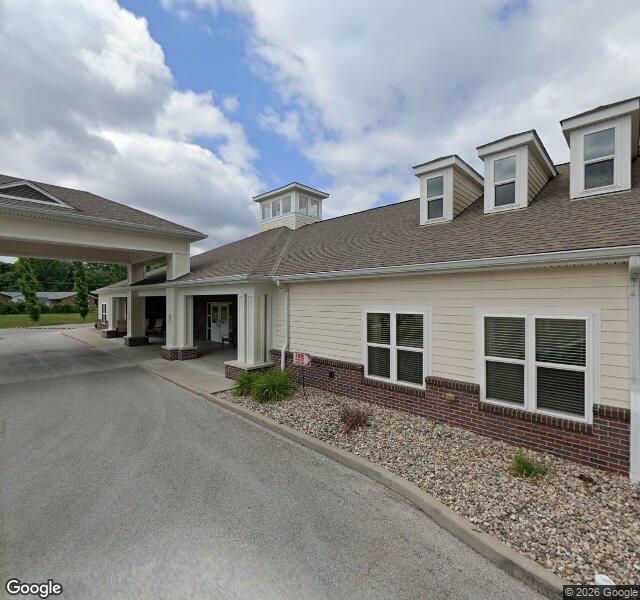
Towne Park Assisted Living
503 S Murphy Ave, Brazil, IN 47834View map (opens in a new tab)
Overview and key essentials
State license
Active
IN IDOH
Google reviews
Not available
Public reviews not linked
Size & payment
42 residents
Confirm pricing & payment
Public records for this community are limited. Use the checklist below when you call or visit to confirm pricing, services, and openings.
Cost, payment & care details
Updated Nov 28, 2026| Monthly cost | Not published | Ask for the full monthly cost, including care fees and one-time charges. |
|---|---|---|
| Payment options | Ask directly | Payment details are not confirmed in our records. Ask about private pay, long-term care insurance, veterans benefits, and Medicaid waivers. |
| Size & availability | 42 residents | We don't publish live openings. Ask about current availability, waitlist length, and move-in timing. |
| Care & support | Assisted living | Usually offers housing and help with everyday tasks, such as bathing and dressing. What to confirm about care levelsThis describes the licensed category. Ask how care plans adjust if mobility, nursing, or memory needs change over time. Read the family care guide → |
State licensing
State inspection history
13inspections
20deficiencies listed
Jul 30, 2026Routine1 deficiency reported1
1 deficiency reported
View official state report (opens in a new tab)
INITIAL COMMENTS This visit was for a State Residential Licensure Survey. Survey dates: July 29 and 30,
Facility number: 0146232026
Residential Census: 38 Towne Park Assisted Living was found to be in compliance with 410 IAC 16.2-5 in regard to the State Residential Licensure Survey. Quality review completed on August 7, 2026. correcting provided it is determined that other safeguards provide sufficient protection to the patients. (See instructions.) SIGNATURE
May 4, 2026ComplaintNo deficiencies reportedNone
No deficiencies reported
View official state report (opens in a new tab)
INITIAL COMMENTS This visit was for the Investigation of Intakes 469390 and 469035. Intake 469035 - No deficiencies related to the allegations are cited. Intake 469390 - No deficiencies related to the allegations are cited. Survey date: May 4, 2026 Facility number: 014623 Residential Census: 38 Towne Park Assisted Living was found to be in compliance with 410 IAC 16.2-5 in regard to the Investigation of Intakes 469390 and 469035. Quality review completed on May 12, 2026.
Jul 15, 2025Routine3 deficiencies reported3
3 deficiencies reported
View official state report (opens in a new tab)
INITIAL COMMENTS This visit was for a State Residential Licensure Survey. Survey dates: July 14 and 15,
Infection Control - NoncomplianceR 0407
410 IAC 16.2-5-12(b)(1-4) (1) A system that enables the facility to analyze patterns of known infectious symptoms. (2) Provides orientation and in-service education on infection prevention and control, including universal precautions. (3) Offering health information to residents, including, but not limited to, infection transmission and immunizations. (4) Reporting communicable disease to public health authorities. Based on record review and interview, the facility failed to ensure an influenza vaccination was administered to a resident who consented to receive the vaccine for 1 of 3 residents reviewed for infection control (Resident 219). Findings include: Resident 219's record was reviewed on 7/14/25 at 1:15 p.m. Diagnosis on the resident's profile included, but were not limited to, other specified arthritis. Census information indicated the resident was admitted to the facility on 1/1/23. The electronic preventative health record indicated the resident's most recent influenza vaccine was administered on 11/17/23. The record lacked documentation the resident received an influenza vaccine, as requested, during the 2024-2025 influenza season. During an interview, on 7/14/25 at 1:52 p.m., the Director of Nursing (DON) indicated each resident was offered an influenza vaccine annually. If they consented to the vaccine, then it should have been administered during the annual influenza vaccine clinic. The clinic was held in November 2024. The DON indicated she was not sure how the resident's influenza vaccine administration was missed during the influenza vaccine clinic or how they ensured each resident who requested an influenza vaccine received one. Based on record review and interview, the facility failed to ensure an influenza vaccination was administered to a resident who consented to receive the vaccine for 1 of 3 residents reviewed for infection control (Resident 219). Findings include: Resident 219's record was reviewed on 7/14/25 at 1:15 p.m. Diagnosis on the resident's profile included, but were not limited to, other specified arthritis. Census information indicated the resident was admitted to the facility on 1/1/23. The electronic preventative health record indicated the resident's most recent influenza vaccine was administered on 11/17/23. The record lacked documentation the resident received an influenza vaccine, as requested, during the 2024-2025 influenza season. During an interview, on 7/14/25 at 1:52 p.m., the Director of Nursing (DON) indicated each resident was offered an influenza vaccine annually. If they consented to the vaccine, then it should have been administered during the annual influenza vaccine clinic. The clinic was held in November 2024. The DON indicated she was not sure how the resident's influenza vaccine administration was missed during the influenza vaccine clinic or how they ensured each resident who requested an influenza vaccine received one. correcting provided it is determined that other safeguards provide sufficient protection to the patients. (See instructions.) SIGNATURE
Facility number: 0146232025
Residential Census: 32 These State Residential Findings are cited in accordance with 410 IAC 16.2-5. Quality review was completed on July 21, 2025.
Evaluation - NoncomplianceR 0216Corrected Aug 14, 2025
410 IAC 16.2-5-2(c)(1-4)(d) (c) The scope and content of the evaluation shall be delineated in the facility policy manual, but at a minimum the needs assessment shall include an evaluation of the following: (3) The resident ' s weight taken on admission and semiannually thereafter. (4) If applicable, the resident ' s ability to self-administer medications. (d) The evaluation shall be documented in writing and kept in the facility. Based on record review and interview, the facility failed to ensure an admission weight was documented in a resident's electronic medical record (record) upon admission, for 2 of 7 resident's records reviewed (Residents 213 and 214). Findings include: A physician's order, dated 6/27/25, indicated to obtain the resident's height and weight, one time. The June 2025, Treatment Administration Record (TAR) lacked documentation that the resident's weight had been obtained as ordered on 6/27/25. Documentation by the nurse, dated 6/27/25 at 6:00 p.m., indicated not administered, resident unavailable. A physician's order, pre-dated 12/14/25, indicated to obtain vital signs and weight, once a day on the 5th of the month. A follow-up review of the resident's medical record, on 7/15/25 at 9:16 a.m., indicated a weight of 175.4 had been added to the vital section of the record, and had been dated 7/4/25 at 3:58 p.m. 2. Resident 214's record was reviewed on 7/15/25 at 10:25 a.m. The census indicated the resident had been admitted on 6/27/25, for diagnoses which included, but were not limited to, unspecified asthma with acute exacerbation (a chronic lung disease where the breathing tubes become inflamed, swell, and produce extra mucus [thick secretions], making it difficult to breathe) and type 2 diabetes (a disease that occurs when the bodies blood sugar is too high). The vital signs (basic measurements that indicate the body's essential functions) section of the record lacked documentation of an admission weight for the resident. A physician's order, pre-dated 12/14/25, indicated to obtain vital signs and weight, once a day on the 5th of the month. A follow-up review of the resident's medical record, on 7/15/25 at 10:43 a.m., indicated a weight of 253.4 had been added to the vital section of the record. The documentation indicated the weight had been obtained on 7/4/25. During an interview, on 7/15/25 at 9:10 a.m., the Director of Nursing (DON) provided an undated document, titled, "Monthly Weights and Vitals." The document had a handwritten statement at the top which indicated, "Due by July 5th." She indicated there was a physician's order for weights monthly on the 5th of the month. The document indicated the resident's weight was 253.4 but lacked the date the weight had been obtained. The DON indicated they had put the resident's weights from the document in the resident record under vital signs at the time they were notified of the admission weight not being observed. Admission weights should be documented in the record when they were obtained. Based on record review and interview, the facility failed to ensure an admission weight was documented in a resident's electronic medical record (record) upon admission, for 2 of 7 resident's records reviewed (Residents 213 and 214). Findings include: 1. Resident 213's record was reviewed on 7/14/25 at 2:25 p.m. The census indicated the resident had been admitted on 6/27/25, for diagnoses which included, but were not limited to, nontraumatic perforation of the intestine (a...
Apr 21, 2025Complaint2 deficiencies reported2
2 deficiencies reported
View official state report (opens in a new tab)
INITIAL COMMENTS This visit was for the Investigation of Complaints IN00454799 and IN00457570. Complaint IN00454799 - No deficiencies related to the allegations are cited. Complaint IN00457570 - No deficiencies related to the allegations are cited. Unrelated deficiencies are cited at R0241. Survey date: April 21, 2025 Facility number: 014623 Residential Census: 29 These State Residential Findings are cited in accordance with 410 IAC 16.2-5. Quality review completed on April 23, 2025.
included the following: the2025
resident refused the insulin administration on 3/3/25, 3/8/25, 3/21/25, 3/24/25, and 3/31/25. The insulin administration was held due to nursing judgement on 3/7/25, 3/10/25, 3/19/25, and 3/22/25. The clinical record lacked documentation of physician notification of refusals and the insulin being held. 3. The clinical record review for Resident F was completed on 4/21/25 at 4:55 p.m. Diagnoses included diabetes mellitus type II, pulmonary fibrosis, and rheumatoid arthritis. A Quarterly Assisted Living Assessment was completed on 3/9/25, and indicated the resident required caregiver administration and or observation of medications requiring judgment for necessity, dosage and/or effect. The assessment indicated the resident was cognitively intact. Current physician's orders included the following: 1. The insulin administration was refused by the resident on 3/2/25 at 6:00 p.m., 3/8/25 at 6:00 p.m., 3/9/25 at 12:00 p.m., 3/14/25 at 12:00 p.m., 3/15/25 at 6:00 p.m., and 3/16/25 at 12:00 p.m. The clinical record lacked documentation of physician notification of refusals. 2. The insulin administration was administered for the bedtime dose on 3/4/25 for a blood sugar of 154, on 3/6/25 for a blood sugar of 143, on 3/8/25 for a blood sugar of 144, and on 3/19/25 for a blood sugar of 192. c. Lantus Solostar, administer 10 units at bedtime. The order was dated 10/9/24. The insulin administration was refused by the resident on 3/7/25, 3/9/25, 3/9/25, 3/10/25, 3/14/25, 3/15/25, 3/16/25, 3/21/25, and 3/23/25. The record showed the insulin was not administered on 3/1/25, 3/11/25, 3/12/25, and 3/29/25, indicating the scheduled insulin was held due to nursing judgement. During an interview on 4/21/25 at 3:50 p.m., LPN 8 indicated she had held insulin dosed for blood sugars under 100 because she had not felt comfortable administering the dose with a blood sugar that low. She had not notified the physician of refused doses or when she decided to hold a dose. During an interview on 4/21/25 at 12:06 p.m., the Executive Director indicated the nursing staff should be contacting the physician if they felt it was indicated or if the resident continually refuses doses of insulin. A current facility policy, dated 2024, titled, "Timely Administration of Insulin," provided by the Executive Director on 4/21/25 at 2:03 p.m., included the following: "Policy: It is the policy of this facility to provide timely administration of insulin in order to meet the needs of each resident and to prevent adverse effects on a resident's condition. Policy Explanation and Compliance Guidelines: 1. All insulin will be administered in accordance with physician's orders...." Findings include: 1. During an interview with Resident C on 4/21/25 at 2:10 p.m., she indicated the staff would occasionally hold her scheduled insulin doses because they felt her blood sugar was too low. She had not mentioned this to her physician. The clinical record review for Resident C was completed on 4/21/25 at 10:01 a.m. Diagnoses included diabetes mellitus type II with diabetic retinopathy and chronic respiratory failure with hypoxia. A Quarterly Assisted Living Assessment was completed on 3/5/25, and indicated the resident required caregiver administration and/or observation of medications requiring judgment for necessity, dosage and/or effect. The assessment indicated the resident was cognitively intact. Current physician's orders included, the following: b. Humulin R Kwikpen, administer 220 units...
Health Services - OffenseR 0241
R 0241 R 241 Health Services- Noncompliance 410 IAC 16.2-5-4(e)(1) (e) The administration of medications and the provision of residential nursing care shall be as ordered by the resident ' s physician and shall be supervised by a licensed nurse on the premises or on call as follows: (1) Medication shall be administered by licensed nursing personnel or qualified medication aides. Findings include: 1. During an interview with Resident C on 4/21/25 at 2:10 p.m., she indicated the staff would occasionally hold her scheduled insulin doses because they felt her blood sugar was too low. She had not mentioned this to her physician. The clinical record review for Resident C was completed on 4/21/25 at 10:01 a.m. Diagnoses included diabetes mellitus type II with diabetic retinopathy and chronic respiratory failure with hypoxia. A Quarterly Assisted Living Assessment was completed on 3/5/25, and indicated the resident required caregiver administration and/or observation of medications requiring judgment for necessity, dosage and/or effect. The assessment indicated the resident was cognitively intact. Current physician's orders included, the following: b. Humulin R Kwikpen, administer 220 units once each day between 11:00 a.m. and 1:00 p.m. The order was dated 1/8/25. c. Humulin R Kwikpen, administer 190 units once each evening between 4:00 p.m. and 6:00 p.m. The order was dated 2/18/25. d. An Endocrinology review report, dated 1/7/25, indicated if the resident's blood sugar was less than 80, if the resident was not hungry, or planned to increase activity, the ordered scheduled insulin should be reduced by 20 units. This documentation had not been included on the facility order. The resident's electronic medication administration record (eMAR) for March 2025, indicated the following: a. The 6:00 a.m. to 9:00 a.m. insulin dose was held on 3/3/25. The resident's blood sugar was documented as 93. The record indicated the medication was held for the scheduled dose, due to "resident bs [blood sugar] too low for administration." c. The 4:00 p.m. to 6:00 p.m. insulin dose was held on 3/19/25. The resident's blood sugar was documented as 87. The record indicated the medication was held for the scheduled dose due to a blood sugar of 87 and was held per nursing judgment. The resident's eMAR for April 2025, indicated the following: the 11:00 a.m. to 1:00 p.m. insulin dose on 4/4/25 was not administered for a blood sugar of 114. The record indicated the dose was held due to the blood sugar was too low for administration. The clinical record lacked physician notification of the insulin being held. 2. During an interview on 4/21/25 at 4:03 p.m., Resident E indicated she would not refuse her insulin doses in the morning or before meals. She had refused insulin before bedtime frequently. She feels her blood sugar may drop at night causing her to have to get up and eat in the middle of the night. She had not spoken to her doctor about this because she feels she can handle it. A Quarterly Assisted Living Assessment was completed on 3/9/25, and indicated resident required caregiver administration and/or observation of medications requiring judgment for necessity, dosage and/or effect. The assessment indicated the resident was cognitively intact. A current physician's orders indicated to administer Lantus (to treat diabetes mellitus) Solostar 15 units at bedtime, one time from 8:00 p.m. to 10:00 p.m. The order was dated 10/23/24. The resident's eMAR for March
Feb 26, 2025ComplaintNo deficiencies reportedNone
No deficiencies reported
View official state report (opens in a new tab)
INITIAL COMMENTS This visit was for the Investigation of Complaint IN00447577. Complaint IN00447577- No deficiencies related to the allegations are cited. Survey date: February 26, 2025 Facility number: 014623 Residential Census: 32 Towne Park Assisted Living was found to be in compliance with 410 IAC 16.2-5 in regard to the Investigation of Complaint IN00447577. Quality review completed February 27, 2025. correcting provided it is determined that other safeguards provide sufficient protection to the patients. (See instructions.) SIGNATURE
Show all 13 inspections
Nov 1, 2024Complaint2 deficiencies reported2
2 deficiencies reported
View official state report (opens in a new tab)
INITIAL COMMENTS This visit was for the Investigation of Complaint IN00445086. Complaint IN00445086 - State deficiencies related to the allegations are cited at R0044 and R045. Survey date: October 31 to November 1, 2024 Facility number: 014623 Residential Census: 31 These State Residential Findings are cited in accordance with 410 IAC 16.2-5. Quality review completed on November 14, 2024.
Residents' Rights - DeficiencyR 0045
R 0045 R045 Residents Rights 410 IAC 16.2-5-1.2(r)(6-9) (6) Before an interfacility transfer or discharge occurs, the facility must, on a form prescribed by the department, do the following: (A) Notify the resident of the transfer or discharge and the reasons for the move, in writing, and in a language and manner that the resident understands. The health facility must place a copy of the notice in the resident ' s clinical record and transmit a copy to the following: (i) The resident. (ii) A family member of the resident if known. (iv) The local long term care ombudsman program (for involuntary relocations or discharges only). (v) The person or agency responsible for the resident ' s placement, maintenance, and care in the facility. (vi) In situations where the resident is developmentally disabled, the regional office of the division of disability, aging, and rehabilitative services, who may assist with placement decisions. (vii) The resident ' s physician when the transfer or discharge is necessary under subdivision (4)(C), (4)(D), (4)(E), or (4)(F). (B) Record the reasons in the resident ' s clinical record. (C) Include in the notice the items described in subdivision (9). (7) Except when specified in subdivision (8), the notice of transfer or discharge required under subdivision (6) must be made by the facility at least thirty (30) days before the resident is transferred or discharged. (8) Notice may be made as soon as practicable before transfer or discharge when: (A) the safety of individuals in the facility would be endangered; (B) the health of individuals in the facility would be endangered; (D) an immediate transfer or discharge is required by the resident ' s urgent medical needs; or (E) a resident has not resided in the facility for thirty (30) days. (9) For health facilities, the written notice specified in subdivision (7) must include the following: (A) The reason for transfer or discharge. (B) The effective date of transfer or discharge. (C) The location to which the resident is transferred or discharged. (E) The name of the director and the address, telephone number, and hours of operation of the division. (F) A hearing request form prescribed by the department. (G) The name, address, and telephone number of the state and local long term care ombudsman. (H) For health facility residents with developmental disabilities or who are mentally ill, the mailing address and telephone number of the protection and advocacy services commission. Based on record review and interviews, the facility failed to notify the POA of the transfer or discharge and the reasons for the move, in writing or by conference meeting and facility failed to provide discharge instructions to the family members responsible for two of three residents reviewed for residents reviewed for discharge (Residents C and K). Findings Include: Review of the nurse progress notes indicated the resident was seen by the Nurse Practitioner (NP) on 10/7/24. She indicated she discussed increased confusion with the resident's POA. On 10/10/24, the resident eloped from the facility. She was found walking down the street in front of the facility. She was sent to the hospital for an evaluation at 7:10 p.m. The medical record indicated the POA was notified at 7:25 p.m., The resident was discharged to the hospital and returned to the facility on 10/11/24. She was seen by a physician on the day of re-admission and referred to a long-term care facility (LTC). The medical record...
Residents' Right - DeficiencyR 0044Corrected Dec 4, 2024
410 IAC 16.2-5-1.2(r)(1-5) (2) As used in this section, " intrafacility transfer " means the movement of a resident to a bed within the same licensed facility. (3) When a transfer or discharge of a resident is proposed, whether intrafacility or interfacility, provision for continuity of care shall be provided by the facility. (4) Health facilities must permit each resident to remain in the facility and not transfer or discharge the resident from the facility unless: (A) the transfer or discharge is necessary for the resident ' s welfare and the resident ' s needs cannot be met in the facility; (B) the transfer or discharge is appropriate because the resident ' s health has improved sufficiently so that the resident no longer needs the services provided by the facility; (C) the safety of individuals in the facility is endangered; (D) the health of individuals in the facility would otherwise be endangered; (E) the resident has failed, after reasonable and appropriate notice, to pay for a stay at the facility; or (A) The resident ' s physician when transfer or discharge is necessary under subdivision (4)(A) or (4)(B). (B) Any physician when transfer or discharge is necessary under subdivision (4)(D). Based on record review and interview, the facility failed to document discharge information for 2 of 3 residents reviewed for discharge (Residents C and K). Findings Include: On 11/1/24 at 10:15 a.m., the medical record of Resident C was reviewed. Admission diagnosis included but were not limited to disorientation, bi-polar disorder (a mental illness that causes unusual shifts in a person's mood), HTN (high blood pressure), diabetes (a disease that occurs when your blood glucose, also called blood sugar, is too high). The resident was discharged on 10/19/24. On 10/31/24 at 2:55 p.m., during an interview, the Administrator indicated she or the DON would notify the case manager at the hospital if a resident was not going to return to the facility. They did an assessment to determine the needs of the resident. If the resident was a danger to themselves or others they would not be allowed to return. 2. On 11/1/24 at 1:50 p.m., the medical record of Resident K was reviewed. The resident was admitted to the facility for a respite stay on 10/10/24. Admission diagnosis included but were not limited to, seizure, pain, HTN (high blood pressure) and Alzheimer's disease (a brain disorder that slowly destroys memory and thinking skills and, eventually, the ability to carry out the simplest tasks). The resident was discharged home with family on 10/28/24. The record lacked documentation of discharge instructions being sent with the resident upon discharge. The record indicated medications were sent but did not indicate what medications were sent. On 11/1/24 at 12:05 p.m., during an interview, the Administrator indicated the facility did not have a specific policy for discharge. She indicated they followed the state regulations. She was not aware the record did not contain any discharge information. On 11/1/2024 at 1:33 p.m., the Administrator provided a copy of the Residential State Rules, and indicated it was the policy currently being used by the facility ...The administrator highlighted rule 0354 Clinical Records-Noncompliance ...." This citation relates to Complaint IN00445086. Findings Include: 1. On 11/1/24 at 9:28 a.m., during a phone interview with the Power of Attorney (POA) of Resident C, she indicated the resident was discharged from the...
Sep 9, 2024Complaint1 deficiency reported1
1 deficiency reported
View official state report (opens in a new tab)
INITIAL COMMENTS This visit was for the Investigation of Complaint IN00440798. Complaint IN00440798 - No deficiencies related to the allegations are cited. Survey date: September 9,
Facility number: 0146232024
Residential Census: 35 Towne Park Assisted Living was found to be in compliance with 410 IAC 16.2-5 in regard to the Investigation of Complaint IN00440798. Quality review completed on September 10, 2024.
Aug 9, 2024Complaint1 deficiency reported1
1 deficiency reported
View official state report (opens in a new tab)
INITIAL COMMENTS This visit was for the Investigation of Complaints IN00438944 and IN00439597. Complaint IN00438944 - State deficiencies related to the allegations are cited at R0273. Complaint IN00439597 - No deficiencies related to the allegations are cited. Survey date: August 9, 2024 Facility number: 014623 Residential Census: 35 These State Residential Findings are cited in accordance with 410 IAC 16.2-5. Quality review completed on August 15, 2024.
Food and Nutritional Services -R 0273
Deficiency (f) All food preparation and serving areas (excluding areas in residents ' units) are maintained in accordance with state and local sanitation and safe food handling standards, including 410 IAC 7-24. Based on observation, interview, and record review, the facility failed to ensure staff disposed of expired food and failed to ensure proper labeling of food in the walk-in refrigerator for 1 of 1 kitchen observations. This had the potential to affect 36 of 36 resident who received food prepared from the kitchen. Finding includes: During an interview, on 8/9/24 at 9:20 a.m., Cook 10 indicated expired food should be discarded. When food was placed in secondary plastic containers, they should have an open date placed on them. Prepared food should have a date placed on them when stored, so staff knew how long it the food was good for. During an interview, on 8/9/24 at 9:25 a.m., Dietary Manager indicated prepared food was good for 4 days and then should be discarded. The Dietary Manager indicated they have had a changeover of staff recently and she was still educating staff on making sure they were placing open dates on food when prepared or placed in new containers. During an interview, on 8/9/24 at 10:18 a.m., Resident B indicated the food was not always good, but she had not noticed anything tasting spoiled or old. During an interview, on 8/9/24 at 10:22 a.m., Resident C indicated the food was not always prepared well, but she had not noticed anything tasting spoiled or old. This citation relates to Complaint IN00438944. Based on observation, interview, and record review, the facility failed to ensure staff disposed of expired food and failed to ensure proper labeling of food in the walk-in refrigerator for 1 of 1 kitchen observations. This had the potential to affect 36 of 36 resident who received food prepared from the kitchen. Finding includes: During an interview, on 8/9/24 at 9:20 a.m., Cook 10 indicated expired food should be discarded. When food was placed in secondary plastic containers, they should have an open date placed on them. Prepared food should have a date placed on them when stored, so staff knew how long it the food was good for. During an interview, on 8/9/24 at 9:25 a.m., Dietary Manager indicated prepared food was good for 4 days and then should be discarded. The Dietary Manager indicated they have had a changeover of staff recently and she was still educating staff on making sure they were placing open dates on food when prepared or placed in new containers. During an interview, on 8/9/24 at 10:18 a.m., Resident B indicated the food was not always good, but she had not noticed anything tasting spoiled or old. On 8/9/24 at 10:09 a.m., the Administrator provided a document, dated 8/14/19, titled, "Food Safety and Sanitation," and indicated it was the policy currently being used by the facility. The policy indicated, " ...All leftovers are labeled, covered, and dated when stored. They are used within 72 hours (or discarded). Foods with expiration dates are used prior to the date on the package ...." This citation relates to Complaint IN00438944. correcting provided it is determined that other safeguards provide sufficient protection to the patients. (See instructions.) SIGNATURE
Jun 14, 2024ComplaintNo deficiencies reportedNone
No deficiencies reported
View official state report (opens in a new tab)
INITIAL COMMENTS This visit was for the Investigation of Complaint IN00435616. Complaint IN00435616 - No deficiencies related to the allegations are cited. Survey date: June 14, 2024 Facility number: 014623 Residential Census: 36 Towne Park Assisted Living was found to be in compliance with 410 IAC 16.2-5 in regard to the Investigation of Complaint IN00435616. Quality review completed on June 18, 2024. correcting provided it is determined that other safeguards provide sufficient protection to the patients. (See instructions.) SIGNATURE
May 2, 2024Complaint4 deficiencies reported4
4 deficiencies reported
View official state report (opens in a new tab)
INITIAL COMMENTS This visit was for a State Residential Licensure Survey. This visit included the Investigation of Complaint IN00428338. Complaint IN00428338- No deficiencies related to the allegations are cited. Survey dates: May 1 and 2,
Pharmaceutical Services -R 0300
Deficiency R 0300 • No residents were affected by the alleged deficient practice. 410 IAC 16.2-5-6(c)(4) (4) Over-the-counter medications, prescription drugs, and biologicals used in the facility must be labeled in accordance with currently accepted professional principles and include the appropriate accessory and cautionary instructions and the expiration date. Finding includes: 1. On 5/2/24 at 12:15 p.m., the medication storage room refrigerator contained an opened multi-use vial of Aplisol ( a clear, colorless, solution for injection as an aid in the diagnosis of tuberculosis) solution had an open date of 5/2/23. 2. On 5/2/24 at 12:16 p.m., the medication storage room refrigerator contained an opened and undated multi-use vial of Aplisol solution. The vial was in a box that indicated it was delivered to the facility on 12/20/23. During an interview, on 5/2/24 at 12:16 p.m., Qualified Medication Aide (QMA) 4 indicated she was unaware of how long Aplisol solution was good for once it was opened. During an interview, on 5/2/24 at 12:27 p.m., the Administrator indicated Aplisol was good for 30 days once opened and the vials should be labeled with an open date. He indicated the vials should have been discarded. On 5/2/24 at 12:38 p.m., the Administrator provided and identified an undated document as a current facility policy, titled, "Determining Expiration Dates." The policy indicated, "...Aplisol 30 days once opened (Refrigerated)...." Based on observation, interview, and record review, the facility failed to ensure an expired medication was disposed of properly and failed to ensure a medication was medication storage room reviewed for medication storage. Finding includes: 1. On 5/2/24 at 12:15 p.m., the medication storage room refrigerator contained an opened multi-use vial of Aplisol ( a clear, colorless, solution for injection as an aid in the diagnosis of tuberculosis) solution had an open date of 5/2/23. During an interview, on 5/2/24 at 12:16 p.m., Qualified Medication Aide (QMA) 4 indicated she was unaware of how long Aplisol solution was good for once it was opened. During an interview, on 5/2/24 at 12:27 p.m., the Administrator indicated Aplisol was good for 30 days once opened and the vials should be labeled with an open date. He indicated the vials should have been discarded. During an interview, on 5/2/24 at 12:28 p.m., the Director of Nursing (DON) indicated she was unaware of how long the Aplisol solution was good for once opened and she would have to check the policy. On 5/2/24 at 12:38 p.m., the Administrator provided and identified an undated document as a current facility policy, titled, "Determining Expiration Dates." The policy indicated, "...Aplisol 30 days once opened (Refrigerated)...."
Mental Health Screening-R 0378
Deficiency (1) Screening of the individual for major mental illness, such as a diagnosed major mental illness, is limited to the following disorders: (A) Schizophrenia. (B) Schizoaffective disorder. (C) Mood (bipolar and major depressive type) disorder. (D) Paranoid or delusional disorder. (E) Panic or other severe anxiety disorder. (F) Somatoform or paranoid disorder. (G) Personality disorder. (H) Atypical psychosis or other psychotic disorder (not otherwise specified). (2) Obtaining a history of treatment received by the individual for a major mental illness within the last two (2) years. (3) Obtaining a history of individual behavior within the last two (2) years that would be considered dangerous to facility residents, the staff, or the individual. Findings include: 1. On 5/2/24, at 9:55 a.m., Resident 16's records were reviewed. Her diagnoses included, but were not limited to, history of major depressive disorder (a mood disorder that causes a persistent feeling of sadness and loss of interest), and history of generalized anxiety disorder (a mental health disorder that produces fear, worry, and a constant feeling of being overwhelmed). The record indicated Medicaid waiver was the primary payer source, and lacked documentation of mental health (psychological or emotional health) screening being completed. 3. On 5/2/24 at 1:00 p.m., Resident 13's clinical record was reviewed. Her diagnoses included, but were not limited to, depression (a constant feeling of sadness and loss of interest, which stops you doing your normal activities), and malignant neoplasm of the vulva (cancer that occurs on the outer surface area of the female genitalia). The record indicated Medicaid waiver was the primary payer source, and lacked documentation of mental health screening being completed. During an interview on 5/2/24 at 10:32 a.m., the Director of Nursing (DON) indicated the mental health screenings performed were the Brief Interview for Mental Status (BIMS) assessments (used to screen and identify the cognitive [mental process involved in knowing, learning, and understanding things] condition of residents upon admission) located in the chart, completed initially, upon admission, quarterly, and as needed. During an interview on 5/2/24 at 11:38 a.m., the Administrator (ADM) and DON indicated the BIMS and level of service were the only assessments completed. During an interview on 5/2/24 at 1:57 p.m., the ADM indicated no policy was available related to mental health screenings for Medicaid patients. He indicated if it was a state regulation, and they should have been doing them. Based on record review and interview, the facility failed to complete mental health screenings on admission for 4 of 7 clinical records reviewed (Resident 16, 28, 13, and 41). Findings include: 2. 5/2/24 at 11:08 a.m., Resident 28's clinical records were reviewed. Her diagnoses included, but were not limited to, chronic pain (long standing pain that persists beyond the usual recovery period or occurs along with a long-standing health condition). The record indicated Medicaid waiver was the primary payer source and lacked documentation of mental health screening being completed. 4. On 5/2/24, at 1:06 p.m., Resident 41's clinical record was reviewed. Her diagnoses included, but were not limited to, insomnia (a sleep disorder in which you have trouble falling and/or staying asleep) The record indicated Medicaid waiver was the primary payer source, and lacked documentation of...
Sanitation and Safety Standards -R 0157Corrected May 25, 2024
Deficiency 410 IAC 16.2-5-1.5(n) Based on observation, record review, and interview, the facility failed to ensure sanitization solution chemical levels were monitored and documented with residents. Findings include: During the initial kitchen tour, on 5/1/24 at 9:50 a.m., a red quaternary sanitizer solution (Quat [ammonia solution used to sanitize food contact surfaces]) bucket was observed to be full sitting in the hand washing sink next to the dishwashing station. A temperature log for the dishwashing machine was located, but no log for chemical testing of the sanitizing sink or Quat bucket was located. During an interview on 5/1/24 at 10:00 a.m., Dietary Aide (DA) 6 indicated he did not test chemical levels for anything. He only wrote down temperatures on the log located at the dishwashing station. Based on observation, record review, and interview, the facility failed to ensure sanitization solution chemical levels were monitored and documented with residents. Findings include: During the initial kitchen tour, on 5/1/24 at 9:50 a.m., a red quaternary sanitizer solution (Quat [ammonia solution used to sanitize food contact surfaces]) bucket was observed to be full sitting in the hand washing sink next to the dishwashing station. A temperature log for the dishwashing machine was located, but no log for chemical testing of the sanitizing sink or Quat bucket was located. During an interview on 5/1/24 at 10:01 a.m., the Dietary Manager (DM) indicated the solution was used to wipe down and sanitize surfaces in the kitchen and residential dining room. When asked to test the chemical level, the DM dumped and refilled the bucket with sanitizing solution from the triple sink, retrieved a container of test strips labeled Ecolab chlorine test strips, dipped it into the solution, then indicated the test strips were not working right because they were not the right ones. The DM asked DA 6 if he knew where the correct test strips were, and he indicated he did not know. The DM indicated she had not seen them since she started working at the facility back in February. She indicated they did not have a test log for the testing but knew what strips she needed, then pointed to the poster above the sanitizing tub in the triple sink with a picture of chemical testing strips, and indicated they were the ones she was looking for. The DM indicated she would need to order the correct test strips and get the form she used to use at another facility.
Facility number: 0146232024
Residential Census: 34 These State Residential Findings are cited in accordance with 410 IAC 16.2-5. Quality review completed on May 13, 2024.
Jan 12, 2024ComplaintNo deficiencies reportedNone
No deficiencies reported
View official state report (opens in a new tab)
INITIAL COMMENTS This visit was for the Investigation of Complaint IN00423939. Complaint IN00423939- No deficiencies related to the allegations are cited. Survey date: January 12, 2024 Facility number: 014623 Residential Census: 38 Towne Park Assisted Living was found to be in compliance with 410 IAC 16.2-5 in regard to the Investigation of Complaint IN00423939. Quality review completed on January 17, 2024. correcting provided it is determined that other safeguards provide sufficient protection to the patients. (See instructions.) SIGNATURE
Feb 16, 2023Routine6 deficiencies reported6
6 deficiencies reported
View official state report (opens in a new tab)
INITIAL COMMENTS This visit was for a State Residential Licensure Survey. Survey dates: February 15 and 16, 2023 Facility number: 014623 Residential Census: 32 These State Residential Findings are cited in accordance with 410 IAC 16.2-5. Quality review completed on March 2, 2023.
Sanitation and Safety Standards -R 0154
Deficiency R 0154 R 154 Sanitation and Safety Standards 410 IAC 16.2-5-1.5(k) (k) The facility shall keep all kitchens, kitchen areas, common dining areas, equipment, and utensils clean, free from litter and rubbish, and maintained in good repair in accordance with 410 IAC 7-24. Findings include: On 2/15/23 at 10:30 a.m., the Administrator (ADM) entered the kitchen and indicated the kitchen was running short staffed, but the kitchen should have been cleaned daily. The FSD should have removed the soiled baking pan from the oven prior to baking the chicken in the oven. The ADM indicated the facility followed the Indiana Retail Food Establishment Sanitation Requirements. On 2/15/23, the facility provided one week of the dietary staffing schedule, dated 2/12/23 to 2/18/23. The dietary schedule indicated, one dietary staff daily for the breakfast meal, two dietary staff daily for the lunch service, and one dietary staff daily for the evening meal. Based on observation, interview, and record review the facility failed to ensure the cleanliness and sanitation of the kitchen, food preparation areas, kitchen observation. This had residents who received food prepared in the kitchen. Findings include: On 2/15/23 at 10:30 a.m., the Administrator (ADM) entered the kitchen and indicated the kitchen was running short staffed, but the kitchen should have been cleaned daily. The FSD should have removed the soiled baking pan from the oven prior to baking the chicken in the oven. The ADM indicated the facility followed the Indiana Retail Food Establishment Sanitation Requirements. On 2/15/23, the facility provided one week of the dietary staffing schedule, dated 2/12/23 to 2/18/23. The dietary schedule indicated, one dietary staff daily for the breakfast meal, two dietary staff daily for the lunch service, and one dietary staff daily for the evening meal.
Personnel - NoncomplianceR 0121
R 0121 R 121 Personnel-Noncompliance 410 IAC 16.2-5-1.4(f)(1-4) (1) At the time of employment, or within one (1) month prior to employment, and at least annually thereafter, employees and nonpaid personnel of facilities shall be screened for tuberculosis. The first tuberculin skin test must be read prior to the employee starting work. For health care workers who have not had a documented negative tuberculin skin test result during the preceding twelve (12) months, the baseline tuberculin skin testing should employ the two-step method. If the first step is negative, a second test should be performed one (1) to three (3) weeks after the first step. The frequency of repeat testing will depend on the risk of infection with tuberculosis. (2) All employees who have a positive reaction to the skin test shall be required to have a chest x-ray and other physical and laboratory examinations in order to complete a diagnosis. (3) The facility shall maintain a health record of each employee that includes reports of all employment-related health screenings. Based on record review and interview, the facility failed to ensure an employee received an annual tuberculin (TB) skin test (one method of determining whether a person is infected with Mycobacterium tuberculosis), or annual risk assessment for 1 of 5 employee records reviewed. Findings include: During a review of the Residential Care Employee Records document (State Form 53877), on 2/16/23 at 1:30 p.m., the form lacked documentation of a completed annual risk assessment or annual TB skin test for the Maintenance Director. During an interview, on 02/16/23 at 2:00 p.m., the Maintenance Director indicated he had not received his annual TB skin test or annual risk assessment in the last year. Based on record review and interview, the facility failed to ensure an employee received an annual tuberculin (TB) skin test (one method of determining whether a person is infected with Mycobacterium tuberculosis), or annual risk assessment for 1 of 5 employee records reviewed. Findings include: During a review of the Residential Care Employee Records document (State Form 53877), on 2/16/23 at 1:30 p.m., the form lacked documentation of a completed annual risk assessment or annual TB skin test for the Maintenance Director. During an interview, on 2/16/23 at 2:15 p.m., the Administrator (ADM) indicated the Maintenance Director had not received his annual TB skin test and they will be administering it tomorrow on 02/17/23. On 2/15/23 at 3:15 p.m., ADM provided a document, dated 11/1/2022, titled, "Tuberculosis Infection Control Program," and indicated it was the policy currently being used by the facility. The policy indicated, "...a. Unless the community becomes a Medium risk facility employees will have a Tuberculosis risk/symptom screening completed annually and TST (tuberculosis skin test) annually and placed in the employee file ...."
Food and Nutritional Services -R 0274
Noncompliance R 0274 R 274 Food and Nutritional Services-Noncompliance 410 IAC 16.2-5-5.1(g)(1-3) (1) The supervisor must be one (1) of the following: (A) A dietitian. (B) A graduate or student enrolled in and within one (1) year from completing a division approved, minimum ninety (90) hour classroom instruction course that provides classroom instruction in food service supervision who has a minimum of one (1) year of experience in some aspect of institutional food service management. (C) A graduate of a dietetic technician program approved by the American Dietetic Association. (D) A graduate of an accredited college or university or within one (1) year of graduating from an accredited college or university with a degree in foods and nutrition or food administration with a minimum of one (1) year of experience in some aspect of food service management. (E) An individual with training and experience in food service supervision and management. (3) Food service staff shall be on duty to ensure proper food preparation, serving, and sanitation. Based on observation, interview, and record review, the facility failed to ensure a sufficient number of food service staff were on duty to ensure proper food preparation, serving, and sanitation of the kitchen. This had the potential to effect 32 of 32 residents who received food prepared in the kitchen. Findings include: On 2/15/23, the facility provided one week of the dietary staffing schedule, dated 2/12/23 to 2/18/23. The dietary schedule indicated, one dietary staff daily for the breakfast meal, two dietary staff daily for the lunch service, and one dietary staff daily for the evening meal. Based on observation, interview, and record review, the facility failed to ensure a sufficient number of food service staff were on duty to ensure proper food preparation, serving, and sanitation of the kitchen. This had the potential to effect 32 of 32 residents who received food prepared in the kitchen. Findings include: On 2/15/23 at 10:30 a.m., the Administrator (ADM) entered the kitchen and indicated, the kitchen was running short staffed, but the kitchen should have been cleaned daily. The ADM indicated the FSD was the only dietary staff scheduled for the residents' breakfast meal service, but oftentimes, an activities staff, the Director of Nursing, or the ADM, herself, would assist with the residents' breakfast meal service and clean-up. The residents came at different times for breakfast and usually there were no more than five residents eating breakfast in the main dining room at one time and one dietary staff member should be able to complete the breakfast meal service. The facility followed the Indiana Retail Food Establishment Sanitation Requirements. The ADM, on 2/15/23 at 10:50 a.m., provided and identified a document as a current facility policy, titled "Dining Room Service," dated 8/19/2020. The policy indicated, "...Purpose: ...Encourage individuals to receive dining room service. Maintain a comfortable, attractive atmosphere in the dining room area...Deliver food promptly to assure quality...Procedure: ...E. There should be enough available staff in the dining areas to assist those who need help and to handle any situation that may arise...."
Infection Control - NoncomplianceR 0410
R 0410 R 410 Infection Control-Noncompliance 410 IAC 16.2-5-12(e)(f)(g) (g) All residents who have a positive reaction to the tuberculin skin test shall be required to have a chest x-ray and other physical and laboratory examinations in order to complete a diagnosis. Based on record review and interview, the facility failed to ensure a resident received a two-step tuberculin (TB) skin test series (one method of determining whether a person is infected with Mycobacterium tuberculosis [the bacterium which causes tuberculosis]), for 1 of 7 resident records reviewed (Resident 024). Findings include: Resident 024's record was reviewed on 2/15/23 at 1:42 p.m. The census indicated the resident had been admitted to the facility on 5/20/22. On 2/15/23 at 3:15 p.m., the Administrator (ADM) provided a document, dated 11/1/22, titled, "Tuberculosis Infection Control Program," and indicated it was the policy currently being used by the facility. The policy indicated, "...Resident Screening Procedure...Resident Tuberculin Skin Testing: 1. Upon admission, the resident will be provided a 1st Step Tuberculin Skin Test unless contraindicated...c. In 48-72 hours, the 1st step will be read and...documented in the resident's electronic health record...2. In 1 to 3 weeks, the 2nd step...should be administered unless the 1st step was positive or is contraindicated...a. In 48-72 hours, the 2nd step will be read and...documented in the resident's electronic health record.... Findings include: Resident 024's record was reviewed on 2/15/23 at 1:42 p.m. The census indicated the resident had been admitted to the facility on 5/20/22. The record lacked documentation that the resident had received a two-step TB skin test series upon admission. During an interview, on 2/15/23 at 2:26 p.m., the Director of Nursing (DON) indicated she was unable to find documentation that the resident had been given a 2-step TB skin test series upon her admission. The facility policy was that all newly admitted residents would be given a two-step TB skin test series upon admission. correcting provided it is determined that other safeguards provide sufficient protection to the patients. (See instructions.) SIGNATURE
Personnel - NoncomplianceR 0119
410 IAC 16.2-5-1.4(d)(1)(A-E)(2)(A-D)(3- (A) aged; (B) developmentally disabled; (C) mentally ill; (D) dementia; or (E) children; served in the facility. (2) A review of the facility's policy manual and applicable procedures, including: (A) organization chart; (B) personnel policies; (C) appearance and grooming policies for employees; and (D) residents' rights. (3) Instruction in first aid, emergency procedures, and fire and disaster preparedness, including evacuation procedures. (4) Review of ethical considerations and confidentiality in resident care and records. (5) For direct care staff, personal introduction to, and instruction in, the particular needs of each resident to whom the employee will be providing care. Findings include: On 2/16/23 at 1:45 p.m., Dietary Aide (DA) 9's employee file was reviewed. The file indicated DA 9 received in-service training for abuse, resident rights, and dementia in 2019, but lacked documentation the employee had received training since. Her date of hire was 8/17/19. During an interview, on 2/16/23 at 1:05 p.m., the Administrator (ADM) indicated she was unable to find any more recent in-service training for DA 9 for abuse, resident rights, or dementia. She still worked at the facility, and should have received in-service training in these areas in the last year, but was unable to obtain the documentation stating her completion. During an interview, on 2/16/23 at 2:27 p.m., the ADM indicated that they do not have a policy in regard to employee in-services but they follow the state regulations. Findings include: On 2/16/23 at 1:45 p.m., Dietary Aide (DA) 9's employee file was reviewed. The file indicated DA 9 received in-service training for abuse, resident rights, and dementia in 2019, but lacked documentation the employee had received training since. Her date of hire was 8/17/19. During an interview, on 2/16/23 at 1:05 p.m., the Administrator (ADM) indicated she was unable to find any more recent in-service training for DA 9 for abuse, resident rights, or dementia. She still worked at the facility, and should have received in-service training in these areas in the last year, but was unable to obtain the documentation stating her completion. During an interview, on 2/16/23 at 2:27 p.m., the ADM indicated that they do not have a policy in regard to employee in-services but they follow the state regulations.
Evaluation - NoncomplianceR 0216
410 IAC 16.2-5-2(c)(1-4)(d) (c) The scope and content of the evaluation shall be delineated in the facility policy manual, but at a minimum the needs assessment shall include an evaluation of the following: (1) The resident ' s physical, cognitive, and mental status. (2) The resident ' s independence in the activities of daily living. (3) The resident ' s weight taken on admission and semiannually thereafter. (4) If applicable, the resident ' s ability to self-administer medications. (d) The evaluation shall be documented in writing and kept in the facility. Findings include: Resident 024's record was reviewed on 2/15/23 at 1:42 p.m. The census indicated the resident had been admitted to the facility on 5/20/22. Review of the resident's initial service plan, completed on admission, indicated the resident was able to self-administer her medications. The record lacked documentation that a medication self-administration assessment had been completed on the resident. During an interview, on 2/15/23 at 2:26 p.m., the Director of Nursing (DON) indicated she was unable to locate any medication self-administration assessment had been completed on the resident. Based on record review and interview, the facility failed to ensure a medication self-administration assessment (an assessment to ensure a residents capability to safely administer their own medications) had been completed for a resident who requested to self-administer residents records reviewed (Resident 024). Findings include: Resident 024's record was reviewed on 2/15/23 at 1:42 p.m. The census indicated the resident had been admitted to the facility on 5/20/22. The record lacked documentation that a medication self-administration assessment had been completed on the resident. During an interview, on 2/15/23 at 2:26 p.m., the Director of Nursing (DON) indicated she was unable to locate any medication self-administration assessment had been completed on the resident. On 2/16/23 at 10:50 a.m., the Administrator (ADM) provided a document, dated 8/14/19, titled, "Medication Self Administration Evaluation," and indicated it was the policy currently being used by the facility. The policy indicated, "...Policy: The resident's desire to self-administer medications will be determined during the admission process...Procedure: 1. A Medication Self-Administration Evaluation shall be completed for each resident...prior to admission, and will be repeated as deemed necessary, or upon request by the resident...."
Dec 21, 2021ComplaintNo deficiencies reportedNone
No deficiencies reported
View official state report (opens in a new tab)
Complaint, Licensure Complaint, Re-Licensure
Neighborhood & resident support
Emergency access, hazards & advocacy
Nearest hospital
St Vincent Clay Hospital Inc
0.6 mi · Brazil, IN
Emergency room
FEMA hazard risk
Very LowClay County, IN
- Earthquake
- Strong Wind
- Winter Weather
Free resident advocacy
Indiana Long-Term Care Ombudsman Program
More neighborhood context (specialists, VA, dialysis, air & affordability)
VA & dialysis access
VA Illiana Healthcare System - Danville
49.4 mi · Danville, IL
DaVita Brazil Dialysis
0.8 mi · 3/5 ★
Environment & mobility
- EPA Walkability
- 6.0/20 (Below Average)
- USDA Grocery Access
- Moderate Grocery Access
- Primary care access
- HRSA Shortage Area
County demographics
- Age 65+ median income
- $45,423/yr
- Rent-burdened households
- 36%
- Cognitive disability (2023)
- 16.6%
- Mobility disability
- 13.1%
Call & tour checklist
Questions to ask Towne Park Assisted Living
Check off questions as you call or tour. Your progress stays private in this browser.
Show 3 more suggested questions
Verification & public records
Official records & sources
Licensing & contact
- License #
- 014623
- Status
- active
- Expiration
- Apr 30, 2027
- Phone
- (812) 420-4100
- Federal OIG LEIE
- Clear (2026-11-27)
Original public sources
Verify licensing, ratings, and inspection reports directly with each official source.
- IN IDOH official record (opens in a new tab)Indiana Dept. of Health
- Google Maps (opens in a new tab)Directions, photos & neighborhood
- Google Reviews (opens in a new tab)Read public reviews
EveryPlace is an independent research directory. Information is compiled from public Medicare.gov, state licensing, Google Places, and street-level imagery sources. Some summaries, suggested questions, and pricing notes are AI-generated or AI-assisted and may contain errors or omissions. We do not accept payment for placement. Confirm all details directly with the community and official sources. Research Policy.
Keep exploring
Nearby communities to compare
- Medicare 1/53.9(7)86 bedsMedicaidNursing Home< 1 miHutsonwood at BrazilBrazil, IN
- Medicare 3/5Cap. 9Dialysis Center< 1 miDavita Brazil DialysisBrazil, IN
- Medicare 4/54.6(45)102 bedsMedicaidNursing Home1.0 miCloverleaf of KnightsvilleKnightsville, IN
- Cap. 93Assisted Living1.7 miVillas of Holly Brook Indiana, LLCBrazil, IN