Loading EveryPlace content…
Assisted LivingActive license
The Pines South
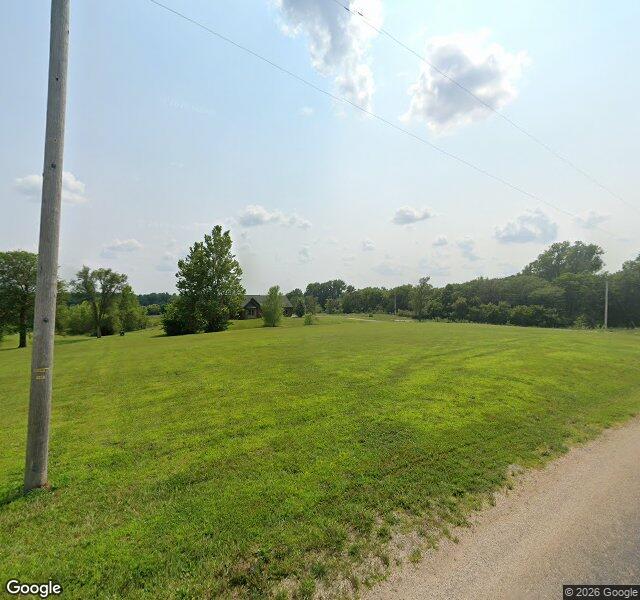
14005 214th Road, Holton, KS 66436View map (opens in a new tab)
Overview and key essentials
State license
Active
KS KDADS
Google reviews
Not available
Public reviews not linked
Size & payment
Ask directly
Confirm pricing & payment
Public records for this community are limited. Use the checklist below when you call or visit to confirm pricing, services, and openings.
Cost, payment & care details
Updated Nov 28, 2026| Monthly cost | Not published | Ask for the full monthly cost, including care fees and one-time charges. |
|---|---|---|
| Payment options | Ask directly | Payment details are not confirmed in our records. Ask about private pay, long-term care insurance, veterans benefits, and Medicaid waivers. |
| Size & availability | Confirm directly | We don't publish live openings. Ask about current availability, waitlist length, and move-in timing. |
| Care & support | Assisted living | Usually offers housing and help with everyday tasks, such as bathing and dressing. What to confirm about care levelsThis describes the licensed category. Ask how care plans adjust if mobility, nursing, or memory needs change over time. Read the family care guide → |
State licensing
State inspection history
13inspections
25deficiencies listed
Nov 13, 2025Routine4 deficiencies reported4
4 deficiencies reported
View official state report (opens in a new tab)
The following represents the findings of a resurvey with attached complaint 189786 at the above named home plus facility conducted on 11/12/25 & 11/13/25.
STATE FORM6899
YY5N11 STATE FORM YY5N11 STATE FORM YY5N11 STATE FORM YY5N11 STATE FORM YY5N11
moderateS 5315
(h) Storage. Licensed nurses and medication aides shall ensure that all medications and biologicals are securely and properly stored in accordance with each manufacturer ' s recommendations or those of the pharmacy provider and with federal and state laws and regulations. (1) Licensed nurses or medication aides shall store non-controlled medications and biologicals managed by the home in a locked medication room, cabinet, or medication cart. Licensed nurses and medication aides shall store controlled medications managed by the home in separately locked compartments within a locked medication room, cabinet, or medication cart. Only licensed nurses and medication aides shall have access to the stored medications and biologicals. (2) Each resident managing and self-administering medication shall store medications in a place that is accessible only to the resident, licensed nurses, and medication aides. (3) Any resident who self-administers medication and is unable to provide proper storage as recommended by the manufacturer or pharmacy provider may request that the medication be stored by the home. (4) A licensed nurse or medication aide shall not administer medication beyond the manufacturer ' s or pharmacy provider ' s recommended date of expiration. This REQUIREMENT is not met as evidenced by: KAR 26-42-205(h)(1) The facility reported a census of 12 residents. Based on observation and interview the operator failed to ensure facility staff stored facility managed medications within a locked medication room, cabinet, or medication cart. Findings included: - Observation on 11/13/25 at 12:33 PM revealed a four-ounce tube of calmoseptine ointment located on R1's bathroom cabinet unsecured and without a resident name. Observation on 11/13/25 at 01:40 PM revealed a four-ounce tube of calmoseptine ointment located on R5's bathroom cabinet unsecured and without a resident name. On 11/13/25 at approximately 12:59 PM Administrative Staff A stated her expectation was for all medications to be locked in the medication room and R1 and R5 had tubes of calmoseptine in their rooms unsecured. The operator failed to ensure facility staff stored facility managed medications within a locked medication room, cabinet, or medication cart.
Final ObservationsS 9999
KAR 26-42-103(c) Scope and Severity Tag - F If the home plus admits residents with dementia, the administrator or operator shall ensure the provision of staff education, at orientation and at least annually thereafter, on the treatment and appropriate response to persons who exhibit behaviors associated with dementia. This requirement is not met as evidenced by: The facility reported a census of 12 residents. Based on interview and record review the operator failed to ensure staff orientation and in-service education for treatment and appropriate response to persons who exhibit behaviors associated with dementia. Findings included: - Record review for R1 revealed an admission date of 12/27/24 with a diagnosis of dementia. Review of R2's record revealed an admission date of 07/28/25 with a diagnosis of Alzheimer's disease. Requested record of dementia training for newly hired staff on 11/12/25 at 01:52 PM which the facility failed to provide. On 11/12/25 at 01:52 PM Administrative Staff A confirmed dementia training was not completed at hire with newly hired staff or with all staff annually. The operator failed to ensure staff orientation and in-service education for treatment and appropriate response to persons who exhibit behaviors associated with dementia.
moderateS 5230
(b)(5) prohibiting any employee with a communicable disease or any infected skin lesions from coming in direct contact with any resident, any resident ' s food, or resident care equipment until the condition is no longer infectious; (6) providing orientation to new employees and employee in-service education at least annually on the control of infections in a health care setting; (c) Each administrator or operator shall ensure the home ' s compliance with the department ' s tuberculosis guidelines for adult care homes adopted by reference in K.A.R. 26-39-105. This REQUIREMENT is not met as evidenced by: KAR 26-42-207(c) The facility reported a census of 12 residents with three residents included in the sample and five staff record reviews. Based on interview and record review the operator failed to ensure the facility remained in compliance with the department's tuberculosis (TB) guidelines for adult care homes adopted by reference in KAR 26-39-105 for two of five newly hired staff which has the potential to affect all residents. Findings included: - Record review for Certified Nurse Aide (CNA) C revealed a hire date of 03/07/25. A first step of the TB two-step test (TST) was administered 05/06/25 which was 54 days late and second step was administered on 05/15/25. Record review for CNA D revealed a hire date of 09/15/25. The employee record lacked documentation of TB testing. On 11/12/25 at 02:02 PM Administrative Staff A confirmed CNA C's TB TST was late and CNA D's was not completed. The department's June 2013 "Tuberculosis (TB) Guideline for Adult Care Homes" documented each new employee shall receive a two-step TST or Interferon Gamma Release Assay within seven days of employment unless a completed TST documentation is provided from within six months prior to hire. The operator failed to ensure the facility remained in compliance with the State Agency's tuberculosis guidelines for adult care homes adopted by reference in KAR 26-39-105, which had the potential to affect all residents.
Mar 4, 2024Routine12 deficiencies reported12
12 deficiencies reported
View official state report (opens in a new tab)
The following citations represent the findings of a resurvey with a complaint #178307, 180369, and 185898 at the above named Home Plus conducted on 02/29/24 and 03/04/24.
moderateS 5171
Practice (i) All health care services shall be provided to residents by qualified staff in accordance with acceptable standards of practice. This REQUIREMENT is not met as evidenced by: KAR 26-42-204(i) The facility reported a census of 12 residents with three residents included in the sample. Based on observation, interview and record review the operator failed to ensure health care services were provided in accordance with acceptable standards of practice for resident (R)101 by failing to follow facility policy for code status when staff found R101 lying on the floor unresponsive, not knowing his code status and failure to call emergency medical services for a resident who was listed as a full code. Findings included: - Review of R101's medical records revealed he was admitted to the facility on 02/03/23 with a diagnosis of chronic obstructive pulmonary disease. The 02/01/23 "Functional Capacity Screen" (FCS) documented R101 required staff assistance with transfers and walking/mobility. The 02/01/23 "Negotiated Service Agreement" (NSA) documented R101 had no recent falls reported and staff provided him with a bell to ring for assistance. Review of R101's medical record failed to locate a signed DNR, there was no physician order that identified code status, and the medication administration record (MAR) was not completed to include R101's code status in the space provided. The 02/18/23 "Nursing Note" documented the resident passed away this morning with no vital signs. Resident was found on rounds and the staff called the on-call administration. On 02/29/24 at 08:31 AM phone interview with unidentified source H revealed on 02/17/23 staff found R101on the floor in the commons area with hands that were blue in color. Unidentified source H stated staff did not know if R101 was a full code or a "Do Not Resuscitate" (DNR) status. Stated resident code status information was kept in a locked office and staff did not have the key or the code. On 03/04/24 at 01:45 PM Certified Nurse Aide (CNA) C stated when a resident was admitted to the facility the operator would let staff know the resident's code status. CNA C stated she thought there was a code status form with resident names available either in the operator's office which staff did not have access to when she was not at the facility or in the medication room where the CMA had access to it. On 03/04/24 at 02:16 PM Certified Medication Aide (CMA) I stated to know the code status of residents she would have to go into the operator's office to go through the resident charts. CMA I stated this information was not available to staff when the nurse or the operator where not present and there was no easy way to quickly know a resident's code status. On 03/04/24 at 02:56 PM CNA J stated she would refer to the "Daily Activities" charting book to check the code status of residents. CNA J referred to this book where some residents had "DNR" listed on their face sheet. CNA J stated she assumed if a resident did not have a DNR listed they were a full code. On 03/04/24 at 03:02 PM CNA D stated she would refer to the "Daily Activities" charting book to check the code status of the resident. On 03/04/24 at 04:22 PM Licensed Nurse (LN) B stated she did not know if R101 was dead or just that he was unresponsive when staff found him on the floor. LN B stated it was her understanding that the resident was determined to have passed away once Administrative Staff A arrived and found R101 did not have a...
moderateS 5258
Records (d) The employee records and agency staff records shall contain the following information: (1) Evidence of licensure, registration, certification, or a certificate of successful completion of a training course for each employee performing a function that requires specialized education or training; (2) supporting documentation for criminal background checks of facility staff and contract staff, excluding any staff licensed or registered by a state agency, pursuant to K.S.A. 39-970 and amendments thereto; (3) supporting documentation from the Kansas nurse aide registry that the individual does not have a finding of having abused, neglected, or exploited a resident in an adult carehome; and (4) supporting documentation that the individual does not have a finding of having abused, neglected, or exploited any resident in an adult care home, from the nurse aide registry in each state in which the individual has been known to work as a certified nurse aide. This REQUIREMENT is not met as evidenced by: KAR 26-42-102(d)(1)(2) The facility reported a census of 12 residents. Based on interview and record review, the operator failed to ensure two of five newly hired employees records included evidence of verification with the nurse aide registry was completed prior to staff employment, and the operator failed to ensure two of five newly hired employee records included evidence a criminal background check was completed in a timely manner. Findings included: - Review of employee files conducted on 02/29/24 revealed the following: Certified Nurse Aide (CNA) D was hired on 11/19/23. Documentation revealed a verification with the nurse aide registry was completed one month late on 12/19/23 and a criminal background check was completed by the Kansas Bureau of Investigations (KBI) was completed one month late on 12/22/23. CNA E was hired on 12/17/23. Documentation revealed a verification with the nurse aide registry was completed on 12/19/23 two days after being hired. CNA F was hired on 09/25/23. Documentation revealed a criminal background check was completed by the KBI on 12/22/23 approximately three months after being hired. The operator failed to ensure verification with the nurse aide registry were completed prior to staff employment and criminal background checks of newly hired staff were completed in a timely manner.
moderateS 5225
a) The administrator or operator of each home plus shall ensure the provision of a safe, sanitary, and comfortable environment for residents. (b) Each administrator or operator shall ensure the development of policies and implementation of procedures to prevent the spread of infections. These policies and procedures shall include the following requirements: (1) Using universal precautions to prevent the spread of blood-borne pathogens; (2) techniques to ensure that hand hygiene meets professional health care standards; (3) techniques to ensure that the laundering and handling of soiled and clean linens meet professional health care standards; (4) providing sanitary conditions for food service; This REQUIREMENT is not met as evidenced by: KAR 26-42-207(a) The facility had a census of 12 residents. The operator failed to ensure the provision of a sanitary environment for resident (R)104 when staff allowed a urinary catheter drainage bag to be kept on the floor of her room next to her bed. Findings included: - Review of R104's medical records revealed she was admitted to the facility on 02/05/24. The 02/05/24 Functional Capacity Screen (FCS) revealed R104 was incontinent of urine. The 02/05/24 Negotiate Service Agreement (NSA) revealed staff provided routine catheter care. On 03/04/24 at 03:29 PM a urinary catheter bag was observed to be laying on the floor next to R104's bed. On 03/04/24 at 01:32 PM Certified Nurse Aide (CNA) C stated R104 used a urinary catheter which staff emptied and completed peri-care at least twice a shift. On 03/04/24 at 04:51 PM Licensed Nurse (LN) B stated R104 used a urinary catheter and expected the drainage bag to be kept off the floor. The operator failed to ensure the provision of a sanitary environment for R104's use of a urinary catheter.
moderateS 5126
(h) Each individual involved in the development of the negotiated service agreement shall sign the agreement. The administrator or operator shall ensure that a copy of the initial agreement and any subsequent revisions are provided to the resident or the resident's legal representative. This REQUIREMENT is not met as evidenced by: KAR 26-42-202(h) The facility had a census of 12 residents. Three residents were included in the sample. The facility failed to ensure everyone involved in the development of the "Negotiated Service Agreement" (NSA) signed the agreement for resident (R)104. Findings included: - R104's medical record revealed she moved into the facility on 02/05/24. The 02/05/24 NSA did not include the signature of Licensed Nurse (LN) B who helped develop R104's NSA. On 03/04/24 at 04:51 PM LN B stated she developed R104's NSA but did not sign it. The operator failed to ensure the NSA was signed by the nurse responsible for the development of R104's NSA.
moderateS 5166
(f) Each administrator or operator shall ensure that a licensed nurse is available to provide immediate direction to medication aides and nurse aides for residents who have unscheduled needs. This REQUIREMENT is not met as evidenced by: KAR 26-42-204(f) The facility reported a census of 12 residents with three residents included in the sample. Based on interview and record review the operator failed to ensure that a licensed nurse was available to provide immediate direction to medication and nurse aides for residents who experienced unscheduled needs as evidenced when staff attempted to contact the nurse when they found R101 lying on the floor and unresponsive. Findings included: - Review of R101's medical records revealed he was admitted to the facility on 02/03/23 with a diagnosis of chronic obstructive pulmonary disease. The 02/01/23 "Functional Capacity Screen" (FCS) documented R101 required staff assistance with transfers and walking/mobility. The 02/01/23 "Negotiated Service Agreement" (NSA) documented R101 had no recent falls reported and staff provided him with a bell to ring for assistance. The 02/18/23 "Nursing Note" documented the resident passed away this morning with no vital signs. Resident was found on rounds and the staff called the on-call administration. On 02/29/24 at 08:31 AM phone interview with unidentified source H stated on 02/17/23 staff found R101on the floor in the commons area. Staff stated that R101's hands were blue in color. Staff attempted to contact Licensed Nurse (LN) B who was the nurse on call, but she did not answer her phone. Staff then contacted Administrative Staff A who arrived approximately 15-20 minutes later and found the resident was without vital signs when she checked R101's pulse and found him to be pulseless. On 03/05/24 at 03:30 PM Administrative Staff A stated she expected LN B to be available to take calls from staff when they needed direction on what to do in emergent situations concerning residents. The operator failed to ensure a licensed nurse was available to provide immediate direction to staff for residents who have unscheduled needs.
STATE FORM6899
L42G11 STATE FORM L42G11 STATE FORM L42G11 STATE FORM L42G11 STATE FORM L42G11 STATE FORM L42G11 STATE FORM L42G11 STATE FORM L42G11 STATE FORM L42G11 STATE FORM L42G11 STATE FORM L42G11 STATE FORM L42G11 STATE FORM L42G11 STATE FORM L42G11 STATE FORM L42G11 STATE FORM L42G11 STATE FORM L42G11 STATE FORM L42G11 STATE FORM L42G11 STATE FORM L42G11 STATE FORM L42G11 STATE FORM L42G11 STATE FORM L42G11
moderateS 5251
Documentation of Incidents (f) (11) documentation of all incidents, symptoms, and other indications of illness or injury including the date, time of occurrence, action taken, and results of the action. This REQUIREMENT is not met as evidenced by: KAR 26-42-105(f)(11) The facility reported a census of 12 residents. The sample included three residents. Based on record review and interview the operator failed to ensure documentation on residents in accordance with accepted professional standards and practices including all incidents, symptoms, and other indications of illness or injury including the date, time of occurrence, action taken and results of the action for resident (R)104's pressure wound. Findings included: - Review of R104's medical record revealed she was admitted to the facility on 02/05/24 with a diagnosis of wound lower left leg and foot. The 02/05/24 "Functional Capacity Screen" (FCS) documented R104 required staff assistance with transfers and was unable to ambulate or mobilize. The 02/05/24 "Negotiated Service Agreement" (NSA) failed to document services provided by staff for the treatment of her pressure wound. The 02/05/24 "Nurses Note" documented, resident a wound closure to her left lateral leg and heel wound with a dressing. The 02/05/24 "Nursing Order" documented an order for wound care every morning. Cleanse wound with approved wound wash; skin prep peri wound; apply Aquacel AG to the wound bed, cover with ABD and Kerlix; secure with ACE bandage and change once a day or upon saturation. Review of R104's medical record lacked evidence of documentation of the pressure wound including wound size (length, width, and depth), odor, tissue characteristics (including drainage, granulation) and any signs of infection or wound treatments completed. On 03/04/24 at 03:29 PM R104 stated she had a wound to her left foot and had this wound since before being admitted to the facility. R104 stated she saw a doctor at a wound care clinic and the facility nurse changed her dressing daily. On 03/04/24 at 01:32 PM Certified Nurse Aide (CNA) C stated R104 had wounds on her left heel, and left calf which she admitted with. CNA C stated R104 received wound care services from a home health care nurse twice a week and the facility nurse did wound care daily. On 03/04/24 at 04:51 PM Licensed Nurse (LN) B stated R104 had a wound on her left heel that she admitted with. LN B stated that she and the home health staff treated the wound. LN B stated the resident also went to a wound care clinic for treatment. LN B stated that neither home health or the wound care clinic have provided documentation of the wound and stated she did not document the size, description, treatment of the wound or if it was improving or getting worse. The operator failed to ensure documentation for R104's pressure wound care was in accordance with accepted professional standards and practices.
moderateS 5161
(d) The negotiated service agreement shall contain a description of the health care services to be provided and the name of the licensed nurse responsible for the implementation and supervision of the plan. This REQUIREMENT is not met as evidenced by: KAR 26-42-204(d) The facility reported a census of 12 residents with three residents included in the sample. Based on interview and record review the operator failed to ensure the "Negotiated Service Agreement" (NSA) identified the licensed nurse responsible for the implementation and supervision of the health care services plan for resident (R)105. Findings included: - R105's medical record revealed she moved into the facility on 06/15/21. The 12/21/23 NSA did not identify the licensed nurse responsible for the implementation and supervision of the health care services plan . On 03/04/24 at 04:46 PM Licensed Nurse (LN) B stated she could not locate the form that identified her as the nurse responsible for the implementation and supervision of the health care services plan. The operator failed to ensure the NSA identified the licensed nurse responsible for the implementation and supervision of the health care services plan for R105.
moderateS 5230
(b)(5) prohibiting any employee with a communicable disease or any infected skin lesions from coming in direct contact with any resident, any resident ' s food, or resident care equipment until the condition is no longer infectious; (6) providing orientation to new employees and employee in-service education at least annually on the control of infections in a health care setting; (c) Each administrator or operator shall ensure the home ' s compliance with the department ' s tuberculosis guidelines for adult care homes adopted by reference in K.A.R. 26-39-105. This REQUIREMENT is not met as evidenced by: KAR 26-42-207(c) The facility reported a census of 12 residents. Based on interview and record review for three residents and five new employee records, the administrator failed to ensure the facility remained in compliance with the department's tuberculosis (TB) guidelines for adult care homes adopted by reference in KAR 26-39-105. Findings included: - Review of five newly hired staff records revealed the following: Certified Nurse Aide (CNA) D hired on 11/19/23 had a Tuberculosis Symptom Screening Questionnaire completed on 02/06/24. She provided documentation a TB skin test which resulted in a not positive, completed at the county health department on 08/17/23. The facility failed to complete a one-step TB skin test (TST) upon hire. CNA E was hired on 12/17/23. The Tuberculosis Symptom Screening Questionnaire was not completed upon hire and had a TST administered by an outside source on 08/15/23 but was not read. The facility failed to ensure a two-step TST was administered within seven days of being hired. CNA F was hired on 09/25/23. The Tuberculosis Symptom Screening Questionnaire was not completed until 01/25/24 and a TST was administered late on 01/25/24. The June 2013 "Tuberculosis (TB) Guidelines for Adult Care Homes" documented, "Each new ...employee shall have an initial TB symptom screen that includes the components of the TB Symptom Screen Questionnaire within 7 days of ...employment ...Each new ...employee shall receive a two-step TST or an IGRA for Mycobacterium tuberculosis within 7 days of ...employment unless one of the following conditions is met: ...The new ...employee provide satisfactory documentation of receiving the two-step TST or AGRA within 6 months prior to ...employment that read not positive ...If a new employee provides satisfactory documentation of receiving a single TST within 6 months prior to employment that read not positive, the employee shall only be required to have a single TST within 7 days of employment." The operator failed to ensure the facility remained in compliance with the department's tuberculosis guidelines for adult care homes adopted by reference in KAR 26-39-105 regarding newly hired employees.
moderateS 5312
(g) (2) Each prescription medication container shall have a label that was provided by a dispensing pharmacist or affixed to the container by a dispensing pharmacist in accordance with K.A.R. 68-7-14. This REQUIREMENT is not met as evidenced by: KAR 26-42-205 (g)(2) The facility reported a census of 12 residents. Based on observation and interview the operator failed to ensure each prescription medication container had a label provided by a dispensing pharmacist affixed to the container. Findings included: - Observation on 02/29/24 at 09:37 AM revealed the facility's medication room contained the following prescription medications which were not labeled with a resident's full name: Resident (R)104: One Lantus Flex Pen One Novolog Flex Pen One bottle Refresh Liquigel One Good Neighbor Pharmacy Olopatadine Hydrochloride Ophthalmic Solution, USP 0.1 percent One bottle of Pataday Olopatadine 0.2 percent R107: One bottle of Systane Lubricant Eye Drop One bottle of Bausch and Lomb Soothe Lubricant Eye Ointment One bottle of Prednisolone Acetate eyedrops One bottle of Neomycin and Polymyxin B Ophthalmic Ointment One tube of Triamcinolone Acetonide Cream 0.1 percent One tube of Nystatin Cream USP, 100,000 units per gram R106: One bottle of Latanoprost Ophthalmic Solution 0.005 percent R108: Two bottles of Good Neighbor Pharmacy Olopatadine Hydrochloride Ophthalmic Solution 0.1 percent The operator failed to ensure each prescription medication container had a label provided by a dispensing pharmacist affixed to the container.
moderateS 5315
(h) Storage. Licensed nurses and medication aides shall ensure that all medications and biologicals are securely and properly stored in accordance with each manufacturer ' s recommendations or those of the pharmacy provider and with federal and state laws and regulations. (1) Licensed nurses or medication aides shall store non-controlled medications and biologicals managed by the home in a locked medication room, cabinet, or medication cart. Licensed nurses and medication aides shall store controlled medications managed by the home in separately locked compartments within a locked medication room, cabinet, or medication cart. Only licensed nurses and medication aides shall have access to the stored medications and biologicals. (2) Each resident managing and self-administering medication shall store medications in a place that is accessible only to the resident, licensed nurses, and medication aides. (3) Any resident who self-administers medication and is unable to provide proper storage as recommended by the manufacturer or pharmacy provider may request that the medication be stored by the home. (4) A licensed nurse or medication aide shall not administer medication beyond the manufacturer ' s or pharmacy provider ' s recommended date of expiration. This REQUIREMENT is not met as evidenced by: KAR 26-42-205(h) The facility reported a census of 12 residents. Based on observation and interview, the operator failed to ensure resident medications were stored in accordance with each manufacturer's recommendations. Findings included: - Observation on 02/29/24 at 09:37 AM the facility's medication room had a refrigerator with an opened box with an unsealed vial of Tuberculin solution that was not marked with the opened date. The box, product insert and the vial of Tuberculin itself contained instructions that a vial of Tuberculin which has been entered and in use for 30 days should be discarded. On 02/29/24 at 09:45 AM after showing Certified Medication Aide (CMA) B the instructions for storage of the vial of Tuberculin, CMA B acknowledged these medications should have been dated when they were opened. The operator failed to ensure medications were stored in accordance with each manufacturer's recommendations.
moderateS 5105
a) The administrator or operator of each home plus shall ensure the development of a written negotiated service agreement for each resident, based on the resident ' s functional capacity screening, service needs, and preferences, in collaboration with the resident or the resident ' s legal representative, the case manager, and, if agreed to by the resident or the resident ' s legal representative, the resident ' s family. The negotiated service agreement shall provide the following information: (1) A description of the services the resident will receive; (2) identification of the provider of each service; and (3) identification of each party responsible for payment if outside resources provide a service. This REQUIREMENT is not met as evidenced by: KAR 26-42-202(a)(1)(2) The facility reported a census of 12 residents with three residents included in the sample. Based on interview, and record review the operator failed to ensure the "Negotiated Service Agreement" (NSA) was fully developed on what triggered in the "Functional Capacity Screen" (FCS), service needs and resident preferences for resident (R)104 and R106. The operator also failed to ensure the NSA identified outside provider services for wound care for R104. Findings included: - R104's medical record revealed she moved into the facility on 02/05/24 with a diagnosis of diabetes mellitus. The 02/05/24 FCS identified R104 required physical assist with transfers, was physically unable to manage medications and treatments and was at risk for falls. The 02/05/24 NSA did not address R104's use of a bed assist device and trapeze for transfers, did not identify R104 self-injected her insulin, did not identify the use of a wound care clinic for management of pressure wound treatments, and did not address R104's risk for falls. On 03/04/24 at 03:29 PM there was a trapeze and a bed assist device attached to R104's bed. On 03/04/24 at 04:51 PM Licensed Nurse (LN) B stated R104 used a trapeze and but was not sure she used a bed rail. LN B stated the use of a trapeze was not included in the NSA. LN B stated R104 went to a wound care clinic and received treatment for her heel wound but the wound care clinic was not listed on R104's NSA as a provider of these services. The operator failed to ensure R104's NSA was fully developed to include all items that triggered on the FCS, service needs or resident preferences and failed to identify the use of an outside wound care provider. - R106's medical record revealed she moved into the facility on 02/23/24. The 02/23/24 FCS identified R106 required physical assistance from staff with transfers. The 02/23/24 NSA did not address R106's the use of a bed assist device. On 02/23/24 a "Restraints: Side Rail Utilization Assessment" was completed for use a full side rail on the right side of the bed to assist with bed mobility. An observation on 03/04/24 at 03:46 PM revealed R106 had a u-shaped bed assist device attached to her bed. On 03/04/24 at 01:43 PM Certified Nurse Aide (CNA) C stated R106 used a bed cane for bed mobility. On 03/04/24 at 05:06 PM LN B stated R106 used an extended bed cane on the left side of her bed but this was not mentioned on the NSA. The operator failed to ensure R106's NSA was fully developed to include the use of a bed assist device.
Nov 28, 2022Routine9 deficiencies reported9
9 deficiencies reported
View official state report (opens in a new tab)
The following citations represent the findings of a resurvey with a complaint (#160023) at the above named home plus facility conducted on 11/28/22.
moderateS 5300
Medications (d) Home administration of resident ' s medications. If a home is responsible for the administration of a resident ' s medications, the administrator or operator shall ensure that all medications and biologicals are administered to that resident in accordance with a medical care provider ' s written order, professional standards of practice, and each manufacturer ' s recommendations. The administrator or operator shall ensure that all of the following are met: (1) Only licensed nurses and medication aides shall administer and manage medications for which the home has responsibility. (2) Medication aides shall not administer medication through the parenteral route. This REQUIREMENT is not met as evidenced by: KAR 26-42-205 (d) The census equaled 11 residents. The sample included 3 residents. Based on record review, interview and observation for 1 Resident (R)2, Operator/Certified Medication Aide (CMA) A failed to ensure all medications and treatments were administered in accordance with a medical care provider's written order. Findings included: - Record review for R2 revealed he admitted on 02/16/22 with diagnoses of Dementia, hypothyroidism, diabetes mellitus type II, insomnia, neuropathy and benign prostatic hyperplasia. R2's "Functional Capacity Screen" dated 02/16/22 recorded the resident was unable to perform management of medications and treatments. The resident's "Negotiated Service Agreement (NSA)/Health Care Service Plan (HCSP) dated 02/16/22 recorded staff administered medications and treatments. Current November 2022 MAR (medication administration record) recorded, "Salonpas Patch (pain relieving patch) on in AM and off in PM. Place on lower back." Medication administered and signed off daily from 11/01/22 to 11/28/22 by certified staff. Current November 2022 MAR recorded, "Healthy Eyes Supervision 2, 1 capsule by mouth two times a day." Medication administered and signed off twice a day from 11/01/22 to 11/28/22 by certified staff. Record lacked a signed physician order for Salonpas Patch and Healthy Eyes Supervision 2. Interview on 11/28/22 at 03:18 PM with Licensed Nurse (LN) G confirmed unable to locate a signed physician order for Salonpas Patch and Healthy Eyes Supervision 2. Operator/CMA A failed to ensure all medications and treatments were administered in accordance with a medical care provider's written order.
STATE FORM6899
M2Q511 STATE FORM M2Q511 STATE FORM M2Q511 STATE FORM M2Q511 STATE FORM M2Q511 STATE FORM M2Q511 STATE FORM M2Q511 STATE FORM M2Q511 STATE FORM M2Q511 STATE FORM M2Q511 STATE FORM M2Q511 STATE FORM M2Q511 STATE FORM M2Q511 STATE FORM M2Q511 STATE FORM M2Q511 STATE FORM M2Q511 STATE FORM M2Q511 STATE FORM M2Q511 STATE FORM M2Q511
moderateS 5215
Preparedness Education (d) Each administrator or operator shall ensure disaster and emergency preparedness by ensuring the performance of the following: (1) Orientation of new employees at the time of employment to the home ' s emergency management plan; (2) education of each resident upon admission to the home regarding emergency procedures; (3) quarterly review of the home ' s emergency management plan with employees and residents; and (4) an emergency drill, which shall be conducted at least annually with staff and residents. This drill shall include evacuation of the residents to a secure location. This REQUIREMENT is not met as evidenced by: KAR 26-42-104 (d) (3) The census equaled 11 residents. The sample included 3 residents and review of 5 employee records. Based on record review and interview, Operator/Certified Medication Aide (CMA) A failed to ensure disaster and emergency preparedness by ensuring the performance of quarterly review of the facility's entire "Emergency Management Plan" with residents and staff. Findings included: - Review of the facility "Emergency Management Plan" revealed the plan contained procedures to manage potential emergencies and disasters including fire, flood, severe weather, tornado, explosion, natural gas leak, lack of electrical, or water service, and missing residents. Review on 11/28/22 of the facility's quarterly reviews of the emergency management plan revealed the following reviews with residents and staff: 01/03/22 and 03/15/22. The facility failed to provide documentation regarding emergency management plan reviews with staff and residents for the second and third quarter of 2022. Interview on 11/28/22 at 05:24 PM with Operator/CMA A confirmed unable to locate reviews with residents and staff for the second and third quarter of 2022. Operator/CMA A failed to ensure disaster and emergency preparedness by the failure to ensure the performance of quarterly reviews of the facility's entire emergency plan with residents and staff.
moderateS 5313
(g) (3) A licensed nurse or medication aide may accept over-the-counter medication only in its original, unbroken manufacturer ' s package. A licensed pharmacist or licensed nurse shall place the full name of the resident on the package. If the original manufacturer ' s package of an over-the-counter medication contains a medication in a container, bottle, or tube that can be removed from the original package, the licensed pharmacist or a licensed nurse shall place the full name of the resident on both the original manufacturer ' s medication package and the medication container. This REQUIREMENT is not met as evidenced by: KAR 26-42-205 (g) (3) The census totaled 11 residents. The sample included 3 residents. Based on observation and interview for 3 sampled residents (R)1, R2, R3 and 6 non-sampled residents (R)4, R5, R6, R7, R8, R9, Operator/Certified Medication Aide (CMA) A failed to ensure licensed nurses or pharmacists placed the full name of the resident on each package of the resident's over the counter medication. Findings included: - Observation on 11/28/22 at 01:58 PM with Operator/CMA A revealed a locked medication room in the facility. The following over the counter medications were noted without first and last names: For R1, the cabinet contained one bottle of Acetaminophen (pain reliever), one bottle of Stool Softeners, one bottle of Vitamin B12, and one bottle of Aspirin (nonsteroidal anti-inflammatory drug), For R2, the cabinet contained one bottle of Antacid and one bottle of Aspirin, For R3, the cabinet contained one bottle of Multivitamins, one bottle of Vitamin C, one bottle of Acidophilus (probiotic), one bottle of Melatonin (supplement) and one bottle of Aspirin, For R4, the cabinet contained one bottle of Acetaminophen and one bottle of Loperamide (anti-diarrheal), For R5, the cabinet contained one bottle of Aspirin, one bottle of Milk of Magnesia (laxative) and one bottle of Stool Softener, For R6, the cabinet contained one bottle of Tylenol Arthritis (pain reliever), For R7, the cabinet contained one bottle of Zaditor Antihistamine Eye Drops, For R8, the cabinet contained one bottle of Melatonin, For R9, the cabinet contained one bottle of Melatonin and one bottle of ClearLAX (laxative) Interview on 11/28/22 at 02:12 PM with Operator/CMA A confirmed the above listed medications lacked first and last names. Interview on 11/28/22 at 02:17 PM with Licensed Nurse G confirmed over the counter medications were to be labeled with the resident's full name. Facility's "Sample Medications and Over the Counter Medications" policy (no date) recorded, "Over the counter and sample medications must be delivered to the facility in the original unbroken manufacturer's package. A licensed nurse or pharmacist must place the resident's full name on the package and the medication container." Operator/ CMA A failed to ensure licensed nurses or pharmacists placed the full name of residents on each package of the resident's over the counter medication.
moderateS 5105
a) The administrator or operator of each home plus shall ensure the development of a written negotiated service agreement for each resident, based on the resident ' s functional capacity screening, service needs, and preferences, in collaboration with the resident or the resident ' s legal representative, the case manager, and, if agreed to by the resident or the resident ' s legal representative, the resident ' s family. The negotiated service agreement shall provide the following information: (1) A description of the services the resident will receive; (2) identification of the provider of each service; and (3) identification of each party responsible for payment if outside resources provide a service. This REQUIREMENT is not met as evidenced by: KAR 26-42-202 (a) (2) (3) The facility reported a census of 11 residents. The sample included 3 residents. Based on record review, observation and interview for 2 sampled resident (R)1 and R2, Operator/Certified Medication Aide (CMA) A failed to ensure the Negotiated Service Agreement (NSA) completed for residents who required health care services identified a description of the services the resident will receive. Findings included: - Record review for R1 revealed he admitted to the facility on 12/31/20 with diagnoses of cellulitis of left lower limb, peripheral vascular disease and pressure ulcer of left foot. R1's "Functional Capacity Screen" (FCS) dated 05/26/21 recorded the resident required physical assistance with bathing, dressing, toileting, transfers, walk/mobility, eating, was unable to manage medications and treatments, incontinent and sometimes understood communication. The resident's "Negotiated Service Agreement (NSA)/Health Care Service Plan (HCSP) dated 02/09/22 recorded staff assisted R1 with bathing, dressing, toileting, transfer, walk/mobility and administered medications and treatments. The NSA identified a full lift and wheelchair used for mobility and transfer. The NSA failed to identify the use of a bed assistive device. Observation on 11/28/22 at 04:30 PM revealed R1 in a hospital bed in his room. The bed had a bed assistive device to both sides of the bed. Interview on 11/28/22 at 03:42 PM with Operator/CMA A confirmed R1's NSA/HCSP lacked identification of the bed assistive device. - Record review for R2 revealed he admitted on 02/16/22 with diagnoses of Dementia, hypothyroidism, diabetes mellitus type II, insomnia, neuropathy and benign prostatic hyperplasia. R2's "Functional Capacity Screen" dated 02/16/22 recorded the resident required physical assistance with bathing, dressing, toileting, transfer, walk/ mobility, supervision with eating, and was unable to perform management of medications and treatments. R2 was incontinent, had short and long-term memory impairment, memory/recall impairment and impaired decision making. R2 was at risk for falls. The resident's "Negotiated Service Agreement (NSA)/Health Care Service Plan (HCSP) dated 02/16/22 recorded staff assisted R2 with bathing, dressing, toileting, transfer, walk/mobility and administered medications and treatments. The NSA identified a wheelchair was used for mobility. The NSA failed to identify the use of a bed assistive device. Observation on 11/28/22 at 04:44 PM in R2's room revealed a bed assistive device to the left side of his bed. Operator/CMA A failed to ensure the NSA completed for residents who required health care services identified a description of the services the resident will receive.
moderateS 5085
Reassessment (c) Designated staff shall conduct a screening to determine each resident ' s functional capacity according to the following requirements: (1) At least once every 365 days; (2) following any significant change in condition as defined in K.A.R. 26-39-100; and (3) at least quarterly if the resident receives assistance with eating from a paid nutrition assistant. This REQUIREMENT is not met as evidenced by: KAR 26-42-201 (c) (1) The census equaled 11 residents. The sample included 3 residents. Based on record review and interview, the facility failed to ensure designated facility staff conducted a screening at least once every 365 day to determine each resident's functional capacity for Residents (R)1 and R3. Findings included: - R1's "Medical Record" revealed he admitted to the facility on 12/31/20 with diagnoses of cellulitis of left lower limb, peripheral vascular disease and pressure ulcer of left foot. The "Functional Capacity Screen" (FCS) dated 05/26/21 recorded the resident required physical assistance with bathing, dressing, toileting, transfers, walk/mobility, eating, was unable to manage medications and treatments, was incontinent and sometimes understood communication. R1's "Medical record" lacked completion of a FCS since 05/26/21. Interview on 11/28/22 at 03:07 PM with Licensed Nurse (LN) G confirmed R1's current FCS dated 05/26/21 was not completed every 365 days. R3's "Medical Record" revealed she admitted to the facility on 06/15/21 with diagnoses of Dementia, arthritis and osteoarthritis. The "Functional Capacity Screen" (FCS) dated 06/15/21 recorded the resident as requiring supervision with bathing, was independent with dressing, toileting, transfers, walk/mobility and eating , was unable to manage medications and treatments and had impaired decision making. R3's "Medical Record" lacked completion of a FCS since admission on 06/15/21. Interview on 11/28/22 at 03:54 PM with LN G confirmed R3's current FCS dated 06/15/21 was not conducted in 365 days. The facility failed to ensure designated facility staff conducted a screening at least once every 365 days to determine each resident's functional capacity for R1 and R3.
moderateS 5195
(f) Staff shall store all food under safe and sanitary conditions. Containers of poisonous compounds and cleaning supplies shall not be stored in the areas used for food storage, preparation, or serving. (g) Each home shall maintain at least a three-day supply of food to meet the requirements of the planned menus. This REQUIREMENT is not met as evidenced by: KAR 26-42-206 (f) The census equaled 11 residents. The sample included 3 residents. Based on record review, interview and observation for all residents receiving meal services, Operator/ Certified Medication Aide (CMA) A failed to ensure the facility staff stored all food under safe and sanitary conditions. Findings included: - Observation during the initial tour on 11/28/22 at 01:44 PM revealed a refrigerator/freezer containing food/drinks in the kitchen, a refrigerator/freezer in the pantry and chest freezer in the pantry. Observation of the temperature monitoring logs for the refrigerators and freezers in the facility revealed the following dates were missing: 09/01/22, 09/02/22, 09/03/22, 09/04/22, 09/05/22, 09/06/22, 09/07/22, 09/08/22, 09/09/22, 09/10/22, 09/11/22, 09/12/22, 09/13/22, 09/14/22, 09/15/22, 09/16/22, 09/17/22, 09/18/22, 09/19/22, 09/20/22, 09/21/22, 09/22/22, 09/24/22, 09/29/22, 09/30/22, 10/03/22, 10/08/22, 10/09/22, 10/14/22, 10/17/22, 10/22/22, 10/23/22, 10/28/22, 10/30/22, 10/31/22, 11/01/22, 11/05/22, 11/06/22, 11/07/22, 11/08/22, 11/09/22, 11/10/22, 11/11/22, 11/12/22, 11/13/22, 11/14/22, 11/15/22, 11/18/22, 11/19/22, 11/20/22, 11/21/22, 11/22/22, 11/23/22, 11/24/22, 11/25/22. 11/26/22, 11/27/22. Observation of the refrigerator/freezer in the kitchen revealed one unsealed loaf of bread in the refrigerator and one kitchen utensil in the ice bucket in the freezer. Interview on 11/28/22 at 01:44 PM with Operator/CMA A confirmed the September 2022, October 2022 and November 2022 temperature monitoring logs were missing the above dates and further confirmed all 11 residents eat at the facility. The facility failed to provide a policy on food storage. For all residents of the facility, Operator/CMA A failed to ensure the facility staff stored all food under safe and sanitary conditions.
moderateS 5171
Practice (i) All health care services shall be provided to residents by qualified staff in accordance with acceptable standards of practice. This REQUIREMENT is not met as evidenced by: KAR 26-42-204 (i) The census totaled 11 residents. The sample included 3 residents. Based on observation, interview and record review, Operator/ Certified Medication Aide (CMA) A failed to ensure a licensed nurse provided or coordinated the provision of necessary health care services in accordance with acceptable standards of practice for the use of bed assistive devices and sampled residents (R)1, R2 and R3. Findings included: - The "Resident Roster" obtained on 11/28/22 identified one resident (R1) as having a bed rail. Record review for R1 revealed he admitted to the facility on 12/31/20 with diagnoses of cellulitis of left lower limb, peripheral vascular disease and pressure ulcer of left foot. R1's "Functional Capacity Screen" (FCS) dated 05/26/21 recorded the resident required physical assistance with bathing, dressing, toileting, transfers, walk/mobility, eating, was unable to manage medications and treatments, was incontinent and sometimes understood communication. The resident's "Negotiated Service Agreement (NSA)/Health Care Service Plan (HCSP) dated 02/09/22 recorded staff assisted R1 with bathing, dressing, toileting, transfer, walk/mobility and administered medications and treatments. The NSA identified a full lift and wheelchair used for mobility and transfer. The NSA failed to identify the use of a bed assistive device. Record review lacked any assessment of the resident to confirm the device was not a restraint, an assessment of the resident to determine the purpose of the bedrail/assistive device and the resident's ability to safely use the device, an assessment of the bedrail/assistive device to ensure the device was securely attached to the bed or bedframe and posed no risk for entrapment. Observation on 11/28/22 at 04:30 PM revealed R1 in a hospital bed in his room. The bed had a bed assist rail to both sides of the bed. Interview on 11/28/22 at 03:42 PM with Operator/CMA A confirmed no safety checks or bed assistive device assessments completed on R1. - Record review for R2 revealed he admitted on 02/16/22 with diagnoses of Dementia, hypothyroidism, diabetes mellitus type II, insomnia, neuropathy and benign prostatic hyperplasia. R2's "Functional Capacity Screen" dated 02/16/22 recorded the resident required physical assistance with bathing, dressing, toileting, transfer, walk/ mobility, supervision with eating, and was unable to perform management of medications and treatments. R2 was incontinent, had short- and long-term memory impairment, memory/recall impairment and impaired decision making. R2 was at risk for falls. The resident's "Negotiated Service Agreement (NSA)/Health Care Service Plan (HCSP) dated 02/16/22 recorded staff assisted R2 with bathing, dressing, toileting, transfer, walk/mobility and administered medications and treatments. The NSA identified a wheelchair was used for mobility. The NSA failed to identify the use of a bed assistive device. Record review lacked any assessment of the resident to confirm the device was not a restraint, an assessment of the resident to determine the purpose of the bedrail/assistive device and the resident's ability to safely use the device, an assessment of the bedrail/assistive device to ensure the device was securely attached to the bed or bedframe and posed no risk...
moderateS 5230
(b)(5) prohibiting any employee with a communicable disease or any infected skin lesions from coming in direct contact with any resident, any resident ' s food, or resident care equipment until the condition is no longer infectious; (6) providing orientation to new employees and employee in-service education at least annually on the control of infections in a health care setting; (c) Each administrator or operator shall ensure the home ' s compliance with the department ' s tuberculosis guidelines for adult care homes adopted by reference in K.A.R. 26-39-105. This REQUIREMENT is not met as evidenced by: KAR 26-42-207 (c) The census totaled 11 residents. The sample included 3 residents and review of 5 newly hired employees. Based on record review and interview for 4 Staff (Certified Medication Aide (CMA) B, CMA C, CMA D, Certified Nurse Aide (CNA) F), the facility failed to ensure compliance with the State Agency's tuberculosis (TB) guidelines. Findings included: - CMA B's "Employee Record" revealed a hire date of 09/19/22. CMA B's record lacked evidence of TB testing and a TB questionnaire upon hire. CMA C's "Employee Record" revealed a hire date of 09/14/22. CMA C's record lacked evidence of TB testing and a TB questionnaire completed upon hire. CMA D's "Employee Record" revealed a hire date of 08/02/22. CMA D's record lacked evidence of TB testing and a TB questionnaire completed upon hire. CNA F's "Employee Record" revealed a hire date of 03/26/22. CNA F's record lacked evidence of TB testing and a TB questionnaire completed upon hire. CNA F's first step TB test and TB questionnaire were completed 06/15/22, approximately 3 months after being hired by the facility. Record lacked evidence of second step of TB testing. Interview on 11/28/22 at 04:04 PM with Operator/CMA A confirmed TB testing and TB questionnaires on the 4 of 5 sampled staff were not completed upon hire. The facility failed to follow the State Agency's TB guidelines for adult care homes adopted by reference in K.A.R. 26-39-105, which had the potential to affect all residents.
Jun 7, 2021RoutineNo deficiencies reportedNone
May 17, 2021RoutineNo deficiencies reportedNone
Show all 13 inspections
Jul 16, 2020RoutineNo deficiencies reportedNone
No deficiencies reported
View official state report (opens in a new tab)
the pines south covid 7.16.2020
May 15, 2019RoutineNo deficiencies reportedNone
Jan 23, 2019RoutineNo deficiencies reportedNone
May 25, 2017RoutineNo deficiencies reportedNone
May 2, 2016RoutineNo deficiencies reportedNone
Mar 8, 2016RoutineNo deficiencies reportedNone
Mar 18, 2014RoutineNo deficiencies reportedNone
Jun 28, 2012RoutineNo deficiencies reportedNone
Neighborhood & resident support
Emergency access, hazards & advocacy
Nearest hospital
Holton Community Hospital
3.9 mi · Holton, KS
Emergency roomTrauma Level Iv
FEMA hazard risk
Very LowJackson County, KS
- Wildfire
- Ice Storm
- Winter Weather
Free resident advocacy
Kansas Office of the State Long-Term Care Ombudsman
More neighborhood context (specialists, VA, dialysis, air & affordability)
VA & dialysis access
VA Eastern Kansas Healthcare System
28.1 mi · Topeka, KS · VA 4/5 ★
DaVita Topeka Dialysis
25.7 mi · 2/5 ★ · Home dialysis
Environment & mobility
- EPA Walkability
- 5.1/20 (Least Walkable)
- USDA Grocery Access
- Limited Grocery Access
- Primary care access
- HRSA Shortage Area
County demographics
- Age 65+ median income
- $58,889/yr
- Rent-burdened households
- 48%
- Cognitive disability (2023)
- 15.8%
- Mobility disability
- 12.2%
Call & tour checklist
Questions to ask The Pines South
Check off questions as you call or tour. Your progress stays private in this browser.
Show 3 more suggested questions
Verification & public records
Official records & sources
Licensing & contact
- License #
- B043004
- Status
- active
- Phone
- (785) 364-0106
- Federal OIG LEIE
- Clear (2026-11-27)
Original public sources
Verify licensing, ratings, and inspection reports directly with each official source.
- KS KDADS official record (opens in a new tab)Kansas Dept. for Aging & Disability Services
- Google Maps (opens in a new tab)Directions, photos & neighborhood
- Google Reviews (opens in a new tab)Read public reviews
EveryPlace is an independent research directory. Information is compiled from public Medicare.gov, state licensing, Google Places, and street-level imagery sources. Some summaries, suggested questions, and pricing notes are AI-generated or AI-assisted and may contain errors or omissions. We do not accept payment for placement. Confirm all details directly with the community and official sources. Research Policy.
Keep exploring
Nearby communities to compare
- Assisted Living2.3 miHomestead of HoltonHolton, KS
- Medicare 3/5Home Health2.4 miHolton Home Health LLCHolton, KS
- Home Health2.4 miHealth Connect Home CareOverland Park, KS
- MedicaidHospice Care2.4 miHolton Community Hosp Home Health & Hospice AgencyHolton, KS
- Cap. 24HUD Senior Housing2.5 miHomestead Senior Residences HoltonHolton, KS
- Cap. 20HUD Senior Housing2.7 miCypress GlenHolton, KS