Loading EveryPlace content…
Assisted LivingActive license
The Pines INC
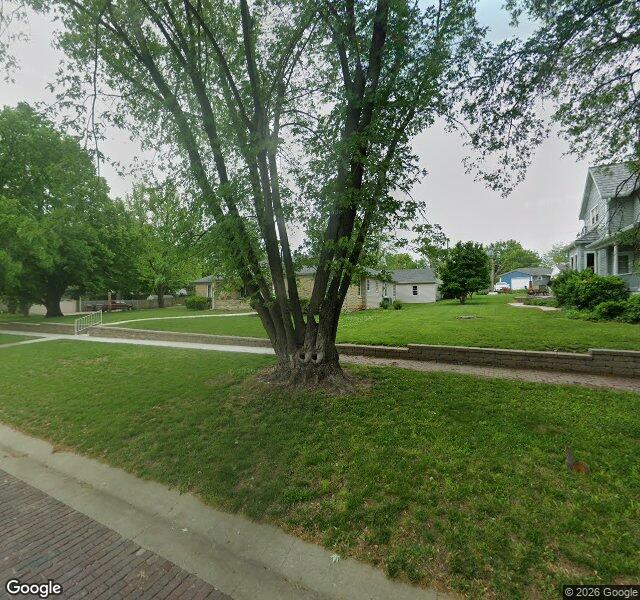
725 Iowa Avenue, Holton, KS 66436View map (opens in a new tab)
Overview and key essentials
State license
Active
KS KDADS
Google reviews
Not available
Public reviews not linked
Size & payment
Ask directly
Confirm pricing & payment
Public records for this community are limited. Use the checklist below when you call or visit to confirm pricing, services, and openings.
Cost, payment & care details
Updated Nov 28, 2026| Monthly cost | Not published | Ask for the full monthly cost, including care fees and one-time charges. |
|---|---|---|
| Payment options | Ask directly | Payment details are not confirmed in our records. Ask about private pay, long-term care insurance, veterans benefits, and Medicaid waivers. |
| Size & availability | Confirm directly | We don't publish live openings. Ask about current availability, waitlist length, and move-in timing. |
| Care & support | Assisted living | Usually offers housing and help with everyday tasks, such as bathing and dressing. What to confirm about care levelsThis describes the licensed category. Ask how care plans adjust if mobility, nursing, or memory needs change over time. Read the family care guide → |
State licensing
State inspection history
15inspections
36deficiencies listed
Sep 17, 2025Routine10 deficiencies reported10
10 deficiencies reported
View official state report (opens in a new tab)
The following represents the findings of a resurvey with attached complaint 187099 at the above named home plus facility conducted on 09/16/25-09/17/25.
moderateS 5251
Documentation of Incidents (f) (11) documentation of all incidents, symptoms, and other indications of illness or injury including the date, time of occurrence, action taken, and results of the action. This REQUIREMENT is not met as evidenced by: KAR 26-42-105(f)(11) The facility reported a census of 11 residents with three residents included in the sample. Based on interview and record review the operator failed to ensure staff provided adequate documentation of symptoms which indicated illness or injury including dates, times, actions taken, and results of the actions when Resident (R) 1 was hospitalized and R3 received new orders. Findings included: - Record review for R1 revealed an admission date of 12/11/23 with a diagnosis of hypertension. The 02/10/25 Functional Capacity Screen (FCS) identified R1 required physical assistance with bathing; was independent with dressing, toileting, transfers, walking/mobility, and eating; was unable to perform management of medications and treatments; was occasionally incontinent of bladder; and had short-term memory, memory/recall, and decision-making impairments. The 02/10/25 Negotiated Service Agreement (NSA) identified facility would provide R1 assistance with bathing; would provide management of medications; would assist if needed with incontinence and would redirect and remind R1 for cognition difficulties. Review of "Nursing Notes" revealed the last note written was on 08/09/25 when R1 was sent to a local emergency room for lethargy. R1's record lacked documentation of when she returned to the facility on 08/14/25, when she was sent back to the hospital on 08/16/25, and when she returned 08/21/25. On 09/17/25 at 11:51 AM Administrative Nurse B confirmed R1 returned to the facility on 08/14/25 and was transferred to the hospital on 08/16/25, returned 08/21/25 and her record lacked documentation of date and time, symptoms of illness or injury, the action taken, and result of the action. - Record review for R3 revealed an admission date of 03/20/25 with a diagnosis of lymphedema. The 03/20/25 Functional Capacity Screen identified R3 required physical assistance with bathing, dressing, toileting, transfers and mobility; was unable to perform management of medications and treatments; was frequently incontinent of bladder; and had impaired decision making. R1 had no cognition difficulties and was able to be understood and understand others with communication. The 03/20/25 NSA for identified facility staff assisted R3 with dressing and undressing, toileting and changing incontinent products, providing management of medications and treatments, and propelling wheelchair for mobility. Two staff assisted with transfers. Review of R3's physician's orders tab in chart revealed on 04/24/25 an order was signed by her provider to place a catheter and start administering meloxicam. Review of "Nursing Notes" dated 04/24/25 at 08:00 AM revealed new orders were received, a catheter was placed, and a urinalysis test sent to the laboratory. The note failed to indicate what symptoms of illness R3 had which warranted a catheter and the start of meloxicam, a pain medication. On 09/17/25 at 11:32 AM Administrative Nurse B stated R3's order to start meloxicam on 04/24/25 was due to her need for more pain control and the catheter was due to perineal breakdown from incontinence. She confirmed the symptoms failed to be documented in the nursing notes. The operator failed to ensure staff provided adequate...
moderateS 5171
Practice (i) All health care services shall be provided to residents by qualified staff in accordance with acceptable standards of practice. This REQUIREMENT is not met as evidenced by: KAR 26-42-204(i) The facility reported a census of 11 residents with three included in the sample. Based on observation, interview, and record review the operator failed to ensure a licensed nurse completed an assessment for the ability to use bed assistive devices without risk of entrapment and to confirm the bed rails were properly installed for Residents (R) 1 and R3. The operator further failed to ensure a licensed nurse followed up on recommendations provided by a licensed pharmacist. Findings included: - Record review for R1 revealed an admission date of 12/11/23 with a diagnosis of hypertension. The 02/10/25 Functional Capacity Screen identified R1 was independent with transfers and mobility. The 02/10/25 Negotiated Service Agreement (NSA) for identified R1 was independent with transfers and mobility. The NSA documented R1 used a bed cane to get out of bed. Review of R1's record revealed a bed rail assessment which documented a bed cane was used for transferring. The assessment lacked documentation of the bed assist device's risk of entrapment and to confirm the bed rails were installed properly. Observation on 09/17/25 at 01:22 PM revealed a bed cane attached to the left side of R1's bed with zone of entrapment greater than 4.75 inches. On 09/17/25 at approximately 11:52 AM Administrative Nurse B confirmed the bed assistive device assessment for R1 failed to include a safety assessment including zone of entrapment and proper installation of device. - Record review for R3 revealed an admission date of 03/20/25 with a diagnosis of lymphedema. The 03/20/25 Functional Capacity Screen identified R3 required physical assistance with transfers and mobility. The 03/20/25 NSA for identified facility staff assisted R3 with transfers and mobility. The NSA failed to list R3's use of a quarter rail. Review of "Resident Roster" provided 09/16/25 by the facility revealed R3 had a bed assist device. Review of R3's record revealed a bed rail assessment which documented a quarter rail was used for repositioning. The assessment lacked documentation of the bed assist device's risk of entrapment and to confirm the bed rails were installed properly. Observation on 09/17/25 at 01:37 PM revealed a quarter rail attached to the left side of R3's bed. On 09/17/25 at approximately 11:52 AM Administrative Nurse B confirmed the bed assistive device assessment for R3 failed to include a safety assessment including zone of entrapment and proper installation of device. - Review of the pharmacy recommendations for 03/10/24, 06/06/24, 09/16/24, 12/07/24, 03/05/24, 06/07/24, and 09/08/25 revealed the licensed pharmacist recommended a diagnosis and start date on each order or medication on the medication administration record (MAR). medications did not have an indication for use or diagnosis and 11 of 24 of the medications did not have a start date. medications failed to include diagnoses and 3 of 4 medications did not have a start date. Review of R3's August MAR 4 of 16 medications medications did not have an indication for use. On 09/17/25 at 01:52 AM Administrative Nurse B confirmed medications on residents' MARs did not all have start dates or diagnoses. On 09/17/25 at 02:04 PM Administrative Staff A confirmed the facility does not have a policy for pharmacy reviews or bed...
moderateS 5105
a) The administrator or operator of each home plus shall ensure the development of a written negotiated service agreement for each resident, based on the resident ' s functional capacity screening, service needs, and preferences, in collaboration with the resident or the resident ' s legal representative, the case manager, and, if agreed to by the resident or the resident ' s legal representative, the resident ' s family. The negotiated service agreement shall provide the following information: (1) A description of the services the resident will receive; (2) identification of the provider of each service; and (3) identification of each party responsible for payment if outside resources provide a service. This REQUIREMENT is not met as evidenced by: KAR 26-42-202(a) The facility reported a census of 11 residents with three included in the sample. Based on interview and record review the operator failed to ensure the Negotiated Service Agreement (NSA) for Residents (R)2 and R3 described the services they received based on their Functional Capacity Screens (FCS), service needs, and preferences. Findings included: - Record review for R2 revealed an admission date of 09/04/25 with a diagnosis of dementia. The 02/10/25 FCS identified R2 required physical assistance with bathing, dressing, toileting, and transfers; supervision with walking/mobility; and was independent with eating; was unable to perform management of medications and treatments; was usually continent of bladder; and had short-term memory, long-term memory, memory/recall, and decision-making difficulties. R2 had a risk of falls and had impaired decision making. The 02/10/25 NSA identified facility would provide R2 assistance with bathing, assistance with process of dressing, assist of one with transfers, supervision and standby with walker for mobility, management of medications, pressure alarm to bed to prevent falls, and to speak loud for hearing. The NSA failed to provide services for cognition. On 09/17/25 at approximately 11:37 AM Administrative Nurse B confirmed R2's NSA did not include services for memory difficulties. The operator failed to ensure the NSA for R2 described the services provided and provider of service based on his FCS. - Record review for R3 revealed an admission date of 03/20/25 with a diagnosis of lymphedema. The 03/20/25 FCS identified R3 required physical assistance with bathing, dressing, toileting, transfers, and mobility; was unable to perform management of medications and treatments; was frequently incontinent of bladder; and had impaired decision making. R3 had no cognition difficulties and was able to be understood and understand others with communication. The 03/20/25 (most recent) NSA for identified facility staff assisted R3 with dressing and undressing, toileting and changing incontinent products, provided management of medications and treatments, and propelled wheelchair for mobility. Two staff assisted with transfers. The NSA failed to indicate R3 self-administered her insulin. The NSA failed to be revised to include services R3 received for catheter care. On 09/17/25 at 01:37 PM while interviewing R3 she stated she injects her insulin, and the staff complete her catheter cares. On 09/17/25 at approximately 11:32 AM Administrative Nurse B confirmed the NSA does not indicate that R3 self-administers her insulin. The operator failed to ensure the NSA for R3 described the services provided based on her service needs and preferences.
moderateS 5315
(h) Storage. Licensed nurses and medication aides shall ensure that all medications and biologicals are securely and properly stored in accordance with each manufacturer ' s recommendations or those of the pharmacy provider and with federal and state laws and regulations. (1) Licensed nurses or medication aides shall store non-controlled medications and biologicals managed by the home in a locked medication room, cabinet, or medication cart. Licensed nurses and medication aides shall store controlled medications managed by the home in separately locked compartments within a locked medication room, cabinet, or medication cart. Only licensed nurses and medication aides shall have access to the stored medications and biologicals. (2) Each resident managing and self-administering medication shall store medications in a place that is accessible only to the resident, licensed nurses, and medication aides. (3) Any resident who self-administers medication and is unable to provide proper storage as recommended by the manufacturer or pharmacy provider may request that the medication be stored by the home. (4) A licensed nurse or medication aide shall not administer medication beyond the manufacturer ' s or pharmacy provider ' s recommended date of expiration. This REQUIREMENT is not met as evidenced by: KAR 26-42-205(h) The facility reported a census of 11 residents. Based on observation and interview the operator failed to ensure that all medications and biologicals are stored in accordance with federal and state laws and regulations. Findings included: - Observation on 09/16/25 at 01:44 PM revealed one four-ounce tube of calmoseptine ointment not labeled with a resident's name in the southeast public bathroom within the bottom drawer of an unlockable plastic drawer set. - Observation on 09/16/25 at 01:54 PM revealed one four-ounce tube of calmoseptine ointment not labeled with a resident's name and one bottle ketoconazole shampoo 2% for R3 in the southwest public bathroom within the bottom fabric drawer of an unlockable cubical. - Observation on 09/16/25 at 04:30 PM revealed one 300-unit Novolin N insulin pen without label affixed by pharmacist with resident's name or an opened date. On 09/16/25 at approximately 04:38 PM Administrative Staff A confirmed the medications were not stored per regulation and could have been used on any resident. The operator failed to ensure that all medications and biologicals are stored in accordance with federal and state laws and regulations.
moderateS 5085
Reassessment (c) Designated staff shall conduct a screening to determine each resident ' s functional capacity according to the following requirements: (1) At least once every 365 days; (2) following any significant change in condition as defined in K.A.R. 26-39-100; and (3) at least quarterly if the resident receives assistance with eating from a paid nutrition assistant. This REQUIREMENT is not met as evidenced by: KAR 26-42-201(c)(2) The facility reported a census of 11 residents with three included in the sample. Based on interview and record review the operator failed to complete a Functional Capacity Screen (FCS) for Resident (R) 1 following a significant change in condition. Finding included: - Record review for R1 revealed an admission date of 12/11/23 with a diagnosis of hypertension. The 02/10/25 Functional Capacity Screen (FCS) identified R1 required physical assistance with bathing; was independent with dressing, toileting, transfers, walking/mobility, and eating; was unable to perform management of medications and treatments; was occasionally incontinent of bladder; and had short-term memory, memory/recall, and decision-making impairments. The 02/10/25 Negotiated Service Agreement (NSA) identified facility would provide R1 assistance with bathing; would provide management of medications; would assist if needed with incontinence and would redirect and remind R1 for cognition difficulties. R1's record lacked evidence of documentation of a significant change FCS or NSA after she returned from the hospital on 08/21/25. On 09/17/25 at 01:22 PM R1 stated staff now helps her with getting dressed and going to the bathroom and this change happened when she was hospitalized in August. On 09/17/25 at 11:51 AM Administrative Nurse B stated R1 returned to the facility on 08/21/25 and needed assistance with activities of daily living and had orders for therapy. She confirmed a new FCS and NSA was not completed with her significant change. The operator failed to ensure an FCS was completed for R1 following a significant change.
moderateS 5258
Records (d) The employee records and agency staff records shall contain the following information: (1) Evidence of licensure, registration, certification, or a certificate of successful completion of a training course for each employee performing a function that requires specialized education or training; (2) supporting documentation for criminal background checks of facility staff and contract staff, excluding any staff licensed or registered by a state agency, pursuant to K.S.A. 39-970 and amendments thereto; (3) supporting documentation from the Kansas nurse aide registry that the individual does not have a finding of having abused, neglected, or exploited a resident in an adult carehome; and (4) supporting documentation that the individual does not have a finding of having abused, neglected, or exploited any resident in an adult care home, from the nurse aide registry in each state in which the individual has been known to work as a certified nurse aide. This REQUIREMENT is not met as evidenced by: KAR 26-42-102(d)(2) The facility reported a census of 11 residents. Based on interview and record review the operator failed to ensure background checks were completed for all certified staff upon hire. Findings included: - Certified Nurse Aide (CNA) F's employee record revealed a hire date of 07/22/24. CNA F's record included a background check completed 11/18/24 and lacked evidence a criminal background check was completed upon hire. On 09/17/25 at 10:54 AM Administrative Staff A confirmed the background check was completed late. The operator failed to ensure background checks were completed for all certified staff upon hire.
moderateS 5265
Assessment (a) Self-administration of medication. Any resident may self-administer and manage medications independently or by using a medication container or syringe prefilled by a licensed nurse or pharmacist or by a family member or friend providing this service gratuitously, if a licensed nurse has performed an assessment and determined that the resident can perform this function safely and accurately without staff assistance. (1) An assessment shall be completed before the resident initially begins self-administration of medication, if the resident experiences a significant change of condition, and annually. This REQUIREMENT is not met as evidenced by: KAR 26-42-205(a)(1) The facility reported a census of 11 residents with three included in the sample. Based on interview and record review the operator failed to ensure an assessment was completed to determine that Resident (R)3 could safely self-administer medications. Findings included: - Record review for R3 revealed an admission date of 03/20/25 with a diagnosis of lymphedema. The 03/20/25 Functional Capacity Screen identified R3 required physical assistance with bathing, dressing, toileting, transfers, and mobility; was unable to perform management of medications and treatments; was frequently incontinent of bladder; and had impaired decision making. R3 had no cognition difficulties and was able to be understood and understand others with communication. The 03/20/25 Negotiated Service Agreement identified facility staff assisted R3 with dressing and undressing, toileting and changing incontinent products, provided management of medications and treatments, and propelling wheelchair for mobility. Two facility staff assisted with transfers. The NSA failed to indicate R3 self-administered her insulin. R3's record lacked evidence of a complete assessment to determine she could safely and accurately administer insulin. On 09/17/25 at 10:52 AM Administrative Staff A confirmed R3 administered her own insulin and her record lacked evidence of documentation a self-administration assessment was completed. The operator failed to ensure an assessment was completed to determine that R3 could safely self-administer insulin.
STATE FORM6899
C0NE11 STATE FORM C0NE11 STATE FORM C0NE11 STATE FORM C0NE11 STATE FORM C0NE11 STATE FORM C0NE11 STATE FORM C0NE11 STATE FORM C0NE11 STATE FORM C0NE11 STATE FORM C0NE11 STATE FORM C0NE11 STATE FORM C0NE11 STATE FORM C0NE11 STATE FORM C0NE11 STATE FORM C0NE11 STATE FORM C0NE11 STATE FORM C0NE11 STATE FORM C0NE11 STATE FORM C0NE11 STATE FORM C0NE11
moderateS 5192
(e) Food shall be prepared using safe methods that conserve the nutritive value, flavor, and appearance and shall be served at the proper temperature. (1) Food used by facility staff to serve to the residents, including donated food, shall meet all applicable federal, state, and local laws and regulations.(2) Food in cans that have significant defects, including swelling, leakage, punctures, holes, fractures, pitted rust, or denting severe enough to prevent normal stacking or opening with a manual, wheel-type can opener, shall not be used. (3) Food provided by a resident ' s family or friends for individual residents shall not be required to meet federal, state, and local laws and regulations. This REQUIREMENT is not met as evidenced by: KAR 26-42-206(e) The facility reported a census of 11 residents. Based on record review and interview the operator failed to ensure food was served at the proper temperature. Findings included: - During initial tour temperature logs were requested. Review of food temperature log provided for 05/28/25 through 09/16/25 revealed the log lacked evidence of documentation staff obtained food temperatures before serving each meal to the residents. days No food temperatures were logged for two meals 42 of 112 days No food temperatures were logged for one meal (breakfast) 54 of 112 days On 09/17/25 at 11:53 AM Certified Nurse Aide confirmed the food temperature log lacked evidence of documentation food was served at proper temperature for each meal and stated the expectation was food temperatures to be taken for all lunch and dinner meals. The facility's undated "Diet Protocol" policy instructed staff to "serve food at the proper temperature." Dietary guidelines for Americans 2005 recommended using a clean thermometer that measured the internal temperature of cooked food to make sure food is cooked to and held at proper temperatures and to keep food out of the "danger zone" (40 degrees Fahrenheit to 140 degrees Fahrenheit) where bacteria can multiply rapidly. The operator failed to ensure food was served at the proper temperature.
moderateS 5195
(f) Staff shall store all food under safe and sanitary conditions. Containers of poisonous compounds and cleaning supplies shall not be stored in the areas used for food storage, preparation, or serving. (g) Each home shall maintain at least a three-day supply of food to meet the requirements of the planned menus. This REQUIREMENT is not met as evidenced by: KAR 26-42-206(f) The facility reported a census of 11 residents. The facility had a main kitchen where food was stored, prepared, and served to all residents. Based on observation and interview the operator failed to ensure foods were stored under safe conditions. Findings included: - Observation on 09/16/25 at 02:06 PM of the kitchen revealed cabinets and two refrigerator and freezer units which contained food items for the residents. The following foods were found: One 6-ounce bag of parmesan cheese undated when opened One 16-ounce container of sour cream undated when opened One pint container of half and half best by date of 09/08/25 One 6.5 ounce can of whipped topping undated when opened One 11 fluid ounce container of creamy chocolate plan protein drink with best by date 07/21/25 One 32 fluid ounce bottle of corn syrup with best by date of 11/18/24 and undated when opened On 09/16/25 at approximately 02:11 PM Certified Medication Aide C confirmed the opened foods were not dated upon opening and the expired foods were past best by date. The facility's undated "Diet Protocol" instructed staff to store foods in covered containers, labeled and dated. The operator failed to ensure foods were stored under safe conditions.
Feb 27, 2024Routine14 deficiencies reported14
14 deficiencies reported
View official state report (opens in a new tab)
The following citations represent the findings of a resurvey with a complaint 185897 and 185985 at the above named Home Plus conducted on 02/27/24.
moderateS 5265
Assessment (a) Self-administration of medication. Any resident may self-administer and manage medications independently or by using a medication container or syringe prefilled by a licensed nurse or pharmacist or by a family member or friend providing this service gratuitously, if a licensed nurse has performed an assessment and determined that the resident can perform this function safely and accurately without staff assistance. (1) An assessment shall be completed before the resident initially begins self-administration of medication, if the resident experiences a significant change of condition, and annually. This REQUIREMENT is not met as evidenced by: KAR 26-42-205(a)(1) The facility reported a census of nine residents. The sample included three residents. Based on interview and record review the operator failed to ensure resident (R)102's medical record contained documentation of a completed medication self-administration assessment for insulin. Findings included: -R102's medical record revealed she moved into the facility on 12/02/22 with a diagnosis of diabetes mellitus. The 01/11/24 "Functional Capacity Screen" (FCS) documented R102 was unable to administer her own medications. The 01/11/24 NSA documented staff administered R102's medications and did not indicate R102 self-injected her insulin after staff prepared it for her. Review of R102's medical records failed to locate a medication self-administration assessment completed for insulin self-injection. On 02/27/24 at 03:38 PM Licensed Nurse (LN) B stated a self-administration assessment was not completed for R102's self-injection of insulin. The operator failed to ensure a medication self-administration assessment was completed for R102's use of insulin.
moderateS 5286
Medications (b) Administration of select medications. Any resident who self-administers medication may select some medications to be administered by a licensed nurse or medication aide. The negotiated service agreement shall reflect this service and identify who is responsible for the administration and management of selected medications. This REQUIREMENT is not met as evidenced by: KAR 26-42-205(b) The facility reported a census of nine residents. Based on interview, and record review the operator failed to ensure the "Negotiated Service Agreement" (NSA) for resident (R)102 identified the responsible person for administration and management of selected medications. Findings included: -R102's medical record revealed she moved into the facility on 12/02/22 with a diagnosis of diabetes mellitus. The 01/11/24 "Functional Capacity Screen" (FCS) documented R102 was unable to administer her own medications. The 01/11/24 NSA documented staff administered R102's medications and did not indicate R102 self-injected her insulin after staff prepared it for her. On 02/27/24 at 03:38 PM Licensed Nurse (LN) B stated R102 self-injected her insulin. LN B stated R102's NSA did not address what services staff provided concerning the preparation of the insulin pen and did not identify R102 self-injected her own insulin. The operator failed to ensure the NSA identified the responsible person for administration and management of R102's insulin.
moderateS 5230
(b)(5) prohibiting any employee with a communicable disease or any infected skin lesions from coming in direct contact with any resident, any resident ' s food, or resident care equipment until the condition is no longer infectious; (6) providing orientation to new employees and employee in-service education at least annually on the control of infections in a health care setting; (c) Each administrator or operator shall ensure the home ' s compliance with the department ' s tuberculosis guidelines for adult care homes adopted by reference in K.A.R. 26-39-105. This REQUIREMENT is not met as evidenced by: KAR 26-42-207(c) The facility reported a census of nine residents. Based on interview and record review of five newly hired employee records, the administrator failed to ensure the facility remained in compliance with the department's tuberculosis (TB) guidelines for adult care homes adopted by reference in KAR 26-39-105 for four of five employees reviewed. Findings included: - Review of newly hired employee records revealed the following: Certified Nurse Aide (CNA) C's employee record revealed a hire date of 05/24/23. The operator failed to ensure a TB Symptom Screening Questionnaire and two-step TB skin test (TST) were completed upon hire. CNA E's employee record revealed a hire date of 12/15/23. The operator failed to ensure a TB Symptom Screening Questionnaire and two-step TST were completed upon hire. Certified Medication Aide (CMA) F's employee record revealed a hire date of 01/09/24. CMA F provided documentation of a one-step TST administered at local hospital on 06/29/23 and read as not positive on 07/01/23. The operator failed to ensure a one-step TST was completed upon hire and failed to ensure a TB Symptom Screening Questionnaire was completed within seven days of employment. CNA G's employee record revealed a hire date of 01/20/24. The operator failed to ensure a TB Symptom Screening Questionnaire and two-step TST were completed upon hire. On 02/27/24 at 12:27 PM Administrative Staff A stated if the employee records did not contain a TB Symptom Screening Questionnaire or a two-step TST then they were not completed. Administrative Staff A acknowledged a one-step TST was not completed for CMA F after providing documentation that a previous TST was completed prior to employment. The June 2013 "Tuberculosis (TB) Guidelines for Adult Care Homes" documented, "Each new ...employee shall have an initial TB symptom screen that includes the components of the TB symptom questionnaire within 7 days of ...employment ...Each new ...employee shall receive a two-step TST or an IGRA for Mycobacterium tuberculosis within 7 days of ...employment ...If a new employee provides satisfactory documentation of receiving a single TST within 6 months prior to employment that read not positive, the employee shall only be required to have a single TST within 7 days of employment." The operator failed to ensure the facility remained in compliance with the department's tuberculosis guidelines for adult care homes adopted by reference in KAR 26-39-105 regarding newly hired employees.
moderateS 5105
a) The administrator or operator of each home plus shall ensure the development of a written negotiated service agreement for each resident, based on the resident ' s functional capacity screening, service needs, and preferences, in collaboration with the resident or the resident ' s legal representative, the case manager, and, if agreed to by the resident or the resident ' s legal representative, the resident ' s family. The negotiated service agreement shall provide the following information: (1) A description of the services the resident will receive; (2) identification of the provider of each service; and (3) identification of each party responsible for payment if outside resources provide a service. This REQUIREMENT is not met as evidenced by: KAR 26-42-202(a)(1) The facility reported a census of nine residents with three residents included in the sample. Based on interview, and record review the operator failed to ensure the "Negotiated Service Agreement" (NSA) was fully developed on what triggered in the "Functional Capacity Screen" (FCS), service needs and preferences for resident (R)101, R102, and R103. Findings included: - R101's medical record revealed he moved into the facility on 10/27/23 with a diagnosis of Alzheimer's dementia. The 10/27/23 FCS identified R101 required staff assistance with transfers, had difficulty with both short-term and long-term memory, memory recall and decision-making. The 10/27/23 NSA did not address R101's use of a bed assist device, did not address what services staff provided concerning his impaired cognition and did not address what services staff provided for the treatment of his pressure wounds. On 02/27/24 at 03:45 PM Licensed Nurse (LN) B stated R101's NSA did not address his cognition, the use of bed rails, and did not address how staff were to treat R102's pressure wounds. The operator failed to ensure R101's NSA was fully developed to include all items that triggered on the FCS, service needs and preferences. - R102's medical record revealed the resident moved into the facility on 12/02/22 with a diagnosis of diabetes mellitus. The 01/11/24 FCS identified R102 had difficulty with both short-term and long-term memory, memory recall and decision-making, had impaired vision, and impaired hearing. The 01/11/24 NSA did not address R102's impaired cognition, impaired vision, and impaired hearing. The NSA did not address R102's self-injection of insulin. On 02/27/24 at 03:38 PM LN B stated R102's NSA did not address all the items that triggered on the FCS and did not address R102's self-injection of insulin. The operator failed to ensure R102's NSA was fully developed to include all items that triggered in the FCS and service needs. -R103's medical record revealed the resident moved into the facility on 12/11/23. The 12/11/23 FCS identified had difficulty with both short-term and long-term memory, memory recall and decision-making and had impaired vision. The 12/11/23 NSA did not address R103's impaired cognition and impaired vision. On 02/27/24 at 03:26 PM LN B stated R103's NSA did not address all that triggered on the FCS. The operator failed to ensure R103's NSA was fully developed to include all items that triggered in the FCS.
with transfers and provided stand byR 103
assistance with walking using her walker. Review of R103's record from admission to 02/27/24 lacked evidence of documentation of any falls, investigations on the root cause of falls, interventions put into place to help prevent future falls. On 02/27/24 at 03:26 PM LN B stated R103 had a fall on 01/18/24 but there was no documentation of this fall in R103's medical record and no fall investigation was completed for this fall. The operator failed to ensure documentation for R103's care was in accordance with accepted professional standards and practices.
STATE FORM6899
ZGWZ11 STATE FORM ZGWZ11 STATE FORM ZGWZ11 STATE FORM ZGWZ11 STATE FORM ZGWZ11 STATE FORM ZGWZ11 STATE FORM ZGWZ11 STATE FORM ZGWZ11 STATE FORM ZGWZ11 STATE FORM ZGWZ11 STATE FORM ZGWZ11 STATE FORM ZGWZ11 STATE FORM ZGWZ11 STATE FORM ZGWZ11 STATE FORM ZGWZ11 STATE FORM ZGWZ11 STATE FORM ZGWZ11 STATE FORM ZGWZ11 STATE FORM ZGWZ11 STATE FORM ZGWZ11 STATE FORM ZGWZ11 STATE FORM ZGWZ11 STATE FORM ZGWZ11
moderateS 5126
(h) Each individual involved in the development of the negotiated service agreement shall sign the agreement. The administrator or operator shall ensure that a copy of the initial agreement and any subsequent revisions are provided to the resident or the resident's legal representative. This REQUIREMENT is not met as evidenced by: KAR 26-42-202(h) The facility reported a census of nine residents with three residents included in the sample. The facility failed to ensure everyone involved in the development of the "Negotiated Service Agreement" (NSA) signed the agreement for resident (R)102. Findings included: - R102 admitted to the facility on 12/02/22. The 01/11/24 Functional Capacity Screen revealed R102 was cognitively impaired. The 01/11/24 NSA did not include the signature of her legal representative. On 02/27/24 at 03:38 PM Licensed Nurse (LN) B acknowledged R102's current NSA was not signed by R102's representative. The operator failed to ensure the NSA was signed by the resident's legal representative.
moderateS 5258
Records (d) The employee records and agency staff records shall contain the following information: (1) Evidence of licensure, registration, certification, or a certificate of successful completion of a training course for each employee performing a function that requires specialized education or training; (2) supporting documentation for criminal background checks of facility staff and contract staff, excluding any staff licensed or registered by a state agency, pursuant to K.S.A. 39-970 and amendments thereto; (3) supporting documentation from the Kansas nurse aide registry that the individual does not have a finding of having abused, neglected, or exploited a resident in an adult carehome; and (4) supporting documentation that the individual does not have a finding of having abused, neglected, or exploited any resident in an adult care home, from the nurse aide registry in each state in which the individual has been known to work as a certified nurse aide. This REQUIREMENT is not met as evidenced by: KAR 26-42-102(d)(2) The facility reported a census of nine residents. Based on interview and record review, the operator failed to ensure four of five newly hired employees records included evidence of timely verification with the Kansas nurse aide registry was completed. The operator also failed to ensure Certified Medication Aide (CMA) staff maintained current certification. Findings included: - Review of employee files conducted on 02/27/24 revealed the following: Certified Nurse Aide (CNA) D hired on 05/20/23. The "Nurse Aide Registry Confirmation Notice" had a date of 06/01/23 which was completed 12 days after the date of hire. CNA E hired on 12/15/23. The "Nurse Aide Registry Confirmation Notice" had a date of 12/19/23 which was completed four days after the date of hire. CMA F hired on 01/09/24. The "Nurse Aide Registry Confirmation Notice" had a date of 01/22/24 which was completed 13 days after the date of hire. CNA G hired on 01/20/24. The "Nurse Aide Registry Confirmation Notice" had a date of 01/22/24 which was completed two days after the date of hire. On 02/27/24 at 12:27 PM Administrative Staff A acknowledged the Kansas nurse aide registry checks for newly hired employees were not completed prior to or the day of hire. The operator failed to ensure Kansas nurse aide registry checks of newly hired staff were completed prior to staff employment. - Review of the employee file conducted for CMA H revealed she was hired on 08/03/22. Review of the Kansas nurse aide registry revealed CMA H's CMA licensed expired on 10/12/23. On 02/27/24 at 12:30 PM Administrative Staff A stated she was anonymously notified in late January 2024 that CMA H had been working with an expired license. Administrative Staff A stated she did not have a process in place to ensure staff maintained current certification but had been leaving it up to the employees to make sure their certifications were kept up to date. The operator failed to ensure CMA staff maintained current certification.
moderateS 5312
(g) (2) Each prescription medication container shall have a label that was provided by a dispensing pharmacist or affixed to the container by a dispensing pharmacist in accordance with K.A.R. 68-7-14. This REQUIREMENT is not met as evidenced by: KAR 26-42-205 (g)(2) The facility reported a census of nine residents. Based on observation and interview the operator failed to ensure each prescription medication container had a label provided by a dispensing pharmacist affixed to the container. Findings included: - On 02/27/24 at 10:09 AM revealed the facility's medication closet contained the following prescription medication containers stored in the original packaging and not labeled with a resident's full name: Resident (R)104: Two tubes of Nystatin 100,000 units ointment R105: One tube of Neomycin and Polymyxin B Ophthalmic Ointment One inhaler of Ventolin HFA R106: One container of Latanoprost Ophthalmic Solution One inhaler of Ventolin HFA R103: One package of Fluticasone Propionate nose spray On 02/27/24 a policy was requested for medication storage and labeling but the facility did not provide one. The operator failed to ensure each prescription medication container had a label provided by a dispensing pharmacist affixed to the container.
moderateS 5300
Medications (d) Home administration of resident ' s medications. If a home is responsible for the administration of a resident ' s medications, the administrator or operator shall ensure that all medications and biologicals are administered to that resident in accordance with a medical care provider ' s written order, professional standards of practice, and each manufacturer ' s recommendations. The administrator or operator shall ensure that all of the following are met: (1) Only licensed nurses and medication aides shall administer and manage medications for which the home has responsibility. (2) Medication aides shall not administer medication through the parenteral route. This REQUIREMENT is not met as evidenced by: KAR 26-42-205(d) The facility reported a census of nine residents. Based on interview and record review, the operator failed to ensure that all medications were administered within professional standards of practice. The Certified Medication Aide (CMA) pre-popped medications into medication cups for administration to residents at a future time and failed to follow professional standards of practice designed to safeguard each resident. Findings included: On 02/28/24 at 10:20 AM observation of multiple clear plastic medication cups labeled with resident names on them and had medications that were pre-popped into the cups. On 02/27/24 at 10:21 AM CMA I stated it was her normal practice to pre-pop medications into medication cups to administer later. The February 2011 Kansas Certified Medication Curriculum page 165 documented, "All medications must be identified to point of administration. For medications removed from a package or container with the prescription label, a medication card must be used which contains the resident's name, the name of the medication, the route of administration, special instructions for administration and time of administration. This card must be checked against the MAR before administering the medication to a resident." The operator failed to ensure staff followed professional standards of practice designed to safeguard each resident when administering medications.
moderateS 5116
(d) Each administrator or operator shall ensure the review and, if necessary, revision of each negotiated service agreement according to the following requirements: (1) At least once every 365 days;(2) following any significant change in condition, as defined in K.A.R. 26-39-100; (3) at least quarterly if the resident receives assistance with eating from a paid nutrition assistant; and (4) if requested by the resident or the resident ' s legal representative, staff, the case manager, or, if agreed to by the resident or the resident ' s legal representative, the resident ' s family. This REQUIREMENT is not met as evidenced by: KAR 26-42-202(d)(1) The facility reported a census of nine residents with three residents included in the sample. Based on interview, and record review the operator failed to ensure the "Negotiated Service Agreement" (NSA) was review and revised as needed at least once every 365 days for resident (R)102. Findings included: - R102's medical record revealed she moved into the facility on 12/02/22. R102's Admission NSA was completed on 12/02/22. R102's Annual NSA was completed on 01/11/24 which was 40 days past due. On 02/27/24 at 03:38 PM Licensed Nurse B stated R102's NSA was not reviewed and revised as needed once every 365 days. The operator failed to ensure designated staff revised R102's NSA at least once every 365 days.
moderateS 5192
(e) Food shall be prepared using safe methods that conserve the nutritive value, flavor, and appearance and shall be served at the proper temperature. (1) Food used by facility staff to serve to the residents, including donated food, shall meet all applicable federal, state, and local laws and regulations.(2) Food in cans that have significant defects, including swelling, leakage, punctures, holes, fractures, pitted rust, or denting severe enough to prevent normal stacking or opening with a manual, wheel-type can opener, shall not be used. (3) Food provided by a resident ' s family or friends for individual residents shall not be required to meet federal, state, and local laws and regulations. This REQUIREMENT is not met as evidenced by: KAR 26-42-206 (e) The facility had a census of nine residents. All nine residents ate food prepared in the same kitchen. The operator failed to ensure food items were served at the proper temperature. Findings included: - On 02/27/24 at approximately 10:39 AM an observation of the kitchen revealed food temperature logs were not completed for each meal daily. Review of the "Food Temp Log" for the month of February 2024 revealed missing documentation of food temperatures being logged by facility staff on the following dates: 02/02/24, 02/07/24, 02/08/24, 02/10/24, 02/11/24, 02/12/24, 02/14/24, 02/15/24, 02/16/24, 02/18/24, 02/19/24, 02/21/24, 02/23/24, 02/26/24, and 02/27/24. According to the Kansas Department of Agriculture "Focus on Food Safety" revised August 2017, hot foods must be maintained at an internal temperature of 135 Fahrenheit (F) or higher and cold foods must be maintained at an internal temperature of 41 F or below. The operator failed to ensure food items were served at the proper temperature.
moderateS 5251
Documentation of Incidents (f) (11) documentation of all incidents, symptoms, and other indications of illness or injury including the date, time of occurrence, action taken, and results of the action. This REQUIREMENT is not met as evidenced by: KAR 26-42-105(f)(11) The facility reported a census of nine residents. The sample included three residents. Based on record review and interview the operator failed to ensure documentation on residents in accordance with accepted professional standards and practices including all incidents, symptoms, and other indications of illness or injury including the date, time of occurrence, action taken and results of the action for resident (R)101 and R103. Findings included: - Review of R101's medical record revealed he was admitted to the facility on 10/27/23 with a diagnosis of Alzheimer's Dementia. The 10/27/23 "Functional Capacity Screen" (FCS) documented R101 required staff assistance with transfers and was unable to ambulate or mobilize. The 10/27/23 "Negotiated Service Agreement" (NSA) documented staff provided assistance of two staff with transfers and did not ambulate. Review of R101's record from admission to 02/27/24 lacked evidence of documentation of skin monitoring and interventions to prevent pressure wounds by licensed facility staff prior to pressure wounds and lacked evidence of documentation of the pressure wounds after they developed, including wound sizes (length, width, and depth), odor, tissue characteristics (including drainage, granulation) and any signs of infection. The 12/12/23 "Outside Resource Form" completed by hospice staff documented, the facility report open area to tailbone. They report they have applied dressing to the area and are leaving patient in bed (turning) side to side. Review of hospice documentation lacked evidence of documentation of skin monitoring and interventions to prevent pressure wounds and lacked evidence of documentation of the pressure wounds after they developed, including wound sizes (length, width, and depth), odor, tissue characteristics (including drainage, granulation) and any signs of infection. On 02/27/24 at 03:20 PM R101 was found lying in bed in a fetal-like contracted position. R101 wore a disposable brief, seemed to be clean with no signs of incontinence, had dressings applied to both hips, a positioning wedge was stored in the corner of his room. The bed seemed to have a normal mattress and bilateral bed rails proper attached and within FDA guidelines. On 02/27/24 at 03:12 PM Certified Nurse Aide (CNA) C stated R101 had been bed bound for several months and received hospice services. CNA C stated the resident had pressure wounds on both hips and his tail bone. CNA C stated staff tried to keep R101's bottom offloaded and repositioned him about every hour or so. CNA C stated he thought R101's bed had a regular mattress and used a positional wedge to help offload his weight. On 02/27/24 at 03:45 PM Licensed Nurse (LN) B stated R101 had been on hospice since being admitted to the facility and his condition had since declined. LN B stated depending on the day R101 would not eat much and staff attempted to fed him and provided drinks. LN B stated R101 was not able to reposition himself so staff repositioned him every one to two hours when they checked on him. LN B stated R101 had three pressure wounds, one on each hip and one on his sacrum/coccyx area and stated R101 developed the pressure wounds after he was admitted to the...
moderateS 5085
Reassessment (c) Designated staff shall conduct a screening to determine each resident ' s functional capacity according to the following requirements: (1) At least once every 365 days; (2) following any significant change in condition as defined in K.A.R. 26-39-100; and (3) at least quarterly if the resident receives assistance with eating from a paid nutrition assistant. This REQUIREMENT is not met as evidenced by: KAR 26-42-201(c)(1) The facility reported a census of nine residents. The sample included three residents. Based on interview, and record review the operator failed to ensure designated staff completed a "Functional Capacity Screen" (FCS) for resident (R)102 at least once every 365 days. Findings included: - R102's medical record revealed she moved into the facility on 12/02/22. R102's Admission FCS was completed on 12/02/22. R102's Annual FCS was completed on 01/11/24 which was 40 days past due. On 02/27/24 at 03:38 PM Licensed Nurse B stated R102's FCS was not reviewed and revised as needed once every 365 days. The operator failed to ensure designated staff revised R102's FCS at least once every 365 days.
Feb 27, 2024RoutineNo deficiencies reportedNone
Feb 13, 2023Routine12 deficiencies reported12
12 deficiencies reported
View official state report (opens in a new tab)
The following citations represent the findings of a resurvey with a complaint (#171191) at the above named home plus facility conducted on 02/13/23.
moderateS 5105
a) The administrator or operator of each home plus shall ensure the development of a written negotiated service agreement for each resident, based on the resident ' s functional capacity screening, service needs, and preferences, in collaboration with the resident or the resident ' s legal representative, the case manager, and, if agreed to by the resident or the resident ' s legal representative, the resident ' s family. The negotiated service agreement shall provide the following information: (1) A description of the services the resident will receive; (2) identification of the provider of each service; and (3) identification of each party responsible for payment if outside resources provide a service. This REQUIREMENT is not met as evidenced by: KAR 26-42-202 (a) (2) (3) The facility reported a census of 8 residents. The sample included 3 residents. Based on record review, observation and interview for 2 sampled residents (R)1 and R2, Operator/Certified Medication Aide (CMA) A failed to ensure the Negotiated Service Agreement (NSA) completed for residents who required health care services identified a description of the services the resident received, identified the provider of each service and identified each party responsible for payment if outside resources provided a service. Findings included: - The "Resident Roster" obtained on 02/13/23 identified two residents as having an outside provider and two residents as having a bed assistive device. Record review for R1 revealed she admitted to the facility on 12/09/22 with diagnoses of atrial fibrillation, diastolic dysfunction and right lower lobe pneumonia. Review of resident's current "Functional Capacity Screen" (FCS) dated 12/09/22 recorded the resident as independent with eating, physical assistance required for bathing, dressing, toileting, transfer, walk/ mobility, was unable to manage her medications and treatments and was at risk for falls. Review of resident's NSA dated 12/09/22 recorded facility staff assisted R1 with bathing, dressing, toileting, transfer of one to two person assist, walk/mobility and administered medications and treatments. The NSA identified a walker used for mobility. NSA lacked identification of oxygen services, agency providing oxygen services and party responsible for payment of oxygen services. Observation on 02/13/23 at 02:41 PM revealed R1 sitting in recliner in common area of facility. Oxygen concentrator observed near resident and oxygen tubing observed in R1's lap. R1 stated she used oxygen when needed. Interview on 02/13/23 at 01:44 PM with Operator/CMA and Licensed Nurse (LN) B confirmed R1's current NSA lacked a description, agency name and party responsible for payment for oxygen services. - Record review for R2 revealed she admitted to the facility on 12/30/22 with diagnoses of asthenia, falls, hyponatremia and subdural hematoma. R2's current "Functional Capacity Screen" (FCS) dated 12/30/22 recorded the resident as independent with eating, required physical assistance with bathing, dressing, toileting, transfers, walk/mobility and was unable to manage medications and treatments. The FCS recorded R2 had impaired short-term and long-term memory, memory/recall impaired and impaired decision-making skills. R2 was at risk for falls. The resident's NSA dated 12/30/22 recorded facility staff assisted R2 with bathing, dressing, toileting, transfer of one to two person assist, walk/mobility and administered medications and treatments. The NSA...
until 11/29/22. No documentation related to2022
skin issues documented in November 2022. Review of R4's "Nursing Notes" revealed no documentation on 01/22/23 related to R4 expiring. Interview on 02/13/23 at 04:10 PM with Operator/CMA and Licensed Nurse (LN) B confirmed no "Nursing Notes" recorded on the following dates: 04/08/22 related to R4's reported fall and ace wrap placed, 08/29/22 related to
moderateS 5126
(h) Each individual involved in the development of the negotiated service agreement shall sign the agreement. The administrator or operator shall ensure that a copy of the initial agreement and any subsequent revisions are provided to the resident or the resident's legal representative. This REQUIREMENT is not met as evidenced by: KAR 26-42-202 (h) The census equaled 8 residents. The sample included 3 residents. Based on record review and interview for 1 sampled resident (R)1, Operator/Certified Medication Aide (CMA) A failed to ensure each individual involved in the development of the negotiated service agreement (NSA) signed the agreement. Findings included: - Record review for R1 revealed an admission date of 12/09/22 with diagnoses of atrial fibrillation, diastolic dysfunction and right lower lobe pneumonia. Review of resident's current "Functional Capacity Screen" (FCS) dated 12/09/22 recorded the resident as independent with eating, physical assistance required for bathing, dressing, toileting, transfer, walk/ mobility, was unable to manage her medications and treatments and was at risk for falls. Review of resident's current NSA dated 12/09/22 recorded facility staff assisted R1 with bathing, dressing, toileting, transfer of one to two person assist, walk/mobility and administered medications and treatments. The NSA identified a walker used for mobility. The NSA lacked identification of oxygen services, agency providing oxygen services and party responsible for payment of oxygen services. NSA lacked signatures of the individuals involved in the development of the agreement including R1, Operator/CMA A and Licensed Nurse (LN) B. Interview on 02/13/23 at 01:44 PM with Operator/CMA A confirmed R1's current NSA dated 12/09/22 lacked signatures including R1, Operator/CMA A and Licensed Nurse (LN) B. Operator/CMA A failed to ensure each individual involved in the development of the NSA signed the agreement.
STATE FORM6899
VR3C11 STATE FORM VR3C11 STATE FORM VR3C11 STATE FORM VR3C11 STATE FORM VR3C11 STATE FORM VR3C11 STATE FORM VR3C11 STATE FORM VR3C11 STATE FORM VR3C11 STATE FORM VR3C11 STATE FORM VR3C11 STATE FORM VR3C11 STATE FORM VR3C11 STATE FORM VR3C11 STATE FORM VR3C11 STATE FORM VR3C11 STATE FORM VR3C11 STATE FORM VR3C11 STATE FORM VR3C11 STATE FORM VR3C11 STATE FORM VR3C11 STATE FORM VR3C11
moderateS 5171
Practice (i) All health care services shall be provided to residents by qualified staff in accordance with acceptable standards of practice. This REQUIREMENT is not met as evidenced by: KAR 26-42-204 (i) The census totaled 8 residents. The sample included 3 residents. Based on observation, interview and record review, Operator/ Certified Medication Aide (CMA) A failed to ensure a licensed nurse provided or coordinated the provision of necessary health care services in accordance with acceptable standards of practice for the use of bed assistive devices, which met the needs of 1 of 3 sampled residents (R)2. Findings included: - The "Resident Roster" obtained on 02/13/23 identified two residents as having a bed assistive device. Record review for R2 revealed she admitted to the facility on 12/30/22 with diagnoses of asthenia, falls, hyponatremia and subdural hematoma. R2's current "Functional Capacity Screen" (FCS) dated 12/30/22 recorded the resident as independent with eating, required physical assistance with bathing, dressing, toileting, transfers, walk/mobility and was unable to manage medications and treatments. The FCS recorded R2 had impaired short-term and long-term memory, memory/recall impaired and impaired decision-making skills. R2 was at risk for falls. The resident's "Negotiated Service Agreement (NSA) dated 12/30/22 recorded staff assisted R2 with bathing, dressing, toileting, transfer of one to two person assist, walk/mobility and administered medications and treatments. The NSA identified a walker used for mobility. The NSA identified R2 as confused at times. The NSA failed to identify the use of a bed assistive device. Record review lacked any assessment of the resident to confirm the device was not a restraint, an assessment of the resident to determine the purpose of the bedrail/assistive device and the resident's ability to safely use the device, an assessment of the bedrail/assistive device to ensure the device was securely attached to the bed or bedframe and posed no risk for entrapment. Observation on 02/13/23 at 02:35 PM with Licensed Nurse (LN) B of R2's room revealed a bed assist device to the right side of the bed. The bed assist device was not secured to the bed. Interview on 02/13/23 at 02:04 PM with LN B confirmed no safety checks or bed assistive device assessments completed on R2. Interview on 02/13/23 at 02:34 PM with R2 stated she used the bed assist device. The FDA (food and drug administration) Hospital Bed System Dimensional and Assessment Guidance to Reduce Entrapment dated 3/10/06 listed 4 zones of greatest concern with specific measurements to reduce the risk of entrapment as follows: Zone 1 within the rail should measure less than 4 and 3/4 inches Zone 2 under the rail, between the rail supports or next to a single rail support should measure less than 4 and ¾ inches Zone 3 between the rail and the mattress should measure less than 4 and 3/4 inches Zone 4 under the rail at the ends of the rail should measure less than 2 and 3/8 inches. Operator/CMA A failed to ensure a licensed nurse provided or coordinated the provision of necessary health care services in accordance with acceptable standards of practice which met the needs of R2 regarding use of a bed assistive device.
medication administration record (MAR) for2023
R7, which revealed Gabapentin 300 milligrams three times daily scheduled at 08:00 AM, 02:00 PM and 08:00 PM. Interview on 02/13/23 at 01:27 PM with CMA C confirmed she left medication in R7's rooms without observing ingestion due to knowing R7 will take them. Interview on 02/13/23 with Operator/CMA A confirmed facility staff are to stay with residents and observe until medications are ingested. The facility failed to provide a policy on medication administration. The facility failed to ensure a licensed nurse or medication aide remained with residents until their medications were ingested.
moderateS 5300
Medications (d) Home administration of resident ' s medications. If a home is responsible for the administration of a resident ' s medications, the administrator or operator shall ensure that all medications and biologicals are administered to that resident in accordance with a medical care provider ' s written order, professional standards of practice, and each manufacturer ' s recommendations. The administrator or operator shall ensure that all of the following are met: (1) Only licensed nurses and medication aides shall administer and manage medications for which the home has responsibility. (2) Medication aides shall not administer medication through the parenteral route. This REQUIREMENT is not met as evidenced by: KAR 26-42-205 (d) The census equaled 8 residents. The sample included 3 residents. Based on record review and interview for 1 Resident (R)2, Operator/Certified Medication Aide (CMA) A failed to ensure all medications and treatments were administered in accordance with professional standards of practice. Findings included - Record review for R2 revealed she admitted to the facility on 12/30/22 with diagnoses of asthenia, falls, hyponatremia and subdural hematoma. R2's current "Functional Capacity Screen" (FCS) dated 12/30/22 recorded the resident recorded the resident was unable to perform management of medications and treatments. The resident's "Negotiated Service Agreement (NSA) dated 12/30/22 recorded staff administered medications and treatments. Current February 2023 medication administration record (MAR) recorded, "Sodium Bicarbonate (tums) take ½ tablet (325 milligrams) PO (by mouth) BID (two times a day) dissolve in small amount of fluid" and "Multivitamin 1 tablet PO daily." Both medications signed with circled staff initials once daily from 02/01/23 to 02/13/23. "Physician Order Sheet" dated 02/01/23 recorded, "Sodium Bicarbonate take ½ tablet (325 milligrams) PO BID dissolve in small amount of fluid" and "Multivitamin 1 tablet PO daily." Orders signed by Licensed Nurse (LN) B on 01/31/23 and by nurse practitioner on 02/09/23. Interview on 02/13/23 at 01:54 PM with LN B confirmed Sodium Bicarbonate and Multivitamin were both ordered 02/01/23 and further confirmed neither medication was administered from 02/01/23 to present 02/13/23. LN B confirmed circled staff initials on the February MAR indicated medication not administered due to not being available. LN B stated the facility did not have Sodium Bicarbonate or Multivitamin in house for R2. Operator/CMA A failed to ensure all medications and treatments were administered in accordance with professional standards of practice.
moderateS 5301
Medications (d) (3) A licensed nurse or medication aide shall perform the following: (A) Administer only the medication that the licensed nurse or medication aide has personally prepared; (B) identify the resident before medication is administered; (C) remain with the resident until the medication is ingested or applied; and (D) document the administration of each resident ' s medication in the resident ' s medication administration record immediately before or following completion of the task. If the medication administration record identifies only time intervals or events for the administration of medication, the licensed nurse or medication aide shall document the actual clock time the medication is administered. This REQUIREMENT is not met as evidenced by: KAR 26-42-205 (d) (3) (C) The census totaled 8 residents. The sample included 3 residents. Based on observations, interview, and record review for 1 non- sampled resident (R)7, the facility failed to ensure a licensed nurse or medication aide remained with R7 until their/her medications were ingested. Findings included: - Review of the Resident (R) roster revealed 8 of 8 residents had all medications administered by facility staff, which included licensed nurses and/or certified medication aides. Review of R7's medical record revealed she moved into the facility on 12/02/22 with diagnoses of asthenia and gastrointestinal hemorrhage. Review of the resident's "Functional Capacity Screen" dated 12/02/22 revealed the resident was unable to manage her medications and treatments. Review of the resident's "Negotiated Service Agreement" (NSA) dated 12/02/22 recorded facility staff administered R7's medications. Observations on 02/13/23 at 01:22 PM revealed Certified Medication Aide (CMA) C enter R7's room with a clear medication cup in hand, which was prepared at the medication closet. CMA C observed exiting R7's room. The medication cup observed on table next to R7, who was sitting in chair. R7 stated the medication cup contained Gabapentin (nerve pain medication). CMA C not in R7's room when medication ingested. Observation on 02/13/23 revealed the February
moderateS 5251
Documentation of Incidents (f) (11) documentation of all incidents, symptoms, and other indications of illness or injury including the date, time of occurrence, action taken, and results of the action. This REQUIREMENT is not met as evidenced by: KAR 26-42-105 (f) (11) The census totaled 8 residents. The sample included 3 residents and 2 closed record review residents. Based on record review and interview for 2 of 2 closed record review residents (R)4 and R5, Operator/ Certified Medication Aide (CMA) A failed to ensure documentation of all incidents, and indications of illness or injury including date, time of occurrence, action taken and results of the action. Findings included: - Record review for R4 revealed she admitted on 10/11/21 with diagnoses of hypertension, gout, diabetes mellitus and end stage kidney disease. R4's "Functional Capacity Screen" (FCS) dated 10/11/21 recorded the resident as independent with toileting, transfer, walk/mobility and eating, required physical assist with bathing and dressing, was unable to perform management of medications and treatment and was usually continent. The FCS recorded R4 as having no impaired cognition, understandable and understood. The resident's "Negotiated Service Agreement" (NSA) 10/11/21 recorded staff assisted R4 with bathing, dressing and toileting, assistance with eating as needed, R4 was independent with transfers and ambulated with a walker with standby assist from staff. The NSA recorded facility staff provided all medications. The NSA identified R4 as confused at times, recent falls at home prior to admission, and utilized a personal alarm and oxygen per nasal canula at all times. The NSA identified hospice service as the outside resource utilized by R4. Per documents labeled "Outside Resource Form" dated 04/08/22 by hospice recorded, " ...patient has ace wrap to left arm. Patient reports having a fall 04/07/22 and her arm is hurting so they put an ace wrap on. Patient reports getting dizzy ..." Review of R4's "Nursing Notes" revealed no documentation on 04/07/22 or 04/08/22 related to the reported fall or ace wrap placed on left arm. Per documents labeled "Outside Resource Form" dated 04/11/22 by hospice recorded, " ...Staff to try to crush pills as patient is not wanting to swallow pills. May talk with family about getting these stopped if this continues ..." Review of R4's "Nursing Notes" revealed no documentation on 04/11/22 related to crushing medications. Review of R4's April 2022 "Medication Administration Record" (MAR) revealed no indication daily medications were being crushed by facility staff. Per documents labeled "Outside Resource Form" dated 08/29/22 by hospice recorded, " ...Staff had no report of fall but client herself states she fell trying to get up yesterday evening before supper- wheelchair not locked. Didn't call for any help and got self up ..." Review of R4's "Nursing Notes" revealed no documentation on 08/28/22 or 08/29/22 related to reported fall. Per documents labeled "Outside Resource Form" dated 09/02/22 by hospice recorded, " ...Patient has no complaints other than her lower back and hip and she now has a bruise on her left hip from her fall this past week ..." Review of R4's "Nursing Notes" revealed no documentation on 09/02/22 related to bruising or pain from past fall. Per documents labeled "Outside Resource Form" dated 10/03/22 by hospice recorded, " ...she describes fall she had last evening when missed commode and fell to floor. Hadn't...
moderateS 5230
(b)(5) prohibiting any employee with a communicable disease or any infected skin lesions from coming in direct contact with any resident, any resident ' s food, or resident care equipment until the condition is no longer infectious; (6) providing orientation to new employees and employee in-service education at least annually on the control of infections in a health care setting; (c) Each administrator or operator shall ensure the home ' s compliance with the department ' s tuberculosis guidelines for adult care homes adopted by reference in K.A.R. 26-39-105. This REQUIREMENT is not met as evidenced by: KAR 26-42-207 (c) The census totaled 8 residents. The sample included 3 residents and review of 5 newly hired employees. Based on record review and interview for 2 Staff (Certified Medication Aide (CMA) D and Certified Nurse Aide (CNA) E), the facility failed to ensure compliance with the State Agency's tuberculosis (TB) guidelines. Findings included: - CMA D's "Employee Record" revealed a hire date of 08/03/22. CMA D's record lacked evidence of completion of a TB questionnaire upon hire. CNA E's "Employee Record" revealed a hire date of 08/09/21. CNA E's record lacked evidence of TB testing upon hire. CNA E's record lacked evidence of a TB questionnaire completed upon hire. Interview on 02/13/23 at 02:16 PM with Operator/CMA A confirmed no TB questionnaire located upon hire for CMA D and further confirmed TB testing and a TB questionnaire upon hire located for CNA E. The facility failed to provide a policy on tuberculosis. The facility failed to follow the State Agency's tuberculosis guidelines for adult care homes adopted by reference in K.A.R. 26-39-105, which had the potential to affect all residents
moderateS 5313
(g) (3) A licensed nurse or medication aide may accept over-the-counter medication only in its original, unbroken manufacturer ' s package. A licensed pharmacist or licensed nurse shall place the full name of the resident on the package. If the original manufacturer ' s package of an over-the-counter medication contains a medication in a container, bottle, or tube that can be removed from the original package, the licensed pharmacist or a licensed nurse shall place the full name of the resident on both the original manufacturer ' s medication package and the medication container. This REQUIREMENT is not met as evidenced by: KAR 26-42-205 (g) (3) The census totaled 8 residents. The sample included 3 residents. Based on observation and interview for 1 sampled resident (R)1 and 1 non-sampled resident (R)6, Operator/Certified Medication Aide (CMA) A failed to ensure licensed nurses or pharmacists placed the full name of the resident on each package of the resident's over the counter medication. Findings included: - Observation on 02/13/23 during the initial tour with Operator/CMA A revealed a locked medication closet in the facility. The following over the counter medications were noted without first and last names: For R1, the closet contained one bottle of Aspirin (nonsteroidal anti-inflammatory drug), For R6, the closet contained one bottle of Melatonin (supplement) Interview on 02/13/23 with Operator/CMA A confirmed the above listed medication labels lacked first and last names. The facility failed to provide a policy on over the counter medications. Operator/ CMA A failed to ensure licensed nurses or pharmacists placed the full name of residents on each package of the resident's over the counter medication.
moderateS 5215
Preparedness Education (d) Each administrator or operator shall ensure disaster and emergency preparedness by ensuring the performance of the following: (1) Orientation of new employees at the time of employment to the home ' s emergency management plan; (2) education of each resident upon admission to the home regarding emergency procedures; (3) quarterly review of the home ' s emergency management plan with employees and residents; and (4) an emergency drill, which shall be conducted at least annually with staff and residents. This drill shall include evacuation of the residents to a secure location. This REQUIREMENT is not met as evidenced by: KAR 26-42-104 (d) (4) The census equaled 8 residents. The sample included 3 residents and review of 5 employee records. Based on record review and interview, Operator/Certified Medication Aide (CMA) A failed to ensure disaster and emergency preparedness by ensuring the performance of an annual emergency drill with staff and residents to include an evacuation of the residents to a secure location. Findings included: - Review of the facility "Emergency Management Plan" revealed the plan contained procedures to manage potential emergencies and disasters including fire, flood, severe weather, tornado, explosion, natural gas leak, lack of electrical, or water service, and missing residents. Facility failed to perform an annual emergency drill since last survey conducted with all residents and staff that included an evacuation of all residents to a secure location. Interview on 02/13/23 with Operator/ CMA A confirmed unable to locate an annual emergency drill conducted with all residents and staff that included an evacuation of all residents to a secure location. Operator/CMA A failed to ensure disaster and emergency preparedness by the failure to ensure the performance of an annual emergency drill with staff and residents to include an evacuation of the residents to a secure location.
Jul 1, 2021RoutineNo deficiencies reportedNone
Show all 15 inspections
Jul 9, 2020RoutineNo deficiencies reportedNone
Oct 23, 2019RoutineNo deficiencies reportedNone
Aug 26, 2019RoutineNo deficiencies reportedNone
May 17, 2018RoutineNo deficiencies reportedNone
Apr 18, 2018RoutineNo deficiencies reportedNone
Feb 2, 2017RoutineNo deficiencies reportedNone
Jan 4, 2017RoutineNo deficiencies reportedNone
Jan 21, 2016Follow-upNo deficiencies reportedNone
No deficiencies reported
View official state report (opens in a new tab)
the pines of holton revisit 1 21 2016
Aug 18, 2014RoutineNo deficiencies reportedNone
Jan 27, 2014RoutineNo deficiencies reportedNone
Neighborhood & resident support
Emergency access, hazards & advocacy
Nearest hospital
Holton Community Hospital
1.1 mi · Holton, KS
Emergency roomTrauma Level Iv
FEMA hazard risk
Very LowJackson County, KS
- Wildfire
- Ice Storm
- Winter Weather
Free resident advocacy
Kansas Office of the State Long-Term Care Ombudsman
More neighborhood context (specialists, VA, dialysis, air & affordability)
VA & dialysis access
VA Eastern Kansas Healthcare System
30.5 mi · Topeka, KS · VA 4/5 ★
DaVita Topeka Dialysis
28.1 mi · 2/5 ★ · Home dialysis
Environment & mobility
- EPA Walkability
- 5.1/20 (Least Walkable)
- USDA Grocery Access
- Limited Grocery Access
- Primary care access
- HRSA Shortage Area
County demographics
- Age 65+ median income
- $58,889/yr
- Rent-burdened households
- 48%
- Cognitive disability (2023)
- 15.8%
- Mobility disability
- 12.2%
Call & tour checklist
Questions to ask The Pines INC
Check off questions as you call or tour. Your progress stays private in this browser.
Show 3 more suggested questions
Verification & public records
Official records & sources
Licensing & contact
- License #
- B043003
- Status
- active
- Phone
- (785) 364-3314
- Federal OIG LEIE
- Clear (2026-11-27)
Original public sources
Verify licensing, ratings, and inspection reports directly with each official source.
- KS KDADS official record (opens in a new tab)Kansas Dept. for Aging & Disability Services
- Google Maps (opens in a new tab)Directions, photos & neighborhood
- Google Reviews (opens in a new tab)Read public reviews
EveryPlace is an independent research directory. Information is compiled from public Medicare.gov, state licensing, Google Places, and street-level imagery sources. Some summaries, suggested questions, and pricing notes are AI-generated or AI-assisted and may contain errors or omissions. We do not accept payment for placement. Confirm all details directly with the community and official sources. Research Policy.
Keep exploring
Nearby communities to compare
- Cap. 20HUD Senior Housing< 1 miCypress GlenHolton, KS
- Cap. 24HUD Senior Housing< 1 miHomestead Senior Residences HoltonHolton, KS
- Medicare 1/54.0(30)45 bedsMedicaidNursing Home< 1 miHolton Health Care CenterHolton, KS
- Assisted Living< 1 miHomestead of HoltonHolton, KS
- Medicare 3/5Home Health1.9 miHolton Home Health LLCHolton, KS
- Home Health1.9 miHealth Connect Home CareOverland Park, KS