Loading EveryPlace content…
Assisted LivingActive license
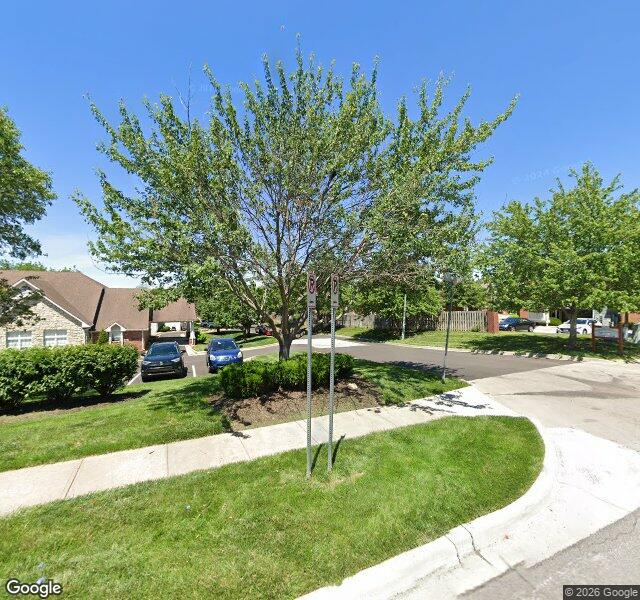
The Homestead of Olathe North
791 N Somerset Terrace, Olathe, KS 66062View map (opens in a new tab)
Overview and key essentials
State license
Active
KS KDADS
Google reviews
Not available
Public reviews not linked
Size & payment
Ask directly
Confirm pricing & payment
Public records for this community are limited. Use the checklist below when you call or visit to confirm pricing, services, and openings.
Cost, payment & care details
Updated Nov 28, 2026| Monthly cost | Not published | Ask for the full monthly cost, including care fees and one-time charges. |
|---|---|---|
| Payment options | Ask directly | Payment details are not confirmed in our records. Ask about private pay, long-term care insurance, veterans benefits, and Medicaid waivers. |
| Size & availability | Confirm directly | We don't publish live openings. Ask about current availability, waitlist length, and move-in timing. |
| Care & support | Assisted living | Usually offers housing and help with everyday tasks, such as bathing and dressing. What to confirm about care levelsThis describes the licensed category. Ask how care plans adjust if mobility, nursing, or memory needs change over time. Read the family care guide → |
State licensing
State inspection history
14inspections
17deficiencies listed
Mar 4, 2026Routine1 deficiency reported1
1 deficiency reported
View official state report (opens in a new tab)
The resurvey with attached complaints 193267, 192974, 192913, 191896, 191175, and 190348 at the above named assisted living facility conducted on 03/04/26 resulted in a finding of no deficiency citations.
STATE FORM6899
3X0Q11
Aug 22, 2024Routine12 deficiencies reported12
12 deficiencies reported
View official state report (opens in a new tab)
The following citations represent the findings of a Re-Licensure Survey with complaint investigations KS00176426, KS185916, KS00188342, KS188515, and KS00189151 conducted at the above named facility on August 19, 20,21 and 22, 2024.
moderateS 135
Changes (h) Notification of changes. (1) The administrator or operator shall ensure that designated facility staff inform the resident, consult with the resident's physician, and notify the resident's legal representative or designated family member, if known, upon occurrence of any of the following: (A) An accident involving the resident that results in injury and has the potential for requiring a physician's intervention; (B) a significant change in the resident's physical, mental, or psychosocial status; (C) a need to alter treatment significantly; or (D) a decision to transfer or discharge the resident from the adult care home. (2) The administrator or operator shall ensure that a designated staff member informs the resident, the resident's legal representative, or authorized family members whenever the designated staff member learns that the resident will have a change in room or roommate assignment. This STANDARD is not met as evidenced by: K.A.R. 26-39-103 (h)(1)(A) The facility reported a census of 32 residents. The sample included three residents and five closed record reviews. Based on record review and interview the executive director failed to ensure designated staff informed the resident's legal representative when the resident started having behaviors and new medication orders related to his behaviors for one (R6) of five closed records. Findings included: - An interview on 08/19/24 at 01:16 PM Administrative Nurse B reported for all residents, the "Functional Capacity Screen" (FCS) and the "Negotiated Service Agreement" (NSA) is one document and included some service plan direction. She reported there is an additional "Service Care Plan" that is more specific. - Review of R6's medical record revealed he moved into the facility on 02/23/20 with diagnoses of dementia and diabetes type II. R6's FCS/NSA dated 04/22/22 identified he needed physical assistance with bathing otherwise he was independent with activities of daily living. He was unable to manage his medications and had impaired cognition. R6's record included a medical provider's note dated 09/12/22 which stated: staff reported the resident had sexually inappropriate behaviors toward staff and other residents. New orders were written for Celexa (antidepressant) and Depakote (anticonvulsant) for sexual obsessions. R6's nursing progress notes dated 09/27/22 included documentation of the new orders but did not include that staff had notified R6's legal representative. Review of R3's record lacked evidence the Licensed nurse notified R6's legal representative when he had a change in condition related to behaviors and the need for new medications related to his behaviors. Interview on 08/21/24 at 04:19 PM Administrative Nurse C acknowledged R6's record did not indicate his legal representative was notified of his behaviors or changes in medications. Administrative Nurse C reported when we get a new order we call or email the resident's legal representative and let them know of any changes. The executive director failed to ensure the licensed nurse notified R6's legal representative when he started to have sexually inappropriate behaviors and had new medications started related to his behaviors.
moderateS 3101
(h) Each individual involved in the development of the negotiated service agreement shall sign the agreement. The administrator or operator shall ensure that a copy of the initial agreement and any subsequent revisions are provided to the resident or the resident's legal representative. This REQUIREMENT is not met as evidenced by: KAR 26-41-202 (h) The facility reported a census of 32 residents (R). The sample included three residents and five closed record reviews. Based on interview and record review for one (R3) of three sampled residents, the executive director failed to ensure that everyone involved in the development of the Negotiated Service Agreement signed the agreement. Findings included: - An interview on 08/19/24 at 01:16 PM Administrative Nurse B reported for all residents, the "Functional Capacity Screen" (FCS) and the "Negotiated Service Agreement" (NSA) is one document and includes some service plan direction. She reported there is an additional "Service Care Plan" that is more specific. - Review of R3's "Electronic Medical Record" revealed he moved into the facility on 03/25/24 with diagnoses of Alzheimer's disease and asthma. R3's FCS/NSA dated 03/25/24 identified he needed supervision with bathing, dressing, toileting, and walking and required physical assistance with management of medications and medical treatments. He also had bladder incontinence, impaired cognition and had a risk or problem with falls. The FCS/NSA had not been signed by R3's legal representative. Review of R3's nursing progress notes included documentation on 04/30/24 that R3's FCS/NSA had been emailed to R3's legal representative for signatures. On 08/22/23 at 10:16 AM Administrative Nurse C reported the FCS/NSA is to be completed on the day of admission and should include signatures of the nurse and the resident's legal representative. The executive director failed to ensure all who participated in the development of R3's FCS/NSA signed it.
moderateS 3215
(h) Storage. Licensed nurses and medication aides shall ensure that all medications and biologicals are securely and properly stored in accordance with each manufacturer ' s recommendations or those of the pharmacy provider and with federal and state laws and regulations. (1) Licensed nurses or medication aides shall store non-controlled medications and biologicals managed by the facility in a locked medication room, cabinet, or medication cart. Licensed nurses and medication aides shall store controlled medications managed by the facility in separately locked compartments within a locked medication room, cabinet, or medication cart. Only licensed nurses and medication aides shall have access to the stored medications and biologicals. (2) Each resident managing and self-administering medication shall store medications in a place that is accessible only to the resident, licensed nurses, and medication aides. (3) Any resident who self-administers medication and is unable to provide proper storage as recommended by the manufacturer or pharmacy provider may request that the medication be stored by the facility. (4) A licensed nurse or medication aide shall not administer medication beyond the manufacturer ' s or pharmacy provider ' s recommended date of expiration. This REQUIREMENT is not met as evidenced by: KAR 26-41-205(h)(1)(4) The facility reported a census of 32 residents. Based on observation and interview, the executive director failed to ensure staff stored medications according to manufacturer's recommendations related to the storage of insulin pens to ensure staff did not administer the medication beyond the manufacturer's recommended date of expiration. Findings included: - Observation on 08/19/24 at 11:28 AM Certified Medication Aide (CMA) E unlocked the medication cart for inspection Observation of the 100/200 medication cart included a FlexPen of Xultophy insulin with 150 units remaining and a FlexPen of Fiasp with approximately 80 units remaining with no date on either pen as to when staff-initiated use. On 08/19/24 at 11:40 AM CMA E confirmed the insulin pens did not have a date they were initiated into use. Observation of the 300/400 hall medication cart included a Novolog FlexPen with 180 units remaining, a Glargine-Yfgn FlexPen with no date initiated on it with approximately 70 units remaining. It also included a Basaglar FlexPen with about 150 units remaining and a Novolog FlexPen with 50 units remaining and no date on either pen as to when it was initiated into use. On 08/19/24 at 01:27 PM Administrative Nurse B acknowledged insulin pens should have a date on them when put into use so that staff will know when they expire. Review of the Fiasp manufacture recommendations revealed to store at room temperature and discard after 28 days in use. Review of the Xultophy manufacturer recommendations revealed to store at room temperature and discard after 21 days in use. Review of the Glargine-Yfgn manufacturer recommendations revealed to store at room temperature and discard after 28 days in use. Review of the Basaglar manufacturer recommendations revealed to store at room temperature and discard after 28 days in use. Review of the Novolog manufacturer recommendations revealed to store at room temperature and discard after 28 days in use. The executive director failed to ensure designated staff wrote the date an insulin pen was first put in use and or date it expired to ensure it was not used past the...
moderateS 3155
. (a) The administrator or operator in each assisted living facility or residential health care facility shall ensure that a licensed nurse provides or coordinates the provision of necessary health care services that meet the needs of each resident and are in accordance with the functional capacity screening and the negotiated service agreement. This REQUIREMENT is not met as evidenced by: KAR 26-41-204(a) The facility reported a census of 32 residents (R). The sample included three residents and five closed record reviews. Based on observation, interview, and record review the executive director failed to ensure a licensed nurse provided or coordinated the provision of necessary health care services to meet the needs of two (R3 and R5) of three sampled residents who had an unplanned weight loss. Findings included: - An interview on 08/19/24 at 01:16 PM Administrative Nurse B reported for all residents, the "Functional Capacity Screen" (FCS) and the "Negotiated Service Agreement" (NSA) is one document and includes some service plan direction. She reported there is an additional "Service Care Plan" that is more specific. - Review of R3's medical record revealed he moved into the facility on 03/25/24 with a diagnosis of Alzheimer's disease and type II diabetes. R3's "Functional Capacity Screen / Negotiated Service Agreement" (FCS/NSA) dated 03/25/24 revealed R3 needed supervision with eating, had impaired cognition and impaired decision-making ability. The FCS/NSA identified the resident had poor cognitive skills and nutritional needs "were met with staff assistance" and he needed reminders to go to meals in the dining room. It also directed staff to break tasks into smaller tasks and that he rarely made decisions. R3's Health Care Service Plan (HCSP) dated 03/25/24 included the same interventions as his FCS/NSA. R3's FCS/NSA and his HCSP lacked any direction for staff related to cueing and or helping R3 when he chooses to eat his meal in his room. R3's record included the following weights which indicated a weight loss of 10.2 pounds for a 5.4 % weight loss since admission to the facility. 04/05/2024 187.6 Lbs. 04/08/2024 187.0 Lbs. 05/16/2024 183.0 Lbs. 06/02/2024 181.0 Lbs. 07/01/2024 180.8 Lbs. 08/01/2024 177.4 Lbs. Review of R3's nursing progress notes lacked any documentation related to the resident having weight loss or the resident refusing to come out to the dining room for evening meals. Observation of room trays gathered during the survey revealed multiple room trays (Styrofoam containers) , including trays from R3's room that had a large amount of food remaining in the Styrofoam tray. During a confidential interview, facility staff M reported R3 often does not come out for supper and staff do not go in and help him eat. Staff M reported a lot of room trays get thrown away that had not even been touched by the resident. Staff M reported R3 needed to come out and see others eating so he knows what to do with the food because if no one helps him in his room the container just sits because he doesn't know what to do with it. During a confidential interview facility staff N reported if a resident does not come out to eat the meal staff take the tray to the resident's room and set it on the table without helping the resident to eat and residents are losing weight because staff do not help them. During a confidential interview facility staff O reported the residents have dementia and some of them need help to eat their meals....
moderateS 3310
(b) (5) prohibiting any employee with a communicable disease or any infected skin lesions from coming in direct contact with any resident, any resident ' s food, or resident care equipment until the condition is no longer infectious; (6) providing orientation to new employees and employee in-service education at least annually on the control of infections in a health care setting; and (c) Each administrator or operator shall ensure the facility ' s compliance with the department ' s tuberculosis guidelines for adult care homes adopted by reference in K.A.R. 26-39-105 This REQUIREMENT is not met as evidenced by: K.A.R 26-41-207(c) The facility reported a census of 32 residents (R). The sample included three residents, five closed record reviews, and five newly hired staff. Based on interview and record review for two (R3 and R4) of three sampled residents and two of five newly hired employee records the operator failed to ensure the facility remained in compliance with the department's tuberculosis (TB) guidelines for adult care homes adopted by reference in K.A.R. 26-39-105. This failure effected all residents who lived in the facility. Findings included: - Review of R3's record revealed he moved into the facility on 03/25/24. The resident's record included two TB skin tests but failed to include the date a licensed nurse read each result. Review of R4's record revealed he moved into the facility on 12/26/23. The resident's record included two TB skin tests but failed to include the date a licensed nurse read each result. Interview on 08/22/24 at 10:25 AM Administrative Nurse C reviewed R3 and R4's records and acknowledged the nurse failed to include the date that she read the TB skin test results. The executive director failed to ensure resident records included all of the required information for accurately completing TB skin testing. - Review of 5 newly hired employees file revealed the following: Certified Medication Aide (CMA) J hired on 02/16/24 did not have a two-step TB skin test completed. Certified Nurse Aide K hired on 07/12/23 had a two-step TB skin test completed on 11/1/23 and 11/15/23, more than seen days after employment. Interview on 08/20/24 at 12:46 PM Executive Director A reported she was having trouble finding CMA J's two-step TB skin test and would continue looking. As of 08/22/24 at 09:00 AM Executive Director A had not provided TB skin testing for CMA J. Review of the "Tuberculosis (TB) Guidelines for Adult Care Homes" June 2013 h new resident and new employee shall have an initial TB symptom screen that includes the components of the Tuberculosis Symptom Screen Questionnaire within seven days of residency or employment. Each new resident and new employee shall receive a two-step TB skin test within seven days of residency or employment unless specific conditions are met. For two of three sampled residents and two of five new employee records, the administrator failed to ensure the facility remained in compliance with the department's tuberculosis guidelines for adult care homes adopted by reference in K.A.R. 26-39-105.
moderateS 3240
(c) If the facility admits residents with dementia, the administrator or operator shall ensure the provision of staff orientation and in-service education on the treatment and appropriate response to persons who exhibit behaviors associated with dementia. This REQUIREMENT is not met as evidenced by: KAR 26-41-103 (c) The facility reported a census of 32 residents and identified all 32 residents had cognitive impairment. Based on interview and record review for five of five newly hired staff, the executive director failed to ensure the provision of staff orientation and in-service education on the treatment and appropriate responses to persons who may exhibit behaviors associated with dementia. Review of five newly hired staff records lacked evidence of orientation and in-service related to dementia. On 08/20/24 at 12:15 PM Executive Director A reported they facility did not have dementia training in their "new-hire orientation" and acknowledged they were supposed to. Executive Director A was unable to provide dementia training for newly hired staff. The executive director failed to ensure the provision of staff orientation and in-service education on the treatment and appropriate responses to residents regarding dementia training.
moderateS 3200
Medications (d) Facility administration of resident ' s medications. If a facility is responsible for the administration of a resident ' s medications, the administrator or operator shall ensure that all medications and biologicals are administered to that resident in accordance with a medical care provider ' s written order, professional standards of practice, and each manufacturer ' s recommendations. The administrator or operator shall ensure that all of the following are met: (1) Only licensed nurses and medication aides shall administer and manage medications for which the facility has responsibility. (2) Medication aides shall not administer medication through the parenteral route. This REQUIREMENT is not met as evidenced by: KAR 26-41-205(d) The facility reported a census of 32 residents (R). The sample included three residents and five closed record reviews. Based on observation, interview, and record review the operator failed to ensure the administration of insulin was done by qualified staff in accordance with standards of practice for one (R3) of three sampled residents related to certified staff potentially piercing the resident's skin while holding an insulin pen up against the resident's skin for the resident to then push the plunger. Findings included: - An interview on 08/19/24 at 01:16 PM Administrative Nurse B reported for all residents, the "Functional Capacity Screen" (FCS) and the "Negotiated Service Agreement" (NSA) is one document and includes some service plan direction. She reported there is an additional "Service Care Plan" that is more specific. - Review of R3's medical record revealed he moved into the facility on 03/25/24 with diagnoses of Alzheimer's disease and type II diabetes. R3's FCS/NSA identified he needed physical assistance of staff to manage his medications and medical treatments. It identified he was able to self-administer his insulin after staff had prepared the insulin pen. Review of R3's self-medication assessment dated 08/21/24 identified "Resident is able to depress plunger on insulin pen with staff assistance to hold the insulin pen with the needle against the skin while providing verbal cues." Observation on 08/20/24 at 09:50 AM Certified Medication Ade (CMA) G went into room to give R3 his medications and insulin. R3 took his pills without any difficulty. CMA G had dialed R3's FIASP insulin to 2 units and explained to R3 he needed some insulin this morning. R3 pulled down the blanket and raised his shirt, CMA G wiped an area on R3's abdomen and went to hand R3 the insulin pen. R3 stated he wasn't going to do it and after a couple of attempts to get R3 to take the pen and self inject, CMA G stated he would have to tell the nurse and she will probably end up giving him his insulin as she usually does. Interview on 08/20/24 at 09:58 AM CMA E reported that when she is passing R3's medications she will usually go back and try again later if he will not do his insulin, especially if the nurse is not here. CMA E reported she normally takes the pen, places it against R3's skin and then he pushes down on the end of the pen (plunger). On 08/20/24 at 11:23 AM Executive Director A stated the facility did not have evidence of delegation/competency for newly hired employees requested and had not completed any delegation/competency since she was hired on 05/20/24. The executive director failed to ensure Certified Medication Aides only prepared the insulin pens for the resident to complete the...
moderateS 3166
(e) A licensed nurse may delegate nursing procedures not included in the nurse aide or medication aide curriculums to nurse aides or medication aides, respectively, under the Kansas nurse practice act, K.S.A. 65-1124 and amendments thereto. This REQUIREMENT is not met as evidenced by: KAR 26-41-204(e) The facility reported a census of 32 residents. Based on interview and record review the administrator failed to ensure two of two newly hired Certified Medication Aides (CMA) were trained by a licensed nurse and delegated the nursing procedure for obtaining blood glucose checks according to the nurse practice act and amendments thereto. Findings included: - Interview on 08/19/24 at 11:28 AM Certified Medication Aide (CMA) E reported CMAs check residents' blood sugars. Review of the current personnel list included four Certified Medication Aides who were hired after Executive Director A was hired on 05/20/24 and included two other newly hired CMAs. On 08/20/24 at 11:23 PM Executive Director A was unable to provide blood sugar delegation for CMA G who had checked R3's blood sugar multiple times in August 2024. Executive Director A reported she knew the facility was supposed to complete competencies but as far as she knew none had been completed since she had been employed on 05/20/24. Interview on 08/20/24 at 11:53 AM Administrative Nurse C reported she had not completed delegation/competency for blood sugar checks since she was hired on 07/22/24. The executive director failed to ensure a Licensed Nurse delegated the nursing procedure of checking a resident's blood sugar, for five newly hired CMAs.
moderateS 3211
DRUGS (3) A licensed nurse or medication aide may accept over-the-counter medication only in its original, unbroken manufacturer ' s package. A licensed pharmacist or licensed nurse shall place the full name of the resident on the package. If the original manufacturer ' s package of an over-the-counter medication contains a medication in a container, bottle, or tube that can be removed from the original package, the licensed pharmacist or a licensed nurse shall place the full name of the resident on both the original manufacturer ' s medication package and the medication container. This REQUIREMENT is not met as evidenced by: KAR 26-41-205 (g)(3) The facility reported a census of 32 residents(R). Based on observation and interview, the executive director failed to ensure all over-the-counter medications were labeled with the resident's full name. This includes the need for the licensed nurse or pharmacist to write the resident's full name on both the original manufacturer's medication package and the medication container/tube. Findings included: - On 08/19/24 at 11:28 AM "Certified Medication Aide" (CMA) E unlocked the medication cart for inspection. Observation of the 100/200 medication cart included two bottles of men's vitamins with a first name on the container and a box of refresh eye drops with a first name on the box and no name on the eye drop bottle. The medication cart also contained a box of Timolol Maleate eye solution and a box of Brimonidine Tartrate eye solution that had a first name on the box and no name on the eye drop bottle. On 08/19/24 at 11:37 AM CMA E unlocked the 400/300 medication cart which included a bottle of allergy tablets with a resident's first name on the box only. Interview on 08/19/24 at 11:35 AM CMA E reported the CMA writes the residents' names on the medication bottles. Interview on 08/19/24 at 01:47 PM administrative Nurse B acknowledged all over-the-counter medications needed to have the resident's full name on the bottles and box and the nurse needed to be the one to put the name on the containers. The executive director failed to ensure a licensed nurse or pharmacist wrote the residents full name on all over-the-counter medications, including the medication package and container.
moderateS 3280
Preparedness (d) Each administrator or operator shall ensure disaster and emergency preparedness by ensuring the performance of the following: (1) Orientation of new employees at the time of employment to the facility ' s emergency management plan; (2) education of each resident upon admission to the facility regarding emergency procedures; (3) quarterly review of the facility ' s emergency management plan with employees and residents; and (4) an emergency drill, which shall be conducted at least annually with staff and residents. This drill shall include evacuation of the residents to a secure location. This REQUIREMENT is not met as evidenced by: KAR 26-41-104(d)(3) The facility reported a census of 32 residents. Based on record review and interview for all employees and residents, the executive director failed to ensure disaster and emergency preparedness by failing to ensure performance of quarterly reviews of the facility's emergency management plan with all facility staff and residents. Findings included: - Review of the information provided by Executive Director A on 08/19/24 revealed the following: Employees - 04/21/23 - reviewed with one staff: 05/23/23 - reviewed with 21 staff: and 01/25/24 reviewed with 10 staff. Residents - 04/21/23 - reviewed with 10 residents: 10/12/23 and 01/25/24 handouts to all residents. The information failed to included reviews for residents and employees in the first quarter of 2023, the third quarter of 2023 and the fourth quarter of 2023 for employees. It also failed to include reviews of the emergency management plan in the second quarter for 2024. On 08/19/24 at 02:24 PM Executive Director A reported the emergency management plan was supposed to be reviewed every quarter and with all residents and all employees. The executive director failed to ensure the facility's emergency plan was reviewed with all employees and residents quarterly.
moderateS 3202
Administration (4) Any licensed nurse may delegate nursing procedures not included in the medication aide curriculum to medication aides under the Kansas nurse practice act, K.S.A. 65-1124 and amendments thereto. This REQUIREMENT is not met as evidenced by: KAR 26-41-205(d)(4) The facility reported a census of 32 residents. Based on interview and record review the administrator failed to ensure two of two newly hired Certified Medication Aides (CMA) and three additional newly hired CMAs were trained by a licensed nurse and delegated the nursing procedure of preparing and dialing an insulin pen to the ordered dosage for a resident to then self-inject according to the nurse practice act and amendments thereto. Findings included: - Review of the resident roster provided on 07/09/24 revealed two residents received insulin injections. Review of the current personnel list included four Certified Medication Aides who were hired after Executive Director A was hired and included two other newly hired CMAs who had been preparing insulin pens for residents since their hire date. Review of R3's August 2024 medical record included initials from CMA G, CMA H, CMA I for preparation/administration of insulin without having had delegation completed by a licensed nurse. On 08/20/24 at 11:23 AM Executive Director A stated the facility did not have evidence of delegation/competency for newly hired employees requested and had not completed any delegation/competency since she was hired on 05/20/24. On 08/20/24 at 11:53 AM Administrative Nurse C reported she had not completed any delegation / competency for preparing insulin pens since she was hired on 07/22/24. The executive director failed to ensure the Licensed Nurse delegated the nursing procedure of preparing and dialing the dosage of an insulin pen, which is not included in the CMA curriculum, to three newly hired CMAs who had prepared insulin pens for each of the two residents to self-inject.
STATE FORM6899
3ZM111 STATE FORM 3ZM111 STATE FORM 3ZM111 STATE FORM 3ZM111 STATE FORM 3ZM111 STATE FORM 3ZM111 STATE FORM 3ZM111 STATE FORM 3ZM111 STATE FORM 3ZM111 STATE FORM 3ZM111 STATE FORM 3ZM111 STATE FORM 3ZM111 STATE FORM 3ZM111 STATE FORM 3ZM111 STATE FORM 3ZM111 STATE FORM 3ZM111 STATE FORM 3ZM111 STATE FORM 3ZM111 STATE FORM 3ZM111 STATE FORM 3ZM111 STATE FORM 3ZM111 STATE FORM 3ZM111 STATE FORM 3ZM111 STATE FORM 3ZM111 STATE FORM 3ZM111 STATE FORM 3ZM111 STATE FORM 3ZM111
Dec 27, 2023Complaint2 deficiencies reported2
2 deficiencies reported
View official state report (opens in a new tab)
The following represent the findings of an abbreviated survey with review of facility report #184740 at the above named assisted living conducted on 12/27/23.
immediate_jeopardyS 3026
ANE (f)The administrator or operator shall ensure that all of the following requirements are met: (1) No resident shall be subjected to any of the following: (A) Verbal, mental, sexual, or physical abuse, including corporal punishment and involuntary seclusion; (B) neglect; or (C) exploitation. This REQUIREMENT is not met as evidenced by: KAR 26-41-101(f)(1)(B) The facility reported a census of 36 residents. Based on observation, interview, and record review the administrator failed to protect ten residents identified at risk for elopement by the failure to secure all exit doors. This failure placed R1 in immediate jeopardy when on 12/18/23 at 11:25 PM the cognitively impaired resident went through an unsecured door from the hallway to the enclosed courtyard of the facility, without staff knowledge. The staff located the resident, lying on the concrete sidewalk by the gazebo and bushes at 04:24 AM, approximately 5 hours after she exited the facility. Findings included: - Record review for R1 revealed an admission date of 11/12/23 with diagnoses of vascular dementia and delusional disorder. The 11/12/23 "Functional Capacity Screen" (FCS) identified R1 as independent with transfers and required supervision for walking and mobility. She had short-term memory, long term memory, memory recall, and decision-making cognitive difficulties. The 11/12/23 combined "Negotiated Service Agreement/Healthcare Service Plan" (NSA/HSP) identified facility staff would provide reminders for R1 to use her walker for walking and mobility. R1 resided in a secure memory care facility for cognitive difficulties. Staff were to maintain a safe environment. The 11/22/23 (before elopement) "Elopement Risk Assessment" documented R1 scored 29 points, which indicated a high risk for elopement. It included behaviors of restlessness, altered perception, and wandering. The 11/28/23 (before elopement) "Admission/Annual/Bi-Annual/Sig Change Assessment" marked as "Quarterly" was marked for no history of elopement, no wandering, and/or no behaviors/exit seeking. The assessment identified R1 as frequently anxious and tearful. The 12/19/23 at 03:57 PM "Nurses Note" documented staff were unable to locate R1. Certified staff notified Administrative Staff they were unable to locate R1 at 04:18 AM. After a complete building search staff found R1 outside, on the ground, in the courtyard at 04:31 AM. R1 was transferred to the hospital and admitted for hypothermia and unwitnessed fall. The 12/28/23 "Facility's Investigation Report" submitted to the state agency documented Certified Nurse Aide (CNA) C reported to Administrative Staff A over the phone that R1 could not be located after a search of the building. Administrative Staff A instructed CNA C and Certified Medication Aide (CMA) D to search the facility again, including the courtyard. Staff found R1 lying on the ground in the courtyard at 04:24 AM. The report documented a review of the facility's video surveillance footage, which included the following timeline: 12/18/23 at 10:44 PM - CMA D and CNA E entered R1's apartment during rounds. 10:52 PM - R1 walked out of her apartment to the salon area. CMA D assisted R1 back to bed. 10:59 PM - R1 left her apartment and walked down the hall, sat in a chair until 11:07 PM, and walked to the TV common area. 11:10 PM - R1 took off her shoes, opened an exit door to the courtyard, and closed the door again. 11:25 PM - R1 put her slippers back on and walked out through the courtyard...
STATE FORM6899
0P7T11 STATE FORM 0P7T11 STATE FORM 0P7T11 STATE FORM 0P7T11 STATE FORM 0P7T11 STATE FORM 0P7T11 STATE FORM 0P7T11
Nov 7, 2023Complaint2 deficiencies reported2
2 deficiencies reported
View official state report (opens in a new tab)
The following represent the findings of an abbreviated survey with review of facility report #183800 at the above assisted living conducted on 11/07/23.
STATE FORM6899
L83U11 STATE FORM L83U11 STATE FORM L83U11 STATE FORM L83U11 STATE FORM L83U11 STATE FORM L83U11 STATE FORM L83U11 STATE FORM L83U11 STATE FORM L83U11 STATE FORM L83U11 STATE FORM L83U11 STATE FORM L83U11 STATE FORM L83U11 STATE FORM L83U11 STATE FORM L83U11 STATE FORM L83U11
immediate_jeopardyS 3026
ANE (f)The administrator or operator shall ensure that all of the following requirements are met: (1) No resident shall be subjected to any of the following: (A) Verbal, mental, sexual, or physical abuse, including corporal punishment and involuntary seclusion; (B) neglect; or (C) exploitation. This REQUIREMENT is not met as evidenced by: KAR 26-41-101(f)(1)(B) The facility reported a census of 34 residents with four residents included in the sample. Based on observation, interview, and record review the administrator failed to protect four cognitively impaired Residents ((R) 1, R2, R3, and R4) at risk for elopement from neglect by the failure to provide adequate staff elopement training and the failure to secure all exit doors. This failure placed R1 in immediate jeopardy when on 10/31/23 the cognitively impaired resident went through an unsecured door from the dining area of the facility to a service area and exited the facility through a fire door, without staff knowledge. She walked outside, unsupervised, for approximately two blocks and was eventually found walking on a sidewalk near the street by a neighbor of the facility. The local police returned the resident to the facility approximately 45 minutes after she left. Findings included: - Record review for R1 revealed an admission date of 08/12/23 with a diagnosis of hypertension. The 08/11/23 "Functional Capacity Screen" (FCS) identified R1 as independent with transfers and walking/mobility; she had short-term memory, memory recall, and decision-making cognitive difficulties; and was marked for falls, wandering and inappropriate behavior. The 08/11/23 combined "Negotiated Service Agreement/Healthcare Service Plan" (NSA/HSP) identified R1 resided in a secure memory care facility for cognitive difficulties. Staff would maintain a safe environment and attempt to anticipate and meet needs daily for falls. Staff would keep entry and exit doors locked, ensure all staff members were aware of R1's safety risks, ensure the resident's elopement bracelet was on and functioning properly every shift. Staff would use the facility's safety system to alert everyone in case R1 tried to leave and monitor the safety system to ensure it was functioning properly for wandering. Staff would report any inappropriate behavior and/or physical/verbal aggression to the nurse and executive director immediately. The 08/11/23 "Behavior Assessment" documented R1 aimlessly paced and wandered several times a week. R1was generally restless, fidgety, and had no ability to sit still several times a day. R1 attempted to get to a different place, tried to get out of building, leave inappropriately, and/or tried to get into locked areas once or twice a week. The 11/07/23 "Resident Roster" provided by the facility documented R1 was marked for wandering behavior. The 08/11/23 (before elopement) "Elopement Risk Assessment" documented R1 scored 35 points, which indicated a high risk for elopement. The 10/31/23 (after elopement) "Elopement Risk Assessment" documented R1 scored 60 points, which indicated a high risk for elopement. The 10/31/23 "Occurrence Note" documented R1 exited the facility at approximately 05:50 PM through a side door. She walked down the street and was discovered by a neighbor. The neighbor had the resident get in her car and then notified police. R1 had cut off her "Resident Monitoring System" alarm bracelet before exiting the building. The 11/01/23 "Facility Reported Incident" report sent to the...
Oct 27, 2022RoutineNo deficiencies reportedNone
No deficiencies reported
View official state report (opens in a new tab)
the homestead olathe n rs 10-27-22 st2567
Show all 14 inspections
Jul 29, 2020RoutineNo deficiencies reportedNone
No deficiencies reported
View official state report (opens in a new tab)
the homestead of olathe north covid 7.29.2020
Dec 19, 2018RoutineNo deficiencies reportedNone
No deficiencies reported
View official state report (opens in a new tab)
the homestead of olathe north 12 19 2018
Mar 2, 2017RoutineNo deficiencies reportedNone
Nov 22, 2016RoutineNo deficiencies reportedNone
No deficiencies reported
View official state report (opens in a new tab)
the homestead of olathe north 11 22 2016
Jun 16, 2015ComplaintNo deficiencies reportedNone
No deficiencies reported
View official state report (opens in a new tab)
The Homestead of Olathe North 061515 Abbreviated The Homestead of Olathe North 061515 Abbreviated
Oct 30, 2014RoutineNo deficiencies reportedNone
No deficiencies reported
View official state report (opens in a new tab)
The Homestead of Olathe North 103014
Dec 11, 2012RoutineNo deficiencies reportedNone
Nov 20, 2012RoutineNo deficiencies reportedNone
Jan 5, 2012RoutineNo deficiencies reportedNone
Neighborhood & resident support
Emergency access, hazards & advocacy
Nearest hospital
Olathe Medical Center
3.6 mi · Olathe, KS · Medicare 4/5 ★
Emergency room
FEMA hazard risk
Relatively HighJohnson County, KS
- Winter Weather
- Tornado
- Hail
Free resident advocacy
Kansas Office of the State Long-Term Care Ombudsman
More neighborhood context (specialists, VA, dialysis, air & affordability)
VA & dialysis access
Kansas City VA Medical Center
18.2 mi · Kansas City, MO · VA 4/5 ★
DaVita Nottingham Dialysis
3.8 mi · 4/5 ★
Specialists within 15 mi
- Geriatricians
- 32
- Neurologists
- 186
- Palliative care
- 49
- PM&R rehab
- 81
Environment & mobility
- EPA Air (2025)
- 69% good days · AQI 44
- EPA Walkability
- 10.3/20 (Below Average)
- USDA Grocery Access
- High Grocery Access
- Primary care access
- HRSA Shortage Area
County demographics
- Age 65+ median income
- $76,388/yr
- Rent-burdened households
- 41%
- Cognitive disability (2023)
- 11.5%
- Mobility disability
- 8.7%
Call & tour checklist
Questions to ask The Homestead of Olathe North
Check off questions as you call or tour. Your progress stays private in this browser.
Show 3 more suggested questions
Verification & public records
Official records & sources
Licensing & contact
- License #
- N046040
- Status
- active
- Phone
- (913) 829-1403
- Federal OIG LEIE
- Clear (2026-11-27)
Original public sources
Verify licensing, ratings, and inspection reports directly with each official source.
- KS KDADS official record (opens in a new tab)Kansas Dept. for Aging & Disability Services
- Google Maps (opens in a new tab)Directions, photos & neighborhood
- Google Reviews (opens in a new tab)Read public reviews
EveryPlace is an independent research directory. Information is compiled from public Medicare.gov, state licensing, Google Places, and street-level imagery sources. Some summaries, suggested questions, and pricing notes are AI-generated or AI-assisted and may contain errors or omissions. We do not accept payment for placement. Confirm all details directly with the community and official sources. Research Policy.
Keep exploring
Nearby communities to compare
- Assisted Living< 1 miThe Homestead of Olathe SouthOlathe, KS
- Medicare 5/54.2(55)170 bedsMedicaidNursing Home< 1 miVilla St Francis Catholic Care Center INCOlathe, KS
- Cap. 22HUD Senior Housing1.3 miCollege Way VillageOlathe, KS
- Cap. 150HUD Senior Housing1.3 miOlathe TowersOlathe, KS
- Assisted Living1.4 miRococo Healthcare Services LLCOlathe, KS
- Assisted Living1.5 miAberdeen VillageOlathe, KS