Loading EveryPlace content…
Assisted LivingActive license
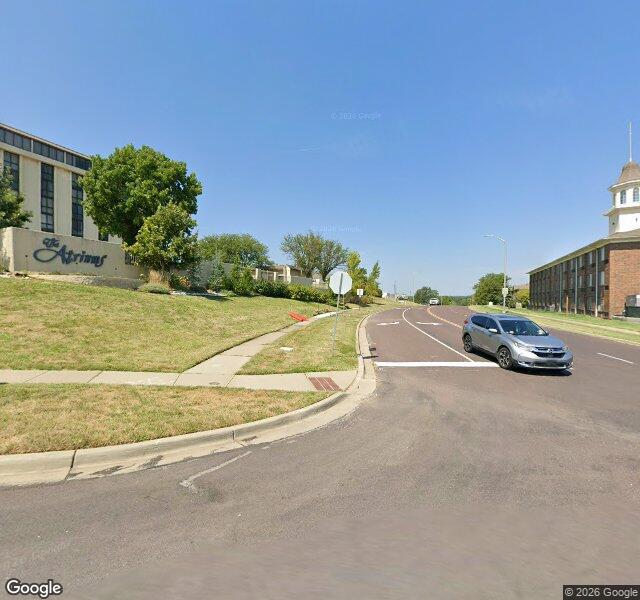
The Atriums Senior Living
7300 West 107th Street, Overland Park, KS 66212View map (opens in a new tab)
Overview and key essentials
State license
Active
KS KDADS
Google reviews
Not available
Public reviews not linked
Size & payment
Ask directly
Confirm pricing & payment
Public records for this community are limited. Use the checklist below when you call or visit to confirm pricing, services, and openings.
Cost, payment & care details
Updated Nov 28, 2026| Monthly cost | Not published | Ask for the full monthly cost, including care fees and one-time charges. |
|---|---|---|
| Payment options | Ask directly | Payment details are not confirmed in our records. Ask about private pay, long-term care insurance, veterans benefits, and Medicaid waivers. |
| Size & availability | Confirm directly | We don't publish live openings. Ask about current availability, waitlist length, and move-in timing. |
| Care & support | Assisted living | Usually offers housing and help with everyday tasks, such as bathing and dressing. What to confirm about care levelsThis describes the licensed category. Ask how care plans adjust if mobility, nursing, or memory needs change over time. Read the family care guide → |
State licensing
State inspection history
11inspections
24deficiencies listed
Apr 23, 2026Routine12 deficiencies reported12
12 deficiencies reported
View official state report (opens in a new tab)
The following citations represent the findings of the licensure resurvey with attached complaint numbers 197772, 197083, 196855, 196782, 196640, and 196220, for the above named facility conducted on 04/21/26, 04/22/26, and 04/23/26.
moderateS 3171
Practice (i) All health care services shall be provided to residents by qualified staff in accordance with acceptable standards of practice. This REQUIREMENT is not met as evidenced by: K.A.R. 26-41-204 (i) The facility reported a census of 28 residents. The sample included 3 "Residents'" (R)'s and 1 focused review. Based on observation, interview and record review the Operator failed to ensure healthcare services were provided within professional standards of practice when the Operator failed to ensure an assessment was performed for R1, R2, and R3, showing the bed assist devices posed no risk for entrapment, confirmed the devices were not a restraint, and R's 1, 2, and 3 ability to safely use the bed assist devices. Findings included: - Record Review for R1revealed an admission date of 08/04/25 with diagnoses of cerebellar infarction, chronic atrial fibrillation, and adrenal insufficiency. The diagnoses lacked diagnosis of diabetes mellitus. Review of R1's "Functional Capacity Screen" (FCS) dated 03/27/26 revealed R1 required supervision with dressing. R1 was independent with dressing, toileting, transferring, walking/mobility and eating. R1 required supervision with medication management and medical treatments. R1 was usually continent and had impaired short-term memory and decision making. R1 was able to make himself understood and R1 understood others. R1 was identified at risk for falls, impaired hearing, and impaired decision making. R1 used a walker mobility device. The comments section in the FCS lacked documentation of R1's bed assist device. Review of R1's electronic "Medical Record" revealed a document titled "Service Plan" dated 04/15/26 and identified the facility staff would provide the following health services: supervision and oversight with bathing and reminders to charge his hearing aids. In the section titled "Meals and Nutrition" the following was typed: "Resident is a diabetic ...". Under the section titled "Special Care Needs" facility staff were instructed to "Monitor" R1 when he obtained his blood glucose reading through the electronic monitoring device before meals and to document the readings in R1's electronic "Medical Record". Under the section titled "Diabetes Assistance" the following was documented: R1 was a diabetic and required assistance managing his diabetes. R1 used insulin and was marked as independent with the administration of his insulin. R1's "Service Plan" lacked a description of the device, its purpose and any special instructions on use and monitoring of the device. R 1's record lacked the documentation of an assessment being performed to confirm the device was not a restraint, R1's ability to safely use the device and documentation of the findings in R1's record. Observation on 04/23/26 at approximately 12:10PM of R1's bed revealed an inverted "U" shaped device that measured approximately 16.5 inches in length and 19.5 inches from the bottom of the mattress to the top of the device. The opening between the legs of the inverted "U" shaped device measured 7 inches. There was a nylon pocket attached at the bottom of the pocket to the bed assist device that was not connected at the top of the device which allowed for the 7-inch opened area between the legs of the inverted "U" shaped device. The device freely moved from under the mattress and was not secured to the bed frame. - Record Review for R2 revealed an admission date of 10/28/25 with diagnoses of Pancytopenia, T-cell...
moderateS 3270
(b) Each administrator or operator shall ensure the development of a detailed written emergency management plan to manage potential emergencies and disasters, including the following: (1) Fire; (2) flood; (3) severe weather; (4) tornado; (5) explosion; (6) natural gas leak; (7) lack of electrical or water service; (8) missing residents; and (9) any other potential emergency situations. This REQUIREMENT is not met as evidenced by: K.A.R. 26-41-104 (b) (5)(6)(7)(8) The facility reported a census of 28 residents. The sample included 3 residents and 1 focused review. Based on interview and record review the Operator failed to ensure the development of a detailed written emergency management plan to manage potential emergencies and disasters that included the following nine topics: fire, flood, severe weather, tornado, explosion, natural gas leak, lack of electrical or water service, missing residents, and any other potential emergency situations. Findings included: - Review of the facility provided binder titled "Emergency Preparedness Plan" in the section titled "Table of Contents", "Risk Response" revealed the following: Fire on the Premises, Power/Telecommunications Outage, Wildfire, Hazardous Material Incident, Sever Weather, Severe Weather: Tornados, Sever Weather: Hurricanes, Severe Weather Floods, and Epidemic/Pandemic. The binder lacked an Emergency Preparedness Plan for Explosions, Natural Gas leaks, Lack of Water, and Missing Residents. Interview on 04/22/26 at approximately 01:30PM with Maintenance Director I confirmed that on 12/02/25 the facility had gas leaks in the northwest corner of the building that did not affect the assisted living and continued to confirm they found 17 gas leaks and worked over night to repair them. Review of the facility document titled "Invoice" dated 01/20/26 confirmed the company was called out to investigate a gas smell and charges for repairs were made. Interview on 04/23/26 at approximately 01:30PM with Assistant Executive Director A and by phone; Operator F, Licensed Nurse G, and regional staff H confirmed the "Emergency Preparedness Plan" lacked required topics of Natural Gas Leaks, Missing Residents, and Explosions. Regional staff member H continued to confirm that she was the one to smell the gas upon entry to the building at that time. The Operator failed to the development of a detailed written emergency management plan to manage potential emergencies and disasters that included the following nine topics: fire, flood, sever weather, tornado, explosion, natural gas leak, lack of electrical or water service, missing residents, and any other potential emergency situations.
STATE FORM6899
CPGQ11 STATE FORM CPGQ11 STATE FORM CPGQ11 STATE FORM CPGQ11 STATE FORM CPGQ11 STATE FORM CPGQ11 STATE FORM CPGQ11 STATE FORM CPGQ11 STATE FORM CPGQ11 STATE FORM CPGQ11 STATE FORM CPGQ11 STATE FORM CPGQ11 STATE FORM CPGQ11 STATE FORM CPGQ11 STATE FORM CPGQ11 STATE FORM CPGQ11 STATE FORM CPGQ11 STATE FORM CPGQ11 STATE FORM CPGQ11 STATE FORM CPGQ11 STATE FORM CPGQ11 STATE FORM CPGQ11 STATE FORM CPGQ11 STATE FORM CPGQ11 STATE FORM CPGQ11 STATE FORM CPGQ11 STATE FORM CPGQ11 STATE FORM CPGQ11 STATE FORM CPGQ11 STATE FORM CPGQ11 STATE FORM CPGQ11 STATE FORM CPGQ11 STATE FORM CPGQ11 STATE FORM CPGQ11 STATE FORM CPGQ11 STATE FORM CPGQ11 STATE FORM CPGQ11 STATE FORM CPGQ11 STATE FORM CPGQ11 STATE FORM CPGQ11 STATE FORM CPGQ11 STATE FORM CPGQ11
moderateS 3155
. (a) The administrator or operator in each assisted living facility or residential health care facility shall ensure that a licensed nurse provides or coordinates the provision of necessary health care services that meet the needs of each resident and are in accordance with the functional capacity screening and the negotiated service agreement. This REQUIREMENT is not met as evidenced by: K.A.R. 26-41-204 (a) The facility reported a census of 28 residents. The sample included 3 "Residents'" (R)'s and one focused review. Based on interview and record review the Operator failed to ensure the development of a written "Negotiated Service Agreement" that was developed based on each resident's "Functional Capacity Screen" (FCS) that provided a description of services each resident would receive, identification of the provider of each service, and each party responsible for payment if outside resources provided a service for R's1, 2, and 3. Findings included: - Record Review for R1revealed an admission date of 08/04/25 with diagnoses of cerebellar infarction, chronic atrial fibrillation, and adrenal insufficiency. The diagnoses lacked a diagnosis of diabetes mellitus. Review of R1's "Functional Capacity Screen" (FCS) dated 03/27/26 revealed R1 required supervision with dressing. R1 was independent with dressing, toileting, transferring, walking/mobility and eating. R1 required supervision with medication management and medical treatments. R1 was usually continent and had impaired short-term memory and decision making. R1 was able to make himself understood and R1 understood others. R1 was identified at risk for falls, impaired hearing, and impaired decision making. R1 used a walker mobility device. Review of R1's electronic "Medical Record" revealed a document titled "Service Plan" dated 04/15/26 and identified the facility staff would provide the following health services: supervision and oversight with bathing and reminders to charge his hearing aids. In the section titled "Meals and Nutrition" the following was typed: "Resident is a diabetic ...". Under the section titled "Special Care Needs" facility staff were instructed to "Monitor" R1 when he obtained his blood glucose reading through the electronic monitoring device before meals and to document the readings in R1's electronic "Medical Record". Under the section titled "Diabetes Assistance" the following was documented: R1 was a diabetic and required assistance managing his diabetes. R1 used insulin and was marked as independent with the administration of his insulin. Under the section titled "Mobility" "Needs/Details" the following was documented: "Assistance with observation and fall management". Review of the facility provided document titled "electronic Medication Administration Record" (eMAR) revealed an order for Repatha Sure injection 140 "Milligrams" (MG) / "Milliliter" (ML) to be injected under the skin every 14 days. R1's "Service Plan" lacked healthcare services for the following: identification of who was responsible for R1's Repatha Sure injection 140 mg / ml, falls, management of R1's medical treatments, short-term memory and decision making. R1's "Service Plan" further lacked identification of the payor source for the local therapy agency. - Record Review for R2 revealed an admission date of 10/28/25 with diagnoses of Pancytopenia, T-cell Leukemia/lymphoma, atherosclerotic coronary artery disease, essential hypertension, abdominal aortic atherosclerosis, chronic...
moderateS 3261
Documentation of Incidents (f) (11) documentation of all incidents, symptoms, and other indications of illness or injury including the date, time of occurrence, action taken, and results of the action This REQUIREMENT is not met as evidenced by: K.A.R 26-41-105 (f) (11) The facility reported a census of 28 residents. The sample included 3 residents and 1 focused review. Based on interview and record review the Operator failed to ensure all resident records contained documentation of all incidents, symptoms, and other indications of illness or injury including the date, time of occurrence, action taken and results of the actions for R1 and R2. Findings included: - Record Review for R1 revealed an admission date of 08/04/25 with diagnoses of cerebellar infarction, chronic atrial fibrillation, and adrenal insufficiency. The diagnoses lacked a diagnosis of diabetes mellitus. Review of R1's "Functional Capacity Screen" (FCS) dated 03/27/26 revealed R1 required supervision with dressing. R1 was independent with dressing, toileting, transferring, walking/mobility and eating. R1 required supervision with medication management and medical treatments. R1 was usually continent and had impaired short-term memory and decision making. R1 was able to make himself understood and R1 understood others. R1 was identified at risk for falls, impaired hearing, and impaired decision making. R1 used a walker mobility device. Review of R1's electronic "Medical Record" revealed a document titled "Service Plan" dated 04/15/26 and identified the facility staff would provide the following health services: Supervision and oversight with bathing and reminders to charge his hearing aids. In the section titled "Meals and Nutrition" the following was typed: "Resident is a diabetic ...". Under the section titled "Special Care Needs" facility staff were instructed to "Monitor" R1 when he obtained his blood glucose reading through the electronic monitoring device before meals and to document the readings in R1's electronic "Medical Record". Under the section titled "Diabetes Assistance" the following was documented: R1 was a diabetic and required assistance managing his diabetes. R1 used insulin and was marked as independent with the administration of his insulin. Record review of R1's electronic "Medical Record" revealed in "Progress Notes" an entry dated 01/29/26 at 01:59PM revealed at 01:28PM at 7:00PM R1's family member notified the licensed nurse that R1 would be staying overnight at the hospital due to extensive need of care following a medical procedure and he would then go to skilled nursing for 5 days strengthening and therapy. R1's notes lacked documentation of follow up and readmission after R1's medical procedure and skilled nursing stay. Interview on 04/23/26 at approximately 01:30PM with Assistant Executive Director A and by phone; Operator F, Licensed Nurse G, and regional staff H confirmed the facility nurse notes lacked documentation of actions taken upon his return to the facility after his medial procedure at the local hospital and a stay at skilled nursing rehabilitation. -Record Review for R2 revealed an admission date of 10/28/25 with diagnoses of Pancytopenia, T-cell Leukemia/lymphoma, atherosclerotic coronary artery disease, essential hypertension, abdominal aortic atherosclerosis, chronic kidney disease stage 3, chronic obstructive pulmonary disease, alcoholic cirrhosis of the liver with ascites, recurrent skin breakdown. Review of R2's FCS...
moderateS 3280
Preparedness (d) Each administrator or operator shall ensure disaster and emergency preparedness by ensuring the performance of the following: (1) Orientation of new employees at the time of employment to the facility ' s emergency management plan; (2) education of each resident upon admission to the facility regarding emergency procedures; (3) quarterly review of the facility ' s emergency management plan with employees and residents; and (4) an emergency drill, which shall be conducted at least annually with staff and residents. This drill shall include evacuation of the residents to a secure location. This REQUIREMENT is not met as evidenced by: K.A.R 26-41-104 (d) (3) The facility reported a census of 28 residents. The sample included 3 residents and 1 focused review. Based on interview and record review the Operator failed to ensure a quarterly review of the facility's emergency management plan with all residents. Findings included: - Record review of the facility provided " Resident Town Hall Meetings" revealed the following: On 04/14/26 the residents in attendance were educated for the severe weather of tornados. Review of the facility provided "Resident Council" meeting notes revealed the facility emergency disaster plan were reviewed on the following dates On 11/08/24 " Resident were reminded that they should have a flashlight by their beds and to check the batteries monthly". On 01/10/25 " Resident were reminded that they should have a flashlight by their beds and to check the batteries monthly with reminders to make sure residents cell phones were charged". On 02/01/25 a resident sign-in sheet was provided for emergency disaster training. On 05/30/25 the emergency disaster plan was reviewed with a focus on tornado season. On 08/16/25 the facility emergency evacuation plan was discussed. On 10/22/25 the emergency evacuation plan was discussed keeping an emphasis in staying in place and waiting on staff instructions. On 01/02/26 the emergency disaster training included fire training and evacuation if needed. On 03/06/26 a review of the facilities emergency evacuation procedures included fire drills, tornadoes, and severe weather. Interview on 04/22/26 at approximately 11:20 AM with Activities Director J confirmed the facilities full emergency preparedness plan is not reviewed at least quarterly with all residents. The Operator failed to ensure a quarterly review of the facility's emergency management plan with all residents.
moderateS 3310
(b) (5) prohibiting any employee with a communicable disease or any infected skin lesions from coming in direct contact with any resident, any resident ' s food, or resident care equipment until the condition is no longer infectious; (6) providing orientation to new employees and employee in-service education at least annually on the control of infections in a health care setting; and (c) Each administrator or operator shall ensure the facility ' s compliance with the department ' s tuberculosis guidelines for adult care homes adopted by reference in K.A.R. 26-39-105 This REQUIREMENT is not met as evidenced by: K.A.R. 26-41-207 (c) The facility reported a census of 28 residents. The sample included 3 "Residents'" (R)'s, 1 focused review, and 5 newly hired employees. Based on record review and interview the Operator failed to ensure the facility's compliance with the department's "Tuberculosis" (TB) guidelines for adult care homes adopted by refence in K.A.R. 26-39-105 for R1, R2, R3, newly hired "Certified Medication Aides'" (CMA)'s B, C, D and E, and Assistant "Executive Director" (ED) A. Findings included: - Record review for Assistant ED A revealed she began her employment on 01/12/26. Review of the facility provided document titled "After Hire Tuberculosis Assessment" and signed by Assistant ED on 04/09/26 revealed it lacked documentation of the required two step TB skin test being performed within seven days of employment. The document further revealed the document was signed greater than seven days of employment. Record review for CMA B revealed she began her employment on 01/22/25. Review of the facility provided document titled "Tuberculosis Symptom Review Questionnaire" was signed after greater than seven days of employment on 02/17/25 by CMA B. Review of the facility provided document titled "Tuberculosis Screening Record" dated 02/17/25 revealed the first step of the required two step TB skin test was administered after greater than seven days of employment. The document lacked a date and result of the administered first step. Record review for CMA C revealed she began her employment on 10/17/24. Review of the facility provided document titled "Tuberculosis Screening Record" dated 10/08/24 revealed CMA C checked the box next to the statement that indicated CMA C had previously had a TB test and had provided the dates of the previous test. The facility provided an unreadable document. Record review for CMA E revealed she began her employment on 09/10/25. Review of the facility provided document titled "Tuberculosis Symptom Review Questionnaire" was signed after greater than seven days of employment on 04/04/26 by CMA B. Record Review for R1revealed an admission date of 08/04/25 with diagnoses of cerebellar infarction, chronic atrial fibrillation, and adrenal insufficiency. R1's record lacked documentation of the required two step TB being administered within seven days of admission. Record Review for R2 revealed an admission date of 10/28/25 with diagnoses of Pancytopenia, T-cell Leukemia/lymphoma, atherosclerotic coronary artery disease, essential hypertension, abdominal aortic atherosclerosis, chronic kidney disease stage 3, chronic obstructive pulmonary disease, alcoholic cirrhosis of the liver with ascites, recurrent skin breakdown. R2's record lacked documentation of the required two step TB being administered within seven days of admission. Record review for R3 revealed an admission date of 06/21/24, with diagnoses...
moderateS 3095
(f) If a resident or the resident's legal representative refuses a service that the administrator or operator, the licensed nurse, the resident's medical care provider, or the case manager believes is necessary for the resident's health and safety, the negotiated service agreement shall include the following: (1) The service or services refused; (2) identification of any potential negative outcomes for the resident if the service or services are not provided; (3) evidence of the provision of education to the resident or the resident ' s legal representative of the potential risk of any negative outcomes if the service or services are not provided; and (4) an indication of acceptance by the resident or the resident's legal representative of the potential risk. . This REQUIREMENT is not met as evidenced by: K.A.R. 26-41-202 (f) The facility reported a census of 28 residents. The sample included 3 residents and 1 closed record review. Based on record review and interview the Operator failed to ensure R3's "Negotiated Service Agreement" (NSA) included the refusal of services for the nectar thickened liquids. Findings included: Record review for R3 revealed an admission date of 06/21/24 with diagnoses of senile degeneration of the brain and other frontotemporal neurocognitive disorder. Review of R3's "Functional Capacity Screen" (FCS) dated 04/08/26 revealed R3 required physical assistance with bathing, dressing, toileting, transferring, walking/mobility, and eating. R3 lacked the abilty to manage her own medications and medical treatments and was incontinent. R3 had impaired short-term memory, memory/recall, and decision making. R3 was able to make herself understood and she understood others. R3 was identified at risk for falls, impaired vision, and impaired decision making. R3 used a walker and wheelchair mobility device. Review of R3's electronic "Medical Record" revealed a document titled "Service Plan" dated 03/10/26 and identified facility staff would provide the following health services: the local hospice agency would assist R3 with bathing two times a week and the facility staff would assist R3 with bathing one time a week. Facility staff were to provide physical assistance with dressing, toileting, transferring with one staff assist, mobility with one staff assist, and encouragement with eating. Under the section titled "Disposition and Behaviors" the following was documented; R3 received Depakote as ordered to treat "aggressive and resistant behaviors". Facility staff were instructed to administer R3's ordered medications and medical treatments. Under the section titled "Meals and Nutrition" revealed the following: "Nectar thick liquids discontinued, and diet recommendations were discontinued". Review of the facility provided document titled "Physician/Provider Order" from the local hospice agency revealed the following: The reason for the order: The "Patient/Family" wanted to discontinue the thickened liquid order that was recommended by speech therapy due to decreased liquid intake. Patient/Family verbalized understanding of the risk of possible aspiration. R3's "Service Plan" lacked the following for the refusal of services: the service refused, identification of any potential negative outcomes for the resident if the service or services were not provided, evidence of the provision of education to the resident or the resident's legal representative of the potential risk of any negative outcome if the service or services...
moderateS 3186
Medications (b) Administration of select medications. Any resident who self-administers medication may select some medications to be administered by a licensed nurse or medication aide. The negotiated service agreement shall reflect this service and identify who is responsible for the administration and management of selected medications. This REQUIREMENT is not met as evidenced by: K.A.R. 26-41-205 (b) The facility reported a census of 28 residents. The sample included 3 residents and 1 focused review. Based on interview and record review the Operator failed to ensure the Negotiated Service Agreement identified who was responsible for the administration and management of selected medications for R1. Findings included: - Record Review for R1revealed an admission date of 08/04/25 with diagnoses of cerebellar infarction, chronic atrial fibrillation, and adrenal insufficiency. The diagnoses lacked diagnosis of diabetes mellitus. Review of R1's "Functional Capacity Screen" (FCS) dated 03/27/26 revealed R1 required supervision with dressing. R1 was independent with dressing, toileting, transferring, walking/mobility and eating. R1 required supervision with medication management and medical treatments. R1 was usually continent and had impaired short-term memory and decision making. R1 was able to make himself understood and R1 understood others. R1 was identified at risk for falls, impaired hearing, and impaired decision making. R1 used a walker mobility device. Review of R1's electronic "Medical Record" revealed a document titled "Service Plan" dated 04/15/26 and identified the facility staff would provide the following health services: Supervision and oversight with bathing and reminders to charge his hearing aids. In the section titled "Meals and Nutrition" the following was typed: "Resident is a diabetic ...". Under the section titled "Special Care Needs" facility staff were instructed to "Monitor" R1 when he obtained his blood glucose reading through the electronic monitoring device before meals and to document the readings in R1's electronic "Medical Record". Under the section titled "Diabetes Assistance" the following was documented: R1 was a diabetic and required assistance managing his diabetes. R1 used insulin and was marked as independent with the administration of his insulin. Review of the facility provided document titled "electronic Medication Administration Record" (eMAR) revealed an order for Repatha Sure injection 140 "Milligrams" (MG) / "Milliliter" (ML) to be injected under the skin every 14 days. R1's "Service Plan" lacked the identification of who was responsible for R1's Repatha Sure injection 140 mg / ml. Interview on 04/23/26 at approximately 01:30PM with Assistant Executive Director A and by phone; Operator F, Licensed Nurse G, and regional staff H confirmed that the "Service Plan" did not identify who was responsible for the administration and management of R1's Repatha Sure injection. The Operator failed to ensure the Negotiated Service Agreement identified who was responsible for the administration and management of selected medications for R1.
moderateS 3248
Records (d) The employee records and agency staff records shall contain the following documentation: (1) Evidence of licensure, registration, certification, or a certificate of successful completion of a training course for each employee performing a function that requires specialized education or training; (2) supporting documentation for criminal background checks of facility staff and contract staff, excluding any staff licensed or registered by a state agency, pursuant to K.S.A. 39-970 and amendments thereto; (3) supporting documentation from the Kansas nurse aide registry that the individual does not have a finding of having abused, neglected, or exploited a resident in an adult care home; and (4) supporting documentation that the individual does not have a finding of having abused, neglected, or exploited any resident in an adult care home, from the nurse aide registry in each state in which the individual has been known to have worked as a certified nurse aide. This REQUIREMENT is not met as evidenced by: K.A.R. 26-41-102 (d) (2) (3) The facility reported a census of 28 residents. The sample included 3 "Residents'" (R)'s, 1 focused review, and 5 newly hired employees. Based on record review and interview the Operator failed to ensure the newly hired employee Record for "Certified Medication Aide" (CMA) C contained supporting documentation for a criminal background check pursuant to K.S.A. 39-970 and amendments there to. The Operator further failed to ensure the newly hired employee records contained documentation from the nurse aide registry that the individual did not have a finding of having abused, neglected, or exploited a resident in an adult care home for newly hired CMA's B, C, D and E. Findings included: - Record review for CMA B revealed she began her employment on 01/22/25. Review of the facility provided documents for CMA B revealed a background check was performed by the department pursuant to K.S.A. 39-970 and the facility ran a "Back Ground Screening Report". The facility provided documents lacked a document from the nurse aide registry that revealed newly hired CMA B did not have a finding of abused, neglected, or exploited a resident in an adult care home. Record review for CMA C revealed she began her employment on 10/17/24. Review of the facility provided documents for CMA C revealed the facility ran a "Back Ground Screening Report". The facility provided documents lacked a document for a background check of CMA C pursuant to K.S.A. 39-970. CMA C's facility provided documentation further lacked a document from the nurse aide registry that revealed newly hired CMA B did not have a finding of abused, neglected, or exploited a resident in an adult care home. Record review for CMA D revealed she began her employment on 03/24/26. Review of the facility provided documents for CMA D revealed a background check was performed by the department pursuant to K.S.A.39-970 and the facility ran a "Back Ground Screening Report". The facility provided documents lacked a document from the nurse aide registry that revealed newly hired CMA D did not have a finding of abused, neglected, or exploited a resident in an adult care home. Record review for CMA E revealed she began her employment on 09/10/25. Review of the facility provided documents for CMA E revealed a background check was performed by the department pursuant to K.S.A.39-970 and the facility ran a "Back Ground Screening Report". The facility provided documents lacked...
moderateS 3090
Agreement (c) Each administrator or operator shall ensure the development of an initial negotiated service agreement at admission. This REQUIREMENT is not met as evidenced by: K.A.R 26-41-202(c) The facility reported a census of 28 residents. The sample included 3 residents and 1 focused review. Based on interview and record review the Operator failed to ensure that R2's initial negotiated service agreement was developed at time of admission. Findings included: -Record Review for R2 revealed an admission date of 10/28/25 with diagnoses of Pancytopenia, T-cell Leukemia/lymphoma, atherosclerotic coronary artery disease, essential hypertension, abdominal aortic atherosclerosis, chronic kidney disease stage 3, chronic obstructive pulmonary disease, alcoholic cirrhosis of the liver with ascites, recurrent skin breakdown. Review of R2's "Functional Capacity Screen" (FCS) dated 10/22/25 revealed R2 required supervision with bathing. R2 was independent with dressing, toileting, transferring, walking/mobility and eating. R2 lacked the ability to manage his own medications and medical treatment. R2 was continent and had impaired short-term memory, memory/recall, and decision making. R2 was able to make himself understood and he understood others. R2 was identified at risk for falls, impaired vision. R2 used a walker mobility device. Review of R2's electronic "Medical Record" revealed a document titled "Service Plan" dated 11/3/25 and identified the facility staff would provide the following health services: staff were to monitor R2's skin issues with use of home health, medical provider and rehabilitation if needed. Facility staff were instructed to provide stand-by assistance with bathing, reminders of having clean clothing. Under the section titled "Special Care Needs" "Needs/Details" it was documented "Active Wounds/Skin Breakdown" and facility staff would provide "Safety Checks" two times per shift. Under the section titled "Medication Management" facility staff were instructed to administer R2's ordered medications and medical treatments. Interview on 04/23/26 at approximately 01:30PM with Assistant Executive Director A and by phone; Operator F, Licensed Nurse G, and regional staff H confirmed that R2's " Service Plan" was not developed at time of admission to the facility. The Operator failed to ensure that R2's initial negotiated service agreement was developed at time of admission.
moderateS 3165
(d) The negotiated service agreement shall contain a description of the health care services to be provided and the name of the licensed nurse responsible for the implementation and supervision of the plan. This REQUIREMENT is not met as evidenced by: K.A.R. 26-41-204 (d) The facility reported a census of 28 residents. The sample included 3 residents and 1 focused review. Based on interview and record review the Operator failed to ensure the facility's Negotiated Service Agreement contained the name of the licensed nurse responsible for the implementation and supervision of the plan for R1, R2, and R3. Findings included: - Record Review for R1revealed an admission date of 08/04/25 with diagnoses of cerebellar infarction, chronic atrial fibrillation, and adrenal insufficiency. The diagnoses lacked diagnosis of diabetes mellitus. Review of R1's "Functional Capacity Screen" (FCS) dated 03/27/26 revealed R1 required supervision with dressing. R1 was independent with dressing, toileting, transferring, walking/mobility and eating. R1 required supervision with medication management and medical treatments. R1 was usually continent and had impaired short-term memory and decision making. R1 was able to make himself understood and R1 understood others. R1 was identified at risk for falls, impaired hearing, and impaired decision making. R1 used a walker mobility device. Review of R1's electronic "Medical Record" revealed a document titled "Service Plan" dated 04/15/26 and identified the facility staff would provide the following health services: supervision and oversight with bathing and reminders to charge his hearing aids. In the section titled "Meals and Nutrition" the following was typed: "Resident is a diabetic ...". Under the section titled "Special Care Needs" facility staff were instructed to "Monitor" R1 when he obtained his blood glucose reading through the electronic monitoring device before meals and to document the readings in R1's electronic "Medical Record". Under the section titled "Diabetes Assistance" the following was documented: R1 was a diabetic and required assistance managing his diabetes. R1 used insulin and was marked as independent with the administration of his insulin. R1's "Service Plan" lacked documentation of the Nurse responsible for the supervision and implementation of the health service plan. -Record Review for R2 revealed an admission date of 10/28/25 with diagnoses of Pancytopenia, T-cell Leukemia/lymphoma, atherosclerotic coronary artery disease, essential hypertension, abdominal aortic atherosclerosis, chronic kidney disease stage 3, chronic obstructive pulmonary disease, alcoholic cirrhosis of the liver with ascites, recurrent skin breakdown. Review of R2's FCS dated 02/05/26 revealed R2 required physical assistance with bathing and toileting. R2 was independent with dressing, transferring, walking/mobility and eating. R2 lacked the ability to manage his own medications and medical treatment. R2 was continent and had impaired short-term memory, memory/recall, and decision making. R2 was able to make himself understood and he understood others. R2 was identified at risk for falls, impaired vision, and impaired decision making. R2 used a walker mobility device and had a prosthetic right eye. Review of R2's electronic "Medical Record" revealed a document titled "Service Plan" dated 02/25/26 and identified the facility staff would provide the following health services: staff were to monitor R2's skin...
Oct 2, 2024Routine8 deficiencies reported8
8 deficiencies reported
View official state report (opens in a new tab)
The following represents the findings of a resurvey with attached complaints #184521, #181980, #180865 at the above named assisted living conducted on 10/01/24 and 10/02/24.
moderateS 3175
Medication (a) Self-administration of medication. Any resident may self-administer and manage medications independently or by using a medication container or syringe prefilled by a licensed nurse or pharmacist or by a family member or friend providing this service gratuitously, if a licensed nurse has performed an assessment and determined that the resident can perform this function safely and accurately without staff assistance. (1) An assessment shall be completed before the resident initially begins self-administration of medication, if the resident experiences a significant change of condition, and annually. This REQUIREMENT is not met as evidenced by: KAR 26-41-205(a)(1) The facility reported a census of 19 residents with three included in the sample and four closed record reviews. Based on interview and record review the operator failed to ensure a licensed nurse performed an assessment to determine if Resident (R) 3 could self-administer medications safely. Findings included: - Record review for R3 revealed an admission date of 04/21/24 with diagnoses of hypertension and osteoarthritis. The 08/06/24 "Functional Capacity Screen" (FCS) identified R3 was independent with management of medications. The 08/06/24 "Negotiated Service Agreement" (NSA) identified R3 self-administered his medications. R3's record lacked evidence of documentation a medication self-administration assessment to administer medications was completed. On 10/02/24 at approximately 01:38 PM Administrative Nurse B confirmed R3's record lacked evidence of documentation designated facility staff completed a medication self-administration assessment. The facility's 07/01/21 "Medication Administration Policy" documented self-administered medications were administered safely and accurately per the "Self-Administration Policy and Procedure." The facility failed to provide this policy. The operator failed to ensure a licensed nurse performed an assessment to determine if R3 could self-administer medications safely.
moderateS 3101
(h) Each individual involved in the development of the negotiated service agreement shall sign the agreement. The administrator or operator shall ensure that a copy of the initial agreement and any subsequent revisions are provided to the resident or the resident's legal representative. This REQUIREMENT is not met as evidenced by: KAR 26-41-202(h) The facility reported a census of 19 residents with three residents included in the sample and four closed record reviews. Based on interview and record review the operator failed to ensure that each individual involved in the development of the "Negotiated Service Agreement" (NSA) signed the agreement for Resident (R) 1, R2, and R3. Findings included: - Record review for R1 revealed an admission date of 10/09/23 with a diagnosis of heart failure. The 05/22/24 "Functional Capacity Screen" (FCS) identified R1 required physical assistance with bathing and toileting; was unable to perform management of medications and treatments; and was identified at risk for falls and impaired vision. The 05/22/24 "Negotiated Service Agreement" NSA identified facility staff provided R1 assistance with bathing and toileting, and management of medications and treatments. Services provided for falls and impaired vision were not described on R1's "NSA." The 05/22/24 "NSA" for R1 lacked signatures. - Record review for R2 revealed an admission date of 06/21/24 with a diagnosis of dementia. The 07/22/24 "FCS" identified R2 required physical assistance with bathing, dressing, toileting, and transfers; was unable to perform management of medications and treatments; and was identified at risk for falls. The 07/22/24 "NSA" identified facility staff provided R2 assistance with bathing and toileting, and management of medications and treatments. Services provided for falls were not described on R2's "NSA." The 07/22/24 "NSA" for R2 lacked signatures. - Record review for R3 revealed an admission date of 04/21/24 with diagnoses of hypertension and osteoarthritis. The 08/06/24 "FCS" identified R3 was identified at risk for impaired vision and impaired hearing. The 08/06/24 "NSA" failed to describe services provided R3 for impaired vision and impaired hearing. The 08/06/24 "NSA" for R3 lacked signatures. On 10/02/24 at approximately 01:38 PM Administrative Nurse B confirmed R1, R2, and R3's "NSAs" lacked signatures. The facility's 05/2024 "Assisted Living General Policy" documented a written admission agreement would be provided for each resident. The policy failed to address signing of the agreement. The operator failed to ensure that each individual involved in the development of the "NSAs" for R1, R2, and R3 signed the agreements.
moderateS 3085
(a) The administrator or operator of each assisted living facility or residential health care facility shall ensure the development of a written negotiated service agreement for each resident, based on the resident ' s functional capacity screening, service needs, and preferences, in collaboration with the resident or the resident ' s legal representative, the case manager, and, if agreed to by the resident or the resident ' s legal representative, the resident ' s family. The negotiated service agreement shall provide the following information: (1) A description of the services the resident will receive; (2) identification of the provider of each service; and (3) identification of each party responsible for payment if outside resources provide a service. This REQUIREMENT is not met as evidenced by: KAR 26-41-202(a)(1) The facility reported a census of 19 residents with three included in the sample and four closed record reviews. Based on interview and record review the operator failed to ensure the "Negotiated Service Agreements" (NSA) for Resident (R)1, R2, and R3 described the services they received based on their "Functional Capacity Screens" (FCS). Findings included: - Record review for R1 revealed an admission date of 10/09/23 with a diagnosis of heart failure. The 05/22/24 "Functional Capacity Screen" (FCS) identified R1 was at risk for falls and impaired vision. The 05/22/24 "Negotiated Service Agreement" NSA failed to describe services R1 received to prevent injury from falls and for impaired vision. - Record review for R2 revealed an admission date of 06/21/24 with a diagnosis of dementia. The 07/22/24 "FCS" identified R2 was at risk for falls. The 07/22/24 "NSA" failed to describe services R2 received to prevent injury from falls. - Record review for R3 revealed an admission date of 04/21/24 with diagnoses of hypertension and osteoarthritis. The 08/06/24 "FCS" identified R3 was identified at risk for impaired vision and impaired hearing. The 08/06/24 "NSA" failed to describe services provided R3 for impaired vision and impaired hearing. On 10/02/24 at approximately 01:38 PM Administrative Nurse B confirmed R1, R2, and R3's "NSAs" failed to describe the services they received based on their "FCSs." The 05/2024 facility's "Assisted Living General Policy" documented the facility would provide the residents with a written agreement that included the services provided. The operator failed to ensure the "NSAs" for R1, R2, and R3 described the services they received based on their "FCS."
moderateS 3310
(b) (5) prohibiting any employee with a communicable disease or any infected skin lesions from coming in direct contact with any resident, any resident ' s food, or resident care equipment until the condition is no longer infectious; (6) providing orientation to new employees and employee in-service education at least annually on the control of infections in a health care setting; and (c) Each administrator or operator shall ensure the facility ' s compliance with the department ' s tuberculosis guidelines for adult care homes adopted by reference in K.A.R. 26-39-105 This REQUIREMENT is not met as evidenced by: KAR 26-41-207(c) The facility reported a census of 19 residents with three residents included in the sample. Based on interview and record review the administrator failed to ensure the facility remained in compliance with the department's tuberculosis (TB) guidelines for adult care homes adopted by reference in KAR 26-39-105. Findings included: - Record review for Resident (R) 1 revealed an admission date of 10/09/23 with a diagnosis of heart failure. R1's record lacked evidence of documentation of TB skin testing and a symptom screen questionnaire at admission and an annual TB symptom screen questionnaire. Record review for R2 revealed an admission date of 06/21/24 with a diagnosis of dementia. R2's record lacked evidence of documentation of TB skin testing and a symptom screen questionnaire at admission. Record review for R3 revealed an admission date of 04/21/24 with diagnoses of hypertension and osteoarthritis. R3's record lacked evidence of documentation of TB skin testing and a symptom screen questionnaire at admission. On 10/02/24 at 10:06 AM Licensed Nurse B confirmed R1, R2, and R3's records lacked evidence of documentation of TB skin testing and a symptom screen questionnaires. - Review of Certified Nurse Aide (CNA) C's employee record revealed a hire date of 06/12/24. Her record lacked evidence of documentation of TB skin testing and a symptom screen questionnaire upon hire. On 10/01/24 at approximately 02:32 PM Administrative Nurse B confirmed CNA C's record lacked evidence of documentation of TB skin testing and a symptom screen questionnaire. The 06/2016 facility's "Tuberculosis Screening/Testing Policy. . ." Documented TB testing would be performed per state guidelines. The June 2013 department's "Tuberculosis (TB) Guidelines for Adult Care Homes" documented each new employee and each new resident shall receive a two-step TB skin test and symptom screen questionnaire within seven days of employment or admission and each resident and employee shall have an annual TB symptom screen. The administrator failed to ensure the facility remained in compliance with the department's tuberculosis guidelines for adult care homes adopted by reference in KAR 26-39-105.
moderateS 3261
Documentation of Incidents (f) (11) documentation of all incidents, symptoms, and other indications of illness or injury including the date, time of occurrence, action taken, and results of the action This REQUIREMENT is not met as evidenced by: KAR 26-41-105(f)(11) The facility reported a census of 19 residents with three residents included in the sample and four closed record reviews. Based on interview and record review the operator failed to ensure licensed staff documented all incidents, symptoms, and other indications of illness or injury including the date and time of occurrence, action taken, and results of the action for Resident (R)1 when she returned from an inpatient rehabilitation facility with a pressure ulcer. Findings included: - Record review for R1 revealed an admission date of 10/09/23 with a diagnosis of heart failure. The 05/22/24 "Functional Capacity Screen" (FCS) identified R1 required physical assistance with bathing and toileting; was unable to perform management of medications and treatments; and was identified at risk for falls and impaired vision. The 05/22/24 "Negotiated Service Agreement" NSA identified facility staff provided R1 assistance with bathing and toileting, and management of medications and treatments. Services provided for falls and impaired vision were not described on R1's "NSA." The 09/26/24 "Nurses Note" documented R1 returned from an inpatient rehabilitation facility with clean and dry skin. R1's record lacked evidence of documentation of symptoms or other indications of illness or injury including a pressure wound after she returned from an inpatient rehabilitation facility including wound sizes (length, width, and depth), odor, tissue characteristics (including drainage, granulation), any signs of infection, and a plan for treatment. On 10/02/24 at approximately 12:36 PM R1 stated during interview she had a "bed sore on her tailbone" that occurred when she was at another facility for inpatient rehabilitation. On 10/02/24 at approximately 01:38 PM Administrative Nurse B confirmed R1's record lacked evidence of documentation of symptoms or other indications of illness or injury including a pressure wound after she returned from an inpatient rehabilitation facility including wound sizes (length, width, and depth), odor, tissue characteristics (including drainage, granulation), any signs of infection, and a plan for treatment. On 06/2016 facility's "Documentation Policy" documented documentation would be completed on an exception basis and would include specific care details with response to care provided. The operator failed to ensure licensed staff documented all incidents, symptoms, and other indications of illness or injury including the date and time of occurrence, action taken, and results of the action for R1 when she returned from an inpatient rehabilitation facility with a pressure ulcer.
STATE FORM6899
FX4B11 STATE FORM FX4B11 STATE FORM FX4B11 STATE FORM FX4B11 STATE FORM FX4B11 STATE FORM FX4B11 STATE FORM FX4B11 STATE FORM FX4B11 STATE FORM FX4B11 STATE FORM FX4B11 STATE FORM FX4B11 STATE FORM FX4B11 STATE FORM FX4B11 STATE FORM FX4B11 STATE FORM FX4B11
moderateS 3250
a) The administrator or operator of each assisted living facility or residential health care facility shall ensure the maintenance of a record for each resident in accordance with accepted professional standards and practices. (1) Designated staff shall maintain the record of each discharged resident who is 18 years of age or older for at least five years after the discharge of the resident. (2) Designated staff shall maintain the record of each discharged resident who is less than 18 years of age for at least five years after the resident reaches 18 years of age or at least five years after the date of discharge, whichever time period is longer. This REQUIREMENT is not met as evidenced by: KAR 26-41-105(a)(1) The facility reported a census of 19 residents with three residents included in the sample and four closed record reviews. Based on record review and interview the operator failed to ensure maintenance of records for Resident (R) 6 for at least five years after his discharge. Findings included: - Record review for R6 revealed an admission date of 10/20/23 with a diagnosis of dementia. The 10/01/24 "List of Discharged Residents" provided by the facility during the survey revealed R6 had discharged on 01/26/24. Review of R6's medical records revealed a lack of lab results, advanced directives, tuberculosis screening questionnaires and testing, functional capacity screens, and negotiated service agreements. On 10/02/24 at 09:25 AM Administrative Staff A confirmed facility staff failed to maintain records for R6. The 06/2016 facility's "Record Retention Policy" documented residents' records would be kept according to state regulations which in Kansas was five years. The operator failed to maintain R6's records for at least five years after his discharge.
moderateS 3280
Preparedness (d) Each administrator or operator shall ensure disaster and emergency preparedness by ensuring the performance of the following: (1) Orientation of new employees at the time of employment to the facility ' s emergency management plan; (2) education of each resident upon admission to the facility regarding emergency procedures; (3) quarterly review of the facility ' s emergency management plan with employees and residents; and (4) an emergency drill, which shall be conducted at least annually with staff and residents. This drill shall include evacuation of the residents to a secure location. This REQUIREMENT is not met as evidenced by: KAR 26-41-104(d)(3) The facility reported a census of 19 residents. Based on interview and record review the operator failed to provide evidence of documentation quarterly reviews of the facility's emergency management plan were completed with residents and staff. Findings included: - Review of the facility's emergency management plan records revealed designated staff discussed the emergency management plan with residents during a resident council meeting on 06/28/24. Facility records lacked evidence of documentation designated staff completed quarterly reviews of the emergency management plan with residents during the third and fourth quarters of 2023 and for the first and third quarters of 2024. The records lacked evidence of documentation designated facility staff completed quarterly reviews with staff the third and fourth quarters of 2023 and the first, second, and third quarters of 2024. On 10/01/24 at 11:25 AM Administrative Staff A confirmed the facility's record lacked evidence of documentation reviews of the emergency management plan were completed quarterly with residents and staff. The 04/2022 facility's "Associate Training Emergency Preparedness" policy documented associates would receive emergency preparedness training during orientation and on an ongoing basis. The operator failed to provide evidence of documentation quarterly reviews of the facility's emergency management plan were completed with residents and staff.
Jan 25, 2023Routine4 deficiencies reported4
4 deficiencies reported
View official state report (opens in a new tab)
The following represent the findings of a resurvey for the above named assisted living facility conducted on 01/23/23 and 01/25/23.
moderateS 3310
(b) (5) prohibiting any employee with a communicable disease or any infected skin lesions from coming in direct contact with any resident, any resident ' s food, or resident care equipment until the condition is no longer infectious; (6) providing orientation to new employees and employee in-service education at least annually on the control of infections in a health care setting; and (c) Each administrator or operator shall ensure the facility ' s compliance with the department ' s tuberculosis guidelines for adult care homes adopted by reference in K.A.R. 26-39-105 This REQUIREMENT is not met as evidenced by: KAR 26-41-207(c) The facility reported a census of 30 residents. Based on interview and record review the operator failed to ensure the facility remained in compliance with the department's tuberculosis (TB) guidelines for adult care homes adopted by reference in KAR 26-39-105 for one of three sampled staff and three of three sampled residents. Findings included: - Record review for R123 revealed an admission date of 09/25/22 with the following diagnoses: prostrate cancer and atrial fibrillation. Review of the 09/28/22 first of a two-step TB skin test for R123 revealed a negative result. R123's record lacked evidence of the second of the two-step TB skin test results or a TB symptom screen. - Record review for R125 revealed an admission date of 09/25/22 with the following diagnoses: post ablative hypothyroidism and left paraspinal back pain. Review of the 09/25/22 first of a two-step TB skin test for R123 revealed it was read on 09/25/22 with a negative result. R123's record lacked evidence of the second of the two-step TB skin test results or a TB symptom screen. - Record review for one staff revealed the following: Certified Nurse Aide (CNA) E's employee record revealed a hire date of 07/26/21. The 05/27/18 chest x-ray for CNA E was negative for TB. CNA E's record lacked evidence of a TB symptom screen completed within seven days of hire and a yearly symptom screen. On 01/2523 at approximately 09:07 AM Administrative Nurse C confirmed R123, R125, and CMA E's record lacked evidence TB testing and symptom screening was conducted per the department's guidelines. The operator failed to ensure the facility remained in compliance with the department's tuberculosis guidelines for adult care homes adopted by reference in KAR 26-39-105.
moderateS 3211
DRUGS (3) A licensed nurse or medication aide may accept over-the-counter medication only in its original, unbroken manufacturer ' s package. A licensed pharmacist or licensed nurse shall place the full name of the resident on the package. If the original manufacturer ' s package of an over-the-counter medication contains a medication in a container, bottle, or tube that can be removed from the original package, the licensed pharmacist or a licensed nurse shall place the full name of the resident on both the original manufacturer ' s medication package and the medication container. This REQUIREMENT is not met as evidenced by: KAR 26-41-205 (g)(3) The facility reported a census of 30 residents. Based on observation and interview the operator failed to ensure a licensed pharmacist or licensed nurse placed the full names of residents on the original package of eight over-the-counter (OTC) medications. Findings included: - Observation on 01/23/23 at 12:26 PM revealed Certified Medication Aide (CMA) D unlocked and opened medication cart A which contained medications for the residents. The following OTC medications were not labeled with residents' full names: Top drawer in a slot labeled 214: One bottle of melatonin five milligrams (mg), 90 tablets Second drawer in a slot labeled 215: One bottle of vitamin D3 25 micrograms (mcg), 300 softgels Third drawer in a slot labeled 207: One bottle of woment's 50 plus vitamins, 300 tablets On 01/23/23 at approximately 12:26 PM CMA D confirmed some medications in medication cart A were not labeled with residents' full names. On 01/25/23 at approximately 10:56 AM Administrative Nurse C confirmed some medications in medication cart A were not labeled with residents' full names. The operator failed to ensure all OTC medications were labeled with the residents' full names.
STATE FORM6899
1W3X11 STATE FORM 1W3X11 STATE FORM 1W3X11 STATE FORM 1W3X11 STATE FORM 1W3X11 STATE FORM 1W3X11
moderateS 3299
(e) Food storage. Facility staff shall store all food under safe and sanitary conditions. (1) Containers of poisonous compounds and cleaning supplies shall not be stored in the areas used for food storage, preparation, or serving. This REQUIREMENT is not met as evidenced by: KAR 26-41-206(e) The facility reported a census of 30 residents. The facility had a main kitchen where food was stored and prepared and a pantry with a refrigerator where food was stored on the assisted living floor. Based on observation and interview the operator failed to ensure dietary staff stored food under safe conditions. Findings included: - Observation on 01/23/23 at 12:13 PM of the assisted living pantry during initial tour revealed the refrigerator contained the following: Expired items: One single-serving size of Activia yogurt with an expiration date of 09/08/22, which was 137 days past expiration. One Premier Protein shake, 11 ounces (oz), with an expiration date of 01/03/23, which was 20 days past expiration. One Premier Protein shake, 11 ounces oz, with an expiration date of 01/10/23, which was 13 days past expiration Opened items that were not labeled with an open date: One eight and half pound plastic jug of La Victoria Salsa Picante One 64 oz plastic container of apple cider One 48 oz plastic container of applesauce On 01/23/23 at approximately 12:13 PM Administrative Staff A confirmed all expired food items should be removed and opened food items should be labeled and dated with the date opened. The operator failed to ensure dietary staff stored food under safe conditions.
Aug 4, 2020RoutineNo deficiencies reportedNone
No deficiencies reported
View official state report (opens in a new tab)
the atriums senior living community covid 8.4.2020
Jan 2, 2020RoutineNo deficiencies reportedNone
Show all 11 inspections
Dec 12, 2019RoutineNo deficiencies reportedNone
Nov 16, 2017RoutineNo deficiencies reportedNone
Dec 8, 2016RoutineNo deficiencies reportedNone
May 31, 2016RoutineNo deficiencies reportedNone
Apr 2, 2014RoutineNo deficiencies reportedNone
No deficiencies reported
View official state report (opens in a new tab)
The Atriums Senior Living Community
Jul 12, 2012RoutineNo deficiencies reportedNone
Neighborhood & resident support
Emergency access, hazards & advocacy
Nearest hospital
Children'S Mercy South
1.0 mi · Overland Park, KS
Emergency room
FEMA hazard risk
Relatively HighJohnson County, KS
- Winter Weather
- Tornado
- Hail
Free resident advocacy
Kansas Office of the State Long-Term Care Ombudsman
More neighborhood context (specialists, VA, dialysis, air & affordability)
VA & dialysis access
Kansas City VA Medical Center
12.0 mi · Kansas City, MO · VA 4/5 ★
Pure Life Renal of Overland Park LLC
1.9 mi · 2/5 ★
Specialists within 15 mi
- Geriatricians
- 45
- Neurologists
- 254
- Palliative care
- 59
- PM&R rehab
- 128
Environment & mobility
- EPA Air (2025)
- 69% good days · AQI 44
- EPA Walkability
- 10.3/20 (Below Average)
- USDA Grocery Access
- High Grocery Access
- Primary care access
- HRSA Shortage Area
County demographics
- Age 65+ median income
- $76,388/yr
- Rent-burdened households
- 41%
- Cognitive disability (2023)
- 11.5%
- Mobility disability
- 8.7%
Call & tour checklist
Questions to ask The Atriums Senior Living
Check off questions as you call or tour. Your progress stays private in this browser.
Show 3 more suggested questions
Verification & public records
Official records & sources
Licensing & contact
- License #
- N046062
- Status
- active
- Phone
- (913) 381-6000
- Federal OIG LEIE
- Clear (2026-11-27)
Operator & ownership
- Operator
- Atriums Overland Park, LLC
Original public sources
Verify licensing, ratings, and inspection reports directly with each official source.
- KS KDADS official record (opens in a new tab)Kansas Dept. for Aging & Disability Services
- Google Maps (opens in a new tab)Directions, photos & neighborhood
- Google Reviews (opens in a new tab)Read public reviews
EveryPlace is an independent research directory. Information is compiled from public Medicare.gov, state licensing, Google Places, and street-level imagery sources. Some summaries, suggested questions, and pricing notes are AI-generated or AI-assisted and may contain errors or omissions. We do not accept payment for placement. Confirm all details directly with the community and official sources. Research Policy.
Keep exploring
Nearby communities to compare
- Assisted Living< 1 miTrustwell Living of Overland ParkOverland Park, KS
- Medicare 1/54.0(77)44 bedsMedicaidNursing Home< 1 miSwan Health at Overland ParkOverland Park, KS
- Assisted Living< 1 miAventura Senior Living at Overland Park, Memory CareOverland Park, KS
- Assisted Living< 1 miGoshen Home Care INCOverland Park, KS
- Assisted Living1.1 miSeniorcare Homes New Canaan HouseOverland Park, KS
- Assisted Living1.2 miSeniorcare Homes Vineyard HouseOverland Park, KS