Loading EveryPlace content…
Assisted LivingActive license
Tellurian Transitional Housing
300 Femrite Dr, Monona, WI 53716View map (opens in a new tab)
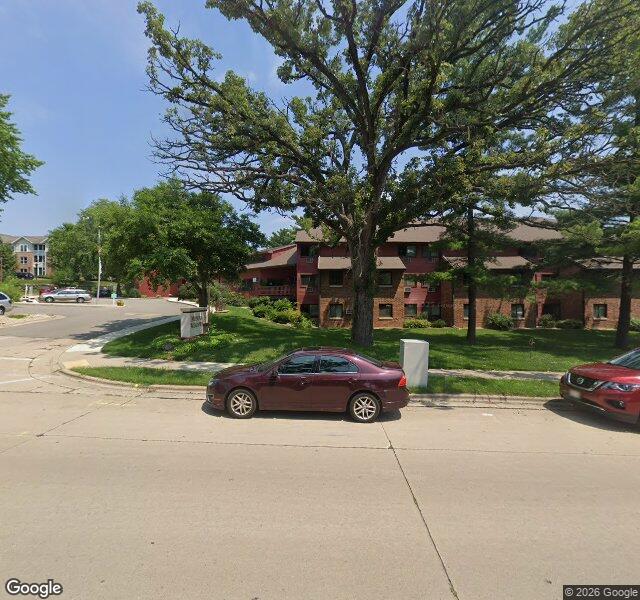
Overview and key essentials
State license
Active
WI DHS
Size & payment
Ask directly
Medicaid listed
Mixed signals — tour closely
Public Google reviews reflect mixed experiences (3.7/5). Compare recent reviews and tour in person.
Families praise: Compassionate and caring staff members
Worth asking: Safety and crisis management issues (mentioned by 2 reviewers)
Cost, payment & care details
Updated Nov 28, 2026| Monthly cost | Not published | Ask for the full monthly cost, including care fees and one-time charges. |
|---|---|---|
| Payment options | Medicaid | Participation is reported in our source data. Confirm eligibility, covered services, and any private-pay costs. Verified Medicaid waiver: Wisconsin Family Care / IRIS Medicaid Waiver (WI Dept. of Health Services (DHS DQA)). |
| Size & availability | Confirm directly | We don't publish live openings. Ask about current availability, waitlist length, and move-in timing. |
| Care & support | Assisted living | Usually offers housing and help with everyday tasks, such as bathing and dressing. What to confirm about care levelsThis describes the licensed category. Ask how care plans adjust if mobility, nursing, or memory needs change over time. Read the family care guide → |
Safety screening & compliance
State licensing depth & federal screening
HHS OIG LEIE: Clear (2026-11-27)OIG database ↗ (opens in a new tab)
WI DHS directory details (CBRF)
Class: CLASS CNA (NONAMBULATORY)Public Funding (Family Care / IRIS)HCBS Compliant
Public Google reviews
What families say
Families should be aware that while many former residents praise the supportive staff and life-changing programs, there are serious allegations regarding safety, neglect, and aggressive recruitment tactics. While some find the environment life-saving and welcoming, others report highly distressing experiences involving psychological distress and lack of adequate resources.
What families praise
- Compassionate and caring staff members
- Life-changing therapeutic programs
- Supportive peer group environment
Concerns to ask about
- Safety and crisis management issues (mentioned by 2 reviewers)
- Aggressive or intrusive recruitment/presence in residential areas
- Inaccurate diagnoses or lack of clinical oversight
- Poor communication and delayed responsiveness (mentioned by 2 reviewers)
Topics families mention
0–10 review sentiment · tap to readStaff warmth & care7.0
Many reviewers highlight the kindness and care of the staff, though some report extremely poor treatment.
Communication2.0
Multiple reviewers mentioned difficulty getting phone calls returned or being stonewalled.
Cost & value2.0
Reviewers noted issues with unexpected billing and unpaid debts.
Star breakdown
38 analyzed5 stars24 (63%)
4 stars1 (3%)
3 stars2 (5%)
2 stars1 (3%)
1 star10 (26%)
Mixed experiences: Both 5-star praise and 1–2 star warnings appear regularly.
State licensing
State inspection history
3inspections
5deficiencies listed
Jul 14, 2025Follow-up1 deficiency reported1
Mar 26, 2025Routine4 deficiencies reported4
4 deficiencies reported
View official state report (opens in a new tab)
On 03/26/2025, The Bureau of Assisted Living, Southern Regional Office conducted a standard survey at Tellurian Transitional Housing, a CBRF located in Madison, WI. Three deficiencies were identified. One deficiency was a repeat deficiency. See Statement of Deficiency (SOD), 9DTJ11 dated, 05/18/2021 and SOD 9DTJ12, dated 09/22/2021. Census: 16
83.37(1)(i) PRN psychotropic medication.N 408
As needed (PRN) psychotropic medication. When a psychotropic medication is prescribed on an as needed basis for a resident, the CBRF shall do all of the following: 1. The resident ' s individual service plan shall include the rationale for use and a detailed description of the behaviors which indicate the need for administration of PRN psychotropic medication. 2. The administrator or qualified designee shall monitor at least monthly for the inappropriate use of PRN psychotropic medication, including but not limited to, use contrary to the individual service plan, presence of significant adverse side effects, use for discipline or staff convenience, or contrary to the intended use. 3. Documentation in the resident ' s record shall include the rationale for use, description of behaviors requiring the PRN psychotropic medication, the effectiveness of the medication, the presence of any side effects, and monitoring for inappropriate use for each PRN psychotropic medication given. This Rule is not met as evidenced by: Based on record review and interview, the provider did not include the rationale for use and description of the behaviors which indicate the need for administration in the Individual Service Plan (ISP) of 1 of 1 residents reviewed receiving psychotropic medications as needed. The rational for administration of Lorazepam 1 mg and a description of Resident 1's behaviors was not included in Resident 1's ISP. Findings include: On 03/25/2025 at approximately 10:30 a.m., Surveyor reviewed Resident 1's record. Resident 1 was admitted to the facility on 11/19/2024 with a diagnosis of schizophrenia. Resident 1's physician order included Lorazepam 1mg - Give 1 tablet oral, every 6 hours as needed for schizophrenia. Surveyor reviewed Resident 1's ISP, dated 01/06/2025. The ISP did not include the rationale for use and description of behaviors that would warrant administration of Resident 1's Lorazepam. The Mental health/AODA category of Resident 1's ISP documented, "Report any changes in mental health, remain sober and attend related appointments as needed" but did not give a description of the behaviors or list Resident 1's use of Lorazepam 1 mg as needed. Surveyor reviewed Resident 1's Medication Administration Record (MAR). The MAR indicated Resident 1's Lorazepam as needed was administered on 11/29/2024, 02/12/2025 and 03/09/2025. The MAR did not include a detailed description of behaviors that would warrant administration of Resident 1's Lorazepam. On 03/25/2025 at approximately 10:30 a.m., Surveyor reviewed Resident 1's ISP with Program Supervisor D. Surveyor discussed concern that Resident 1's ISP did not include the rationale for use and description of the behaviors which indicate the need for administration of Resident 1's Lorazepam. Program Supervisor D stated that s/he would check in with the team clinician and see if the rationale of use or behavior description was documented on other paperwork. At approximately 11:45 a.m., Surveyor interviewed Director of Community Housing E. Director of Community Housing E confirmed that the rational for use and behavior description for the Lorazepam 1 mg was not documented in the ISP. Director of Housing E stated that "it will be added to the ISP by the end of the day."
83.21(1)-(3) All employee training.N 243
The CBRF shall provide, obtain or otherwise ensure adequate training for all employees in all of the following: Resident rights. Training shall include general rights of residents including rights as specified under s. DHS 83.32(3). Training shall be provided as applicable under ss. 50.09 and 51.61 and chs. 54, 55, and 304, Stats., and ch. DHS 94, depending on the legal status of the resident or service the resident is receiving. Specific training topics shall include house rules, coercion, retaliation, confidentiality, restraints, self-determination, and the CBRF ' s complaint and grievance procedures. Residents ' rights training shall be completed within 90 days after starting employment. Client Group. Training shall be specific to the client group served and shall include the physical, social and mental health needs of the client group. Specific training topics shall include, as applicable: characteristics of the client group served, activities, safety risks, environmental considerations, disease processes, communication skills, nutritional needs, and vocational abilities. Client group specific training shall be completed within 90 days after starting employment. Client Group. In a CBRF serving more than one client group, employees shall receive training for each client group. Recognizing, preventing, managing, and responding to challenging behaviors. Specific training topics shall include, as applicable: elopement, aggressive behaviors, destruction of property, suicide prevention, self-injurious behavior, resident supervision, and changes in condition. Challenging behaviors training shall be completed within 90 days after starting employment. This Rule is not met as evidenced by: Based on record review and interview, the provider did not ensure that 2 of 2 employees reviewed had completed training in resident rights, client group or challenging behaviors. Caregiver A and Caregiver B did not obtain all trainings required within 90 days after starting employment. Findings include: On 03/25/2025 at approximately 8:30 a.m., Surveyor requested an employee roster and employee records from Director of Human Resources C to verify compliance with all employee training requirements. Director of Human Resources C provided training records indicated below: Resident Rights The record for Caregiver A, hired 04/08/2024, contained evidence of training in resident rights, dated 12/09/2024, approximately 5 months after the 90-day requirement. The record for Caregiver B, hired 08/05/2024, contained evidence of training for resident rights, dated 03/03/2025, approximately 5 months after the 90-day requirement. Recognizing, Preventing, Managing and Responding to Challenging Behaviors The record for Caregiver A, hired 04/08/2024, contained evidence of training in challenging behaviors, dated 10/20/2024, approximately 3 months after the 90-day requirement. The record for Caregiver B, hired 08/05/2024, contained evidence of training in challenging behaviors, dated 01/12/2025, approximately 2 months after the 90-day requirement. Client Group The record for Caregiver A, hired 04/08/2024, contained evidence of training in client groups, dated 10/22/2024, approximately 3 months after the 90-day requirement. The record for Caregiver B, hired 08/05/2024, contained evidence of training in client groups, dated 03/03/2025, approximately 5 months after the 90-day requirement. On 03/25/2025 at approximately 12:00 p.m., Surveyor interviewed Director of...
STATE FORM6899
BRIC11 STATE FORM BRIC11 STATE FORM BRIC11 STATE FORM BRIC11 STATE FORM BRIC11 STATE FORM BRIC11 STATE FORM BRIC11
83.17(2)(a) Employees screened forN 220
communicable disease. The CBRF shall obtain documentation from a physician, physician assistant, clinical nurse practitioner or a licensed registered nurse indicating all employees have been screened for clinically apparent communicable disease including tuberculosis. Screening for tuberculosis shall be conducted using centers for disease control and prevention standards. The screening and documentation shall be completed within 90 days before the start of employment. The CBRF shall keep screening documentation confidential, except the department shall have access to the screening documentation for verification purposes. This Rule is not met as evidenced by: Based on record review and interview, the provider did not ensure 2 of 3 caregivers reviewed, were screened for clinically apparent communicable disease, including tuberculosis, within 90 days before the start of employment. Caregiver A and Caregiver B were not screened for clinically apparent communicable disease, including tuberculosis, within 90 days before the start of employment. This is a repeat deficiency. See Statement of Deficiency (SOD), 9DTJ11 dated, 05/18/2021 and SOD 9DTJ12, dated 09/22/2021. Findings include: On 03/25/2025 at approximately 8:30 a.m., Surveyor requested an employee roster and records from Director of Human Resources C. Director of Human Resources provided records that did not include tuberculosis tests for Caregiver A and Caregiver B. At approximately 11:45 a.m., Surveyor Interviewed Director of Human Resources C regarding the missing tuberculosis tests. Director of Human Resources C stated those records could be in another area and s/he would email the tuberculosis tests. Surveyor requested that records, including staff screened for clinically apparent communicable disease, including tuberculosis be sent over by 12:00 p.m. on 03/26/2025. On 03/26/2025 at 9:19 a.m., Surveyor received an email from Director of Human Resources C. Director of Human Resources C indicated in the email that the facility was unable to locate a tuberculosis test for Caregiver A and Caregiver B.
Mar 26, 2025EnforcementEnforcement actionPenalty
Enforcement action
View official state report (opens in a new tab)
No deficiencies are reported in this inspection record.
Neighborhood & resident support
Emergency access, hazards & advocacy
Nearest hospital
St Marys Hospital
4.0 mi · Madison, WI
Emergency room
FEMA hazard risk
Relatively ModerateDane County, WI
- Cold Wave
- Hail
- Tornado
Free resident advocacy
Wisconsin Board on Aging & Long Term Care Ombudsman
More neighborhood context (specialists, VA, dialysis, air & affordability)
VA & dialysis access
Madison VA Medical Center
5.5 mi · Madison, WI · VA 5/5 ★
Fresenius Medical Care - Madison Capitol
3.7 mi · 3/5 ★ · Home dialysis
Specialists within 15 mi
- Geriatricians
- 31
- Neurologists
- 128
- Palliative care
- 41
- PM&R rehab
- 32
Environment & mobility
- EPA Walkability
- 11.3/20 (Above Average)
- Primary care access
- HRSA Shortage Area
County demographics
- Age 65+ median income
- $71,957/yr
- Rent-burdened households
- 46%
- Cognitive disability (2023)
- 11.2%
- Mobility disability
- 9.3%
Call & tour checklist
Questions to ask Tellurian Transitional Housing
Check off questions as you call or tour. Your progress stays private in this browser.
Show 3 more suggested questions
Verification & public records
Official records & sources
Licensing & contact
- License #
- 9432
- Status
- active
Original public sources
Verify licensing, ratings, and inspection reports directly with each official source.
- WI DHS official record (opens in a new tab)WI Dept. of Health Services
- Google Maps (opens in a new tab)Directions, photos & neighborhood
- Google Reviews (opens in a new tab)38 public reviews
EveryPlace is an independent research directory. Information is compiled from public Medicare.gov, state licensing, Google Places, and street-level imagery sources. Some summaries, suggested questions, and pricing notes are AI-generated or AI-assisted and may contain errors or omissions. We do not accept payment for placement. Confirm all details directly with the community and official sources. Research Policy.
Keep exploring
Nearby communities to compare
- Cap. 76HUD Senior Housing< 1 miMonona MeadowsMonona, WI
- 3.7(39)MedicaidAssisted Living< 1 miTellurian Adult Residential ServicesMonona, WI
- Cap. 67HUD Senior Housing< 1 miFrost Woods Senior HousingMonona, WI
- 3.5(53)MedicaidAssisted Living< 1 miHubs HomeMonona, WI
- 3.5(53)MedicaidAssisted Living< 1 miHeritage Monona CbrfMonona, WI
- 3.5(53)MedicaidAssisted Living< 1 miBascom HallMonona, WI