Loading EveryPlace content…
Assisted LivingActive license
Sunrise Assisted Living of Leawood
11661 Granada Avenue, Leawood, KS 66211View map (opens in a new tab)
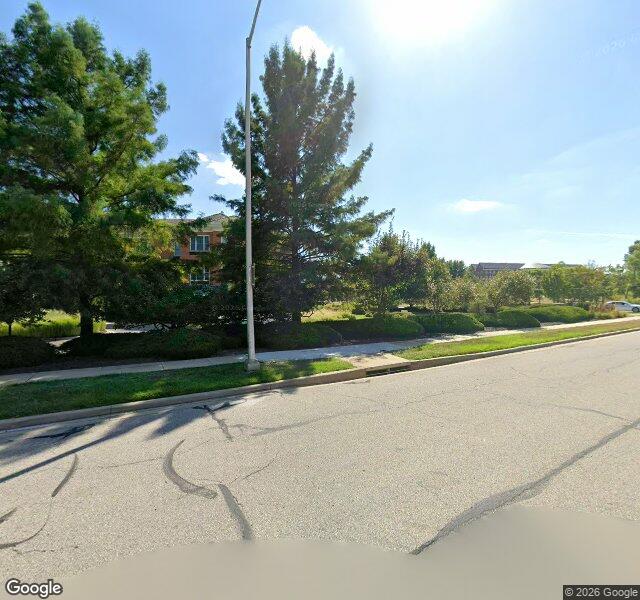
Overview and key essentials
State license
Active
KS KDADS
Google reviews
Not available
Public reviews not linked
Size & payment
Ask directly
Confirm pricing & payment
Public records for this community are limited. Use the checklist below when you call or visit to confirm pricing, services, and openings.
Cost, payment & care details
Updated Nov 28, 2026| Monthly cost | Not published | Ask for the full monthly cost, including care fees and one-time charges. |
|---|---|---|
| Payment options | Ask directly | Payment details are not confirmed in our records. Ask about private pay, long-term care insurance, veterans benefits, and Medicaid waivers. |
| Size & availability | Confirm directly | We don't publish live openings. Ask about current availability, waitlist length, and move-in timing. |
| Care & support | Assisted living | Usually offers housing and help with everyday tasks, such as bathing and dressing. What to confirm about care levelsThis describes the licensed category. Ask how care plans adjust if mobility, nursing, or memory needs change over time. Read the family care guide → |
State licensing
State inspection history
15inspections
25deficiencies listed
Mar 11, 2026Routine5 deficiencies reported5
5 deficiencies reported
View official state report (opens in a new tab)
The following represents the findings of a resurvey with attached complaints 197985, 197415, 197257, 196601, 196221, and 196148 at the above named assisted living conducted on 03/09/26, 03/10/26, and 03/11/26 .
moderateS 3085
(a) The administrator or operator of each assisted living facility or residential health care facility shall ensure the development of a written negotiated service agreement for each resident, based on the resident ' s functional capacity screening, service needs, and preferences, in collaboration with the resident or the resident ' s legal representative, the case manager, and, if agreed to by the resident or the resident ' s legal representative, the resident ' s family. The negotiated service agreement shall provide the following information: (1) A description of the services the resident will receive; (2) identification of the provider of each service; and (3) identification of each party responsible for payment if outside resources provide a service. This REQUIREMENT is not met as evidenced by: KAR 26-41-202(a)(1)(2) The facility reported a census of 83 residents with six residents included in the sample and one focused review. Based on interview and record review the administrator failed to ensure the "Negotiated Service Agreements" (NSA) for Residents (R) 1, R2, R3, R6, and R7 described the services they received based on their "Functional Capacity Screens" (FCS). Findings included: - Record review for R1 revealed an admission date of 02/14/24 with diagnoses of type two diabetes mellitus, unsteadiness on feet, cognitive communication deficit, and muscle weakness. The 11/09/25 "FCS" identified R3 required physical assistance with management of medications and was unable to perform management of treatments. He had short-term and long-term memory, memory/recall, and decision making cognitive difficulties. The 01/08/25 "NSA" failed to describe the services R1 received for management of medications and treatments and cognitive difficulties. On 03/11/26 at approximately 11:14 AM Administrative Nurse B confirmed R1's "NSA" failed to describe the services he received based on his "FCS." - Record review for R2 revealed an admission date of 06/09/25 with diagnoses of osteoporosis and anxiety. The 02/20/26 "FCS" identified R2 required physical assistance with management of medications and was unable to perform management of treatments. The 06/12/25 "NSA" failed to describe the services R2 received for management of medications and treatments. On 03/11/26 at approximately 11:14 AM Administrative Nurse B confirmed R2's "NSA" failed to describe the services R2 received based on her "FCS." - Record review for R3 revealed an admission date of 01/27/21 with diagnoses of Alzheimer's Disease and osteoporosis. The 02/17/26 "FCS" identified R3 required physical assistance with transfers and management of treatments. She had short-term and long-term memory, memory/recall, and decision-making cognitive difficulties. The 02/24/26 "NSA" failed to describe the services R3 received for transfers, management of treatments, and cognitivie difficulties. On 03/11/26 at approximately 11:31 AM Administrative Nurse B confirmed R3's "NSA" failed to describe the services she received for transfers and management of treatments. - Record review for R6 revealed an admission date of 02/03/26 with diagnoses of type two diabetes mellitus, severe protein-calorie malnutrition, and muscle weakness. The 02/20/26 "FCS" identified R6 required physical assistance with management of medications and treatments. He had short-term and long-term memory, and decision-making cognitive difficulties and was at risk for falls. The 02/03/26 "NSA" failed to describe the services R6...
moderateS 3165
(d) The negotiated service agreement shall contain a description of the health care services to be provided and the name of the licensed nurse responsible for the implementation and supervision of the plan. This REQUIREMENT is not met as evidenced by: KAR 26-41-204(d) The facility reported a census of 83 residents with six included in the sample and one focused review. Based on interview and record review the administrator failed to ensure the "Negotiated Service Agreement" (NSAs) for Residents (R) 2, R3, R6, and R7 named the licensed nurse responsible for implementing and supervising their "Healthcare Service Plans" (HSP). Findings included: - Record review for R2 revealed an admission date of 06/09/25 with diagnoses of osteoporosis and anxiety. The 02/20/26 "Functional Capacity Screen " (FCS) identified R2 required physical assistance with management of medications, was unable to perform management of treatments and was at risk for falls. The 06/12/25 "NSA" identified facility staff provided a clutter-free environment, ensured R2's bed was in the lowest position at night, ensured her assistive device was available and in good repair, R2's personal items and call light were kept within reach, and non-glare soft lighting was on at night for falls. The "NSA" failed to describe the services R2 received for management of medications and treatments. R2's "NSA" failed to name the nurse responsible for implementing and supervising her "HSP." On 03/11/26 at approximately 11:14 AM Administrative Nurse B confirmed R2's "NSA" failed to name the nurse responsible for implementing and supervising her "HSP." - Record review for R3 revealed an admission date of 01/27/21 with diagnoses of Alzheimer's Disease and osteoporosis. The 02/17/26 "FCS" identified R3 required physical assistance with bathing, dressing, toileting, transfers, walking/mobility, management of medications, and management of treatments. She was incontinent of bladder. R3 had short-term and long-term memory, memory/recall, and decision-making cognitive impairments. She was sometimes understood and sometimes understandable during communication and was at risk for impaired decision-making. The 02/24/26 "NSA" identified R3 received physical assistance of one staff member on Tuesday and Saturday for bathing, and physical assistance of one staff with dressing, and toileting. R3 used a walker for walking/mobility and she received administration of medications by facility staff. She used protective underwear for bladder incontinence. Staff asked yes/no questions, spoke clearly and slowly, used brief, consistent words and cues, and allowed enough time to process information and time to respond for communication. R3 received encouragement from staff to use her walker while she was in her room to prevent injury from falls and she had a durable power of attorney (DPOA) for impaired decision-making. The "NSA" failed to describe the services R3 received for transfers, cognitive difficulties, and management of treatments. R3's "NSA" failed to name the nurse responsible for implementing and supervising her "HSP." On 03/11/26 at approximately 11:31 AM Administrative Nurse B confirmed R3's "NSA" failed to name the nurse responsible for implementing and supervising her "HSP." - Record review for R6 revealed an admission date of 02/03/26 with diagnoses of type two diabetes mellitus, severe protein-calorie malnutrition, and muscle weakness. The 02/20/26 "FCS" identified R6 required physical...
moderateS 3082
Accurate d) Designated facility staff shall ensure that each resident ' s functional capacity at the time of screening is accurately reflected on that resident ' s screening form. This REQUIREMENT is not met as evidenced by: KAR 26-41-201(d) The facility reported a census of 83 residents with six residents included in the sample and one focused review. Based on observation, interview, and record review the administrator failed to ensure designated staff ensured the "Functional Capacity Screen" (FCS) for Residents (R) 1, R2, R3, R5, and R6 accurately reflected their functional capacity. Findings included: - Record review for R1 revealed an admission date of 02/14/24 with diagnoses of type two diabetes mellitus, unsteadiness on feet, cognitive communication deficit, and muscle weakness. The 11/09/25 "FCS" identified R3 scored "3" for short-term and long-term memory and decision making. He scored "2" for memory recall. The total score was "11." The 01/08/25 "NSA" failed to describe the services R1 received for cognitive difficulties. On 03/11/26 at approximately 10:45 AM Administrative Nurse B confirmed R1's "FCS" was not accurate for cognition. - Record review for R2 revealed an admission date of 06/09/25 with diagnoses of osteoporosis and anxiety. The 02/20/26 "Functional Capacity Screen " (FCS) identified R2 was independent with bathing, dressing, and toileting. The 06/12/25 "NSA" identified R2 received physical assistance by one staff member for bathing, stand-by assistance for dressing, and staff assistance at bedtime and during the night for toileting. On 03/11/26 at approximately 11:14 AM Administrative Nurse B confirmed R2's "FCS" was not accurate for bathing, dressing, and toileting. - Record review for R3 revealed an admission date of 01/27/21 with diagnoses of Alzheimer's Disease and osteoporosis. The 02/17/26 "FCS" identified R3 scored "2" for short-term and long-term memory and scored "3" for memory/recall and decision-making for a total score of "10." The 02/24/26 "NSA" identified R3 failed to describe the services R3 received for cognitive difficulties. - Record review for R5 revealed an admission date of 06/10/21 with diagnoses of dementia and need for assistance with personal care. The 09/24/25 "FCS" identified R5 scored "0" for short-term and long-term memory, memory/recall, and decision-making cognitive difficulties. In the "Mobility Appliance/Devices" section of the "FCS" R5 was marked "None of the Above." The 01/10/26 "NSA" identified facility staff anticipated R5's needs, tried at a different time when she resisted cares, and gave clear step-by-step explanations of all care activities prior to and during contact for cognitive difficulties. Observation on 03/09/26 at 01:01 PM revealed R5 sat at a table in the dining area in a wheelchair. On 03/11/26 at 11:42 AM Administrative Nurse B confirmed R5's "FCS" was not accurate for cognition because she had difficulties, and it was not accurate for appliances/devices because she used a wheelchair. - Record review for R6 revealed an admission date of 02/03/26 with diagnoses of type two diabetes mellitus, severe protein-calorie malnutrition, and muscle weakness. The 02/20/26 "FCS" identified R6 required physical assistance with transfers and walking/mobility. The "Mobility Appliance/Devices" section was blank. The 02/03/26 "NSA" identified R6 received assistance by two staff for transfers and assistance by one staff with a wheelchair for walking/mobility. On 03/11/26 at...
STATE FORM6899
MXZT11 STATE FORM MXZT11 STATE FORM MXZT11 STATE FORM MXZT11 STATE FORM MXZT11 STATE FORM MXZT11 STATE FORM MXZT11 STATE FORM MXZT11 STATE FORM MXZT11 STATE FORM MXZT11 STATE FORM MXZT11 STATE FORM MXZT11 STATE FORM MXZT11 STATE FORM MXZT11 STATE FORM MXZT11
moderateS 3298
(d) Food preparation. Food shall be prepared using safe methods that conserve the nutritive value, flavor, and appearance and shall be served at the proper temperature. (1) Food used by facility staff to serve to the residents, including donated food, shall meet all applicable federal, state, and local laws and regulations. (2) Food in cans that have significant defects, including swelling, leakage, punctures, holes, fractures, pitted rust, or denting severe enough to prevent normal stacking or opening with a manual, wheel-type can opener, shall not be used. (3) Food provided by a resident ' s family or friends for individual residents shall not be required to meet federal, state, and local laws and regulations. This REQUIREMENT is not met as evidenced by: KAR 26-41-206(d) The facility reported a census of 83 residents. The facility had a main kitchen where food was prepared and served and kitchen in the memory care unit where food was served. Based on observation and interview the administrator failed to ensure designated staff ensured served food at the proper temperature. Findings included: - Review of the facility's food temperature log for the month of February and from 03/01/26 to 03/09/26 were requested. The food temperature logs were arranged with one page for each of three daily meals. Pages for all three meals were not provided for three days in February on 02/03/26, 02/10/26, and 02/17/26. Pages for breakfast and lunch on 02/06/26, breakfast on 02/21/26, and dinner on 02/24/26 were not provided. Pages for all three meals for two days in March on 03/07/26 and 03/08/26 were not provided. Pages for dinner on 03/02/26 and breakfast and lunch on 03/04/26 and 03/06/26 were not provided. That was a total of 23 out of 108 total possible meals the facility failed to provide documentation of food temperatures. Review of the food temperature logs revealed lack of documentation of food temperatures for the following meals: 02/01/26 - breakfast and lunch 02/04/26 - dinner 02/05/26 - breakfast, lunch, and dinner 02/07/26 - lunch and dinner 02/08/26 - breakfast, lunch, and dinner 02/13/26 - breakfast, lunch, and dinner 02/14/26 - breakfast and lunch 02/15/26 - breakfast, lunch, and dinner 02/18/26 - breakfast and lunch 02/19/26 - breakfast 02/23/26 - dinner 02/26/26 - dinner 02/28/26 - breakfast and lunch 03/01/26 - dinner 03/05/26 - breakfast and lunch 03/06/26 - dinner That was a total of 30 out of 108 total possible meals the food temperature logs were blank. In all, the facility's food temperature logs lacked documentation of food temperatures for 53 of 108 total possible meals which was 51%. On 03/09/26 at approximately 02:06 PM Administration Staff A confirmed the food temperature logs lacked evidence of documentation. The facility's 2015 "Food Safety and Seniors" policy documented to use a calibrated thermometer to check the temperature of food items. Hot foods should be held at 140 degrees Fahrenheit (F) or higher and cold foods should be held at 41 degrees F or lower. The "Dietary Guidelines for Americans 2005 recommended to make sure food was cooked and held at proper temperatures and to keep cold food cold. Keep food out of the "danger zone" (40 degrees Fahrenheit to 140 degrees Fahrenheit) where bacteria can multiply rapidly. The administrator failed to ensure designated staff ensured served food at the proper temperature.
Oct 3, 2024Complaint1 deficiency reported1
1 deficiency reported
View official state report (opens in a new tab)
The following represent the findings of a complaint investigation #190659 at the above named assisted living conducted on 10/03/24 which resulted in no citations.
STATE FORM6899
4Z4J11
Aug 7, 2024Routine9 deficiencies reported9
9 deficiencies reported
View official state report (opens in a new tab)
The following represents the findings of a resurvey with attached complaints #189570, #187379, #187341, #187074 at the above named assisted living conducted on 08/05/24 - 08/07/24.
moderateS 3265
Preparedness (a) The administrator or operator of each assisted living facility or residential health care facility shall ensure the provision of a sufficient number of staff members to take residents who would require assistance in an emergency or disaster to a secure location. This REQUIREMENT is not met as evidenced by: KAR 26-41-104(a) The facility reported a census of 75 residents with six residents included in the sample and three closed record reviews. Based on interview and record review the administrator failed to ensure sufficient number of staff members for residents who required assistance in an emergency or disaster were scheduled during all shifts. Findings included: - Record review of the facility's call light log from 08/02/24 through 08/05/24 indicated: Out of 270 total call light activations, 139 call lights were answered in over 30 minutes which was 51% of all call lights. 82 call lights were answered in over one hour which was 30% of all call lights. Record review of resident roster on 08/05/24 revealed memory care unit had seven residents who required two-person assistance to transfer. The assisted living had 14 residents who required two-person assistance to transfer. Review of Evacuation Drill dated 10/03/23 at 10:30 AM revealed the facility completed a full evacuation in 29 minutes with six staff members. The facility failed to ensure night shift staffing levels were used for drill. Interview on 08/05/24 at approximately 01:45 PM of Certified Medication Aide (CMA) N and Certified Nurse Aide M stated there were not enough staff at the time of the interview. They reported that it was just the two of them that day. Both agreed that they had too many two-person assistance residents for their staffing. Interview on 08/07/24 at approximately 12:44 PM of R6 revealed that the resident has had to wait up to three hours for a response to her call light. She stated the staff had excuse of "we have others to take care of." Interview on 08/07/24 at approximately 01:55 PM of R5 revealed that the resident had to wait "sometimes over an hour" for a response to her call light. She stated that one time she had to wait for additional staff that was needed to assist her to come from upstairs. R2 stated that her opinion was there should have been two staff on each floor of the building. Interview on 08/07/24 at 02:28 PM of Licensed Nurse H revealed that she consistently did not feel she had enough time to complete the tasks she needed to do each shift. Interview on 08/06/24 at 12:15 PM of Administrative Staff A revealed if staff left unit to do laundry the facility did not have staff from another floor cover. Interview on 08/06/24 at 02:24 PM of Administrative Nurse B revealed staffing was two staff in memory care (third floor) at night and two staff in assisted living (first and second floors) with sometimes a float. Four to five total staff for whole building. Interview on 08/06/24 at 02:47 PM of CMA E revealed there were not enough staff during an emergency when a resident went missing. The policy stated two staff were assigned to each floor during a search. That night there were only 4 staff in the whole building with three floors. Interview on 08/06/24 at 05:45 PM with Administrative Nurse B revealed her goal for call light response was within 15 minutes. She stated they needed more staff. Interview on 08/07/24 at approximately 02:52 PM Administrative Staff A stated call light response time goal was 15-20 minutes. The...
immediate_jeopardyS 3026
ANE (f)The administrator or operator shall ensure that all of the following requirements are met: (1) No resident shall be subjected to any of the following: (A) Verbal, mental, sexual, or physical abuse, including corporal punishment and involuntary seclusion; (B) neglect; or (C) exploitation. This REQUIREMENT is not met as evidenced by: KAR 26-41-101(f)(1)(B) The facility reported a census of 75 residents with six residents included in the sample and three closed record reviews. Based on observation, interview, and record review the administrator failed to protect cognitively impaired Resident (R)1 from neglect when he attempted to elope from the building on 07/26/24 at 05:49 PM by exiting the secured memory care unit (on the third floor) and staff found him on the ground/basement level. On 07/27/23 at approximately 04:52 AM, he then exited the building by going through the secured memory care unit door, down four flights of stairs to the ground floor/basement and exited the building through a second secured door. Local police found R1 approximately 43 minutes later, approximately 1.3 miles away from the facility. This placed R1 in Immediate Jeopardy. Findings included: - Record review for R1 revealed an admission date of 07/22/24 with diagnoses of dementia and heart failure. The 07/22/24 "Functional Capacity Screen" (FCS) identified R1 was independent with transfers and walking/mobility and used no assistive devices; he had short-term and long-term memory, memory/recall, and decision-making difficulties; and he was identified at risk for wandering. The 07/22/24 combined "Negotiated Service Agreement/Healthcare Service Plan" (NSA/HSP) documented (unidentified persons) to offer structured activities according to R1's preference for wandering. The combined "NSA/HSP" failed to document guidance for facility staff regarding R1's wandering and failed to describe services provided for cognition. The "date of service" 07/17/24 "History and Physical Information" by Physician C documented R1 had advanced dementia and was unable to care for himself. The 07/23/24 at 10:28 AM late entry "Health Status" note by CNA D documented R1 had packed and expressed a desire to leave the facility. The 07/23/24 at 10:29 AM late entry "Health Status" note by CNA D documented R1 was provided frequent checks. The 07/27/24 at 10:47 AM late entry "Health Status" note by Administrative Nurse B documented R1 exited the building and left facility property without escort at 04:45 AM. R1's record from admission on 07/22/24 to 07/27/24 failed to document R1's attempt to exit the facility on the evening of 07/26/24 when he left the memory care unit through an alarmed door and staff found him at the bottom of the stairwell. The undated facility's "Investigation" reported the following: R1 resided in the facility's secured memory care with exit doors secured with a keypad code. The doors released after 30 seconds without using the code for life safety reasons. On 07/27/24 Certified Medication Aide (CMA) E last saw R1 in his room during rounds between 02:00 to 03:00 AM. On 07/27/24 at approximately 04:52 AM, R1 activated the door alarm on the back door (Stairwell C) of the memory care unit. The door released and R1 went down the stairs to the basement and set off the door alarm on Stairwell C exit at basement to the outside. CMA E and Certified Nurse Aide (CNA) F were on duty in the memory care. Staff responded to the memory care unit back door alarm. CNA F searched...
moderateS 3211
DRUGS (3) A licensed nurse or medication aide may accept over-the-counter medication only in its original, unbroken manufacturer ' s package. A licensed pharmacist or licensed nurse shall place the full name of the resident on the package. If the original manufacturer ' s package of an over-the-counter medication contains a medication in a container, bottle, or tube that can be removed from the original package, the licensed pharmacist or a licensed nurse shall place the full name of the resident on both the original manufacturer ' s medication package and the medication container. This REQUIREMENT is not met as evidenced by: KAR 26-41-205(g)(3) The facility reported a census of 75 residents combined between assisted living and memory care. Based on observation and interview the administrator failed to ensure a licensed pharmacist or licensed nurse placed the full names of residents on the original packages of fourteen over-the-counter (OTC) medications in the nurse's medication cart, seventeen OTC in assisted living, and four OTC in the memory care. Findings included: - Observation on 08/05/24 at 11:45 AM revealed the first-floor assisted living medication cart contained the following OTC medications were not labeled with residents' full names: One bottle refresh tears, 10ml One bottle Neuriva, 50 gummies One bottle Tums, 150 tabs One bottle ibuprofen 200mg, 100 tabs One tube hydrocortisone cream 2.5%, 2 oz One bottle Tussin DM 236ml On 08/05/24 at approximately 11:48 AM "Certified Medication Aide" (CMA) I confirmed six OTC medications in the first-floor medication cart were not labeled with residents' full names. - Observation on 08/05/24 at 12:20 PM revealed the first of two second-floor assisted living medication carts contained the following OTC medications were not labeled with residents' full names: One bottle melatonin 1mg, 240 tablets One bottle aspirin 81mg, 300 tablets One bottle niacin 500mg, 240 caps One bottle probiotic, 120 tablets One bottle magnesium citrate, 100 caps One bottle acetaminophen 500mg, 500 caps One bottle clearlax, 765 grams On 08/05/24 at approximately 12:22 PM "Certified Medication Aide" (CMA) I confirmed seven OTC medications in the first second-floor medication cart were not labeled with residents' full names. - Observation on 08/05/24 at 01:14 PM revealed the nurse's medication cart contained the following OTC medications were not labeled with residents' full names: One tube of Zinc oxide paste, 4 oz One tube protective ointment petrolatum 98%, 2.47 oz One tube calmoseptine ointment, 4 oz One shaker container Antifungal powder, 3 oz One tube triamcinolone acetonide 0.1%, 80 g Two tubes silicone cream, 4 oz One tube collagenase Santyl ointment 250 units/gram, 90 grams One tube collagenase Santyl ointment 250 units/gram, 30 grams One tube antifungal ointment, 2.5 oz One tube Curad Vit A and D ointment, 2 oz Two tubes triple antibiotic ointment + pain relief, 1 oz One tube Mupiricin 2%, 22g On 08/05/24 at approximately 01:18 PM Licensed Nurse H confirmed fourteen OTC medications in the nurse's medication cart were not labeled with residents' full names. - Observation on 08/05/24 at 01:25 PM revealed the second of two second-floor assisted living medication carts contained the following OTC medications were not labeled with residents' full names: One bottle Melotonin 1 mg; 90 gummies One bottle refresh tears, 0.5 oz One container daily fiber psyllium husk, 23.3 oz One bottle antacid tabs equate 1000...
moderateS 3085
(a) The administrator or operator of each assisted living facility or residential health care facility shall ensure the development of a written negotiated service agreement for each resident, based on the resident ' s functional capacity screening, service needs, and preferences, in collaboration with the resident or the resident ' s legal representative, the case manager, and, if agreed to by the resident or the resident ' s legal representative, the resident ' s family. The negotiated service agreement shall provide the following information: (1) A description of the services the resident will receive; (2) identification of the provider of each service; and (3) identification of each party responsible for payment if outside resources provide a service. This REQUIREMENT is not met as evidenced by: KAR 26-41-202(a)(1)(2) The facility reported a census of 75 residents with six residents included in the sample and three closed record reviews. Based on interview and record review the administrator failed to ensure the "Negotiated Service Agreements" (NSA) for Residents (R) 1, R2, R4, R5, R6, R7, R8, and R9 described the services they received based on their "Functional Capacity Screen" (FCS) service needs, and preferences and who was responsible for providing the services. Findings included: - Record review for R1 revealed an admission date of 07/22/24 with diagnoses of dementia and heart failure. The 07/22/24 "Functional Capacity Screen" (FCS) identified R1 required assistance with management of treatments and was identified at risk for wandering. The 07/22/24 combined "NSA/Healthcare Service Plan" (NSA/HSP) documented "I will be offered pleasant activities (SPECIFY: GROUP ACTIVITIES, MUSIC PROGRAM) per my activity preference." The NSA/HSP failed to specify what activities were provided for wandering and to identify the provider of the service. The NSA/HSP failed to describe any services provided for management of treatments and the provider of the services. R1's NSA/HSP failed to describe the services provided and failed to identify the provider of each service. - Record review for R2 revealed an admission date of 09/09/23 with diagnoses of hemiplegia and hemiparesis following cerebral infarction and diabetes mellitus. The 06/04/24 "FCS" identified R2 required physical assistance with dressing, toileting, transfers, and walking/mobility; and he had short term memory, memory/recall, and decision-making difficulties. The 06/05/24 "NSA/HSP" documented "I need physical assistance of one person" for dressing, toileting, transfers, and mobility when moving about in his room; and unidentified persons would offer him limited choices and options so he could continue to make his own decisions for cognitivie difficulties. R2's "NSA/HSP" was dated one day before the "FCS" and failed to describe the services provided for dressing, toileting, transfers, and mobility and failed to identify the provider of those services and services provided for cognitive difficulties. - Record review for R4 revealed an admission date of 11/14/22 with a diagnosis of type 2 diabetes mellitus. The 01/03/24 "FCS" identified R4 required physical assistance with bathing, dressing, transfers, walking/mobility, management of treatments, and was identified to have cognitive difficulties and impaired hearing. The 01/03/24 combined "NSA/HSP" documented "I am independent with my mobility" and "I need physical assist of 1 person with mobility". . . I need physical assist of...
moderateS 3298
(d) Food preparation. Food shall be prepared using safe methods that conserve the nutritive value, flavor, and appearance and shall be served at the proper temperature. (1) Food used by facility staff to serve to the residents, including donated food, shall meet all applicable federal, state, and local laws and regulations. (2) Food in cans that have significant defects, including swelling, leakage, punctures, holes, fractures, pitted rust, or denting severe enough to prevent normal stacking or opening with a manual, wheel-type can opener, shall not be used. (3) Food provided by a resident ' s family or friends for individual residents shall not be required to meet federal, state, and local laws and regulations. This REQUIREMENT is not met as evidenced by: KAR 26-41-206(d) The facility reported a census of 75 residents. The facility had a main kitchen where food was stored, prepared and served and an additional kitchen in memory care where food was served. Based on interview and record review, the administrator failed to ensure food was served at the proper temperature. Findings included: - Observation on 08/05/24 at 01:43 PM of the main kitchen revealed clipboards on the wall above the prep area which contained weekly food temperature logs for the current week. Review of the food temperature logs for the month of July 2024 revealed designated staff failed to obtain temperatures for foods served 71 out of 93 meals. On 08/06/24 at 03:45 PM Dietary Staff K confirmed the food temperature logs were not completed for every meal every day of the month. On 08/05/24 at 02:20 PM Dietary Staff L confirmed the expectation was that food temperature logs were completed for every meal every day of the month. She stated the main kitchen and memory care kitchen staff should both have completed temperature logs. The Kansas Department of Agriculture's "Focus on Food Safety" booklet page 14, 18 and 19 documented "minimum hot holding temperature is 135 degrees Fahrenheit (F)." and "maximum cold holding temperature is 41 degrees F." The facility's "Food Storage, Preparation and Service" policy revised 07/08/24 documented food temperatures were "to be taken 15 minutes prior to service in the main kitchen and all satellite locations." The administrator failed to ensure food was served at the proper temperature.
STATE FORM6899
PSD211 STATE FORM PSD211 STATE FORM PSD211 STATE FORM PSD211 STATE FORM PSD211 STATE FORM PSD211 STATE FORM PSD211 STATE FORM PSD211 STATE FORM PSD211 STATE FORM PSD211 STATE FORM PSD211 STATE FORM PSD211 STATE FORM PSD211 STATE FORM PSD211 STATE FORM PSD211 STATE FORM PSD211 STATE FORM PSD211 STATE FORM PSD211 STATE FORM PSD211 STATE FORM PSD211 STATE FORM PSD211 STATE FORM PSD211 STATE FORM PSD211 STATE FORM PSD211 STATE FORM PSD211 STATE FORM PSD211 STATE FORM PSD211
moderateS 3320
(a) The assisted living facility or residential health care facility shall be designed, constructed, equipped and maintained to protect the health and safety of residents, personnel and the public. (b) All new construction, renovation, remodeling and changes in building use in existing buildings shall comply with building and fire codes, ordinances and regulations enforced by city, county, and state jurisdictions, including the state fire marshal. (c) New construction, modifications and equipment shall conform to the following codes and standards: (1) Title III of the Americans with disabilities act, 42 U.S.C. 12181, effective as of January 26, 1992; and (2) "Food Service Sanitation Manual," health, education, and welfare (HEW) publication no. FDA 78-2081, as in effect on July 1, 1981. This REQUIREMENT is not met as evidenced by: KAR 28-39-254(a) The facility reported a census of 75 total residents with 25 residents in the memory care unit. Based on observation and interview the administrator failed to ensure the facility was maintained to protect the health and safety of the residents and visitors by ensuring all chemicals were stored within locked areas in the memory care unit. Findings included: - Observation on 08/05/24 at approximately 01:43 PM of the memory care kitchen, which was accessible to residents, revealed an unlocked cabinet under the kitchen sink. The cabinet contained four one-gallon sized plastic containers of automatic dishwashing liquid and one 16-ounce spray bottle of disinfectant cleaner with labels that read "Keep out of reach of children." On 08/05/24 at approximately 01:43 PM Certified Medication Aide (CMA) N confirmed the chemicals were stored in an unlocked area that was accessible to the residents. The administrator failed to ensure the building was maintained to protect the health and safety of the residents and visitors by ensuring all chemicals were stored within a locked areas in the memory care unit.
moderateS 3299
(e) Food storage. Facility staff shall store all food under safe and sanitary conditions. (1) Containers of poisonous compounds and cleaning supplies shall not be stored in the areas used for food storage, preparation, or serving. This REQUIREMENT is not met as evidenced by: KAR 26-41-206(e) The facility reported a census of 75 residents. The facility had a main kitchen where food for all residents were stored, prepared, and served and an additional kitchen in memory care where food was served. Based on observation and interview the administrator failed to ensure food items were stored under safe conditions. Findings included: - Observation on 08/05/24 at 02:17 PM in the main kitchen revealed a salad refrigerator that contained food items for the residents. The salad refrigerator contained two trays of double stacked cups with individual serving sizes of dressings and one gallon of milk that lacked labels identifying a date the food was opened or prepared. On 08/05/24 at approximately 02:21 PM Dietary Staff L confirmed the food items were undated. A food storage area contained all non-perishable items contained a dented can of pears, one opened and unsealed bag of mousse mix, two opened and unsealed packages of instant pudding mix and one opened and unsealed package of frosting mix. On 08/05/24 at approximately 02:24 PM Dietary Staff L confirmed the food items were dented or unsealed. A walk-in refrigerator contained the following items; one cardboard box of uncooked bacon on a shelf above vegetables and prepared dessert, one eight ounce container of fresh mushrooms unsealed, and 14 gallons of various dressings (including Ranch flavor), sauces, salsa, and mayo were opened and undated. On 08/05/24 at approximately 02:30 PM Dietary Staff L confirmed the food items were not correctly placed, unsealed and undated. The facility's "Food Storage, Preparation and Service" policy revised 07/08/24 documented all food items are labeled, dated and rotated to maintain system and "all canned products must be in good condition. Cans that are dented ....may not be used and are discarded immediately." The policy stated safe internal cooking and holding temperatures as defined by the Food and Drug Administration Food Code "are met and recorded on the productions sheets." The Kansas Department of Agriculture's "Focus on Food Safety" booklet Page 13 documented that cooked, ready-to-eat foods were to be stored above raw animal foods. Page 19 stated that cold foods must be covered to maintain cold holding temperature. Page 20 explained commercially prepared foods must be date marked after the original container was opened or if it was held for more than 24 hours. The administrator failed to ensure foods were stored under safe conditions.
moderateS 3215
(h) Storage. Licensed nurses and medication aides shall ensure that all medications and biologicals are securely and properly stored in accordance with each manufacturer ' s recommendations or those of the pharmacy provider and with federal and state laws and regulations. (1) Licensed nurses or medication aides shall store non-controlled medications and biologicals managed by the facility in a locked medication room, cabinet, or medication cart. Licensed nurses and medication aides shall store controlled medications managed by the facility in separately locked compartments within a locked medication room, cabinet, or medication cart. Only licensed nurses and medication aides shall have access to the stored medications and biologicals. (2) Each resident managing and self-administering medication shall store medications in a place that is accessible only to the resident, licensed nurses, and medication aides. (3) Any resident who self-administers medication and is unable to provide proper storage as recommended by the manufacturer or pharmacy provider may request that the medication be stored by the facility. (4) A licensed nurse or medication aide shall not administer medication beyond the manufacturer ' s or pharmacy provider ' s recommended date of expiration. This REQUIREMENT is not met as evidenced by: KAR 26-41-205(h) The facility reported a census of 75 residents. Based on observation and interview, the administrator failed to ensure medications were stored in accordance with each manufacturer's recommendations. Findings included: - Observation on 08/05/24 at 12:29 PM revealed the nurse's medication cart with opened insulin pens including lispro dated 6/12/24, Tresiba pen dated 07/03/24, and novolog pen dated 06/28/24. The insulin manufacturer recommendations stated an opened, used pen should be discarded after 28 days. On 08/05/24 at approximately 12:31 PM Licensed Nurse H confirmed the insulin pens were opened and dated longer than 28 days prior. The administrator failed to ensure medications were stored in accordance with each manufacturer's recommendations.
Mar 13, 2024Complaint1 deficiency reported1
1 deficiency reported
View official state report (opens in a new tab)
The abbreviated survey for complaints #186421, #186281, #184116, and #182908 conducted on 03/13/24 at the above named assisted living facility resulted in a finding of no deficiency citations.
STATE FORM6899
WZ5711
Sep 13, 2023Complaint1 deficiency reported1
1 deficiency reported
View official state report (opens in a new tab)
The abbreviated survey for complaint #182775 at the above named assisted living conducted on 09/13/23 resulted in no deficiency citations.
STATE FORM6899
V7SE11
Show all 15 inspections
Aug 22, 2023Routine8 deficiencies reported8
8 deficiencies reported
View official state report (opens in a new tab)
The following citations represent the findings of a resurvey with attached complaint (#180832) at the above named facility conducted on 08/21/23 and 08/22/23.
and the first and second quarters of 2023.2022
Facility failed to provide quarterly reviews of the emergency management plan with memory care unit residents for the second, third and fourth quarters of 2022 and the first and second quarters of 2023. Review of the facility's quarterly reviews of the emergency management plan with staff revealed the following review dates: 05/18/22, 06/21/22 and 05/18/23. Facility failed to provide quarterly reviews of the emergency management plan with staff for the third and fourth quarters of 2022 and the first quarter of 2023. Facility failed to perform an annual emergency drill since last survey conducted with all residents and the minimum number of staff on duty at one time that included an evacuation of all residents to a secure location. Interview on 08/21/23 at 04:15 PM with Maintenance Staff G confirmed unable to locate a full evacuation completed with all residents and the minimum number of staff on duty at one time. Interview on 08/21/23 at 04:53 PM with Administrative Staff F confirmed unable to locate documented reviews completed with memory care unit residents. Administrative Staff F further confirmed unable to locate reviews completed with assisted living residents for the second and fourth quarters of 2022 and the first and second quarters of 2023 and unable to locate reviews completed with staff for the third and fourth
moderateS 3215
(h) Storage. Licensed nurses and medication aides shall ensure that all medications and biologicals are securely and properly stored in accordance with each manufacturer ' s recommendations or those of the pharmacy provider and with federal and state laws and regulations. (1) Licensed nurses or medication aides shall store non-controlled medications and biologicals managed by the facility in a locked medication room, cabinet, or medication cart. Licensed nurses and medication aides shall store controlled medications managed by the facility in separately locked compartments within a locked medication room, cabinet, or medication cart. Only licensed nurses and medication aides shall have access to the stored medications and biologicals. (2) Each resident managing and self-administering medication shall store medications in a place that is accessible only to the resident, licensed nurses, and medication aides. (3) Any resident who self-administers medication and is unable to provide proper storage as recommended by the manufacturer or pharmacy provider may request that the medication be stored by the facility. (4) A licensed nurse or medication aide shall not administer medication beyond the manufacturer ' s or pharmacy provider ' s recommended date of expiration. This REQUIREMENT is not met as evidenced by: KAR 26-41-205 (h) The census equaled 70 residents. The sample included 6 residents. Based on observation, interview and record review for all residents living in the facility and receiving medication services, the facility failed to ensure medications and biologicals were securely and properly stored in accordance with each manufacturer ' s recommendations or those of the pharmacy provider and with federal and state laws and regulations. Findings included: - On 08/21/23 at 03:04 PM, Executive Director A provided a "Resident Roster" which included 70 residents and noted 48 of the 70 residents had impaired cognitive abilities. Observation during the initial tour on 08/21/23 at 02:56 PM with CMA E revealed a locked medication cart on the second floor of the facility. The cart contained one bottle of Men's Health One Daily Vitamins for R4 and one bottle of One a Day Multivitamins for R7. Both medication bottles were covered with a plastic cup and bag on top instead of the proper manufacturer's lid. Interview on 08/21/23 with Executive Director A confirmed medications were not to be stored without the proper manufacturer's lid. Facility failed to ensure medications and biologicals were securely and properly stored in accordance with each manufacturer ' s recommendations or those of the pharmacy provider and with federal and state laws and regulations.
moderateS 3280
Preparedness (d) Each administrator or operator shall ensure disaster and emergency preparedness by ensuring the performance of the following: (1) Orientation of new employees at the time of employment to the facility ' s emergency management plan; (2) education of each resident upon admission to the facility regarding emergency procedures; (3) quarterly review of the facility ' s emergency management plan with employees and residents; and (4) an emergency drill, which shall be conducted at least annually with staff and residents. This drill shall include evacuation of the residents to a secure location. This REQUIREMENT is not met as evidenced by: KAR 26-41-104 (d) (3) (4) The census equaled 70 residents. The sample included 6 residents. Based on record review and interview, the facility failed to ensure disaster and emergency preparedness by ensuring the performance of quarterly review of the facility's entire "Emergency Management Plan" with residents and staff and an annual emergency drill with staff and residents to include an evacuation of all residents to a secure location. Findings included: - Review of the facility "Emergency Management Plan" revealed the plan contained procedures to manage potential emergencies and disasters including fire, flood, severe weather, tornado, explosion, natural gas leak, lack of electrical or water service, and missing residents. Review of the facility's quarterly reviews of the emergency management plan with assisted living residents revealed the following review dates: 07/12/22. Facility failed to provide quarterly reviews of the emergency management plan with assisted living residents for the second and fourth quarters of quarters of 2022 and the first quarter of 2023. Facility failed to ensure disaster and emergency preparedness by the failure to ensure the performance of quarterly reviews of the facility's entire "Emergency Management Plan" with residents and staff and an annual emergency drill with staff and residents to include an evacuation of the residents to a secure location.
moderateS 3005
(b) Administrator and operator criteria. Each licensee shall appoint an administrator or operator who meets the following criteria: (1) Is at least 21 years of age; (2) possesses a high school diploma or the equivalent; (3) holds a Kansas license as an adult care home administrator or has successfully completed an operator training course and passed the test approved by the secretary of Kansas department of heath and environment pursuant to K.S.A. 39-923 and amendments thereto; and (4) has authority and responsibility for the operation of the facility and compliance with licensing requirements. This REQUIREMENT is not met as evidenced by: KAR 26-41-101 (b) (3) (4) The facility reported a census of 70 residents. Based on interview and record review, the facility failed to appoint an administrator or operator who held a Kansas license as an adult care home administrator or has successfully completed an operator training course and passed the test approved by the secretary of Kansas department of heath and environment pursuant to K.S.A. 39-923 and amendments thereto; and had authority and responsibility for the operation of the facility and compliance with licensing requirements as of 06/05/23, which at the start of the survey was 77 days. Findings included: Interview on 08/21/23 at approximately 01:20 PM, Executive Director A stated the previous administrator no longer worked at the facility and she took over as administrator on 06/05/23. Executive Director A stated she had an administrator's license in the state of Georgia, but not in the state of Kansas. The facility failed to appoint an administrator or operator who held a Kansas license as an adult care home administrator or has successfully completed an operator training course and passed the test approved by the secretary of Kansas department of heath and environment pursuant to K.S.A. 39-923 and amendments thereto; and had authority and responsibility for the operation of the facility and compliance with licensing requirements as of 06/05/23, which at the start of the survey was 77 days.
moderateS 3248
Records (d) The employee records and agency staff records shall contain the following documentation: (1) Evidence of licensure, registration, certification, or a certificate of successful completion of a training course for each employee performing a function that requires specialized education or training; (2) supporting documentation for criminal background checks of facility staff and contract staff, excluding any staff licensed or registered by a state agency, pursuant to K.S.A. 39-970 and amendments thereto; (3) supporting documentation from the Kansas nurse aide registry that the individual does not have a finding of having abused, neglected, or exploited a resident in an adult care home; and (4) supporting documentation that the individual does not have a finding of having abused, neglected, or exploited any resident in an adult care home, from the nurse aide registry in each state in which the individual has been known to have worked as a certified nurse aide. This REQUIREMENT is not met as evidenced by: KAR 26-41-102 (d) (2) The facility census equaled 70 residents. The sample included 6 residents and record review of 5 newly hired employees. Based on interview and personnel record review, Executive Director A failed to obtain evidence of supporting documentation for criminal background checks when the background checks were not conducted on Executive Director A through the Kansas Department for Aging and Disability Services according to K.S.A 39-970 (d). Findings included: - On 08/21/23, personnel record review for staff revealed the following: Executive Director A start date 06/05/23, no evidence of criminal background check completed through the Kansas Department for Aging and Disability Services according to K.S.A 39-970 (d). Interview on 08/21/23 at 04:53 PM with Executive Director A confirmed criminal background check was not completed through the Kansas Department for Aging and Disability Services according to K.S.A 39-970 (d) on herself. For all residents, facility failed to obtain evidence of supporting documentation for criminal background checks for Executive Director A, pursuant to K.S.A. 39-970 and amendments thereto.
STATE FORM6899
9LP211 STATE FORM 9LP211 STATE FORM 9LP211 STATE FORM 9LP211 STATE FORM 9LP211 STATE FORM 9LP211 STATE FORM 9LP211 STATE FORM 9LP211 STATE FORM 9LP211 STATE FORM 9LP211 STATE FORM 9LP211 STATE FORM 9LP211 STATE FORM 9LP211 STATE FORM 9LP211 STATE FORM 9LP211 STATE FORM 9LP211 STATE FORM 9LP211 STATE FORM 9LP211
moderateS 3101
(h) Each individual involved in the development of the negotiated service agreement shall sign the agreement. The administrator or operator shall ensure that a copy of the initial agreement and any subsequent revisions are provided to the resident or the resident's legal representative. This REQUIREMENT is not met as evidenced by: KAR 26-41-202 (h) The census equaled 70 residents. The sample included 6 residents. Based on record review and interview for 6 Residents (R)1, R2, R3, R4, R5 and R6, the facility failed to ensure each individual involved in the development of the negotiated service agreement (NSA) signed the agreement. Findings included: Interview on 08/22/23 at 02:47 PM with Licensed Nurse (LN) B confirmed document titled "Individualized Service Plan" was the facility's NSA. - R1's medical record revealed she admitted to the facility on 05/14/21 with diagnoses of diabetes mellitus type II, hypothyroidism, cerebrovascular disease and muscle weakness. The "Functional Capacity Screen" (FCS) dated 06/09/23 recorded the resident was independent with eating, required physical assistance with bathing, dressing, toileting, transfer and walk/mobility, and was unable to complete management of medications and treatments. The FCS recorded R1 had short term memory impairment and was at risk for falls/ unsteadiness. The "Individualized Service Plan" dated 06/10/23 recorded R1 required physical assistance from staff for bathing, dressing, toileting, transfer. walk/mobility and medication and treatment administration. R1 used a sit to stand lift with two person staff assistance for transfers and a wheelchair for ambulation. The "Individualized Service Plan" lacked signatures of the individuals involved at the time of development of the agreement including R1, any legal representatives or family members and a licensed nurse. - R2's medical record revealed she admitted to the facility on 03/29/23 with diagnoses of diabetes mellitus type II, chronic obstructive pulmonary disease, chronic kidney disease, anemia, anxiety disorder, hyperlipidemia, hypertension and major depressive disorder. The "Functional Capacity Screen" (FCS) dated 03/28/23 recorded the resident was independent with eating and walk/mobility, required physical assistance with bathing, dressing, toileting and transfer, and was unable to complete management of medications and treatments. The "Individualized Service Plan" dated 06/20/23 recorded R2 required physical assistance from staff for bathing, dressing, toileting, transfer and medication administration. R2 used a sliding board with two-person staff assistance for transfers and a wheelchair for ambulation. The "Individualized Service Plan" lacked signatures of the individuals involved at the time of development of the agreement including R2, any legal representatives or family members and a licensed nurse. - R3's medical record revealed she admitted to the facility on 03/13/21 with diagnoses of multiple sclerosis, Vitamin D deficiency, age-related osteoporosis, vitamin B12 deficiency, hypothyroidism and restless leg syndrome. The "Functional Capacity Screen" (FCS) dated 08/08/23 recorded the resident was independent with eating and walk/mobility, required physical assistance with bathing, dressing, toileting and transfer, and was unable to complete management of medications and treatments. The "Individualized Service Plan" dated 06/01/23 recorded R3 required physical assistance from staff for bathing, dressing, toileting,...
moderateS 3211
DRUGS (3) A licensed nurse or medication aide may accept over-the-counter medication only in its original, unbroken manufacturer ' s package. A licensed pharmacist or licensed nurse shall place the full name of the resident on the package. If the original manufacturer ' s package of an over-the-counter medication contains a medication in a container, bottle, or tube that can be removed from the original package, the licensed pharmacist or a licensed nurse shall place the full name of the resident on both the original manufacturer ' s medication package and the medication container. This REQUIREMENT is not met as evidenced by: KAR 26-41-205 (g) (3) The census totaled 70 residents. The sample included 6 residents. Based on observation and interview for 2 sampled residents (R)4 and R6 and 12 non- sampled residents (R8, R9, R10, R11, R12, R13, R14, R15, R16, R17, R18 and R19), facility failed to ensure licensed nurses or pharmacists placed the full name of the resident on each package of the resident's over the counter medication. Findings included: - Observation on 08/21/23 at 02:13 PM with Certified Medication Aide (CMA) D revealed a locked medication cart on the first floor of the facility. The following over the counter medications were noted without full names: For R8 the cart contained one bottle of Melatonin (sleep hormone), For R9, the cart contained one bottle of Aspirin (nonsteroidal anti-inflammatory drug) and one bottle of Cetirizine (antihistamine), For R10 the cart contained one bottle of PreserVision AREDS 2 (eye vitamin), For R11, the cart contained one bottle of Aspirin, For R12, the cart contained one bottle of Claritin (antihistamine), Interview on 08/21/23 with CMA D confirmed the above listed medications were without full first and last names for R8, R9, R10, R11 and R12. - Observation on 08/21/23 at 02:42 PM with CMA E revealed a locked medication cart on the second floor of the facility. The following over the counter medications were noted without full names: For R13, the cart contained one bottle of Vitamin C (supplement), one bottle of Vitamin B12 (supplement) and one bottle of ClearLax (laxative). Interview on 08/21/23 with CMA E confirmed the above listed medications were without full first and last names for R13. - Observation on 08/21/23 at 02:56 PM with CMA E revealed a second locked medication cart on the second floor of the facility. The following over the counter medications were noted without full names: For R17, the cart contained one bottle of Aspirin, For R18, the cart contained one bottle of Calcium (supplement), For R4, the cart contained one bottle of Naproxen Sodium (nonsteroidal anti-inflammatory drug) and one bottle of Acetaminophen (pain reliever), For R19, the cart contained one bottle of Tylenol (pain reliever) and two tubes of Arthritis Pain Relief Cream. Interview on 08/21/23 with CMA E confirmed the above listed medications were without full first and last names for R17, R18, R4 and R19. - Observation on 08/21/23 at 03:10 PM with CMA C revealed a locked medication cart on the third floor of the facility. The following over the counter medications were noted without full names: For R6, the cart contained one bottle of Tylenol, one bottle of Vitamin B-1 (supplement) and two bottles of Folic Acid (supplement), For R14, the cart contained one bottle of PreserVision AREDS 2. Interview on 08/21/23 with CMA C confirmed the above listed medications were without full first and last names for R6...
Mar 2, 2022RoutineNo deficiencies reportedNone
No deficiencies reported
View official state report (opens in a new tab)
sunrise of leawood gopi11 03-02-22 rs st2567.pdf
Aug 4, 2020RoutineNo deficiencies reportedNone
No deficiencies reported
View official state report (opens in a new tab)
sunrise assisted living of leawood covid 8.4.2020
Apr 23, 2019RoutineNo deficiencies reportedNone
No deficiencies reported
View official state report (opens in a new tab)
sunrise assisted living of leawood 4 23 2019
Aug 6, 2018RoutineNo deficiencies reportedNone
Jul 16, 2018RoutineNo deficiencies reportedNone
No deficiencies reported
View official state report (opens in a new tab)
sunrise assisted living of leawood 7 16 2018
Mar 23, 2017RoutineNo deficiencies reportedNone
Feb 23, 2017RoutineNo deficiencies reportedNone
No deficiencies reported
View official state report (opens in a new tab)
sunrise assisted living of leawood 2 23 2017
Jan 19, 2016RoutineNo deficiencies reportedNone
May 12, 2014RoutineNo deficiencies reportedNone
Neighborhood & resident support
Emergency access, hazards & advocacy
Nearest hospital
Doctors Hospital Llc
0.6 mi · Leawood, KS
Emergency room
FEMA hazard risk
Relatively HighJohnson County, KS
- Winter Weather
- Tornado
- Hail
Free resident advocacy
Kansas Office of the State Long-Term Care Ombudsman
More neighborhood context (specialists, VA, dialysis, air & affordability)
VA & dialysis access
Kansas City VA Medical Center
11.9 mi · Kansas City, MO · VA 4/5 ★
DaVita Nall Dialysis
0.5 mi · 4/5 ★ · Home dialysis
Specialists within 15 mi
- Geriatricians
- 43
- Neurologists
- 252
- Palliative care
- 58
- PM&R rehab
- 127
Environment & mobility
- EPA Air (2025)
- 69% good days · AQI 44
- EPA Walkability
- 10.3/20 (Below Average)
- USDA Grocery Access
- High Grocery Access
- Primary care access
- HRSA Shortage Area
County demographics
- Age 65+ median income
- $76,388/yr
- Rent-burdened households
- 41%
- Cognitive disability (2023)
- 11.5%
- Mobility disability
- 8.7%
Call & tour checklist
Questions to ask Sunrise Assisted Living of Leawood
Check off questions as you call or tour. Your progress stays private in this browser.
Show 3 more suggested questions
Verification & public records
Official records & sources
Licensing & contact
- License #
- N046072
- Status
- active
- Phone
- (913) 906-0200
- Federal OIG LEIE
- Clear (2026-11-27)
Original public sources
Verify licensing, ratings, and inspection reports directly with each official source.
- KS KDADS official record (opens in a new tab)Kansas Dept. for Aging & Disability Services
- Google Maps (opens in a new tab)Directions, photos & neighborhood
- Google Reviews (opens in a new tab)Read public reviews
EveryPlace is an independent research directory. Information is compiled from public Medicare.gov, state licensing, Google Places, and street-level imagery sources. Some summaries, suggested questions, and pricing notes are AI-generated or AI-assisted and may contain errors or omissions. We do not accept payment for placement. Confirm all details directly with the community and official sources. Research Policy.
Keep exploring
Nearby communities to compare
- Medicare 5/5MedicaidHospice Care< 1 miInterim Healthcare of Kansas City, INCOverland Park, KS
- Home Health< 1 miCarter HealthcareOverland Park, KS
- MedicaidHospice Care< 1 miHca Midwest Hospice & Family CareLeawood, KS
- MedicaidHospice Care< 1 miElevate Hospice LLCOverland Park, KS
- Inpatient Rehab< 1 miMidamerica Rehabilitation HospitalOverland Park, KS
- Medicare 3/5Home Health< 1 miCarter HealthcareOverland Park, KS