Loading EveryPlace content…
Assisted LivingActive license
South Grove Lodge Senior Livin
1701 22nd Avenue Sw, Austin, MN 55912View map (opens in a new tab)
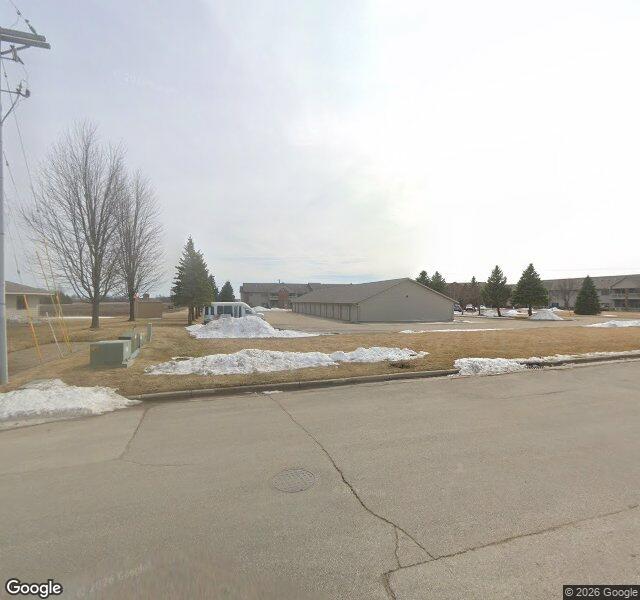
Overview and key essentials
State license
Active
MN MDH
Google reviews
4.3/ 5
17 reviews
Size & payment
Ask directly
Confirm pricing & payment
Strong public signals
Rated 4.3/5 across 17 public Google reviews. Visit in person to confirm daily care and pricing.
Cost, payment & care details
Updated Nov 28, 2026| Monthly cost | Not published | Ask for the full monthly cost, including care fees and one-time charges. |
|---|---|---|
| Payment options | Ask directly | Payment details are not confirmed in our records. Ask about private pay, long-term care insurance, veterans benefits, and Medicaid waivers. |
| Size & availability | Confirm directly | We don't publish live openings. Ask about current availability, waitlist length, and move-in timing. |
| Care & support | Assisted living | Usually offers housing and help with everyday tasks, such as bathing and dressing. What to confirm about care levelsThis describes the licensed category. Ask how care plans adjust if mobility, nursing, or memory needs change over time. Read the family care guide → |
State licensing
State inspection history
4inspections
19deficiencies listed
Jan 14, 2026Routine6 deficiencies reported6
6 deficiencies reported
View official state report (opens in a new tab)
144G. 42 Subd. 10 Disaster planning and0680
SS= F emergency preparedness (a) The facility must meet the following requirements: (1) have a written emergency disaster plan that contains a plan for evacuation, addresses elements of sheltering in place, identifies STATE FORM The licensee' s Missing/ Elopement Resident Drill policy revised April 19, 2022, and undated Missing Resident Checklist, was included in the Emergency Preparedness (EP) plan dated as reviewed April 11, 2025. The policy lacked evidence the assisted living director and clinical nurse supervisor reviewed or updated the policy and documented any changes, at least quarterly as required. On January 14, 2026, at 1:00 p.m., clinical nurse supervisor/ assisted living director in residence (CNS/ ALDIR)-A stated the missing resident policy had not been reviewed or updated quarterly as required. CNS/ ALDIR-A indicated she was aware of the requirement and had brought this up to her corporate office, but nothing had been implemented yet. The licensee' s Emergency and Disaster Plans policy dated August 1, 2021, did not include information on review of missing resident plan. Per Assisted Living Facilities: Minnesota Rules Chapter 4659, 4659. 0110, Subp. 4. Review missing resident plan. The assisted living director and clinical nurse supervisor must review the missing person plan at least quarterly and document any changes to the plan. No further information was provided. TIME PERIOD FOR CORRECTION: Twenty-one (21) days
144G. 45 Subd. 2. (a) Fire protection and physical0775
SS= F environment STATE FORM
144G. 41 Subdivision 1 Minimum requirements0470
SS= C 0 470 (11) develop and implement a staffing plan for STATE FORM
7RO1116899
determining its staffing level that: (i) includes an evaluation, to be conducted at least twice a year, of the appropriateness of staffing levels in the facility; (ii) ensures sufficient staffing at all times to meet the scheduled and reasonably foreseeable unscheduled needs of each resident as required by the residents' assessments and service plans on a 24-hour per day basis; and (iii) ensures that the facility can respond promptly and effectively to individual resident emergencies and to emergency, life safety, and disaster situations affecting staff or residents in the facility; (12) ensure that one or more persons are available 24 hours per day, seven days per week, who are responsible for responding to the requests of residents for assistance with health or safety needs. Such persons must be: (i) awake; (ii) located in the same building, in an attached building, or on a contiguous campus with the facility in order to respond within a reasonable amount of time; (iii) capable of communicating with residents; (iv) capable of providing or summoning the appropriate assistance; and (v) capable of following directions; This MN Requirement is not met as evidenced by: Based on observation, interview, and record review, the licensee failed to ensure the staffing schedule was posted with the required content as indicated in Minnesota Administrative Rule 4659. 0180. This had the potential to affect all residents, staff, and visitors. This practice resulted in a level one violation (a violation that will cause only minimal impact on the resident and does not affect health or safety) STATE FORM 7RO111 and was issued at a widespread scope (when problems are pervasive or represent a systemic failure that has affected or has potential to affect a large portion or all the residents) . The findings include: The licensee held an Assisted Living license for a bed capacity of 85 residents. At the time of the survey, there were 46 residents; 20 receiving services under the Assisted Living Facility license. During the entrance conference on January 12, 2026, at 11:25 a.m., clinical nurse supervisor/ assisted living director in residence (CNS/ ALDIR)-A stated the staffing shift hours were as follows: Day shift: two unlicensed personnel (ULP) 6:00 a. m. - 2:30 p.m. Evening shift: two ULP 2:00 p.m. - 10:30 p.m., and one ULP 4:00 p.m. - 9:00 p.m., Night shift: two ULP 10:00 p.m. - 6:30 a.m. On January 12, 2026, at 2:35 p.m., the surveyor observed the daily staff schedule posted in a glass case near front entrance. The posting included the date with titles Morning, Evening, and Night, and names of the ULPs. The schedule did not indicate the specific times of each shift. On January 12, 2026, at 3:45 p.m., CNS/ ALDIR-A stated the staff posting lacked the hours of work for each staff member. CNS/ALDIR-A further stated she was not aware of the requirement. Per Assisted Living Facilities: Minnesota Rules Chapter 4659. 0180, Subp. 4., effective January 13, 2025, the CNS must develop a 24-hour daily staffing schedule. The schedule must: STATE FORM 7RO111 (1) include direct- care staff work schedules for each direct- care staff member showing all shifts, including days and hours worked; and (2) identify the direct- care staff member' s resident assignments or work location. The daily staffing schedule must be posted, after reacting direct- care staff members' resident assignments, at the beginning of each work shift in a central location in each building of a...
144G. 41 Subdivision 1 Subd. 1a (a-b) Minimum0480
SS= F requirements; required food services (a) Except as provided in paragraph (b), food must be prepared and served according to the Minnesota Food Code, Minnesota Rules, chapter 4626. (b) For an assisted living facility with a licensed capacity of ten or fewer residents: (1) notwithstanding Minnesota Rules, part 4626. 0033, item A, the facility may share a certified food protection manager (CFPM) with one other facility located within a 60-mile radius and under common management provided the CFPM is present at each facility frequently STATE FORM This MN Requirement is not met as evidenced by: Based on observation, interview, and record review, the licensee failed to ensure food was prepared and served according to the Minnesota Food Code. This practice resulted in a level two violation (a violation that did not harm a resident' s health or safety but had the potential to have harmed a resident' s health or safety, but was not likely to cause serious injury, impairment, or death) , and is issued at a widespread scope (when problems are pervasive or represent a systemic failure that has affected or has the potential to affect a large portion or all of the residents) . The findings include: Please refer to the document titled, Food and Beverage Establishment Inspection Report (FBEIR) dated January 13, 2026, for the specific Minnesota Food Code violations. The Inspection Report was provided to the licensee within 24 hours of the inspection. TIME PERIOD FOR CORRECTION: Please refer to the FBEIR for any compliance dates.
22nd Ave SW1701
Austin, MN 55912 Mower County Parcel: License Info License: HFID 30819 Ashley VanRiper Risk: License: Expires on: CFPM: CFPM #: ; Exp: Phone: 507434-0600 Ashley.VanRiper@SinceriSL.com New Order: 8-300 License to Operate 8-301.11A Priority Level: Priority 2 CFP#: 58 MN Rule 4626.1755A Discontinue operating the food establishment until a license to operate is obtained from the regulatory authority. COMMENT: CATERER (TAKE THE CAKE) DOES NOT HAVE THE CORRECT LICENSE TO OPERATE AS A CATERER Comply By: 1/19/2026 Originally Issued On: 1/13/2026 Food & Beverage General Comment MAIN KITCHEN WAS UNDERGOING A REMODEL AND A CATERING SERVICE IS BEING USED TO SERVE FOOD NO FOOD WAS AVAILABLE TO TEMP. DISHES WERE CLEANED OF SITE NOTE: All new food equipment must meet the applicable standards of the American National Standards Institute (ANSI). Plans and specifications must be submitted for review and approval prior to new construction, remodeling or alterations. I acknowledge receipt of the Rochester District Office inspection report number F1038261007 from 1/13/2026 Tamara Jefferson Kitchen Manager Project No: SL30819016 Facility Name: South Grove Senior Living Facility Address: 1701 22nd Ave. SW Austin, MN 55912 TAG IDENTIFICATION: 0775 SCOPE/ SEVERITY: Level TIME PERIOD OF CORRECTION: 2; Widespread Seven (7) days 1. Each assisted living facility must comply with the provisions of the Minnesota State Fire Code (MSFC) in Minnesota Rules chapter 7511. [Minn. Stat. 144G.45 subd. 2] 2. Fire doors shall be maintained to be self-closing and latch as designed. Fire doors shall not be blocked, obstructed, or otherwise made inoperable. [Minn. Stat. 144G.45 subd. 2; MSFC 705] Comments: The kitchen door was propped open and the sprinkler riser room door had its closure removed. 3. Open junction boxes and open-wiring splices shall be prohibited. Approved covers shall be provided for all switch and electrical outlet boxes. [Minn. Stat. 144G.45 subd. 2; MSFC 604.6] Comments: In the kitchen C-Wing, a cover is missing on the receptacle and a wire was hanging out from the wall. 4. Maintaining protection. Materials and firestop systems used to protect membrane and through penetrations in fire-resistance-rated construction and construction installed to resist the passage of smoke shall be maintained. The materials and firestop systems shall be securely attached to or bonded to the construction being penetrated with no openings visible through or into the cavity of the construction. Where the system design number is known, the system shall be inspected to the listing criteria and manufacturer’s installation instructions. [Minn. Stat. 144G.45 subd. 2; MSFC 703.1] Comments: The were holes observed in the rated ceiling in the elevator equipment room, (C-Wing) main kitchen and fire sprinkler riser room. 5. Fire sprinklers and fire detectors, ceilings. In buildings protected by automatic sprinklers or automatic fire detectors, suspended or removable ceiling tiles shall be maintained in place to prevent the delay in sprinkler or detector activation. [Minn. Stat. 144G.45 subd. 2; MSFC 901.11]
Nov 21, 2024ComplaintNo deficiencies reportedNone
No deficiencies reported
View official state report (opens in a new tab)
No deficiencies are reported in this inspection record.
Apr 13, 2023Routine12 deficiencies reported12
12 deficiencies reported
View official state report (opens in a new tab)
moderate0810
physical environment (b) Each assisted living facility shall develop and maintain fire safety and evacuation plans. The plans shall include but are not limited to: (1) location and number of resident sleeping rooms; (2) employee actions to be taken in the event of a fire or similar emergency; (3) fire protection procedures necessary for residents; and (4) procedures for resident movement, evacuation, or relocation during a fire or similar emergency including the identification of unique or unusual resident needs for movement or evacuation. (c) Employees of assisted living facilities shall receive training on the fire safety and evacuation plans upon hiring and at least twice per year thereafter. (d) Fire safety and evacuation plans shall be readily available at all times within the facility. (e) Residents who are capable of assisting in their own evacuation shall be trained on the proper actions to take in the event of a fire to include movement, evacuation, or relocation. The training shall be made available to residents at least once per year. (f) Evacuation drills are required for employees twice per year per shift with at least one evacuation drill every other month. Evacuation of the residents is not required. Fire alarm system activation is not required to initiate the evacuation drill. This MN Requirement is not met as evidenced by: Based on observation, record review, and interview, the licensee failed to provide the complete content of the fire safety and evacuation plan and the minimum frequency of employee evacuation drills. This has the potential to directly affect the safety of all residents receiving services, staff, and visitors. This practice resulted in a level two violation (a violation that did not harm a resident's health or safety but had the potential to have harmed a resident's health or safety), and was issued at a widespread scope (when problems are pervasive or represent a systemic failure that has affected or has the potential to affect a large portion or all of the residents). The findings include: On April 12, 2023, approximately from 11:00 a.m. to 1:00 p.m., survey staff toured the facility with the director of maintenance (DM)-D. On April 12, 2023, at approximately 1:00 p.m., survey staff received the facility fire safety and evacuation plan and related documentation for review from the director of maintenance (DM)-D. At approximately 1:30 p.m., document review and interview with licensed assisted living director in residence/clinical nurse supervisor (LALDIR/CNS)-A and the DM-D indicated the following findings: 1. The evacuation floor layouts posted near the elevators lacked the locations, numbers of sleeping rooms, and building exits. The finding was evident as a site plan layout was used with red markings posted near the elevators. In addition, in the emergency preparedness 3-ring binder, the wildfire escape floor plans did not include a second-floor plan layout. During the interview with the DM-D and the LALDIR/CNS-A verified that the fire safety and evacuation plan for the facility lacked these provisions. 2. No resident fire protection emergency procedures. The LALDIR/CNS-A verified the finding after further review of the resident handbook (12/2021) with content on fire drills but no relevant information on resident fire protection procedures. 3. The licensee did not provide annual training to residents who can assist in their own evacuation on the proper actions to take in the event of a...
minor0430
services (a) All assisted living facilities must provide to prospective residents: (1) a disclosure of the categories of assisted living licenses available and the category of license held by the facility; (2) a written checklist listing all services permitted under the facility's license, identifying all services the facility offers to provide under the assisted living facility contract, and identifying all services allowed under the license that the facility does not provide; and (3) an oral explanation of the services offered under the contract. (b) The requirements of paragraph (a) must be completed prior to the execution of the assisted living contract. (c) The commissioner must, in consultation with all interested stakeholders, design the uniform checklist disclosure form for use as provided under paragraph (a). This MN Requirement is not met as evidenced by: Based on interview and record review, the licensee failed to provide a copy of the Uniform Disclosure of Assisted Living Services and Amenities (UDALSA) with the required content for two of three residents (R2 and R4). This practice resulted in a level one violation (a violation that has no potential to cause more than a minimal impact on the resident and does not affect health or safety), and was issued at an isolated scope (when one or a limited number of residents are affected or one or a limited number of staff are involved or the situation has occurred only occasionally). The findings include: R2 and R4's records lacked evidence the resident received a copy of the licensee's UDALSA to include: - a disclosure of the categories of assisted living licenses available and the category of license held by the facility; - a written checklist listing all services permitted under the facility's license, identifying all services the facility offers to provide under the assisted living facility contract, and identifying all services allowed under the license that the facility does not provide; and - an oral explanation of all services offered under the contract R2 R2's diagnosis included chronic obstructive pulmonary disease (inflammatory lung disease that causes airflow blockage and breathing related problems). R2's Service Plan dated March 31, 2023, indicated R2 received services including supervision for brushing teeth, activity reminders, fall monitoring, meal escorts, set-up and cueing for grooming, stand-by assistance for dressing, monthly vitals checked, light housekeeping and assistance with medication administration. R4 R4's diagnoses included diabetes and hypertension (high blood pressure). R4's Service Plan dated January 21, 2023, indicated R4 received services including meal escorts, twice weekly standby bathing assistance, daily wellness check, monthly vitals checked, light housekeeping, and medication assistance. R2 and R4's record included a signature page to indicate R2 and R4 had received the UDALSA on April 10, 2023 (survey start date). On April 12, 2023, at 10:35 a.m. licensed assisted living director in residence/clinical nurse supervisor (LALDIR/CNS)-A stated R2 and R4 had not received the UDALSA until after the surveyor had entered and requested R2 and R4's records to review on April 10, 2023. No further information was provided. TIME PERIOD FOR CORRECTION: Twenty-One (21) days
144G.41 Subd. 3 Infection control program0510
SS=I (a) All assisted living facilities must establish and maintain an infection control program that complies with accepted health care, medical, and nursing standards for infection control. (b)The facility's infection control program must be consistent with current guidelines from the national Centers for Disease Control and Prevention (CDC) for infection prevention and control in long-term care facilities and, as applicable, for infection prevention and control in assisted living facilities. (c) The facility must maintain written evidence of compliance with this subdivision. This MN Requirement is not met as evidenced by: Based on observation, interview and record review, the licensee failed to establish and maintain an infection control program that complies with accepted health care, medical and nursing standards for infection control. This had the potential to affect all residents, staff, and visitors. This resulted in an immediate correction order on April 11, 2023, at 1:18 p.m. In addition, the licensee failed to comply with accepted health care, medical and nursing standards for infection control related to glove use and handwashing. This practice resulted in a level three violation (a violation that harmed a resident's health or safety, not including serious injury, impairment, or death, or a violation that has the potential to lead to serious injury, impairment, or death) and was issued at a widespread scope (when problems are pervasive or represent a systemic failure that has affected or has potential to affect a large portion or all of the residents). The findings include: On April 10, 2023, at 2:17 p.m. clinical nurse supervisor (CNS)-A stated the facility currently had two residents who had tested positive for COVID-19: R5 and R6. On April 11, 2023, at 8:56 a.m. the surveyor observed a plastic three-drawer cart outside of R6's room that had hand sanitizer and face shields on top. The cart contained disposable gowns, gloves, surgical masks, and N95 masks. There was a droplet and contact precaution sign on the door indicating the resident was in isolation. A garbage can was observed sitting in the hallway outside of the room next to the three-drawer plastic cart. On April 11, 2023, at 9:05 a.m. the surveyor observed a plastic three-drawer cart outside of R5's room that had gloves, face shields, disposable masks. There were no N95 face masks or gowns observed in the cart. In addition, a garbage can was observed sitting in the hallway outside of the room next to the three-drawer plastic cart. On April 11, 2023, at 9:10 a.m. the surveyor observed a plastic three-drawer cart outside of R7's room that had hand sanitizer, face shields, gowns, gloves, and surgical face masks. There were no N95 face masks in the cart. In addition, a garbage can was observed sitting in the hallway outside of the room next to the three-drawer plastic cart. On April 11, 2023, at 9:21 a.m. unlicensed personnel (ULP)-B stated a gown, gloves, face shield and surgical face mask was required to enter a COVID positive room. ULP-B indicated the facility had N95 masks available, but ULP-B stated she would only wear a surgical mask into a COVID positive room because she had not passed the N95 fit testing. ULP-B stated she would change her surgical mask when exiting room. ULP-B further confirmed personal protective equipment (PPE) is removed in the hallway and thrown away in the garbage next to the three-drawer cart. On April 11, 2023, at 9:23 a.m. ULP-C...
moderate0550
maltreatment All facilities must post in a conspicuous place information about the facilities' grievance procedure, and the name, telephone number, and email contact information for the individuals who are responsible for handling resident grievances. The notice must also have the contact information for the Office of Ombudsman for Long-Term Care and the Office of Ombudsman for Mental Health and Developmental Disabilities and must have information for reporting suspected maltreatment to the Minnesota Adult Abuse Reporting Center. The notice must also state that if an individual has a complaint about the facility or person providing services, the individual may contact the Office of Health Facility Complaints at the Minnesota Department of Health. This MN Requirement is not met as evidenced by: Based on observation, interview, and record review, the licensee failed to post in a conspicuous place, information about the licensee's grievance procedure with the required content. This had the potential to affect the licensee's current residents, staff, and visitors. This practice resulted in a level two violation (a violation that did not harm a resident's health or safety but had the potential to have harmed a resident's health or safety, but was not likely to cause serious injury, impairment, or death), and was issued at a widespread scope (when problems are pervasive or represent a systemic failure that has affected or has potential to affect a large portion or all of the residents). The findings include: The licensee failed to post information about the facilities' grievance procedure, and the name, telephone number and e-mail contact information for the individuals who were responsible for handling resident grievances. On April 10, 2023, at 12:56 p.m. during the facility tour, the surveyor noted a glass enclosed bulletin board by the main entrance and mailboxes that contained required postings. Though there were blank grievance forms laying by the mailboxes, there was no posted facility grievance procedure. On April 10, 2023, at 4:08 p.m. licensed assisted living director in residence/clinical nurse supervisor (LALDIR/CNS)-A confirmed the content noted above was not posted as required. The licensee's Grievance and Complaint policy dated November 1, 2018, identified the following: 2. The process for raising and addressing grievances and complaints will be posted in a visible on-site location along with full contact information. No further information was provided. TIME PERIOD FOR CORRECTION: Twenty-one (21) days
moderate0900
(a) An assisted living facility may not offer or provide housing or assisted living services to any individual unless it has executed a written contract with the resident. (b) The contract must contain all the terms concerning the provision of: (1) housing; (2) assisted living services, whether provided directly by the facility or by management agreement or other agreement; and (3) the resident's service plan, if applicable. (c) A facility must: (1) offer to prospective residents and provide to the Office of Ombudsman for Long-Term Care a complete unsigned copy of its contract; and (2) give a complete copy of any signed contract and any addendums, and all supporting documents and attachments, to the resident promptly after a contract and any addendum has been signed. (d) A contract under this section is a consumer contract under sections 325G.29 to 325G.37. (e) Before or at the time of execution of the contract, the facility must offer the resident the opportunity to identify a designated representative according to subdivision 3. (f) The resident must agree in writing to any additions or amendments to the contract. Upon agreement between the resident and the facility, a new contract or an addendum to the existing contract must be executed and signed. This MN Requirement is not met as evidenced by: Based on interview and record review, the licensee failed to execute a written assisted living contract prior to providing assisted living services for two of three residents (R3, R4). This practice resulted in a level two violation (a violation that did not harm a resident's health or safety but had the potential to have harmed a resident's health or safety, but was not likely to cause serious injury, impairment, or death), and was issued at an isolated scope (when one or a limited number of residents are affected or one or a limited number of staff are involved or the situation has occurred only occasionally). The findings include: R3 and R4's records lacked a written contract with the following required content: (a) An assisted living facility may not offer or provide housing or assisted living services to any individual unless it has executed a written contract with the resident. (b) The contract must contain all the terms concerning the provision of: (1) housing; (2) assisted living services, whether provided directly by the facility or by management agreement or other agreement; and (3) the resident's service plan, if applicable. R3 R3 diagnosis included congestive heart failure (impairment of the heart's blood pumping function). R3's Service Plan dated January 23, 2023, indicated R3 received services including reminders to brush teeth, and use hearing aids, meal escorts, stand-by assistance for transfers, dressing, grooming shaving, twice weekly bathing, toileting assistance, monthly vitals check, wellness checks, light housekeeping, and medication assistance. R4 R4's diagnoses included diabetes and hypertension (high blood pressure). R4's Service Plan dated January 21, 2023, indicated R4 received services including meal escorts, twice weekly standby bathing assistance, daily wellness check, monthly vitals checked, light housekeeping, and medication assistance. R3 and R4's record included a Resident Agreement (identified as the assisted living contract) dated April 10, 2023 (survey start date). On April 12, 2023, at 10:35 a.m. licensed assisted living director in residence/clinical nurse supervisor (LALDIR/CNS)-A stated R3 and...
moderate0680
emergency preparedness (a) The facility must meet the following requirements: (1) have a written emergency disaster plan that contains a plan for evacuation, addresses elements of sheltering in place, identifies temporary relocation sites, and details staff assignments in the event of a disaster or an emergency; (2) post an emergency disaster plan prominently; (3) provide building emergency exit diagrams to all residents; (4) post emergency exit diagrams on each floor; and (5) have a written policy and procedure regarding missing residents. (b) The facility must provide emergency and disaster training to all staff during the initial staff orientation and annually thereafter and must make emergency and disaster training annually available to all residents. Staff who have not received emergency and disaster training are allowed to work only when trained staff are also working on site. (c) The facility must meet any additional requirements adopted in rule. This MN Requirement is not met as evidenced by: Based on interview and record review, the licensee failed to have a written emergency preparedness (EP) plan with all the required content. This had the potential to affect all current residents, staff, and visitors. This practice resulted in a level two violation (a violation that did not harm a resident's health or safety but had the potential to have harmed a resident's health or safety, but was not likely to cause serious injury, impairment, or death), and is issued at a widespread scope (when problems are pervasive or represent a systemic failure that has affected or has the potential to affect a large portion or all of the residents). The findings include: The licensee's EP plan included a hazard and vulnerability assessment and various policies/procedures dated as reviewed February 7, 2023. The licensee's plan lacked the following required content: - A policy to address the use of volunteers, including the process/role for integration. On April 13, 2023, at 2:20 p.m. licensed assisted living director in residence/clinical nurse supervisor (LALDIR/CNS)-A verified the licensee lacked a policy for volunteers in relation to the emergency preparedness plan and Appendix Z to include the above requirement. The licensee's Emergency Preparedness policy dated August 1, 2021, included the facility would establish procedures to save human life, minimize property damage, prevent, and treat injuries, and render maximum assistance to the facility. No further information was provided. TIME PERIOD FOR CORRECTION: Twenty-one (21) days
22nd Avenue Sw1701
Austin, MN55912 Mower County, 50 License Categories: Operator: Expires on: / / The violations listed in this report include any previously issued orders and deficiencies identified during this inspection. Compliance dates are shown for each item. The following orders were issued during this inspection. 5-200B Plumbing: cross connections 5-203.14A ** Priority 1 ** MN Rule 4626.1085A Water used under pressure in equipment in food and beverage establishments must be drained to a sanitary sewer through an air gap. Examples: refrigeration cooling water, water softener, and drained steam jacketed kettles. No air gap for water softener discharge hoses. Comply By: 04/25/23 5-400 Sewage 5-402.11A ** Priority 1 ** MN Rule 4626.1190A Provide an indirect connection between the sewage system and any drain originating from equipment in which food, portable equipment or utensils are placed, such as manufacturing and retail display equipment, portable equipment, ice bins, salad bars, cocktail stations and dipper wells. Dipper well in ice parlor not drained with an air gap. Dipper well use may be swapped with a heater dipper well. Comply By: 04/11/23 4-600 Cleaning Equipment and Utensils 4-601.11A Can opener cleaned on site. Comply By: 04/11/23 4-400 Equipment Location and Installation 4-402.11A MN Rule 4626.0725A Space fixed equipment to allow access for cleaning along the sides, behind and above the unit, or seal to adjoining equipment or walls. No sealant for dishwashing sink backsplashes. Comply By: 05/11/23 4-500 Equipment Maintenance and Operation 4-501.11AB MN Rule 4626.0735AB All equipment and components must be in good repair and maintained and adjusted in accordance with manufacturer's specifications. Failing wooden hollow-base cabinets in kitchen are falling apart and no longer easy to clean. Comply By: 04/11/26 6-500 Physical Facility Maintenance/Operation and Pest Control 6-501.11 MN Rule 4626.1515 Maintain the physical facilities in good repair. Missing base tile in steamer area. Damaged wall next to freezer 3. Peeling paint on walls behind freezer 2. Comply By: 05/11/23 Surface and Equipment Sanitizers Chlorine: = 50 ppm at Degrees Fahrenheit Location: Violation Issued: No Quaternary Ammonia: = 400 ppm at Degrees Fahrenheit Location: Bucket Violation Issued: No Food and Equipment Temperatures Temperature: 39.0 Degrees Fahrenheit - Location: Upright 1 Violation Issued: No Process/Item: Cold Holding Temperature: 40.1 Degrees Fahrenheit - Location: Ham in upright 1 Violation Issued: No Process/Item: Cold Holding Temperature: 39.9 Degrees Fahrenheit - Location: Diced tomatoes in upright Violation Issued: No Process/Item: Cold Holding Temperature: 39.0 Degrees Fahrenheit - Location: Upright 4 Violation Issued: No Process/Item: Cold Holding Temperature: 41.3 Degrees Fahrenheit - Location: Milk in upright 4 Violation Issued: No Priority 1 Priority 3 2 3 1 Priority 2 Total Orders In This Report HRD Inspection conducted with lead evaluator Susan Kalis. Inspection report reviewed on site with Director of Dining Services, Lora. NOTE: Plans and specifications must be submitted for review and approval prior to new construction, remodeling or alterations. number 8044231121 of 04/11/23. Lora L. McCaulley Certified Food Protection Manager: Certification Number: Expires: FM3427 08/16/24 Inspection report reviewed with person in charge and mailed. Signed: Signed: Inspector signed for Lora Michael DeMars, RS Public Health Sanitarian III Rochester...
moderate0800
physical environment (4) keep the physical environment, including walls, floors, ceiling, all furnishings, grounds, systems, and equipment in a continuous state of good repair and operation with regard to the health, safety, comfort, and well-being of the residents in accordance with a maintenance and repair program. This MN Requirement is not met as evidenced by: Based on observation and interview, the licensee failed to maintain the physical environment of the facility in a continuous state of good repair and operation. This has the potential to directly affect the health, safety, and well-being of all residents and staff. This practice resulted in a level two violation (a violation that did not harm a resident's health or safety but had the potential to have harmed a resident's health or safety) and was issued at a widespread scope (when problems are pervasive or represent a systemic failure that has affected or has the potential to affect a large portion or all of the residents). The findings include: On April 12, 2023, approximately from 11:00 a.m. to 1:00 p.m., survey staff toured the facility with the director of maintenance (DM)-D. During the tour, survey staff observed the following: 1. Improper use of electrical power strips inside the 2nd-floor mechanical/maintenance office room. Three power strips were plugged into other power strips near (also known as daisy chaining). Improper use of power strips and the use of unlabeled and unlisted extension cords pose potential electrical fire hazards from overloading the circuits. 2. The fire-rated door for the second-floor laundry room (building C) failed to positively latch when closed. All fire-rated doors must be in proper working order to maintain the integrity and the rating of the room and the corridor to protect the residents, staff, and visitors during a fire. 3. A water treatment appliance/dispenser located in the first-floor neighborhood serving kitchen (building C) had a backwash discharge pipe connected to the fixture drain (inlet side of trap) of the hand sink posed cross-connection and contamination to the drinking water dispenser/system. Survey staff explained to the DM-D all water softener equipment and drinking treatment/dispensers must discharge to waste by means of an approved airgap. 4. The washer standpipe receptors in closets of resident rooms (throughout the facility) were not used to receive indirect waste from clothes washers or properly capped to prevent sewer gas from entering the rooms from traps being dried out. Survey staff noted and DM-D agreed that most residents did not have their own clothes washers and utilized the central/common laundry rooms for laundry needs. Survey staff explained to the DM-D that plumbing standpipe traps were not capped off to prevent allow sewer gas to enter the building environment creating exposure to potential health risks over time to residents and employees. 5. In the resident two-bedroom apartment unit 101: -Carpet flooring throughout the unit was soiled and stained. -Ants were observed near the patio sliding doors. -The plumbing toilet trap inside a bedroom (master) was completely dried out, which would allow sewer gas to enter the building. The DM-D confirmed by flushing the toilet and explained that the toilet/bathroom had probably been used for a while. 6. In the sprinkler riser room, the ceiling had some cutout sheet rocks from repairs that needed to be repaired and caulked with approved fire sealant. In...
minor0970
The contract must not include a waiver of facility liability for the health and safety or personal property of a resident. The contract must not include any provision that the facility knows or should know to be deceptive, unlawful, or unenforceable under state or federal law, nor include any provision that requires or implies a lesser standard of care or responsibility than is required by law. This MN Requirement is not met as evidenced by: Based on interview and record review, the licensee failed to ensure the assisted living contract did not include language waiving the licensee's liability for health, safety, or personal property of a resident. This had the potential to affect all residents. This practice resulted in a level one violation (a violation that has no potential to cause more than a minimal impact on the resident and does not affect health or safety) and was issued at a widespread scope (when problems are pervasive or represent a systemic failure that has affected or has potential to affect a large portion or all the residents). The findings include: The licensee's assisted living contract included a clause that indicated the resident would waive the licensee's liability for health, safety, or personal property of a resident. The Resident Agreement (identified as the contract) included on page thirteen (13) the following: -"A. Indemnification. As an occupant of the community, you assume the risk of your own safety and for the safety of your guests and agents. You will indemnify and hold harmless us, our employees, officers, managers, owners and agents from and against any and all claims, actions, damages, and liability and expense in connection with loss of life, personal injury or damage to property, arising from or out of, or caused wholly or in part by, an act or omission of you or your guests or agents." On April 12, 2023, at 10:40 a.m. licensed assisted living director in residence/clinical nurse supervisor (LALDIR/CNS)-A verified the content listed above, and said the same contract was utilized for all residents. LALDIR/CNS further stated the corporate office was working on changing the language of the contract but had not been implemented for the licensee's current residents yet. No further information was provided. TIME PERIOD FOR CORRECTION: Twenty-one (21) days
moderate0480
requirements (13) offer to provide or make available at least the following services to residents: (B) food must be prepared and served according to the Minnesota Food Code, Minnesota Rules, chapter 4626; and This MN Requirement is not met as evidenced by: Based on observation, interview, and record review, the licensee failed to ensure food was prepared and served according to the Minnesota Food Code. This practice resulted in a level two violation (a violation that did not harm a resident's health or safety but had the potential to have harmed a resident's health or safety) and was issued at a widespread scope (when problems are pervasive or represent a systemic failure that has affected or has the potential to affect a large portion or all the residents). The findings include: Please refer to the included document titled, Food and Beverage Establishment Inspection Report dated April 11, 2023, for the specific Minnesota Food Code deficiencies. TIME PERIOD FOR CORRECTION: Twenty-one (21) days
STATE FORM6899
H0MT11 STATE FORM H0MT11 STATE FORM H0MT11 STATE FORM H0MT11 STATE FORM H0MT11 STATE FORM H0MT11 STATE FORM H0MT11 STATE FORM H0MT11 STATE FORM H0MT11 STATE FORM H0MT11 STATE FORM H0MT11 STATE FORM H0MT11 STATE FORM H0MT11 STATE FORM H0MT11 STATE FORM H0MT11 STATE FORM H0MT11 STATE FORM H0MT11 STATE FORM H0MT11 STATE FORM H0MT11 STATE FORM H0MT11 STATE FORM H0MT11 STATE FORM H0MT11 STATE FORM H0MT11 STATE FORM H0MT11 STATE FORM H0MT11 STATE FORM H0MT11 STATE FORM H0MT11 STATE FORM H0MT11 01290 01290 01290 144G.60 Subdivision 1 Background studies required SS=I (a) Employees, contractors, and regularly scheduled volunteers of the facility are subject to the background study required by section 144.057 and may be disqualified under chapter 245C. Nothing in this subdivision shall be construed to prohibit the facility from requiring self-disclosure of criminal conviction information. (b) Data collected under this subdivision shall be classified as private data on individuals under section 13.02, subdivision 12. (c) Termination of an employee in good faith reliance on information or records obtained under this section regarding a confirmed conviction does not subject the assisted living facility to civil liability or liability for unemployment benefits. This MN Requirement is not met as evidenced by: Based on observation, interview, and record review, the licensee failed to ensure a background study was conducted prior to staff providing services for one of three employees (unlicensed personnel (ULP)-B). This resulted in an immediate correction order on April 13, 2023, at 10:37 a.m. In addition, the licensee failed to ensure a background study was submitted and received in affiliation with the assisted living license for two of two employees (ULP-C and ULP-F). This had the potential to affect all residents currently receiving services within the facility. This practice resulted in a level three violation (a violation that harmed a resident's health or safety, not including serious injury, impairment, or death, or a violation that has the potential to lead to serious injury, impairment, or death) and was STATE FORM H0MT11 01290 01290 issued at a widespread scope (when problems are pervasive or represent a systemic failure that has affected or has potential to affect a large portion or all of the residents). The findings include: ULP-B ULP-B had a hire date of November 2, 2022. ULP-B's employee record included a Final Registry Results Form dated November 2, 2022, from the Minnesota Department of Human Services (DHS); however, lacked evidence of a background clearance as required. On April 11, 2023, at 8:20 a.m. ULP-B was observed to independently administer medications to R8 in his room. ULP-C ULP-C had a hire date of August 30, 2022. ULP-C's employee record contained a background study clearance notice dated October 28, 2022, for a separate location operated by the licensee's owner. ULP-C's employee record lacked evidence the licensee affiliated a background study for their license. ULP-F ULP-F had a hire date of July 25, 2022. ULP-F's employee record contained a background study clearance notice dated November 21, 2022, for a separate location operated by the licensee's owner. ULP-F's employee record lacked evidence the licensee affiliated a background study for their license. STATE FORM H0MT11 01290 01290 On April 13, 2023, at 10:33 a.m. licensed assisted living director in residence/clinical nurse supervisor (LALDIR/CNS)-A confirmed...
moderate0730
Contents of a resident record include the following for each resident: (1) identifying information, including the resident's name, date of birth, address, and telephone number; (2) the name, address, and telephone number of the resident's emergency contact, legal representatives, and designated representative; (3) names, addresses, and telephone numbers of the resident's health and medical service providers, if known; (4) health information, including medical history, allergies, and when the provider is managing medications, treatments or therapies that require documentation, and other relevant health records; (5) the resident's advance directives, if any; (6) copies of any health care directives, guardianships, powers of attorney, or conservatorships; (7) the facility's current and previous assessments and service plans; (8) all records of communications pertinent to the resident's services; (9) documentation of significant changes in the resident's status and actions taken in response to the needs of the resident, including reporting to the appropriate supervisor or health care professional; (10) documentation of incidents involving the resident and actions taken in response to the needs of the resident, including reporting to the appropriate supervisor or health care professional; (11) documentation that services have been provided as identified in the service plan; (12) documentation that the resident has received and reviewed the assisted living bill of rights; (13) documentation of complaints received and any resolution; (14) a discharge summary, including service termination notice and related documentation, when applicable; and (15) other documentation required under this chapter and relevant to the resident's services or status. This MN Requirement is not met as evidenced by: Based on interview and record review, the licensee failed to ensure the resident record included a discharge summary with the required content for one of one discharged resident (R1). This practice resulted in a level two violation (a violation that did not harm a resident's health or safety but had the potential to have harmed a resident's health or safety, but was not likely to cause serious injury, impairment, or death), and was issued at a widespread scope (when problems are pervasive or represent a systemic failure that has affected or has potential to affect a large portion or all of the residents). The findings include: R1's record lacked a discharge summary to include: - diagnoses; - course of illness; - allergies; - treatments and therapies; - pertinent lab, radiology, and consultation results; and - a final summary of the resident's status from the latest assessment or review including baseline and current mental, behavioral, and functional status. R1 was admitted to the facility on May 20, 2017, with a diagnosis of hypertension and was discharged on November 26, 2022, to a different facility for a higher level of care. R1's observation notes dated November 26, 2022, at 3:15 p.m. included: "Resident discharged to higher level of care after hospitalization. All medications returned to pharmacy for credit." On April 10, 2023, at 4:24 p.m. licensed assisted living director in residence/clinical nurse supervisor (LALDIR/CNS)-A stated the licensee did not do a discharge summary other than making an entry in the observation notes. LALDIR/CNS-A further noted none of the licensee's discharged residents would have these required contents documented....
Feb 16, 2023Complaint1 deficiency reported1
1 deficiency reported
View official state report (opens in a new tab)
Substantiated, facility responsibility
moderateHL308192908M
The investigator conducted interviews with facility staff members, including administrative staff, nursing staff, and unlicensed staff. The investigator also contacted law enforcement, outside hospice agencies, and multiple residents’ family members. The investigation included review of resident records, incidents, and narcotic medication logs. Also, the investigator observed general daily activities, medication administration and documentation records, dining room services, housekeeping activities, and direct resident care during visits to the facility. The resident resided in an assisted living facility. The resident’s diagnoses included heart failure, chronic obstructive pulmonary disease (breathing problems), diabetes, and chronic pain. The resident’s service plan included assistance with most activities of daily living and full assistance with medication administration. The resident’s most recent assessment indicated the resident had intermittent confusion but able to make her needs known. The resident also received care under hospice services. Allegation #1: The Minnesota Department of Health determined financial exploitation was inconclusive. No specific alleged perpetrator could be identified as multiple facility staff members as well as an outside hospice agency had access to the resident’s narcotics. A review of the documents available indicated there was no other reports of missing narcotics from other residents’ supply. The facility failed to have an effective audit system (narcotics counts) in place to oversee and ensure narcotic medications were counted accurately at the time of the incident. Additionally, a review of the documentation indicated the facility and hospice used multiple ways of recording the narcotics, which may have contributed to a mathematical error in counting the resident’s medication, which was attributed to being a missing medication. A review of hospice agency records indicated the resident had a physician’s order for morphine to be given for pain. Hospice nurses visited the resident at the facility and refilled oral syringes with morphine from the prescription bottle kept at the facility. The remaining amount in the bottle was documented in the narcotic record. In the fall of the year, just prior to the change in ownership, during one visit, a nurse noted the bottle amount did not match the amount remaining in the logbook, a difference of approximately 14 milliliters (mL). Hospice alerted the...
Neighborhood & resident support
Emergency access, hazards & advocacy
Nearest hospital
Mayo Clinic Health Sys Austin
2.2 mi · Austin, MN
Emergency room
FEMA hazard risk
Relatively LowMower County, MN
- Drought
- Hail
- Tornado
Free resident advocacy
Minnesota Office of Ombudsman for Long-Term Care
More neighborhood context (specialists, VA, dialysis, air & affordability)
VA & dialysis access
Minneapolis VA Medical Center
87.4 mi · Minneapolis, MN · VA 5/5 ★
Mayo Dialysis - Albert Lea
16.5 mi · 2/5 ★ · Home dialysis
Specialists within 15 mi
- Geriatricians
- 2
- Neurologists
- 2
- Palliative care
- 1
- PM&R rehab
- 1
Environment & mobility
- EPA Walkability
- 7.4/20 (Below Average)
- USDA Grocery Access
- Moderate Grocery Access
- Primary care access
- HRSA Shortage Area
County demographics
- Age 65+ median income
- $55,487/yr
- Rent-burdened households
- 43%
- Cognitive disability (2023)
- 15.1%
- Mobility disability
- 11.4%
Call & tour checklist
Questions to ask South Grove Lodge Senior Livin
Check off questions as you call or tour. Your progress stays private in this browser.
Show 3 more suggested questions
Verification & public records
Official records & sources
Licensing & contact
- License #
- 30819
- Status
- active
- Phone
- (507) 434-0600
- Federal OIG LEIE
- Clear (2026-11-27)
Original public sources
Verify licensing, ratings, and inspection reports directly with each official source.
- MN MDH official record (opens in a new tab)MN Dept. of Health
- Google Maps (opens in a new tab)Directions, photos & neighborhood
- Google Reviews (opens in a new tab)17 public reviews
EveryPlace is an independent research directory. Information is compiled from public Medicare.gov, state licensing, Google Places, and street-level imagery sources. Some summaries, suggested questions, and pricing notes are AI-generated or AI-assisted and may contain errors or omissions. We do not accept payment for placement. Confirm all details directly with the community and official sources. Research Policy.
Keep exploring
Nearby communities to compare
- Medicare 3/55.0(3)59 bedsMedicaidNursing Home< 1 miSacred Heart Care CenterAustin, MN
- 5.0(3)Assisted Living< 1 miSacred Heart Assisted Lvg AptsAustin, MN
- 3.8(24)Assisted Living1.0 miSt Mark's Heritage CommunityAustin, MN
- Medicare 1/53.8(24)45 bedsMedicaidNursing Home1.0 miSt Marks LivingAustin, MN
- Cap. 48HUD Senior Housing1.0 miSt. Marks ApartmentsAustin, MN
- 4.3(30)Assisted Living1.6 miKsms Our House LLCAustin, MN