Loading EveryPlace content…
Nursing HomeActive license
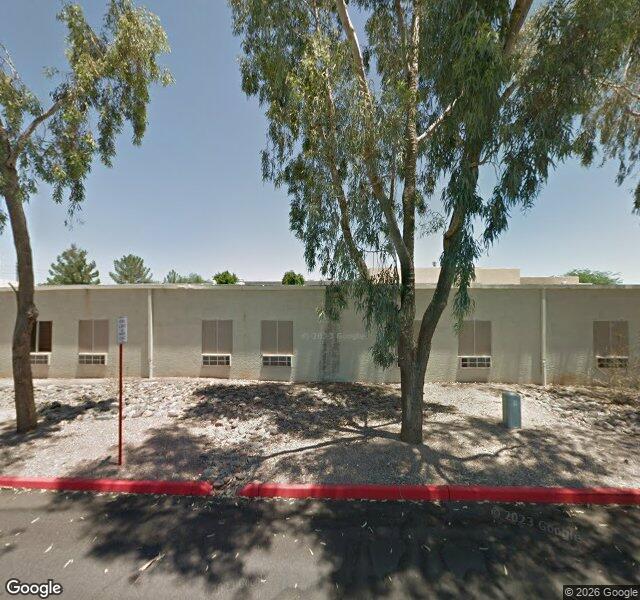
Silverwood Post Acute
15810 South 42nd Street, Ahwatukee Foothills Village, Phoenix, AZ 85048View map (opens in a new tab)
Overview and key essentials
Medicare overall
Not rated
See Medicare Care Compare
Size & payment
Ask directly
Medicaid & Medicare listed
At a glance
Public records for Silverwood Post Acute are limited — use the checklist below when you call or tour.
Families praise: Excellent physical therapy and OT teams
Worth asking: Patient neglect and hygiene issues (mentioned by 3 reviewers)
Cost, payment & care details
Updated Nov 28, 2026| Monthly cost | Not published | Ask for the full monthly cost, including care fees and one-time charges. |
|---|---|---|
| Payment options | MedicaidMedicare | Participation is reported in our source data. Confirm eligibility, covered services, and any private-pay costs. Medicare participation generally covers short-term rehabilitation, not long-term custodial stays. |
| Size & availability | Confirm directly | We don't publish live openings. Ask about current availability, waitlist length, and move-in timing. |
| Care & support | Nursing home | Provides nursing care and help with daily activities. Some offer short-term rehabilitation. What to confirm about care levelsThis describes the licensed category. Ask how care plans adjust if mobility, nursing, or memory needs change over time. Read the family care guide → |
Safety screening & compliance
Federal healthcare exclusion screening
HHS OIG LEIE: Clear (2026-11-27)OIG database ↗ (opens in a new tab)
AZ nursing home vaccination benchmarks (CDC NHSN)
Statewide benchmark (week ending 2026-03-29). Confirm this home's own rate on your tour.
Flu
38%
US 59%
COVID-19
22%
US 36%
RSV
13%
US 24%
Public Google reviews
What families say
Families considering this facility will find a highly polarized experience. While many patients and families praise the physical therapy department and the kindness of specific nursing staff, there are serious, recurring allegations of patient neglect, medication errors, and poor hygiene. You should weigh the excellent rehabilitation reviews against documented reports of staff being unresponsive to urgent needs.
What families praise
- Excellent physical therapy and OT teams
- Kind and attentive administrative staff
- Compassionate individual nurses and CNAs
- Smooth admissions and intake process
Concerns to ask about
- Patient neglect and hygiene issues (mentioned by 3 reviewers)
- Unresponsive or slow staff response times (mentioned by 3 reviewers)
- Poor food quality and dietary errors (mentioned by 3 reviewers)
- Medication management errors (mentioned by 2 reviewers)
- Facility cleanliness and odor (mentioned by 2 reviewers)
Topics families mention
0–10 review sentiment · tap to readStaff warmth & care5.0
Opinions are split between high praise for therapy/admin and severe criticism of nursing neglect.
Communication2.0
Several reviewers noted a lack of callbacks and poor communication regarding patient status.
Cleanliness3.0
Some reviewers found the facility clean, while others reported strong odors of urine and dirty patients.
Food & dining2.0
Multiple reviewers reported inedible, overly salty, or incorrect dietary meals.
Daily activities5.0
One reviewer specifically thanked staff for wonderful activities.
Medication support1.0
Critical reviews mention missing medications and failure to follow physician orders.
Star breakdown
42 analyzed5 stars25 (60%)
4 stars3 (7%)
3 stars3 (7%)
2 stars2 (5%)
1 star9 (21%)
Mixed experiences: Both 5-star praise and 1–2 star warnings appear regularly.
Federal oversight
Medicare inspection history
No detailed inspection records are available in this profile.
Check Medicare Care Compare in Official Records below for the most current inspection information.
State licensing
State inspection history
21inspections
56deficiencies listed
Feb 25, 2026ComplaintNo deficiencies reportedNone
No deficiencies reported
View official state report (opens in a new tab)
The complaint survey was conducted on October 10, 2025, with the investigation of intake #00160019, and 00160034. There were no deficiencies cited:
Oct 10, 2025ComplaintNo deficiencies reportedNone
No deficiencies reported
View official state report (opens in a new tab)
The complaint survey was conducted on October 10, 2025, with the investigation of intake # 00142657. There were no deficiencies cited:
Aug 13, 2025Other5 deficiencies reported5
5 deficiencies reported
View official state report (opens in a new tab)
NFPA 101 FederalCorrected Aug 27, 2025
Violation cited
NFPA 101 FederalCorrected Aug 14, 2025
Violation cited
748(c)(1), §416.54(c)(1), §418.113(c)(1), §441.184(c)(1), §460.84(c)(1), §482.15(c)(1), §483.73(c)(1), §483.475(c)(1), §484.102(c)(1), §485.68(c)(1), §485.542(c)(1), §485.625(c)(1), §485.727(c)(1), §4403.748(c)(1), 416.54(c)(1), 418.113(c)(1), 441.184(c)(1), 482.15(c)(1), 483.475Corrected Aug 14, 2025
Violation cited
NFPA 101 FederalCorrected Aug 29, 2025
Violation cited
54(d)(2), §418.113(d)(2), §441.184(d)(2), §460.84(d)(2), §482.15(d)(2), §483.73(d)(2), §483.475(d)(2), §484.102(d)(2), §485.68(d)(2), §485.542(d)(2), §485.625(d)(2), §485.727(d)(2), §485.920(d)(2), §403.748(d)(2), 416.54(d)(2), 418.113(d)(2), 441.184(d)(2), 482.15(d)(2), 483.475Corrected Aug 20, 2025
Violation cited
Jun 10, 2025ComplaintNo deficiencies reportedNone
No deficiencies reported
View official state report (opens in a new tab)
The investigation of Complaints 00132649, 00132526, and 00132168 was conducted on June 10, 2025, There were no deficiencies cited.
May 14, 2025ComplaintNo deficiencies reportedNone
No deficiencies reported
View official state report (opens in a new tab)
The complaint survey was conducted on May 14, 2025, with the investigation of intake #: 00130087, 00129907, and 00130131. There were no deficiencies cited:
Show all 21 inspections
Apr 22, 2025ComplaintNo deficiencies reportedNone
No deficiencies reported
View official state report (opens in a new tab)
The complaint survey was conducted on April 22, 2025 through April 24, 2025 of the following complaint #'s 00126060, 00126470, AZ00206517, AZ00206511, AZ00220082, AZ00206355 and AZ00218036. There were no deficiencies cited.
Mar 5, 2025Complaint6 deficiencies reported6
6 deficiencies reported
View official state report (opens in a new tab)
The complaint survey was conducted on March 5, 2025 of the following complaint #'s AZ00223376, 00109217 and 00120859. The following deficiencies were cited.
An administrator shall ensure that: R9-10-403.C.2. Policies and procedures for physical health services and behavioral health services are established, documented, and implemented to protect the heaR9-10-403.C.2.b.Corrected Apr 4, 2025
Violation cited
If abuse, neglect, or exploitation of a resident is alleged or suspected to have occurred before the resident was admitted or while the resident is not on the premises and not receiving services from R9-10-403.E.1.Corrected Apr 4, 2025
Violation cited
12(b) The facility must develop and implement written policies and procedures that: §483.12(b)(1) Prohibit and prevent abuse, neglect, and exploitation of residents and misappropriation of resident 483.12(b)(1)-(3) FederalCorrected Apr 4, 2025
Violation cited
12(c) In response to allegations of abuse, neglect, exploitation, or mistreatment, the facility must: §483.12(c)(2) Have evidence that all alleged violations are thoroughly investigated. §483.12(c)(483.12(c)(2)-(4) FederalCorrected Apr 4, 2025
Violation cited
If an administrator has a reasonable basis, according to A.R.S. § 13-3620 or 46-454, to believe that abuse, neglect or exploitation has occurred on the premises or while a resident is receiving servicR9-10-403.F.1.Corrected Apr 4, 2025
Violation cited
12(c) In response to allegations of abuse, neglect, exploitation, or mistreatment, the facility must: §483.12(c)(1) Ensure that all alleged violations involving abuse, neglect, exploitation or mistre483.12(c)(1)(4) FederalCorrected Apr 4, 2025
Violation cited
Jan 24, 2025ComplaintNo deficiencies reportedNone
No deficiencies reported
View official state report (opens in a new tab)
A complaint survey was conducted on ____________ for the investigation of intake # ______________. There were no deficiencies cited.
Nov 19, 2024ComplaintNo deficiencies reportedNone
No deficiencies reported
View official state report (opens in a new tab)
A complaint survey was conducted on November 19, 2024 for the investigation of intake # AZ00218693, AZ00218695, AZ00218541, AZ00218543. There were no deficiencies cited.
Nov 1, 2024ComplaintNo deficiencies reportedNone
No deficiencies reported
View official state report (opens in a new tab)
The Complaint survey was conducted on November 01, 2024, in conjunction with the investigation of the following complaints AZ00217596, and AZ00217456. There were no deficiencies cited.
Sep 4, 2024ComplaintNo deficiencies reportedNone
No deficiencies reported
View official state report (opens in a new tab)
An onsite complaint survey was conducted on September 4, 2024 for the investigation of intake # AZ00215556, AZ00215124. There were no deficiencies cited.
Jun 27, 2024Complaint1 deficiency reported1
1 deficiency reported
View official state report (opens in a new tab)
An on-site investigation of complaints #s AZ00212329, AZ00212403, AZ00212433 was conducted on June 27, 2024 through June 28,2024, and the following deficiencies were cited:
Changes Affecting a LicenseR9-10-109.C
R9-10-109.C Change Affecting a License C. A licensee shall ensure that the Department is notified in writing, according to A.R.S. \'a7 36-425(1), of change in the chief administrative officer of the health care institution. Based on the result of the investigation, evidence, the facility failed to notify the State Agency in writing of a change in the administrative officer of the health care institution. Findings includes: Staff #130 was appointed the administrator of this facility on June 24, 2024. An interview with the administrator/Staff #130 was conducted via phone on June 28, 2024 at 9:50 am, he stated that the previous administrator was let go on Monday this week. He stated that he reached out to the Nursing Care Institution Administrators and Assisted Living Facility Managers (NCIA) Board earlier in the week and waiting to hear back from them for clarification. He stated that technically his license is on the wall as of Monday, June 24, 2024. He stated that he filed the paperwork and contacted the NCIA Board, called Notice of Appointment, on Monday. According to him, per NCIA Board that his license was already for Silverwood since March 2024. He further stated that the facility did not have an administrator in March 2024 when Staff #140 left. He reached out to the NCIA Board to have his license hang temporarily and completed the notice of appointment form. He stated that he does not have the appointment letter and he does not recall having to do that. On June 28, 2024 at 10:10am, the following document were requested from Staff #130: Letter of Appointment from the company designating him as the administrator, copy of Staff #130's license, and a document from the NCIA Board that he has been an administrator since March 2024 and June 24, 2024. Staff #130 stated that he will let the administrator in training/Staff #141 to make copy of his license and then he will call the NCIA Board. On June 28, 2024 at 2:37 pm, the director of nursing/Staff #109 provided documents, review of facility record revealed the following documents: -a document from Staff #130 dated Friday, June 28, 2024 at 1:58 PM, subject "Change of Administrator", document revealed Staff #130 wrote "notified the NCIA board of this already and am notifying AZDHS. I am the acting Administrator for Silverwood Post Acute as of 6/24/2024."; -a document titled, Notice of Appointment" from Arizona Nursing Care Institution Administrators and Assisted Living facility Manager; -a document titled, "LETTER OF APPOINTMENT" dated June 24, 2024 from his employer's representative; -a document with Staff #130's license #, issue date, and expiration date; and -a copy of Staff #130's certificate issued on June 2018. The document revealed that Staff #130 who was appointed the administrator for the facility on June 24, 2024 notified the State Agency of his appointment as the facility's administrator on June 28, 2024.
Feb 5, 2024Complaint11 deficiencies reported11
11 deficiencies reported
View official state report (opens in a new tab)
A complaint survey was conducted on February 5, 2024 through February 29, 2024 for the investigation of the following intake #s: AZ00163649, AZ00163853, AZ00164427, AZ00166839, AZ00167317, AZ00169553, AZ00169488, AZ00169887, AZ00169886, AZ00170166, AZ00170797, AZ00171781, AZ00172358, AZ00173092, AZ00174195, AZ00174858, AZ00174966, AZ00176465, AZ00176515, AZ00177817, AZ00177891, AZ00180033, AZ00180016, AZ00180378, AZ00180498, AZ00180862, AZ00181591, AZ00181856, AZ00181990, AZ00182119, AZ00182397, AZ00182786, AZ00182987, AZ00183104, AZ00183457, AZ00183857, AZ00184014, AZ00184181, AZ00184189, AZ00184596, AZ00184896, AZ00185044, AZ00185451, AZ00185921, AZ00185983, AZ00185984, AZ00187453, AZ00187556, AZ00187628, AZ00188273, AZ00188310, AZ00188878, AZ00188877, AZ00189105, AZ00189148, AZ00189170, AZ00189326, AZ00189589, AZ00189630, AZ00190234, AZ00190259, AZ00190469, AZ00190754, AZ00190786, AZ00191397, AZ00191504, AZ00192631, AZ00192613, AZ00192869, AZ00193034, AZ00193122, AZ00193156, AZ00193566, AZ00193636, AZ00193862, AZ00194235, AZ00194214, AZ00194544, AZ00194568, AZ00194721, AZ00194724, AZ00194846, AZ00194977, AZ00195085, AZ00195069, AZ00195521, AZ00195462, AZ00195518, AZ00195629, AZ00195772, AZ00195770, AZ00195960, AZ00196033, AZ00196079, AZ00196108, AZ00196249, AZ00196570, AZ00196850, AZ00197274, AZ00197349, AZ00197479, AZ00197731, AZ00197942, AZ00197994, AZ00198216, AZ00198640, AZ00199279, AZ00199461, AZ00199463, AZ00199533, AZ00199754, AZ00200401, AZ200200542, AZ00200540, AZ00201002, AZ00201851, AZ00201975, AZ00202034, AZ00202175, AZ00202172, AZ00204094, AZ00204140, AZ00204197, AZ00204229, AZ00204480, AZ00204748, AZ00204945 and AZ00205059. The following deficiencies were cited:
10(g)(14) Notification of Changes.483.10(g)(14)(i)-(iv)(15)Corrected May 14, 2024
Based on closed record review, staff interviews, review of facility documentation, policy and procedures, the facility failed to ensure that residents representatives were notified of significant changes in condition for one resident (#120). The deficient practice could result in resident representatives not being informed of the change and decisions regarding treatment. Findings include: Resident #120 was admitted on June 18, 2021 with diagnoses of heart failure and atherosclerosis of coronary artery bypass graft. Review of the clinical record revealed the resident was admitted for a hospice respite stay for five days. The face sheet for the clinical record revealed a family member was listed at the emergency contact #1 as well as medical power of attorney (MPOA). A progress noted dated June 21, 2021 at 6:25 p.m., revealed that hospice was notified in the morning that resident was not at baseline; and that, hospice was to come in the facility to evaluate the resident. Per the documentation, the resident was not responsive later during the shift; and that, staff called 911, started CPR (cardiopulmonary resuscitation) and the resident was taken to the hospital. The progress notes dated June 21, 2021 revealed that gabapentin (anticonvulsant), baclofen (skeletal muscle relaxant) and Ativan (antianxiety) were held due to lethargy. A progress note dated June 21, 2021 at 6:44 p.m., included that the supervisor notified hospice of a change in condition. However, the documentation did not indicate that the resident's MPOA was notified of the change in condition. Review of the clinical record revealed that the resident was discharged from the facility on June 21, 2021. An eINTERACT summary for physicians dated June 22, 2021 revealed the resident had a change in condition for cardiac arrest. It also included that the resident had a full code status and the resident was sent to the hospital. Further review of the clinical record and facility documentation revealed no evidence that the resident's representative/MPOA was notified of the change in condition. During an interview with a licensed practical nurse (LPN/staff #5) conducted on February 9, 2024 at 11:00 a.m., the LPN stated when there is a change in condition in resident's status, a progress note and a change in condition form will be completed and the physician and family will be notified. The LPN said that hospice will also be notified if the resident was on hospice. The LPN stated that it was his responsibility as a nurse to notify hospice, family, and physician and enter any orders into the computer when there is a change in resident's condition. Further, he stated that he would notify hospice and the physician and the director of nursing (DON) if needed, of the resident's vital signs and what he saw. During an interview with the DON (staff #69) conducted on February 9, 2024 at 11:43 a.m., the DON stated that when there is a change of condition, it was expected that staff would document in the pro
24(a)(2) A resident who is unable to carry out activities of daily living receives the necessary services to maintain good nutrition, grooming, and personal and oral hygiene;483.24(a)(2)Corrected May 10, 2024
Based on closed clinical record review, staff interviews, review of facility documentation, policy and procedures, and through observation of current practice. the facility failed to adequately provide activity of daily living (ADL) care for two residents (#127 and #137). The deficiency could result in residents not maintaining good personal hygiene. Findings include: -Resident #127 was admitted on October 20, 2021 with diagnoses of neurocognitive disorder with Lewy bodies, dementia and abnormal weight loss. Discharge date was October 25, 2021. Review of the clinical record revealed the resident was admitted for a hospice respite stay; and that, the resident required assistance from staff for toileting and personal hygiene (washing face, combing hair, and brushing teeth). The Brief Interview for Mental Status (BIMS) score dated October 15, 2021 revealed a score of 4 indicating the resident had severe cognitive impairment. The care plan dated October 20, 2021 included the resident was at risk for oral health or dental problems. Interventions included to brush or clean dentures, brush teeth and gums twice daily and as needed, and for staff to provide verbal cues. The October 2021 hospice documentation of ADL (activities of daily living) care on October 21, 2021 revealed that bathing and dressing was documented as "activity did not occur" or left blank from October 22 through 25, 2021. There was no documentation found in the clinical record that the resident was bathed or dressed for four days nor received oral care for three days. Further, the clinical record revealed no documentation that the resident refused care. During an interview with the Director of Nursing (DON/staff #69) conducted on February 22, 2021 at 10:23 a.m., the DON stated that the facility was responsible for providing care and assistance to the resident when hospice was not in the facility. Further, the DON was not able to provide additional documentation to show that ADL care or shower was provided for resident #127. - Resident #137 was admitted on July 2, 2021 with diagnoses that included cerebral palsy, bullous pemphigoid, local infection of skin and subcutaneous tissues and immunodeficiency. The care plan dated April 30, 2021 revealed that it was important to the resident that she chose between a shower and bed bath. A review of the progress note dated October 7, 2021 revealed the resident refused bathing. The certified nursing assistant (CNA) documentation for October and November 2021 revealed that bathing was scheduled on October 31 and November 3, 2021. However, bathing was not marked as administered on October 31 and November 3, 2021. The clinical record revealed no documentation that the resident refused bathing or showers from October 27 through November 3, 2021. The BIMS score dated November 1, 2021 was 15 which indicated that the resident was cognitively intact. During an interview with the Director of Nursing (DON/staff #69) on February 29, 2024 at 4:00 p.m., the DO
An administrator shall ensure that a care plan for a resident:R9-10-414.B.3.b.Corrected Apr 26, 2024
Based on record review, staff interviews, resident interview, review of facility documentation and policy, and through observation of current practice the facility failed to assist in maintaining the highest practicable well-being by failing to ensure care and services related to pressure ulcer was provided for one resident (#171); and, failing to adequately provide activity of daily living (ADL) care for two residents (#127 and #137). Findings include: Regarding resident #171 -Resident #171 was admitted on April 30, 2022 with diagnoses of encephalopathy, traumatic hemorrhage of cerebrum, convulsions, traumatic subdural hemorrhage, and traumatic subarachnoid hemorrhage. The care plan dated April 30, 2022 revealed the resident was at risk for skin breakdown. Interventions included that staff were to provide preventive skin care; apply barrier cream with each cleansing; observe skin for sign and symptoms of skin breakdown such as redness, cracking, blistering, decreased sensation, and skin that does not blanch easily; off load/float heels while in bed; utilize a device to assist the resident with turning or positioning to reduce friction/sheer; and complete weekly wound assessments to include measurements and description of wound status. A physician dated May 1, 2022 revealed an order to apply moisture barrier every shift and as needed to peri-area and buttocks. The physician order dated May 15, 2022 included an order to float heels while in bed; and, to apply skin prep to bilateral heels every day shift. The Braden scale assessment dated May 28, 2022 included a score of 12 indicating the resident was at high risk for skin breakdown. Weekly skin checks dated June 4, 11 and 18, 2022 revealed the resident had an abrasion to his left buttock. The weekly skin checks dated June 25 and July 2, 2022 included that the resident did not have any wounds The progress notes dated July 5, 2022 revealed the resident had a change of condition, was very lethargic with a low-grade fever, was not eating or drinking but would open his eyes. Per the documentation, resident was administered with medication, the physician was notified and orders for laboratory test and urine analysis were received. The weekly skin check dated July 6, 2022 revealed that the resident had a blister and non-blanchable redness. However, the documentation did not include the location or size of the skin issue. The progress note dated July 6, 2022 revealed that the resident was seen by the physician; and that, at 12:00 p.m., there was a change of condition regarding skin wound or ulcer. Per the documentation, the resident had redness and blisters to bilateral lower extremities. A physician order dated July 7, 2022 revealed the following orders for the following wounds: -Wound #1 Right inner ankle - Monitor blister and cover with Opti foam for protection every day shift; -Wound #2 Outer ankle - Clean with wound cleanser and cover with dry dressing every day shift. The documentation did not speci
25(b) Skin Integrity483.25(b)(1)(i)(ii)Corrected Apr 29, 2024
Based on record review, staff interviews, resident interview, review of facility documentation and policy, and through observation of current practice the facility failed to ensure care and services related to pressure ulcer was provided for one resident (#171). The deficient practice could result in new or worsened pressure injuries. Findings include: Resident #171 was admitted on April 30, 2022 with diagnoses of encephalopathy, traumatic hemorrhage of cerebrum, convulsions, traumatic subdural hemorrhage, and traumatic subarachnoid hemorrhage. The care plan dated April 30, 2022 revealed the resident was at risk for skin breakdown. Interventions included that staff were to provide preventive skin care; apply barrier cream with each cleansing; observe skin for sign and symptoms of skin breakdown such as redness, cracking, blistering, decreased sensation, and skin that does not blanch easily; off load/float heels while in bed; utilize a device to assist the resident with turning or positioning to reduce friction/sheer; and complete weekly wound assessments to include measurements and description of wound status. A physician order dated May 1, 2022 requested that a moisture barrier was applied every shift and as needed to peri-area and buttocks. The physician order dated May 15, 2022 included an order to float heels while in bed; and, to apply skin prep to bilateral heels every day shift. The Braden scale assessment dated May 28, 2022 included a score of 12 indicating the resident was at high risk for skin breakdown. Weekly skin checks dated June 4, 11 and 18, 2022 revealed the resident had an abrasion to his left buttock. The weekly skin checks dated June 25 and July 2, 2022 included that the resident did not have any wounds The progress notes dated July 5, 2022 revealed the resident had a change of condition, was very lethargic with a low-grade fever, was not eating or drinking but would open his eyes. Per the documentation, resident was administered with medication, the physician was notified and orders for laboratory test and urine analysis were received. The weekly skin check dated July 6, 2022 revealed that the resident had a blister and non-blanchable redness. However, the documentation did not include the location or size of the skin issue. The progress note dated July 6, 2022 revealed that the resident was seen by the physician; and that, at 12:00 p.m., there was a change of condition regarding skin wound or ulcer. Per the documentation, the resident had redness and blisters to bilateral lower extremities. A physician order dated July 7, 2022 revealed the following orders for the following wounds: -Wound #1 Right inner ankle - Monitor blister and cover with Opti foam for protection every day shift; -Wound #2 Outer ankle - Clean with wound cleanser and cover with dry dressing every day shift. The documentation did not specify which outer ankle was the order for.; and, -Wound #3 Right outer ankle- Monitor redness and cover with Opti-foam The
12(c) In response to allegations of abuse, neglect, exploitation, or mistreatment, the facility must:483.12(c)(2)-(4)Corrected May 10, 2024
Based on clinical record reviews, staff interviews, State Agency (SA) intake database and review of facility documentation, policies and procedures, the facility failed to have evidence that an allegation of abuse for two residents (#174, #125) and misappropriation of narcotics for three residents (#134, #135, #136) were thoroughly investigated. The deficient practice could result in further abuse and misappropriation of narcotics not prevented and appropriate actions not taken. Findings include: Regarding resident #174 and #11 -Resident #174 was admitted on November 30, 2020 with diagnoses of COVID-19, hemiplegia and hemiparesis following cerebral infarction affecting left non-dominant side, schizophrenia and bipolar disorder. The care plan dated February 1, 2021 revealed the resident had a tendency to exhibit sexually inappropriate behavior related to cognitive loss/dementia, psychiatric disorder-schizophrenia and bipolar. The BIMS (brief interview for mental status) score dated March 9, 2021 was 15 indicating the resident was cognitively intact. -Resident #11 (alleged perpetrator) was admitted on October 24, 2019 with diagnoses of major depressive disorder, adjustment disorder with disturbance of conduct, unspecified mental disorder, unspecified signs and symptoms involving cognitive functions and awareness, and alcohol use with unspecified alcohol induced disorder. The care plan dated February 4, 2021 revealed the resident had potential to demonstrate verbal behaviors related to history of verbal outbursts directed toward others, ineffective coping skills, and psychiatric disorders. Interventions included to monitor medications for side effects and response contributing to verbal behaviors; evaluate nature and circumstances of verbal behaviors; evaluate need for psychiatric/behavioral health consultation, and explain all care before initiating care. Review of the SA intake database revealed that on May 7, 2022, a self-report was received. Per the documentation, resident #11 was verbally abusive to resident #174 on March 16, 2021 at 12:15 p.m.; and that, resident #11 was yelling at resident #174 and calling him foul names. Further, the self-report included that resident #174 reported the incident to staff who reported it to the facility administrator and director of nursing. The BIMS score dated July 19, 2023 was 14 indicating the resident had intact cognition. However, there was no evidence found that a 5-day investigative report was submitted to the SA. There was no evidence found that the incident between resident #174 and #11 was thoroughly investigated. Regarding resident #125 and staff -Resident #125 was admitted on April 19, 2022 with diagnoses of metabolic encephalopathy, sepsis, cellulitis of right lower limb, embolism and thrombosis of arteries of lower extremities, urinary tract infection, acquired absence of right leg above knee, legal blindness, acute kidney failure, diabetes type 2, and heart failure. The care plan dated April 21
80 Infection Control483.80(a)(1)(2)(4)(e)(f)Corrected Apr 26, 2024
Based on closed record review, staff interviews, resident interview, review of facility documentation and policy and the 2010 Clinical Practice Guidelines for Clostridium difficile (C-diff) Infection in Adults, the facility failed to ensure infection prevention and control practices related to C-diff precautions were implemented for one resident (#123). The deficient practice could result in transmission of infection to residents and staff. Findings include: The resident #123 was admitted on June 17, 2022 with diagnoses of sepsis due to Serratia and enterocolitis due to C-diff. The progress notes dated June 18, 2022 at 5:09 p.m., revealed the resident was receiving oral antibiotics for a C-diff infection. The progress note dated June 23, 2022 at 9:16 p.m. included the resident was on contact isolation due to a C-diff infection and was taking an antibiotic. A physician order dated June 17, 2022 revealed an order for the following medications: -Meropenem (antibiotic) solution 500 mg (milligram) IV (intravenous) every 6 hours for blood infection for 5 days; and, -Vancomycin (antibiotic) suspension 125 mg by mouth every 6 hours for C-diff, completed on July 2, 2022. There was no evidence found in the clinical record of any physician order for isolation/contact precautions for the C-diff infection. There was also no evidence found in clinical record that the resident was on isolation/precautions for C-diff infection. Further review of the clinical record revealed that the resident was discharged on July 4, 2022. An interview was conducted on February 22, 2024 at 1:10 p.m. with the Director of Nursing (DON/staff #69) who stated that there was no physician order to place resident #123 on isolations precautions for the C-diff infection. The DON stated that the admissions nurse was responsible for setting up the room, placing signs and PPE, and for obtaining orders from the doctor. In another interview with the DON on February 22, 2024 at 3:00 p.m., the DON stated that for infection control related to urinary tract infection, the expectation was that staff do not need to don a gown or glove unless providing personal care to the resident. Review of the facility's policy on Infection Control revised on October 2018 revealed that the objectives of infection control policies and practices included prevent, detect, investigate, and control infections in the facility and maintain a safe, sanitary, and comfortable environment for personnel, residents, visitors, and the general public. The Clinical Practice Guidelines for Clostridium difficile Infection in Adults: 2010 Update by the Society for Healthcare Epidemiology of America and the Infectious Diseases Society of America dated March 10, 2010 stated healthcare workers and visitors must use gloves and gowns on entering a room of a patient with a C-diff infection.
12 Freedom from Abuse, Neglect, and Exploitation483.12(a)(1)Corrected Apr 23, 2024
Regarding resident #161 and #17 -Resident #161 (alleged victim) was admitted on August 22, 2022 with diagnoses of end stage renal disease (ESRD), hemorrhage of anus and rectum, large intestine cancer and depression. -Resident #17 (alleged perpetrator) was admitted on January 31, 2022, with diagnoses of chronic obstructive pulmonary disease (COPD), major depressive disorder, myocardial infarction and history of falls. A progress note dated May 1, 2023 included that staff #12 could hear resident #17 yelling out explicit language and threatened another resident. Per the documentation, she looked outside in the smoking area and could see resident #17 sitting across from resident #161; and that, resident #17 was telling resident #161 that he was going to "f--k" resident #161 up while kicking resident #161 who told resident #17 to stop. However, the documentation included that resident #17 continued to kick resident #161. A progress note dated May 2, 2023 included that a licensed nurse (staff #8) reported to an officer around 6:00 p.m. that resident #17 kicked another resident (#161). Review of the facility 5-day report revealed that resident #17 kicked resident #161 while they were sitting next to each other; and that, they were immediately separated and assessed for injury. Per the documentation, there were no injury found. Regarding resident #14 and #3 -Resident #14 was admitted to the facility on November 26, 2021 with diagnoses of cerebral infarction, hemiplegia and hemiparesis affecting left non-dominant side and major depressive disorder. A progress note dated August 12, 2023 included that the resident was punched in face by roommate. Per the documentation, the resident was sitting in wheelchair facing the door and the roommate (resident #3) was facing the resident; and that, both residents were yelling and cussing at each other. It also included that the staff went in between both residents; and, blood was noted running down from both sides of nose and a cut over right eye was noted. Further, the note included that the both residents was kept resident apart with the certified nurse assistant (CNA) assistance. -Resident #3 was admitted to the facility on July 8, 2023, with past medical history of cerebrovascular disease, hypertension, hepatic failure, unspecified sequelae of cerebral infarction and adjustment disorder with disturbance of conduct. The progress note dated on August 12, 2023 that the resident #3 punched roommate (resident #14) in face; and that, the resident was standing over the roommate's face and both residents were yelling and cussing at each other. Per the documentation, the staff saw the right hand of resident #3 "dropping down away from roommate's (#14) face". In an interview with resident #14 conducted on February 14, 2024 at 10:11 a.m., the resident stated that he left his room to smoke a cigarette and came back, was upset that his call light was on. Resident #14 said that resident #14 hit him. Resident #14 said there was
An administrator shall ensure that:R9-10-410.B.3.a.Corrected Apr 23, 2024
Regarding resident #161 and #17 -Resident #161 (alleged victim) was admitted on August 22, 2022 with diagnoses of end stage renal disease (ESRD), hemorrhage of anus and rectum, large intestine cancer and depression. -Resident #17 (alleged perpetrator) was admitted on January 31, 2022, with diagnoses of chronic obstructive pulmonary disease (COPD), major depressive disorder, myocardial infarction and history of falls. A progress note dated May 1, 2023 included that staff #12 could hear resident #17 yelling out explicit language and threatened another resident. Per the documentation, she looked outside in the smoking area and could see resident #17 sitting across from resident #161; and that, resident #17 was telling resident #161 that he was going to f--k resident #161 up while kicking resident #161 who told resident #17 to stop. However, the documentation included that resident #17 continued to kick resident #161. A progress note dated May 2, 2023 included that a licensed nurse (staff #8) reported to an officer around 6:00 p.m. that resident #17 kicked another resident (#161). Review of the facility 5-day report revealed that resident #17 kicked resident #161 while they were sitting next to each other; and that, they were immediately separated and assessed for injury. Per the documentation, there were no injury found. Regarding resident #14 and #3 -Resident #14 was admitted to the facility on November 26, 2021 with diagnoses of cerebral infarction, hemiplegia and hemiparesis affecting left non-dominant side and major depressive disorder. A progress note dated August 12, 2023 included that the resident was punched in face by roommate. Per the documentation, the resident was sitting in wheelchair facing the door and the roommate (resident #3) was facing the resident; and that, both residents were yelling and cussing at each other. It also included that the staff went in between both residents; and, blood was noted running down from both sides of nose and a cut over right eye was noted. Further, the note included that the both residents was kept resident apart with the certified nurse assistant (CNA) assistance. -Resident #3 was admitted to the facility on July 8, 2023, with past medical history of cerebrovascular disease, hypertension, hepatic failure, unspecified sequelae of cerebral infarction and adjustment disorder with disturbance of conduct. The progress note dated on August 12, 2023 that the resident #3 punched roommate (resident #14) in face; and that, the resident was standing over the roommate's face and both residents were yelling and cussing at each other. Per the documentation, the staff saw the right hand of resident #3 "dropping down away from roommate's (#14) face". In an interview with resident #14 conducted on February 14, 2024 at 10:11 a.m., the resident stated that he left his room to smoke a cigarette and came back, was upset that his call light was on. Resident #14 said that resident #14 hit him. Resident #14 said there was no
A director of nursing shall ensure that:R9-10-412.B.6.c.Corrected Apr 29, 2024
Based on closed record review, staff interviews, review of facility documentation, policy and procedures, the facility failed to ensure that residents representatives were notified of significant changes in condition for one resident (#120). Findings include: Resident #120 was admitted on June 18, 2021 with diagnoses of heart failure and atherosclerosis of coronary artery bypass graft. Review of the clinical record revealed the resident was admitted for a hospice respite stay for five days. The face sheet for the clinical record revealed a family member was listed at the emergency contact #1 as well as medical power of attorney (MPOA). A progress noted dated June 21, 2021 at 6:25 p.m., revealed that hospice was notified in the morning that resident was not at baseline; and that, hospice was to come in the facility to evaluate the resident. Per the documentation, the resident was not responsive later during the shift; and that, staff called 911, started CPR (cardiopulmonary resuscitation) and the resident was taken to the hospital. The progress notes dated June 21, 2021 revealed that gabapentin (anticonvulsant), baclofen (skeletal muscle relaxant) and Ativan (antianxiety) were held due to lethargy. A progress note dated June 21, 2021 at 6:44 p.m., included that the supervisor notified hospice of a change in condition. However, the documentation did not indicate that the resident's MPOA was notified of the change in condition. Review of the clinical record revealed that the resident was discharged from the facility on June 21, 2021. An eINTERACT summary for physicians dated June 22, 2021 revealed the resident had a change in condition for cardiac arrest. It also included that the resident had a full code status and the resident was sent to the hospital. Further review of the clinical record and facility documentation revealed no evidence that the resident's representative/MPOA was notified of the change in condition. During an interview with a licensed practical nurse (LPN/staff #5) conducted on February 9, 2024 at 11:00 a.m., the LPN stated when there is a change in condition in resident's status, a progress note and a change in condition form will be completed and the physician and family will be notified. The LPN said that hospice will also be notified if the resident was on hospice. The LPN stated that it was his responsibility as a nurse to notify hospice, family, and physician and enter any orders into the computer when there is a change in resident's condition. Further, he stated that he would notify hospice and the physician and the director of nursing (DON) if needed, of the resident's vital signs and what he saw. During an interview with the DON (staff #69) conducted on February 9, 2024 at 11:43 a.m., the DON stated that when there is a change of condition, it was expected that staff would document in the progress notes the last time the patient was seen, what time the resident was found and by whom, physician contact, family contact, det
If an administrator has a reasonable basis, according to A.R.S. § 13-3620 or 46-454, to believe that abuse, neglect or exploitation has occurred on the premises or while a resident is receiving servicR9-10-403.F.4Corrected May 15, 2024
Based on clinical record reviews, staff interviews, State Agency (SA) intake database and review of facility documentation, policies and procedures, the facility failed to have evidence that an allegation of abuse for two residents (#174, #125) and misappropriation of narcotics for three residents (#134, #135, #136) were thoroughly investigated. The deficient practice could result in further abuse and misappropriation of narcotics not prevented and appropriate actions not taken. Findings include: Regarding resident #174 and #11 -Resident #174 was admitted on November 30, 2020 with diagnoses of COVID-19, hemiplegia and hemiparesis following cerebral infarction affecting left non-dominant side, schizophrenia and bipolar disorder. The BIMS (brief interview for mental status) score dated March 9, 2021 was 15 indicating the resident was cognitively intact. The care plan dated February 1, 2021 revealed the resident had a tendency to exhibit sexually inappropriate behavior related to cognitive loss/dementia, psychiatric disorder-schizophrenia and bipolar. -Resident #11 (alleged perpetrator) was admitted on October 24, 2019 with diagnoses of major depressive disorder, adjustment disorder with disturbance of conduct, unspecified mental disorder, unspecified signs and symptoms involving cognitive functions and awareness, and alcohol use with unspecified alcohol induced disorder. The BIMS score dated July 19, 2023 was 14 indicating the resident had intact cognition. The care plan dated February 4, 2021 revealed the resident had potential to demonstrate verbal behaviors related to history of verbal outbursts directed toward others, ineffective coping skills, and psychiatric disorders. Interventions included to monitor medications for side effects and response contributing to verbal behaviors; evaluate nature and circumstances of verbal behaviors; evaluate need for psychiatric/behavioral health consultation, and explain all care before initiating care. Review of the SA intake database revealed that on May 7, 2022, a self-report was received. Per the documentation, resident #11 was verbally abusive to resident #174 on March 16, 2021 at 12:15 p.m.; and that, resident #11 was yelling at resident #174 and calling him foul names. Further, the self-report included that resident #174 reported the incident to staff who reported it to the facility administrator and director of nursing. However, there was no evidence found that a 5-day investigative report was submitted to the SA. There was no evidence found that the incident between resident #174 and #11 was thoroughly investigated. Regarding resident #125 and staff -Resident #125 was admitted on April 19, 2022 with diagnoses of metabolic encephalopathy, sepsis, cellulitis of right lower limb, embolism and thrombosis of arteries of lower extremities, urinary tract infection, acquired absence of right leg above knee, legal blindness, acute kidney failure, diabetes type 2, and heart failure. The care plan dated April 21
An administrator shall ensure that:R9-10-403.C.2.e.Corrected May 14, 2024
Based on closed record review, staff interviews, resident interview, review of facility documentation and policy and the 2010 Clinical Practice Guidelines for Clostridium difficile (C-diff) Infection in Adults, the facility failed to ensure infection prevention and control practices related to C-diff precautions were implemented for one resident (#123). Findings include: The resident #123 was admitted on June 17, 2022 with diagnoses of sepsis due to Serratia and enterocolitis due to C-diff. The progress notes dated June 18, 2022 at 5:09 p.m., revealed the resident was receiving oral antibiotics for a C-diff infection. The progress note dated June 23, 2022 at 9:16 p.m. included the resident was on contact isolation due to a C-diff infection and was taking an antibiotic. A physician order dated June 17, 2022 revealed an order for the following medications: -Meropenem (antibiotic) solution 500 mg (milligram) IV (intravenous) every 6 hours for blood infection for 5 days; and, -Vancomycin (antibiotic) suspension 125 mg by mouth every 6 hours for C-diff, completed on July 2, 2022. There was no evidence found in the clinical record of any physician order for isolation/contact precautions for the C-diff infection. There was also no evidence found in clinical record that the resident was on isolation/precautions for C-diff infection. Further review of the clinical record revealed that the resident was discharged on July 4, 2022. An interview was conducted on February 22, 2024 at 1:10 p.m. with the Director of Nursing (DON/staff #69) who stated that there was no physician order to place resident #123 on isolations precautions for the C-diff infection. The DON stated that the admissions nurse was responsible for setting up the room, placing signs and PPE, and for obtaining orders from the doctor. In another interview with the DON on February 22, 2024 at 3:00 p.m., the DON stated that for infection control related to urinary tract infection, the expectation was that staff do not need to don a gown or glove unless providing personal care to the resident. Review of the facility's policy on Infection Control revised on October 2018 revealed that the objectives of infection control policies and practices included prevent, detect, investigate, and control infections in the facility and maintain a safe, sanitary, and comfortable environment for personnel, residents, visitors, and the general public. The Clinical Practice Guidelines for Clostridium difficile Infection in Adults: 2010 Update by the Society for Healthcare Epidemiology of America and the Infectious Diseases Society of America dated March 10, 2010 stated healthcare workers and visitors must use gloves and gowns on entering a room of a patient with a C-diff infection.
Dec 27, 2023ComplaintNo deficiencies reportedNone
No deficiencies reported
View official state report (opens in a new tab)
The complaint survey was conducted on 12/27/23 with the investigation of intake # AZ00204517. The census was 92. There were no deficiencies cited.
Nov 8, 2023ComplaintNo deficiencies reportedNone
No deficiencies reported
View official state report (opens in a new tab)
The investigation of complaint AZ000202560 and AZ002024441, was conducted on November 8, 2023. There were no deficiencies found.
Oct 2, 2023ComplaintNo deficiencies reportedNone
No deficiencies reported
View official state report (opens in a new tab)
A complaint survey was conducted on October 2, 2023 for the investigation of intake #s AZ00201239 and AZ00200838. There were no deficiencies cited.
Aug 21, 2023ComplaintNo deficiencies reportedNone
No deficiencies reported
View official state report (opens in a new tab)
The investigation of complaint AZ00199520 was conducted on August 23,2023. There were no deficiencies found.
Jul 30, 2023Other4 deficiencies reported4
4 deficiencies reported
View official state report (opens in a new tab)
42 CFR 482.41 Nursing Home The facility must meet the applicable provisions of the 2012 Edition of the Life Safety Code of the National Fire Protection Association This is a recertification survey for Medicare under LSC 2012, Chapter 19, Existing. The entire facility, was surveyed on August 8, 2023. The facility meets the standards, based on acceptance of a plan of correction.
NFPA 101Corrected Oct 27, 2023
Based on observation the facility failed to maintain several doors in the building. Failing to maintain doors in the facility could allow heat and/or smoke to transfer which will cause harm to the patients and/or staff. NFPA 101, Life Safety Code, 2012 edition, Chapter 19, Section 19.3.6.3.5. "Doors shall be provided with a means for keeping the door closed that is acceptable to the authority having jurisdiction." Findings include: Observations made while on tour on August 8, 2023, revealed the following; 1) room 101 had damage to the door on the hinge side of the door, appeared to be caused by wheel chairs 2) room 103 had damage to the handle side of the door, appeared to be caused by wheel chairs 3) room 306 had 1/2 inch gap on the upper handle side of the door 4) room 316 had 1/2 inch gap on the upper handle side of the door 5) room 329 had 10 inch by 3 1/2 inch damage to the hinge side of the door, where the door was delaminating, appeared to be caused by wheel chairs During the exit conference conducted on August 8, 2023, the above findings were again acknowledged by the management team.
NFPA 101Corrected Oct 27, 2023
Based on observation the facility failed to ensure rated doors protecting hazardous areas were properly fitting. Failing to have proper rated doors and maintain the the self-closing hardware on the door and frame to a hazardous room could cause harm to patients in time of a fire if the door does not close and latch secure. NFPA 101 Life Safety Code, 2012, Chapter 19, Section 19.3.2.1, Any hazardous areas shall be safeguarded by a fire barrier having a 1-hour fire resistance rating or shall be provided with an automatic extinguishing system in accordance with 8.7.1. The automatic extinguishing shall be permitted to be in accordance with 19.3.5.4. Where the sprinkler option is used, the areas shall be separated from other spaces by smoke-resisting partitions and doors. The doors shall be self-closing or automatic-closing. Chapter 8, 8.7.1. 1 Protection from any area having a degree of hazard greater than that normal to the general occupancy of the building or structure shall be provided by one of the following means: 1. Enclosing the area with a fire barrier without windows that has a 1-hour fire resistance rating in accordance with Section 8.3 2. Protecting the area with automatic extinguishing systems in accordance with Section 9.7 3. Applying both 8.7.1.1 (1) and (2) where the hazard is severe or where otherwise specified by Chapters 11 through 43. Section 8.7.1.3 Doors in barriers required to have a fire resistance rating shall have a minimum 3/4-hour fire protecting rating and shall be self or automatic closing in accordance with 7.2.1.8. Section 7.2.1.8.1 A door leaf normally required to be kept closed shall not be secured in the open position at any time and shall be self or automatic closing in accordance with 7.2.1.8.2. .. Findings include: Observations made while on tour on August 8, 2023, revealed the following; 1) the janitor closet door near in the service corridor and dishwasher area had a 3/4 inch gap on the upper handle side of the rated door 2) the janitor closet in the kitchen near the dish wash area had a 3/4 inch gap on the upper handle side of the rated door 3) the janitor closet door in the main entrance corridor had a 3/4 inch gap along the entire top of the rated door During the exit conference on August 8, 2023, the above findings were again acknowledged by the management team.
NFPA 101Corrected Oct 27, 2023
Based on observation the facility failed to maintain several special locking exit doors located in the facility. Failing to ensure the correct amount of force needed to release of the exit doors could cause harm to patients and/or staff in an emergency NFPA 101 Life Safety Court, 2012, Chapter 19, Section, 19.2.2.2.4 "Doors within a required means of egress shall not be equipped with a latch or lock that requires the use of a tool or key from the egress side." Exception No. 2 "Delayed-egress locks complying with 7.2.1.6.1 shall be permitted, provided that not more than one such device is located in any egress path. Section 7.2.1.6.1 "Special Locking Arrangements" " (c) An irreversible process shall release the lock within 15 to 30 seconds upon application of a force to the release device required in 7.2.1.5.4 that shall not be required to exceed 15 lbs nor be required to be continuously applied for more than 3 seconds. The initiation of the release process shall activate an audible signal in the vicinity of the door. Once the door lock has been released by the application of force to the releasing device, relocking shall be by manual means only." Findings include: Observations made while on tour on August 8, 2023, revealed the following; 1) the service hall delayed egress door exit door failed to open with a force of less than 15 lbf. The panic bar was pushed and and set off the irreversible process at 24 lbf 2) the 300 hall delayed egress door exit door failed to open with a force of less than 15 lbf. The panic bar was pushed and and set off the irreversible process at 31 lbf During the exit conference on August 8, 2023, the above findings were again acknowledged by the management team.
NFPA 101Corrected Oct 27, 2023
Based on observation, the facility failed to ensure that staff did not use daisy chain power strips (power strip plugged into power strip). The use of daisy chained power strips could create an overload of the electrical system and could cause a fire or an electrical hazard. A fire could cause harm to the patients and/or staff. NFPA 101, Life Safety Code, 2012. Chapter 2, Section 2.1 The following documents or portions thereof are referenced within this Code as mandatory requirements and shall be considered part of the requirements of this Code. Chapter 2 "Mandatory References" NFPA 99 "Standard for Health Care Facilities, " 2012 Edition. NFPA 99, Chapter 6, Section 6.3.2.2.6.2 , "All Patient Care Areas," Sections 6.3.2.2..6.2 (A) through 6.3.2.2.6.2 (E) Receptacles (2)" Minimum Number of Receptacles." "The number of receptacles shall be determined by the intended use of the patient care area. Findings include: Observations made while on tour on August 8, 2023, revealed the following; 1) two (2) power strips plugged into one another (daisy chain) in the activities office 2) a six (6) outlet multiplug adapter was seen plugged into the wall in the beauty salon During the exit conference conducted on August 8, 2023, the above findings were again acknowledged by the management team.
Jul 30, 2023Complaint25 deficiencies reported25
25 deficiencies reported
View official state report (opens in a new tab)
The state compliance survey was conducted 7/31/2023 through 8/03/2023 in conjunction with the investigation of complaints #AZ00198374, AZ00198441 and AZ00198881. The following deficiencies were cited:
25(b) Skin Integrity483.25(b)(1)(i)(ii)Corrected Nov 30, 2023
Based on clinical record review, staff interviews and policy and procedure, the facility failed to ensure consistent treatments were provided to one resident (#82) with pressure ulcers. The deficient practice could result in worsening of pressure ulcers. The facility census was 89, and the sample was 18 residents. Resident #82 was admitted on June 22, 2023 with diagnoses that included atrial fibrillation, leukemia, type 2 diabetes mellitus, pressure ulcer of buttock, adult failure to thrive, depression, need of assistance with personal care. Review of the clinical record revealed the resident currently had six wounds: -#6 genital region new #6 pressure unstageable -#5 Right gluteus medial - Pressure - Unstageable - #4 Coccyx medial - pressure unstageable - present on admission -#3 Right Ischial Tuberosity lateral and middle - present on admission -#2 Right lateral Calf - pressure, unstageable -#1 right shin, medial - pressure, unstageable Review of a care plan revealed the following areas of focus: -Actual skin breakdown, with interventions that included to provide treatment to skin tear per MD (medical doctor) order and observe for signs of infection. The assessment also revealed that the resident had 1 stage 2 ulcer, and 2 unstageable ulcers present at admission. Review of a Minimum Data Set (MDS) assessment dated June 27, 2023 revealed a Staff Assessment for Mental Status assessment that indicated her cognitive skills were moderately impaired. Review of physician's orders revealed the following orders: -Wound #5 RLE posterior: Cleanse with WC, pat dry. Apply honey and calcium alginate, Cover with abd (abdominal pad) and wrap with kerlix every day shift dated 7/27/2023 -Hospice evaluation and treatment, dated 7/18/2023 -Wound #1 Coccyx: Cleanse wound with WC, pat dry. Soak gauze in dakins and pack to wound. Cover with abd. and dry dressing. Apply barrier cream on the surrounding skin. every day shift and PRN, dated 7/5/2023 -Wound #2 Right Ischial tuberosity/right buttock: Clean with WC, pat dry. Apply zinc/barrier cream. every day shift dated 7/6/2023 -Wound #3 Right Heel: Paint with betadine and Cover with foam dressing for protection/comfort every day shift every day shift, dated 7/6/2023 -Wound #4 right inner thigh: Cleanse with WC, pat dry. Apply zinc/barrier cream and every day shift AND PRN (as needed), dated 7/5/2023 -Wound # 6 Right 4th toe: Cleanse wound with WC and pat dry. Paint with Betadine. Leave open to air, every day shift, dated 6/27/2023 -Wound #7 right foot lateral: Cleanse wound with WC, pat dry. Paint with betadine. Cover with foam dressing for protection every day shift, dated 6/27/2023 -Low air loss mattress to bed every day and night shift, dated 6/23/2023 -Wound(s): Monitor site(s) Daily for status of surrounding tissue and wound pain. Monitor for status of dressing(s), if applicable Additional Documentation in NN (nursing notes) if needed every day and night shift, dated 6/22/23 Review of the July 2023 Medication Admi
50(a) Laboratory Services.483.50(a)(1)(i)Corrected Nov 30, 2023
Based on observation, staff interview, and policy review, the facility failed to ensure expired glucometer controls were not available for use. The census was 98, and the sample was 18 residents. The deficient practice could result in inaccurate blood glucose test results. Findings include: An observation of a medication cart was conducted on August 1, 2023 at 11:05 AM with a Licensed Practical Nurse (LPN/staff #21) on the Orthopedic 200 Hallway. Three glucometer control boxes were observed in the medication cart drawer, none of the boxes or control solutions revealed evidence of the date the controls were opened. An interview was immediately conducted with the LPN (staff #21), who stated that the facility policy was to write the date the control solution was opened on the side of both control solutions (high and low). She stated that it looked like two of the boxes looked like they had been used previously, but that there was no evidence of the date they were opened on the boxes or on the control solutions. She also stated that she did not know ho long they had been used. She further stated that the instructions on the side of the control solution bottles stated to label with date opened, and use within 90 days. An observation of a medication cart #3 on the 100/200 hallway was conducted with a Registered Nurse (RN/staff #81). Observation medication cart drawer revealed one box of glucometer controls (high and low) which revealed an opening date written on the box of November 1, 2022. Further review of the glucometer controls revealed an expiration date of August 11, 2022 on both control vials. Both high and low control vials contained written instruction to use within 3 months after first opening. A subsequent interview was conducted with the RN (staff #81), who stated that the open date written on the glucometer control box was November 1, 2022 and that the expiration date written on the vials was August 11, 2022. She also stated that the glucometer controls were expired and should have been discarded. She further stated that the risk of using expired glucometer controls could result in inaccurate glucometer readings, which could be a danger to a diabetic. An interview was conducted on August 1, 2023 at 12:03 Pm with an LPN Charge Nurse (LPN/staff #61), who stated that the control vials should have been discarded after opening. He further stated that the controls expired August 11, 2022 and should have been discarded. He further stated that the risk of using expired glucometer controls could result in an inaccurate blood sugar reading and hypo/hyper glycemia if not treated properly. An interview was conducted on August 2, 2023 at 2:11 PM with the Director of Nursing (DON/staff #34), who stated that her expectation is that glucometer controls would not be expired and would be replaced every 90 days after opening. She also stated that the risk of using expired glucometer controls could result in inaccurate results, inaccurate dosage administratio
A director of nursing shall ensure that:R9-10-414.A.1.d.xii.Corrected Nov 30, 2023
Based on observations, staff interviews, clinical record review, and policy and procedure, the facility failed to ensure hydration care and services were provided and documented for one resident (#62). Findings include: Resident #62 was admitted to the facility on December 3, 2020 with diagnosis that included hemiplegia and hemiparesis following unspecified cerebrovascular disease affecting left non-dominant side, dysphagia following other cerebrovascular disease, paranoid schizophrenia and bipolar disorder. A nutritional risk care plan, initiated on December 14, 2020, related to significant weight loss, dysphagia, a mechanically altered diet and hospice status. Interventions included to offer/encourage fluids of choice. The quarterly Minimum Data Set (MDS) assessment dated May 11, 2023, revealed a Brief Interview for Mental Status (BIMS) score of 00, which indicated the resident had severe cognitive impairment. Further review revealed the resident required extensive 2-person physical assistance for most ADLs and one-person assist for eating. According to the assessment, the resident had no swallowing issues. An ADL care plan, revised on May 29, 2023, revealed the resident required assistance for ADLs including eating, bed mobility and locomotion related to a cerebrovascular accident. Interventions included to provide the resident with extensive assistance for transfers, showers and most ADLs. Review of the Medication Administration Record (MAR) for July 2023 revealed monitoring for encouraging fluids every day shift and encouraging fluids every night shift. Review of the resident's drink and snack intake documentation for June 1, 2023 through August 2, 2023, revealed limited documentation of drink or snack intake for day, evening and night shifts. June 2023 -37 out of 90 potential entries revealed no documented intakes for drinks or snacks for day, evening and night shifts. July 2023- 47 out of 93 potential entries revealed no documented intakes for drinks or snacks for day, evening and night shifts. August 2023- 3 out of 6 potential entries revealed no documented intakes for drinks or snacks for day, evening and night shifts. Observations conducted on July 31, 2023 during the initial screening process revealed multiple residents without water or fluid at their bedside. Many of the 16 oz Styrofoam cups at the resident's bedside were empty or did not have a cup or container for fluids. An interview was conducted on August 2, 2023 at approximately 9:30am with CNA (Staff #19). She stated her job duties when starting her shift are check her assigned residents, pass meal trays, assist those who require assist with eating, provide care, showers, pass lunch trays. She stated majority of her residents do not drink water so she does not offer them any. She stated she is aware of those who want water and that they will also ask if they want any, but that passing ice or water is not part of her job duties. She said she is unable to monitor a resident's int
Physical Plant StandardsR9-10-426.A.6.Corrected Nov 30, 2023
Based on clinical record review, facility documentation, staff interviews, and review of policy, the administrator failed to ensure that 1 out of 18 sampled residents' (#72) had furniture to meet his needs in the resident's room or suite of rooms, regarding his wheelchair. Findings include: Resident #72 was admitted to the facility on June 13, 2023 with diagnoses that included morbid obesity, chronic obstructive pulmonary disease, acute respiratory failure with hypoxia, muscle weakness, and pain. Review of resident #72's inventory log dated June 13, 2023 revealed that he did not have a wheelchair when he arrived at the facility. However, the inventory log indicated that he had a battery charger for a power wheelchair. Review of the admission Minimum Data Set (MDS) assessment dated June 19, 2023 revealed a Brief Interview for Mental Status (BIMS) score of 15 indicating that the resident was cognitively intact. The MDS also indicated that the resident used a wheelchair as a mobility device. A limited mobility care plan initiated on June 13, 2023 revealed that the resident required assistance for ADLs (activities of daily living). Interventions included to arrange resident/patient environment as much as possible to facilitate ADL performance. A meaningful daily routine care plan initiated on June 15, 2023 included that the resident would benefit from accommodation for physical limitations by using his wheelchair. Review of a social service note dated June 14, 2023 revealed that resident #72 informed the Social Worker (staff #204) that he did not have his properties and asked for assistance to obtain his belongings from his previous facility. A subsequent social service note also dated June 14, 2023 indicated that staff #204 called the resident's previous facility. Per the note, the previous facility stated that they would have to determine the whereabouts of the resident's belongings and would call staff #204 back. Review of a social service note dated June 28, 2023 revealed that the Social Services Specialist (staff #38) spoke to resident #72 regarding his motorized wheelchair. Staff #38 called resident #72's previous facility and left a message for them to contact her regarding the resident's wheelchair. Review of the resident's clinical record revealed that the next mention of the resident's wheelchair was not until July 21, 2023. The nursing note documented that the resident informed staff that he was not going to eat until his electric wheelchair was delivered to the facility. The note further indicated that the nursing supervisor was made aware of the resident's comment and that the resident's meal consumption/refusals were going to be monitored. However, there was no mention of what actions if any were made to obtain the resident's wheelchair. A nursing note dated July 22, 2023 at 8:45 a.m. indicated that a message was sent to the resident's physician to inform him of the resident's refusal to eat until his electric wheelchair was delivered t
45(g) Labeling of Drugs and Biologicals483.45(g)(h)(1)(2)Corrected Nov 30, 2023
Based on observation, staff interview, and policy review, the facility failed to ensure that medications were labeled according to professional standards, and that expired medications were not available for resident use. The census was 98, and the sample was 18 residents. The deficient practice could result in expired medications being administered to residents, or resident's receiving the wrong medication. Findings include: -Regarding multi-use insulin: During a medication storage observation conducted on August 1, 2023 at 12:22 PM with a Licensed practical nurse (LPN/staff #28) of medication cart #3 on the 100/200 hall. A multi-use vial of Novolin R 100 units/milliliters which had a date of June 3, 2023 written on the outside of the vial was observed in the medication cart drawer. An interview was conducted with the LPN (staff #28), who stated that the date written on the outside of the Novolin R vial was the date it was opened. She also stated that the facility policy was to discard medications that are in multi-use vials 28 to 31 days after it was opened. She further stated that this vial had been opened for 59 days. An interview was conducted on August 2, 2023 at 2:11 PM with the Director of Nursing (DON/staff #34), who stated that her expectation is that multi-use vials of insulin would be discarded after being open for 28 days. She further stated that the risk of using the medication after 28 days of being open could result in a lessened half-life and potency. Review of the Omnicare multiple-dose vials for injection medication storage guidance insert revealed to date the vial when opened and discard unused portion after 28 days or in accordance with manufacturers recommendations. Review of the facility policy titled, Insulin Pens, revealed to follow manufacturer recommendations for product expiration. Review of the facility policy titled, Disposal/Destruction of Expired or Discontinued Medication, which revealed that facility staff should destroy and dispose of medications in accordance with facility policy and applicable law, and applicable environmental regulations. The facility should place all discontinued or outdated medications in a designated, secure location which is solely for discontinued medications or marked to identify the medications are discontinued and subject to destruction. -Regarding Medication Labeling: During a medication storage observation conducted on August 1, 2023 at 12:22 PM with a Licensed practical Nurse (LPN/staff #28) of medication cart on the 300 hall. A multi-use insulin pen was observed in the medication cart drawer with no identifying name, dosage or orders on the pen. An interview was conducted immediately with LPN Charge Nurse (LPN/staff #61), who stated that all medications should be labeled with the route, resident name, dosage. He stated that the insulin pen found in the medication cart did not meet the facility expectation regarding labeling of medications. An interview was conducted on August 2, 20
An administrator shall ensure that:R9-10-421.B.1.c.Corrected Nov 30, 2023
Based on observation, interviews and policy review, the facility failed to ensure that one resident's medications were administered as ordered by the provider based on standards of practice for two resident's (#68, #35), medications are not left unattended at the bedside for one resident (#40), and medications are not left unattended on the floor. -Regarding Fluticasone Nasal Spray A medication administration task observation was conducted on August 1, 2023 at 7:20 AM with a Licensed Practical Nurse (LPN/staff #29). At the medication cart the LPN prepared mediation for Resident #35, that included Fluticasone Propronate Nasal Spray. The LPN took the nasal spray and entered the resident's room. She administered 1 puff of the Fluticasone Propronate nasal spray in each nostril. Review of the physician's order revealed Fluticasone Propronate Nasal Spray 50 mcg (micrograms)/ACT, 2 sprays in both nostrils. An interview was conducted on August 1, 2023 at 9:53 AM with LPN (staff #29), who stated that she administered 1 puff in each nostril, and the physician order was for 2 sprays in each nostril. She stated that she had not followed physician orders. An interview was conducted on August 2, 2023 at 2:11 PM with the Director of Nursing (DON/staff #34), who stated that the facility policy is to follow physician orders as written, including treatments/nasal sprays. She further stated that she expected that the nurse would have administered 2 puffs of the nasal spray, or if the resident refused that it would be documented in the Medication Administration Record (MAR). Review of a facility policy titled, Medication Administration, revealed that staff will follow the prescriber's directions. -Regarding administration via g-tube (gastrostomy tube) A medication administration task observation was conducted on August 1, 2023 at 8:04 AM with a Licensed Practical Nurse (LPN/staff #29). At the medication cart the LPN prepared mediation for Resident #68, that included acidophilus with pectin. The medication was observed to be administered orally. Review of a physician's order revealed an order for acidophilus with pectin oral capsule, give 1 capsule via g-tub one time a day for GI (gastrointestinal) prophylactic dated July 10, 2023. Further review of the clinical record revealed that Resident #68 did not have a g-tube in place, or orders for a g-tube. An interview was conducted with the LPN (staff #29), who stated that she had administered the acidophilus orally to the resident. She reviewed the clinical record and stated that the order was written to be administered via a g-tube, but that the resident had never had a g-tube in place. She also stated that she had not administered the medication following physician orders, and that she should have called the provider to clarify. She further stated that normally nurses put the order in when they receive the order. It should have been clarified when received if resident. did not have a g-tube. She stated that the residen
24(a)(2) A resident who is unable to carry out activities of daily living receives the necessary services to maintain good nutrition, grooming, and personal and oral hygiene;483.24(a)(2)Corrected Nov 30, 2023
Based on observations, resident and staff interviews, clinical record review, and policy, the facility failed to ensure that one resident (#40) received ADL (activity of daily living) care related to getting resident out of bed consistently. The sample size was 18. The deficient practice could result in residents not receiving care-planned ADLs and not maintaining mobility. Findings include: Resident #40 was admitted on December 19, 2012 with diagnoses that include osteoarthritis, polyneuropathy, chronic kidney disease, venous insufficiency and lymphedema. Review of a care plan revealed the following areas of focus: -Resident states that it is important that she has the opportunity to engage in daily routines that are meaningful relative to her preferences with interventions that included getting up in the morning between 7 AM - 9 AM, initiated December 20, 2021. -Admitted for ongoing LTC( long term care) with a history of lymphedema, bilateral venous stasis ulcers, chronic kidney disease with interventions that included requires a hoyer lift x 2 staff for transfers, is non-ambulatory and uses a wheelchair for mobility, initiated December 19, 2023. Review of a quarterly Minimum Data Set (MDS) assessment dated June 15, 2023, revealed a Brief Interview for Mental Status (BIMS) score of 14, which indicated intact cognition. Further review revealed that the activity of locomotion on the unit occurred only once or twice during the Assessment Reference Date. The assessment also revealed that the she required extensive assistance with 2 staff for bed mobility and personal hygiene. Review of progress notes included a Care Plan meeting note dated June 22, 2023 at 3:35 PM, which revealed that the care plan meeting was held in the resident's room with the resident and her daughter present. The note also revealed that resident #40 had stated that she would like to get out of bed and ride her scooter/ wheelchair. Review of Certified Nursing Assistant (CNA) Point of Care (POC) Task Transfers Question 2, revealed no evidence that the resident had been transferred from her bed July 19, 2023 through July 30, 2023. The task further revealed evidence that the resident had refused to transfer once during that time. An observation was conducted on July 31, 2023 at 9:15 AM, the resident was observed to be laying in bed sleeping. Notes were observed posted on the resident's door and wall stating to come in and wake her up and that, she is sleeping because she is bored. An interview was conducted on July 31, 2023 at 9:15 AM with resident #40, who stated that she would like to get out of bed, but the facility does not have enough CNAs (Certified Nursing Assistants) to transfer her because she has to be transferred using a Hoyer lift. She stated that she had stopped asking to be helped up several months ago. A follow-up interview was conducted on August 1, 2023 at 08:37 AM with resident #40, who stated that she has stopped asking to get up out of bed because they do not h
If clinical laboratory services are authorized to be provided on a nursing care institution's premises, an administrator shall ensure that:R9-10-416.8.Corrected Nov 30, 2023
Based on observation, staff interview, and policy review, the facility failed to ensure expired glucometer controls were not available for use. Findings include: An observation of a medication cart was conducted on August 1, 2023 at 11:05 AM with a Licensed Practical Nurse (LPN/staff #21) on the Orthopedic 200 Hallway. Three glucometer control boxes were observed in the medication cart drawer, none of the boxes or control solutions revealed evidence of the date the controls were opened. An interview was immediately conducted with the LPN (staff #21), who stated that the facility policy was to write the date the control solution was opened on the side of both control solutions (high and low). She stated that it looked like two of the boxes looked like they had been used previously, but that there was no evidence of the date they were opened on the boxes or on the control solutions. She also stated that she did not know ho long they had been used. She further stated that the instructions on the side of the control solution bottles stated to label with date opened, and use within 90 days. An observation of a medication cart #3 on the 100/200 hallway was conducted with a Registered Nurse (RN/staff #81). Observation medication cart drawer revealed one box of glucometer controls (high and low) which revealed an opening date written on the box of November 1, 2022. Further review of the glucometer controls revealed an expiration date of August 11, 2022 on both control vials. Both high and low control vials contained written instruction to use within 3 months after first opening. A subsequent interview was conducted with the RN (staff #81), who stated that the open date written on the glucometer control box was November 1, 2022 and that the expiration date written on the vials was August 11, 2022. She also stated that the glucometer controls were expired and should have been discarded. She further stated that the risk of using expired glucometer controls could result in inaccurate glucometer readings, which could be a danger to a diabetic. An interview was conducted on August 1, 2023 at 12:03 Pm with an LPN Charge Nurse (LPN/staff #61), who stated that the control vials should have been discarded after opening. He further stated that the controls expired August 11, 2022 and should have been discarded. He further stated that the risk of using expired glucometer controls could result in an inaccurate blood sugar reading and hypo/hyper glycemia if not treated properly. An interview was conducted on August 2, 2023 at 2:11 PM with the Director of Nursing (DON/staff #34), who stated that her expectation is that glucometer controls would not be expired and would be replaced every 90 days after opening. She also stated that the risk of using expired glucometer controls could result in inaccurate results, inaccurate dosage administration. Review of the Glucose Control Solution user guide revealed that a newly opened bottles of control solutions must be marked on t
An administrator shall ensure that:R9-10-423.A.3.b.Corrected Nov 30, 2023
Based on observations, interviews, and record review, the facility failed to provide a safe and sanitary kitchen; six ventilation exhausts above clean dishware and food prep areas were unclean, food storage for the kitchen area and three nourishment refrigerators were not monitored, maintained and documented for safe food handling. Findings include: Regarding dusty ventilation exhausts: Review of the kitchen's maintenance work order revealed most recent vent cleaning was June 03, 2023 at 10:43 am. On July 31, 2023 at 8:40 a.m., a kitchen inspection was conducted with the Food Service Director (staff #205) and an observation of six air conditioner ventilation grills were covered with grey dust buildup hanging off the blades. Each ventilation grill was above a food prep area or above the clean dish storage area. An immediate interview with staff #205 about the observed dust on the air conditioner ventilation vents above the food prep and clean dish area, she stated "the maintenance staff must've over looked the vents" and stated that "the risk of having dust build up on ventilation vents could lead to contamination on prepared food and clean dishes." Regarding food storage: The facility's policy and procedure manual, Food and Nutrition Services Policies and Procedures, dated May 01, 2023 states that food and beverages are stored and served in safe and sanitary conditions. The facility's policy for Food: Safe Handling for Foods from Visitors, revised July 2019, states the responsible facility staff member will ensure that the food is stored separate or easily distinguishable from the facility food, ensure that foods are in a sealed container to prevent cross contamination, label foods with the resident name and current date, daily monitoring for refrigerated storage duration and discard of any food items that been stored greater or equal to seven days, cleaned weekly. During the kitchen inspection conducted on July 31, 2023 at 8:40 a.m. with the Food Service Director Dietary (staff #205) an observation of two cardboard boxes of sliced bread and a tray of baked rolls were stored on the lower level of food prep table near the kitchen stove approximately 6" above a waste water grate with standing green colored water below in what appeared to be a sewer drain pipe. The waste water grate is approximately 6' in length by 1' wide with rusted metal grate above the what appeared to be a sewer drain line. An interview was immediately conducted and staff #205 stated that "contamination could occur from the floor and maybe from up top, I don't know who handles waste water, maybe maintenance. I can see the standing water and it looks yellowish, and the risk of standing water over time can spread disease, bacteria" Regarding the Nourishment Refrigerator During the nourishment refrigerator inspection conducted on July 31, 2023 at approximately 9:30 a.m. with the Food Service Director (staff #205) revealed the following: Nourishment refrigerator located in the 100
An administrator shall ensure that:R9-10-422.3.b.Corrected Nov 30, 2023
Based on observation, staff interviews, facility documentation and policy and procedures, the facility failed to maintain infection prevention and control during wound treatment for one resident (#82). Findings include: Resident #82 was admitted on June 22, 2023 with diagnoses that included atrial fibrillation, leukemia, type 2 diabetes mellitus, pressure ulcer of buttock, adult failure to thrive, depression, need of assistance with personal care. Review of the clinical record revealed the resident currently had six wounds: -#6 genital region new #6 pressure unstageable -#5 Right gluteus medial - Pressure - Unstageable - #4 Coccyx medial - pressure unstageable - present on admission -#3 Right Ischial Tuberosity lateral and middle - present on admission -#2 Right lateral Calf - pressure, unstageable -#1 right shin, medial - pressure, unstageable Review of a care plan revealed the following areas of focus: -Actual skin breakdown, with interventions that included to provide treatment to skin tear per MD (medical doctor) order and observe for signs of infection. The assessment also revealed that the resident had 1 stage 2 ulcer, and 2 unstageable ulcers present at admission. Review of a Minimum Data Set (MDS) assessment dated June 27, 2023 revealed a Staff Assessment for Mental Status assessment that indicated her cognitive skills were moderately impaired. Review of physician's orders revealed the following orders: -Wound #5 RLE posterior: Cleanse with WC, pat dry. Apply honey and calcium alginate, Cover with abd (abdominal pad) and wrap with kerlix every day shift dated 7/27/2023 -Hospice evaluation and treatment, dated 7/18/2023 -Wound #1 Coccyx: Cleanse wound with WC, pat dry. Soak gauze in dakins and pack to wound. Cover with abd. and dry dressing. Apply barrier cream on the surrounding skin. every day shift and PRN, dated 7/5/2023 -Wound #2 Right Ischial tuberosity/right buttock: Clean with WC, pat dry. Apply zinc/barrier cream. every day shift dated 7/6/2023 -Wound #3 Right Heel: Paint with betadine and Cover with foam dressing for protection/comfort every day shift every day shift, dated 7/6/2023 -Wound #4 right inner thigh: Cleanse with WC, pat dry. Apply zinc/barrier cream and every day shift AND PRN (as needed), dated 7/5/2023 -Wound # 6 Right 4th toe: Cleanse wound with WC and pat dry. Paint with Betadine. Leave open to air, every day shift, dated 6/27/2023 -Wound #7 right foot lateral: Cleanse wound with WC, pat dry. Paint with betadine. Cover with foam dressing for protection every day shift, dated 6/27/2023 -Low air loss mattress to bed every day and night shift, dated 6/23/2023 -Wound(s): Monitor site(s) Daily for status of surrounding tissue and wound pain. Monitor for status of dressing(s), if applicable Additional Documentation in NN (nursing notes) if needed every day and night shift, dated 6/22/23 A wound care observation on August 2, 2023 at 9:00 AM with a Licensed Practical nurse (LPN/staff #3), who stated that she was covering
When medication is stored at a nursing care institution, an administrator shall ensure that:R9-10-421.D.3.d.Corrected Nov 30, 2023
Based on observations, staff interviews, and review of policy, the facility failed to ensure their system of medication records enabled accurate reconciliation and accounting for all controlled substances The facility failed to ensure an as needed psychotropic medication was monitored appropriately. - Regarding medication reconcilliation- Findings include: An observation conducted on August 1, 2023 at 11:05 AM with a Licensed Practical Nurse (LPN/staff #21) of the Orthopedic, 200 Hallway. Review of the Shift Verification of Controlled Substances sheets dated July 20, 2023 through July 26,2023, revealed no evidence of a two-nurse reconciliation being conducted on July 22, 2023 and July 23, 2023. An interview was immediately conducted with staff #21 who stated that nurses reconcile all narcotic medications at the beginning and end of each shift. She also stated that the facility policy is that both nurses (on-coming and off-going shifts) sign the Shift Verification of Controlled Substances Sheet at each shift change. She reviewed the Shift Verification of Controlled Substances Sheets dated July 20, 2023 through July 26,2023, and stated that there was no evidence of the two-nurse sign off on July 22, 2023 and July 23, 2023. She stated that this did not meet the facility policy and the risk could result in an inaccurate narcotic count. Further observation was conducted on August 1, 2023 with a Registered Nurse (RN/staff #81) on the 100/200 hallway. A random review of two random narcotic count cards was conducted and one did not match the medication blister pack. A review of the Shift Verification of Controlled Substances Sheets revealed that the form dated July 29, 2023 did not have evidence of two nurse's signatures from the off-going and oncoming shifts. An interview was immediately conducted with the RN (staff #81), who reviewed the narcotic Count Sheet and stated that she had administered the narcotic and had not yet signed off on the narcotic card. She also reviewed the Shift Verification of Controlled Substances Sheet and stated that there was a missing signature from the off-going nurse on July 29, 2023. She stated that this did not meet the facility expectation for narcotic verification. An interview was conducted on August 2, 2023 at 2:11 PM with the Director of Nursing (DON/staff #34), who stated that the facility policy for narcotic reconciliation included that the Shift Verification of Controlled Substances shift was to be completed/signed by both on-going/off-going staff on each shift. She stated that the risk of not completing the Controlled Substances Sheet could result in diversion of a narcotic. Review of the facility policy titled, Routine Reconciliation of Controlled Substances, revealed that facility should routinely reconcile controlled substances stored in medication carts. The reconciliation should be performed by two licensed nurses. Both nurses should sign the reconciliation worksheet. Based on review of the clinical record,
10(e)(3) The right to reside and receive services in the facility with reasonable accommodation of resident needs and preferences except when to do so would endanger the health or safety of the reside483.10(e)(3)Corrected Nov 30, 2023
Based on clinical record review, facility documentation, staff interviews, and review of policy, the facility failed to ensure that 1 out of 18 sampled residents' (#72) needs and preferences were addressed, regarding his wheelchair. The deficient practice could result in residents' needs and/or preferences not being addressed. Findings include: Resident #72 was admitted to the facility on June 13, 2023 with diagnoses that included morbid obesity, chronic obstructive pulmonary disease, acute respiratory failure with hypoxia, muscle weakness, and pain. Review of resident #72's inventory log dated June 13, 2023 revealed that he did not have a wheelchair when he arrived at the facility. However, the inventory log indicated that he had a battery charger for a power wheelchair. Review of the admission Minimum Data Set (MDS) assessment dated June 19, 2023 revealed a Brief Interview for Mental Status (BIMS) score of 15 indicating that the resident was cognitively intact. The MDS also indicated that the resident used a wheelchair as a mobility device. A limited mobility care plan initiated on June 13, 2023 revealed that the resident required assistance for ADLs (activities of daily living). Interventions included to arrange resident/patient environment as much as possible to facilitate ADL performance. A meaningful daily routine care plan initiated on June 15, 2023 included that the resident would benefit from accommodation for physical limitations by using his wheelchair. Review of a social service note dated June 14, 2023 revealed that resident #72 informed the Social Worker (staff #204) that he did not have his properties and asked for assistance to obtain his belongings from his previous facility. A subsequent social service note also dated June 14, 2023 indicated that staff #204 called the resident's previous facility. Per the note, the previous facility stated that they would have to determine the whereabouts of the resident's belongings and would call staff #204 back. Review of a social service note dated June 28, 2023 revealed that the Social Services Specialist (staff #38) spoke to resident #72 regarding his motorized wheelchair. Staff #38 called resident #72's previous facility and left a message for them to contact her regarding the resident's wheelchair. Review of the resident's clinical record revealed that the next mention of the resident's wheelchair was not until July 21, 2023. The nursing note documented that the resident informed staff that he was not going to eat until his electric wheelchair was delivered to the facility. The note further indicated that the nursing supervisor was made aware of the resident's comment and that the resident's meal consumption/refusals were going to be monitored. However, there was no mention of what actions if any were made to obtain the resident's wheelchair. A nursing note dated July 22, 2023 at 8:45 a.m. indicated that a message was sent to the resident's physician to inform him of the resident's refus
80 Infection Control483.80(a)(1)(2)(4)(e)(f)Corrected Nov 30, 2023
Based on observation, staff interviews, facility documentation and policy and procedures, the facility failed to maintain infection prevention and control during wound treatment for one resident (#82). The census was 89 residents, and the sample was 18. The deficient practice could result in transmission of infection, or exposing the wound to other organisms. Findings include: Resident #82 was admitted on June 22, 2023 with diagnoses that included atrial fibrillation, leukemia, type 2 diabetes mellitus, pressure ulcer of buttock, adult failure to thrive, depression, need of assistance with personal care. Review of the clinical record revealed the resident currently had six wounds: -#6 genital region new #6 pressure unstageable -#5 Right gluteus medial - Pressure - Unstageable - #4 Coccyx medial - pressure unstageable - present on admission -#3 Right Ischial Tuberosity lateral and middle - present on admission -#2 Right lateral Calf - pressure, unstageable -#1 right shin, medial - pressure, unstageable Review of a care plan revealed the following areas of focus: -Actual skin breakdown, with interventions that included to provide treatment to skin tear per MD (medical doctor) order and observe for signs of infection. The assessment also revealed that the resident had 1 stage 2 ulcer, and 2 unstageable ulcers present at admission. Review of a Minimum Data Set (MDS) assessment dated June 27, 2023 revealed a Staff Assessment for Mental Status assessment that indicated her cognitive skills were moderately impaired. Review of physician's orders revealed the following orders: -Wound #5 RLE posterior: Cleanse with WC, pat dry. Apply honey and calcium alginate, Cover with abd (abdominal pad) and wrap with kerlix every day shift dated 7/27/2023 -Hospice evaluation and treatment, dated 7/18/2023 -Wound #1 Coccyx: Cleanse wound with WC, pat dry. Soak gauze in dakins and pack to wound. Cover with abd. and dry dressing. Apply barrier cream on the surrounding skin. every day shift and PRN, dated 7/5/2023 -Wound #2 Right Ischial tuberosity/right buttock: Clean with WC, pat dry. Apply zinc/barrier cream. every day shift dated 7/6/2023 -Wound #3 Right Heel: Paint with betadine and Cover with foam dressing for protection/comfort every day shift every day shift, dated 7/6/2023 -Wound #4 right inner thigh: Cleanse with WC, pat dry. Apply zinc/barrier cream and every day shift AND PRN (as needed), dated 7/5/2023 -Wound # 6 Right 4th toe: Cleanse wound with WC and pat dry. Paint with Betadine. Leave open to air, every day shift, dated 6/27/2023 -Wound #7 right foot lateral: Cleanse wound with WC, pat dry. Paint with betadine. Cover with foam dressing for protection every day shift, dated 6/27/2023 -Low air loss mattress to bed every day and night shift, dated 6/23/2023 -Wound(s): Monitor site(s) Daily for status of surrounding tissue and wound pain. Monitor for status of dressing(s), if applicable Additional Documentation in NN (nursing notes) if needed every day and ni
When medication is stored at a nursing care institution, an administrator shall ensure that:R9-10-421.D.3.a.Corrected Nov 30, 2023
Based on observation, staff interview, and policy review, the facility failed to ensure that medications were labeled according to professional standards, and that expired medications were not available for resident use. Findings include: -Regarding multi-use insulin: During a medication storage observation conducted on August 1, 2023 at 12:22 PM with a Licensed practical nurse (LPN/staff #28) of medication cart #3 on the 100/200 hall. A multi-use vial of Novolin R 100 units/milliliters which had a date of June 3, 2023 written on the outside of the vial was observed in the medication cart drawer. An interview was conducted with the LPN (staff #28), who stated that the date written on the outside of the Novolin R vial was the date it was opened. She also stated that the facility policy was to discard medications that are in multi-use vials 28 to 31 days after it was opened. She further stated that this vial had been opened for 59 days. An interview was conducted on August 2, 2023 at 2:11 PM with the Director of Nursing (DON/staff #34), who stated that her expectation is that multi-use vials of insulin would be discarded after being open for 28 days. She further stated that the risk of using the medication after 28 days of being open could result in a lessened half-life and potency. Review of the Omnicare multiple-dose vials for injection medication storage guidance insert revealed to date the vial when opened and discard unused portion after 28 days or in accordance with manufacturers recommendations. Review of the facility policy titled, Insulin Pens, revealed to follow manufacturer recommendations for product expiration. Review of the facility policy titled, Disposal/Destruction of Expired or Discontinued Medication, which revealed that facility staff should destroy and dispose of medications in accordance with facility policy and applicable law, and applicable environmental regulations. The facility should place all discontinued or outdated medications in a designated, secure location which is solely for discontinued medications or marked to identify the medications are discontinued and subject to destruction. -Regarding Medication Labeling: During a medication storage observation conducted on August 1, 2023 at 12:22 PM with a Licensed practical Nurse (LPN/staff #28) of medication cart on the 300 hall. A multi-use insulin pen was observed in the medication cart drawer with no identifying name, dosage or orders on the pen. An interview was conducted immediately with LPN Charge Nurse (LPN/staff #61), who stated that all medications should be labeled with the route, resident name, dosage. He stated that the insulin pen found in the medication cart did not meet the facility expectation regarding labeling of medications. An interview was conducted on August 2, 2023 at 2:11 PM with the Director of Nursing (DON/staff #34), who stated that the facility policy is to ensure that all medications in the medication cart are labeled with the dose, route and
80(b) Infection preventionist483.80(b)(1)-(4)Corrected Nov 30, 2023
Based on staff interview, facility policy, and review of the Center for Disease Control (CDC) recommendations, the facility failed to ensure that their Infection Preventionist have completed the specialized training in Infection Prevention and Control. The deficient practice could result in improper infection prevention practices within the facility. Findings include: A review of the Infection Preventionist's (IP/staff #35) personnel/training record conducted on August 2, 2023 at 9:04 a.m. revealed that staff #35 had not completed all the Center for Medicare and Medicaid (CMS) recommended specialized training topic. She had not been awarded a certificate for the CMS and CDC developed training titled "The Nursing Home Infection Preventionist Training Course." During an interview with the IP (staff #35) conducted on August 2, 2023 at 2:05 p.m., staff #35 stated that she has been the IP since November 2022. When asked if she had completed the Nursing Home Infection Preventionist Training Course, she presented a certificate with a completion date of August 2, 2023. Staff #35 stated that she finished the course today. She said she had not received proper guidance on what exactly she was supposed to do. Staff #35 stated she did the modules but did not realize that there was a portion to complete the actual training course. Review of the facility policy titled "Infection Prevention and Control Program Description" revised March 1, 2018, indicated that among the IP's role and responsibility is to maintain and enhance own knowledge and expertise in infection prevention and control. The CMS QSO policy memo dated March 11, 2019, noted that effective November 28, 2019 the final requirement for infection control prevention and control training for nursing home included specialized training in infection prevention and control for individuals responsible for the facility's Infection Prevention and Control Program. The memo further noted that CMS and CDC collaborated on the development of a free on-line training course in infection prevention and control for nursing home staff. It noted that the course is approximately 19 hours and is comprised of 23 modules. In order to receive the certificate of completion, learners must complete all modules and pass a post-course exam.
21(b)(3) Comprehensive Care Plans483.21(b)(3)(i)Corrected Nov 30, 2023
Based on observation, interviews and policy review, the facility failed to ensure that one resident's medications were administered as ordered by the provider based on standards of practice for two resident's (#68, #35), medications are not left unattended at the bedside for one resident (#40), and medications are not left unattended on the floor. The deficient practice could result in residents not receiving prescribed does of medications, and residents taking medications that are not ordered. The facility census was 89, and the sample was 18 residents. -Regarding Fluticasone Nasal Spray A medication administration task observation was conducted on August 1, 2023 at 7:20 AM with a Licensed Practical Nurse (LPN/staff #29). At the medication cart the LPN prepared mediation for Resident #35, that included Fluticasone Propronate Nasal Spray. The LPN took the nasal spray and entered the resident's room. She administered 1 puff of the Fluticasone Propronate nasal spray in each nostril. Review of the physician's order revealed Fluticasone Propronate Nasal Spray 50 mcg (micrograms)/ACT, 2 sprays in both nostrils. An interview was conducted on August 1, 2023 at 9:53 AM with LPN (staff #29), who stated that she administered 1 puff in each nostril, and the physician order was for 2 sprays in each nostril. She stated that she had not followed physician orders. An interview was conducted on August 2, 2023 at 2:11 PM with the Director of Nursing (DON/staff #34), who stated that the facility policy is to follow physician orders as written, including treatments/nasal sprays. She further stated that she expected that the nurse would have administered 2 puffs of the nasal spray, or if the resident refused that it would be documented in the Medication Administration Record (MAR). Review of a facility policy titled, Medication Administration, revealed that staff will follow the prescriber's directions. -Regarding administration via g-tube (gastrostomy tube) A medication administration task observation was conducted on August 1, 2023 at 8:04 AM with a Licensed Practical Nurse (LPN/staff #29). At the medication cart the LPN prepared mediation for Resident #68, that included acidophilus with pectin. The medication was observed to be administered orally. Review of a physician's order revealed an order for acidophilus with pectin oral capsule, give 1 capsule via g-tub one time a day for GI (gastrointestinal) prophylactic dated July 10, 2023. Further review of the clinical record revealed that Resident #68 did not have a g-tube in place, or orders for a g-tube. An interview was conducted with the LPN (staff #29), who stated that she had administered the acidophilus orally to the resident. She reviewed the clinical record and stated that the order was written to be administered via a g-tube, but that the resident had never had a g-tube in place. She also stated that she had not administered the medication following physician orders, and that she should have called the pro
A resident has the following rights:R9-10-410.C.3.Corrected Nov 30, 2023
Based on observations, resident and staff interviews, clinical record review, and policy, the facility failed to ensure that one resident (#40) received ADL (activity of daily living) care related to getting resident out of bed consistently. Findings include: Resident #40 was admitted on December 19, 2012 with diagnoses that include osteoarthritis, polyneuropathy, chronic kidney disease, venous insufficiency and lymphedema. Review of a care plan revealed the following areas of focus: -Resident states that it is important that she has the opportunity to engage in daily routines that are meaningful relative to her preferences with interventions that included getting up in the morning between 7 AM - 9 AM, initiated December 20, 2021. -Admitted for ongoing LTC( long term care) with a history of lymphedema, bilateral venous stasis ulcers, chronic kidney disease with interventions that included requires a hoyer lift x 2 staff for transfers, is non-ambulatory and uses a wheelchair for mobility, initiated December 19, 2023. Review of a quarterly Minimum Data Set (MDS) assessment dated June 15, 2023, revealed a Brief Interview for Mental Status (BIMS) score of 14, which indicated intact cognition. Further review revealed that the activity of locomotion on the unit occurred only once or twice during the Assessment Reference Date. The assessment also revealed that the she required extensive assistance with 2 staff for bed mobility and personal hygiene. Review of progress notes included a Care Plan meeting note dated June 22, 2023 at 3:35 PM, which revealed that the care plan meeting was held in the resident's room with the resident and her daughter present. The note also revealed that resident #40 had stated that she would like to get out of bed and ride her scooter/ wheelchair. Review of Certified Nursing Assistant (CNA) Point of Care (POC) Task Transfers Question 2, revealed no evidence that the resident had been transferred from her bed July 19, 2023 through July 30, 2023. The task further revealed evidence that the resident had refused to transfer once during that time. An observation was conducted on July 31, 2023 at 9:15 AM, the resident was observed to be laying in bed sleeping. Notes were observed posted on the resident's door and wall stating to come in and wake her up and that, she is sleeping because she is bored. An interview was conducted on July 31, 2023 at 9:15 AM with resident #40, who stated that she would like to get out of bed, but the facility does not have enough CNAs (Certified Nursing Assistants) to transfer her because she has to be transferred using a Hoyer lift. She stated that she had stopped asking to be helped up several months ago. A follow-up interview was conducted on August 1, 2023 at 08:37 AM with resident #40, who stated that she has stopped asking to get up out of bed because they do not have enough staff. She also stated that she sleeps a lot because she is bored, and that was why she had signs in her room to wake her up
An administrator shall ensure that:R9-10-422.3.e.Corrected Nov 30, 2023
Based on staff interview, facility policy, and review of the Center for Disease Control (CDC) recommendations, the facility failed to ensure that their Infection Preventionist have completed the specialized training in Infection Prevention and Control. Findings include: A review of the Infection Preventionist's (IP/staff #35) personnel/training record conducted on August 2, 2023 at 9:04 a.m. revealed that staff #35 had not completed all the Center for Medicare and Medicaid (CMS) recommended specialized training topic. She had not been awarded a certificate for the CMS and CDC developed training titled "The Nursing Home Infection Preventionist Training Course." During an interview with the IP (staff #35) conducted on August 2, 2023 at 2:05 p.m., staff #35 stated that she has been the IP since November 2022. When asked if she had completed the Nursing Home Infection Preventionist Training Course, she presented a certificate with a completion date of August 2, 2023. Staff #35 stated that she finished the course today. She said she had not received proper guidance on what exactly she was supposed to do. Staff #35 stated she did the modules but did not realize that there was a portion to complete the actual training course. Review of the facility policy titled "Infection Prevention and Control Program Description" revised March 1, 2018, indicated that among the IP's role and responsibility is to maintain and enhance own knowledge and expertise in infection prevention and control. The CMS QSO policy memo dated March 11, 2019, noted that effective November 28, 2019 the final requirement for infection control prevention and control training for nursing home included specialized training in infection prevention and control for individuals responsible for the facility's Infection Prevention and Control Program. The memo further noted that CMS and CDC collaborated on the development of a free on-line training course in infection prevention and control for nursing home staff. It noted that the course is approximately 19 hours and is comprised of 23 modules. In order to receive the certificate of completion, learners must complete all modules and pass a post-course exam.
60(i) Food safety requirements.483.60(i)(1)(2)Corrected Nov 30, 2023
Based on observations, interviews, and record review, the facility failed to provide a safe and sanitary kitchen; six ventilation exhausts above clean dishware and food prep areas were unclean, food storage for the kitchen area and three nourishment refrigerators were not monitored, maintained and documented for safe food handling. The census was 89. The deficient practice could result in residents becoming ill. Findings include: Regarding dusty ventilation exhausts: The facility's policy, Food and Nutrition Services Policies and Procedures, dated May 01, 2023 states Food and Nutrition Services staff monitors the cleanliness of the pantry/nourishment rooms including refrigerators/freezers, cabinets, equipment, and surfaces. The policy further states Food storage and service equipment and surfaces are routinely cleaned by designated staff. Review of the kitchen's maintenance work order revealed most recent vent cleaning was June 03, 2023 at 10:43 am. On July 31, 2023 at 8:40 a.m., a kitchen inspection was conducted with the Food Service Director (staff #205) and an observation of six air conditioner ventilation grills were covered with grey dust buildup hanging off the blades. Each ventilation grill was above a food prep area or above the clean dish storage area. An immediate interview with staff #205 about the observed dust on the air conditioner ventilation vents above the food prep and clean dish area, she stated "the maintenance staff must've over looked the vents" and stated that "the risk of having dust build up on ventilation vents could lead to contamination on prepared food and clean dishes." Regarding food storage: The facility's policy and procedure manual, Food and Nutrition Services Policies and Procedures, dated May 01, 2023 states that food and beverages are stored and served in safe and sanitary conditions. The facility's policy for Food: Safe Handling for Foods from Visitors, revised July 2019, states the responsible facility staff member will ensure that the food is stored separate or easily distinguishable from the facility food, ensure that foods are in a sealed container to prevent cross contamination, label foods with the resident name and current date, daily monitoring for refrigerated storage duration and discard of any food items that been stored greater or equal to seven days, cleaned weekly. During the kitchen inspection conducted on July 31, 2023 at 8:40 a.m. with the Food Service Director Dietary (staff #205) an observation of two cardboard boxes of sliced bread and a tray of baked rolls were stored on the lower level of food prep table near the kitchen stove approximately 6" above a waste water grate with standing green colored water below in what appeared to be a sewer drain pipe. The waste water grate is approximately 6' in length by 1' wide with rusted metal grate above the what appeared to be a sewer drain line. An interview was immediately conducted and staff #205 stated that "contamination could occur from the f
24(c) Activities.483.24(c)(1)Corrected Nov 30, 2023
Based on observations, clinical record review, staff interviews, and policy review, the facility failed to ensure that individualized activities were consistently offered to one resident (#40). The facility census was 89, and the sample was 18 residents. The deficient practice could result in resident's not consistently being provided activities to meet their interest and to support their physical, mental and psychosocial well-being. Findings include: Resident #40 was admitted on December 19, 2012 with diagnoses that include osteoarthritis, polyneuropathy, chronic kidney disease, VI, and lymphedema. An observation of resident #40's room revealed a type written note affixed to the resident's wall and door stating to come in and wake her up, she's sleeping because she is bored. An interview was conducted with resident #40 on August 1, 2023 at 8:37 AM. The resident stated that she used to go to bingo, but has not been to activities since January 2023. She also stated that she stopped asking because they do not have enough staff to assist her getting out of bed with a hoyer lift. She also stated that she sleeps a lot because she is bored. Review of a Care Plan revealed the following areas of focus: -Admitted for ongoing LTC with a PM Hx of lymphedema, bilateral lower extremity venous stasis ulcers, and chronic kidney disease, stage 3. Requires a hoyer lift x 2 staff for transfers, is non-ambulatory and uses a w/c for mobility, initiated December 19, 2019. -Elaine states that it is important that she has the opportunity to engage in daily routines that are meaningful relative to her preferences; Bingo, Pokeno and Tablet Use, initiated on March 21, 2022. -Elaine will have opportunities to make choices related to self-directed involvement in meaningful activities like bingo, pokeno, pet visits and one to one visits, initiated December 23, 2019. -Encourage and facilitate Elaine's activity preferences like using her tablet to read and play games, Elaine talks on her phone, watches TV, and shops online. She likes to get up in the morning between 7am-9am, initiated December 20, 2021. -I like to participate in bingo and Pokeno with the group, initiated December 23, 2010. With interventions that included: It is important for me to engage in my favorite activities like using my tablet, going to Bingo and Pokeno, attending therapy and visiting with my friends here in the facility and keeping up with my family. A quarterly Minimum Data Set (MDS) assessment dated June 15, 2023 revealed a Brief Interview of Mental Status (BIMS) score of 14, which indicated intact cognition. Review of the Activity Log binder revealed no evidence that the resident attended or refused to attend bingo or penko during June 2023 or July 2023. Review of a Care Plan Meeting Note dated June 22, 2023 at 3:35 revealed that the meeting was attended by Social Services Director, the Resident and her daughter. The note revealed that the resident and her daughter presented a list of requests/goal
An administrator shall ensure that a care plan for a resident:R9-10-414.B.3.b.Corrected Nov 30, 2023
Based on observations, resident and staff interviews, clinical record review, and policy, the facility failed to ensure that one resident (#40) received ADL (activity of daily living) care related to getting resident out of bed consistently,and one resident received cosistent wound care as ordered. Findings include: - Regarding ADL's Resident #40 was admitted on December 19, 2012 with diagnoses that include osteoarthritis, polyneuropathy, chronic kidney disease, venous insufficiency and lymphedema. Review of a care plan revealed the following areas of focus: -Resident states that it is important that she has the opportunity to engage in daily routines that are meaningful relative to her preferences with interventions that included getting up in the morning between 7 AM - 9 AM, initiated December 20, 2021. -Admitted for ongoing LTC( long term care) with a history of lymphedema, bilateral venous stasis ulcers, chronic kidney disease with interventions that included requires a hoyer lift x 2 staff for transfers, is non-ambulatory and uses a wheelchair for mobility, initiated December 19, 2023. Review of a quarterly Minimum Data Set (MDS) assessment dated June 15, 2023, revealed a Brief Interview for Mental Status (BIMS) score of 14, which indicated intact cognition. Further review revealed that the activity of locomotion on the unit occurred only once or twice during the Assessment Reference Date. The assessment also revealed that the she required extensive assistance with 2 staff for bed mobility and personal hygiene. Review of progress notes included a Care Plan meeting note dated June 22, 2023 at 3:35 PM, which revealed that the care plan meeting was held in the resident's room with the resident and her daughter present. The note also revealed that resident #40 had stated that she would like to get out of bed and ride her scooter/ wheelchair. Review of Certified Nursing Assistant (CNA) Point of Care (POC) Task Transfers Question 2, revealed no evidence that the resident had been transferred from her bed July 19, 2023 through July 30, 2023. The task further revealed evidence that the resident had refused to transfer once during that time. An observation was conducted on July 31, 2023 at 9:15 AM, the resident was observed to be laying in bed sleeping. Notes were observed posted on the resident's door and wall stating to come in and wake her up and that, she is sleeping because she is bored. An interview was conducted on July 31, 2023 at 9:15 AM with resident #40, who stated that she would like to get out of bed, but the facility does not have enough CNAs (Certified Nursing Assistants) to transfer her because she has to be transferred using a Hoyer lift. She stated that she had stopped asking to be helped up several months ago. A follow-up interview was conducted on August 1, 2023 at 08:37 AM with resident #40, who stated that she has stopped asking to get up out of bed because they do not have enough staff. She also stated that she sleeps a lot bec
An administrator shall:R9-10-403.G.2.Corrected Nov 30, 2023
Based on observations, clinical record review, staff interviews, and policy review, the facility failed to ensure that individualized activities were consistently offered to one resident (#40). Findings include: Resident #40 was admitted on December 19, 2012 with diagnoses that include osteoarthritis, polyneuropathy, chronic kidney disease, VI, and lymphedema. An observation of resident #40's room revealed a type written note affixed to the resident's wall and door stating to come in and wake her up, she's sleeping because she is bored. An interview was conducted with resident #40 on August 1, 2023 at 8:37 AM. The resident stated that she used to go to bingo, but has not been to activities since January 2023. She also stated that she stopped asking because they do not have enough staff to assist her getting out of bed with a hoyer lift. She also stated that she sleeps a lot because she is bored. Review of a Care Plan revealed the following areas of focus: -Admitted for ongoing LTC with a PM Hx of lymphedema, bilateral lower extremity venous stasis ulcers, and chronic kidney disease, stage 3. Requires a hoyer lift x 2 staff for transfers, is non-ambulatory and uses a w/c for mobility, initiated December 19, 2019. -Elaine states that it is important that she has the opportunity to engage in daily routines that are meaningful relative to her preferences; Bingo, Pokeno and Tablet Use, initiated on March 21, 2022. -Elaine will have opportunities to make choices related to self-directed involvement in meaningful activities like bingo, pokeno, pet visits and one to one visits, initiated December 23, 2019. -Encourage and facilitate Elaine's activity preferences like using her tablet to read and play games, Elaine talks on her phone, watches TV, and shops online. She likes to get up in the morning between 7am-9am, initiated December 20, 2021. -I like to participate in bingo and Pokeno with the group, initiated December 23, 2010. With interventions that included: It is important for me to engage in my favorite activities like using my tablet, going to Bingo and Pokeno, attending therapy and visiting with my friends here in the facility and keeping up with my family. A quarterly Minimum Data Set (MDS) assessment dated June 15, 2023 revealed a Brief Interview of Mental Status (BIMS) score of 14, which indicated intact cognition. Review of the Activity Log binder revealed no evidence that the resident attended or refused to attend bingo or penko during June 2023 or July 2023. Review of a Care Plan Meeting Note dated June 22, 2023 at 3:35 revealed that the meeting was attended by Social Services Director, the Resident and her daughter. The note revealed that the resident and her daughter presented a list of requests/goals that included: -To get out of bed and ride her scooter/wheelchair. -Would like to go to activities room to play bingo and socialize. The note also revealed that the activities staff stated that she will assist with ensuring the resident comes
25(g) Assisted nutrition and hydration.483.25(g)(1)-(3)Corrected Nov 30, 2023
Based on observations, staff interviews, clinical record review, and policy and procedure, the facility failed to ensure hydration care and services were provided and documented for one resident (#62). The sample size was 18. The deficient practice places residents at risk for potential dehydration. Findings include: Resident #62 was admitted to the facility on December 3, 2020 with diagnosis that included hemiplegia and hemiparesis following unspecified cerebrovascular disease affecting left non-dominant side, dysphagia following other cerebrovascular disease, paranoid schizophrenia and bipolar disorder. A nutritional risk care plan, initiated on December 14, 2020, related to significant weight loss, dysphagia, a mechanically altered diet and hospice status. Interventions included to offer/encourage fluids of choice. The quarterly Minimum Data Set (MDS) assessment dated May 11, 2023, revealed a Brief Interview for Mental Status (BIMS) score of 00, which indicated the resident had severe cognitive impairment. Further review revealed the resident required extensive 2-person physical assistance for most ADLs and one-person assist for eating. According to the assessment, the resident had no swallowing issues. An ADL care plan, revised on May 29, 2023, revealed the resident required assistance for ADLs including eating, bed mobility and locomotion related to a cerebrovascular accident. Interventions included to provide the resident with extensive assistance for transfers, showers and most ADLs. Review of the Medication Administration Record (MAR) for July 2023 revealed monitoring for encouraging fluids every day shift and encouraging fluids every night shift. Review of the resident's drink and snack intake documentation for June 1, 2023 through August 2, 2023, revealed limited documentation of drink or snack intake for day, evening and night shifts. June 2023 -37 out of 90 potential entries revealed no documented intakes for drinks or snacks for day, evening and night shifts. July 2023- 47 out of 93 potential entries revealed no documented intakes for drinks or snacks for day, evening and night shifts. August 2023- 3 out of 6 potential entries revealed no documented intakes for drinks or snacks for day, evening and night shifts. Observations conducted on July 31, 2023 during the initial screening process revealed multiple residents without water or fluid at their bedside. Many of the 16 oz Styrofoam cups at the resident's bedside were empty or did not have a cup or container for fluids. An interview was conducted on August 2, 2023 at approximately 9:30am with CNA (Staff #19). She stated her job duties when starting her shift are check her assigned residents, pass meal trays, assist those who require assist with eating, provide care, showers, pass lunch trays. She stated majority of her residents do not drink water so she does not offer them any. She stated she is aware of those who want water and that they will also ask if they want any, but that pas
45(e) Psychotropic Drugs.483.45(c)(3)(e)(1)-(5)Corrected Nov 30, 2023
Based on review of the clinical record, interviews and facility policy, the facility failed to ensure an as needed psychotropic medication was monitored appropriately. The deficient practice could cause prolonged usage of medications intended for an as needed basis without appropriate monitoring. Findings include: Resident #20 was Re-admitted on April 20, 2022 with diagnoses that included major depressive disorder, lung transplant, immunodeficiency, bipolar disorder, mild cognitive impairment, PTSD, and anxiety disorder. Review of the clinical records revealed that a PRN (as needed) Psychotropic had been administered to the resident since October 21, 2022. Review of a pharmacy consultation report dated October 26, 2021 revealed a recommendation to re-evaluate continued use of PRN Clonazepam. The report was signed by the provider but it contained no evidence of acceptance of the recommendations. A handwritten note revealed a lung transplant patient with rejection depression/anxiety to current treatment. Review of a pharmacy consultation report dated January 24, 2022 revealed a recommendation to discontinue PRN Clonazepam, tapering as necessary. The box to accept recommendation was marked with a note a the bottom revealing that the resident refused decrease. Review of a pharmacy consultation report dated June 24, 2022 revealed a recommendation to discontinue PRN Clonazepam, tapering as necessary. The Prn order has been in place greater than 14 days without a stop date. A box was marked to accept the recommendations Further review of the clinical record revealed that the Clonazepam was continued PRN with no stop date. No evidence of other pharmacy reports in the clinical record. Review of Care Plan areas of focus included: - Resident is resistive to care related to: Mood/Psychiatric Disorder(s):Bipolar disorder and cognitive deficit Date Initiated: 09/01/2022. - Resident is at risk for fluctuating mood symptoms related to: Dx of depression AEB ( as evidenced by) verbalizations of sadness caused by current health status, sleeplessness, recent changes affecting relationships/personal loss/ functional changes, etc.) - Resident is at risk for complications related to the use of psychotropic medications 1. Remeron 2. Seroquel 3. Zoloft 4. Clonazepam Date Initiated: 09/30/2021 Review of active physician orders revealed the following PRN (as needed) for psychotropic orders that included: -Clonazepam Oral Tablet 0.5 MG (Clonazepam) *Controlled Drug* Give 1 tablet by mouth every 8 hours as needed for Anxiety Give with 1mg to make 1.5mg dose, dated October 21, 2022. -Clonazepam Oral Tablet 1 MG (Clonazepam) *Controlled Drug* Give 1 tablet by mouth every 8 hours as needed for Anxiety Give with 0.5 mg to make 1.5mg dose, dated October 21, 2022. A review of a lung specialist office visit note dated April 27, 2023 revealed no evidence that the provider reviewed no evidence that the provider reviewed the PRN clonazepam being used. Review of a quarterly Minimum Dat
45 Pharmacy Services483.45(a)(b)(1)-(3)Corrected Nov 30, 2023
Based on observations, staff interviews, and review of policy, the facility failed to ensure their system of medication records enabled accurate reconciliation and accounting for all controlled substances. The deficient practice could result in misappropriation of residents' medications. The facility census was 89, and the sample was 18 residents. Findings include: An observation conducted on August 1, 2023 at 11:05 AM with a Licensed Practical Nurse (LPN/staff #21) of the Orthopedic, 200 Hallway. Review of the Shift Verification of Controlled Substances sheets dated July 20, 2023 through July 26,2023, revealed no evidence of a two-nurse reconciliation being conducted on July 22, 2023 and July 23, 2023. An interview was immediately conducted with staff #21 who stated that nurses reconcile all narcotic medications at the beginning and end of each shift. She also stated that the facility policy is that both nurses (on-coming and off-going shifts) sign the Shift Verification of Controlled Substances Sheet at each shift change. She reviewed the Shift Verification of Controlled Substances Sheets dated July 20, 2023 through July 26,2023, and stated that there was no evidence of the two-nurse sign off on July 22, 2023 and July 23, 2023. She stated that this did not meet the facility policy and the risk could result in an inaccurate narcotic count. Further observation was conducted on August 1, 2023 with a Registered Nurse (RN/staff #81) on the 100/200 hallway. A random review of two random narcotic count cards was conducted and one did not match the medication blister pack. A review of the Shift Verification of Controlled Substances Sheets revealed that the form dated July 29, 2023 did not have evidence of two nurse's signatures from the off-going and oncoming shifts. An interview was immediately conducted with the RN (staff #81), who reviewed the narcotic Count Sheet and stated that she had administered the narcotic and had not yet signed off on the narcotic card. She also reviewed the Shift Verification of Controlled Substances Sheet and stated that there was a missing signature from the off-going nurse on July 29, 2023. She stated that this did not meet the facility expectation for narcotic verification. An interview was conducted on August 2, 2023 at 2:11 PM with the Director of Nursing (DON/staff #34), who stated that the facility policy for narcotic reconciliation included that the Shift Verification of Controlled Substances shift was to be completed/signed by both on-going/off-going staff on each shift. She stated that the risk of not completing the Controlled Substances Sheet could result in diversion of a narcotic. Review of the facility policy titled, Routine Reconciliation of Controlled Substances, revealed that facility should routinely reconcile controlled substances stored in medication carts. The reconciliation should be performed by two licensed nurses. Both nurses should sign the reconciliation worksheet.
Jul 3, 2023Complaint2 deficiencies reported2
2 deficiencies reported
View official state report (opens in a new tab)
The complaint survey was conducted on July 3, 2023 through July 05, 2023 for the investigation of intake #s: AZ00197307, AZ00197029 and AZ00197020. The following deficiency was cited:
25(d) Accidents.483.25(d)(1)(2)Corrected Aug 17, 2023
Based on clinical record review, staff interviews, and facility documentation, the facility failed to provide adequate for one resident (#2) assessed to be an elopement risk. The deficient practice could increase the risk of harm and injury for the resident. Findings include: Resident #2 admitted on August 17, 2022 with diagnoses of metabolic encephalopathy and kidney cancer. The care plan initiated on March 15, 2023 revealed the resident was an elopement risk related to one or more attempts to leave the facility and attempts to remove his wanderguard. Intervention included monitoring resident's location, visual checks at least every hour, monitoring security bracelet, redirecting resident with alternative activities and resident picture posted at all nursing stations and reception desk. A progress note dated March 12, 2023 included that resident displayed frequent exit seeking behavior; and that, the resident was found outside the building and his wander guard did not alarm. A general nursing note dated March 15, 2023 included resident was exit seeking and continued to remove wander guard. Per the documentation, elopement risk plan was in place, resident photo was at all nurse stations and receptions desk and one-hour monitoring were in place x 72 hours. The elopement evaluation dated May 13, 2023 included the resident was able to ambulate or self-propel wheelchair independently. Per the evaluation, the resident did not exhibit emotional state or behavior that may result in exit-seeking behavior. A provider note dated June 21, 2023 revealed the resident eloped multiple times. Despite documentation the resident had eloped multiple times, there was no evidence found in the clinical record that increased supervision was provided to the resident. The progress note revealed on June 21, 2023 at 6:00 p.m., revealed that the resident eloped from the facility. Per the documentation, the resident was wearing a wander guard that did not set off when the resident went out of the facility. The documentation included that the resident was found with no injuries at 6:19 p.m. when a neighbor called the paramedics; and that two nurses and 2 CNAs (certified nurse assistants) brought the resident back in the facility. A physician order dated June 21, 2023 included an order for urinalysis, culture and sensitivity, and blood works were ordered for wandering out of the facility. A review of the logs for the resident wandering system testing revealed that testing was completed on May 22, 30, June 5, 12, 19, 26 and July 3, 2023. The logs also revealed that testing was done at only door 1 which was the front entrance and door 6 which was an exit by laundry. An interview with a licensed practical nurse (staff #8) was conducted on July 5, 2023 at 12:50 p.m., she stated the unit manager (staff #4) has the device that checks if wander guards are operational; and that, wander guards' checks were completed every shift. The LPN said that there was an elopement book at the nurs
An administrator shall ensure that:R9-10-425.A.1.b.Corrected Aug 17, 2023
Based on clinical record review, staff interviews, and facility documentation, the facility failed to provide adequate for one resident (#2) assessed to be an elopement risk. Findings include: Resident #2 admitted on August 17, 2022 with diagnoses of metabolic encephalopathy and kidney cancer. The care plan initiated on March 15, 2023 revealed the resident was an elopement risk related to one or more attempts to leave the facility and attempts to remove his wanderguard. Intervention included monitoring resident's location, visual checks at least every hour, monitoring security bracelet, redirecting resident with alternative activities and resident picture posted at all nursing stations and reception desk. A progress note dated March 12, 2023 included that resident displayed frequent exit seeking behavior; and that, the resident was found outside the building and his wander guard did not alarm. A general nursing note dated March 15, 2023 included resident was exit seeking and continued to remove wander guard. Per the documentation, elopement risk plan was in place, resident photo was at all nurse stations and receptions desk and one-hour monitoring were in place x 72 hours. The elopement evaluation dated May 13, 2023 included the resident was able to ambulate or self-propel wheelchair independently. Per the evaluation, the resident did not exhibit emotional state or behavior that may result in exit-seeking behavior. A provider note dated June 21, 2023 revealed the resident eloped multiple times. Despite documentation the resident had eloped multiple times, there was no evidence found in the clinical record that increased supervision was provided to the resident. The progress note revealed on June 21, 2023 at 6:00 p.m., revealed that the resident eloped from the facility. Per the documentation, the resident was wearing a wander guard that did not set off when the resident went out of the facility. The documentation included that the resident was found with no injuries at 6:19 p.m. when a neighbor called the paramedics; and that two nurses and 2 CNAs (certified nurse assistants) brought the resident back in the facility. A physician order dated June 21, 2023 included an order for urinalysis, culture and sensitivity, and blood works were ordered for wandering out of the facility. A review of the logs for the resident wandering system testing revealed that testing was completed on May 22, 30, June 5, 12, 19, 26 and July 3, 2023. The logs also revealed that testing was done at only door 1 which was the front entrance and door 6 which was an exit by laundry. An interview with a licensed practical nurse (staff #8) was conducted on July 5, 2023 at 12:50 p.m., she stated the unit manager (staff #4) has the device that checks if wander guards are operational; and that, wander guards' checks were completed every shift. The LPN said that there was an elopement book at the nurse's stations for each unit; and she would periodically do elopement drills to train
Jun 5, 2023Complaint2 deficiencies reported2
2 deficiencies reported
View official state report (opens in a new tab)
An onsite survey was conducted June 5 through June 13, 2023 for the investigation of the following intake #s: AZ00195243, AZ00192488, AZ00187994, AZ00195310, AZ00196135, AZ00196458, AZ00187939, AZ00191000 and AZ00195831. The following deficiency was cited:
35(a) Sufficient Staff.483.35(a)(1)(2)Corrected Jul 18, 2023
Based on staff interviews, staffing documentation and facility assessment, policy and procedure, the facility failed to ensure adequate staffing was maintained to meet the needs of the residents. The deficient practice could result in necessary services not provided to residents. Findings include: The Facility Assessment reviewed on August 31, 2021 revealed the average daily census was 100 (78 for long-term care and 22 for skilled nursing). The assessment included that the residents who were dependent upon staff for activities of daily living (ADLs), including dressing, bathing, transfer, eating and toileting ranged from 18-27; residents who required assistance of one to two staff for ADLs ranged 61-77; and, residents who were independent ranged from 2-21. According to the assessment, the daily staffing necessary to meet the needs of the residents at any given time included: the registered nurse (RN) was typically at 0.24 hours allotted per day/per resident (PPD), licensed practical nurse (LPN) was typically at 0.95 PPD and certified nursing assistant (CNA) was typically around a 1.80 PPD - 1.95 PPD. The average daily census in December 2022 was 101. However, review of the December 2022 staffing documentation included the following information: -RN was less than 0.24 PPD on more than 10 dates; -LPN was less than 0.95 PPD on 5 or more dates; and, -CNA was less than 1.80 PPD on more than 12 dates. In February 2023, the average daily census was 102. However, the February 2023 staffing documentation revealed that the RN was less than 0.24 PPD on 8 or more dates; and, the CNA was less than 1.80 PPD on 8 or more dates. During a phone interview conducted a CNA (staff #78) on June 15, 2023 at 8:34 a.m., the CNA stated that on a good night, there will be 5 nurses and 5 CNAs. She stated that she works overtime (4 - 12-hour shifts) to help pick up the slack. However, she stated that at least one or two nights per week there will be 3 aides. A phone interview with the staffing coordinator/unit manager (staff #88) was conducted on June 15, 2023 at 11:51 a.m. Staff #88 stated that she had been doing staffing since March 2023. She stated the facility was staffed by 2 - 12-hour shifts; and that, depending on the census, she would staff 6-8 CNAs on day shift and 5-6 CNAs on evenings/nights. Staff #88 said that if the census was 110 or higher she would add another CNA. She stated she needed 5 nurses for day shift, and 4 or 5 nurses for nights. She also said that she always staffs an RN for 8 consecutive hours per day, 7 days per week. Regarding the staff on December 2022 and February 2023, staff #88 stated that she could not specifically address this; and that, she did work in the facility during that time, but did not really remember whether inadequate staffing had occurred. An interview was conducted on June 15, 2023 at 12:13 p.m. with the Director of Nursing (DON/staff #82) who stated that her understanding was that the staffing levels met the requirements as l
A director of nursing shall ensure that:R9-10-412.B.2.Corrected Jul 18, 2023
Based on staff interviews, staffing documentation and facility assessment, policy and procedure, the facility failed to ensure adequate staffing was maintained to meet the needs of the residents. Findings include: The Facility Assessment reviewed on August 31, 2021 revealed the average daily census was 100 (78 for long-term care and 22 for skilled nursing). The assessment included that the residents who were dependent upon staff for activities of daily living (ADLs), including dressing, bathing, transfer, eating and toileting ranged from 18-27; residents who required assistance of one to two staff for ADLs ranged 61-77; and, residents who were independent ranged from 2-21. According to the assessment, the daily staffing necessary to meet the needs of the residents at any given time included: the registered nurse (RN) was typically at 0.24 hours allotted per day/per resident (PPD), licensed practical nurse (LPN) was typically at 0.95 PPD and certified nursing assistant (CNA) was typically around a 1.80 PPD - 1.95 PPD. The average daily census in December 2022 was 101. However, review of the December 2022 staffing documentation included the following information: -RN was less than 0.24 PPD on more than 10 dates; -LPN was less than 0.95 PPD on 5 or more dates; and, -CNA was less than 1.80 PPD on more than 12 dates. In February 2023, the average daily census was 102. However, the February 2023 staffing documentation revealed that the RN was less than 0.24 PPD on 8 or more dates; and, the CNA was less than 1.80 PPD on 8 or more dates. During a phone interview conducted a CNA (staff #78) on June 15, 2023 at 8:34 a.m., the CNA stated that on a good night, there will be 5 nurses and 5 CNAs. She stated that she works overtime (4 - 12-hour shifts) to help pick up the slack. However, she stated that at least one or two nights per week there will be 3 aides. A phone interview with the staffing coordinator/unit manager (staff #88) was conducted on June 15, 2023 at 11:51 a.m. Staff #88 stated that she had been doing staffing since March 2023. She stated the facility was staffed by 2 - 12-hour shifts; and that, depending on the census, she would staff 6-8 CNAs on day shift and 5-6 CNAs on evenings/nights. Staff #88 said that if the census was 110 or higher she would add another CNA. She stated she needed 5 nurses for day shift, and 4 or 5 nurses for nights. She also said that she always staffs an RN for 8 consecutive hours per day, 7 days per week. Regarding the staff on December 2022 and February 2023, staff #88 stated that she could not specifically address this; and that, she did work in the facility during that time, but did not really remember whether inadequate staffing had occurred. An interview was conducted on June 15, 2023 at 12:13 p.m. with the Director of Nursing (DON/staff #82) who stated that her understanding was that the staffing levels met the requirements as laid out in the Facility Assessment; and that, the facility had always met the staffin
Neighborhood & resident support
Emergency access, hazards & advocacy
Nearest hospital
Chandler Regional Medical Center
6.9 mi · Chandler, AZ · Medicare 4/5 ★
Emergency roomTrauma Level I
FEMA hazard risk
Very HighMaricopa County, AZ
- Heat Wave
- Inland Flooding
- Wildfire
Free resident advocacy
Arizona Long-Term Care Ombudsman Program
More neighborhood context (specialists, VA, dialysis, air & affordability)
VA & dialysis access
Phoenix VA Medical Center
13.9 mi · Phoenix, AZ · VA 5/5 ★
032599 Ahwatukee Dialysis (Fmc)
2.0 mi · 2/5 ★
Specialists within 15 mi
- Geriatricians
- 30
- Neurologists
- 167
- Palliative care
- 21
- PM&R rehab
- 104
Environment & mobility
- EPA Walkability
- 11.1/20 (Above Average)
- Primary care access
- HRSA Shortage Area
County demographics
- Age 65+ median income
- $64,557/yr
- Rent-burdened households
- 51%
- Cognitive disability (2023)
- 13.8%
- Mobility disability
- 11.5%
Call & tour checklist
Questions to ask Silverwood Post Acute
Check off questions as you call or tour. Your progress stays private in this browser.
Show 3 more suggested questions
Verification & public records
Official records & sources
Licensing & contact
- License #
- Not listed
- Status
- active
- Phone
- (832) 701-8010
Original public sources
Verify licensing, ratings, and inspection reports directly with each official source.
- AZ DHS official record (opens in a new tab)AZ Dept. of Health Services
- Google Maps (opens in a new tab)Directions, photos & neighborhood
- Google Reviews (opens in a new tab)62 public reviews
- Medicare Provider Data (opens in a new tab)Federal nursing home datasets
EveryPlace is an independent research directory. Information is compiled from public Medicare.gov, state licensing, Google Places, and street-level imagery sources. Some summaries, suggested questions, and pricing notes are AI-generated or AI-assisted and may contain errors or omissions. We do not accept payment for placement. Confirm all details directly with the community and official sources. Research Policy.
Keep exploring
Nearby communities to compare
- Medicare 4/53.9(62)192 bedsMedicaidNursing Home< 1 miAhwatukee Post AcutePhoenix, AZ
- Assisted Living< 1 miSapphire Elite Care Home LLCPhoenix, AZ
- Assisted Living< 1 miDesert Garden Assisted Living, INCPhoenix, AZ
- 3.0(2)Assisted Living< 1 miHappy and Healthy Assisted LivingPhoenix, AZ
- Assisted Living< 1 miDesert Garden Assisted Living II LLCPhoenix, AZ
- Assisted Living< 1 miLeading Edge Senior LivingPhoenix, AZ