Loading EveryPlace content…
Assisted LivingActive license
Shawnee Hills Senior Living
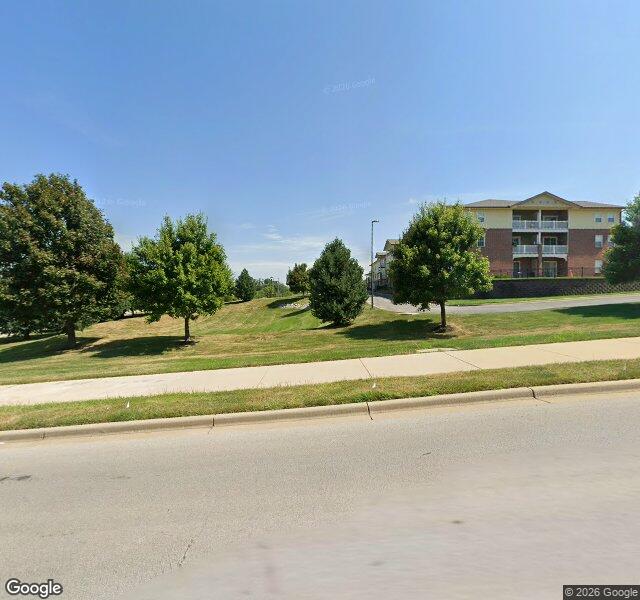
6335 Maurer Road, Shawnee, KS 66217View map (opens in a new tab)
Overview and key essentials
State license
Active
KS KDADS
Google reviews
Not available
Public reviews not linked
Size & payment
Ask directly
Confirm pricing & payment
Public records for this community are limited. Use the checklist below when you call or visit to confirm pricing, services, and openings.
Cost, payment & care details
Updated Nov 28, 2026| Monthly cost | Not published | Ask for the full monthly cost, including care fees and one-time charges. |
|---|---|---|
| Payment options | Ask directly | Payment details are not confirmed in our records. Ask about private pay, long-term care insurance, veterans benefits, and Medicaid waivers. |
| Size & availability | Confirm directly | We don't publish live openings. Ask about current availability, waitlist length, and move-in timing. |
| Care & support | Assisted living | Usually offers housing and help with everyday tasks, such as bathing and dressing. What to confirm about care levelsThis describes the licensed category. Ask how care plans adjust if mobility, nursing, or memory needs change over time. Read the family care guide → |
State licensing
State inspection history
2inspections
12deficiencies listed
Aug 12, 2026RoutineNo deficiencies reportedNone
No deficiencies reported
View official state report (opens in a new tab)
INITIAL COMMENTS The resurvey with attached complaints 199273 and 198134 at the above named assisted living facility conducted on 08/12/26 resulted in a finding of no deficiency citations. If deficiencies are cited, an approved plan of correction is requisite to continued program participation.
Jan 29, 2025Routine12 deficiencies reported12
12 deficiencies reported
View official state report (opens in a new tab)
The following represent the findings of a licensure survey with attached complaint #191121, 191400, and 193088 for the above named assisted living facility conducted on 01/28/25 an 01/29/25.
moderateS 3175
Medication (a) Self-administration of medication. Any resident may self-administer and manage medications independently or by using a medication container or syringe prefilled by a licensed nurse or pharmacist or by a family member or friend providing this service gratuitously, if a licensed nurse has performed an assessment and determined that the resident can perform this function safely and accurately without staff assistance. (1) An assessment shall be completed before the resident initially begins self-administration of medication, if the resident experiences a significant change of condition, and annually. This REQUIREMENT is not met as evidenced by: KAR 26-41-205(a)(1) The facility reported a census of 45 residents with three included in the sample, two focused record reviews, and one closed record review. Based on interview and record review the operator failed to ensure a licensed nurse performed an assessment to determine if Resident (R) 1 and R5 could self-administer medications safely. Findings included: - Record review for R1 revealed an admission date of 09/09/24 with diagnoses of orthostatic hypotension, diabetes mellitus type two, and atrial fibrillation. The 10/15/24 "Functional Screen" (FCS) identified R1 required physical assistance with management of medications. The 10/15/24 "Service Plan" which is the facility's combined Negotiated Service Agreement and Health Service Plan (NSA/HSP) identified R1 required daily assistance or cueing with medications and R1 was insulin dependent. Review of R1's medication administration record for the month of January 2025 revealed Lantus 20 units was to be injected every night at bedtime with a start date of 10/02/24 and "Staff Must Reorder." Observation 01/29/25 at 09:51 AM of R1's apartment refrigerator revealed 53 pens of Lantus Solostar medication in pharmacy labeled boxes with label that read staff would reorder. R1's record lacked evidence of documentation a medication self-administration assessment to administer Lantus was completed. On 01/29/25 at 11:01 AM Administrative Staff A confirmed R1's record lacked a medication self-administration assessment. - Record review for R5 revealed an admission date of 05/22/24 with diagnoses of glaucoma, osteoporosis, hypertension, insomnia, and depression. R5's record lacked evidence an FCS was completed. The 06/27/24 NSA/HSP lacked documentation of who was responsible for management of medications. R5's record lacked evidence of documentation a medication self-administration assessment to administer any of her medications was completed. On 01/29/25 at 11:01 AM Administrative Staff A confirmed R5's record lacked a medication self-administration assessment. On 01/29/25 at approximately 01:05 PM R5 stated she administered all her own medications. On 01/29/25 at approximately 08:47 AM CMA G confirmed R5 administered her own medications. On 01/28/25 at approximately 08:47 AM Administrative Staff A confirmed R5 did not receive assisted living services therefore administered her own medications and her record lacked a self-administration assessment. The operator failed to ensure a licensed nurse performed an assessment to determine if R1 or R5 could self-administer medications safely.
moderateS 3213
(g) (2) Each prescription medication container shall have a label that was provided by a dispensing pharmacist or affixed to the container by a dispensing pharmacist in accordance with K.A.R. 68-7-14. This REQUIREMENT is not met as evidenced by: KAR 26-41-205 (g)(2) The facility reported a census of 45 residents. Based on observation and interview the operator failed to ensure each prescription medication container had a label provided by a dispensing pharmacist affixed to the container of one medication. Findings included: - Observation on 01/28/25 at 10:24 AM revealed the second-floor medication cart contained one box apixaban 5 milligrams, 15 tablets which was not labeled with a resident's full name, furthermore a pharmacy affixed label On 01/28/25 at approximately 10:25 AM Administrative Staff A confirmed the box was not labeled with a pharmacist affixed label. The facility's "Medication and Treatment Labels" policy last reviewed 01/25/24 stated all medications should be labeled with necessary information to provide safe administration. The label should be consistent with regulatory requirements and should include the resident's name, medications name, prescription number, name of prescriber, dose, frequency, route of administration, and any special instructions. The operator failed to ensure each prescription medication container had a label provided by a dispensing pharmacist affixed to the container.
moderateS 3028
Reporting (f) (3) Each allegation of abuse, neglect, or exploitation shall be reported to the administrator or operator of the facility as soon as staff is aware of the allegation and to the department within 24 hours. The administrator or operator shall ensure that all of the following requirements are met: (A) An investigation shall be started when the administrator or operator, or the designee, receives notification of an alleged violation. (B) Immediate measures shall be taken to prevent further potential abuse, neglect, or exploitation while the investigation is in progress. (C) Each alleged violation shall be thoroughly investigated within five working days of the initial report. Results of the investigation shall be reported to the administrator or operator. (D) Appropriate corrective action shall be taken if the alleged violation is verified. (E) The department ' s complaint investigation report shall be completed and submitted to the department within five working days of the initial report. (F) A written record shall be maintained of each investigation of reported abuse, neglect, or exploitation. This REQUIREMENT is not met as evidenced by: KAR 26-41-101(f)(3) The facility reported a census of 45 residents with three residents included in the sample, two focused reviews, and one closed record review. Based on interview and record review the operator failed to ensure staff reported an allegation of abuse to the operator as soon as staff was aware and furthermore, the operator to report an allegation of abuse to the department within 24 hours when Resident (R) 6 was allegedly abused by Certified Medication Aide (CMA) C. Findings included: - Record review for R6 revealed an admission date of 12/26/24 with a diagnosis of Parkinson's. The 12/25/24 "Functional Screen" identified R6 required physical assistance with bathing, dressing, toileting, transferring, walking/mobility, management of medications and treatments, and was occasionally incontinent of bladder. The "Functional Screen" failed to document resident's level of cognition. He was understandable and understood when communicating. The 12/26/24 "Service Plan" which is the facility's combined Negotiated Service Agreement and Health Care Service Plan (NSA/HSP) identified facility staff would provide physical or standby assistance for bathing, toileting, transfers, and setup for dressing. The service plan documented R6 had normal cognition but also listed impairment with short-term memory. He had no behavior issues. Management of medications was not addressed. The 01/17/25 at 05:16 AM "Progress Note" documented by CMA C stated R6 yelled "assault" during toileting cares provided by staff. Review of the facility's "Summary for Investigation" documented R6 reported to Administrative Staff A on 01/20/25 that CMA C had been rough and had inappropriate language toward a R6. The witness statement by Certified Nurse Aide D documented that she heard R6 yell, "that's abuse." Review of R6's record revealed lack of evidence of documentation the incident was reported to the department within 24 hours. On 01/29/25 at approximately 02:02 PM Administrative Staff A confirmed the alleged abuse of R6 was not reported to her by staff at the time of allegation and not reported to the state department within 24 hours of R6 reporting to her. The facility's "Abuse & Neglect Reporting - Kansas Specific" policy last reviewed 01/25/24 documented the executive director should inform the proper state...
moderateS 3280
Preparedness (d) Each administrator or operator shall ensure disaster and emergency preparedness by ensuring the performance of the following: (1) Orientation of new employees at the time of employment to the facility ' s emergency management plan; (2) education of each resident upon admission to the facility regarding emergency procedures; (3) quarterly review of the facility ' s emergency management plan with employees and residents; and (4) an emergency drill, which shall be conducted at least annually with staff and residents. This drill shall include evacuation of the residents to a secure location. This REQUIREMENT is not met as evidenced by: KAR 26-41-104(d)(3) The facility reported a census of 45 residents. Based on interview and record review the operator failed to provide evidence of documentation quarterly reviews of the facility's emergency management plan were completed with all residents. Findings included: - Review of the facility's emergency plan records lacked evidence of documentation quarterly reviews were completed with residents since opening, (licensed 05/07/2024) On 01/28/25 at 01:38 PM Administrative Staff A confirmed the facility's record lacked documentation reviews of the emergency management plan were completed quarterly with residents. The operator failed to provide evidence of documentation quarterly reviews of the facility's emergency management plan were completed with all residents.
moderateS 3085
(a) The administrator or operator of each assisted living facility or residential health care facility shall ensure the development of a written negotiated service agreement for each resident, based on the resident ' s functional capacity screening, service needs, and preferences, in collaboration with the resident or the resident ' s legal representative, the case manager, and, if agreed to by the resident or the resident ' s legal representative, the resident ' s family. The negotiated service agreement shall provide the following information: (1) A description of the services the resident will receive; (2) identification of the provider of each service; and (3) identification of each party responsible for payment if outside resources provide a service. This REQUIREMENT is not met as evidenced by: KAR 26-41-202(a)(1)(2) The facility reported a census of 45 residents with three residents included in the sample. Based on interview, observation, and record review the administrator failed to ensure the Negotiated Service Agreement (NSA) was fully developed based on the resident's Functional Capacity Screen (FCS), service needs, and preferences for resident (R)1, R3, R4, and R6 including a description of the services the residents received and the provider of each service. Findings included: - Record review for R1 revealed an admission date of 09/09/24 with diagnoses of orthostatic hypotension, diabetes mellitus type two, and atrial fibrillation. The 10/15/24 "Functional Screen" (FCS) identified R1 required physical assistance with management of medications and bathing; was independent with dressing, toileting, transferring, walking/mobility, and eating. He had no cognitive difficulties, was understandable and understood others during communication, was at risk of falls, had impaired hearing, and impaired decision-making. The 10/15/24 "Service Plan" is the facility's combined Negotiated Service Agreement and Health Service Plan (NSA/HSP) identified R1 required daily assistance or cueing with medications without a provider of the service. R1 was independent with catheter cares. The NSA/HSP failed to describe services provided and the provider of the service for impaired hearing and decision-making. The NSA/HSP failed to list home health as a provider of catheter care. Review of "Physician Order" dated 11/20/24 revealed home health nursing was ordered to provide catheter cares. The 11/19/24 "Progress Note" at 10:53 AM documented that home health had flushed R1's catheter. Observation on 01/29/25 at 12:34 PM R1 was sitting in room watching television and the volume was up loud. He turned television off to be able to hear. Questions were repeated during conversation for hearing. Hearing aids were placed in both ears. On 01/29/25 at approximately 12:40 PM R1 stated he is almost deaf in right ear. He stated he has hearing aids for both ears and would not be able to hear anything without aide in left ear. R1 stated home health completes his catheter changes monthly. On 01/29/25 at approximately 11:22 AM Administrative Staff A stated staff spoke louder, clearer, and slower to R1 to assist him with his hearing impairment. She confirmed R1's NSA failed to describe the services provided for hearing impairment and decision-making as well as provider of service. She confirmed no provider of service for management of medications was listed. The operator failed to ensure R1's NSA described the services he received, and the provider of the service...
moderateS 3298
(d) Food preparation. Food shall be prepared using safe methods that conserve the nutritive value, flavor, and appearance and shall be served at the proper temperature. (1) Food used by facility staff to serve to the residents, including donated food, shall meet all applicable federal, state, and local laws and regulations. (2) Food in cans that have significant defects, including swelling, leakage, punctures, holes, fractures, pitted rust, or denting severe enough to prevent normal stacking or opening with a manual, wheel-type can opener, shall not be used. (3) Food provided by a resident ' s family or friends for individual residents shall not be required to meet federal, state, and local laws and regulations. This REQUIREMENT is not met as evidenced by: KAR 26-41-206(d) The facility reported a census of 45 residents. The facility had a main kitchen where food was stored, prepared and served to all residents. Based on interview and record review, the operator failed to ensure food was served at the proper temperature. Findings included: - Observation on 01/28/25 at 11:21 AM of the director of food and beverage's office revealed a notebook which contained daily food temperature logs. Review of the food temperature logs for the month of January 2025 revealed food temperatures were not recorded for breakfast meals, 19 out of 28 lunch meals, and 26 out of 27 dinner meals. The 9 lunch meals had temperatures recorded for one meat and were all below 40 degrees Fahrenheit (F). On 01/28/25 at approximately 11:22 AM Dietary Staff F confirmed the food temperature logs were not completed and temperatures documented were not prior to being served. The Kansas Department of Agriculture's "Focus on Food Safety" booklet dated March of 2024, documented on page 20 "minimum hot holding temperature is 135 degrees F." and "maximum cold holding temperature is 41 degrees F." The facility's "Service Temperature of Food" policy dated 10/17/22 documented "acceptable serving temperatures" for hot foods were above 140 degrees F and cold foods were below 41 degrees F. The policy instructed staff to record the reading on a facility form. The operator failed to ensure food was served at the proper temperature.
moderateS 3299
(e) Food storage. Facility staff shall store all food under safe and sanitary conditions. (1) Containers of poisonous compounds and cleaning supplies shall not be stored in the areas used for food storage, preparation, or serving. This REQUIREMENT is not met as evidenced by: KAR 26-41-206(e) The facility reported a census of 45 residents. The facility had a main kitchen where food was stored and prepared for all residents. Based on observation and interview the operator failed to ensure food items were stored under safe conditions. Findings included: - Observation on 01/28/25 at 10:47 AM in the kitchen revealed a walk-in refrigerator, walk-in freezer, ice cream freezer, upright refrigerator, and a prep table cooler that contained food items for the residents. The temperature logs for all were requested for the month of January. Review of temperature logs for the month of January revealed 19 of 28 days no temperatures were taken from any of the food storage units, eight of the remaining 28 days lacked temperatures taken from the ice cream freezer, upright refrigerator, and prep table units. On 01/28/25 at approximately 11:22 AM Dietary Staff F confirmed the logs lacked temperatures and were not completed as expected. The facility's "Temperatures and Safe Food Handling" policy dated 09/18/18 documented to keep cold food cold at less than or equal to 41 degrees Fahrenheit. The Kansas Department of Agriculture's "Focus on Food Safety" booklet Page 20 explains that maximum cold holding temperature is 41 degrees Fahrenheit and 0 degrees was recommended frozen storage temperature. The operator failed to ensure foods were stored under safe conditions.
moderateS 3081
Reassessment (c) Designated facility staff shall conduct a screening to determine each resident ' s functional capacity according to the following requirements: (1) At least once every 365 days; (2) following any significant change in condition as defined in K.A.R. 26-39-100; and (3) at least quarterly if the resident receives assistance with eating from a paid nutrition assistant. This REQUIREMENT is not met as evidenced by: KAR 26-41-201(c)(1) The facility reported a census of 45 residents with three included in the sample, two focused record reviews, and one closed record review. Based on interview and record review the operator failed to ensure designated staff completed a "Functional Capacity Screen" (FCS) for Resident (R) 2 and R3 after a change in condition when they returned from being hospitalized and at rehabilitation centers. Findings included: - Record review for R2 revealed an admission date of 11/26/24 with diagnoses of congestive heart failure, myelodysplastic syndrome, pulmonary edema, atrial flutter, and sarcopenia. The 11/21/24 (most recent) "Functional Screen" (FCS) identified R2 required physical assistance with bathing; and was independent with dressing, toileting, transferring, and walking. The FCS failed to document capacity to perform management of medications and treatments or cognition level. The 11/24/24 "Service Plan" which is the facility's combined Negotiated Service Agreement and Health Service Plan (NSA/HSP) facility staff would provide R2 physical assistance with bathing and daily assistance with management of medications. R2 had vision, hearing, and short-term memory impairment with no services provided. No outside providers were listed for services. Review of "Progress Notes" revealed R2 was admitted 11/26/24, went to the local hospital on 12/15/24 and returned to the facility on 01/22/25. On 01/29/25 at approximately 12:33 PM R2 stated she currently receives therapy services from a local agency for strengthening. On 01/29/25 at 11:35 AM Administrative Nurse A confirmed R2's most recent "FCS" was on admit and one had not been completed since she returned from rehab on 01/22/25. - Record review for R3 revealed an admission date of 06/18/24 with diagnoses of congestive heart failure, atrial fibrillation, and gastroesophageal reflux disease. The 08/09/24 (most recent) FCS identified R3 required physical assistance with bathing and management of medications and treatments; was independent with dressing, toileting, transferring, eating, and walking; was usually continent; was at risk for falls; had impaired vision; and had no communication difficulties. The FCS failed to document capacity cognition level. The 08/13/24 NSA/HSP identified R3 was independent with mobility, transferring, dressing, and toileting; had dementia, short-term memory impairment and long-term memory impairment without any services provided; and staff would check for appropriate lighting, clutter, and spill in apartment to prevent falls. Review of "Progress Notes" revealed on 09/23/24 at 01:49 PM R3 was found on floor and 911 was called. At 01:59 PM R3's daughter stated R3 was admitted to hospital with broken pelvis. On 10/26/24 she returned with a change of condition. On 11/08/24 R3 was sent to hospital due to abdominal pain and vomiting, she went to a rehabilitation center and readmitted to the facility on 11/27/24. On 01/29/25 at 11:35 AM Administrative Nurse A confirmed R3's most recent "FCS" was 08/09/24 and one had not been...
STATE FORM6899
40J911 STATE FORM 40J911 STATE FORM 40J911 STATE FORM 40J911 STATE FORM 40J911 STATE FORM 40J911 STATE FORM 40J911 STATE FORM 40J911 STATE FORM 40J911 STATE FORM 40J911 STATE FORM 40J911 STATE FORM 40J911 STATE FORM 40J911 STATE FORM 40J911 STATE FORM 40J911 STATE FORM 40J911 STATE FORM 40J911 STATE FORM 40J911 STATE FORM 40J911 STATE FORM 40J911 STATE FORM 40J911 STATE FORM 40J911 STATE FORM 40J911 STATE FORM 40J911 STATE FORM 40J911 STATE FORM 40J911 STATE FORM 40J911 STATE FORM 40J911 STATE FORM 40J911
moderateS 3082
Accurate d) Designated facility staff shall ensure that each resident ' s functional capacity at the time of screening is accurately reflected on that resident ' s screening form. This REQUIREMENT is not met as evidenced by: KAR 26-41-201(d) The facility reported a census of 45 residents with three included in the sample, two focused record reviews, and one closed record review. Based on observation, interview, and record review the operator failed to ensure designated facility staff documented the "Functional Capacity Screen" (FCS) accurately on the functional capacity screening form for Resident (R) 2, R3, and R6. Findings included: - Record review for R2 revealed an admission date of 11/26/24 with diagnoses of congestive heart failure, myelodysplastic syndrome, pulmonary edema, atrial flutter, and sarcopenia. The 11/21/24 "Functional Screen" (FCS) identified R2 required physical assistance with bathing; was independent with dressing, toileting, transferring, and walking; was at risk for falls; had impaired vision; and had no communication difficulties. The FCS failed to document capacity with eating, to perform management of medications and treatments, and cognition level. The FCS failed to address impaired hearing. The 11/24/24 "Service Plan" which is the facility's combined Negotiated Service Agreement and Health Service Plan (NSA/HSP) identified facility staff would provide daily assistance with management of medications. The NSA documented R2 was independent with dining; and had vision, hearing, and short-term memory impairment. The 11/26/24 "Progress Note" documented medications "will be administered by AL [assisted living] staff." Observation on 01/29/25 at 12:31 PM revealed R2 in dining room feeding self food prepared by staff. On 01/29/25 at 09:39 AM Certified Medication Aide G stated the facility staff manage and administer all of R2's medications. On 01/29/25 at approximately 12:33 AM R2 stated she had difficulty with hearing when people do not talk loud enough, or her television is not turned up. On 01/29/25 at approximately 11:17 AM Administrative Staff A confirmed R2's FCS failed to identify her capacity with eating, to perform management of medications and treatments, impaired hearing, and cognition level. - Record review for R3 revealed an admission date of 06/18/24 with diagnoses of congestive heart failure, atrial fibrillation, and gastroesophageal reflux disease. The 08/09/24 FCS identified R3 required physical assistance with bathing and management of medications and treatments; was independent with dressing, toileting, transferring, eating, and walking; was usually continent; was at risk for falls; had impaired vision; and had no communication difficulties. The FCS failed to document cognition level. The 08/13/24 NSA/HSP identified R3 had dementia, short-term memory impairment and long-term memory impairment without any services provided to her. The 09/08/24 "Progress Note" documented R3 was found on floor and did not remember how it happened. On 01/29/25 at approximately 09:18 AM R3 could not remember when she was admitted. On 01/29/25 at approximately 11:17 AM Administrative Staff A confirmed R3's FCS failed to identify her cognition levels. - Record review for R6 revealed an admission date of 12/26/24 with a diagnosis of Parkinson's. The 12/25/24 FCS failed to document R6's level of cognition. The 12/26/24 NSA/HSP documented R6 had normal cognition but also listed impairment with short-term memory. On...
moderateS 3211
DRUGS (3) A licensed nurse or medication aide may accept over-the-counter medication only in its original, unbroken manufacturer ' s package. A licensed pharmacist or licensed nurse shall place the full name of the resident on the package. If the original manufacturer ' s package of an over-the-counter medication contains a medication in a container, bottle, or tube that can be removed from the original package, the licensed pharmacist or a licensed nurse shall place the full name of the resident on both the original manufacturer ' s medication package and the medication container. This REQUIREMENT is not met as evidenced by: KAR 26-41-205(g)(3) The facility reported a census of 45 residents. Based on observation and interview the operator failed to ensure a licensed pharmacist or licensed nurse placed the full names of residents on the original packages of nine over the counter (OTC) medications in the second-floor medication cart. Findings included: - Observation on 01/28/25 at 10:15 AM revealed the second-floor medication cart contained the following OTC medications were not labeled with residents' full names: One bottle acetaminophen 500 milligrams, 200 caplets One bottle vitamin d3 1000 international units, 100 softgels One bottle aspirin 81 milligrams, 500 tablets One box guaifenesin 600 milligrams, 20 tablets One bottle diphenhydramine HCl 25 milligrams, 36 minitabs One tube Preparation H 0.9 ounce One bottle vitamin c 1000 international units, 250 tablets One bottle acetaminophen 500 milligrams, 24 caplets One bottle polyethylene glycol 3350, 4.1 ounces On 01/28/25 at approximately 10:22 AM Administrative Staff A confirmed the OTC medications were not labeled with residents' full names. The facility's "Medication and Treatment Labels" policy last reviewed 01/25/24 stated over the counter medications should be labeled with necessary information to provide safe administration. The operator failed to ensure a licensed pharmacist or licensed nurse placed the full names of residents on the original packages of nine OTC medications.
moderateS 3214
Program Meds (g) (4) Licensed nurses and medication aides may administer sample medications and medications from indigent medication programs if the administrator or operator ensures the development of policies and implementation of procedures for receiving and identifying sample medications and medications from indigent medication programs that include all of the following conditions: (A) The medication is not a controlled medication. (B) A medical care provider ' s written order accompanies the medication, stating the resident ' s name; the medication name, strength, dosage, route, and frequency of administration; and any cautionary instructions regarding administration. (C) A licensed nurse or medication aide receives the medication in its original, unbroken manufacturer ' s package. (D) A licensed nurse documents receipt of the medication by entering the resident ' s name and the medication name, strength, and quantity into a log. (E) A licensed nurse places identification information on the medication or package containing the medication that includes the medical care provider ' s name; the resident ' s name; the medication name, strength, dosage, route, and frequency of administration; and any cautionary instructions as documented on the medical care provider ' s order. Facility staff consisting of either two licensed nurses or a licensed nurse and a medication aide shall verify that the information on the medication matches the information on the medical care provider ' s order. (F) A licensed nurse informs the resident or the resident ' s legal representative that the medication did not go through the usual process of labeling and initial review by a licensed pharmacist pursuant to K.S.A. 65-1642 and amendments thereto, which requires the identification of both adverse drug interactions or reactions and potential allergies. The resident ' s clinical record shall contain documentation that the resident or the resident ' s legal representative has received the information and accepted the risk of potential adverse consequences. This REQUIREMENT is not met as evidenced by: KAR 26-41-205(g)(4) The facility reported a census of 45 residents. Based on observation and interview the operator failed to ensure the development of policies and implementation of procedures for receiving and identifying sample medications including all the required conditions. Findings included: - Observation on 01/28/25 at 10:22 AM revealed CMA E unlocked the second-floor medication cart which contained two boxes of Lokelma (sodium zirconium cyclosilicate) 10 grams per packet with three packets in each box. On 01/28/25 at approximately 10:23 AM Administrative Staff A confirmed the medication is a sample medication and lacked a provider's order and label containing required information. On 01/28/25 at 10:26 AM Administrative Staff A and Administrative Staff B confirmed the facility did not have a policy regarding sample medications. The operator failed to ensure the development of policies and implementation of procedures for receiving and identifying sample medications including all the required conditions.
Neighborhood & resident support
Emergency access, hazards & advocacy
Nearest hospital
Shawnee Mission Medical Center
4.4 mi · Shawnee Mission, KS · Medicare 3/5 ★
Emergency room
FEMA hazard risk
Relatively HighJohnson County, KS
- Winter Weather
- Tornado
- Hail
Free resident advocacy
Kansas Office of the State Long-Term Care Ombudsman
More neighborhood context (specialists, VA, dialysis, air & affordability)
VA & dialysis access
Kansas City VA Medical Center
13.5 mi · Kansas City, MO · VA 4/5 ★
DaVita Lenexa Dialysis
4.3 mi · 3/5 ★ · Home dialysis
Specialists within 15 mi
- Geriatricians
- 42
- Neurologists
- 341
- Palliative care
- 62
- PM&R rehab
- 121
Environment & mobility
- EPA Air (2025)
- 69% good days · AQI 44
- EPA Walkability
- 10.3/20 (Below Average)
- USDA Grocery Access
- High Grocery Access
- Primary care access
- HRSA Shortage Area
County demographics
- Age 65+ median income
- $76,388/yr
- Rent-burdened households
- 41%
- Cognitive disability (2023)
- 11.5%
- Mobility disability
- 8.7%
Call & tour checklist
Questions to ask Shawnee Hills Senior Living
Check off questions as you call or tour. Your progress stays private in this browser.
Show 3 more suggested questions
Verification & public records
Official records & sources
Licensing & contact
- License #
- N046108
- Status
- active
- Phone
- (913) 631-3838
- Federal OIG LEIE
- Clear (2026-11-27)
Operator & ownership
- Operator
- Shawnee Operator, LLC
Original public sources
Verify licensing, ratings, and inspection reports directly with each official source.
- KS KDADS official record (opens in a new tab)Kansas Dept. for Aging & Disability Services
- Google Maps (opens in a new tab)Directions, photos & neighborhood
- Google Reviews (opens in a new tab)Read public reviews
EveryPlace is an independent research directory. Information is compiled from public Medicare.gov, state licensing, Google Places, and street-level imagery sources. Some summaries, suggested questions, and pricing notes are AI-generated or AI-assisted and may contain errors or omissions. We do not accept payment for placement. Confirm all details directly with the community and official sources. Research Policy.
Keep exploring
Nearby communities to compare
- Cap. 48HUD Senior Housing< 1 miWyndam Place Senior AptsShawnee, KS
- Assisted Living< 1 miCedarhurst of ShawneeShawnee, KS
- Assisted Living1.1 miHomestead of Shawnee Operations LLCShawnee, KS
- MedicaidHospice Care1.6 miPrairie Wind Hospice LLCShawnee, KS
- Assisted Living1.6 miTopcare Homeplus - Upendo HouseShawnee, KS
- Assisted Living1.9 miSerenity Springs LLCShawnee, KS