Loading EveryPlace content…
Assisted LivingActive license
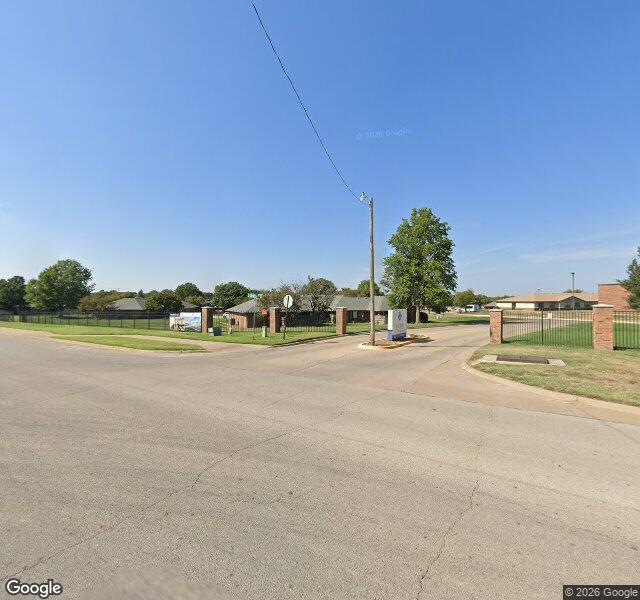
Salina Presbyterian Manor
2601 E. Crawford Street, Salina, KS 67401View map (opens in a new tab)
Overview and key essentials
State license
Active
KS KDADS
Google reviews
Not available
Public reviews not linked
Size & payment
Ask directly
Confirm pricing & payment
Public records for this community are limited. Use the checklist below when you call or visit to confirm pricing, services, and openings.
Cost, payment & care details
Updated Nov 28, 2026| Monthly cost | Not published | Ask for the full monthly cost, including care fees and one-time charges. |
|---|---|---|
| Payment options | Ask directly | Payment details are not confirmed in our records. Ask about private pay, long-term care insurance, veterans benefits, and Medicaid waivers. |
| Size & availability | Confirm directly | We don't publish live openings. Ask about current availability, waitlist length, and move-in timing. |
| Care & support | Assisted living | Usually offers housing and help with everyday tasks, such as bathing and dressing. What to confirm about care levelsThis describes the licensed category. Ask how care plans adjust if mobility, nursing, or memory needs change over time. Read the family care guide → |
State licensing
State inspection history
15inspections
40deficiencies listed
May 26, 2026Routine3 deficiencies reported3
3 deficiencies reported
View official state report (opens in a new tab)
INITIAL COMMENTS A complaint survey was conducted at Salina Presbyterian Manor on 05/27/26 to determine compliance with 42 CFR Part 483, Requirements for Long Term Care Facilities. Complaint reference number(s) 233737, 2697093, 2719112, 3000123, and 3021350 were investigated. The facility census on the first day of the survey was 52. The sample size included 3 residents. Based on this survey, deficiencies were identified under 42 CFR Part 483, Requirements for Long Term Care Facilities.
severeF 0686
SS = G SS = G SS = G SS = G all residents are considered to have a potential risk for the development of pressure ulcers. Nursing staff will evaluate skin integrity, implement preventative measures as indicated, and treat skin breakdown. The primary care provider's admission orders will authorize approval to begin using established skin and wound treatment guidelines. Dressing changes are performed by a licensed nurse.
severeF 0684
SS = G SS = G SS = G SS = G SS = G scope and severity of a “G” (actual harm, isolated).
SS = SQC-JF 0689
Free of Accident Hazards/Supervision/Devices CFR(s): 483.25(d)(1)(2) §483.25(d) Accidents. The facility must ensure that - §483.25(d)(1) The resident environment remains as free of accident hazards as is possible; and §483.25(d)(2)Each resident receives adequate supervision and assistance devices to prevent accidents. This REQUIREMENT is NOT MET as evidenced by: Based on interviews and record review, the facility failed to provide adequate supervision to prevent a fall with serious injury for Resident (R) 1, who was at high risk for falls, received an anticoagulant (a class of medications used to prevent the blood from clotting), and required assistance with activities of daily living. On 12/18/25, Certified Nurse Aide (CNA) M assisted R1 into the bathroom in his room, sat R1 on the toilet, then left R1 alone in the bathroom. CNA M alerted Licensed Nurse (LN) G that R1 was in the bathroom. At 10:55 AM, CNA N entered R1’s room and found R1 on the floor of the bathroom. R1 had hematoma (a collection of blood trapped in the tissues of the skin or in an organ, resulting from trauma) on the right side of his head. Emergency Medical Services (EMS) transported R1 to the hospital, where he was diagnosed with a SS = SQC-J SS = SQC-J SS = SQC-J SS = SQC-J SS = SQC-J quarterly, when there is a significant change, and after a fall. A resident’s high-risk status will be documented on the comprehensive plan of care or service plan. Review of the fall prevention reference sheet for ideas to implement and document in the care plan. On 05/27/26 at 03:30 PM, Administrative Staff A and Administrative Nurse D were provided the “Immediate Jeopardy [IJ] Template” and were notified the facility’s failure to provide adequate supervision and assistance for R1 placed R1 in immediate jeopardy. The facility implemented education and retraining to staff regarding providing the appropriate level of staff assistance and supervision. The corrections were completed on 12/24/25, prior to the onsite survey therefore, the deficient practice was deemed past non noncompliance and remained at a scope and severity “J” (immediacy, isolated).
Aug 11, 2025Routine3 deficiencies reported3
3 deficiencies reported
View official state report (opens in a new tab)
INITIAL COMMENTS The following citations represent the findings of complaint investigation(s) 1571413 and 2563388. The 2567 was sent electronically on 08/25/25.
moderateF 0835
CFR(s): 483.70 §483.70 Administration. A facility must be administered in a manner that enables it to use its resources effectively and efficiently to attain or maintain the highest practicable physical, mental, and psychosocial well-being of each resident. This REQUIREMENT is NOT MET as evidenced by: The facility identified a census of 53 residents. Based on record review and interview, the facility failed to ensure adequate administrative oversight when the facility failed to monitor and ensure all nursing staff practicing in the facility maintained active licenses as required to provide the residents residing in the facility with the care they needed to attain or maintain the highest practicable physical, mental, and psychosocial well-being. This deficient practice placed the residents residing in the facility at risk for a lack of quality nursing care. Findings included: SS = F The “Facility’s Working Schedule” for the month of June SS = F spreadsheet to alert administration staff when certifications were set to expire.
documented CMA R worked six days in the facility2025
and passed medications to residents after CMA R’s license had expired. CMA R was suspended and taken off the schedule until her license was reinstated. The “Facility’s Working Schedule” for the month of June documented CMA S worked two days in the facility and passed medications to residents after CMA S’s license had expired. CMA S was suspended and taken off the schedule until her license was reinstated. On 08/11/25 at 10:00 AM, Human Resources Staff V stated she was responsible for sending out the dates of the nursing staff’s license expiration to Administrative Nurse D, and they were both responsible for reviewing the license expirations to ensure staff were notified in plenty of time to renew their licensure. Human Resources Staff V stated this time, CMA R and CMA S fell through the cracks, and neither she nor Administrative Nurse D had caught the license expirations for CMA R and CMA S. documented CMA R worked six days in the facility and passed medications to residents after CMA R’s license had expired. CMA R was suspended and taken off the schedule until her license was reinstated. The “Facility’s Working Schedule” for the month of June documented CMA S worked two days in the facility and passed medications to residents after CMA S’s license had expired. CMA S was suspended and taken off the schedule until her license was reinstated. On 08/11/25 at 10:00 AM, Human Resources Staff V stated she was responsible for sending out the nursing staff’s dates of licensure expiration to Administrative Nurse D, and they were both responsible for reviewing the licensure expirations to ensure staff were notified in plenty of time to renew their licensure. Human Resources Staff V stated this time, CMA R and CMA S fell through the cracks, and neither she nor Administrative Nurse D had caught the license expirations for CMA R and CMA S. On 08/11/25 at 10:15 AM, Administrative Nurse D stated they had devised and new procedure for monitoring staff licensure. All staff licensure expiration dates were placed on a spreadsheet, and Human Resources Staff V, the facility scheduler, and Administrative Nurse D would meet every Tuesday to go over staff licensure expiration dates, and staff would be notified of their licensure expiration date two months before the expiration and then weekly thereafter. If staff did not renew their license, they would be taken off the schedule until their license was renewed. Administrative Nurse D stated she expected all nursing staff to have current licensure to take care of residents in the facility. The facility’s “Nursing Facility Nursing Service Policy,” revised 05/02/19, documented the goal of nursing service is to provide each resident admitted to the health care center with the appropriate level of care to attain his/her optimum level of functioning. Nursing service is staffed, organized, and equipped to provide nursing care on a 24-hour-a-day basis. The health care center is licensed and certified in accordance with state and federal regulations governing long-term care.
moderateF 0726
CFR(s): 483.35(a)(3)(4)(d) §483.35 Nursing Services The facility must have sufficient nursing staff with the appropriate competencies and skills sets to provide nursing and related services to assure resident safety and attain or maintain the highest practicable physical, mental, and psychosocial well-being of each resident, as determined by resident assessments and individual plans of care and considering the number, acuity and diagnoses of the facility's resident population in accordance with the facility assessment required at §483.71. §483.35(a)(3) The facility must ensure that licensed nurses have the specific competencies and skill sets necessary to care for residents' needs, as identified through resident assessments, and described in the plan of care. §483.35(a)(4) Providing care includes but is not limited to assessing, evaluating, planning and implementing resident care plans and responding to resident's needs. §483.35(d) Proficiency of nurse aides. The facility must ensure that nurse aides are able to demonstrate competency in skills and techniques necessary to care for residents' needs, as identified through resident assessments, and described in the plan of care. SS = F This REQUIREMENT is NOT MET as evidenced by: The facility identified a census of 53 residents. Based on record review and interview, the facility failed to ensure nursing staff possessed current licensure as required. This deficient practice placed all the residents in the facility at risk for not attaining or maintaining the highest practicable physical, mental, and psychosocial well-being. Findings included: - The “Kansas Nurse Aide Registry,” printed on 08/11/25, documented Certified Medication Aide (CMA) R license expired on 06/01/25 and CMA S license expired on 06/01/25. The “Facility’s Working Schedule” for the month of June SS = F residents in the facility. The facility’s “Nursing Facility Nursing Service Policy,” revised 05/02/19, documented the goal of nursing service is to provide each resident admitted to the health care center with the appropriate level of care to attain his/her optimum level of functioning. Nursing service is staffed, organized, and equipped to provide nursing care on a 24-hour-a-day basis. The health care center is licensed and certified in accordance with state and federal regulations governing long-term care. The facility identified the above deficient practices and implemented immediate corrective actions, which were all completed on 06/25/25 and included: CMA R and CMA S were suspended upon discovery of the expired certification. The facility implemented a tracking spreadsheet to alert administration staff when certifications were set to expire.
Jun 26, 2025Routine7 deficiencies reported7
7 deficiencies reported
View official state report (opens in a new tab)
INITIAL COMMENTS The following citations represent the findings of a Health Resurvey. The 2567 was electronically sent on 07/09/25.
Food Procurement,Store/Prepare/Serve-SanitaryF 812
CFR(s): 483.60(i)(1)(2) SS=F §483.60(i) Food safety requirements. The facility must - §483.60(i)(1) - Procure food from sources approved or considered satisfactory by federal, state or local authorities. (i) This may include food items obtained directly from local producers, subject to applicable State and local laws or regulations. (ii) This provision does not prohibit or prevent facilities from using produce grown in facility gardens, subject to compliance with applicable safe growing and food-handling practices. (iii) This provision does not preclude residents from consuming foods not procured by the facility. §483.60(i)(2) - Store, prepare, distribute and serve food in accordance with professional standards for food service safety. This REQUIREMENT is not met as evidenced by: The facility had a census of 56 residents. The sample included 15 residents. Based on observation, record review, and interview, the facility failed to store, prepare, distribute, and serve food under sanitary conditions for the 56 residents in the facility, who receive their food from the kitchen. This deficient practice placed the residents at risk for foodborne illness. Findings included: - On 06/24/25 at 07:45 AM, during the initial tour CCFZ11 of the kitchen, the handles and door surfaces of the four-door refrigerator were sticky and had dried food substances on them. The ceiling tile above the food preparation table had dried, red in color, food splatter. On 06/25/25 at 10:15 AM, the char broiler (a type of cooking appliance, typically used in commercial kitchens, that uses dry heat to cook food over a grill or grate) had blackish greasy buildup and dried food stuck to the grill. Dietary BB stated they did not use the char broiler but used the outside grill. The knobs of the char broiler were greasy and had food substances dried on them. Further observation revealed the small microwave had food splatter inside of it and an old dried-up hot dog on a plate. The large microwave also had a lot of food spatter and food debris inside it. The outside of the fryer had a significant amount of grease down the front of it and onto the floor, and the grease in the fryer was black in color. In the corner of the kitchen by the oven sat a five-gallon bucket with old grease, reddish orange in color, and no lid. The window behind the trash can had a greasy splatter halfway down the window. The flour, sugar, oatmeal, and cornmeal bins had trash and food debris behind and underneath them. On 06/25/25 at 10:30 AM, Dietary BB stated the kitchen was cleaned every shift and verified the above findings. The facility's "Sanitation & Infection Control" policy, dated 01/24, documented that the director of Dining Services had the responsibility to develop and maintain clean, sanitary work areas, storage areas, and equipment for the handling of supplies by state and local health department CCFZ11 standards. The Director of Dining Services would prepare written standards and work procedures for daily operations. Procedures for the preparation and serving of food to minimize contamination by microorganisms or by chemicals that may result in food poisoning.
at the dining room table in a wheelchair,R 159
continued observation revealed R159 had capri pants on with a urinary drainage leg bag secured to her right calf, half full of yellow urine. Observation revealed eight residents in the dining room and three staff members with residents, staff, and visitors walking down the Grand Central Station Hall open to the dining room. On 06/24/25 at 12:40 PM, observation revealed two physical therapy staff assisting the resident from the bed to the wheelchair. Continued observation revealed that therapy did not don gloves or a gown during the resident transfer. On 06/25/25 at 09:00 AM, Administrative Nurse D verified the staff should wear Personal Protective Equipment (PPE) for Enhanced Barrier Protection (EBP) when providing cares for R16. They verified they had the PPE equipment outside of the resident's room but lacked a sign to designate who should wear PPE and when. Administrative Nurse D verified they would go and CCFZ11
Discharge ProcessF 628
CFR(s): 483.15(c)(2)(iii)(3)-(6)(8)(d)(1)(2); 483.21(c)(2)(i)-(iii) SS=E §483.15(c)(2) Documentation. When the facility transfers or discharges a resident under any of the circumstances specified in paragraphs (c)(1)(i)(A) through (F) of this CCFZ11 section, the facility must ensure that the transfer or discharge is documented in the resident's medical record and appropriate information is communicated to the receiving health care institution or provider. (iii) Information provided to the receiving provider must include a minimum of the following: (A) Contact information of the practitioner responsible for the care of the resident. (B) Resident representative information including contact information (C) Advance Directive information (D) All special instructions or precautions for ongoing care, as appropriate. (E) Comprehensive care plan goals; (F) All other necessary information, including a copy of the resident's discharge summary, consistent with §483.21(c)(2) as applicable, and any other documentation, as applicable, to ensure a safe and effective transition of care. §483.15(c)(3) Notice before transfer. Before a facility transfers or discharges a resident, the facility must- (i) Notify the resident and the resident's representative(s) of the transfer or discharge and the reasons for the move in writing and in a language and manner they understand. The facility must send a copy of the notice to a representative of the Office of the State Long-Term Care Ombudsman. (ii) Record the reasons for the transfer or discharge in the resident's medical record in accordance with paragraph (c)(2) of this section; and (iii) Include in the notice the items described in paragraph (c)(5) of this section. CCFZ11 §483.15(c)(4) Timing of the notice. (i) Except as specified in paragraphs (c)(4)(ii) and (c)(8) of this section, the notice of transfer or discharge required under this section must be made by the facility at least 30 days before the resident is transferred or discharged. (ii) Notice must be made as soon as practicable before transfer or discharge when- (A) The safety of individuals in the facility would be endangered under paragraph (c)(1)(i)(C) of this section; (B) The health of individuals in the facility would be endangered, under paragraph (c)(1)(i)(D) of this section; (C) The resident's health improves sufficiently to allow a more immediate transfer or discharge, under paragraph (c)(1)(i)(B) of this section; (D) An immediate transfer or discharge is required by the resident's urgent medical needs, under paragraph (c)(1)(i)(A) of this section; or (E) A resident has not resided in the facility for 30 days. §483.15(c)(5) Contents of the notice. The written notice specified in paragraph (c)(3) of this section must include the following: (i) The reason for transfer or discharge; (ii) The effective date of transfer or discharge; (iii) The location to which the resident is transferred or discharged; (iv) A statement of the resident's appeal rights, including the name, address (mailing and email), and telephone number of the entity which receives such requests; and information on how to obtain an appeal form and assistance in completing the form and submitting the appeal hearing request; CCFZ11 (v) The name, address (mailing and email) and telephone number of the Office of the State Long-Term Care Ombudsman; (vi) For nursing facility residents with intellectual and developmental disabilities or related disabilities, the mailing and email...
Infection Prevention & ControlF 880
CFR(s): 483.80(a)(1)(2)(4)(e)(f) SS=E §483.80 Infection Control The facility must establish and maintain an infection prevention and control program designed to provide a safe, sanitary and comfortable environment and to help prevent the development and transmission of communicable diseases and infections. §483.80(a) Infection prevention and control program. The facility must establish an infection prevention and control program (IPCP) that must include, at a minimum, the following elements: §483.80(a)(1) A system for preventing, identifying, reporting, investigating, and controlling infections and communicable diseases for all residents, staff, volunteers, visitors, and other individuals providing services under a contractual arrangement based upon the facility assessment conducted according to §483.71 and following accepted national standards; §483.80(a)(2) Written standards, policies, and procedures for the program, which must include, but are not limited to: (i) A system of surveillance designed to identify possible communicable diseases or infections before they can spread to other CCFZ11 persons in the facility; (ii) When and to whom possible incidents of communicable disease or infections should be reported; (iii) Standard and transmission-based precautions to be followed to prevent spread of infections; (iv)When and how isolation should be used for a resident; including but not limited to: (A) The type and duration of the isolation, depending upon the infectious agent or organism involved, and (B) A requirement that the isolation should be the least restrictive possible for the resident under the circumstances. (v) The circumstances under which the facility must prohibit employees with a communicable disease or infected skin lesions from direct contact with residents or their food, if direct contact will transmit the disease; and (vi)The hand hygiene procedures to be followed by staff involved in direct resident contact. §483.80(a)(4) A system for recording incidents identified under the facility's IPCP and the corrective actions taken by the facility. §483.80(e) Linens. Personnel must handle, store, process, and transport linens so as to prevent the spread of infection. §483.80(f) Annual review. The facility will conduct an annual review of its IPCP and update their program, as necessary. This REQUIREMENT is not met as evidenced by: The facility had a census of 56 residents. The sample included 15 residents. Based on observation, interview, and record review, the CCFZ11 facility failed to ensure staff used Enhanced Barrier Precautions (EBP) when providing care with close contact to residents with an open wound or an indwelling device. This deficient practice placed all residents at risk for infection. Findings included: - Resident (R) 40's "Electronic Medical Record" documented diagnoses of Parkinson's Disease (slowly progressive neurologic disorder characterized by resting tremor, rolling of the fingers, masklike faces, shuffling gait, muscle rigidity and weakness), diabetes mellitus (DM-when the body cannot use glucose, not enough insulin made or the body cannot respond to the insulin), and obesity (excessive body fat). The "Admission Minimum Data Set" (MDS), dated 06/04/25, documented a Brief Interview for Mental Status (BIMS) score of 13, indicating intact cognition. The MDS documented R40 required moderate staff assistance for toileting, dressing, and mobility. R40 had no skin issues. The "Pressure Ulcer Care Area...
Label/Store Drugs and BiologicalsF 761
CFR(s): 483.45(g)(h)(1)(2) SS=E §483.45(g) Labeling of Drugs and Biologicals Drugs and biologicals used in the facility must be labeled in accordance with currently accepted professional principles, and include the appropriate accessory and cautionary instructions, and the expiration date when applicable. §483.45(h) Storage of Drugs and Biologicals §483.45(h)(1) In accordance with State and Federal laws, the facility must store all drugs and biologicals in locked compartments under proper temperature controls, and permit only authorized CCFZ11 personnel to have access to the keys. §483.45(h)(2) The facility must provide separately locked, permanently affixed compartments for storage of controlled drugs listed in Schedule II of the Comprehensive Drug Abuse Prevention and Control Act of 1976 and other drugs subject to abuse, except when the facility uses single unit package drug distribution systems in which the quantity stored is minimal and a missing dose can be readily detected. This REQUIREMENT is not met as evidenced by: The facility had a census of 56 residents. The sample included 14 residents. Based on observation, interview, and record review, the facility failed to label Resident (R)158 and R37s' insulin (a hormone that lowers the level of glucose in the blood) flex pens when initially opened for use and when expired. This deficient practice placed the affected residents at risk for ineffective medications. Findings included: - On 06/24/25 at 08:05 AM, observation of R158's medication cabinet located on the wall in his room revealed R158's Tresiba (long-acting insulin) flex pen was not labeled with an opened date or an expired date. On 06/24/25 at 08:15 AM, License Nurse H verified that the nurses should label and date the insulin flex pens with the date opened. On 6/26/25 at 10:00 AM, Administrative Nurse D verified that the nurse should label and date the insulin flex pens with the date opened. CCFZ11 Medlineplus.gov directs that open, unrefrigerated Tresiba can be used within 56 days; after that time, they must be discarded. The facility's "Medication Storage" policy, dated 02/03/25, documented medications and biologicals are stored safely, securely, and properly following the manufacturer's recommendations or those of the supplier. Medications are accessible only to licensed nurses, pharmacy personnel, or staff members lawfully authorized to administer medications. Medications are labeled for individual residents and stored separately from floor stock medications when not in the medication cart. - On 06/24/25 at 08:00 AM, observation in R37's room medication cabinet, one - On 06/24/25 at 08:00 AM, observation in R37's room medication cabinet, one Insulin Glargine (long-acting) insulin pen lacked an open and discard date. On 06/24/25 at 08:05 AM, Licensed Nurse (LN) G verified the above findings and stated staff should place an open date on insulin pens when they open a new one. On 06/26/25 at 12:30 PM, Administrative Nurse D stated she expected staff to place an open date on an insulin pen when they open a new one. The facility's "Medication Storage" policy, reviewed 02/3/25, documented that medications and biologicals are stored safely, securely, and properly following manufacturers' recommendations or those of the supplier. Medications are accessible only to licensed nurses, pharmacy personnel, or staff members lawfully authorized to administer medications. Medications are labeled for individual residents CCFZ11 and...
Drug Regimen is Free from Unnecessary DrugsF 757
CFR(s): 483.45(d)(1)-(6) SS=D §483.45(d) Unnecessary Drugs-General. Each resident's drug regimen must be free from unnecessary drugs. An unnecessary drug is any drug when used- §483.45(d)(1) In excessive dose (including duplicate drug therapy); or §483.45(d)(2) For excessive duration; or §483.45(d)(3) Without adequate monitoring; or §483.45(d)(4) Without adequate indications for its use; or §483.45(d)(5) In the presence of adverse consequences which indicate the dose should be reduced or discontinued; or §483.45(d)(6) Any combinations of the reasons stated in paragraphs (d)(1) through (5) of this section. This REQUIREMENT is not met as evidenced by: The facility had a census of 56 residents. The sample included 15 residents, with six reviewed for unnecessary medications. Based on observation, record review, and interview, the facility failed to monitor physician-ordered blood pressures for one resident, Resident (R) 19, which placed the resident at risk for adverse CCFZ11 effects related to medication and physical decline. Findings included: - The Electronic Medical Record (EMR) for R19 documented diagnoses of hypertensive chronic kidney disease (a long-term condition characterized by the gradual and progressive loss of kidney function over time) stage four, dementia (a progressive mental disorder characterized by failing memory and confusion), chronic obstructive pulmonary disease (COPD - a progressive and irreversible condition characterized by diminished lung capacity and difficulty or discomfort in breathing), and atrial fibrillation (rapid, irregular heartbeat). The "Quarterly Minimum Data Set" (MDS), dated 04/16/25, documented R19 had moderately impaired cognition. R19 required partial staff assistance for toileting hygiene, transfers, ambulation, and dressing. R19 received antipsychotic (a class of medication used to treat major mental conditions that cause a break from reality), antidepressant (a class of medication used to treat mood disorders), diuretic (a medication to promote the formation and secretion of urine), and opioid (a class of controlled drugs used to treat pain) medications daily. R19's "Care Plan," dated 05/08/25, initiated on 09/03/24, documented R19 received medications with a Black Box Warning (BBW - the highest safety-related warning that medications can have assigned by the Food and Drug Administration). The care plan directed staff to monitor R19's pulse (a rhythmical throbbing of the arteries as blood is propelled through them, typically as felt in CCFZ11 the wrists or neck) and blood pressure (the amount of force your blood uses to get through your arteries). The "Physician's Order," dated 03/26/25, directed staff to administer metoprolol (an antihypertensive medication), 25 milligrams (mg), by mouth, twice per day. Call the physician if Systolic Blood Pressure (SBP - the top number, the force your heart exerts on the walls of your arteries each time it beats) was less than 90 millimeters of mercury (mmHg). The "Blood Pressure Record" for May 2025 documented 55 out of 62 opportunities; R19's blood pressure was not obtained as ordered by the physician. The "Blood Pressure Record" for June 2025 documented 38 out of 50 opportunities; R19's blood pressure was not obtained as ordered by the physician. On 06/25/25 at 07:50 AM, Certified Medication Aide (CMA) T administered R19's medications without issue. CMA T stated R19's blood pressure had been obtained by Licensed Nurse (LN) G, and it was within the...
Resident Rights/Exercise of RightsF 550
CFR(s): 483.10(a)(1)(2)(b)(1)(2) SS=D §483.10(a) Resident Rights. The resident has a right to a dignified existence, self-determination, and communication with and access to persons and services inside and outside the facility, including those specified in this section. §483.10(a)(1) A facility must treat each resident with respect and dignity and care for each resident in a manner and in an environment that promotes maintenance or enhancement of his or her quality of life, recognizing each resident's individuality. The facility must protect and promote the rights of the resident. §483.10(a)(2) The facility must provide equal access to quality care regardless of diagnosis, severity of condition, or payment source. A facility must establish and maintain identical policies and practices regarding transfer, discharge, and the provision of services under the State plan for all residents regardless of payment source. §483.10(b) Exercise of Rights. The resident has the right to exercise his or her rights as a resident of the facility and as a citizen or resident of the United States. §483.10(b)(1) The facility must ensure that the resident can exercise his or her rights without interference, coercion, discrimination, or reprisal from the facility. §483.10(b)(2) The resident has the right to be free of interference, coercion, discrimination, and reprisal from the facility in exercising his or her rights and to be supported by the facility in the exercise of his or her rights as required under this subpart. This REQUIREMENT is not met as evidenced by: The facility had a census of 56 residents. The sample included 14 residents, with one reviewed for dignity. Based on observation, record review, and interview, the facility failed to provide dignity and quality of life for Resident (R) 159, by having an uncovered urinary collection leg bag visible to guests and other residents. This placed the residents at risk for embarrassment and an undignified living environment. Findings included: - R159's Electronic Medical Record (EMR) recorded diagnoses of hypertension (HTN - elevated blood pressure), urinary tract infection (UTI - an infection in any part of the urinary system), and gout (inflammation of the joints.) R159's EMR documented, the resident was admitted to the facility on 06/13/25. R159's "Care Plan" dated 06/20/25, documented the resident had an indwelling urinary catheter (a flexible tube inserted through a narrow opening into a body cavity, particularly the bladder, for removing fluid). R159's EMR lacked a "Physician Order" for the CCFZ11 Foley catheter. On 06/24/25 at 12:00 PM, observation revealed R 159 at the dining room table in a wheelchair. Continued observation revealed R159 had capri pants on with a urinary drainage leg bag secured to her right calf-half full of yellow urine. Observation revealed eight residents in the dining room and three staff members with residents, staff, and visitors walking down the Grand Central Station Hall, open to the dining room. On 06/24/25 at 01:00 PM, Administrative Nurse D stated the resident's urinary catheter bag should always be covered. The facility's "Catheter Care-Urinary Foley" policy, dated 02/03/25, documented catheter care would be performed appropriately by qualified nursing staff to prevent complications caused by the presence of an indwelling urethral catheter. The staff would provide privacy and explain the procedure to the resident, and if applicable, teach the resident his or her...
Jan 13, 2025Routine5 deficiencies reported5
5 deficiencies reported
View official state report (opens in a new tab)
The following citations represent the findings of a resurvey with complaints (#191316 and #183537) at the above named facility conducted on 01/13/25.
moderateS 3310
(b) (5) prohibiting any employee with a communicable disease or any infected skin lesions from coming in direct contact with any resident, any resident ' s food, or resident care equipment until the condition is no longer infectious; (6) providing orientation to new employees and employee in-service education at least annually on the control of infections in a health care setting; and (c) Each administrator or operator shall ensure the facility ' s compliance with the department ' s tuberculosis guidelines for adult care homes adopted by reference in K.A.R. 26-39-105 This REQUIREMENT is not met as evidenced by: K.A.R 26-41-207 (c) The census totaled 30 residents. The sample included 3 residents and review of 5 newly hired employees. Based on record review and interview for 1 of 5 sampled staff (Certified Medication Aide (CMA) D), the facility failed to ensure compliance with the State Agency's tuberculosis (TB) guidelines. Findings included: - Review of CMA D's employee record revealed they hired onto the facility on 08/27/24. CMA D's first step of TB testing and TB questionnaire was completed on 09/16/24, approximately 3 weeks after being hired by the facility. Interview on 01/13/25 with Administrator A confirmed CMA D's first step of TB testing and TB questionnaires was not completed upon hire. Facility's "Immunization- Tuberculosis (TB) Testing for Employee Volunteer and Resident" policy dated 09/19/24 recorded, "Two-step TB skin test for new employees: a. Testing should be performed within seven days of employment/ admission and read 48-72 hours after PPD injected." The facility failed to ensure compliance with the State Agency's tuberculosis guidelines for adult care homes adopted by reference in K.A.R. 26-39-105, which had the potential to affect all residents.
moderateS 3280
Preparedness (d) Each administrator or operator shall ensure disaster and emergency preparedness by ensuring the performance of the following: (1) Orientation of new employees at the time of employment to the facility ' s emergency management plan; (2) education of each resident upon admission to the facility regarding emergency procedures; (3) quarterly review of the facility ' s emergency management plan with employees and residents; and (4) an emergency drill, which shall be conducted at least annually with staff and residents. This drill shall include evacuation of the residents to a secure location. This REQUIREMENT is not met as evidenced by: KAR 26-42-104 (d) (3) The census equaled 30 residents including 16 assisted living and 14 memory care residents.. The sample included 3 residents. Based on record review and interview, Administrator A failed to ensure disaster and emergency preparedness by ensuring the performance of quarterly review of the facility's entire "Emergency Management Plan" with residents. Findings included: - Review of the facility "Emergency Management Plan" revealed the plan contained procedures to manage potential emergencies and disasters including fire, flood, severe weather, tornado, explosion, natural gas leak and lack of electrical or water service, and missing residents. Review on 01/13/25 of the facility's quarterly reviews of the emergency management plan with residents revealed the following reviews with residents: On 11/27/23, the facility reviewed tornado and severe weather, On 02/19/24, the facility reviewed loss of water and natural gas leak, On 04/09/24, the facility reviewed tornado and loss of electrical services, On 06/17/24, the facility reviewed explosion, On 08/19/24, the facility reviewed severe weather and flood, On 10/21/24, the facility reviewed loss of water, On 12/16/24, the facility reviewed natural gas leak Facility's "Assisted Living EPP Egress and Training Requirements" policy dated 10/20 recorded, "quarterly review of the facility's emergency management plan with employees and residents." The facility failed to review the procedures to manage potential emergencies including fire, flood, loss of electrical and water services, natural gas leak, explosion and missing resident for the fourth quarter of 2023 with residents. The facility failed to review the procedures to manage potential emergencies including fire, flood, tornado, severe weather and missing resident for the first quarter of 2024. The facility failed to review the procedures to manage potential emergencies including fire, flood, severe weather, natural gas leak and missing resident for the second quarter of 2024. The facility failed to review the procedures to manage potential emergencies including fire, tornado, loss of electrical or water services, natural gas leak, explosion and missing resident for the third quarter of 2024. The facility failed to review the procedures to manage potential emergencies including fire, flood, tornado, severe weather, explosion and missing resident for the fourth quarter of 2024. Interview on 01/13/25 at 12:44 PM with Licensed Nurse B confirmed the facility's records lacked documentation all eight emergency topics were reviewed each quarter with residents. Administrator A failed to ensure disaster and emergency preparedness by the failure to ensure the performance of quarterly reviews of the facility's entire "Emergency Management Plan" with all residents.
moderateS 3298
(d) Food preparation. Food shall be prepared using safe methods that conserve the nutritive value, flavor, and appearance and shall be served at the proper temperature. (1) Food used by facility staff to serve to the residents, including donated food, shall meet all applicable federal, state, and local laws and regulations. (2) Food in cans that have significant defects, including swelling, leakage, punctures, holes, fractures, pitted rust, or denting severe enough to prevent normal stacking or opening with a manual, wheel-type can opener, shall not be used. (3) Food provided by a resident ' s family or friends for individual residents shall not be required to meet federal, state, and local laws and regulations. This REQUIREMENT is not met as evidenced by: KAR 26-41-206 (d) The census equaled 30 residents. Based on record review and interview for all residents living in the facility and receiving meal services, Administrator A failed to ensure the facility staff served food at the proper temperature. Findings included: - During the initial tour of the memory care unit on 01/13/25, facility food temperature monitoring logs were requested in the kitchen where meals were served to memory care unit residents. "Holding Temperature Log" were obtained for December 2024 and January 2025 from Licensed Nurse (LN) B. Record lacked breakfast food temperatures for the following dates: 12/08/24, 12/26/24, 01/05/25 Record lacked lunch food temperatures for the following dates: 12/05/24, 12/30/24, 01/02/25, 01/05/25 Record lacked supper food temperatures for the following dates: 12/01/24, 12/25/24, 12/28/24 Interview on 01/13/25 with LN B confirmed the above missing food temperatures. Kansas Department of Agriculture Food Safety guidelines records hot food must be maintained at a temperature of 135 degrees Fahrenheit or above, cold foods at 41 degrees Fahrenheit or below. Facility's "Monitoring and Recording: Food" policy (no date) recorded, "Team members must monitor and record food temperatures to prevent foodborne illness." For all residents of the facility, Administrator A failed to ensure facility staff served food at the proper temperature.
STATE FORM6899
EWWH11 STATE FORM EWWH11 STATE FORM EWWH11 STATE FORM EWWH11 STATE FORM EWWH11 STATE FORM EWWH11 STATE FORM EWWH11 STATE FORM EWWH11 STATE FORM EWWH11 STATE FORM EWWH11 STATE FORM EWWH11 STATE FORM EWWH11 STATE FORM EWWH11
immediate_jeopardyS 3026
ANE (f)The administrator or operator shall ensure that all of the following requirements are met: (1) No resident shall be subjected to any of the following: (A) Verbal, mental, sexual, or physical abuse, including corporal punishment and involuntary seclusion; (B) neglect; or (C) exploitation. This REQUIREMENT is not met as evidenced by: KAR 26-41-101 (f) (1) (B) The facility reported a census of 30 residents. The sample included 1 resident reviewed for elopement/wandering risk. Based on record review, observation, and interview for Resident (R) 2, Administrator A failed to ensure no resident was subjected to neglect when Administrator A failed to provide or coordinate services reasonably necessary to ensure R2's safety and well-being and to avoid harm when the resident was a known wander risk, did not have his "Roam Alert" bracelet on with staff knowledge, eloped from the secured memory care unit, left the building walking unsupervised and was found at a local fire department station. This failure placed the resident in immediate jeopardy for harm, injury, or death. Findings included: - Review of R2's medical record revealed he admitted to the facility on 09/17/24 with diagnosis of dementia. The "Functional Capacity Screen" (FCS) dated 09/23/24 recorded the resident was independent with toileting, transfer, walking/ mobility, eating, and management of treatments, required supervision with bathing and dressing and was unable to perform management of medications. The FCS recorded the resident had short term memory impairment, memory/recall impairment, and impaired decision making. The FCS further recorded the resident was at risk for falls/unsteadiness and was at risk for wandering. The "Negotiated Service Agreement (NSA)/ Health Care Service Plan" recorded the resident was independent with bathing, dressing, toileting, eating, mobility, and transfer and used a walker for ambulation. The NSA recorded the resident had mild to moderate disorientation or difficulty recalling/retaining information, deficiency in judgement, anxious/paranoid or suspicious behavior. The NSA further recorded resident wore a monitoring device "Roam Alert" bracelet as ordered by his health care provider and displayed exit seeking behavior. R2 was at a high risk for falls, wore glasses for impaired vision, staff were to "monitor" for wandering, and "monitor as needed" for socially inappropriate disruptive behaviors and impaired decision making. The NSA failed to identify specific interventions or direction to staff to address the resident's impaired cognition and wandering behaviors. The resident's "Elopement Risk Screening" dated 09/17/24 recorded a score of 16, which indicated the resident was at risk for elopement. The Elopement Risk Screening recorded the resident was fully ambulatory, disoriented, content with placement, no elopement attempts, no behaviors noted, two or more antipsychotic/ mood altering medications, and noted the resident had two or more dementia or mental health diagnoses. Review of R2's "Progress Notes" revealed: On 10/05/24 at 01:49 PM the writer recorded R2 stated he wanted to leave and walk home. On 10/13/24 at 04:30 PM the writer recorded R2 was walking up and down the hallway demanding the doors be opened for him to get out. On 10/14/24 at 04:36 PM the writer recorded R2 noted to be exit seeking throughout the day. On 10/15/24 at 11:49 PM the writer recorded R2 was extremely agitated and demanded to go home. On 10/17/24 at 06:19 PM...
Dec 10, 2024Routine1 deficiency reported1
1 deficiency reported
View official state report (opens in a new tab)
INITIAL COMMENTS The following citations are the result of abbreviated survey and complaint investigation KS00192176. The 2567 was sent electronically on 12/20/24.
Free of Accident Hazards/Supervision/DevicesF 689
CFR(s): 483.25(d)(1)(2) SS=G §483.25(d) Accidents. The facility must ensure that - §483.25(d)(1) The resident environment remains as free of accident hazards as is possible; and §483.25(d)(2)Each resident receives adequate supervision and assistance devices to prevent accidents. This REQUIREMENT is not met as evidenced by: The facility identified a census of 58 residents with three residents reviewed for accidents and hazards. Based on record review, observation, and interview, the facility failed to identify risk for burns and provide adequate supervision to prevent accidental hot liquid burns for Resident (R) 1 and R2. On 10/07/24 at approximately 12:30 PM, R1 ate lunch in the dining room. R1 required staff assistance with eating and drinking. R1 took the plastic wrap off the coffee on his tray, lifted it towards his mouth, and lost control of the coffee cup, spilling hot coffee on his right thigh. R1 sustained a second-degree burn (potentially painful burn that affects the first and second layers of the skin) to his right thigh. On 12/03/24 at approximately 05:30 PM, Student Certified Nurse's Aide (CNA) GG took R2's supper tray to R2's room and placed the tray on the bedside table. Student CNA GG attempted to adjust the height of the bedside table and instead pressed the latch that tilted the bedside table, causing hot tomato soup and hot coffee to land on R2's left thigh causing a burn to R2's left thigh. These deficient practices placed R1 and R2 at risk for injury, pain, and delayed healing. Findings included: - R1's Electronic Medical Record (EMR) documented R1 had diagnoses of hemiplegia (paralysis of one side of the body) and hemiparesis (muscular weakness of one half of the body) after cerebral infarction (stroke - sudden death of brain cells due to lack of oxygen caused by impaired blood flow to the brain by blockage or rupture of an artery to the brain) affecting his non-dominant left side, calcific tendonitis (a painful condition that occurs when calcium deposits build up in the tendons, usually in the shoulder and causes inflammation, pain and limited range of motion in the joint) of his right shoulder, and rheumatoid arthritis (chronic inflammatory disease that affected joints and other organ systems). The "Quarterly Minimum Data Set (MDS)," dated 10/08/24, documented R1 had a Brief Interview for Mental Status (BIMS) score of 11, which indicated moderately impaired cognition. The MDS documented R1 required substantial assistance from staff for dressing, toileting, bathing, and bed mobility. R1 was dependent on staff for all transfers. R1 required moderate staff assistance for eating, oral care, and personal hygiene. The MDS incorrectly documented R1 did not have any first or second-degree burns. The "Activity of Daily Living (ADL) JF8211 Functional/Rehabilitation Potential Care Area Assessment (CAA)," dated 09/06/24, documented R1 had a diagnosis of hemiplegia and calcific tendonitis of his right shoulder. The CAA documented R1 required partial to substantial assistance with his activities of daily living (ADLs). The "Nutritional Status CAA," dated 09/06/24, documented R1 was on a mechanical soft, nectar-thickened liquid diet. R1's intakes had decreased. Staff attempted to give R1 thin liquids and R1 coughed and choked. The CAA documented R1 required assistance with eating. R1's "Care Plan" documented R1 had a self-care deficit and required assistance with ADLs such as repositioning, toileting, bathing, transfer,...
Show all 15 inspections
Oct 31, 2023Routine17 deficiencies reported17
17 deficiencies reported
View official state report (opens in a new tab)
INITIAL COMMENTS The following citations represent the findings of a Health Resurvey and complaint investigation KS00183854. The 2567 was sent electronically on 11/06/23. and 0400 daily to prevent independent transfers with toileting and work order placed to check for spiders. The "Fall Investigation," dated 01/02/23 at 08:30 AM, documented R40 was in his recliner and the footrest was in the elevated position. The remote to the recliner dropped to R40's right side, on the floor, and he was unable to get it to disengage his footrest. R40 shifted his weight which caused the recliner to tip forward and he slid to the floor. The investigation further documented staff were educated to ensure R40's recliner remote was in reach prior to exiting his room. The "Fall Investigation," dated 01/15/23 at 11:45 AM, documented R40 was standing with his walker and requested staff apply his gait belt and while doing so, he lost his balance and staff were unable to regain his balance and lowered him to the floor. Staff were educated to ensure that they apply his gait belt prior to standing and ensure the proper security withstanding and change in gait patterns. The "Fall Investigation," dated...
Quality of CareF 684
CFR(s): 483.25 SS=D § 483.25 Quality of care Quality of care is a fundamental principle that applies to all treatment and care provided to facility residents. Based on the comprehensive assessment of a resident, the facility must ensure that residents receive treatment and care in accordance with professional standards of practice, the comprehensive person-centered care plan, and the residents' choices. This REQUIREMENT is not met as evidenced O68J11 by: The facility had a census of 57 residents. The sample included 15 residents, with four reviewed for non-pressure related skin conditions. Based on observation, record review, and interview, the facility failed to ensure Resident (R) 40 had his physician-ordered compression socks on to his legs daily due to his edema (swelling resulting from an excessive accumulation of fluid in the body tissues). This placed the resident at risk for complications from edema. Findings included: - The Electronic Medical Record (EMR) for R40 documented diagnoses of Parkinson's disease (slowly progressive neurologic disorder characterized by resting tremor, rolling of the fingers, masklike faces, shuffling gait, muscle rigidity and weakness), weakness, edema (swelling resulting from an excessive accumulation of fluid in the body tissues), hemiplegia (paralysis of one side of the body), other symptoms and signs with cognitive functions and awareness. The "Admission Minimum Data Set" (MDS), dated 12/21/22, documented R40 had intact cognition and required supervision and one staff assistance for transfers, ambulation, dressing, and toileting. The MDS further documented R40 had unsteady balance, no functional impairment, and had no skin issues. The "Significant MDS," dated 08/08/23, documented R40 had severely impaired cognition and required extensive assistance of two staff for bed mobility, transfers, toileting, extensive assistance of one staff for dressing, ambulation in O68J11 room, and personal hygiene. The MDS further documented R40 had unsteady balance, no functional impairment, and had no skin issues. R40's "Care Plan" lacked documentation of his diagnosis of edema and interventions to prevent edema. R40's "Physician Order," dated 01/6/23, directed staff to administer spironolactone (a diuretic medication), 50 milligrams (mg), by mouth, twice per day, for the diagnosis of edema. R40's "Physician Order," dated 04/28/23, directed staff to apply compression stockings (designed to apply pressure to your lower legs, helping to maintain blood flow and reduce discomfort and swelling), for knee-high edema, on in the morning and off in the evening. On 10/24/23 at 01:01 PM, observation revealed R40 sat in a recliner in the living room pod. R40 did not have compression socks on. Further observation revealed nursing students placed a pillow under his legs. On 10/25/23 at 10:00 AM, observation revealed R40 sat in his wheelchair, and did not have his compression socks on. On 10/26/23 at 07:36 AM, observation revealed R40 sat in a recliner in the living room pod with his feet elevated. R40 had no compression socks on, and his ankles appeared edematous. On 10/30/23 at 09:36 AM, observation revealed R40 sat in a recliner in the living room pod with his feet elevated. He had no compression socks on, and his ankles appeared edematous. O68J11 On 10/30/23 at 12:15 PM, Certified Medication Aide (CMA) R stated R40 would take his compression socks off by himself at times. On 10/30/23 at 12:30 PM, Licensed Nurse (LN)...
Nutrition/Hydration Status MaintenanceF 692
CFR(s): 483.25(g)(1)-(3) SS=D §483.25(g) Assisted nutrition and hydration. (Includes naso-gastric and gastrostomy tubes, both percutaneous endoscopic gastrostomy and percutaneous endoscopic jejunostomy, and enteral fluids). Based on a resident's comprehensive assessment, the facility must ensure that a resident- §483.25(g)(1) Maintains acceptable parameters of nutritional status, such as usual body weight or desirable body weight range and electrolyte balance, unless the resident's clinical condition demonstrates that this is not possible or resident preferences indicate otherwise; §483.25(g)(2) Is offered sufficient fluid intake to maintain proper hydration and health; O68J11 §483.25(g)(3) Is offered a therapeutic diet when there is a nutritional problem and the health care provider orders a therapeutic diet. This REQUIREMENT is not met as evidenced by: The facility had a census of 57 residents. The sample included 15 residents. Based on observation, record review, and interview, the facility failed to monitor Resident (R) 38's physician ordered fluid restriction. This placed R38 at risk of complication related to hydration status due to the need of dialysis (procedure where impurities or wastes were removed from the blood) treatment and history of urinary tract infections (UTI-an infection in any part of the urinary system). Findings included: - The Electronic Medical Record (EMR) for R38 documented diagnosis of acute kidney failure, end stage renal failure (ESRD-a terminal disease of the kidneys), hydronephrosis (excess urine accumulation in the kidney that causes swelling), multiple sclerosis (MS- progressive disease of the nerve fibers of the brain and spinal cord), history of UTI's, bacteremia (presence of bacteria in the blood), acidosis (excess acid in the body fluids), neuromuscular dysfunction of bladder (dysfunction of the urinary bladder caused by a lesion of the nervous system), irritable bowel syndrome (IBS- abnormally increased motility of the small and large intestines), history of venous thrombosis (clot that developed within a blood vessel) and embolism (an obstruction in a blood vessel due to a blood clot or other foreign matter that gets stuck while traveling through the blood stream), and abdominal pain. O68J11 The "Significant Change Minimum Data Set" (MDS), dated 10/05/23, documented R38 had intact cognition, was independent with eating, required partial/moderate assistance with toileting hygiene, bathing self, upper and lower body dressing, to roll left to right, sit to lying, lying to sitting on side of bed, sit to stand, chair/bed transfer, toilet transfers. The "Activity of Daily Living Care Area Assessment" (CAA), dated 09/19/23, documented R38 went to dialysis three times a week and family member transported the resident. The "Nutritional Status Care Area Assessment" (CAA), dated 09/19/23, documented R38 received a therapeutic renal diet with a 1500 milliliter (ml) fluid restriction; R38 received hemodialysis three times a week which would cause weight fluctuation. R38's "Care Plan," dated 09/28/23, documented R38 went to dialysis on Monday, Wednesday, and Fridays. The care plan directed staff to monitor shunt thrill (a fine vibration felt which reflects the blood flow by a dialysis resident's shunt) and bruit (blowing or swishing sound heard when blood flows through a shunt) every shift and report concerns to dialysis; educate resident and family to any restrictions related to dialysis such as...
Food Procurement,Store/Prepare/Serve-SanitaryF 812
CFR(s): 483.60(i)(1)(2) SS=F §483.60(i) Food safety requirements. The facility must - §483.60(i)(1) - Procure food from sources approved or considered satisfactory by federal, state or local authorities. (i) This may include food items obtained directly from local producers, subject to applicable State and local laws or regulations. (ii) This provision does not prohibit or prevent facilities from using produce grown in facility gardens, subject to compliance with applicable safe growing and food-handling practices. (iii) This provision does not preclude residents from consuming foods not procured by the facility. §483.60(i)(2) - Store, prepare, distribute and serve food in accordance with professional standards for food service safety. This REQUIREMENT is not met as evidenced by: The facility had a census of 57 residents. The sample included 15 residents. Based on observation, record review, and interview the facility failed to prepare food in accordance with professional standards for food service safety O68J11 when staff used contaminated gloves to transfer food items from one container to another while preparing the four residents pureed diets, failed to use gloves when cutting and handling food items, and failed to ensure clean and sanitary food prep areas. This placed the residents at risk for foodborne illness. Findings included: - On 10/25/.23 at 10:15 AM, observation revealed, during preparation of the pureed diets, Dietary Staff (DS) BB washed hands, applied gloves, then touched the food prep counter (with food particles and clear liquid on it). DS BB then used her contaminated gloved right hand to transfer cooked, cubed carrots from a container to the blender container. Further observation revealed DS BB, with the same contaminated gloves, retrieved a four ounce scoop from the hanging utensil device, and placed it on the same food prep counter. After pureeing the carrots, DS BB picked up the scoop from the counter and used it to place the carrots onto four divided plates. Further observation revealed DS BB retrieved a spatula from a kitchen drawer, with the same contaminated gloves, placed it on the same contaminated food prep table, and used it to transfer pureed bread sticks, one at a time onto the four divided plates. Further observation revealed DS CC, working at the food prep table across from DS BB, handled and sliced ham with ungloved hands, then touched the counter, retrieved onions and sliced the onions with his contaminated ungloved hands. On 10/25/23 at 10:30 AM, DS BB verified the above observation regarding her actions and stated she should not have used her gloved hand O68J11 to transfer food items from one container to another and probably should place the spatula and scoop on a plate. On 10/25/23 at 11:15 AM, Dietary Manager (DM) DD stated staff should not transfer food items with their gloved hands, they should use a utensil and should not place utensils on the counter should place them on a plate. DM DD verified DS CC touched the ham and onions with ungloved hands and stated DS CC should have used gloves. The facility's "Use of Gloves Policy," revised 09/23, documented gloves must be worn when touching ready-to eat foods that would not be heated or processed further. Gloves should be changed when they become soiled or torn, when changing from one task to another, or after two hours of continuous use. The facility's "Food Handling Principles Policy," revised 09/23, documented employees would be trained in...
ml fluid restriction. LN J reported an intake1500
and output record was kept in the resident's room so staff could record the intakes, and it was the nurse's responsibility to keep track of this information. LN J verified the lack of documented fluid intakes, weights, and completion of the "Dialysis Communication Form." LN J stated the "Dialysis Communication Form" was given to medical records to be scanned into the EMR. LN J was unable to find the placement of the scanned forms in the EMR. On 10/30/23 at 09:50 AM, LN K verified the "Dialysis Communication Form" for R38 was kept in medical record overflow and had not been scanned into the EMR. On 10/30/23 at 12:57 PM Administrative Staff D stated the "Dialysis Communication Form" should be completed and accessible for staff to review in the EMR or left on the unit for the nursing staff if they should need to review information collected. Administrative Nurse D verified she expected nursing staff to complete the communication form before and after treatment, weight, take vital signs and monitor R38's fluid intake. The facility's "Dialysis-Coordination of Care" policy dated 11/2025, documented it was the responsibility if the community for delivery of care and services to the resident before transferring o the dialysis cent and after the resident received dialysis and transferred back to the community. O68J11
Competent Nursing StaffF 726
CFR(s): 483.35(a)(3)(4)(c) SS=E §483.35 Nursing Services The facility must have sufficient nursing staff with the appropriate competencies and skills sets to provide nursing and related services to assure O68J11 resident safety and attain or maintain the highest practicable physical, mental, and psychosocial well-being of each resident, as determined by resident assessments and individual plans of care and considering the number, acuity and diagnoses of the facility's resident population in accordance with the facility assessment required at §483.70(e). §483.35(a)(3) The facility must ensure that licensed nurses have the specific competencies and skill sets necessary to care for residents' needs, as identified through resident assessments, and described in the plan of care. §483.35(a)(4) Providing care includes but is not limited to assessing, evaluating, planning and implementing resident care plans and responding to resident's needs. §483.35(c) Proficiency of nurse aides. The facility must ensure that nurse aides are able to demonstrate competency in skills and techniques necessary to care for residents' needs, as identified through resident assessments, and described in the plan of care. This REQUIREMENT is not met as evidenced by: The facility had a census of 57 resident. The sample included 15 residents. Based on observation, record review, and interview, the facility failed to ensure licensed nursing staff had appropriate competencies and skill set to provide nursing related services to assure resident safety and to attain or maintain the highest practicable physical, mental, and psychosocial well-being of each resident. This placed Resident (R) 40 at risk of injury during transfers and ongoing wound assessments and all residents at risk for O68J11 decreased quality of care. Findings included: - The "Facility Assessment" dated 08/25/23, documented the Interdisciplinary Team assessment was made considering the team members skill sets in regard to residents' acuity. Equipment along with specific staff education will be provided to meet a resident's need. Involvement of the Medical Director will be in place regarding the admission/continuing care assessment and discussion. On 10/30/23 at 11:05 AM, Administrative Nurse D provided three nursing staff competencies. One of the three did not have the competencies required. Administrative Nurse D reported the facility recognized this issue in 05/2023 and developed a form to complete the required task in 06/2023 but had not yet completed competencies for all the nursing staff. The facility's "Staff Competency" policy, dated 10/11/21, documented all staff will receive education and training applicable to their position and job description. Check lists, Relias courses and competency testing will be used to ensure staff are appropriately trained for position. The facility failed to ensure licensed staff had appropriate competencies and skill sets to provide nursing related services to assure resident safety and attain or maintain the highest practicable physical, mental, and psychosocial well-being of each resident. This placed all residents at risk for decreased quality of care. - The Electronic Medical Record (EMR) for R40 O68J11 documented diagnoses of Parkinson's disease (slowly progressive neurologic disorder characterized by resting tremor, rolling of the fingers, masklike faces, shuffling gait, muscle rigidity and weakness), weakness, edema (swelling resulting from an...
Notice of Bed Hold Policy Before/Upon TrnsfrF 625
CFR(s): 483.15(d)(1)(2) SS=D §483.15(d) Notice of bed-hold policy and return- §483.15(d)(1) Notice before transfer. Before a nursing facility transfers a resident to a hospital or the resident goes on therapeutic leave, the nursing facility must provide written information to the resident or resident representative that specifies- (i) The duration of the state bed-hold policy, if any, during which the resident is permitted to return and resume residence in the nursing facility; (ii) The reserve bed payment policy in the state plan, under § 447.40 of this chapter, if any; (iii) The nursing facility's policies regarding bed-hold periods, which must be consistent with paragraph (e)(1) of this section, permitting a resident to return; and (iv) The information specified in paragraph (e)(1) of this section. §483.15(d)(2) Bed-hold notice upon transfer. At the time of transfer of a resident for hospitalization or therapeutic leave, a nursing facility must provide to the resident and the resident representative written notice which specifies the duration of the bed-hold policy described in paragraph (d)(1) of this section. This REQUIREMENT is not met as evidenced by: The facility had a census of 57 residents. The sample included 15 residents. Based on observation, record review, and interview, the facility failed to provide Resident (R)31 or his representative with written information regarding the facility bed hold policy when R31 was transferred to the hospital. This placed R31 at risk for not being permitted to return and resume residence in the nursing facility. Findings included: - R31's Electronic Medical Record (EMR) documented the resident had diagnoses of urinary tract infection (UTI-an infection in any part of the urinary system). R31's "Quarterly Minimum Data Set" (MDS), dated 07/19/223, documented the resident had a Brief Interview of Mental Status (BIMS) of 15, which indicated intact cognition. The MDS documented R31 required extensive staff assistance with bed mobility, transfers, dressing and toilet use. R31 required staff supervision with locomotion on and off unit, personal hygiene, and eating. R31's "Care Plan," revised 10/03/23, documented R31 had an indwelling urinary catheter (tube inserted into the bladder to drain urine) and instructed staff to monitor his fluid intake and urine output per physician orders, provide catheter care every shift and as needed (PRN). The care plan instructed staff to change R31's catheter every 30 days and PRN, empty it every shift and PRN, ensure R31's catheter tubing and bag did not touch the floor or become elevated above his bladder and to ensure R31's catheter O68J11 was appropriately positioned during transfer to prevent any obstruction. R31's "Progress Notes," dated 05/31/23 at 09:34PM, documented R31 was transferred to the hospital. Review of R31's clinical record lacked evidence the resident or representative was provided the facility bed hold policy. On 10/24/23 at 11:44 AM, observation revealed R31 rested in bed on his left side; staff entered the room and repositioned him on his back. On 10/26/23 at 10:50 AM, Licensed Nurse (LN) FF verified R31 or his representative was not provided a bed hold policy when he was transferred to the hospital on 05/31/24 and stated the facility did not provide the bed hold policy to residents who received Medicaid when they are transferred to the hospital. On 10/30/23 at 11:51 AM, Administrative Nurse D stated nursing staff were responsible for...
Care Plan Timing and RevisionF 657
CFR(s): 483.21(b)(2)(i)-(iii) SS=D §483.21(b) Comprehensive Care Plans §483.21(b)(2) A comprehensive care plan must be- (i) Developed within 7 days after completion of the comprehensive assessment. (ii) Prepared by an interdisciplinary team, that includes but is not limited to-- (A) The attending physician. (B) A registered nurse with responsibility for the resident. (C) A nurse aide with responsibility for the resident. (D) A member of food and nutrition services staff. (E) To the extent practicable, the participation of the resident and the resident's representative(s). An explanation must be included in a resident's medical record if the participation of the resident and their resident representative is determined not practicable for the development of the resident's care plan. (F) Other appropriate staff or professionals in disciplines as determined by the resident's needs or as requested by the resident. (iii)Reviewed and revised by the interdisciplinary team after each assessment, including both the comprehensive and quarterly review assessments. O68J11 This REQUIREMENT is not met as evidenced by: The facility had a census of 57 resident. The sample included 15 residents. Based on observation, record review, and interview, the facility failed to revise Residents (R) 38's care plan to include fluid restriction quantities, which placed R38 at risk of complication related to hydration status, dialysis (procedure where impurities or wastes were removed from the blood) treatment and history of urinary tract infections (UTI-an infection in any part of the urinary system) due to uncommunicated care needs. Findings included: - The Electronic Medical Record (EMR) for R38 documented diagnosis of acute kidney failure, end stage renal failure (ESRD-a terminal disease of the kidneys), hydronephrosis (excess urine accumulation in the kidney that causes swelling), multiple sclerosis (MS- progressive disease of the nerve fibers of the brain and spinal cord), history of UTI's, bacteremia (presence of bacteria in the blood), acidosis (excess acid in the body fluids), neuromuscular dysfunction of bladder (dysfunction of the urinary bladder caused by a lesion of the nervous system), irritable bowel syndrome (IBS- abnormally increased motility of the small and large intestines), history of venous thrombosis (clot that developed within a blood vessel) and embolism (an obstruction in a blood vessel due to a blood clot or other foreign matter that gets stuck while traveling through the blood stream), and abdominal pain. The "Significant Change Minimum Data Set" (MDS), dated 10/05/23, documented R38 had O68J11 intact cognition, was independent with eating, required partial/moderate assistance with toileting hygiene, bathing self, upper and lower body dressing, to roll left to right, sit to lying, lying to sitting on side of bed, sit to stand, chair/bed transfer, and toilet transfers. The "Activity of Daily Living Care Area Assessment" (CAA), dated 09/19/23, documented R38 went to dialysis three times a week and family member transported the resident. The "Nutritional Status Care Area Assessment" (CAA), dated 09/19/23, documented R38 received a therapeutic renal diet with a 1500 milliliter (ml) fluid restriction; R38 received hemodialysis three times a week which would cause weight fluctuation. R38's "Care Plan," dated 09/28/23, documented R38 went to dialysis on Monday, Wednesday, and Fridays. The care plan directed staff to monitor shunt thrill (a...
Develop/Implement Comprehensive Care PlanF 656
CFR(s): 483.21(b)(1)(3) SS=D §483.21(b) Comprehensive Care Plans §483.21(b)(1) The facility must develop and implement a comprehensive person-centered care plan for each resident, consistent with the resident rights set forth at §483.10(c)(2) and §483.10(c)(3), that includes measurable objectives and timeframes to meet a resident's medical, nursing, and mental and psychosocial needs that are identified in the comprehensive assessment. The comprehensive care plan must describe the following - (i) The services that are to be furnished to attain or maintain the resident's highest practicable physical, mental, and psychosocial well-being as required under §483.24, §483.25 or §483.40; and (ii) Any services that would otherwise be required under §483.24, §483.25 or §483.40 but are not provided due to the resident's exercise of rights under §483.10, including the right to refuse treatment under §483.10(c)(6). (iii) Any specialized services or specialized rehabilitative services the nursing facility will provide as a result of PASARR recommendations. If a facility disagrees with the findings of the PASARR, it must indicate its rationale in the resident's medical record. (iv)In consultation with the resident and the resident's representative(s)- (A) The resident's goals for admission and O68J11 desired outcomes. (B) The resident's preference and potential for future discharge. Facilities must document whether the resident's desire to return to the community was assessed and any referrals to local contact agencies and/or other appropriate entities, for this purpose. (C) Discharge plans in the comprehensive care plan, as appropriate, in accordance with the requirements set forth in paragraph (c) of this section. §483.21(b)(3) The services provided or arranged by the facility, as outlined by the comprehensive care plan, must- (iii) Be culturally-competent and trauma-informed. This REQUIREMENT is not met as evidenced by: The facility had a census of 57 residents. The sample included 15 residents. Based on observations, record review, and interview, the facility failed to develop a comprehensive care plan for Resident (R) 40 which addressed his edema and related needs. This placed the resident at risk for impaired care due to uncommunicated care needs. Findings included: - The Electronic Medical Record (EMR) for R40 documented diagnoses of Parkinson's disease (slowly progressive neurologic disorder characterized by resting tremor, rolling of the fingers, masklike faces, shuffling gait, muscle rigidity and weakness), weakness, edema (swelling resulting from an excessive accumulation of fluid in the body tissues), hemiplegia (paralysis of one side of the body), other symptoms and signs with cognitive functions and awareness. O68J11 The "Admission Minimum Data Set" (MDS), dated 12/21/22, documented R40 had intact cognition and required supervision and one staff assistance for transfers, ambulation, dressing, and toileting. The MDS further documented R40 had unsteady balance, no functional impairment, and had no skin issues. The "Significant MDS," dated 08/08/23, documented R40 had severely impaired cognition and required extensive assistance of two staff for bed mobility, transfers, toileting, extensive assistance of one staff for dressing, ambulation in room, and personal hygiene. The MDS further documented R40 had unsteady balance, no functional impairment, and had no skin issues. R40's "Care Plan" lacked documentation of his diagnosis of edema...
Drug Regimen Review, Report Irregular, Act OnF 756
CFR(s): 483.45(c)(1)(2)(4)(5) SS=D O68J11 §483.45(c) Drug Regimen Review. §483.45(c)(1) The drug regimen of each resident must be reviewed at least once a month by a licensed pharmacist. §483.45(c)(2) This review must include a review of the resident's medical chart. §483.45(c)(4) The pharmacist must report any irregularities to the attending physician and the facility's medical director and director of nursing, and these reports must be acted upon. (i) Irregularities include, but are not limited to, any drug that meets the criteria set forth in paragraph (d) of this section for an unnecessary drug. (ii) Any irregularities noted by the pharmacist during this review must be documented on a separate, written report that is sent to the attending physician and the facility's medical director and director of nursing and lists, at a minimum, the resident's name, the relevant drug, and the irregularity the pharmacist identified. (iii) The attending physician must document in the resident's medical record that the identified irregularity has been reviewed and what, if any, action has been taken to address it. If there is to be no change in the medication, the attending physician should document his or her rationale in the resident's medical record. §483.45(c)(5) The facility must develop and maintain policies and procedures for the monthly drug regimen review that include, but are not limited to, time frames for the different steps in the process and steps the pharmacist must take when he or she identifies an irregularity that requires urgent action to protect the resident. O68J11 This REQUIREMENT is not met as evidenced by: The facility had a census of 57 residents. The sample included 15 residents. Based on observation, record review, and interview, the facility failed to ensure the Consultant Pharmacist (CP) identified and reported the lack of an appropriate indication for Resident (R)26's Zyprexa (antipsychotic-class of medications used to treat mental disorder characterized by a gross impairment in reality testing) placing the resident at risk for unnecessary medications and adverse side effects. Findings included: - The Electronic Medical Record (EMR) for R26 documented diagnoses of dementia without behavioral disturbance (progressive mental disorder characterized by failing memory, confusion) and falls. R26's "Quarterly Minimum Data Set" (MDS), dated 09/19/23, documented R26 had long and short-term memory problems and moderately impaired decision-making skills. R26 required extensive assistance of two staff for transfers, extensive assistance of one staff for bed mobility, dressing, and personal hygiene; R26 required limited assistance of one staff for toileting and did not ambulate. The MDS further documented R26 had no behaviors and received antipsychotic, antianxiety (class of medications that calm and relax people), and antidepressant (class of medications used to treat mood disorders) medication on a routine basis. R26's "Care Plan," dated 10/19/23, initiated 07/35/34, directed staff to ensure R26 had items O68J11 that brought her comfort, have family involved in her plan of care, administer medications for her mood and anxiety, and monitor her behaviors. The update, dated 09/07/23, documented R26 took psychotropic medication and to monitor for side effects. The "Physician Order," dated 07/27/23, directed staff to administer Zyprexa, 5 milligrams (mg), at bedtime. The order was changed on 08/08/23 to administer the Zyprexa, 5...
Nutritive Value/Appear, Palatable/Prefer TempF 804
CFR(s): 483.60(d)(1)(2) SS=E §483.60(d) Food and drink Each resident receives and the facility provides- §483.60(d)(1) Food prepared by methods that conserve nutritive value, flavor, and appearance; §483.60(d)(2) Food and drink that is palatable, attractive, and at a safe and appetizing temperature. This REQUIREMENT is not met as evidenced by: The facility had a census of 57 residents. Based on observation, record review, and interview the facility kitchen staff failed to provide food prepared by methods that conserve nutritive value, flavor and appearance, when dietary staff failed to follow a recipe while preparing four residents' pureed diets. This placed the affected residents at risk for impaired nutrition. Findings included: O68J11 - On 10/25/23 at 10:15 AM, Dietary Staff (DS) BB, with Dietary Manager (DM) DD overlooking, stated the facility had four residents with pureed diets, and one received double portions. DS BB placed five square pieces of lasagna in a blender container, blended to a consistency of pudding, then placed unmeasured portions of lasgna onto four divided plates using a spatula. Observation revealed DS BB took the blender container and lid to the three-sink area, rinsed the blender, and placed the blender and lid through each section of the sink. DS BB returned to the prep table, placed unmeasured cubes of cooked carrots into the blender, blended to consistency of pudding, and placed onto the divided plate in a different section then lasagna. DS BB then used the same procedure to wash the blender and lid. DS BB placed a bread stick into the blender, added unmeasured amount of chicken broth, blended to consistency of pudding, and placed onto one of the divided plates; DS BB continued with the same procedure for the next four bread sticks. On 10/25/23 at 10:45AM, DS BB verified she had not followed a recipe and stated she was taught to go by the food consistency. On 10/25/23 at 11:15 AM, DS DD stated staff should follow a recipe when preparing residents pureed diet. The facility's "Dysphagia (swallowing difficulty) and Puree (cooked food that is a smooth, creamy substance or thick liquid suspension) Creations Policy," undated, documented each employee associated with dietary, nursing and auxiliary staff needs to understand methods to improve the quality of life to which each resident was entitled, especially the resident with dysphagia. Producing O68J11 sensory-appealing entrees can yield positive outcomes, such as improved quality of life, increased meal satisfaction and improved health status, for the resident with dysphagia. The facility kitchen staff failed to follow a recipe when preparing four residents' pureed diet. This placed the affected residents at risk for impaired nutrition.
Bowel/Bladder Incontinence, Catheter, UTIF 690
CFR(s): 483.25(e)(1)-(3) SS=D §483.25(e) Incontinence. §483.25(e)(1) The facility must ensure that resident who is continent of bladder and bowel on admission receives services and assistance to maintain continence unless his or her clinical condition is or becomes such that continence is not possible to maintain. §483.25(e)(2)For a resident with urinary incontinence, based on the resident's comprehensive assessment, the facility must ensure that- (i) A resident who enters the facility without an indwelling catheter is not catheterized unless the resident's clinical condition demonstrates that O68J11 catheterization was necessary; (ii) A resident who enters the facility with an indwelling catheter or subsequently receives one is assessed for removal of the catheter as soon as possible unless the resident's clinical condition demonstrates that catheterization is necessary; and (iii) A resident who is incontinent of bladder receives appropriate treatment and services to prevent urinary tract infections and to restore continence to the extent possible. §483.25(e)(3) For a resident with fecal incontinence, based on the resident's comprehensive assessment, the facility must ensure that a resident who is incontinent of bowel receives appropriate treatment and services to restore as much normal bowel function as possible. This REQUIREMENT is not met as evidenced by: The facility had a census of 57 residents. The sample included 15 residents. Based on observation, record review, and interview, the facility failed to provide Resident (R) 1 with sanitary indwelling urinary catheter (tube placed in the bladder to drain urine into a collection bag) care which placed the resident at risk for urinary tract infections (UTI-an infection in any part of the urinary system). Findings included: - The Electronic Medical Record (EMR) documented R1 had diagnoses of cerebral infarction (stroke - sudden death of brain cells due to lack of oxygen caused by impaired blood flow to the brain by blockage or rupture of an artery to the brain) with hemiplegia (paralysis of O68J11 one side of the body) affecting right dominant side, facial weakness, spinal stenosis (degenerative condition of the spine that could cause weakness and loss of use of extremities), urinary tract infection (UTI-an infection in any part of the urinary system), bacteriuria (presence of bacteria in the blood), pyuria (excess of white blood cells or pus in urine), retention of urine, dysfunction of bladder, cystocele (when the bladder bulges into the vagina), rectocele (tissue wall which separates the rectum from the vagina is weakened and leads to the vaginal wall to bulge), major depressive disorder (major mood disorder which causes persistent feelings of sadness), and an unstageable pressure ulcer of right heel. The "Significant Change Minimum Data Set" (MDS), dated 10/16/23, documented R1 had severe cognitive impairment, required substantial/maximum assistance with eating, upper and lower body dressing, and rolling left to right. R1 was dependent on toileting hygiene, bathing, putting on/taking off footwear, personal hygiene, lying to sitting on side of bed, chair/bed to chair transfers, and toilet transfers. The MDS further documented R1 had an indwelling, received pain and antidepressant medications (class of medications used to treat mood disorders). R1 was at risk for developing pressure ulcer injury, had one unstageable deep tissue injury, and a pressure reducing device for bed and...
Discharge SummaryF 661
CFR(s): 483.21(c)(2)(i)-(iv) SS=D §483.21(c)(2) Discharge Summary When the facility anticipates discharge, a resident must have a discharge summary that includes, but is not limited to, the following: (i) A recapitulation of the resident's stay that includes, but is not limited to, diagnoses, course of illness/treatment or therapy, and pertinent lab, radiology, and consultation results. (ii) A final summary of the resident's status to include items in paragraph (b)(1) of §483.20, at the time of the discharge that is available for release to authorized persons and agencies, with the consent of the resident or resident's representative. (iii) Reconciliation of all pre-discharge medications with the resident's post-discharge medications (both prescribed and over-the-counter). (iv) A post-discharge plan of care that is developed with the participation of the resident and, with the resident's consent, the resident representative(s), which will assist the resident to adjust to his or her new living environment. The post-discharge plan of care must indicate where the individual plans to reside, any arrangements that have been made for the resident's follow up care and any post-discharge medical and non-medical services. This REQUIREMENT is not met as evidenced by: The facility had a census of 57 residents. The sample included 15 residents. Based on record review and interview, the facility failed to develop O68J11 a discharge summary for one of the residents reviewed for discharge that included a completed recapitulation (a concise summary of the resident's stay and course of treatment in the facility) of the resident's stay and post discharge plan for Resident (R) 57. This placed the resident at risk for receiving inadequate care and missed care opportunities. Findings included: - R57's Electronic Medical Record (EMR) revealed the resident admitted to the facility on 06/16/23. R57's "Quarterly Minimum Data Set (MDS)," dated 09/12/23, documented R57 had a Brief Interview for Mental Status (BIMS) score of 15, which indicated intact cognition. The MDS documented R57 required moderate staff assistance with bed mobility, transfers, putting on and off footwear, supervision with lower body dressing, and was independent with eating, oral hygiene, and toileting. The MDS documented R57 expected to be discharged to the community. R57's "Care Plan," revised 09/12/23, documented R57 was in the facility for therapy and planned to discharge back to home. The "Nurse's Note," dated 10/13/23 at 12:37 AM, documented R57 would discharge from the facility to home on 10/14/23. Review of R57's EMR lacked evidence of a complete discharge summary, which included a recapitulation of his stay. On 10/26/23 at 02:21 PM, Administrative Nurse D O68J11 verified R57's discharge summary lacked documentation regarding R57's status when he was admitted to the facility and stated the form is what the staff always used for recapitulation of resident's stay. Administrative Nurse D stated the Physical Therapy (PT) and Occupational Therapy (OT) discharge notes would show R57's progression throughout his stay. The facility's "Anticipated Discharge Summary - Recapitulation of Stay Policy," revised 09/08/21, documented an interdisciplinary discharge summary should be completed for anticipated discharges. The discharge checklist-recapitulation of stay form would be completed at the time of the resident's discharge to summarize the resident's course of treatment and include all areas...
QAA CommitteeF 868
CFR(s): 483.75(g)(1)(i)-(iii)(2)(i); 483.80(c) SS=F §483.75(g) Quality assessment and assurance. O68J11 §483.75(g) Quality assessment and assurance. §483.75(g)(1) A facility must maintain a quality assessment and assurance committee consisting at a minimum of: (i) The director of nursing services; (ii) The Medical Director or his/her designee; (iii) At least three other members of the facility's staff, at least one of who must be the administrator, owner, a board member or other individual in a leadership role; and (iv) The infection preventionist. §483.75(g)(2) The quality assessment and assurance committee reports to the facility's governing body, or designated person(s) functioning as a governing body regarding its activities, including implementation of the QAPI program required under paragraphs (a) through (e) of this section. The committee must: (i) Meet at least quarterly and as needed to coordinate and evaluate activities under the QAPI program, such as identifying issues with respect to which quality assessment and assurance activities, including performance improvement projects required under the QAPI program, are necessary. §483.80(c) Infection preventionist participation on quality assessment and assurance committee. The individual designated as the IP, or at least one of the individuals if there is more than one IP, must be a member of the facility's quality assessment and assurance committee and report to the committee on the IPCP on a regular basis. This REQUIREMENT is not met as evidenced by: The facility had a census of 57 residents. The sample included 15 residents. Based on observation, record review and interview, the O68J11 facility failed to maintain a Quality Assessment and Assurance (QAA) Committee that met quarterly and had the required membership in attendance when the Medical Director (or designee) did not attend one quarterly meeting. This placed the residents at risk for decreased quality of care. Findings included: - The facility provided the signed QAA Committee attendance roster for 10/26/22, 01/18/23, 04/19/23, and 07/26/23. Review of the 01/18/23 roster revealed the Medical Director (or designee) did not attend. On 10/30/23 at 03:10 PM, Administrative Nurse F verified the Medical Director had not been present for the QAA meeting. The facility's "Quality Assurance Performance Plan" policy, dated 09/01/23, documented the Administration of Salina Presbyterian Manor develops and leads our program with input from staff at all levels, family members, community members and resident's themselves. It was formed a QAPI Steering Committee that meets quarterly composed of leaders from administration, leaders from the various service areas, Medical Director and Consultants. The facility failed to maintain a QAA Committee that met quarterly and had the required membership in attendance. This placed the residents at risk for decreased quality of care. O68J11
Treatment/Svcs to Prevent/Heal Pressure UlcerF 686
CFR(s): 483.25(b)(1)(i)(ii) SS=D §483.25(b) Skin Integrity §483.25(b)(1) Pressure ulcers. Based on the comprehensive assessment of a resident, the facility must ensure that- (i) A resident receives care, consistent with professional standards of practice, to prevent pressure ulcers and does not develop pressure ulcers unless the individual's clinical condition demonstrates that they were unavoidable; and (ii) A resident with pressure ulcers receives necessary treatment and services, consistent with professional standards of practice, to promote healing, prevent infection and prevent O68J11 new ulcers from developing. This REQUIREMENT is not met as evidenced by: The facility had a census of 57 residents. The sample included 15 residents. Based on observation, record review, and interview, the facility failed to implement interventions placed to prevent, or promote healing of pressure ulcers (localized injury to the skin and/or underlying tissue usually over a bony prominence, as a result of pressure, or pressure in combination with shear and/or friction) for Resident (R)1 when the facility failed to implement the pressure reducing cushion as directed by R1's plan of care and R1 developed a Stage 2 (partial-thickness skin loss into but no deeper than the dermis including intact or ruptured blisters) pressure injury to the coccyx (area at the base of the spine) area. This also placed the resident at risk for further unhealed pressure injuries, pain and infection. Findings included: - The Electronic Medical Record (EMR) documented R1 had diagnoses of cerebral infarction (stroke - sudden death of brain cells due to lack of oxygen caused by impaired blood flow to the brain by blockage or rupture of an artery to the brain) with hemiplegia (paralysis of one side of the body) affecting right dominant side, facial weakness, spinal stenosis (degenerative condition of the spine that could cause weakness and loss of use of extremities), urinary tract infection (UTI-an infection in any part of the urinary system), bacteriuria (presence of bacteria in the blood), pyuria (excess of white blood cells or pus in urine), retention of urine, dysfunction of bladder, cystocele (when the O68J11 bladder bulges into the vagina), rectocele (tissue wall which separates the rectum from the vagina is weakened and leads to the vaginal wall to bulge), major depressive disorder (major mood disorder which causes persistent feelings of sadness), and an unstageable pressure ulcer of right heel. The "Significant Change Minimum Data Set" (MDS), dated 10/16/23, documented R1 had severe cognitive impairment, required substantial/maximum assistance with eating, upper and lower body dressing, and rolling left to right. R1 was dependent on toileting hygiene, bathing, , putting on/taking off footwear, personal hygiene, lying to sitting on side of bed, chair/bed to chair transfers, and toilet transfers. The MDS further documented R1 had an indwelling catheter (tube placed in the bladder to drain urine into a collection bag), received pain and antidepressant medications (class of medications used to treat mood disorders). R1 was at risk for developing pressure ulcer injury, had one unstageable deep tissue injury, and a pressure reducing device for bed and chair. The MDS lacked information related to turning schedule, pressure ulcer care, and application of nonsurgical dressings to feet. The "Pressure Ulcer Care Area Assessment" (CAA), dated 10/24/23, documented R1 was admitted...
DialysisF 698
CFR(s): 483.25(l) SS=D §483.25(l) Dialysis. The facility must ensure that residents who require dialysis receive such services, consistent with professional standards of practice, the comprehensive person-centered care plan, and the residents' goals and preferences. This REQUIREMENT is not met as evidenced by: The facility had a census of 57 residents. The sample included 15 residents. Based on observation, record review, and interview, the facility failed to ensure Resident (R) 38 received care and services for dialysis (procedure where impurities or wastes were removed from the blood) consistent with professional standards of practice which included ongoing assessments of resident's condition, and ongoing communication and collaboration with the dialysis facility. This placed R38 at risk complications and unmet care needs related to dialysis treatments. Findings Included: - The Electronic Medical Record (EMR) for R38 documented diagnosis of acute kidney failure, end stage renal failure (ESRD-a terminal disease of the kidneys), hydronephrosis (excess urine accumulation in the kidney that causes swelling), multiple sclerosis (MS- progressive disease of the nerve fibers of the brain and spinal cord), history of urinary tract infection (UTI-an infection in any part of the urinary system), bacteremia (presence O68J11 of bacteria in the blood), acidosis (excess acid in the body fluids), neuromuscular dysfunction of bladder (dysfunction of the urinary bladder caused by a lesion of the nervous system), irritable bowel syndrome (IBS- abnormally increased motility of the small and large intestines), history of venous thrombosis (clot that developed within a blood vessel) and embolism (an obstruction in a blood vessel due to a blood clot or other foreign matter that gets stuck while traveling through the blood stream), and abdominal pain. The "Significant Change Minimum Data Set" (MDS), dated 10/05/23, documented R38 had intact cognition, was independent with eating, required partial/moderate assistance with toileting hygiene, bathing self, upper and lower body dressing, to roll left to right, sit to lying, lying to sitting on side of bed, sit to stand, chair/bed transfer, toilet transfers. The "Activity of Daily Living Care Area Assessment" (CAA), dated 09/19/23, documented R38 went to dialysis three times a week and family member transported the resident. The "Nutritional Status Care Area Assessment" (CAA), dated 09/19/23, documented R38 received a therapeutic renal diet with a 1500 milliliter (ml) fluid restriction; R38 received hemodialysis three times a week which would cause weight fluctuation. R38's "Care Plan," dated 09/28/23, documented R38 went to dialysis on Monday, Wednesday, and Fridays. The care plan directed staff to monitor shunt thrill (a fine vibration felt which O68J11 reflects the blood flow by a dialysis resident's shunt) and bruit (blowing or swishing sound heard when blood flows through a shunt) every shift and report concerns to dialysis; educate resident and family to any restrictions related to dialysis such as diet/fluids and continue a 1500 ml fluid restriction. The care plan further directed staff to weigh R38 before and after dialysis treatment. The "Physician Order" dated 09/22/23, directed staff to provide a regular diet and 1500 ml fluid restriction for 24 hours. R38's EMR lacked evidence staff monitored and recorded fluid intake until 10/09/23. R38's EMR further lacked documentation of fluid intake for the...
Free from Unnec Psychotropic Meds/PRN UseF 758
CFR(s): 483.45(c)(3)(e)(1)-(5) SS=D §483.45(e) Psychotropic Drugs. §483.45(c)(3) A psychotropic drug is any drug that affects brain activities associated with mental processes and behavior. These drugs include, but are not limited to, drugs in the following categories: (i) Anti-psychotic; (ii) Anti-depressant; (iii) Anti-anxiety; and (iv) Hypnotic Based on a comprehensive assessment of a resident, the facility must ensure that--- O68J11 §483.45(e)(1) Residents who have not used psychotropic drugs are not given these drugs unless the medication is necessary to treat a specific condition as diagnosed and documented in the clinical record; §483.45(e)(2) Residents who use psychotropic drugs receive gradual dose reductions, and behavioral interventions, unless clinically contraindicated, in an effort to discontinue these drugs; §483.45(e)(3) Residents do not receive psychotropic drugs pursuant to a PRN order unless that medication is necessary to treat a diagnosed specific condition that is documented in the clinical record; and §483.45(e)(4) PRN orders for psychotropic drugs are limited to 14 days. Except as provided in §483.45(e)(5), if the attending physician or prescribing practitioner believes that it is appropriate for the PRN order to be extended beyond 14 days, he or she should document their rationale in the resident's medical record and indicate the duration for the PRN order. §483.45(e)(5) PRN orders for anti-psychotic drugs are limited to 14 days and cannot be renewed unless the attending physician or prescribing practitioner evaluates the resident for the appropriateness of that medication. This REQUIREMENT is not met as evidenced by: The facility had a census of 57 residents. The sample included 15 residents. with five reviewed for unnecessary medications. Based on observation, record review, and interview, the O68J11 facility failed to ensure an appropriate indication, or a documented physician rationale which included the multiple unsuccessful attempts for nonpharmacological symptom management and risk versus benefits for the continued use of an antipsychotic (class of medications used to treat mental disorder characterized by a gross impairment in reality testing) for Resident (R)26, who had a diagnosis of dementia (progressive mental disorder characterized by failing memory, confusion). This placed the resident at risk for unnecessary psychotropic (alters perception, mood, consciousness, cognition, or behavior) medications and related complications. Findings included: - The Electronic Medical Record (EMR) for R26 documented diagnoses of dementia without behavioral disturbance and falls. R26's "Quarterly Minimum Data Set" (MDS), dated 09/19/23, documented R26 had long and short-term memory problems and moderately impaired decision-making skills. R26 required extensive assistance of two staff for transfers, extensive assistance of one staff for bed mobility, dressing, and personal hygiene; R26 required limited assistance of one staff for toileting and did not ambulate. The MDS further documented R26 had no behaviors and received antipsychotic, antianxiety (class of medications that calm and relax people), and antidepressant (class of medications used to treat mood disorders) medication on a routine basis. R26's "Care Plan," dated 10/19/23, initiated 07/35/34, directed staff to ensure R26 had items that brought her comfort, have family involved in O68J11 her plan of care, administer medications for her mood and anxiety,...
Free of Accident Hazards/Supervision/DevicesF 689
CFR(s): 483.25(d)(1)(2) SS=D §483.25(d) Accidents. The facility must ensure that - §483.25(d)(1) The resident environment remains as free of accident hazards as is possible; and §483.25(d)(2)Each resident receives adequate supervision and assistance devices to prevent accidents. This REQUIREMENT is not met as evidenced by: The facility had a census of 57 residents. The sample included 15 residents, with nine reviewed for accidents. Based on observation, record review, and interview, the facility failed to provide adequate supervision and a safe environment, free from preventable accident hazards, for three sampled residents who had falls, Resident (R) 26, R40, and R41. This placed the resident's at risk for further falls and injury. Findings included: O68J11 - The Electronic Medical Record (EMR) for R26 documented diagnoses of dementia without behavioral disturbance (progressive mental disorder characterized by failing memory, confusion) falls, anxiety (mental or emotional reaction characterized by apprehension, uncertainty, and irrational fear), hypertension (high blood pressure), hereditary neuropathy (weakness, numbness and pain from nerve damage, usually in the hands and feet), and insomnia (inability to sleep). The "Admission Minimum Data Set" (MDS), dated 05/29/23, documented R26 had severely impaired cognition, and required extensive assistance of two staff for bed mobility and transfers, and extensive assistance of one staff for toileting, personal hygiene. R26 required limited assistance of one staff for ambulation. The MDS further documented R26 had unsteady balance, no functional impairment, and had no falls. R26's "Quarterly MDS," dated 09/19/23, documented R26 had long and short-term memory problems and moderately impaired decision-making skills. R26 required extensive assistance of two staff for transfers, extensive assistance of one staff for bed mobility, dressing, and personal hygiene; R26 required limited assistance of one staff for toileting and did not ambulate. The MDS further documented R26 had unsteady balance, no functional impairment, and had one non-injury fall. The "Fall Risk Assessments," dated 05/23/23, 08/23/23, 09/06/23, and 09/21/23, documented R26 was a high risk for falls. O68J11 R26's "Care Plan," dated 10/19/23, initiated on 06/18/23, directed staff to ensure R26 had non-slip footwear on to ensure she had proper traction with feet, and assist her with changing them at least twice throughout the night. The update, dated, 07/20/23, documented R26 preferred to have a mat next to her bed, and directed staff to adjust her bed in the lowest position when occupied; R26 preferred to have a concave mattress on her bed for edge awareness and preferred to lay on her fall mat at times. The plan directed staff if R26 was located on the fall mat, do not complete a fall [assessment] as she was able to lay on the fall mat at times. The update, dated, 09/06/23, directed staff were to offer/assist the resident to a recliner between meals. The update, dated 09/17/23, documented education was provided to staff when inquiring about R26 moving back in her wheelchair, and directed to assist her with moving her hips back to ensure that R26 was able to perform the task due to restlessness while in her wheelchair. The plan further directed R26 to be the last resident to the dining room, and staff were to transfer her to a standard chair to ensure safety. The "Fall Investigation," dated 07/19/23 at 04:48AM, documented R26...
Jul 19, 2023Routine4 deficiencies reported4
4 deficiencies reported
View official state report (opens in a new tab)
The following citations represent the findings of a resurvey with attached complaint (#176465) at the above named facility conducted on 07/19/23.
moderateS 3298
(d) Food preparation. Food shall be prepared using safe methods that conserve the nutritive value, flavor, and appearance and shall be served at the proper temperature. (1) Food used by facility staff to serve to the residents, including donated food, shall meet all applicable federal, state, and local laws and regulations. (2) Food in cans that have significant defects, including swelling, leakage, punctures, holes, fractures, pitted rust, or denting severe enough to prevent normal stacking or opening with a manual, wheel-type can opener, shall not be used. (3) Food provided by a resident ' s family or friends for individual residents shall not be required to meet federal, state, and local laws and regulations. This REQUIREMENT is not met as evidenced by: KAR 26-41-206 (e) The census equaled 31 residents. Based on record review, observation and interview for all residents living in the facility and receiving meal services, Administrator A failed to ensure the facility staff served food at the proper temperature. Findings included: - During the initial tour on 07/19/23, facility food temperature monitoring logs were requested in the memory care unit satellite kitchen. "Holding Temperature Log" documents were obtained. Record lacked breakfast food temperatures for the following dates: 07/01/23, 07/02/23, 07/03/23, 07/04/23, 07/05/23, 07/06/23, 07/07/23, 07/08/23, 07/09/23, 07/10/23, 07/11/23, 07/12/23. 07/13/23, 07/14/23, 07/15/23 07/16/23 07/17/23, 07/18/23 and 07/19/23. Record revealed the following food temperatures for the following dates: 07/01/23, 07/02/23, 07/06/23, 07/07/23, 07/15/23 and 07/16/23. Record lacked indication if temperatures were for lunch or supper. Record lacked lunch and supper food temperatures for the following dates: 07/03/23, 07/04/23, 07/05/23, 07/08/23, 07/09/23, 07/10/23, 07/11/23, 07/12/23. 07/13/23, 07/14/23, 07/17/23 and 07/18/23. Interview on 07/19/23 with Licensed Nurse (LN) B confirmed facility staff were to obtain food temperatures at each meal and further confirmed the "Holding Temperature Log" were not completed at each meal. Interview on 07/19/23 at 11:36 AM with Dietary Supervisor C confirmed facility staff were to obtain food temperatures at each breakfast, lunch and supper meal in the memory care unit satellite kitchen. Electronic interview on 07/20/23 with LN B confirmed all residents living in the facility receive meal services prepared by the facility. Kansas Department of Agriculture Food Safety guidelines records hot food must be maintained at a temperature of 135 degrees Fahrenheit or above, cold foods at 41 degrees Fahrenheit or below. For all residents of the facility, Administrator A failed to ensure facility staff served food at the proper temperature.
moderateS 3211
DRUGS (3) A licensed nurse or medication aide may accept over-the-counter medication only in its original, unbroken manufacturer ' s package. A licensed pharmacist or licensed nurse shall place the full name of the resident on the package. If the original manufacturer ' s package of an over-the-counter medication contains a medication in a container, bottle, or tube that can be removed from the original package, the licensed pharmacist or a licensed nurse shall place the full name of the resident on both the original manufacturer ' s medication package and the medication container. This REQUIREMENT is not met as evidenced by: KAR 26-41-205 (g) (3) The census totaled 31 residents. The sample included 3 residents. Based on observation and interview for 2 non-sampled Residents (R)4 and R5, Administrator A failed to ensure licensed nurses or pharmacists placed the full name of the resident on each package of the resident's over the counter medication. Findings included: - Observation on 07/19/23 at 11:16 AM with Licensed Nurse (LN) B revealed a locked medication cart on the memory care unit in the facility. The following over the counter medications were noted without full names: For R4, the cart contained one bottle of Benefiber prebiotic fiber supplement and one bottle of Folic Acid (dietary supplement), For R5, the cart contained one bottle of Fish Oil (dietary supplement) and one bottle of AZO Urinary Tract Health. Interview on 07/19/23 with LN B confirmed the above listed medications were without full first and last names for R4 and R5. - Observation on 07/19/23 at 11:26 AM with LN B revealed a locked medication cart on the assisted living unit in the facility. The following over the counter medications were noted without full names. One bottle of Liquid Wart Remover and one bottle of Laxative tablets. Interview on 07/19/23 with LN B confirmed unable to identify who the above listed medications belonged to. Facility failed to provide a policy on labeling over the counter medications. Administrator A failed to ensure licensed nurses or pharmacists placed the full name of residents on each package of the resident's over the counter medication.
STATE FORM6899
81HP11 STATE FORM 81HP11 STATE FORM 81HP11 STATE FORM 81HP11 STATE FORM 81HP11 STATE FORM 81HP11 STATE FORM 81HP11
moderateS 3280
Preparedness (d) Each administrator or operator shall ensure disaster and emergency preparedness by ensuring the performance of the following: (1) Orientation of new employees at the time of employment to the facility ' s emergency management plan; (2) education of each resident upon admission to the facility regarding emergency procedures; (3) quarterly review of the facility ' s emergency management plan with employees and residents; and (4) an emergency drill, which shall be conducted at least annually with staff and residents. This drill shall include evacuation of the residents to a secure location. This REQUIREMENT is not met as evidenced by: KAR 26-41-104 (d) (3) (4) The census equaled 31 residents. The sample included 3 residents and review of 5 employee records. Based on record review and interview, Administrator A failed to ensure disaster and emergency preparedness by ensuring the performance of quarterly review of the facility's entire "Emergency Management Plan" with residents and an annual emergency drill with staff and residents to include an evacuation of the residents to a secure location. Findings included: - Review of the facility "Emergency Management Plan" revealed the plan contained procedures to manage potential emergencies and disasters including fire, flood, severe weather, tornado, explosion, natural gas leak, lack of electrical, or water service, and missing residents. Facility failed to provide quarterly reviews of the emergency management plan with residents for the first quarter of 2023. Facility failed to perform an annual emergency drill since last survey conducted with all residents and the minimum number of staff on duty at one time that included an evacuation of all residents to a secure location. Interview on 07/19/23 at 03:15 PM with Licensed Nurse (LN) B confirmed unable to locate review completed with residents for the first quarter of 2023. Interview on 07/19/23 at 03:25 PM with LN C confirmed unable to locate a full evacuation completed with all residents and the minimum number of staff on duty at one time. Administrator A failed to ensure disaster and emergency preparedness by the failure to ensure the performance of quarterly reviews of the facility's entire emergency plan with residents and an annual emergency drill with staff and residents to include an evacuation of the residents to a secure location.
Mar 28, 2022RoutineNo deficiencies reportedNone
No deficiencies reported
View official state report (opens in a new tab)
wyst11 rs salina presby manor 3.28.22.pdf
Dec 28, 2020RoutineNo deficiencies reportedNone
No deficiencies reported
View official state report (opens in a new tab)
uupc11 salina presbyterian manor covid3 122820.pdf
Nov 23, 2020RoutineNo deficiencies reportedNone
No deficiencies reported
View official state report (opens in a new tab)
fwsi11 salina presby cp 112320.pdf
Nov 9, 2020RoutineNo deficiencies reportedNone
No deficiencies reported
View official state report (opens in a new tab)
6zuw11 salina presbyterian manor covid2 110920.pdf
Jul 29, 2020RoutineNo deficiencies reportedNone
No deficiencies reported
View official state report (opens in a new tab)
salina presbyterian manor alf covid 7.29.2020
Jul 8, 2020RoutineNo deficiencies reportedNone
No deficiencies reported
View official state report (opens in a new tab)
SALINA PRESBYTERIAN MANOR COVID 7.8.20
Aug 20, 2019RoutineNo deficiencies reportedNone
Jul 16, 2019RoutineNo deficiencies reportedNone
No deficiencies reported
View official state report (opens in a new tab)
salina presbyterian manor alf 7-16-19
Neighborhood & resident support
Emergency access, hazards & advocacy
Nearest hospital
Salina Regional Health Center
2.5 mi · Salina, KS · Medicare 3/5 ★
Emergency roomTrauma Level Iii
FEMA hazard risk
Relatively LowSaline County, KS
- Winter Weather
- Ice Storm
- Tornado
Free resident advocacy
Kansas Office of the State Long-Term Care Ombudsman
More neighborhood context (specialists, VA, dialysis, air & affordability)
VA & dialysis access
Wichita VA Medical Center
80.8 mi · Wichita, KS · VA 5/5 ★
DaVita Dialysis Center of Hutchinson
52.3 mi · 3/5 ★ · Home dialysis
Specialists within 15 mi
- Geriatricians
- 0
- Neurologists
- 3
- Palliative care
- 2
- PM&R rehab
- 2
Environment & mobility
- EPA Walkability
- 11.7/20 (Above Average)
- USDA Grocery Access
- Moderate Grocery Access
- Primary care access
- HRSA Shortage Area
County demographics
- Age 65+ median income
- $53,265/yr
- Rent-burdened households
- 46%
- Cognitive disability (2023)
- 15.3%
- Mobility disability
- 12.7%
Call & tour checklist
Questions to ask Salina Presbyterian Manor
Check off questions as you call or tour. Your progress stays private in this browser.
Show 3 more suggested questions
Verification & public records
Official records & sources
Licensing & contact
- License #
- N085005
- Status
- active
- Phone
- (785) 825-1366
- Federal OIG LEIE
- Clear (2026-11-27)
Operator & ownership
- Operator
- Presbyterian Manors INC
Original public sources
Verify licensing, ratings, and inspection reports directly with each official source.
- KS KDADS official record (opens in a new tab)Kansas Dept. for Aging & Disability Services
- Google Maps (opens in a new tab)Directions, photos & neighborhood
- Google Reviews (opens in a new tab)Read public reviews
EveryPlace is an independent research directory. Information is compiled from public Medicare.gov, state licensing, Google Places, and street-level imagery sources. Some summaries, suggested questions, and pricing notes are AI-generated or AI-assisted and may contain errors or omissions. We do not accept payment for placement. Confirm all details directly with the community and official sources. Research Policy.
Keep exploring
Nearby communities to compare
- Medicare 2/54.2(39)60 bedsMedicaidNursing Home< 1 miSalina Presbyterian ManorSalina, KS
- Assisted Living< 1 miBrookdale Salina FairdaleSalina, KS
- Medicare 2/53.7(13)60 bedsMedicaidNursing Home< 1 miHoliday Resort of SalinaSalina, KS
- Assisted Living1.3 miDignity Care HomeSalina, KS
- Cap. 34HUD Senior Housing1.7 miSaline ApartmentsSalina, KS
- Assisted Living1.7 miBrookdale Salina KirwinSalina, KS