Loading EveryPlace content…
Assisted LivingActive license
Sagegrove at Olathe
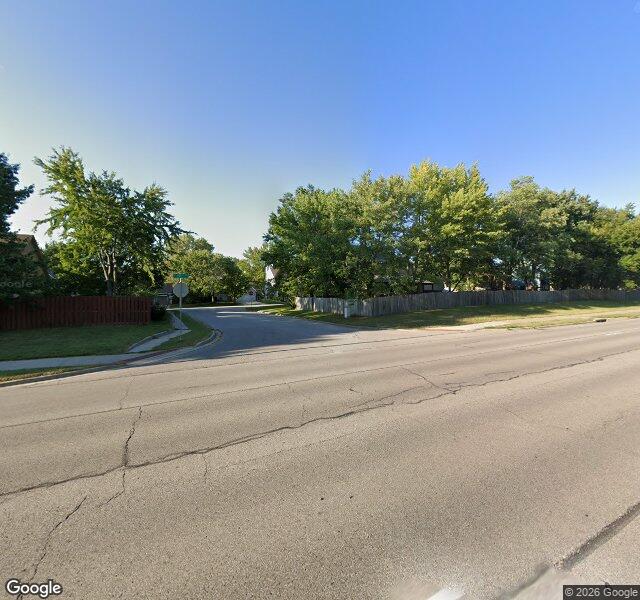
15700 W 151st Street, Olathe, KS 66062View map (opens in a new tab)
Overview and key essentials
State license
Active
KS KDADS
Google reviews
Not available
Public reviews not linked
Size & payment
Ask directly
Confirm pricing & payment
Public records for this community are limited. Use the checklist below when you call or visit to confirm pricing, services, and openings.
Cost, payment & care details
Updated Nov 28, 2026| Monthly cost | Not published | Ask for the full monthly cost, including care fees and one-time charges. |
|---|---|---|
| Payment options | Ask directly | Payment details are not confirmed in our records. Ask about private pay, long-term care insurance, veterans benefits, and Medicaid waivers. |
| Size & availability | Confirm directly | We don't publish live openings. Ask about current availability, waitlist length, and move-in timing. |
| Care & support | Assisted living | Usually offers housing and help with everyday tasks, such as bathing and dressing. What to confirm about care levelsThis describes the licensed category. Ask how care plans adjust if mobility, nursing, or memory needs change over time. Read the family care guide → |
State licensing
State inspection history
7inspections
17deficiencies listed
Aug 26, 2026Routine4 deficiencies reported4
4 deficiencies reported
View official state report (opens in a new tab)
The following citations represent the findings of the licensure resurvey with attached complaint number 199277, 199080, and 196958 for the above named facility conducted on 08/24/26, 8/25/26 and 08/26/26.
moderateS 3280
Preparedness (d) Each administrator or operator shall ensure disaster and emergency preparedness by ensuring the performance of the following: (1) Orientation of new employees at the time of employment to the facility ' s emergency management plan; (2) education of each resident upon admission to the facility regarding emergency procedures; (3) quarterly review of the facility ' s emergency management plan with employees and residents; and (4) an emergency drill, which shall be conducted at least annually with staff and residents. This drill shall include evacuation of the residents to a secure location. This REQUIREMENT is not met as evidenced by: K.A.R. 26-41-104(d)(3) The facility reported a census of 69 residents. The sample included 6 residents. Based on record review and interview, the facility failed to ensure the facilities emergency management plan was reviewed at least quarterly with all staff and residents. Findings included: - Interview on 08/26/26 at approximately 09:45 AM with Administrative staff A confirmed staff and residents were provided with the emergency preparedness protocol at time of admission and upon hire. Administrative staff A continued to confirm the emergency management protocol was not provided to all staff and residents at least quarterly. The facility failed to ensure the emergency management plan was reviewed at least quarterly with all staff and residents.
STATE FORM6899
6UM011 STATE FORM 6UM011 STATE FORM 6UM011 STATE FORM 6UM011 STATE FORM 6UM011 STATE FORM 6UM011 STATE FORM 6UM011
moderateS 3299
(e) Food storage. Facility staff shall store all food under safe and sanitary conditions. (1) Containers of poisonous compounds and cleaning supplies shall not be stored in the areas used for food storage, preparation, or serving. This REQUIREMENT is not met as evidenced by: K.A.R 26-41-206 (e) The facility reported a census of 69 residents. The sample included 6 residents. Based on observations and interview, the facility failed to ensure designated staff stored food items under safe conditions. Findings included: - Observation on 08/24/26 at approximately 10:00 AM revealed a refrigerator located in the main kitchen with the following foods which did not have a open date. 1 bag with 7 boiled eggs inside 1 23.5 ounce jar of peaches 1 half bag of blue cheese 1 jar of low sodium beef paste 1 jar of regular beef paste 1 jar of chicken paste Observation on 08/24/26 at approximately 10:20 AM revealed a refrigerator located in the memory unit with the following foods were not stored under safe conditions by lacking the open dates. 1 jar of maraschino cherries 1 bag of cherry tomatoes 1 pitcher of apple juice 1 plate of food with a turkey breast, green beans, and potatoes 1 plate of ice cream Interview on 08/24/26 at approximately 10:15 AM with Administrative staff B confirmed the previous listed food lacked open dates Review of the document from the Department of Agriculture "Focus on Food Safety" dated 08/2017 stated on page 20 "Must be date marked if it is: prepared on site, or commercially processed, after the original container is opened and held under refrigeration, potentially hazardous, ready-to-eat, held form more than 24 hours and can be held for seven days." The facility failed to ensure designated staff stored food items under safe conditions.
moderateS 3171
Practice (i) All health care services shall be provided to residents by qualified staff in accordance with acceptable standards of practice. This REQUIREMENT is not met as evidenced by: K.A.R. 26-42-204 (i) The facility reported a census of 69 residents. The sample included 6 Residents (R). Based on observations, interviews and record review, the facility failed to provide healthcare services for R1 in accordance with professional standards of practice when the facility failed to conduct an assessment of R1's bed assist device to ensure the device posed no risk for entrapment, confirmed the device was not a restraint, and R1's ability to safely use the bed assist device. The facility failed to ensure the bed assist device for R1 was listed in the comments section of the "Functional Capacity Screen"(FCS) and the facility further failed to include a description of the bed assist device and any special instructions on use and monitoring of the bed assist device in R1's "Negotiated Service Agreement"(NSA). Findings included: - Record review for R1 revealed an admission date of 09/29/25 with diagnosis of frontal temporal dementia, macular degeneration, and cataract. Review of R1's FCS dated 03/02/26 revealed R1 lacked the ability to manage her own medications and medical treatments. R1 required supervision with bathing, dressing, toileting, and eating and was incontinent. R1 was independent with transferring and walking and mobility. R1 had impaired short term memory, long term memory, memory/recall and decision making. R1 was sometimes understood and usually understood others. R1 was marked at risk for falls, wandering, and inappropriate behavior. R1's FCS Comment section lacked documentation of the bed assist device. Review of R1's NSA dated 03/02/26 identified that facility staff would provide R1 with stand by assistance of one staff member for bathing, dressing, and toileting. Facility staff were instructed to lay fall mat next to bed and assist R1 with lying in the middle of the bed. R1's FCS listed a quarter bed rail for prevention of falls. R1's NSA lacked a description of the bed assist device and any special instructions on use and monitoring of the bed assist device. Observation on 08/26/26 at approximately 12:00 PM of R1's bed revealed a U-shaped device attached to the bed frame on the side of the devices was a U- shaped bar attached to the device. The device measured approximately 25 inches in length and 15.5 inches in width. The open spaces between bars measured approximately 5 inches apart. Interview on 08/26/26 at approximately 09:00 with Licensed Nurse C confirmed R1's FCS lacked documentation of the bed assist device in the comments section and R1's "Medical Record" lacked assessment of R1's bed assist device to ensure the device posed no risk for entrapment, confirmed the devise was not a restraint, and R1's ability to safely use the bed assist device. Licensed Nurse C continued to confirm R1's NSA lacked a description of the bed assist device, the purpose of the device, and any special instructions on use and monitoring of the bed assist device. The FDA (food and drug administration) "Bedrails in Assisted Living, Residential Health Care and Home Plus Facilities" recommended the following: Complete an assessment of the resident to confirm that the device is not a restraint. Complete an assessment of the resident to determine the purpose of the device and the resident's ability to safely use the device and document the...
Feb 26, 2025Routine11 deficiencies reported11
11 deficiencies reported
View official state report (opens in a new tab)
The following represents the findings of a resurvey with attached complaints #193548, #191321, #190965, #187442, and #180689 at the above named assisted living conducted on 02/25/25 and 02/26/25.
moderateS 3299
(e) Food storage. Facility staff shall store all food under safe and sanitary conditions. (1) Containers of poisonous compounds and cleaning supplies shall not be stored in the areas used for food storage, preparation, or serving. This REQUIREMENT is not met as evidenced by: KAR 26-41-206(e) The facility reported a census of 78 residents. The facility had a main kitchen where dietary staff stored, prepared, and served food and two satellite kitchens where staff stored and served food. Based on observation and interview the administrator failed to ensure designated staff stored food items under safe conditions. Findings included: - Observation on 02/25/25 at PM 01:15 PM of memory care unit #1 revealed a satellite kitchen with a refrigerator containing food items for the residents. The refrigerator had one plastic pitcher of what appeared to be orange juice that lacked a cover and label with a prepared date. On 02/25/25 at approximately 01:15 PM Administrative Staff A confirmed one pitcher in the memory care unit #1 refrigerator contained a pitcher of juice for the resident's that lacked a cover and label with a prepared date. Observation on 02/25/25 at PM 01:31 of memory care unit #2 revealed a satellite kitchen with a refrigerator containing food items for the residents. The refrigerator contained one half-gallon container of Silk almond milk dated 01/30/25 which was 26 days on date of survey and one eight-ounce (oz) container of fresh mushrooms that appeared dark brown and slimy. The refrigerator also contained the following items that lacked opened or prepared dates: Five clear pitchers of prepared juice One 32-oz bottle of opened prune juice One 20-oz bottle of opened Gatorade On 02/25/25 at approximately 01:31 PM Administrative Staff A confirmed five food items in the memory care unit #2 lacked opened or prepared dates, had Silk almond milk passed a safe use date, and fresh mushrooms that appeared rotten. The 06/08/08 facility's "Kitchen Sanitation" policy documented a person would complete assigned tasks and initial when completed on the "Daily Kitchen Cleaning Checklist" form. The "Daily Kitchen Cleaning Checklist" form listed several tasks which included "properly label and package leftovers." The administrator failed to ensure designated staff stored food items under safe conditions.
STATE FORM6899
VBM211 STATE FORM VBM211 STATE FORM VBM211 STATE FORM VBM211 STATE FORM VBM211 STATE FORM VBM211 STATE FORM VBM211 STATE FORM VBM211 STATE FORM VBM211 STATE FORM VBM211 STATE FORM VBM211 STATE FORM VBM211 STATE FORM VBM211 STATE FORM VBM211 STATE FORM VBM211 STATE FORM VBM211 STATE FORM VBM211 STATE FORM VBM211 STATE FORM VBM211 STATE FORM VBM211 STATE FORM VBM211 STATE FORM VBM211 STATE FORM VBM211 STATE FORM VBM211 STATE FORM VBM211 STATE FORM VBM211 STATE FORM VBM211 STATE FORM VBM211 STATE FORM VBM211 STATE FORM VBM211
moderateS 3105
Outside Resource (j) If a resident's negotiated service agreement includes the use of outside resources, the designated facility staff shall perform the following: (1) Provide the resident, the resident's legal representative, the case manager, and, if agreed to by the resident or the resident ' s legal representative, the resident ' s family, with a list of providers available to provide needed services; (2) assist the resident, if requested, in contacting outside resources for services; and (3) monitor the services provided by outside resources and act as an advocate for the resident if services do not meet professional standards of practice This REQUIREMENT is not met as evidenced by: KAR 26-41-202(j)(3) The facility reported a census of 78 residents with six residents included in the sample and one closed record review. Based on interview and record review the administrator failed to ensure designated staff monitored services provided by outside resources for resident (R) 7 when nursing staff failed to ensure wound care providers documented assessments, treatments and outcomes concerning R7's pressure wounds. Findings included: - Record review for R7 revealed an admission date of 09/18/24 with a diagnosis of dementia. The 01/12/25 "Functional Capacity Screen" (FCS) identified R7 was unable to perform management of treatments. The 01/27/25 "Negotiated Service Agreement" (NSA) identified facility staff ensured R7 wore pressure-reducing, skin-protective, heel boots at all times. A home health company provided management of bilateral heel wounds. The 01/10/25 at 12:09 PM "Nurse Note" by Administrative Nurse F documented R7 had bilateral heel wounds, and she notified Advanced Registered Nurse Practitioner (ARNP) H who wrote new orders to refer R7 to a home health provider. On 02/26/25 at 03:34 PM Administrative Staff A stated home health visited R7 three times a week to treat his wounds. She confirmed his record lacked evidence of documentation a licensed nurse staff ensured wound care providers documented assessments, treatments and outcomes concerning R7's pressure wounds. The 06/05/09 facility's "Maximizing the Contributions of Third Party Providers" policy did not address facility monitoring outside providers for professional standards of practice. The administrator failed to ensure designated staff monitored the services provided by outside resources concerning R7's pressure wounds.
moderateS 3310
(b) (5) prohibiting any employee with a communicable disease or any infected skin lesions from coming in direct contact with any resident, any resident ' s food, or resident care equipment until the condition is no longer infectious; (6) providing orientation to new employees and employee in-service education at least annually on the control of infections in a health care setting; and (c) Each administrator or operator shall ensure the facility ' s compliance with the department ' s tuberculosis guidelines for adult care homes adopted by reference in K.A.R. 26-39-105 This REQUIREMENT is not met as evidenced by: KAR 26-41-207(c) The facility reported a census of 78 residents with six residents included in the sample and one closed record review. Based on interview and record review the administrator failed to ensure the facility remained in compliance with the department's tuberculosis (TB) guidelines for adult care homes adopted by reference in KAR 26-39-105 for one resident and five of five sampled staff. Findings included: - Record review for Resident (R) 8 revealed an admission date of 08/30/24 with a diagnosis of diabetes mellitus type two. The 10/21/24 first step of a two-step TB skin test was negative which was 52 days after admission. R8's record lacked evidence of documentation designated staff provided a TB skin test within seven days of admission. On 02/26/25 at 04:03 PM Administrative Staff A confirmed R8's record lacked evidence of documentation designated staff provided a TB skin test within seven days of admission. - Review of Licensed Nurse K's employee record revealed a hire date of 12/09/24. The 11/19/24 first step of a two-step TB skin test was negative. Her record lacked evidence of documentation she completed a second-step of the two-step TB skin test and a TB symptom screen questionnaire within seven days of hire. Review of Certified Medication Aide (CMA) J's employee record revealed a hire date of 12/10/24. Her record lacked evidence of documentation she completed a two-step TB skin test and a TB symptom screen questionnaire within seven days of hire. Review of CMA L's employee record revealed a hire date of 08/06/24. Her record lacked evidence of documentation she completed a two-step TB skin test and a TB symptom screen questionnaire within seven days of hire. Review of Certified Nurse Aide (CNA) M's record revealed a hire date of 01/09/25. Her record lacked evidence of documentation she completed a two-step TB skin test and a TB symptom screen questionnaire within seven days of hire. Review of CNA N's employee record revealed a hire date of 08/30/24. His record lacked evidence of documentation she completed a two-step TB skin test and a TB symptom screen questionnaire within seven days of hire. On 02/25/25 at approximately 04:30 PM Administrative Staff A confirmed five sampled employees' record's lacked evidence of documentation they completed two-step TB skin tests and a TB symptom screen questionnaires within seven days of hire. The 11/01/17 facility's "Screening for Tuberculosis" policy documented the facility would follow state guidelines regarding tuberculosis screening. The June 2013 department's "Tuberculosis (TB) Guidelines for Adult Care Homes" documented each new employee and each new resident shall receive a two-step TB skin test and symptom screen questionnaire within seven days of employment or admission. The administrator failed to ensure the facility remained in compliance with the...
moderateS 3186
Medications (b) Administration of select medications. Any resident who self-administers medication may select some medications to be administered by a licensed nurse or medication aide. The negotiated service agreement shall reflect this service and identify who is responsible for the administration and management of selected medications. This REQUIREMENT is not met as evidenced by: KAR 26-41-205(b) The facility reported a census of 78 residents with six residents included in the sample and one closed record review. Based on interview and record review the administrator failed to ensure "Negotiated Service Agreements" (NSA) for Resident (R) 3 and R8 identified who was responsible for the administration and management of select medications for insulin. Findings included: - Record review for R3 revealed an admission date of 05/09/23 with diagnoses of Alzheimer's Disease and type one diabetes mellitus. The 10/22/24 "Functional Capacity Screen" (FCS) identified R3 required physical assistance with management of medications. The 10/22/24 "NSA" identified facility staff administered medications and R3 received an insulin injection. The "NSA" failed to identify who administered insulin. On 02/25/26 at 04:33 PM Administrative Nurse B stated R3 administered her own insulin after the Certified Medication Aide (CMA) dialed the pen. On 02/26/25 at 03:58 PM Administrative Staff A confirmed R3's "NSA" failed to identify who administered insulin. The administrator failed to ensure R3's "NSA" identified who was responsible for the administration and management of select medications. - Record review for R8 revealed an admission date of 08/30/24 with a diagnosis of type two diabetes mellitus. The 11/12/24 "FCS" identified R8 required physical assistance with management of medications. The 11/12/24 "NSA" identified facility staff administered all medications. The "NSA" failed to identify who administered insulin. On 02/25/26 at 04:33 PM Administrative Nurse B stated R8 administered her own insulin after the Certified Medication Aide (CMA) dialed the pen. On 02/26/25 at 03:58 PM Administrative Staff A confirmed R8's "NSA" failed to identify who administered insulin. On 02/26/25 at 04:45 PM R8 stated she self-administered her own insulin. The administrator failed to ensure R8's "NSA" identified who was responsible for the administration and management of select medications. The 03/14/12 facility's "Medication Management General Guidelines" policy documented a resident may be assisted and supervised with injections if allowed by state law were to be reviewed and approved with the Regional Director prior to implementation. The policy did not address select medications. The administrator failed to ensure R8's "NSA's" identified who was responsible for the administration and management of select medications.
26-41-205 (a) (1) Self Administration ofS 3175
Medication (a) Self-administration of medication. Any resident may self-administer and manage medications independently or by using a medication container or syringe prefilled by a licensed nurse or pharmacist or by a family member or friend providing this service gratuitously, if a licensed nurse has performed an assessment and determined that the resident can perform this function safely and accurately without staff assistance. (1) An assessment shall be completed before the resident initially begins self-administration of medication, if the resident experiences a significant change of condition, and annually. This REQUIREMENT is not met as evidenced by: KAR 26-41-205(a)(1) The facility reported a census of 78 residents with six included in the sample. Based on interview and record review the administrator failed to ensure a licensed nurse performed an assessment to determine if Resident (R) 3 and R8 could self-administer insulin safely. Findings included: - Record review for R3 revealed an admission date of 05/09/23 with diagnoses of Alzheimer's Disease and type one diabetes mellitus. The 10/22/24 "Functional Capacity Screen" (FCS) identified R3 required physical assistance with management of medications. The 10/22/24 "NSA" identified facility staff administered medications and R3 received an insulin injection. The "NSA" failed to identify who administered insulin. On 02/25/26 at 04:33 PM Administrative Nurse B stated R3 administered her own insulin after the Certified Medication Aide (CMA) dialed the pen. R3's record lacked evidence of documentation a licensed nursed completed a medication self-administration assessment. The administrator failed to ensure a licensed nurse performed an assessment to determine if R3 could self-administer insulin safely. - Record review for R8 revealed an admission date of 08/30/24 with a diagnosis of type two diabetes mellitus. The 11/12/24 "FCS" identified R8 required physical assistance with management of medications. The 11/12/24 "NSA" identified facility staff administered all medications. The "NSA" failed to identify who administered insulin. On 02/25/26 at 04:33 PM Administrative Nurse B stated R8 administered her own insulin after the Certified Medication Aide (CMA) dialed the pen. The 03/14/12 facility's "Medication Management General Guidelines" policy documented a resident may be assisted and supervised with injections if allowed by state law were to be reviewed and approved with the Regional Director prior to implementation. The policy did not address a licensed nurse must assess residents before they self-administer medication. The administrator failed to ensure a licensed nurse performed an assessment to determine if R3 and R8 could self-administer insulin safely. On 01/29/25 at approximately 03:35 PM Administrative Nurse C confirmed R8's record lacked evidence of documentation a designated licensed nurse completed a medication self-administration assessment. The undated facility's "Self-Administration of Medication Policy" documented if a resident wished to self-administer medications, an assessment must be performed on admission, readmission, every six months, and with significant changes as needed to ensure the resident could safely self-administer medications The administrator failed to ensure a licensed nurse performed an assessment to determine if R8 could self-administer insulin safely.
moderateS 3211
DRUGS (3) A licensed nurse or medication aide may accept over-the-counter medication only in its original, unbroken manufacturer ' s package. A licensed pharmacist or licensed nurse shall place the full name of the resident on the package. If the original manufacturer ' s package of an over-the-counter medication contains a medication in a container, bottle, or tube that can be removed from the original package, the licensed pharmacist or a licensed nurse shall place the full name of the resident on both the original manufacturer ' s medication package and the medication container. This REQUIREMENT is not met as evidenced by: KAR 26-41-205 (g)(3) The facility reported a census of 78 residents. Based on observation and interview the administrator failed to ensure a licensed pharmacist or licensed nurse placed the full names of residents on the original packages of five over-the-counter (OTC) medications. Findings included: - Observation on 02/25/25 at 12:45 PM revealed Certified Medication Aide (CMA) I unlocked and opened medication cart #1. The following OTC medications lacked residents' full names: One bottle of loratadine 10 milligrams (mg), 200 tablets One bottle of Vitamin Code Men's multivitamins 240 capsules On 02/25/25 at approximately 12:45 PM Administrative Staff A confirmed two OTC medications in medication cart #1 lacked residents' full names. On 02/25/25 at approximately 01:49 PM CMA J opened and unlocked and opened the memory care unit #2 medication cart. The following OTC medications lacked residents' full names: One bottle of vitamin B-12 2500 micrograms (mcg), 300 tablets One 16-ounce bottle of Calm magnesium supplement One box of Allegra 60 mg, 12 tablets On 02/25/25 at approximately 01:49 PM Administrative Staff A confirmed three OTC's in memory care unit #2 medication cart lacked residents' full names. The 03/14/12 facility's "Medications Brought to the Community by Resident, Family Members, or Non-Preferred Pharmacy" policy documented medications brought to the community were allowed only when the container was clearly labeled. The administrator failed to ensure a licensed pharmacist or licensed nurse placed the full names of residents on the original packages of five OTC medications.
severeS 3026
ANE (f)The administrator or operator shall ensure that all of the following requirements are met: (1) No resident shall be subjected to any of the following: (A) Verbal, mental, sexual, or physical abuse, including corporal punishment and involuntary seclusion; (B) neglect; or (C) exploitation. This REQUIREMENT is not met as evidenced by: KAR 26-41-101(f)(1)(B) The facility reported a census of 78 residents with six residents included in the sample and one closed record review. Based on observation, interview, and record review the administrator failed to protect Resident (R) 7 from neglect when he complained of foot pain and developed pressure sores on his feet; and failed to ensure licensed staff provided timely nursing assessment and documentation of the wound. Findings included: - Record review for R7 revealed an admission date of 09/18/24 with a diagnosis of dementia. The 01/12/25 "Functional Capacity Screen" (FCS) identified R7 required physical assistance with bathing, dressing, toileting, transfers, and walking/mobility; was unable to perform management of medications and treatments; was frequently incontinent of bladder; had short-term memory and impaired decision-making cognitive difficulties; was usually understood and sometimes understood others during communication; and was marked at risk for falls. The 01/27/25 "Negotiated Service Agreement" (NSA) identified facility staff provided R7 full assistance with bathing; assistance each morning and evening with dressing and he wore long sleeves to protect his skin. Facility staff ensured R7 wore pressure-reducing, skin-protective, heel boots at all times. Facility staff provided assistance every two-to-three hours for toileting; assistance with transfers; propelled R7's wheelchair for walking/mobility; provided management of medications and treatments; provided reminders and encouragement and escort to activities for cognitive difficulties; and placed his bed against the wall and he had one-on-one sitter during the night to prevent injury from falls. A home health company provided management of bilateral heel wounds. The 11/15/24 at 01:31 PM "Nurse Note" by Licensed Nurse C documented R7 cried from pain in his feet. The Certified Medication Aide (CMA) administered acetaminophen. The 11/15/24 at 06:08 PM "Nurse Note" by CMA D documented R7 experienced "extreme level pain" in his feet during breakfast that morning. He was in so much pain he cried for some time. She took his shoes off and was not sure if they were too tight or if the pain was from other reasons. The 01/07/25 at 09:39 PM "Nurse Notes" by CMA D documented R7 complained of foot pain. She took his socks off and noticed his feet were swollen and a there was a sore on the right side of his right foot. She notified the "PIC" (facility's charting abbreviation for person in charge) and administered first aid. The 01/10/25 at 12:09 PM "Nurse Note" by Administrative Nurse F documented R7 had bilateral heel wounds, and she notified Advanced Registered Nurse Practitioner (ARNP) H who wrote new orders to refer R7 to a home health provider. The 01/11/25 at 10:20 PM "Nurse Note" by CMA E documented the backs of R7's heels were black where the sores were. She dressed the sores with bandages and put "booties" on R7's feet per direction of Administrative Nurse F. The 01/15/25 at 10:58 PM "Nurse Note" by Licensed Nurse G documented she cleaned and bandaged both wounds on R7's heels. The 01/17/25 at 08:46 PM "Nurse Note" by CMA D...
moderateS 3085
(a) The administrator or operator of each assisted living facility or residential health care facility shall ensure the development of a written negotiated service agreement for each resident, based on the resident ' s functional capacity screening, service needs, and preferences, in collaboration with the resident or the resident ' s legal representative, the case manager, and, if agreed to by the resident or the resident ' s legal representative, the resident ' s family. The negotiated service agreement shall provide the following information: (1) A description of the services the resident will receive; (2) identification of the provider of each service; and (3) identification of each party responsible for payment if outside resources provide a service. This REQUIREMENT is not met as evidenced by: KAR 26-41-202(a)(1) The facility reported a census of 78 residents with six residents included in the sample and one closed record review. Based on interview and record review the administrator failed to ensure the "Negotiated Service Agreements" (NSA) for Resident (R) 6 and R7 described the services they received based on their "Functional Capacity Screens" (FCS). Findings included: - Record review for R6 revealed an admission date of 04/02/24 with a diagnosis dementia. The 12/23/24 "FCS" identified R6 was unable to perform management of medications and was rarely or never understandable and sometimes understood others during communication. The 12/23/24 "NSA" identified R6 was "currently not on any medications" and R6 "speaks in word salad" for communication. The "NSA" failed to describe services provided for management of medications and communication. On 02/26/25 at 02:36 PM Certified Nurse Aide (CNA) O stated R6 talked but did not really say anything. Staff met her needs by monitoring her body language and they could tell if something was wrong with her. On 02/26/25 at 02:49 PM Certified Medication Aide (CMA) E stated R6 talked but didn't mean anything and was not able to make her needs known. Staff met her needs by assisting her to toilet every 2-3 hours; they could tell she was in pain by watching her facial expressions; and R6 was able to tell staff if something hurt. R6 took her medications crushed in pudding and had always taken medications since moved in. On 02/26/25 at 04:06 PM Administrative Staff A confirmed designated staff administered R6 medications. On 02/26/25 at 04:57 PM Administrative Staff A confirmed R6's "NSA" failed to describe services provided for management of medications and communication. The administrator failed to ensure the "NSA" for R6 described services provided for management of medications and communication. - Record review for R7 revealed an admission date of 09/18/24 with a diagnosis of dementia. The 01/12/25 "FCS" identified R7 was usually understood and sometimes understood others during communication. The 01/27/25 "NSA" failed to describe services provided for communication. On 02/26/25 at 02:49 PM CMA E stated R7 was able to talk and make his needs known. On 02/26/25 at 04:57 PM Administrative Staff A confirmed R7's "NSA" failed to describe services provided for communication. The administrator failed to ensure the "NSA" for R6 described services provided for communication. The 07/01/24 "Assessment/Service Plan General Guidelines" policy documented the assessment/service plan served as the foundational communication tool to outline services and levels of assistance the facility provided a...
moderateS 3280
Preparedness (d) Each administrator or operator shall ensure disaster and emergency preparedness by ensuring the performance of the following: (1) Orientation of new employees at the time of employment to the facility ' s emergency management plan; (2) education of each resident upon admission to the facility regarding emergency procedures; (3) quarterly review of the facility ' s emergency management plan with employees and residents; and (4) an emergency drill, which shall be conducted at least annually with staff and residents. This drill shall include evacuation of the residents to a secure location. This REQUIREMENT is not met as evidenced by: KAR 26-41-104(d)(3) The facility reported a census of 78 residents. Based on interview and record review the administrator failed to provide evidence of documentation designated staff provided reviews of the facility's emergency management plan with residents every quarter. Findings included: - On 02/25/25 at 12:13 PM the facility's records for quarterly reviews of the emergency management plan were requested by email. On 02/25/25 at 02:59 PM Administrative Staff A confirmed facility records lacked evidence of documentation designated staff provided reviews of the facility's emergency management plan with residents every quarter. The 06/03/15 facility's "Disaster Plan" policy documented all employees and residents would be prepared for disasters which could affect the community. The administrator failed to provide evidence of documentation designated staff provided reviews of the facility's emergency management plan with residents every quarter.
moderateS 3155
. (a) The administrator or operator in each assisted living facility or residential health care facility shall ensure that a licensed nurse provides or coordinates the provision of necessary health care services that meet the needs of each resident and are in accordance with the functional capacity screening and the negotiated service agreement. This REQUIREMENT is not met as evidenced by: KAR 26-41-204(a) The facility reported a census of 78 residents with six residents included in the sample and one closed record review. Based on observation, interview, and record review the administrator failed to ensure a licensed nurse provided the necessary health care services to keep cognitively impaired Residents (R) 3 and R4 safe from exiting the facility. Findings included: - Record review for R3 revealed an admission date of 05/09/23 with a diagnosis of Alzheimer's disease. The 10/22/24 "Functional Capacity Screen" (FCS) identified R3 was independent with transfers and walking/mobility; had short-term and long-term memory, memory/recall, and impaired decision-making cognitive difficulties; and was marked for wandering. The 10/22/24 "Negotiated Service Agreement" (NSA) identified facility staff provided R3 reminders to use her walker while ambulating; repeat reminders as necessary for cognitive difficulties; and she moved to a secured memory care unit for wandering behavior. The 10/23/24 facility's "Investigation Report" to the department documented on 10/20/24 at approximately 06:20 AM Licensed Nurse C noticed R3 walking in the hallway and redirected her to back to bed. At approximately 06:30 AM Licensed Nurse C found R3's door was open and began to look for R3. Licensed Nurse C found R3 outside of the facility on the ground in the back parking lot and assisted her back inside the facility. On 02/25/25 at 12:36 PM Administrative Staff A stated R3 lived in the assisted living side of the building when exited the facility on 10/20/24. She had suffered a decline in cognitive status with increase confusion and moved to the memory care unit on 10/21/24. The administrator failed to ensure a licensed nurse provided the necessary health care services to keep R3 safe from exiting the building. - Record review for R4 revealed an admission date of 07/05/24 with a diagnosis of short-term memory loss. The 10/02/24 "FCS" identified R4 was independent with transfers and walking/mobility; had short-term and long-term memory, memory/recall, and impaired decision-making cognitive difficulties; and was marked for wandering. The 10/02/24 "NSA" identified facility staff provided R4 redirection to a secured courtyard so he could walk independently; escort to families to exit to ensure he did not follow someone out of the building; 30-minute visual checks while he was awake; engagement in activities and events for wandering behavior. The 10/08/24 facility's "Investigation Report" to the department documented on 101/02/24 at approximately 12:45 PM R4 followed another resident's family member out the exit door. When the family member realized R4 followed her out, she returned inside to report R4 was outside the facility. All available staff went outside to circle the building to look for R4. Staff found him approximately 10 minutes later about one block from the facility. On 02/25/25 at 12:30 PM Administrative Staff A stated R4 exited the facility during a time families knew the keypad code to use to exit the memory care unit. He was outside unsupervised for...
Feb 14, 2024Routine2 deficiencies reported2
2 deficiencies reported
View official state report (opens in a new tab)
The following represents the findings of a resurvey with attached facility reported incident #182709 at the above named assisted living conducted on 02/13/24 and 02/14/23.
moderateS 3310
(b) (5) prohibiting any employee with a communicable disease or any infected skin lesions from coming in direct contact with any resident, any resident ' s food, or resident care equipment until the condition is no longer infectious; (6) providing orientation to new employees and employee in-service education at least annually on the control of infections in a health care setting; and (c) Each administrator or operator shall ensure the facility ' s compliance with the department ' s tuberculosis guidelines for adult care homes adopted by reference in K.A.R. 26-39-105 This REQUIREMENT is not met as evidenced by: KAR 26-41-207(c) The facility reported a census of 59 residents with three residents included in the sample. Based on interview and record review the administrator failed to ensure the facility remained in compliance with the department's tuberculosis (TB) guidelines for adult care homes adopted by reference in KAR 26-39-105 for three residents. Findings included: - Record review for Resident (R) 3 revealed an admission date of 09/01/23 with a diagnosis of ambulatory dysfunction. The 10/11/23 (40 days after admission) step one of the two-step TB skin test for R3 was negative. Her record lacked evidence of documentation of the second step. The 10/12/23 (41 days after admission) TB symptom screen questionnaire was negative. On 02/14/24 at 11:42 AM Administrative Nurse B confirmed R3's record lacked evidence of documentation first step of the two-step TB skin test was administered within seven days of admission, a second TB skin test was administered, and a TB symptom screen questionnaire was completed within seven days of admission. - Review of Certified Nurse Aide (CNA) D's employee record revealed a hire date of 06/27/23 and lacked evidence of TB testing. Review of CNA E's employee record revealed a hire date of 09/05/23 and lacked evidence of TB testing. The facility's 11/01/17 "Screening for Tuberculosis" policy documented testing would be performed on each new staff and each new resident between on month prior to admission and up to one week following admission. The second test would be performed one to three weeks after the first test. The June 2013 department's "Tuberculosis (TB) Guidelines for Adult Care Homes" documented each new employee and each new resident shall receive a two-step TB skin test and symptom screen questionnaire within seven days of employment or admission. The administrator failed to ensure the facility remained in compliance with the department's tuberculosis guidelines for adult care homes adopted by reference in KAR 26-39-105.
STATE FORM6899
V1TV11 STATE FORM V1TV11 STATE FORM V1TV11
Jul 11, 2022RoutineNo deficiencies reportedNone
Feb 4, 2021RoutineNo deficiencies reportedNone
Show all 7 inspections
Jan 13, 2021RoutineNo deficiencies reportedNone
No deficiencies reported
View official state report (opens in a new tab)
benton house of olathe 01.13.2021
Jul 30, 2020RoutineNo deficiencies reportedNone
No deficiencies reported
View official state report (opens in a new tab)
benton house of olathe covid 7.30.2020
Neighborhood & resident support
Emergency access, hazards & advocacy
Nearest hospital
Olathe Medical Center
3.0 mi · Olathe, KS · Medicare 4/5 ★
Emergency room
FEMA hazard risk
Relatively HighJohnson County, KS
- Winter Weather
- Tornado
- Hail
Free resident advocacy
Kansas Office of the State Long-Term Care Ombudsman
More neighborhood context (specialists, VA, dialysis, air & affordability)
VA & dialysis access
Kansas City VA Medical Center
19.6 mi · Kansas City, MO · VA 4/5 ★
DaVita Nottingham Dialysis
1.4 mi · 4/5 ★
Specialists within 15 mi
- Geriatricians
- 23
- Neurologists
- 98
- Palliative care
- 25
- PM&R rehab
- 63
Environment & mobility
- EPA Air (2025)
- 69% good days · AQI 44
- EPA Walkability
- 10.3/20 (Below Average)
- USDA Grocery Access
- High Grocery Access
- Primary care access
- HRSA Shortage Area
County demographics
- Age 65+ median income
- $76,388/yr
- Rent-burdened households
- 41%
- Cognitive disability (2023)
- 11.5%
- Mobility disability
- 8.7%
Call & tour checklist
Questions to ask Sagegrove at Olathe
Check off questions as you call or tour. Your progress stays private in this browser.
Show 3 more suggested questions
Verification & public records
Official records & sources
Licensing & contact
- License #
- N046104
- Status
- active
- Phone
- (913) 404-4862
- Federal OIG LEIE
- Clear (2026-11-27)
Operator & ownership
- Operator
- Ahr Olathe Ks Alf Trs Sub LLC
Original public sources
Verify licensing, ratings, and inspection reports directly with each official source.
- KS KDADS official record (opens in a new tab)Kansas Dept. for Aging & Disability Services
- Google Maps (opens in a new tab)Directions, photos & neighborhood
- Google Reviews (opens in a new tab)Read public reviews
EveryPlace is an independent research directory. Information is compiled from public Medicare.gov, state licensing, Google Places, and street-level imagery sources. Some summaries, suggested questions, and pricing notes are AI-generated or AI-assisted and may contain errors or omissions. We do not accept payment for placement. Confirm all details directly with the community and official sources. Research Policy.
Keep exploring
Nearby communities to compare
- Assisted Living< 1 miJemi Home Care LLCOlathe, KS
- Assisted Living1.0 miHearts of Hope Homecare Ks LLCOlathe, KS
- Assisted Living1.1 miMagnet Home CareOlathe, KS
- Assisted Living1.3 miRehoboth Home PlusOlathe, KS
- Medicare 4/5Cap. 12Dialysis Center1.4 miDavita Nottingham DialysisOlathe, KS
- Cap. 22HUD Senior Housing1.9 miCollege Way VillageOlathe, KS