Loading EveryPlace content…
Assisted LivingActive license
River Oaks at Shady Ridge LLC
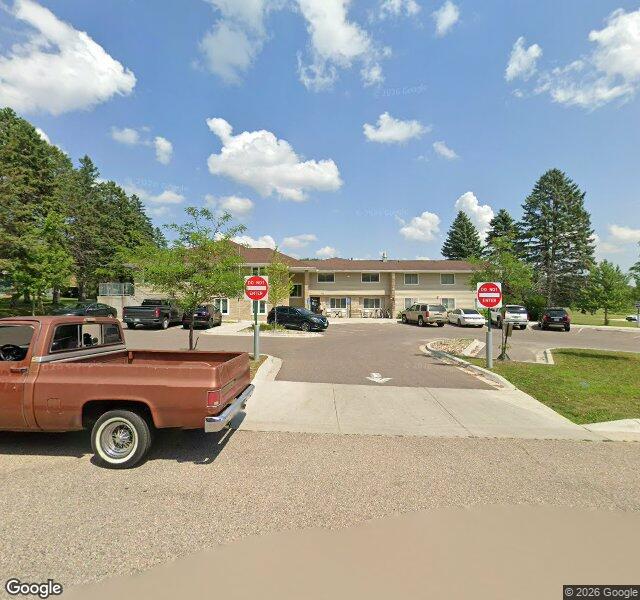
225 Shady Ridge Road Nw, Hutchinson, MN 55350View map (opens in a new tab)
Overview and key essentials
State license
Active
MN MDH
Google reviews
1.0/ 5
2 reviews
Size & payment
Ask directly
Confirm pricing & payment
Cost, payment & care details
Updated Nov 28, 2026| Monthly cost | Not published | Ask for the full monthly cost, including care fees and one-time charges. |
|---|---|---|
| Payment options | Ask directly | Payment details are not confirmed in our records. Ask about private pay, long-term care insurance, veterans benefits, and Medicaid waivers. |
| Size & availability | Confirm directly | We don't publish live openings. Ask about current availability, waitlist length, and move-in timing. |
| Care & support | Assisted living | Usually offers housing and help with everyday tasks, such as bathing and dressing. What to confirm about care levelsThis describes the licensed category. Ask how care plans adjust if mobility, nursing, or memory needs change over time. Read the family care guide → |
State licensing
State inspection history
8inspections
13deficiencies listed
Feb 3, 2025ComplaintNo deficiencies reportedNone
No deficiencies reported
View official state report (opens in a new tab)
Not Substantiated. The facility neglected the resident when the resident's foot turned purple, did not receive adequate care, and was eventually amputated
Jan 30, 2025Routine6 deficiencies reported6
6 deficiencies reported
View official state report (opens in a new tab)
144G.50 Subd. 2 (a-b) Contract information0910
SS=C (a) The contract must include in a conspicuous place and manner on the contract the legal name and the health facility identification of the facility. (b) The contract must include the name, telephone number, and physical mailing address, which may not be a public or private post office box, of: (1) the facility and contracted service provider when applicable; (2) the licensee of the facility; (3) the managing agent of the facility, if applicable; and (4) the authorized agent for the facility. This MN Requirement is not met as evidenced by: Based on interview and record review, the licensee failed to execute a written contract with the required content for three of three residents (R1, R2, R3). This practice resulted in a level one violation (a violation that has no potential to cause more than STATE FORM
144G.43 Subd. 3 Contents of resident record0730
SS=F Contents of a resident record include the STATE FORM following for each resident: (1) identifying information, including the resident's name, date of birth, address, and telephone number; (2) the name, address, and telephone number of the resident's emergency contact, legal representatives, and designated representative; (3) names, addresses, and telephone numbers of the resident's health and medical service providers, if known; (4) health information, including medical history, allergies, and when the provider is managing medications, treatments or therapies that require documentation, and other relevant health records; (5) the resident's advance directives, if any; (6) copies of any health care directives, guardianships, powers of attorney, or conservatorships; (7) the facility's current and previous assessments and service plans; (8) all records of communications pertinent to the resident's services; (9) documentation of significant changes in the resident's status and actions taken in response to the needs of the resident, including reporting to the appropriate supervisor or health care professional; (10) documentation of incidents involving the resident and actions taken in response to the needs of the resident, including reporting to the appropriate supervisor or health care professional; (11) documentation that services have been provided as identified in the service plan; (12) documentation that the resident has received and reviewed the assisted living bill of rights; (13) documentation of complaints received and any resolution; STATE FORM
144G.41 Subd. 7 Resident grievances; reporting0550
SS=F maltreatment All facilities must post in a conspicuous place information about the facilities' grievance procedure, and the name, telephone number, and email contact information for the individuals who are responsible for handling resident grievances. The notice must also have the contact information for the Office of Ombudsman for Long-Term Care and the Office of Ombudsman for Mental Health and Developmental Disabilities and must have information for reporting STATE FORM suspected maltreatment to the Minnesota Adult Abuse Reporting Center. The notice must also state that if an individual has a complaint about the facility or person providing services, the individual may contact the Office of Health Facility Complaints at the Minnesota Department of Health. This MN Requirement is not met as evidenced by: Based on observation, interview, and record review, the licensee failed to post the required contact information for the individuals who were responsible for handling resident grievances. This had the potential to affect all current residents, staff, and visitors. This practice resulted in a level two violation (a violation that did not harm a resident's health or safety but had the potential to have harmed a resident's health or safety, but was not likely to cause serious injury, impairment, or death), and was issued at a widespread scope (when problems are pervasive or represent a systemic failure that has affected or has potential to affect a large portion or all of the residents). The findings include: During the initial facility tour on January 27, 2025, at 11:22 a.m., the surveyor observed a glass display case in the entryway of the facility with required postings, and noted the posted grievance procedure. The licensee's undated How to Submit a Complaint about our Services posting, included the contact information for the Office of Ombudsman for Long-Term Care and the Office of Ombudsman for Mental Health & STATE FORM Developmental Disabilities, and indicated that if an individual had a complaint about the licensee's services, to contact the Office of Health Facilities Complaints with contact information; however, the posting lacked the name, telephone number, and email contact information for the individuals who were responsible for handling resident grievances. On January 27, 2025, at 11:45 a.m., licensed assisted living director (LALD)-B stated the contact information lacked the name, telephone number, and email address for the individuals listed to contact with a grievance internally, and it would be fixed immediately. The licensee's Complaint Policy and Procedure policy, effective June 1, 2023, indicated each resident or resident representative would receive written notice off the facility's process for receiving and resolving complaints that would include the name, telephone number, and email contact information for the staff person(s) responsible for handling grievances, and indicated the policy would be posted in a conspicuous location. No further information was provided. TIME PERIOD FOR CORRECTION: Twenty-one (21) days
144G.42 Subd. 10 Disaster planning and0680
SS=F emergency preparedness (a) The facility must meet the following requirements: (1) have a written emergency disaster plan that contains a plan for evacuation, addresses STATE FORM
144G.41 Subdivision 1 Minimum requirements0470
SS=F 0 470 (11) develop and implement a staffing plan for STATE FORM
VWGE116899
determining its staffing level that: (i) includes an evaluation, to be conducted at least twice a year, of the appropriateness of staffing levels in the facility; (ii) ensures sufficient staffing at all times to meet the scheduled and reasonably foreseeable unscheduled needs of each resident as required by the residents' assessments and service plans on a 24-hour per day basis; and (iii) ensures that the facility can respond promptly and effectively to individual resident emergencies and to emergency, life safety, and disaster situations affecting staff or residents in the facility; (12) ensure that one or more persons are available 24 hours per day, seven days per week, who are responsible for responding to the requests of residents for assistance with health or safety needs. Such persons must be: (i) awake; (ii) located in the same building, in an attached building, or on a contiguous campus with the facility in order to respond within a reasonable amount of time; (iii) capable of communicating with residents; (iv) capable of providing or summoning the appropriate assistance; and (v) capable of following directions; This MN Requirement is not met as evidenced by: Based on interview and record review, the licensee failed to develop and implement a staffing plan for determining the staffing level, that included an evaluation conducted at least twice a year of the appropriateness of staffing levels in the facility. This practice resulted in a level two violation (a violation that did not harm a resident's health or safety but had the potential to have harmed a STATE FORM VWGE11 resident's health or safety, but was not likely to cause serious injury, impairment, or death), and was issued at a widespread scope (when problems are pervasive or represent a systemic failure that has affected or has potential to affect a large portion or all of the residents). The findings include: During the initial facility tour with clinical nurse supervisor (CNS)-A, licensed assisted living director (LALD)-B, and assistant administrator (AA)-C on January 27, 2025, at 11:22 a.m., the surveyor observed the daily schedule posting, dated January 27, 2025, hanging on the wall. The schedule included one unlicensed staff on medication cart one, one unlicensed staff on medication cart two, and one unlicensed staff on medication cart three, for the day and evening shift, and two unlicensed staff on the overnight shift. The surveyor requested to review the facility's staffing plan to evaluate the appropriateness of the staffing levels in the facility. On January 28, 2025, at 10:31 a.m., corporate registered nurse (CRN)-D stated the staffing plan was included in the policy binder, and provided a (licensee) Direct-Care Staffing Plan, dated February 28, 2024. The plan indicated the above staffing levels and noted each resident's needs and acuity level were addressed, as well as staff experience, training, and competency, to ensure staffing levels were adequate. The plan indicated the staffing plan would be reviewed, at a minimum, two times per year. CRN-D stated the licensee had the same amount of staff working each shift for five years. When the surveyor asked to see prior staffing plan reviews or review since the February 28, 2024 date, CRN-D stated STATE FORM VWGE11 if any other reviews of the staffing plan were completed, they would be found in the policy binder. CRN-D looked through the binder and stated, "If it's not in the policy book, it probably didn't get...
Mar 22, 2024Complaint1 deficiency reported1
1 deficiency reported
View official state report (opens in a new tab)
Substantiated, facility responsibility. Allegation #1: The facility neglected resident #1 and resident #2 when the facility did not provide supervision and interventions, which resulted in resident #1 hitting resident #2. Allegation #2: The facility neglected resident #1 and resident #3 when the facility did not provide supervision and interventions, which resulted in a verbal and physical altercation between resident #1 and resident #3
severeHL326818970M
Allegation #1: The facility neglected resident #1 and resident #2 when the facility did not provide supervision and interventions, which resulted in resident #1 hitting resident #2. Allegation #2: The facility neglected resident #1 and resident #3 when the facility did not provide supervision and interventions, which resulted in a verbal and physical altercation between resident #1 and resident #3. Allegation #1: The Minnesota Department of Health determined neglect was substantiated. The facility was responsible for the maltreatment. The facility did not develop and implement Page 2 of 6 interventions despite multiple altercations involving resident #1 prior to the incident with resident #2. Allegation #2: The Minnesota Department of Health determined neglect was substantiated. The facility was responsible for the maltreatment. The facility did not develop and implement interventions despite multiple altercations involving resident #1 prior to the incident with resident #3. The investigator conducted interviews with facility staff members, including nursing staff, and unlicensed caregivers. The investigator contacted resident #1’s guardian, resident #3’s emergency contact, and law enforcement. The investigation included review of resident records, facility policies, facility incident reports, facility internal investigations, and law enforcement records. Also, the investigator observed interactions between the residents. Resident #1 Resident #1’s diagnoses included major depressive disorder, alcohol dependence, and unspecified intracranial injury. Resident #1’s service plan included assistance with medication management, behavioral management, and addressing self-injurious behavior. Resident #1 was independent with use of a wheelchair. Resident #1’s assessment indicated he was alert and oriented but had impaired decision-making. The assessment indicated he had been more aggressive towards others and had multiple resident-to-resident altercations, had no intention of holding back his aggression when triggered, and showed no remorse or consideration for consequences for his actions. Resident #2 Resident #2’s diagnoses included adjustment disorder with mixed anxiety and depressed mood, personality disorder, hemiplegia (paralysis on one side of the body), and hemiparesis (weakness or the inability to move one side of the body). Resident #2 was independent with use of a wheelchair. Resident #2’s service plan included assistance with medication management, transferring, and cognitive/mental health management. Resident #2’s assessment indicated he was alert and oriented but had impaired decision-making. Resident #3 Resident #3’s diagnoses included mood disorder, major depressive disorder, and psychoactive substance-induced psychotic disorder. Resident #3’s service plan included assistance with medication management and...
Mar 22, 2024ComplaintNo deficiencies reportedNone
No deficiencies reported
View official state report (opens in a new tab)
Not Substantiated. The facility neglected the resident when they failed to complete safety checks on the resident overnight. The resident fell, hit his head, slept on the floor, and was transferred to the emergency room in the morning
Jan 12, 2023Complaint1 deficiency reported1
1 deficiency reported
View official state report (opens in a new tab)
Substantiated, facility responsibility. The resident was neglected when facility staff failed to update and implement changes following a resident change resulting in a need for increased staff assistance. In addition, the facility failed to identify, assess, and implement interventions to ensure the resident’s ability to smoke safely
severeHL326813123M
The resident was neglected when facility staff failed to update and implement changes following a resident change resulting in a need for increased staff assistance. In addition, the facility failed to identify, assess, and implement interventions to ensure the resident’s ability to smoke safely. The Minnesota Department of Health determined neglect was substantiated. The facility was responsible for the maltreatment. Despite staff’s knowledge of the resident’s change in condition and assessed increase in need for assistance with activities of daily living (ADL)s, the facility failed to ensure the resident’s service plan was updated and staff were aware of the changes in level of assistance required to care for the resident. In addition, the facility failed to assess the resident’s ability to smoke independently despite knowledge of the resident’s change in condition, multiple falls in the designated smoking area, and burns on the resident’s body. Page 2 of 5 The investigator conducted interviews with facility staff members, including administrative staff, nursing staff, and unlicensed staff. The investigator also contacted the resident’s family. The investigation included review of assessments, medication administration records, incident reports, smoking assessments, care plans, service checklists, progress notes, and hospice documentation. Also, the investigator observed other residents during the onsite visit. The resident resided in an assisted living facility with diagnoses that included pelvic fracture, cardiopulmonary dysfunction with acute exacerbation, emphysema, weakness, and received hospice services for end-of-life care. The resident’s admission smoking assessment indicated the resident was oriented, able to smoke independently, able to light and extinguish her own cigarette, and able to communicate and call for help independently. The resident’s record indicated the resident was alert and oriented, able to walk independently, and was independent with activities of daily living (ADL)s including dressing at the time of admission. The resident’s record included documentation of an unwitnessed fall out of bed. Upon staff’s assessment of the resident and the resident’s complaints of pain, the resident was transferred to the emergency department. The resident sustained a pelvic fracture, was hospitalized overnight for pain control, and returned to the facility the following day. A Change in Condition assessment was completed by facility nursing staff upon the resident’s readmission to the facility. The assessment identified an increased need for assistance with cares and indicated the resident now required assistance and supervision with dressing, transfers, toileting, and incontinent cares. A review of the...
Show all 8 inspections
Jul 20, 2022ComplaintNo deficiencies reportedNone
No deficiencies reported
View official state report (opens in a new tab)
No deficiencies are reported in this inspection record.
Jun 16, 2022Routine5 deficiencies reported5
5 deficiencies reported
View official state report (opens in a new tab)
moderate0800
physical environment (4) keep the physical environment, including walls, floors, ceiling, all furnishings, grounds, systems, and equipment in a continuous state of good repair and operation with regard to the health, safety, comfort, and well-being of the residents in accordance with a maintenance and repair program. This MN Requirement is not met as evidenced by: Based on observation and interview, the licensee failed to maintain the physical environment, including walls, floors, ceiling, all furnishings, grounds, systems, and equipment in a continuous state of good repair and operation with regard to the health, safety, comfort, and well-being of the residents. This deficient condition had the ability to affect a limited number of staff and residents. This practice resulted in a level two violation (a violation that did not harm a resident's health or safety but had the potential to have harmed a resident 's health or safety, but was not likely to cause serious injury, impairment, or death), and was issued at a widespread scope (when problems are pervasive or represent a systemic failure that has affected or has potential to affect a large portion or all of the residents). Findings include: On a facility tour on June 14, 2022, at approximately 11:20 a.m. with Assistant Administrator (ADM)-B, the following items were observed: - The baseboard heat cover in room #36 was bent and/ or broken. - An extension cord was used as the permanent wiring source for the outdoor roof heat trace in the courtyard for residents. - One of the support posts for the elevated deck in the courtyard was severely bowed and appeared to be compromised structurally. - The egress door by Mechanical Room #2 was obstructed by medical carts and various medical equipment compromising exiting for staff and residents due to not maintaining the path of egress. - Multiple plug strips were daisy chained in Mechanical Room #2 creating a possible fire risk. - The exhaust fan was hanging out of the wall in the restroom by Linen Closet #2. - The abandoned furnace exhaust line was cut off and open to the exterior roof in the mechanical room by the upstairs recreation room allowing unconditioned air and possible animals to enter the building. - The abandoned gas line was unsecured and hanging from the ceiling and obstructing the door from fully opening in the mechanical room by the upstairs recreation room. - Several resident mattresses were stored on the floor in the water draining from the condensate line for cooling from the air handling equipment creating a mold issue and obstructing the clearance and access to mechanical equipment in the mechanical room on the main level. - Multiple plug strips were daisy chained with an extension cord feeding off one of the plug strips being used as permanent wiring and being routed through a wall to serve an adjacent room in the mechanical room on the main level. The plug strips were all attached by a multi-tap plug device with all these elements creating a fire risk. - The drinking fountain was not operational by the main entrance. - The air conditioning disconnect was hanging by the live electrical wires only and not attached to the building near the lower-level outdoor smoking area for residents. An interview with ADM-B verified these deficient findings at the time of discovery. TIME PERIOD FOR CORRECTION: Seven (7) days.
STATE FORM6899
3KX511 STATE FORM 3KX511 STATE FORM 3KX511 STATE FORM 3KX511 STATE FORM 3KX511 STATE FORM 3KX511 STATE FORM 3KX511 STATE FORM 3KX511 STATE FORM 3KX511 STATE FORM 3KX511 STATE FORM 3KX511 01440 01440 performing medication or treatment administration shall be provided by a registered nurse or appropriate licensed health professional and must include observation of the staff administering the medication or treatment and the interaction with the resident. (b) The direct supervision of staff performing delegated tasks must be provided within 30 calendar days after the date on which the individual begins working for the facility and first performs the delegated tasks for residents and thereafter as needed based on performance. This requirement also applies to staff who have not performed delegated tasks for one year or longer. This MN Requirement is not met as evidenced by: Based on observation, interview and record review the licensee failed to ensure the registered nurse (RN) supervised staff performing delegated nursing services within 30 days after first performing those tasks for two of two unlicensed personnel ((ULP)-F, ULP-G) with employee records reviewed. This practice resulted in a level two violation (a violation that did not harm a resident's health or safety but had the potential to have harmed a resident's health or safety, but was not likely to cause serious injury, impairment, or death), and was issued at a pattern scope (when more than a limited number of residents are affected, more than a limited number of staff are involved, or the situation has occurred repeatedly; but is not found to be pervasive). The findings include: ULPF ULP-F was hired October 11, 2021, to provide STATE FORM 3KX511 01440 01440 direct-care services to the licensee's residents. On June 15, 2022, at approximately 6:42 a.m., the surveyor observed ULP-F prepare then administer medications to R5. A few minutes later ULP-F prepared medications for R1 and administered R1's medications, including a narcotic via the buccal (between the cheek and molars inside the mouth) route. ULP-F's employee record lacked evidence the RN supervised ULP-D within 30 days after performing delegated tasks. ULP-G ULP-G was hired October 14, 2021, to provide direct-care services to the licensee's residents. On June 16, 2022, at approximately 10:45 a.m., the surveyor observed ULP-G check the compression stocking on R1's left hand, which ULP-G stated she put on earlier that morning. ULP-G also stated she had to check R1's "0-2 Sats" (oxygen saturation) everyday as R1 utilized oxygen as needed stating, "we watch that" for her. ULP-G's employee record lacked evidence the RN supervised ULP-D within 30 days after performing delegated tasks. On June 16, 2022, at approximately 3:22 p.m., registered nurse (RN)-A stated unlicensed staff were to be supervised "within the 30 days" and said if there was not documentation in the employees' files then it was not done. The licensee's Supervision of Licensed and Unlicensed Personnel policy, revised July 20, 2021, indicated both licensed and unlicensed STATE FORM 3KX511 01440 01440 staff would be supervised by a designated supervisor to ensure the staff performed their job duties competently, consistently and according to standards that may apply. The policy indicated an RN would supervise staff who performed delegated nursing, treatment or therapy services and the direct supervision would occur within 30 calendar days after the staff member...
moderate0810
physical environment (b) Each assisted living facility shall develop and maintain fire safety and evacuation plans. The plans shall include but are not limited to: (1) location and number of resident sleeping rooms; (2) employee actions to be taken in the event of a fire or similar emergency; (3) fire protection procedures necessary for residents; and (4) procedures for resident movement, evacuation, or relocation during a fire or similar emergency including the identification of unique or unusual resident needs for movement or evacuation. (c) Employees of assisted living facilities shall receive training on the fire safety and evacuation plans upon hiring and at least twice per year thereafter. (d) Fire safety and evacuation plans shall be readily available at all times within the facility. (e) Residents who are capable of assisting in their own evacuation shall be trained on the proper actions to take in the event of a fire to include movement, evacuation, or relocation. The training shall be made available to residents at least once per year. (f) Evacuation drills are required for employees twice per year per shift with at least one evacuation drill every other month. Evacuation of the residents is not required. Fire alarm system activation is not required to initiate the evacuation drill. This MN Requirement is not met as evidenced by: Based on a record review and interview, the licensee failed to develop a fire safety and evacuation plan with required elements, failed to provide required employee and resident training on fire safety and evacuation, and failed to conduct required evacuation drills. This had the potential to affect all staff, residents, and visitors. This practice resulted in a level two violation (a violation that did not harm a resident's health or safety but had the potential to have harmed a resident 's health or safety, but was not likely to cause serious injury, impairment, or death), and was issued at a widespread scope (when problems are pervasive or represent a systemic failure that has affected or has potential to affect a large portion or all of the residents). Findings include: A record review and interview were conducted on June 14, 2022, at approximately 12.50 p.m. with Assistant Administrator (ADM)-B on the fire safety and evacuation plan, fire safety and evacuation training, and evacuation drills for the facility. Record review of the available documentation indicated that the licensee did not have employee actions to be taken in the event of a fire or similar emergency. During interview, ADM-B indicated that the fire safety and evacuation plan for the facility lacked these provisions. Record review of the available documentation indicated that the licensee did not have fire protection procedures necessary for residents included in the fire safety and evacuation plan. During interview, ADM-B indicated that the fire safety and evacuation plan for the facility lacked these provisions. Record review of the available documentation indicated that the fire safety and evacuation plan did not include procedures for resident movement, evacuation, or relocation during a fire or similar emergency including the identification of unique or unusual resident needs for movement or evacuation. During interview, ADM-B indicated that the fire safety and evacuation plan for the facility lacked these provisions. Record review of available documentation indicated that the licensee did not provide employee training on...
moderate0680
emergency preparedness (a) The facility must meet the following requirements: (1) have a written emergency disaster plan that contains a plan for evacuation, addresses elements of sheltering in place, identifies temporary relocation sites, and details staff assignments in the event of a disaster or an emergency; (2) post an emergency disaster plan prominently; (3) provide building emergency exit diagrams to all residents; (4) post emergency exit diagrams on each floor; and (5) have a written policy and procedure regarding missing tenant residents. (b) The facility must provide emergency and disaster training to all staff during the initial staff orientation and annually thereafter and must make emergency and disaster training annually available to all residents. Staff who have not received emergency and disaster training are allowed to work only when trained staff are also working on site. (c) The facility must meet any additional requirements adopted in rule. This MN Requirement is not met as evidenced by: Based on observation, interview and record review the licensee failed to ensure its emergency preparedness plan (EP) was prominently posted and emergency exit diagrams were posted, including on the 2nd floor. In addition, the licensee failed to ensure its missing resident policy contained all required content and was reviewed at least quarterly. This had potential to affect all residents, staff and any visitors to the facility. This practice resulted in a level two violation (a violation that did not harm a resident's health or safety but had the potential to have harmed a resident's health or safety), and was issued at a widespread scope (when problems are pervasive or represent a systemic failure that has affected or has the potential to affect a large portion or all of the residents). The findings include: LACK OF POSTED INFORMATION ABOUT EMERGENCY PLAN Following the entrance conference on June 14, 2022, at approximately 10:45 a.m., the surveyor briefly toured the facility with the owner and assistant administrator. On the main floor in the day room area the surveyor observed a three-ringed binder labeled "Emergency" on a table next to the phone. There lacked any other disclosure or posted information relating to the licensee's emergency plan on either 1st or 2nd floor. On the 2nd floor there lacked any posting or disclosure of emergency exit diagrams. Assistant administrator (ADM)-B provided the surveyor with the licensee's emergency preparedness plan (EP), which contained an undated Missing Resident policy and procedure. MISSING PERSON POLICY NOT REVIEWED The licensee's missing person policy was part the EP plan contained in the three-ringed binder. The missing resident policy/procedure in the binder, did not identify the staff by position description who was responsible for searching for missing residents or suspected missing residents. Also, there was no evidence in the licensee's EP plan when the policy had been implemented or reviewed. The policy/procedure did not indicate how frequently the policy needed to be reviewed. On June 16, 2022, at approximately 2:48 p.m., ADM-B stated their EP plan was revamped as of March this year following a survey at one of the company's other sites. ADM-B stated the missing person document here was not dated and also the procedure did not identify staff by position title who were responsible to conduct a missing resident search. ADM-B also stated there was nothing posted about the plan or...
moderate0480
requirements (13) offer to provide or make available at least the following services to residents: (i) at least three nutritious meals daily with snacks available seven days per week, according to the recommended dietary allowances in the United States Department of Agriculture (USDA) guidelines, including seasonal fresh fruit and fresh vegetables. The following apply: (B) food must be prepared and served according to the Minnesota Food Code, Minnesota Rules, chapter 4626; and This MN Requirement is not met as evidenced by: Based on observation, interview and record review, the licensee failed to ensure food was prepared and served according to the Minnesota Food Code. This practice resulted in a level two violation (a violation that did not harm a resident's health or safety but had the potential to have harmed a resident's health or safety) and was issued at a widespread scope (when problems are pervasive or represent a systemic failure that has affected or has the potential to affect a large portion or all the residents). The findings include: Please refer to the included document titled, Food and Beverage Establishment Inspection Report dated June 14, 2022, for the specific Minnesota Food Code deficiencies. TIME PERIOD FOR CORRECTION: Twenty-one (21) days
Nov 3, 2021ComplaintNo deficiencies reportedNone
No deficiencies reported
View official state report (opens in a new tab)
No deficiencies are reported in this inspection record.
Neighborhood & resident support
Emergency access, hazards & advocacy
Nearest hospital
Hutchinson Area Health Care
1.8 mi · Hutchinson, MN · Medicare 3/5 ★
Emergency roomTrauma Iii
FEMA hazard risk
Relatively LowMcLeod County, MN
- Strong Wind
- Cold Wave
- Hail
Free resident advocacy
Minnesota Office of Ombudsman for Long-Term Care
More neighborhood context (specialists, VA, dialysis, air & affordability)
VA & dialysis access
St Cloud VA Medical Center
47.8 mi · St. Cloud, MN
DaVita Glencoe Dialysis
13.6 mi · 4/5 ★ · Home dialysis
Specialists within 15 mi
- Geriatricians
- 1
- Neurologists
- 0
- Palliative care
- 0
- PM&R rehab
- 0
Environment & mobility
- EPA Walkability
- 6.5/20 (Below Average)
- USDA Grocery Access
- Limited Grocery Access
County demographics
- Age 65+ median income
- $52,360/yr
- Rent-burdened households
- 39%
- Cognitive disability (2023)
- 14.3%
- Mobility disability
- 10.3%
Call & tour checklist
Questions to ask River Oaks at Shady Ridge LLC
Check off questions as you call or tour. Your progress stays private in this browser.
Show 3 more suggested questions
Verification & public records
Official records & sources
Licensing & contact
- License #
- 32681
- Status
- active
- Phone
- (320) 587-8715
- Federal OIG LEIE
- Clear (2026-11-27)
Original public sources
Verify licensing, ratings, and inspection reports directly with each official source.
- MN MDH official record (opens in a new tab)MN Dept. of Health
- Google Maps (opens in a new tab)Directions, photos & neighborhood
- Google Reviews (opens in a new tab)2 public reviews
EveryPlace is an independent research directory. Information is compiled from public Medicare.gov, state licensing, Google Places, and street-level imagery sources. Some summaries, suggested questions, and pricing notes are AI-generated or AI-assisted and may contain errors or omissions. We do not accept payment for placement. Confirm all details directly with the community and official sources. Research Policy.
Keep exploring
Nearby communities to compare
- 3.4(8)Assisted Living1.4 miWoodstone Senior LivingHutchinson, MN
- 4.3(6)Assisted Living1.4 miEcumen Hutchinson the PinesHutchinson, MN
- Cap. 62HUD Senior Housing1.6 miEvergreen Apts -- HutchinsonHutchinson, MN
- 4.4(8)Assisted Living2.1 miPrairie Senior Cottages of HutHutchinson, MN
- 4.4(65)Assisted Living2.7 miHarmony River Living CenterHutchinson, MN
- Medicare 4/54.4(65)120 bedsMedicaidNursing Home2.7 miHarmony River Living CenterHutchinson, MN