Loading EveryPlace content…
Assisted LivingActive license
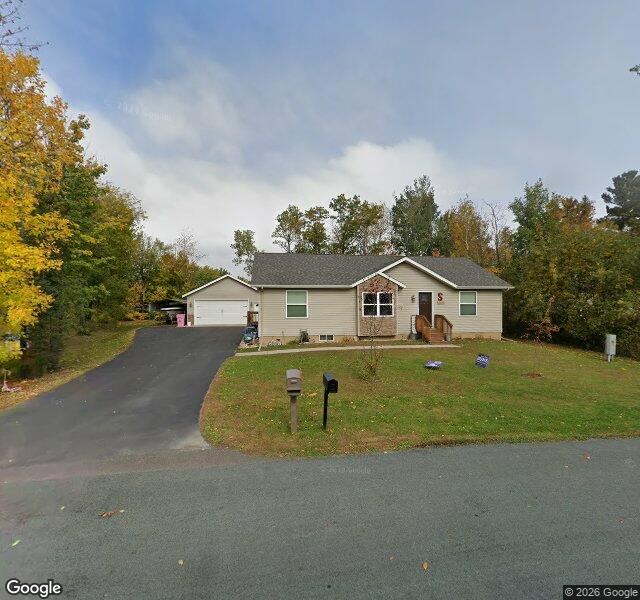
Plainview Estates
2507 Fairview Avenue, Cloquet, MN 55720View map (opens in a new tab)
Overview and key essentials
State license
Active
MN MDH
Google reviews
Not available
Public reviews not linked
Size & payment
Ask directly
Confirm pricing & payment
Public records for this community are limited. Use the checklist below when you call or visit to confirm pricing, services, and openings.
Cost, payment & care details
Updated Nov 28, 2026| Monthly cost | Not published | Ask for the full monthly cost, including care fees and one-time charges. |
|---|---|---|
| Payment options | Ask directly | Payment details are not confirmed in our records. Ask about private pay, long-term care insurance, veterans benefits, and Medicaid waivers. |
| Size & availability | Confirm directly | We don't publish live openings. Ask about current availability, waitlist length, and move-in timing. |
| Care & support | Assisted living | Usually offers housing and help with everyday tasks, such as bathing and dressing. What to confirm about care levelsThis describes the licensed category. Ask how care plans adjust if mobility, nursing, or memory needs change over time. Read the family care guide → |
State licensing
State inspection history
3inspections
35deficiencies listed
Nov 20, 2024Routine15 deficiencies reported15
15 deficiencies reported
View official state report (opens in a new tab)
144G.50 Subd. 3 Designation of representative0950
SS=C (a) Before or at the time of execution of an assisted living contract, an assisted living facility must offer the resident the opportunity to identify STATE FORM R2's signed assisted living contract lacked the following content: -the required statutory language to identify a designated representative and an opportunity to decline to name a designated representative. On November 19, 2024, at 10:57 a.m., clinical nurse supervisor (CNS)-C stated all the contracts were the same. On November 19, 2024, at 11:06 a.m., the surveyor reviewed the required information with LALD-A. LALD-A noted the requirement location in her regulation book. LALD-A said the contracts used by the licensee did not contain the required content. LALD-A stated she was not aware of the wording required. No further information was provided. TIME PERIOD FOR CORRECTION: Twenty-One (21) days 01420 144G.62 Subd. 2 Delegation of assisted living SS=F services (b) When the registered nurse or licensed health professional delegates tasks to unlicensed personnel, that person must ensure that prior to the delegation the unlicensed personnel is trained in the proper methods to perform the tasks or procedures for each resident and is able to demonstrate the ability to competently follow the procedures and perform the tasks. If the unlicensed personnel has not regularly performed the delegated assisted living task for a period of 24 consecutive months, the unlicensed personnel must demonstrate competency in the task to the STATE FORM
144G.50 Subd. 2 (c) Contract information0920
SS=C (c) The contract must include: (1) a disclosure of the category of assisted living facility license held by the facility and, if the facility is not an assisted living facility with dementia care, a disclosure that it does not hold an assisted living facility with dementia care license; (2) a description of all the terms and conditions of the contract, including a description of and any limitations to the housing or assisted living services to be provided for the contracted amount; (3) a delineation of the cost and nature of any other services to be provided for an additional fee; (4) a delineation and description of any additional fees the resident may be required to pay if the resident's condition changes during the term of the contract; (5) a delineation of the grounds under which the resident may be transferred or have housing or STATE FORM
144G.41 Subd. 3 Infection control program0510
SS=D (a) All assisted living facilities must establish and maintain an infection control program that complies with accepted health care, medical, and nursing standards for infection control. (b)The facility's infection control program must be consistent with current guidelines from the national Centers for Disease Control and Prevention (CDC) for infection prevention and control in long-term care facilities and, as applicable, for infection prevention and control in assisted living facilities. (c) The facility must maintain written evidence of compliance with this subdivision. This MN Requirement is not met as evidenced by: Based on observation, interview, and record STATE FORM
144G.45 Subd. 2 (a) (1) Fire protection and0780
SS=F physical environment for dwellings or sleeping units, as defined in the State Fire Code: (i) provide smoke alarms in each room used for sleeping purposes; (ii) provide smoke alarms outside each separate sleeping area in the immediate vicinity of bedrooms; (iii) provide smoke alarms on each story within a dwelling unit, including basements, but not including crawl spaces and unoccupied attics; (iv) where more than one smoke alarm is required within an individual dwelling unit or sleeping unit, interconnect all smoke alarms so that actuation of one alarm causes all alarms in the individual dwelling unit or sleeping unit to operate; and (v) ensure the power supply for existing smoke alarms complies with the State Fire Code, except that newly introduced smoke alarms in existing buildings may be battery operated; STATE FORM This MN Requirement is not met as evidenced by: Based on observation and interview, the licensee failed to comply with the requirements of the Minnesota State Fire Code. This had the potential to directly affect all residents, staff, and visitors. This practice resulted in a level two violation (a violation that did not harm a resident's health or safety but had the potential to have harmed a resident's health or safety) and was issued at a widespread scope (when problems are pervasive or represent a systemic failure that has affected or has the potential to affect a large portion or all of the residents). Findings include: On a facility tour on November 20, 2024, from 10:45 a.m. to 12:15 p.m., with housing manager (HM)-D, the surveyor made the following observations of non-compliance with the requirements of the Minnesota State Fire Code (MSFC): DOOR LOCKS There were security chain locks installed near the door head jamb in addition to the door latch handle and lock on the two marked exit doors at the end of the resident room corridors. The surveyor explained that marked exit doors are required to open for exit purposes in one operation and the additional security chain STATE FORM
144G.42 Subd. 8 (a) Staff records0650
SS=F (a) The facility must maintain current records of each paid staff member, each regularly scheduled volunteer providing services, and each individual contractor providing services. The records must include the following infomation: (1) evidence of current professional licensure, registration, or certification if licensure, registration, or certification is required by this chapter or rules; (2) records of orientation, required annual training and infection control training, and competency evaluations; (3) current job description, including qualifications, responsibilities, and identification of staff persons providing supervision; (4) documentation of annual performance reviews that identify areas of improvement needed and training needs; (5) for individuals providing assisted living services, verification that required health screenings under subdivision 9 have taken place and the dates of those screenings; and (6) documentation of the background study as required under section 144.057. This MN Requirement is not met as evidenced by: Based on observation, interview, and record review, the licensee failed to ensure employee records contained required content for two of two employees, (clinical nurse supervisor (CNS)-C, unlicensed personnel (ULP)-F). This practice resulted in a level two violation (a violation that did not harm a resident's health or safety but had the potential to have harmed a resident's health or safety, but was not likely to cause serious injury, impairment, or death), and STATE FORM TIME PERIOD FOR CORRECTION: Twenty-one (21) days
144G.42 Subd. 7 Posting information for0640
SS=C reporting suspected c The facility shall support protection and safety through access to the state's systems for reporting suspected criminal activity and suspected vulnerable adult maltreatment by: (1) posting the 911 emergency number in common areas and near telephones provided by the assisted living facility; (2) posting information and the reporting number for the Minnesota Adult Abuse Reporting Center to report suspected maltreatment of a vulnerable adult under section 626.557; and (3) providing reasonable accommodations with information and notices in plain language. This MN Requirement is not met as evidenced by: Based on observation and interview, the licensee failed to post the required content in common areas, including posting the 911 emergency number in common areas and by telephones for resident use in the facility. This had the potential to affect residents, staff and visitors. This practice resulted in a level one violation (a violation that has no potential to cause more than a minimal impact on the resident and does not affect health or safety) and was issued at a widespread scope (when problems are pervasive or represent a systemic failure that has affected or has potential to affect a large portion or all of the residents). The findings include: On November 18, 2024, at 10:45 a.m., during a tour of the facility with licensed assisted living STATE FORM
144G.41 Subdivision. 1 (13) Minimum0495
SS=F Requirements (13) provide staff access to an on-call registered nurse 24 hours per day, seven days per week. This MN Requirement is not met as evidenced by: Based on observation, interview, and record review, the licensee failed to provide staff access to an on-call registered nurse (RN) 24 hours per day, seven days per week. This had the potential to affect all residents receiving assisted living services. This practice resulted in a level two violation (a violation that did not harm a resident's health or safety but had the potential to have harmed a resident's health or safety, but was not likely to cause serious injury, impairment, or death), and was issued at a widespread scope (when problems are pervasive or represent a systemic failure that has affected or has potential to affect a large portion or all of the residents). The findings include: STATE FORM On November 18, 2024, at 10:04 a.m., licensed assisted living director (LALD)-A met the surveyor at the entrance of the facility and stated clinical nurse supervisor (CNS)-C was working at day surgery and could not be at the facility today. On November 18, 2024, at 10:12 a.m., during the entrance conference LALD-A stated CNS-C was on site three to four days a week, and "comes in at all times." LALD-A added she (CNS-C) had been "with us since 2020." LALD-A explained CNS-C was currently working at day surgery at (name of hospital) but LALD-A could call CNS-C if needed for the entrance conference. LALD-A added the licensee did not have any additional nurses. LALD-A said CNS-C had a watch (smart watch), and CNS-C could get and send text messages. LALD-A said "we" (licensee) could get a hold of the nurse practitioner (NP) who made rounds at the facility also, if needed, for some medication. LALD-A said the NP did not work for the licensee. On November 19, 2024, at 11:41 a.m., CNS-C stated she worked a 0.6 to a 0.7 (six to seven shifts a pay period) at day surgery. CNS-C said she normally gets a text message on her watch (smart watch) while at day surgery, if and when staff need to contact her. CNS-C added sometimes she does get phone calls also while at work. CNS-C said it was possible she would not be available, "my (CNS-C) best guess" would be for two to three hours, while working. CNS-C said normally, when she worked at day surgery, she (CNS-C) was done by 2:00 p.m. or 2:30 p.m. and was available then. On November 19, 2024, at 11:55 a.m., LALD-A stated the licensee used to have another RN who STATE FORM
144G.42 Subd. 10 Disaster planning and0680
SS=F emergency preparedness (a) The facility must meet the following requirements: (1) have a written emergency disaster plan that contains a plan for evacuation, addresses elements of sheltering in place, identifies temporary relocation sites, and details staff assignments in the event of a disaster or an emergency; (2) post an emergency disaster plan prominently; (3) provide building emergency exit diagrams to all residents; (4) post emergency exit diagrams on each floor; and (5) have a written policy and procedure regarding missing residents. (b) The facility must provide emergency and disaster training to all staff during the initial staff orientation and annually thereafter and must make emergency and disaster training annually available to all residents. Staff who have not received emergency and disaster training are allowed to work only when trained staff are also working on site. (c) The facility must meet any additional requirements adopted in rule. This MN Requirement is not met as evidenced by: Based on observation, interview and record review, the licensee failed to have a written emergency preparedness plan with all the required content and failed to post an emergency STATE FORM The licensee's Emergency Action Plan dated June 16, 2022, noted the program administrator would conduct an annual review to assess the plan's effectiveness. The review would consider the following: -any newly identified hazards or threats -changes in facility processes or layout -lessons learned from drills and/or tabletop exercise. No further information was provided. TIME PERIOD FOR CORRECTION: Twenty-One (21) days
144G.41 Subdivision 1 Subd. 1a (a-b) Minimum0480
SS=F requirements; required food services (a) Except as provided in paragraph (b), food must be prepared and served according to the Minnesota Food Code, Minnesota Rules, chapter 4626. (b) For an assisted living facility with a licensed capacity of ten or fewer residents: (1) notwithstanding Minnesota Rules, part 4626.0033, item A, the facility may share a certified food protection manager (CFPM) with one other facility located within a 60-mile radius and under common management provided the CFPM is present at each facility frequently enough to effectively administer, manage, and supervise each facility's food service operation; (2) notwithstanding Minnesota Rules, part 4626.0545, item A, kick plates that are not removable or cannot be rotated open are allowed unless the facility has been issued repeated correction orders for violations of Minnesota Rules, part 4626.1565 or 4626.1570; (3) notwithstanding Minnesota Rules, part 4626.0685, item A, the facility is not required to provide integral drainboards, utensil racks, or tables large enough to accommodate soiled and clean items that may accumulate during hours of operation provided soiled items do not contaminate clean items, surfaces, or food, and clean equipment and dishes are air dried in a STATE FORM The findings include: Please refer to the document titled, Food and Beverage Establishment Inspection Report (FBEIR) dated Novebmer 19, 2024 for the specific Minnesota Food Code violations. The Inspection Report was provided to the licensee within 24 hours of the inspection. TIME PERIOD FOR CORRECTION: Please refer to the FBEIR for any compliance dates.
144G.30 Subd. 5 Correction orders0340
SS=F 0 340 (a) A correction order may be issued whenever STATE FORM
144G.41 Subdivision 1 Minimum requirements0470
SS=F (11) develop and implement a staffing plan for determining its staffing level that: (i) includes an evaluation, to be conducted at least twice a year, of the appropriateness of staffing levels in the facility; (ii) ensures sufficient staffing at all times to meet the scheduled and reasonably foreseeable unscheduled needs of each resident as required by the residents' assessments and service plans on a 24-hour per day basis; and (iii) ensures that the facility can respond promptly and effectively to individual resident emergencies and to emergency, life safety, and disaster situations affecting staff or residents in the facility; (12) ensure that one or more persons are available 24 hours per day, seven days per week, who are responsible for responding to the requests of residents for assistance with health or safety needs. Such persons must be: (i) awake; (ii) located in the same building, in an attached building, or on a contiguous campus with the facility in order to respond within a reasonable amount of time; (iii) capable of communicating with residents; (iv) capable of providing or summoning the appropriate assistance; and (v) capable of following directions; This MN Requirement is not met as evidenced by: Based on observation, interview and record review, the licensee failed to develop a staffing plan that included metrics to identify staffing to meet scheduled and unscheduled needs of residents. This practice resulted in a level two violation (a STATE FORM
- start lisinopril 40 mg daily, dated September 28,2023
2023. On November 19, 2024, at 9:42 a.m., the surveyor reviewed R2's provider's orders with clinical nurse supervisor (CNS)-C. CNS-C stated she did not see the above list of medication orders in R2's record. CNS-C stated she did not know she needed to have current prescriber's orders in resident records. CNS-C said, she assumed the provider (nurse practitioner/NP) faxed the medication list in [to pharmacy] monthly. On November 20, 2024, at approximately 12:45 p.m., the surveyor stated if the licensee found the orders for the above medication for R2 from the NP to email them to the surveyor. On November 25, 2024, at 8:43 a.m., the surveyor received an email from house manager (HM)-D with R2's prescriber's order. The email did not contain annual orders for the above listed medications. The Requesting and Receiving Prescriptions and Refills policy dated January 1, 2020, noted the RN (registered nurse) or director would assure that the prescriber renews a medication prescription at least every 12 months, or more frequently if determined necessary based on the nursing assessment Signed annual MD (medical STATE FORM
Fairview Avenue2507
Cloquet, MN55720 Carlton County, 09 License Categories: Operator: Expires on: 12/31/25 Phone #: 2188798230 ID #: The violations listed in this report include any previously issued orders and deficiencies identified during this inspection. Compliance dates are shown for each item. The following orders were issued during this inspection. 3-300B Protection from Contamination: cross-contamination, eggs 3-302.11A(1) ** Priority 1 ** MN Rule 4626.0235A(1) Separate raw animal foods during storage, preparation, holding, and display from ready-to-eat foods to prevent cross-contamination. RAW GROUND BEEF WAS BEING STORED OVER READY TO EAT FOODS SUCH AS LETTUCE IN UPRIGHT COOLER. STAFF MOVED GROUND BEEF TO A LOWER LOCATION. COS Corrected on Site 3-300B Protection from Contamination: cross-contamination, eggs 3-302.12 MN Rule 4626.0240 Properly label all working containers holding food or food ingredients that are removed from orginal packages with the common name of the food. Label the food in English and any other languages used by employees who handle food. CONTAINERS OF POWDERED SUGAR AND BROWN SUGAR WERE MISSING LABELS. Comply By: 11/19/24 Surface and Equipment Sanitizers Quaternary Ammonia: = 400PPM at Degrees Fahrenheit Location: SPRAY BOTTLE Violation Issued: No Process/Item: Upright Cooler Temperature: 36 Degrees Fahrenheit - Location: THERMOMETER Violation Issued: No Process/Item: Upright Cooler Temperature: 40 Degrees Fahrenheit - Location: MILK Violation Issued: No Process/Item: Upright Cooler Temperature: 39 Degrees Fahrenheit - Location: EGGS Violation Issued: No Process/Item: Upright Freezer Temperature: Degrees Fahrenheit - Location: ALL FOODS FROZEN Violation Issued: No Process/Item: Upright Freezer Temperature: Degrees Fahrenheit - Location: ALL FOODS FROZEN Violation Issued: No Process/Item: Cooking Temperature: 180 Degrees Fahrenheit - Location: BEEF STEW Violation Issued: No Total Orders In This Report Priority 1 1 DISCUSSED EMPLOYEE ILLNESS AND EXCLUSIONS, REQUIRED SANITIZER STRENGTHS, AND AVOIDING BARE HAND CONTACT WITH READY TO EAT FOODS. NOTE: Plans and specifications must be submitted for review and approval prior to new construction, remodeling or alterations. 1027241152 of 11/19/24. Certified Food Protection Manager:TRACY ELDER Certification Number: FM86959 Expires: 12/20/25 Inspection report reviewed with person in charge and emailed. Signed: TRACY ELDER MANAGER 0039260 FOODBORNE ILLNESS RISK FACTORS AND PUBLIC HEALTH INTERVENTIONS Circle designated compliance status (IN, OUT, N/O, N/A) for each numbered item Mark "X" in appropriate box for COS and/or R IN= in compliance OUT= not in compliance N/O= not observed N/A= not applicable COS=corrected on-site during inspection R= repeat violation Compliance Status COS R Surpervision PIC knowledgeable; duties & oversight Certified food protection manager, duties 1 IN OUT 2 IN OUT N/A Employee Health 3 IN OUT 4 IN OUT Mgmt/Staff;knowledge,responsibilities&reporting Proper use of reporting, restriction & exclusion Procedures for responding to vomiting & diarrheal events 5 IN OUT Good Hygenic Practices N/O Proper eating, tasting, drinking, or tobacco use 6 IN OUT 7 IN OUT N/O No discharge from eyes, nose, & mouth Preventing Contamination by Hands 8 IN OUT N/O Hands clean & properly washed 9 IN No bare hand contact with RTE foods or pre-approved OUT N/A N/O alternate pprocedure properly followed 10 IN OUT Adequate handwashing sinks supplied/accessible Approved Source Food...
ZBMR126899
{0 480} (a) Except as provided in paragraph (b), food must be prepared and served according to the Minnesota Food Code, Minnesota Rules, chapter 4626. (b) For an assisted living facility with a licensed capacity of ten or fewer residents: (1) notwithstanding Minnesota Rules, part 4626.0033, item A, the facility may share a certified food protection manager (CFPM) with one other facility located within a 60-mile radius and under common management provided the CFPM is present at each facility frequently enough to effectively administer, manage, and supervise each facility's food service operation; (2) notwithstanding Minnesota Rules, part 4626.0545, item A, kick plates that are not removable or cannot be rotated open are allowed unless the facility has been issued repeated correction orders for violations of Minnesota Rules, part 4626.1565 or 4626.1570; (3) notwithstanding Minnesota Rules, part 4626.0685, item A, the facility is not required to provide integral drainboards, utensil racks, or tables large enough to accommodate soiled and clean items that may accumulate during hours of operation provided soiled items do not contaminate clean items, surfaces, or food, and clean equipment and dishes are air dried in a manner that prevents contamination before storage; (4) notwithstanding Minnesota Rules, part 4626.1070, item A, the facility is not required to install a dedicated handwashing sink in its existing kitchen provided it designates one well of a two-compartment sink for use only as a handwashing sink; (5) notwithstanding Minnesota Rules, parts 4626.1325, 4626.1335, and 4626.1360, item A, existing floor, wall, and ceiling finishes are STATE FORM ZBMR12 allowed provided the facility keeps them clean and in good condition; (6) notwithstanding Minnesota Rules, part 4626.1375, shielded or shatter-resistant lightbulbs are not required, but if a light bulb breaks, the facility must discard all exposed food and fully clean all equipment, dishes, and surfaces to remove any glass particles; and (7) notwithstanding Minnesota Rules, part 4626.1390, toilet rooms are not required to be provided with a self-closing door. This MN Requirement is not met as evidenced by: {0 680} 144G.42 Subd. 10 Disaster planning and SS=F emergency preparedness (a) The facility must meet the following requirements: (1) have a written emergency disaster plan that contains a plan for evacuation, addresses elements of sheltering in place, identifies temporary relocation sites, and details staff assignments in the event of a disaster or an emergency; (2) post an emergency disaster plan prominently; (3) provide building emergency exit diagrams to all residents; (4) post emergency exit diagrams on each floor; and (5) have a written policy and procedure regarding missing residents. (b) The facility must provide emergency and disaster training to all staff during the initial staff orientation and annually thereafter and must make emergency and disaster training annually STATE FORM ZBMR12 available to all residents. Staff who have not received emergency and disaster training are allowed to work only when trained staff are also working on site. (c) The facility must meet any additional requirements adopted in rule. This MN Requirement is not met as evidenced by: Based on interview and record review, the licensee failed to have a written emergency preparedness plan (EPP) with all required content. This had the potential to affect all residents, staff, and visitors. This...
144G.45 Subd. 2 (b-f) Fire protection and0810
SS=F physical environment (b) Each assisted living facility shall develop and maintain fire safety and evacuation plans. The plans shall include but are not limited to: (1) location and number of resident sleeping rooms; (2) staff actions to be taken in the event of a fire or similar emergency; (3) fire protection procedures necessary for residents; and (4) procedures for resident movement, evacuation, or relocation during a fire or similar emergency including the identification of unique or unusual resident needs for movement or evacuation. (c) Staff of assisted living facilities shall receive training on the fire safety and evacuation plans upon hiring and at least twice per year thereafter. (d) Fire safety and evacuation plans shall be readily available at all times within the facility. (e) Residents who are capable of assisting in their own evacuation shall be trained on the proper actions to take in the event of a fire to include movement, evacuation, or relocation. The training shall be made available to residents at least once per year. (f) Evacuation drills are required for staff twice per year per shift with at least one evacuation drill every other month. Evacuation of the residents is not required. Fire alarm system activation is not required to initiate the evacuation drill. STATE FORM This MN Requirement is not met as evidenced by: Based on observation, interview and record review, the licensee failed to develop the fire safety and evacuation plan with required content and provide required training and drills. This had the potential to directly affect all residents, staff, and visitors. This practice resulted in a level two violation (a violation that did not harm a resident's health or safety but had the potential to have harmed a resident 's health or safety) and was issued at a widespread scope (when problems are pervasive or represent a systemic failure that has affected or has potential to affect a large portion or all of the residents). The findings include: On November 20, 2024, at 10:10 a.m., housing manager (HM)-D, provided documents on the fire safety and evacuation plan (FSEP), fire safety and evacuation training, and evacuation drills for the facility. FIRE SAFETY AND EVACUATION PLAN The licensee provided FSEP dated February 2023, failed to include the following: The location and number of resident sleeping rooms were not visibly identified on the posted FSEP evacuation floor plan. The numbers and other text were provided on evacuation floor plan, but it was not legible. STATE FORM
Feb 22, 2023ComplaintNo deficiencies reportedNone
No deficiencies reported
View official state report (opens in a new tab)
Inconclusive. The facility and alleged perpetrator (AP) neglected a resident when they failed to provide incontinence care and repositioning, as a result, the resident’s pressure ulcers worsened
Mar 10, 2022Routine20 deficiencies reported20
20 deficiencies reported
View official state report (opens in a new tab)
moderate0630
for reporting ma (b) The facility must develop and implement an individual abuse prevention plan for each vulnerable adult. The plan shall contain an individualized review or assessment of the person's susceptibility to abuse by another individual, including other vulnerable adults; the person's risk of abusing other vulnerable adults; and statements of the specific measures to be taken to minimize the risk of abuse to that person and other vulnerable adults. For purposes of the abuse prevention plan, abuse includes self-abuse. This MN Requirement is not met as evidenced by: Based on observation, interview, and record review, the licensee failed to ensure an individual abuse prevention plan was developed to include the required content for one of one resident (R3) with records reviewed. This practice resulted in a level two violation (a violation that did not harm a resident's health or safety but had the potential to have harmed a resident's health or safety) and was issued at a widespread scope (when problems are pervasive or represent a systemic failure that has affected or has the potential to affect a large portion or all of the residents). The findings include: R3's diagnoses included cognitive impairment, depression, hypertension (HTN), and hyperlipidemia (high cholesterol). R3's record lacked an individual abuse prevention plan which reviewed each resident's susceptibility to abuse by another individual, including other vulnerable adults; the resident's risk of abusing other vulnerable adults; and statements of the specific measures to be taken to minimize the risk of abuse to that resident and other vulnerable adults. R3's service plan dated February 17, 2022, indicated R3 received services which included medication administration. R3's care plan, identified as part of the service plan, indicated R3 received assistance with dressing, grooming, bathing, transferring, medication assistance, housekeeping, and laundry. On March 8, 2022, at 8:34 a.m., licensed assisted living director (LALD)-A confirmed individual abuse prevention plans have not been developed for any of the facility's current residents. On March 8, 2022, at approximately 9:01 a.m., unlicensed personnel (ULP)-C was observed transferring R3 with an EZ Stand lift (a device designed to help with mobility but who lack the strength or muscle control to rise to a standing position) from the recliner chair to the wheelchair. On March 10, 2022, at 11:32 a.m., registered nurse (RN)-B confirmed she was unaware of the required contents of the individual abuse prevention plan and confirmed individual abuse prevention plans with the required content noted above have not been completed for any of the facility's current residents. The licensee lacked policies to include the new Assisted Living Licensure requirements effective August 1, 2021. No further information was provided. TIME PERIOD FOR CORRECTION: Seven (7) days
moderate0800
physical environment (4) keep the physical environment, including walls, floors, ceiling, all furnishings, grounds, systems, and equipment in a continuous state of good repair and operation with regard to the health, safety, comfort, and well-being of the residents in accordance with a maintenance and repair program. This MN Requirement is not met as evidenced by: Based on observation and interview, the licensee failed to provide the physical environment in a continuous state of good repair and operation with regard to the health, safety, and well-being of the residents. This had the potential to directly affect all residents and staff. This practice resulted in a level two violation (a violation that did not harm a resident's health or safety but had the potential to have harmed a resident's health or safety) and was issued at a widespread scope (when problems are pervasive or represent a systemic failure that has affected or has the potential to affect a large portion or all of the residents). The findings include: On March 8, 2022, between 10:15 a.m. and 10:45 a.m., survey staff toured the facility with the licensed assisted living director (LALD)-A. During the facility tour, survey staff observed the following: 1. The carpet in the hallway outside resident room 4 was torn. 2. Resident room doors 1 and 2 were not latching, which prevented these doors from fully closing. On March 8, 2022, at approximately 11:15 a.m., during interview with the LALD-A, it was confirmed that the carpet and resident room doors required repair. No further information was provided. TIME PERIOD FOR CORRECTION: Twenty-one (21) days
moderate0680
emergency preparedness (a) The facility must meet the following requirements: (1) have a written emergency disaster plan that contains a plan for evacuation, addresses elements of sheltering in place, identifies temporary relocation sites, and details staff assignments in the event of a disaster or an emergency; (2) post an emergency disaster plan prominently; (3) provide building emergency exit diagrams to all residents; (4) post emergency exit diagrams on each floor; and (5) have a written policy and procedure regarding missing tenant residents. (b) The facility must provide emergency and disaster training to all staff during the initial staff orientation and annually thereafter and must make emergency and disaster training annually available to all residents. Staff who have not received emergency and disaster training are allowed to work only when trained staff are also working on site. (c) The facility must meet any additional requirements adopted in rule. This MN Requirement is not met as evidenced by: Based on observation, interview and record review, the licensee failed to have a written emergency preparedness plan with all the required content and failed to post an emergency preparedness plan prominently. This had the potential to affect all seven (7) residents, staff and visitors. This practice resulted in a level two violation (a violation that did not harm a resident's health or safety but had the potential to have harmed a resident's health or safety, but was not likely to cause serious injury, impairment, or death), and is issued at a widespread scope (when problems are pervasive or represent a systemic failure that has affected or has the potential to affect a large portion or all of the residents). The findings include: During the entrance conference on March 7, 2022, at approximately 9:42 a.m., the surveyor requested the licensee's emergency preparedness plan, which was later reviewed by the surveyor. During the initial facility tour on March 7, 2022, at approximately 10:10 a.m., during a tour of the facility with unlicensed personnel (ULP)-C, the main entrance and common areas of the facility lacked signage posted or information regarding the licensee's emergency preparedness plan. The licensee's emergency preparedness plan lacked the following content and/or policies and procedures to address: - a comprehensive program to include man-made disasters, facility based (power, water etc.), infectious diseases and pandemics; - a description of the population served by the licensee; - process for emergency preparedness (EP) cooperation with state and local EP officials/organizations; - the facilities role in providing care and treatment at alternative sites; - the provision of subsistence needs for staff and residents; - a tracking system used to document locations of residents and staff; - an evacuation plan; - how the facility would provide a means to shelter in place for residents and volunteers; - the medical record documentation system the facility has developed to preserve resident information security and availability of records; - EP training and testing program; - EP training program for staff (including documentation of training provided); and - EP testing/annual testing requirements. In addition, the licensee lacked a communication plan that included: - names and contact information for staff, entities providing services under arrangement, resident physicians, other facilities, and volunteers; - contact...
moderate0660
control (a) The facility must establish and maintain a comprehensive tuberculosis infection control program according to the most current tuberculosis infection control guidelines issued by the United States Centers for Disease Control and Prevention (CDC), Division of Tuberculosis Elimination, as published in the CDC's Morbidity and Mortality Weekly Report. The program must include a tuberculosis infection control plan that covers all paid and unpaid employees, contractors, students, and regularly scheduled volunteers. The commissioner shall provide technical assistance regarding implementation of the guidelines. (b) The facility must maintain written evidence of compliance with this subdivision. This MN Requirement is not met as evidenced by: Based on observation, interview and record review, the licensee failed to ensure the provider established and maintained a tuberculosis (TB) prevention program, based on the most current guidelines issued by the Centers for Disease Control and Prevention (CDC). In addition, the licensee failed to ensure completion of baseline TB screenings and two-step TST's (tuberculin skin test) or other evidence of tuberculosis (TB) screenings such as a blood test were completed for two of two employees, registered nurse (RN-B) and unlicensed personnel (ULP-C), with records reviewed. This practice resulted in a level two violation (a violation that did not harm a resident's health or safety but had the potential to have harmed a resident's health or safety) and was issued at a widespread scope (when problems are pervasive or represent a systemic failure that has affected or has the potential to affect a large portion or all of the residents). The findings include: The facility's TB risk assessment was completed January 17, 2022, and was determined to be a low risk level. TB INFECTION CONTROL PLAN The licensee lacked a written TB infection control plan to include: -procedures for handling persons with active TB. TB SCREENING RN-B RN-B was hired on August 8, 2020, under the licenses's comprehensive home care license to provide and supervise direct care services to the licensee's residents and continued to under the assisted living license on August 1, 2021. RN-B's employee record lacked evidence of a completed TB history and symptoms screening and further lacked evidence a two-step TST or TB screening such as a blood test had been completed. ULP-C ULP-C was hired on September 28, 2021, to provide direct care services to the license's residents. ULP-C's employee record included a Baseline TB Screening Tool for Health Care Workers dated September 30, 2021, which indicated ULP-C had not received a TB skin test or TB blood test in the past 12 months. No other screening questions were completed on the tool. ULP-C's employee record lacked evidence a two-step TST or TB screening such as a blood test had been completed. On March 8, 2022, at approximately 9:01 a.m., ULP-C was observed transferring R3 from the recliner chair into the wheelchair with the EZ Stand (a device designed to help patients who lack the specific strength or muscle control to rise to a standing position). On March 8, 2022, at approximately 11:10 a.m., the licensed assisted living director (LALD)-A confirmed the TB plan was not in TB/Infection Control book and was unable to provide a TB plan. On March 8, 2022, at approximately 3:02 p.m., LALD-A confirmed RN-B and ULP-C both have not completed a TB history and symptom screening or received a TB...
minor0910
(a) The contract must include in a conspicuous place and manner on the contract the legal name and the license number of the facility. (b) The contract must include the name, telephone number, and physical mailing address, which may not be a public or private post office box, of: (1) the facility and contracted service provider when applicable; (2) the licensee of the facility; (3) the managing agent of the facility, if applicable; and (4) the authorized agent for the facility. This MN Requirement is not met as evidenced by: Based on observation, interview and record review, the licensee failed to execute a written contract with the required content for one of one resident (R3) with records reviewed. This had the potential to affect all seven residents. This practice resulted in a level one violation (a violation that has no potential to cause more than a minimal impact on the resident and does not affect health or safety) and was issued at a widespread scope (when problems are pervasive or represent a systemic failure that has affected or has the potential to affect a large portion or all the residents). The findings include: R3's diagnoses included cognitive impairment, depression, anxiety, and hyperlipidemia (high cholesterol). R3's record lacked an assisted living contract to include the license number of the facility. R3's Service Plan and Contract dated February 17, 2022, indicated R3 received services which included medication administration. R3's care plan, identified as part of the service plan, indicated R3 received assistance with dressing, grooming, bathing, transferring, ambulation, medication assistance, housekeeping, and laundry. On March 8, 2022, at approximately 9:01 a.m., unlicensed personnel (ULP)-C was observed transferring R3 from the recliner chair to the wheelchair with the use of an EZ Stand (a device designed to help patients who lack the specific strength or muscle control to rise to a standing position). On March 8, 2022, at approximately 10:05 a.m., licensed assisted living director (LALD)-A confirmed R3's contract was the same contract used for all of the residents in the facility and confirmed the licensee's contract did not include the license number of the facility. The licensee lacked policies to include the new Assisted Living Licensure requirements effective August 1, 2021. No further information was provided. TIME PERIOD FOR CORRECTION: Twenty-One (21) days
minor0920
(c) The contract must include: (1) a disclosure of the category of assisted living facility license held by the facility and, if the facility is not an assisted living facility with dementia care, a disclosure that it does not hold an assisted living facility with dementia care license; (2) a description of all the terms and conditions of the contract, including a description of and any limitations to the housing or assisted living services to be provided for the contracted amount; (3) a delineation of the cost and nature of any other services to be provided for an additional fee; (4) a delineation and description of any additional fees the resident may be required to pay if the resident's condition changes during the term of the contract; (5) a delineation of the grounds under which the resident may be discharged, evicted, or transferred or have services terminated; (6) billing and payment procedures and requirements; and (7) disclosure of the facility's ability to provide specialized diets. This MN Requirement is not met as evidenced by: Based on observation, interview and record review, the licensee failed to execute a written contract with the required content for one of one resident (R3) with records reviewed. This had the potential to affect all seven (7) residents. This practice resulted in a level one violation (a violation that has no potential to cause more than a minimal impact on the resident and does not affect health or safety) and was issued at a widespread scope (when problems are pervasive or represent a systemic failure that has affected or has the potential to affect a large portion or all the residents). The findings include: R3's diagnoses included cognitive impairment, depression, anxiety, and hyperlipidemia (high cholesterol). R3's Service Plan and Contract dated February 17, 2022, indicated R3 received services which included medication administration. R3's care plan, identified as part of the service plan, indicated R3 received assistance with dressing, grooming, bathing, transferring, ambulation, medication assistance, housekeeping, and laundry. R3's signed assisted living contract dated February 17, 2022, lacked the following content: -a disclosure of the category of assisted living facility license held by the facility and, if the facility was not an assisted living facility with dementia care, a disclosure that it does not hold an assisted living facility with dementia care license. On March 8, 2022, at approximately 9:01 a.m., unlicensed personnel (ULP)-C was observed transferring R3 from the recliner chair to the wheelchair with the use of an EZ Stand (a device designed to help patients who lack the specific strength or muscle control to rise to a standing position). On March 8, 2022, at approximately 10:05 a.m., licensed assisted living director (LALD)-A stated R3's contract was the same contract used for all of the residents in the facility and confirmed the licensee's contract lacked the required content as noted above. The licensee lacked policies to include the new Assisted Living Licensure requirements effective August 1, 2021. No further information was provided. TIME PERIOD FOR CORRECTION: Twenty-One (21) days
moderate0550
maltreatment All facilities must post in a conspicuous place information about the facilities' grievance procedure, and the name, telephone number, and e-mail contact information for the individuals who are responsible for handling resident grievances. The notice must also have the contact information for the state and applicable regional Office of Ombudsman for Long-Term Care and the Office of Ombudsman for Mental Health and Developmental Disabilities, and must have information for reporting suspected maltreatment to the Minnesota Adult Abuse Reporting Center. This MN Requirement is not met as evidenced by: Based on observation, interview, and record review, the licensee lacked a posting of the grievance procedure to include the name, telephone number, and e-mail contact information for the individual(s) who were responsible for handling resident grievances. In addition, there was no evidence of the contact information for the state and applicable regional Office of Ombudsman for Long-Term Care and the Office of Ombudsman for Mental Health and Developmental Disabilities. This had the potential to affect all seven (7) residents, staff, and visitors. This practice resulted in a level two violation (a violation that did not harm a resident's health or safety but had the potential to have harmed a resident's health or safety) and was issued at a widespread scope (when problems are pervasive or represent a systemic failure that has affected or has the potential to affect a large portion or all of the residents). The findings include: During tour of the facility on March 7, 2022, at approximately 10:10 a.m., with unlicensed personnel (ULP)-C, the main entrance and common areas lacked the required posting of the grievance procedure with the required content and contact information for the state Office of Ombudsman for Long-Term Care and the Office of Ombudsman for Mental Health and Developmental Disabilities. On March 7, 2022, at approximately 10:41 a.m., licensed assisted living director (LALD)-A confirmed the required content noted above was not posted as required. The licensee lacked policies to include the new Assisted Living Licensure requirements effective August 1, 2021. No further information provided. TIME PERIOD FOR CORRECTION: Twenty-one (21) days
moderate0810
physical environment (b) Each assisted living facility shall develop and maintain fire safety and evacuation plans. The plans shall include but are not limited to: (1) location and number of resident sleeping rooms; (2) employee actions to be taken in the event of a fire or similar emergency; (3) fire protection procedures necessary for residents; and (4) procedures for resident movement, evacuation, or relocation during a fire or similar emergency including the identification of unique or unusual resident needs for movement or evacuation. (c) Employees of assisted living facilities shall receive training on the fire safety and evacuation plans upon hiring and at least twice per year thereafter. (d) Fire safety and evacuation plans shall be readily available at all times within the facility. (e) Residents who are capable of assisting in their own evacuation shall be trained on the proper actions to take in the event of a fire to include movement, evacuation, or relocation. The training shall be made available to residents at least once per year. (f) Evacuation drills are required for employees twice per year per shift with at least one evacuation drill every other month. Evacuation of the residents is not required. Fire alarm system activation is not required to initiate the evacuation drill. This MN Requirement is not met as evidenced by: Based on observation, document review, and interview, the licensee failed to provide the required plans and staff training for fire safety and evacuation. This had the potential to directly affect all residents and staff. This practice resulted in a level two violation (a violation that did not harm a resident's health or safety but had the potential to have harmed a resident's health or safety) and was issued at a widespread scope (when problems are pervasive or represent a systemic failure that has affected or has the potential to affect a large portion or all of the residents). The findings include: On March 8, 2022, between 10:15 a.m. and 10:45 a.m., survey staff toured the facility with the licensed assisted living director (LALD)-A. During the facility tour, it was observed that two exit doors were provided with chain locks. The LALD-A explained during the tour interview that these locks had been installed to prevent residents from wandering. On March 8, 2022, at approximately 10:45 a.m., the LALD-A provided documents for review. Documents were reviewed by survey staff on March 8, between 10:45 a.m. and 11:15 a.m. 1. The Fire Policy located within the Disaster, Emergency Management, and Missing Person manual failed to include: a. Evacuation procedures for the exit doors provided with chain locks. b. Identification of unique or unusual resident needs for movement or evacuation. 2. The licensee failed to provide the required staff training frequency. The staff training for fire safety and evacuation was completed during orientation and then annually. On March 8, at approximately 11:20 a.m., the LALD-A confirmed during the interview that the facility failed to provide the required content within the fire safety and evacuation plans. The LALD-A stated that staff training was completed upon hire and then annually for fire safety and evacuation. The LALD-A further explained that EduCare was used for staff training and that internal trainings were not being documented. No further information was provided. TIME PERIOD FOR CORRECTION: Twenty-one (21) days
STATE FORM6899
8LU912 STATE FORM 8LU912 STATE FORM 8LU912 STATE FORM 8LU912 STATE FORM 8LU912 {0 680} {0 680} (a) The facility must meet the following requirements: (1) have a written emergency disaster plan that contains a plan for evacuation, addresses elements of sheltering in place, identifies temporary relocation sites, and details staff assignments in the event of a disaster or an emergency; (2) post an emergency disaster plan prominently; (3) provide building emergency exit diagrams to all residents; (4) post emergency exit diagrams on each floor; and (5) have a written policy and procedure regarding missing tenant residents. (b) The facility must provide emergency and disaster training to all staff during the initial staff orientation and annually thereafter and must make emergency and disaster training annually available to all residents. Staff who have not received emergency and disaster training are allowed to work only when trained staff are also working on site. (c) The facility must meet any additional requirements adopted in rule. This MN Requirement is not met as evidenced by: Based on observation, interview and record review, the licensee failed to have a written emergency preparedness plan with all the required content and failed to post an emergency preparedness plan prominently. This had the potential to affect all six residents, staff and visitors. This practice resulted in a level two violation (a violation that did not harm a resident's health or safety but had the potential to have harmed a resident's health or safety, but was not likely to STATE FORM 8LU912 {0 680} {0 680} cause serious injury, impairment, or death), and is issued at a widespread scope (when problems are pervasive or represent a systemic failure that has affected or has the potential to affect a large portion or all of the residents). The findings include: During the entrance conference on May 16, 2022, at 12:41 p.m., the surveyor asked for the licensee's emergency preparedness plan (EPP), which was provided to and later reviewed by the surveyor. On May 16, 2022, at 1:04 p.m., the surveyor toured the facility with unlicensed personnel (ULP)-E. There was no observed signage posted or information regarding the licensee's EPP in the common areas of the facility. ULP-E confirmed the facility's EPP was not posted. The licensee's EPP lacked the following content and/or policies and procedures to address: - a hazard risk assessment - a comprehensive program to include man-made disasters, infectious diseases and pandemics; - a description of the population served by the licensee; - process for emergency preparedness (EP) cooperation with state and local EP officials/organizations; - the facilities role in providing care and treatment at alternative sites; - the provision of subsistence needs for staff and residents; - a tracking system used to document locations of residents and staff; - an evacuation plan; - how the facility would provide a means to shelter STATE FORM 8LU912 {0 680} {0 680} in place for residents; and - the medical record documentation system the facility has developed to preserve resident information security and availability of records. In addition, the licensee lacked a communication plan that included: - names and contact information for staff, entities providing services under arrangement, resident physicians, other facilities, and volunteers; - contact information for federal, state, tribal, local EP staff, ombudsman, state licensing...
moderate0250
(a) The commissioner may refuse to grant a provisional license, refuse to grant a license as a result of a change in ownership, refuse to renew a license, suspend or revoke a license, or impose a conditional license if the owner, controlling individual, or employee of an assisted living facility: (1) is in violation of, or during the term of the license has violated, any of the requirements in this chapter or adopted rules; (2) permits, aids, or abets the commission of any illegal act in the provision of assisted living services; (3) performs any act detrimental to the health, safety, and welfare of a resident; (4) obtains the license by fraud or misrepresentation; (5) knowingly makes a false statement of a material fact in the application for a license or in any other record or report required by this chapter; (6) denies representatives of the department access to any part of the facility's books, records, files, or employees; (7) interferes with or impedes a representative of the department in contacting the facility's residents; (8) interferes with or impedes ombudsman access according to section 256.9742, subdivision 4; (9) interferes with or impedes a representative of the department in the enforcement of this chapter or fails to fully cooperate with an inspection, survey, or investigation by the department; (10) destroys or makes unavailable any records or other evidence relating to the assisted living facility's compliance with this chapter; (11) refuses to initiate a background study under section 144.057 or 245A.04; (12) fails to timely pay any fines assessed by the commissioner; (13) violates any local, city, or township ordinance relating to housing or assisted living services; (14) has repeated incidents of personnel performing services beyond their competency level; or (15) has operated beyond the scope of the assisted living facility's license category. (b) A violation by a contractor providing the assisted living services of the facility is a violation by the facility. This MN Requirement is not met as evidenced by: Based on interview and record review, the licensee failed to ensure the management officials who were in charge of the day-to-day operations; and responsible for the assisted living services, understood all of the assisted living provider statutes and rules; and the licensee failed to ensure policies and procedures were developed and/or implemented. This had the potential to affect all seven (7) residents, staff, and visitors. This practice resulted in a level two violation (a violation that did not harm a resident's health or safety but had the potential to have harmed a resident's health or safety, but was not likely to cause serious injury, impairment, or death), and is issued at a widespread scope (when problems are pervasive or represent a systemic failure that has affected or has the potential to affect a large portion or all of the residents). The findings include: During the entrance conference on March 7, 2022, at approximately 9:42 a.m., licensed assisted living director (LALD)-A stated she and registered nurse (RN)-B confirmed they were responsible for and participated in the facility's day-to-day operations. LALD-A she was familiar with the Assisted Living licensing laws and rules. The licensee's Application for Assisted Living License, section titled Official Verification of Owner or Authorized Agent, (page four and five of the application), identified, I certify I have read and understand the...
moderate0510
(a) All assisted living facilities must establish and maintain an infection control program that complies with accepted health care, medical, and nursing standards for infection control. (b)The facility's infection control program must be consistent with current guidelines from the national Centers for Disease Control and Prevention (CDC) for infection prevention and control in long-term care facilities and, as applicable, for infection prevention and control in assisted living facilities. (c) The facility must maintain written evidence of compliance with this subdivision. This MN Requirement is not met as evidenced by: Based on observation, interview and record review, the licensee failed to establish and maintain an effective infection control program to comply with accepted health care, medical, and nursing standards for infection control and current recommendations for COVID-19 regarding wearing appropriate personal protective equipment (PPE). This had the potential to affect all six residents, staff, and visitors. This practice resulted in a level two violation (a violation that did not harm a resident's health or safety but had the potential to have harmed a resident's health or safety) and was issued at a widespread scope (when problems are pervasive or represent a systemic failure that has affected or has the potential to affect a large portion or all of the residents). The findings include: guidance titled, COVID-19 Personal Protective Equipment (PPE) and Source Control Grids dated April 7, 2022, indicated health care workers working with residents with or without suspected or confirmed SARS-CoV-2 (Covid-19) wear a face mask and eye protection in communities with substantial and high community transmission levels. On May 16, 2022, at 10:25 a.m., the surveyor observed upon entrance to the facility unlicensed personnel (ULP)-D not wearing a medical grade face mask or eye protection. On May 16, 2022, at 11:03 a.m., the surveyor observed ULP-D transfer R6 from a recliner to her wheelchair using an EZ Stand (a mechanical device to aide in transfer of persons with limited weight bearing ability); transported R6 into the bathroom; and provided toileting assistance. At 11:30 a.m., the survey observed ULP-D transfer R1 from a recliner to his wheelchair using an EZ stand lift. At 11:39 a.m., the surveyor observed ULP-D administer R1's scheduled medications. At 11:51 a.m., the surveyor observed ULP-D administer R7's scheduled medications. The surveyor observed ULP-D was not wearing a medical grade face mask or eye protection during the above noted observations. On May 16, 2022, at 12:56 p.m., ULP-E confirmed staff should always be wearing a medical grade face mask and eye protection. On May 16, 2022, at 1:05 p.m., the surveyor observed ULP-D wearing a medical grade face mask, but no eye protection. ULP-D confirmed she had not been wearing a face mask or eye protection earlier. On May 17, 2022, at 7:56 a.m., registered nurse (RN)-B confirmed it was the licensee's expectations that staff follow the current MDH and Center for Disease Control and Prevention (CDC) guidelines with regards to PPE usage. RN-B stated she was aware of the PPE grid [referenced above] and staff should be wearing a medical grade mask and eye protection when providing direct resident cares. No further information was provided. TIME PERIOD FOR CORRECTION: Two (2) days {0 680} 144G.42 Subd. 10 Disaster planning and emergency preparedness SS=F
minor0930
(d) The contract must include a description of the facility's complaint resolution process available to residents, including the name and contact information of the person representing the facility who is designated to handle and resolve complaints. (e) The contract must include a clear and conspicuous notice of: (1) the right under section 144G.54 to appeal the termination of an assisted living contract; (2) the facility's policy regarding transfer of residents within the facility, under what circumstances a transfer may occur, and the circumstances under which resident consent is required for a transfer; (3) contact information for the Office of Ombudsman for Long-Term Care, the Ombudsman for Mental Health and Developmental Disabilities, and the Office of Health Facility Complaints; (4) the resident's right to obtain services from an unaffiliated service provider; This MN Requirement is not met as evidenced by: Based on observation, interview and record review, the licensee failed to execute a written assisted living contract with the required content for one of one resident (R3) with record reviewed. This had the potential to affect all seven (7) residents. This practice resulted in a level one violation (a violation that has no potential to cause more than a minimal impact on the resident and does not affect health or safety), and was issued at a widespread scope (when problems are pervasive or represent a systemic failure that has affected or has potential to affect a large portion or all of the residents). The findings include: R3's diagnoses included cognitive impairment, depression, anxiety, and hyperlipidemia (high cholesterol). R3's service plan dated February 17, 2022, indicated R3 received services which included medication administration. R3's care plan, identified as part of the service plan, indicated R3 received assistance with dressing, grooming, bathing, transferring, ambulation, medication assistance, housekeeping, and laundry. R3's signed assisted living contract dated February 17, 2022, lacked the following content: -the facility's policy regarding transfer of residents within the facility, under what circumstances a transfer may occur, and the circumstances under which resident consent was required for a transfer; and -the right to obtain services from an unaffiliated service provider. On March 8, 2022, at approximately 9:01 a.m., unlicensed personnel (ULP)-C was observed transferring R3 from the recliner chair to the wheelchair with the use of an EZ Stand (a device designed to help patients who lack the specific strength or muscle control to rise to a standing position). On March 8, 2022, at approximately 10:05 a.m., licensed assisted living director (LALD)-A stated R3's contract was the same contract used for all of the residents in the facility and confirmed the contract lacked the required content as noted above. The licensee lacked policies to include the new Assisted Living Licensure requirements effective August 1, 2021. No further information was provided. TIME PERIOD FOR CORRECTION: Twenty-One (21) days
Fairview Avenue2507
Cloquet, MN 55720 RE: Project Number(s) SL30619015 Dear Administrator: evaluating and assessing compliance with state licensing statutes. At the time of the evaluation, the 144G, Minnesota Food Code, Minnesota Rules Chapter 4626, Minnesota Statute 626.5572 and/or Minnesota Statute Chapter 260E. state licensing correction orders using federal software. Tag numbers are assigned to Minnesota state statutes for Assisted Living Facilities. The assigned tag number appears in the far left column entitled "ID Prefix Tag." The state statute number and the corresponding text of the state statute out of the findings that are in violation of the state statute after the statement, "This MN Requirement is not met as evidenced by . . ." IMPOSITION OF FINES In accordance with Minn. Stat. § 144G.31, Subd. 4, fines and enforcement actions may be imposed based on the level and scope of the violations and imposed immediately with no opportunity to correct the violation first as follows: Therefore, in accordance with Minn. Stat. §§ 144G.01 to 144G.9999, the following fines are assessed pursuant to this evaluation: St ‐ 0 ‐ 1420 ‐ 144g.62 Subd. 2 ‐ Delegation Of Assisted Living Services ‐ $3,000.00 St ‐ 0 ‐ 1750 ‐ 144g.71 Subd. 7 ‐ Delegation Of Medication Administration ‐ $3,000.00 St ‐ 0 ‐ 2310 ‐ 144g.91 Subd. 4 ‐ Appropriate Care And Services ‐ $3,000.00 The total amount you are assessed is $9,000.00. You will be invoiced after 15 days of the receipt of this notice, subject to appeal. DOCUMENTATION OF ACTION TO COMPLY Per Minn. Stat. § 144G.30, Subd. 5(c), the licensee must document any action taken to comply with the correction order by the correction order date. A copy of the provider’s records documenting those actions may be requested for follow‐up evaluations. The licensee is not required to submit a plan of correction for approval. The correction order documentation should include the following: Identify how the area(s) of noncompliance was corrected related to the resident(s)/employee(s) identified in the correction order. Identify how the area(s) of noncompliance was corrected for all of the provider’s resident(s)/employees that may be affected by the noncompliance. Identify what changes to your systems and practices were made to ensure compliance with the specific statute(s). CORRECTION ORDER RECONSIDERATION PROCESS In accordance with Minn. Stat. § 144G.32, Subd. 2, you may challenge the correction order issued, including the level and scope, and any fine assessed through the correction order reconsideration within 15 calendar days of the correction order receipt date. REQUESTING A HEARING Alternatively, in accordance with Minn. Stat. § 144G.31, Subd. 5(d), an assisted living provider that has been assessed a fine under this subdivision has a right to a reconsideration or a hearing under this section and chapter 14. Pursuant to Minn. Stat. § 144G.20, Subd. 14 and Subd. 18, a request for a correction order receipt date. Requests for hearing may be emailed to Health.HRD.Appeals@state.mn.us. To appeal fines via reconsideration, please follow the procedure outlined above. Please note that you may request a reconsideration or a hearing, but not both. You are encouraged to retain this document for your records. It is your responsibility to share the information contained in this letter and the results of this visit with the President of your organization’s Governing Body. If you have any questions, please contact me. Sincerely, Jessie Che...
minor0900
(a) An assisted living facility may not offer or provide housing or assisted living services to any individual unless it has executed a written contract with the resident. (b) The contract must contain all the terms concerning the provision of: (1) housing; (2) assisted living services, whether provided directly by the facility or by management agreement or other agreement; and (3) the resident's service plan, if applicable. (c) A facility must: (1) offer to prospective residents and provide to the Office of Ombudsman for Long-Term Care a complete unsigned copy of its contract; and (2) give a complete copy of any signed contract and any addendums, and all supporting documents and attachments, to the resident promptly after a contract and any addendum has been signed. (d) A contract under this section is a consumer contract under sections 325G.29 to 325G.37. (e) Before or at the time of execution of the contract, the facility must offer the resident the opportunity to identify a designated representative according to subdivision 3. (f) The resident must agree in writing to any additions or amendments to the contract. Upon agreement between the resident and the facility, a new contract or an addendum to the existing contract must be executed and signed. This MN Requirement is not met as evidenced by: Based on interview and record review, the licensee failed to provide to the Office of Ombudsman for Long-Term Care a complete unsigned copy of its contract. This had the potential to affect all seven (7) residents. This practice resulted in a level one violation (a violation that has no potential to cause more than a minimal impact on the resident and does not affect health or safety) and was issued at a widespread scope (when problems are pervasive or represent a systemic failure that has affected or has the potential to affect a large portion or all the residents). The findings include: R3's diagnoses included cognitive impairment, depression, anxiety, and hyperlipidemia (high cholesterol). R3's Service Plan and Contract dated February 17, 2022, indicated R3 received services which included medication administration. R3's care plan, identified as part of the service plan, indicated R3 received assistance with dressing, grooming, bathing, transferring, ambulation, medication assistance, housekeeping, and laundry. During entrance conference on March 7, 2022, at approximately 9:48 a.m., the licensed assisted living director (LALD)-A stated the licensee had not provided the Office of Ombudsman for Long-Term Care a complete unsigned copy of its contract. The licensee lacked policies to include the new Assisted Living Licensure requirements effective August 1, 2021. No further information was provided. TIME PERIOD FOR CORRECTION: Twenty-One (21) days
minor0950
(a) Before or at the time of execution of an assisted living contract, an assisted living facility must offer the resident the opportunity to identify a designated representative in writing in the contract and must provide the following verbatim notice on a document separate from the contract: "RIGHT TO DESIGNATE A REPRESENTATIVE FOR CERTAIN PURPOSES. You have the right to name anyone as your "Designated Representative." A Designated Representative can assist you, receive certain information and notices about you, including some information related to your health care, and advocate on your behalf. A Designated Representative does not take the place of your guardian, conservator, power of attorney ("attorney-in-fact"), or health care power of attorney ("health care agent"), if applicable." (b) The contract must contain a page or space for the name and contact information of the designated representative and a box the resident must initial if the resident declines to name a designated representative. Notwithstanding subdivision 1, paragraph (f), the resident has the right at any time to add, remove, or change the name and contact information of the designated representative. This MN Requirement is not met as evidenced by: Based on observation, interview and record review, the licensee failed to execute a written contract with the required content for the residents to identify or decline a designated representative for one of one resident (R3) with records reviewed. This had the potential to affect all seven (7) residents. This practice resulted in a level one violation (a violation that has no potential to cause more than a minimal impact on the resident and does not affect health or safety) and was issued at a widespread scope (when problems are pervasive or represent a systemic failure that has affected or has the potential to affect a large portion or all the residents). The findings include: R3's diagnoses included cognitive impairment, depression, anxiety, and hyperlipidemia (high cholesterol). R3's service plan dated February 17, 2022, indicated R3 received services which included medication administration. R3's care plan, identified as part of the service plan, indicated R3 received assistance with dressing, grooming, bathing, transferring, medication assistance, housekeeping, and laundry. R3's signed assisted living contract dated February 17, 2022, lacked the following content: -the required statutory language to identify a designated representative and an opportunity to decline to name a designated representative. On March 8, 2022, at approximately 10:05 a.m., licensed assisted living director (LALD)-A stated R3's contract was the same contract used for all of the residents in the facility and confirmed the contract lacked the required content as noted above. The licensee lacked policies to include the new Assisted Living Licensure requirements effective August 1, 2021. No further information was provided. TIME PERIOD FOR CORRECTION: Twenty-One (21) days 01420 SS=I 144G.62 Subd. 2 Delegation of assisted living services (b) When the registered nurse or licensed health professional delegates tasks to unlicensed personnel, that person must ensure that prior to the delegation the unlicensed personnel is trained in the proper methods to perform the tasks or procedures for each resident and is able to demonstrate the ability to competently follow the procedures and perform the tasks. If an unlicensed personnel has not regularly...
minor0730
Contents of a resident record include the following for each resident: (1) identifying information, including the resident's name, date of birth, address, and telephone number; (2) the name, address, and telephone number of the resident's emergency contact, legal representatives, and designated representative; (3) names, addresses, and telephone numbers of the resident's health and medical service providers, if known; (4) health information, including medical history, allergies, and when the provider is managing medications, treatments or therapies that require documentation, and other relevant health records; (5) the resident's advance directives, if any; (6) copies of any health care directives, guardianships, powers of attorney, or conservatorships; (7) the facility's current and previous assessments and service plans; (8) all records of communications pertinent to the resident's services; (9) documentation of significant changes in the resident's status and actions taken in response to the needs of the resident, including reporting to the appropriate supervisor or health care professional; (10) documentation of incidents involving the resident and actions taken in response to the needs of the resident, including reporting to the appropriate supervisor or health care professional; (11) documentation that services have been provided as identified in the service plan; (12) documentation that the resident has received and reviewed the assisted living bill of rights; (13) documentation of complaints received and any resolution; (14) a discharge summary, including service termination notice and related documentation, when applicable; and (15) other documentation required under this chapter and relevant to the resident's services or status. This MN Requirement is not met as evidenced by: Based on interview and record review, the licensee failed to ensure a resident record included a discharge summary for one of one discharged resident (R2) with record reviewed. This practice resulted in a level two violation (a violation that did not harm a resident's health or safety but had the potential to have harmed a resident's health or safety, but was not likely to cause serious injury, impairment, or death), and was issued at an isolated scope (when one or a limited number of residents are affected or one or a limited number of staff are involved, or the situation has occurred only occasionally). The findings include: R2's diagnoses included dementia, anxiety, and restless leg syndrome. R2 started to receive assisted living services on August 1, 2021, and was discharged on January 6, 2022. R2's service agreement dated December 6, 2021, indicated R3 received services, which included assistance with activities of daily living, laundry, housekeeping, and medication management. R2's record lacked evidence a discharge summary was completed. On March 7, 2022, at approximately 1:32 p.m., licensed assisted living director (LALD)-A confirmed a discharge summary had not been completed for R2. On March 8, 2022, at approximately 10:53 a.m., registered nurse (RN)-B confirmed a discharge summary was not completed for R2. The licensee's Content of Client Records policy from Comprehensive Home Care dated January 2014, indicated when a client's services have been terminated, a discharge summary would be completed to include: -the service termination notice if applicable: -the client's status as time of transfer or discharge: and -the disposition of any...
moderate0470
(11) develop and implement a staffing plan for determining its staffing level that: (i) includes an evaluation, to be conducted at least twice a year, of the appropriateness of staffing levels in the facility; (ii) ensures sufficient staffing at all times to meet the scheduled and reasonably foreseeable unscheduled needs of each resident as required by the residents' assessments and service plans on a 24-hour per day basis; and (iii) ensures that the facility can respond promptly and effectively to individual resident emergencies and to emergency, life safety, and disaster situations affecting staff or residents in the facility; (12) ensure that one or more persons are available 24 hours per day, seven days per week, who are responsible for responding to the requests of residents for assistance with health or safety needs. Such persons must be: (i) awake; (ii) located in the same building, in an attached building, or on a contiguous campus with the facility in order to respond within a reasonable amount of time; (iii) capable of communicating with residents; (iv) capable of providing or summoning the appropriate assistance; and (v) capable of following directions; This MN Requirement is not met as evidenced by: Based on observation, interview, and record review, the licensee failed to ensure a written staffing plan was developed and posted. This had the potential to affect all seven (7) residents living at the facility. This practice resulted in a level two violation (a violation that did not harm a resident's health or safety but had the potential to have harmed a resident's health or safety) and was issued at a widespread scope (when problems are pervasive or represent a systemic failure that has affected or has the potential to affect a large portion or all of the residents). The findings include: The licensee held an assisted living facility license. The licensee failed to develop and implement a staffing plan for determining its staffing level that: - included an evaluation, to be conducted at least twice a year, of the appropriateness of staffing levels in the facility; - ensured sufficient staffing at all times to meet the scheduled and reasonably foreseeable unscheduled needs of each resident as required by the residents' assessments and service plans on a 24-hour per day basis; and - ensured that the facility can respond promptly and effectively to individual resident emergencies and to emergency, life safety, and disaster situations affecting staff or residents in the facility. During the entrance conference on March 7, 2022, at approximately 9:42 a.m., the surveyor requested a copy of the facility's staffing plan from licensed assisted living director (LALD)-A. During a facility tour on March 7, 2022, at approximately 10:10 a.m., with unlicensed personnel (ULP)-C, the main entrance and common areas lacked a posting of the daily staffing schedule. On March 8, 2022, at approximately 10:53 a.m., registered nurse (RN)-B confirmed she had not developed a written staffing plan to include the above noted required content. The licensee lacked policies to include the new Assisted Living Licensure requirements effective August 1, 2021. No further information was provided. TIME PERIOD FOR CORRECTION: Twenty-One (21) days
moderate0650
(a) The facility must maintain current records of each paid employee, each regularly scheduled volunteer providing services, and each individual contractor providing services. The records must include the following information: (1) evidence of current professional licensure, registration, or certification if licensure, registration, or certification is required by this chapter or rules; (2) records of orientation, required annual training and infection control training, and competency evaluations; (3) current job description, including qualifications, responsibilities, and identification of staff persons providing supervision; (4) documentation of annual performance reviews that identify areas of improvement needed and training needs; (5) for individuals providing assisted living services, verification that required health screenings under subdivision 9 have taken place and the dates of those screenings; and (6) documentation of the background study as required under section 144.057. (b) Each employee record must be retained for at least three years after a paid employee, volunteer, or contractor ceases to be employed by, provide services at, or be under contract with the facility. If a facility ceases operation, employee records must be maintained for three years after facility operations cease. This MN Requirement is not met as evidenced by: Based on observation, interview and record review, the licensee failed to ensure an employee record included a job description with all the required content for one of two employees registered nurse (RN)-B with records reviewed. This practice resulted in a level two violation (a violation that did not harm a resident's health or safety but had the potential to have harmed a resident's health or safety, but was not likely to cause serious injury, impairment, or death), and was issued at an isolated scope (when one or a limited number of residents are affected or one or a limited number of staff are involved or the situation has occurred only occasionally). The findings include: RN-B was hired on August 8, 2020, under the licensee's comprehensive home care license to provide and supervise direct care services to the licensee's residents and continued to under the assisted living license on August 1, 2021. RN-B's employee record lacked evidence of a job description, including qualifications, responsibilities, and identification of staff persons providing supervision. On March 8, 2022, at approximately 3:02 p.m., the licensed assisted living director (LALD)-A confirmed RN-B's employee record lacked a job description as required. On March 8, 2022, at approximately 3:35 p.m., RN-B was observed training ULPs on the use of an EZ Stand (device designed to help who lack the specific strength or muscle control to rise to a standing position). A policy and procedure pertaining to job description was requested, but not provided. TIME PERIOD FOR CORRECTION: Twenty-one (21) days
moderate0490
requirements (ii) weekly housekeeping; (iii) weekly laundry service; (iv) upon the request of the resident, provide direct or reasonable assistance with arranging for transportation to medical and social services appointments, shopping, and other recreation, and provide the name of or other identifying information about the persons responsible for providing this assistance; (v) upon the request of the resident, provide reasonable assistance with accessing community resources and social services available in the community, and provide the name of or other identifying information about persons responsible for providing this assistance; (vi) provide culturally sensitive programs; and (vii) have a daily program of social and recreational activities that are based upon individual and group interests, physical, mental, and psychosocial needs, and that creates opportunities for active participation in the community at large; and This MN Requirement is not met as evidenced by: Based on observation, interview and record review, the licensee failed to have a daily program of social and recreational activities based on individual and group interests, physical, mental, and psychosocial needs. This had the potential to affect all seven (7) residents residing at the facility. This practice resulted in a level two violation (a violation that did not harm a resident's health or safety but had the potential to have harmed a resident's health or safety) and was issued at a widespread scope (when problems are pervasive or represent a systemic failure that has affected or has the potential to affect a large portion or all of the residents). The findings include: On March 7, 2022, at approximately 9:42 a.m., during the entrance conference, licensed assisted living director (LALD)-A stated the licensee has not had activity staff since the beginning of COVID-19; however, LALD-A stated the ULPs did activities with the residents such as socializing daily, baking, going on special outings, and had events to celebrate the holidays. LALD-A confirmed the licensee had not developed or implemented a daily activity program, and further stated she was not aware of the requirement to offer daily programing. On March 7, 2022, at approximately 10:10 a.m., during a tour of the facility with unlicensed personnel (ULP)-C, no recreation or daily program of social activities was posted in the common area. For the duration of the survey from March 7, through March 10, 2022, no programs of social or recreational activities were observed to be provided by the licensee. Some residents remained in their rooms for most of the day, some residents sat in the living room with the television on and the drapes closed, and some residents paced around the common living areas socializing with other residents and staff. The licensee lacked policies to include the new Assisted Living Licensure requirements, that went into effective August 1, 2021. No further information was provided. TIME PERIOD FOR CORRECTION: Twenty-One (21) days
severe0340
0 340 (a) A correction order may be issued whenever the commissioner finds upon survey or during a complaint investigation that a facility, a managerial official, or an employee of the facility is not in compliance with this chapter. The correction order shall cite the specific statute and document areas of noncompliance and the time allowed for correction. (b) The commissioner shall mail or e-mail copies of any correction order to the facility within 30 calendar days after the survey exit date. A copy of each correction order and copies of any documentation supplied to the commissioner shall be kept on file by the facility and public documents shall be made available for viewing by any person upon request. Copies may be kept electronically. (c) By the correction order date, the facility must document in the facility's records any action taken to comply with the correction order. The commissioner may request a copy of this documentation and the facility's action to respond to the correction order in future surveys, upon a complaint investigation, and as otherwise needed. This MN Requirement is not met as evidenced by: Based on interview and record review, the licensee failed to have sufficient documentation with actions taken to comply with the correction orders for a revisit survey completed on May 17, 2022. This practice resulted in a level three violation (a violation that harmed a resident's health or safety, not including serious injury, impairment, or death, or a violation that has the potential to lead to serious injury, impairment, or death), and was issued at an isolated scope (when one or a limited number of residents are affected or one or a limited number of staff are involved or the situation has occurred only occasionally). The findings include: During the revisit survey on May 16, 2022, and May 17, 2022, the surveyor reviewed the licensee's policies and procedures, reviewed resident records, and conducted observations and interviews with registered nurse (RN)-B, and unlicensed personnel (ULP)-D and ULP-E. The licensee lacked evidence to indicate the orders issued on March 10, 2022, were corrected. No further information was provided. TIME PERIOD FOR CORRECTION: Seven (7) days
Neighborhood & resident support
Emergency access, hazards & advocacy
Nearest hospital
Community Memorial Hospital
1.8 mi · Cloquet, MN
Emergency room
FEMA hazard risk
Relatively LowCarlton County, MN
- Cold Wave
- Lightning
- Inland Flooding
Free resident advocacy
Minnesota Office of Ombudsman for Long-Term Care
More neighborhood context (specialists, VA, dialysis, air & affordability)
VA & dialysis access
St Cloud VA Medical Center
116.0 mi · St. Cloud, MN
Fresenius Medical Care - Cloquet
5.4 mi · 2/5 ★
Specialists within 15 mi
- Geriatricians
- 6
- Neurologists
- 5
- Palliative care
- 1
- PM&R rehab
- 9
Environment & mobility
- EPA Air (2025)
- 83% good days · AQI 33
- EPA Walkability
- 5.9/20 (Below Average)
- USDA Grocery Access
- Limited Grocery Access
- Primary care access
- HRSA Shortage Area
County demographics
- Age 65+ median income
- $51,103/yr
- Rent-burdened households
- 43%
- Cognitive disability (2023)
- 14.6%
- Mobility disability
- 11.4%
Call & tour checklist
Questions to ask Plainview Estates
Check off questions as you call or tour. Your progress stays private in this browser.
Show 3 more suggested questions
Verification & public records
Official records & sources
Licensing & contact
- License #
- 30619
- Status
- active
- Phone
- (218) 879-8230
- Federal OIG LEIE
- Clear (2026-11-27)
Original public sources
Verify licensing, ratings, and inspection reports directly with each official source.
- MN MDH official record (opens in a new tab)MN Dept. of Health
- Google Maps (opens in a new tab)Directions, photos & neighborhood
- Google Reviews (opens in a new tab)Read public reviews
EveryPlace is an independent research directory. Information is compiled from public Medicare.gov, state licensing, Google Places, and street-level imagery sources. Some summaries, suggested questions, and pricing notes are AI-generated or AI-assisted and may contain errors or omissions. We do not accept payment for placement. Confirm all details directly with the community and official sources. Research Policy.
Keep exploring
Nearby communities to compare
- 3.0(2)Assisted Living< 1 miSuncrest Assisted LivingScanlon, MN
- Assisted Living< 1 miEvergreen KnollCloquet, MN
- Assisted Living1.1 miNew Perspective Cloquet & BarnCloquet, MN
- Cap. 85HUD Senior Housing1.2 miLarson Commons Aka Larson TowerCloquet, MN
- 4.0(23)Assisted Living2.0 miNew Perspective Cloquet & BarnCloquet, MN
- 3.7(6)Assisted Living2.2 miDiamond Willow Assisted LivingCloquet, MN