Loading EveryPlace content…
Assisted LivingActive license
Peggy Kelly House I
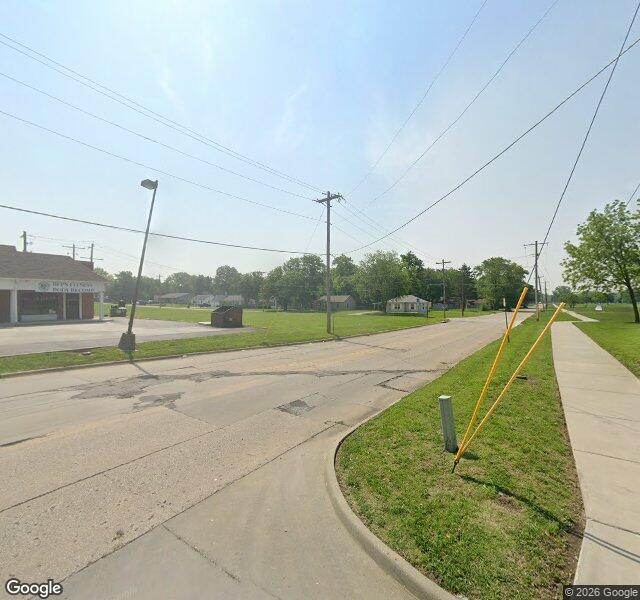
2111 Sw Randolph Avenue, Topeka, KS 66611View map (opens in a new tab)
Overview and key essentials
State license
Active
KS KDADS
Google reviews
Not available
Public reviews not linked
Size & payment
Ask directly
Confirm pricing & payment
Public records for this community are limited. Use the checklist below when you call or visit to confirm pricing, services, and openings.
Cost, payment & care details
Updated Nov 28, 2026| Monthly cost | Not published | Ask for the full monthly cost, including care fees and one-time charges. |
|---|---|---|
| Payment options | Ask directly | Payment details are not confirmed in our records. Ask about private pay, long-term care insurance, veterans benefits, and Medicaid waivers. |
| Size & availability | Confirm directly | We don't publish live openings. Ask about current availability, waitlist length, and move-in timing. |
| Care & support | Assisted living | Usually offers housing and help with everyday tasks, such as bathing and dressing. What to confirm about care levelsThis describes the licensed category. Ask how care plans adjust if mobility, nursing, or memory needs change over time. Read the family care guide → |
State licensing
State inspection history
15inspections
10deficiencies listed
Apr 7, 2026Routine4 deficiencies reported4
4 deficiencies reported
View official state report (opens in a new tab)
The following represents the findings of a resurvey with attached incident 198062 and complaint 197926, 197808, and 197529 at the above named residential healthcare facility conducted on 04/06/26-04/07/26.
STATE FORM6899
WYJY11 STATE FORM WYJY11 STATE FORM WYJY11 STATE FORM WYJY11 STATE FORM WYJY11 STATE FORM WYJY11 STATE FORM WYJY11 STATE FORM WYJY11 STATE FORM WYJY11 STATE FORM WYJY11
moderateS 3155
. (a) The administrator or operator in each assisted living facility or residential health care facility shall ensure that a licensed nurse provides or coordinates the provision of necessary health care services that meet the needs of each resident and are in accordance with the functional capacity screening and the negotiated service agreement. This REQUIREMENT is not met as evidenced by: KAR 26-41-204(a) The facility reported a census of seven residents with three included in the sample. Based on interview and record review the operator failed to ensure a licensed nurse provided and coordinated care according to Resident (R) 2 and R3's Negotiated Service Agreement (NSA). Findings included: - Record review for R2 revealed an admission date of 09/24/24 with a diagnosis of dementia. The 11/19/25 FCS identified R2 required supervision with eating; was usually understood and was usually understandable during communication; and had short-term memory, long-term memory, memory recall, and decision-making difficulties. The 11/19/25 NSA identified facility staff assisted R2 with eating and allowed time to respond when communicating. The 11/19/25 "Service Plan Report" which is the facility's Healthcare Service Plan (HSP) instructed staff to assist R2 with eating. Observation on 04/07/26 at 01:23 PM of R2 eating lunch revealed she dropped approximately 20% of her food on the floor. At 01:36 PM Certified Medication Aide C fed R2 an individual sized amount of yogurt. At 01:45 PM Administrative Nurse B put one piece of Cheetos in R2's hand which R2 was unable to get into mouth. R2 was unable to pick up any pieces of the pizza or Cheetos on own. Staff failed to sit next to R2 and assist her with eating her meal. On 04/07/26 at 01:23 PM Administrative Nurse B stated R2 ate well with finger foods but with other foods she needed assistance. On 04/07/26 at 01:58 PM Administrative Staff A confirmed R2 was not receiving eating assistance per her NSA. She also stated she expected more details on the NSA regarding what assistance R2 required. - Record review for R3 revealed an admission date of 11/30/19 with a diagnosis of dementia. The 02/18/26 FCS identified R3 was unable to perform bathing, toileting, transfers, and management of medications or treatments; required physical assistance with dressing, mobility, and eating; was incontinent of bladder; sometimes understood and was sometimes understandable during communication; had short-term memory, long-term memory, memory recall, and decision-making difficulties; and had impaired decision making. The 02/18/26 NSA identified facility staff assisted R3 with eating and had a mechanical soft diet. The 02/18/26 HSP "eating" section instructed staff to serve the diet as ordered, food textures needed to be altered in order to eat, and to provide physical assistance with meals. The HSP included a section titled "Eating/Dietary and Nutrition" which instructed staff to provide physical assistance or cueing with meals which was not the same as the "eating" section. Review of "Resident Roster" provided 04/06/26 upon entrance to facility revealed R3 had a therapeutic diet. Observation on 04/07/26 at 01:11 PM revealed all residents were served the same meal at regular diet consistency including an individual sized pizza, yogurt, and a bag of crunchy Cheetos. Observation on 04/07/26 at 01:48 PM revealed R3 had not received any assistance from staff to eat and still had approximately 75% of meal still on plate. She...
moderateS 3261
Documentation of Incidents (f) (11) documentation of all incidents, symptoms, and other indications of illness or injury including the date, time of occurrence, action taken, and results of the action This REQUIREMENT is not met as evidenced by: KAR 26-41-105(f)(11) The facility reported a census of seven residents with three residents included in the sample. Based on interview and record review the operator failed to ensure licensed staff documented all incidents, symptoms, and other indications of illness or injury including the date and time of occurrence, action taken, and results of the action when Resident (R) 1 and R2 sustained falls. Findings included: - Record review for R1 revealed an admission date of 09/26/23 with diagnoses of dementia and hemiplegia. The 11/19/25 Functional Capacity Screen (FCS) identified R1 was unable to perform bathing, dressing, toileting, and transfers; required physical assistance with mobility, eating, and management of medications; was incontinent of bladder; had short-term memory, long-term memory, memory recall, and decision-making difficulties; was sometimes understandable and understood others during communication; and had impaired vision, impaired hearing, and impaired decision-making. The 11/19/25 Negotiated Service Agreement (NSA) identified facility staff would provide complete assistance with bathing, dressing, toileting, mobility, and bladder incontinence; two-person assistance with transfers; physical assistance with eating; management of medications; and allow her time to respond when communicating. The NSA failed to indicate services provided to R1 for her impaired vision, impaired hearing, and impaired decision making. Review of "Nurses Note" dated 10/25/25 at 10:05 PM revealed R1 was found laying beside her bed. She was sent to the local emergency room. The notes failed to indicate result of the action and actions taken to prevent future falls of the same type. Review of "Nurses Note" dated 11/12/25 at 05:50 PM revealed R1 was found sitting in front of recliner and had no injuries. The note failed to indicate what actions were taken after the fall to prevent future falls. Review of R1's record revealed lack of documentation including the actions taken and results of the actions when she sustained falls. On 04/07/26 at 12:22 PM fall incident reports were requested. - Record review for R2 revealed an admission date of 09/24/24 with a diagnosis of dementia. The 11/19/25 FCS identified R2 required physical assistance with bathing, dressing, toileting, and mobility; supervision with transfers and eating; was unable to perform management of medications and treatments; was frequently incontinent; usually understood and was usually understandable during communication; had short-term memory, long-term memory, memory recall, and decision-making difficulties; and was at risk of falls, impaired decision making, and wandering. The 11/19/25 NSA identified facility staff assisted R2 with bathing, dressing, toileting, transfers, mobility, eating, management of medications and treatments, and bladder incontinence. Staff removed R2 from agitating situations for decision making, took outside for walks when wandering, and allowed time to respond when communicating. The 11/19/25 "Service Plan Report" which is the facility's Healthcare Service Plan (HSP) instructed staff, which started on 05/16/25, to anticipate R2's needs, assist her to seated position if wandering in an unsafe area, allow to sleep in...
moderateS 3320
(a) The assisted living facility or residential health care facility shall be designed, constructed, equipped and maintained to protect the health and safety of residents, personnel and the public. (b) All new construction, renovation, remodeling and changes in building use in existing buildings shall comply with building and fire codes, ordinances and regulations enforced by city, county, and state jurisdictions, including the state fire marshal. (c) New construction, modifications and equipment shall conform to the following codes and standards: (1) Title III of the Americans with disabilities act, 42 U.S.C. 12181, effective as of January 26, 1992; and (2) "Food Service Sanitation Manual," health, education, and welfare (HEW) publication no. FDA 78-2081, as in effect on July 1, 1981. This REQUIREMENT is not met as evidenced by: KAR 28-39-254(a) The facility reported a census of seven residents. Based on observation and interview, the operator failed to ensure the facility was maintained to protect the health and safety of the residents and visitors by ensuring all chemicals were stored within locked areas. Findings included: - Observation on 04/06/26 at 09:48 AM of the public bathroom revealed the door was open with a cabinet inside with a broken lock that contained the following chemicals with labels that said "Keep out of reach of children": One 32 fluid ounce spray bottle of glass cleaner One 12.5-ounce aerosol can of disinfectant spray One 24 fluid ounce container of toilet bowl cleaner One 32 fluid ounce spray bottle of disinfectant cleaner with bleach Sitting on top of the cabinet was a basket containing one 19 ounce aerosol can of disinfectant spray and one 8.1 ounce spray bottle of air mist with labels that read "Keep out of reach of children." On 04/06/26 at approximately 10:45 AM Administrative Staff A confirmed chemicals were not in a locked area. - Observation on 04/06/26 at 10:07 AM of the kitchen revealed two entry gates into area both open, no staff within area, and a cabinet below the sink with a broken lock that contained the following chemicals with labels that said "Keep out of reach of children": One 32 fluid ounce spray bottle of all-purpose cleaner One 12.5-ounce aerosol can of disinfectant spray One 36 fluid ounce bottle of pot and pan detergent One 80-fluid ounce bottle of multi-surface cleaner Three boxes 140 count dishwasher packs On 04/06/26 at approximately 10:15 AM Certified Nurse Aide D confirmed chemicals were not in a locked area. On 04/07/26 at 10:46 AM Administrative Staff A stated her expectation was for the bathroom door and kitchen gates to be shut and locked when staff not around as well as the cabinets with working locks. She also expected the staff to notify her of any items needing reported to maintenance for repair. The facility's policy binder failed to include a policy regarding storage of chemicals. The operator failed to ensure the building was maintained to protect the health and safety of the residents and visitors by ensuring all chemicals were stored within locked areas.
Dec 12, 2024Routine4 deficiencies reported4
4 deficiencies reported
View official state report (opens in a new tab)
The following represent the findings of a resurvey for the above named residential health care facility conducted on 12/12/24.
moderateS 3298
(d) Food preparation. Food shall be prepared using safe methods that conserve the nutritive value, flavor, and appearance and shall be served at the proper temperature. (1) Food used by facility staff to serve to the residents, including donated food, shall meet all applicable federal, state, and local laws and regulations. (2) Food in cans that have significant defects, including swelling, leakage, punctures, holes, fractures, pitted rust, or denting severe enough to prevent normal stacking or opening with a manual, wheel-type can opener, shall not be used. (3) Food provided by a resident ' s family or friends for individual residents shall not be required to meet federal, state, and local laws and regulations. This REQUIREMENT is not met as evidenced by: KAR 26-41-206(d) The facility reported a census of 10 residents. The facility had a main kitchen where food was stored, prepared and served. Based on interview and record review, the operator failed to ensure food was served at the proper temperature. Findings included: - Observation on 12/12/24 at 11:03 AM of the kitchen revealed a notebook which contained weekly food temperature logs beginning each Sunday. Review of the food temperature logs for the weeks of 08/04/24 through 12/08/24 revealed food temperatures were not recorded for 93 of 126 breakfast meals, 96 of 126 lunch meals, and 100 of 126 supper meals. On 12/12/24 at approximately 11:10 AM Administrative Staff B confirmed the food temperature logs were not completed. The Kansas Department of Agriculture's "Focus on Food Safety" booklet documented "minimum hot holding temperature is 135 degrees Fahrenheit (F)." and "maximum cold holding temperature is 41 degrees F." A policy for taking food temperatures was requested on 12/12/24 at 01:16 PM which the facility failed to provide. At 02:43 PM Administrative Staff A confirmed the facility did not have a policy for taking food temperatures to ensure food was prepared and served at a safe temperature. The operator failed to ensure food was prepared and served at the proper temperature.
moderateS 3085
(a) The administrator or operator of each assisted living facility or residential health care facility shall ensure the development of a written negotiated service agreement for each resident, based on the resident ' s functional capacity screening, service needs, and preferences, in collaboration with the resident or the resident ' s legal representative, the case manager, and, if agreed to by the resident or the resident ' s legal representative, the resident ' s family. The negotiated service agreement shall provide the following information: (1) A description of the services the resident will receive; (2) identification of the provider of each service; and (3) identification of each party responsible for payment if outside resources provide a service. This REQUIREMENT is not met as evidenced by: KAR 26-41-202(a)(1) The facility reported a census of 10 residents with three residents included in the sample. Based on interview, observation, and record review the operator failed to ensure the Negotiated Service Agreement (NSA) was fully developed based on the resident's Functional Capacity Screen (FCS), service needs, and preferences for resident (R)1, R2 and R3 including a description of the services the resident received. Findings included: - Record review for R1 revealed an admission date of 07/17/24 with diagnoses including dementia, nontraumatic intracerebral hemorrhage, hearing loss, anemia, and morbid obesity. The 07/17/24 Functional Capacity Screen (FCS) identified R1 had difficulty with short-term memory, long-term memory, memory/recall, decision making and identified at risk for impaired decision making. The 07/17/24 Negotiated Service Agreement (NSA) documented to remind resident to go to dining room for meals. The NSA failed to identify services staff provided to R1 for long-term memory, memory/recall, or decision-making difficulties. Review of nurse note dated 09/18/24 at 10:48 AM documented the resident did not want to stand after toileting and staff encouraged to stand for perineal care to be completed. Observation on 12/12/24 at approximately 02:59 PM R1 asked to be put to bed. Staff reminded R1 of time of day. On 12/12/24 at approximately 01:10 PM Licensed Nurse D confirmed R1's NSA failed to describe the services provided for cognition and decision-making difficulties. The operator failed to ensure R1's NSA described the services she received, and the provider of the service based on her FCS for cognition and impaired decision making. - Record review for R2 revealed an admission date of 09/24/24 with diagnoses of dementia, dyshidrosis, and cataracts. The 10/29/24 FCS identified R2 had difficulty with short-term memory, long-term memory, memory/recall, decision making and identified at risk for impaired decision making. The 10/29/24 NSA documented to remind resident to go to dining room for meals. The NSA failed to identify services staff provided to R2 for long-term memory, memory/recall, or decision-making difficulties. Review of nurses note dated 12/05/24 at 03:24 PM revealed the resident did not like to sit in recliner and elevate legs to decrease swelling or have ointment put on to decrease dryness to feet. Observation on 12/12/24 at approximately 11:05 AM R2 approached Administrative Staff B crying and having delusion. Licensed Nurse D redirected R2 and provided distractive activity. On 12/12/24 at approximately 01:10 PM Licensed Nurse D confirmed R2's NSA failed to describe the services provided for cognition...
STATE FORM6899
LWE211 STATE FORM LWE211 STATE FORM LWE211 STATE FORM LWE211 STATE FORM LWE211 STATE FORM LWE211 STATE FORM LWE211 STATE FORM LWE211
moderateS 3299
(e) Food storage. Facility staff shall store all food under safe and sanitary conditions. (1) Containers of poisonous compounds and cleaning supplies shall not be stored in the areas used for food storage, preparation, or serving. This REQUIREMENT is not met as evidenced by: KAR 26-41-206(e) The facility reported a census of 10 residents. The facility had a main kitchen where food was stored and prepared for all residents. Based on observation and interview the operator failed to ensure food items were stored under safe conditions. Findings included: - Observation on 12/12/24 at 10:41 AM in the storage area revealed one refrigerator and three freezer spaces that contained food items for the residents. Refrigerator space #4 contained one container of sliced red potato salad with egg and one 32-fluid ounce container of ranch dressing that lacked labels identifying a date the food was opened. Two five-pound containers of chicken salad had best by date of 12/10/24. On 12/12/24 at approximately 10:46 AM Administrative Staff B confirmed the food items lacked labels identifying a date the food was opened or food was expired. Observation on 12/12/24 at 10:51 AM in the kitchen refrigerator that contained food items for the residents revealed the following food items: One container 16-ounce beef base with opened date of "8/11" best by date read 5/21/24 One container 16-ounce chicken base with date opened of "9-8" and best by date read 4/25/24 Two bottles 32 fluid ounce vanilla caramel coffee creamer with date opened of "11/18" with label that read discard within 14 days after opening One bottle 32 fluid ounce hazelnut coffee creamer with date opened of "11/18" with label that read discard within 14 days after opening One bottle 32 fluid ounce Italian sweet crème coffee creamer with date opened of "11/18" with label that read discard within 14 days after opening One bottle 13 ounces whipped topping with best by date of January 2024 One squeeze bottle Mayo 12 fluid ounces undated One zippered bag of sliced cheese, some dried and firm dated 10/11/24 On 12/12/24 at approximately 11:01 AM Certified Medication Aide G confirmed the food items were past the date of consumption or expired. A policy for food storage was requested on 12/12/24 at 01:16 PM which the facility failed to provide. At 02:43 PM Administrative Staff A confirmed the facility did not have a policy for food storage. The Kansas Department of Agriculture's "Focus on Food Safety" booklet Page 20 explains that commercially prepared foods must be date marked after the original container was opened and held under refrigeration. Food can be held for seven days in adequate refrigeration. The operator failed to ensure foods were stored under safe conditions.
Aug 3, 2023Routine2 deficiencies reported2
2 deficiencies reported
View official state report (opens in a new tab)
The following citations represent the findings of the licensure resurvey with attached complaint number 172983 for the above named facility conducted on 08/03/23.
STATE FORM6899
VJ9J11 STATE FORM VJ9J11 STATE FORM VJ9J11
moderateS 5315
(h) Storage. Licensed nurses and medication aides shall ensure that all medications and biologicals are securely and properly stored in accordance with each manufacturer ' s recommendations or those of the pharmacy provider and with federal and state laws and regulations. (1) Licensed nurses or medication aides shall store non-controlled medications and biologicals managed by the home in a locked medication room, cabinet, or medication cart. Licensed nurses and medication aides shall store controlled medications managed by the home in separately locked compartments within a locked medication room, cabinet, or medication cart. Only licensed nurses and medication aides shall have access to the stored medications and biologicals. (2) Each resident managing and self-administering medication shall store medications in a place that is accessible only to the resident, licensed nurses, and medication aides. (3) Any resident who self-administers medication and is unable to provide proper storage as recommended by the manufacturer or pharmacy provider may request that the medication be stored by the home. (4) A licensed nurse or medication aide shall not administer medication beyond the manufacturer ' s or pharmacy provider ' s recommended date of expiration. This REQUIREMENT is not met as evidenced by: K.A.R. 26-42-205 (h) The facility reported a census of 6 residents. Based on observation and interview the operator failed to ensure the licensed nurse and certified medication aides stored all medications and biologicals securely. Findings included: - Observation on 08/03/23 at 10:48 AM in the dining room on the left side of the medication cart set a small white plastic three drawer storage container. The three drawers freely opened, and they contained the following: 5 bottles of Medline Skintegrity Wound Cleanser 1 bottle of Derma Klenz Wound Cleanser 1 tube of Moisture Barrier Angtifungal Cream by Baza On the right side of the medication cart, in an open storage section sat 1 bottle of Medline Skintegrity Wound Cleanser. Interview on 08/03/23 at 10:50 AM with certified medication aide A, she stated she "did not use the wound cleansers" at this time. Interview on 08/03/23 with Licensed nurse B and Operator C, they confirmed the wound cleansers were to be secured. The operator failed to ensure the licensed nurse and certified medication aides stored all medications and biologicals securely.
May 5, 2022RoutineNo deficiencies reportedNone
No deficiencies reported
View official state report (opens in a new tab)
moid11 peggy kelley house 5-5-22 st2567.pdf
Jun 24, 2021ComplaintNo deficiencies reportedNone
No deficiencies reported
View official state report (opens in a new tab)
peggy kelly house 1 abbr 06.24.2021
Show all 15 inspections
Mar 1, 2021RoutineNo deficiencies reportedNone
Jan 26, 2021RoutineNo deficiencies reportedNone
No deficiencies reported
View official state report (opens in a new tab)
peggy kelly house 1 01.26.2021
Jun 22, 2020RoutineNo deficiencies reportedNone
No deficiencies reported
View official state report (opens in a new tab)
peggy kelly house 1 covid 6.22.2020
Dec 18, 2018RoutineNo deficiencies reportedNone
No deficiencies reported
View official state report (opens in a new tab)
peggy kelly house 1 12 18 2018
Apr 21, 2017RoutineNo deficiencies reportedNone
Mar 21, 2017RoutineNo deficiencies reportedNone
No deficiencies reported
View official state report (opens in a new tab)
peggy kelly house 1 3 21 2017
Mar 17, 2016RoutineNo deficiencies reportedNone
No deficiencies reported
View official state report (opens in a new tab)
peggy kelly house I 3 17 2016
Dec 29, 2014RoutineNo deficiencies reportedNone
Apr 17, 2014RoutineNo deficiencies reportedNone
Mar 30, 2012RoutineNo deficiencies reportedNone
Neighborhood & resident support
Emergency access, hazards & advocacy
Nearest hospital
Colmery-O'Neil VA Medical Center
0.7 mi · Topeka, KS · Medicare 4/5 ★
Emergency room
FEMA hazard risk
Relatively ModerateShawnee County, KS
- Winter Weather
- Ice Storm
- Tornado
Free resident advocacy
Kansas Office of the State Long-Term Care Ombudsman
More neighborhood context (specialists, VA, dialysis, air & affordability)
VA & dialysis access
VA Eastern Kansas Healthcare System
0.8 mi · Topeka, KS · VA 4/5 ★
Dialysis Specialists of Topeka, Inc.
1.1 mi · 1/5 ★ · Home dialysis
Specialists within 15 mi
- Geriatricians
- 1
- Neurologists
- 34
- Palliative care
- 8
- PM&R rehab
- 4
Environment & mobility
- EPA Air (2025)
- 64% good days · AQI 44
- EPA Walkability
- 10.2/20 (Below Average)
- USDA Grocery Access
- Limited Grocery Access
- Primary care access
- HRSA Shortage Area
County demographics
- Age 65+ median income
- $54,712/yr
- Rent-burdened households
- 44%
- Cognitive disability (2023)
- 15.7%
- Mobility disability
- 12.7%
Call & tour checklist
Questions to ask Peggy Kelly House I
Check off questions as you call or tour. Your progress stays private in this browser.
Show 3 more suggested questions
Verification & public records
Official records & sources
Licensing & contact
- License #
- N089033
- Status
- active
- Phone
- (785) 234-8888
- Federal OIG LEIE
- Clear (2026-11-27)
Original public sources
Verify licensing, ratings, and inspection reports directly with each official source.
- KS KDADS official record (opens in a new tab)Kansas Dept. for Aging & Disability Services
- Google Maps (opens in a new tab)Directions, photos & neighborhood
- Google Reviews (opens in a new tab)Read public reviews
EveryPlace is an independent research directory. Information is compiled from public Medicare.gov, state licensing, Google Places, and street-level imagery sources. Some summaries, suggested questions, and pricing notes are AI-generated or AI-assisted and may contain errors or omissions. We do not accept payment for placement. Confirm all details directly with the community and official sources. Research Policy.
Keep exploring
Nearby communities to compare
- Assisted Living< 1 miKaraway, LLCTopeka, KS
- Medicare 4/5Veterans Home & VA< 1 miVa Eastern Kansas Healthcare SystemTopeka, KS
- Cap. 118HUD Senior Housing< 1 miThe First ApartmentsTopeka, KS
- Assisted Living1.0 miOak Creek Senior LivingTopeka, KS
- Medicare 3/5Home Health1.1 miFaith Home HealthTopeka, KS
- Medicare 1/5Cap. 12Dialysis Center1.1 miDialysis Specialists of Topeka, INC.Topeka, KS