Loading EveryPlace content…
Assisted LivingActive license
Oxford Vista Senior Living
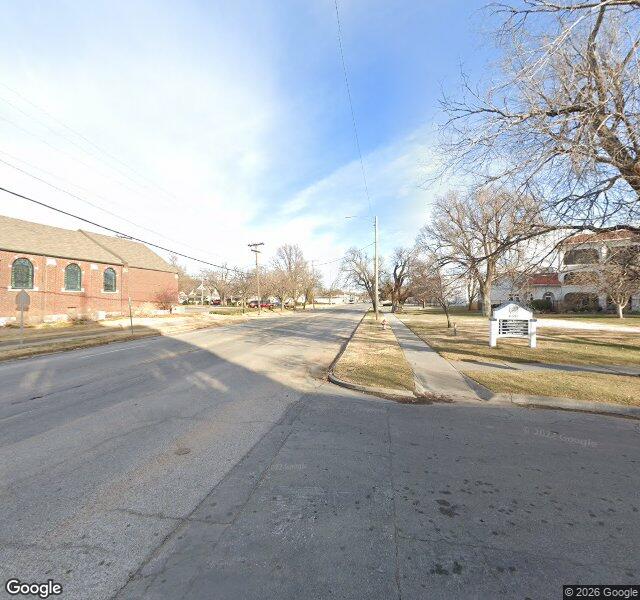
402 S Martinson Street, Wichita, KS 67213View map (opens in a new tab)
Overview and key essentials
State license
Active
KS KDADS
Google reviews
Not available
Public reviews not linked
Size & payment
Ask directly
Confirm pricing & payment
Public records for this community are limited. Use the checklist below when you call or visit to confirm pricing, services, and openings.
Cost, payment & care details
Updated Nov 28, 2026| Monthly cost | Not published | Ask for the full monthly cost, including care fees and one-time charges. |
|---|---|---|
| Payment options | Ask directly | Payment details are not confirmed in our records. Ask about private pay, long-term care insurance, veterans benefits, and Medicaid waivers. |
| Size & availability | Confirm directly | We don't publish live openings. Ask about current availability, waitlist length, and move-in timing. |
| Care & support | Assisted living | Usually offers housing and help with everyday tasks, such as bathing and dressing. What to confirm about care levelsThis describes the licensed category. Ask how care plans adjust if mobility, nursing, or memory needs change over time. Read the family care guide → |
State licensing
State inspection history
3inspections
34deficiencies listed
Nov 18, 2025Routine18 deficiencies reported18
18 deficiencies reported
View official state report (opens in a new tab)
The following represents the findings of a resurvey with attached complaints 197363, 197345, 197342, 197188, 197331, 197349, 197329, 197158, 196930, 196885, 196499, 196311, 196268, 196307, 196125, 197422, 197381, 197382, 197392, and 197377 at the above named assisted living conducted on 11/12/25, 11/13/25, 11/17/25, 11/18/25.
several times to leave her room andR 101
became increasingly upset when R101 did not leave. The resident pushed R101 down and she suffered a skin tear on her right elbow. Staff intervened and separated R101 and the other resident. The nurse assessed R101 and notified was at risk for wandering. The 03/24/25 "NSA" (most recent signed "NSA" made available to surveyors) identified facility staff provided R101 assistance with management of medications and provided scheduled treatments per physician's orders. Staff provided reminders to R101 for cognitive difficulties, encouragement to stay in common area, safety checks every two to three hours, and to observe her location in the facility for falls and elopement risk. R101 had a power of attorney (POA) for impaired decision-making. R101's "NSA" documented LN H was "responsible for the implementation and supervision of the plan." - Record review for R106 revealed an admission date of 07/12/24 with a diagnosis of Alzheimer's disease. The 01/29/25 and 07/25/25 "FCSs" identified several times to leave her room and became increasingly upset when R101 did not leave. The resident pushed R101 down and she suffered a skin tear on her right elbow. Staff intervened and separated R101 and the other several times and tried to get her to go to her own room. - Record review for R107 revealed an admission date of 09/25/24 with a diagnosis of dementia. The 03/25/25 "FCS" identified 107 required physical assistance with bathing and dressing and management of medications and treatments. She had short-term and long-term memory, memory/recall, and decision-making cognitive difficulties and was at risk for impaired vision and impaired decision-making. The 04/01/25 "NSA" (most recent signed "NSA" made available to surveyors) identified facility staff provided R107 assistance with bathing and dressing performed scheduled treatments per physician's orders. Staff escorted R107 to activities due to poor vision and she had a POA
required physical assistance withR 106
management of medications. The 01/29/25 "NSA" (most recent signed "NSA" made available to surveyors) failed to describe the services R106 received for management of medications. On 11/18/25 at 05:01 PM Administrative Nurse C confirmed R106's "NSA" made available to surveyors failed to describe the services R106 received for management of medications. - Record review for R107 revealed an admission date of 09/25/24 with a diagnosis of dementia. The 03/25/25 "FCS" identified 107 required physical assistance with management of medications and treatments. The 04/01/25 "NSA" (most recent signed "NSA" made available to surveyors) failed to describe the services she received for management of treatments. required physical assistance with bathing and management of medications and treatments. He had short-term memory, memory/recall, and decision-making cognitive difficulties and was at risk for impaired decision-making. Both "FCSs" failed to document R106 was at risk for wandering. The 01/29/25 "NSA" (most recent signed "NSA" made available to surveyors) identified facility staff provided R106 assistance with bathing and
moderateS 3085
(a) The administrator or operator of each assisted living facility or residential health care facility shall ensure the development of a written negotiated service agreement for each resident, based on the resident ' s functional capacity screening, service needs, and preferences, in collaboration with the resident or the resident ' s legal representative, the case manager, and, if agreed to by the resident or the resident ' s legal representative, the resident ' s family. The negotiated service agreement shall provide the following information: (1) A description of the services the resident will receive; (2) identification of the provider of each service; and (3) identification of each party responsible for payment if outside resources provide a service. This REQUIREMENT is not met as evidenced by: KAR 26-41-202(a)(1) The facility reported a census of 68 residents with six residents included in the sample and nine focused reviews. Based on interview and record review the operator failed to ensure the "Negotiated Service Agreements" (NSAs) for Residents (R) 101, R106 and R107 described the services they received based on their "Functional Capacity Screens" (FCSs). Findings included: - Record review for R101 revealed an admission date of 03/07/25 with a diagnosis of dementia. The 03/07/25 "FCS" (most recent made available to surveyors) failed to identify R101 was at risk for wandering and behaviors. The 03/04/25 "NSA" (most recent signed "NSA" made available to surveyors) documented in the "Elopement Risk" section R101 would receive encouragement by staff to stay in the common area. The "NSA" failed to describe services R101 received for wandering behavior when she attempted to go into other residents' rooms. The 10/08/25 at 05:00 PM "Incident Note" by Administrative Nurse D documented R101 wandered on the memory care unit and attempted to open the doors to other residents' rooms. She repeatedly opened and closed the door of a resident's room. The resident asked her family and the nurse practitioner about the incident. On 11/18/25 at approximately 04:35 PM Administrative Nurse C confirmed R101's "NSA" made available to surveyors failed to describe the services she received for wandering and disruptive behaviors. - Record review for R106 revealed an admission date of 07/12/24 with a diagnosis of Alzheimer's disease. The 01/29/25 and 07/25/25 "FCSs" identified On 11/18/25 at 05:05 PM Administrative Nurse C confirmed R107's "NSA" failed to describe the services she received for management of treatments. The 10/21/23 "Assessment and Service Plan" policy documented each resident's individualized assistance plan would contain documentation at a minimum of what and how care/services would be provided with an expected outcome. The administrator failed to ensure the "NSAs" for R101, R106 and R107 described the services they received based on their "FCSs."
was seen down on the ground in theR 115
courtyard outside of the first-floor assisted living dining area. EMS was contacted due to R115 having visible blood loss coming from the back of her head. R115 was sent to a local hospital for evaluation. Review of R115's medical records failed to locate any follow-up nursing documentation describing treatment or the condition of R115 post-fall. On 11/18/25 at 11:09 AM R115 stated she was independent with transfers and walking using a four-wheeled walker. She stated a few weeks past she went outside to the courtyard to let her
moderateS 3320
(a) The assisted living facility or residential health care facility shall be designed, constructed, equipped and maintained to protect the health and safety of residents, personnel and the public. (b) All new construction, renovation, remodeling and changes in building use in existing buildings shall comply with building and fire codes, ordinances and regulations enforced by city, county, and state jurisdictions, including the state fire marshal. (c) New construction, modifications and equipment shall conform to the following codes and standards: (1) Title III of the Americans with disabilities act, 42 U.S.C. 12181, effective as of January 26, 1992; and (2) "Food Service Sanitation Manual," health, education, and welfare (HEW) publication no. FDA 78-2081, as in effect on July 1, 1981. This REQUIREMENT is not met as evidenced by: KAR 28-39-254(a) The facility reported a census of 68 residents. Based on observation, interview and record review the administrator failed to ensure staff secured all chemicals to maintain the safety of all residents and visitors. Findings included: - Observations during initial tour on 05/21/24 at 03:41 PM revealed the following: On 11/12/25 at approximately 02:39 PM an observation of the second-floor kitchenette of the assisted living unit revealed the following unlocked chemicals: One spray bottle of ECOLAB Oasis 100 Neutral Citrus All Purpose Cleaner On 11/12/25 at approximately 02:48 PM an observation of the third-floor closet of the assisted living unit revealed the following unlocked chemicals: One 32 fluid ounce spray bottle of Resolve Urine Destroyer. On 11/12/25 at approximately 02:55 PM an observation of the third-floor kitchenette revealed: One 1.5-gallon container of ProPower Mechanical Warewash Detergent In an email correspondence dated 11/20/25 at 01:03 PM Administrative Staff B stated it was the expectation that chemicals be kept behind a locked door or cabinet. The "Housekeeping and Laundry Services" policy revised on 10/25/2023 documented, "Housekeeping and laundry supplies, equipment, and chemicals will be locked at all times when not in use and are not to be left unattended by team members." The administrator failed to ensure staff kept chemicals locked for resident and visitor safety.
moderateS 3305
(a) The administrator or operator of each assisted living facility or residential health care facility shall ensure the provision of a safe, sanitary, and comfortable environment for residents. (b) Each administrator or operator shall ensure the development of policies and implementation of procedures to prevent the spread of infections. These policies and procedures shall include the following requirements: (1) Using universal precautions to prevent the spread of blood-borne pathogens; (2) techniques to ensure that hand hygiene meets professional health care standards; (3) techniques to ensure that the laundering and handling of soiled and clean linens meet professional health care standards; (4) providing sanitary conditions for food service; (5) prohibiting any employee with a communicable disease or any infected skin lesions from coming in direct contact with any resident, any resident ' s food, or resident care equipment until the condition is no longer infectious; (6) providing orientation to new employees and employee in-service education at least annually on the control of infections in a health care setting; and (7) transferring a resident with an infectious disease to an appropriate health care facility if the administrator or operator is unable to provide the isolation precautions necessary to protect the health of other residents. This REQUIREMENT is not met as evidenced by: KAR 26-41-207(a) The facility had a census of 68 residents with 50 residents living in three separate assisted living units. Based on observation and interview the administrator failed to ensure the provision of a sanitary environment for resident, staff and visitors by not providing disposable towels for use to dry off hands after washing them. Findings included: - On 11/12/25 at approximately 02:18 PM an observation of the first-floor dining room revealed there were no disposable towels available by a sink for individuals to dry their hands after washing them. On 11/12/25 at approximately 02:18 PM Maintenance Staff E commented he never realized there were no paper towels available by the dining room sink. On 11/12/25 at approximately 02:39 PM an observation of the second-floor dining room revealed there were no disposable towels available by a sink for individuals to dry their hands after washing them. On 11/12/25 at approximately 02:55 PM an observation of the third-floor dining room revealed there were no disposable towels available by a sink for individuals to dry their hands after washing them. The administrator failed to ensure the provision of a sanitary environment for all individuals who washed their hands at sinks located on all three assisted living unit dining rooms.
moderateS 3171
Practice (i) All health care services shall be provided to residents by qualified staff in accordance with acceptable standards of practice. This REQUIREMENT is not met as evidenced by: KAR 26-41-204(i) The facility reported a census of 68 residents. Eighteen residents lived in the secured memory care unit and 50 residents lived on the assisted living side. Based on record review, observation, and interview the administrator failed to ensure the safety of six cognitively impaired wandering residents by providing pagers to direct-care staff to ensure staff were notified if an exit door was breached in the memory care unit. The administrator failed to ensure designated staff posted signs warning visitors to watch behind them and make sure no residents followed them out of the building as documented in a report to the department. The administrator also failed to ensure direct-care staff were able to meet the needs of the residents by providing pagers to all direct care staff on the assisted living side. Findings included: - The 07/17/25 "Investigation Report" to the department documented cognitively impaired Resident (R)101 was found outside of the building without supervision on 06/27/25 at approximately 07:00 PM. The corrective actions documented in the "Investigation Report" included a "stop" sign was put on the front door and a sign was posted on all exit doors warning visitors to watch behind them and make sure no residents followed them out of the building. Review of the resident roster provided by the facility during the survey revealed there were 18 residents in the memory care unit with six of them at risk for wandering. There were 50 residents on the assisted living side with 15 of them requiring physical assistance with activities of daily living (ADL's). Observation on 11/12/25 at 03:59 PM revealed the east access door to the memory care unit was electromagnetically locked and required a keypad code to exit. Observation on 11/12/25 at 04:12 PM revealed a main front entrance door was electromagnetically locked and required a keypad code to exit. The door lacked a "stop" sign and a sign warning visitors to watch behind them and make sure no residents followed them out of the building. On 11/18/25 at 08:15 AM Certified Medication Aide (CMA) F stated she and one other staff who was training worked in the memory care on 06/27/25 when R101 was found outside without supervision. Neither one of them had a pager and they did not hear an alarm. The front door beeped when someone pushed against it, but they were busy in another resident's room and did not hear the front door alarm. Observation on 11/18/25 at 10:55 AM revealed the main front entry/exit door to the memory care unit lacked a "stop" sign and a sign warning visitors to watch behind them and make sure no residents followed them out of the building. On 11/18/25 at 10:59 AM maintenance staff E stated memory care exit doors were alarmed and rang to pagers. On 11/18/25 at approximately 11:05 AM all staff in the memory care unit confirmed they did not have a pager. Observation on 11/18/25 at approximately 11:20 AM revealed maintenance staff E left the memory care unit and returned with three pagers for staff. On 11/18/25 at 11:35 AM state surveyor pushed against the main front entry/exit door. An audible alarm beeped. After approximately 15 seconds the door opened to the outside. Maintenance staff E confirmed the opened door alerted to the new pagers. On 11/18/25 at 12:13 PM CMA...
moderateS 3101
(h) Each individual involved in the development of the negotiated service agreement shall sign the agreement. The administrator or operator shall ensure that a copy of the initial agreement and any subsequent revisions are provided to the resident or the resident's legal representative. This REQUIREMENT is not met as evidenced by: KAR 26-41-202(h) The facility reported a census of 68 residents. Based on interview, and record review the administrator failed to ensure the "Negotiated Service Agreement" (NSA) for resident (R)112 was signed by all individuals involved in the development of the NSA. Findings included: - R112's medical record revealed he moved into the facility on 04/30/25 with a diagnosis of hemiplegia. The 04/30/25 NSA lacked documentation of signatures of those who developed/participated in the NSA. On 11/18/25 at 04:21 PM Administrative Nurse C confirmed R112's NSA was not signed by all individuals involved in the development of his admission NSA The "Assessment and Service Plan" policy revised 10/21/23 documented, "The...resident's individualized assistance plan...shall contain documentation of the...dated signature of the Licensed Nurse, the Director, and the resident or the resident's responsible party." The administrator failed to ensure R112's NSA was signed by all individuals involved in the development of the NSA.
moderateS 3261
Documentation of Incidents (f) (11) documentation of all incidents, symptoms, and other indications of illness or injury including the date, time of occurrence, action taken, and results of the action This REQUIREMENT is not met as evidenced by: KAR 26-41-105(f)(11) The facility reported a census of 68 residents with six residents included in the sample and nine focused reviews. Based on interview and record review the administrator failed to ensure licensed staff documented all incidents, symptoms, indications of illness or injury including the dates, times, actions taken, and results of the actions for Residents (R) 101, R107, R109, R110, and R115. Findings included: - Record review for R101 revealed an admission date of 03/07/25 with a diagnosis of dementia. The 03/07/25 "FCS" (most recent made available to surveyors) failed to identify R101 was at risk for wandering and behaviors. The 03/04/25 "NSA" (most recent signed "NSA" made available to surveyors) documented in the "Elopement Risk" section R101 would receive encouragement by staff to stay in the common area. The "NSA" failed to describe services R101 received for wandering behavior when she attempted to go into other residents' rooms. The 10/08/25 at 05:00 PM "Incident Note" by Administrative Nurse D documented R101 wandered on the memory care unit and attempted to open the doors to other residents' rooms. She repeatedly opened and closed the door of a resident's room. The resident asked resident. The nurse assessed R101 and notified her family and the nurse practitioner about the incident. The "Incident "Note" failed to document the actions and results of the actions when R101 wandered, attempted to enter other residents rooms, and refused to leave a resident's room when the resident requested which caused the resident to become upset and push R101 down which resulted in a skin tear. On 11/18/25 at approximately 04:35 PM Administrative Staff B stated staff reported in witness statements that R101's behavior became worse the last two hours of the evening shift. She rattled resident's door handles attempting to get inside their rooms. Staff attempted to redirect for impaired decision-making. The 08/05/25 at 04:31 PM "Health Status Note" documented R107 had increased confusion and fatigue which contributed to a fall in her room. Review of nursing progress notes from 04/07/25 to 08/05/25 revealed R107's record lacked evidence of documentation of a fall, indications of injury, actions taken and results of the actions when R107 fell. - Record review for R109 revealed an admission date of 02/26/25 with diagnoses of dementia and epilepsy. The 03/27/25 "FCS" identified R109 required physical assistance with management of medications and treatments, had short-term memory and memory/recall cognitive difficulties, and was at risk for falls. The 03/27/25 "NSA" identified R109 received staff assistance to manage medications and treatments. The "NSA" failed to describe the services he received to prevent injury from falls. The 06/21/25 at 10:54 AM "Health Status Note" documented R109 was observed by a hospice nurse for change of condition. Facility staff would assist with keeping him comfortable and notify hospice with any changes. The 06/23/25 at 01:03 PM "Move Out Note" documented R109 was without a pulse, respirations, and bowel sounds at 10:36 AM. Hospice was notified. Review of R109's nursing progress notes from 06/21/25 to 06/23/25 lacked evidence of documentation facility staff...
moderateS 3299
(e) Food storage. Facility staff shall store all food under safe and sanitary conditions. (1) Containers of poisonous compounds and cleaning supplies shall not be stored in the areas used for food storage, preparation, or serving. This REQUIREMENT is not met as evidenced by: KAR 26-41-206(e) The facility had a census of 68 residents. All 68 residents ate food prepared in the same kitchen. The administrator failed to ensure food items were stored under safe and sanitary conditions by ensuring food was appropriately covered and dated according to food safety guidelines. Findings included: - On 11/12/25 at approximately 02:39 PM an observation of the second-floor assisted living back kitchen revealed a large two-door refrigerator that contained an undated or labeled partially covered cookie sheet with sandwiches. There was a second uncovered, undated cookie sheet with a mound of white bread slices and partially prepared sandwich halves with lettuce and tomatoes. On 11/17/25 at approximately 10:56 AM an observation of the main dietary kitchen revealed a walk-in cooler with a plastic food storage container of cut cantaloupe that was not dated. There was a large food storage container of an unknown spread no dated or labeled. There was a large metal pot covered with plastic wrap that contained ground beef that was not dated. There were three sealed packages of beef round located on the bottom shelf with no thaw date. The attached walk-in freezer contained three large uncovered, undated and unlabeled metal bowls that contained what appeared to be a red gelatin dessert. There was a large metal steam table pan containing what appeared to be sliced sausages covered with plastic wrap but not dated or labeled. There was a large metal steam table pan which contained what appeared to be some sort of meat covered with plastic wrap was not dated or labeled. On 11/17/25 at 11:17 AM Administrative Staff B stated it was her expectation that foods be covered and dated. The "Food Storage" policy revised 10/25/2023 documented, "All food will be labeled and dated with an expiration date. Leftovers will be labeled and dated. Any foods that are potentially hazardous foods shall be used, or disposed of, within twenty-four (24) hours. Non-potentially hazardous leftovers that have been heated or cooked may be refrigerated for up to forty-eight (48) hours." The administrator failed to ensure food items were stored under safe and sanitary conditions.
moderateS 3165
(d) The negotiated service agreement shall contain a description of the health care services to be provided and the name of the licensed nurse responsible for the implementation and supervision of the plan. This REQUIREMENT is not met as evidenced by: KAR 26-41-204(d) The facility reported a census of 68 residents with six included in the sample and nine focused reviews. Based on interview and record review the administrator failed to ensure the "Negotiated Service Agreement" (NSAs) for Residents (R) 101, R106, R107, R114, and R115 named the licensed nurse responsible for implementing and supervising their "Healthcare Service Plans" (HSP). Findings included: - Record review for R101 revealed an admission date of 03/07/25 with a diagnosis of dementia. The 03/07/25 "Functional Capacity Screen " (FCS) (most recent made available to surveyors) identified R101 required physical assistance with management of medications and treatments. She had short-term and long-term memory, memory/recall, decision-making cognitive difficulties and was at risk for falls and impaired decision-making. The "FCS" failed to document provided scheduled treatments per physician's orders. Staff provided reminders to R106 for cognitive difficulties and observed his location in the facility and provided safety checks every two to three hours for elopement risk. R106 had a POA for impaired decision-making R106's "NSA" documented LN H was "responsible for the implementation and supervision of the plan." - Record review for R107 revealed an admission date of 09/25/24 with a diagnosis of dementia. The 03/25/25 "FCS" identified 107 required physical assistance with bathing and dressing and management of medications and treatments. She had short-term and long-term memory, memory/recall, and decision-making cognitive difficulties and was at risk for impaired vision and impaired decision-making. The 04/01/25 "NSA" (most recent signed "NSA" made available to surveyors) identified facility staff provided R107 assistance with bathing and dressing performed scheduled treatments per physician's orders. Staff escorted R107 to activities due to poor vision and she had a POA for impaired decision-making. R107's "NSA" documented LN H was "responsible for the implementation and supervision of the plan." On 11/19/25 at 10:32 AM in an email Administrative Staff B confirmed (LN) H terminated from employment at the facility on 08/28/25. - R114's medical record revealed she moved into the facility on 05/21/25 with a diagnosis of diabetes. The 05/21/25 FCS documented R114 required physical assistance with bathing, management of medications and management of treatments. R114's most recent signed NSA was completed on 05/21/25 and listed "Licensed Nurse" (LN) H was responsible for the implementation and supervision of the health care services. Review of R114's records failed to find a revised NSA or an addendum to the NSA that identified the current nurse responsible for the implementation and supervision of the health care services. On 11/18/25 at 04:17 PM Administrative Nurse C stated an addendum to R114's NSA was not completed to identify the current licensed nurse responsible for the implementation and supervision of the health care services plan. The administrator failed to ensure R114's NSA identified the current licensed nurse responsible for the implementation and supervision of the health care services plan. - R115's medical record revealed she moved into the facility on 07/22/24...
STATE FORM6899
6KOW11 STATE FORM 6KOW11 STATE FORM 6KOW11 STATE FORM 6KOW11 STATE FORM 6KOW11 STATE FORM 6KOW11 STATE FORM 6KOW11 STATE FORM 6KOW11 STATE FORM 6KOW11 STATE FORM 6KOW11 STATE FORM 6KOW11 STATE FORM 6KOW11 STATE FORM 6KOW11 STATE FORM 6KOW11 STATE FORM 6KOW11 STATE FORM 6KOW11 STATE FORM 6KOW11 STATE FORM 6KOW11 STATE FORM 6KOW11 STATE FORM 6KOW11 STATE FORM 6KOW11 STATE FORM 6KOW11 STATE FORM 6KOW11 STATE FORM 6KOW11 STATE FORM 6KOW11 STATE FORM 6KOW11 STATE FORM 6KOW11 STATE FORM 6KOW11 STATE FORM 6KOW11 STATE FORM 6KOW11 STATE FORM 6KOW11 STATE FORM 6KOW11 STATE FORM 6KOW11 STATE FORM 6KOW11 STATE FORM 6KOW11 STATE FORM 6KOW11
had removed her soft cast and hit her rightR 110
arm against the wall. The on-call clinician and R110's Power of Attorney (POA) were notified. Review of R110's nursing progress notes lacked evidence of documentation of any incidents, and R115.
moderateS 3092
Revisions (d) Each administrator or operator shall ensure the review and, if necessary, revision of each negotiated service agreement according to the following requirements:(1) At least once every 365 days; (2) following any significant change in condition, as defined in K.A.R. 26-39-100; (3) at least quarterly, if the resident receives assistance with eating from a paid nutrition assistant; and (4) if requested by the resident or the resident ' s legal representative, facility staff, the case manager, or, if agreed to by the resident or the resident ' s legal representative, the resident ' s family. This REQUIREMENT is not met as evidenced by: KAR 26-41-202(d)(1)(2) The facility reported a census of 68 residents. Based on interview, and record review the administrator failed to ensure the "Negotiated Service Agreement" (NSA) was revised annually for Resident (R)115 and revised after a significant change in condition for R101. Findings included: - R115's medical record revealed she moved into the facility on 07/22/24 with a diagnosis of dementia. An annual "Functional Capacity Screen" (FCS) was completed on 07/11/25. The most recent signed NSA completed for R115 was dated 12/09/24. On 11/19/25 at 03:16 PM an email response from Administrative Staff B confirmed the facility did not have a signed NSA that corresponded to the annual FCS completed on 07/17/25 for R115. The administrator failed to ensure R101's NSA was updated annually.
moderateS 3280
Preparedness (d) Each administrator or operator shall ensure disaster and emergency preparedness by ensuring the performance of the following: (1) Orientation of new employees at the time of employment to the facility ' s emergency management plan; (2) education of each resident upon admission to the facility regarding emergency procedures; (3) quarterly review of the facility ' s emergency management plan with employees and residents; and (4) an emergency drill, which shall be conducted at least annually with staff and residents. This drill shall include evacuation of the residents to a secure location. This REQUIREMENT is not met as evidenced by: KAR 26-41-104(d)(3) The facility reported a census of 68 residents. Based on interview and record review the administrator failed to provide evidence of documentation designated staff provided reviews of the facility's emergency management plan with residents and staff every quarter. Findings included: - Documentation of quarterly reviews of the facility's emergency management plan were requested which the facility failed to provide. On 11/12/25 at 04:57 PM Administrative Staff B confirmed facility lacked records documenting designated staff provided reviews of the facility's emergency management plan with staff and residents every quarter. The 10/25/23 facility's "Emergency Preparedness" policy documented team members would be trained in emergency preparedness procedures. The policy did not address timing of emergency management plan reviews or reviews of the plan with residents. The administrator failed to provide evidence of documentation designated staff provided reviews of the facility's emergency management plan with residents and staff every quarter.
moderateS 3211
DRUGS (3) A licensed nurse or medication aide may accept over-the-counter medication only in its original, unbroken manufacturer ' s package. A licensed pharmacist or licensed nurse shall place the full name of the resident on the package. If the original manufacturer ' s package of an over-the-counter medication contains a medication in a container, bottle, or tube that can be removed from the original package, the licensed pharmacist or a licensed nurse shall place the full name of the resident on both the original manufacturer ' s medication package and the medication container. This REQUIREMENT is not met as evidenced by: KAR 26-41-205 (g)(3) The facility reported a census of 68 residents. Based on observation and record review the administrator failed to ensure a licensed pharmacist or licensed nurse placed the full name of the resident on the original package of over the counter (OTC) medications. Findings included: - On 11/12/25 at 03:04 PM an observation of the third-floor medication cart revealed the following OTC medications not labeled with the full name of the resident: One bottle of Members Mark Vitamin D3 One bottle of Qunol Ultra CoQ10 One bottle of Nature Mad Iron 65 milligrams (mg.) One bottle of DG Health Extra Strength Pain Relief One bottle of Swiss Kriss Herbal Laxative Tabs One bottle of Prevagen One bottle of Good Neighbor Acidophilus One bottle of Kroger Vitamin C 500 mg. On 11/12/25 at 03:27 PM an observation of the second-floor medication cart revealed the following OTC medications not labeled with the full name of the resident: One bottle of Centrum Silver Women 50 plus One bottle of Nature's Truth Hair, Skin and Nails On 11/12/25 at 04:28 PM an observation of the Memory Care Unit medication cart revealed the following OTC medications not labeled with the full name of the resident: One container of CeraVe Moisturizing Cream Two bottles of Natural Factors Magnesium Glycinate 200 mg. One bottle of Kroger Complete Adults 50 plus One bottle Nature Made D3 One Nature Made Fish Oil One Nature Made C 1000 mg. The "Over-the-counter (OTC) Medications and Sample Medications" policy revised on 10/25/2023 documented, "OTC/Sample medications must be labeled with:..Resident name." The administrator failed to ensure all OTC medications were labeled by a pharmacist or licensed nurse with the resident's full name.
moderateS 3298
(d) Food preparation. Food shall be prepared using safe methods that conserve the nutritive value, flavor, and appearance and shall be served at the proper temperature. (1) Food used by facility staff to serve to the residents, including donated food, shall meet all applicable federal, state, and local laws and regulations. (2) Food in cans that have significant defects, including swelling, leakage, punctures, holes, fractures, pitted rust, or denting severe enough to prevent normal stacking or opening with a manual, wheel-type can opener, shall not be used. (3) Food provided by a resident ' s family or friends for individual residents shall not be required to meet federal, state, and local laws and regulations. This REQUIREMENT is not met as evidenced by: KAR 26-41-206(d) The facility had a census of 68 residents. All 68 residents ate food prepared in the same kitchen. The administrator failed to ensure food items were served at the proper temperature. Findings included: - On 11/12/25 at 02:18 PM an observation of the first-floor assisted living kitchen failed to locate food temperature logs. On 11/12/25 at 02:39 PM an observation of the second-floor assisted living kitchen failed to locate food temperature logs. On 11/12/25 at 02:48 PM an observation of the third-floor assisted living kitchen failed to locate food temperature logs. On 11/17/25 at 10:56 AM an observation of the main kitchen revealed a food temperature log for November 2025 was not completed from 11/12/25 to 11/17/25. On 11/17/25 at 11:17 AM Administrative Staff B stated dietary staff should document food temperatures before food was sent out of the kitchen and before meals were served on each unit. Review of the "Food Storage" policy revised on 10/25/2023 documented, "...Hot food must be kept at 140 degrees Fahrenheit or above during preparation and serving." The administrator failed to ensure food items were served at the proper temperature.
moderateS 3310
(b) (5) prohibiting any employee with a communicable disease or any infected skin lesions from coming in direct contact with any resident, any resident ' s food, or resident care equipment until the condition is no longer infectious; (6) providing orientation to new employees and employee in-service education at least annually on the control of infections in a health care setting; and (c) Each administrator or operator shall ensure the facility ' s compliance with the department ' s tuberculosis guidelines for adult care homes adopted by reference in K.A.R. 26-39-105 This REQUIREMENT is not met as evidenced by: KAR 26-41-207(c) The facility reported a census of 68 residents with six residents included in the sample and nine focused reviews. Based on interview and record review the administrator failed to ensure the facility remained in compliance with the department's tuberculosis (TB) guidelines for adult care homes adopted by reference in KAR 26-39-105 for two residents and one of five sampled staff. Findings included: - Review of Administrative Nurse D's employee record revealed a hire date of 09/04/25. Her record lacked evidence of documentation she completed a second-step of the two-step TB skin test and a TB symptom screen questionnaire within seven days of hire. - R112's medical record revealed he moved into the facility on 04/30/25 with a diagnosis of hemiplegia. Review of R112's medical records revealed the first step of the two-step TB skin test was administered approximately 70 days late on 07/16/25. The second step of the two-step TB skin test was administered approximately 40 days late on 09/18/25. On 11/18/25 at 04:21 PM Administrative Nurse C acknowledged R112's TB skin test was administered late. The June 2013 "Tuberculosis (TB) Guidelines for Adult Care Homes" documented, "Each new resident ...shall receive a two-step TST or an IGRA ...within 7 days of residency ...The first TST shall be read within 48-72 hours of administration. If the first TST is read as not positive, a second TST shall be administered within 1 to 3 weeks." -R114's medical record revealed she moved into the facility on 05/21/25 with a diagnosis of diabetes. Review of R114's medical records revealed the first step of the two-step TB skin test was administered approximately 49 days late on 07/16/25. The second step of the two-step TB skin test was administered approximatley 40 days late on 09/18/25. On 11/18/25 at 04:17 PM Administrative Nurse C acknowledged R114's TB skin test was administered late. The June 2013 "Tuberculosis (TB) Guidelines for Adult Care Homes" documented, "Each new resident ...shall receive a two-step TST or an IGRA ...within 7 days of residency ...The first TST shall be read within 48-72 hours of administration. If the first TST is read as not positive, a second TST shall be administered within 1 to 3 weeks." The administrator failed to ensure the compliance with the department's tuberculosis guidelines for adult care homes adopted by reference in K.A.R. 26-39-105. -R115's medical record revealed she moved into the facility on 07/22/24 with a diagnosis of dementia. Review of R115's medical records revealed the TB symptom screen questionnaire was completed on 10/11/24 which was approximately 11 months late. The first step of the TB skin test was administered on 07/23/24. The second step of the TB skin test was completed on 12/18/24 approximately 127 days late. A TB symptom screen questionnaire was not completed annually for...
May 1, 2025Routine6 deficiencies reported6
6 deficiencies reported
View official state report (opens in a new tab)
The following citations represent the findings of an abbreviated survey for complaints #195079, 195080, 194954, 194362, 194367, 193187 and 192282 of the above named facility conducted on 04/29/25, 04/30/25 and 05/01/25.
moderateS 3028
Reporting (f) (3) Each allegation of abuse, neglect, or exploitation shall be reported to the administrator or operator of the facility as soon as staff is aware of the allegation and to the department within 24 hours. The administrator or operator shall ensure that all of the following requirements are met: (A) An investigation shall be started when the administrator or operator, or the designee, receives notification of an alleged violation. (B) Immediate measures shall be taken to prevent further potential abuse, neglect, or exploitation while the investigation is in progress. (C) Each alleged violation shall be thoroughly investigated within five working days of the initial report. Results of the investigation shall be reported to the administrator or operator. (D) Appropriate corrective action shall be taken if the alleged violation is verified. (E) The department ' s complaint investigation report shall be completed and submitted to the department within five working days of the initial report. (F) A written record shall be maintained of each investigation of reported abuse, neglect, or exploitation. This REQUIREMENT is not met as evidenced by: K.A.R. 26-41-101 (f)(3)(C) The facility reported a census of 44 residents. The sample included 8 "Residents" (R)'s 1, 2, 3, 4, 5, 6, 7, and 8. Based on interview and record review the Administrator failed to ensure each allegation of abuse or neglect was reported to the Administrator as soon as the facility staff were aware of the allegation and to the department within 24 hours. The Administrator further failed to ensure each allegation was thoroughly investigated within five working days of the initial report and made sure the report was completed and submitted to the department within five working days of the initial report for R2 and R4. Findings included: - Review of the facility provided unsigned "Self Report", with an incident date of 01/25/25, revealed R2 had a laceration to the back of her head of unknown origin that staff found at 06:00 AM. This resulted in requiring R2 going to the local emergency room. R2 received 8 staples to close the laceration to the back of her head, and a "Computed Tomography" (CT) scan to rule out a "Brain Bleed". The "CT" scan was negative for brain a bleed." The "Self Report" lacked a signature of the person completing the document, a date the document was signed, the attachments of the full investigation performed and supporting documentation, nursing notes pertinent to the incident, a copy of R2's "Functional Capacity Screen, Negotiated Service Agreement, Health Service Plan, List of witnesses and notarized witness statements. Record review for R2 revealed an admission date of 09/17/24 with diagnoses of hypertensive heart disease, acute pain, anemia, and memory deficit following unspecified cerebrovascular disease. Review of R2's "Functional Capacity Screen" (FCS) dated 09/17/24 revealed R2 had impaired short term memory, impaired long term memory, impaired memory recall and impaired decision making. R2 was marked as at risk for falls and impaired decision making. Review of R2's combined "Negotiated Service Agreement (NSA)/Health Service Plan (HSP)" instructed facility staff to provide "Safety Checks" every two to three hours. Review of R2's electronic "Medical Record" revealed the following entries; On 01/23/25 at 02:27 PM and "Incident" note revealed staff alerted the nurse that upon entering R2's room to assist with getting R2 up for the day,...
moderateS 3171
Practice (i) All health care services shall be provided to residents by qualified staff in accordance with acceptable standards of practice. This REQUIREMENT is not met as evidenced by: K.A.R. 26-41-204 (i) The facility reported a census of 44 residents. The sample included 8 "Residents'" (R)'s. Based on record review and interview the administrator failed to ensure the health care services provided to all residents was provided within acceptable standards of practice for the acknowledged training the "Certified Medication Aides" (CMA)'s would receive when they newly hired, and the administrator further failed to ensure the CMA's continued training as was stated in the facility resident hand book. Findings included: - Record review of the facility provided policy titled "On - Boarding and Introductory Employment Period" dated 10/25/23 revealed under the heading titled "Procedure" the following: "(3) Skills checklists and competency demonstration" and (b) Medication Pass. Review of the facility provided undated "Assisted Living and Memory Care Resident Handbook" revealed on page nine, under the "Pharmacy Services Section" the following would be provided: "In-service training for staff, to minimize the risk of potential errors". Interview on 05/01/25 at 01:50 PM with Administrator C, LN A and Director of Clinical Services G confirmed LN A lacked documentation of initial training of the CMA's upon hire, and she further confirmed there had been no in-services related to medication training provided to the CMA's. The administrator failed to ensure the health care services provided to all residents was provided within acceptable standards of practice for the acknowledged training the "Certified Medication Aides" (CMA)'s would receive when they newly hired, and the administrator further failed to ensure the CMA's continued training as was stated in the facility resident handbook.
immediate_jeopardyS 3026
ANE (f)The administrator or operator shall ensure that all of the following requirements are met: (1) No resident shall be subjected to any of the following: (A) Verbal, mental, sexual, or physical abuse, including corporal punishment and involuntary seclusion; (B) neglect; or (C) exploitation. This REQUIREMENT is not met as evidenced by: K.A.R. 26-41-101 (f) (1) (B) The facility reported a census of 44 residents. 20 Residents (R)s resided is a secured specialty unit. Based on observation, interview, and record review the Administrator failed to provide sufficient staffing services to R1, placing her in immediate jeopardy. R1 left a secured unit without staff knowledge when another resident experienced a medical emergency. The one staff member available attended to all 20 residents in the unit at the time and could not provide services to R1 who had a known elopement risk. R1 was away from the facility for approximately 83 minutes before being returned to the facility by a local police officer. R1 was found approximately 0.5 miles from the facility and had to cross at least two major city streets that were very heavily trafficked with posted speed limit of 35 miles per hour. Findings included: - Record review of the facility provided "Resident Roster" revealed seven out of twenty residents required physical assistance with "Activities of Daily Living" (ADLs) and one resident required two staff for assistance. Record review for R1 revealed an admission date of 03/07/25 with diagnoses of malignant neoplasm of unspecified breast, asthma, presenile dementia, and Alzheimer's disease. Review of R1's "Functional Capacity Screen" (FCS) dated 03/07/25 revealed R1 required supervision with bathing, dressing, and walking. She lacked the ability to manage her own medications and had impaired short-term memory, impaired long-term memory, impaired memory recall and impaired decision making. R1 was identified as being at risk for falls and having impaired decision making. R1's FCS did not identify R1 at risk for wandering. Review of R1's combined "Negotiated Service Agreement (NSA)/Health Service Plan (HSP)" revealed under the section titled "Safety" under the "Interventions" column it instructed facility staff to provide "Safety Check: Every 2-3 hours". Under the section titled "Elopement Risk" under the "Interventions" column it was instructed facility staff to "Observe location in the community. Staff to encourage resident to be in common area". Review of R1's electronic "Medical Record" under the "Forms" tab revealed the facility's "Level of Care" assessment dated 03/07/25. Under the section titled "Safety and Risk" it identified R1 as at risk for elopement. Review of R1's electronic "Medical Record" under the "Forms" tab revealed an "Elopement Risk Screening " dated 03/07/25, that scored "30", and identified the resident as "At risk for elopement". Review of R1's electronic "Medical Record" under the "Forms" tab revealed a "Brief Interview for Mental Status " (BIMS) dated 03/07/25, with a score of 2 indicating the resident had severe cognitive impairment. Record review of R1's electronic "Medical Record" under the "Progress Notes" tab revealed the following entries: On 03/07/25 at 10:26 AM "Move -In Note", R1 arrived at the community accompanied by her "Durable Power of Attorney" (DPOA). R1 was alert to "person but not time". R1 was able to ambulate independently and make her wants and needs known. R1 needed cueing during later parts of the...
moderateS 3200
Medications (d) Facility administration of resident ' s medications. If a facility is responsible for the administration of a resident ' s medications, the administrator or operator shall ensure that all medications and biologicals are administered to that resident in accordance with a medical care provider ' s written order, professional standards of practice, and each manufacturer ' s recommendations. The administrator or operator shall ensure that all of the following are met: (1) Only licensed nurses and medication aides shall administer and manage medications for which the facility has responsibility. (2) Medication aides shall not administer medication through the parenteral route. This REQUIREMENT is not met as evidenced by: K.A.R. 26-41-205 (d) The facility reported a census of 44 residents. The sample included 8 "Residents'" (R)'s. Based on record review and interview the administrator failed to ensure the medications managed by the facility were administered to the residents in accordance with a medical care providers written order and professional standards of practice for R5. Findings included: - Record review for R5 revealed an admission date of 06/27/24 with diagnoses of unspecified dementia, major depressive disorder, hypertension, unspecified atrial fibrillation, and anxiety disorder. Review of R5's "Functional Capacity Screen" dated 06/27/24 revealed R5 required physical assistance with bathing and toileting. R5 required supervision with dressing and was independent with transferring, walking, and eating. R5 lacked the ability to manage her own medications and was frequently incontinent. R5 had impaired short term memory, impaired long term memory, impaired memory/recall, and impaired decision making. R5 was able to make herself understood and she understood others. R5 was marked at risk for falls and impaired decision making. R5 used a walker mobility device. Review of R5's combined "Negotiated Service Agreement (NSA)/Health Service Plan (HSP)" revealed R5 required "Assistance for: medication administration, ordering of medications and communication with the pharmacy". Review of R5's electronic "Medical Record" under the "Progress Notes" tab revealed the following entry: On 11/16/24 at 07:35 PM an "Incident Note" of the nurse being notified by the facility staff that R5 was given Xanax 0.25 "milligrams" (mg) instead of Lorazepam 0.5 mg. R5's medical provider was notified and gave the order to hold the lorazepam for one hour and that if R5 was still restless then the Lorazepam could be given as ordered. Record reviw of the facility policy titled "Medication Administration" dated 05/11/23 revealed the following statement; "of missed medications or medication errors shall be documented on the Medication Error Report and "All incidents given to the Resident Care Director for review." Interview on 05/01/25 at 01:50 PM with Administrator C, LN A and Director of Clinical Services G confirmed R5's electronic record lacked documentation of an investigation into the documented medication administration error. The administrator failed to ensure the medications managed by the facility were administered to the residents in accordance with a medical care providers written order and professional standards of practice.
moderateS 3261
Documentation of Incidents (f) (11) documentation of all incidents, symptoms, and other indications of illness or injury including the date, time of occurrence, action taken, and results of the action This REQUIREMENT is not met as evidenced by: K.A.R. 26-41-105 (f) (11) The facility reported a census of 44 residents. The sample included 8 "Residents" (R)'s 1, 2, 3, 4, 5, 6, 7, and 8. Based on interview and record review the Administrator failed to ensure each resident contained documentation of all incidents, symptoms, and other indications of illness or injury including the date, time occurrence, action taken and results of the action for R2. Findings included: - Record review for R2 revealed an admission date of 09/17/24 with diagnoses of hypertensive heart disease, acute pain, anemia, and memory deficit following unspecified cerebrovascular disease. Review of R2's "Functional Capacity Screen" (FCS) dated 09/17/24 revealed R2 had impaired short term memory, impaired long term memory, impaired memory recall and impaired decision making. R2 was marked as at risk for falls and impaired decision making. Review of R2's combined "Negotiated Service Agreement (NSA)/Health Service Plan (HSP)" instructed facility staff to provide "Safety Checks" every two to three hours. Review of R2's electronic "Medical Record" revealed the following entries; On 01/23/25 at 02:27 PM and "Incident" note revealed staff alerted the nurse that upon entering R2's room to assist with getting R2 up for the day, staff reported that R2 was lying in bed and when R2 got up staff observed blood on R2's pillow. Staff then determined R2 had blood coming from the back of her head. R2 did not know the cause of the bleeding. The nurse notified R2's family who transported R2 to the local emergency room for treatment. The note lacked documentation of actions taken to protect R2 upon returning from the local emergency room after the treatment of the laceration to the back of her head. Interview on 05/01/25 at approximately 01:50 PM with Administrator C, LN A and Director of Clinical Services G confirmed R2's electronic record lacked documentation of results of the actions upon her return from the hospital after receiving staples for a laceration to the back of her head. The Administrator failed to ensure each resident contained documentation of all incidents, symptoms, and other indications of illness or injury including the date, time occurrence, action taken and results of the action for R2.
STATE FORM6899
FU5O11 STATE FORM FU5O11 STATE FORM FU5O11 STATE FORM FU5O11 STATE FORM FU5O11 STATE FORM FU5O11 STATE FORM FU5O11 STATE FORM FU5O11 STATE FORM FU5O11 STATE FORM FU5O11 STATE FORM FU5O11 STATE FORM FU5O11 STATE FORM FU5O11 STATE FORM FU5O11 STATE FORM FU5O11 STATE FORM FU5O11 STATE FORM FU5O11 STATE FORM FU5O11 STATE FORM FU5O11 STATE FORM FU5O11 STATE FORM FU5O11
Oct 28, 2024Routine10 deficiencies reported10
10 deficiencies reported
View official state report (opens in a new tab)
The following citations represent the findings of an initial certification survey with a complaint #189585 at the above named Assisted Living conducted on 10/22/24 and 10/28/24.
KAR 26-41-207(b)(4)3305
The facility had a census of 31 residents. The memory care unit had 15 residents that ate food served from the same kitchen. The operator failed to ensure sanitary conditions for food service by not ensuring hot water temperature and chemical strengths were documented daily. Findings included:
moderateS 3085
(a) The administrator or operator of each assisted living facility or residential health care facility shall ensure the development of a written negotiated service agreement for each resident, based on the resident ' s functional capacity screening, service needs, and preferences, in collaboration with the resident or the resident ' s legal representative, the case manager, and, if agreed to by the resident or the resident ' s legal representative, the resident ' s family. The negotiated service agreement shall provide the following information: (1) A description of the services the resident will receive; (2) identification of the provider of each service; and (3) identification of each party responsible for payment if outside resources provide a service. This REQUIREMENT is not met as evidenced by: KAR 26-41-202(a)(1) The facility reported a census of 31 residents with three residents included in the sample. Based on observation, interview, and record review the operator failed to ensure the "Negotiated Service Agreement/Healthcare Service Plan" (NSA/HCSP) was fully developed based on the resident's "Functional Capacity Screen" (FCS), service needs, and preferences for resident (R)101 and R103. Findings included: - R101's medical record revealed she moved into the facility on 07/16/24 with a diagnosis of dementia. The 07/16/24 FCS identified R101 was required physical assistance from staff for the management of medications and treatments. The 07/16/24 NSA/HCSP did not address what services they provided R101 for management of medications and treatments. An observation on 10/28/24 at 02:00 PM revealed hearing. The 06/26/24 NSA/HCSP did not address what services staff provided R103 concerning management of treatments, her impaired hearing or falls. The NSA did not address the use of bilateral bed assist devices. On 10/28/24 at 12:50 PM R103 rested in bed was alert and oriented but very hard of hearing and could not understand what staff said to her. Staff had to talk very loud and very close to R103 but she was still unable to understand what was being said so staff used a laptop computer to type out communications with R103. There were bilateral bed assist devices properly attached to R103's bed. On 10/28/24 at 12:27 PM Administrative Nurse B stated there was nothing on R103's NSA/HCSP that identified what services staff provided for management of treatments, impaired hearing, falls and did not address the use of bed assist devices. The operator failed to ensure R103's NSA/HCSP was fully developed to include all items that triggered on the FCS, her service needs, and preferences.
KAR 26-41-204(a)3155
The facility reported a census of 31 residents. The sample included three residents. Based on observation, interview and record review the operator failed to ensure a licensed nurse provided or coordinated the provision of necessary health care services to meet the needs for one of three sampled residents evidenced by the failure to complete and document an assessment for the purpose to use bed rails, ability to use bed rails safely without risk of entrapment, and to confirm the bed rails were not a restraint for resident (R)103. Findings included: - R103's medical record revealed she moved into the facility on 06/26/24 with a diagnosis of muscle weakness. The 06/26/24 "Functional Capacity Screen" (FCS) documented R103 required supervision from staff with transfers and was independent with walking/mobility. The 06/26/24 "Negotiated Service Agreement/Healthcare Service Plan" (NSA/HCSP) documented R103 was independent with transfers and walking but did not address the use of bilateral bed assist devices. Review of R103's medical records failed to locate an assessment for the use of a bed assist device.
moderateS 3305
(a) The administrator or operator of each assisted living facility or residential health care facility shall ensure the provision of a safe, sanitary, and comfortable environment for residents. (b) Each administrator or operator shall ensure the development of policies and implementation of procedures to prevent the spread of infections. These policies and procedures shall include the following requirements: (1) Using universal precautions to prevent the spread of blood-borne pathogens; (2) techniques to ensure that hand hygiene meets professional health care standards; (3) techniques to ensure that the laundering and handling of soiled and clean linens meet professional health care standards; (4) providing sanitary conditions for food service; (5) prohibiting any employee with a communicable disease or any infected skin lesions from coming in direct contact with any resident, any resident ' s food, or resident care equipment until the condition is no longer infectious; (6) providing orientation to new employees and employee in-service education at least annually on the control of infections in a health care setting; and (7) transferring a resident with an infectious disease to an appropriate health care facility if the administrator or operator is unable to provide the isolation precautions necessary to protect the health of other residents. This REQUIREMENT is not met as evidenced by: - Observation of the memory care unit kitchen on 10/22/24 at 02:30 PM revealed there was a dishwasher staff used to wash dishes but there was no log that documented hot water or chemical strength for sanitization. On 10/22/24 at approximately 03:30 PM Dining Services Director C stated the memory care unit dishwasher utilized a high heat water temperature dishwashing unit and dietary staff logged the temperatures but he was unable to locate the hot water temperature log for the memory care dishwasher. The "Environmental Standards Cleanliness and Sanitation" policy dated 10/25/23 documented, "To minimize the potential for transmission of food borne illness, team members will be familiar with the food services sanitation program described herein...Sanitary dishwashing procedures and techniques must be followed." The operator failed to ensure sanitary conditions in the kitchen by failing to ensure documentation of hot water and chemical sanitizer strength was logged daily.
STATE FORM6899
L27V11 STATE FORM L27V11 STATE FORM L27V11 STATE FORM L27V11 STATE FORM L27V11 STATE FORM L27V11 STATE FORM L27V11 STATE FORM L27V11 STATE FORM L27V11 STATE FORM L27V11 STATE FORM L27V11 STATE FORM L27V11
moderateS 3261
Documentation of Incidents (f) (11) documentation of all incidents, symptoms, and other indications of illness or injury including the date, time of occurrence, action taken, and results of the action This REQUIREMENT is not met as evidenced by: KAR 26-41-105(f)(11) The facility reported a census of 31 residents. The sample included three residents. Based on observation, interview and record review the operator failed to ensure resident (R)101's record contained documentation of all incidents, symptoms, and other indications of illness or injury. Findings included: - R101's medical record revealed she moved into the facility on 07/16/24 with a diagnosis of dementia. The 07/16/24 "Functional Capacity Screen" (FCS) documented R101 was independent with transfers and mobility. The 07/16/24 "Negotiated Service Agreement/Healthcare Service Plan" (NSAHCSP) documented staff monitored R101's location in the community. Review of R101's medical record and progress notes included the following documentation: The 07/25/24 "Communication- with Family/NOK/POA" note documented staff contacted R101's "Durable Power of Attorney" (DPOA) about an elopement incident involving R101. R101's medical record lacked any additional information regarding her having exited the facility, how staff responded or what interventions were put into place as a result of this incident. On 10/28/24 at 02:24 PM Administrative Staff A acknowledged R101's medical records lacked information describing the elopement incident. The operator failed to ensure designated staff included documentation of all incidents including the date, time of occurrence, action taken, and results of the action.
moderateS 3092
Revisions (d) Each administrator or operator shall ensure the review and, if necessary, revision of each negotiated service agreement according to the following requirements:(1) At least once every 365 days; (2) following any significant change in condition, as defined in K.A.R. 26-39-100; (3) at least quarterly, if the resident receives assistance with eating from a paid nutrition assistant; and (4) if requested by the resident or the resident ' s legal representative, facility staff, the case manager, or, if agreed to by the resident or the resident ' s legal representative, the resident ' s family. This REQUIREMENT is not met as evidenced by: KAR 26-41-202(d)(4) The facility reported a census of 31 residents. The sample included three residents. Based on interview, observation, and record review the operator failed to ensure designated staff revised a "Negotiated Service Agreement/Healthcare Service Plan" (NSA/HCSP) when R103 received services from an outside provider for physical therapy (PT) and occupational therapy (OT). Findings included: - R103's medical record revealed she moved into the facility on 06/26/24 with a diagnosis of muscle weakness. The most current NSA/HCSP available in R103's medical records was dated 06/26/24 with no subsequent addendums to the NSA located in her medical chart. Review of R103's medical record revealed a physician order dated 07/02/24 for PT/OT evaluation. This was noted in the NSA/HCSP but there was not an addendum completed for this service identifying services to be provided, who was going to provide the services and who was responsible for payment of these services. An addendum was not completed when R103 was discharged from these services. Review of R103's medical record revealed an order dated 10/03/24 for PT/OT for transfer and bed mobility. Access for bed mobility device. No addendum R103's NSA/HCSP was completed to show R103 received PT and OT services, who provided these services and who was responsible for payment of these services. On 10/28/24 at 12:27 PM Administrative Nurse B stated there was no addendum to the NSA/HCSP completed for PT/OT services received from an outside provider started 07/24, when she completed these services and again when R103 started PT/OT services ordered 10/24. The operator failed to ensure designated staff revised the NSA/HCSP to identify services provided by an outside provider for PT/OT services.
moderateS 3165
(d) The negotiated service agreement shall contain a description of the health care services to be provided and the name of the licensed nurse responsible for the implementation and supervision of the plan. This REQUIREMENT is not met as evidenced by: KAR 26-41-204(d) The facility reported a census of 31 residents with three residents included in the sample. Based on interview and record review the operator failed to ensure the "Negotiated Service Agreement/Healthcare Service Plan" (NSA/HCSP) identified the licensed nurse responsible for the implementation and supervision of the health care services plan for resident (R)101 and R103. Findings included: - R101's medical record revealed she moved into the facility on 07/16/24 with a diagnosis of dementia. R101's most recent NSA/HCSP was completed on 07/16/24 and did not identify the nurse responsible for the implementation and supervision of the health care services plan. On 10/28/24 at 01:14 PM Administrative Nurse B acknowledged R101's NSA/HCSP did not identify the nurse responsible for the implementation and supervision of the care plan. The operator failed to ensure R101's NSA/HCSP identified the licensed nurse responsible for the implementation and supervision of the health care services plan. - R103's medical record revealed she moved into the facility on 06/26/24 with diagnoses of diabetes mellitus and muscle weakness. R103's most recent NSA/HCSP was completed on 06/26/24 and listed Licensed Nurse (LN) D as the nurse responsible for the implementation and supervision of the health care services plan. LN D no longer worked at the facility and the NSA/HCSP was not updated to include the current nurse responsible for the implementation and supervision of the health care services plan. On 10/28/24 at 12:27 PM Administrative Nurse B stated R103's NSA/HCSP was not updated to identify that she was the nurse responsible for the implementation and supervision of the care plan. The operator failed to ensure R103's NSA/HCSP identified the licensed nurse responsible for the implementation and supervision of the health care services plan.
visited with a family member. She was alertR 101
but not oriented and appeared to be pleasantly confused. On 10/28/24 at 01:14 PM Administrative Nurse B stated R101's NSA/HCSP did not address what services staff provided for medication and treatment management. The operator failed to ensure R101's NSA/HCSP was fully developed to include all items that triggered on the FCS, her service needs, and preferences. - R103's medical record revealed she moved into the facility on 06/26/24 with diagnoses of diabetes mellitus and muscle weakness. The 06/26/24 FCS identified R103 required physical assistance with medical treatment management and triggered for falls and impaired
moderateS 3155
. (a) The administrator or operator in each assisted living facility or residential health care facility shall ensure that a licensed nurse provides or coordinates the provision of necessary health care services that meet the needs of each resident and are in accordance with the functional capacity screening and the negotiated service agreement. This REQUIREMENT is not met as evidenced by: An observation on 10/28/24 at 12:50 PM revealed there were bilateral bed assist devices properly attached to R103's bed. On 10/28/24 at 12:27 PM Administrative Nurse B stated there was no assessment completed for R103's use of a bed assist device. The operator failed to ensure a licensed nurse provided or coordinated the provision of necessary health care services to meet the needs for R103 regarding the use of a bed assistive device.
Neighborhood & resident support
Emergency access, hazards & advocacy
Nearest hospital
Wesley Medical Center
3.3 mi · Wichita, KS · Medicare 4/5 ★
Emergency roomTrauma Level I
FEMA hazard risk
Relatively HighSedgwick County, KS
- Ice Storm
- Cold Wave
- Tornado
Free resident advocacy
Kansas Office of the State Long-Term Care Ombudsman
More neighborhood context (specialists, VA, dialysis, air & affordability)
VA & dialysis access
Wichita VA Medical Center
4.4 mi · Wichita, KS · VA 5/5 ★
DaVita Air Capital Dialysis
1.0 mi · 1/5 ★
Specialists within 15 mi
- Geriatricians
- 2
- Neurologists
- 24
- Palliative care
- 7
- PM&R rehab
- 13
Environment & mobility
- EPA Air (2025)
- 58% good days · AQI 48
- EPA Walkability
- 10.2/20 (Below Average)
- USDA Grocery Access
- Moderate Grocery Access
- Primary care access
- HRSA Shortage Area
County demographics
- Age 65+ median income
- $54,659/yr
- Rent-burdened households
- 44%
- Cognitive disability (2023)
- 15.3%
- Mobility disability
- 13.0%
Call & tour checklist
Questions to ask Oxford Vista Senior Living
Check off questions as you call or tour. Your progress stays private in this browser.
Show 3 more suggested questions
Verification & public records
Official records & sources
Licensing & contact
- License #
- N087088
- Status
- active
- Phone
- (316) 613-3570
- Federal OIG LEIE
- Clear (2026-11-27)
Operator & ownership
- Operator
- Oxford Vista Senior Living LLC
Original public sources
Verify licensing, ratings, and inspection reports directly with each official source.
- KS KDADS official record (opens in a new tab)Kansas Dept. for Aging & Disability Services
- Google Maps (opens in a new tab)Directions, photos & neighborhood
- Google Reviews (opens in a new tab)Read public reviews
EveryPlace is an independent research directory. Information is compiled from public Medicare.gov, state licensing, Google Places, and street-level imagery sources. Some summaries, suggested questions, and pricing notes are AI-generated or AI-assisted and may contain errors or omissions. We do not accept payment for placement. Confirm all details directly with the community and official sources. Research Policy.
Keep exploring
Nearby communities to compare
- Cap. 226HUD Senior Housing< 1 miWichita Rad Senior (rad)Wichita, KS
- Medicare 1/5Cap. 17Dialysis Center< 1 miDavita Air Capital DialysisWichita, KS
- MedicaidHospice Care1.2 miCompassus WichitaWichita, KS
- Medicare 4/5Home Health1.2 miAscension at HomeWichita, KS
- Medicare 4/5MedicaidHospice Care1.2 miHarry Hynes Memorial HospiceWichita, KS
- Medicare 4/5MedicaidHospice Care1.2 miRivercross Hospice LLCWichita, KS