Loading EveryPlace content…
Nursing HomeActive license
Oasis Pavilion Nursing & Rehabilitation Center
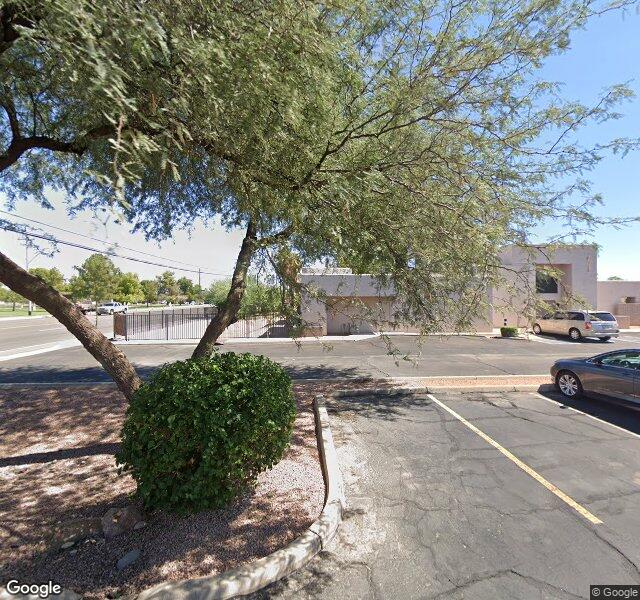
161 West Rodeo Road Suite 1, Casa Grande, AZ 85122View map (opens in a new tab)
Overview and key essentials
Medicare overall
4/ 5 stars
Inspections 4/5Staffing 3/5
Size & payment
134 beds
Medicaid & Medicare listed
Strong public signals
Rated 4/5 overall by Medicare. Reports ~26 RN min/resident daily. Check individual staffing and inspection scores before touring.
Families praise: Exceptional physical and occupational therapy teams
Worth asking: Inconsistent nursing care and medication management (mentioned by 6 reviewers)
Cost, payment & care details
Updated Nov 28, 2026| Health inspections | 4 / 5 | Medicare component rating |
|---|---|---|
| Quality measures | 4 / 5 | Medicare component rating |
| Staffing rating | 3 / 5 | Medicare component rating |
| Monthly cost | Not published | Ask for the full monthly cost, including care fees and one-time charges. |
| Payment options | MedicaidMedicare | Participation is reported in our source data. Confirm eligibility, covered services, and any private-pay costs. Medicare participation generally covers short-term rehabilitation, not long-term custodial stays. |
| Size & availability | 134 beds | We don't publish live openings. Ask about current availability, waitlist length, and move-in timing. Resident councilAutomatic sprinklers |
| Care & support | Nursing home | Provides nursing care and help with daily activities. Some offer short-term rehabilitation. What to confirm about care levelsThis describes the licensed category. Ask how care plans adjust if mobility, nursing, or memory needs change over time. Read the family care guide → |
Safety screening & compliance
Fire safety, federal screening & immunization
HHS OIG LEIE: Clear (2026-11-27)OIG database ↗ (opens in a new tab)
Fire safety inspections (K-tags)
Last survey 2022-11-173-year citations
0
1 total
Severe harm (G–L)
0
None cited
Sprinkler & alarm
0
Suppression tags
Exits & drills
0
Egress tags
Top areas:Gas, Vacuum, and Electrical Systems Deficiencies (1)
AZ nursing home vaccination benchmarks (CDC NHSN)
Statewide benchmark (week ending 2026-03-29). Confirm this home's own rate on your tour.
Flu
38%
US 59%
COVID-19
22%
US 36%
RSV
13%
US 24%
Public Google reviews
What families say
Families considering Oasis Pavilion should be aware of a significant divide between the highly praised rehabilitation therapy team and serious concerns regarding nursing care and facility cleanliness. While many patients report excellent progress in physical therapy, multiple reviewers have documented critical issues including medication errors, hygiene neglect, and difficulty contacting the facility by phone.
What families praise
- Exceptional physical and occupational therapy teams
- Kind and professional rehabilitation staff
- Friendly and helpful dietary/cafeterion staff
- Positive environment for short-term recovery
Concerns to ask about
- Inconsistent nursing care and medication management (mentioned by 6 reviewers)
- Difficulty reaching the facility via telephone (mentioned by 5 reviewers)
- Issues with cleanliness and hygiene (e.g., pests, soiled linens) (mentioned by 4 reviewers)
- Understaffing leading to slow response to call lights (mentioned by 3 reviewers)
Topics families mention
0–10 review sentiment · tap to readStaff warmth & care3.0
Therapy staff receive consistent praise, but nursing and aide staff are frequently criticized for being rude or neglectful.
Communication1.0
A recurring and severe complaint is the inability to reach staff or receive callbacks via phone.
Cleanliness2.0
Multiple reports of cockroaches, dirty bathrooms, and unbathed residents contrast with a few mentions of a clean facility.
Food & dining4.0
Opinions are polarized, with some praising the hot meals and others calling the food unfit for consumption.
Daily activities7.0
Several long-term residents mention enjoying the activities and performers.
Medication support1.0
Multiple reviewers reported missed doses, incorrect medications, or delays in receiving pain relief.
Star breakdown
115 analyzed5 stars44 (38%)
4 stars5 (4%)
3 stars5 (4%)
2 stars5 (4%)
1 star56 (49%)
Mixed experiences: Both 5-star praise and 1–2 star warnings appear regularly.
Federal rating trajectory
Recent rating, staffing & turnover trends
Month-by-month Medicare Care Compare trajectory across 7 federal releases (Mar '26 – Oct '26), showing whether star ratings, staffing hours, and turnover are improving or declining.
Overall star rating
4★+2★
Was 2★ in Mar '26
Staffing star rating
3★Steady
Was 3★ in Mar '26
Total nurse hrs / day
3.12h-0.10h
Was 3.22h in Mar '26
Total staff turnover
44.7%+5.6%
Was 39.1% in Mar '26
View 7-month federal snapshot history (Mar '26 – Oct '26)
| Release | Overall | Health | Staffing | Nurse hrs/day | RN hrs/day | Turnover | Penalties |
|---|---|---|---|---|---|---|---|
| Oct '26 | 4★ | 4★ | 3★ | 3.12h | 0.43h | 44.7% | 0 |
| Aug '26 | 4★ | 4★ | 3★ | 3.30h | 0.51h | 41.6% | 2 |
| Jul '26 | 4★ | 4★ | 3★ | 3.30h | 0.51h | 41.6% | 3 |
| Jun '26 | 4★ | 4★ | 3★ | 3.23h | 0.55h | 41.1% | 3 |
| May '26 | 4★ | 4★ | 3★ | 3.23h | 0.55h | 41.1% | 3 |
| Apr '26 | 4★ | 4★ | 3★ | 3.23h | 0.55h | 41.1% | 3 |
| Mar '26 | 2★ | 2★ | 3★ | 3.22h | 0.52h | 39.1% | 3 |
Nursing coverage
Staffing & nurse time
Medicare reports daily staffing as average hours per resident across all shifts. Ask how coverage changes overnight and on weekends.
Registered nurses (RN)
~26 min / resident / day
0.43 hrs / day
Reference target: 0.75 hrs (~45 min)
All nursing staff (RNs, LPNs & aides)
~3 hrs 7 min / resident / day
3.12 hrs / day
Reference target: 4.10 hrs (~4 hrs 6 min)
Annual staff turnover
Share of nursing staff who left during the reporting year.
45%Moderate
Registered nurse (RN) turnover
Share of registered nurses who left during the reporting year.
30%More stable
Daily payroll stability (CMS PBJ)
2026Q2 · 91 reported daysWeekend staffing change
−12.4%
3.23 wkday → 2.83 wkend hrs
Agency / contract nurses
0.0%
Share of total nursing hours
Days with zero RN hours
0 / 91 days
RN logged every reported day
About staffing reference targets
EveryPlace uses comparison reference points of 0.75 registered-nurse hours and 4.1 total nursing hours per resident per day. These are research comparison guides, not current federal minimum requirements.
Medicare claims & readmissions
Hospital readmissions & resident profile
Medicare readmissions (FY 2026)
Penalty (-1.41%)30-day readmission
23.0%
Infection rate
7.1%
VBP score
30.3/100
National rank
#7,241
Resident clinical mix (2024)
119 patientsDementia share
29%
Medicaid dual
35%
Avg Medicare pay
$12,341
Avg age / acuity
Age 75
Chronic conditions treated (5)
- Alzheimer's / dementia: 29%
- Stroke / TIA: 27%
- Heart failure: 49%
- Diabetes: 55%
- Chronic kidney disease: 54%
Financial & ownership transparency
Ownership, chain record & Medicare cost report
Ownership & corporate structure
for profitNo PE / REIT disclosed
Medicare cost report (FY2024)
Revenue: $11.7MCost / day
$69
Net margin
+91.2%
Resident day payer mixShare of total inpatient days
Medicaid 0%Medicare 8%Private & other 92%
Clinical outcomes
Care quality measures
17 Medicare outcomes compared with national, state, and local averages · Medicare quality rating 4/5
| Measure | Here | US | AZ | Compared with averages |
|---|---|---|---|---|
| Residents with depression symptomsLower is betterVaries widely based on how each facility screens and codes depressive symptoms. | Here 0.0% | US 13.5% | AZ 3.7% | Better than avg |
| Residents on anti-anxiety or sleep medicationLower is better | Here 8.1% | US 19.5% | AZ 21.4% | Better than avg |
| Residents whose walking got worseLower is better | Here 3.7% | US 12.7% | AZ 11.7% | Better than avg |
| Measure | Here | US | AZ | Compared with averages |
|---|---|---|---|---|
| Short-stay residents vaccinated for pneumoniaHigher is better | Here 99.5% | US 82.3% | AZ 92.6% | Better than avg |
| Short-stay residents vaccinated for the fluHigher is better | Here 89.6% | US 80.1% | AZ 87.9% | Better than avg |
| Short-stay residents newly given antipsychoticsLower is better | Here 1.4% | US 1.5% | AZ 1.1% | Mixed vs avg |
Show all 17 measures
| Measure | Here | US | AZ | Compared with averages |
|---|---|---|---|---|
| Residents whose bladder or bowel control got worseLower is better | Here 11.5% | US 18.3% | AZ 20.3% | Better than avg |
| Residents needing more daily help over timeLower is better | Here 5.0% | US 13.5% | AZ 10.6% | Better than avg |
| Residents vaccinated for pneumoniaHigher is better | Here 100.0% | US 93.7% | AZ 96.8% | Better than avg |
| Residents on antipsychotic medicationLower is better | Here 10.7% | US 15.4% | AZ 10.6% | Better than avg |
| Residents with pressure sores (bedsores)Lower is better | Here 8.9% | US 4.5% | AZ 4.3% | Worse than avg |
| Residents who fell and were seriously hurtLower is better | Here 0.4% | US 3.2% | AZ 2.3% | Better than avg |
| Residents who lost too much weightLower is better | Here 7.8% | US 5.1% | AZ 5.4% | Worse than avg |
| Residents vaccinated for the fluHigher is better | Here 96.9% | US 95.3% | AZ 94.7% | Better than avg |
| Residents with a long-term catheterLower is better | Here 1.4% | US 0.7% | AZ 0.7% | Worse than avg |
| Residents who got a urinary tract infectionLower is better | Here 1.6% | US 1.5% | AZ 1.2% | Worse than avg |
| Residents who were physically restrainedLower is better | Here 0.0% | US 0.1% | AZ 0.3% | Better than avg |
Federal oversight
Medicare inspection history
36findings (3-yr lookback)
11complaint-triggered
Families have filed complaints triggering 10 of 44 deficiencies across 8 surveys, indicating ongoing concerns about care quality, resident protection from abuse and neglect, and medical record management. The facility has repeatedly struggled with pressure ulcer prevention, care planning, and maintaining professional quality standards, with some issues persisting across multiple years. All violations have been corrected by the facility.
Jul 21, 2026Complaint1 finding
0600Potential for harm, isolatedCorrected Aug 5, 2026
Freedom from Abuse, Neglect, and Exploitation Deficiencies
Protect each resident from all types of abuse such as physical, mental, sexual abuse, physical punishment, and neglect by anybody.
Apr 7, 2026Complaint3 findings
0607Potential for harm, isolatedCorrected Apr 27, 2026
Freedom from Abuse, Neglect, and Exploitation Deficiencies
Develop and implement policies and procedures to prevent abuse, neglect, and theft.
0609Potential for harm, isolatedCorrected Apr 27, 2026
Freedom from Abuse, Neglect, and Exploitation Deficiencies
Timely report suspected abuse, neglect, or theft and report the results of the investigation to proper authorities.
0610Potential for harm, isolatedCorrected Apr 27, 2026
Freedom from Abuse, Neglect, and Exploitation Deficiencies
Respond appropriately to all alleged violations.
May 12, 2025Complaint1 finding
0842Potential for harm, isolatedCorrected Jun 30, 2025
Resident Assessment and Care Planning Deficiencies
Safeguard resident-identifiable information and/or maintain medical records on each resident that are in accordance with accepted professional standards.
Jan 27, 2025Complaint3 findings
0658Potential for harm, isolatedCorrected May 1, 2025
Resident Assessment and Care Planning Deficiencies
Ensure services provided by the nursing facility meet professional standards of quality.
0686Potential for harm, isolatedCorrected May 1, 2025
Quality of Life and Care Deficiencies
Provide appropriate pressure ulcer care and prevent new ulcers from developing.
0842Potential for harm, isolatedCorrected May 1, 2025
Resident Assessment and Care Planning Deficiencies
Safeguard resident-identifiable information and/or maintain medical records on each resident that are in accordance with accepted professional standards.
Show all 9 inspections
May 7, 2024Complaint1 finding
0842Potential for harm, isolatedCorrected Jun 24, 2024
Resident Assessment and Care Planning Deficiencies
Safeguard resident-identifiable information and/or maintain medical records on each resident that are in accordance with accepted professional standards.
Apr 25, 2024Complaint1 finding
0600Potential for harm, isolatedCorrected Jun 3, 2024
Freedom from Abuse, Neglect, and Exploitation Deficiencies
Protect each resident from all types of abuse such as physical, mental, sexual abuse, physical punishment, and neglect by anybody.
Mar 7, 2024Routine6 findings
0583Potential for harm, isolatedCorrected May 17, 2024
Resident Rights Deficiencies
Keep residents' personal and medical records private and confidential.
0550Potential for harm, isolatedCorrected May 17, 2024
Resident Rights Deficiencies
Honor the resident's right to a dignified existence, self-determination, communication, and to exercise his or her rights.
0657Potential for harm, isolatedCorrected May 17, 2024
Resident Assessment and Care Planning Deficiencies
Develop the complete care plan within 7 days of the comprehensive assessment; and prepared, reviewed, and revised by a team of health professionals.
0690Potential for harm, isolatedCorrected May 17, 2024
Quality of Life and Care Deficiencies
Provide appropriate care for residents who are continent or incontinent of bowel/bladder, appropriate catheter care, and appropriate care to prevent urinary tract infections.
0761Potential for harm, isolatedCorrected May 17, 2024
Pharmacy Service Deficiencies
Ensure drugs and biologicals used in the facility are labeled in accordance with currently accepted professional principles; and all drugs and biologicals must be stored in locked compartments, separately locked, compartments for controlled drugs.
0880Potential for harm, isolatedCorrected May 17, 2024
Infection Control Deficiencies
Provide and implement an infection prevention and control program.
Mar 7, 2024Complaint1 finding
0600Potential for harm, isolatedCorrected May 17, 2024
Freedom from Abuse, Neglect, and Exploitation Deficiencies
Protect each resident from all types of abuse such as physical, mental, sexual abuse, physical punishment, and neglect by anybody.
Nov 17, 2022Routine19 findings
0725Potential for harm, patternCorrected Jan 23, 2023
Nursing and Physician Services Deficiencies
Provide enough nursing staff every day to meet the needs of every resident; and have a licensed nurse in charge on each shift.
0880Potential for harm, isolatedCorrected Jan 23, 2023
Infection Control Deficiencies
Provide and implement an infection prevention and control program.
0554Potential for harm, isolatedCorrected Jan 23, 2023
Resident Rights Deficiencies
Allow residents to self-administer drugs if determined clinically appropriate.
0580Potential for harm, isolatedCorrected Jan 23, 2023
Resident Rights Deficiencies
Immediately tell the resident, the resident's doctor, and a family member of situations (injury/decline/room, etc.) that affect the resident.
0607Potential for harm, isolatedCorrected Jan 23, 2023
Freedom from Abuse, Neglect, and Exploitation Deficiencies
Develop and implement policies and procedures to prevent abuse, neglect, and theft.
0609Potential for harm, isolatedCorrected Jan 23, 2023
Freedom from Abuse, Neglect, and Exploitation Deficiencies
Timely report suspected abuse, neglect, or theft and report the results of the investigation to proper authorities.
0610Potential for harm, isolatedCorrected Jan 23, 2023
Freedom from Abuse, Neglect, and Exploitation Deficiencies
Respond appropriately to all alleged violations.
0623Potential for harm, isolatedCorrected Jan 23, 2023
Resident Rights Deficiencies
Provide timely notification to the resident, and if applicable to the resident representative and ombudsman, before transfer or discharge, including appeal rights.
0625Potential for harm, isolatedCorrected Jan 23, 2023
Resident Rights Deficiencies
Notify the resident or the resident’s representative in writing how long the nursing home will hold the resident’s bed in cases of transfer to a hospital or therapeutic leave.
0637Potential for harm, isolatedCorrected Jan 23, 2023
Resident Assessment and Care Planning Deficiencies
Assess the resident when there is a significant change in condition
0684Potential for harm, isolatedCorrected Jan 23, 2023
Quality of Life and Care Deficiencies
Provide appropriate treatment and care according to orders, resident’s preferences and goals.
0686Potential for harm, isolatedCorrected Jan 23, 2023
Quality of Life and Care Deficiencies
Provide appropriate pressure ulcer care and prevent new ulcers from developing.
0688Potential for harm, isolatedCorrected Jan 23, 2023
Quality of Life and Care Deficiencies
Provide appropriate care for a resident to maintain and/or improve range of motion (ROM), limited ROM and/or mobility, unless a decline is for a medical reason.
0697Potential for harm, isolatedCorrected Jan 23, 2023
Quality of Life and Care Deficiencies
Provide safe, appropriate pain management for a resident who requires such services.
0758Potential for harm, isolatedCorrected Jan 23, 2023
Pharmacy Service Deficiencies
Implement gradual dose reductions(GDR) and non-pharmacological interventions, unless contraindicated, prior to initiating or instead of continuing psychotropic medication; and PRN orders for psychotropic medications are only used when the medication is necessary and PRN use is limited.
0803Potential for harm, isolatedCorrected Jan 23, 2023
Nutrition and Dietary Deficiencies
Ensure menus must meet the nutritional needs of residents, be prepared in advance, be followed, be updated, be reviewed by dietician, and meet the needs of the resident.
0867Potential for harm, isolatedCorrected Jan 23, 2023
Administration Deficiencies
Set up an ongoing quality assessment and assurance group to review quality deficiencies and develop corrective plans of action.
0920Potential for harm, isolatedCorrected Jan 23, 2023
Gas, Vacuum, and Electrical Systems Deficiencies
Ensure proper usage of power strips and extension cords.
0732Minimal, patternCorrected Jan 23, 2023
Nursing and Physician Services Deficiencies
Post nurse staffing information every day.
State licensing
State inspection history
19inspections
24deficiencies listed
Mar 11, 2026ComplaintNo deficiencies reportedNone
No deficiencies reported
View official state report (opens in a new tab)
The onsite complaint survey was conducted on March 11, 2026, and investigated complaints #00160217There were no deficiencies noted.
Nov 26, 2025OtherNo deficiencies reportedNone
No deficiencies reported
View official state report (opens in a new tab)
No deficiencies are reported in this inspection record.
Oct 24, 2025ComplaintNo deficiencies reportedNone
No deficiencies reported
View official state report (opens in a new tab)
An on-site complaint survey was conducted on October 24, 2025, for the investigation of intake # 00148644, 00148733There were no deficiencies cited.
May 12, 2025Complaint2 deficiencies reported2
2 deficiencies reported
View official state report (opens in a new tab)
An onsite complaint survey was conducted on May 12, 2025 for the investigation of intake #00129119, AZ00178485, AZ00188337. Following deficiencies were cited:
20(f)(5) Resident-identifiable information. (i) A facility may not release information that is resident-identifiable to the public. (ii) The facility may release information that is resident-identifiaResident Records - Identifiable Information - 0842 FederalCorrected Jun 30, 2025
Violation cited
An administrator shall ensure that: R9-10-411.A.2. An entry in a resident's medical record is: R9-10-411.A.2.b. Dated, legible, and authenticated; andR9-10-411.A.2.b.Corrected Jun 30, 2025
Violation cited
Apr 23, 2025ComplaintNo deficiencies reportedNone
No deficiencies reported
View official state report (opens in a new tab)
The complaint survey was conducted on April 23, 2025 for the investigation of intake #00126351, AZ00178185, AZ00178189, AZ00178187, AZ00177281, AZ00176671. No deficiencies were cited.
Show all 19 inspections
Mar 20, 2025ComplaintNo deficiencies reportedNone
No deficiencies reported
View official state report (opens in a new tab)
A complaint survey was conducted on March 20, 2025 for the investigation of intake #00122779, AZ00220572, AZ00220586, AZ00215337, AZ00196082. There were no deficiencies.
Feb 27, 2025ComplaintNo deficiencies reportedNone
No deficiencies reported
View official state report (opens in a new tab)
The complaint survey was conducted on February 27, 2025 of the following complaint #'s 00115578, 00115578, and AZ00198548. There were no deficiencies cited.
Jan 26, 2025Complaint2 deficiencies reported2
2 deficiencies reported
View official state report (opens in a new tab)
The complaints AZ00221960 and AZ00222271 were investigated on January 27, 2025 through January 28, 2025. The following deficiencies were cited:
Except for a transfer of a resident due to an emergency, an administrator shall ensure that:R9-10-408.C.3.b.
Violation cited
An administrator shall ensure that a care plan for a resident:R9-10-414.B.3.b.
Violation cited
Nov 13, 2024ComplaintNo deficiencies reportedNone
No deficiencies reported
View official state report (opens in a new tab)
An onsite complaint survey was conducted on November 13, 2024 for the investigation of intake # AZ00218138. There were no deficiencies cited.
Sep 4, 2024ComplaintNo deficiencies reportedNone
No deficiencies reported
View official state report (opens in a new tab)
The investigtion of complaint AZ00214273 were conducted on 9/4/2024. No deficiencies were cited.
May 6, 2024Complaint2 deficiencies reported2
2 deficiencies reported
View official state report (opens in a new tab)
The complaint survey was conducted on May 6, 2024 through May 7, 2024 for the investigation of intake #AZ00209991. The following deficiencies were cited:
An administrator shall ensure that:R9-10-411.A.1.Corrected Jun 24, 2024
Based on clinical record review, staff interviews, review of facility documentation, and policy, the facility failed to ensure that the electronic health record for resident #1 was complete and accurately documented. Findings include: Resident #1 was admitted on April 16, 2024 with diagnosis including malignant neoplasm of the kidney, secondary malignant neoplasm of the brain, depression, prediabetes, cerebral edema, repeated falls, obesity and other abnormal findings on diagnostic imaging of the central nervous system. A review of the documentation from resident's hospital (Hospital B) prior to admission to the facility with an admit date on April 13, 2024 noted that the resident's family took her to a hospital (Hospital A) post fall, and were then recommended to take the resident to Hospital B. Documentation from Hospital B further revealed that the resident had known metastases to the lung and brain, as well as a noted history of imbalance and falls. Hospital records stated that the resident had reported dizziness, falls and trouble standing. The physical therapy documentation from Hospital B also revealed' fall risk as a documented precaution for resident #1. A review of the MDS (minimum data set) dated April 22, 2024 revealed that the resident had a BIMS (brief interview of mental status) score of 14, suggesting that the resident was cognitively intact. A review of the focus areas in the care plan for resident #1 revealed an identified accident potential due to a new environment and weakness. The care plan further notes that the resident was admitted to the hospital on March 29, 2024 after a ground level fall. The electronic health record for resident #1 revealed a new admission fall risk assessment on April 17, 2024 with a score of '0', indicating that the resident was noted to be a low risk for falls. Question #3 on the fall risk assessment, asked specifically about the history of falls within the last six months. The response to this question was noted that the resident had no fall history; however, the resident's admitting diagnosis, MDS and care plan included documentation that the resident had repeated falls. A further review of the progress notes in the electronic health record revealed that the resident had a fall on April 27, 2024 at 7:00 PM. The progress notes revealed that a CNA (certified nursing assistant) reported that resident #1 had a fall in the bathroom. An interview was conducted on April 7, 2024 at 10:25 AM with staff #151 (CNA). Staff #151 stated information regarding a resident's falls and or fall risk is shared during shift change, meetings and is documented in the electronic health record via the fall risk assessment and progress notes. An interview was conducted on April 7, 2024 at 10:35 AM with staff #161, (RN/registered nurse). Staff #161 stated that the fall risk assessment is completed by the admitting nurse. Staff #161 stated that when completing the fall risk assessment, the nurse would review the history of fa
20(f)(5) Resident-identifiable information.483.20(f)(5), 483.70(i)(1)-(5)Corrected Jun 24, 2024
Based on clinical record review, staff interviews, review of facility documentation, and policy, the facility failed to ensure that the electronic health record for resident #1 was complete and accurately documented. The deficient practice could result in incomplete and/or inaccurate clinical records and potentially impact resident care. Findings include: Resident #1 was admitted on April 16, 2024 with diagnosis including malignant neoplasm of the kidney, secondary malignant neoplasm of the brain, depression, prediabetes, cerebral edema, repeated falls, obesity and other abnormal findings on diagnostic imaging of the central nervous system. A review of the documentation from resident's hospital (Hospital B) prior to admission to the facility with an admit date on April 13, 2024 noted that the resident's family took her to a hospital (Hospital A) post fall, and were then recommended to take the resident to Hospital B. Documentation from Hospital B further revealed that the resident had known metastases to the lung and brain, as well as a noted history of imbalance and falls. Hospital records stated that the resident had reported dizziness, falls and trouble standing. The physical therapy documentation from Hospital B also revealed' fall risk as a documented precaution for resident #1. A review of the MDS (minimum data set) dated April 22, 2024 revealed that the resident had a BIMS (brief interview of mental status) score of 14, suggesting that the resident was cognitively intact. A review of the focus areas in the care plan for resident #1 revealed an identified accident potential due to a new environment and weakness. The care plan further notes that the resident was admitted to the hospital on March 29, 2024 after a ground level fall. The electronic health record for resident #1 revealed a new admission fall risk assessment on April 17, 2024 with a score of '0', indicating that the resident was noted to be a low risk for falls. Question #3 on the fall risk assessment, asked specifically about the history of falls within the last six months. The response to this question was noted that the resident had no fall history; however, the resident's admitting diagnosis, MDS and care plan included documentation that the resident had repeated falls. A further review of the progress notes in the electronic health record revealed that the resident had a fall on April 27, 2024 at 7:00 PM. The progress notes revealed that a CNA (certified nursing assistant) reported that resident #1 had a fall in the bathroom. An interview was conducted on April 7, 2024 at 10:25 AM with staff #151 (CNA). Staff #151 stated information regarding a resident's falls and or fall risk is shared during shift change, meetings and is documented in the electronic health record via the fall risk assessment and progress notes. An interview was conducted on April 7, 2024 at 10:35 AM with staff #161, (RN/registered nurse). Staff #161 stated that the fall risk assessment is completed by the
Apr 24, 2024Complaint2 deficiencies reported2
2 deficiencies reported
View official state report (opens in a new tab)
A complaint survey was conducted on April 24, 2024 through April 25, 2024 for the investigation of intake #s AZ00209170, AZ00183560, AZ00208772, AZ00208706, AZ00174795. The following deficiencies were cited:
12 Freedom from Abuse, Neglect, and Exploitation483.12(a)(1)Corrected Jun 3, 2024
Based on record review, interviews, and observation of current practice, the facility failed to ensure the right of one resident (#2) to be free from abuse from another resident (#1). The deficient practice could result in resident abusing and experiencing emotional and mental trauma from the abuse. Findings include: Regarding Resident #2 Resident #2 was admitted to the facility on March 26, 2024 with diagnoses of hypertension, history of strokes, and a history of falls. The admission Minimum Data Set (MDS) assessment dated March 29, 2024 a Brief Interview of Mental Status (BIMS) score of 4 indicating severe cognitive impairment. The MDS also indicated resident #2 used a walker for mobility purposes as the resident had an impairment on the lower extremity on one side. Review of a progress note dated April 5, 2024 revealed a nurse heard someone yelling for help and upon entering the room the nurse found resident #2 sitting on the floor and her roommate was sitting in resident's bed looking through her belongings. The note indicated that resident #2 informed staff that the roommate (resident #1) had pulled her off the bed and pushed her to the floor. Further, the note revealed resident #2 reported being sore from the fall. A progress note revealed that on April 6, 2024 resident was complaining of pain in the left hip as a result of the fall. An x-ray was taken of the left hip and femur. A radiology report dated April 6, 2024 indicated a new fracture of the left femur. A "Post Adverse Occurrence Observation" note dated April 6, 2024 revealed resident #2 had no injuries as a result of the fall. The noted indicated that the resident had a sore to the left hip and that it was the same area where the resident had a previous hip fracture. An interview was conducted on April 25, 2024 at 9:14 AM with resident #2 regarding the incident on April 5, 2024. Resident #2 stated that resident #1 was pacing in their room and started accusing resident #2 of being in resident #1's bed. Resident #2 stated that resident #1 then pulled resident #2's left foot and "I went to the floor." Resident #2 indicated they started calling out for help and staff helped her into her wheelchair. Resident #2 stated the incident happened on a Friday and then she had an x-ray. Regarding Resident #1 Resident #1 was admitted to the facility on April 5, 2024 for palliative care. The discharge MDS assessment dated April 5, 2024, indicated that resident #1's cognitive skills for daily decision making was severely impaired. There was no evidence regarding the alleged incident of resident #1's abuse of resident #2 on April 5, 2024. Review of the facility's 5-day investigative report revealed Licensed Practical Nurse (LPN/Staff #141) reported to the Director of Nursing (DON) that resident #2 was pulled to the floor of her room by resident #1. The report also indicated that both resident (#1 and #2) were roommates at the time of the incident. The report noted that resident #1 was admitted to the
An administrator shall ensure that:R9-10-410.B.3.a.Corrected Jun 3, 2024
Based on record review, interviews, and observation of current practice, the facility failed to ensure one resident (#2) was not subjected to abuse from another resident (#1). Findings include: Regarding Resident #2 Resident #2 was admitted to the facility on March 26, 2024 with diagnoses of hypertension, history of strokes, and a history of falls. The admission Minimum Data Set (MDS) assessment dated March 29, 2024 a Brief Interview of Mental Status (BIMS) score of 4 indicating severe cognitive impairment. The MDS also indicated resident #2 used a walker for mobility purposes as the resident had an impairment on the lower extremity on one side. Review of a progress note dated April 5, 2024 revealed a nurse heard someone yelling for help and upon entering the room the nurse found resident #2 sitting on the floor and her roommate was sitting in resident's bed looking through her belongings. The note indicated that resident #2 informed staff that the roommate (resident #1) had pulled her off the bed and pushed her to the floor. Further, the note revealed resident #2 reported being sore from the fall. A progress note revealed that on April 6, 2024 resident was complaining of pain in the left hip as a result of the fall. An x-ray was taken of the left hip and femur. A radiology report dated April 6, 2024 indicated a new fracture of the left femur. A "Post Adverse Occurrence Observation" note dated April 6, 2024 revealed resident #2 had no injuries as a result of the fall. The noted indicated that the resident had a sore to the left hip and that it was the same area where the resident had a previous hip fracture. An interview was conducted on April 25, 2024 at 9:14 AM with resident #2 regarding the incident on April 5, 2024. Resident #2 stated that resident #1 was pacing in their room and started accusing resident #2 of being in resident #1's bed. Resident #2 stated that resident #1 then pulled resident #2's left foot and "I went to the floor." Resident #2 indicated they started calling out for help and staff helped her into her wheelchair. Resident #2 stated the incident happened on a Friday and then she had an x-ray. Regarding Resident #1 Resident #1 was admitted to the facility on April 5, 2024 for palliative care. The discharge MDS assessment dated April 5, 2024, indicated that resident #1's cognitive skills for daily decision making was severely impaired. There was no evidence regarding the alleged incident of resident #1's abuse of resident #2 on April 5, 2024. Review of the facility's 5-day investigative report revealed Licensed Practical Nurse (LPN/Staff #141) reported to the Director of Nursing (DON) that resident #2 was pulled to the floor of her room by resident #1. The report also indicated that both resident (#1 and #2) were roommates at the time of the incident. The report noted that resident #1 was admitted to the facility one hour prior to the incident. An interview was conducted on April 25, 2024 at 9:20 AM with the Social Services Di
Mar 4, 2024OtherNo deficiencies reportedNone
No deficiencies reported
View official state report (opens in a new tab)
42 CFR483.41 (a) Nursing Home The facility must meet the applicable provisions of the 2012 Edition of the Life Safety Code of the National Fire Protection Association. This is a recertification survey for Medicare under LSC 2012, Chapter 19 existing nursing home. The entire facility was surveyed on March 13, 2024. The facility meets the standards, based upon compliance with all provisions of the standards No apparent deficiencies were found during the survey.
Mar 4, 2024Complaint14 deficiencies reported14
14 deficiencies reported
View official state report (opens in a new tab)
AMENDED The State compliance survey was conducted on 3/4/24 through 3/7/24, in conjunction with the investigation of intake #s: AZ00189595, AZ00198606, AZ00199360, AZ002017194, AZ00196550, AZ00196875, AZ00201182, AZ00207256. The following deficiencies were cited:
An administrator shall ensure that a care plan for a resident:R9-10-414.B.2.Corrected May 17, 2024
Based on clinical record review, staff interviews and policy review, the facility failed to ensure that care plan was updated and revised as needed for one resident (#15). Findings include: Resident #15 was admitted on September 21, 2022 with diagnoses of anxiety disorder, major depressive disorder, and multiple sclerosis. Review of the quarterly MDS (Minimum Data Set) assessment dated June 20, 2023 revealed a BIMS (Brief Interview for Mental Status) score of 15 indicating that the resident was cognitively intact. The MDS also included that the time of the assessment the resident was negative for psychosis, behavioral symptoms, wandering, and rejection of care. A nursing note dated July 26, 2023 revealed that the roommate (resident #63) reported that resident #15 had been mean, bumped into the roommate with the motorized scooter and told the roommate that she controlled the room. Per the documentation, the roommate (resident #63) stated that the resident told the roommate that no one would believe if the roommate told anyone about the incident. Further, the documentation included resident #15 bumped "only one person" with her chair; and that, resident #15 had used similar behaviors with previous roommates. Furthermore, the note included that resident #15 stated that she would like to be in her room by herself. Further review of the care plan was not updated to address the resident's behavior and did not include interventions to address resident's behavior to intimidate roommates or tendency to use wheelchair to bump into people. An interview with a Licensed Practical Nurse (LPN/staff #123) was conducted on March 7, 2024 at 1:09 p.m. The LPN said that care plan was supposed to be updated following a resident to resident altercation to mitigate further incidents. During an interview with the Assistant Director of Nursing (ADON/staff #58) conducted on March 7, 2024 at 1:38 p.m., The ADON stated that it is the expectation that the care plan is updated following a resident to resident altercation, an incident or new behavior in order to meet the resident's needs. During the interview a review of the clinical record for resident #15 was conducted with the ADON who stated that there was no care plan update or revision following the incident between residents #63 and #15. The ADON further stated that there should have been an update in interventions to assist the resident with behavior; and that, not updating the care plan could lead to resident to resident incident happening again. Furthermore, she noted that updating the care plan helps staff know what is going on with the resident in order to meet their needs. The facility policy titled "Care Plans, Comprehensive Person-Centered" dated October 2023 stated that assessments of residents are ongoing and care plans are revised as information about the residents and the resident's conditions change. When possible, interventions address the underlying sources of the problem areas, not just the symptoms or t
An administrator shall ensure that:R9-10-403.C.2.e.Corrected May 17, 2024
Based on observation, staff interviews, and review of facility policy and procedure, the facility failed to implement infection control practices for resident care when preparing insulin for medication administration; and, failed to clean single-resident insulin pens prior to administration. The deficient practice could result in resident to developing infection and complication. Findings include: During a medication administration observation with license practical nurse (LPN/staff #123) conducted on March 6, 2024 at 10:44 a.m., the LPN was preparing insulin medication for one resident and the LPN did not wipe the single-resident use needle insertion site with an alcohol swab on before placing the needle for administration. In an interview with the assistant of director of nursing (ADON/staff # 72) conducted on March 7, 2024 at 2:06 p.m., the ADON stated that nurses were expected to follow the 5 rights of medication administration, lock their computer screens and medication carts when stepping away. The ADON stated that it was expected for nurses to check blood sugars and insulin orders prior to insulin administration; and that, for nurses to clean the top of the container of insulin and the skin injection area with an alcohol swab prior to administering the insulin. Further, the ADON stated that the possible impact of not cleaning the top of the container of the site of injection prior to administration would be a risk for infection and cellulitis. Review of the facility policy on Medication Administration revealed that nursing staff will administer injections using the current standard of practice and following guidelines; and, proper administration technique will be used (e.g., maintenance of sterility, correct needle size, correct).
45(g) Labeling of Drugs and Biologicals483.45(g)(h)(1)(2)Corrected May 17, 2024
Based on observations, staff interviews and review of the facility policies/procedures, the facility failed failed to keep two of the four medication carts locked and under the direct supervision of authorized staff; and, failed to ensure that medications were not left unattended on the medication cart. The facility also failed to keep two of the four medication carts locked and under the direct supervision of authorized staff in an area where residents could access them. Findings include: During an observation of the medication cart conducted on March 6, 2024 at 7:50 a.m., there was an uncapped syringe and pill cup filled with an assortment of pills that were left unattended on a cart. During an observation of the medication storage areas with a Licensed Practice Nurse (LPN/staff #161) conducted on March 6, 2024, at 1:50 p.m., two unlocked and unsupervised medication carts were in an unlit alcove of Hall B of the facility. These carts had over-the-counter medications easily accessible in the top drawer of both carts. In an interview with the LPN (staff #161) immediately following the observation, the LPN stated that a resident could take and ingest medications that were not theirs to take. During an interview with the Assistant Director of Nursing (ADON/staff #72) on March 7, 2024, at 2:06 p.m., the ADON stated that nurses were expected to lock the medication carts and the facility's EHR when stepping away from the screen and medication cart. She also stated that this could lead to a resident grabbing medication or having access to personal health information. Review of the facility policy Medication Administration reviewed in October of 2023 revealed that nurses must ensure that the medication cart is securely locked at all times when not in the nurse's view.
An administrator shall ensure that:R9-10-410.B.3.a.Corrected May 17, 2024
Based on clinical record review, staff interviews, facility documentation, policies and procedures, the facility failed to protect the residents' (#1 and #63) rights to be free from abuse of another resident (#149 and #15). Findings include: Regarding resident #1 and resident #149 -Resident #1 (alleged victim) was admitted to the facility on November 20, 2022 with diagnoses of acute and chronic respiratory failure, Parkinson's disease with dyskinesia, major depressive disorder, chronic obstructive pulmonary disease, and rheumatoid arthritis. The activities of daily living (ADL) care plan initiated on November 28, 2022 included that the resident required assistance due to weakness, congestive heart failure, Parkinson's disease, and restless leg syndrome. Interventions included assist with ADLs as needed. Review of the admission Minimum Data Set (MDS) assessment dated July 16, 2023 revealed a Brief Interview for Mental Status (BIMS) score of 13 indicating that the resident was cognitively intact. The MDS also indicated that the resident had not exhibited psychosis, behavioral symptoms, wandering, or rejection of care during the assessment period. A nursing note dated August 14, 2023 revealed that the resident #1 reported that that resident #149 threw a remote control at her; and that, the remote control hit her in the upper right shin and a large purple bruise was left from the remote control. A physician order dated August 14, 2023 revealed to monitor bruising on right upper shin one time a day for swelling for 5 days. The incident report dated August 14, 2023 included that resident #1 reported that resident #149 threw a remote control at her; and that, the remote control hit her in the upper right shin. The documentation also included that resident #1 sustained a large purple bruise from the incident; and, the resident was immediately removed from activities and assessed by a nurse. Another physician order dated August 15, 2023 included to monitor bruising to the right lower extremity for worsening and signs and symptoms of infection one time a day for swelling for 14 days. A physician order dated August 15, 2023 included an order for a stat x-ray for right leg pain. A case management note dated August 15, 2023 revealed that the long-term care case manager was notified via email that resident had bruise to right shin; and that, radiographs were ordered and treatment was in place. Review of a nurse practitioner psychiatric note dated August 16, 2023 indicated that resident was alert and oriented X 3, was cooperative per staff, and insight and judgment were good. -Resident #149 (alleged perpetrator) was re-admitted on July 10, 2023 with diagnoses that included blindness in the right eye, diabetes mellitus type 2, and amputation at knee level of right lower leg. Review of the care plan initiated on July 10, 2023 included that the resident had behavioral symptoms for impulsive decision making related to feeling sorry for himself and attention seeking
An administrator shall ensure that a care plan for a resident:R9-10-414.B.3.b.Corrected May 17, 2024
Based on observation, resident and staff interviews, clinical record review and facility policy and procedures, the facility failed to maintain highest practicable well-being by failing to ensure care and services related to an indwelling urinary catheter was provided to one resident (#47). Findings include: Resident #47 was admitted on February 21, 2024 with diagnosis of urinary tract infection (UTI), sepsis, unspecified organism and type 2 diabetes mellitus (DM) without complications. The care plan dated January 25, 2024 revealed the resident had altered elimination as exhibited by bowel incontinence and indwelling Foley catheter. The goal was that the resident will not develop a urinary tract infection related to Foley catheter use. Interventions included barrier cream incontinent care to prevent skin breakdown; catheter care per facility policy; assistance to the commode/toilet with morning care, before and after meals, with bedtime care, and as needed; assistance with urination/bowel movements; and, performing a thorough peri-care after each incontinent episode. The admission Minimum Data Set (MDS) assessment dated February 7, 2024 revealed a Brief Interview for Mental Status (BIMS) score of 13, indicating the resident was cognitively intact. The MDS assessment also revealed the resident had an indwelling urinary catheter, was dependent for toileting hygiene and required partial to moderate assistance for transfers. The physician order dated February 22, 2024 revealed the following orders: -Indwelling catheter to straight drainage, 16 fr 10 cc (cubic centimeter) for diagnosis of retention; -Catheter Care Q shift and prn; -Change catheter bag every night shift every Sunday for infection control; and -Change Foley Catheter monthly and prn for blockage or obstruction, every night shift every 4 weeks on Thursday for catheter Care. In an observation conducted on March 6, 2024 at approximately 8:54 a.m., resident #47 was observed being wheeled by a staff through the facility hallway with her catheter tubing exposed on her right leg, the catheter bag with urine was uncovered and was attached to the bottom cross bars of the resident's wheelchair. The uncovered catheter bag was dragging on the floor as the resident was being pushed in her wheelchair. An interview was conducted on March 6, 2024 at 8:59 a.m. with a Licensed Practical Nurse (LPN/Staff #163) who was observed pushing the resident in the hallway. The LPN was asked to observe the placement of the resident's catheter tubing and catheter bag. The LPN stated it was incorrect placement and should not touch the floor and should have a cover on the bag. She further stated the risks associated with the catheter bag dragging on the floor put the resident at risk for contamination and urinary tract infection (UTI). The LPN then proceeded to place the catheter bag correctly and covered the catheter tubing on the resident's lap. In an interview with resident #47 conducted on March 6, 2024 at 12:34 p.m
An administrator shall ensure that:R9-10-410.B.2.Corrected May 17, 2024
Based on observations, clinical record review, resident and staff interviews and review of facility policy and procedure, the facility failed to ensure the right to personal privacy was respected and valued for two sampled residents (#6 and #79). Findings include: -Resident (#6) was admitted to the facility February 1, 2024 with diagnoses of unspecified injury of the head, abnormalities of gait and mobility, generalized muscle weakness and need for assistance with personal care. The annual MDS (minimum data set) assessment dated February 16, 2024 included a BIMS (brief interview for mental status) score of 15 indicating the resident had intact cognition. An initial interview was conducted with resident #6 on March 4, 2023 at 9:28 a.m. Resident #6 stated that staff were either not knocking when they enter the room or was knocking once and not waiting for a reply before entering. Resident #6 stated she had been embarrassed by staff not knocking or waiting for a response before entering, due to being undressed. An observation was conducted on March 5, 2024 at 2:20 p.m. Resident #6 turned on her call light for assistance. It should be noted that resident's door was closed. At 2:26 p.m., a certified nurse assistant (CNA/staff #9) entered the resident's room without knocking at the door prior to entry. The CNA did not wait for the resident's response and permission to enter; and, did not introduce herself. An interview was conducted on March 5, 2024 at 2:26 p.m. with the CNA (staff #9) who stated that the correct process when entering a resident's room was to knock and wait for the resident to ask them to enter. The CNA further stated she did not knock on the door prior to her entry to the resident's room; and she did not introduce herself to the resident. -Resident #79 was admitted on February 14, 2024 with diagnoses of cardiorespiratory conditions, coronary artery disease and heart failure. The annual MDS assessment dated February 20, 2024 included a BIMS score of 15 indicating the resident had intact cognition. An interview was conducted on March 5, 2024 at 2:28 p.m. with resident #79 who stated that staff just come into her room without knocking or waiting for her to tell them to come in." Resident #79 turned on her call light and at 2:34 p.m., a CNA (staff #45) knocked on the resident's door once and proceeded to enter without waiting for the resident's response and permission to enter the room. In an interview conducted with the CNA (staff #45) on March 5, 2024 at approximately 2:37 p.m., the CNA stated that when entering a resident room staff was to knock first, wait for a response before entering and introduce themselves. She stated that with non-verbal residents she will enter the room; however, she stated that resident #79 was verbal. The CNA further stated that she entered the resident's room without waiting for the resident's response that it was okay to go in the room. An interview was conducted on March 5, 2024 with assistant Director of
25(e) Incontinence.483.25(e)(1)-(3)Corrected May 17, 2024
Based on observation, resident and staff interviews, clinical record review and facility policy and procedures, the facility failed to ensure care and services related to an indwelling urinary catheter was provided to one resident (#47). The census was 96. The deficient practice could result in residents being at risk for urinary catheter complications and urinary tract infections. Findings include: Resident #47 was admitted on February 21, 2024 with diagnosis of urinary tract infection (UTI), sepsis, unspecified organism and type 2 diabetes mellitus (DM) without complications. The care plan dated January 25, 2024 revealed the resident had altered elimination as exhibited by bowel incontinence and indwelling Foley catheter. The goal was that the resident will not develop a urinary tract infection related to Foley catheter use. Interventions included barrier cream incontinent care to prevent skin breakdown; catheter care per facility policy; assistance to the commode/toilet with morning care, before and after meals, with bedtime care, and as needed; assistance with urination/bowel movements; and, performing a thorough peri-care after each incontinent episode. The admission Minimum Data Set (MDS) assessment dated February 7, 2024 revealed a Brief Interview for Mental Status (BIMS) score of 13, indicating the resident was cognitively intact. The MDS assessment also revealed the resident had an indwelling urinary catheter, was dependent for toileting hygiene and required partial to moderate assistance for transfers. The physician order dated February 22, 2024 revealed the following orders: -Indwelling catheter to straight drainage, 16 fr 10 cc (cubic centimeter) for diagnosis of retention; -Catheter Care Q shift and prn; -Change catheter bag every night shift every Sunday for infection control; and -Change Foley Catheter monthly and prn for blockage or obstruction, every night shift every 4 weeks on Thursday for catheter Care. In an observation conducted on March 6, 2024 at approximately 8:54 a.m., resident #47 was observed being wheeled by a staff through the facility hallway with her catheter tubing exposed on her right leg, the catheter bag with urine was uncovered and was attached to the bottom cross bars of the resident's wheelchair. The uncovered catheter bag was dragging on the floor as the resident was being pushed in her wheelchair. An interview was conducted on March 6, 2024 at 8:59 a.m. with a Licensed Practical Nurse (LPN/Staff #163) who was observed pushing the resident in the hallway. The LPN was asked to observe the placement of the resident's catheter tubing and catheter bag. The LPN stated it was incorrect placement and should not touch the floor and should have a cover on the bag. She further stated the risks associated with the catheter bag dragging on the floor put the resident at risk for contamination and urinary tract infection (UTI). The LPN then proceeded to place the catheter bag correctly and covered the catheter tubing on
An administrator shall ensure that:R9-10-403.C.1.k.Corrected May 17, 2024
Based on observations, staff interviews, and facility policy and procedure reviews, the facility failed to safeguards existed to prevent unauthorized access to clinical record by failing to ensure resident information and a list of resident names to unauthorized personnel were not exposed when the electronic record screen was unlocked and unattended. Findings include: During an observation of the medication cart conducted on March 6, 2024 at 7:50 a.m., there was an uncapped syringe and pill cup filled with an assortment of pills that were left unattended on a cart. The electronic health record (EHR) was open and uncovered, displaying a resident's picture and list of medications. The registered nurse (RN/staff #161) who was responsible for the medication cart and the EHR was found in alcove with another patient; and the pill cup, syringe, and EHR screen were out of the line of sight of the nurse. In another medication administration with the RN (staff #161) conducted, The RN walked away from the medication cart with an unlocked EHR that revealed a view to a list of residents' names. The RN was about to enter a resident's room for medication administration before she was stopped to lock the screen to the EHR. During an interview with the Assistant Director of Nursing (ADON/staff #72) on March 7, 2024, at 2:06 p.m., the ADON stated that nurses were expected to lock the medication carts and the facility's EHR when stepping away from the screen and medication cart. She also stated that this could lead to a resident grabbing medication or having access to personal health information. The facility policy on Resident Rights reviewed January 5, 2023 revealed that the unauthorized release, access or disclosure of resident information is prohibited. All release, access or disclosure f resident information must be in accordance with current laws governing privacy of information issues. Review of the facility policy Medication Administration reviewed in October of 2023 revealed that no medications will be left unattended at the bedside for any reason and that nurses must ensure that the medication cart is securely locked at all times when not in the nurse's view.
When medication is stored at a nursing care institution, an administrator shall ensure that:R9-10-421.D.1.Corrected May 17, 2024
Based on observations, staff interviews and review of the facility policies/procedures, the facility failed to keep two of the four medication carts locked and under the direct supervision of authorized staff; and, failed to ensure that medications were not left unattended on the medication cart. The deficient practice could result unnecessary medication available and accessible for resident use. Findings include: During an observation of the medication cart conducted on March 6, 2024 at 7:50 a.m., there was an uncapped syringe and pill cup filled with an assortment of pills that were left unattended on a cart. During an observation of the medication storage areas with a Licensed Practice Nurse (LPN/staff #161) conducted on March 6, 2024, at 1:50 p.m., two unlocked and unsupervised medication carts were in an unlit alcove of Hall B of the facility. These carts had over-the-counter medications easily accessible in the top drawer of both carts. In an interview with the LPN (staff #161) immediately following the observation, the LPN stated that a resident could take and ingest medications that were not theirs to take. During an interview with the Assistant Director of Nursing (ADON/staff #72) on March 7, 2024, at 2:06 p.m., the ADON stated that nurses were expected to lock the medication carts and the facility's EHR when stepping away from the screen and medication cart. She also stated that this could lead to a resident grabbing medication or having access to personal health information. Review of the facility policy Medication Administration reviewed in October of 2023 revealed that nurses must ensure that the medication cart is securely locked at all times when not in the nurse's view.
12 Freedom from Abuse, Neglect, and Exploitation483.12(a)(1)Corrected May 17, 2024
Based on clinical record review, staff interviews, facility documentation, policies and procedures, the facility failed to protect the residents' (#1 and #63) rights to be free from abuse of another resident (#149 and #15). The deficient practice could result in further abuse of residents and appropriate action not take. Findings include: Regarding resident #1 and resident #149 -Resident #1 (alleged victim) was admitted to the facility on November 20, 2022 with diagnoses of acute and chronic respiratory failure, Parkinson's disease with dyskinesia, major depressive disorder, chronic obstructive pulmonary disease, and rheumatoid arthritis. The activities of daily living (ADL) care plan initiated on November 28, 2022 included that the resident required assistance due to weakness, congestive heart failure, Parkinson's disease, and restless leg syndrome. Interventions included assist with ADLs as needed. Review of the admission Minimum Data Set (MDS) assessment dated July 16, 2023 revealed a Brief Interview for Mental Status (BIMS) score of 13 indicating that the resident was cognitively intact. The MDS also indicated that the resident had not exhibited psychosis, behavioral symptoms, wandering, or rejection of care during the assessment period. A nursing note dated August 14, 2023 revealed that the resident #1 reported that that resident #149 threw a remote control at her; and that, the remote control hit her in the upper right shin and a large purple bruise was left from the remote control. A physician order dated August 14, 2023 revealed to monitor bruising on right upper shin one time a day for swelling for 5 days. The incident report dated August 14, 2023 included that resident #1 reported that resident #149 threw a remote control at her; and that, the remote control hit her in the upper right shin. The documentation also included that resident #1 sustained a large purple bruise from the incident; and, the resident was immediately removed from activities and assessed by a nurse. Another physician order dated August 15, 2023 included to monitor bruising to the right lower extremity for worsening and signs and symptoms of infection one time a day for swelling for 14 days. A physician order dated August 15, 2023 included an order for a stat x-ray for right leg pain. A case management note dated August 15, 2023 revealed that the long-term care case manager was notified via email that resident had bruise to right shin; and that, radiographs were ordered and treatment was in place. Review of a nurse practitioner psychiatric note dated August 16, 2023 indicated that resident was alert and oriented X 3, was cooperative per staff, and insight and judgment were good. -Resident #149 (alleged perpetrator) was re-admitted on July 10, 2023 with diagnoses that included blindness in the right eye, diabetes mellitus type 2, and amputation at knee level of right lower leg. Review of the care plan initiated on July 10, 2023 included that the resident had behaviora
21(b) Comprehensive Care Plans483.21(b)(2)(i)-(iii)Corrected May 17, 2024
Based on clinical record review, staff interviews and policy review, the facility failed to ensure that care plan was updated and revised as needed for one resident (#15). The deficient practice could result in resident not receiving appropriate treatment/services to meet their needs. Findings include: Resident #15 was admitted on September 21, 2022 with diagnoses of anxiety disorder, major depressive disorder, and multiple sclerosis. Review of the quarterly MDS (Minimum Data Set) assessment dated June 20, 2023 revealed a BIMS (Brief Interview for Mental Status) score of 15 indicating that the resident was cognitively intact. The MDS also included that the time of the assessment the resident was negative for psychosis, behavioral symptoms, wandering, and rejection of care. A nursing note dated July 26, 2023 revealed that the roommate (resident #63) reported that resident #15 had been mean, bumped into the roommate with the motorized scooter and told the roommate that she controlled the room. Per the documentation, the roommate (resident #63) stated that the resident told the roommate that no one would believe if the roommate told anyone about the incident. Further, the documentation included resident #15 bumped "only one person" with her chair; and that, resident #15 had used similar behaviors with previous roommates. Furthermore, the note included that resident #15 stated that she would like to be in her room by herself. Further review of the care plan was not updated to address the resident's behavior and did not include interventions to address resident's behavior to intimidate roommates or tendency to use wheelchair to bump into people. An interview with a Licensed Practical Nurse (LPN/staff #123) was conducted on March 7, 2024 at 1:09 p.m. The LPN said that care plan was supposed to be updated following a resident to resident altercation to mitigate further incidents. During an interview with the Assistant Director of Nursing (ADON/staff #58) conducted on March 7, 2024 at 1:38 p.m., The ADON stated that it is the expectation that the care plan is updated following a resident to resident altercation, an incident or new behavior in order to meet the resident's needs. During the interview a review of the clinical record for resident #15 was conducted with the ADON who stated that there was no care plan update or revision following the incident between residents #63 and #15. The ADON further stated that there should have been an update in interventions to assist the resident with behavior; and that, not updating the care plan could lead to resident to resident incident happening again. Furthermore, she noted that updating the care plan helps staff know what is going on with the resident in order to meet their needs. The facility policy titled "Care Plans, Comprehensive Person-Centered" dated October 2023 stated that assessments of residents are ongoing and care plans are revised as information about the residents and the resident's conditions ch
10(a) Resident Rights.483.10(a)(1)(2)(b)(1)(2)Corrected May 17, 2024
Based on observations, clinical record review, resident and staff interviews and review of facility policy and procedure, the facility failed to ensure the right to personal privacy was respected and valued for two sampled residents (#6 and #79). The deficient practice could result in resident rights to privacy not honored. Findings include: -Resident (#6) was admitted to the facility February 1, 2024 with diagnoses of unspecified injury of the head, abnormalities of gait and mobility, generalized muscle weakness and need for assistance with personal care. The annual MDS (minimum data set) assessment dated February 16, 2024 included a BIMS (brief interview for mental status) score of 15 indicating the resident had intact cognition. An initial interview was conducted with resident #6 on March 4, 2023 at 9:28 a.m. Resident #6 stated that staff were either not knocking when they enter the room or was knocking once and not waiting for a reply before entering. Resident #6 stated she had been embarrassed by staff not knocking or waiting for a response before entering, due to being undressed. An observation was conducted on March 5, 2024 at 2:20 p.m. Resident #6 turned on her call light for assistance. It should be noted that resident's door was closed. At 2:26 p.m., a certified nurse assistant (CNA/staff #9) entered the resident's room without knocking at the door prior to entry. The CNA did not wait for the resident's response and permission to enter; and, did not introduce herself. An interview was conducted on March 5, 2024 at 2:26 p.m. with the CNA (staff #9) who stated that the correct process when entering a resident's room was to knock and wait for the resident to ask them to enter. The CNA further stated she did not knock on the door prior to her entry to the resident's room; and she did not introduce herself to the resident. -Resident #79 was admitted on February 14, 2024 with diagnoses of cardiorespiratory conditions, coronary artery disease and heart failure. The annual MDS assessment dated February 20, 2024 included a BIMS score of 15 indicating the resident had intact cognition. An interview was conducted on March 5, 2024 at 2:28 p.m. with resident #79 who stated that staff just come into her room without knocking or waiting for her to tell them to come in." Resident #79 turned on her call light and at 2:34 p.m., a CNA (staff #45) knocked on the resident's door once and proceeded to enter without waiting for the resident's response and permission to enter the room. In an interview conducted with the CNA (staff #45) on March 5, 2024 at approximately 2:37 p.m., the CNA stated that when entering a resident room staff was to knock first, wait for a response before entering and introduce themselves. She stated that with non-verbal residents she will enter the room; however, she stated that resident #79 was verbal. The CNA further stated that she entered the resident's room without waiting for the resident's response that it was okay to go in th
10(h) Privacy and Confidentiality.483.10(h)(1)-(3)(i)(ii)Corrected May 17, 2024
Based on observations, staff interviews, and facility policy and procedure reviews, the facility failed to meet professional standards of quality care by failing to ensure resident information and a list of resident names to unauthorized personnel were not exposed when the electronic record screen was unlocked and unattended. This failure to meet these professional standards can result in the potential for resident personal information available to be seen by unauthorized individuals. Findings include: During an observation of the medication cart conducted on March 6, 2024 at 7:50 a.m., there was an uncapped syringe and pill cup filled with an assortment of pills that were left unattended on a cart. The electronic health record (EHR) was open and uncovered, displaying a resident's picture and list of medications. The registered nurse (RN/staff #161) who was responsible for the medication cart and the EHR was found in alcove with another patient; and the pill cup, syringe, and EHR screen were out of the line of sight of the nurse. In another medication administration with the RN (staff #161) conducted, The RN walked away from the medication cart with an unlocked EHR that revealed a view to a list of residents' names. The RN was about to enter a resident's room for medication administration before she was stopped to lock the screen to the EHR. During an interview with the Assistant Director of Nursing (ADON/staff #72) on March 7, 2024, at 2:06 p.m., the ADON stated that nurses were expected to lock the medication carts and the facility's EHR when stepping away from the screen and medication cart. She also stated that this could lead to a resident grabbing medication or having access to personal health information. The facility policy on Resident Rights reviewed January 5, 2023 revealed that the unauthorized release, access or disclosure of resident information is prohibited. All release, access or disclosure f resident information must be in accordance with current laws governing privacy of information issues. Review of the facility policy Medication Administration reviewed in October of 2023 revealed that no medications will be left unattended at the bedside for any reason and that nurses must ensure that the medication cart is securely locked at all times when not in the nurse's view.
80 Infection Control483.80(a)(1)(2)(4)(e)(f)Corrected May 17, 2024
Based on observation, staff interviews, and review of facility policy and procedure, the facility failed to implement infection control practices for resident care when preparing insulin for medication administration; and, failed to clean single-resident insulin pens prior to administration. The deficient practice could result in resident to developing infection and complication. Findings include: During a medication administration observation with license practical nurse (LPN/staff #123) conducted on March 6, 2024 at 10:44 a.m., the LPN was preparing insulin medication for one resident and the LPN did not wipe the single-resident use needle insertion site with an alcohol swab on before placing the needle for administration. In an interview with the assistant of director of nursing (ADON/staff # 72) conducted on March 7, 2024 at 2:06 p.m., the ADON stated that nurses were expected to follow the 5 rights of medication administration, lock their computer screens and medication carts when stepping away. The ADON stated that it was expected for nurses to check blood sugars and insulin orders prior to insulin administration; and that, for nurses to clean the top of the container of insulin and the skin injection area with an alcohol swab prior to administering the insulin. Further, the ADON stated that the possible impact of not cleaning the top of the container of the site of injection prior to administration would be a risk for infection and cellulitis. Review of the facility policy on Medication Administration revealed that nursing staff will administer injections using the current standard of practice and following guidelines; and, proper administration technique will be used (e.g., maintenance of sterility, correct needle size, correct).
Jan 26, 2024ComplaintNo deficiencies reportedNone
No deficiencies reported
View official state report (opens in a new tab)
This complaint survey was conducted on 01/26/2024 through 01/26/2024 of the following intakes AZ00205180, AZ00204626. There were no deficiencies cited. This complaint survey was conducted on 01/26/2024 through 01/26/2024 of the following intakes AZ00205180, AZ00204626. There were no deficiencies cited.
Nov 6, 2023ComplaintNo deficiencies reportedNone
No deficiencies reported
View official state report (opens in a new tab)
A complaint survey was conducted on November 6 through 7, 2023 for the investigation of intake #AZ00202411. No deficiencies were cited.
Aug 21, 2023Other1 deficiency reported1
1 deficiency reported
View official state report (opens in a new tab)
80(g) COVID-19 reporting. The facility must--483.80(g)(1)(i)-(ix)(2)
Based on record review, the facility failed to report complete information about COVID-19 to the Centers for Disease Control and Prevention's (CDC) National Healthcare Safety Network (NHSN) during a seven-day period that reporting was required by regulation. The CDC submitted data from the NHSN to the Centers for Medicare and Medicaid Services (CMS). Based on review of that data, CMS determined that between 08/14/2023 and 08/20/2023, the facility did not report complete information to NHSN about COVID-19 in the standardized format and frequency as specified by CMS and the CDC. This failure to report has the potential to cause more than minimal harm to all residents residing in the facility.
Aug 14, 2023Other1 deficiency reported1
1 deficiency reported
View official state report (opens in a new tab)
80(g) COVID-19 reporting. The facility must--483.80(g)(1)(i)-(ix)(2)
Based on record review, the facility failed to report complete information about COVID-19 to the Centers for Disease Control and Prevention's (CDC) National Healthcare Safety Network (NHSN) during a seven-day period that reporting was required by regulation. The CDC submitted data from the NHSN to the Centers for Medicare and Medicaid Services (CMS). Based on review of that data, CMS determined that between 08/07/2023 and 08/13/2023, the facility did not report complete information to NHSN about COVID-19 in the standardized format and frequency as specified by CMS and the CDC. This failure to report has the potential to cause more than minimal harm to all residents residing in the facility.
Jun 8, 2023ComplaintNo deficiencies reportedNone
No deficiencies reported
View official state report (opens in a new tab)
The onsite survey was conducted on June 8, 2023 for the investigation of intake #s: AZ00194236 and AZ00196231. There were no deficiencies cited.
Neighborhood & resident support
Emergency access, hazards & advocacy
Nearest hospital
Banner Casa Grande Medical Center
3.8 mi · Casa Grande, AZ
Emergency room
FEMA hazard risk
Relatively ModeratePinal County, AZ
- Heat Wave
- Wildfire
- Lightning
Free resident advocacy
Arizona Long-Term Care Ombudsman Program
More neighborhood context (specialists, VA, dialysis, air & affordability)
VA & dialysis access
Phoenix VA Medical Center
43.5 mi · Phoenix, AZ · VA 5/5 ★
032540 Fresenius Kidney Care Western Skies
0.5 mi · 3/5 ★ · Home dialysis
Specialists within 15 mi
- Geriatricians
- 1
- Neurologists
- 5
- Palliative care
- 1
- PM&R rehab
- 1
Environment & mobility
- EPA Air (2025)
- 17% good days · AQI 67
- EPA Walkability
- 5.9/20 (Below Average)
- USDA Grocery Access
- Limited Grocery Access
- Primary care access
- HRSA Shortage Area
County demographics
- Age 65+ median income
- $59,680/yr
- Rent-burdened households
- 46%
- Cognitive disability (2023)
- 16.2%
- Mobility disability
- 12.9%
Call & tour checklist
Questions to ask Oasis Pavilion Nursing & Rehabilitation Center
Check off questions as you call or tour. Your progress stays private in this browser.
Show 3 more suggested questions
Verification & public records
Official records & sources
Licensing & contact
- License #
- Not listed
- Status
- active
- Phone
- (520) 836-1772
Operator & ownership
- Operator
- Oasis Pavilion Nursing & Rehabilitation Center
- Type
- for profit
View ownership & management disclosures (12)
- Compassion Care Management Services INC5% or Greater Direct Ownership Interest
- Compassionate Patient Care5% or Greater Direct Ownership Interest
- Diamond Care Casa Grande Operations5% or Greater Direct Ownership Interest
- Healthcare Management Services LLC5% or Greater Direct Ownership Interest
- Martin, Joseph5% or Greater Direct Ownership Interest
- Martin, Mary5% or Greater Direct Ownership Interest
- Meyer, Matthew5% or Greater Direct Ownership Interest
- Oladokun, Florence5% or Greater Direct Ownership Interest
- Oladokun, Joseph5% or Greater Direct Ownership Interest
- Opara, Kenneth5% or Greater Direct Ownership Interest
- Opara, Rosemary5% or Greater Direct Ownership Interest
- Clark, KimW-2 Managing Employee
Original public sources
Verify licensing, ratings, and inspection reports directly with each official source.
- Medicare Care Compare (opens in a new tab)Official Medicare ratings, inspections & staffing
- AZ DHS official record (opens in a new tab)AZ Dept. of Health Services
- Google Maps (opens in a new tab)Directions, photos & neighborhood
- Google Reviews (opens in a new tab)110 public reviews
- Official Website (opens in a new tab)oasispavilion.com
- Medicare Provider Data (opens in a new tab)Federal nursing home datasets
EveryPlace is an independent research directory. Information is compiled from public Medicare.gov, state licensing, Google Places, and street-level imagery sources. Some summaries, suggested questions, and pricing notes are AI-generated or AI-assisted and may contain errors or omissions. We do not accept payment for placement. Confirm all details directly with the community and official sources. Research Policy.
Keep exploring
Nearby communities to compare
- Assisted Living< 1 miStephanie Alderete Home Care, LLCCasa Grande, AZ
- MedicaidHospice Care< 1 miAgape Hospice Pinal CountyCasa Grande, AZ
- Medicare 4/5MedicaidHospice Care< 1 miHospice Compassus-Casa GrandeCasa Grande, AZ
- Home Health< 1 miCasa Grande Home Health Care LLCCasa Grande, AZ
- Medicare 4/5Home Health< 1 miAngels Care Home HealthCasa Grande, AZ
- Medicare 3/5Cap. 16Dialysis Center< 1 mi032540 Fresenius Kidney Care Western SkiesCasa Grande, AZ