Loading EveryPlace content…
Assisted LivingActive license
Morgan Memorial Foundation INC
90 3rd Street East, Morgan, MN 56266View map (opens in a new tab)
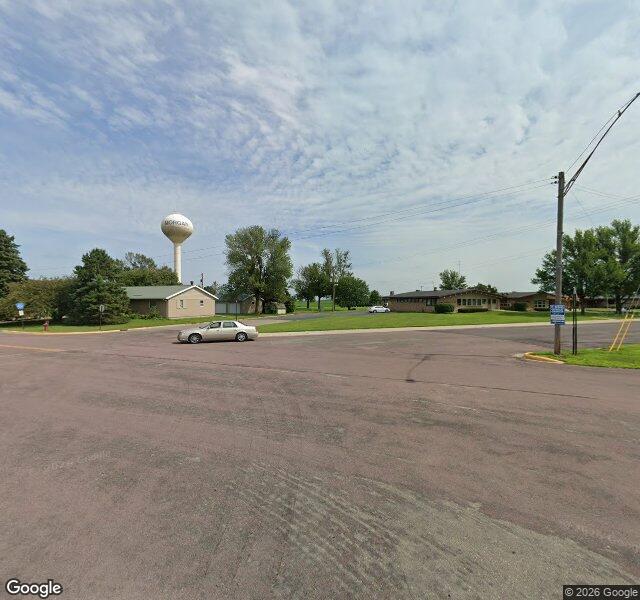
Overview and key essentials
State license
Active
MN MDH
Google reviews
Not available
Public reviews not linked
Size & payment
Ask directly
Confirm pricing & payment
Public records for this community are limited. Use the checklist below when you call or visit to confirm pricing, services, and openings.
Cost, payment & care details
Updated Nov 28, 2026| Monthly cost | Not published | Ask for the full monthly cost, including care fees and one-time charges. |
|---|---|---|
| Payment options | Ask directly | Payment details are not confirmed in our records. Ask about private pay, long-term care insurance, veterans benefits, and Medicaid waivers. |
| Size & availability | Confirm directly | We don't publish live openings. Ask about current availability, waitlist length, and move-in timing. |
| Care & support | Assisted living | Usually offers housing and help with everyday tasks, such as bathing and dressing. What to confirm about care levelsThis describes the licensed category. Ask how care plans adjust if mobility, nursing, or memory needs change over time. Read the family care guide → |
State licensing
State inspection history
2inspections
9deficiencies listed
Mar 6, 2025Routine5 deficiencies reported5
5 deficiencies reported
View official state report (opens in a new tab)
GMQ7116899
determining its staffing level that: (i) includes an evaluation, to be conducted at least twice a year, of the appropriateness of staffing levels in the facility; (ii) ensures sufficient staffing at all times to meet the scheduled and reasonably foreseeable unscheduled needs of each resident as required by the residents' assessments and service plans on a 24-hour per day basis; and (iii) ensures that the facility can respond promptly and effectively to individual resident emergencies and to emergency, life safety, and disaster situations affecting staff or residents in the facility; (12) ensure that one or more persons are available 24 hours per day, seven days per week, who are responsible for responding to the requests of residents for assistance with health or safety needs. Such persons must be: (i) awake; (ii) located in the same building, in an attached building, or on a contiguous campus with the facility in order to respond within a reasonable amount of time; (iii) capable of communicating with residents; (iv) capable of providing or summoning the appropriate assistance; and (v) capable of following directions; This MN Requirement is not met as evidenced by: Based on interview and record review, the licensee failed to develop and implement a written staffing plan that included an evaluation completed by a registered nurse at least twice a year. This had the potential to affect all residents, staff, and visitors. This practice resulted in a level two violation (a violation that did not harm a licensee's health or safety but had the potential to have harmed a STATE FORM GMQ711 resident's health or safety, but was not likely to cause serious injury, impairment, or death), and was issued at a widespread scope (when problems are pervasive or represent a systemic failure that has affected or has potential to affect a large portion or all of the residents). The findings include: The licensee held an assisted living license and was licensed for a capacity of 25 residents with a current census of 17 residents. During the entrance conference on March 3, 2025, at 10:42 a.m., a staffing plan was requested. Administrator (A)-A stated the licensee failed to develop and implement a staffing plan for determining it's staffing level that included an evaluation, to be conducted at least twice a year, of the appropriateness of staffing levels in the facility. On March 6, 2025, at 9:21 a.m., A-A stated the licensee started the build a new time and attendance platform and met with clinical nursing supervisor (CNS)-B to discuss what his current schedule looked like. CNS-B stated he wasn't aware that he was to develop and implement a staffing plan. No further information was provided. TIME PERIOD FOR CORRECTION: Twenty-One (21) days GMQ711 scheduled volunteer providing services, and each individual contractor providing services. The records must include the following infomation: (1) evidence of current professional licensure, registration, or certification if licensure, registration, or certification is required by this chapter or rules; (2) records of orientation, required annual training and infection control training, and competency evaluations; (3) current job description, including qualifications, responsibilities, and identification of staff persons providing supervision; (4) documentation of annual performance reviews that identify areas of improvement needed and training needs; (5) for individuals providing assisted living services,...
144G.42 Subd. 8 (a) Staff records0650
SS=D (a) The facility must maintain current records of each paid staff member, each regularly STATE FORM
144G.43 Subd. 3 Contents of resident record0730
SS=D Contents of a resident record include the following for each resident: (1) identifying information, including the resident's name, date of birth, address, and telephone number; (2) the name, address, and telephone number of the resident's emergency contact, legal STATE FORM This MN Requirement is not met as evidenced by: Based on interview and record review, the licensee failed to ensure the resident record included documentation of a written discharge summary for one of one resident (R1). This practice resulted in a level two violation (a violation that did not harm a resident's health or safety but had the potential to have harmed a resident's health or safety, but was not likely to cause serious injury, impairment, or death), and was issued at an isolated scope (when one or a limited number of residents are affected or one or a limited number of staff are involved or the situation has occurred only occasionally). The findings include: R1 was admitted on December 18, 2024, and discharged on January 23, 2025. R1's diagnosis included dementia. R1's file lacked a discharge summary to include: - a summary of the resident's stay that includes diagnoses, course of illnesses, allergies, treatments and therapies, and pertinent lab, radiology, and consultation results; - a final summary of the resident's status from the latest assessment or review under Minnesota Statues, section 144G.70, if applicable, that includes the resident status, including baseline and current mental, behavioral, and functional status; and - post discharge plan that is developed with the resident and, with the resident's consent, the resident's representatives, which will help the resident adjust to a new living environment. The post discharge plan must indicate where the STATE FORM
144G.41 Subdivision 1 Minimum requirements0470
SS=F 0 470 (11) develop and implement a staffing plan for STATE FORM
144G.42 Subd. 9 Tuberculosis prevention and0660
SS=F control (a) The facility must establish and maintain a comprehensive tuberculosis infection control program according to the most current STATE FORM tuberculosis infection control guidelines issued by the United States Centers for Disease Control and Prevention (CDC), Division of Tuberculosis Elimination, as published in the CDC's Morbidity and Mortality Weekly Report. The program must include a tuberculosis infection control plan that covers all paid and unpaid employees, contractors, students, and regularly scheduled volunteers. The commissioner shall provide technical assistance regarding implementation of the guidelines. (b) The facility must maintain written evidence of compliance with this subdivision. This MN Requirement is not met as evidenced by: Based on interview and record review, the licensee failed to establish and maintain a tuberculosis (TB) prevention program, based on the most current guidelines issued by the Centers for Disease Control and Prevention (CDC) to include a facility TB risk assessment. This had the potential to affect all current residents, staff, and visitors. This practice resulted in a level two violation (a violation that did not harm a resident's health or safety but had the potential to have harmed a resident's health or safety, but was not likely to cause serious injury, impairment, or death), and is issued at a widespread scope (when problems are pervasive or represent a systemic failure that has affected or has the potential to affect a large portion or all of the residents). The findings include: During the entrance conference on March 3, 2025, at 10:42 a.m., the surveyor requested to review the facility's TB risk assessment. STATE FORM
May 27, 2022Routine4 deficiencies reported4
4 deficiencies reported
View official state report (opens in a new tab)
STATE FORM6899
520L11 STATE FORM 520L11 STATE FORM 520L11 STATE FORM 520L11 STATE FORM 520L11 STATE FORM 520L11 STATE FORM 520L11 STATE FORM 520L11 STATE FORM 520L11 01530 01530 01530 144G.64 TRAINING IN DEMENTIA CARE REQUIRED SS=D (a) All assisted living facilities must meet the following training requirements: (1) supervisors of direct-care staff must have at least eight hours of initial training on topics specified under paragraph (b) within 120 working hours of the employment start date, and must have at least two hours of training on topics related to dementia care for each 12 months of employment thereafter; (2) direct-care employees must have completed at least eight hours of initial training on topics specified under paragraph (b) within 160 working hours of the employment start date. Until this initial training is complete, an employee must not provide direct care unless there is another employee on site who has completed the initial eight hours of training on topics related to dementia care and who can act as a resource and assist if issues arise. A trainer of the requirements under paragraph (b) or a supervisor meeting the requirements in clause (1) must be available for consultation with the new employee until the training requirement is complete. Direct-care employees must have at least two hours of training on topics related to dementia for each 12 months of employment thereafter; This MN Requirement is not met as evidenced by: Based on interview and record review, the licensee failed to ensure one of two employees (registered nurse (RN)-A) received the required amount of dementia care training, in the required time frame in accordance with 144G.64 with records reviewed. This practice resulted in a level two violation (a STATE FORM 520L11 01530 01530 violation that did not harm a resident's health or safety but had the potential to have harmed a resident's health or safety, but was not likely to cause serious injury, impairment, or death), and was issued at an isolated scope (when one or a limited number of residents are affected or one or a limited number of staff are involved or the situation has occurred only occasionally). The findings include: RN-A's record lacked documentation of the required eight hours of dementia training within 120 working hours of the employment start date. RN-A's hire date was September 16, 2021, and had worked more than 120 hours. February 26, 2022, for successful completion of "Dementia a Refresher" for "one credited hour." On May 26, 2022, at approximately 1:10 p.m. RN-A stated she did not complete eight hours of dementia training and had completed one hour since hire date. In addition, stated she worked 40 hours every week and provided direct care to the residents. The licensee's Dementia Training policy undated, identified supervisors of direct care staff will complete a minimum of eight hours of training to be completed within 120 hours working hours of the employment start date. No further information provided. TIME PERIOD FOR CORRECTION: Twenty-one (21) days STATE FORM 520L11 01640 01640 01640 144G.70 Subd. 4 (a-e) Service plan, implementation and revisions to SS=E (a) No later than 14 calendar days after the date that services are first provided, an assisted living facility shall finalize a current written service plan. (b) The service plan and any revisions must include a signature or other authentication by the facility and by the resident documenting agreement on the services to be provided....
moderate0470
0 470 (11) develop and implement a staffing plan for determining its staffing level that: (i) includes an evaluation, to be conducted at least twice a year, of the appropriateness of staffing levels in the facility; (ii) ensures sufficient staffing at all times to meet the scheduled and reasonably foreseeable unscheduled needs of each resident as required by the residents' assessments and service plans on a 24-hour per day basis; and (iii) ensures that the facility can respond promptly and effectively to individual resident emergencies and to emergency, life safety, and disaster situations affecting staff or residents in the facility; (12) ensure that one or more persons are available 24 hours per day, seven days per week, who are responsible for responding to the requests of residents for assistance with health or safety needs. Such persons must be: (i) awake; (ii) located in the same building, in an attached building, or on a contiguous campus with the facility in order to respond within a reasonable amount of time; (iii) capable of communicating with residents; (iv) capable of providing or summoning the appropriate assistance; and (v) capable of following directions; This MN Requirement is not met as evidenced by: Based on observation, interview, and record review, the licensee failed to ensure the required staffing plan was developed and posted as required, potentially affecting the licensee's current residents, staff and any visitors of the licensee. This practice resulted in a level two violation (a violation that did not harm a client's health or safety but had the potential to have harmed a resident's health or safety, but was not likely to cause serious injury, impairment, or death), and was issued at a widespread scope (when problems are pervasive or represent a systemic failure that has affected or has potential to affect a large portion or all of the residents). The findings include: The licensee lacked a daily staffing schedule developed by the clinical nurse supervisor to: - include direct-care staff work schedules for each direct-care staff member showing all work shifts, including days and hours worked; - identify the direct-care staff member's resident assignments or work location; and - be posted after redacting direct-care staff member's resident assignments, at the beginning of each work shift in a central location in each building On May 24, 2022, at approximately 1:40 p.m. upon arriving at the establishment, an observation was made of the main entry area and lacked the required posting of the staff schedule. On May 24, 2022, at approximately 1:49 p.m. registered nurse (RN)-A confirmed a staffing plan had not been developed or a schedule posted as required. No further information was provided. TIME PERIOD FOR CORRECTION: Twenty-One (21) days
moderate0810
physical environment (b) Each assisted living facility shall develop and maintain fire safety and evacuation plans. The plans shall include but are not limited to: (1) location and number of resident sleeping rooms; (2) employee actions to be taken in the event of a fire or similar emergency; (3) fire protection procedures necessary for residents; and (4) procedures for resident movement, evacuation, or relocation during a fire or similar emergency including the identification of unique or unusual resident needs for movement or evacuation. (c) Employees of assisted living facilities shall receive training on the fire safety and evacuation plans upon hiring and at least twice per year thereafter. (d) Fire safety and evacuation plans shall be readily available at all times within the facility. (e) Residents who are capable of assisting in their own evacuation shall be trained on the proper actions to take in the event of a fire to include movement, evacuation, or relocation. The training shall be made available to residents at least once per year. (f) Evacuation drills are required for employees twice per year per shift with at least one evacuation drill every other month. Evacuation of the residents is not required. Fire alarm system activation is not required to initiate the evacuation drill. This MN Requirement is not met as evidenced by: Based on a record review and interview, the licensee failed to develop a fire safety and evacuation plan with required elements, failed to provide required employee and resident training on fire safety and evacuation, and failed to conduct required evacuation drills. This had the potential to affect all staff, residents, and visitors. This practice resulted in a level two violation (a violation that did not harm a resident's health or safety but had the potential to have harmed a resident 's health or safety, but was not likely to cause serious injury, impairment, or death), and was issued at a widespread scope (when problems are pervasive or represent a systemic failure that has affected or has potential to affect a large portion or all of the residents). Findings include: A record review and interview were conducted on May 24, 2022, at approximately 3:40 p.m. with Registered Nurse (RN)-A on the fire safety and evacuation plan, fire safety and evacuation training, and evacuation drills for the facility. Record review of the available documentation indicated that the licensee did not have employee actions to be taken in the event of a fire or similar emergency. During interview, RN-A indicated that she was not aware of the location of these provisions and that these were the responsibility of the Maintenance Manager (MM)-D who had left for the day and was not able to be reached. Records provided by email the following day by MM-D indicated that the employee actions prescribed were primarily for the attached nursing home and indicates the nursing home staff are to go the assisted living and notify residents in case of a fire. The provided plan also does identify some actions to be taken in the event of a fire for situations when multiple staff are present but does not indicate actions for when facility is minimally staffed with one employee overnight. Record review of the available documentation indicated that the licensee did not have fire protection procedures necessary for residents included in the fire safety and evacuation plan. During interview, RN-A indicated that she was not aware of the...
minor0650
(a) The facility must maintain current records of each paid employee, each regularly scheduled volunteer providing services, and each individual contractor providing services. The records must include the following information: (1) evidence of current professional licensure, registration, or certification if licensure, registration, or certification is required by this chapter or rules; (2) records of orientation, required annual training and infection control training, and competency evaluations; (3) current job description, including qualifications, responsibilities, and identification of staff persons providing supervision; (4) documentation of annual performance reviews that identify areas of improvement needed and training needs; (5) for individuals providing assisted living services, verification that required health screenings under subdivision 9 have taken place and the dates of those screenings; and (6) documentation of the background study as required under section 144.057. (b) Each employee record must be retained for at least three years after a paid employee, volunteer, or contractor ceases to be employed by, provide services at, or be under contract with the facility. If a facility ceases operation, employee records must be maintained for three years after facility operations cease. This MN Requirement is not met as evidenced by: Based on interview and record review, the licensee failed to ensure the employee record contained all the required content for one of two employees (registered nurse (RN)-A) with records reviewed. This practice resulted in a level one violation (a violation that has no potential to cause more than a minimal impact on the resident and does not affect health or safety), and was issued at an isolated scope (when one or a limited number of residents are affected or one or a limited number of staff are involved or the situation has occurred only occasionally). The findings include: RN-A had a hire date of September 16, 2021, to provide direct care services to the licensee's residents. RN-A's employee record lacked the required content to include: - record of orientation; and - current job description, including qualifications, responsibilities, and identification of staff persons providing supervision On May 26, 2022, at approximately 1:10 p.m. RN-A confirmed the employee record lacked the above required content. The licensee's Personnel Records policy undated indicated the licensee would keep an employee record for all paid employees. Employee records for each person will include: - record of orientation; and - a current job description, which includes qualifications, responsibilities, and identification of supervisors, if any. No further information was provided. TIME PERIOD FOR CORRECTION: Twenty-One (21) days
Neighborhood & resident support
Emergency access, hazards & advocacy
Nearest hospital
Mayo Clinic Health System S F
11.8 mi · Springfield, MN
Emergency room
FEMA hazard risk
Very LowRedwood County, MN
- Winter Weather
- Drought
- Hail
Free resident advocacy
Minnesota Office of Ombudsman for Long-Term Care
More neighborhood context (specialists, VA, dialysis, air & affordability)
VA & dialysis access
St Cloud VA Medical Center
87.3 mi · St. Cloud, MN
DaVita Redwood Falls Dialysis
13.4 mi · 4/5 ★
Specialists within 15 mi
- Geriatricians
- 0
- Neurologists
- 0
- Palliative care
- 1
- PM&R rehab
- 0
Environment & mobility
- EPA Walkability
- 6.5/20 (Below Average)
- USDA Grocery Access
- Limited Grocery Access
- Primary care access
- HRSA Shortage Area
County demographics
- Age 65+ median income
- $47,158/yr
- Rent-burdened households
- 46%
- Cognitive disability (2023)
- 15.4%
- Mobility disability
- 11.4%
Call & tour checklist
Questions to ask Morgan Memorial Foundation INC
Check off questions as you call or tour. Your progress stays private in this browser.
Show 3 more suggested questions
Verification & public records
Official records & sources
Licensing & contact
- License #
- 30741
- Status
- active
- Phone
- (507) 249-3143
- Federal OIG LEIE
- Clear (2026-11-27)
Original public sources
Verify licensing, ratings, and inspection reports directly with each official source.
- MN MDH official record (opens in a new tab)MN Dept. of Health
- Google Maps (opens in a new tab)Directions, photos & neighborhood
- Google Reviews (opens in a new tab)Read public reviews
EveryPlace is an independent research directory. Information is compiled from public Medicare.gov, state licensing, Google Places, and street-level imagery sources. Some summaries, suggested questions, and pricing notes are AI-generated or AI-assisted and may contain errors or omissions. We do not accept payment for placement. Confirm all details directly with the community and official sources. Research Policy.
Keep exploring